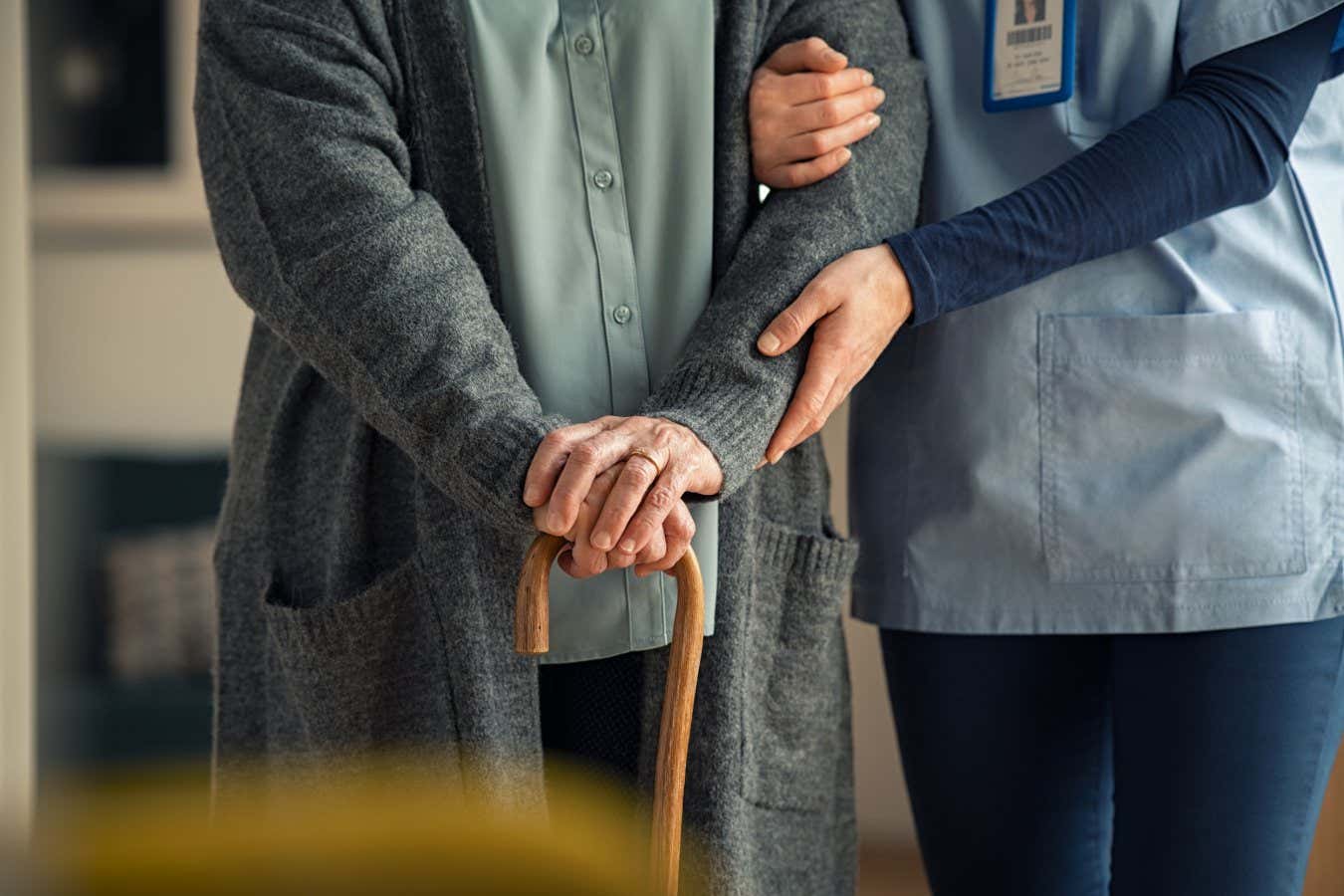
Falls can become more common as we age, which may be due to older people being slower to move their arms when they slip
francescoridolfi.com//iStockphoto/Getty Images
Older people may be more at risk of falls because their arms are slower to respond when they slip, compared with their younger counterparts. Such movements help people to regain their balance.
The findings suggest that older people should be trained in moving their arms more quickly to avoid fall-related injuries, says team member Jonathan Lee-Confer at the University of Arizona.
In 2020, Michael Snyder, a geneticist at Stanford University in California, discovered that we tend to age along four different pathways. He found that the biological signatures associated with ageing are mostly found in four parts of your body – your kidneys, liver, immune system and general metabolism – with one or two of these systems ageing faster than the rest.
Snyder reckons figuring out your “ageotype” can lead you towards the best strategy to target your predominant ageing pathway, meaning you live healthier for longer. Liver agers, say, might consider laying off the booze. Metabolic agers, meanwhile, should focus on exercise.
In any case, we might expect the term to rise to prominence, at least within the circles that obsess about this stuff, on the basis that it is at the vanguard of efforts to personalise anti-ageing interventions.
Agrivoltaics
The next time you find yourself walking in the countryside, you may spot some rather odd-looking fields. Some will have crops co-existing with great swathes of solar panels, while others will be full of livestock sheltering or grazing under a photovoltaic canopy. What you would be looking at are “agrivoltaics”, a term that describes solar energy installations designed to work alongside crops or livestock.
Inevitably, some people argue that solar farms blight the landscape and change the nature of rural communities. But in North America, proponents of agrivoltaics are working to convince them that solar farms can help to restore disappearing prairies. In any case, the term will surely stick around because it captures a new…
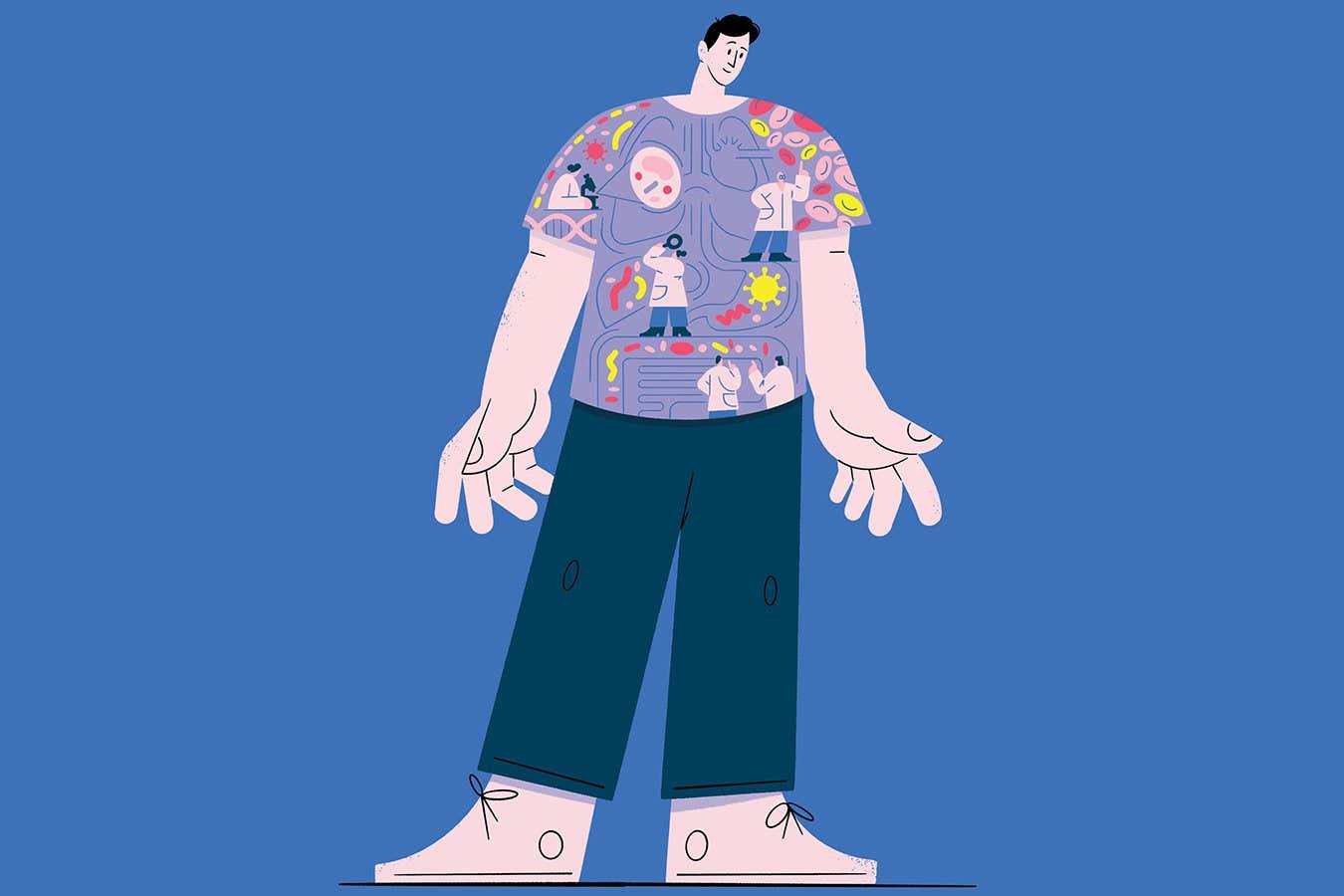
I’M WELL, thank you. Or at least I think I am. I have no major illness to speak of, I am of average weight and a recent knee scan showed my joints are sufficiently well oiled. My blood pressure is spot on and I exercise fairly regularly – at least, some of the time. Then again, I have a cough I can’t shake. I don’t feel physically strong. And since I am turning 40, I should really get a mammogram, given my family history of breast cancer.
So, am I healthy? With my “big birthday” looming, I have increasingly found myself wondering about that – about what it is to be healthy and how we can best measure whether we are or not. I had assumed there would be some well-established way to find out. But when I began to investigate, I soon discovered that it is a surprisingly hard question to answer.
That is partly because we now know that many of the metrics we rely on, such as body mass index (BMI), are flawed. But it is also the result of fresh insights into the microbiome and the immune system, among other things. These are giving rise to a whole new raft of tests promising a better gauge of health – from those that probe your gut bacteria or your metabolites to those that provide you with an “immune grade”. So, which of these new tests, if any, should I be turning to for the ultimate health check?
What does it mean to be healthy?
Your common-sense definition of what it means to be healthy probably roughly aligns with…
IF I never thought about dementia before, I thought of little else after the condition manifested in my mother. The odd thing was that dementia – Alzheimer’s disease, in her case – didn’t occur to me until she asked, out of the blue, when we had first met.
My failure to recognise the extent of her cognitive decline was born partly of denial, but also because she was doubtless compensating for her galloping brain damage, taking cerebral detours around the potholes dug by her condition. After all, she had done this before. Following a stroke four years previously, she had lost the ability to read; after much hard work, she learned the skill again.
So how come this ability to adapt, which seemed to sustain her after her stroke, was unable to withstand the pathology of dementia? This also made me think about my own resilience to cognitive decline and what, if anything, I could do about it.
We have known for almost three decades that some peoples’ brains can function normally even when riddled with the plaques and other damage associated with dementia, due to an enigmatic capacity called cognitive reserve. Yet despite growing evidence of its importance, it has been challenging to pin down how this quality operates in the brain. Now, we are finally beginning to understand the mechanisms that underlie cognitive reserve, opening up possible new dementia treatments and fresh ideas about how we can protect our thinking abilities into old age. And it turns out that obsessing about learning another language or doing a daily crossword might be missing the bigger picture.
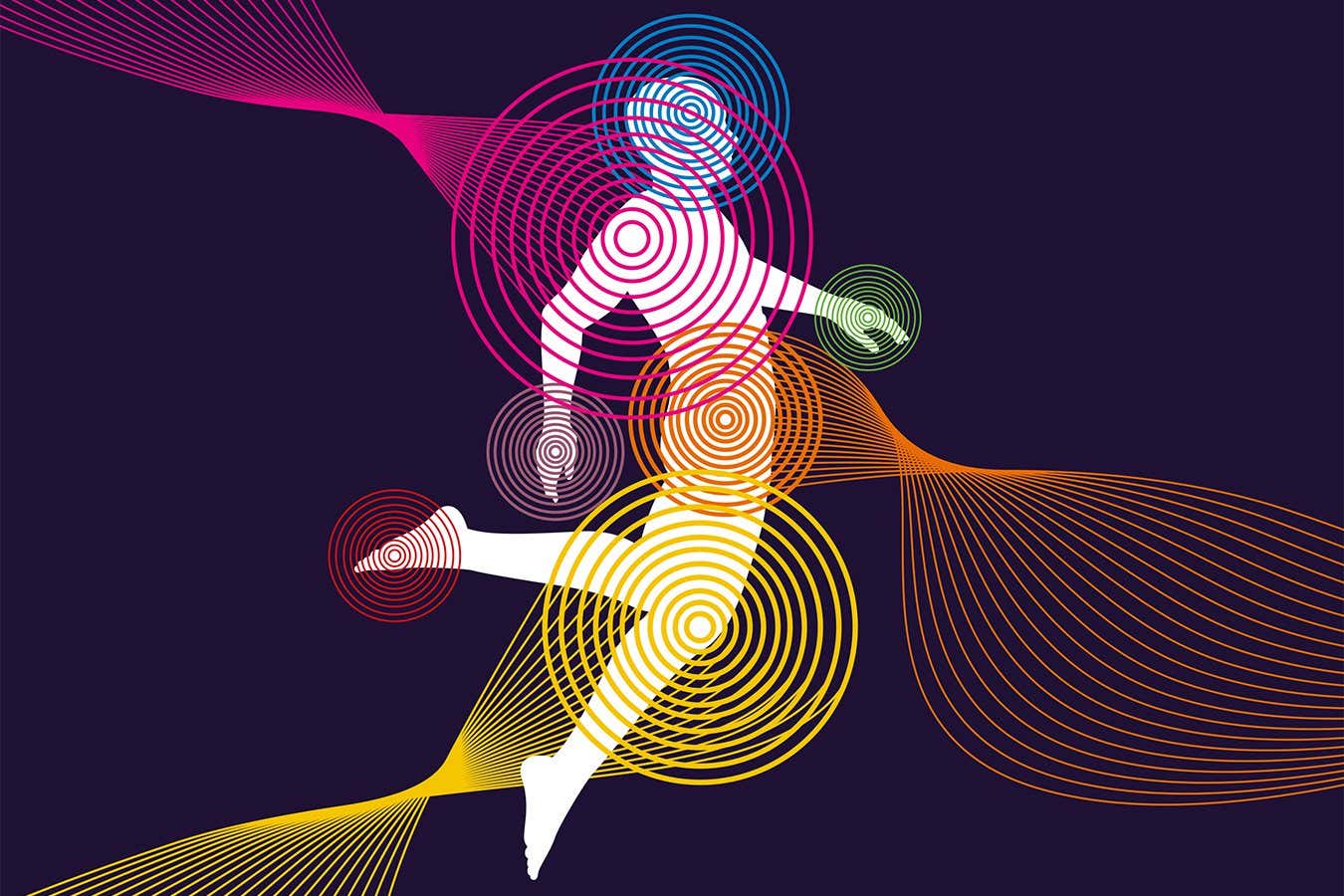
IMAGINE a medical device that could treat an enormous range of our ills, both big and small. A gadget that showed promise for destroying cancerous tumours or obliterating the body fat associated with obesity. Or that was potentially effective against the likes of back pain and glaucoma – and that was even versatile enough to be considered as a tool for tackling depression or anxiety. Surprisingly, such technology exists. Even more surprisingly, it works simply by generating sound waves.
While perhaps most familiar to us for its use in medical imaging, ultrasound has emerged in recent decades as an extraordinarily flexible medical tool. Using the heat that intense ultrasound waves generate, we can destroy tumours or other problematic tissue deep within the body without making any incisions. Dial down the intensity, meanwhile, and we can gain unprecedented access to the brain, shaking cells to change their behaviour in ways that seem to improve mental health. For good measure, ultrasound may even reverse signs of physical ageing and reduce the learning and memory problems associated with older age.
“Ultrasound is already a ubiquitous tool in medicine,” says Nir Lipsman at Sunnybrook Research Institute in Toronto, Canada. “But there’s tremendous focus on it right now because of the different ways we could use it to treat different medical problems.”
The potential applications are coming so thick and fast that they are outpacing our ability to understand why it is so effective. The question now is: can we figure out how ultrasound affects our cells, so the technology can reach its full potential?
The left side of William McElligott’s face is more wrinkled than the right after being exposed to more sunlight
NEJM
ON HER 120th birthday, Jeanne Calment – generally regarded as the oldest person ever to have lived – proved she still had her wits about her: “I’ve only got one wrinkle,” she wisecracked, “and I’m sitting on it.” Funny, but untrue. The Frenchwoman was, by then, extremely wrinkly. On the Fitzpatrick Wrinkle Scale, she would have been a shoo-in for the top category, with deep wrinkles and discoloured skin that had lost its elasticity.
Quelle surprise. She may not have been as old as she claimed, but she was at least 97. Anybody who lives to 100 or so can expect the same. Historically, this has been regarded by many as a purely cosmetic problem. Wrinkles, sags and bags are, in some cultures, considered unsightly or an unwanted sign of how old we are. Right or wrong, that has led to a centuries-long battle to fill them in or smooth them over. More recently, however, the war against wrinkles has moved onto a more urgent footing. Aged skin is much worse than young skin at all the vital things it does to help maintain your health.
Moreover, emerging evidence suggests that, as skin ages, it releases a chemical cocktail around the body that could drive premature ageing of other organs. “If your skin is getting older, you are getting older inside, so be careful,” says Cláudia Cavadas at the University of Coimbra, Portugal. In other words, wrinkles may not just be…