Tag: anxiety

  • Women’s skin study shows distinct chemical changes in response to psychological stress

    Women’s skin study shows distinct chemical changes in response to psychological stress

    [ad_1]

    In a recent study published in Scientific Reports, researchers investigated the volatile organic compounds (VOCs) generated by the skin in response to psychological stress.
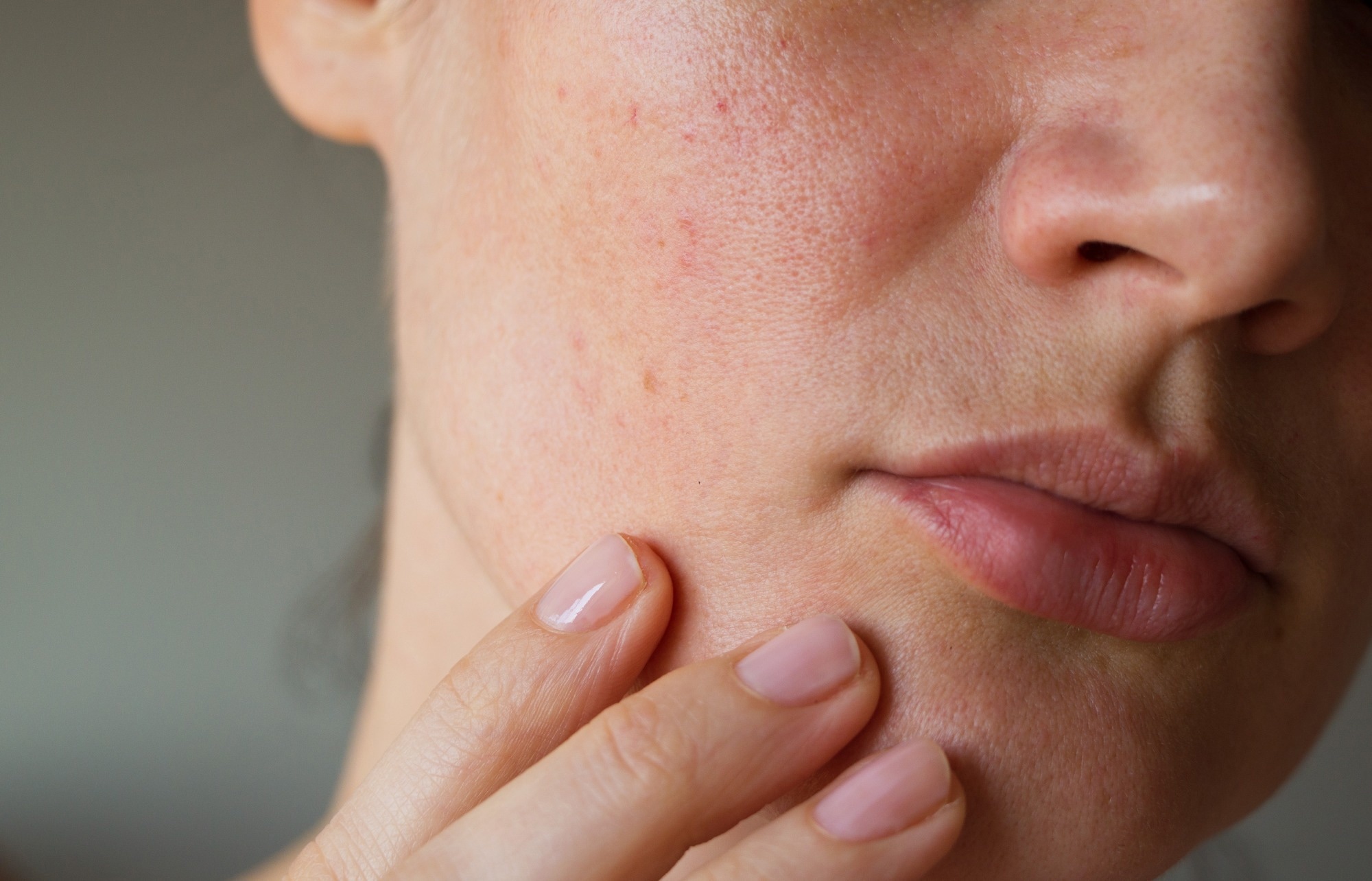
    Study: Effects of psychological stress on the emission of volatile organic compounds from the skin. Image Credit: Geinz Angelina/Shutterstock.comStudy: Effects of psychological stress on the emission of volatile organic compounds from the skin. Image Credit: Geinz Angelina/Shutterstock.com

    Background

    The volatilome is a collection of volatile organic compounds (VOCs) generated by plants, microbes, or animals that contribute to the skin’s olfactory profile and constitute part of the odor print.

    The human volatilome contains thousands of VOCs released by various sources, including exhaled breath, saliva, blood, urine, milk, feces, and skin emissions.

    These VOCs are not only associated with clinical conditions; they can also be exogenous, resulting from environmental exposure or product usage. Eccrine, sebaceous, and apocrine glands generate most endogenous skin volatiles in conjunction with naturally present microorganisms.

    Psychological stress can disrupt the skin barrier and modify inflammatory responses of the skin, although its effect on VOC emission from human skin is unclear.

    About the study

    In the present study, researchers examined the effects of stress on VOC emissions from the skin.

    The primary goal was to investigate volatile organic compounds secreted by forehead skin following stress induction among middle-aged women by performing cognitive tasks such as problem-solving and word scrambling to identify VOC stress markers.

    The secondary purpose was to examine the impact of skin sebum concentration, pH, and transepidermal water loss (TEWL) on VOC release.

    The research was comprised of 35 nonsmoking women aged 24 to 40 (mean age 35). The researchers sampled VOCs from the forehead prior to and post-stress induction with a silicon polymer. They evaluated the sample device linearity using four VOCs: heptanal, 2-phenylethanol, isoamyl acetate, and 2,3-dimethylpyrazine.

    Three measurements were taken concurrently inside the calibration curve’s linearity domain, using a reference solution of 15 ng/µL to evaluate technique repeatability.

    The team induced cognitive stress through timed exercises utilizing customized software, including a clock for semantic and arithmetic tasks, and confirmed using physiological and clinical data.

    They assessed stress levels using a State-Trait Anxiety Inventory (STAI) questionnaire, verbal expression analysis, and clinical assessments.

    The researchers identified and quantified VOCs using gas chromatography-mass spectrometry (GC-MS). Stress induction was substantiated by a substantial rise in state anxiety as measured by the questionnaire, changes in electrodermal activity (EDA) measures, and verbatim stress expressions.

    The researchers also assessed sebum production and skin pH. They analyzed the data qualitatively and quantitatively to determine VOC expression before and after the psychological stress tests.

    The RSD was determined for every volatile chemical using the average relative abundance values for two to three predominant ions.

    To examine the durability of adsorbed VOCs on the silicon polymer, the researchers performed assessments on day 3.0 and day 12 following the sample phase, simulating the delay between invoicing and GC-MS assessment.

    They derived three parameters from the EDA signals collected throughout the adaptation and stress induction phases. The first parameter was the average SCL (µS). The second parameter was the frequency (peaks/min), while the third was the average amplitude (µS) of the NS-SCRs.

    Results

    The study found 198 VOCs with a higher concentration of straight-chain alkanes, alcohols, esters, cyclic alkanes, nitrogen compounds, and ketones. Among the chemicals, 69 originated from cosmetic components, 49 from food, 37 from human or microbial metabolisms, and 33 from the environment.

    Three VOCs (2-hydroxyethyl acetate, 3-methylpentadecane, and 2-hydroxyethyl propanoate) were associated with stress induction, and 14 compounds were statistically significant.

    The VOCs were primarily from the alkane family, with fatty acyls produced from lipids and ethylbenzenes being the most common. In addition, the researchers characterized a nitrogen molecule (N, N-dibutylformamide).

    The least represented molecule was detected at 3.6 ng/µL (2-hydroxyethyl propanoate), while the most prevalent were geranyl acetone and butylated hydroxytoluene at concentrations of 121 ng/µL and 177 ng/µL, respectively.

    The average abundance of primary ions in volatile standards increased dramatically during storage, with RSD values ranging from 1.3 to 3.1% on day 0 and 9.9% on day 3.

    The trait-anxiety scores and state-anxiety levels rose significantly by 7.90% and 34%, respectively, between the no-stress and stress periods.

    During the stress phase, all three EDA measures rose. SCL increased from 0.5 to 1.9 µS, and NS-SCRs increased to 4.0 from 0.04 peaks per minute. 71% of participants’ verbatims included deception/failure, stress/pressure, and difficulty/complicated.

    After stress induction, the sebum level on the foreheads increased by 37%, while the skin pH dropped by 14%.

    Conclusion

    Overall, the study findings highlighted the impact of psychological stress on the modulation of cutaneous VOC emission. The relative measurement of these chemicals demonstrated a production range throughout the stress period.

    They are components of lipid metabolism, oxidative stress, air pollution, and cosmetic applications. Some were previously known as disease biomarkers, but only one is stress-related. Future studies could examine the possible impact of modulating these VOC expressions on skin physiology.

    Another approach to this research may be to investigate their influence on human communication by understanding chemosignaling.

    [ad_2]

    Source link

  • Food allergies’ broad impact on quality of life demands greater awareness

    Food allergies’ broad impact on quality of life demands greater awareness

    [ad_1]

    In a recent review article published in the journal Frontiers in Nutrition, researchers summarized the current state of knowledge regarding the impacts of food allergies (FA) on people experiencing them on their economic, psychological, and social quality of life (QoL).

    Their findings have implications for raising awareness about FA-related issues, which can improve the QoL of people living with these conditions.

    Study: Food allergy issues among consumers: a comprehensive review. Image Credit: Kaspars Grinvalds / ShutterstockStudy: Food allergy issues among consumers: a comprehensive review. Image Credit: Kaspars Grinvalds / Shutterstock

    FA has widespread consequences

    FA impacts more than 10% of adults and approximately 8% of children, with some common allergens being milk, shellfish, tree nuts, peanuts, eggs, soy, wheat, sesame, and finfish. Atopic comorbidities such as allergic rhinitis, eosinophilic esophagitis, atopic dermatitis, and asthma are common in children who have food allergies.

    Living with FA, which has no cure, has widespread consequences, including psychosocial burdens related to managing emergencies, fear of reactions, and potential bullying. Past reactions and having multiple allergies are correlated with a higher impact on QoL.

    Daily management increases stress and leads to avoidance and sometimes social isolation. The impact spans school, social, family, financial, and daily activities such as dining out and shopping.

    The Food Allergy Independent Measure (FAIM) is an index that researchers use to assess the perceived risk of being accidentally exposed to an allergen, with a higher score indicating a more significant QoL impact.

    School- and work-related consequences

    Schools are meant to be safe settings for children as they develop socially and academically. Young children often have not learned to advocate for themselves when it comes to FA, which requires that childcare settings have the appropriate systems and resources to respond to FA-related emergencies.

    However, early childcare professionals often lack the preparedness to address allergic emergencies. Many report that they are not familiar with allergy-friendly food labels and Emergency Action Plans (EAP), which lay out protocols for situations when a child is experiencing an allergic reaction.

    The frequency of allergic reactions in school without effective management strategies contributes to higher potential rates of bullying and stress for affected children. Studies also suggest that adolescents and young adults with FA may show more risk-taking behaviors as they lack support systems.

    Young adults continue to face challenges during the transition to college. They are concerned with food safety and social interactions, which affect academic performance and mental health. Education and policy implementation are crucial for fostering inclusive environments and ensuring the safety and well-being of students with FA.

    While there is limited research on the management of FA in workplaces, firsthand accounts reveal challenges such as bullying, anxiety, and discomfort despite the Americans with Disabilities Act of 1990, which provides legal protections against discrimination for people with FA.

     Adults with FA often face stress and isolation due to concerns about cross-contamination while not wanting to be a burden. Advocacy and education, including initiatives to promote non-food events and raise awareness through the sharing of educational resources, may improve workplace inclusivity.

    Relationships and social interactions

    FA can significantly affect relationships and social interactions as food plays central roles in many cultures.

    Families with allergic children may restrict travel, social activities, and dining out to reduce their children’s exposure to allergens, which can strain marriages while limiting children’s social interactions and participation in events.

    Extroverted adults with FA face other challenges in situations, including anxiety and unkindness from others. Support systems are crucial to managing and living with FA, which can otherwise become overwhelming.

    Economic effects and inequities

    People with FA rely on food labels to limit their exposure to allergens, but navigating labels, especially precautionary allergen labeling (PAL) poses challenges due to limited regulations.

    While the Food Allergen Labeling and Consumer Protection Act (FALFPA) requires that packaged foods be labeled with major allergens, PAL statements like ‘may contain’ lack consistency.

    Studies suggest that more than half of shoppers who must vigilantly check labels for changes find labeling practices disruptive. Concerningly, approximately 27% of people in one study reported that they had an adverse reaction after consuming PAL-labeled food products, indicating the need for clear policies to ensure consistent PALS and FA consumer safety.

    The financial impact of food allergies is substantial, totaling $24.8 billion, with direct medical costs at $4.8 billion and family costs at $20.5 billion. Hospitalizations, special diets, missed work, and job loss are everyday expenses. Socioeconomic disparities exacerbate the burden, highlighting the need for accessible specialty care and support systems.

    Conclusions

    Managing FA involves addressing the complexities impacting individuals and their support systems, with implications for all aspects of life and going beyond simply avoiding allergens.

    People living with FA face skepticism about the severity of their condition and struggle to ensure their safety; this is particularly true for children who cannot advocate for themselves.

    Awareness of FA’s QoL impacts is crucial for fostering inclusive and supportive communities and reducing the burden on people with FA.

    [ad_2]

    Source link

  • Deciding when to keep a child home from school

    Deciding when to keep a child home from school

    [ad_1]

    Many parents struggle deciding whether their middle or high school-aged child should stay home from school if they don’t feel well, a new national poll suggests.

    Among top factors: how their adolescent or teen is behaving due to symptoms and if they can get through a school day, the risk that they’re contagious and whether the student will miss a test, presentation or after school activity.

    One in five parents also consider if their child needs a mental health day, according to the University of Michigan Health C.S. Mott Children’s Hospital National Poll on Children’s Health.

    In some cases, the decision to keep kids home from school is clear, such as if the child is vomiting or has a high fever. But parents often have to guess at whether their child’s report of ‘not feeling well’ represents a good reason to miss school.”


    Sarah Clark, M.P.H, Mott Poll co-director 

    The nationally representative report is based on 1,300 responses from parents of children ages 11 to 18 surveyed in February 2024.

    Sick day decisions go beyond physical illness

    More than half of parents say they’re more likely to keep kids home just to be safe in situations where it’s unclear how sick their child is. Another quarter of parents would send their child to school and hope for the best while less than a fifth would let their child decide.

    As grades become more important to adolescents and teens in junior and senior high school, many parents also include academic considerations in their sick day decision. Nearly two thirds of parents say their child worries about an absence’s negative impact on grades or missing friends or school activities.

    Clark recommends parents ask more questions to learn about their child’s request to stay home. If it’s on the day of a test, she says, it may reflect their lack of preparation or anxiety about performing well.

    Mental health day considerations

    Many parents recognize increasing mental health concerns among children, reflected by the 19% who say they’re open to allowing a child to take a mental health day.

    Clark notes that in some instances, face to face interactions may trigger or exacerbate mental health issues, such as a breakup with a romantic partner, a falling out with friends, or an embarrassing incident shared on social media.

    “It’s understandable that students may fear facing peers in uncomfortable social situations, but they can’t miss school every time they expect an unpleasant interaction,” she said.

    “Facing discomfort is a natural part of life, and parents play an important role in helping kids to learn how to navigate these challenges in order to build resilience and develop healthy strategies for handling social stressors.”

    In balancing their decisions about allowing their child a mental health day, parents may think about the purpose of the day away from school, she says. It may be an opportunity to help their child plan how to handle interactions, practice strategies to stay calm and ease anxiety, and identify specific peers, teachers or staff who could be sources of support.

    For children who have been diagnosed with depression or anxiety, missing school may be necessary to sustain the child’s well-being, Clark adds. Parents should consult with their child’s mental health provider for guidance.

    Complying with school attendance policies

    Nearly all parents polled say their school has an attendance policy, which they felt was necessary to ensure children go to school consistently. The majority of parents also think the amount and timeframe for making up missed schoolwork is reasonable.

    However, many also acknowledge that compliance with school attendance policies can be particularly challenging for children with chronic medical conditions who often miss school due to medical visits or to avoid exacerbations of their condition.

    “Parents agreed that attendance policies are important to preventing truancy or excessive absenteeism linked to poor school performance,” Clark said.

    “However, parents of children with health issues that require traveling to regular appointments and even hospitalizations may need to have conversations with school administrators and teachers about the likelihood of health related absences. These families may need to enlist the child’s healthcare providers for support in requesting school flexibility in completing assignments at home or with additional time.”

    [ad_2]

    Source link

  • Study reveals breakthrough in non-invasive detection of endometrial cancer

    Study reveals breakthrough in non-invasive detection of endometrial cancer

    [ad_1]

    In a recent study published in eBioMedicine, researchers evaluated proteomic signatures in blood plasma and cervicovaginal fluid to detect endometrial cancer.

    Study: Detection of endometrial cancer in cervicovaginal fluid and blood plasma: leveraging proteomics and machine learning for biomarker discovery. Image Credit: crystal light / Shutterstock.comStudy: Detection of endometrial cancer in cervicovaginal fluid and blood plasma: leveraging proteomics and machine learning for biomarker discovery. Image Credit: crystal light / Shutterstock.com

    Diagnosing endometrial cancer

    The prevalence of endometrial cancer, which is the most common gynecological malignancy in high-income countries, continues to rise throughout the world. Endometrial cancer is amenable to curative hysterectomy when diagnosed early, with a five-year survival rate of over 90% following treatment. Comparatively, individuals with metastatic or advanced disease often have poor outcomes, with the five-year survival rate estimated at 15%.

    Over 90% of females with endometrial cancer present with postmenopausal bleeding, thus triggering urgent investigations through sequential transvaginal ultrasound, hysteroscopy, and endometrial biopsy, all of which could be anxiety-provoking and painful procedures. Therefore, developing simple, cost-effective, and non-invasive tests for early cancer diagnosis is crucial for both patients and clinicians.

    Cervicovaginal fluid, which is a mix of vaginal, uterine, and cervical secretions, has been investigated as a source of biomarkers for inflammatory conditions of the lower reproductive tract, pregnancy-related pathologies, and cervical neoplasia. In fact, one recent study found that cervicovaginal fluid can be used to detect endometrial cancer.

    About the study

    In the present study, researchers evaluate the performance of proteomic signatures from cervicovaginal fluid and plasma for endometrial cancer detection. Cases comprised females with histopathological evidence of endometrial cancer based on hysterectomy, whereas controls included symptomatic females without endometrial cancer or atypical hyperplasia. Individuals with a history of gynecological malignancy or hysterectomy were excluded.

    Cervicovaginal fluid and blood were collected, and mass spectrometry was performed. Digitized proteomic maps were derived using sequential window acquisition of all theoretical mass spectra.

    Spectral data were converted and searched against a human plasma library and a previously published library of 19,394 peptides and 2,425 proteins in the cervicovaginal fluid. Random forest (RF) modeling was used for feature selection. The most discriminatory proteins were ranked based on the mean decrease in accuracy.

    Nested logistic regression models were built by sequentially adding proteins based on their rank. The parsimonious model was identified, and its performance was evaluated by plotting the receiver operating characteristic curve and calculating the area under the curve (AUC). Likelihood ratio tests and Akaike information criteria (AIC) were used to compare the performance of nested models.

    Study findings

    Overall, 118 postmenopausal females with symptoms were included in the study, 53 of whom had confirmed endometrial cancer and 65 with no evidence of cancer. About 86% of the study cohort were White. Individuals with endometrial cancer were likely to be older and have a higher body mass index (BMI) than controls.

    Taken together, 597, 310, and 533 proteins were quantified in the cervicovaginal fluid supernatant, cell pellets, and plasma samples, respectively. Overall, 941 unique proteins were identified across sample types. There was evidence of separation between cancers and controls based on cervicovaginal fluid supernatant proteins.

    Classifiers were selected based on the mean decrease accuracy metric of the RF model. Principal component analyses (PCA) using the top discriminatory proteins revealed more substantial discrimination between cancers and controls.

    The model with the top five discriminatory proteins had the lowest AIC value and was selected as a parsimonious model. This model predicted endometrial cancer with AUC, sensitivity, and specificity of 0.95, 91%, and 86%, respectively.

    Feature selection analysis indicated that 38 proteins were important for discrimination between cancers and controls. Proteins in cervicovaginal fluid cell pellets were less promising as cancer biomarkers than supernatant-derived proteins.

    Fewer differentially expressed proteins were observed in plasma samples between cases and controls as compared to the cervicovaginal fluid, with little evidence of discrimination based on plasma proteins. PCA indicated a modest separation between cancers and controls. A three-plasma biomarker panel predicted endometrial cancer with AUC, sensitivity, and specificity of 0.87, 75%, and 84%, respectively.

    Feature selection analysis revealed six plasma proteins as important classifiers. Furthermore, three- and four-marker panels of cervicovaginal fluid and plasma proteins predicted early-stage endometrial cancer with AUCs of 0.92 and 0.88, respectively. Five- and six-marker panels of cervicovaginal fluid and plasma proteins predicted advanced-stage endometrial cancer with AUCs of 0.96 and 0.93, respectively.

    Conclusions

    Cervicovaginal fluid proteins were more accurate in detecting endometrial cancer than plasma proteins. The five-marker panel of cervicovaginal fluid proteins comprised the immunoglobulin heavy constant mu (IGHM), haptoglobin (HPT), fibrinogen alpha chain (FGA), lymphocyte antigen 6D (LY6D), and galectin-3-binding protein (LG3BP), whereas the three-marker panel of plasma proteins included HPT, proteasome 20S subunit alpha 7 (PSMA7), and apolipoprotein D (APOD).

    Further confirmatory studies using larger cohorts are needed to validate these findings.

    Journal reference:

    • Njoku, K., Pierce, A., Chiasserini, D., et al. (2024). Detection of endometrial cancer in cervicovaginal fluid and blood plasma: leveraging proteomics and machine learning for biomarker discovery. eBioMedicine. doi:10.1016/j.ebiom.2024.105064

    [ad_2]

    Source link

  • Study suggests treating anxiety and depression significantly reduces ER visits and rehospitalizations among heart disease patients

    Study suggests treating anxiety and depression significantly reduces ER visits and rehospitalizations among heart disease patients

    [ad_1]

    Ischemic heart disease (IHD) is a major cause of illness and death in developed countries. While advanced technology has boosted survival and rehabilitation odds, not much is known about the impact of anxiety or depression on the eventual outcomes. The prevalence of heart failure (HF) is predicted to increase by half in 2030. This will mean that eight million adults with HF, with almost $31 billion being required to treat them.

    Study: Impact of Mental Health Treatment on Outcomes in Patients With Heart Failure and Ischemic Heart Disease. Image Credit: sitthiphong/Shutterstock.com
    Study: Impact of Mental Health Treatment on Outcomes in Patients With Heart Failure and Ischemic Heart Disease. Image Credit: sitthiphong/Shutterstock.com

    A new study looks at this area in order to provide evidence for key recommendations in the treatment of such patients.

    Mental health and heart disease outcomes

    Several previous studies have reported that anxiety and depression are independent risk factors for IHD and HF. Anxiety increases the incidence of IHD and HF by 41% and 35%, respectively, while increasing IHD-related mortality by 41%. Since anxiety and depression may originate in common factors, further research on their cross-linkage with cardiovascular disease and its outcomes is necessary.

    Moreover, anxiety and depression both increase the odds of rehospitalizations and Emergency Department (ED) visits, pushing up healthcare costs. However, there is contradictory evidence for the benefits of treating anxiety or depression in IHD or HF, including recent trials like the SADHEART (Sertraline Antidepressant Heart Attack Randomized Trial).

    Yet these mental and physical conditions reduce the quality of life, acting synergistically with the others due to their shared pathways. For instance, “coexistence of depression results in perception of symptom severity that exceed measures of actual functional impairment.”

    About the study

    The aim of the current study, published online in the Journal of the American Heart Association, aimed to examine the effect of treatment for anxiety or depression on the odds of repeated hospital admissions, ED visits, or mortality.

    The researchers used a population-based cohort from the Ohio Medicaid database, exploring data retrospectively to assess the link between being treated for these conditions and future outcomes. All participants had ischemic heart disease (IHD) or heart failure, along with anxiety or depression.

    There were ~1,500 participants, over 80% being White, with a mean age of 50 years. The upper age limit was 64 since people older than this are not eligible for Medicaid.

    Treatment of anxiety and depression in the cohort

    Over 92% were diagnosed with anxiety and 56% with depression. About half were disabled, a similar number had a history of substance use, and almost 60% had lung disease.

    They were treated medically with antidepressant medication, or with psychotherapy, or both. About a quarter were on both courses of treatment, while ~30% were on antidepressants only and 15% on psychotherapy alone.

    Anxiety was diagnosed in 90% of those on both therapies and depression in 70%. In the antidepressant group, 93% were anxious, and 53% were depressed. The corresponding figures in the psychotherapy group were similar.

    The majority of those on treatment with antidepressants, alone or in combination with psychotherapy, were on benzodiazepines, antipsychotics, or mood stabilizers. Tricyclic antidepressants were used by a small proportion of patients.

    About half the patients were on beta-blockers for their heart conditions, 36% on angiotensin-converting enzyme inhibitors (ACEIs), and 26% on calcium channel blockers. 

    How did treatment affect outcomes?

    For all outcomes except mortality from IHD, “those who received some form of mental health treatment were significantly less likely to experience the outcome than those who received no mental health treatment.”

    Those who received both psychotherapy and antidepressant therapy showed the greatest benefit in all three outcomes compared to no treatment and also when compared to either therapeutic modality alone.

    The group treated with both modalities was 75% less likely to require another hospitalization or ED visit. After compensating for all known confounding factors, the risk of all-cause mortality dropped by 65% compared to those not treated for their mental ill-health.

    With psychotherapy alone, there was a 40% reduction in mortality from all causes. There was no significant difference in the antidepressant-only group. None of the treatments resulted in a difference in the risk of IHD mortality, perhaps because the study was underpowered to detect this effect.

    ED visits were reduced with all treatments. The combination therapy group showed a reduction of 74% compared to the no-treatment group. Psychotherapy alone, or antidepressants alone, was linked to a reduction in risk by 50%.

    Hospital readmissions were also lower with combined therapy, at ~75% below the no-treatment group. With psychotherapy alone or antidepressants alone, the risk was approximately 50% and 60% lower, respectively.

    Future implications

    This article is the first to show that mental health treatment may be associated with reduced risk for relevant outcomes.”

    The unequivocal findings indicate the need to screen heart patients for anxiety and depression. If these conditions are diagnosed, providing appropriate treatment markedly improves the risk of rehospitalization and ED visits. Strategies must be optimized to diagnose and treat anxiety and depression in this group of patients to improve their quality of life.

    Sympathetic activation occurs with anxiety and depression, along with heart disease. This results in the release of pro-inflammatory cytokines, promoting the progression of all three conditions. This may explain in part why treatment of mental ill-health improves the incidence of cardiovascular events.

    This marks an advance from earlier studies that focused mostly on the safety of administering such medications to patients with IHD or HF and fills this research gap. Treating anxiety and depression in heart patients not only improves their health outcomes but may significantly reduce their healthcare costs, with a positive cost-benefit ratio.

    [ad_2]

    Source link

  • AI-based conversational agents show promise in young people’s mental health interventions

    AI-based conversational agents show promise in young people’s mental health interventions

    [ad_1]

    In a recent review published in npj Digital Medicine, researchers examined the current state of research into fully automated conversational agents (CAs)-mediated interventions for the emotional component of mental health among young individuals.

    Study: Use of automated conversational agents in improving young population mental health: a scoping review. Image Credit: SewCreamStudio/Shutterstock.comStudy: Use of automated conversational agents in improving young population mental health: a scoping review. Image Credit: SewCreamStudio/Shutterstock.com

    Background

    Mental health issues are a significant concern for young people, leading to psychosocial difficulties in adulthood.

    Technology has emerged as an alternative to face-to-face approaches, with CAs being digital solutions that simulate human interaction using text, speech, gestures, facial expressions, or sensory expressions.

    However, fully automated CAs have limitations, such as relying primarily on adult populations and not distinguishing between young and older populations. Most reviews focus on a subcategory of conversational agents based on embodiment level.

    About the review

    In the present review, researchers explored the potential of automated conversational agents in enhancing the psychiatric well-being of the youth.

    The researchers searched PubMed, Web of Science, PsychInfo, Scopus, the Association for Computing Machinery (ACM) Digital Library, and IEEE Xplore in March 2023.

    They included primary research studies reporting on the development, usability/feasibility, or evaluation of fully autonomous conversational agents to enhance the psychiatric wellness of individuals aged ≤25 years. All studies belonged to peer-reviewed journals in the English language.

    The team excluded secondary research, dissertations, conference proceedings, and commentaries describing or reporting on the general characteristics of human-conversational agent interactions or intervention studies exclusively testing the general features of the human-technology interaction using CAs.

    They also excluded research on CA applications to improve cognitive, social, physical, or educational health and those emphasizing CA usage for only monitoring or assessment purposes. In addition, they excluded studies using semi- or non-automated CAs targeting individuals >25 years.

    Two independent researchers screened the records, and a third researcher resolved disagreements. Data extracted included general, technological, interventional, and peer-reviewed research characteristics.

    General aspects included publication year, country, and authors, whereas technological aspects included the conversational system type, name, communication modality, availability, and embodiment type.

    Interventional characteristics assessed included the targeted mental wellness outcome, scope, frequency, duration, theoretical framework, or standalone intervention).

    Research characteristics included participants’ information, study methodology and design, stage of research, and main results.

    Results

    Of the 9,905 initially identified records, 6,874 underwent title-abstract screening, and 152 underwent full-text screening. However, only 25 eligible records were analyzed, including 1,707 individuals.

    In total, 21 agents were identified, with most being disembodied chatbots, robots, and virtual representations, of which most studies used Paro, Nao, and Woebot.

    The dialog system used by the CAs was predominantly machine learning and natural language processing (n=12), with some using predetermined dialog systems and interactions matched and assembled to user input dynamically.

    Most CAs targeted anxiety (n=12), followed by depression, psychiatric well-being, general distress, and mood. Most records labeled the conversational agent applications as interventions, focusing on preventive measures for the general public and at-risk individuals.

    Nineteen studies reported the duration of interventions, most lasting two to four weeks (eight studies). Seventeen studies reported theoretical frameworks for the interventions, with Cognitive Behavioural Theory (CBT) applied to most interventions, and 14 automated CA applications mentioned positive psychology as their framework.

    Other theories included interpersonal theory, person-centered theory, the metacognitive intervention of narrative imagery, motivational interview, transtheoretical approach, dialectical behavioral theory, and emotion-focused theory.

    The sample sizes ranged from eight to 234 participants primarily recruited from educational, community, and healthcare settings, with a mean age of 17 years, and 58% were female.

    Fifteen studies reported feasibility outcomes, including engagement, retention/adherence rate, acceptability, user satisfaction, system usability, safety, and functionality.

    Two studies reported safety issues, with >50% of individuals reporting at least one adverse effect despite high feasibility. Fifteen studies reported anxiety outcomes, with five reporting a significant positive difference compared to controls.

    A randomized controlled trial found an improvement in medical procedure-related anxiety for participants undergoing more invasive procedures and with more frequent exposure to medical procedures.

    Nine studies reported depression, with five showing a significant difference compared to controls, favoring automated CAs.

    In uncontrolled trials, one showed a minimal change in depression scores, and two studies showed a significant improvement in psychological well-being but no significant effect on subjective happiness.

    Conclusion

    To conclude, based on the review findings, automated CAs can improve mental health outcomes, especially in anxiety and depression; however, further research could improve understanding of their effectiveness and potential limitations.

    The field is rapidly expanding, with advanced technical capabilities, especially in high-income countries.

    Future reviews should include safety research, address a broad range of clinical problems, include larger sample sizes, and conduct cost-effectiveness studies to inform affordability in low- and middle-income countries.

    [ad_2]

    Source link

  • Treatment for anxiety and depression associated with improved heart disease outcomes

    Treatment for anxiety and depression associated with improved heart disease outcomes

    [ad_1]

    Treating anxiety and depression reduced emergency room visits and rehospitalizations among people with heart disease, according to new research published today in the Journal of the American Heart Association, an open access, peer-reviewed journal of the American Heart Association.

    For patients who had been hospitalized for coronary artery disease or heart failure and who had diagnoses of anxiety or depression, treatment with psychotherapy, pharmacotherapy or a combination of the two was associated with as much as a 75% reduction in hospitalizations or emergency room visits. In some cases, there was a reduction in death.”


    Philip Binkley, M.D., M.P.H., lead study author, executive vice chair of the department of internal medicine and emeritus professor of internal medicine and public health at The Ohio State University in Columbus, Ohio

    Binkley noted that anxiety and depression are common in people with heart failure, and mental health can have a significant impact on an individual’s risk of other health conditions, disability and death.

    In this study, Binkley and colleagues examined the association of mental health treatment with antidepressant medication or psychotherapy, also known as talk therapy or a combination of the two in relation to, emergency room visits, hospitalizations and death in people with blocked arteries or heart failure and with a formal diagnosis of anxiety or depression before hospitalization.

    The analysis found using three different statistical models that adjusted for different variables and compared to patients not receiving treatment for anxiety or depression:

    • For people who received both medication and talk therapy for anxiety or depression the risk of hospitalization was reduced by 68% to 75% the risk of being seen in the emergency department was reduced by 67% to 74%, and the risk of death from any cause was reduced by 65% to 67%.
    • Psychotherapy treatment alone was associated with a 46% to 49% reduction of risk for hospital readmission and a 48% to 53% reduction in emergency room visits.
    • Medication treatment alone reduced hospital readmission by 47% to 58% and reduced ER visits by 41% to 49%.
    • Follow-up time was variable based on the needs of each patient.

    “Heart disease and anxiety/depression interact such that each promotes the other,” Binkley said. “There appear to be psychologic mechanisms that link heart disease with anxiety and depression that are currently under investigation. Both heart disease and anxiety/depression are associated with activation of the sympathetic nervous system. This is part of the so-called involuntary nervous system that increases heart rate, blood pressure and can also contribute to anxiety and depression.”

    Binkley considers the large number of people with heart disease and the marked reduction in hospitalizations and emergency room visits and the drop in death to be the strength of the study.

    “I hope the results of our study motivate cardiologists and health care professionals to screen routinely for depression and anxiety and demonstrate that collaborative care models are essential for the management of cardiovascular and mental health. I would also hope these findings inspire additional research regarding the mechanistic connections between mental health and heart disease,” he said.

    Study details and background:

    • 1,563 adults ages 22 to 64 over a three-year period were included, and all participants had a first hospital admission for blocked arteries or heart failure and had two or more health insurance claims for an anxiety disorder or depression.
    • Sixty-eight percent of participants were women, and 81% were noted as white race. All were enrolled in Ohio’s Medicaid program during the six months prior to the hospital admission. Health data was from two sources: Ohio Medicaid claims and Ohio death certificate files from July 1, 2009, to June 30, 2012.
    • Participants were followed through the end of 2014 or until death or the end of Medicaid enrollment.
    • About 23% of participants received both antidepressant medications and psychotherapy; nearly 15 percent received psychotherapy alone; 29% took antidepressants alone; and 33% received no mental health treatment.
    • About 92% of participants in the study were diagnosed with anxiety and 55.5% with depression prior to hospitalization.

    The study was limited to people enrolled in Medicaid, therefore, it may not be representative of people covered by commercial health insurance plans. In addition, the majority of participants were noted as white race, therefore, these finding are not applicable to people of other races, ethnicities or communities.

    Source:

    Journal reference:

    Carmin, C. N., et al. (2024) Impact of Mental Health Treatment on Outcomes in Patients With Heart Failure and Ischemic Heart Disease. Journal of the American Heart Association. doi.org/10.1161/JAHA.123.031117.

    [ad_2]

    Source link

  • Study examines oral hygiene self-care behavior among patients with mental health disorders

    Study examines oral hygiene self-care behavior among patients with mental health disorders

    [ad_1]

    A study aiming to examine oral hygiene self-care behavior among patients with self-reported mental health disorders was presented at the 102nd General Session of the IADR, which was held in conjunction with the 53rd Annual Meeting of the American Association for Dental, Oral, and Craniofacial Research and the 48th Annual Meeting of the Canadian Association for Dental Research, on March 13-16, 2024, in New Orleans, LA, USA.

    The abstract, “Oral Health Behaviors Associated with Mental Health Disorders” was presented during the “Oral Health and Systemic Conditions” Oral Session that took place on Thursday, March 14, 2024 at 2 p.m. Central Standard Time (UTC-6). 

    The study, by Gracie Groth of the Arizona School of Dentistry and Oral Health, Mesa, USA, reviewed electronic dental records for patients treated in an academic advanced care dental clinic between 2018 through 2021 to identify presence of self-reported anxiety, dental anxiety, depression, bipolar disorder, PTSD, and oral hygiene self-care behaviors (OHB). Specific OHB included self-reported frequency of daily toothbrushing (TB), interdental cleaning (ID), use of fluoride toothpaste (FTP) and mouthwash (MW), and recommended preventive recare interval and frequency of returning for recare visits within a 2-year period. 

    Descriptive statistics, Mann-Whitney U, and Wilcoxon rank-sum tests were used for data analysis. ATSU Mesa IRB #2023-136 Exempt. 854 charts were reviewed, with 250 records identified with self-reported MHD. Age of included patients ranged from 18 to 95 years, with mean age = 53.82 ±18.943. Most were females (n=145, 58.2%). Anxiety was the most common MHD (n=156, 62.4%), followed by depression (n=154, 61.6%), dental anxiety (n=64, 25.6%), bipolar disorder (n=37, 14.8%) and PTSD (n=22, 8.8%). 

    There were no significant differences in OHB, recare intervals or frequency of recare visits by MHDs. Most did not use ID (n=152, 60.8%) or MW (n=183, 73.2%). A Mann-Whitney U test showed there was a statistically significant difference between men and women for TB (W=11546.000, p=0.004) and FTP (W=11599.000, p=0.007), with women showing greater frequency of use. Mean recommended recare interval was 5 months, with <2 attended recare visits reported by sex and all types of MHD. Frequency of performing OHB, except for daily brushing with fluoride toothpaste, and returning for recare at recommended intervals was low for patients with self-reported MHD. 

    [ad_2]

    Source link

  • Antipsychotic use during pregnancy not linked to childhood neurodevelopmental disorders or learning difficulties

    Antipsychotic use during pregnancy not linked to childhood neurodevelopmental disorders or learning difficulties

    [ad_1]

    The use of antipsychotics during pregnancy isn’t linked to childhood neurodevelopmental disorders or learning difficulties, UNSW Sydney-led study shows – giving assurance to those concerned about continuing their medications during pregnancy. 

    Antipsychotics – a branch of medication designed to treat schizophrenia and bipolar disorder – are important tools for mental health care management. They work by blocking the effect of dopamine, which can help reduce psychotic symptoms such as hallucinations or delusions. 

    These versatile medications are also widely used for other mental health conditions and developmental disorders, like anxiety, depression, autism spectrum disorder, and insomnia. 

    But many women and pregnant people using these medications may feel concerned about the potential risks they pose to their unborn baby. 

    A new international study led by UNSW Sydney, published today in eClinicalMedicine, tracked the long-term risk of a child developing neurodevelopmental disorders and learning difficulties after being exposed to antipsychotics in the womb. 

    The findings show there’s little to no increased risk of the exposure leading to intellectual disability, poor academic performance in maths and language, or learning, speech and language disorders. 

    The findings are really reassuring for both women managing these psychiatric conditions during pregnancy and their providers.”


    Dr. Claudia Bruno, pharmacoepidemiologist at UNSW’s School of Population Health and lead author of the study

    “There’s no increased risk when taking the medication during pregnancy, not only for the specific neurodevelopmental disorders that we looked at, but also ADHD and autism as shown in our team’s previous studies.” 

    This research is the most comprehensive study on antipsychotics and neurodevelopmental outcomes to date: it pulls together nationwide data from Denmark, Finland, Iceland, Norway, and Sweden into a large sample size of 213,302 children born to mothers with a diagnosed psychiatric condition, 5.5 per cent (11,626) of which were prenatally exposed to antipsychotics. 

    These five Nordic countries all have similar health and education systems and keep detailed data on birth records, filled prescriptions, and diagnoses from inpatient and outpatient specialist care, as well as antenatal care. The researchers teamed these data with results from the children’s first standardised national school test (similar to Australia’s NAPLAN tests), which happens between the ages of 8-10. 

    “It’s reassuring that everything points to the same ‘no major indication’ of increased risks overall,” says Scientia Associate Professor Helga Zoega, senior author of the study and pharmacoepidemiologist, also based at UNSW’s School of Population Health. 

    “The study builds on our team’s previous work that looked at birth outcomes, including serious congenital malformations, where we’ve seen similar null results. 

    “I think it’s important to get excited about null results because this is essential information for the management of serious mental health conditions in pregnancy. It’s as equally important as finding an increased risk of outcomes.” 

    A gap that big health data is trying to fix 

    While this study is part of a growing body of research about medication safety in pregnancy, there’s still a lot left in this field to discover, says A/Prof. Zoega. 

    “This is a hugely understudied area,” she says. “Unfortunately, we know way too little about medication safety during pregnancy.” 

    One of the reasons so little is known about medicines and pregnancy is that it’s simply not feasible – or in many cases, ethical – to conduct randomised clinical trials on pregnant women. The potential risks of testing or withholding treatment to the unborn child and mother or pregnant person is often too great. 

    That’s where harnessing big data can step in – although the research isn’t as simple as looking at the raw data alone. 

    For example, women treated with antipsychotics during pregnancy were more likely to smoke, have higher BMIs, lower education levels, to be older (35 years or more) and use other medications during pregnancy compared to women who didn’t take antipsychotics during pregnancy – all of which are risk factors that can potentially impact birth outcomes. 

    These circumstances – called ‘confounding factors’ – are accounted for in observational research using careful study design and complex adjusted risk models to make sure the results show the impact of the medication alone. 

    “These types of studies are methodologically tricky, and can take a long time to do,” says A/Prof. Zoega. “This study has been in the making for almost 10 years now. 

    “We already know these women are dealing with psychiatric conditions, and by genetic default, their children would be more likely to have psychiatric or neurodevelopmental outcomes. But we’re focused on the risks and benefits of the medication treatment in pregnancy, so we use methods to make the comparison groups as similar as possible.” 

    The researchers also strengthened their findings by slicing up the data to take a closer look at whether individual medications, trimesters of exposure, and siblings carried higher risk levels. 

    While one antipsychotic, chlorpromazine, showed potential increased links to language and speech delays, these findings were based on small sample sizes of 8-15 children, so more research is needed to investigate this potential link. 

    Other than this anomaly, the results supported the finding that there was little to no increased risk of children prenatally exposed to antipsychotics developing neurodevelopmental disorders or learning difficulties. 

    Looking ahead 

    Dr Bruno is currently involved in two related studies on prenatal medication use and pregnancy outcomes. One explores if there is a relationship between the use of antiseizure medications during pregnancy and child school performance, and the other examines whether taking ADHD medication use and discontinuation during pregnancy on child health outcomes. 

    But she sees many avenues for future research to build on this work, including harnessing more Australian big health data. 

    “There’s so much to learn about medication safety in pregnancy,” says Dr Bruno. “These women are typically excluded from clinical trials, so there’s a real lack of data or evidence. 

    “While these results are highly generalisable to women in Australia, we now have real-world linked Australian data that can start contributing to large-scale international studies like this one which we’re very excited for.” 

    A/Prof. Zoega co-leads an international research collaboration called International Pregnancy Drug Safety Study (InPreSS), which investigates the safety of medication in pregnancy. She says there’s plenty to do in this space. 

    “Antipsychotics are only one class of medications, and we already know that up to 80 per cent of women use at least one prescription medicine during pregnancy. Most often, there’s little or no guidance on safety. 

    “There are so many unanswered questions that there’s enough for a lifetime of research.” 

    Source:

    Journal reference:

    Bruno, C., et al. (2024) Antipsychotic use during pregnancy and risk of specific neurodevelopmental disorders and learning difficulties in children: a multinational cohort study. eClinicalMedicine. doi.org/10.1016/j.eclinm.2024.102531.

    [ad_2]

    Source link

  • Anxiety therapy prior to COVID-19 pandemic shields against increased stress

    Anxiety therapy prior to COVID-19 pandemic shields against increased stress

    [ad_1]

    The start of the COVID-19 pandemic led to unprecedented exposure to stressors driven by fears of a novel and deadly disease, intense uncertainty, and resulting isolation measures, which in turn resulted in increases in anxiety for many. According to new research however, individuals who were in therapy for anxiety prior to the start of the pandemic did not experience upticks in their symptoms throughout this exceptionally challenging time.

    The new research suggests that cognitive-behavioral therapy (CBT) and dialectical behavior therapy (DBT) provided tools to help individuals with anxiety to manage their symptoms in the face of these intense stressors, according to the study’s authors. The study, led by psychologists at McLean Hospital, a member of Mass General Brigham, and Touro University, published March 13th in PLOS One.

    Our research suggests that CBT and DBT can offer major benefits to protect individuals’ mental health amidst a major world catastrophe and period of upheaval. People who have been treated for anxiety know that fighting it is not helpful, and that there are tools to help accept the current realities of their situations,” he added. “In some ways, having a previous anxiety disorder before a crisis occurs can be a blessing.” 


    David H. Rosmarin, PhD, ABPP, lead study author, clinical psychologist at McLean Hospital, and associate professor of psychology at Harvard Medical School

    For the study, researchers compared the treatment trajectories of 764 individuals who participated in outpatient therapy and divided them into four groups based on when they initiated treatment: pre-pandemic (start date on or prior to 12/31/2019), pandemic-onset (from 01/01/2020 to 03/31/2020), during-pandemic (from 04/01/2020 through 12/31/2020), and post-pandemic once vaccines became available (on or after 01/01/2021).

    Anxiety was measured at intake and at each subsequent session using the GAD-7 questionnaire, which assesses for anxiety symptoms. Then, the researchers analyzed the trajectories of anxiety and compared the four groups. Therapy consisted of CBT and DBT.

    Their findings revealed that overall, patients presented with moderate anxiety when they began treatment, which rapidly decreased within 25 days of starting therapy, and gradually declined to mild anxiety over the remainder of their sessions. When comparing the four groups of patients, the researchers found no substantive differences between groups, suggesting that treatment effects were robust to environmental stressors related to the pandemic. Moreover, among patients who were in treatment at the start of the pandemic, the researchers did not detect an increase in anxiety during the initial acute phase of COVID-19 (March 20, 2020 through July 1, 2020).

    We were surprised. We thought that during the height of the pandemic and before vaccines were available, patients would show increased anxiety and that therapy would be less effective but that was not the case.”


    Steven Pirutinsky, PhD, study co-author, assistant professor at Graduate School of Social Work at Touro University

    Studies have shown that the COVID-19 pandemic adversely impacted mental health, with measurable increases in anxiety from the pandemic’s onset in early 2020 through the fist availability of vaccinations in early 2021. One report from the World Health Organization found global prevalence of anxiety and depression increased by 25 percent in the first year of the pandemic.

    “There is a widespread misperception that anxiety is a risk factor for people crumbling and not being able to function,” says Rosmarin. “However, when people receive evidence-based psychotherapy and learn skills to cope, they can become more resilient than those who have never had anxiety at all.”

    Limitations of the study include that the participant pool, while demographically and clinically diverse, consisted primarily of highly educated individuals geographically specific to the northeastern United States. The pandemic-onset group was also smaller than the others, which may be attributed to limited availability of in-person therapy around that time. The study also did not look at other mental health measures, including depression and substance use. More research is needed to gain insights into how these findings may be impacted in other regions of the country, and conditions aside from anxiety disorders.

    Source:

    Journal reference:

    Rosmarin, D. H., et al. (2024) Response to anxiety treatment before, during, and after the COVID-19 pandemic. PLOS ONE. doi.org/10.1371/journal.pone.0296949.

    [ad_2]

    Source link