Tag: Apoptosis

  • Microplastics and nanoplastics could be harming your heart health

    Microplastics and nanoplastics could be harming your heart health

    [ad_1]

    In a recent study published in The New England Journal of Medicine, researchers investigated whether micro- and nano-plastics (MNPs) are detectable in atherosclerotic plaques.
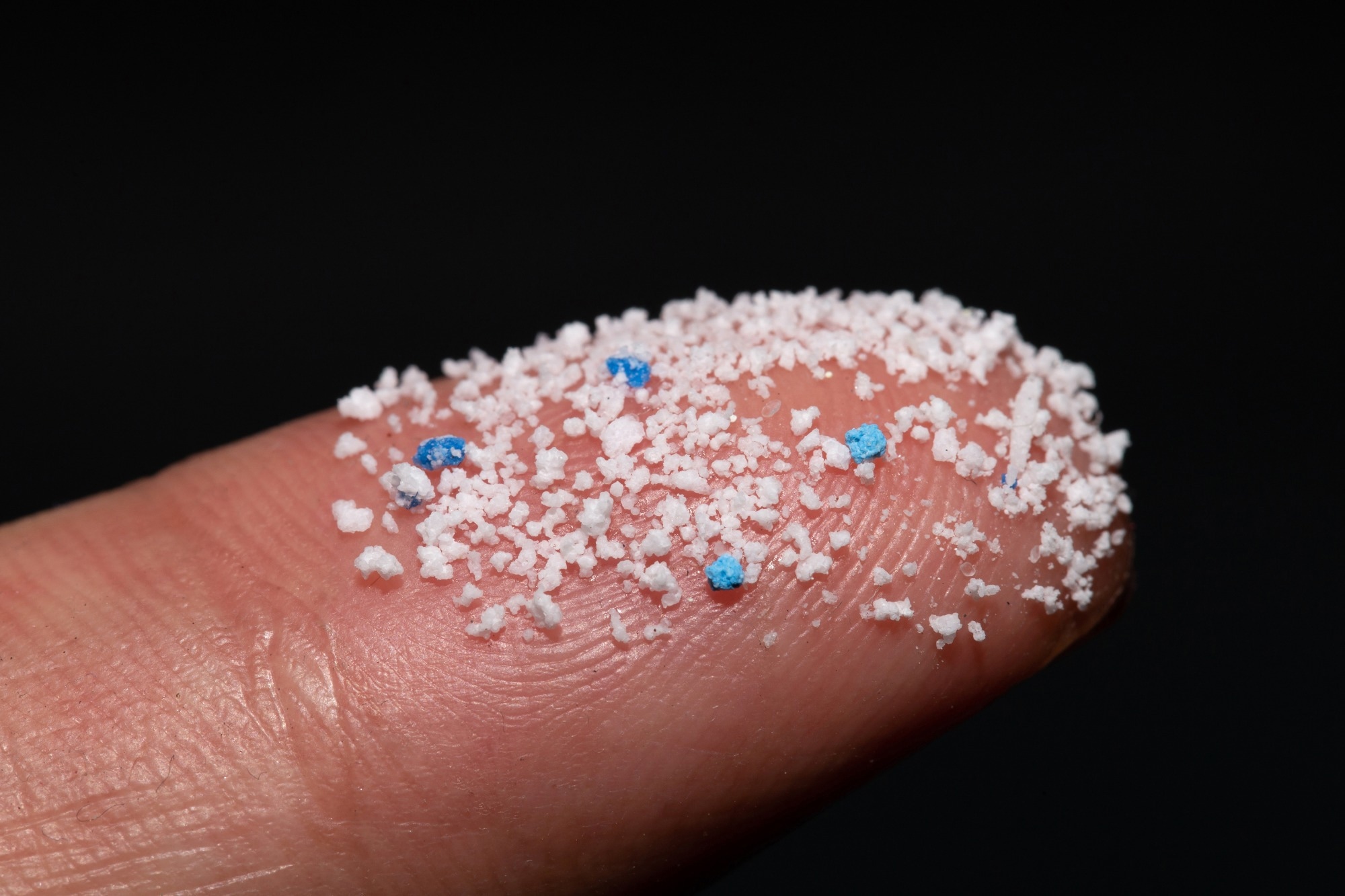
    Study: Microplastics and Nanoplastics in Atheromas and Cardiovascular Events. Image Credit: chayanuphol/Shutterstock.comStudy: Microplastics and Nanoplastics in Atheromas and Cardiovascular Events. Image Credit: chayanuphol/Shutterstock.com 

    Background

    Plastic production has been constantly increasing and is likely to continue until 2050. Plastics can degrade and form MNPs, inducing toxic effects.

    Studies have demonstrated the entry of MNPs into the body through skin exposure, inhalation, and ingestion, as well as their interactions with tissues/organs. Further, MNPs have been detected in the placenta, liver, lungs, urine, blood, and breast milk. Recent preclinical reports implicate MNPs as a cardiovascular risk factor.

    In vitro findings indicate that some MNPs promote inflammation, oxidative stress, and apoptosis in endothelial cells. Moreover, animal studies support the role of MNPs in myocardial fibrosis, endothelial dysfunction, and cardiac function impairment.

    However, their clinical relevance remains unknown. There is no evidence to suggest the infiltration of MNPs in human vascular lesions or associations between MNP burden and cardiovascular disease.

    About the study

    In the present study, researchers investigated the presence of MNPs in atherosclerotic plaques and the associations between MNP burden and cardiovascular disease.

    Consecutive patients aged 18–75 with asymptomatic carotid artery stenosis indicated for carotid endarterectomy were screened. Patients with valvular defects, secondary causes of hypertension, malignant neoplasms, or heart failure were excluded.

    Besides, patients who had complications in the postoperative period were also excluded. Baseline clinical examinations were performed, and health records were accessed for clinical, demographic, and intervention data.

    Fasting blood specimens were collected for biochemical analyses. Participants were followed up after carotid endarterectomy.

    Surgically excised atheromatous plaque specimens were obtained at atherectomy. MNP abundance was measured using pyrolysis–gas chromatography–mass spectrometry, and results were validated using electron microscopy (EM) and isotope analysis.

    The primary endpoint was a composite of non-fatal stroke, non-fatal myocardial infarction, or death. Patients were grouped based on the presence/absence of MNPs in plaques.

    Cox regression was performed to assess associations between the presence of MNPs in plaques and composite endpoint incidence.

    Analyses were adjusted for sex, age, body mass index (BMI), creatinine, low- and high-density lipoprotein cholesterol, total cholesterol, triglycerides, hypertension, diabetes, and prior cardiovascular events.

    Findings

    The team screened 312 patients; of these, 47 were lost to follow-up or had missing data, and eight had a stroke or died before discharge.

    Overall, 257 subjects were followed up for an average of 33.7 months. Polyethylene was detectable in the excised carotid plaque of 150 patients; thirty-one of these also had measurable levels of polyvinyl chloride in the plaque.

    The average levels of polyethylene and polyvinyl chloride in plaques were 21.7 μg/mg and 5.2 μg/mg, respectively.

    Patients with these MNPs were younger, male, smokers, had dyslipidemia, cardiovascular disease, diabetes, and higher levels of creatinine, and were less likely to have hypertension compared to those without MNPs.

    Ten random plaque samples with both polyvinyl chloride and polyethylene were analyzed using EM. Transmission EM (TEM) revealed particles (foreign origin) smaller than one μm with jagged edges within foamy macrophages.

    Besides, the same slices were observed with scanning EM (SEM), and spectral X-ray maps were generated from particles resembling those observed with TEM.

    The maps indicated decreased carbon and oxygen in plaque samples and increased chlorine. Given the probable non-biologic nature of chlorine, this might confirm polyvinyl chloride deposits.

    The researchers performed the isotope analysis on 26 random plaque samples as petroleum-derived plastics exhibit lower δ13C values, i.e., the ratio between carbon-13 and carbon-12, than human tissues.

    This analysis revealed two distinct patient clusters. One cluster included patients with higher δ13C values; the other cluster showed lower values, perhaps due to MNP contamination. Lower values were more evident in plaques with MNPs.

    The primary endpoint event occurred in 30 and eight patients with and without evidence of MNPs, respectively. Patients with MNPs in plaques had a higher risk of the primary endpoint events than those without MNPs.

    Conclusions

    In patients with high-grade asymptomatic carotid stenosis indicated for carotid endarterectomy, those with MNPs in plaques had a higher incidence of the composite endpoint than those without MNPs.

    Notably, the results do not prove causality; the association between MNPs in plaques and the primary endpoint might also entail risks from exposure to unmeasured, residual, or other confounding variables.

    [ad_2]

    Source link

  • Flavonol-rich diet linked to lower mortality and disease risk, study shows

    Flavonol-rich diet linked to lower mortality and disease risk, study shows

    [ad_1]

    In a recent prospective cohort study published in the journal Scientific Reports, researchers investigated the association between flavonol intake and cause-specific and all-cause mortality risk in adults in the United States. They found that an elevated dietary intake of flavonol is associated with a lower risk of all-cause mortality as well as Alzheimer’s disease (AD), cancer, and cardiovascular disease (CVD)-related mortality risk.

    Study: Flavonol-rich diet linked to lower mortality and disease risk, study shows. Image Credit: sematadesign / ShutterstockStudy: Flavonol-rich diet linked to lower mortality and disease risk, study shows. Image Credit: sematadesign / Shutterstock

    Background

    Flavonoids are biologically active polyphenolic compounds found in various plant-based foods. Among the six subclasses of flavonoids, flavonols are the most prevalent and active. Primary flavonols like quercetin, kaempferol, myricetin, and isorhamnetin are abundant in tea, onions, and berries. The consumption of flavonoids is known to potentially enhance endothelial function, maintain nitric oxide status, and influence biological processes relevant to lipid metabolism, platelet function, inflammation, oxidative stress, and blood pressure. Additionally, flavonoids are also known to exhibit anti-tumor effects by targeting key molecules and pathways, leading to apoptosis and inhibiting cell growth and metastasis.

    However, the relationship between flavonol intake and mortality risk has not been studied thoroughly so far. Therefore, using data from the National Health and Nutrition Examination Survey (NHANES) database, researchers in the present study explored the relationship between flavonol intake (total flavonol, kaempferol, myricetin, isorhamnetin, and quercetin), all-cause mortality risk, and cause-specific mortality risk (AD, CVD, cancer, and diabetes mellitus (DM)).

    About the study

    The study included 11,679 individuals aged≥ 20 who completed questionnaires, in-person assessments, and laboratory tests. The exclusion criteria were lack of flavonol intake and missing basic and demographic information. Flavonol intake data for the present study were derived from the US Department of Agriculture Survey Food and Beverage Flavonoid Values database (2003–2004). Detailed dietary interviews were conducted to capture information on foods and beverages consumed in the preceding 24 hours. The precise amounts of total flavonols were estimated in various foods, and the daily flavonol intake of participants was calculated.

    For mortality analysis, data from the National Death Index file and the 2019 Public Access Link mortality dataset were used. Mortality was categorized by causes such as cancer, CVD, DM, AD, and other causes, as per the International Statistical Classification of Diseases and Related Health Problems 10 (ICD-10) codes. Follow-up was conducted from the interview date to either the date of death or the study’s conclusion on December 31, 2019. Participants were stratified based on sociodemographic variables, including age, sex, race/ethnicity, marital status, education level, poverty ratio, alcohol consumption, body mass index (BMI), disease history, and the presence of various health conditions. Statistical analysis involved the use of Cox regression, Fine and Gray competing risks regression models, hazard ratios (HR), chi-square tests, and sensitivity analyses.

    Results and discussion

    Participants with the highest total flavonol intake tended to be male, younger, Non-Hispanic White, married, educated, above the poverty line, alcohol consumers, with BMI 18.5–30.0 kg/m2 and had a history of DM, hypertension, hyperlipidemia, congestive heart failure, coronary heart disease, angina, heart attack, and stroke. Increasing total flavonol intake showed a declining trend in all-cause mortality as well as AD, cancer, and CVD-specific mortality (p < 0.05 for all). Similar decreasing trends were observed for isorhamnetin, kaempferol, and quercetin intakes across various mortality categories, while myricetin intake exhibited a decreasing trend in AD mortality.

    While higher age was associated with a significant increase in all-cause mortality, female gender was found to be significantly linked to a lower risk of all-cause mortality. Conversely, a history of diseases was significantly associated with a higher risk of all-cause mortality.

    Further, higher total flavonol intake, particularly isorhamnetin, kaempferol, myricetin, and quercetin, was found to be associated with a reduced risk of all-cause and mortality owing to AD, CVD, cancer, and other causes. However, no correlation was found between flavonol intake and DM-specific mortality (p>0.05). The findings from the subgroup and sensitivity analyses aligned with the study’s main findings.

    Although the study is strengthened by its use of a multiple confounder-adjusted competing risks model to address competing risks of death, the study is limited by missing flavonol intake data, potential lack of generalizability, lack of data on primary food sources and dietary patterns, and the lack of exclusion of micronutrient supplement intake.

    Conclusion

    In conclusion, the present study establishes an association between dietary flavonol intake and overall mortality as well as cancer, AD, and CVD-specific mortality risk in US adults. The findings suggest that flavonol intake could be employed as an independent and reliable predictor of disease survival, offering patients the potential for health- and risk-management through dietary modifications.

    [ad_2]

    Source link

  • New treatment targeting aging cells could offer lasting relief for diabetic macular edema

    New treatment targeting aging cells could offer lasting relief for diabetic macular edema

    [ad_1]

    A recent study published in the journal Nature Medicine showed that targeting senescent cells in the retina can be a lasting disease-modifying treatment for diabetic macular edema (DME).

    The retina is vascularized to support the higher energetic demand for vision. As such, the neural retina and associated blood vessels are susceptible to metabolic perturbations, like in diabetic retinopathy (DR). Blood-retina barrier breakdown at various stages of DR leads to DME, wherein extravasation of plasma and proteins into intra- and sub-retinal spaces causes swelling and vision loss.

    Current standard care for DME involves anti-vascular endothelial growth factor (VEGF) agents, which reduce macular edema and improve visual acuity. However, therapeutic response remains sub-optimal in most patients, with its effectiveness waning over time. Besides, while corticosteroids can effectively reduce edema, they can increase intraocular pressure. Exploring alternative safer, long-lasting, disease-modifying DME treatments can benefit patients.

    Study: Therapeutic targeting of cellular senescence in diabetic macular edema: preclinical and phase 1 trial results. Image Credit: Anukool Manoton / ShutterstockStudy: Therapeutic targeting of cellular senescence in diabetic macular edema: preclinical and phase 1 trial results. Image Credit: Anukool Manoton / Shutterstock

    The study and findings

    In the present study, researchers investigated how senescent cells contribute to DME. First, they estimated the levels of prototypical senescence-associated secretory phenotype (SASP) factors in DME patients’ vitreous. This revealed increases in interleukin (IL)-6, IL-8, and plasminogen activator inhibitor 1 (PAI1) levels in DME patients relative to controls with non-vascular pathology.

    Further, the expression of p16INK4A, a cell cycle regulator associated with senescence, in postmortem retinal sagittal sections of DME patients compared to age- and sex-matched non-diabetic control retinas. Increased p16INK4A expression was observed in the inner retina, choroidal layers, and Bruch’s membrane in retinas with DME. p16INK4A expression was confined to regions of suspected disease activity.

    Next, the researchers examined bulk RNA sequencing (RNA-seq) datasets of retinas from mice and rats with streptozotocin (STZ)-induced diabetes. Genes for cellular senescence and the SASP were positively correlated in STZ-treated animals compared to controls. For increased resolution, they assessed single-cell RNA-seq (scRNA-seq) datasets from mice with STZ-induced diabetes.

    Cone photoreceptors, endothelial cells (ECs), and Muller glia were the most transcriptionally perturbed populations compared to non-diabetic controls. Sub-clustering of ECs disclosed three distinct sub-clusters (EC1 – EC3). EC2 was predominant in diabetic retinas and was enriched for genes linked to vascular complications in diabetes and those involved in regulating cellular senescence in ECs and other cell types.

    Further experiments suggested that senescent ECs in the retina impaired barrier function. Next, whether hyperglycemia could trigger senescent phenotypes in DME was evaluated. Human retinal microvascular ECs (HRMECs) were exposed to a medium with high D-glucose (HG) or isosmotic control enantiomer (CTR). After five weeks of HG exposure, global cellular proliferation decreased by 25%, and cells with senescence-associated markers increased three-fold compared to CTR.

    Anti-apoptotic proteins such as B-cell lymphoma 2 (BCL2) and BCL-xL were induced in HG-treated HRMECs. Further, the researchers tested whether targeting BCL-xL could improve barrier function in diabetic retinas. A small-molecule inhibitor, UBX1967, was administered intravitreally to diabetic mice eight and nine weeks after STZ treatment. This significantly reduced protein levels of BCL-xL and PAI1 at 10 weeks of diabetes.

    Retinal BCL2 levels were unaltered, while transcript levels of inflammatory SASP factors were significantly reduced. Notably, UBX1967 treatment reduced retinal vascular permeability by 40% to 50%. In addition, whole-field scotopic electroretinography showed that UBX1967 treatment improved retinal function. The researchers developed UBX1325, a phosphate pro-drug with senolytic properties, as a therapeutic candidate.

    BCL-xL target engagement was confirmed for UBX0601 (active molecule of UBX1325) in senescent HRMECs. The researchers noted that apoptosis initiation through BCL-xL inhibition required senescent cells to be present. Apoptosis with BCL-xL inhibition did not occur in healthy retina. UBX1325 also decreased retinal vascular permeability (40% – 50%) in the STZ model compared to vehicle-treated controls.

    Next, the team performed a phase 1 safety and tolerability trial of UBX1325 in patients with advanced DME or neovascular age-related macular degeneration for whom anti-VEGF therapy was no longer beneficial. Intravitreal UBX1325 injection was well tolerated with no reports of inflammation. However, a few treatment-emergent adverse events (TEAEs) were observed that were deemed unrelated to UBX1325.

    TEAEs were more likely observed in patients receiving higher doses, which were considered due to their underlying disease. Initial safety assessment suggested that UBX1325 could be advanced into later-stage clinical studies. Plasma levels of UBX1325 and UBX0601 were below the lower quantification limit. Among DME patients, a single injection improved visual acuity. Higher UBX1325 doses reduced central subfield thickness.

    Conclusions

    Together, the findings illustrate that therapeutic clearance of senescent cells could result in long-term improvements in visual function in DME patients. Intravitreal administration of BCL-xL inhibitor eliminated senescent ECs, resulting in lower local inflammation and improved barrier function, ultimately augmenting visual function. Efficacy data suggested that vision improvements persist for at least six months.

    Journal reference:

    • Crespo-Garcia S, Fournier F, Diaz-Marin R, et al. Therapeutic targeting of cellular senescence in diabetic macular edema: preclinical and phase 1 trial results. Nat Med, 2024, DOI: 10.1038/s41591-024-02802-4, https://www.nature.com/articles/s41591-024-02802-4

    [ad_2]

    Source link

  • Wayne State researchers secure $1.4 million DoD grant for prostate cancer study

    Wayne State researchers secure $1.4 million DoD grant for prostate cancer study

    [ad_1]

    A team of researchers from Wayne State University was awarded a $1.4 million, three-year grant from the U.S. Department of Defense for the study, “Cytochrome c acetylation drives prostate cancer aggressiveness and Warburg effect.”

    The study, led by Maik Hüttemann, Ph.D., professor of molecular medicine and genetics, and biochemistry, microbiology and immunology at Wayne State University’s School of Medicine, aims to establish the role of the protein cytochrome c, which the team proposes is central in two hallmarks of cancer: switching from aerobic to glycolytic metabolism – also known as the Warburg effect – and evasion of apoptosis.

    According to the National Cancer Institute of the National Institutes of Health, in 2023 it was estimated that more than 288,000 men would be diagnosed with prostate cancer and 34,700 would die in the United States, making it the second most common cancer in men. In the past decade, diagnoses of prostate cancer increased from 3.9% to 8.2%, with African American men having the highest incidence and mortality rates of the disease compared to white, Hispanic and Asian men. Cytochrome c was previously suggested to be a molecular determinant of prostate cancer health disparities, and this study will further explore this hypothesis.

    The research team proposes that cytochrome c transitions from a non-acetylated form in a normal prostate to a K53-acetylated cytochrome c in cancer.

    What we are proposing is that this transition causes switching from aerobic metabolism to Warburg metabolism because the modification renders cytochrome c less effective in transferring electrons in the electron transport chain, and at the same time making it incapable of triggering apoptosis. Warburg and evasion of apoptosis are two key features of cancer cells. This funding from the Department of Defense will allow us to develop an antibody as a prognostic and diagnostic tool and to mechanistically study the pathways leading to acetylation of cytochrome c, with the ultimate goal of identifying novel therapeutic targets that could result in developing a drug to overcome treatment resistance as a stand-alone or combination therapy.”


    Maik Hüttemann, Ph.D., professor of molecular medicine and genetics, and biochemistry, microbiology and immunology, Wayne State University’s School of Medicine

    “This important funding from the U.S. Department of Defense supports high-impact research needed to advance our understanding of how to detect and treat prostate cancer,” said Ezemenari M. Obasi, Ph.D., vice president for research at Wayne State University. “The work that Dr. Hüttemann and his collaborators are doing will improve health equity and reduce disparities in prostate cancer and may ultimately enhance the quality and length of life for those impacted by prostate cancer.”

    Collaborators on this project include Izabela Podgorski, Ph.D., professor of pharmacology, Wayne State University School of Medicine; Elisabeth Heath, M.D., associate director, Department of Oncology, Wayne State University School of Medicine; Seongho Kim, Ph.D., professor of oncology, Wayne State University School of Medicine; and Dongping Shi, M.D., chief and medical director, Detroit Medical Center Sinai-Grace Hospital.

    The grant number for this U.S. Department of Defense grant is HT94252410073.

    [ad_2]

    Source link

  • Hydrogel with built-in antibiofilm and antioxidative functions promotes faster healing of infected chronic wounds

    Hydrogel with built-in antibiofilm and antioxidative functions promotes faster healing of infected chronic wounds

    [ad_1]

    Diabetic wounds often become chronically infected and are notoriously difficult to treat. Two primary reasons for this include the formation of a bacterial biofilm and high levels of oxidative stress. A novel hydrogel dressing was developed recently to combat both these undesirable characteristics and tested for its effects on diabetic-infected wound healing. The report appeared in Nature Communications.

    Study: Hydrogel dressings with intrinsic antibiofilm and antioxidative dual functionalities accelerate infected diabetic wound healing. Image Credit: New Africa/Shutterstock.com
    Study: Hydrogel dressings with intrinsic antibiofilm and antioxidative dual functionalities accelerate infected diabetic wound healing. Image Credit: New Africa/Shutterstock.com

    Background

    Wound healing is recognized to have four stages, namely, coagulation, inflammation, proliferation, and maturation. When this doesn’t happen, chronic wounds result. Most occur due to prolonged inflammation triggered by competing pro- and anti-inflammatory signals leading to loss of redox homeostasis.

    Chronic inflammation attracts leukocytes that secrete reactive oxygen species (ROS), a defense against microbial invasion. However, these ROS also antagonize wound healing by damaging living tissues and cells at various levels and promoting breakdown and further inflammation.

    In the worst cases, cells die within and around the wound site by apoptosis and other modes of programmed cell death because of excessively high ROS levels. Neighboring cells react to this and eventually die themselves, accounting for the severe necrosis, or tissue death, common to such wounds. This means that tissue debridement or even amputations, at times, becomes necessary to treat these wounds.

    Biofilm formation by microbes is another complication that gives rise to chronic wounds, preventing topical antioxidants from acting on the wound surface. Biofilms use up nutrients from the wound bed and secrete extracellular polymeric substances (EPS) that form a protective barrier against immune cells, antibiotics, and other antimicrobials. Moreover, they remain stable on the wound surface until medically removed.

    Biofilm microbes are, in fact, the primary species found in chronic wounds and are resistant to treatment in many cases. Most commonly, these are methicillin-resistant Staphylococcus aureus (MRSA) or carbapenem-resistant Pseudomonas aeruginosa (CRPA).

    Chronic wounds cost the economy over USD 50 billion in just the USA, in just one year. And this is only expected to increase as the population grows around the world. Diabetic wounds are among the most common types of chronic wounds and have, unfortunately, as high a risk of death as cancer, at about 31%.

    The effectiveness of ordinary wound dressings in chronic wounds is small. Dressings designed for chronic wounds have so far not been developed as stand-alone treatments. At present, specialized chronic wound dressings require the additional use of photothermal irradiation or release and leave significant amounts of antibiotics or metal ions in the wound.

    The current study was motivated by the need for improved chronic wound dressings that would be adequate by themselves, would not contaminate the wound, and would not produce unwanted discharge and moist wound matter.

    The researchers used a hydrogel, PPN, formed by crosslinked polyethylene glycol (PEG) hydrogel tethered with highly potent antibacterial cationic polymer, polyimidazolium (PIM), and the antioxidant N-acetylcysteine (NAC). The cationic hydrogel kills bacteria by absorbing them into its pore spaces and then contact killing by the pore walls.

    PPN was designed to have dual functionality, opposing both biofilm formation and oxidative stress in the wound bed. Both properties would act together in synergy to promote the healing of infected diabetic wounds.

    Very little of this hydrogel leaches into the wound, and it contains neither antibiotic nor metal compounds, ensuring the wound is uncontaminated by any of these once the dressing is taken off.

    What did the study show?

    PPN showed high antibacterial efficacy in vitro. The hydrogel formulations swelled up, absorbing 10-12 times their original weight of water within an hour. In two days, when tested in infected wounds on murine models, the hydrogels became dirty yellow, probably because of the absorption of fluid and dead bacteria in the wound. They remained structurally stable, however, indicating that they do not break down in the presence of infected wounds.

    The researchers tested these hydrogels on a human skin model that was grown in a 3D structure. This demonstrated improved keratinocyte differentiation in the presence of NAC. In addition, it speeded up re-epithelialization and, thus, wound closure. Notably, silver dressings have been shown to retard keratinocyte proliferation in chronic wounds. 

    Subsequently, they applied the dual-functionality hydrogel on infected wounds in diabetic rats, which closely resembled diabetic wounds in humans. The wounds were coated with a biofilm containing either MRSA or CRPA.

    The hydrogels showed excellent biocompatibility compared to silver dressings in current use. The infected wounds treated with the hydrogel showed rapid healing compared to those in control animals. Bacterial counts fell rapidly and steeply over the first three days and remained low over the next two weeks.

    In contrast, bacterial reduction was lower for both silver dressings and control dressings. The wounds were smaller and sloughing minimal in PPN-treated wounds compared to silver or control dressings or no treatment. In fact, untreated wounds showed biofilm formation and pus discharge with sloughing wounds, with evidence of reinfection.

    Wound healing factors were also found at higher levels in PPN-treated wounds than in untreated or control-treated wounds. More mature collagen was found in the PPN-treated wound, indicating better regeneration of skin structure. Both components of PPN were found to contribute to the improved results compared to only one.

    The hydrogel can be formulated in different ways for application to the healing of superficial or deep wounds. Its advantages include the absence of wound contamination and the fact that it does not require the use of photothermal irradiation or other healing modalities.

    What are the implications?

    PPN first removes bacteria from the wound site, allowing the number of inflammatory cells to drop. ROS levels are reduced by the NAC component, which allows them to diffuse into the hydrogel, providing an immune boost while relieving oxidative stress. Also, it encourages the release of wound-healing factors.

    Finally, the NAC stimulates keratinocyte differentiation and the restoration of a normal epithelial covering over the wound. All these promote wound healing.

    This PPN dressing is more potently antibacterial than silver dressing, with activity against MRSA and CRPA. It also does not cause further inflammation and accelerates wound healing. The feasibility of multiple formats for meeting different needs and its possible extension to other biomedical needs make this hydrogel a promising alternative for the treatment of chronic infected diabetic wounds.

    [ad_2]

    Source link

  • Study reveals key mechanism behind obesity-related metabolic dysfunction

    Study reveals key mechanism behind obesity-related metabolic dysfunction

    [ad_1]

    In a recent study published in Nature Metabolism, researchers found that feeding a high-fat diet (HFD) causes mitochondrial dysfunction and fragmentation in white adipocytes in mice.

    Study: Obesity causes mitochondrial fragmentation and dysfunction in white adipocytes due to RalA activation. Image Credit: Kateryna Kon/Shutterstock.com
    Study: Obesity causes mitochondrial fragmentation and dysfunction in white adipocytes due to RalA activation. Image Credit: Kateryna Kon/Shutterstock.com

    Background

    Obesity has become a global epidemic, increasing the incidence of non-alcoholic steatohepatitis, diabetes, and other cardiometabolic disorders. White adipose tissue (WAT) expands chronically during the development of obesity, with metabolic changes characterized by fibrosis, inflammation, hormone insensitivity, and apoptosis. Obese individuals have impaired mitochondrial function, and the underlying mechanisms and their contribution to obesity remain unclear.

    The study and findings

    In the present study, researchers demonstrated increased expression and activity of Ras-like proto-oncogene A (RalA) in adipocytes from obese mice and attenuation of HFD-induced obesity upon targeted Rala deletion in white adipocytes. First, they noted upregulation of Rala expression in epididymal (eWAT) and inguinal WAT (iWAT) adipocytes during obesity development in HFD-fed mice relative to controls.

    Further, RalA protein levels were elevated in iWAT adipocytes from obese mice. No changes in RalA were observed in brown adipose tissue (BAT) after HFD feeding. Next, RalA-floxed (Ralaf/f) mice and adiponectin-promoter-driven Cre transgenic mice were crossed to generate adipocyte-specific Rala knockout (KO) mice (RalaAKO). RalaAKO mice showed over 90% reduced RalA protein in primary adipocytes from BAT and WAT compared to Ralaf/f littermates.

    RalA depletion reduced insulin-stimulated glucose uptake in BAT and iWAT. Additionally, brown adipocyte-specific KO mice (RalaBKO) were produced by crossing Ralaf/f mice and uncoupling protein 1 (Ucp1)-promoter-driven Cre transgenic mice. This reduced glucose uptake in the BAT of RalaBKO mice, and insulin-stimulated glucose uptake was mainly limited to brown fat.

    Adipocyte-specific Rala deletion did not affect the body weight of chow-diet (CD)-fed mice, albeit they had reduced fat mass and depot weight. RalaAKO mice had smaller iWAT adipocytes than CD-fed controls. RalaAKO mice gained less weight than controls when fed 60% HFD. HFD-fed RalaAKO mice had smaller adipocytes in iWAT but not in BAT or eWAT compared to controls.

    HFD-fed RalaAKO mice also showed improved glucose tolerance, without changes in insulin tolerance; they also had reduced insulin levels and improved homeostasis model assessment of insulin resistance (HOMA-IR) than controls. RalaAKO mice showed lower glucose excursions in a pyruvate tolerance test than controls, with downregulation of hepatic gluconeogenic genes.

    HFD-fed RalaAKO mice had lower triglyceride levels and liver weight and less lipid accumulation in the liver than controls. Moreover, the expression of lipogenic, fibrosis-related, and inflammatory genes was reduced in the livers of RalaAKO mice. The team found that adipocyte Rala ablation did not affect food intake and energy metabolism in CD-fed mice.

    However, HFD-fed RalaAKO mice had increased energy expenditure. In contrast, energy expenditure and food intake were identical in HFD-fed RalaBKO mice and controls, suggesting that WAT-specific Rala deficiency increased energy expenditure. Further, oxidative phosphorylation proteins were upregulated in the iWAT of RalaAKO mice but not in eWAT.

    Next, the team explored mechanisms underlying increased energy metabolism in RalaAKO mice and mitochondrial activity in adipocytes. They observed an elevated oxygen consumption rate in iWAT mitochondria from KO mice relative to controls. Moreover, fatty acid oxidation was higher in KO adipocytes. The expression of mitochondrial biogenesis-related genes in WAT was comparable between HFD-fed RalaAKO and Ralaf/f mice.

    Electron microscopy showed that HFD feeding of wild-type mice induced smaller, spherical iWAT mitochondria. iWAT mitochondria in CD-fed mice had an elongated shape, while those in HFD-fed mice had smaller mitochondria. Besides, adipocyte Rala ablation did not grossly impact mitochondrial morphology in the iWAT of CD-fed mice; in contrast, the HFD-induced morphological change in mitochondria was prevented in Rala KO iWAT.

    Mitochondrial morphology in BAT was unaltered upon Rala deletion in HFD- or CD-fed mice. HFD feeding downregulated protein levels of long and short forms of optic atrophy 1 (Opa1), a mitochondrial fusion regulator, in iWAT. However, only the short form (S-Opa1) was downregulated in eWAT. Further, they focused on dynamin-related protein 1 (Drp1), which regulates mitochondrial fission, and found increased phosphorylation at the anti-fission site (S637) in Rala KO iWAT.

    The researchers analyzed microarray data of WAT from non-obese and obese females to examine the relevance of Drp1 in human obesity. They found that the human Drp1 homolog, dynamin 1 like (DNM1L), was positively correlated with HOMA-IR and body mass index. DNM1L expression was upregulated in obese subjects.

    Conclusions

    Taken together, the study demonstrated that RalA was induced and activated in white adipocytes of HFD-fed mice. Targeted RalA deletion in white adipocytes prevented obesity-related mitochondrial fragmentation and resulted in resistance to HFD-induced weight gain through heightened energy expenditure.

    HFD-fed RalaAKO mice showed improved liver function and pyruvate tolerance and reduced gluconeogenesis and hepatic lipids. Overall, chronically increased RalA activity plays a role in repressing energy expenditure in obese adipose tissue by shifting mitochondrial dynamics towards excessive fission and contributing to weight gain and metabolic dysfunction.

    [ad_2]

    Source link