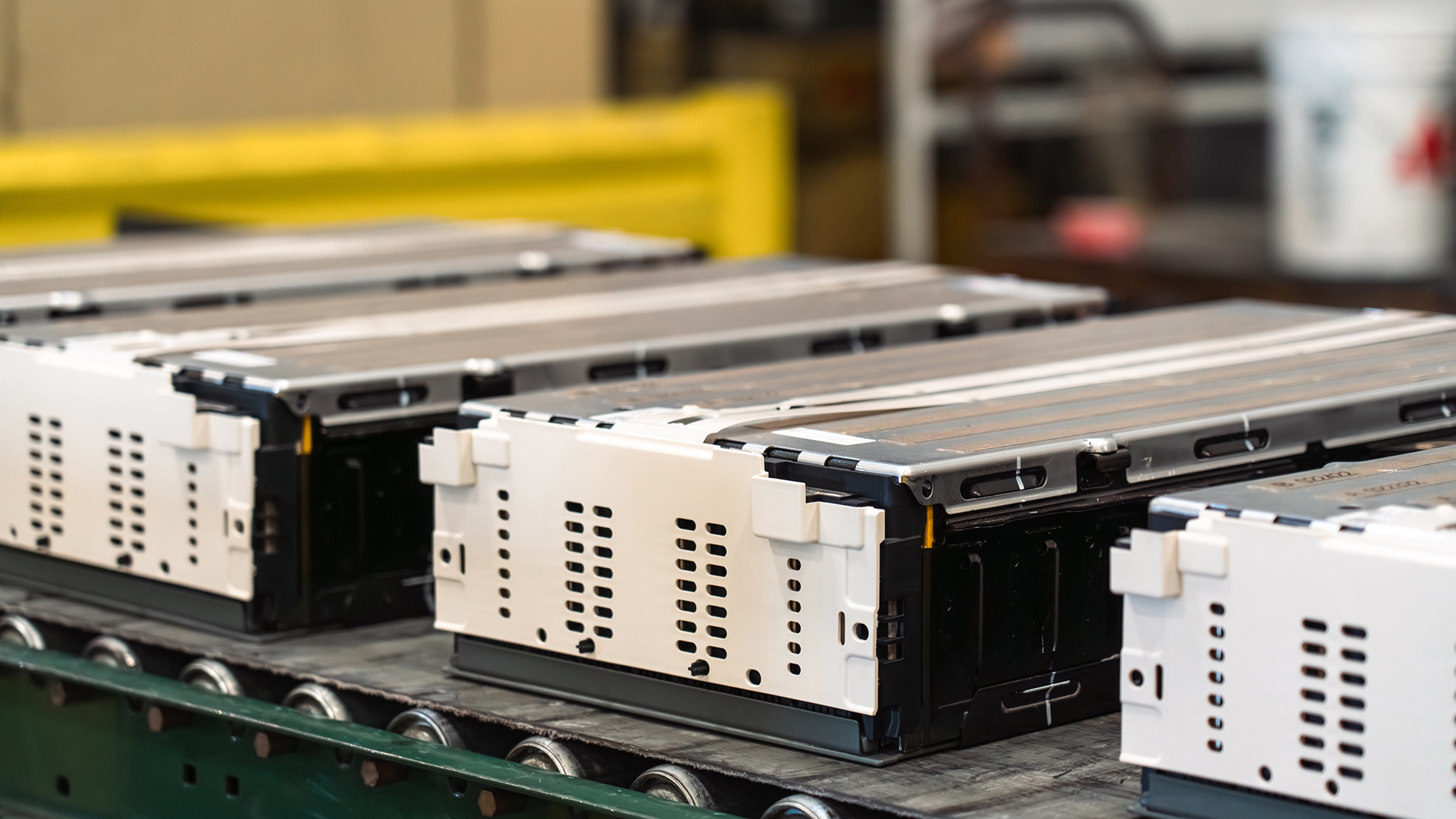
Battery recycling pioneer Cirba Solutions details how the company is championing a strategic, regional approach to reinforce the circular battery supply chain worldwide.
When you consider the battery recycling industry, there are global challenges that multiple countries and companies are working to solve and make advancements in, including:
Supporting the growing demand for critical minerals needed for the circular battery supply chain.
Sustainably recovering critical battery metals for new battery production through recycling.
Currently, battery recycling efforts are being led by China, Europe, and North America. While China has been seen as the leader in the space for many years, North America has now emerged as a global competitor in sustainable content, along with Europe.
One leading organisation, Cirba Solutions, has shown how the sector can be successful and grow outside of China.
Increasing battery demand
The demand for batteries is growing, and with that demand comes a need for more sustainable solutions in the supply chain. For example:
2040 International Energy Agency (IEA) demand projections include more than a 40x increase for lithium and 20x-25x for other battery minerals (i.e., cobalt, nickel).
S. cathode manufacturing capacity is expected to increase 6x in size between 2022 and 2032.
EV battery demand is expected to account for 80% – 90% of global cobalt and lithium demand and 45% – 65% of manganese demand (IEA).
As a result of this, a hype cycle took place because the circular battery supply chain must grow to make advancements in the marketplace to meet this growing demand.
Credit: Cirba Solutions
During that time, multiple companies entered the space to aid in solving the global battery supply chain challenge. Furthermore, with all of these projections, it’s clear that recycled battery materials are playing an increasingly important part in the critical mineral supply chain.
How Cirba Solutions elevates the circular battery supply chain
Their plan to achieve this started by building the largest footprint in North America, with six strategically located battery recycling facilities. The company is on a substantial growth trajectory as it continues to work with customers in key global markets.
With its long-standing history in battery recycling, Cirba Solutions has seen this industry evolve through all its phases, including battery chemistries being adopted into the marketplace. Perhaps none have been as interesting as the past few years.
Moving battery recycling forward
One way Cirba Solutions is serving the regions is through its transportation services. Transportation accounts for 29% of CO2 emissions, according to the DOE, and is the number one contributor to greenhouse gases.
An electric vehicle battery can account for up to 60% of embedded greenhouse gas emissions in EV production. Additionally, it is estimated that in some cases, critical battery metals for cathode active materials travel over 50,000 miles before they reach a cell factory – creating a massive CO2 footprint.
By providing regional sustainable content, Cirba Solutions can potentially reduce 98% of the miles that critical materials must travel.
Credit: Cirba Solutions
This reduction in travel, because of the company’s multiple locations, contributes to the reduction in greenhouse gas emissions and logistical costs by sourcing critical minerals domestically.
It also removes the CO2 from virgin mining and provides domestically sourced and produced critical metals that support the creation of a circular battery supply chain.
What matters now and what is happening as we move forward
Now, there is a gap with those companies that entered the industry during the hype cycle phase because execution to scale is not as simple as expected.
With the World Bank estimating that the demand for critical minerals will increase by nearly 500% by 2050, companies in the industry need to prove they can execute safely on a commercial scale.
Based on all of this, it’s clear that the circular battery supply chain will drive the future. With EV adoption and the result that the supply and demand curves of critical minerals forecast, by sourcing domestically, and specifically recycling and reusing these critical minerals, we can significantly impact cost and the CO2 footprint.
With Cirba Solutions’ six strategically located operational facilities that will enable a locally-sourced, closed-loop supply of these critical minerals – we can already achieve a greater than 96% reduction in our CO2 footprint.
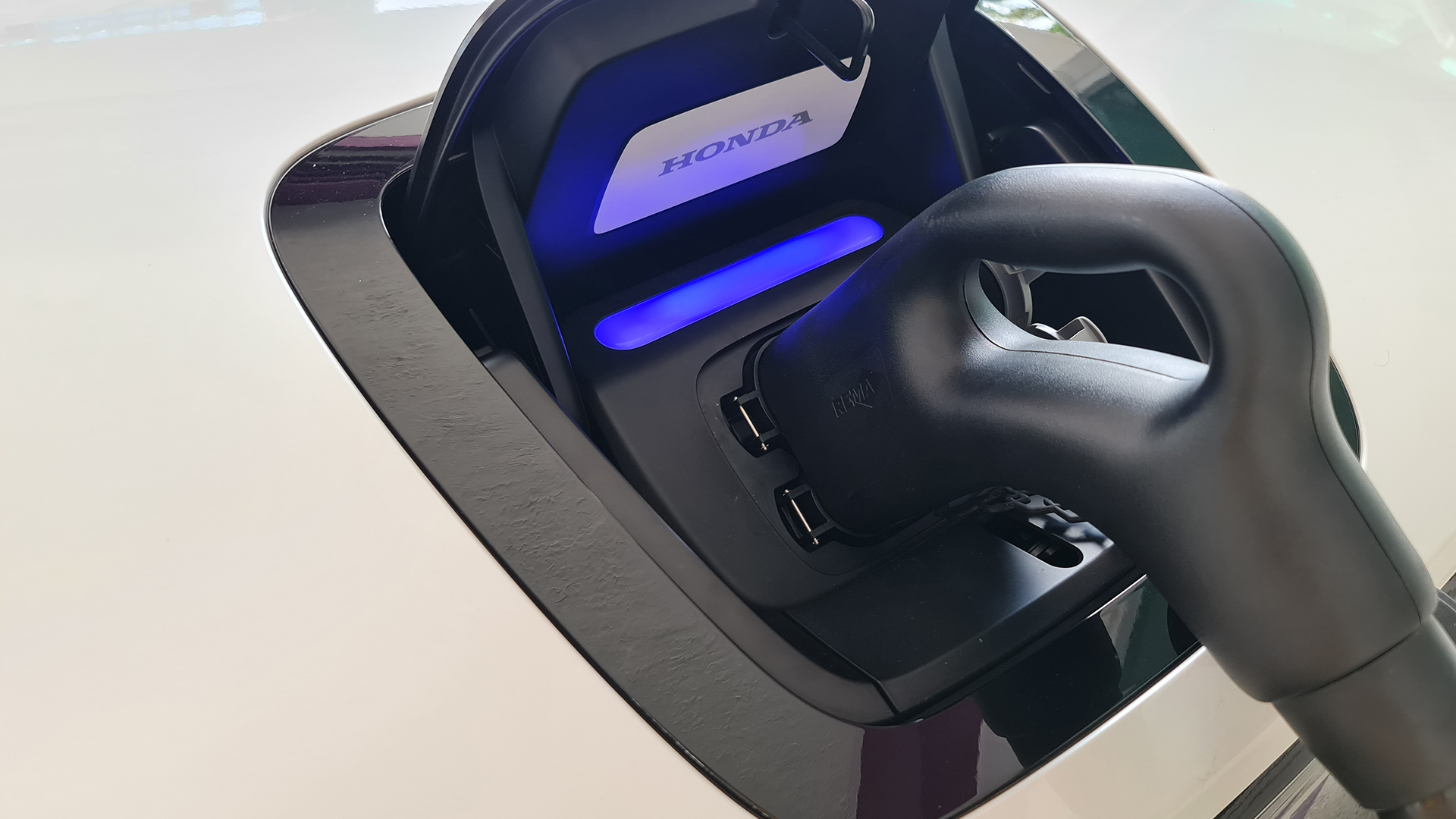
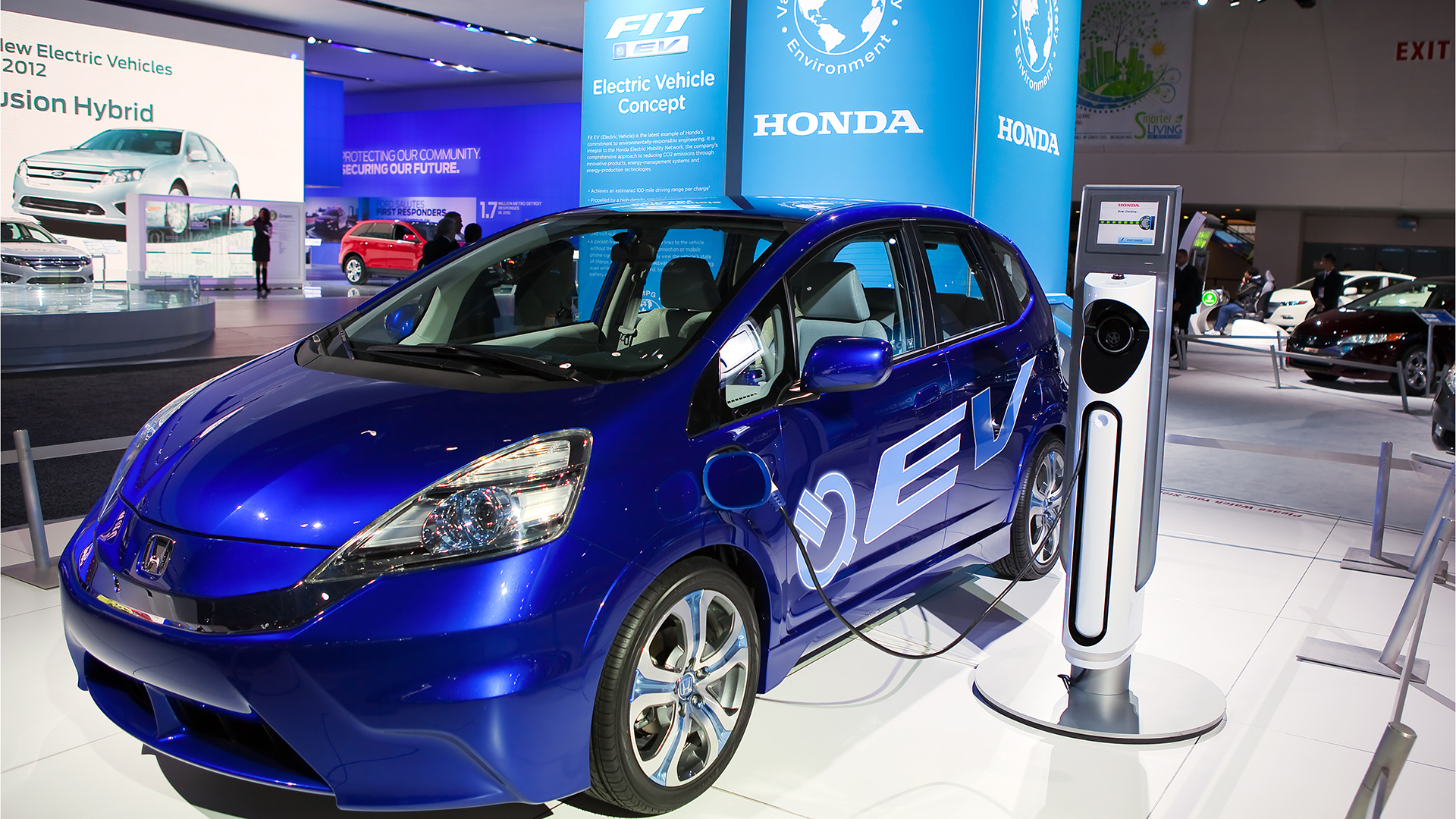
Honda has revealed it will invest $15bn to build an EV production and EV battery plant in Ontario, Canada.
The company unveiled plans to create an innovative and environmentally responsible EV value chain in Canada.
The multi-billion dollar investment will cover all aspects of the value chain, helping Honda accelerate production capabilities through a stand-alone battery plant that will produce the cells essential for the separate EV production facility.
The Honda EV value chain will also include a cathode active material and precursor (CAM/pCAM) processing plant through a joint venture with POSCO Future M Co., Ltd. And a separator plant in collaboration with Asahi Kasei Corporation.
The company has begun evaluating the investment and is working to complete negotiations with its joint partners, with the work expected to be finalised in the next six months.
Commenting on Honda’s Canadian EV value chain plans, Toshihiro Mibe, Global CEO of Honda, said: “Honda is making progress in our global initiatives toward the realisation of our 2050 carbon neutrality goal.
In North America, following the initiative to establish our EV production system capability in the US, we will now begin formal discussions toward the establishment of a comprehensive EV value chain here in Canada, with the support of the governments of Canada and Ontario.
“We will strengthen our EV supply system and capability with an eye toward a future increase in EV demand in North America.”
Overview of Honda’s EV value chain plans
The Honda EV value chain is expected to open in 2028 – with the battery plant estimated to have a 36 GWh annual capacity and the EV production facility manufacturing 240,000 vehicles per year.
The new EV battery plant will create 1,000 new jobs on top of the 4,200 jobs currently at the EV production hub.
Honda says the new facilities could also create a large amount of ‘spin-off’ jobs, such as in the construction sector.
Jean Marc Leclerc, President and CEO of Honda Canada Inc., added: “Honda of Canada Manufacturing is one of the premier automotive manufacturing facilities in the world, and for nearly forty years, our work has been guided by determination, innovation, and a relentless drive to evolve.
“Today’s announcement is a historic investment by a manufacturer in the Canadian auto industry. It proudly honours the highly skilled associates who have earned a global reputation for manufacturing excellence and represents Honda’s recognition of the long-term attractiveness of the Canadian electric vehicle manufacturing ecosystem.”
Building on US success
Honda’s plans for an EV production facility and battery plant in Canada follow the announcement of an advanced EV hub in Ohio.
The company has invested $700m to retool existing plants in the region to support EV manufacturing.
This is supplemented by an additional $4.4bn investment to create an EV battery plant in partnership with LG Energy Solution.
The Ohio EV hub is set to open in late 2025, and the knowledge gained will be shared with the EV production facility and EV battery plant in Canada.
In addition to boosting manufacturing capabilities, Honda says it will also invest in securing sustainable supply chains for raw materials and battery recycling to cover all aspects of the value chain internally.
SustainABILITY 10,000 aims to empower communities across North America with eco-living expertise. This battery recycling initiative underscores Cirba Solutions’ commitment to environmental stewardship and consumer education.
David Klanecky, CEO and President of Cirba Solutions, highlighted the significance of the initiative: “In battery recycling, we experience the gap between desire and education every day. Despite most consumers wanting to recycle batteries, many don’t know how or where to do it.
“The result is that the majority end up in the trash or landfill and are not being properly recovered following battery end-of-life.
“But we also know battery recycling doesn’t stand alone. Many eco-friendly choices we as consumers would like to make don’t happen simply because of a lack of education about how to turn that desire into action.
“By committing 10,000 hours of education into our communities and neighbourhoods, our mission is to move that needle and empower people to take action and live a more sustainable life.”
Addressing the education gap in sustainability
Despite growing interest in eco-friendly living, many individuals lack the knowledge needed to make impactful changes.
According to a recent study by Nielsen IQ, 78% of consumers prioritise sustainability, yet significant gaps exist in understanding practical steps to achieve it. Cirba Solutions recognises the importance of bridging this education deficit to drive meaningful change.
Increasing battery recycling knowledge
SustainABILITY 10,000 will concentrate its efforts on three key areas:
Community Education: Cirba Solutions will collaborate with local communities to integrate battery recycling education into existing programmes and develop new initiatives. This approach aims to raise awareness about battery recycling opportunities and encourage sustainable practices.
Community Enhancement: Leveraging community connections, Cirba Solutions will facilitate battery collection events, educational workshops, and support STEM activities. These initiatives aim to foster a sense of environmental responsibility at the local level.
Digital Advocacy: The company will provide online resources accessible to all communities, promoting green literacy and facilitating information sharing on sustainable practices.
SustainABILITY 10,000 reach
The initiative will initially target regions where Cirba Solutions operates, including North Carolina, South Carolina, Arizona, California, Michigan, Ohio, and British Columbia, Canada.
By focusing on these areas, Cirba Solutions aims to maximise its impact on battery recycling awareness and engagement.
Credit: Cirba Solutions
Karen Gay, Community Engagement Manager at Cirba Solutions, added: “This initiative takes what we do at Cirba Solutions every day and raises the bar, so we’re focused on delivering actionable value into communities.
“Our team is passionate about making a difference and we can’t wait to continue the great work we’ve done alongside community leaders as well as create new partnerships with organisations who share our mission.”
Kick-off event
SustainABILITY 10,000 will launch during Earth Week 2024 with a collection event at the Detroit Zoo, as part of the GreenFest 2024 E-Recycling Event.
Cirba Solutions will lead efforts to divert batteries from local landfills on 20-21 April, engaging the community in sustainable practices.
This initiative builds upon Cirba Solutions’ ongoing dedication to community engagement and environmental responsibility.
In 2023, the company collaborated with regional organisations and engaged in various community initiatives.
Notably, Cirba Solutions discussed sustainability practices with US Secretary of Energy Jennifer Granholm at the groundbreaking ceremony of the company’s battery recycling facility expansion in Lancaster, Ohio, highlighting its commitment to environmental advocacy.
A new report from Troutman Pepper has outlined critical strategies for boosting EV battery manufacturing, adoption, regulations, and infrastructure across the US.
The “Driving Change: Scaling up EVs in the US” report warns that outdated and insufficient infrastructure, combined with lacklustre environmental regulatory programmes, is slamming the brakes on domestic EV battery manufacturing and consumer uptake.
Barriers to EV scale-up in the US
Federal incentives, growing consumer demand, and supportive policies fuel the automotive industry’s push to ramp up EV production and adoption.
This surge in demand has resulted in a record number of EVs hitting the roads. Businesses, consumers, and policymakers are increasingly united in supporting this growth.
However, further scaling requires significant changes to infrastructure and environmental regulations.
The report emphasises the necessity of a comprehensive upgrade and expansion of charging station infrastructure alongside a supportive regulatory framework for establishing new EV battery and vehicle manufacturing facilities in the US.
Despite substantial federal incentives, auto manufacturers face challenges navigating complex infrastructure permitting rules, exacerbated by varying interpretations and implementations of federal policies at the state level.
Moreover, the report underscores the pressing need for expedited permitting processes for expanded EV battery manufacturing facilities, as well as concerns regarding workforce skills, technology, machinery, and raw materials required to sustain the industry’s desired growth.
Dan Anziska, Partner at Troutman Pepper, explained: “A lot needs to happen for EVs by 2026 to be widely adopted. That includes speeding up the permitting process for battery gigafactories and speeding up manufacturing facilities.
“It is expensive and time-consuming to build a massive gigafactory, as well as being reliant on many suppliers, and there are so many that have been announced. There’s competition for everything from labour to equipment and resources.”
Optimising the EV landscape
The EV experts involved in the report have outlined four key recommendations to advance the EV sector in the US.
Expand the public charging network
To ensure efficient charging station operation, states must clarify the roles between electric utilities and non-utility operators.
Regulatory bodies should confirm that non-utility operators won’t be deemed public utilities, fostering a competitive environment.
Provide clarity on environmental rules for EV battery factories
Regulatory ambiguity can hinder investments in new battery plants. Policymakers are urged to clarify regulations, particularly concerning chemical component imports, manufacturing, and recycling processes, to spur innovation in battery management.
Streamline approval processes for key battery chemicals
The EPA should expedite approvals for chemicals used in EV battery manufacturing, leveraging available information to make informed decisions.
Clear guidelines on wastewater management under existing standards would further streamline the process.
Encourage innovation and collaboration in battery recycling and disposal
Collaboration is key for developing best practices in EV battery recycling, including shredding operations management.
Establishing uniform environmental permitting programs for battery recycling will enhance efficiency and sustainability.
Efforts to supercharge EV sales require addressing infrastructure and regulatory bottlenecks. With the right mix of public policy, investment, and innovation, the EV sector can realise its full potential.
Altilium and Talga Group Ltd have announced they are collaborating to advance green battery anode production in the UK.
This partnership aims to revolutionise the recycling process of electric vehicle (EV) batteries by recovering graphite for reuse in new battery anodes.
By embracing a circular economy model, the partnership seeks to reduce the UK’s dependence on imported raw materials while promoting sustainability within the EV battery industry.
Dr Christian Marston, Altilium President and COO, commented: “This breakthrough is a significant milestone in our journey towards a more sustainable and environmentally-friendly future for electric vehicle batteries.
“We look forward to working with Talga to build a domestic, sustainable supply chain for low carbon graphite in the UK and leading the shift towards self-sufficiency and energy security.”
Addressing the growing demand for graphite
Graphite, constituting up to 50% of a lithium-ion battery by volume, plays a pivotal role in battery production.
With forecasts indicating a growing shortfall in graphite supply over the next decade and China controlling over 90% of the world’s graphite refinement, the shift towards self-sufficiency becomes imperative for the UK.
According to projections by the Advanced Propulsion Centre, UK battery anode demand for graphite is expected to surge, reaching 46,000 MT by 2027 and escalating to 95,000 MT by 2030.
The partnership signifies a significant stride towards establishing a sustainable domestic source of graphite for the UK’s EV battery industry.
Leveraging Altilium’s battery recycling expertise
Altilium is already at the forefront of recovering critical battery metals, including lithium, to produce cathode active materials (CAM) for direct reuse in the battery supply chain.
Until recently, graphite recycling had been largely overlooked, with emphasis placed on reclaiming cathode metals from battery scrap.
With the addition of graphite recovery, the company is poised to achieve full battery circularity, recycling all battery components efficiently.
Altilium’s proprietary recycling process boasts an impressive graphite recovery rate of over 99% from end-of-life EV batteries.
This breakthrough technology enables the return of valuable graphite resources back into the supply chain. Coupled with Talga’s green battery anode production technology, which significantly reduces CO2 emissions during EV production, the partnership underscores a commitment to environmental sustainability.
Under the agreement, Altilium and Talga will concentrate on optimising graphite recovery from battery waste to produce high-quality battery-grade graphite for use in new battery anodes.
Talga Group CEO Mr Martin Phillips added: “The need to secure a long-term, localised anode supply is crucial for the EV battery market. We are excited to work with Altilium in optimising the use of recycled graphite in active anode material to enable battery makers and automotive OEMs to reduce their CO2 footprint and to support the industry’s end-of-life battery recycling targets.”
Operational expansion and testing
Altilium will supply Talga with graphite recovered from EV battery waste at its Battery Recycling Technology Centre (ACT 1) in Tavistock and its new pilot plant in Plymouth (ACT 2), both situated in Devon.
Scheduled to commence operations later in 2024, these facilities will process significant volumes of CAM and battery precursors for qualification with OEMs and cell manufacturers.
Talga, utilising its patented chemical purification methods, will generate high-purity stock for the production of new anode active materials and conduct rigorous testing to ensure quality and performance.
Industry collaborations
Altilium is part of a recently announced £30m collaborative project backed by the Advanced Propulsion Centre (APC) and spearheaded by Nissan.
This initiative involves working closely with Nissan Technical Centre Europe (NTCE) to recover graphite from spent Nissan Leaf batteries and production scrap, facilitating its reuse in new battery anodes.
Additionally, Altilium is focused on upcycling cathode metals to high nickel CAM, further advancing sustainability within the EV industry.
Moreover, Altilium’s planned Teesside recycling plant, with a capacity to recover 20,000 MT of graphite annually by 2030, is poised to meet over 20% of the UK’s demand.
The partnership between Altilium and Talga Group heralds a new era of sustainability and innovation within the EV battery industry.
By prioritising the recovery and reuse of critical materials, the collaboration aims to bolster the UK’s position as a leader in green technology while mitigating environmental impact.
In a concerted effort to tackle the challenges associated with securing public funding for Europe’s strategic battery sector, EIT InnoEnergy has partnered with European Commission Vice President Maroš Šefčovič to introduce the groundbreaking service.
The initiative, developed under the European Battery Alliance (EBA) framework and unveiled at COP28, is poised to revolutionise how small and medium-sized enterprises (SMEs) navigate the complex landscape of public financing within the battery value chain.
This initiative follows closely on the heels of the EBA Strategic Battery Materials Fund, introduced in January 2024, which leverages private finance to support early-stage projects upstream of the battery value chain.
Šefčovič commented: “Europe’s battery industry is of strategic importance and a key battleground for global competitiveness. Maximising Europe’s financing potential for the sector must be a priority to continue the growth of the value chain and accelerate the green transition.
“The One-Stop-Shop service can help enable more efficient deployment of public funds and address financing gaps in several segments of the battery value chain, from upstream activities such as raw and active materials to recycling of end-of-life products.”
Addressing funding hurdles
Recognising the pivotal role public funding plays in the fundraising journey of start-ups and scale-ups, the One-Stop-Shop service aims to streamline access to finance, thereby facilitating technology de-risking and bolstering investor confidence.
Despite the potential of public funding to catalyse private investment, SMEs often face formidable barriers, including disparate eligibility criteria and application procedures across various EU financing programmes.
Comprehensive support across the battery value chain
The programme, now open for applications, extends its support across the entire battery value chain, encompassing activities from raw materials extraction to recycling.
By focusing on investor readiness for key initiatives such as the EIC Accelerator, the Innovation Fund, and offerings from institutions like the European Investment Bank and the European Bank for Reconstruction and Development, the One-Stop-Shop ensures a comprehensive approach to funding facilitation.
Key benefits for applicants
Successful applicants to the One-Stop-Shop will benefit from a range of services designed to enhance their access to EU finance programmes.
These include an introduction to available funding avenues, a rigorous assessment of the company’s business case, and tailored guidance to prepare for investor engagement.
Such support not only expedites the funding process but also strengthens the overall viability and attractiveness of SMEs to potential investors.
Thore Sekkenes, EBA Programme Director at InnoEnergy, added: “Securing EU public funding is a quality seal for many private investors and a key component to continue boosting growth in rapidly growing sectors like batteries.
“But start-ups and scale-ups often battle with lengthy and complex processes which necessitate time and resources that industry newcomers do not have to spare.
“The One-Stop-Shop will bring greater speed, simplicity and clarity to the application process for scale-ups and increase chances of benefitting from public funding.”
The service heralds a new era of accessibility and support for SMEs operating within the battery value chain.
By simplifying access to public funding and fortifying investor readiness, this initiative is poised to accelerate the growth and innovation of Europe’s strategic battery sector.
Cirba Solutions considers national battery recycling regulation crucial for the future of the sector and its ability to meet the challenge of advancing technology.
The focus on the electric vehicle (EV) movement has helped to bring battery recycling into the mainstream conversation. While the first lead-acid battery was recycled in 1912, today’s lithium-ion battery eclipses other battery chemistries such as nickel-metal hydride or alkaline. Rechargeable batteries have been a catalyst for a technology evolution that has enabled batteries to be reduced in size with a higher energy density that reduces waste through reuse. However, each evolving technology comes with its challenges.
Regulating the sector
Alternative legislation and battery recycling regulation have been explored to keep pace with the advancement of engineering. Collaborating with government, public, and private sector groups is crucial during the evolution of the growing sectors, including battery recycling and sustainability.
One of the more well-known efforts in the battery industry is the Battery Passport in Europe. This global reporting framework governs the rules around measurement, auditing, and reporting of environmental, social and governance (ESG) parameters across the battery value chain. It evolved from the Circular Economy Initiative Germany and had 11 consortium partners from industries across science, technology, and more. This three-year project started in 2022 and is expected to enter the first quarter of 2025. The Battery Passport has significantly impacted the battery industry and has helped spur battery recycling to become more commercially adopted in domestic regions.
Another notable legislative body of work was the Inflation Reduction Act (IRA), passed into law in August 2022 in the United States. The purpose of the IRA was to attempt to de-risk investments into the battery supply chain, grow critical value-added areas, and reduce the reliance on foreign sources of critical minerals and battery processing.
The IRA took monumental steps forward in the United States’ approach to sustainable content by placing new guidelines regarding battery requirements over the next decade. In contrast, the EU Battery Regulation will mandate comprehensive content requirements, including carbon footprint tracking, battery materials and composition reporting, circularity and resource efficiency information, and more to move toward a circular economy.
Cross-industry collaboration for battery recycling regulation
These are not the only efforts to support enhanced safety and compliance in the battery market. In January 2024, the United States Environmental Protection Agency, which leads regulations within the universal waste and focuses on improving safety standards, announced a new cross-industry workgroup to focus on proposed guidance for labelling and collecting end-of-life lithium batteries.
This announcement occurred at the Consumer Electronic Show (CES), where groundbreaking technologies and global innovation are featured. The EPA held a panel with various industry experts from the Clean Vehicles and Infrastructure Advocate, the Natural Resources Defense Council, Samsung Electronics, Call2Recycle, EPA officials and a leading battery recycling group, Cirba Solutions.
While many battery recyclers have emerged in the last few years, only one has the industry experience with transporting and processing evolving battery chemistries in the market, Cirba Solutions. Throughout the rapid technological evolution of batteries, Cirba Solutions has been steadfast, adding services and processing offerings to match the needs of the battery recycling market. Working with teams that have experience on the front lines is critical to ensure that the proposed guidance will be practical and helpful to reach the objective set forth, which is to increase safety around end-of-life batteries and national battery recycling rates.
One additional area that the EPA has announced work on is the proposed guidance to separate lithium batteries from their current universal waste guidelines to establish a new and distinct category of universal waste that will be tailored to lithium batteries. This proposed guidance is expected to be released in mid-2025.
A national strategy
Federal agencies are not the only groups looking to increase their attention on batteries. New Jersey was the first state to pass an extended producer responsibility law specific to EVs in the United States. Having been signed into law in January 2024, the Electric and Hybrid Vehicle Battery Management Act requires battery producers of ‘propulsion’ batteries to create battery management plans and submit them to the state’s Department of Environmental Protection for approval.
The increased use of lithium batteries has helped garnish more attention on battery recycling. This growing part of the battery supply chain has transformed what used to be finite resources into sustainable critical minerals that can be infinitely reused through recycling. This battery type has also demonstrated the need for stronger attention to safety in any battery size when in use or being recycled. This is why agencies across the globe view battery recycling-related activities as vitally important and why there will be continued regulatory focus.
Please note, this article will also appear in the seventeenth edition of our quarterly publication.
Roger Miksad, President of Battery Council International, explains how the path to sustainability will need to include existing battery recycling as well as the development of new batteries.
The United States is experiencing a battery-powered revolution in transportation and grid energy storage that promises enormous environmental and economic gains. Lithium-ion, advanced lead-acid, flow, sodium-ion, and emerging battery chemistries have enabled the rise of electric vehicles (EVs) and are supercharging the transition to renewable energy sources. Continued innovation promises even greater capabilities.
But with any revolution comes disruption and risk. As usage explodes, we must ensure this battery boom does not translate into a battery waste crisis.
Fortunately, the road to safer and more sustainable battery lifecycles has already been paved by the nation’s most recycled product: The stalwart lead battery. The lead battery industry operates an unparalleled collection and recycling system. For over 30 years, lead batteries have been recycled at a nearly perfect 99% rate, far outpacing any other consumer product, according to a recent recycling rate study.
This was not by accident but rather through purposeful policies and industry commitment to circularity. Lead battery recycling diverts hundreds of millions of pounds of lead and plastic from landfills annually and supplies roughly 90% of all lead used domestically for new battery production.
Other battery industries should embrace and replicate lead battery recycling’s core strategies of consistent labelling standards, widespread free consumer collection opportunities, prohibitions on improper disposal, and industry-funded transportation and processing networks.
Adopting these policies broadly across lithium-ion and other emerging battery chemistries is essential to continued innovation. It will ensure sustainable growth of a robust domestic battery manufacturing and recycling industry rather than trading one environmental challenge for another.
Building battery recycling into the foundation
The lead battery industry’s recycling achievements trace directly back to forward-looking policies pursued by the industry starting in the late 1980s. Businesses recognised recycling would need to be designed into our products, manufacturing processes and collection channels – not bolted on after the fact.
With encouragement from the U.S. Environmental Protection Agency (EPA) and environmental groups, battery manufacturers and recyclers found consensus on legislation that ensured collection opportunities were available wherever batteries were sold. Within a decade, nearly 40 states representing over 80% of the population enacted laws embracing these core principles:
Ban improper disposal in landfills to prevent releases;
Require all battery retailers also accept returns from consumers;
Mandate that manufacturers arrange for transportation and recycling; and
Incentivise consumer returns through refundable core charge deposits.
These simple but purposeful policies completely reshaped consumer collection channels and recycling efficiency. Within a few short years, lead battery recycling rates jumped from below 80% to consistently above 99%.
The enactment of these forward-leaning policies positioned the lead battery industry to simultaneously expand domestic manufacturing and increase the use of recycled materials. Today’s robust recycling network supplies more than 85% of lead metal demand for new US battery production and powers a $26bn industry supporting 92,000 jobs, according to a recent economic impact report.
Supporting safe collection of all chemistries
With today’s diversity of battery chemistries serving vastly different applications, uniformly imposing rigid legislative mandates risks unintended consequences. We must take care to avoid disrupting what works – like lead battery recycling – while thoughtfully extending proven policies to emerging chemistries.
Lithium-ion batteries help power devices and technologies previously unimaginable but pose fire and safety risks if mishandled, especially during recycling. As usage soars over the next decade, inadequate sorting and recycling infrastructure threatens contamination of existing lead battery streams. Such cross-contamination can decrease process efficiencies, compromise the quality and safety of recovered materials, and endanger collection workers.
A key component of the safe and profitable operation of any metals recycling operation is efficiency and consistent throughput. Battery Council International’s recycling members process more than 160 million batteries per year for recycling across North America, with hundreds of millions more processed around the world. Across the major recycling facilities in the US, a typical battery recycling facility can process 80 or more vehicle batteries per minute.
The lead battery recycling process is a highly specialised process honed over the decades to be highly efficient when there is a steady and clean supply of used batteries. This efficiency is one of the core drivers of lead batteries’ unparalleled recycling success. However, when incompatible materials, such as lithium batteries, enter the lead battery recycling stream, they can reduce the quality of the recovered materials.
Most importantly, contamination of the lead battery recycling stream poses a serious threat to employee safety. Lithium batteries dramatically increase the risks of fire and explosion posed to facilities and workers if they inadvertently find their way into the lead recycling process. This is, in large part, due to the high energy potential of these batteries combined with their relatively low tolerance for physical damage, such as the crushing that has long been a part of the proven lead recycling process.
Every lead battery recycler with whom BCI works catches multiple lithium batteries every day, and all have experienced unfortunate incidents when lithium batteries slipped through the rigorous inspection processes.
The sorting and identification process is becoming ever more difficult as more lithium batteries are designed to mimic lead batteries, and volumes are increasing. Our members remain vigilant about their recycling streams and, in the event of lithium contamination, can often successfully mitigate any negative effects. But no facility can solve this challenge alone; it’s up to public officials and private sector participants to work together to ensure everyone is doing their part to protect public health and safety.
Further complicating matters, the introduction of additional ‘ride-along’ contaminants requires the recycler to perform additional time-consuming and expensive metallurgical refining steps to achieve the necessary quality of recovered metal. This increases the carbon emissions and energy consumption of the process and increases the amount of waste by-products produced by the process.
The 99% recycling rate of lead batteries is a huge point of pride for our industry, and we want to ensure the broader disposal and recycling infrastructures for other battery chemistries do not undercut the sustainable model we have built over the decades.
The experience of lead battery recyclers is not unique. The contamination of any recycling input stream with incompatible or potentially dangerous materials creates real challenges to the quality of the recovered materials, the positive environmental impact, and the participation rate among businesses and consumers across the supply chain.
Efficient and safe recycling processes are good for everyone. That’s something we’ve learned firsthand in the lead battery industry, and we’re eager to help apply our lessons learned to other areas.
Battery chemistry labelling standards and guidelines are needed
Protecting America’s current and future recycling infrastructure requires consistent and standardised labelling to enable proper identification and sorting between distinct chemistries and applications. BCI supports the adoption of clear, human-readable sorting labels on all batteries—ideally embracing a globally standardised format. Existing voluntary standards such as IEC 62902 can provide a foundation for industry, government, and NGOs to establish labelling schemes.
Currently, there is no mandate in the US for all battery chemistries to use a uniform human-readable identification for battery chemistry. This has created problems in the marketplace because batteries of similar size can be readily confused and are frequently placed into the wrong recycling collection stream. EPA should consider how best to ensure that consumers and collection network participants have the information needed and the opportunity to direct each type of battery to the right collection stream.
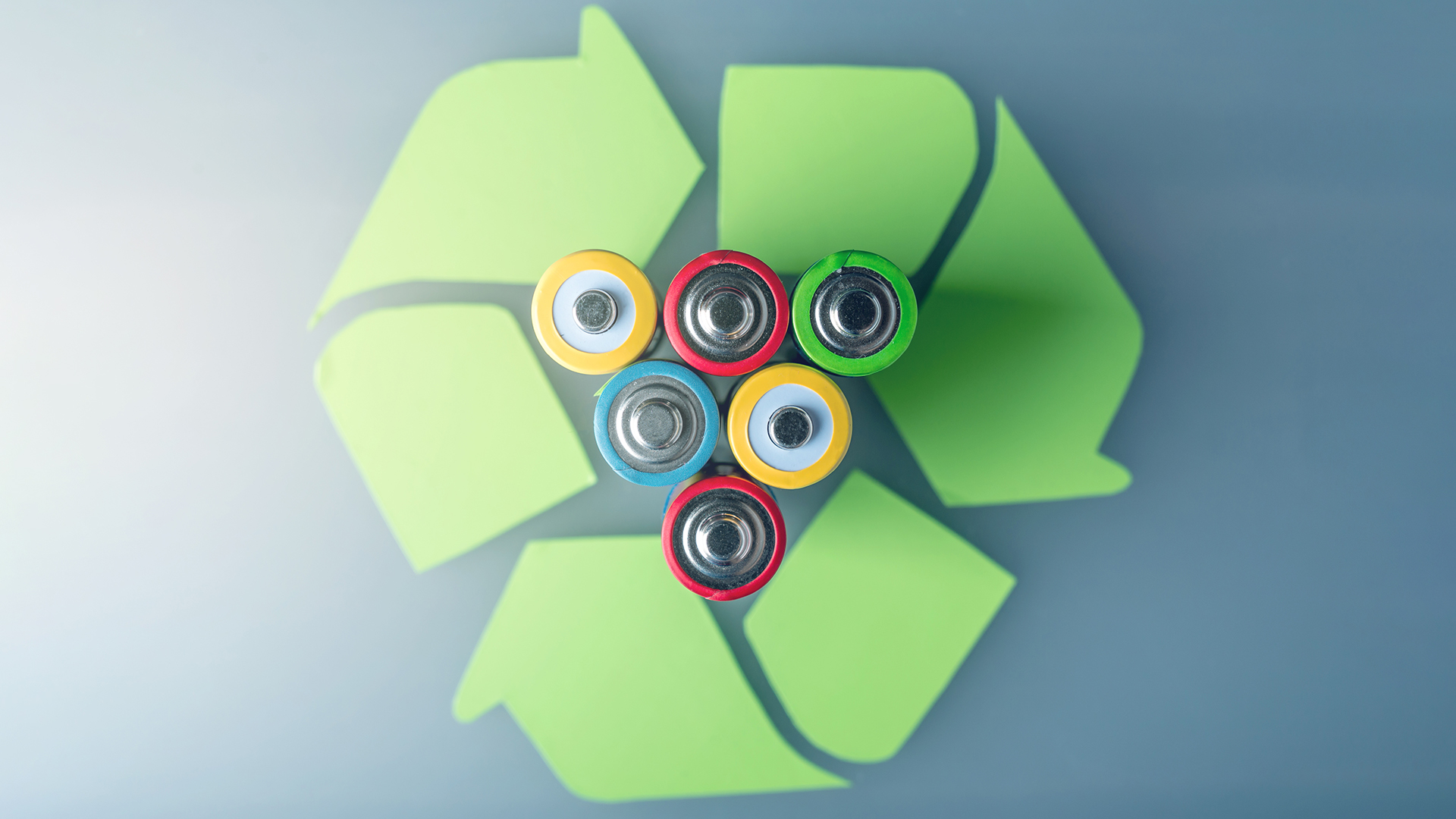
Battery labels should have a consistent and simple marking (e.g., a colour-coded, three-chasing arrows loop) across all battery chemistries to encourage and aid recycling. At a minimum, recycling and chemistry markings should address three primary goals. In order of priority, they are:
Instructing consumers to keep batteries out of the trash and curbside recycling, and are directed to dedicated battery recycling networks where available;
Providing consumers and recycling network employees with human-readable information to enable the sorting of used batteries among major chemistry families (e.g. Pb, Li-ion, Ni-Cd, Ni-MH, and Li-metal); and
If appropriate within a chemistry family, inform recyclers of the unique features, components, and/or constituents of the batteries for recovery (e.g. cathode material).
As battery labelling standards are adopted, it is important those standards be consistent across chemistries sold on the US market, regardless of the country of origin. Requirements imposed only on domestic manufacturers will fail to address the problem considering the dominance of foreign manufacturers of lithium and other battery chemistries. Labelling standards must be identifiable and enforceable by US Customs Inspection officials to ensure that batteries entering the US market are compliant and do not pose additional hazards.
Battery labelling best practices should also consider, in addition to a recycling and chemistry disclosure marking, additional safety and hazard information to inform users and recyclers of necessary storage requirements, fire hazards, and other information. OSHA and CPSC labelling regulations provide ample guidance and foundation.
Labelling is not a panacea, however, and even reliable labelling cannot eliminate risks entirely without additional safeguards built into collection and transportation channels. All participants in the collection and return chain must be trained in the proper sorting and segregation of chemistries and in the safe handling and transportation of used batteries.
Closing the loop through circularity
With sound policies and industry initiative, we can replicate the circularity success of lead batteries across additional chemistries. However, the unique residual value of recyclable lead components may not directly transfer to other battery types.
Most lithium-ion recycling is unprofitable today, without subsidies or processing fees. Achieving true circularity requires continued technological innovation to improve economics. Industry must collaborate with regulators in pursuing pragmatic advancement of both recycling and collection infrastructure. With patience and purpose, commercially viable recycling pathways can be developed for emerging applications.
The alternative is simply unacceptable: Deepening and growing the known environmental and safety threats. We must, therefore, learn from the proven lead battery industry playbook to enable safe battery disposal across the energy storage landscape.
A battery waste crisis is not inevitable. Averting it requires intentional action, beginning today. With foresight now towards sustainable collection and economically viable reprocessing, our clean energy future remains a path towards circularity.
Please note, this article will also appear in the seventeenth edition of our quarterly publication.