Tag: children

  • Why Polio Has Reemerged in Gaza

    Why Polio Has Reemerged in Gaza

    [ad_1]

    Why are most cases of polio vaccine-derived variants?

    Most cases of paralytic polio are now vaccine-derived due to the success of the Global Polio Eradication Initiative. OPV has been instrumental in the near-eradication of wild polioviruses around the world. However, in areas where vaccination rates drop and enough people are susceptible to infection, the weakened virus can replicate. Unfortunately, each round of replication increases the potential for the virus to revert to a form that causes illness and paralysis.

    Why was the old oral polio vaccine shelved in 2016?

    Following the eradication of type 2 poliovirus in 1999, the only cases of type 2 paralytic polio were vaccine derived. Therefore, to stop these cases, there was a decision to shift from the original trivalent OPV, which contained all three poliovirus serotypes, to a bivalent OPV vaccine, which only contained type 1 and type 3 poliovirus strains. With an additional type 2 specific monovalent vaccine available to contain any vaccine-derived type 2 should any cases arise.

    Was that a mistake, as some experts have suggested?

    Although this decision was well intentioned, hindsight suggests that the level of vaccine-derived type 2 poliovirus was underestimated. The Global Polio Eradication Initiative commissioned a report into this decision and the draft report, which is open for public comment, has described the switch to bivalent OPV as an “unqualified failure”.

    What type of poliovirus vaccine is being used in the current campaign in Gaza?

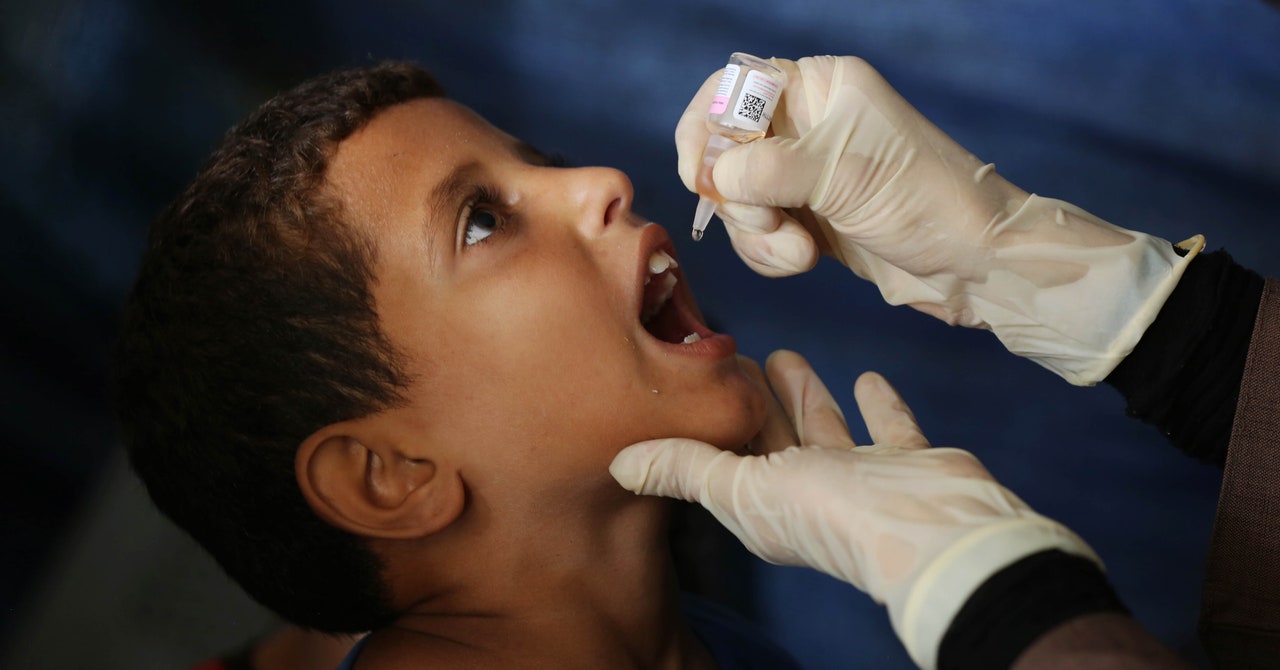
    More than 1.6 million doses of the novel oral poliovirus vaccine type 2 (nOPV2) – a new poliovirus vaccine—will be delivered to the Gaza Strip to provide two doses to more than 640,000 children under the age of 10.

    Will it have the same risks as the old poliovirus vaccine? That is, might it get in the wastewater and cause more polio cases?

    No, the nOPV2 is a next-generation version of the traditional type 2 monovalent oral polio vaccine that is used to respond to vaccine-derived type 2 poliovirus outbreaks. The key difference is that the new vaccine contains a weakened virus that has been modified to make it more genetically stable and significantly less likely to revert to a more virulent form capable of causing paralysis, thereby increasing the chances of stopping these outbreaks for good.

    What other diseases are likely to emerge in Gaza, given the interrupted vaccination campaigns?

    Other vaccine-preventable diseases, such as measles and pneumonia, as well as diarrheal diseases, such as rotavirus, all have the potential to emerge, each with its own dangers and complications. Therefore it is really important that as many vaccines as possible are delivered into Gaza.

    [ad_2]

    Source link
  • Long covid causes very different symptoms in children versus teenagers

    Long covid causes very different symptoms in children versus teenagers

    [ad_1]

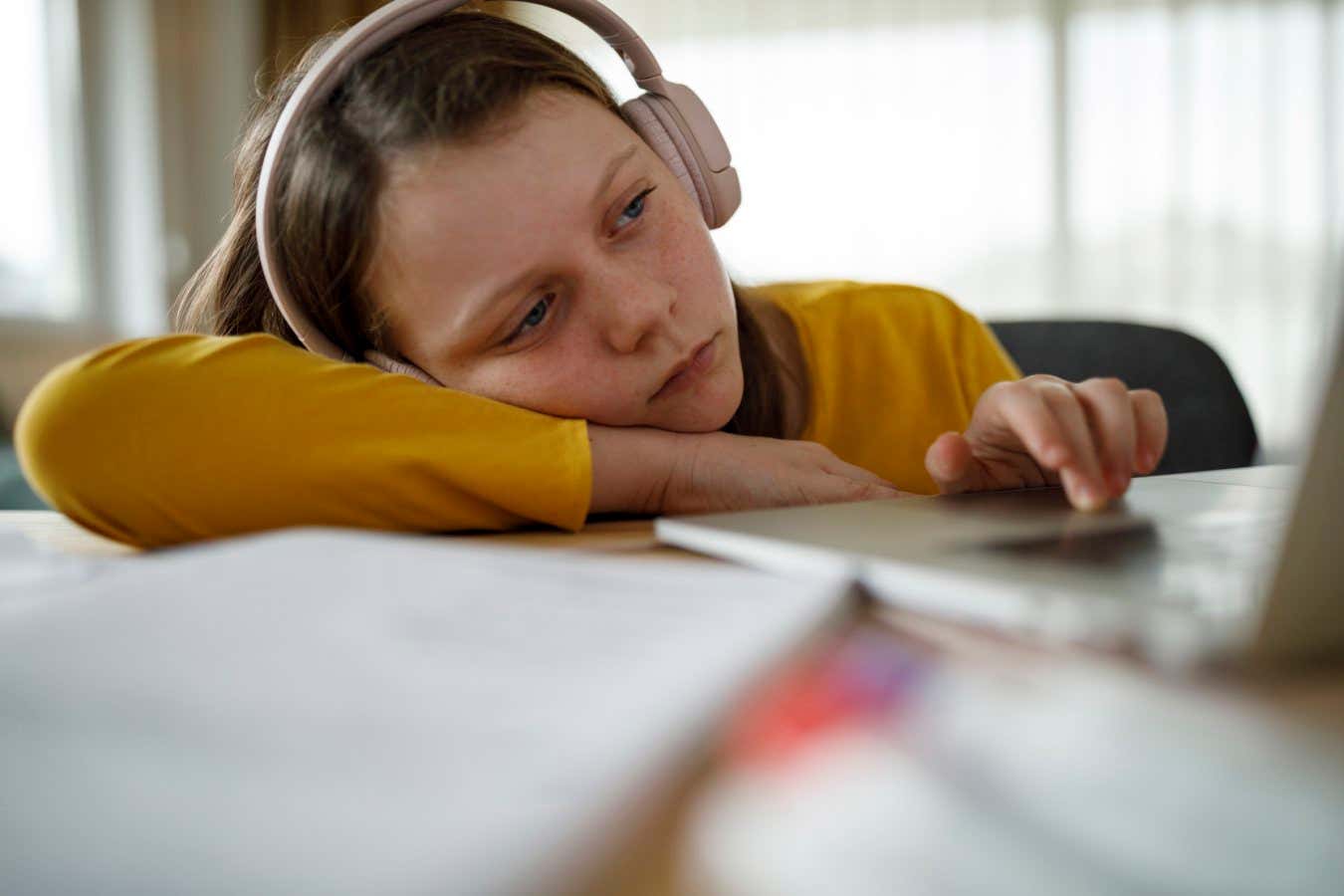
    Long covid’s effects seem to vary according to a person’s age

    damircudic/Getty Images

    Long covid symptoms appear to differ substantially between younger children and adolescents. A better understanding of how the condition can present could aid diagnoses.

    To date, most long covid research has focused on adults. That is partly due to a “misperception that children don’t get long covid”, says Rachel Gross at New York University.

    Now, Gross and her colleagues have tracked 751 children aged 6 to 11 and 3109 aged 12 to 17, who had previously had an infection with the SARS-CoV-2 virus, according to their caregivers.

    The researchers defined long covid as having at least one symptom that lasted for more than one month, started or became worse during the covid-19 pandemic and was present at the time of the study.

    Among the younger children, these symptoms mainly included sleep problems, trouble focusing and abdominal issues, such as pain, nausea, vomiting and constipation.

    These symptoms were much less common among nearly 150 children of the same age who hadn’t previously been infected, verified by them having no antibodies against the virus in their blood samples.

    In contrast, the teenagers’ long covid symptoms generally included pain, fatigue and a loss of smell or taste, compared with 1300 of their uninfected counterparts.

    Why these different symptoms occur between the age groups is unclear, but it could be down to variations in their hormonal and immune systems, says Gross. Alternatively, teenagers may simply be better able to vocalise their symptoms than younger children, says Danilo Buonsenso at the Gemelli University Hospital in Rome, Italy. For example, a teenager may complain of fatigue, while caregivers may only notice that a younger child has prolonged symptoms when they vomit.

    Off the back of this data, the researchers have developed a score that ranks how closely a young person’s symptoms correspond to possibly having long covid. Currently, diagnoses hinge on doctors ruling out other conditions and being aware of the different forms long covid can take. “Doctors like to have scores or more objective criteria, and these kinds of tools are definitely useful to help clinicians to at least recognise a child can have long covid,” says Buonsenso.

    Topics:

    [ad_2]

    Source link

  • Are only children really spoilt, self-centered and lonely?

    Are only children really spoilt, self-centered and lonely?

    [ad_1]

    New Scientist. Science news and long reads from expert journalists, covering developments in science, technology, health and the environment on the website and the magazine.

    I am an only child. Saying this sometimes feels like a confession – not least when people respond with a well-meaning “oh, you don’t seem like it!”. Now, as the mother of a preschooler, I see my daughter navigating the same assumptions. “Does she have older siblings?” one teacher asked recently. “She plays so well with the other kids!”

    If it seems like I am bragging about my (or my daughter’s) behaviour, you will have to excuse me: I am, after all, an only child.

    For over a century, we have been seen as odd, at best; antisocial, neurotic and narcissistic, at worst. “Being an only child is a disease in itself,” declared 19th-century child psychologist Granville Stanley Hall.

    Whether there are actually any differences between the personalities and well-being of singleton children and those with siblings remains a contentious question – one given fresh impetus by the growing trend of one-and-done parenting.

    Single-child families have become more common since the 1970s in high-income countries, including the US and UK, whether “by constraint or by choice”, says éva Beaujouan, a demographer at the University of Vienna, Austria. In Europe, nearly half of all households with children have just one child.

    Despite their growing popularity, one-child families continue to encounter a long-held view that this arrangement is somehow harmful. Fortunately, delving into contemporary research can offer a degree of clarity – and it hints that being an only child can come with surprising outcomes. The findings may offer some reassurance for one-and-done parents and those still debating how many…

    [ad_2]

    Source link

  • Are only children really self-centred, spoilt and lonely?

    Are only children really self-centred, spoilt and lonely?

    [ad_1]

    New Scientist. Science news and long reads from expert journalists, covering developments in science, technology, health and the environment on the website and the magazine.

    I am an only child. Saying this sometimes feels like a confession – not least when people respond with a well-meaning “oh, you don’t seem like it!”. Now, as the mother of a preschooler, I see my daughter navigating the same assumptions. “Does she have older siblings?” one teacher asked recently. “She plays so well with the other kids!”

    If it seems like I am bragging about my (or my daughter’s) behaviour, you will have to excuse me: I am, after all, an only child.

    For over a century, we have been seen as odd, at best; antisocial, neurotic and narcissistic, at worst. “Being an only child is a disease in itself,” declared 19th-century child psychologist Granville Stanley Hall.

    Whether there are actually any differences between the personalities and well-being of singleton children and those with siblings remains a contentious question – one given fresh impetus by the growing trend of one-and-done parenting.

    Single-child families have become more common since the 1970s in high-income countries, including the US and UK, whether “by constraint or by choice”, says Éva Beaujouan, a demographer at the University of Vienna, Austria. In Europe, nearly half of all households with children have just one child.

    Despite their growing popularity, one-child families continue to encounter a long-held view that this arrangement is somehow harmful. Fortunately, delving into contemporary research can offer a degree of clarity – and it hints that being an only child can come with surprising outcomes. The findings may offer some reassurance for one-and-done parents and those still debating how many…

    [ad_2]

    Source link

  • The truth about social media and screen time’s impact on young people

    The truth about social media and screen time’s impact on young people

    [ad_1]

    New Scientist. Science news and long reads from expert journalists, covering developments in science, technology, health and the environment on the website and the magazine.

    “Get off your phone!” Most parents will have found themselves yelling some version of this at their offspring – often to be met with eye-rolls.

    We have all found ourselves spending more time on screens in recent years, with the rise of smartphones and social media. Children are no exception. The covid-19 pandemic also resulted in a huge rise in their screen time as a result of lockdowns and school closures.

    There are a lot of scary claims about excess screen time for children and teenagers: that it is harming their mental health, leading to depression, eating disorders and even suicide, and is cutting into time they would otherwise spend socialising or exercising, causing loneliness and poor physical fitness. In short, the fear is that too much time on digital devices is ruining kids’ lives – and tech companies, which have designed their apps to hook us, are complicit. No wonder governments around the world are considering curtailing screen time for under-18s.

    Yet a closer look at the evidence doesn’t support this overwhelmingly negative picture. This doesn’t mean tech giants are benign and don’t need more regulation. But it does mean we need to think more carefully about what healthy screen time for young people looks like and how best to make the online world accessible to them. So here’s a guide to what we really know about the impact of screens and social media.

    One thing is clear in this complex area: children and adolescents now spend a lot of time on screens – just like the rest of us. A …

    [ad_2]

    Source link

  • Evidence of consciousness in newborns has implications for their care

    Evidence of consciousness in newborns has implications for their care

    [ad_1]

    New Scientist. Science news and long reads from expert journalists, covering developments in science, technology, health and the environment on the website and the magazine.

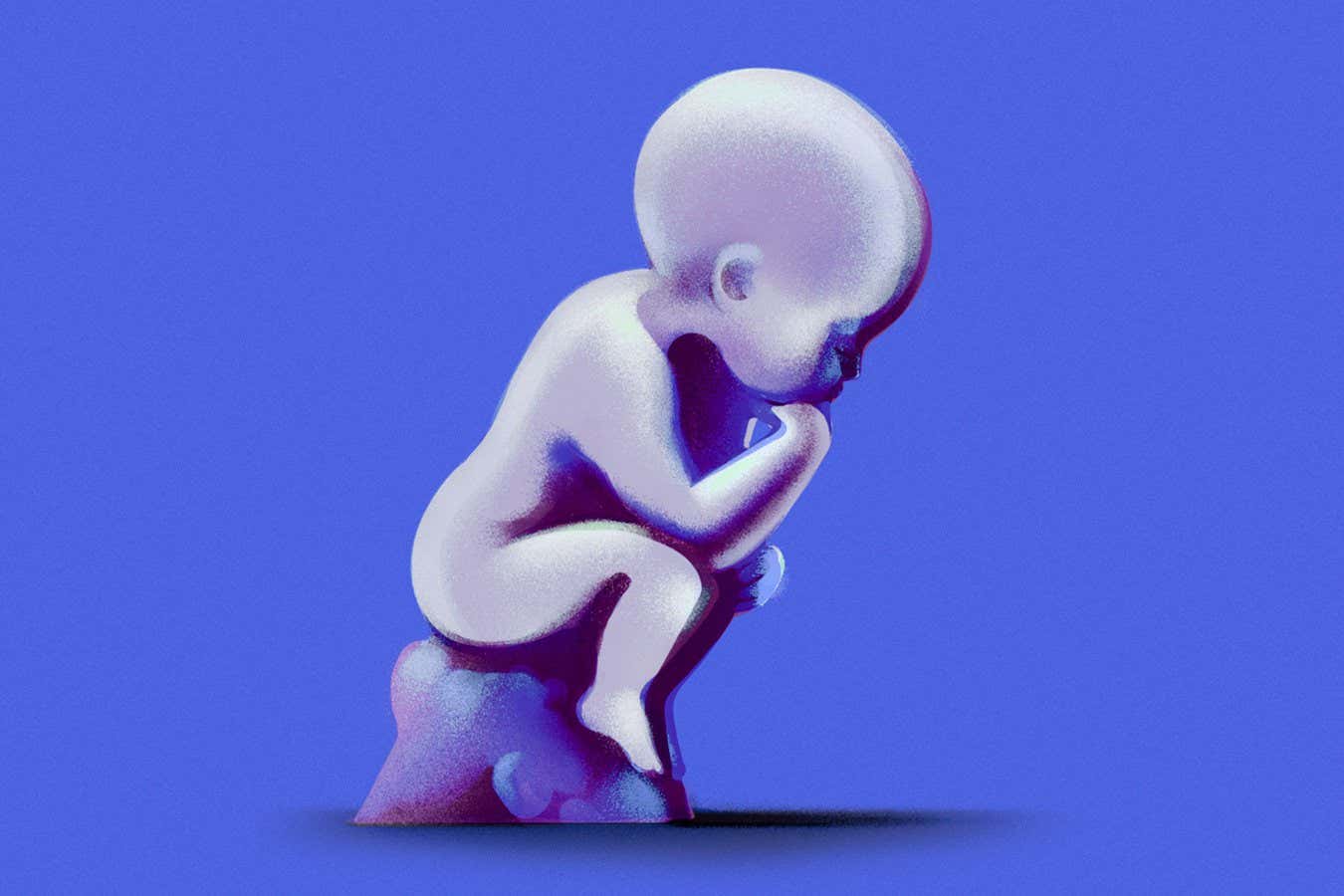
    Do newborn babies consciously hear sounds and feel pain? In the past, infant boys undergoing circumcision were often not given anaesthetic, partly because it was thought that their brains were immature and they couldn’t consciously feel pain. Even today, there remains much uncertainty. Babies cannot tell us what they are experiencing, so it is hard to know what they are conscious of.

    Recently, neuroscientists have uncovered evidence suggesting newborn infants perceive the world consciously. When newborns encounter certain surprising stimuli, their brain reacts strikingly similarly to the way conscious adult brains react.

    One method to investigate uses the oddball paradigm.…

    [ad_2]

    Source link

  • Gene therapy enables five children who were born deaf to hear

    Gene therapy enables five children who were born deaf to hear

    [ad_1]

    Gene therapy involves delivering a normal copy of a mutated gene that is behind a particular condition

    nobeastsofierce/Shutterstock

    Five children in China who were born deaf can now hear with both ears after getting gene therapy to provide a normal copy of a mutated gene. The degree of hearing varies from child to child, but all can now hear voices at a conversational volume and locate the source of sounds.

    Six months after treatment, the five children’s hearing was around 50 to 60 per cent of normal levels, says team member Zheng-Yi Chen at the Mass Eye and Ear hospital in Boston. “When we whisper, they have a difficult time, but normal conversation is fine,” he says. “We’re very happy.”

    In the first part of this trial, which began in 2022, the team gave a separate group of six children in China gene therapy in one ear only. Five of the six gained hearing in the treated ear and are still continuously improving, says Chen.

    The team expects the second group of five children to see further gains too. “What we see now is not the peak of the improvement,” says Chen. “We expect it to improve further.”

    The trial in China is the first of several getting under way around the world, with two children in the UK and one in the US also reported to have gained hearing in one ear after receiving gene therapy.

    “The trials are all broadly similar,” says Manohar Bance at the University of Cambridge, who treated the two children in the UK.

    All the children in these trials were born deaf because they have mutations in both copies of the gene for a protein called otoferlin. This plays a key role in the synapses, or links, between the hair cells in the ear that detect sound and the nerves that carry the signals to the brain. The mutations affect the protein, stopping the signals from being transmitted.

    Between 2 and 8 per cent of the children born deaf around the world are thought to have this condition, known as DFNB9.

    The parents of children with DFNB9 have normal hearing if they each have just one mutated copy of otoferlin. Such couples are usually unaware they have a 1 in 4 chance of having a child who is born deaf.

    The gene therapy involves delivering a working version of the otoferlin gene to the hair cells with the help of a virus called AAV. Because of the size of the otoferlin gene, it has to be split and put into two separate viruses.

    A mixture of the viruses is injected into the inner ear and the complete gene is then reassembled inside cells that get both of its halves. The DFNB9 trials are the first time that dual AAV gene therapy, as it is known, has been used to treat people.

    “This is a big technological advancement,” says Chen. “We expect to see very broad use of the technology for treating other genetic diseases.”

    The trials start by treating just one ear at a time because this requires half the dose of AAV, he says, reducing the odds of any adverse events. No serious adverse events have been reported in any of the trials.

    Chen’s team now plans to treat the other ear of the children in the first group. This might be tricky because the immune response to the initial AAV injection could block gene delivery, but Chen thinks it will be possible.

    Treating other forms of inherited deafness will be harder, says Chen, because these result in the degeneration of some structures within the ear. With DFNB9, all the structures remain intact. “We just need to fix one component,” he says.

    Some people don’t see deafness as a condition that needs to be cured, says Martin McLean at the UK’s National Deaf Children’s Society. The society’s position is that families should be free to make informed decisions for themselves.

    “Parents or young people should be made aware of any risks, and above all understand that being deaf is not a barrier in itself to a happy and fulfilled life,” he says.

    Topics:

    [ad_2]

    Source link

  • Periods are starting younger and we're struggling to pin down why

    Periods are starting younger and we're struggling to pin down why

    [ad_1]

    Menstruation is occurring earlier and earlier in life for younger generations in the Western world, but researchers are puzzled as to why

    [ad_2]

    Source link

  • Who Wants to Have Children in a Warming World?

    Who Wants to Have Children in a Warming World?

    [ad_1]

    How does race play a factor in how we all process those emotions?

    What I found in a survey that I conducted is that the most distressing emotions were reported by people of color, who in a statistically significant way, most identified feeling traumatized by the impact of climate change. They also reported feeling fear more so than white respondents.

    And they also reported feeling overwhelmed. And that came out a lot in interviews too. What I was not anticipating—but this is also significant—is that when it came to parenting in the midst of climate change, people of color in my study were most likely to report positive or action-oriented emotions, including feeling motivated, feeling determined, feeling a sense of happiness or optimism. Because that was a quantitative survey, I wasn’t able to ask questions about why those positive emotions were there.

    But I can only imagine that it’s because people of color really have long histories of facing existential threat. Black and Indigenous people, in particular, have had to develop tools to become resilient, to become resilient within community, within family, and within social movements. And so I can only imagine that those responses of motivation, joy, determination, and happiness come from a sense of “We will survive, we will endure, and whatever future is ahead, we will find a way to thrive.”

    So, does your work really underscore the importance of African Americans and communities of color—in the face of these threats—drawing strength from family?

    Not just family. We can trace a long history in the United States of Black people, literally, facing threats to our existence, from literally the earliest days of being in this country through slavery. And so one of the things that has always been a really important institution to protect us from the harms of the outside world is family, and not just family, but multigenerational family. And for us, that often includes chosen family.

    We all have “play cousins,” “play aunties,” “play uncles”—people who are not biological kin. But the lack of biological relationship does not matter at all. They are members of the family. Building and sustaining those multigenerational ties has always been important to strengthen us, not just against big existential threats, but to strengthen us in a society in which we often don’t have the necessary resources and social supports that we need.

    We often have the absence of a social safety net to provide for us in the ways that we need to be provided for. Other institutions provide those supports, as well. The church, for example. Say what you want about the Black church—there are challenges, there have always been challenges, but the Black church has been a really important institution in the lives of African Americans, not just for religious reasons, but for social reasons. It was a very important institution throughout the Civil Rights Movement.

    And it provides a space of safety, solace, and community as a buffer against a lot of the challenges of the outside world. How does all of this come back to climate anxiety and the kid question? Well, when you don’t have research that includes African Americans, for example, then you tend to assume that we don’t experience climate anxiety, or that, if we do, it doesn’t have any impact on kid questions for us. And that’s not true.

    [ad_2]

    Source link

  • Smartphone use can actually help teenagers boost their mood

    Smartphone use can actually help teenagers boost their mood

    [ad_1]

    How do smartphones make teens feel?

    Shutterstock/DavideAngelini

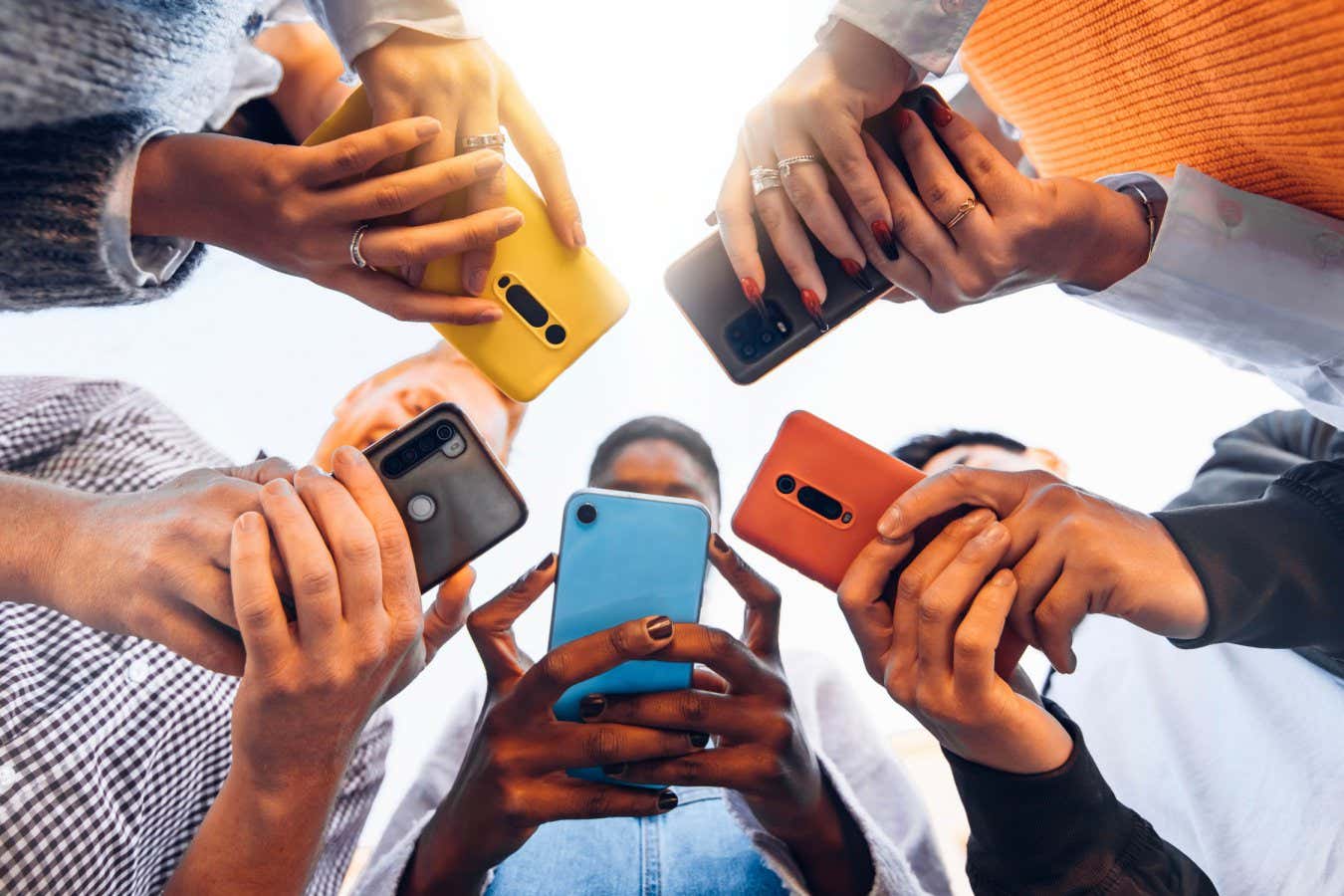
    A small study of children aged 12 to 17 suggests that using a smartphone slightly improves their mood, adding to the debate on whether teenagers should have access to the devices.

    Experts are split on the matter: some researchers, including Jonathan Haidt at New York University, claim that smartphones may be contributing to a mental health crisis, while others like Pete Etchells at Bath Spa University, UK, argue that there is a lack of evidence to prove such a link.

    Now, Matt Minich and Megan Moreno at the University of Wisconsin-Madison have gone further, showing a positive association with smartphones. They enlisted 253 children in the US to take part in a six-day study, sending them 30 short surveys via text at random times between 9am and 9pm.

    The surveys asked people if they were on their phone at the time they received the text message, as well as to rate their mood on a 7-point scale at that present moment and before they picked up their phone.

    On average, people said their mood had lifted from just below 5 on the 7-point scale to just below 5.5 when using their phone, suggesting they were using the device as a mood management tool. “Adolescents reported higher moods when they were using their phones,” says Minich. “And they reported that their moods had improved during the time that they were using their phones.”

    So does this mean smartphones are good for teenagers? “Phones are neither good nor bad,” says Minich. “If a teen is also developing other healthy mood management techniques, it’s likely harmless for them to use their phones in this way. But if phone use becomes a crutch that prevents them from learning other ways to regulate moods, it might become an addictive or compulsive behaviour. Importantly, nothing in our results suggests that smartphone use is harmful for teens.”

    Etchells praises the way that Minich and Moreno asked people for responses in the moment rather than only to recall past emotions, which can be misleading. But he disagrees with attempts to suggest that using phones to manage mood can be addictive. “It feels as though there’s this need to acknowledge that phones could still be bad, because we’re so stuck in that way of thinking,” he says.

    Topics:

    [ad_2]

    Source link