Tag: Colon

  • Therapeutic potential of human umbilical cord-derived mesenchymal stem cells in Crohn’s disease

    Therapeutic potential of human umbilical cord-derived mesenchymal stem cells in Crohn’s disease

    [ad_1]

    In a recent study published in eBioMedicine, researchers investigated whether human umbilical cord-derived mesenchymal stem cells (hUC-MSCs) could heal luminal ulcers in Crohn’s disease (CD) patients.
    Study: hUC-MSCs therapy for Crohn’s disease: efficacy in TNBS-induced colitis in rats and pilot clinical study. Image Credit: Lobachad/Shutterstok.comStudy: hUC-MSCs therapy for Crohn’s disease: efficacy in TNBS-induced colitis in rats and pilot clinical study. Image Credit: Lobachad/Shutterstok.com

    Background

    CD is a developing global disease with a poor overall effectiveness rate, posing a considerable therapeutic challenge to health professionals. Current therapies have limitations, and recovery rates are far from expected.

    MSC-based therapy has demonstrated promise as a potential new treatment option for various disorders, including CD of the perianal fistulizing type. However, limited evidence is available on the efficacy of MSCs in treating or healing intestinal ulcers in CD. 

    Human umbilical cord MSCs have acquired popularity due to their immunomodulatory capabilities, simplicity of collection, limitless source of stem cells, low immunological rejection, and lack of tumorigenic features.

    Despite their usefulness in immunological and inflammatory illnesses, there has been no research on using hUC-MSCs locally to heal intestinal ulcers in CD patients.

    About the study

    The present study researchers explored hUC-MSC safety and effectiveness in CD management.

    The researchers used the 4,6-trinitrobenzene-sulfonic acid (TNBS)-inflicted colitis rat model to investigate the effectiveness of hUC-MSC therapy in CD. They calculated the disease activity index (DAI) by adding values for body weight loss, stool consistency, and stool blood.

    The colon macroscopic damage index (CMDI) assessed the level of colonic inflammation. They analyzed colon samples under a microscope to establish histopathological scores (HPS).

    From November 2020 to October 2023, the researchers ran a pilot, open-label clinical study with 17 refractory CD patients. Participants received a local submucosal injection of hUC-MSCs (60 × 106 cells/10 mL) by colonoscopy, followed by an intravenous drip of 1.0 × 10⁶ hUC-MSCs/kg/100 mL the following day.

    The study included individuals aged 18–75 years with moderate-severe CD for ≥3 months, baseline CDAI scores of 220-450, and endoscopic ulcers. They did not respond to conventional or advanced treatment, including immunomodulators and biologics.

    The researchers followed the patients for 24 weeks, measuring laboratory and clinical markers on days 0, week 4, week 8, week 12, and week 24.

    They performed endoscopic assessments at the start of the trial and, after 12 weeks, obtained mucosal specimens from lesion margins for ribonucleic acid (RNA) sequencing. The researchers excluded individuals with a history of pregnancy, CD complications, comorbidities, prior surgery, uncontrolled infections, or cancer in the past five years.

    The team also produced two hUC-MSC in vitro co-cultures using mucosal tissues and the human monocyte cell line THP-1-induced M1 macrophages. Reverse transcription-polymerase chain reaction (RT-PCR) measured inflammatory and intestinal barrier function-related genes.

    In addition, the researchers performed gene ontology (GO) analysis and explored the Kyoto Encyclopedia of Genes and Genomes (KEGG) pathway enrichment.

    They used enzyme-linked immunosorbent assays (ELISA) to assess the expression of tumor necrosis factor-stimulated gene-6 protein (TSG-6) in hUC-MSC culture supernatants after 48 hours of stimulation with lipopolysaccharide (LPS), interferon-gamma (IFNγ), and TNF-alpha (TNFα) for 48 hours.

    Results

    In preclinical studies, hUC-MSCs raised body weight while decreasing DAI, CMDI, and HPS scores in the TNBS-inflicted colitis murine model, with significant reductions in intestinal mucosal injury, edema, hyperemia, and ulcerations.

    Local and submucosal hUC-MSC injections resulted in intestinal ulcer regression in the study participants.

    Among the subjects, eight (47%) displayed endoscopic responses (a ≥50% improvement in SES-CD scores), and three (18%) demonstrated mucosal healing, with parallel improvements of laboratory and clinical markers without significant side effects.

    Human umbilical cord-derived MSCs increased transcripts associated with intestinal barrier integrity while decreasing those related to inflammatory intestinal mucosal pathways, including TNF-α, interleukin-17 (IL-17), and toll-like receptor (TLR) signaling.

    The treatment dramatically enhanced RNA levels of tight junction proteins [E-cadherin (CDH1), zonula occludens-1 (ZO1), and claudin-1 (CLDN1)] in the intestinal epithelium and intestinal pro-inflammatory genes (TNF-α, IL-1β, and IL-6).

    Furthermore, hUC-MSCs reduced THP1-induced M1 macrophage polarization and messenger RNA (mRNA) expressions of TNF-α, IL-1β, and IL-6.

    MSCs obtained from the human umbilical cord suppressed Janus kinase/signal transducers and activators of transcription (JAK/STAT) phosphorylation in intestinal mucosal cells from Crohn’s disease patients.

    Conclusions

    The study findings showed that submucosal injection of hUC-MSCs by colonoscopy, paired with an intravenous drip, reduced TNBS-inflicted colitis among rats. This technique may treat refractory CD with clinical effectiveness and tolerable risk.

    TSG-6 release may contribute to the therapeutic effect by inhibiting JAK/STAT phosphorylation, reducing M1 macrophage polarization, and improving intestinal barrier function.

    In individuals with moderately or highly active CD, hUC-MSC treatment resulted in clinical remission and the repair of intestinal ulcers.

    The expression of STAT1, M1 macrophage-associated specific markers, and pro-inflammatory factors in the intestinal mucosa dropped considerably following therapy. Further research is required to establish the efficacy of hUC-MSC treatment and investigate the underlying processes of the therapy.

    [ad_2]

    Source link

  • Cruciferous vegetables may offer new hope for inflammatory bowel disease management

    Cruciferous vegetables may offer new hope for inflammatory bowel disease management

    [ad_1]

    In a recent review published in the journal Current Developments in Nutrition, researchers assessed the therapeutic potential of cruciferous vegetables and their bioactive compounds in managing inflammatory bowel disease (IBD) using in vitro, in vivo, and clinical models. 

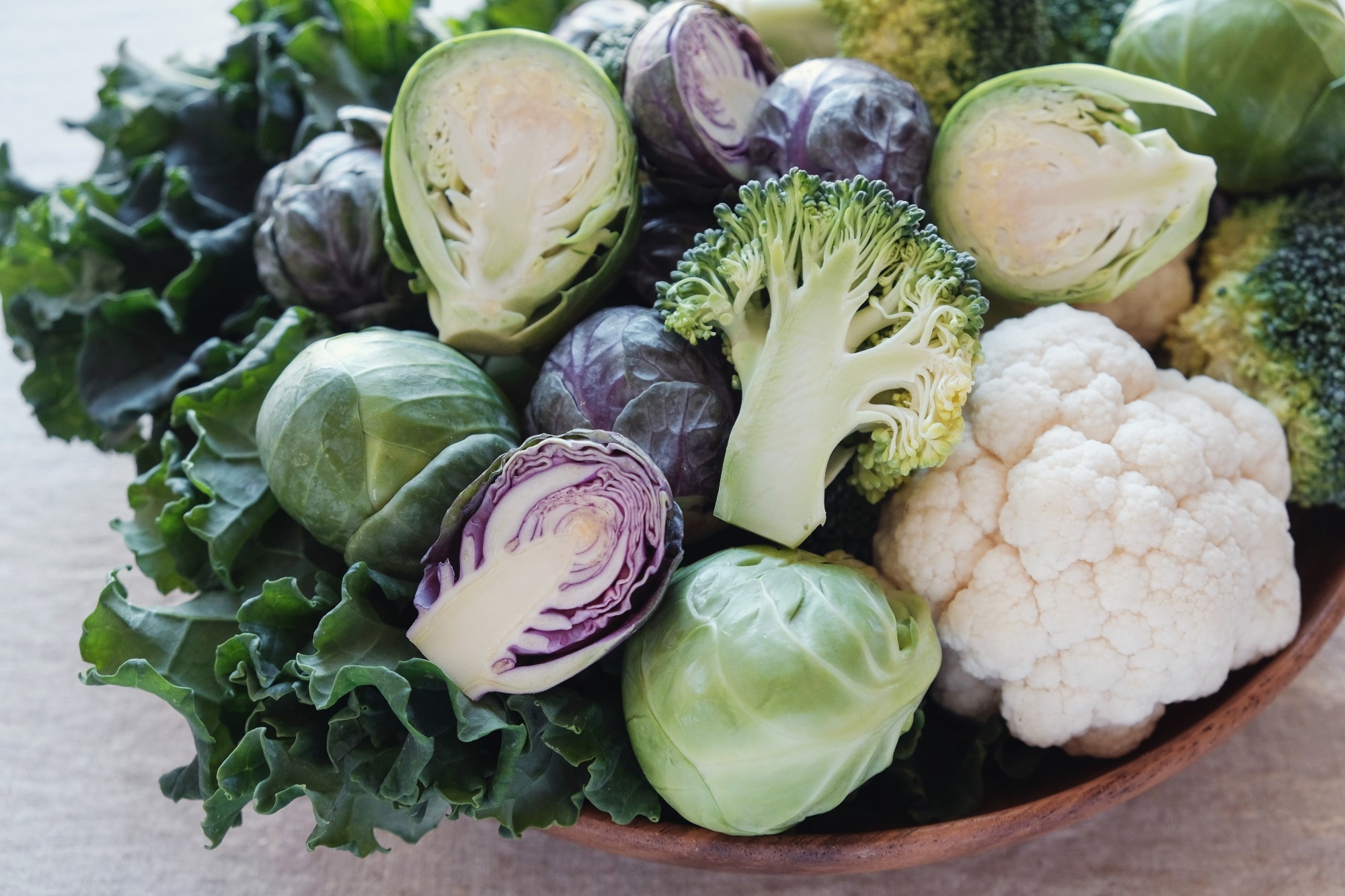
    Review: Current knowledge on the preparation and benefits of cruciferous vegetables as relates to in vitro, in vivo, and clinical models of Inflammatory Bowel Disease. Image Credit: SewCreamStudio / ShutterstockReview: Current knowledge on the preparation and benefits of cruciferous vegetables as relates to in vitro, in vivo, and clinical models of Inflammatory Bowel Disease. Image Credit: SewCreamStudio / Shutterstock

    Background 

    IBD, including Ulcerative Colitis (UC) and Crohn’s Disease (CD), is a chronic condition characterized by persistent inflammation, gastrointestinal distress, and severe tissue damage. UC affects the colon and rectum, while CD involves the distal gut, both resulting in painful symptoms and the need for frequent surgical interventions. IBD’s prevalence, particularly in Europe and North America, poses significant economic and social challenges, aggravated by links to modern lifestyle factors such as dietary changes to ultra-processed foods, urbanization, and stress. Current treatments, focusing on inflammation and microbial imbalances, often diminish in efficacy, highlighting the need for cost-effective management strategies and further research into personalized dietary interventions using bioactive compounds from cruciferous vegetables for improved therapeutic outcomes.

    Introduction to cruciferous vegetables and bioactive compounds

    Cruciferous vegetables belonging to the Brassicaceae family include a variety of nutrient-rich plants such as broccoli, Brussels sprouts, cabbage, and kale. These vegetables are distinguished by their high content of glucosinolates (GSLs), which are sulfur-containing compounds known to influence human health positively. When consumed, GSLs are converted by the enzyme myrosinase into isothiocyanates (ITCs) such as sulforaphane (SFN), compounds that have been extensively studied for their potential to modulate oxidative stress and inflammation- two key pathological aspects of IBD.

    These vegetables also contain other significant bioactive compounds, such as flavonoids and polyphenols. Flavonoids, like quercetin and kaempferol, possess potent antioxidant properties that help scavenge harmful free radicals in the body. Polyphenols, including ferulic acid and sinapic acid, contribute further antioxidant and anti-inflammatory effects that are crucial for managing chronic diseases like IBD. The combined action of these compounds not only helps reduce oxidative stress and inflammation but also aids in strengthening the gut barrier and modulating the gut microbiome, thereby potentially alleviating symptoms of IBD.

    In vitro evidence of cruciferous vegetable efficacy

    Extensive in vitro research has underscored the therapeutic potential of cruciferous vegetables in the context of IBD. Studies using cell cultures have demonstrated that extracts from these vegetables can significantly inhibit the activation of key inflammatory pathways in immune cells. For instance, broccoli-derived nanoparticles have been shown to prevent the activation of dendritic cells and reduce the secretion of pro-inflammatory cytokines. These findings suggest that cruciferous vegetables can modulate immune responses, potentially lowering the incidence or severity of inflammatory processes within the gut.

    Moreover, the anti-inflammatory effects are complemented by the vegetables’ antioxidant properties. For example, studies on broccoli sprouts have highlighted their ability to increase the activity of phase II detoxifying enzymes, enhancing cellular defense mechanisms against oxidative damage. This is particularly important in IBD, where oxidative stress plays a critical role in aggravating intestinal inflammation and damage.

    In vivo studies supporting cruciferous benefits

    Animal studies have provided compelling evidence supporting the beneficial effects of cruciferous vegetables on IBD. Research utilizing different animal models of colitis has shown that diets enriched with cruciferous vegetables can reduce pathological scores and improve symptoms associated with IBD. These dietary interventions have been observed to modify gut microbiota composition favorably, increase the production of short-chain fatty acids, and enhance the intestinal barrier’s integrity.

    For instance, studies involving mice fed with SFN-rich broccoli extracts have reported reduced expression of inflammatory markers like Tumor Necrosis Factor (TNF)-alpha and Interleukin (IL)-6, along with an increase in the protective proteins of the gut barrier such as zonula occludens-1 (ZO-1). These findings indicate not only a reduction in inflammation but also an improvement in the structural components of the gut lining, which are often compromised in IBD patients.

    Clinical insights and future research directions

    Despite robust in vitro and in vivo evidence, clinical studies exploring the effects of cruciferous vegetables on human subjects with IBD are relatively limited. The existing studies highlight the critical role of vegetable preparation and the bioavailability of active compounds in determining their health benefits. For example, the effectiveness of SFN is influenced significantly by how broccoli is prepared and consumed, as cooking can destroy the enzyme myrosinase necessary for SFN’s release.

    Therefore, more clinical trials are needed to assess the impact of these vegetables on IBD comprehensively and to explore how these effects translate from laboratory and animal models to human health. Such studies should focus on various preparation methods, dosages, and consumption patterns to identify the most beneficial approaches for the dietary management of IBD.

    Additionally, future research should aim to understand the individualized responses to cruciferous vegetable intake in different subpopulations of IBD patients. This could help tailor dietary recommendations to enhance individual patient outcomes and develop personalized nutritional therapies that are both effective and manageable over the long term.

    Journal reference:

    • TE Alaba, J.M. Holman, S.L. Ishaq, et al, Current knowledge on the preparation and benefits of cruciferous vegetables as relates to in vitro, in vivo, and clinical models of Inflammatory Bowel Disease., Current Developments in Nutrition, DOI –  10.1016/ j.cdnut.2024.102160, https://cdn.nutrition.org/article/S2475-2991(24)00094-5/fulltext 

    [ad_2]

    Source link

  • MUTYH gene mutation linked to increased risk of various solid tumors

    MUTYH gene mutation linked to increased risk of various solid tumors

    [ad_1]

    A gene associated with colorectal cancer appears to also play a role in the development of other solid tumors, according to a study of over 350,000 patient biopsy samples conducted by researchers at the Johns Hopkins Kimmel Cancer Center, the Johns Hopkins Bloomberg School of Public Health and Foundation Medicine. 

    Since the early 2000s, scientists have known that inheriting two mutated copies of the gene MUTYH leads to a 93-fold increased risk of colorectal cancer and is a major cause of that cancer in individuals younger than 55. The new study, published online Feb. 23 in JCO Precision Oncology, is the largest analysis to date to investigate whether a single mutated copy of MUTYH also affects one’s risk of developing cancer. 

    We know two missing copies of MUTYH greatly increases the risk of colon cancer, and now it appears that having only one missing copy may lead to a small increased risk of other cancer types.”


    Channing Paller, M.D., study’s lead author, director of prostate cancer clinical research and associate professor of oncology at the Johns Hopkins University School of Medicine

    She co-led the work with Emmanuel Antonarakis, M.D., associate director of translational research at the Masonic Cancer Center and Clark Endowed Professor of Medicine at the University of Minnesota Medical School. He was at Johns Hopkins at the time the research was conducted.

    The gene MUTYH encodes a critical enzyme in the base excision repair (BER) pathway, which fixes DNA damage in human cells. When the BER pathway isn’t working, routine DNA damage is not repaired, leading to additional DNA mutations or cell death. 

    Since 2021, Paller has co-led PROMISE, a genetic registry of patients with inherited mutations in prostate cancer. When one of her patients asked whether his MUTYH mutation, for which he had one defective copy rather than two, affected his aggressive prostate cancer, there was not enough data on MUTYH variants to answer the question, says Paller. Past studies reached conflicting results about whether a single, heterozygous mutation of MUTYH might predispose a person to cancer. 

    In pursuit of an answer, Paller reached out to Foundation Medicine, a Massachusetts-based genomic profiling company that maintains one of the world’s largest cancer genomic databases. With researchers at Foundation Medicine; Alexandra Maertens, Ph.D., of the Center for Alternatives to Animal Testing at the Bloomberg School of Public Health; and others, the team applied an advanced algorithm to analyze the genetic data of 354,366 solid tumor biopsies stored in the Foundation database. 

    Within that population of tumor samples, 5,991 had one working version and one mutated version of MUTYH. Of those, 738 (about 12%) had lost their working copy of the gene, leaving them with just the mutated copy. Those with a single, mutated copy of MUTYH showed a genetic signature, like a fingerprint, of additional genetic mutations and a defective BER pathway. Individuals with that genetic signature had a modest increase in susceptibility to a subset of solid tumors, including adrenal gland cancers and pancreatic islet cell tumors. However, they did not have an increased risk for breast or prostate cancer, resolving the original patient’s question. 

    The results suggests that MUTYH variants might be involved in a broader range of cancers than previously known, Paller says. 

    “The next question is whether this finding has therapeutic implications,” she says. “Can we target the BER pathway for possible drug sensitivities?” If so, doctors might be able to add a new therapeutic approach to their arsenal of tools against solid cancers. 

    Other study co-authors were from Cardiff University School of Medicine in the United Kingdom and the University of Minnesota Masonic Cancer Center in Minneapolis. 

    The research was supported in part by Department of Defense funding from the Congressionally Directed Medical Research Programs (grant W81XWH-22-2-0024), the National Institutes of Health (grant P30CA006973) and Advancing Cancer Treatment.Paller is a consultant or adviser for Dendreon, Omnitura, Exelixis and AstraZeneca; receives research funding from Lilly (Inst); and travel, accommodations and expenses from Bayer. Maertens maintains stock and other ownership interests in Pfizer.

    Source:

    Journal reference:

    Paller, C. J., et al. (2024). Pan-Cancer Interrogation of MUTYH Variants Reveals Biallelic Inactivation and Defective Base Excision Repair Across a Spectrum of Solid Tumors. JCO Precision Oncology. doi.org/10.1200/po.23.00251.

    [ad_2]

    Source link

  • Research explores the health benefits of resistant starch in plant-based diets

    Research explores the health benefits of resistant starch in plant-based diets

    [ad_1]

    In a recent review published in the journal Frontiers in Nutrition, a group of authors examined the health benefits of resistant starch (RS). It assessed the impact of food processing methods on its retention in plant-based foods, using clinical evidence and observational studies from 2010 to 2023.

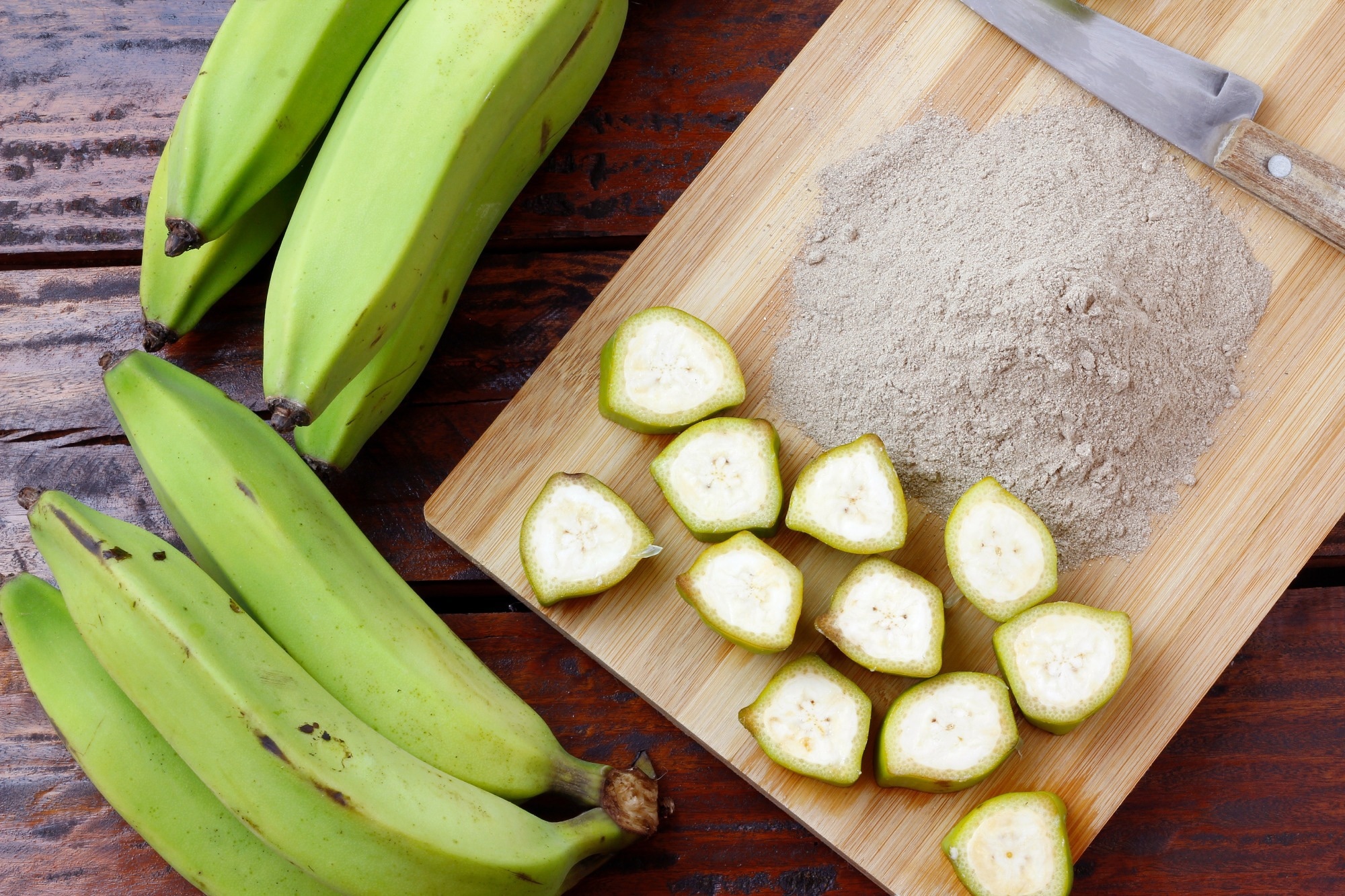
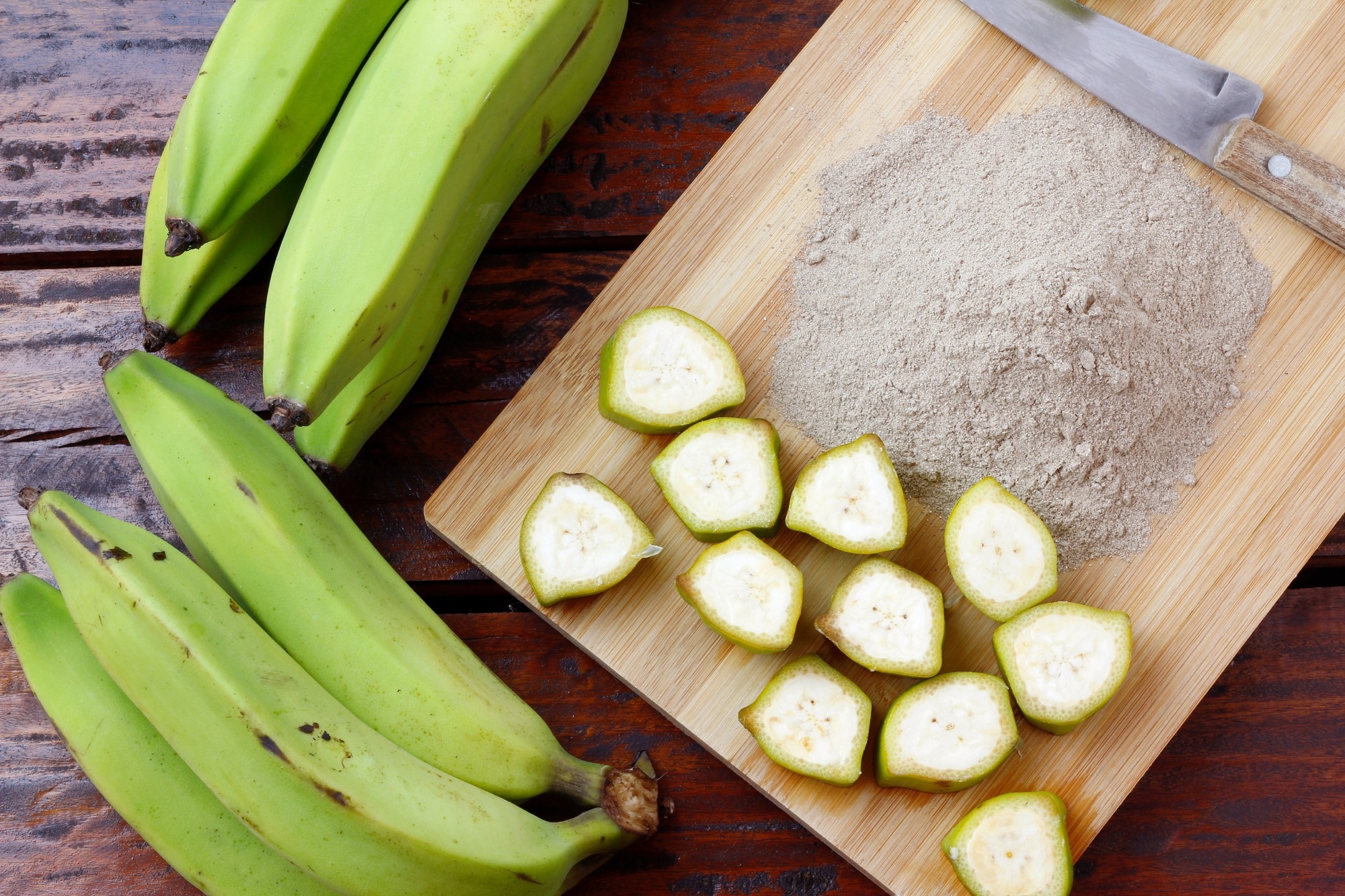
    Study: Harnessing the power of resistant starch: a narrative review of its health impact and processing challenges. Image Credit: Adao / ShutterstockStudy: Harnessing the power of resistant starch: a narrative review of its health impact and processing challenges. Image Credit: Adao / Shutterstock

    Background 

    Carbohydrates (CHO) are crucial for energy and glucose regulation in diets, with starch being a major source found in cereals, fruits, vegetables, and legumes. Starches vary in digestibility, from rapidly to slowly digestible forms, while RS evades digestion, benefiting colon health similarly to dietary fibers. Despite dietary recommendations promoting a minimum daily fiber intake to reduce chronic disease risks, actual consumption is often below suggested levels across various regions. Current global RS intake is low, underscoring a significant dietary gap. This highlights the urgent need for research into food processing techniques that can maintain or increase RS content, aiming to utilize its health advantages more effectively.

    Exploring the benefits and production of RS

    RS represents a critical focus in nutritional science due to its potential health benefits and the challenges associated with preserving its content through food processing. This review embarks on an in-depth exploration, drawing from a literature search across Medline, COCHRANE, and The Lens databases. RS varies in form and function and is categorized into five types, each with unique properties and sources. For instance, Resistant starch type 1 (RS1) is found in whole or partly milled grains and seeds, resisting digestion due to its physical entrapment. Resistant starch type 2 (RS2) exists in its native state in foods like uncooked potatoes and green bananas, protected by its granular structure. Resistant starch type 3 (RS3), or retrograded starch, forms when cooked starchy foods cool down, making it indigestible to enzymes. Resistant starch type 4 (RS4) is a product of chemical modification designed to resist digestion. The resistant starch (RS5)  category, initially defined for starch-lipid complexes, has expanded to include other resistant complexes formed with molecules like amino acids and polyphenols.

    The impact of food processing on RS

    The nutritional value of RS, especially its low glycemic index and satiety-enhancing properties, can be influenced significantly by food processing methods. For example, the RS content in foods can be affected at various stages, from the type of crop grown to the methods of cooking, cooling, and storing the food. Breeding techniques that increase the amylose content of starches can lead to higher RS content post-cooking. However, milling can reduce RS content by breaking down starch’s crystalline structure. Similarly, cooking methods that involve high temperatures can decrease RS levels, whereas cooling and storage processes can retrograde starch and increase RS content.

    Breeding for higher RS content

    Breeding techniques focusing on a higher amylose-to-amylopectin ratio significantly elevate RS levels in foods. High-amylose wheat cultivars, for instance, have shown promising increases in RS content in bread, which translates into notable health benefits such as improved postprandial glycemia. However, there are trade-offs, as high-amylose varieties can affect the textural quality of dough and bread products.

    Impact of milling and cooking

    Milling processes, particularly those breaking down starch’s crystalline structure, can reduce RS content, with whole grains generally offering higher RS levels. Cooking methods, including microwave and heat-moisture treatments, significantly influence RS content. For example, microwave cooking can enhance RS levels, likely due to its unique heating method, which favors starch retrogradation. Moreover, carefully controlling the starch-to-moisture ratio and the duration and temperature of heating can further optimize RS content.

    Cooling, storage, and fermentation effects

    Post-cooking cooling and subsequent storage significantly impact RS content, with refrigeration after cooking notably increasing RS levels in foods like rice and bread. The type of storage, whether ambient, refrigerated, or frozen, plays a crucial role in this process. Fermentation conditions also markedly affect RS content; for instance, sourdough fermentation with specific microbial strains can increase RS levels in bread. Such fermentation strategies, alongside optimal storage conditions, offer practical avenues to enhance the RS content in foods, contributing to the broader goal of improving dietary fiber intake and associated health benefits.

    Clinical evidence on the health impacts of RS

    The review delves into the clinical evidence assessing RS’s effects on health outcomes, including gastrointestinal health, metabolic responses, and inflammatory markers. RS intake has been associated with several health benefits, such as improved stool quality, reduced glycemic response, and a favorable impact on gut microbiota. Furthermore, RS consumption has been linked to lower levels of inflammation and improved antioxidant capacity.

    Conclusions and future directions

    This narrative review underscores the significant health benefits of RS and the complex interplay between food processing methods and RS content. It highlights the need for further research to optimize processing techniques to enhance the dietary availability of RS, ultimately contributing to better health outcomes. Understanding the mechanisms behind RS’s health benefits and the influence of food processing can guide the development of nutritional recommendations and food products rich in RS, paving the way for improved public health strategies.

    [ad_2]

    Source link

  • Limoncella apple polyphenol extract shines in IBD liver damage study

    Limoncella apple polyphenol extract shines in IBD liver damage study

    [ad_1]

    In a recent study published in the International Journal of Molecular Sciences, a group of researchers evaluated the efficacy of ‘Limoncella’ apple polyphenol extract (LAPE) in mitigating inflammatory bowel disease (IBD)-induced hepatotoxicity through its antioxidant and anti-inflammatory properties in a dinitro-benzenesulfonic acid (DNBS)-colitis mouse model.

    Study: Polyphenol-Rich Extract from ‘Limoncella’ Apple Variety Ameliorates Dinitrobenzene Sulfonic Acid-Induced Colitis and Linked Liver Damage. Image Credit: Marcin Rogozinski / ShutterstockStudy: Polyphenol-Rich Extract from ‘Limoncella’ Apple Variety Ameliorates Dinitrobenzene Sulfonic Acid-Induced Colitis and Linked Liver Damage. Image Credit: Marcin Rogozinski / Shutterstock

    Background  

    IBDs like Crohn’s disease (CD) and ulcerative colitis (UC) lead to persistent digestive inflammation, and over 35% of patients suffer from extraintestinal manifestations (EIMs), worsening their life quality. These EIMs include joint, skin, and eye issues, with primary sclerosing cholangitis as a prevalent liver complication. The gastrointestinal system’s connection to the hepatobiliary system exposes the liver to colitis-induced inflammation. Increased intestinal permeability in IBD allows gut flora to migrate to the liver, causing inflammation and damage. Polyphenols have shown promise in treating these issues due to their antioxidant, anti-inflammatory, and lipid-lowering properties. Notably, Limoncella apple polyphenols have demonstrated effectiveness in reducing colitis-induced liver damage, necessitating further research to clarify their mechanisms and potential in human IBD treatment.

    About the study 

    Chemicals like DNBS, myeloperoxidase (MPO), and other reagents were sourced from reputable suppliers, ensuring high purity for the study. For the investigation of LAPE, apples were harvested from Castelvetere del Calore, Italy, and processed using a method involving methanol to extract the polyphenols, which were then analyzed through high-performance liquid chromatography (HPLC) to identify the polyphenolic content.

    Male CD1 mice were housed under controlled conditions for the experimental model to ensure their well-being. The study followed ethical guidelines, with approval from relevant authorities. Colitis was induced in these mice using DNBS, and LAPE was administered to evaluate its therapeutic potential. Various concentrations of LAPE were tested to assess its effect on colonic inflammation and liver damage markers. Intestinal permeability was measured using fluorescein isothiocyanate (FITC)-conjugated dextran, while MPO activity assays and cytokine production measurements provided insights into the inflammatory response. 

    Histological analysis of colon and liver tissues, along with the assessment of serum biochemical markers, offered a further understanding of LAPE’s protective effects against colitis-induced damage. The study’s findings were rigorously analyzed, employing statistical methods to ensure the reliability of the results, pointing towards the potential benefits of LAPE in treating inflammatory conditions and their complications.

    Study results 

    The present study analyzed the polyphenolic composition of LAPE  using HPLC- Diode-Array Detection (DAD), revealing significant quantities of gallic acid, procyanidin B1, catechin, chlorogenic acid, and other polyphenols, indicating a rich polyphenolic profile beneficial for health. In experiments using the DNBS model of colitis in mice, LAPE showed promising anti-inflammatory properties by improving both macroscopic and histopathological damage caused by DNBS. Notably, LAPE administration led to a significant reduction in the colon weight/length ratio, an indicator of inflammation, and improved histological signs of colon injury, such as crypt loss and inflammatory cell infiltration.

    Further investigation into LAPE’s anti-inflammatory effects revealed a significant decrease in neutrophil infiltration, as measured by MPO activity, and a reduction in pro-inflammatory cytokines interleukin (IL)-1β and IL-6 in the colons of DNBS-treated mice. These findings underscore LAPE’s potential in modulating inflammatory responses within the gut.

    Moreover, LAPE’s role in restoring intestinal barrier function was highlighted by its ability to significantly reduce increased intestinal permeability in DNBS-treated mice, as indicated by lower serum levels of FITC-dextran. The study also found that LAPE treatment helped maintain β-catenin levels on the cell membrane, which is crucial for cell adhesion and maintaining intestinal barrier integrity.

    The research extended to examining LAPE’s impact on liver dysfunction and lipid accumulation associated with colitis. DNBS-induced colitis resulted in elevated serum liver enzymes like Alanine Aminotransferase (ALT) and Aspartate Aminotransferase (AST) and increased lipid peroxidation, indicative of liver damage and oxidative stress. Remarkably, LAPE administration significantly reduced these effects, demonstrating its protective role against liver dysfunction and oxidative stress. Histological assessments further supported LAPE’s efficacy, showing reduced hepatic lipid accumulation and improved liver histopathology in DNBS-treated mice.

    Conclusions 

    To summarize, IBDs like UC and CD cause chronic gastrointestinal inflammation, potentially leading to liver damage. Current treatments, often associated with adverse effects, highlight the need for safer alternatives. This study focuses on 

    LAPE, demonstrating its effectiveness in reducing intestinal and liver inflammation in a DNBS-induced colitis model in mice. LAPE not only alleviated colonic inflammation by decreasing inflammatory markers and improving histological damage but also enhanced intestinal barrier function, potentially through modulation of the Wnt/β-catenin signaling pathway. Additionally, it reduced liver damage, evidenced by lower liver enzyme levels and decreased lipid accumulation, likely via inhibiting the Nuclear Factor kappa-light-chain-enhancer of activated B cells (NF-κB) pathway. The findings suggest that a small daily intake of Limoncella apples could be beneficial for IBD patients, offering a natural approach to reduce both intestinal and liver inflammation.

    Journal reference:

    • Lama S, Pagano E, Borrelli F, et al. Polyphenol-Rich Extract from ‘Limoncella’ Apple Variety Ameliorates Dinitrobenzene Sulfonic Acid-Induced Colitis and Linked Liver Damage. International Journal of Molecular Sciences. (2024), DOI: 10.3390/ijms25063210, https://www.mdpi.com/1422-0067/25/6/3210 

    [ad_2]

    Source link

  • UH College of Pharmacy secures CPRIT funding to fight familial adenomatous polyposis

    UH College of Pharmacy secures CPRIT funding to fight familial adenomatous polyposis

    [ad_1]

    The University of Houston College of Pharmacy is included in a $68.5 million funding package from the Cancer Prevention and Research Institute of Texas (CPRIT).

    Ming Hu, Diana S-L. Chow Endowed Professor of Drug Discovery and Development, and Gregory Cuny, Joseph P. & Shirley Shipman Buckley Endowed Professor of Drug Discovery, received $1.4 million to fight familial adenomatous polyposis (FAP), a devastating and rare genetic disorder of the gastrointestinal tract that can cause hundreds or thousands of polyps inside the colon or rectum.

    No effective treatment exists for FAP, which impacts 1-in-10,000 people, and unless the colon is surgically removed at an early age, 100% of patients will develop cancer. 

    There was once a glimmer of hope in the form of celecoxib, a selective COX-2 (cyclooxygenase 2) inhibitor, that was previously approved to treat FAP. COX-2 is an enzyme involved in the inflammation process. Unfortunately, its use for FAP was withdrawn because chronic use of celecoxib, which inhibits polyp growth, causes rare but serious cardiovascular toxicities including death. 

    Hu and Cuny are set to design new drugs to battle FAP, ones that will inhibit the activity of COX-2 in specific local areas of the body without affecting the entire body.

    “We propose to develop locally bioavailable (i.e., no systemic exposure and toxicities) selective COX-2 inhibitors that are only available in the colon to suppress colonic COX-2 expression and reduce prostaglandin E2 levels, which is known to promote tumor growth,” said Hu.

    The locally bioavailable drugs will know exactly where to go in the body, designed to use the body’s normal physiological processes to go straight to the areas of need.

    They target the areas by being slowly metabolized in the colon but rapidly metabolized in the liver via a process called glucuronidation and undergoing recycling backed to the colon, minimizing systemic exposure. Our lead compound LBD-01 already has these properties, but its anti-COX-2 activity is lower than celecoxib. Hence, our research goal is to obtain more active compounds, while maintaining local bioavailability in the colon.” 


     Gregory Cuny, Joseph P. & Shirley Shipman Buckley Endowed Professor of Drug Discovery

    The project is co-led by three contributing investigators with complementary expertise: Noah Freeman Shroyer, Baylor College of Medicine; Dr. Eduardo Vilar Sanchez, a clinician who treats FAP patients at M.D. Anderson Cancer Center; and Rashim Singh, UH College of Pharmacy.

    “Our project holds great promise for FAP patients by providing a new treatment paradigm that would be safe and effective,” said Hu. 

    According to CPRIT, Texas leads the nation in its commitment to the war on cancer. Since 2010, CPRIT has funded 1,967 awards for cancer research, product development and prevention for a total amount of $3,542,257,795.

    [ad_2]

    Source link

  • UK lags in cancer treatment compared to other countries

    UK lags in cancer treatment compared to other countries

    [ad_1]

     People in the UK were treated with chemotherapy and radiotherapy less often than in comparable countries and faced long waits for treatments, according to two new studies published in The Lancet Oncology. 

    In the first research of its kind, investigators at University College London examined data from over 780,000 people with cancer diagnosed between 2012 and 2017 in four comparable countries (Australia, Canada, Norway and the UK). Eight cancer types were included: oesophageal, stomach, colon, rectal, liver, pancreatic, lung and ovarian cancer. 

    The two studies by the International Cancer Benchmarking Partnership (ICBP) are the first to examine treatment differences for eight cancer types in countries across three continents. Building on previous research, the findings provide further insights into why cancer survival in the UK lags behind internationally. 

    The research concluded that: 

    • There was stark variation in the treatment of all eight cancer types and people with cancer in the UK received chemotherapy and radiotherapy less often than other countries. Fewer lung cancer patients in the UK (27.7%) were treated with chemotherapy compared to Canada (35.0%), Norway (45.3%) and Australia (41.4%)
    • Older patients were least likely to be treated with chemotherapy and radiotherapy, particularly in the UK. For example, 2.4% of UK patients aged 85 and over received chemotherapy, compared to 8.1% in Australia and 14% in Ontario, Canada 
    • Countries with better cancer survival typically had higher use of chemotherapy and radiotherapy and shorter waits to start treatment in this study. For example, 5-year net survival for stage 3 colon cancer was higher in Norway (70.7%), Canada (69.9%) and Australia (70.1%) than in the UK (63.3%)
    • Overall, people living in Norway and Australia started chemotherapy and radiotherapy in the quickest time 
    • Patients in the UK faced long waits for treatment, and this varied depending on where people live. The average time to start chemotherapy was shortest in England (48 days) and longest in Scotland (65 days). Northern Ireland had the shortest average time to start radiotherapy (53 days) and Scotland (79 days) and Wales (81 days) had the longest 

    The UK should be striving for world-leading cancer outcomes. All cancer patients, no matter where they live, deserve to receive the highest quality care. But this research shows that UK patients are treated with chemotherapy and radiotherapy less often than comparable countries. 

    When it comes to treating cancer, timing really matters. Behind these statistics are people waiting anxiously to begin treatment that is key to boosting their chances of survival. 

    We can learn a great deal from other countries who have stepped up and substantially improved cancer services. With a general election on the horizon, the UK Government has a real opportunity to buck the trends we see in this research and do better for people affected by cancer.” 

    Michelle Mitchell, Chief Executive, Cancer Research UK

    Although not every patient will require them, chemotherapy and radiotherapy are key treatment options – it’s estimated around 4 in 10 people with cancer in the UK should receive radiotherapy as part of their care. With cancer cases projected to rise in the UK, demand for these treatments will substantially increase. And a wider range of people, including older people with more complex healthcare needs, will require cancer treatment. 

    While some cancer patients need time to prepare for treatment, others are forced to wait too long. This can result in people’s cancers continuing to grow and spread, potentially impacting the success of their treatment and further exacerbating their stress and anxiety levels. 

    Cancer Research UK said that concerning delays to begin treatment in the UK are partly a result of the UK Government’s lack of long-term planning on cancer in recent decades. Countries with more robust cancer strategies backed by sufficient funding have seen larger improvements in survival than the UK.

    There are a range of factors driving international differences in the use of chemotherapy and radiotherapy. Cancer Research UK said that workforce and capacity pressures across the UK health system are barriers to delivering world-class treatment for patients. 

    As outlined in the charity’s recently published manifesto, ‘Longer, better lives’, the UK’s cancer crisis could be turned around with a long-term plan to deliver investment and reform needed in the NHS. 

    As part of this, Cancer Research UK is calling for a strategic approach to addressing treatment variation. Better data collection and investment in clinical audit and quality improvement would help us understand and tackle why access to timely, quality treatment differs. 

    Clinical lead for the International Cancer Benchmarking Partnership and an ovarian cancer surgeon, Dr John Butler, said: 

    “For many aggressive cancers – such as ovarian, lung and pancreatic cancer, it’s vital that people are diagnosed and start treatment as soon as possible. Lower use of chemotherapy and radiotherapy in the UK could impact people’s chances of survival, especially for older patients. 

    “Although we have made progress, the last benchmark showed that cancer survival in the UK is still around 10 to 15 years behind leading countries. This study captures missed opportunities for patients in the UK to receive life-prolonging treatment. 

    “The next phase of our research will explore these treatment differences in more depth and look to understand the impact of the Covid pandemic on cancer patient’s care.” 

    Lead researcher from University College London, Professor Georgios Lyratzopoulos, said: 

    “This study builds on over a decade of ICBP research into how cancer diagnosis and care varies internationally. We already know that the cancer survival in the UK has fallen behind countries like Australia and Canada, and this analysis of two key cancer treatments highlights one of the likely reasons. 

    “With cancer cases projected to rise in the UK, the NHS must be equipped to deliver the best care for patients. The cancer treatment landscape is changing at pace, but capacity issues and system pressures mean that not all patients can feel the benefit of specialist cancer treatments. 

    “To improve the UK’s cancer outcomes, we need to continue to investigate what is driving international variation in treatment – better data collection is key to this.” 

    Source:

    Journal reference:

    McPhail, S., et al. (2024) Use of chemotherapy in patients with oesophageal, stomach, colon, rectal, liver, pancreatic, lung, and ovarian cancer: an International Cancer Benchmarking Partnership (ICBP) population-based study. The Lancet Oncology. doi.org/10.1016/S1470-2045(24)00031-7.

    [ad_2]

    Source link

  • Study evaluates colorectal cancer screening programs in Latin America

    Study evaluates colorectal cancer screening programs in Latin America

    [ad_1]

    Little is known about colorectal cancer screening strategies throughout the Western Hemisphere, with the exception of the U.S. and Canada.

    A recent study by Regenstrief Institute, Indiana University School of Medicine, University of Alabama at Birmingham and University of North Carolina, Chapel Hill, researcher-clinicians is one of the first to identify and evaluate colorectal cancer screening programs in Latin America.

    The research team made several significant findings including the lack of screening programs in low-middle-income countries, such as Honduras, El Salvador, Guatemala and Bolivia. The researchers also found the prevalence of colorectal cancer in high-middle-income countries, such as Brazil, Argentina, Uruguay and Chile, to be similar to the prevalence in high-income countries.

    Detection of colorectal cancer via screening enables either earlier diagnosis with better prognosis or prevention from removal of pre-cancerous polyps for a disease that is the second leading cause of cancer-related deaths worldwide and typically does not have symptoms in its early stages. While globally colorectal cancer disproportionately affects high-income countries, both incidence and deaths are increasing in low- and high-middle-income countries, which include most Latin American nations.

    Although a complete picture of colorectal cancer in Latin America is not available due to uncertain completeness of data collection from its cancer registries, its incidence is increasing. The study authors note limited resources and infrastructure as well as the absence of public awareness in much of the region. They emphasize the need throughout Latin America for more screening and call for research on prevention.

    The research team reviewed and analyzed studies of cancer screening in Latin America written in English, Spanish and Portuguese, which included a total of nearly 124,000 participants. In addition to identifying a lack of screening programs in low middle-income countries, the researchers found that colon cancer screening strategies, employing either or both noninvasive fecal immunochemical tests (FIT), which look for blood in stool, or screening colonoscopies, had been successfully implemented in Brazil, Argentina, Mexico, Costa Rica, Uruguay and Chile — all high-middle-income Latin American countries.

    The researchers report these high-middle-income countries in Latin America had high uptake (86 percent) of screening. Significantly, more than 75 percent of patients received a colonoscopy following positive results from stool testing in this subset of Latin American countries.

    According to study senior author Regenstrief Institute Research Scientist Thomas Imperiale, M.D., these findings suggest that establishing population-level structured screening programs in Latin America, at least in high-middle-income countries, would potentially be as effective at reducing colorectal cancer-related disease burden as they are in other regions. “I would expect that more organized cancer screening would have the same benefit for these countries as it has for the U.S., Canada and European countries.

    FIT would be a good screening choice economically and logistically throughout Latin America. If countries are interested in cost effectiveness, efficiency and reach, FIT would appear to be the test of choice. Worldwide, it’s the most-commonly-used screening test.”


    Thomas Imperiale, M.D., Research Scientist, Regenstrief Institute 

    Study first author Eleazar Montalvan-Sanchez, M.D., an internal medicine resident physician at IU School of Medicine, who is from Honduras, says the finding of this study are important for patients, physicians and policymakers in the U.S., as well as in Latin America. “Most of the patients who I see here in Indianapolis are immigrants from Latin America who speak little English. When I try to discuss colorectal cancer screening with them it’s something new, something they have not been exposed to, unlike, for example, the availability of COVID vaccines.

    “I recall a recent patient who immediately refused a colonoscopy but didn’t give me any reason. When, at his next appointment, we discussed his refusal, he shared that he had said no because he had never heard about it [colorectal cancer screening] before. It’s important for physicians in the U.S. to know about colon cancer screening in Latin America as we work to improve health outcomes for this population.”

    The authors concluded, “This systematic review and meta-analysis found both the substantial burden of colorectal neoplasia and the feasibility of organized screening programs in Latin America. It also highlights the need for more data on CRC [colorectal cancer] burden or screening feasibility in the Latin American LMICs [low-middle-income countries]. CRC incidence is rising in Latin America as fast as anywhere in the world, warranting effective preventive measures, particularly with cost-effective, FIT-based screening programs. CRC screening should become a greater research and public health priority in Latin America.”

    “Colorectal Cancer Screening Programs in Latin America” is published in JAMA Network Open. This study was funded in part by the National Institutes of Health’s National Cancer Institute.

    Source:

    Journal reference:

    Montalvan-Sanchez, E. E., et al. (2024). Colorectal Cancer Screening Programs in Latin America. JAMA Network Open. doi.org/10.1001/jamanetworkopen.2023.54256.

    [ad_2]

    Source link

  • Burn injury disrupts the intestinal mucus barrier and alters gut microbiota, study reveals

    Burn injury disrupts the intestinal mucus barrier and alters gut microbiota, study reveals

    [ad_1]

    On a study (doi:10.1093/burnst/tkad056) published in the journal Burns & Trauma, researchers employed a combination of techniques to analyze the effects of burn injury on the gut microbiota and mucus barrier in mice. A modified histopathological grading system assessed colon tissue and mucus barrier integrity. 16S rRNA sequencing revealed changes in gut microbial composition over 10 days post-burn. Metagenomic sequencing provided deeper insights into mucus-related bacteria and potential underlying mechanisms.

    This study provides compelling evidence that burn injury disrupts the intestinal mucus barrier and alters the gut microbiota composition. Mucus-degrading bacteria appear to play a role in mucus breakdown, while probiotics may promote repair through short-chain fatty acids production.

    Professor Xi Peng, the leading researcher of this study, emphasizes, “This study is a breakthrough in understanding the intricate relationship between gut microbiota and intestinal health post-burn injuries. It highlights the dual role of microbiota in both exacerbating and healing intestinal damage, offering a new perspective for targeted therapeutic strategies.”

    This research holds significant promise for improving burn treatment outcomes. By targeting specific gut bacteria or their metabolites, it may be possible to protect the intestinal mucus barrier, prevent bacterial translocation, and ultimately improve patient survival and recovery. Further research is warranted to translate these findings into clinical applications.

    Source:

    Journal reference:

    Zha, X., et al. (2023). The impact of gut microbiota changes on the intestinal mucus barrier in burned mice: a study using 16S rRNA and metagenomic sequencing. Burns & Trauma. doi.org/10.1093/burnst/tkad056.

    [ad_2]

    Source link

  • Immune protein Ku70 key in fighting bowel cancer

    Immune protein Ku70 key in fighting bowel cancer

    [ad_1]

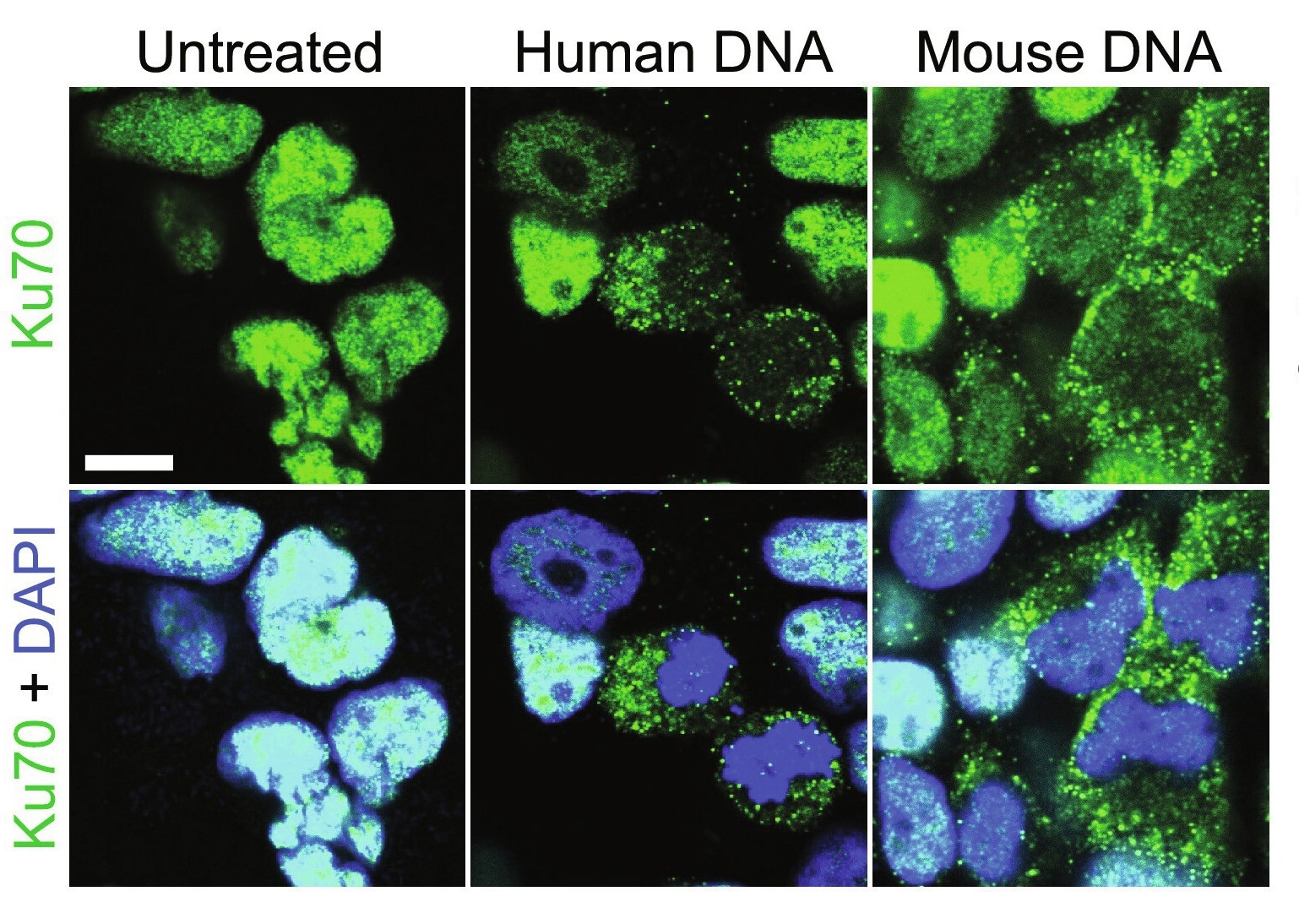
    In a recent study published in the journal ScienceAdvances, researchers conducted a plethora of experiments on human cell lines and transgenic murine models aimed at investigating the relationship between the Ku70 DNA repair protein and intestinal cancer. Their results highlight the potent tumor-suppressive function of the protein. Mutations in the gene encoding the protein or downregulations in expression substantially increased the risk of subsequent spontaneous intestinal cancer. Colitis and colitis-associated colorectal cancer risks were similarly heightened.

    This study furthers progress in understanding the Ku70-mediated Ras-ERK signaling pathway and Ku70 activation’s molecular mechanisms. These, in turn, could form the basis for the future development of DNA-based therapeutics.

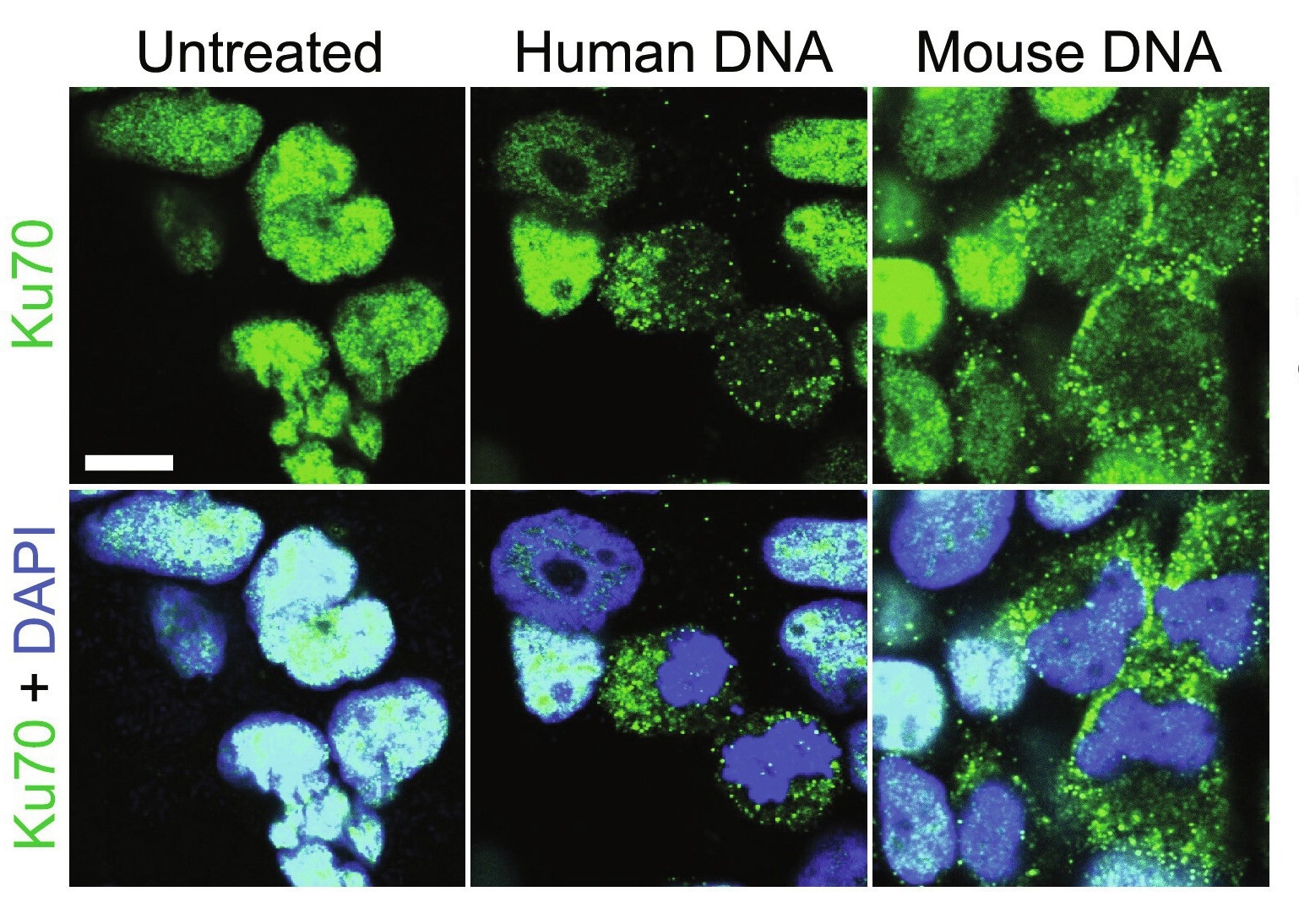
    Study: Ku70 senses cytosolic DNA and assembles a tumor-suppressive signalosomeStudy: Ku70 senses cytosolic DNA and assembles a tumor-suppressive signalosome

    What is Ku70?

    Ku70 is a DNA repair subunit protein that helps repair DNA via the non-homologous end-joining (NHEJ) pathway. In humans, the protein is encoded by the XRCC6 gene, which studies have revealed is evolutionarily conserved. Ku70 can be found both in the cell nucleus and cytoplasm and, until recently, was thought to be restricted to its primary (DNA repair) role. Over the last decade, however, a growing body of literature suggests secondary protein functions, including antimicrobial and anti-tumor.

    Cytoplasmic Ku70 has been shown to produce type III interferons (IFNs) in response to bacterial or viral DNA in both human and murine model systems. It has additionally been shown to bind to Rickettsia conorii, a human bacterial pathogen, thereby facilitating its neutralization by nonphagocytic mammalian cells.

    Recently, research has suggested that the protein may also have a tumor-suppressive role. In an unrelated experiment, genetically altered mice lacking the Ku70 gene were found remarkably susceptible to hepatocellular carcinoma and spontaneous T-cell lymphoma development. Another study revealed genetic deletion of Ku70 to enhance colorectal cancer risk. Unfortunately, the Ku70 gene is implicated in growth, with its deletion resulting in stunted murine growth. Since smaller body size and poor growth would have confounded interpretation of these results, the association between Ku70 and cancer remains speculative and hitherto unconfirmed.

    About the study

    The present study aims to elucidate any association between Ku70 protein expression and intestinal cancer risk. Once the association is identified, the mechanism underlining Ku70’s protective anti-tumor function is explored. The experimental sample group consisted of wild-type (WT), Ku70+/−(heterozygous for Ku70), Ku70−/−(homozygous recessive), and C57BL/6NcrlAnu transgenic mice. All four mice types were equally divided into case (AOM-DSS) and control (untreated) cohorts.

    The study began with the experimental induction of colitis and colitis-associated colorectal tumorigenesis in the case-cohort via the intraperitoneal injection of 10 mg of azoxymethane (AOM). This was followed five days later by administering 1.5% Dextran Sodium Sulfate (DSS) for six days. Fourteen days after AOM administration, mice were euthanized, and their intestines and colon tissues were harvested for methodological validation and downstream analysis.

    Induced cancers were identified and characterized using histology, immunohistochemistry, and microscopy techniques. Ku70 and related proteins (e.g., cytokines) were identified and quantified using immunoblotting and enzyme-linked immunosorbent assays (ELISAs), respectively. Quantitative Real Time-Polymerase Chain Reaction (qRT-PCR) was used to isolate, amplify, and identify RNA of interest within the colon tissue. RNA was further purified using lithium chloride (LiCl) precipitation. Genomic DNA obtained from mouse feces was used to identify and characterize gut microbiome assemblages using 16S ribosomal RNA (rRNA) gene sequencing.

    Separately, cell line-based lines of evidence were obtained by constructing a plasmid containing the Ku70 gene, which was then transformed into NEB 5-alpha competent Escherichia coli. Finally, the recombinant E. coli was used to transfect the study subjects, namely HEK293T human cell lines and colon cells cultured from harvested colon tissue.

    Cell line analyses incorporated genomics, immunoblotting, and immunofluorescence techniques used for the murine models and included coimmunoprecipitation, proliferation, and organoid culture analyses. Active RAS was screened as a confounding variable using the Active Ras Detection Kit. RAS is a gene family whose mutations are estimated to account for 95% of pancreatic and 45% of colorectal cancers.

    Study findings

    This study’s highlight is validating that the cytosolic DNA sensor Ku70 has the secondary role of tumor suppression. Reductions in Ku70 expression or mutation in its gene were rapidly followed by tumorigenesis in both murine models and cell cultures. This study further unravels the mechanism of action of Ku70, which depicts an unexpectedly high mutation co-occurrence with genes encoding ARAF, RAF1, HRAS, NRAS, and BRAF, RAS family genes previously implicated in intestinal cancers.

    “Our study suggests that the Ku70-ERK signaling pathway is tumor suppressive, which is in contrast to the observation that Ras/Raf mutations, which are common in colorectal cancer, drive aberrant activation of downstream ERK-MAPK signaling.”

    Study findings further suggest that Ku70 may function in a cell-specific manner – epithelial and stromal cells from patients with Crohn’s disease or colorectal cancer display decreased Ku70 gene expression even in homozygous dominant conditions. Parallelly, Ku70 was found to form a cytosolic signalosome consisting of Ras, Raf, and Ku70, which docks at the endosome’s membrane and mediates the MEK-ERK-Cdc25A-CDK1 signaling axis activation, thereby resulting in an antitumorigenic effect.

    “…activation of the Ras-ERK pathway protects mice against colitis (83) and inhibits mammalian cell proliferation. Further studies are required to elucidate which cell types undergo Ras-ERK signaling for the progression of colorectal cancer and which cell types undergo Ku70 signaling for the attenuating of colorectal cancer.”

    “We speculate that the activation of the Ku70-mediated Ras-ERK signaling might be initiated by the cytoplasmic DNA arising from the gut microbiome introduced into the host cells following a rupture of the intestinal barrier. However, it is also possible that damaged nucleus and/or mitochondria may be a source of cytoplasmic DNA that triggers Ku70-mediated Ras-ERK signaling.”

    Journal reference:

    • Pandey, A., Shen, C., Feng, S., Tuipulotu, D. E., Ngo, C., Liu, C., Kurera, M., Mathur, A., Venkataraman, S., Zhang, J., Talaulikar, D., Song, R., Wong, L., Teoh, N., Kaakoush, N. O., & Man, S. M. (2024). Ku70 senses cytosolic DNA and assembles a tumor-suppressive signalosome. Science Advances, DOI – 10.1126/sciadv.adh3409, https://www.science.org/doi/10.1126/sciadv.adh3409

    [ad_2]

    Source link