Tag: Cortex

  • Suzuki, W. A. Associative learning signals in the brain. Prog. Brain Res. 169, 305–320 (2008).

    Article 
    PubMed 

    Google Scholar
     

  • Osada, T., Adachi, Y., Kimura, H. M. & Miyashita, Y. Towards understanding of the cortical network underlying associative memory. Phil. Trans. R. Soc. B 363, 2187–2199 (2008).

    Article 
    PubMed 
    PubMed Central 

    Google Scholar
     

  • Ozawa, T. & Johansen, J. P. Learning rules for aversive associative memory formation. Curr. Opin. Neurobiol. 49, 148–157 (2018).

    Article 
    CAS 
    PubMed 

    Google Scholar
     

  • Igarashi, K. M., Lee, J. Y. & Jun, H. Reconciling neuronal representations of schema, abstract task structure, and categorization under cognitive maps in the entorhinal–hippocampal–frontal circuits. Curr. Opin. Neurobiol. 77, 102641 (2022).

    Article 
    CAS 
    PubMed 
    PubMed Central 

    Google Scholar
     

  • Squire, L. R. Memory and the hippocampus: a synthesis from findings with rats, monkeys, and humans. Psychol. Rev. 99, 195–231 (1992).

    Article 
    CAS 
    PubMed 

    Google Scholar
     

  • Buzsaki, G. & Moser, E. I. Memory, navigation and theta rhythm in the hippocampal–entorhinal system. Nat. Neurosci. 16, 130–138 (2013).

    Article 
    CAS 
    PubMed 
    PubMed Central 

    Google Scholar
     

  • Morris, R. G. in The Hippocampus Book (ed. P. Andersen, P.) 581–714 (Oxford Univ. Press, 2007).

  • Eichenbaum, H. On the integration of space, time, and memory. Neuron 95, 1007–1018 (2017).

    Article 
    CAS 
    PubMed 
    PubMed Central 

    Google Scholar
     

  • O’Keefe, J. & Nadel, L. The Hippocampus as a Cognitive Map (Oxford Univ. Press, 1978).

  • Moser, E. I., Moser, M. B. & Roudi, Y. Network mechanisms of grid cells. Phil. Trans. R. Soc. B 369, 20120511 (2014).

    Article 
    PubMed 
    PubMed Central 

    Google Scholar
     

  • Price, J. L. An autoradiographic study of complementary laminar patterns of termination of afferent fibers to the olfactory cortex. J. Comp. Neurol. 150, 87–108 (1973).

    Article 
    CAS 
    PubMed 

    Google Scholar
     

  • Burwell, R. D. The parahippocampal region: corticocortical connectivity. Ann. N. Y. Acad. Sci. 911, 25–42 (2000).

    Article 
    ADS 
    CAS 
    PubMed 

    Google Scholar
     

  • Igarashi, K. M. et al. Parallel mitral and tufted cell pathways route distinct odor information to different targets in the olfactory cortex. J. Neurosci. 32, 7970–7985 (2012).

    Article 
    CAS 
    PubMed 
    PubMed Central 

    Google Scholar
     

  • Young, B. J., Otto, T., Fox, G. D. & Eichenbaum, H. Memory representation within the parahippocampal region. J. Neurosci. 17, 5183–5195 (1997).

    Article 
    CAS 
    PubMed 
    PubMed Central 

    Google Scholar
     

  • Deshmukh, S. S. & Knierim, J. J. Representation of non-spatial and spatial information in the lateral entorhinal cortex. Front. Behav. Neurosci. 5, 69 (2011).

    Article 
    PubMed 
    PubMed Central 

    Google Scholar
     

  • Tsao, A., Moser, M. B. & Moser, E. I. Traces of experience in the lateral entorhinal cortex. Curr. Biol. 23, 399–405 (2013).

    Article 
    CAS 
    PubMed 

    Google Scholar
     

  • Igarashi, K. M., Lu, L., Colgin, L. L., Moser, M. B. & Moser, E. I. Coordination of entorhinal–hippocampal ensemble activity during associative learning. Nature 510, 143–147 (2014).

    Article 
    ADS 
    CAS 
    PubMed 

    Google Scholar
     

  • Lee, J. Y. et al. Dopamine facilitates associative memory encoding in the entorhinal cortex. Nature 598, 321–326 (2021).

    Article 
    ADS 
    CAS 
    PubMed 
    PubMed Central 

    Google Scholar
     

  • Martin, C., Beshel, J. & Kay, L. M. An olfacto-hippocampal network is dynamically involved in odor-discrimination learning. J. Neurophysiol. 98, 2196–2205 (2007).

    Article 
    PubMed 

    Google Scholar
     

  • Cohen, J. Y., Haesler, S., Vong, L., Lowell, B. B. & Uchida, N. Neuron-type-specific signals for reward and punishment in the ventral tegmental area. Nature 482, 85–88 (2012).

    Article 
    ADS 
    CAS 
    PubMed 
    PubMed Central 

    Google Scholar
     

  • Luo, W. et al. Acquiring new memories in neocortex of hippocampal-lesioned mice. Nat. Commun. 13, 1601 (2022).

    Article 
    ADS 
    CAS 
    PubMed 
    PubMed Central 

    Google Scholar
     

  • Insausti, R., Herrero, M. T. & Witter, M. P. Entorhinal cortex of the rat: cytoarchitectonic subdivisions and the origin and distribution of cortical efferents. Hippocampus 7, 146–183 (1997).

    Article 
    CAS 
    PubMed 

    Google Scholar
     

  • Witter, M. P. & Amaral, D. G. in The Rat Nervous System 3rd edn (ed. Paxinos, G.) 635–704 (Elsevier, 2004).

  • Zingg, B. et al. Neural networks of the mouse neocortex. Cell 156, 1096–1111 (2014).

    Article 
    CAS 
    PubMed 
    PubMed Central 

    Google Scholar
     

  • Jun, H. et al. Disrupted place cell remapping and impaired grid cells in a knockin model of Alzheimer’s disease. Neuron 107, 1095–1112.e6 (2020).

    Article 
    CAS 
    PubMed 
    PubMed Central 

    Google Scholar
     

  • Issa, J. B., Radvansky, B. A., Xuan, F. & Dombeck, D. A. Lateral entorhinal cortex subpopulations represent experiential epochs surrounding reward. Nat. Neurosci. 27, 536–546 (2024).

    Article 
    CAS 
    PubMed 

    Google Scholar
     

  • Mulder, A. B., Nordquist, R., Orgut, O. & Pennartz, C. M. Plasticity of neuronal firing in deep layers of the medial prefrontal cortex in rats engaged in operant conditioning. Prog. Brain Res. 126, 287–301 (2000).

    Article 
    CAS 
    PubMed 

    Google Scholar
     

  • Rushworth, M. F., Noonan, M. P., Boorman, E. D., Walton, M. E. & Behrens, T. E. Frontal cortex and reward-guided learning and decision-making. Neuron 70, 1054–1069 (2011).

    Article 
    CAS 
    PubMed 

    Google Scholar
     

  • Euston, D. R., Gruber, A. J. & McNaughton, B. L. The role of medial prefrontal cortex in memory and decision making. Neuron 76, 1057–1070 (2012).

    Article 
    CAS 
    PubMed 
    PubMed Central 

    Google Scholar
     

  • Anastasiades, P. G. & Carter, A. G. Circuit organization of the rodent medial prefrontal cortex. Trends Neurosci. 44, 550–563 (2021).

    Article 
    CAS 
    PubMed 
    PubMed Central 

    Google Scholar
     

  • Lillicrap, T. P., Santoro, A., Marris, L., Akerman, C. J. & Hinton, G. Backpropagation and the brain. Nat. Rev. Neurosci. 21, 335–346 (2020).

    Article 
    CAS 
    PubMed 

    Google Scholar
     

  • Konishi, M. I., Igarashi, K. M. & Miura, K. Biologically plausible local synaptic learning rules robustly implement deep supervised learning. Front. Neurosci. 17, 1160899 (2023).

    Article 
    PubMed 
    PubMed Central 

    Google Scholar
     

  • Hasegawa, I., Fukushima, T., Ihara, T. & Miyashita, Y. Callosal window between prefrontal cortices: cognitive interaction to retrieve long-term memory. Science 281, 814–818 (1998).

    Article 
    ADS 
    CAS 
    PubMed 

    Google Scholar
     

  • Tomita, H., Ohbayashi, M., Nakahara, K., Hasegawa, I. & Miyashita, Y. Top-down signal from prefrontal cortex in executive control of memory retrieval. Nature 401, 699–703 (1999).

    Article 
    ADS 
    CAS 
    PubMed 

    Google Scholar
     

  • Frankland, P. W. & Bontempi, B. The organization of recent and remote memories. Nat. Rev. Neurosci. 6, 119–130 (2005).

    Article 
    CAS 
    PubMed 

    Google Scholar
     

  • Tse, D. et al. Schema-dependent gene activation and memory encoding in neocortex. Science 333, 891–895 (2011).

    Article 
    ADS 
    CAS 
    PubMed 

    Google Scholar
     

  • Eichenbaum, H. Prefrontal–hippocampal interactions in episodic memory. Nat. Rev. Neurosci. 18, 547–558 (2017).

    Article 
    CAS 
    PubMed 

    Google Scholar
     

  • Kitamura, T. et al. Engrams and circuits crucial for systems consolidation of a memory. Science 356, 73–78 (2017).

    Article 
    ADS 
    CAS 
    PubMed 
    PubMed Central 

    Google Scholar
     

  • Tse, D. et al. Schemas and memory consolidation. Science 316, 76–82 (2007).

    Article 
    ADS 
    CAS 
    PubMed 

    Google Scholar
     

  • Baraduc, P., Duhamel, J. R. & Wirth, S. Schema cells in the macaque hippocampus. Science 363, 635–639 (2019).

    Article 
    ADS 
    CAS 
    PubMed 

    Google Scholar
     

  • Simons, J. S. & Spiers, H. J. Prefrontal and medial temporal lobe interactions in long-term memory. Nat. Rev. Neurosci. 4, 637–648 (2003).

    Article 
    CAS 
    PubMed 

    Google Scholar
     

  • Ito, H. T. Prefrontal–hippocampal interactions for spatial navigation. Neurosci. Res. 129, 2–7 (2018).

    Article 
    PubMed 

    Google Scholar
     

  • Spellman, T. et al. Hippocampal–prefrontal input supports spatial encoding in working memory. Nature 522, 309–314 (2015).

    Article 
    ADS 
    CAS 
    PubMed 
    PubMed Central 

    Google Scholar
     

  • Place, R., Farovik, A., Brockmann, M. & Eichenbaum, H. Bidirectional prefrontal–hippocampal interactions support context-guided memory. Nat. Neurosci. 19, 992–994 (2016).

    Article 
    CAS 
    PubMed 
    PubMed Central 

    Google Scholar
     

  • Ito, H. T., Zhang, S. J., Witter, M. P., Moser, E. I. & Moser, M. B. A prefrontal–thalamo–hippocampal circuit for goal-directed spatial coding. Nature https://doi.org/10.1038/nature14396 (2015).

  • Feierstein, C. E., Quirk, M. C., Uchida, N., Sosulski, D. L. & Mainen, Z. F. Representation of spatial goals in rat orbitofrontal cortex. Neuron 51, 495–507 (2006).

    Article 
    CAS 
    PubMed 

    Google Scholar
     

  • Wang, P. Y. et al. Transient and persistent representations of odor value in prefrontal cortex. Neuron 108, 209–224.e6 (2020).

    Article 
    ADS 
    CAS 
    PubMed 
    PubMed Central 

    Google Scholar
     

  • Basu, R. et al. The orbitofrontal cortex maps future navigational goals. Nature 599, 449–452 (2021).

    Article 
    ADS 
    CAS 
    PubMed 
    PubMed Central 

    Google Scholar
     

  • Jun, H., Chavez, J., Bramian, A. & Igarashi, K. M. Protocol for remapping of place cells in disease mouse models. STAR Protoc. 2, 100759 (2021).

    Article 
    PubMed 
    PubMed Central 

    Google Scholar
     

  • Kvitsiani, D. et al. Distinct behavioural and network correlates of two interneuron types in prefrontal cortex. Nature 20, 363–366 (2013).

    Article 
    ADS 

    Google Scholar
     

[ad_2]

Source link

  • Brain dynamics and BMI linked to dieting success, study finds

    Brain dynamics and BMI linked to dieting success, study finds

    [ad_1]

    In a recent study published in the journal PNAS, researchers used a gradient approach to examine how brain state alterations during routine (natural) and regulated dietary decision-making processes influence the success of diet modification attempts. They further investigate the role of body mass indices (BMI) and the extent of brain activity modifications in this success. Their findings reveal that BMI plays a significant role in observed dietary outcomes, with higher BMI resulting in lower success rates. The number and extent of brain modifications were also found to be substantial, with fewer and smaller reconfigurations presenting better results than more extensive changes.

    Study: Body mass index–dependent shifts along large-scale gradients in human cortical organization explain dietary regulatory success. Image Credit: Simple Line / ShutterstockStudy: Body mass index–dependent shifts along large-scale gradients in human cortical organization explain dietary regulatory success. Image Credit: Simple Line / Shutterstock

    The role of mind and body on diet pattern adherence

    Chronic diseases, including cancers and cardiovascular diseases (CVDs), are some of the most persistent healthcare challenges in the world today, with their increasing prevalence predominantly attributable to poor health behaviors such as inconsistent sleep and suboptimal diets. Obesity and overweight are particularly concerning, with reports estimating more than one billion patients worldwide, with projections predicting 18% of the world population suffering from the condition by 2025.

    Encouragingly, the global human population seems to have woken up to these pressing issues, promoting the rising popularity of healthy, primarily vegetarian diets (e.g., the Mediterranean dietary pattern and DASH) and fitness routines. In America alone, more than 40% of the population reportedly actively engages in weight loss attempts. Unfortunately, the outcomes of these dietary and fitness interventions remain surprisingly heterogeneous – some individuals display remarkable weight loss, while others’ attempts are met with failure.

    Recent neuroimaging studies have attempted to shed light on these inconsistencies and have hitherto identified numerous brain areas consistently activated during dietary regulation attempts, including the supplemental motor cortex, the dorsolateral prefrontal cortex, and the anterior insula. However, attempts to establish replicable associations between these activation centers and individual differences in regulatory successes remain confounding. The complexity of food choices and their relationships with individuals’ preferences has been proposed as a potential reason for these observations. However, this remains to be tested within the scientific framework.

    About the study

    In the present study, researchers aim to establish if measuring the dynamic reconfiguration of large-scale neural networks integral to cortical organization can help predict dietary regulation success. Specifically, they test whether weight metrics (such as body mass indices [BMIs]) and the magnitude of required neural network reconfigurations (number and extent) could determine if an individual is more or less likely to succeed when attempting to lose weight via dieting.

    The study sample cohort comprised data from 137 volunteers with BMI < 35 enrolled in three previous studies on dietary choice. Exclusions of individuals with missing BMI data (N = 4) and outliers (N = 10) resulted in a final dataset of 123 participants (84 female) between the ages of 20 and 33. Data collection included participants’ sociodemographic, anthropometric, and medical records. The study’s experimental design comprised the presentation and execution of a ‘well-established laboratory food choice task’ involving individual preference for food pictures. The data of interest comprised functional Magnetic Resonance Imaging (fMRI) of participants’ brains during the food task.

    “Participants made food choices under three different conditions implemented in separate task blocks. In studies 1 and 3, participants made choices while being asked to focus on the foods’ tastiness (taste-focus condition, TC), healthiness (health-focus condition, HC), or as they naturally would (natural condition, NC). NC served as a baseline representing individuals’ natural dietary decision processes. Participants in study 2 also completed the HC and natural conditions (NC) but were instructed to distance themselves from their food cravings in a third condition (distance, DC).”

    To compare and contrast brain images during natural conditions (NC) and health-focused conditions (HC), neural general linear models (GLMs) were developed. These GLMs were coded to identify brain states associated with either condition (NC or HC). They included two regressors of interest per functional run (one run per each of the three studies) and eight regressors of no interest. The resultant output represents participants’ brain states across different dietary contexts (natural versus regulated).

    “Gradients quantify core topographic principles of macroscale organization of the brain (12). Brain areas that are more similar regarding the feature of interest occupy similar positions along a principal axis of variance (gradient).”

    Finally, researchers created and tested brain gradient maps (principle dimensions of brain variation) for each participant and subsequently projected task-based brain states onto this gradient space, thereby elucidating the intrinsic coordinate system of neural organization.

    Study findings and conclusions

    The present study revealed three novel insights into the associations between an individual’s weight and their neural predisposition and the success of dietary weight-loss interventions. Firstly, individuals needing smaller

    [ad_2]

    Source link

  • Breakthrough brain stimulator could revolutionize treatment for neurological disorders

    Breakthrough brain stimulator could revolutionize treatment for neurological disorders

    [ad_1]

    Rice University engineers have developed the smallest implantable brain stimulator demonstrated in a human patient. Thanks to pioneering magnetoelectric power transfer technology, the pea-sized device developed in the Rice lab of Jacob Robinson in collaboration with Motif Neurotech and clinicians Dr. Sameer Sheth and Dr. Sunil Sheth can be powered wirelessly via an external transmitter and used to stimulate the brain through the dura ⎯ the protective membrane attached to the bottom of the skull.

    The device, known as the Digitally programmable Over-brain Therapeutic (DOT), could revolutionize treatment for drug-resistant depression and other psychiatric or neurological disorders by providing a therapeutic alternative that offers greater patient autonomy and accessibility than current neurostimulation-based therapies and is less invasive than other brain-computer interfaces (BCIs).

    In this paper we show that our device, the size of a pea, can activate the motor cortex, which results in the patient moving their hand. In the future, we can place the implant above other parts of the brain, like the prefrontal cortex, where we expect to improve executive functioning in people with depression or other disorders.”


    Jacob Robinson, professor of electrical and computer engineering and of bioengineering, Rice University

    Existing implantable technologies for brain stimulation are powered by relatively large batteries that need to be placed under the skin elsewhere in the body and connected to the stimulating device via long wires. Such design limitations require more surgery and subject the individual to a greater burden of hardware implantation, risks of wire breakage or failure and the need for future battery replacement surgeries.

    “We eliminated the need for a battery by wirelessly powering the device using an external transmitter,” explained Joshua Woods, an electrical engineering graduate student in the Robinson lab and lead author on the study published in Science Advances. Amanda Singer, a former graduate student in Rice’s applied physics program who is now at Motif Neurotech, is also a lead author.

    The technology relies on a material that converts magnetic fields into electrical pulses. This conversion process is very efficient at small scales and has good misalignment tolerance, meaning it does not require complex or minute maneuvering to activate and control. The device has a width of 9 millimeters and can deliver 14.5 volts of stimulation.

    “Our implant gets all of its energy through this magnetoelectric effect,” said Robinson, who is founder and CEO of Motif, a startup working to bring the device to market. “The physics of that power transfer makes this much more efficient than any other wireless power transfer technologies under these conditions.”

    Motif is one of several neurotech companies that are probing the potential of BCIs to revolutionize treatments for neurological disorders.

    “Neurostimulation is key to enabling therapies in the mental health space where drug side effects and a lack of efficacy leave many people without adequate treatment options,” Robinson said.

    The researchers tested the device temporarily in a human patient, using it to stimulate the motor cortex ⎯ the part of the brain responsible for movement ⎯ and generating a hand movement response. They next showed the device interfaces with the brain stably for a 30-day duration in pigs.

    “This has not been done before because the quality and strength of the signal needed to stimulate the brain through the dura were previously impossible with wireless power transfer for implants this small,” Woods said.

    Robinson envisions the technology being used from the comfort of one’s home. A physician would prescribe the treatment and provide guidelines for using the device, but patients would retain complete control over how the treatment is administered.

    “Back home, the patient would put on their hat or wearable to power and communicate with the implant, push ‘go’ on their iPhone or their smartwatch and then the electrical stimulation from that implant would activate a neuronal network inside the brain,” Robinson said.

    Implantation would require a minimally invasive 30-minute procedure that would place the device in the bone over the brain. Both the implant and the incision would be virtually invisible, and the patient would go home the same day.

    “When you think about a pacemaker, it’s a very routine part of cardiac care,” said Sheth, professor and vice-chair of research, McNair Scholar and Cullen Foundation Endowed Chair of Neurosurgery at the Baylor College of Medicine. “In neurological and psychiatric disorders, the equivalent is deep brain stimulation (DBS), which sounds scary and invasive. DBS is actually quite a safe procedure, but it’s still brain surgery, and its perceived risk will place a very low ceiling on the number of people who are willing to accept it and may benefit from it. Here’s where technologies like this come in. A 30-minute minor procedure that is little more than skin surgery, done in an outpatient surgery center, is much more likely to be tolerated than DBS. So if we can show that it is about as effective as more invasive alternatives, this therapy will likely make a much larger impact on mental health.”

    For some conditions, epilepsy for example, the device may need to be on permanently or most of the time, but for disorders such as depression and OCD, a regimen of just a few minutes of stimulation per day could suffice to bring about the desired changes in the functioning of the targeted neuronal network.

    In terms of next steps, Robinson said that on the research side he is “really interested in the idea of creating networks of implants and creating implants that can stimulate and record, so that they can provide adaptive personalized therapies based on your own brain signatures.” From the therapeutic development standpoint, Motif Neurotech is in the process of seeking FDA approval for a long-term clinical trial in humans. Patients and caregivers can sign up on the Motif Neurotech website to learn when and where these trials will begin.

    The work was supported in part by The Robert and Janice McNair Foundation, the McNair Medical Institute, DARPA and the National Science Foundation.

    Source:

    Journal reference:

    Woods, J. E., et al. (2024) Miniature battery-free epidural cortical stimulators. Science Advances. doi.org/10.1126/sciadv.adn0858.

    [ad_2]

    Source link

  • Feeling lonely? It may affect how your brain reacts to food, new research suggests

    Feeling lonely? It may affect how your brain reacts to food, new research suggests

    [ad_1]

    In a recent study published in JAMA Network Open, researchers investigated the associations between individuals’ perceived levels of social isolation and brain patterns related to food cues, psychological outcomes, and obesity.

    Their results indicate that loneliness can lead to challenges in control and motivation when responding to foods and have important implications for the development of effective treatments for obesity.

    ​​​​​​​Study: Social Isolation, Brain Food Cue Processing, Eating Behaviors, and Mental Health Symptoms. Image Credit: Mansoreh/Shutterstock.com​​​​​​​Study: Social Isolation, Brain Food Cue Processing, Eating Behaviors, and Mental Health Symptoms. Image Credit: Mansoreh/Shutterstock.com

    Background

    Perceived social isolation, or loneliness, is known to have significant impacts on health, including mental health disorders, cardiovascular disease, and obesity. The negative health consequences of social isolation were widely documented during the coronavirus disease 2019 (COVID-19) pandemic.

    The biological mechanisms that underlie loneliness include alterations in brain networks like the default mode network, executive control network, visual attention network, and reward network, which could lead to hypervigilance to perceived social threats, heightened self-rumination, and increased sensitivity to negative social cues.

    They may also contribute to maladaptive behaviors like overeating and substance cravings.

    Investigating the neural mechanisms that link loneliness to alterations in responses to food cues may yield important insights into what scientists have termed the ‘lonely brain’ phenomenon.

    About the study

    In this study, researchers hypothesized that loneliness is associated with increased activation in certain brain regions when viewing food cues, which correlates with worsened mental health, changed eating behaviors, and obesity measures.

    Another key hypothesis was that sweet food-related neural alterations would show stronger associations with maladaptive eating behaviors and mental health outcomes due to the well-documented rewarding nature of sugar-rich foods.

    Healthy, premenopausal female participants were recruited in Los Angeles and asked to report perceived social isolation using the Perceived Isolation Scale.

    They went through functional magnetic resonance imaging (fMRI) while being exposed to various food cues to evaluate neural responses to different food types.

    Various clinical and behavioral measures were examined, including body composition, eating behaviors, and mental health variables.

    Statistical analyses were conducted to compare demographic and clinical characteristics between high and low-perceived isolation groups. Whole-brain analyses were performed to assess perceived isolation-related differences in neural responses to the cues.

    Regions of interest (ROIs) were identified, and brain signal changes were extracted for further analysis. Multiple linear regression analyses examined associations between loneliness-related brain food cue reactivity and individual clinical and behavioral measures.

    Mediation analyses were conducted to assess the mediating effect of brain food cue reactivity on the association between perceived isolation and various outcomes of interest, such as body measurements, eating behaviors, and mental health. All analyses were adjusted for age.

    Findings

    Overall, 93 female participants aged 18 to 50 years, with a mean age of 25.38 years, were included, with 41% self-identifying as Filipino and 59% as Mexican.

    The high perceived isolation group (n=39) exhibited poorer diet quality, greater fat mass percentage, poorer mental health, and increased maladaptive eating behaviors compared to the low perceived isolation group (n=54).

    The findings from whole-brain comparisons showed that the group perceiving higher levels of social isolation reacted significantly more strongly to cues when viewing foods compared to non-foods, particularly in the region of the inferior parietal lobule (IPL).

    Specifically, when they viewed sweet foods compared to non-foods, increased reactivity was observed in multiple brain regions, including the lateral occipital cortex, inferior frontal gyrus, and IPL.

    Conversely, when they were shown savory foods compared to non-foods, the group perceiving higher levels of isolation exhibited less reactivity to cues in the dorsolateral prefrontal cortex (dlPFC) and central praecuneus.

    Brain reactivity to sweet groups only and all food groups was correlated with mental health indicators and maladaptive food consumption behaviors. However, no associations were found for the subsample of savory foods.

    When participants were shown food compared to non-food, brain reactivity was observed to mediate the correlations with reward-based eating, food cravings, and generally maladaptive eating behaviors.

    Similarly, when participants viewed sweet food compared to non-food, brain reactivity was seen to mediate associations with body fat percentage, reward-based eating, food cravings, and generally maladaptive eating behaviors.

    The association between viewing savory food and positive affect was also mediated by brain reactivity.

    Conclusions

    This study reveals that loneliness is linked to obesity, mental health symptoms, and maladaptive eating behaviors.

    Being lonely was associated with increased body fat; lonely individuals were also more likely to report maladaptive eating behaviors and increased vulnerability to psychological symptoms.

    Brain imaging showed heightened reactivity to cues in brain regions associated with social cognition and executive control, suggesting an imbalance in sensitivity to internal states and external cues.

    Sweet foods particularly influenced neural responses, potentially due to their rewarding nature and analgesic effect.

    These findings underscore the role of altered brain processing in mediating the association between social isolation and adverse health outcomes, highlighting the importance of holistic interventions targeting both body and mind.

    Journal reference:

    [ad_2]

    Source link

  • Evolving brain sizes from 1930 to 1970 could signal decreased dementia risk, researchers say

    Evolving brain sizes from 1930 to 1970 could signal decreased dementia risk, researchers say

    [ad_1]

    The development and upkeep of the human brain are influenced by both genetic factors and environmental conditions, which may subsequently impact the risk of dementia later in life. Thus, a recent study published in JAMA Neurology assessed whether there were changes in skull and brain size, as well as the thickness of the cortex, across individuals born between the years 1930 and 1970.

    Study: Trends in Intracranial and Cerebral Volumes of Framingham Heart Study Participants Born 1930 to 1970. Image Credit: Gorodenkoff/Shutterstock.comStudy: Trends in Intracranial and Cerebral Volumes of Framingham Heart Study Participants Born 1930 to 1970. Image Credit: Gorodenkoff/Shutterstock.com

    Background

    The health of the American populace has improved significantly due to advancements in healthcare diagnostics and treatment strategies, resulting in an extended average lifespan. However, this increase in longevity also brings a higher likelihood of encountering Alzheimer’s disease and other forms of dementia, as well as various conditions prevalent in older age.

    Fortunately, the dementia incidence is decreasing, perhaps in part because of more education and better preventive measures for cardiovascular risk. Another important contributor may be the early environment.

    The Framingham Heart Study cohort (FHS) includes many generations of people, followed up over decades. The difference between the earliest and latest subjects to be enrolled in the cohort spans over 80 years.

    This led the researchers in the current study to draw their cohort from this study group, examining trends in cardiovascular and brain health in successive generations.

    The aim was to look for a predicted increase in brain development in the US population due to changing early life environment trends. This would reflect in larger brain volumes.

    About the study

    All participants were born between 1925 and 1968. None had been diagnosed with dementia or stroke, and all had undergone magnetic resonance imaging (MRI) between 1999 and 2019. The mean age at MRI varied with the decade of birth but with overlap between decades.

    What were the findings?

    There were over 3,200 participants, the mean age at MRI being 58 years. The images revealed that multiple brain volume measurements showed an upward trajectory with the later birth cohorts.

    The investigators measured intracranial volume (ICV), hippocampal volume (HV), cortical surface area (CSA), cortical gray matter volume (CGMV), and white matter volume (WMV). Females were observed to be 5.5 inches shorter on average, with lower HV, CGMV, and WMV.

    The difference in hippocampal volume was by -0.64 mL, while males had ~54 mL and 63 mL greater volumes for gray and white matter, respectively.

    The 1930s birth cohort had a mean height of 66 inches vs 68 inches for the 1970s birth cohort. The average ICV increased by over 6%, at 1321 mL in the 1970s vs 1234 mL in the 1930s cohort, respectively.  This was after compensating for confounding factors like age, sex, and height.

    Regional measures also varied with the birth cohort, showing a definite trend. Both HV and WMV went up with the decade of birth. So did the CSA, while the cortical thickness decreased, implying cortical atrophy.

    Comparing the 1930s to the 1970s cohort, the largest increase was for CSA, which increased by 15%. The WMV and HV increased by 8% and 6%, respectively, but CGMV by 2%. The cortical thickness declined by over a fifth, from 2.3 mm to 1.9 mm, respectively. There was no significant difference between the sexes.

    Even after limiting the analysis to only those born in the 1940s and aged 55 to 65 years, the same trends were observed, though the differences were attenuated. For instance, the increase in WMV and CGMV were only 0.2% and 0.1%, respectively.

    What are the implications?

    The study results indicate that later generations are experiencing increased brain volume, both overall and regional. The difference was greatest for ICV, WMV, and HV, when the 1930s and 1940s cohorts were compared.

    We hypothesize that larger brain volumes indicate larger brain development and potentially greater “brain reserve” that could explain the declining incidence of dementia.”

    The ICV reflects normal brain development and does not go down with aging or diseases affecting the volume. In fact, the adult ICV predicts cognitive levels in old age and provides a reliable and consistent biomarker for brain size.

    HV loss may occur early in neurodegenerative conditions, including Alzheimer’s,

    The larger cortical WMV in later cohorts might be the result of greater gyrification, leading to larger CSA. The increased WMV indicates higher neuronal connectivity while reducing the effects of brain tissue loss with aging. The increase in CSA with a reduction in cortical thickness supports this explanation.

    The presence of gyri in the brain increases the brain CSA by 1,700 times compared to the brain of a shrew but limits the increase in cortical thickness to six times. Genes regulate different brain regions differently to develop gyri to various extents.

    The increase in larger brain structures is due to changes in early life experiences, including better education, social environment, and health status. The better preventive measures for cardiovascular disease may be responsible as well. Thus, modifying these factors could also improve resistance to late-life dementia.

    At the population level, these effects may be very important, helping to optimize brain development and building cognitive resilience over the decades.

    [ad_2]

    Source link

  • Researchers explore link between tooth loss and denture usage, diet changes and cognitive decline

    Researchers explore link between tooth loss and denture usage, diet changes and cognitive decline

    [ad_1]

    Prior research has documented associations between tooth loss and cognitive decline. Building on this previous work, a recent npj Aging study assessed the specific brain regions that are impacted by tooth loss and the associated causes.

    Study: Brain atrophy in normal older adult links tooth loss and diet changes to future cognitive decline. Image Credit: sebra/Shutterstock.com
    Study: Brain atrophy in normal older adult links tooth loss and diet changes to future cognitive decline. Image Credit: sebra/Shutterstock.com

    Background

    As the global aging population is increasing, age-related dementia and cognitive decline prevalence are increasing rapidly. Age-related tooth loss is also common, which influences dietary intake. Recent research has highlighted a link between oral health, diet, and cognitive abilities, which motivates further research in this area to understand the complex interplay between them better.

    Several studies have highlighted the association between tooth loss and cognitive decline. However, it is still unexplained which specific brain regions are affected by tooth loss and what the potential underlying mechanisms are.

    More research is needed to understand the impact of tooth loss on dietary patterns in cognitively normal persons and to what extent this channel explains cognitive decline and brain atrophy.

    About the study

    Addressing the aforementioned gap in the literature, the present study presents evidence from Japan on the links between oral functionality (use of dentures and tooth loss), dietary consumption, decline in cognitive ability, and dementia. The association between tooth loss and brain volume differences, in the case of dementia and mild cognitive impairment (MCI), was examined. To understand the potential role of diet in cognitive decline, the changes in dietary patterns post-tooth loss in cognitively normal individuals were studied.

    A comprehensive and unique approach was adopted in this study, whereby detailed dietary assessments, dental examinations, general cognitive analysis, and magnetic resonance imaging (MRI) analysis were combined. The elderly Japanese cohort comprised 919 participants (510 women and 409 men) with an average age of 71.5 years.

    Among the study participants, 17.7% belonged to the MCI group, and 2.6% constituted the dementia group. Heterogeneities across cognitive impairment statuses with respect to sex, age, duration of formal education, and prevalence of diabetes mellitus were studied.

    Study findings

    No significant association was noted between tooth loss and cognitive impairment, irrespective of denture use. However, the hippocampal volume was significantly reduced, and the white matter hypointensity (WMH) was significantly increased in the dementia and MCI groups relative to the normal control group.

    The regional brain volumes of the lateral orbitofrontal cortex, insula, and posterior cingulate cortex were markedly reduced in the MCI group. For the dementia group, the parahippocampal gyrus, entorhinal cortex, and inferior temporal gyrus were significantly reduced.

    Cognitively normal individuals who had less than ten teeth showed markedly smaller volumes of the superior parietal cortex, parahippocampal gyrus, middle temporal gyrus, bankssts, and lingual cortex. In such individuals, a bigger WMH volume was also noted relative to individuals with most residual teeth. It is important to note that greater WMH volume and atrophy of the parahippocampal gyrus, observed in individuals with tooth loss, are both characteristics of dementia.  

    The periodontal ligaments in natural teeth could be driving these results. These ligaments are connected to the trigeminal nerve that transmits sensory information to the brain. Loss of the periodontal ligaments could, therefore, lead to lower brain volume, and dentures are not able to make up for this deficit. 

    The parahippocampal gyrus and its neighboring structure, i.e., the hippocampus, could also be involved in the underlying mechanism. Delightful eating experiences can create and preserve episodic memories. With fewer teeth, an individual is less able to appreciate diverse flavors in food, making eating a less pleasurable experience.

    This could have implications for vivid episodic memories, which, over time, could lead to reduced stimulation of the parahippocampal gyrus, subsequently leading to its atrophy. 

    Another finding was that tooth loss was associated with a reduction in the consumption of plant-based foods and an increase in the intake of fatty, processed foods. This could have contributed to cognitive decline and higher WMH volume through mechanisms such as inflammation, vascular dysfunction, and oxidative stress.

    The association was strongest among individuals with fewer than ten teeth, which underscores the importance of maintaining at least this number of teeth for preserving both brain health and nutritional status as we age. 

    Conclusions

    In sum, this study documented that tooth loss may be closely linked to changes in dietary patterns and brain atrophy, even in normal individuals. These changes could lead to dementia and further cognitive decline in the future. Therefore, proper management of oral health and consumption of a balanced diet could prevent neuropathological shifts associated with Alzheimer’s Disease.

    The inability to establish causality between tooth loss and cognitive decline is a key limitation of this study. Additionally, the findings may not be readily generalizable to other populations as the study cohort comprises only elderly Japanese individuals.

    The results could also have been influenced by confounders, such as the use of dental prosthetics, periodontal disease, and so on. Furthermore, recall bias could not be ruled out because information on diet was obtained through a self-administered diet history questionnaire.

    [ad_2]

    Source link

  • Machine learning models to predict age from brain transcriptome changes

    Machine learning models to predict age from brain transcriptome changes

    [ad_1]

    A new research paper was published on the cover of Aging (listed by MEDLINE/PubMed as “Aging (Albany NY)” and “Aging-US” by Web of Science) Volume 16, Issue 5, entitled, “Genome-wide transcriptome profiling and development of age prediction models in the human brain.”

    Aging-related transcriptome changes in various regions of the healthy human brain have been explored in previous works, however, a study to develop prediction models for age based on the expression levels of specific panels of transcripts is lacking. Moreover, studies that have assessed sexually dimorphic gene activities in the aging brain have reported discrepant results, suggesting that additional studies would be advantageous. The prefrontal cortex (PFC) region was previously shown to have a particularly large number of significant transcriptome alterations during healthy aging in a study that compared different regions in the human brain. 

    In this new study, researchers Joseph A. Zarrella and Amy Tsurumi from the Harvard T.H. Chan School of Public Health, Massachusetts General Hospital, Harvard Medical School, and Shriner’s Hospitals for Children-Boston aimed to profile PFC transcriptome changes during healthy human aging overall and comparing potential differences between female and male samples, as well as developing chronological age prediction models by various methods.

    “We harmonized neuropathologically normal PFC transcriptome datasets obtained from the Gene Expression Omnibus (GEO) repository, ranging in age from 21 to 105 years, and found a large number of differentially regulated transcripts in the old and elderly, compared to young samples overall, and compared female and male-specific expression alterations.” 

    The team assessed the genes that were associated with age by employing ontology, pathway, and network analyses. Furthermore, they applied various established (least absolute shrinkage and selection operator (Lasso) and Elastic Net (EN)) and recent (eXtreme Gradient Boosting (XGBoost) and Light Gradient Boosting Machine (LightGBM)) machine learning algorithms to develop accurate prediction models for chronological age and validated them. Studies to further validate these models in other large populations and molecular studies to elucidate the potential mechanisms by which the transcripts identified may be related to aging phenotypes would be advantageous.

    “Our results support the notions that specific gene expression changes in the PFC are highly correlated with age, that some transcripts show female and male-specific differences, and that machine learning algorithms are useful tools for developing prediction models for age based on transcriptome information.”

    Source:

    Journal reference:

    Zarrella, J. A., & Tsurumi, A. (2024). Genome-wide transcriptome profiling and development of age prediction models in the human brain. Aging. doi.org/10.18632/aging.205609.

    [ad_2]

    Source link

  • Microfluidic chips advance neurodegenerative disease research

    Microfluidic chips advance neurodegenerative disease research

    [ad_1]

    A review article published in the journal Nature Communications provides a detailed overview of recent developments in microfluidic chip models for neurodegenerative diseases.

    Study: Neuropathogenesis-on-chips for neurodegenerative diseases. Image Credit: luchschenF / ShutterstockStudy: Neuropathogenesis-on-chips for neurodegenerative diseases. Image Credit: luchschenF / Shutterstock

    Background

    Recent advancements in medical science have significantly increased human life expectancy, leading to a gradual risNeuropathogenesis-on-chips for neurodegenerative diseasesNeuropathogenesis-on-chips for neurodegenerative diseases in the aging population globally. This is accompanied by a concomitant increase in the prevalence of age-related neurodegenerative diseases, including Alzheimer’s disease, Parkinson’s disease, Huntington’s disease, and amyotrophic lateral sclerosis.

    Neurodegenerative diseases primarily affect the cognitive and behavioral abilities of older adults. With the accumulation of dysfunctional proteins as the primary initiating factor, these diseases share some common pathogenic characteristics, including specific neuronal loss, gliosis, neuroinflammation, oxidative stress, mitochondrial dysfunction, and early vascular damage.

    Despite advancements in medical science, the development of diagnostic and therapeutic interventions for neurodegenerative diseases remains a challenging task because of the complex multifactorial pathogenesis that progresses gradually.

    Microfluidic organs or organoids-on-chips have provided a unique opportunity to experimentally reproduce critical elements of distinct brain regions associated with neurodegenerative diseases. These miniaturized systems can be used for studying disease pathogenesis, drug development, drug screening, and primary biomedical research purposes.

    Microfluidic chip design  

    The ‘Campenot chamber,’ a compartmentalized in vitro system, was the first microfluidic chip application for brain research. With two fluidically separated chambers, this device is used to study the effects of nerve growth factors on axonal growth. Later, scientists invented several miniaturized systems of neuron-glia cells, the blood-brain barrier, and the neurovascular unit.

    Microfluidic chips typically contain two or more fluidically separated chambers that are connected by microchannels, porous membranes, or phase guides. These connections are required to maintain direct or indirect interactions between homogeneous or heterogeneous cell populations kept in these chambers.      

    The earliest microfluidic chip for the brain was designed by separating a neuronal soma from its neurites using microchannels. This design was used to study directional neurite growth. More advanced neural circuit models were developed later by incorporating multiple chambers for neuronal subpopulations.

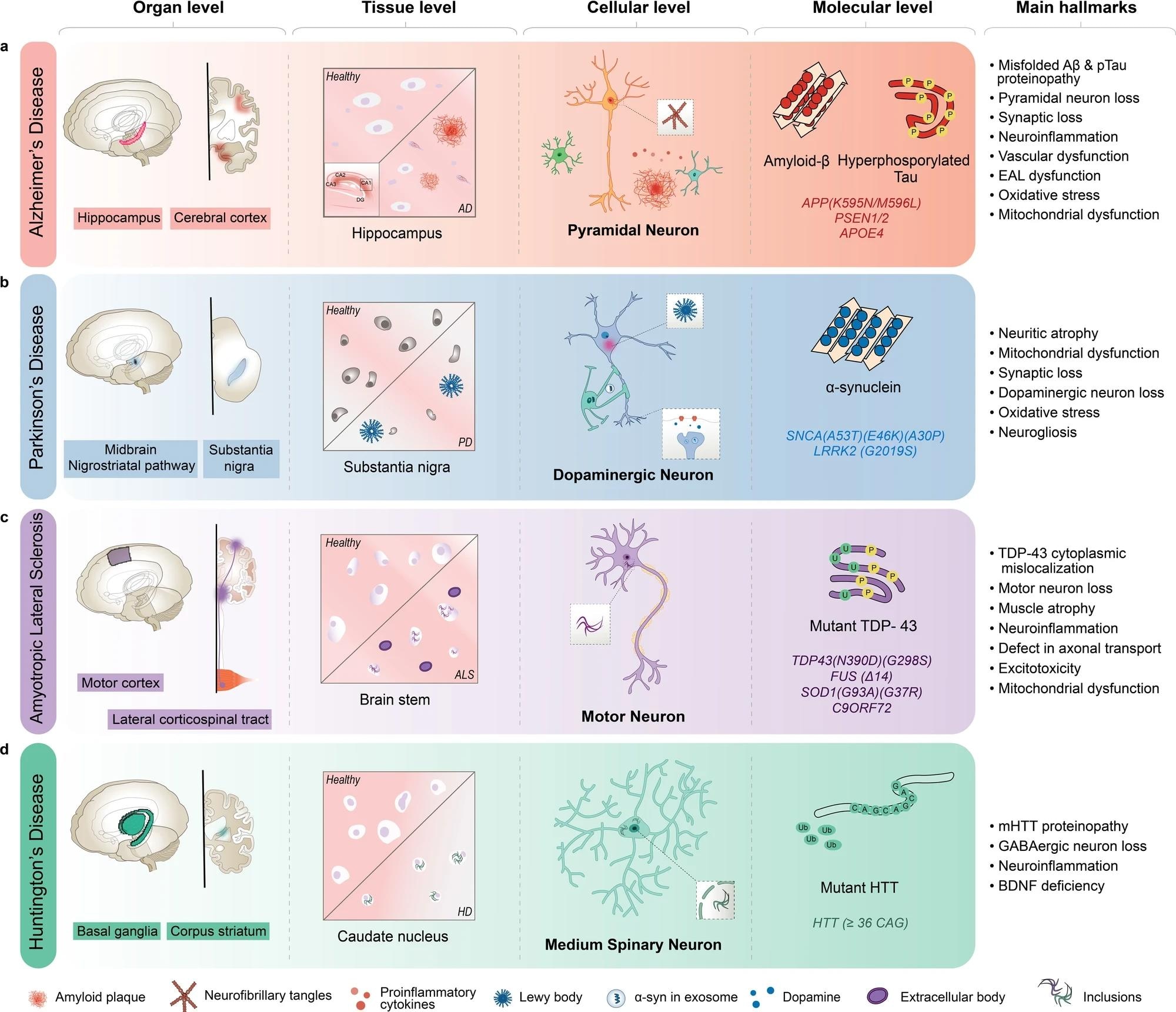
    AD is characterized by the inclusion of misfolded amyloid-β (Aβ) and neurofibrillary tangles in pyramidal neurons, primarily in the hippocampus and cortex regions of the brain. b PD is characterized by Lewy body aggregates composed of misfolded α-synuclein and degeneration of dopaminergic neurons in the substantia nigra region of the brain. c ALS is characterized by including mutant TAR DNA-binding protein 43 (TDP-43) and other proteins, degeneration of motor neurons in the motor cortex and spinal cord, and muscle atrophy with dysfunctional proteins. d HD is characterized by including mutant Huntingtin protein (mHTT) and degeneration of medium spiny neurons in the basal ganglia, and corpus striatum of the brain. AD Alzheimer’s disease, ALS amyotrophic lateral sclerosis, BDNF brain-derived neurotrophic factor, EAL endosomal-autophagic-lysosomal pathway, GABA gamma-aminobutyric acid, HD Huntington’s disease, PSEN presenilin 1, SNCA synuclein alpha.AD is characterized by the inclusion of misfolded amyloid-β (Aβ) and neurofibrillary tangles in pyramidal neurons, primarily in the hippocampus and cortex regions of the brain. b PD is characterized by Lewy body aggregates composed of misfolded α-synuclein and degeneration of dopaminergic neurons in the substantia nigra region of the brain. c ALS is characterized by including mutant TAR DNA-binding protein 43 (TDP-43) and other proteins, degeneration of motor neurons in the motor cortex and spinal cord, and muscle atrophy with dysfunctional proteins. d HD is characterized by including mutant Huntingtin protein (mHTT) and degeneration of medium spiny neurons in the basal ganglia, and corpus striatum of the brain. AD Alzheimer’s disease, ALS amyotrophic lateral sclerosis, BDNF brain-derived neurotrophic factor, EAL endosomal-autophagic-lysosomal pathway, GABA gamma-aminobutyric acid, HD Huntington’s disease, PSEN presenilin 1, SNCA synuclein alpha.
    Current neuronal chips contain multiple chambers of different diameters positioned in various geometries. These models also include microchannels with patterned shapes and controlled fluid flow. These features allow for indirect and direct, asymmetric, and symmetric neuronal connections.     

    Extra pump systems and passive hydrostatic pressure can be incorporated into chips to control fluid flow. This helps create disease models by allowing a gradient of chemicals with varying concentrations throughout the cell compartments.  

    Porous membranes with different pore sizes, numbers, and positions can be used on chips as an interface between chambers to enable indirect interactions mediated by soluble chemicals and direct physical contact. This design has been used for mimicking the blood-brain barrier on chips.

    Application of microfluidic chips for neurodegenerative disease pathogenesis

    Microfluidic chips can be used for replicating several anatomical and physiological systems, including the neuromuscular junction, corticostriatal pathway, substantia nigra, blood-brain barrier, glymphatic system, neurovascular unit, and gut-brain axis.

    To provide mechanical, structural, and biochemical cues to cells, 3D extracellular matrix gel has been introduced on chips, which allows for studying cell morphology, migration patterns, signal transduction, and gene expression in the context of neurodegenerative diseases.

    Alzheimer’s disease-on-chips

    The application of microfluidic chips in Alzheimer’s disease research has provided valuable insights into distinct pathogenic features, including amyloid-beta and tau protein accumulation, mitochondrial dysfunction, and neuroinflammation.

    Several models of neurons-on-a-chip have been used to study tau propagation and amyloid-beta toxicity. By separating the soma and neurites, neurons-on-a-chip allow real-time visualization of proteinopathy.

    A gradient chip with interstitial flow has been used to study the effect of amyloid-beta oligomers on neurons. Inflammatory cytokine-mediated migration of microglia towards Alzheimer’s disease neurons and astrocytes has been observed using a 3D static neuroinflammation-on-a-chip model.

    Blood-brain barrier-on-a-chip has been developed to fully recapitulate amyloid plaque formation, neurofibrillary tangle formation, and increased permeability of the brain endothelial cells.

    Dynamic neurospheroid-on-a-chip has been developed by incorporating an osmotic pump that creates a flow of exogenous amyloid-beta to study axonal degeneration and cell death.

    Parkinson’s disease-on-chips

    Many studies have been conducted using Parkinson’s disease-on-a-chip to primarily recapitulate alpha-synuclein-related pathogenesis. The propagation of alpha-synuclein has been studied by co-culturing neuroglioma cells that express green fluorescent protein-tagged alpha-synuclein.

    A gradient chip has been developed to manipulate intracellular alpha-synuclein expression in singularly trapped yeasts in the system with a galactose gradient. Dopaminergic neurons-on-a-chip have been developed to recapitulate mitochondrial dysfunction and neural degeneration caused by Parkinson’s disease-related mutations.     

    Substantia nigra and vascular barrier chips have been developed by co-culturing human-induced pluripotent stem cell-derived midbrain dopaminergic neurons, primary glia cells, and brain microvascular endothelial cells in chambers separated by porous membrane. This model has been used to study blood-brain barrier-on-a-chip dysfunction, progressive neuronal loss, neuroinflammation, and astrogliosis.  

    Amyotrophic lateral sclerosis on-chips

    Application of chemotactic and volumetric gradients on amyotrophic lateral sclerosis-on-chips has caused the successful formation of interactions between FUS-mutated motor neurons and mesangioblast-derived myotubes through microchannels.

    Many pathologies of amyotrophic lateral sclerosis have been recapitulated by co-culturing TAR DNA-binding protein 43 (TDP-43)-mutated motor neuron spheroid and muscle fibers in a 3D condition between two separate chambers.  

    A three-chamber-chip has been developed to create metabolic interactions between superoxide dismutase-mutated astrocytes and cortical neurons through microchannels in a glutamate gradient condition. 

    Muscle denervation pathology of amyotrophic lateral sclerosis has been studied using an open compartmentalized neuromuscular junction device that co-cultures optogenetic motor neurons and superoxide dismutase-mutated astrocytes as a spheroid.

    Huntington’s disease on-chips

    Early pathologies of Parkinson’s disease have been studied by forming synaptic connections between cortical axons and striatal dendrites through microchannels of different lengths and a separate synaptic channel.

    Corticostriatal on-a-chip has been developed to study how mutant huntingtin protein reduces the cortical axonal transport of brain-derived neurotrophic factors to trigger striatal neuron degeneration.

    [ad_2]

    Source link

  • Study demonstrates the deleterious effects of chronic cocaine use on functional brain networks

    Study demonstrates the deleterious effects of chronic cocaine use on functional brain networks

    [ad_1]

    A collaborative research endeavor by scientists in the Departments of Radiology, Neurology, and Psychology and Neuroscience at the UNC School of Medicine have demonstrated the deleterious effects of chronic cocaine use on the functional networks in the brain.

    Their study titled “Network Connectivity Changes Following Long-Term Cocaine Use and Abstinence”, was highlighted by the editor of Journal of Neuroscience in “This Week in The Journal.” The findings show that continued cocaine use affects how crucial neural networks communicate with one another in the brain, including the default mode network (DMN), the salience network (SN), and the lateral cortical network (LCN).

    The disrupted communication between the DMN and SN can make it harder to focus, control impulses, or feel motivated without the drug. Essentially, these changes can impact how well they respond to everyday situations, making recovery and resisting cravings more challenging.”


    Li-Ming Hsu, PhD, assistant professor of radiology and lead author on the study

    Hsu led this project during his postdoctoral tenure at the Center for Animal MRI in the Biomedical Research Imaging Center and the Department of Neurology. The work provides new insights into the brain processes that underlie cocaine addiction and creates opportunities for the development of therapeutic approaches and the identification of an imaging marker for cocaine use disorders.

    The brain operates like an orchestra, where each instrumentalist has a special role crucial for creating a coherent piece of music. Specific parts of the brain need to work together to complete a task. The DMN is active during daydreams and reflections, the SN is crucial for attentiveness, and the CEN, much like a musical conductor, plays a role in our decision-making and problem-solving.

    The research was motivated by observations from human functional brain imaging studies suggesting chronic cocaine use alters connectivity within and between the major brain networks. Researchers needed a longitudinal animal model to understand the relationship between brain connectivity and the development of cocaine dependence, as well as changes during abstinence.

    Researchers employed a rat model to mimic human addiction patterns, allowing the models to self-dose by nose poke. Paired with advanced neuroimaging techniques, the behavioral approach enables a deeper understanding of the brain’s adaptation to prolonged drug use and highlights how addictive substances can alter the functioning of critical brain networks.

    Hsu’s research team used functional MRI scans to explore the changes in brain network dynamics on models that self-administrated cocaine. Over a period of 10 days followed by abstinence, researchers observed significant alterations in network communication, particularly between the DMN and SN.

    These changes were more pronounced with increased cocaine intake over the 10 days of self-administration, suggesting a potential target for reducing cocaine cravings and aiding those in recovery. The changes in these networks’ communication could also serve as useful imaging biomarkers for cocaine addiction.

    The study also offered novel insights into the anterior insular cortex (AI) and retrosplenial cortex (RSC). The former is responsible for emotional and social processing; whereas, the latter controls episodic memory, navigation, and imagining future events. Researchers noted that there was a difference in coactivity between these two regions before and after cocaine intake. This circuit could be a potential target for modulating associated behavioral changes in cocaine use disorders.

    “Prior studies have demonstrated functional connectivity changes with cocaine exposure; however, the detailed longitudinal analysis of specific brain network changes, especially between the anterior insular cortex (AI) and retrosplenial cortex (RSC), before and after cocaine self-administration, and following extended abstinence, provides new insights,” said Hsu.

    Source:

    Journal reference:

    Hsu, L.-M., et al. (2024). Intrinsic functional connectivity between the anterior insular and retrosplenial cortex as a moderator and consequence of cocaine self-administration in rats. The Journal of Neuroscience. doi.org/10.1523/jneurosci.1452-23.2023.

    [ad_2]

    Source link

  • Using deep brain stimulation to map dysfunctional brain circuits linked to four disorders

    Using deep brain stimulation to map dysfunctional brain circuits linked to four disorders

    [ad_1]

    Mass General Brigham researchers identified sets of connections that are disrupted and malfunctioning as a consequence of Parkinson’s disease, dystonia, obsessive compulsive disorder and Tourette’s syndrome.

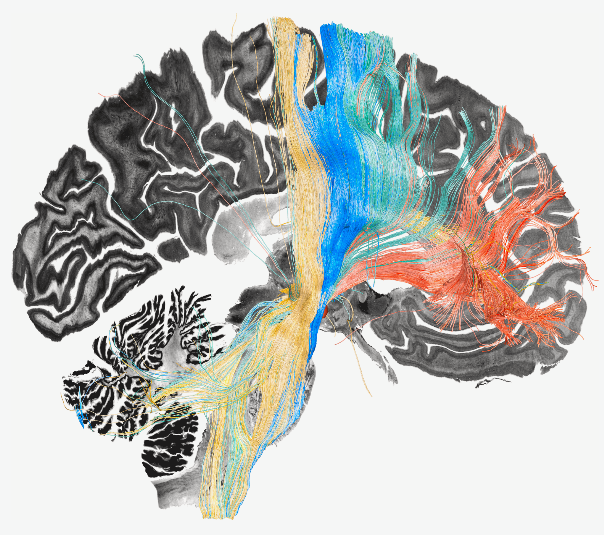
    Using deep brain stimulation to map dysfunctional brain circuits linked to four disorders
    Fiber bundles associated with symptom improvement following deep brain stimulation in Parkinson’s disease (green), dystonia (yellow), Tourette’s syndrome (blue),and obsessive-compulsive disorder (red). Image Credit: Barbara Hollunder

    A new study led by investigators from Mass General Brigham demonstrated the use of deep brain stimulation (DBS) to map a ‘human dysfunctome’ — a collection of dysfunctional brain circuits associated with different disorders. The team identified optimal networks to target in the frontal cortex that could be used for treating Parkinson’s disease, dystonia, obsessive compulsive disorder (OCD) and Tourette’s syndrome. Their results are published in Nature Neuroscience.

    “We were able to use brain stimulation to precisely identify and target circuits for the optimal treatment of four different disorders,” said co-corresponding author Andreas Horn, MD, PhD, of the Center for Brain Circuit Therapeutics in the Department of Neurology at Brigham and Women’s Hospital and the Center for Neurotechnology and Neurorecovery at Massachusetts General Hospital. “In simplified terms, when brain circuits become dysfunctional, they may act as brakes for the specific brain functions that the circuit usually carries out. Applying DBS may release the brake and may in part restore functionality.”

    Connections between the frontal cortex in the forebrain and basal ganglia, structures located deeper in the brain, are known to control cognitive and motor functions. If brain disorders occur, these circuits may become affected, and their communication may become overactive or malfunction. Previous studies have shown that electrically stimulating the subthalamic nucleus, a small region in the basal ganglia that receives inputs from the entire frontal cortex, can help alleviate symptoms of these disorders.

    To understand this relationship better, the authors analyzed data from 534 DBS electrodes in 261 patients from across the globe. Of this cohort, 70 patients were diagnosed with dystonia, 127 with Parkinson’s disease, 50 with OCD and 14 with Tourette’s syndrome. Using software developed by Horn’s team, the researchers mapped the precise location of each electrode and registered results to a common reference atlas to compare locations across patients. The researchers used computer simulations to map tracts that were activated in patients with optimal or suboptimal outcomes. 

    Using these results, they were able to identify specific brain circuits that had become dysfunctional in each of the four disorders, such as those mapping to sensorimotor cortices in dystonia, the primary motor cortex in Tourette’s, the supplementary motor cortex in Parkinson’s disease and parts of the cingulate cortex in OCD. Notably, the identified circuits partially overlapped, implying that interconnected pathways are disrupted in these disorders.

    Further, the investigators were able to apply these findings to fine tune DBS treatments and demonstrate preliminary improved results in three cases, including one at Massachusetts General Hospital, a founding member of Mass General Brigham. This patient, a female in her early 20s, was diagnosed with severe, treatment-resistant OCD involving obsessions about food and water intake, along with compulsive skin picking. Following electrode implantation and targeted stimulation, the researchers were able to show a significant improvement in her symptoms one month after treatment.

    Except for the three patients that were tested prospectively, the study was a retrospective analysis of data aggregated from multiple centers. Further studies are needed to validate findings in prospective fashion.

    We can take this technique further and finely segregate dysfunctional circuits in order to have greater impact with treatment. For example, with OCD, we can look at isolating circuits for obsessions versus compulsions and so on.”

    Barbara Hollunder, MSc, Lead Author, Movement Disorders and Neuromodulation Unit, Department of Neurology, Charité – University Medicine Berlin

    Source:

    Journal reference:

    Hollunder, B., et al. (2024) Mapping Dysfunctional Circuits in the Frontal Cortex Using Deep Brain Stimulation. Nature Neuroscience. doi.org/10.1038/s41593-024-01570-1.

    [ad_2]

    Source link