Nature, Published online: 20 November 2024; doi:10.1038/d41586-024-03554-4
In rare diseases, rare mutations have long been thought of as the only contributor. Genetic analyses of people with such conditions now suggest that the effects of common genetic variants can stack up and contribute to disease risk.
Friends share more than just food when they dine together.Credit: Getty
A shared meal, a kiss on the cheek: these social acts bring people together — and bring their microbiomes together, too. The more people interact, the more similar the make-up of their gut microorganisms is, even if individuals don’t live in the same household, a study1 shows.
The study also found that a person’s microbiome is shaped not only by their social contacts but also by the social contacts’ connections. The work is one of several studies4 that raise the possibility that health conditions can be shaped by the transmission of the microbiome between individuals, not just by diet and other environmental factors that affect gut flora.
In the quest to understand what shapes a person’s microbiome, social interactions are “definitely a piece of the puzzle that I think has been missing until recently”, says microbiologist Catherine Robinson at the University of Oregon in Eugene, who was not involved in the work.
The research was published in Nature on 20 November.
What’s mine is yours
The study has its roots in research2 published almost 20 years ago that investigated how obesity spreads in social networks. Certain viruses and bacteria found in the gut microbiome are known to change a person’s risk of obesity3, and social scientist Nicholas Christakis wondered whether friends pass these microbes to each other in addition to influencing each other’s eating habits. “This was a kernel of an idea that I just couldn’t let go,” says Christakis, who is based at Yale University in New Haven, Connecticut.
Since then, several publications4,5,6 have suggested that social interactions shape the gut microbiome. Christakis and his colleagues travelled to the jungles of Honduras to add to this emerging literature. There, they mapped the social relationships and analysed microbiomes of people living in 18 isolated villages, where interactions are mainly face to face and people have minimal exposure to processed foods and antibiotics, which can alter the composition of the microbiome.
Gut microbiome discovery provides roadmap for life-saving cancer therapies
“This was an enormous undertaking,” Christakis says, because the team had to set up shop in a remote location, then get the samples back to the United States for processing.
Spouses and individuals living in the same house share up to 13.9% of the microbial strains in their guts, but even people who don’t share a roof but habitually spend free time together share 10%, the researchers found. By contrast, people who live in the same village but who don’t tend to spend time together share only 4%. There is also evidence of transmission chains — friends of friends share more strains than would be expected by chance.
The results add depth to scientists’ understanding of what shapes the microbiome, partly because the team looked at subspecies of the gut microbes, says microbiologist Mireia Valles-Colomer at Pompeu Fabra University in Barcelona, Spain, who was not involved in the work. Social contacts might share the same microbial species by chance, but they’re much less likely to share the same strains unless they’ve passed them to each other.
Rethinking transmissibility
Research like this “is changing completely the way we think”, because it suggests that risk factors for conditions with links to the microbiome, such as hypertension7 and depression, could spread from person to person through their microbiomes, says computational biologist Nicola Segata at the University of Trento in Italy. Segata was not involved in the current work, but he has worked with Valles-Colomer and members of Christakis’s team in the past on similar research.
In the case of depression, which can be difficult to treat, combining existing therapies with microbiome-targeting treatments might improve care, says Valles-Colomer.
But people should not avoid social interactions for fear of “catching” others’ microbiomes. Social interactions can spread components of healthy microbiomes and have myriad other benefits. Valles-Colomer says, “Close contacts are not bad for us. The opposite — they are beneficial!”
By the end of 2023, there were around 43 million refugees globally. But many more — roughly 68 million people — were displaced in their own countries because of armed conflicts and violence1. In 2023 alone, there were 20 million incidents of internal displacement across 45 countries and territories — with Sudan, the Democratic Republic of the Congo (DRC) and Palestinian territories accounting for nearly two-thirds of the total2.
For decades, the problem of internal displacement has been marginalized by governments, United Nations agencies, donors of humanitarian aid and global health researchers. Between 2010 and 2019, international aid for health care for internally displaced people fell from an annual amount of US$5.34 to $3.72 per capita — whereas aid for refugees in low- and middle-income countries increased from $18.55 to $23.31. By 2019, aid for health care per capita for internally displaced people globally was about one-sixth of that for refugees3 (see ‘Decades of neglect’). Likewise, after searching through PubMed, a database of biomedical and life-sciences literature, we found that over the past four decades, about 15–20 times more papers have been published on refugee health than on the health of internally displaced people.
Sources: IDMC; UNHCR; Ref. 3
Several initiatives have begun to address the problem. To lessen severe inequity and prevent epidemics and pandemics, the international community must build on this momentum and ensure that much more attention and resources are directed towards the needs — particularly the health needs —of internally displaced people.
An unseen crisis
Findings from various investigations conducted over the past three decades indicate that in populations that are affected by conflict, numerous measures linked to health are much worse for internally displaced people than for other groups, including refugees.
Studies have shown, for example, that in camps for internally displaced adults and children in Sudan — and among internally displaced people in Myanmar who were not living in camps — mortality rates were well above the rate considered to signal a health emergency4,5 (on the basis of internationally agreed standards). Also, meta-analyses have shown that mortality rates for internally displaced people are consistently higher than for non-displaced people living in the same country. They are also higher than for refugees who have fled that country6.
Internally displaced people are more likely to be affected by disease than are those in other groups — including refugees. A 2016 study of displaced children under the age of five who were living in a camp in the DRC showed that they were more than twice as likely to have malaria than were children of the same age who were living in a nearby village7. Between 2009 and 2016, in Colombia, even internally displaced people who were not living in camps were more prone to infectious diseases than were people who had not been displaced8. A 2021 study collates multiple sources of evidence and indicates that these effects are sustained for multiple diseases and can persist for years or decades and even across generations9.
A health worker gives medicine to a woman displaced by floods in Nigeria.Credit: Olympia De Maismont/AFP via Getty
All sorts of intersecting factors contribute to the disproportionate level of health problems for this population.
Those who are forced to flee their homes because of armed conflict or violence tend to live in relatively poor countries, where fighting has destroyed infrastructure and depleted already struggling health systems. Between 2009 and 2021, 83 countries and territories recorded internal displacement because of conflict and violence. Only one — Israel — was a high-income country10. Also, conflicts often disproportionately affect economically disadvantaged populations and, in many civil wars, displaced people tend to originate from the poorest regions of a country.
Economic and social challenges are drastically worsened after people lose their houses, livelihoods, resources and support systems. Besides dealing with stigma and the suspicions of governments and local communities that internally displaced people might be to blame for conflict, these people often face legal or bureaucratic obstacles when trying to access a place to live, schools and health care. The effects of climate change, extreme weather events and earthquakes often compound the difficulties faced by internally displaced people because they tend to end up living in more precarious locations, and are less able to cope with flooding, landslides or other challenges10.
Why the neglect?
The 1951 Refugee Convention outlines the responsibilities of nations towards individuals who arrive as refugees, and the rights of individuals who are recognized as refugees. Several global health researchers have proposed that a similar treaty should be created for internally displaced people11.
In our view, the problem is not a lack of formal legal rights, but inadequate action on the ground — principally from governments and from the international humanitarian community.
Children walk between tents set up for internally displaced people in Gaza City, Gaza.Credit: Mahmoud Issa/Middle East Images/AFP via Getty
Key institutions, such as the World Health Organization (WHO), as yet lack specific policies, plans and guidelines for health care for this group. The WHO’s global action plan on promoting the health of refugees and migrants, for example, barely mentions internally displaced people. So far, this group has received scant attention in the publications and activities associated with the WHO’s Health and Migration Programme — an effort to secure the health rights of refugees and migrants and achieve universal health coverage.
Likewise, little provision is made for the health of internally displaced people across the wider humanitarian system — which includes UN agencies such as the WHO but also international donors, such as the US Agency for International Development (USAID), and humanitarian non-governmental organizations. Too often, the health needs of internally displaced people are treated as if they were the same as those of the general population in that country.
People who leave their country and cross a border present a highly visible and politically charged challenge, which governments are under pressure to address. Internally displaced people lack this visibility. It can also be hard for international agencies and media organizations to gain access to this group of people, because of the violence happening in their countries. Furthermore, governments of countries affected by armed conflict can be resistant to outside involvement, or reluctant to assist internally displaced people, suspecting them of being associated with rebel groups.
Conservation policies must address an overlooked issue: how war affects the environment
Yet, the current situation is untenable. Studies have shown that the main causes of death and ill-health during wars often stem from the indirect effects of armed conflict rather than from the direct violence. In the DRC in 2003–04, for example, for every one person killed by violence, it was estimated that nine people died from easily preventable and treatable illnesses, such as diarrhoea and malnutrition12. Internal displacement is often a major driver of this excess mortality and morbidity.
High levels of mortality and morbidity translate into far-reaching economic and social losses in countries that are already devastated by war. But it is not just these nations that are affected. Earlier this year, a new strain of monkeypox virus, which causes mpox, rapidly spread among internally displaced people living in camps in Goma, the DRC. These people had fled nearby areas that had been made unsafe by fighting between government forces and militias. Previously, the disease spread mainly through sexual transmission between adults. Now, with the new strain — and probably because of overcrowding and the poor health of people in these camps — children are also being infected, and mortality and morbidity have increased. Indeed, the disease spread so quickly in just three months that in August the WHO designated it as a ‘public health emergency of international concern’.
So how can the international humanitarian community — and global health researchers — better address the health needs of internally displaced people?
Gaining traction
In the past two years, various initiatives have begun to focus more attention on the plight of internally displaced people. In 2022, António Guterres, the UN secretary-general, launched the UN Action Agenda on Internal Displacement, and appointed a special adviser to implement it across the UN system and beyond. Also, a review to identify how the humanitarian system can respond to internal displacement more effectively was commissioned earlier this year by the UN Inter-Agency Standing Committee (IASC), which sets priorities and mobilizes resources in response to humanitarian crises (see go.nature.com/3nx7r5x).
To build on this momentum, we urge the WHO to explicitly address the needs of internally displaced people in its health policies. The organization could draw on the tools it has already been developing to ensure access to health services for other populations that experience hardships disproportionately, for instance because of gender inequalities13.
Millions of people have been internally displaced in the Democratic Republic of the Congo this year.Credit: UNHCR/Guerchom Ndebo
We also urge national governments and international donors to better support the problem; to ensure that resources address the health challenges stemming from internal displacement specifically; and to better monitor the allocation of funds for displacement-affected populations. Efforts must also address health issues for this group of people over the long term — not just in the immediate aftermath of conflict. National efforts to achieve universal health coverage (one of the targets for the UN Sustainable Development Goal to ‘ensure healthy lives and promote well-being for all at all ages’), for example, must take into account the specific needs of internally displaced people.
On the research front, more data on the health of this group of people and their access to health services must be collected. Further research on what is needed to make existing systems responsive to the health needs of this group is also crucial. Since 2021, an independent group of researchers (including the three of us), called the Health and Internal Displacement Network (HIDN), has promoted and conducted research on the health of internally displaced people. Similar initiatives are needed to ensure that medical and health research on a range of diseases adequately addresses the challenges created by internal displacement.
Technological and methodological advances, such as satellite imagery and the use of mobile-phone data, are making it easier for investigators to monitor the movements of groups of people, and to estimate the numbers of people who have been internally displaced or who have lost access to health services and so on14. But, in our view, research efforts will be effective only if displaced people themselves play a central part in data collection, and in the design and monitoring of health services. In Chad and Yemen, community-based data gathering on measures such as mortality is enabling investigators to obtain health data for internally displaced people who are living in dangerous or hard-to-reach rural or urban settings15,16.
End the misery
Obviously, the health problems experienced by internally displaced people cannot be resolved through health-system interventions alone. Ensuring that people are protected from violence and that they have access to clean water, sanitation systems and means of employment is also crucial. This can be achieved through strengthening the broader humanitarian response to internally displaced people — as recommended by this year’s IASC-commissioned review. It can also be achieved by ensuring that efforts to deliver these basic resources are integrated with general work on development to sustain and improve people’s health over the long term.
Governments of countries affected by displacement, providers of international aid and private donors must put an end to the inequity and misery faced by internally displaced people — and ensure that their health is as good as that of the national population.
A child in Amuria, Uganda, is treated for malaria.Credit: Jake Lyell/Alamy
Scientists have detected resistance to artemisinin, a key malaria drug, for the first time among children in Africa with severe disease. The continent accounts for 95% of all deaths from malaria globally, and children are the most badly affected.
Resistance to front-line malaria drugs confirmed in Africa
“If this is verified by other studies, it could change guidelines for treatment of severe malaria in African children, and they are the biggest target group by far,” says Chandy John, a specialist in paediatric infectious diseases at Indiana University in Indianapolis. John is a co-author of the study, published in JAMA1 and presented today at the Annual Meeting of the American Society of Tropical Medicine and Hygiene, in New Orleans, Louisiana.
Artemisinin resistance has been detected in children in Africa previously, but the fact that it has now been identified specifically in children with severe malaria raises the threat level. The parasite that causes malaria, Plasmodium falciparum, is contracted through the bite of a mosquito. For treating ‘uncomplicated’, or non-severe, cases of malaria, the World Health Organization recommends a course of pills containing an artemisinin derivative, which rapidly eliminates most malaria parasites in the body, combined with a ‘partner’ drug that circulates in the body for longer and kills the remaining parasites. These regimens are called artemisinin-based combination therapies (ACTs).
For severe malaria, which can involve symptoms such as convulsions, breathing problems and abnormal bleeding, treatment is more intensive. Physicians administer intravenous artesunate — a fast-acting version of artemisinin — for at least 24 hours. This is followed by a course of ACT. Treating severe malaria rapidly is crucial for recovery, researchers say.
Tough to treat
The latest study, in Jinja, Uganda, looked at children aged 6 months to 12 years with severe malaria. The researchers found that 11 of the 100 participants, or about 10%, showed partial artemisinin resistance. This term refers to a delay in the clearance of the malaria parasite from the body after treatment; a partially resistant infection is classified as one in which the drug takes longer than 5 hours to kill half of the malaria parasites.
How to defuse malaria’s ticking time bomb
In the past, researchers have connected specific mutations in P. falciparum proteins with the emergence of partial artemisinin resistance2 — meaning that the parasites are evolving to evade the ‘gold standard’ malaria treatment. John and colleagues analysed the genomes of the parasites infecting children in their study, and found that ten participants had one of two types of these mutations. One of the mutations, detected in eight participants, was associated with artemisinin taking longer than usual to clear the parasite.
Another group of ten children in the study had a malaria infection that recurred after their treatment concluded. These cases were not attributable to the presence of any known artemisinin-resistance mutations. Instead, John thinks the recurrence might have been caused by resistance to lumefantrine, a partner drug administered orally in the ACT step of the treatment regimen for severe malaria. But more studies are needed to evaluate that possibility, John says. “What the recurrence suggests to us is that maybe that partner drug is not working as well as it should, because the parasites are coming back,” he adds.
Since resistance to artemisinin was first identified in southeast Asia in the 2000s, scientists’ biggest concern has been how it will affect the treatment of severe cases of malaria, says Philip Rosenthal, a malaria specialist at the University of California, San Francisco. “Even if the drug still works, that slower action could make a difference and lead to higher levels of mortality,” he says.
But the study by John and his colleagues doesn’t provide a definitive answer to whether artemisinin resistance is already leading to worse clinical outcomes, Rosenthal notes. The study size was too small, and all the children analysed eventually recovered, even if this process sometimes took longer than expected. That just shows that current treatments for severe malaria aren’t “quite as good as we might have hoped”, he says.
Rosenthal and others are still worried about this news, however. “The emergence of artemisinin partial resistance in Africa is a major threat to malaria control,” he says. “We are now only starting to understand what’s going on.”
Many women live with endometriosis but scientists say research into the condition is underfunded.Credit: GARO/PHANIE/Science Photo Library
Pain-sensing nerves and immune cells work together to wreak havoc in endometriosis, a painful condition that affects an estimated 190 million women and girls of reproductive age. But a study in mice suggests a way to harness that interaction to treat the disorder1.
The research, which was published on 6 November in Science Translational Medicine, reveals a key molecular pathway that not only promotes the sensation of pain caused by endometriosis, but also exacerbates the disease. Drugs that inhibit this pathway are already used for the treatment of migraines — the study’s findings suggest that these therapies might be useful to treat endometriosis as well.
“This is a new way of looking at how we could change pain pathways in endometriosis,” says Louise Hull, a researcher who studies endometriosis and treats people with the condition at the University of Adelaide in Australia.
Limited treatments
Endometriosis occurs when cells similar to the lining of the uterus grow outside of the organ, sometimes causing pain, infertility and heavy menstrual bleeding. Current treatment options are limited. Hormonal medications can reduce symptoms in some people but not everyone can tolerate the side effects, and they are not useful for those who want to become pregnant. Non-steroidal anti-inflammatory drugs are used to relieve pain, but long-term use can damage the liver and kidneys. And the benefits of surgical treatments to remove endometrial deposits are often transient.
The condition is also famously understudied, says Michael Rogers, a cancer researcher at the Boston Children’s Hospital in Massachusetts and an author on the study. “Compared to other diseases that are similarly widespread and have a similar economic impact, endometriosis research is at least two — and probably three — orders of magnitude underfunded,” he says.
Rogers was recruited to the field by a member of his church whose family has been severely affected by endometriosis. Every month or two, she petitioned him: “She would say, ‘Mike, you really need to start working on this disease.’”
Eventually, she won him over. Rogers started following research in the field and, about nine years ago, began to develop the animal models he needed to investigate the condition.
By then, researchers had already discovered that immune cells called macrophages probably contribute to endometriosis and that pain-sensing nerves are also involved2. Rogers and his colleagues found that disabling these nerves in mice with a condition similar to endometriosis not only dampened pain, as assesed by the animals’ behaviour, but also reduced the size of lesions containing endometrial cells. “This strongly suggested that the pain-sensing nerves weren’t just sensing pain, they were doing something to help the lesions grow,” says study co-author Victor Fattori, a pharmacologist at Boston Children’s Hospital.
Crosstalk
The team decided to test whether a protein called CGRP, which aids communication between the nervous system and macrophages, might also have a role in endometriosis. Several drugs that block CGRP have already been approved by the US Food and Drug Administration for other conditions, and the researchers administered four of these to mice that model endometriosis.
Again, they saw a decrease in pain. Two of the drugs significantly reduced lesion size, and it’s possible that higher doses of the other two medicines would have as well, says Rogers.
Clinical trials are needed to determine whether the same approach could be effective in people. Rogers is optimistic that such trials could begin soon: the drugs are already on the market and are considered relatively safe.
Even so, it will be particularly important to demonstrate that they are safe for women who might want to become pregnant while taking the drug, says Hull.
If shown to be safe and effective, CGRP-inhibiting drugs could fill a gap in care for people with endometriosis, says Erin Greaves, who studies the condition at the University of Warwick, UK, and who collaborates with Rogers. “New non-hormonal treatments for endometriosis are desperately needed.”
Eating a high-fat diet is a risk factor for diabetes.Credit: Cate Gillon/Getty
People with obesity are ten times more likely to develop diabetes compared to lean people. Researchers trying to understand why have found an answer in the same system that drives the body’s fight-or-flight response. The findings1, in mice, challenge long-held assumptions about how eating too much can make you sick.
The study suggests that consuming a high-fat diet triggers a surge of neurotransmitters across the body, leading to the rapid breakdown of fatty tissue in the liver — a process usually kept in check by the release of insulin. The liberation of high levels of fatty acids is linked to a host of health conditions, from diabetes to liver failure2.
Stem cells reverse woman’s diabetes — a world first
Researchers previously thought that the main problem in obesity-driven diabetes was faulty insulin activity, which means that the body cannot stop the dangerous release of fatty acids. But “instead of the breaks not functioning”, the latest study finds that there is a separate lever — neurotransmitters in the liver and other tissues — pressing hard on the accelerator, says Martina Schweiger, a biochemist at University of Graz, Austria. “This is indeed a paradigm shift.”
The study was published in Cell Metabolism on 21 October.
Insulin resistance
More than 890 million people worldwide have obesity, which is a major risk factor for developing diabetes and other metabolic disorders. Researchers have long known that the disease progresses when insulin stops reducing glucose levels in the blood. Christoph Buettner and Kenichi Sakamoto, both physiologists at Rutgers University in New Brunswick, New Jersey, and their colleagues, wanted to better understand the nature of this insulin resistance.
Buettner had been studying the role of insulin in the brain in regulating metabolism for a long time3, so he and his team turned their attention to the sympathetic nervous system, which delivers neurotransmitters such as norepinephrine to tissue all over the body. The researchers used a mouse model that they had previously developed, in which they deleted a gene that expresses a key enzyme required to produce these neurotransmitters. The gene was deleted in only the mouse’s limbs and some organs, not its brain, to ensure it could survive.
The researchers gave the modified mice a diet rich in fats such as lard, coconut oil and soybean oil. During more than two months of observation, both modified and unmodified mice ate just as much food, gained similar amounts of weight and maintained similar insulin signalling activity, which is the cascade of events that takes place after insulin binds to its target receptor on a cell.
But the modified mice didn’t have an increased breakdown of fatty tissue and insulin resistance and ultimately didn’t show increased signs of fatty liver and tissue inflammation. The unmodified mice, on the other hand, developed insulin resistance, which can lead to diabetes. They also showed increased signs of inflammation and liver disease.
Signals in the brain
The findings suggest that neurotransmitters are responsible for driving insulin resistance, and associated problems, says Buettner. He and his colleagues are now exploring the role of these neurotransmitters in other conditions, such as insulin resistance caused by menopause.
“This study is pretty solid,” says Schweiger, but “there are still some missing puzzle pieces”. For example, the question now is how the high-fat diet triggers the surge in neurotransmitters, she says.
She also says that more work is needed to better understand the implications of the findings for people. So far, drugs that block the activity of neurotransmitters involved in the sympathetic nervous system have not shown benefits in people with obesity. It’s possible that targeting these drugs in specific tissue, and avoiding the brain, could be more promising, says Buettner.
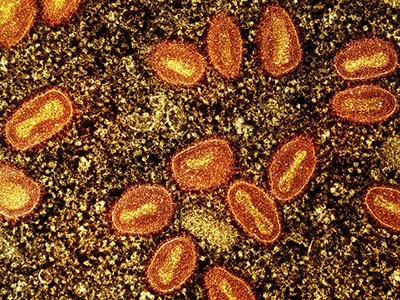
The monkeypox virus (particles shown in this coloured electron micrograph) is evolving.Credit: CDC/Science Photo Library
Yet another strain of the virus that causes mpox might be readily spreading from person to person, according to an analysis of the pathogen’s genome. This development could further complicate efforts to halt the spread of the disease in Central Africa, which has seen a surge in infections over the past year. And it has left researchers scratching their heads over what is currently driving this surge.
Mpox is spreading rapidly. Here are the questions researchers are racing to answer
The findings hint that the strain, called clade Ia, is spreading in a sustained fashion between people — possibly through sexual contact — in an outbreak in Kinshasa, the capital of the Democratic Republic of the Congo (DRC). Previously, the viral variant was known to transmit predominantly from animals to humans in Central Africa.
“We know that viruses evolve — we have seen it with Ebola, we have seen it with COVID and we expected to see it with mpox as well,” says Placide Mbala, head of epidemiology and global health at the National Institute of Biomedical Research in Kinshasa, who co-led the analysis. “We don’t know how far these adaptations can go, and we are gathering data to understand how this evolution is occurring.”
The preliminary results, which have not yet been peer-reviewed, were posted on 22 October to the genomic-epidemiology discussion forum Virological.
Mpox diversifies
There are four known variants of the monkeypox virus: clades Ia, Ib, IIa and IIb (see ‘Quick guide to the strains of monkeypox virus’). Historically, clade I viruses have appeared mostly in Central Africa, and clade II viruses have cropped up in West Africa.
This all changed in the mid-2010s, when a clade II strain sparked an outbreak in Nigeria. At the time, some researchers suggested that the variant might be capable of transmission through sexual contact. Their insights proved prescient: a similar clade II strain, called IIb, sparked a global outbreak of mpox in 2022 that has infected more than 90,000 people and continues today.
Quick guide to the strains of monkeypox virus
Clade Ia: a strain that has been spreading in Central Africa since the virus was first discovered to infect humans in 1970. Most infections have been in children, and it was known to mainly transmit from animal to human — until recently.
Clade Ib: the strain that has caused a surge of cases in Central Africa since its discovery in late 2023. Known to spread from person to person, including through sexual contact.
Clade IIa: the least-studied mpox strain. It has mainly spread in Guinea, Liberia and Côte d’Ivoire. Modes of transmission are not fully understood; there is no documented evidence of sexual transmission, but it is likely that all forms of close contact contribute to its spread.
Clade IIb: the strain responsible for the still-simmering 2022 global outbreak. Known to spread from person to person, including through sexual contact. Most affected population has been men who have sex with men.
Meanwhile, clade I viruses have caused sporadic infections in people for more than 50 years — largely in rural regions of Central Africa. But in late 2023, researchers identified a rapidly growing outbreak in more densely populated, urban areas in eastern regions of the DRC that disproportionately affected sex workers, suggesting that this strain of the virus could, like IIb, spread readily between people.
Genomic sequencing confirmed that the variant causing this outbreak contained several key differences from other clade I viruses, leading researchers to name it Ib. This strain has been detected in the United Kingdom, Sweden, Thailand, India, Germany and six African countries that had never reported mpox infections before. The DRC has been hit particularly hard: the country has reported nearly 36,000 suspected infections and more than 1,000 deaths from mpox in 2024.
But now — about one year after researchers detected an outbreak of clade Ib in eastern DRC — clade Ia is worrying health officials, too. The strain has also been on the rise in western regions of the DRC and in Kinshasa. In particular, having both Ia and Ib circulating in the capital city threatens the 17 million people living there and raises the possibility of clade I spreading internationally, given that Kinshasa is a travel hub.
Signs of evolution
Health officials have been using genomic-sequencing tools to track the outbreak. As part of the effort, Mbala and his colleagues sequenced virus samples from infections in Kinshasa. In samples of both the clade Ia and Ib virus, they found a specific pattern of single-letter genetic mutations indicative of the ongoing battle between the human immune system and the virus — a pattern that would be unlikely to appear unless there was sustained human-to-human spread.
Mpox vaccine roll-out begins in Africa: what will success look like?
However, the pattern did not show up in a report posted to a preprint server in August1. In that study, a team sequenced clade Ia virus samples collected between 2018 and 2024. That the researchers didn’t spot the pattern suggests that it might be a recent development. “We didn’t pick up on strong signs of evolution” in the more rural and endemic regions of the DRC, says Jason Kindrachuk, a virologist at the University of Manitoba in Winnipeg, Canada, who collaborates with Mbala and co-authored the August preprint as well as the Virological one. “But in Kinshasa, it seems that there is something unique going on.”
Clade Ia might also have the ability to spread through sexual contact: researchers reported the first probable case of sexually transmitted clade I mpox last year2, and another such publication is forthcoming, Kindrachuk says.
Given that clade I has been circulating between animals and people in the DRC since 1970, Kindrachuk adds that it will be important to investigate why clade Ib suddenly emerged in 2023, and why Ia has caused a surge in the number of detected infections in the past two years. “Is it because we’re better at surveillance, or because we’re more conscious of mpox at the community level? Is it because people have been moving around more after the [COVID-19] pandemic, or because there’s been a greater reliance on contact with wildlife?” he asks.
For now, plans to roll out the continent’s first doses of mpox vaccines are unlikely to change in light of these findings, says Nicaise Ndembi, a virologist at the Africa Centres for Disease Control and Prevention in Addis Ababa. Health officials have already been allocating doses to regions that have a higher number of infections, regardless of the specific strain found in the area, he says.
Many of the patients who come to Eugene Yang’s cardiology clinic trace their origins back to India, China, Korea, and multiple parts of Southeast Asia. His clinic is in Seattle, a hub for the tech industry and home to thousands of immigrant workers. Yang had seen firsthand how people from each of these groups were at risk of heart disease and how their typical lifestyles differ.
Yet despite differences in their cultures and backgrounds, these patients have been lumped together with people from other communities in a single category: Asian American, Native Hawaiian and Pacific Islander, or AANHPI. So Yang and his colleagues created a study looking at how social stress factors affect heart health in the Asian American communities he treats. The researchers analyzed stressors such as food insecurity, delays in medical care and living in a neighborhood that didn’t feel close-knit or safe. Then they correlated these issues with risk factors for heart disease among Chinese, Filipino and Asian Indian adults. Other Asian communities were grouped together into a single category.
The recently completed study showed that the same stressors manifest differently in people of different ethnicities. Across the board, those who experienced more social stress had poorer sleep, struggled to exercise and used more nicotine—all factors associated with higher rates of heart disease. But differences emerged between groups. In Chinese Americans high stress was associated with an increased risk of diabetes, whereas in Filipino adults it was linked to high blood pressure. Asian Indians were most likely to experience poor sleep and physical inactivity when bearing the brunt of social stress. “There are significant differences in how social determinants of health impact the different Asian subgroups,” Yang says. Recognizing this variation is a first step toward helping physicians tailor interventions more appropriately.
Innovations In Solutions For Health Equity
For decades such nuance had been all but invisible to scientists, clinicians and policymakers. The single AANHPI category, which was defined in the 1997 U.S. Census, is still used widely by hospitals, as well as by state and national health databases. Researchers and policymakers use these data to assess disease rates and people’s health needs and to decide how to allocate resources.
But the AANHPI category masks rich diversity. People in this group have ancestral links to more than 50 countries. They collectively speak more than 100 different languages, have widely variable ways of life that differentially affect their health risks and represent a diversity of genetic backgrounds. They’re also the fastest-growing racial and ethnic minority in the U.S. By pooling their data, researchers end up with a potpourri that obscures population-specific health needs or health risks. “When you lump everybody together, you don’t see that maybe there are important differences,” Yang says.
Now efforts led by advocates, researchers and community organizers—most of them from AANHPI communities—are paving the way to data equity and better health.
Spurred in part by the realization that aggregated data masked stark health disparities during the COVID pandemic, researchers began studying disease risk in specific AANHPI cohorts such as Pacific Islander, South Asian and Vietnamese populations. They’re finding that teasing apart data in community-specific ways lets them use race and ethnicity information without conflating it with biology. Policymakers are catching up, too, using data specific to individual communities to better understand how to allocate resources and communicate more effectively.
These efforts are improving AANHPI health outcomes, says epidemiologist Stella Yi of New York University Langone Health. In recent years disaggregating AANHPI data has helped health-care professionals improve hepatitis B vaccination rates, reduce the devastation that has been caused by COVID and wildfires among Hawaiian communities, and identify better diet strategies to help South Asian communities reduce their risk of heart disease. “It’s been really exciting to watch,” Yi says.
Tellie (Chantelle) Matagi was a 20-inch, eight-pound, six-ounce bundle of newborn joy in a Utah hospital nursery when her identity vanished into the health system. On hospital forms Matagi, who is of Samoan ancestry, had been labeled Asian, a category that blurred racial lines so completely it rendered them meaningless. Matagi, a community health leader who managed the Pacific Islander Task Force within the Hawaii State Department of Health during the early days of the COVID pandemic, says the record bothered her parents. It also troubled Asian staff at the hospital, who recognized the incongruity of so many people being lumped together. Matagi ended up quitting her job in 2022 to address her own health. She had diabetes and high blood pressure, and her doctors suggested she just lose weight. But because she was familiar with the science and knew aggregated data were masking her Samoan ancestry, she realized they couldn’t understand her true health risks. “I knew I wasn’t being seen,” she says.
Grouping too much data blurs the reality of people’s lives. For example, in the aggregate, the risk of cancer death among Asian Americans is about 40 percent lower than that for white people. But disaggregating data reveals important patterns. Within the AANHPI group, lung cancer is the leading cancer diagnosis among Vietnamese, Laotian and Chamorro (those with ancestry in the Mariana Islands) men, and colorectal cancer is highest among Laotian, Hmong and Cambodian men.
When data are pooled, these nuances vanish. “One group looks better than they really are, the other group looks worse than they really are, and you can’t rely on those estimates anymore,” says Joseph Kaholokula, a physician at the University of Hawai̒i at Mānoa. “It’s nonsense. It’s not good science, yet people have been doing this for decades.”
That’s because for decades federal and state health databases have offered researchers only a high-altitude view. Early attempts to break population data down with greater granularity failed because there simply weren’t enough people in each group. The effort sparked concerns that, although the people included in these health-related data samples should remain anonymous, there were so few they could be easily identified. And funding to look at AANHPI health has been limited—a 2019 study reported that over the previous 25 years, only 0.17 percent of all National Institutes of Health funding for clinical research supported projects focused on AANHPI communities.
This is in part the result of broader stereotyping of Asian Americans as a “model minority,” a category in which everyone is assumed to be well educated, financially secure and generally healthy. The model-minority trope illustrates how race-based assumptions can bias scientific research, says Tina Kauh, a program manager at the Robert Wood Johnson Foundation. “It’s important for people to recognize that systemic racism is really what’s driving the fact that we don’t disaggregate data.” With so little nih funding to support their work, scientists have struggled to dispel the model-minority myth. “It’s like this hamster wheel you get stuck on,” Kauh says.
Kauh first bumped into that cycle in college during an undergraduate psychology class about how culture and ethnicity shape someone’s behaviors and perceptions of social norms. Fascinated, she tried to dig deeper into the experiences of Asian Americans, yet she couldn’t find the data. Kauh persisted, revisiting the topic in graduate school but says she found it “basically impossible” to get funders interested. Since then, she says, “it’s been this mission of mine to try to push for collecting data about Asian Americans.”
Kauh’s parents were Korean immigrants who owned a convenience store in Philadelphia. Even as a teen, Kauh could tell that their grueling schedules, language issues and social isolation took a physical and mental toll. Their lives were hardly those of a model minority. “I could see the challenges they experienced on a daily basis, but no one ever really talked about that except to frame it as ‘look how hardworking they are,’” she says.
The social stressors Kauh’s parents experienced were financial and cultural, both of which can affect a person’s health. Language barriers, racism, changes in diet with the move to a new country and the circumstances of that move—whether someone migrates to pursue a graduate degree or to flee from conflict—can add up. None of these factors are related to the biological basis of disease, but they determine what resources a person or community might need to achieve good health.
Source Zhu, A. L. et al. J. Am. Heart Assoc. 13, e032509 (2024). Graphic by Jen Christiansen
When researchers understand the links between social factors and people’s health, they can begin to design tailored solutions. Food is one clear example. In the U.S., South Asian communities have disproportionately high rates of heart disease—an observation often explained by diet, says Alka Kanaya, a clinician who studies diabetes at the University of California, San Francisco. Researchers typically gather details about food habits using a list of standard questions based on Western diets that don’t represent global cuisines. Advice about what constitutes a “healthy” food is also based on studies conducted with Western diets. “You have to be specific to what people may be eating and how they may be cooking it. Having nonaccurate ways of measurement just gives you useless data,” Kanaya says.
For the past decade Kanaya and other researchers have run a study of heart health among South Asians living in the U.S. called Mediators of Atherosclerosis in South Asians Living in America (MASALA). It includes a food-frequency questionnaire that lists many South Asian foods, such as dhokla (a savory cake), sambar (lentil stew), steamed fish, lamb curry and popular snacks. Last year the researchers analyzed the diets of nearly 900 people from the study and identified foods correlated with a “South Asian Mediterranean-style diet”—one rich in fresh vegetables, fruit, fish, beans and legumes. They found that people who ate more of these foods had a lower risk of heart disease and diabetes than other people in the cohort.
Data such as these can help clinicians advise patients more effectively by offering dietary solutions that may be easier for them to follow rather than forcing a more Western lifestyle on them, Kanaya explains.
Getting granular with community data proved to be a lifesaving strategy in Hawaii during the worst of the COVID pandemic. The state health department’s infectious disease team was heavily focused on controlling the spread of the virus at the start in 2020. But the scientists were “thinking of it in terms of a purely biological system versus understanding what puts people at risk,” says Joshua Quint, an epidemiologist at the Hawaii State Department of Health. “Accurate measurement of social factors is so important.”
To gather those data, Quint teamed up with Matagi and Kaholokula, the University of Hawai̒i physician, to form a COVID investigation team. The group quickly discovered there was no way to figure out which of the Native Hawaiian and 20 or more Pacific Islander communities needed resources or what those resources were. The data at hand were simply too sparse to base any estimates on. So the team began recording COVID deaths with more specific demographic details. When counts were low enough that they risked making individuals identifiable, the team noted these details in a separate section of the database to ensure that information from smaller communities was not lost in an aggregate, Matagi says.
The team members didn’t just gather information—they shared it with the communities through hours of virtual visits and phone calls. As they talked, the carefully gathered and stored details helped communities see their own losses amid the sea of numbers. No one could deny the devastation they’d experienced, nor could their experiences be minimized by a database that didn’t represent them and their needs. The strategy was especially effective among the Samoan, Marshallese and Chuuk (people originally from part of Micronesia), Matagi says, because they were the three Pacific Islander communities most affected by the disease.
The researchers worked with each community to identify specific requirements. Some needed a safe place to keep healthy family members distanced from those with COVID, others wanted more resources allocated to food or medical care, and still others sought a way to maintain social connections or attend religious gatherings virtually while observing COVID precautions.
The same approach helped the team customize care after the Maui wildfires by recognizing specific needs such as food, shelter and medicine. Its methods have since been highlighted by the World Health Organization as an effective way to reduce health disparities.
Identifying a community’s needs and meeting them appropriately can make a range of infectious diseases more manageable. In New York City in the early 2000s, routine hepatitis B vaccination was available only to children. Among adults the virus was typically seen as a sexually transmitted infection (STI), and testing and treatment were offered primarily at HIV clinics.
But the infection was common among Asian American immigrants because of high endemic rates in their countries of origin. In families the virus passed between married partners, from person to person through household contact such as the sharing of utensils, and from mother to child during childbirth. These adults were unlikely to seek care at an STI clinic. At the time, researchers reported rates of hepatitis B among Asian Americans that were about 50 times higher than those among non-Hispanic white people, as well as rates of liver cancer, a common consequence of infection, that were several times higher. In 2003 researchers at New York University teamed up with community organizers, politicians and clinicians in the city to help address the disparity.
The coalition’s work helped to establish that the problem would not be stemmed by STI clinic screenings, because that “was not somewhere that we knew Asian American immigrant adults would feel comfortable going,” says epidemiologist Simona Kwon of N.Y.U. Langone Health, who joined the effort a few years after it began. “The communities are very different,” Kwon says, “and the health priorities are different.” Western social norms and biased perceptions had been unintentionally driving health outcomes for hepatitis B.
The N.Y.U. team helped city officials implement community-based programs and offer adult vaccinations at primary care clinics and through community-based organizations. Recognizing that not just viral infection rates but social conventions guide people’s choices about care was the key to driving down hepatitis B transmission.
Quint warns that in efforts to apply race and ethnicity data, researchers and policymakers should be careful not to conflate a person’s health with these factors alone. Aggregated or not, race and ethnicity are always simple representations of broader social and cultural factors that affect health. But disaggregation, he says, can “help us get beyond race and talk about ethnicity in ways that are more meaningful and helpful.”
Efforts to create community-specific solutions are what “actually move the disparities dial,” Matagi says. Now, after the success of state- and community-level studies, policymakers are launching larger studies and investing more money in the hopes of better understanding the health of different groups under the AANHPI umbrella.
Last year the White House announced a national effort to prioritize equity for AANHPI communities, and earlier this year the National Heart, Lung, and Blood Institute launched a large epidemiological study to understand health trends in these populations. This seven-year project, named the Multi-ethnic Observational Study in American Asian and Pacific Islander Communities (MOSAAIC), aims to track the health of 10,000 people who identify with various AANHPI subgroups. One challenge, Kanaya says, will be to find out how granular they can get—keeping the data anonymized but with sufficient detail to identify meaningful trends, yet without adding so many checkboxes that a long list leaves participants exhausted.
Establishing new categories of race and ethnicity may seem to contradict efforts to make medicine and health care equitable and free of racial bias. But done right, these endeavors can be complementary. “There’s a push to avoid talking about race, and I think there are big risks associated with that if it’s coming from a place of wanting to ignore problems,” Quint says. “We need statistics that cut across all ranges of demographic factors so we can find out if we’re building a more just and fair society.”
The abandoned buildings behind the New Somerset hospital in Cape Town, South Africa, are prime real estate along the waterfront, so guards patrol the area day and night to protect against squatters. But squatters aren’t the only visitors. Tucked in among the empty facades is the Ivan Toms Center for Health, one of the first clinics in South Africa for men who have sex with men. It was launched in 2009 to provide comprehensive, free and sensitive health care. These days a new concern is on the minds of its visitors: mpox.
The first human case of mpox, formerly known as monkeypox, was described in the 1970s. The disease is thought to be caused by a virus that jumped from animals to humans and causes symptoms similar to smallpox. This past August the World Health Organization designated mpox a public health emergency of international concern for the second time in two years. Although the risk of mpox is not limited to men who have sex with men, the transmission dynamics of the 2022 outbreak led researchers and public health officials to identify them as a high-risk group. During 2022 more than 90 percent of known cases were among gay, bisexual, and other men who have sex with men. As the outbreak builds, Ivan Toms and similar clinics have seen an increase in patients wanting information.
Epidemics begin and end in communities. Today people around the world understand and respond to outbreaks differently than they did before the COVID pandemic. They appreciate concepts of transmission, protection and vaccine availability at a deeply personal level and are hungry for information. They want to know if a case has appeared locally and, if so, how to protect themselves. And the community most affected by mpox is one that has suffered multiple other outbreaks—most notably, the HIV/AIDS crisis. Critically, that means it’s a community that clinicians and public health researchers know, understand and collaborate with.
Innovations In Solutions For Health Equity
Dimie Ogoina, a Nigerian infectious disease physician-scientist, and his team were the first to describe sexual transmission of mpox in Nigeria in 2017. He believes that what makes the disease so challenging is the comorbidities that exist in Africa, especially co-infection with HIV. His team noticed that those with the most severe cases of mpox also had HIV infections. “Most of them had advanced HIV … and [were] not on treatment,” Ogoina says.
People with HIV accounted for around 40 percent of those diagnosed with mpox in the 2022 outbreak, and recent studies suggest that people who have more advanced HIV have worse clinical outcomes and higher mortality from mpox. How the two diseases interact is still a mystery, however. Researchers have yet to tease apart whether HIV infection raises the risk of acquiring mpox or increases its severity or whether people living with HIV simply might be more likely to be diagnosed because they’re already receiving better care. Better understanding this connection could be critically important. As the outbreak spreads to more nonendemic countries, effective treatment of HIV could hold one key to bringing the outbreak to an end.
Mpox’s present echoes HIV’s past—it’s a disease that has the potential to affect everyone and is more dangerous within a specific community. The comparison is etched in the brick and mortar of the clinic on the waterfront: Ivan Toms, the man, was both an anti-Apartheid and a gay rights activist.
The challenge with both diseases is how to get information to an already stigmatized group of people in a timely enough manner to halt the ongoing outbreak without making that stigma even worse. The 2022 outbreak showed that our first attempts failed: an article in PLOS Global Health was simply entitled “Monkeypox Is Not a Gay Disease,” recognizing that stigma had quickly emerged around the virus, echoing the early days of the HIV pandemic.
The advantage today is that those dealing with mpox have lessons from HIV/AIDS to follow. One small but meaningful way this has already been addressed is its name: monkeypox was renamed in 2022 to mitigate against racist and stigmatizing language. And as a result of the 2022 global emergency and lessons learned from the HIV/AIDS pandemic, public health officials are better equipped to build coordinated messaging and meet patients where they are.
“[Our] clients overall are now familiar with mpox, as we had the 2022 outbreak and did extensive education,” says Johan Hugo, an HIV clinician at the Ivan Toms Center. The center has integrated mpox services into its HIV care as recommended by the WHO and is part of a network of clinics and government agencies, including the South African Department of Health, that are using common messaging and strategies for mpox. “We work closely with organizations that support key populations to ensure we remain in line with one another,” he says. Such coordination in messaging helps to combat stigma around a disease that is not yet fully understood.
Despite significant improvements in access to HIV/AIDS treatment, gaps persist because patients are worried about their diagnosis creating stigma related to sexual and reproductive health. It is no different with mpox. The stigma associated with mpox can adversely affect prevention and treatment, with people less likely to disclose symptoms or seek care—they may even hide their condition for fear of being diagnosed. There is no specific treatment for mpox, and its symptoms are similar to those of other viruses such as chicken pox. But rapid, accurate diagnosis is the only way to prevent transmission and end outbreaks.
To achieve this, public health officials are taking everything they’ve learned from HIV and using it to attack mpox outbreaks. For instance, Ivan Toms and other clinics have developed approaches for delivering health services that allow for discretion and privacy. In addition to onsite testing and health checks, the center also packages and dispenses medications for its clients, eliminating the need to visit a general pharmacy. The approach has been so successful that after becoming the first clinic to run demonstration projects for HIV Pre-Exposure Prophylaxis (PrEP) in Africa in 2015, Ivan Toms is now one of the largest providers of PrEP in South Africa and a key training institution for service providers across 11 African countries.
PrEP reduces HIV risk by preventing HIV from entering the body and replicating. But protection requires that users maintain high levels of the medication in their bodies. Because adherence is crucial, practitioners aim for frictionless care that removes any social barriers. To that end, the clinic runs a WhatsApp service, smart lockers that safely store patients’ medicines, and mobile units that go directly into communities. Across the entire Cape Metro area, mobile units provide comprehensive HIV testing, treatment and prevention services, including self-screening, PrEP, antiretroviral drug initiation and follow-up, viral load testing, and screening for sexually transmitted infections. “Our mobile units are an extension of our facility and seek to provide the same level of care,” Hugo says. “Each of our teams provides comprehensive HIV testing, treatment and prevention.”
Because so many men who have acquired mpox are using PrEP, researchers think HIV may simply be another marker of higher-risk behaviors facilitating infection. The goal will be for mpox services to follow the same community outreach. “Our strategy for mpox currently is to provide broader information online and then to ensure that every client who comes through our services is provided direct information about the current situation,” Hugo says. Most days, that’s as many as 120 to 150 people.
There are two variants of mpox virus: clade I is endemic to central Africa and has killed up to 10 percent of the people it has infected during previous outbreaks, making it far deadlier than clade II, the type responsible for the 2022 outbreak. Both are circulating today in different countries in Africa. And unlike the 2022 outbreak, this one—which is tearing through the Democratic Republic of Congo (DRC)—has largely spread through men seeing women who are sex workers. “We are not dealing with one outbreak of one clade—we are dealing with several outbreaks of different clades in different countries with different modes of transmission and different levels of risk,” said Tedros Adhanom Ghebreyesus, WHO’s director general, during his opening remarks at the emergency committee meeting where the global health emergency was declared. “Stopping these outbreaks will require a tailored and comprehensive response, with communities at the center.”
In July 2024 South Africa notified the WHO of 20 confirmed mpox cases between May 8 and July 2, including three deaths—the first reported in the country since 2022. Cases occurred in three of South Africa’s nine provinces, including the Western Cape, where the Ivan Toms Center for Health resides. How the outbreak evolves from here will depend heavily on case identification and treatment management.
There is one internationally approved vaccine for mpox (another is approved in Japan with emergency approval in the DRC), which can act as both preexposure and postexposure prophylaxis for people at high risk. But although the vaccine is available in numerous high-income nations, current access in South Africa is limited to nonexistent. “The vaccine was originally made for smallpox, with U.S. funding,” says Mohga Kamal-Yanni, a senior policy adviser to the People’s Medicines Alliance, a global coalition with the goal of creating equitable access to vaccines and other medical technology. The companies that make these vaccines hold their patents, she says, “and when the mpox outbreak started, there was no discussion on technology transfer to another potential manufacturer.”
During the COVID pandemic, African countries surpassed all expectations despite challenges in vaccine access. Tanzania emerged as one of the best-performing African countries for COVID vaccination rates: Between January 2022 and April 2023 the country managed to bump its total population vaccination rate from 2.8 to 51 percent. This happened in part because COVID-specific vaccinations were integrated with other routine health services, allowing for effective delivery.
The COVID pandemic forever changed Africa’s policy, regulatory and vaccine landscapes. Low-income countries have learned to push through regulatory red tape, advocate for their people and work with high-income nations to get vaccines distributed more equitably. After putting a vaccination plan in place, Nigeria received the first donation of 10,000 vaccines from the U.S. just a few days after the global mpox emergency was declared. Other donations are aimed at countries across the African continent: Spain promised 500,000 doses from its stockpile, the U.S. committed to sending another 50,000 doses to the DRC, and Japan pledged millions of doses. Some of those vaccines have already arrived in Africa.
Citing lessons learned from COVID, global health institutions are also mobilizing resources. Gavi, the Vaccine Alliance, has mobilized resources for mpox, the rollout of which will be an early test of Gavi’s First Response Fund. The fund aims to make resources immediately available for a vaccine response to a public health emergency and includes a $500-million fund aimed at ensuring early access to vaccines within days of an emergency declaration. This, according to Gavi director of development finance David Kinder, was one of the big lessons learned from COVID.
The 2022 mpox outbreak was deemed to be over about nine months after the WHO declared an emergency. The 2024 outbreak could be larger and longer. If it is going to be extinguished as quickly, lessons learned from previous pandemics hold the key.
The country someone is born into has a lifelong effect on their health. So does the neighborhood they live in, the color of their skin, their income and their level of social support. It’s unjust. After centuries of persistent health disparities, researchers, advocates, clinicians and public health experts are finding ways to improve health for everyone.
Innovations In Solutions For Health Equity
New advances sometimes exaggerate inequities before helping reduce them. But there are reasons for optimism, which journalist Anil Oza shares in a feature. More than almost any other development, vaccines have advanced health equity around the world. They have averted 154 million deaths over the past 50 years, a life saved every 10 seconds, as health writer Tara Haelle explains. Collaborative campaigns have brought this powerful preventive health care to children in even the most impoverished regions. Writer Carrie Arnold shows how rural areas around the world are benefiting from other inventive and resourceful ways to deliver needed care—from telemedicine to micro clinics to a traveling dialysis bus.
Researchers are working to remove racial bias that has been built into diagnostics, and by doing so they’re changing not just tools and algorithms but lives. As journalist Cassandra Willyard writes, some Black patients once deemed ineligible for new kidneys, despite having the same laboratory results as white patients, are now moving up the wait list for transplant; others with respiratory issues might be able to file for disability after previously being judged unqualified. Epidemiologists and other public health scientists are discovering that prior assumptions about race have lumped together disparate groups with different needs and health risks, particularly within Asian American communities. Now, by teasing apart the data, they are able to better diagnose, treat and even prevent disease. Health writer Jyoti Madhusoodanan reveals how this data-driven approach is already saving lives.
Certain diseases and conditions have been used to justify discrimination, especially when the disease is more prevalent in a group that’s already marginalized. The people most at risk for mpox, for instance, are men who have sex with men—a community already hit hard by HIV/AIDS. But as global health expert Charles Ebikeme writes, researchers, clinicians and community members have learned from past experiences and are building up existing networks and clinics that cater specifically to this stigmatized population. Even health-care communication is improving, writer Rod McCullom shares in a feature, as the movement toward culturally sensitive care helps clinicians better understand and empathize with their patients.
Improving health equity requires rethinking our global health infrastructure, and we are still at the beginning. But each solution adds support and begins to build a path toward justice.