“The bird in my hand is a yellow-breasted chat (Icteria virens). This species breeds in North America — occurring in southern British Columbia and southwestern Ontario in Canada and in much of the United States — and then migrates to Mexico and Central America during the Northern Hemisphere’s autumn months. The chat is a declining species in North America, in part because it relies on habitat adjacent to bodies of water such as rivers and streams, much of which has been destroyed. In 2001, one population in the Okanagan valley in Canada had just 25 breeding pairs remaining. But conservation actions, including monitoring these birds and restoring their habitats, have helped their populations to recover. There are now more than 250 breeding pairs in the area.
This photo was taken in February 2024 in Asunción Atoyaquillo, near Tlaxiaco, Mexico. We know that population declines in North America can be linked not only to what happens in Canada and the United States, but also to what happens during migration or at the wintering grounds. Two years ago, I started a project with Scott Wilson, my colleague at Environment and Climate Change Canada in Delta, British Columbia, and several collaborators in Mexico, to study these birds during the winter to better understand the threats that they face.
Here, Sergio Gómez-Villaverde (left) and Adrián Cabrera-Valenzuela (right) are helping me to tag a chat with a radio transmitter so that we can track its movement. We tagged 30 chats this year. Sergio leads a bird-conservation organization in Oaxaca, Mexico, and Adrián is a field biologist at the Bird Observatory of Tlaxiaco.
One thing I love about this photo is that it shows that I don’t work alone. Sergio is holding a radio transmitter in a pair of tweezers, while Adrián is recording data. Could I do this work by myself? Probably, but it’s a lot easier when you have partners.”
This interview has been edited for length and clarity.
A train cuts through winter smog in Amritsar, India.Credit: Narinder Nanu/AFP/Getty
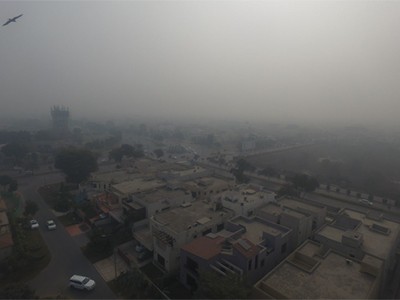
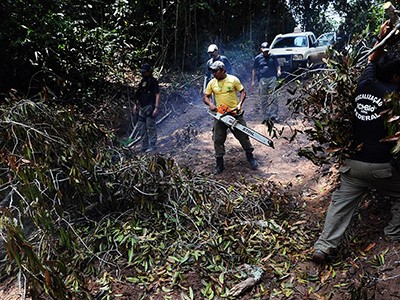
A toxic haze has descended over a land area shared by some 500 million people in the northern parts of India and Pakistan. Its sources include the industrial emissions, domestic fires and diesel and petrol exhausts that form the largest components of air pollution in many parts of the world. But during winter in South Asia, crop residue burning is estimated to be the biggest source. It is an annual event that massively worsens the region’s atmospheric concentrations of fine particulate matter — that measuring 2.5 micrometres or less in diameter. These concentrations already exceed the safe limit advised by the World Health Organization. Air pollution is a leading cause of child death and is devastating for the communities that have to endure it. It also contains climate-altering compounds.
Read the paper: Bureaucrat incentives reduce crop burning and child mortality in South Asia
In Nature this week, researchers show how the field of computational social science, along with publicly available data, could help authorities in India and Pakistan begin to address a problem that affects both nations (G. Dipoppa & S. Gulzar Nature634, 1125–1131; 2024). The work also highlights what could be achieved if scientific links between the two countries were not frozen as a result of worsening relations between their governments. An overdue thaw could save lives and improve health in both nations.
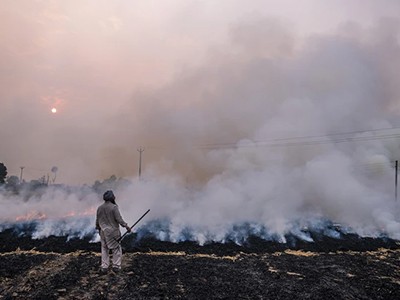
The annual winter burning of crop waste in South Asia has its roots in earlier science. High-yielding crop varieties born of 1960s-era green-revolution technologies, combined with mechanization, have enabled farmers in the nations’ agricultural heartlands to grow wheat and rice on the same fields in the same year. Once a rice crop has been harvested, farmers burn millions of tonnes of leftover materials, clearing the land for the wheat-planting season. The resulting haze cuts visibility to a few metres, shuts schools, impedes road transport and causes flights to be cancelled.
Researchers are actively studying both the extent of the pollution and prevention strategies. Gemma Dipoppa at Brown University in Providence, Rhode Island, and Saad Gulzar at Princeton University in New Jersey have examined the authorities’ responses to the fires in India and Pakistan over a ten-year period, from 2012 to 2022. The authors compared fire, air pollution and wind-speed data with police and court records of action taken against farmers. They also studied the effects of the pollution on health. Burning crop waste is against the law in both countries and violations can lead to farmers being fined or even imprisoned. But many are willing to take that risk. And the sheer number of farmers lighting fires at the same time makes it unfeasible for the authorities to deal with them all.
Local government actions can curb air pollution in India and Pakistan
The authors found that officials in both countries are more likely to take action against farmers if winds are blowing pollution across home turf, and that crop residue burning decreases as a result. They also found that this effect is larger in areas close to the border between the two countries — in other words, farmers in both nations are more likely to be penalized for crop residue burning if the wind is blowing towards their own side. This raises questions that would benefit from further enquiry. For example, to what extent might India’s and Pakistan’s authorities be cancelling out each other’s pollution-control efforts close to the border? And on days when one country is putting resources into dealing with high levels of pollution within its own borders, is it also receiving more pollution from its neighbour?
Further research — both analyses of remote data and field-based studies — will help researchers to understand the perspectives of farmers and the factors underlying the actions of government officials.
Efforts to answer these and other questions would benefit from greater collaboration. However, at present, there are minimal links between researchers in India and Pakistan. Non-governmental links (sometimes called track-two diplomacy), including scientific connections, are the weakest they have been in around a decade. Scientists used to be able to meet through the eight-country South Asian Association for Regional Cooperation (SAARC), based in Kathmandu, but SAARC has not been functioning, mainly because of the continuing tensions between India and Pakistan. The agricultural scientists’ committee has not met in five years. There’s a strong case for such links to be revived.
So much could be gained if researchers in the two nations could communicate better, work together and study each other’s situation. Dipoppa and Gulzar’s work illustrates what can be achieved with open data, and why science should not be done solely within national borders. When it comes to addressing problems with a regional or global dimension — and when people’s lives and health are at stake — policymakers must prioritize collaboration.
“In this photo, I am sitting on the deck of a fishing boat, using a walkie-talkie to coordinate with my colleagues who are dotted around the vessel: some are in the bow for observation, some at the stern and some inside the cabin, directing the captain. We’re conducting the first comprehensive marine-mammal investigation of the Northern Beibu Gulf, which is between Hainan Island province and the Chinese mainland.
I’m here because my research focuses on the study and protection of China’s only known population of Bryde’s whales (genus Balaenoptera), which migrate to the waters near Weizhou Island. Three hours by boat from my home town in Guangxi, Weizhou is known for its volcanic landscapes and sea-eroded topography. From September to April, these whales are drawn here by plentiful fish populations and a vast expanse of artificial reefs, which provide ideal habitats for hunting, dwelling and mating.
Human activities, including fishing and whale-watching tours, pose a threat to the habitat of Bryde’s whales. With local tourism increasing, my team often organizes events to educate workers and tourists about non-intrusive whale-watching.
Information on Bryde’s whales is limited globally, because they are mainly found in temperate and subtropical regions, where research capabilities can be constrained. Among the 39 whale species found in China’s waters, only the Baiji dolphin (Lipotes vexillifer), Yangtze finless porpoise (Neophocaena asiaeorientalis), and Indo-Pacific humpback dolphin (Sousa chinensis) have been studied systematically.
In recent years, I’ve spent more than 100 days on Weizhou, plus around 70 days at sea. My work will help to build a solid database of whale activities, not only as concrete evidence of the species’ existence, but also as an essential tool for advocating for marine ecological conservation.”
This interview has been edited for length and clarity.
Nature, Published online: 23 October 2024; doi:10.1038/d41586-024-03314-4
Burning crop waste causes devastating pollution in South Asia. When local administrators have appropriate incentives to control burning, incidents go down — a finding that could guide future efforts to manage air pollution.
Researchers have uncovered the scale of two ancient cities buried high in the mountains of Uzbekistan. The cities were thought to be there, but their extent was unknown, so the team used drone-mounted LiDAR equipment to reveal what was hidden beneath the ground. The survey surprised researchers by showing one of the cities was six times bigger than expected. The two cities, called Tashbulak and Tugunbulak, were nestled in the heart of Central Asia’s medieval Silk Road, suggesting that highland areas played an important role in trade of the era.
How children’s movements resemble water vapour, and why coastal waters might be a lot dirtier than we thought.
Research Highlight: Kids in the classroom flow like water vapour
Research Highlight: Sewage lurks in coastal waters — often unnoticed by widely used test
12:06 Watermarking AI-generated text
A team at Google DeepMind has demonstrated a way to add a digital watermark to AI-generated text that can be detected by computers. As AI-generated content becomes more pervasive, there are fears that it will be impossible to tell it apart from content made by humans. To tackle this, the new method subtly biases the word choices made by a Large Language Model in a statistically detectable pattern. Despite the changes to word choice, a test of 20 million live chat interactions revealed that users did not notice a drop in quality compared to unwatermarked text.
Research Article: Dathathri et al.
News: DeepMind deploys invisible ‘watermark’ on AI-written text
22:38 Briefing Chat
What one researcher found after repeatedly scanning her own brain to see how it responded to birth-control pills, and how high-altitude tree planting could offer refuge to an imperilled butterfly species.
Nature: How does the brain react to birth control? A researcher scanned herself 75 times to find out
Nature: Mexican forest ‘relocated’ in attempt to save iconic monarch butterflies
Subscribe to Nature Briefing, an unmissable daily round-up of science news, opinion and analysis free in your inbox every weekday.
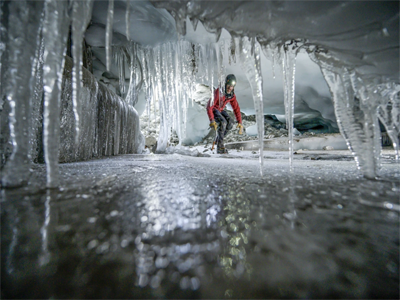
One year ago, Maya Bhatia, a biogeochemist at the University of Alberta in Edmonton, Canada, stepped out of a helicopter onto a glacier near Grise Fiord (Aujuittuq) in the Canadian Arctic to collect a sample of melt water. To the horror of her student and the pilot, she slipped into a stream and was swept into a moulin, a vertical shaft in the glacier. There was no way to save her. Bhatia left behind her husband and two young children.
As a geographer-turned-writer who has visited the Arctic, I know all too well the dangers of doing fieldwork in remote places. While researching environmental change, I’ve had to traverse glaciers, scare off grizzly bears and take measurements from fast-flowing rivers. In my opinion, institutions need to do much more to prepare field researchers for the unexpected. As I’ve experienced, thorough training and clear leadership can and will save lives.
Far from emergency services and without mobile-phone coverage, even experienced researchers can be caught out. For example, in August 2020, glaciologist Konrad Steffen died after falling into a crevasse on the Greenland ice sheet where he’d worked for more than 30 years. Wilderness travel brings dangers. In 2021, a helicopter accident east of Resolute in Nunavut, Canada, killed the crew and a biologist who had just finished surveying polar bears. In 2011, Martin Bergmann, the head of Canada’s Polar Continental Shelf Program, died in a plane crash.
Ecologists: don’t lose touch with the joy of fieldwork
Travel accidents are out of our hands, but much can be done to mitigate fieldwork risks. Safety courses are a good starting point, but not enough. As a graduate student studying Arctic glacier hydrology in the 2000s, it wasn’t until I arrived at my field site that I was briefed on how to travel safely across the ice and rescue someone from a crevasse. It made me more aware of these hazards, but I wasn’t confident that I would be able to save someone.
The next year, I pushed my supervisor to invest in a more in-depth course in crevasse rescue with a certified mountain guide. After going over the basics, we practised the techniques, such as setting anchors and using pulleys to drag people out of the snow. I also received training in wilderness first aid and firearms handling, for possible encounters with aggressive polar bears.
When I became a tenure-track professor in 2007 at the University of Lethbridge in Canada, and my fieldwork shifted to the Rocky Mountains, I completed training in all-terrain vehicle handling and avalanche rescue. My university required leaders of fieldwork trips like me to identify hazards and submit a plan outlining how we would deal with them. This included what to do in case of an accident or emergency, and how to avoid these situations in the first place. Although this is a good idea, it can prepare you for only a limited set of foreseen events.
All of my training was helpful during an emergency that a graduate student and I had in 2008 on the Belcher Glacier (Devon Island ice cap). We were cut off from our camp by rivers of slush, and my student got soaked to the waist while trying to cross one of them. It was an unexpected situation that I’m not sure I handled well. We ended up being evacuated by helicopter back to the research base in Resolute.
Science on the edge: how extreme outdoor skills enhanced our fieldwork
It was a reminder that not all things go as planned, and that you can’t control the environment, only your actions. That’s why I think that, in addition to safety training, the best way to avoid mishaps is to ensure that the principal investigator running the team of fieldworkers has completed leadership training for emergency situations.
After Bhatia’s death, the University of Alberta has, rightly, taken a closer look at fieldwork practices and responsibilities. The university now expects researchers to enact a series of scenarios that they might encounter in the field, including evaluating hazards, assessing incidents and responding to emergencies. This is a good first step. One factor in Bhatia’s tragic death was that she wasn’t wearing crampons or a harness tied to a rope, which might have saved her life. Her husband also noted that she was working long days and experiencing research pressures at the time.
The possibility of hiring guides for Arctic scientists is being discussed. But, in my view, this shifts too much responsibility away from the researchers and onto the guides, which might make fieldworkers less careful.
A better option is for universities and other institutions to prepare researchers more intensively for fieldwork — including nominating and training the team’s supervisor to be an effective leader in a crisis.
It’s crucial that expeditions are led by someone who can model appropriate behaviour, enforce safety protocols and make quick, good decisions if things start going sideways. They should have a handle on their colleagues’ well-being and group dynamics, and be able to deal with tricky situations quickly and effectively. Researchers who are too tired or stressed to operate safely should be supported, and trips to collect samples should be deferred or cancelled, rather than putting people in harms way.
Fieldwork will never be accident-free. But we need it — to validate remote-sensing research, to collect samples or to see the environment in action, something you can’t do from afar. And, with adequate training, we can make fieldwork much safer. Bhatia was an enthusiastic researcher at the top of her game before the tragedy. She didn’t deserve what happened to her; we must learn from this accident so that it doesn’t happen again.
Nature, Published online: 02 October 2024; doi:10.1038/d41586-024-03029-6
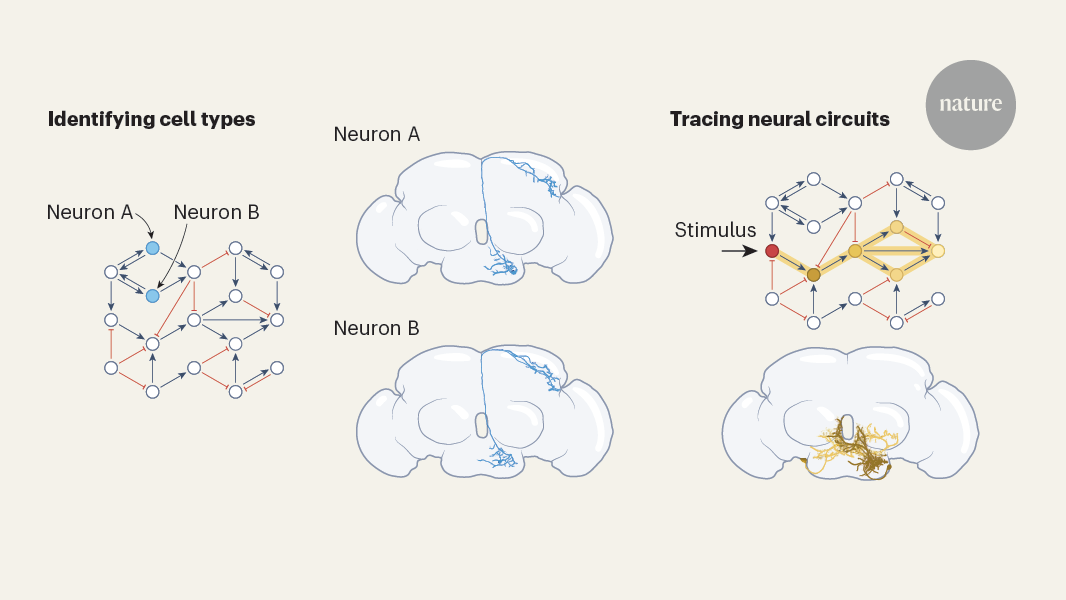
Neuroscientists have reconstructed the first complete wiring map of the fruit-fly brain, including 140,000 neurons and more than 50 million connections. This resource has already begun to revolutionize the field.
In June, more than 2,000 volunteers participated in the 2024 Global Ocean Cleanup campaign and netted nearly 40 tonnes of plastic debris from just some 80 kilometres of ocean and coasts across the world, including sites from Vietnam to California. Although representing one week’s hard work for the volunteers, such initiatives are a drop in the ocean of plastic waste that is generated each year — about 400 million tonnes, equivalent to the weight of all adult humans currently on Earth.
A plethora of projects and policies, both national and international, aim to tackle plastic pollution. In 2019, for example, the Association of Southeast Asian Nations set up a Framework of Action to reduce marine debris. The European Plastics Pact, in place since 2021, brings 15 governments and 82 private businesses together to reduce, reuse and recycle plastics as much as possible. And the legally binding UN Global Plastics Treaty, currently under discussion through the Intergovernmental Negotiating Committee on Plastic Pollution, should be finalized by the end of the year.
Yet one aspect is often overlooked: the communities of microbes hosted by plastic debris, which form the ‘plastisphere’1,2. Initial studies suggest that this human-made habitat serves as a widespread, mobile reservoir of various microbial hazards such as pathogens3–5 — yet little else is known.
As scientists working on the environmental and health implications of plastic pollution, we urge both the public and private sectors to map plastisphere microbiomes, to understand how they interact with existing ecosystems, assess the risk they pose to humans and ecosystems, and develop mitigation strategies.
As even more plastic waste is generated and degrades extremely slowly, the plastisphere is expanding rapidly — an ideal place for colonization by microorganisms, which tend to attach to a surface. More than 80,000 diatoms were found in one square centimetre of the marine plastisphere6. One gram of marine plastic can harbour ten times the microbial biomass of a cubic metre of open ocean water7.
Plastics consist of, and take up, a variety of compounds that can serve as nutrients for microbes, which in turn can affect the biogeochemical cycling processes on land and in water. Microbes of the plastisphere can be an important part of the carbon and nitrogen cycles3,8,9, for example, and might drive the production of greenhouse gases, including carbon dioxide, methane and nitrous oxide.
Even remote regions such as the Himalayas contain plastic pollution.Credit: Alamy
And the plastisphere hosts a variety of pathogens, including viruses and antibiotic-resistant bacteria that affect the health of plants, animals and humans3,4,10,11. Many of these microbes are not detected in the surrounding media3. Vibrio bacteria, for example, which are normally rare in the open ocean, are widely distributed in plastispheres throughout the mid-North Atlantic Ocean1,5, where they can cause diseases in marine life, including fish, shellfish and corals, as well as in humans. Genes that can render microorganisms resistant to antibiotics are also more common in the plastisphere than in surrounding areas4,5. Within it, viruses survive longer and are more infectious10. Harmful algae such as Pseudo-nitzschia, known for producing the neurotoxin domoic acid that causes amnesic shellfish poisoning, have also been shown to thrive in the plastisphere6.
The fact that the plastisphere is composed of plastic fragments ranging in size from micrometres to several metres means that it can carry inhabiting microbiomes that enter ecosystems and the food chain in many ways. Crops such as wheat and lettuce, for example, can directly absorb submicrometre-sized plastic particles and transport them from roots to shoots12. Plastic particles with sizes larger than tens of micrometres have been found in a range of human tissues, such as the carotid artery, lung and colon tissue, and in faeces13,14. Larger fragments, around a few centimetres long, can easily be ingested by animals such as fish, turtles, birds and terrestrial herbivores.
Finally, plastic particles and their microbial residents often travel long distances, either through trade routes or in the form of waste carried by streams, rivers and wind, for example, and can skew the natural distribution of microbial species. This can accelerate the spread of pathogens and antimicrobial resistance, disturb ecosystems and prompt disease outbreaks.
Quantify effects
Metrics are needed to quantify the influence that plastisphere microbiomes have on ecosystems and their populations, and to forecast the potential risks.
Researchers should collaborate across disciplines to combine findings from monitoring efforts on the ground, from laboratory experiments and from models that simulate the transport of plastic materials.
It is crucial to harmonize sampling procedures, experimental methodologies and instrumentation to characterize the complex genetic, microbial and metabolic landscapes of the plastisphere. Some existing projects and organizations, such as the Global Microplastics Initiative (run by Adventure Scientists in Bozeman, Montana); the Ocean Cleanup in Rotterdam, the Netherlands; the 5 Gyres Institute in Santa Monica, California; and the UN Global Estuaries Monitoring Programme, should establish standards and protocols on local, regional and global scales. Sharing samples and data would help. During clean-up activities, for example, plastic samples and contamination data should be collected and shared according to standardized procedures.
Plastics carry microorganisms that can harm animals, such as Kodiak bears in Alaska. Credit: Martin Almqvist/Alamy
Researchers should aim to accurately map the location and abundance of pathogens, antibiotic-resistant microbes and genes associated with plastispheres, and quantify their influence on climate change through the emission of greenhouse gases, for example.
It is also important to map the trajectory, transport dynamics and fate of plastic debris carrying microbiomes across ecosystems, regions and countries, such as from landfills to rivers and oceans, and from waste-exporting countries to waste-importing ones. Studying where microorganisms, especially pathogens, come from by analysing genetic elements or environmental factors can be useful. And modelling can help to track the ecological perturbations resulting from the increasing concentration, and transport, of plastispheres in ecosystems.
Redefine plastic pollution
Currently, risk assessments associated with plastic pollution mostly involve effects arising from the physical and chemical aspects of plastics — their size, shape, polymer type and additives. Turtles and seals get entangled in large debris; smaller fragments can block the digestive systems of fish or seabirds. Harmful compounds such as bisphenol A and phthalates also leach out of plastics.
Now, the microbial risks they pose must be considered, too. We propose four priorities for risk assessments.
Identify hotspots. Locations such as farms, urban rivers and coastal areas are key sources and sinks of plastic waste, and have intensive interactions with humans and food-safety concerns.
Protect vulnerable sites. Aquaculture zones, wild fisheries, nature reserves, wildlife sanctuaries, coral reefs and wetlands have crucial roles in maintaining biodiversity, regulating climate factors and providing food. They are also highly sensitive to pollution and microbial invasion.
Target transport. Regions and entities where plastics transit and accumulate — such as estuaries, harbours, wastewater treatment plants and vessels engaged in long-range transport — also need targeted risk assessments.
Focus on the food chain. Microplastics build up in foods ranging from leafy vegetables to seafood, directly threatening human health.
Sustain funding
Organizations such as the United Nations Environment Programme (UNEP), the Global Environment Facility in Washington DC, the Belmont Forum in Montevideo, Uruguay, and the World Bank should initiate funding programmes to support large-scale surveillance and assessment efforts.
Studies that track the flow of plastics and assess their health risks should focus on countries in the global south. They often need better waste-treatment capacity and public health safeguards — and often have to deal with waste exports from the global north, including Germany and the United Kingdom.
Relevant research funding bodies, such as the National Natural Science Foundation of China, the US Environmental Protection Agency and Horizon Europe, should establish collaborative research actions to co-finance projects involving scientists from different geographical regions.
Establish expert panels
Science-policy bodies must act, too. The Intergovernmental Science-Policy Panel on Chemicals, Waste, and Pollution Prevention, for example, was created in 2022 under a UNEP mandate to bridge the gap between science and policymaking, and to address global issues related to chemical waste and pollution. It should have a branch that focuses specifically on plastic pollution and risks from plastispheres. Such a centralized approach might help to establish standards, support research and track outcomes that are relevant to policy.
Adjust management strategies
Environmental policymakers and regulators should prioritize plastisphere management and control for key regions that are identified as at-risk by researchers. It is crucial to mitigate the transport of microbes through global trade networks for plastic waste. Collaborations between the UNEP, the World Trade Organization, the teams involved in relevant UN Sustainable Development Goals, the Basel Convention’s Global Plastic Waste Partnership and local governments must be put in place to continue reducing trade routes. All countries must also work to diminish the production of single-use plastics and to innovate eco-friendly alternatives. Promoting a focus on the entire life cycle of plastics and shifting from a linear model (take–make–waste) to a circular economy (in which plastics are reused, repurposed, recycled, composted or biodegraded) will help significantly.
Protect people
With talks on the UN global plastics treaty under way, we urge the Intergovernmental Negotiating Committee on Plastic Pollution to comprehensively address the environmental and health risks of plastic pollution.
For populations at high risk of exposure, protective measures against pathogens and antimicrobial resistance are paramount. Environmental and health authorities should expand existing food-safety programmes — which already monitor contaminants such as heavy metals, pesticides and bacterial pathogens — to include microplastics and communicate these potential risks to consumers. For people working as waste pickers, in landfill sites and in the import and export of plastic waste, employers should provide customized protective gear, wage supplements and regular health screenings.
An international not-for-profit forum on plastic pollution should be established by scientists and expert panels to facilitate the exchange of research findings and prompt collaborations among scientists, policymakers, private stakeholders and the public. Organizations that can serve as a blueprint exist in different fields — the World Economic Forum in Cologny, Switzerland, and the Global Water Partnership in Stockholm, for example.
Finally, science communicators and the media must keep the public informed of the existing risks and any mitigation actions taken by public and private entities.
A unified global strategy is needed to tackle the microbial risks associated with the plastisphere; the UN negotiations around the plastics treaty can spur concrete action.
The Many Lives of James Lovelock: Science, Secrets and Gaia TheoryJonathan Watts Canongate Books (2024)
Today, it might seem self-evident that life on Earth shapes, and is shaped by, its environment. We learn in school that the oxygen we breathe is produced by plants, for instance. For those of us aware of the climate crisis, feedback loops between human activity and the global climate system are never far from our minds. But this holistic view of the planet was controversial when it was put forward as the Gaia hypothesis in the 1970s.
The Burning Earth: how conquest and carnage have decimated landscapes worldwide
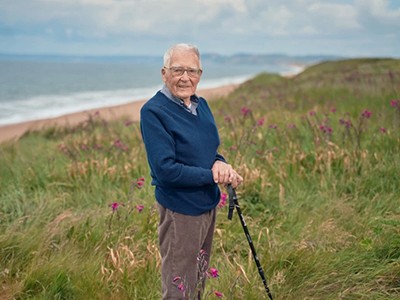
In The Many Lives of James Lovelock, environmental journalist Jonathan Watts examines the long life of James Lovelock, the chemist and inventor who is typically credited for the Gaia hypothesis. Lovelock died in 2022 at the age of 103. Despite covering more than a century’s worth of material, Watt’s biography is a zingy read, keeping an energetic pace without feeling superficial. Those interested in the environment, the history of science and the human drama behind scientific discoveries will all enjoy the ride.
Tellingly, Watts names his chapters after the many people who influenced Lovelock, challenging the classic narrative of the ‘solitary genius’ as the source of scientific breakthroughs. The book is by no means a take-down of Lovelock, whom Watts interviewed extensively and clearly has much affection for. But the picture that emerges is of a man who stumbled sideways into environmentalism after a lifetime as an apologist for the chemical and oil industries; a thinker whose greatest strength was synthesizing the clever ideas of others; and a rather naive and emotionally maladroit man who hurt a lot of people.
It takes two
As Watts tells it, the Gaia hypothesis grew out of two close collaborations. The first was with philosopher and systems analyst Dian Hitchcock in the mid-1960s at the Jet Propulsion Laboratory in Pasadena, California. Together, Lovelock and Hitchcock suggested that the presence of life on any planet could be inferred from its atmosphere. Hitchcock’s ideas were central to Lovelock’s thinking, and they wrote several papers together. But the pair were also lovers, and after the married Lovelock ended the affair in 1967, he cut Hitchcock out of his work.
James E. Lovelock (1919–2022)
Then, in the early 1970s, microbiologist Lynn Margulis sought out a collaboration with Lovelock. Margulis brought to his thinking an understanding of how bacteria can affect Earth’s atmosphere by releasing gases, and a fascination with interdependent networks.
Margulis and Lovelock published the Gaia hypothesis in the journal Tellus after being rejected by Nature (J. E. Locklock & L. Margulis Tellus26, 2–10; 1974). They posited that Earth could be thought of as a single living thing. Just as an animal maintains a balance between systems in its body and emits waste products, so does Earth maintain an atmosphere inside of which life can thrive and emit waste as infra-red radiation to space. “The total ensemble of living organisms which constitute the biosphere can act as a single entity to regulate chemical composition, surface pH and possibly also climate,” as Margulis and Lovelock put it.
James Lovelock with a device he invented to measure gas and molecules in the atmosphere.Credit: PA Images/Alamy
No consciousness or intent was implied on the part of this entity, but the use of the name of the Ancient Greek mythological Earth goddess Gaia to describe it — a name suggested by Lovelock’s friend and neighbour, the novelist William Golding — introduced a mystical overtone that would irritate and alarm scientists for decades to come. The mythos around Gaia might even have delayed acceptance of Lovelock and Margulis’s ideas, but it also kept the public interested and Lovelock in demand. Over the years that followed, Gaia eventually evolved into a kind of amorphous environmental spirituality, and it remains a spiritual touchstone that lives on in the minds and hearts of untold numbers of environmentalists.
Rise of Gaia
The publication that propelled Gaia to fame was a 1975 article in New Scientist called ‘The Quest for Gaia’, authored by Lovelock and a perhaps unexpected partner — Sidney Epton, a wordsmith working for the oil company Shell. In fact, Lovelock spent most of his career working as a consultant for oil companies, chemical companies and the British Secret Service, and for much of his life he exhibited a “deeply entrenched fealty to industry”. Watts chronicles Lovelock’s early discoveries of the dangers of climate change in 1966, of leaded gasoline in 1967 and of chlorofluorocarbons in 1972 — and his consistent failure to do anything with this information other than hand it over to his industry paymasters.
Many of Lovelock’s industrial clients were initially enthusiastic about the idea of Gaia. As he first characterized it, she could absorb anything industry could throw at her. In his first Gaia book, published in 1979 (with an uncredited ghostwriter, Lorna Frazer), he waves away concerns about pollution, reassuring readers that Earth can and will adapt. Margulis edited such apologias out of his second book on the topic, 1988’s TheAges of Gaia, and Lovelock’s level of concern about the environment seemed to wax and wane over the years, depending on who was influencing his thinking.
The meaning of the Anthropocene: why it matters even without a formal geological definition
For the rest of his life, Lovelock remained a champion of Gaia — and even grew to think of the entity as a kind of personal goddess to which he turned in times of distress. But he was easily swayed by attention and flattery, lending Gaia’s name and his increasingly valuable personal brand to causes across the political spectrum, careening from climate doomism to climate scepticism.
His 2006 bestseller The Revenge of Gaia predicted imminent societal collapse and the death of billions of people owing to climate change. Yet in 2017, Lovelock nearly joined the board of the Global Warming Policy Foundation, a controversial London-based organization that questions climate-change policies. “When it came to politics,” Watts writes, “he was either too naive, too conservative or too lacking in confidence to do anything but defend the status quo.”
From the vantage point of 2024, Gaia’s discovery and articulation seem inevitable. Indeed, Lovelock was arguably scooped by Soviet geochemist Vladimir Vernadsky, who in 1926 characterized the biosphere as an “indivisible mechanism” that shapes its own environment. The scientific legacy of the Gaia hypothesis lives on in the research field of Earth-system science, which explores planet-scale relationships.
Reading Watt’s biography of Lovelock, one gets the sense that he was a man at the right places at the right times. Had he not been Hitchcock’s lover, or Margulis’s collaborator or Golding’s neighbour, he might never have stumbled on the idea of Gaia, and someone else would have come to the same conclusion. It was a truth waiting to be articulated.
If you wanted to be spiritual about it, you could argue that Gaia chose Lovelock as her messenger, despite — or perhaps because of — his evident personal failings. You’d expect a tree-hugger to tell you that the planet is one vast interconnected system powered by life. But when a scientist paid by Shell and Dow Chemical delivers the message, you believe it.