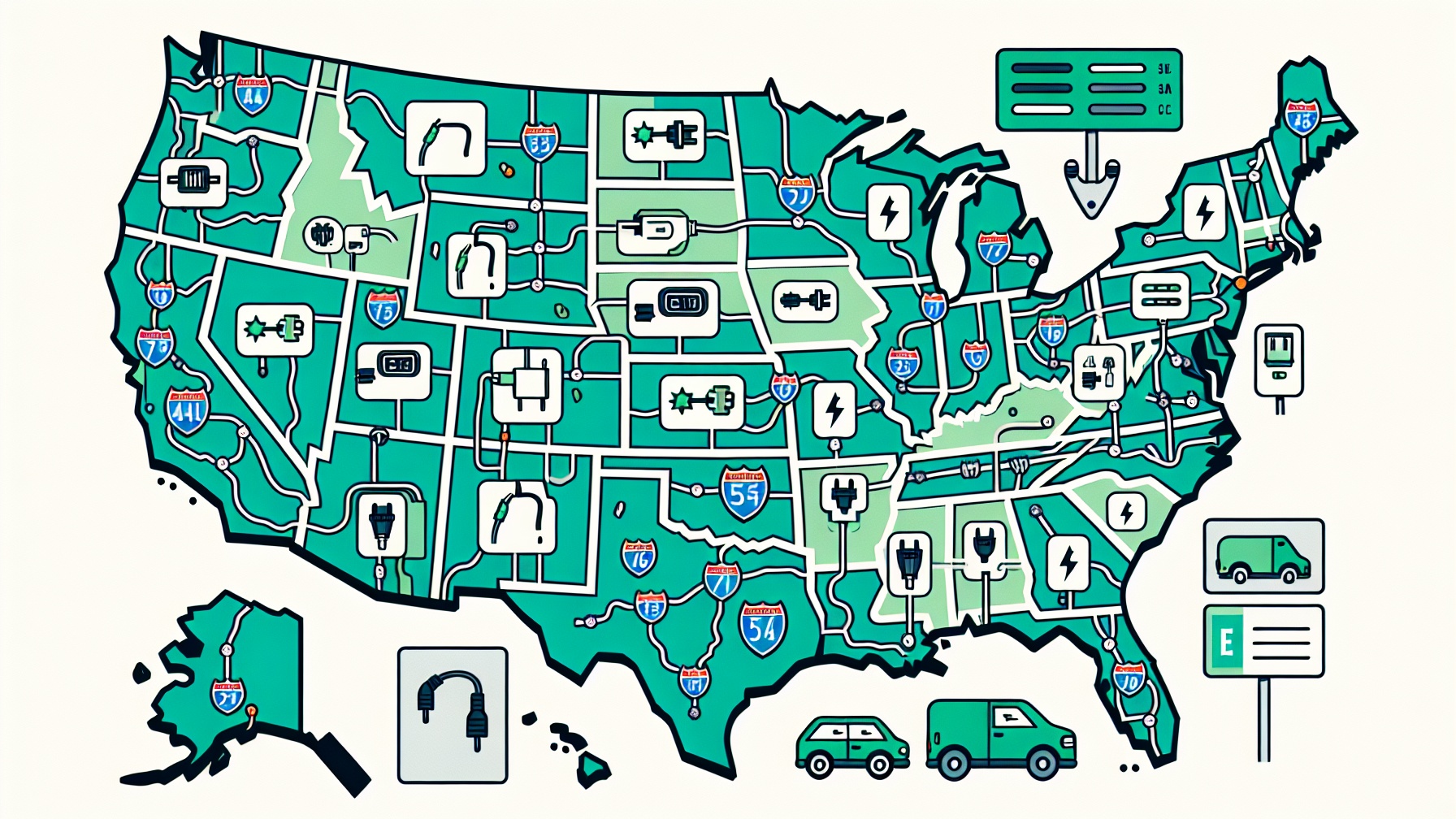
The US government has announced a substantial investment of $52m in grants aimed at enhancing the country’s EV charging network.
This funding will be distributed across 29 states, two Federally Recognised Tribes, and the District of Columbia, enabling the deployment of more than 9,200 EV charging ports.
This initiative marks a significant milestone in the US’ broader strategy to establish a convenient, affordable, and reliable EV charging network across the nation.
Secretary of Transportation Pete Buttigieg commented: “The Biden-Harris Administration has been clear about America leading the EV revolution, and thanks to the historic infrastructure package, we’re building a nationwide EV charger network to make sure all drivers have an accessible, reliable, and convenient way to charge their vehicles.
“The awards that we’re announcing today will build on this important work and will help ensure that the cost savings, health and climate benefits, and jobs of the EV future are secured for Americans across the country.”
Expanding the EV charging network
As part of this initiative, the US government is focused on increasing access to EV charging for light-, medium-, and heavy-duty vehicles along designated highways, interstates, and major roadways.
The objective is to ensure that drivers can charge their vehicles close to home, at work, and along major corridors, thereby making EV ownership more practical and appealing.
Since the start of Joe Biden’s presidency, the number of publicly available EV chargers has doubled, now surpassing 192,000 charging ports nationwide.
This growth has been fuelled by the Bipartisan Infrastructure Law, which has catalysed significant private investments in EV charging infrastructure.
Approximately 1,000 new public chargers are being added each week, reflecting the rapid expansion of the EV charging network.
These are essential in bridging gaps in charging infrastructure, particularly in underserved areas such as rural, suburban, urban, and Tribal communities.
The funding also aligns with the National Zero-Emission Freight Corridor Strategy, which focuses on EV charging infrastructure for trucks along one of America’s largest freight corridors.
Promoting economic development and environmental sustainability
The new EV infrastructure is expected to significantly contribute to emission reductions, economic development, and healthier communities.
By supporting the transition to electric vehicles, the US is taking a critical step toward reducing pollution and harmful greenhouse gas emissions.
These investments are also set to create good-paying, union jobs, further stimulating economic growth in various regions across the country.
Key community and corridor EV charging projects
Of the $52m allocated, $321m will fund 41 community projects aimed at expanding EV charging infrastructure within local communities.
Notably, the City of Milwaukee will receive nearly $15m to install EV chargers at 53 sites citywide, focusing on areas that currently lack sufficient EV infrastructure.
This project is designed to support Milwaukee’s climate and equity goals by encouraging EV adoption in low-to-moderate-income communities and neighbourhoods with a high density of multifamily housing units.
Additionally, the Standing Rock Renewable Energy Power Authority in North Dakota will receive nearly $3.9m to install publicly accessible community EV charging stations across the Sioux Reservation.
These stations will be strategically located in areas that serve as gathering spots for Tribal members, ensuring that the EV charging network is accessible to underserved communities.
On the corridor front, $200m will be allocated to 10 fast-charging projects along designated Alternative Fuel Corridors.
For instance, the Fort Independence Indian Community will receive over $15m to establish an EV charging hub along the US Route 395 corridor.
This hub will be powered by a solar micro-grid with combined heat and power generation and battery backup, contributing to emissions reductions and energy resilience.
Moreover, the City of Atlanta will receive nearly $11.8m to install a DC Fast Charging Hub at the Atlanta Airport, featuring 50 DC fast chargers.
This hub will cater to rental car companies, ride-share drivers, airport shuttles, and regional EV drivers, improving access to fast charging in a critical transit hub.
The US government’s significant investment in EV charging infrastructure represents a major step forward in building a robust and accessible EV charging network across the nation.
These historic investments will ensure that more Americans have the opportunity to drive electric, whether they are in urban centres, rural areas, or along the nation’s busiest highways.
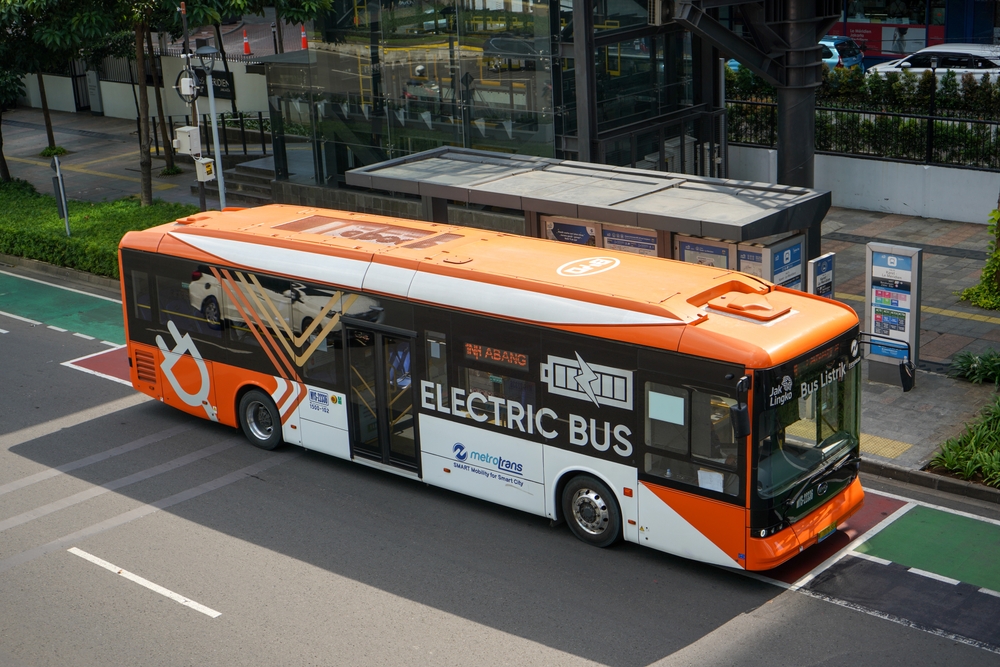
The electric bus market is on the cusp of a significant transformation, with a surge in global demand expected to redefine public transportation systems worldwide.
According to the newly released report, the electric bus market was valued at $15.90bn in 2024. It is projected to grow at a compound annual growth rate (CAGR) of 15.14%, reaching an impressive $65.10bn by 2034.
This growth is fuelled by increasing environmental concerns, government regulations, and advances in technology.
The driving forces behind growth in the electric bus market
As urban areas continue to grapple with pollution and climate change, the need for sustainable and efficient transportation solutions has never been more urgent.
Electric buses, which are powered by electricity instead of traditional fossil fuels, have emerged as a key component of this transition.
These vehicles offer numerous benefits, including significant reductions in greenhouse gas emissions, lower operational costs, and quieter operations compared to their diesel-powered counterparts.
Governments worldwide are playing a crucial role in accelerating the adoption of electric buses through stringent environmental regulations and incentives.
For instance, the European Union’s Clean Vehicle Directive mandates that a certain percentage of new buses purchased by public authorities must be low-emission or zero-emission vehicles, including electric buses.
In 2020 alone, the FTA allocated over $180m to support the adoption of low-emission buses across the country, highlighting the growing commitment to cleaner transportation.
Global investment in charging infrastructure
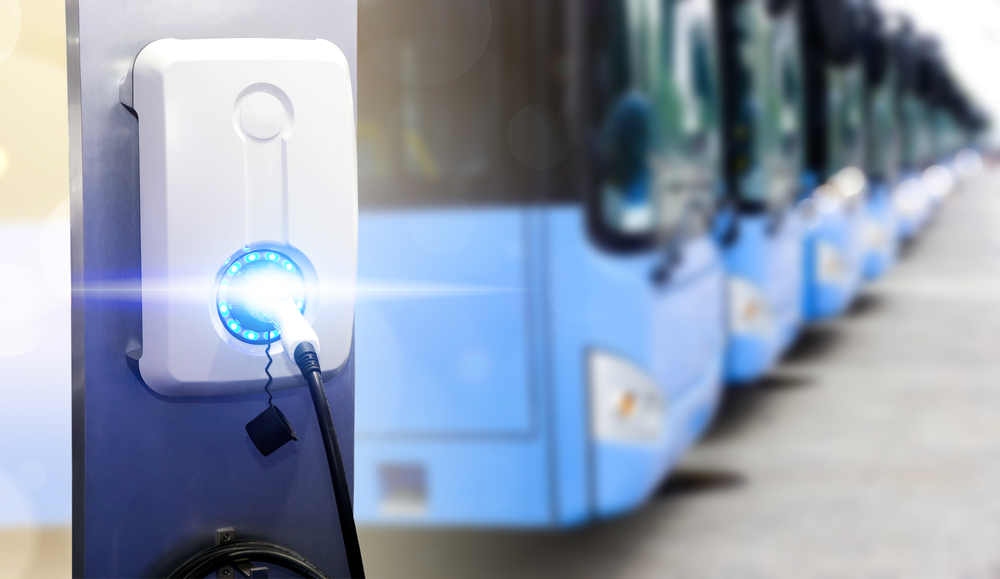
One of the key challenges in the widespread deployment of electric buses is the development of adequate charging infrastructure.
The success of the electric bus market is inextricably linked to the availability of reliable and accessible charging stations. Recognising this, governments and private sectors are making substantial investments in this area.
China, the world’s largest electric bus market, is leading the way with an ambitious plan to install over 600,000 charging stations by 2025, a move spearheaded by the Ministry of Transport.
This initiative is aimed at supporting the country’s rapidly expanding electric bus fleet, which is part of a broader strategy to reduce urban air pollution and greenhouse gas emissions.
In Europe, the European Investment Bank (EIB) is playing a pivotal role in financing the development of electric bus charging networks.
Cities like Paris and Amsterdam have received significant loans from the EIB to build extensive charging infrastructure, further propelling the adoption of electric buses in these metropolitan areas.
Technological innovations shaping the future of electric buses
The electric bus market is not just expanding in size but also evolving in terms of technology and innovation.
Manufacturers are constantly pushing the boundaries of design and performance, with a focus on battery longevity, energy efficiency, and passenger comfort.
These technological advancements are crucial for making electric buses a viable alternative to traditional diesel buses, particularly in terms of range and reliability.
A significant area of innovation is the integration of autonomous driving features and smart grid technology.
For example, in California, the California Air Resources Board (CARB) has set an ambitious target for all public transit agencies to transition to 100% zero-emission buses by 2040.
This initiative is not only encouraging the adoption of electric buses but also driving technological advancements in the sector, such as the development of autonomous electric buses that can operate seamlessly within a smart city infrastructure.
The road ahead: A sustainable future for public transportation
As cities around the world continue to prioritise sustainable urban mobility, the electric bus market is poised for significant growth and transformation.
The projected increase in market value of almost $50bn by 2034 underscores the potential of electric buses to revolutionise public transportation systems globally.
The combination of government support, technological innovation, and strategic investments in infrastructure is creating a conducive environment for the widespread adoption of electric buses.
As the market evolves, electric buses are expected to become a central component of urban transportation networks, offering a cleaner, quieter, and more efficient mode of travel for millions of commuters worldwide.
As cities grapple with the urgent need for sustainable transit solutions, electric buses have emerged at the forefront of this transformative era.
The convergence of technological advancements and infrastructure development is crucial in propelling these zero-emission vehicles from niche to mainstream. This discourse focuses on the latest battery technologies, charging systems, and energy management to unravel the intricacies governing the operational efficacy of electric buses.
While the promise of reducing urban carbon footprints and improving air quality is alluring, the transition to electric bus fleets brings its own set of challenges and complexities. This article provides critical insights into the cutting-edge innovations shaping the future of electrified transport and the infrastructural fortitude required to support them, contemplating whether the current pace of progress aligns with the environmental imperatives of our time.
The growing importance of electric buses in sustainable urban transport
As urban populations swell, adopting electric buses has become a crucial step toward creating more sustainable and less congested transportation systems.
Electric buses offer numerous environmental benefits, including reductions in greenhouse gas emissions, fossil fuel dependency, and air and noise pollution, thereby enhancing urban livability. Their integration into existing transit networks signifies a proactive approach to tackling climate change and improving public health.
The policy implications of transitioning to electric buses are significant. Governments and transit authorities must consider subsidies, incentives, and regulations to facilitate this shift.
A thorough cost analysis is also imperative, as electric buses typically require a higher initial investment compared to traditional buses. However, over their operational lifetime, they often present lower total costs of ownership due to savings on fuel and maintenance.
One cannot overlook the integration challenges accompanying the electrification of public transport. These include the need for charging infrastructure, grid upgrades, and training for maintenance and operations personnel. Addressing these challenges is critical to ensure seamless service and operational efficiency.
Looking at future prospects, continuous advancements in battery technology and charging solutions promise to enhance the range and performance of electric buses. This development could accelerate their adoption and lead to wider environmental and economic gains.
The trajectory for electric buses is poised for growth, with the potential to significantly contribute to creating green and efficient urban transport systems. Their role in the evolution of public transit underscores the necessity for comprehensive strategies that align with long-term sustainability goals.
Innovations in battery technologies
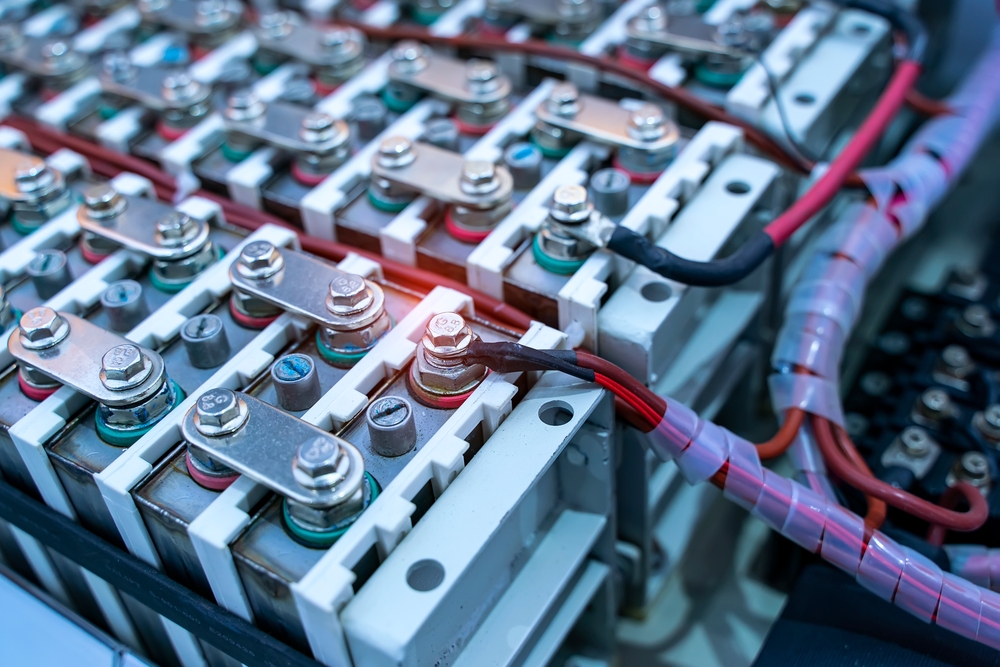
Building on the foundation of sustainable urban transportation, innovations in battery technologies, such as lithium-ion, solid-state batteries, and advanced battery management systems, are critical to enhancing the performance and efficiency of electric buses.
Lithium-ion batteries have been the mainstay in electric bus design due to their high energy density, which directly correlates to longer ranges and reduced range anxiety for operators.
However, they must be paired with robust battery management systems to ensure safety and longevity. These systems closely monitor cell temperatures, state of charge, and overall health to optimise performance and prevent thermal runaway—a potential safety hazard.
The introduction of solid-state batteries is poised to revolutionise the market with increased energy density and safety features. By replacing the liquid electrolyte with a solid, these batteries reduce the risk of leaks and thermal events, thereby enhancing the overall safety profile of electric buses.
Furthermore, solid-state technology offers the potential for even higher energy density, translating to longer ranges without significantly increasing the weight or size of the battery pack.
Fast-charging capabilities are another area where technological advancements are being made. New battery chemistries and designs allow for more rapid energy transfer, reducing downtime for buses and enabling more flexible route planning.
Thermal management systems, integral to battery performance, have also seen improvements. They maintain optimal operating temperatures, thus preserving battery life and performance even under the demanding stop-and-go conditions of urban transit.
Overview of electric bus charging infrastructure
The deployment of electric bus charging infrastructure is a critical component for the seamless operation of electric bus fleets, necessitating strategic placement and advanced technology to meet the demands of continuous service.
As cities worldwide embrace electric buses, understanding the nuances of charging infrastructure becomes paramount.
Charging station compatibility is essential, with a need for standardisation across different bus models to ensure interoperability. Grid integration, meanwhile, is a complex challenge that requires careful planning to avoid overloading local power grids, especially during peak charging times.
Fast-charging solutions are increasingly popular, providing buses with rapid energy replenishment that aligns with tight operating schedules. Such systems, however, demand robust depot infrastructure capable of supporting high power outputs.
Innovative approaches like wireless charging are making headways, with inductive technology allowing buses to recharge without physical connectors, reducing wear and enhancing convenience. This method can be integrated into bus stops, enabling top-up charges during regular service routes.
Vehicle-to-grid capabilities present an intriguing dimension to the electric bus ecosystem. Here, buses not only draw power from the grid but can also return energy during off-peak hours, aiding in overall energy management and providing a buffer for the energy system.
The incorporation of solar integration into charging facilities is a testament to sustainable practices, as it reduces reliance on non-renewable energy sources. Solar power can either directly charge buses or feed into the grid, offsetting the energy used for charging.
Together, these technologies and infrastructural advancements form the backbone of an efficient, reliable, and sustainable electric bus network, ensuring the long-term viability of zero-emission public transport solutions.
Advancements in electric motors
While charging infrastructure is a critical aspect of electric bus implementation, the core of their performance lies in the types and advancements of electric motors used.
These motors convert electrical energy into mechanical energy, propelling the bus forward. Significant progress in motor technologies has been crucial in improving the overall efficiency and reliability of electric buses.
There are various motor types used in electric buses, including induction motors, permanent magnet synchronous motors (PMSM), and switched reluctance motors. Each type has its own set of characteristics, but a common goal among them is to achieve optimal efficiency enhancements. For instance, PMSM motors are known for their high efficiency and power density, which are beneficial in the stop-and-go nature of urban bus routes.
Advancements in electric motors also focus on improving torque capabilities. Torque directly relates to the bus’s ability to accelerate and climb gradients, which is particularly important for heavy-duty transportation. Innovations in motor design have led to motors that can deliver high torque at low speeds, reducing overall energy consumption and increasing the range of the bus.
Another critical advancement in electric motors is the incorporation of regenerative braking systems. Regenerative braking captures the kinetic energy typically lost during braking and converts it back into electrical energy, which can be used to recharge the bus’s batteries. This not only enhances efficiency but also extends the life of the braking system.
Moreover, developments in cooling systems are essential for maintaining motor performance and longevity. Effective cooling systems prevent overheating and ensure that the motor operates within its optimal temperature range, even under high loads. These systems can be liquid-based or use advanced materials and designs to dissipate heat more efficiently.
The role of smart and connected technologies in electric buses
By leveraging smart and connected technologies, electric buses are becoming increasingly efficient and user-friendly, enhancing the overall public transit experience. These technologies are transforming how transit agencies operate and manage their fleets and how passengers interact with the service.
Data analytics play a critical role in optimising the performance of electric buses. By analysing vast amounts of data from vehicle operations, transit authorities can gain insights into energy consumption patterns, route efficiency, and maintenance needs.
This information is invaluable for improving energy efficiency, as it allows for precise adjustments to driving strategies and charge scheduling to minimise energy use while maintaining service quality.
For the passenger experience, smart technologies provide real-time information on bus locations and expected arrival times. Apps can alert passengers to delays or service changes, and onboard Wi-Fi keeps them connected during their journey. Interactive displays inside the bus can provide route information, local news, or even entertainment, making their commute more enjoyable.
Fleet management is another area where connected technologies are making a significant impact. With GPS tracking and remote diagnostics, operators can monitor the health and performance of each bus in real time, scheduling maintenance before issues lead to service disruptions. This proactive approach ensures reliability and extends the lifespan of the vehicles.
Connectivity solutions also enable electric buses to integrate with smart city infrastructure. Traffic light coordination can reduce idling and improve route times. Charging stations can communicate with buses to facilitate energy management across the grid, contributing to a smoother integration of renewable energy sources.
Case studies of successful implementation
Several cities around the globe have set precedents in successfully integrating electric buses into their public transportation systems, showcasing the potential benefits and efficiencies of this sustainable technology.
These case studies reveal not only the environmental impact of shifting to electric mobility but also the practicalities of achieving cost efficiency, performance benefits, and positive policy implications through strategic planning and community engagement.
One such example is Shenzhen, China, which boasts the world’s first 100% electrified public bus fleet. The city’s transition to electric buses has resulted in a significant drop in carbon emissions and improved urban air quality. This success was made possible by strong policy support, financial incentives, and infrastructure development, including the installation of extensive charging networks.
In Europe, the city of Amsterdam is another success story, with electric buses serving as a critical component of the city’s goal to become emissions-free. The city’s comprehensive approach to sustainability involves not only the deployment of electric buses but also community engagement programs to increase public awareness and acceptance of the technology.
In the Americas, Santiago, Chile, has emerged as a leader in electric bus adoption in Latin America. The city’s efforts to modernise its fleet have been spurred by collaborations between the public sector, bus manufacturers, and energy providers, showcasing the importance of multi-stakeholder engagement in implementing such technologies.
These case studies illustrate the tangible performance benefits of electric buses, including lower operational costs and reduced maintenance requirements compared to traditional buses. Furthermore, the positive environmental impact of decreased emissions, coupled with the societal benefits of cleaner air, underscores the compelling argument for cities to adopt electric bus systems.
These experiences also highlight the necessity of supportive policy frameworks and the potential for electric buses to become a cornerstone of sustainable urban transport strategies worldwide.
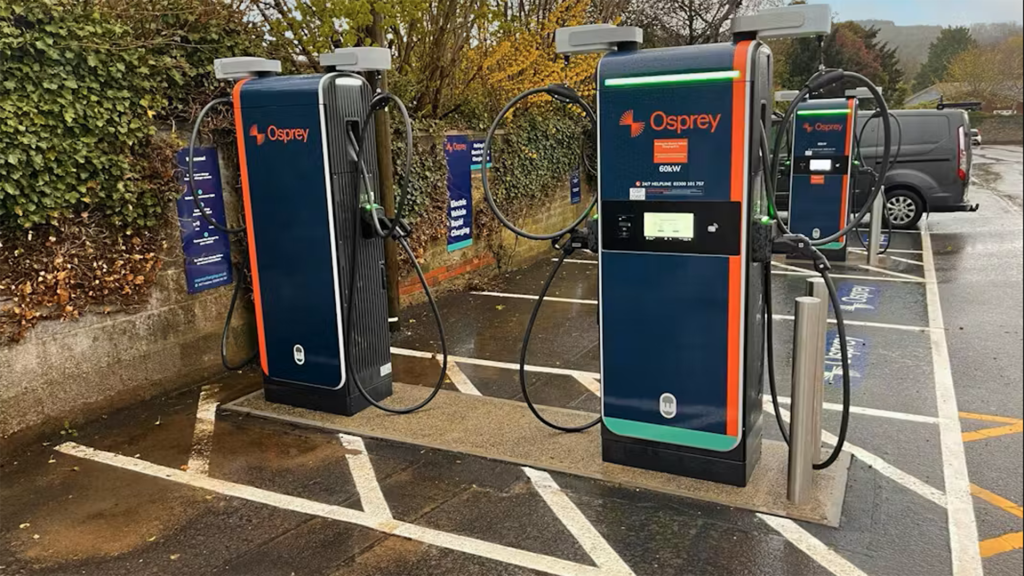
Osprey Charging has unveiled plans to develop the largest ultra-rapid EV charging hub in Scotland.
Following the purchase of a freehold site in Paisley, the charge point operator will install 16 ultra-rapid EV chargers, with planning permission granted to install 300kW public chargepoints.
Developing Scotland’s largest ultra-rapid EV charging hub
Located near Phoenix Retail Park in Paisley, the 16-charger EV hub will be just off the A737, a short drive from the M8, Scotland’s busiest motorway.
Positioned on a key route, this new Paisley super-hub offers rapid, reliable, and high-quality EV charging in a strategic location.
The Paisley hub is ideally located, offering drivers access to numerous nearby amenities while they recharge their EVs.
Growing the UK’s charging network
The Paisley ultra-rapid EV charging hub will be Osprey Charging’s second freehold site purchase, following the award-winning Salmon’s Leap hub in Devon.
Osprey plans to announce additional site acquisitions throughout the summer.
Ian Johnston, CEO of Osprey Charging, commented: “We’re hugely excited to have completed the purchase of the land for our forthcoming 16-charger ultra-rapid hub in Paisley, which marks our second freehold site in the UK.
“The purchase of freehold sites is an important strategy for Osprey, as it enables us to build larger public charging locations with greater flexibility over their design.
“This hub will be crucial in supporting the uptake of EVs in Scotland as well as in meeting the growing demand for reliable, accessible and high-quality EV charging across the UK.”
Volkswagen Group brand Elli has recently launched the Elli Charger 2, which will enable customers to charge their EVs with solar power.
The Elli Charger 2 boasts an array of advanced EV charging features that Volkswagen says will significantly reduce charging costs.
Customers can now purchase a Volkswagen EV, charger, and electricity tariffs from a single source and will be able to purchase a solar panel system to power the charger through selected Volkswagen sales channels.
At the product launch, Elli announced a strategic partnership with European solar panel developer Otovo01, which will provide home solar energy solutions for their customers.
Giovanni Palazzo, CEO of Elli and SVP of Volkswagen Group Charging & Energy, commented: “To drive e-mobility, we have to make the charging experience simpler and significantly more cost-effective for customers.
“This is where the new Elli Charger 2 shines. It charges when solar energy is available, and electricity prices are at their lowest.
“The smart charging functions not only provide real cost savings for customers but also represent a milestone in the use of renewable energy.”
Elli Charger 2 features
Elli developed the new charger with a strong emphasis on customer needs across its 28 European markets.
Besides lowering charging costs, the speed of charging is a key factor for buyers. The new Elli Charger 2 offers a variety of services to cater to regional variations in home energy systems.
Available in four versions, it can charge any EV with a Type-2 port. Enhanced with new metering features, cost transparency, and dynamic load management, the Elli Charger 2 is suitable for both private homes and commercial use.
Leveraging solar energy
Elli Charger 2 has the potential to utilise home solar energy production and use Volkswagen’s new market price-optimised charging, known as Naturstrom Flex02.
This enables EV charging with lower electricity prices when demand is low or renewable energies are highly available.
In July 2023, Elli obtained a license to trade on the European Power Exchange to facilitate this.
By optimising charging profiles according to electricity prices and utilising home solar energy, charging costs can be reduced by up to 40%.
Scientists from the National Institute of Technology Silchar have created a scheduling system that may revolutionise EV charging efficiency.
The system elevates power grid efficiency and better utilises energy generated from renewable sources.
By focusing on the charging and discharging times of EVs to better integrate with photovoltaic (PV) energy sources, the system has the potential to make EV charging even more sustainable.
How does the scheduling system work?
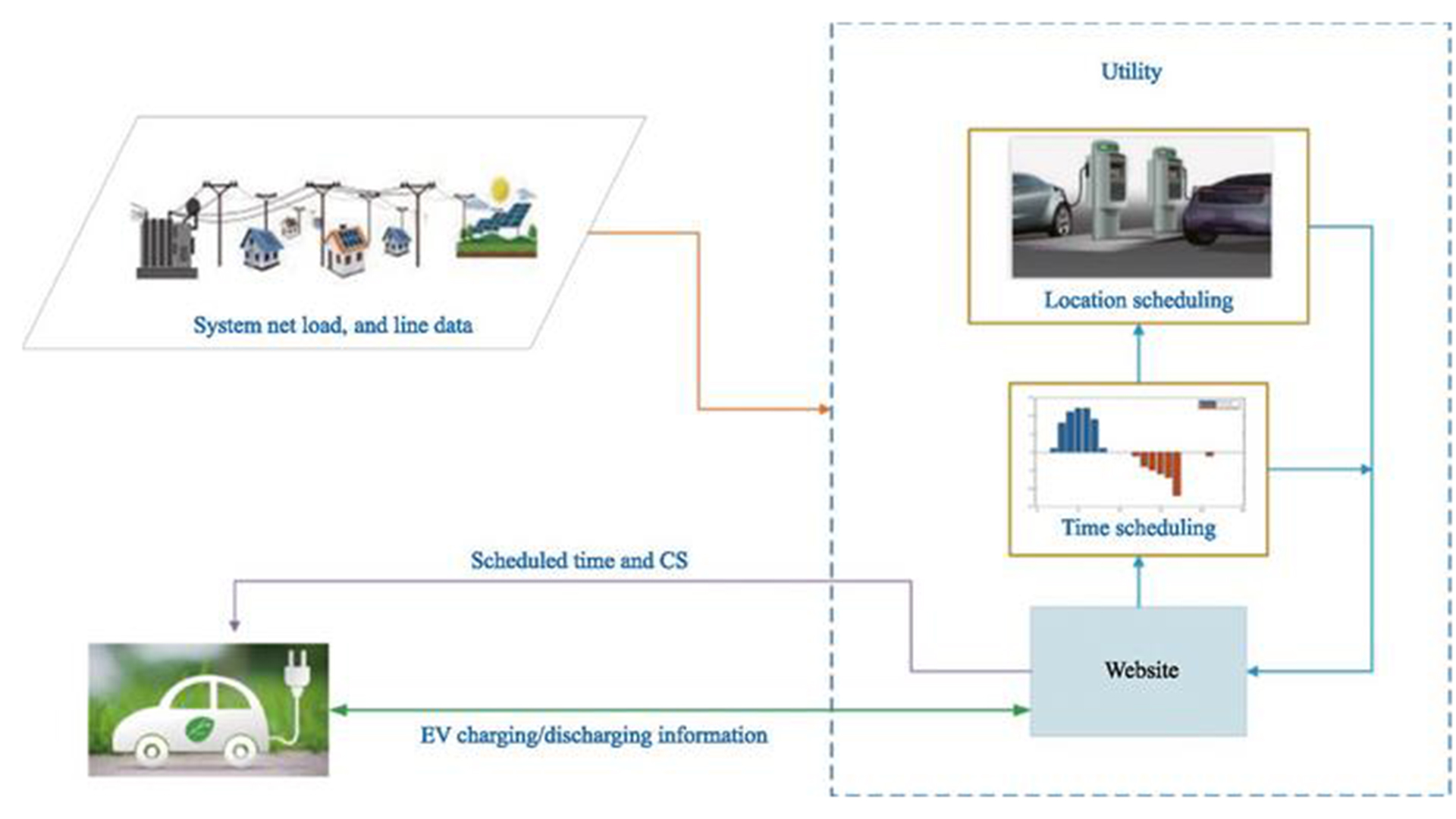
This innovative two-stage algorithm schedules EV charging sessions and manages their distribution across various charging stations to reduce energy loss, prevent power outages, and minimise grid impact.
In the first stage, the algorithm uses a hybrid SARIMA-LSTM model to predict solar energy availability and identify optimal EV charging times.
This synchronisation with peak solar production maximises renewable energy use and reduces dependency on non-renewable sources.
The second stage allocates charging slots to different stations to balance the electrical grid load, maintaining stability and preventing the peaks and troughs associated with unmanaged EV charging.
An advantageous charging/discharging scheduling of electric vehicles in a PV energy enhanced power distribution grid. Credit: GREEN ENERGY AND INTELLIGENT TRANSPORTATION
Successful EV charging simulations
The researchers demonstrated the system through extensive simulations on a 28-bus Indian power distribution network powered by solar energy.
The results demonstrated major improvements in the grid’s peak-to-average load ratio, an indicator of power efficiency.
The system was also shown to reduce total energy consumption and increase voltage stability in multiple test scenarios.
This breakthrough represents a significant milestone in integrating renewable energy and EVs into urban infrastructure.
As cities grow and pursue eco-friendly transportation and energy solutions, adopting intelligent scheduling systems is crucial for boosting EV charging efficiency.
This study provides valuable insights for policymakers, utility companies, and consumers navigating complex energy management in congested urban areas.
A revolutionary development in lithium-ion battery technology promises to enhance the performance, stability, and lifespan of batteries in electric vehicles (EVs).
This innovation, spearheaded by a research team at the Korea Electrotechnology Research Institute (KERI), aims to overcome the challenges associated with fast charging.
This milestone in fast-charging EV batteries could prove crucial in increasing the adoption of EVs.
Enhancing EV battery performance
The team focused on improving the charging and discharging stability of lithium-ion batteries, especially under fast-charging conditions.
Traditionally, increasing energy density in these batteries has involved thicker electrodes, which often leads to battery degradation and reduced performance during rapid charging.
Unlike many approaches that modify the internal materials of the electrode, the team utilised a simpler technique to apply this coating.
Aluminium oxide, known for its excellent electrical insulation, heat resistance, chemical stability, and mechanical properties, was found to manage the interface between the anode and the electrolyte effectively.
This coating forms an efficient pathway for lithium-ion transport, preventing the detrimental electrodeposition of lithium during fast charging.
Boosting energy density
This coating technique offers another significant advantage: it increases the energy density of lithium-ion batteries.
Conventional methods that introduce functional materials into the electrode interior can complicate the synthesis process and reduce the amount of reversible lithium, leading to thicker electrodes and performance issues during fast charging.
However, by treating the surface of the graphite anode, KERI’s technology achieves stable performance without compromising the amount of reversible lithium, even in high-energy-density, thick-film electrodes.
Promising test results
In various tests, the aluminium oxide-coated high-energy-density anode demonstrated world-class performance.
The batteries maintained over 83.4% of their capacity even after 500 cycles of rapid charging. This impressive performance was verified with pouch cells of up to 500mAh, showcasing the potential for real-world application.
The research team is now focusing on scaling up this technology to make it applicable to larger, medium- to large-capacity cells.
This development marks a significant step forward in the quest for efficient, long-lasting, and fast-charging EV batteries, potentially accelerating the adoption of electric vehicles worldwide.
Business EV adoption is continuing at pace as organisations push to meet ambitious carbon reduction and sustainability targets.
Emma Loveday, Senior Fleet Consultant at Volkswagen Financial Services (VWFS) Fleet, unpicks the incentives available for employers and employees to help drive the transition to electric vehicles. She also answers common questions about charging and helps businesses alleviate driver concerns.
Earlier this year, the UK hit a significant milestone in its sustainable transport journey; there are now over one million fully electric vehicles on UK roads.
Fuelled by technological advances, increasing consumer demand, and the widening availability of vehicle choices, the UK’s EV adoption has gathered significant momentum over the last few years, and this shift is also reflected in the business community.
In the past year, over 230,000 EVs have been added to business fleets as companies look to decarbonise their transport solutions. This is a 57% increase on the previous year.
The potential for cost savings, the need to comply with environmental legislation, and the array of attractive tax incentives for companies and drivers are all driving business EV adoption forward.
Yet, while the statistics show many organisations are already underway with their EV journey, some are falling behind. Businesses ultimately need to ensure their drivers are on board with the switch to stay on track and meet net zero targets. There are currently multiple incentives available to increase business EV adoption.
Reduced BIK contributions for EVs
For tax purposes, non-cash benefits are referred to as a benefit in kind (BIK). Employees will pay income tax at their marginal rate, based on the value of the BIK they receive. Employers will also pay national insurance contributions (NICs) based on the same BIK value.
For company cars, the BIK value is calculated based on the P11D list price of the vehicle, its CO2 tailpipe emissions and the employee’s income tax band. The tax rules for company cars are significantly weighted to incentivise and support the take-up of lower and zero-emission vehicles.
The employee BIK rate for EVs is currently fixed at 2% until April 2025. From this date, it will then increase by 1% each year until April 2028. As a comparison, the BIK rate for ICE vehicles is substantially higher, reaching as high as 37% for some vehicles with high CO2 emissions.
For example, an EV with a list price of £32,000 would attract a BIK of £644 per annum, or £54 per month, payable by the employee. Meanwhile, an ICE vehicle costing £25,900 could attract a BIK of £7,252 per annum or £604 per month – a significant increase in tax liability for the employee. The reduced BIK percentage attached to EVs also results in reduced NICs for the employer.
Salary Sacrifice schemes
Companies can also extend access to EVs to employees who don’t qualify for company car schemes through a car salary sacrifice scheme. This also helps businesses tackle their Scope 3 (indirect) emissions, which includes the emissions of vehicles owned and driven by employees for commuting.
At minimal cost to the employer, salary sacrifice schemes enable employees to ‘sacrifice’ a portion of their monthly salary (pre-tax) to fund a vehicle’s monthly lease payments.
This means employees who don’t qualify for a company car scheme can access a brand-new EV – with no upfront payment, no early termination fees and no hidden costs. This can make EVs more affordable and accessible for employees.
In addition to having access to a brand-new EV, employees will also see a reduction in the income tax and NICs they are required to pay, as the monthly payment is taken from salary pre-tax.
Vehicles in a salary sacrifice scheme have the same BIK rates as those in a company car scheme – so currently a low and very attractive rate of 2% for EVs.
For businesses, offering EVs through salary sacrifice schemes can reduce NICs, as employees’ taxable income will be lower. As such, the schemes can be a cost-effective way to optimise remuneration packages and improve staff retention.
Additionally, having employees drive brand-new, fully maintained vehicles reduces occupational road risks for the workforce required to drive for business purposes.
EV charging considerations
Alongside outlining the financial incentives available for employees when accessing EVs via company car or salary sacrifice schemes, businesses also need to tackle the common misconceptions around another crucial aspect of EV adoption: vehicle charging.
We’ve answered some of the most common questions around EV charging so employers can alleviate driver concerns.
How often is charging required?
Many drivers believe they need to charge an EV every night; however, for most people, this isn’t the case.
How often drivers need to plug in will depend on the range of the EV and the length of journeys. Given that most new EVs have a real-life range of over 200 miles and the typical daily mileage is in the region of 20 – 30 miles, most people will only need to charge up once or twice a week.
How long does it take to charge?
EV charging speed varies significantly between different makes and models. It also depends on the type of charger you’re using to charge.
For example, the Volkswagen ID.3 Pro can charge from 0-100% in 6 hours and 15 minutes using an 11kW home charger. Whereas, using an 82kW rapid charger on the public charging network, it can go from 10-80% in just 31 minutes.
Every EV has an individual charging capacity, which outlines how fast it can take on board the power to recharge the battery.
What will it cost to charge?
The cost to charge an EV depends on where it’s plugged in and the electricity tariff (£/kWh) being charged. This varies significantly, particularly when using the public charging network.
Assuming an average of £0.34/kWh for a standard home electricity tariff, it will cost around £17.00 to fully charge an EV with a useable battery of 50kWh.
Being able to access an off-peak home electricity tariff can significantly reduce the cost of charging an EV.
Public charging costs will be determined by the charging network, the type of charger and the applicable electricity tariff.
Apps like ZapMap can provide the current average price per kWh for different charging speeds on the UK network. In April 2024, this was 57p/kWh on slow/fast chargers and 80p/kWh for rapid/ultra-rapid chargers.
ZapMap suggests this equates, for an average efficiency EV, to 17 pence per mile and 24 pence per mile, respectively.
In addition to answering key driver questions about charging, to increase business EV adoption, companies can also highlight new initiatives to make the transition easier for their drivers.
This includes community charging schemes, where drivers without access to home charging can ‘rent out’ EV chargers from homeowners in their local area to bring down charging costs.
The extension of the government’s cross-pavement charging grant is also helping to extend the accessibility of home charging for drivers without access to off-street parking.
For businesses to meet ambitious net zero targets, the transition to EVs will play a significant role. However, getting drivers engaged and on board will help ensure a seamless transition.
The shift to electrification across the automotive sector has intensified moves to improve battery system technologies to facilitate mainstream EV adoption.
The selection of a thermal management system is key as it dictates the operational limits of the battery pack and its performance under failure scenarios. Castrol have carried out significant research into the thermal propagation of battery modules with different thermal management approaches to develop their range of Castrol ON EV Thermal Fluids for immersion cooling.
This latest work compared battery cooling via indirect water-glycol baseplate cooling with the increasingly popular immersion cooling. Indirect cooling with water-glycol is already well established as the major cooling concept used in today’s EV architectures, due to considerable technology carryover from internal combustion engine cooling systems. However, immersion cooling is now being seen as more effective in tackling temperature management requirements during fast charging of new-generation EVs and improving performance of premium EVs.
Much of the previous work within the industry of immersion cooling has focused on cylindrical cells given their ease in adopting immersion cooling. However, Castrol’s latest work focused on demonstrating immersion cooling’s performance under failure scenarios with prismatic cells considering their use by major automakers such as VW, Tesla, Stellantis.
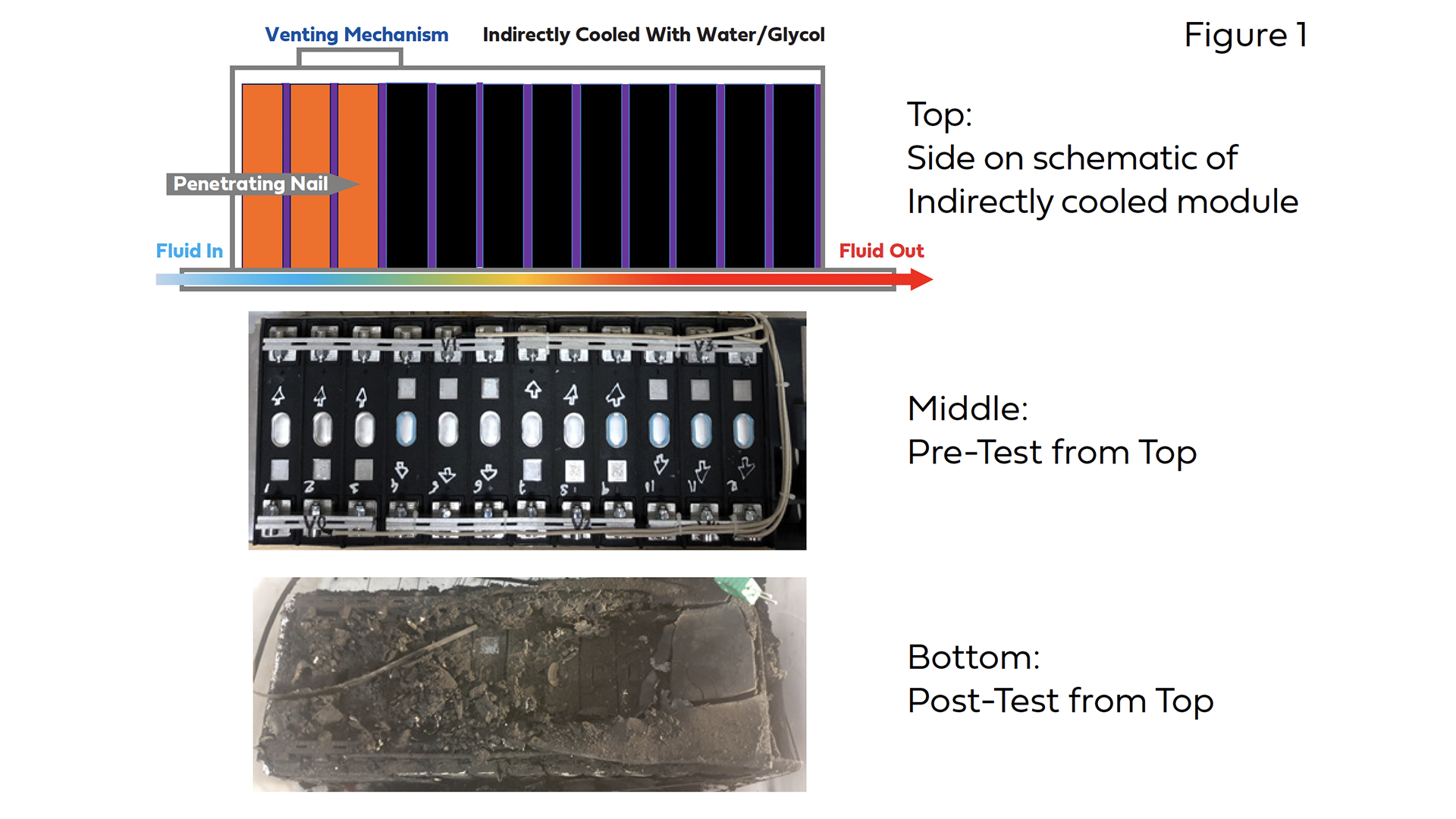
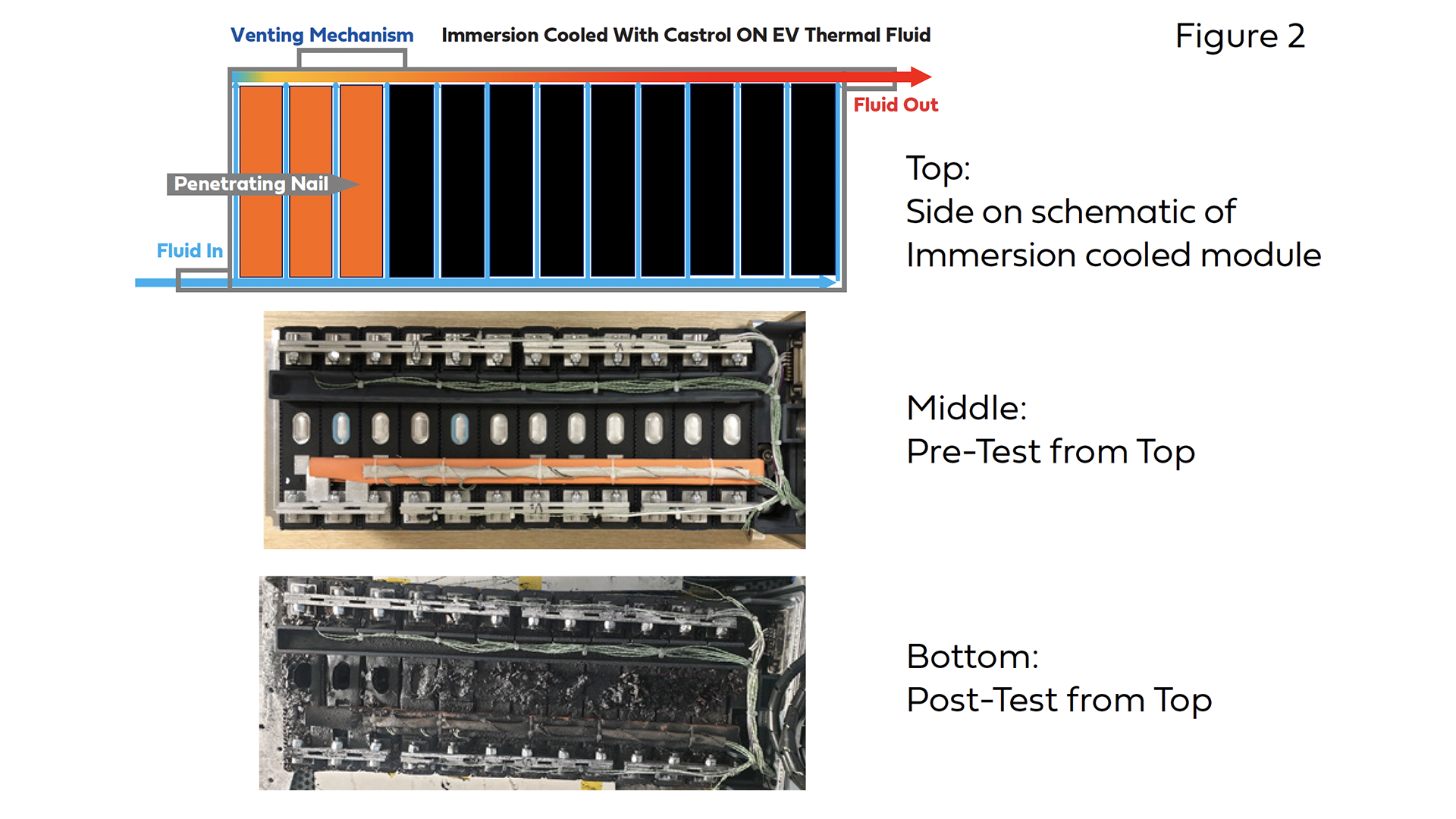
To demonstrate the effectiveness of immersion cooling with prismatic cells, an indirectly and an immersion cooled module were designed, consisting of 12 x 50Ah NMC prismatic cells each with a 2mm intercell distance. In the case of indirect cooling, this gap is filled with an aerogel material, whilst in the case of immersion cooling Castrol ON EV Thermal Fluid is circulated between the cells. By using the same intercell distance the two approaches can be compared based on the same volumetric energy density, which is a key metric for battery packs as it equates to the range of an EV.
To determine the performance of each approach under an extreme failure scenario, a nail penetration method was used to initiate the thermal runaway of the 3 cells at the end of the module.
Thermal runaway can lead to thermal propagation, where heat from the damaged cell or cells is transferred via convection and conduction to adjacent cells, a process that can potentially lead to the destruction of the entire battery pack.
During testing, the indirect minimodule suffered a catastrophic failure where the whole module was destroyed.
The two adjacent cells to the punctured 3 entered thermal runaway within a minute, with the remaining cells in the module sequentially entering thermal runaway as the propagation continued across the module; the whole process took just 15 minutes.
By contrast, the immersion cooled module proved effective in mitigating thermal propagation, with no cells entering thermal runaway except the 3 punctured cells, as evidenced by measurements during and after the test. This was attributed to the improved heat dissipation possible with immersion cooling. Effective heat dissipation is
a combination of vent gas management and the fluid conducting heat away from the damaged cell.
Castrol ON EV Thermal Fluids are developed to help avoid the risk of thermal propagation by directly cooling the individual cells, where high temperatures can cause irreversible failure as a result of overcharging or short-circuiting. With immersion cooled systems, thermal events of individual cells are better thermally managed.
Therefore, if they occur, they can be quenched at source –unlike in indirectly cooled systems.
Castrol ON Thermal Fluid is part of a family of Castrol ON products, which include Castrol ON EV Transmission Fluids and Castrol ON EV Greases. Castrol’s e-Mobility team continues to optimise thermal management performance through joint co-engineering programmes with partners, anticipating the multi-faceted technical challenges resulting from ever-increasing demands for greater battery and powertrain performance.
Please note, this article will also appear in the 18th edition of our quarterly publication.
The electrification of buses has made good headway in recent years. With predictable trips, eBuses are excellent for decarbonising public transit while providing cleaner, quieter, and more pleasant transportation for the consumer.
The zero-emission buses (ZEB) movement has grown rapidly in recent years, starting with major cities like London successfully deploying and demonstrating the benefits.
There is now a growing demand across the UK as operators realise the benefits electric buses can contribute to their community.
In March 2024, Warrington Council unveiled its new 105-bus strong fleet. From this summer, it will replace Warrington’s Own Buses’ entire diesel range, providing quieter and cleaner transport for the town’s residents.
Projects like this are complex and costly and only possible with a combination of government support and funding as well as the right technology partners.
The bus sector still faces significant and varied challenges, and to overcome these barriers, we need to see concerted efforts from policymakers, coupled with technological innovations like EV load management – crucial for facilitating the widespread adoption of electric buses and advancing towards a sustainable future.
Barriers to eBus adoption
High CAPEX – Upfront costs are a primary obstacle because electric vehicles and charging infrastructure are While the capital expenditure (CAPEX) for electrification is high, it is important for operators to understand the long-term cost benefits of electrification, such as reduced maintenance, lower fuel and running costs and extended vehicle lifespan. However, there are some promising developments in the EV market that aim to support the reduction of vehicle costs, making the move to EVs even more accessible. With mass adoption and technological advancements, vehicle prices are expected to decrease in the coming years. New financing options like charging as a service (CaaS) will also act as a gateway for operators who do not have access to the upfront CAPEX needed to start their electrification journey.
Range Anxiety – This refers to the fear that an electric vehicle will not have enough battery capacity to reach its destination. It is especially prevalent in rural areas with fewer passengers and longer routes. In reality, battery technology advances continue to extend electric buses’ driving range, and strategic planning and fast charging will address this issue.
Limited power supply – The electrification of buses transforms depots into industrial electricity users, consuming 30MWh of energy each night. Energy and load management are crucial to maximise available power and prevent energy limits from being breached. Battery storage systems can mitigate power supply shortages and accelerate the transition to sustainable transportation systems. In addition, energy management offers benefits like timed connections, vehicle scheduling, and off-peak tariffs.
As exemplified here, the challenges are varied and complex, but we stand to make good headway with emerging technological developments and a willingness to change. However, policymakers are required to support the growth of bus electrification.
Push for stronger support from policymakers
There are several ways that the bus sector could benefit from the additional support of policymakers, some of which the government is already considering.
There are several initiatives that have proved to be successful and could be expanded, including the Ultra Low Emission Bus Scheme (ULEB) and the Zero Emission Bus Regional Areas (ZEBRA) scheme.
The second round of ZEBRA funding awards was announced in March, which made £143m available for transition to zero-emission buses, with battery electric projects being the majority.
A key area that needs to be addressed is the high upfront costs associated with EV fleet electrification. Increasing funding and incentives such as grants and tax breaks will make the move to zero-emission fleets more accessible to operators.
Furthermore, the government could consider creating key partnerships with financial institutions to provide financing solutions like low-interest loans customised to bus operators’ requirements.
The government also has a role to play in integrating rapid charging stations that cater specifically to commercial vehicles, such as fleets, buses, and coaches.
This approach will ensure that these high-use vehicles can operate efficiently and sustainably, promoting widespread adoption of electric vehicles in critical transportation sectors and significantly reducing carbon emissions.
Regarding regulatory hurdles, the UK government’s continued work with industry stakeholders via ZEMO, CPT, and other task forces will help streamline permitting processes and establish standardised regulations for electric bus operations. This includes simplifying licensing requirements, establishing uniform safety standards for battery handling, and providing guidance on procurement practices.
Finally, local investment into electrical infrastructure at bus depots, as well as exploring options for load management and energy storage solutions, would work to address the limited power supply.
The government could support this by providing grants or subsidies for depot electrification projects and incentivising the adoption of smart grid technologies, which enable the development of intelligent charging infrastructure that goes beyond simply delivering electricity to EVs.
Accelerating the shift towards electric buses
Transitioning to electric buses is an important step towards creating sustainable transportation and will ultimately be an essential tool for combating climate change and improving air quality in urban areas. Substantial progress is already being made, and critical changes are being made to infrastructure.
To overcome these challenges, a combination of government support and technical innovations will be essential to make eBus adoption more accessible.