Tag: gene therapy

  • Lurie Children’s Hospital administers first gene therapy for Duchenne muscular dystrophy in Illinois

    Lurie Children’s Hospital administers first gene therapy for Duchenne muscular dystrophy in Illinois

    [ad_1]

    On March 27, 2024, Ann & Robert H. Lurie Children’s Hospital of Chicago treated its first patient with ELEVIDYS (delandistrogene moxeparvovec-rokl), the first gene therapy for Duchenne muscular dystrophy – a rare, genetic disease characterized by progressive muscle damage and weakness. Lurie Children’s is the first in Illinois to administer this treatment after ELEVIDYS received U.S. Food and Drug Administration (FDA) approval in June 2023.

    Developed by Sarepta Therapeutics, ELEVIDYS is approved for the treatment of Duchenne muscular dystrophy (DMD) in ambulatory patients aged 4 through 5 years with a confirmed mutation in the DMD gene.

    Our team at Lurie Children’s has had encouraging experience with this gene therapy for Duchenne through our active participation in clinical trials. Over the past two years, we have treated three boys with DMD with ELEVIDYS as part of a larger clinical trial, and it’s gratifying to see that their muscle strength and function stabilized. Without gene therapy, we would expect to see ongoing deterioration in muscle function in these boys. This therapy is not a cure, and unfortunately it cannot reverse previous muscle damage, but we anticipate that we can slow down the disease enough for science to step in and offer new treatments. This is the beginning of a very exciting journey.”


    Nancy Kuntz, MD, Director of Muscular Dystrophy Association Care Center at Lurie Children’s and Professor of Pediatrics and Neurology at Northwestern University Feinberg School of Medicine

    Duchenne occurs in approximately one in every 3,500-5,000 newborn males worldwide. It is caused by mutations in the dystrophin gene that lead to a lack of dystrophin protein, which acts as a shock absorber when muscles move. The first subtle signs of DMD may appear during infancy. Muscle weakness becomes increasingly noticeable between the ages of 3 and 5 years with the diagnosis being typically made around those ages. Most children living with Duchenne use a wheelchair by age 13 years. The leading causes of death in individuals with Duchenne are respiratory or cardiac failure, which typically occurs when patients are in their mid-20s/30s.

    Mason Flessner, now an energetic 6-year-old, was one of the clinical trial participants at Lurie Children’s who received ELEVIDYS about eight months ago. He now is able to run faster, climb stairs more easily and even jump – something he couldn’t do previously. His little brother, 3-year-old Dawson, who also has Duchenne, is waiting until he is old enough to qualify for gene therapy.

    “ELEVIDYS has been life-changing for Mason, and it has given us hope and optimism that Duchenne is no longer a fatal diagnosis,” said Dan Flessner, Mason’s father. “Thanks to research, gene therapy now gives us a pathway to a cure. With so much progress already, it’s not a pipedream anymore.”

    ELEVIDYS is administered as a one-time intravenous infusion. The gene therapy addresses the root genetic cause of Duchenne by delivering a gene that codes for a shortened form of dystrophin to muscle cells, known as ELEVIDYS-dystrophin. Because dystrophin gene is the largest known human gene, scientists engineered a shortened version of the gene that could fit inside current gene therapy delivery technologies and still retain key functional information. The therapy’s accelerated approval is based on an increase in ELEVIDYS-dystrophin protein expression in skeletal muscle cells.

    “Across the country, since the FDA approval, ELEVIDYS has only been administered a few times and we’re very excited to be the first site in Illinois to administer it,” said Abigail Schwaede, MD, one of the neuromuscular physicians on Mason’s care team at Lurie Children’s and Assistant Professor of Pediatrics at Northwestern University Feinberg School of Medicine. “This treatment has enormous potential to improve the quality of life and long-term outcomes for boys with Duchenne muscular dystrophy.”

    [ad_2]

    Source link

  • Improving prime editing with an endogenous small RNA-binding protein

    [ad_1]

    General methods

    CRISPRi sgRNAs were cloned into pU6-sgRNA EF1Alpha-puro-T2A-BFP (Addgene, 60955)13 as described in https://weissman.wi.mit.edu/resources/sgRNACloningProtocol.pdf (Supplementary Table 4). Plasmids for transfection expressing pegRNAs, epegRNAs and non-CRISPRi sgRNAs were cloned by Gibson Assembly of gene fragments without adapters from Twist Bioscience and pU6-pegRNA-GG-acceptor plasmid (Addgene, 132777)4 digested using NdeI or BsaAI/BsaI-HFv2 (New England Biolabs, R0111S, R0531S, R3733S) (Supplementary Table 4). Plasmids for transduction expressing pegRNAs and epegRNAs were cloned by Gibson Assembly of gBlock from Integrated DNA Technologies and pU6-sgRNA EF1Alpha-puro-T2A-BFP digested using BstXI and XhoI (New England Biolabs, R0113S and R0146S) (Supplementary Table 4). The FACS and MCS reporter plasmids were cloned by Gibson Assembly with pALD-lentieGFP-A (Aldevron) as the backbone, IRES2 from pLenti-DsRed_IRES_eGFP (Addgene, 92194)41 and the synthetic surface marker from pJT039 (Addgene, 161927)15. The AAVS1 PEmax knock-in plasmid was generated by restriction cloning with a backbone plasmid modified from pAAVS1-Nst-MCS (Addgene, 80487)20, PEmax editor from pCMV-PEmax (Addgene, 174820)5 and IRES2 from pLenti-DsRed_IRES_eGFP. Plasmids of PEmax fused to La or the La N-terminal domain (Supplementary Table 5), including pCMV-PE7 (Addgene, 214812), were generated by restriction cloning using pCMV-PEmax as the backbone (linker A, SGGS×2-XTEN16-SGGS×2; linker B, SGGS×2-bpNLSSV40-SGGS×2; linker C, SGGS). pCMV-PE7-P2A-hMLH1dn was cloned by Gibson Assembly with pCMV-PE7 as the backbone and an insert fragment PCR amplified from pCMV-PEmax-P2A-hMLH1dn (Addgene, 174828)5. pCMV-PE7-mutant (Q20A, Y23A, Y24F and F35A) was cloned by Gibson Assembly with pCMV-PE7 as the backbone and a mutation-containing gene fragment without adapters from Twist Bioscience. The plasmid for in vitro transcription (IVT) of PE7 mRNA, pT7-PE7 for IVT (Addgene, 214813), was cloned by Gibson Assembly with pT7-PEmax for IVT (Addgene, 178113)5 as the backbone and an insert fragment PCR amplified from pCMV-PE7. Lentiviral transfer plasmids expressing PEmax (pWY005/pWY004) or PE7 (pWY008/pWY007) with IRES2-driven eGFP or eGFP-T2A-NeoR as the selectable marker were cloned by Gibson Assembly with pU6-sgRNA EF1Alpha-puro-T2A-BFP as the backbone, UCOE and SFFV promoter from pMH0001 (Addgene, 85969)42, IRES2 from pLenti-DsRed_IRES_eGFP and T2A-NeoR from pAAVS1-Nst-MCS. All DNA amplification for molecular cloning was performed using Platinum SuperFi II PCR master mix (Invitrogen, 12368010). All plasmids were extracted using NucleoSpin Plasmid, Mini kits (Macherey-Nagel, 740588.250), ZymoPURE II Plasmid Midiprep kits (Zymo Research, D4201) or EndoFree Plasmid Maxi kits (Qiagen, 12362). Primers were ordered from Integrated DNA Technologies (Supplementary Table 6).

    Flow cytometry and FACS

    Flow cytometry data were analysed using BD FACSDiva (8.0.1), Attune Cytometric Software (5.2.0) or FlowCytometryTools (0.5.1; https://github.com/eyurtsev/FlowCytometryTools)43. Data from flow cytometry analysis and FACS can be found in Figs. 1c and 2f, Extended Data Figs. 1d–f,h–j, 2a–c,f, 3a,f,g, 4a and 10b,c, Supplementary Figs. 1–7 and Supplementary Table 7.

    In vitro transcription of prime editor mRNA

    Prime editor mRNA was in vitro transcribed as previously described44. Plasmids with PEmax or PE7 coding sequence flanked by an inactivated T7 promoter, a 5′ untranslated region (UTR) and a Kozak sequence in the upstream as well as a 3′ UTR in the downstream were purchased from Addgene (pT7-PEmax for IVT) or cloned as described above (pT7-PE7 for IVT). In vitro transcription templates were generated by PCR to correct the T7 promoter and to install a 119-nucleotide poly(A) tail downstream of the 3′ UTR. PCR products were purified by DNA Clean & Concentrator-5 (Zymo Research, D4003) and SPRIselect (Beckman Coulter, B23317) for cell line and T cell experiments, respectively, and stored at −20 °C until further use. mRNA was generated using a HiScribe T7 mRNA kit with CleanCap Reagent AG (New England BioLabs, E2080S) for cell line experiments and a HiScribe T7 High Yield RNA Synthesis kit (New England Biolabs, E2040S) in the presence of RNase inhibitor (New England Biolabs, M0314L) and yeast inorganic pyrophosphatase (New England Biolabs, M2403L) for T cell experiments. All mRNA was produced with UTP fully replaced with N1-methylpseudouridine-5′-triphosphate (TriLink Biotechnologies, N-1081) and co-transcriptional capping by CleanCap Reagent AG (TriLink Biotechnologies, N-7113). Transcribed mRNA was precipitated by 2.5 M lithium chloride (Invitrogen, AM9480), resuspended in nuclease-free water (Invitrogen, AM9939), quantified by a NanoDrop One UV-Vis spectrophotometer (Thermo Scientific), normalized to 1 μg μl−1 and stored at −80 °C. mRNA for T cell experiments was additionally quantified by Agilent 4200 TapeStation. Prime editor mRNA for HSPC experiments was in vitro transcribed as described in the section ‘HSPC isolation, culture and prime editing’.

    General mammalian cell culture conditions

    Lenti-X 293T was purchased from Takara (632180). K562 (CCL-243), HeLa (CCL-2) and U2OS (HTB-96) were purchased from the American Type Culture Collection. The K562 CRISPRi cell line constitutively expressing dCas9-BFP-KRAB (pHR-SFFV-dCas9-BFP-KRAB, Addgene, 46911)12 was a gift from J. Weissman. Lenti-X 293T, HeLa and U2OS cells were cultured and passaged in Dulbecco’s modified Eagle’s medium (DMEM) (Corning, 10-013-CV), DMEM (Corning, 10-013-CV) and McCoy’s 5A (Modified) medium (Gibco, 16600082) supplemented with 10% (v/v) FBS (Corning, 35-010-CV) and 1× penicillin–streptomycin (Corning, 30-002-CI). For lipofection and nucleofection, 1× penicillin–streptomycin was not supplemented. K562 and K562 CRISPRi cells were cultured and passaged in RPMI 1640 medium (Gibco, 22400089) supplemented with 10% (v/v) FBS (Corning, 35-010-CV) and 1× penicillin–streptomycin–glutamine (Gibco, 10378016). For nucleofection, 1× penicillin–streptomycin–glutamine was replaced by 1× l-glutamine at 292 μg ml−1 final concentration (Corning, 25-005-CI). All cell types were incubated, maintained and cultured at 37 °C with 5% CO2. Cell lines were authenticated by short tandem repeat profiling and tested negative for mycoplasma.

    Lentivirus packaging and transduction

    To package lentiviruses, Lenti-X 293T cells were seeded at 9 × 105 cells per well in 6-well plates (Greiner Bio-One, 657165) and were transfected at 70% confluency. For transfection, 6 μl TransIT-LT1 (Mirus, MIR 2300) was mixed and incubated with 250 μl Opti-MEM I reduced serum medium (Gibco, 31985070) at room temperature for 15 min, then mixed with 100 ng pALD-Rev-A (Aldevron), 100 ng pALD-GagPol-A (Aldevron), 200 ng pALD-VSV-G-A (Aldevron) and 1,500 ng transfer plasmids at room temperature for another 15 min, and was added dropwise to Lenti-X 293T cells followed by gentle swirling for proper mixing. At 10 h after transfection, ViralBoost reagent (ALSTEM, VB100) was added at 1× final concentration. At 48 h after transfection, the virus-containing supernatant was collected, filtered through a 0.45-µm cellulose acetate filter (VWR, 76479-040) and stored at −80 °C. Lentiviruses for CRISPRi screens were similarly packaged with hCRISPRi-v2 library (Addgene, 83969)14 as transfer plasmids in 145 mm plates (Greiner Bio-One, 639160). For transduction of K562 cells, cells were resuspended in fresh culture medium supplemented with 8 µg ml−1 polybrene (Santa Cruz Biotechnology, sc-134220), mixed with lentivirus-containing supernatant and centrifuged at 1,000g at room temperature for 2 h. For transduction of U2OS and HeLa cells, the cell culture was supplemented with 8 µg ml−1 polybrene and lentivirus-containing supernatant. The percentages of transduced (positive for the fluorescent protein marker) cells were determined by AttueNXT flow cytometry 72 h after transduction. To generate stably transduced cell lines, cells were selected by 3 μg ml−1 puromycin (Goldbio, P-600-100) 48 h after transduction until >95% of live cells were marker positive.

    Construction of FACS reporter cell line and FACS-based genome-scale CRISPRi screen

    To construct our FACS reporter cell line, K562 CRISPRi cells were transduced with FACS reporter lentiviruses at a 0.17 multiplicity of infection (m.o.i.; 15.3% infection). The transduced (mCherry+) population was isolated using a BD FACSAria Fusion flow cytometer and expanded as the FACS reporter cell line. For the FACS-based genome-scale CRISPRi screen, two replicates were independently performed a day apart. For each replicate, 2.4 × 108 FACS reporter cells were transduced with hCRISPRi-v2 lentiviruses at a 0.29 m.o.i. (25% infection) and were selected by 3 μg ml−1 puromycin 48 h after transduction. Seven days after transduction, 3.2 × 108 fully selected cells were nucleofected using the SE Cell Line 4D-Nucleofector X kit L (Lonza, V4XC-1024) and pulse code FF120, according to the manufacturer’s protocol. Each nucleofection consisted of 1 × 107 cells, 7,500 ng pCMV-SaPE2 (Addgene, 174817)5, 2,500 ng +7 GG-to-CA pegRNA plasmid and 833 ng +50 nicking sgRNA plasmid. Three days after nucleofection, 1.5 × 108 cells were sorted using a BD FACSAria Fusion flow cytometer. Specifically, cells were first gated on mCherry+ and BFP+, of which eGFP+ and eGFP populations were collected. gDNA was extracted from both populations using a NucleoSpin Blood XL Maxi kit (Macherey-Nagel, 740950.50). The entirety of gDNA from both populations was used for PCR amplification of integrated hCRISPRi-v2 sgRNAs. Each 100 μl PCR reaction was performed with 10 μg of gDNA, 1 μM of forward primer that anneals in the mouse U6 promoter, 1 μM of reverse primer that anneals to the sgRNA constant region, and 50 μl of NEBNext Ultra II Q5 master mix (New England BioLabs, M0544X) with the following cycling conditions: 98 °C for 30 s, 23 cycles of (98 °C for 10 s, 65 °C for 75 s), followed by 65 °C for 5 min. The PCR product was purified using SPRIselect (Beckman Coulter, B23318) with a double size selection (0.65× right side and 1.35× left side), quantified using a Qubit 1× dsDNA High Sensitivity kit (Invitrogen, Q33231) and a high-sensitivity DNA chip (Agilent Technologies, 5067-4626) on an Agilent 2100 Bioanalyzer, and sequenced using a NovaSeq 6000 SP Reagent kit (v.1.5) for 100 cycles (Illumina, 20028401) with 50 cycles for the R1 read with a custom sequencing primer and 8 cycles for the i7 index read.

    Construction of the MCS reporter cell line and MCS-based genome-scale CRISPRi screen

    To construct our MCS reporter cell line, K562 CRISPRi cells were transduced with MCS reporter lentiviruses at a 0.09 m.o.i. (8.5% infection). The transduced (eGFP+) population was isolated using a BD FACSAria Fusion flow cytometer and expanded as the MCS reporter cell line. MCS-based genome-scale CRISPRi screens with +7 GG-to-CA PE3+50, PE4 and PE5+50 edits were performed in parallel with two replicates each. A total of 2.1 × 108 MCS reporter cells were transduced with hCRISPRi-v2 lentiviruses at a 0.16 m.o.i. (15% infection) for all screen conditions and were selected by 3 μg ml−1 puromycin 48 h after transduction. Seven days after transduction, 1 × 108 fully selected cells were nucleofected for each replicate of each edit using the SE Cell Line 4D-Nucleofector X kit L (Lonza, V4XC-1024) and pulse code FF120, according to the manufacturer’s protocol. Each nucleofection consisted of 1 × 107 cells and varying amounts of plasmids encoding prime editing components. Specifically, for PE2 and PE3, 7,500 ng pCMV-SaPE2, 2,500 ng +7 GG-to-CA pegRNA plasmid, 833 ng +50 nicking sgRNA plasmid (PE3) were used per nucleofection. For PE4 and PE5, 6,000 ng pCMV-SaPE2, 3,000 ng pEF1a-hMLH1dn (Addgene, 174823)5, 2,000 ng +7 GG-to-CA pegRNA plasmid and 667 ng +50 nicking sgRNA plasmid (PE5) were used. Four days after nucleofection, cells from each replicate and condition were magnetically separated into bead-bound and unbound fractions as previously described15. The gDNA extraction, PCR, NGS library quality control and sequencing were performed as described in the section above. We note that the MCS reporter was less efficient in cell separation than the FACS reporter (Extended Data Fig. 1f,g), which is possibly due to the failure to remove dead cells, debris or doublets from the bead-bound or unbound fraction.

    Analysis of genome-scale CRISPRi screen

    Sequencing reads were aligned to the hCRISPRi-v2 library (five sgRNAs per gene) using custom Python (2.7.18) scripts as previously described14 (scripts available at GitHub (https://github.com/mhorlbeck/ScreenProcessing)45). sgRNA-level phenotypes were calculated as the log2 enrichment of normalized read counts (sgRNA counts normalized to the total count from the sample and relative to the median of non-targeting controls) within populations of marker-positive cells (GFP+ or bead-bound) compared with marker-negative cells (GFP or bead-unbound) (Supplementary Table 1). Before calculation, a read count minimum of 50 was imposed for each sgRNA within each sample. Gene-level phenotypes were then calculated for each annotated transcription start site by averaging the phenotypes of the strongest 3 sgRNAs by absolute value. Negative control pseudogenes were generated by random sampling, assigning five non-targeting sgRNAs to each pseudogene. sgRNA-level phenotypes were used as input to the CRISPhieRmix (v.0.1.0)16 under default parameters with µ = 2 to formally evaluate the effect each gene has on prime editing efficiency (Supplementary Tables 2 and 3). Screen results were plotted using R (4.2.2) and ggplot2 (3.4.1).

    Considerations regarding the design of our prime editing reporter system

    The reporter assays used for our genome-scale CRISPRi screens were designed with two primary considerations: scale and phenotype.

    Scale

    We developed our reporter system to perform cost-effective, high-throughput prime editing screens. Although easy to implement and scale, reporter screens are always limited in their ability to identify genes with subtle phenotypes owing to their reliance on low-resolution readouts—especially compared with screens performed with molecular readouts (for example, Repair-seq5). Our prime editing reporter assays should therefore be considered a scalable means of identifying strong prime editing regulators. Additionally, owing to lower technical variability observed in data from the FACS-based screen, hits from that screen should be considered higher priority candidates than those from our MCS-based screens.

    Our FACS-based screen identified 36 hit genes (35 negative regulators and 1 positive regulator, FDR ≤ 0.01). Although this rate of hit identification is lower than typically observed in genome-scale screens designed to interrogate cellular processes, prime editing is a synthetic system, and cellular regulators, although present and important, are therefore not expected to be abundant. Indeed, previously performed Repair-seq screens identified only 10 sgRNAs against 4 genes with >2-fold change in similarly implemented PE3-based editing (out of 476 DNA repair associated genes)5. The paucity of hits over this >2-fold threshold was therefore expected in our screens, but combined with the fact that our screens were designed to identify only strong regulators, correlations between screen replicates were expectedly low. Pearson correlation coefficients for replicate sgRNA-level phenotypes were 0.053 (FACS, PE3), 0.042 (MCS, PE3), 0.058 (MCS, PE4) and 0.054 (MCS, PE5). For replicate gene-level phenotypes, correlation coefficients were 0.125 (FACS, PE3), 0.071 (MCS, PE3), 0.090 (MCS, PE4) and 0.073 (MCS, PE5).

    Phenotype

    When validating our prime editing reporter constructs, we observed enrichment of outcomes containing only intended edits and enrichment of outcomes with intended edits and accompanying indels among marker-positive cells (that is, GFP+ FACS reporter cells isolated by flow cytometry or MCS reporter cells bound to protein G beads) (Extended Data Fig. 1f,g,i). Accumulation of both types of outcomes within our marker-positive populations reflected a design choice. Specifically, we designed the target site in our reporters such that PE3-induced indels, which typically fall between the primary and complementary strand nicks5, would not frequently disrupt the open reading frame of the reporter genes and therefore would not prevent marker expression induced by a concomitantly installed intended edit (Fig. 1b). Phenotypes from this reporter system therefore represent overall frequencies of editing outcomes with the intended edit, but not the homogeneity of editing outcomes within marker-positive populations.

    Tissue culture transfection and transduction protocols and gDNA extraction

    For La knockdown in Lenti-X 293T by siRNA reverse transfection, 120 pmole ON-TARGETplus Human SSB siRNA (Horizon, LQ-006877-01-0005) or ON-TARGETplus Non-targeting Control Pool (Horizon, D-001810-10-05) were mixed thoroughly with 500 μl Opti-MEM I reduced serum medium (Gibco, 31985070) and 4 μl Lipofectamine RNAiMAX transfection reagent (Invitrogen, 13778150) in each well of 6-well plates (Greiner Bio-One, 657165), incubated at room temperature for 15 min before 4 × 105 Lenti-X 293T cells in 2.5 ml penicillin–streptomycin-free medium were added. The reverse transfected cells were used for RT–qPCR or downstream prime editing experiments as described in the corresponding Methods sections.

    For prime editing in Lenti-X 293T cells by plasmid transfection, 18,000 cells were seeded in 100 μl penicillin–streptomycin-free medium per well in 96-well plates (Nunc, 167008). At 18 h after seeding, a 10 μl mixture of 200 ng pCMV-PE2 (Addgene, 132775)4, 66 ng pegRNA, 22 ng nicking sgRNA, 0.5 μl Lipofectamine 2000 transfection reagent (Invitrogen, 11668027) and Opti-MEM I reduced serum medium (Gibco, 31985070) was incubated at room temperature for 15 min and added to each well. At 72 h after transfection, the culture medium was removed, cells were washed with DPBS (Gibco, 14190144) and gDNA was extracted by adding 40 μl freshly prepared lysis buffer into each well. The lysis buffer consisted of 10 mM Tris pH 8.0 (Gibco, AM9855G), 0.05% SDS (Invitrogen, 15553027), 25 μg ml−1 proteinase K (Invitrogen, AM2546) and nuclease-free water (Invitrogen, AM9939). The gDNA extract was incubated at 37 °C for 90 min and then transferred into PCR strips (USA Scientific, 1402-4700) for 80 °C inactivation of proteinase K for 30 min in a Bio-Rad T100 thermal cycler.

    For prime editing in Lenti-X 293T, HeLa and U2OS cells by plasmid nucleofection, 750 ng prime editor plasmid, 250 ng pegRNA plasmid and 83 ng nicking sgRNA plasmid (PE3 and PE5) were nucleofected. For each sample, 2 × 105 LentiX-293T cells, 1 × 105 HeLa cells or 1 × 105 U2OS cells were nucleofected using SF (Lonza, V4XC-2032), SE (Lonza, V4XC-1032) and SE Cell Line 4D-Nucleofector X kit S with program CM-130, CN-114 and DN-100, respectively, according to the manufacturer’s protocols. PE4 and PE5 experiments in U2OS cells were performed with pCMV-PEmax-P2A-hMLH1dn and pCMV-PE7-P2A-hMLH1dn editor plasmids. After nucleofection, cells were cultured in 24-well plates (Greiner Bio-One, 662165), and the culture medium was removed 72 h after nucleofection. Cells were washed with DPBS (Gibco, 14190144) and gDNA was extracted by adding 110 μl freshly prepared lysis buffer (described above) into each well. The gDNA extract was incubated at 37 °C for 90 min and transferred into PCR strips (USA Scientific, 1402-4700) for 80 °C inactivation of proteinase K for 40 min in a Bio-Rad T100 thermal cycler.

    For nucleofections in K562 cells (except those for CRISPRi screens, AAVS1 knock-in, La knockout, small RNA sequencing and RNA sequencing), 1 × 106 cells were nucleofected with specified amounts of plasmids or synthetic guide RNAs using the SE Cell Line 4D-Nucleofector X kit S (Lonza, V4XC-1032) and program FF-120, according to the manufacturer’s protocol. For testing FACS-reporter and MCS-reporter and validation of La phenotype in reporter cell lines, 900 ng pCMV-SaPE2, 300 ng pegRNA plasmid, 100 ng nicking sgRNA plasmid (PE3 and PE5) and 450 ng pEF1a-hMLH1dn (PE4 and PE5) were nucleofected. For validation of La phenotype in K562 PEmax parental and La knockout clones, 500 ng pegRNA plasmid was nucleofected. For rescue experiments, 500 ng pegRNA plasmid and 1,000 ng plasmid encoding La, La mutants or mRFP control were nucleofected. For SaCas9 cutting in MCS reporter cells, 800 ng pX600 (Addgene, 61592)21 and 400 ng +7 GG-to-CA pegRNA plasmid were nucleofected. For SaPE2 editing using the PE4 approach in K562 PEmax parental and La-ko4 cells, 800 ng pCMV-SaPE2, 400 ng pegRNA plasmid and 400 ng pEF1a-hMLH1dn were nucleofected. For SaCas9, SaBE4 and SaABE8e editing in K562 PEmax parental and La-ko4 cells, 400 ng pegRNA or sgRNA plasmid and 800 ng pX600, SaBE4-Gam (Addgene, 100809)23 or SaABE8e (Addgene, 138500)24 were nucleofected. Synthetic pegRNAs and a nicking sgRNA with specified sequences and chemical modifications were ordered as Custom Alt-R gRNA from Integrated DNA Technologies (Supplementary Table 8). According to an incremental titration of a DNMT1 +5 G-to-T no-polyU synthetic pegRNA in K562 PEmax parental cells, intended editing efficiencies were already saturated at 100 pmole input (Extended Data Fig. 5b). Therefore, 100 pmole synthetic pegRNA and 50 pmole nicking sgRNA (PE3) were used for nucleofection unless otherwise specified. At 72 h after nucleofection, 1 × 106–2 × 106 cells were collected in 1.5 ml tubes (Eppendorf, 0030123611), washed with 1 ml DPBS (Gibco, 14190144) and resuspended in 100 μl freshly prepared lysis buffer described above. The gDNA extract was incubated at 37 °C for 120 min and transferred into PCR strips (USA Scientific, 1402-4700) for 80 °C inactivation of proteinase K for 40 min in a Bio-Rad T100 thermal cycler.

    For prime editing in K562 and U2OS cells using editor mRNA and synthetic pegRNA, 1 × 106 K562 and 1 × 105 U2OS cells were nucleofected with 1 µg editor mRNA and 50 pmole synthetic pegRNA using the SE Cell Line 4D-Nucleofector X kit S (Lonza, V4XC-1032) with program FF-120 and DN-100, respectively, according to the manufacturer’s protocols. After nucleofection, cells were cultured for 72 h and collected for gDNA extract.

    For prime editing in HeLa and U2OS cells by lentiviral delivery of pegRNAs or epegRNAs and nucleofection of editor plasmids or mRNA, cells were transduced with lentiviruses expressing pegRNAs or epegRNAs (20–40% infection) and were fully selected by 3 μg ml−1 puromycin. 1 × 105 stably transduced HeLa and U2OS cells were nucleofected with 750 ng editor plasmid or 1 µg editor mRNA using the SE Cell Line 4D-Nucleofector X kit S (Lonza, V4XC-1032) with program CN-114 and DN-100, respectively, according to the manufacturer’s protocols. After nucleofection, cells were cultured for 72 h and collected for gDNA extract.

    For prime editing in K562 cells by lentiviral delivery of prime editors and pegRNAs or epegRNAs, K562 cells were transduced with lentiviruses expressing PEmax or PE7 (with IRES2-driven eGFP or eGFP-T2A-NeoR as the selectable marker). The transduced populations (eGFP+, 20–30%) were isolated using a BD FACSAria Fusion flow cytometer 9 days after transduction, further transduced with lentiviruses expressing pegRNAs or epegRNAs (approximately 50% infection), fully selected by 3 μg ml−1 puromycin and collected 11 days after the second transduction for gDNA extract.

    Amplicon sequencing

    gDNA sequences containing target sites were amplified through two rounds of PCR reactions (PCR1 and PCR2). In PCR1, genomic regions of interest were amplified with primers containing forward and reverse adapters for Illumina sequencing. Each 20 μl PCR1 reaction consisted of 1–2 μl gDNA extract, 0.5 µM of each forward and reverse primer, 10 μl Phusion U Green Multiplex PCR master mix (Thermo Scientific, F564L) and nuclease-free water (Invitrogen, AM9939) and was performed with the following cycling conditions: 98 °C for 2 min, 28 cycles of (98 °C for 10 s, 61 °C for 20 s, and 72 °C for 30 s), followed by 72 °C for 2 min. Successful PCR1 amplification was confirmed by 1% agarose (Goldbio, A-201-100) gel electrophoresis before proceeding to PCR2 to uniquely index each sample. Each 14 µl PCR2 reaction consisted of 1 µl unpurified PCR1 product, 0.5 µM of each forward and reverse Illumina barcoding primer, 7 μl Phusion U Green Multiplex PCR master mix (Thermo Scientific, F564L) and nuclease-free water (Invitrogen, AM9939) and was performed with the following cycling conditions: 98 °C for 2 min, 9 cycles of (98 °C for 10 s, 61 °C for 20 s, and 72 °C for 30 s), followed by 72 °C for 2 min. Successful PCR2 amplification was confirmed by 1% agarose gel electrophoresis before reactions were pooled by common amplicons. A total of 30 µl pooled PCR2 reactions of each common amplicon was purified by 1% agarose gel electrophoresis with a manual size selection of 200–600 bp according to a 100 bp DNA ladder (Goldbio, D001-500), extracted using the Zymoclean Gel DNA Recovery kit (Zymo Research, D4001) and eluted in 30 µl buffer EB (Qiagen, 19086). The gel-purified PCR2 products were quantified using a Qubit 1× dsDNA High Sensitivity kit (Invitrogen, Q33231) and a high-sensitivity DNA chip (Agilent Technologies, 5067-4626) on an Agilent 2100 Bioanalyzer and sequenced using the MiSeq Reagent Micro kit v2 300 cycles (Illumina, MS-103-1002) or Nano kit v2 300 cycles (Illumina, MS-103-1001) with 300 cycles for the R1 read, 8 cycles for the i7 index read and 8 cycles for the i5 index read. Sequencing reads were demultiplexed through HTSEQ (Princeton University High Throughput Sequencing Database, https://htseq.princeton.edu/) and sequencing adapters were trimmed using Cutadapt (4.1)46.

    To quantify prime editing outcomes, amplicon sequencing reads were aligned to the corresponding reference sequence (Supplementary Table 9) with CRISPResso2 (2.2.11)47 in HDR batch mode using the intended editing outcome as the expected allele (“-e”) with the parameters “-q 30”, “–discard_indel_reads”, and with the quantification window centred at the pegRNA nick (“-wc −3”). The quantification window sizes (“-w”) are specified in Supplementary Table 74,5,18. The frequency of intended editing without indels was calculated as follows: (number of non-discarded HDR-aligned reads)/(number of reads that aligned all amplicons). The frequency of intended editing with indels was calculated as follows: (number of discarded HDR-aligned reads)/(number of reads that aligned all amplicons). The frequency of total intended editing (with or without indels) was calculated as (number of HDR-aligned reads)/(number of reads that aligned all amplicons). The frequency of total indels was calculated as follows: (number of discarded reads)/(number of reads that aligned all amplicons). The frequency of indels without intended editing was calculated as (number of discarded reference-aligned reads)/(number of reads that aligned all amplicons). Throughout, we refer to ‘intended edit’ efficiencies as the frequencies of intended editing without indels and ‘indel’ efficiencies as the frequencies of total indels (with and without the intended edit) in this study unless otherwise specified. In Figs. 2b,c, 3b,d, 4c,f and 5a,c,d,f,h and Extended Data Figs. 3b,h, 5c–e, 9a,b, 10a and 11a,d,f,g, the indel frequency is included for each sample adjacent to the corresponding intended editing efficiency.

    To quantify off-target prime editing, two to four of the most common Cas9 off-target sites experimentally determined32 for each on-target locus were amplified from gDNA extracts of U2OS cells nucleofected with plasmids encoding PEmax or PE7 and pegRNAs targeting HEK3, HEK4, FANCF and EMX1 loci in Fig. 4c. Off-target editing was quantified as previously described with minor modifications4,5,18. Specifically, reads were aligned to corresponding off-target reference sequences using CRISPResso2 (2.2.11) in standard batch mode with parameters “-q 30”, “-w 10” and “–discard_indel_reads”. Each off-target amplicon sequence was compared with the 3′ DNA flap sequence encoded by the pegRNA extension starting from the nucleotide 3′ of Cas9 nick to the downstream until reaching the first nucleotide on the off-target amplicon that is different from the 3′ DNA flap. Any reads with this nucleotide converted to that on the 3′ DNA flap were considered off-target reads and the number of such reads can be found in the output file ‘Nucleotide_frequency_summary_around_sgRNA’. Off-target editing efficiencies were calculated as (number of off-target reads + number of indel-containing reads)/(number of reads that aligned all amplicons).

    To quantify Cas9 cutting outcomes, CRISPResso2 (2.2.11) was run in standard batch mode with the parameters “-q 30” and “–discard_indel_reads”. The intended editing efficiency referred to the frequency of indels that was calculated as follows: (number of discarded reference-aligned reads)/(number of reads that aligned all amplicons). Base editing outcomes were quantified using CRISPResso2 (2.2.11) as previously described23,24.

    RT–qPCR

    To quantify knockdown efficiencies of La-targeting CRISPRi sgRNAs in MCS reporter cells or La siRNA in Lenti-X 293T cells, total RNA was extracted using a Quick-RNA Miniprep kit (Zymo Research, R1054) with DNase I treatment and 1 µg total RNA was converted to cDNA with SuperScript IV First-Strand Synthesis system (Invitrogen, 18091050) according to the manufacturer’s protocol. Each 20 µl RT–qPCR reaction consisted of 2 µl cDNA, 0.3 µM of each forward and reverse primer, 10 μl SYBR Green PCR master mix (Applied Biosystems, 4309155) and nuclease-free water (Invitrogen, AM9939) and was performed in triplicate on a ViiA 7 Real-Time PCR system (Applied Biosystems) with the following cycling conditions: 50 °C for 2 min, 95 °C for 10 min, and 40 cycles of (95 °C for 15 s, 60 °C for 1 min). Relative La expression levels were calculated using the \({2}^{-\Delta \Delta {C}_{{\rm{T}}}}\) method48 with ACTB (a housekeeping gene) as the internal control in comparison to a non-targeting sgRNA or a non-targeting control siRNA pool.

    Generation of K562 clones with PEmax knock-in at AAVS1

    A total of 91.5 pmole Alt-R S.p. Cas9 Nuclease V3 (Integrated DNA Technologies, 1081058) and 150 pmole custom Alt-R gRNA targeting AAVS120 (Integrated DNA Technologies) (Supplementary Table 8) were complexed for 20 min at room temperature and were nucleofected together with 2,000 ng AAVS1 PEmax knock-in plasmid as the HDR template into 7.5 × 105 K562 cells using the SE Cell Line 4D-Nucleofector X kit (Lonza, V4XC-1032) and program FF-120, according to the manufacturer’s protocol. Four days after nucleofection, cells were selected using 400 μg ml−1 geneticin (Gibco, 10131027) for 2 weeks before sorted using a BD FACSAria Fusion flow cytometer into 96-well plates at 1 cell per well with 150 μl conditioned culture medium. Single cells were grown and expanded for 2–3 weeks into clonal lines, from which the one with the highest and most homogenous eGFP expression by AttueNXT flow cytometry analysis was selected as the K562 PEmax parental cell line.

    Generation of La knockout K562 PEmax cells

    A total of 122 pmole Alt-R S.p. Cas9 Nuclease V3 (Integrated DNA Technologies, 1081058) and 200 pmole Alt-R CRISPR-Cas9 sgRNA targeting La (Integrated DNA Technologies, Hs.Cas9.SSB.1.AA) (Supplementary Table 8) were complexed for 20 min at room temperature and were nucleofected into 5 × 105 K562 PEmax parental cells using the SE Cell Line 4D-Nucleofector X kit (Lonza, V4XC-1032) and program FF-120, according to the manufacturer’s protocol. Five days after nucleofection, cells were sorted using a BD FACSAria Fusion flow cytometer into 96-well plates at 1 cell per well with 150 μl conditioned culture medium. Single cells were grown and expanded for 2–3 weeks into clonal lines. Clones with high eGFP+ cell% according to AttueNXT flow cytometry analysis were selected for further characterization by targeted sequencing at the genomic La (SSB) locus and CRISPResso2 (2.2.11) analysis. For each experiment involving K562 PEmax parental cells and derived La knockout cells, eGFP+ cell percentage of each cell line was quantified by flow cytometry before transfection (Supplementary Table 7).

    Western blotting

    Cells were washed with DPBS (Gibco, 14190144), lysed in 2× western lysis buffer, boiled for 5 min at 95 °C and stored at −80 °C before use. For SDS–PAGE, samples were reheated at 95 °C for 5 min, thoroughly mixed, loaded to a 10% gel and run for 1.5 h at 150 V. Precision Plus Protein Dual Color standards (Bio-Rad, 161-0374) was loaded as the marker. The proteins were transferred into a nitrocellulose membrane (VWR, 10120-060) using a Trans-Blot SD semi-dry transfer cell (Bio-Rad). Antibodies were diluted in 5% Blotto (5% nonfat dry milk in TBST) and incubated with the membrane for 1 h at room temperature. The same membrane was sequentially immunoblotted with the following primary antibodies: anti-La mouse monoclonal antibody (1:5,000; Abcam, ab75927), anti-GAPDH rabbit monoclonal antibody (1:5,000; Abcam, ab181602) and Guide-it Cas9 rabbit polyclonal antibody (1:1,000; Takara, 632607). The following secondary antibodies were used: HRP-conjugated sheep anti-mouse polyclonal antibody (1:2,000; VWR, 95017-332) and HRP-conjugated donkey anti-rabbit polyclonal antibody (1:2,000; VWR, 95017-556). After incubating with secondary antibodies, the membrane was washed with TBST and immersed into Lumi-LightPLUS western blotting substrate (Sigma, 12015196001) for 3 min in the dark before exposure. The blotting results were developed with films (SpCas9 not imaged with this technique) and/or taken with Azure Biosystems 600. The Restore Western Blot Stripping buffer (Thermo Scientific, 21059) was applied to strip the membrane before reprobing. Cropped portions of western blot analyses are presented in Fig. 2a and Extended Data Fig. 3d. Uncropped images and imaging details are provided in Supplementary Fig. 8.

    Cell growth assay

    To quantify the effect of La knockout on cell growth, K562 PEmax parental, La-ko4, and La-ko5 cells were monitored using AttueNXT flow cytometry with three individual replicates per cell line and each replicate in a 100 mm cell culture dish (Greiner Bio-One, 664160). On each day, live cell density (average of three repeat measurements) of each replicate and each cell line was quantified by flow cytometry, diluted to approximately 5 × 105 cells per ml and quantified again immediately and 24 h after dilution. The cell doubling was calculated as the ratio of live cell density measured 24 h after dilution to that measured immediately after dilution in log2 scale.

    Small RNA sequencing

    Small RNA sequencing with targeting pegRNAs and epegRNAs was performed in triplicate and for each replicate, 5 × 106 K562 PEmax parental or La-ko4 cells were nucleofected with 2,500 ng either one of the two pegRNA and epegRNA plasmid sets (set 1 and set 2) using the SE Cell Line 4D-Nucleofector X kit L (Lonza, V4XC-1024) and pulse code FF120, according to the manufacturer’s protocol. Set 1 consisted of plasmids encoding FANCF +5 G-to-T pegRNA, HEK3 +1 T-to-A pegRNA, DNMT1 +5 G-to-T pegRNA, RUNX1 +5 G-to-T epegRNA (evopreQ1), VEGFA +5 G-to-T pegRNA and EMX1 +5 G-to-T epegRNA (mpknot). Set 2 consisted of plasmids encoding RNF2 +1 C-to-A pegRNA, HEK3 +1 T-to-A epegRNA (mpknot), DNMT1 +5 G-to-T epegRNA (evopreQ1), RUNX1 +5 G-to-T pegRNA, VEGFA +5 G-to-T pegRNA and EMX1 +5 G-to-T pegRNA. The VEGFA +5 G-to-T pegRNA plasmid was shared by both sets and served as the internal control for potential cross-set normalization. The FANCF +5 G-to-T pegRNA plasmid and the RNF2 +1 C-to-A pegRNA were specific to set 1 and 2, respectively. For HEK3, DNMT1, RUNX1 and EMX1 genomic loci, one set had the pegRNA plasmid whereas the other set had the epegRNA plasmid encoding the same prime edit. Each set only had one evopreQ1 epegRNA plasmid and one mpknot epegRNA plasmid. The sets were formulated so that each pegRNA or epegRNA transcript from cells nucleofected with one set could be aligned uniquely to the corresponding pegRNA or epegRNA in that set, based on the observation in preliminary experiments that few fragments were solely mapped to the sgRNA scaffold shared by different pegRNAs and epegRNAs.

    Small RNA sequencing with non-targeting mus DNMT1 (mDNMT1) +6 G-to-C pegRNA or epegRNA (tevopreQ1) was performed in quadruplicate, and for each replicate, 5 × 106 K562 PEmax parental or La-ko4 cells were nucleofected with 5,000 ng pegRNA or epegRNA plasmid using the SE Cell Line 4D-Nucleofector X kit L (Lonza, V4XC-1024) and pulse code FF120, according to the manufacturer’s protocol.

    In both experiments, half of the cells from each nucleofection were collected 24 and 48 h after nucleofection, and total RNA was extracted using the mirVana miRNA Isolation kit with phenol (Invitrogen, AM1560) and was quantified using a NanoDrop One UV-Vis spectrophotometer (Thermo Scientific). For each sample, a small RNA library was constructed with 1 μg total RNA as the input using NEBNext Multiplex Small RNA Library Prep Set for Illumina (set 1) (New England Biolabs, E7300S) and NEBNext Multiplex Oligos for Illumina Index Primers Set 3 (New England Biolabs, E7710S) and Set 4 (New England Biolabs, E7730S) according to the manufacturer’s protocol. Equivolume libraries of all samples were pooled, purified using SPRIselect (Beckman Coulter, B23318) with a double size selection (0.5× right side and 1.35× left side), quantified using a Qubit 1× dsDNA High Sensitivity kit (Invitrogen, Q33231) and a high-sensitivity DNA chip (Agilent Technologies, 5067-4626) on an Agilent 2100 Bioanalyzer, and sequenced using a NovaSeq 6000 SP Reagent kit v.1.5 100 cycles (Illumina, 20028401) with 40 cycles for the R1 read, 8 cycles for the i7 index read and 90 cycles for the R2 read.

    To validate La phenotype with non-targeting mDNMT1 +6 G-to-C pegRNA or epegRNA, K562 PEmax parental and La-ko4 cells were transduced with lentiviruses harbouring a target site adapted from mDNMT1. Overall, 1 × 106 each transduced cells were nucleofected with 500 or 1,000 ng pegRNA or epegRNA plasmid using the SE Cell Line 4D-Nucleofector X kit S (Lonza, V4XC-1032) and program FF-120, according to the manufacturer’s protocol. One quarter of the number of cells from each nucleofection were collected 1, 2, 3 and 4 days after nucleofection, and the editing outcomes were quantified by amplicon sequencing and CRISPResso2 (2.2.11) analysis.

    Small RNA sequencing data analysis

    Sequencing reads were demultiplexed through HTSEQ (Princeton University High Throughput Sequencing Database (https://htseq.princeton.edu/)). The reads were trimmed, aligned and processed using a Snakemake (7.32.4) workflow49 and R (4.3.2) (scripts available at Zenodo (https://doi.org/10.5281/zenodo.10553303)50 or at GitHub (https://github.com/Princeton-LSI-ResearchComputing/PE-small-RNA-seq-analysis)51).

    Adapters were trimmed using Cutadapt (4.1) -a AGATCGGAAGAGCACACGTCTGAACTCCAGTCAC -A GATCGTCGGACTGTAGAACTCTGAACGTGTAGATCTCGGTGGTCGCCGTATCATT. The trimmed reads were then aligned to the appropriate reference sequences (pegRNAs or epegRNAs) using Bowtie2 (2.5.0)52 with default alignment options. Reads that did not align to the appropriate reference (or references) were then aligned to the human genome (GRCh38 primary assembly from Ensembl release 10753) using Bowtie2 (2.5.0) with default alignment parameters. Downstream analysis of the alignments used only reads mapped in proper pair, ensuring both ends of the sequenced fragment were properly mapped. Each of such read defines an RNA fragment originating from an RNA molecule for which the sequence was determined by the alignment.

    Quantifications of human small RNA, including assigning fragments to human transcripts, genes and biotypes (GENCODE gene annotation release 43)54, as well as counting, were performed on properly paired alignments using a custom Python (3.11) script available in the Zenodo or GitHub repository (links provided above). To distinguish between overlapping annotations, each aligned fragment was assigned to the annotation that most closely matched the start and end point of the fragment. The pegRNAs and epegRNAs were quantified for each sample by assigning each properly aligned fragment into one of three bins defined in Supplementary Discussion (cis-active, trans-active and inactive) using Rsamtools (2.16.0)55 and plyranges (1.20.0)56. Differential expression was calculated using DESeq2 (1.38.3)33 with a design consisting of two covariates: pegRNA and epegRNA plasmid set nucleofected (set 1 or 2) and cell line (K562 PEmax parental or La-ko4). Default parameters were used to estimate library size factors, gene-wise dispersion and fitting of the negative binomial GLM to determine log2 fold change values. The log fold change shrinkage was performed using the apeglm algorithm (1.22.1)57. The default two-sided Wald test was used to determine the P values and the Bonferroni Holm method was used for multiple test correction. Coverage plots were generated using ggplot2 (3.4.4) on data organized using the readr (2.1.4), dplyr (1.1.3), tidyr (1.3.0) and stringr (1.5.0) packages58.

    For initial quality control of the small RNA sequencing data with targeting pegRNAs and epegRNAs, the following three metrics were calculated: (1) the minimum percentage of pegRNA or epegRNA mapping paired-end reads properly aligned and defined as ‘fragments’ for any sample (98.9%); (2) the minimum percentage of pegRNA or epegRNA fragments uniquely mapped to any one of the 11 pegRNAs and epegRNAs for any sample (94.7%); (3) the minimum percentage of uniquely mapped pegRNA or epegRNA fragments that map to the sense strand of pegRNA or epegRNA for any sample (96.9%). The last metric confirms sequencing of RNA rather than any potential DNA contaminant.

    RNA sequencing and data analysis

    Each condition of RNA sequencing was performed in quadruplicate, and for each replicate, 1 × 106 K562 cells were nucleofected with 750 ng PEmax, PE7 or PE7 mutant plasmid and 250 ng pegRNA plasmid encoding HEK3 +1 T-to-A or PRNP +6 G-to-T using the SE Cell Line 4D-Nucleofector X kit S (Lonza, V4XC-1032) with program FF-120, according to the manufacturer’s protocols. Nucleofected cells were cultured in 6-well plates with 2.5 ml medium per well. At 24, 48 and 72 h after nucleofection, 150 µl cell culture from each replicate and condition was analysed by AttueNXT flow cytometry to quantify cell viability and live cell density. At 72 h after nucleofection, 1 ml cell culture from each replicate and condition was collected for gDNA extract to quantify prime editing outcomes at the HEK3 or PRNP locus. The remaining 1 ml cell culture was pelleted and washed with DPBS (Gibco, 14190144) for total RNA extraction using a RNeasy Plus Mini kit (Qiagen, 74134) with on column DNase I treatment. Total RNA was quantified using a NanoDrop One UV-Vis spectrophotometer (Thermo Scientific) and RNA 6000 Pico chips (Agilent Technologies, 5067-1513) on an Agilent 2100 Bioanalyzer. 3′ mRNA SMART-seq libraries were prepared using total RNA as input on an Apollo NGS library prep system (Takara) following the manufacturer’s protocol. Sequencing libraries were pooled, quantified using a Qubit 1× dsDNA High Sensitivity kit (Invitrogen, Q33231) and a high-sensitivity DNA chip (Agilent Technologies, 5067-4626) on an Agilent 2100 Bioanalyzer and sequenced using a NovaSeq 6000 SP Reagent kit v.1.5 100 cycles (Illumina, 20028401) with 112 cycles for the R1 read and 10 cycles for the index read.

    Sequencing reads were demultiplexed through HTSEQ (Princeton University High Throughput Sequencing Database (https://htseq.princeton.edu/)). Alignment, quantification and differential expression were performed using a Snakemake (7.32.3) workflow and R (4.3.1) (scripts available at Zenodo (https://doi.org/10.5281/zenodo.10553340)59 or GitHub (https://github.com/Princeton-LSI-ResearchComputing/PE-mRNA-seq-diffexp)60). The reads were aligned to the GRCh38 genome from Ensembl release 10053 using STAR (2.7)61 with default alignment parameters. Quantification was performed by STAR during alignment. Differential expression between editors was performed separately for each pegRNA. The standard DESeq2 (1.38) procedure was performed to determine the differential expression between each editor within the set of samples for each pegRNA. Fold changes for lowly expressed genes were shrunken using the adaptive shrinkage estimator from the ashr package (2.2_54)62. Figures were generated using R (4.3.1) packages ggplot2 (3.4.3) and ggpubr (0.6.0)58. Differential expression analysis results are available in Supplementary Table 10.

    T cell isolation, culture and prime editing

    Human peripheral blood Leukopaks enriched for peripheral blood mononuclear cells were sourced from StemCell (StemCell Technologies, 200-0092) with approved StemCell institutional review board (IRB). No preference was given with regard to sex, ethnicity or race. Use of de-identified cells is considered exempt human subjects research and is approved by the UCSF IRB. T cells were isolated using the EasySep Human T cell isolation kit (StemCell Technologies, 100-0695) according to manufacturer’s instructions. Immediately after isolation, T cells were used directly for in vitro experiments. All T cells were cultured in complete X-VIVO 15 consisting of X-VIVO 15 (Lonza Bioscience, 04-418Q) supplemented with 5% FBS (R&D systems), 4 mM N-acetyl-cysteine (RPI, A10040) and 55 μM 2-mercaptoethanol (Gibco, 21985023). Pan CD3+ T cells were activated with anti-CD3/anti-CD28 Dynabeads (Gibco, 40203D) at a 1:1 bead-to-cell ratio in the presence of 500 IU ml−1 IL-2. Two days after stimulation, T cells were magnetically de-beaded and taken up in P3 buffer with supplement (Lonza Bioscience, V4SP-3096) at 37.5 × 106 cells per ml. Next, 1.5 μg PEmax or PE7 mRNA mixed with 50 pmole synthetic pegRNA (Integrated DNA Technologies; Supplementary Table 8) was added per 20 µl cells, not exceeding 25 µl total volume per reaction. Cells were subsequently electroporated using a Lonza 4D Nucleofector with program DS-137. Immediately after electroporation, 80 µl warm complete X-VIVO15 was added to each electroporation well, and cells were incubated for 30 min in a 5% CO2 incubator at 37 °C followed by distribution of each electroporation reaction into 3 wells of a 96-well round-bottom plate. Each well was brought to 200 µl complete X-VIVO 15 and 200 IU ml–1 IL-2. Cells were subcultured and expanded through the addition of fresh medium and IL-2 every 2–3 days. Four days after electroporation, approximately 5 × 105 cells were spun down at 500g for 5 min, and gDNA was extracted using a DNeasy Blood & Tissue kit (Qiagen, 69506) per the manufacturer’s instructions with an elution volume of 100 µl. To assess editing efficiency, PCR was performed with 25 µl of eluted gDNA per sample in a 100 µl PCR reaction with KAPA HiFi HotStart ReadyMix (Roche, 09420398001) with the following cycling conditions: 95 °C for 3 min, 28 cycles of (98 °C for 20 s, 63 °C for 15 s, and 72 °C for 60 s), followed by 72 °C for 2 min. PCR products were purified by SPRIselect (Beckman Coulter, B23317) and 2 µl eluted product was used for 8 cycles of additional PCR with KAPA HiFi HotStart ReadyMix to add Illumina sequencing adapters and indices. The final PCR products were purified by SPRIselect, quantified using a Qubit 1× dsDNA High Sensitivity assay kit (Invitrogen, Q33230), equimolarly pooled and sequenced using a MiSeq Reagent kit v2 300 cycles (Illumina, MS-102-2002) with 300 cycles for the R1 read, 8 cycles for the i7 index read and 8 cycles for the i5 index read. Sequencing data were demultiplexed using BaseSpace and analysed using CRISPResso2 (2.2.11).

    HSPC isolation, culture and prime editing

    mRNA in vitro transcription template plasmids for HSPC experiments were constructed by cloning PEmax and PE7 into a previously described vector63. mRNA was generated using a HiScribe T7 High Yield RNA Synthesis kit (New England Biolabs, E2040S) and BbsI linearized plasmids as templates with UTP fully replaced by N1-methylpseudouridine-5′-triphosphate (TriLink Biotechnologies, N-1081) and co-transcriptional capping by CleanCap Reagent AG (TriLink Biotechnologies, N-7113). Following IVT, mRNA was purified using a Monarch RNA Cleanup kit (500 µg) (NEB, T2050S), eluted in IDTE pH 7.5 (Integrated DNA Technologies, 11-05-01-15) and quantified using a Qubit RNA High Sensitivity Assay kit (Invitrogen, Q32852). Synthetic pegRNAs and an epegRNA were ordered as Custom Alt-R gRNA from Integrated DNA Technologies (Supplementary Table 8) and resuspended at 200 µM in IDTE pH 7.5. Cryopreserved human CD34+ HSPCs from mobilized peripheral blood of de-identified healthy donors were obtained from the Fred Hutchinson Cancer Research Center (Seattle, Washington). The CD34+ HSPCs used in this study were de-identified and research use consent had been previously obtained. As the de-identified human specimens were not collected specifically for this study and our study team could not access any subject identifiers linked to the specimens or data, the Boston Children’s Hospital IRB has determined this is not considered human-related research. CD34+ HSPCs were cultured with X-Vivo-15 medium supplemented with 100 ng ml−1 human stem cell growth factor, 100 ng ml−1 human thrombopoietin and 100 ng ml−1 recombinant human FMS-like tyrosine kinase 3 ligand. CD34+ HSPCs were thawed and cultured for 24 h in the presence of cytokines before nucleofection. Overall, 2.5 × 105 CD34+ HSPCs were electroporated using a P3 Primary Cell X kit S (Lonza Bioscience, V4SP-3096) according to the manufacturer’s recommendations with 2,000 ng PEmax or PE7 mRNA and 200 pmole synthetic pegRNA or epegRNA using pulse code DS-130. gDNA was collected 3 days after nucleofection using QuickExtract DNA Extraction solution (LGC Biosearch Technologies, QE09050) following the manufacturer’s recommendations. Prime editing outcomes were quantified by amplicon sequencing and CRISPResso2 (2.2.11) analysis as described above.

    Statistics and reproducibility

    CRISPRi screens were performed in independent biological duplicate. Sample sizes (n) for all other experiments and analyses are defined in the appropriate main or extended data figure legend and experiments were performed as described therein, with the following exceptions. Results in Fig. 2a (and Extended Data Fig. 3d) are from western blotting performed once with specified cell lines. Results in Fig. 2f depict representative flow cytometry plots (n = 3 independent biological replicates). For all instances of n ≤ 10, data points were plotted individually (in relevant or associated figure panel) and/or data are provided in Supplementary Tables 1–3 and 7 or raw data have been made publicly available, except for gene-level phenotypes of our PE4 and PE5 genome-scale CRISPRi screens, from which no significant hits were identified. Select comparisons between editing conditions are indicated in Figs. 1e, 2b,c, 3d, 4b,c,f, 5a,d,f and Extended Data Figs. 3a,b,h, 4a,b, 5c–e, 9a,b,d, 10a and 11d. P values for these comparisons can be found in the associated figure panels or in Supplementary Table 7.

    Reporting summary

    Further information on research design is available in the Nature Portfolio Reporting Summary linked to this article.

    [ad_2]

    Source link

  • Investigational gene therapy shows promise for rare childhood neurodegenerative disease

    Investigational gene therapy shows promise for rare childhood neurodegenerative disease

    [ad_1]

    An investigational gene therapy for a rare neurodegenerative disease that begins in early childhood, known as giant axonal neuropathy (GAN), was well tolerated and showed signs of therapeutic benefit in a clinical trial led by the National Institutes of Health (NIH). Currently, there is no treatment for GAN and the disease is usually fatal by 30 years of age. Fourteen children with GAN, ages 6 to 14 years, were treated with gene transfer therapy at the NIH Clinical Center and then followed for about six years to assess safety. Results of the early-stage clinical trial appear in the New England Journal of Medicine

    The gene therapy uses a modified virus to deliver functional copies of the defective GAN gene to nerve cells in the body. It is the first time a gene therapy has been administered directly into the spinal fluid, allowing it to target the motor and sensory neurons affected in GAN. At some dose levels, the treatment appeared to slow the rate of motor function decline. The findings also suggest regeneration of sensory nerves may be possible in some patients. The trial results are an early indication that the therapy may have favorable safety and tolerability and could help people with the rapidly progressive disease.

    One striking finding in the study was that the sensory nerves, which are affected earliest in GAN, started ‘waking up’ again in some of the patients. I think it marks the first time it has been shown that a sensory nerve affected in a genetic degenerative disease can actually be rescued with a gene therapy such as this.”


    Carsten G. Bonnemann, M.D., senior author and chief of the Neuromuscular and Neurogenetic Disorders of Childhood Section at the National Institute of Neurological Disorders and Stroke (NINDS)

    Participants in this “first-in-human” trial, which began in 2015, received a single dose of the gene therapy, called scAAV9/JeT-GAN, through an injection into the fluid surrounding the spine. The first two patients received the lowest dose of the gene transfer, which was increased in subsequent patients. Four dose levels were tested over the course of the trial, which were estimated based on results from studies in animal models. Only one serious adverse event – a fever – was potentially linked to the gene therapy. The treatment resulted in 129 related adverse events of lesser seriousness, including headache, back pain, irregular heart rhythms, and inflammation in spinal fluid that was treated with corticosteroids. Two patients who were older and received the lowest-dose therapy died during the study period due to events related to their underlying disease. 

    In addition to safety, Dr. Bonnemann and his colleagues also assessed motor function scores and tests of nerve function among the study participants. With increasing dose levels, they found the probability of any slowing of motor decline was 44%, 92%, 99%, and 90%, respectively. As GAN progresses, electrical measures of sensory nerves decline and eventually disappear. With gene therapy, 6 of 14 patients regained sensory nerve response after treatment-;electrical measures increased, stopped declining, or became measurable after being absent.

    Mutations to the GAN gene result in an inability to break down intermediate filaments, which are cellular structures that make up the framework of nerve cell extensions called axons. Axons are essential for transmission of signals between brain cells. The disease name refers to the enlarged and bloated appearance of the axon under the microscope. As GAN progresses, the axons of motor and sensory nerves break down, resulting in difficulty with movement and sensation because nerve cells cannot communicate with each other.

    The first symptoms of GAN are often a clumsy and unsteady gait, becoming evident as early as 2 or 3 years of age. The disease progresses so that by age 8 or 9, patients typically require the use of a wheelchair, followed by increasingly limited use of the arms and little to no use of their legs. In the later stages, people with GAN often require breathing assistance and a feeding tube.

    This trial could also benefit gene therapy for other diseases. Researchers testing other gene therapies have already adopted direct administration into the spinal fluid, which requires lower doses compared to usual delivery into the bloodstream by vein. Injecting into the spinal fluid also reduces the likelihood of an immune response, which enables patients who have developed immunity to adeno-associated virus (AAV), the common virus used as the gene delivery system in the therapy, to potentially receive treatment. Previously, children carrying antibodies to AAV from natural exposure to the virus would have been excluded from gene therapy because of their immune reaction.

    Scientists will continue evaluating the scAAV9/JeT-GAN therapy to refine the treatment. Next, investigators plan to test whether the GAN gene transfer is more effective when given to younger children or those in an earlier stage of the disease. The next phase of the trial will help to further determine its safety and efficacy.

    The study was supported by NINDS and the National Institute of Arthritis and Musculoskeletal and Skin Diseases, Hannah’s Hope Fund, Taysha Gene Therapies Inc., Bamboo Therapeutics/Pfizer Inc., Child Neurology Society, and the American Society of Gene and Cell Therapy. Hannah’s Hope Fund was integral in the development of the therapy, which was then advanced through collaborative efforts involving academia, industry, and government organizations.

    Source:

    Journal reference:

    Bharucha-Goebel, D. X., et al. (2024) Intrathecal Gene Therapy for Giant Axonal Neuropathy. New England Journal of Medicine. doi.org/10.1056/NEJMoa2307952.

    [ad_2]

    Source link

  • Scientists transform skin cells into functional eggs in mice

    Scientists transform skin cells into functional eggs in mice

    [ad_1]

    New research from Oregon Health & Science University describes the science behind a promising technique to treat infertility by turning a skin cell into an egg that is capable of producing viable embryos.

    Researchers at OHSU documented in vitro gametogenesis, or IVG, in a mouse model through the preliminary steps of a technique that relies upon transferring the nucleus of a skin cell into a donated egg whose nucleus has been removed. Experimenting in mice, researchers coaxed the skin cell’s nucleus into reducing its chromosomes by half, so that it could then be fertilized by a sperm cell to create a viable embryo.

    The study published today in the journal Science Advances.

    “The goal is to produce eggs for patients who don’t have their own eggs,” said senior author Shoukhrat Mitalipov, Ph.D., director of the OHSU Center for Embryonic Cell and Gene Therapy.

    The technique could be used by women of advanced maternal age or for those who are unable to produce viable eggs due to previous treatment for cancer or other causes. It also raises the possibility of men in same-sex relationships having children who are genetically related to both parents.

    Rather than attempting to differentiate induced pluripotent stem cells, or iPSCs, into sperm or egg cells, OHSU researchers are focused on a technique based on somatic cell nuclear transfer, in which a skin cell nucleus is transplanted into a donor egg stripped of its nucleus. In 1996, researchers famously used this technique to clone a sheep in Scotland named Dolly.

    In that case, researchers created a clone of one parent.

    In contrast, the OHSU study described the result of a technique that resulted in embryos with chromosomes contributed from both parents. The process involves three steps:

    • Researchers transplant the nucleus of a mouse skin cell into a mouse egg that is stripped of its own nucleus.
    • Prompted by cytoplasm -; liquid that fills cells -; within the donor egg, the implanted skin cell nucleus discards half of its chromosomes. The process is similar to meiosis, when cells divide to produce mature sperm or egg cells. This is the key step, resulting in a haploid egg with a single set of chromosomes.
    • Researchers then fertilize the new egg with sperm, a process called in vitro fertilization. This creates a diploid embryo with two sets of chromosomes -; which would ultimately result in healthy offspring with equal genetic contributions from both parents.

    OHSU researchers previously demonstrated the proof of concept in a study published in January 2022, but the new study goes further by meticulously sequencing the chromosomes.

    The researchers found that the skin cell’s nucleus segregated its chromosomes each time it was implanted in the donor egg. In rare cases, this happened perfectly, with one from each pair of matching egg and sperm chromosomes.

    “This publication basically shows how we achieved haploidy,” Mitalipov said. “In the next phase of this research, we will determine how we enhance that pairing so each chromosome-pair separates correctly.”

    Laboratories around the world are involved in a different technique of IVG that involves a time-intensive process of reprogramming skin cells to become iPSCs, and then differentiating them to become egg or sperm cells.

    We’re skipping that whole step of cell reprogramming. The advantage of our technique is that it avoids the long culture time it takes to reprogram the cell. Over several months, a lot of deleterious genetic and epigenetic changes can happen.”


    Paula Amato, Professor, Obstetrics and Gynecology, School of Medicine, Oregon Health & Science University

    Although researchers are also studying the technique in human eggs and early embryos, Amato said it will be years before the technique would be ready for clinical use.

    “This gives us a lot of insight,” she said. “But there is still a lot of work that needs to be done to understand how these chromosomes pair and how they faithfully divide to actually reproduce what happens in nature.”

    Source:

    Journal reference:

    Mikhalchenko, A., et al. (2024) Induction of somatic cell haploidy by premature cell division. Science Advancesdoi.org/10.1126/sciadv.adk9001.

    [ad_2]

    Source link

  • Stealthy stem cells to treat disease

    Stealthy stem cells to treat disease

    [ad_1]

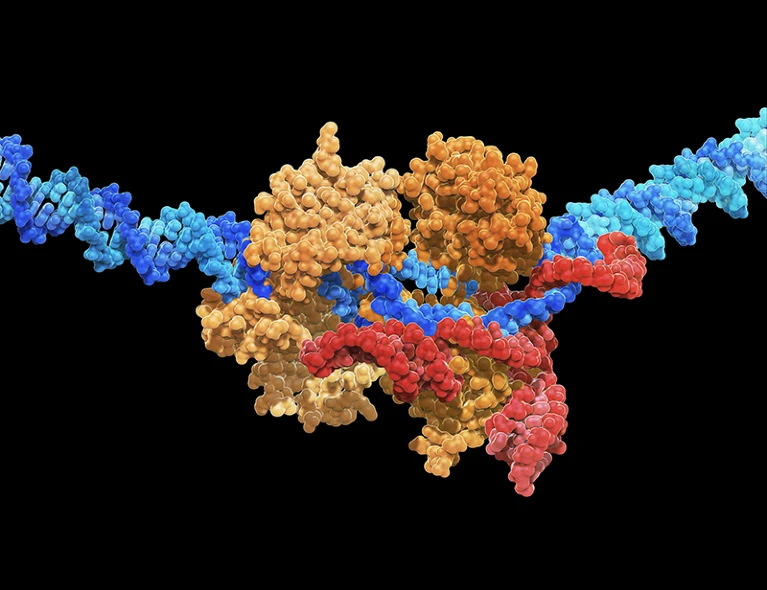
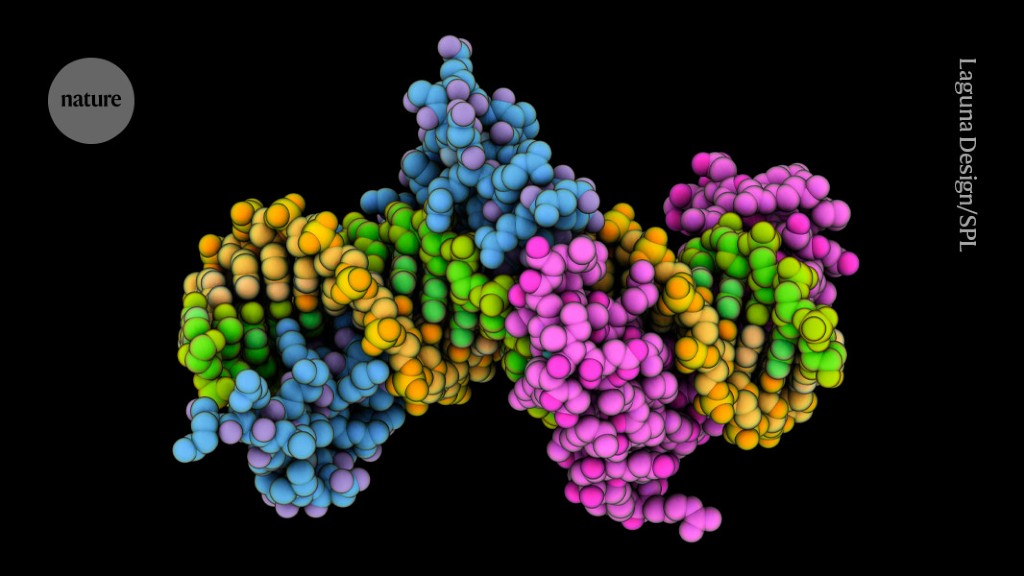
    At the centre of the image, a molecular structure (orange) of CRISPR-Cas9 protein, with DNA (blue) passing through.


    Gene-editing systems, such as CRISPR-Cas9, can be used to give stem cells immune-evasive properties.


    CARLOS CLARIVAN/SPL

    After decades of development, the dream of regenerative medicine has become a clinical reality — in part. Researchers can now cultivate stem cells in a laboratory, transform them into specialized cell types and then transplant them into people to alleviate disease.

    In theory, this strategy promises an endless supply of replacement parts for ailing and ageing bodies: neurons to combat Parkinson’s disease, insulin-producing pancreatic cells to reverse type 1 diabetes, heart muscle cells to enhance cardiac function, and more.

    But there’s a catch: therapies derived from stem cells must be customized to the patient — a process that is both slow and expensive. Or they can be made using donor cells. But, because the immune system tends to reject foreign cells, these ‘allogeneic’ off-the-shelf treatments require the concurrent administration of immune-dampening medicines — a strategy that raises the risk of complications such as infection and cancer.

    Now, researchers are exploring a third approach — one that could fully realize the vision of mass-produced cell therapies for everyone, without the need for immune suppression.

    By harnessing the power of gene-editing techniques, particularly CRISPR–Cas systems, to endow stem cells with immune-evasive properties, researchers can fashion stem cells that circumvent the immune system’s recognition mechanisms. They can also incorporate fail-safe features to ensure that the cells can be eliminated in the event of unforeseen complications. Such ‘stealth’ cells could, in principle, underpin a wide range of cell-replacement therapies, and billions of dollars have been invested in this work over the past five years.

    The idea still requires validation. Only a small number of people have so far received any form of cell-replacement therapy derived from immune-edited stem cells, and no clinical results have yet been publicly disclosed. But with more products of this kind slated to enter human testing later this year, researchers are optimistic.

    “We know in theory that it will work,” says Torsten Meissner, an immunologist at Beth Israel Deaconess Medical Center in Boston, Massachusetts, who points to the natural precedent of immune evasion to underscore his conviction: “Tumours have figured it out. Viruses have figured it out. Pregnancy is the other example.” Now, he says, biotechnology companies just need to work out how to emulate the same tactics for therapeutic gain.

    Incognito mode

    Strategies differ, but there are some gene edits that all researchers agree must underpin any universal stem-cell-derived therapy. There is also widespread consensus that the optimal product should incorporate as few edits as possible, both to minimize the potential for unintended genetic consequences and to streamline manufacturing and regulatory approval.

    Beyond that, the scientific community is divided. The complexities of the immune system have fuelled spirited debates over the exact genetic manipulations necessary to create a cell therapy that is both capable of bypassing immune defences and delivering meaningful health benefits.

    “The immune system is pervasive and persistent,” says Charles Murry, a cardiovascular pathologist at the University of Washington in Seattle and chief executive of StemCardia in Seattle, one of a growing number of biotechnology companies developing gene-editing strategies to overcome immune barriers in regenerative cell treatments.

    It might take the immune system a while to find donor cells, Murry notes, “but find them it does. It’s ancient, smart and has lots of tricks up its sleeves.” Researchers must, therefore, be equally crafty when designing cells to evade it.

    In most cases, the process starts by disrupting at least one part of the cell’s major histocompatibility complex (MHC), a cluster of proteins that functions like a molecular identity card, displaying unique pieces of cellular information that tell the immune system’s foot soldiers — a group of cells known as T lymphocytes — whether the cell is friend or foe.

    “That’s the ‘universal’ element of the universal donor cell,” Murry explains. This edit strips the transplanted cell of its enemy identity, allowing it to seamlessly blend into its new environment and evade T-cell detection.

    But the lack of MHC expression also presents a problem. Without the usual distinguishing markers of either ally or adversary, the edited cell becomes susceptible to attack by a different set of immune actors — natural killer (NK) cells, which have evolved to target and eliminate abnormal cells, including those without the proper MHC signatures.

    To counteract this vulnerability, some researchers reintroduce genes that encode specific MHC antigens — ones that allow the cell to temper NK cells without inciting T-cell responses. Others are putting in genes that express ‘checkpoint’ proteins, molecules designed to directly curb the activity of NK cells.

    Sana Biotechnology in Seattle, which favours the latter approach, reported last year that just three edits — two to eliminate MHC expression and one to boost expression of a checkpoint protein called CD47 — were sufficient to shield cells of rhesus monkeys (

    Macaca mulatta
    ) from the animals’ immune systems


    1

    . It also showed that human cells, modified in the same manner, could ameliorate diabetes when transplanted into a mouse model


    2

    .

    In November, Sana announced that it had the go-ahead to begin testing, in people, of donated human pancreatic cells that had been edited in this way. Trials of a stem-cell-derived product are likely to follow.

    But not everyone has managed to replicate the findings around CD47. And with conflicting reports about how best to restrain NK-cell activity, stem-cell biologist Audrey Parent at the University of California, San Francisco (UCSF), sees that piece of the immune-evasion puzzle as the primary bottleneck in the field. “The NK cell part is not resolved yet,” she says.

    Covert agents

    Disagreement around NK-cell inhibition arises, at least in part, from the various methods laboratories use to assess the modified cells’ ability to evade immune detection. Although most research groups evaluate their edited stem cells in engineered mice with human-like immune systems, these ‘humanized’ models cannot faithfully replicate the complete immune response that cell products will face in people’s bodies.

    Round orange cells, some covered with blue secretions, are seen in an islet of Langerhans from the pancreas


    Pancreatic cells could potentially be edited to treat diabetes.


    Credit: LENNART NILSSON, BOEHRINGER INGELHEIM INTERNATIONAL GmbH/SPL

    Conversely, others generate gene-edited stem cells from monkeys and transplant them into other monkeys, mirroring the clinical scenario with humans. But this strategy is constrained by ethical concerns and the expense of experimentation with primates. Moreover, monkeys, although genetically similar to people, have distinct immune systems that might not faithfully reflect human responses.

    Deepta Bhattacharya, an immunologist at the University of Arizona in Tucson, favours a different approach. When it comes to pushing the boundaries of immune evasion, he advocates evaluating universal gene-edited products that are intended for human use in mice with fully intact, natural immune systems. If cell therapies can pass this cross-species test, he reasons, they should be well-suited for transplantation into any human recipient.

    Early this year, Bhattacharya and his colleagues reported that human stem cells containing a battery of 12 gene edits could survive in mice for months, with no signs of immune recognition or rejection


    3

    .

    “A few of [the edits] we don’t think we actually need,” Bhattacharya says. But some edits that he considers crucial for thwarting rejection target a branch of the body’s natural defence mechanism known as the complement system. This system acts as a first line of defence against potential invaders by preparing antibodies to mark and eliminate foreign cells.

    “Antibodies are tricky,” says Chad Cowan, co-founder and chief executive of Clade Therapeutics, a Boston-based biotech firm that is developing stem-cell-derived therapies for cancer and autoimmune conditions. (Bhattacharya is also a scientific co-founder.) “I think we’ve solved the cellular side of the equation,” Cowan says. “But antibodies actually turn out to be a bigger barrier than we thought.”

    Clade’s solution, currently unpublished, involves engineering cells to secrete an enzyme that degrades and incapacitates nearby antibodies, thereby neutralizing the complement system. Another approach comes from Sonja Schrepfer, head of the hypoimmune platform at Sana who, together with UCSF heart surgeon Tobias Deuse and their colleagues, reported last year that overexpression of a protein that binds and disables antibodies can achieve the same result


    4

    .

    Neither approach has been vetted in people — and, as molecular endocrinologist Timothy Kieffer at the University of British Columbia in Vancouver points out: “Strategies to thwart the highly evolved immune system are numerous, but are only hypothetical until proven otherwise.”

    “The true test can only come in clinical trials,” he says.

    Kieffer is also chief scientific officer of Fractyl Health, a metabolic therapeutics company in Lexington, Massachusetts. But two years ago, while serving as chief scientific officer for ViaCyte in San Diego, California, Kieffer played a pivotal part in launching the first clinical study of a stem-cell-derived product that incorporated immune-cloaking edits.

    This pioneering product, developed in collaboration with biotech firm CRISPR Therapeutics in Boston, was named VCTX210. Designed to help people with type 1 diabetes to produce their own insulin, the product incorporated a suite of four gene edits collectively intended to enhance immune evasion and bolster cell survival. A subsequent version of this therapy, termed VCTX211, included an additional two edits, each aimed at further enhancing the robustness and functionality of the cells.

    Invisibility shield

    How effective these therapies were at sidestepping immune detection and improving the control of type 1 diabetes remains unclear. As

    Nature
    went to press, no results had been publicly disclosed. And both Vertex (which acquired ViaCyte in 2022, but is now working on separate stem-cell-derived therapies, using gene-editing technologies from CRISPR Therapeutics) and CRISPR Therapeutics (which now wholly owns the VCTX210 and VCTX211 assets) declined to comment on their immune-evasive cell-therapy programmes.

    Also unclear is whether any safety concerns emerged in these trials. This matter is of utmost importance to researchers such as Kieffer because, as he explains, “concerns arise with manipulating the genome of cells for therapy, particularly when the goal is to endow them with an invisibility cloak that could be problematic should the cells become dangerous to the recipient”.

    In the ViaCyte-CRISPR-Therapeutics trials, the companies took the precautionary step of

    encapsulating
    their immune-evasive cells in small, sticking-plaster-sized pouches, which are then implanted beneath the person’s skin. These devices contain pores that allow blood vessels to enter, providing oxygen and nutrients to the metabolically active cells inside, but prevent any therapeutic cells from escaping. If any unanticipated issues arise, they can be swiftly retrieved before rogue cells cause widespread damage.

    Another safety measure involves the integration of genetic fail-safe features into the edited cells themselves. These features include drug-inducible suicide genes that can be activated by administration of a relatively benign medication. Researchers are also adorning modified cells with surface proteins that can be targeted with clinically approved antibody drugs, thereby achieving the same goal of cell destruction should any transplants turn cancerous or problematic in other ways.

    In the end, the optimal safety strategy — not to mention the ideal amount of gene editing necessary to tamp down immune responses — can vary with the disease. A ready-to-use cell therapy for cancer does not necessarily need to incorporate the same design features as one tailored for diabetes, for instance, given the differences in the immune system that these cell products will confront and the distinct risk–benefit consideration in each disease. “There is no one catch-all solution,” Meissner says.

    Certain parts of the body, including the eye and the brain, also enjoy an ‘immune privileged’ status, meaning that only a limited set of immune cells can enter them. This has led companies such as BlueRock Therapeutics in Cambridge, Massachusetts, which is developing off-the-shelf stem-cell-derived therapies for Parkinson’s disease, to tailor their immune-editing strategies accordingly. “There are some unique opportunities when you’re in the brain,” says BlueRock’s head of immunology, Greg Motz.

    Those opportunities won’t be the last word on universal cell therapies, of course. Rather, Murry expects to see incremental advancement in the field, with short-term wins and losses informing long-term editing strategies.

    “I would love it to be perfect out of the gates, but that’s not realistic,” Murry says. “This is going to be like peeling an onion.”

    [ad_2]

    Source link

  • ‘Epigenetic’ editing cuts cholesterol in mice

    ‘Epigenetic’ editing cuts cholesterol in mice

    [ad_1]

    Computer model showing the structure of the murine zinc finger proteins Zif268 (blue, magenta) complexed with synthetic DNA (yellow, green).


    A zinc finger protein (blue and magenta; artificially coloured) in complex with DNA (yellow and green).


    Credit: Laguna Design/SPL

    An alternative to

    genome editing
    can reduce the activity of a gene that affects cholesterol levels without changing the DNA sequence — and does so for an extended period, according to a study


    1

    in mice.

    Scientists achieved this effect by changing each animal’s ‘

    epigenome
    ’, one feature of which is a collection of chemical tags that are bound to DNA and affect gene activity. After the treatment, activity of the targeted gene dropped and remained low for the 11 months over which the mice were studied.

    The 2023

    approvals of the first genome-editing therapy, which relies on
    the CRISPR-Cas9 editing system ushered in a new form of medicine that relies on making targeted changes to DNA sequences. But the new findings, published on 28 February in

    Nature


    ,
    bolster the case for instead

    editing the epigenome
    to treat certain diseases, thereby sidestepping some of the

    risks that come with breaking and irreversibly altering strands of DNA
    .

    “This is just the beginning of an era of getting away from cutting DNA,” says Henriette O’Geen, an epigeneticist at the University of California, Davis. “This can alter the expression of genes that are involved in disease — and potentially provide a cure — without changing DNA.”

    Mark this gene

    As cells take on new identities during development, the pattern of chemical tags on their DNA often changes. These epigenetic alterations can tell a cell to behave as a liver cell, for example, rather than a brain cell.

    After more than a decade of effort, scientists worked out how to modify genome-editing tools to tweak some epigenetic marks. This makes it possible to add a type of chemical tag called a methyl group to DNA at precise locations, for example, to switch a gene off, or to remove methyl groups from a spot in the genome to turn a gene on


    2

    .

    Epigenetic editing’s applications in the clinic were initially unclear, says epigeneticist Marianne Rots at the University Medical Center Groningen in the Netherlands. Researchers were concerned about how specific or effective the approach would be, she says, and how long its effects would last.

    A finger on the genome

    To address these questions, Angelo Lombardo, a gene-therapy researcher at the San Raffaele Scientific Institute in Milan, Italy, and his colleagues used molecules called zinc finger proteins that, much like the CRISPR–Cas9 system, can be designed to bind to specific sequences in the genome. The team designed a zinc finger protein that could bind to the

    PCSK9
    gene, which is the target of several existing therapies for high cholesterol. The authors then fused their zinc finger proteins with pieces of three proteins involved in attaching methyl groups to DNA.

    That cocktail of fragments was drawn from a suite of proteins that act during embryonic development, adding methyl groups to ensure that viral sequences lurking in the genome — relics of past infections — are silenced and stay that way for a lifetime. The hope, says Lombardo, was that the long-lasting effects of that natural epigenetic editing would carry over to the gene bound by the zinc finger protein that the authors designed.

    Working with mice, the team used this system to edit the

    Pcsk9
    gene. The animals’ cholesterol levels fell within a month of the treatment. Their levels of the PCSK9 protein also dropped — and stayed low for the 330 days that the researchers tracked them. The effects could last longer than a year, says O’Geen, given that the rodents’ PSCK9 levels showed no signs of rebounding at the end of the experiment.

    A rush to epigenetics

    The results will add to already burgeoning excitement about epigenetic editing. More than ten companies are focused on developing epigenetic editing therapies, says Rots. A few have reported long-lasting effects in monkeys but have not yet published their findings in peer-reviewed journals.

    And Omega Therapeutics, a company in Cambridge, Massachusetts, is conducting a clinical trial of an epigenetic editor that silences

    MYC
    , a gene that is overactive in many cancers and has been difficult to target using conventional drugs. “It’s exciting to see how things have exploded,” Rots says.

    [ad_2]

    Source link

  • City of Hope cures oldest person of blood cancer and achieves HIV remission

    City of Hope cures oldest person of blood cancer and achieves HIV remission

    [ad_1]

    City of Hope®, one of the largest cancer research and treatment organizations in the United States, treated the oldest person to be cured of a blood cancer and then achieve remission for HIV after receiving a blood stem cell transplant from a donor with a rare genetic mutation. Research published in NEJM today demonstrates that older adults with blood cancers who receive reduced intensity chemotherapy before a stem cell transplant with donor cells that are resistant to HIV may be cured of HIV infection.

    Paul Edmonds, 68, of Desert Springs, California, is the fifth person in the world to achieve remission for acute myelogenous leukemia and HIV after receiving stem cells with a rare genetic mutation, homozygous CCR5 Delta 32. That mutation makes people who have it resistant to acquiring HIV. Edmonds is also the person who had HIV the longest -; for over 31 years -; among these five patients.

    Known as the “City of Hope patient” among these five patients, Edmonds received a transplant at City of Hope on Feb. 6, 2019, and is now considered to be cured of leukemia. Edmonds stopped taking antiretroviral therapies for HIV nearly three years ago and will be considered cured of HIV after he has stopped taking antiretrovirals for five years. 

    City of Hope’s case demonstrates that it is possible to achieve remission from HIV even at an older age and after living with HIV for many years,” said Jana K. Dickter, M.D., a clinical professor in City of Hope’s Division of Infectious Diseases, who led the study. “Furthermore, remission can be achieved with a lower-intensity regimen than the therapy received by the four other patients who went into remission for HIV and cancer. As people with HIV continue to live longer, there will be more opportunities for personalized treatments for their blood cancers.”

    For Edmonds’ medical team, this meant they would need to tailor his treatment to address his age and the duration of his HIV. City of Hope’s decades-long expertise treating older adults with cancer and HIV -; efforts led by John A. Zaia, M.D., director of City of Hope’s Center for Gene Therapy and Aaron D. Miller and Edith Miller Chair for Gene Therapy, and other doctors -; proved to be invaluable in treating Edmonds and helping him go into remission for both leukemia and HIV.

    Under the care of City of Hope hematologist Ahmed Aribi, M.D., assistant professor in the Division of Leukemia and a study author, Edmonds received three different therapies to get him into remission before receiving a transplant. The therapy is needed to help the patient achieve remission, and the patient can then proceed with a transplant with the goal of curing the cancer.

    Edmonds received a chemotherapy-based, reduced-intensity transplant regimen prior to his transplant that was developed by City of Hope and other transplant programs for treatment of older patients with blood cancers. Reduced-intensity chemotherapy makes the transplant more tolerable for older patients and reduces the potential for transplant-related complications from the procedure.

    For the transplant, Aribi and his team worked with City of Hope’s Unrelated Donor Bone Marrow Transplant Program -; directed by Monzr M. Al Malki, M.D. -; to find a donor who was a perfect match for the patient and had the rare genetic mutation, which is found in just 1-2% of the general population.

    The mutation makes people who have it resistant to acquiring HIV. CCR5 is a receptor on CD4+ immune cells, and HIV uses that receptor to enter and attack the immune system. But the CCR5 mutation blocks that pathway, which stops HIV from replicating.

    Edmonds had mild to moderate side effects caused by graft-versus-host disease, which occurs when the donor’s T lymphocytes, a type of white blood cell that fights infections, attack the patient’s cells.

    Edmonds also achieved “full chimerism,” meaning that all of his bone marrow and blood stem cells originated from the donor.

    Stephen J. Forman, M.D., director of City of Hope’s Hematologic Malignancies Research Institute and a professor in the Department of Hematology & Hematopoietic Cell Transplantation, noted a confluence of several research initiatives by City of Hope over the years helped lead the institution to this moment.

    City of Hope and other institutions started performing successful stem cell transplants in older adults a decade ago, an intensive and high-risk procedure in this population that was unheard of prior to then. We have treated patients who are in their 80s with transplants and that is due to City of Hope’s emphasis on expanding therapies to more patients, as well as our compassionate, top-notch care of even the most vulnerable populations.”

    Stephen J. Forman, M.D., Director of City of Hope’s Hematologic Malignancies Research Institute 

    “City of Hope is not stopping there. Our researchers are working on creating stem cells that have the genetic mutation that makes them naturally resistant to HIV, among other research initiatives,” he added. 

    These milestones include:

    • City of Hope was one of the first institutions in the United States to perform a reduced intensity regimen for older patients with myelodysplasia, a blood disease that can evolve into leukemia and that Edmonds had prior to acute myelogenous leukemia.
    • Ryotaro Nakamura, M.D., director of City of Hope’s Center for Stem Cell Transplantation and Jan & Mace Siegel Professor in Hematology & Hematopoietic Cell Transplantation, led the national trial that demonstrated a transplant could become standard of care for older people with myelodysplastic syndromes, which led to Medicare approving the therapy in older populations.
    • City of Hope was one of the first centers in the United States to perform effective, curative autologous transplants, which use a person’s own stem cells, for patients with HIV-related lymphoma. When many centers still treated patients with low-intensity, noncurative treatment approaches, City of Hope -; led by Forman and Amrita Krishnan, M.D., executive medical director of hematology, City of Hope Orange County – challenged that paradigm by demonstrating that autologous transplants could be used to cure patients with HIV-related lymphomas who would otherwise die.
    • City of Hope was also a primary national co-leader in two National Cancer Institute-sponsored trials for autologous as well as allogeneic stem cell transplantation, which use a donor’s stem cells, for patients with HIV and blood cancers. Led by Joseph Alvarnas, M.D., City of Hope’s vice president of government affairs and a hematology professor, these trials led to a change in the national standards of care on how best to manage this vulnerable patient population.

    City of Hope’s blood stem cell and bone marrow transplant (BMT) program has performed nearly 19,000 transplants, making it one of the largest programs in the nation. City of Hope has exceptional transplant outcomes year after year, according to the Center for International Blood & Marrow Transplant Research.

    Building on its BMT expertise, City of Hope is also a pioneer in the development of chimeric antigen receptor (CAR) T cells to treat blood cancers and solid tumors. More than 1,200 patients have been treated with CAR T cell therapy at City of Hope.

    Leveraging their expertise in cellular immunotherapy, City of Hope scientists have also developed chimeric antigen receptor CAR T cells that can target and kill HIV-infected cells and control HIV in preclinical research. A City of Hope clinical trial using CAR T cell therapy, which has the potential to provide HIV patients with a lifelong viral suppression without antiretroviral therapies, is expected to open later this year.

    Angelo Cardoso, M.D., Ph.D., City of Hope director of the Laboratory of Cellular Medicine, is also a study author and performed many of the experiments that confirmed Edmonds’ HIV remission.

    Source:

    Journal reference:

    Dickter, J. K., et al. (2024). HIV-1 Remission after Allogeneic Hematopoietic-Cell Transplantation. The New England Journal of Medicine. doi.org/10.1056/nejmc2312556.

    [ad_2]

    Source link

  • GoFundMe has become a health care utility

    GoFundMe has become a health care utility

    [ad_1]

    GoFundMe started as a crowdfunding site for underwriting “ideas and dreams,” and, as GoFundMe’s co-founders, Andrew Ballester and Brad Damphousse, once put it, “for life’s important moments.” In the early years, it funded honeymoon trips, graduation gifts, and church missions to overseas hospitals in need. Now GoFundMe has become a go-to platform for patients trying to escape medical billing nightmares.

    One study found that, in 2020, the annual number of U.S. campaigns related to medical causes — about 200,000 — was 25 times the number of such campaigns on the site in 2011. More than 500 current campaigns are dedicated to asking for financial help for treating people, mostly kids, who have spinal muscular atrophy, a neurodegenerative genetic condition. The recently approved gene therapy for young children with the condition, by the drugmaker Novartis, has a price tag of about $2.1 million for the single-dose treatment.

    Perhaps the most damning aspect of this is that paying for expensive care with crowdfunding is no longer seen as unusual; instead, it is being normalized as part of the health system, like getting bloodwork done or waiting on hold for an appointment. Need a heart transplant? Start a GoFundMe to get on the waiting list. Resorting to GoFundMe when faced with bills has become so accepted that, in some cases, patient advocates and hospital financial aid officers recommend crowdfunding as an alternative to being sent to collections. My inbox and the “Bill of the Month” project (a collaboration by KFF Health News and NPR) have become a kind of complaint desk for people who can’t afford their medical bills, and I’m gobsmacked every time a patient tells me they’ve been advised that GoFundMe is their best option.

    GoFundMe acknowledges the reliance of patients on its platform. Ari Romio, a spokesperson for the company, said that “medical expenses” is the most common category of fundraiser it hosts. But she declined to say what proportion of campaigns are medically related, because people starting a campaign self-select the purpose of the fundraiser. They might choose the family or travel category, she said, if a child needs to go to a different state for treatment, for example. So although the company has estimated in the past that roughly a third of the funds raised on the site are related to costs for illness or injury, that could be an undercount.

    Andrea Coy of Fort Collins, Colorado, turned to GoFundMe in 2021 as a last resort after an air-ambulance bill tipped her family’s finances over the edge. Sebastian, her son who was then a year old, had been admitted with pneumonia to a local hospital and then transferred urgently by helicopter to Children’s Hospital Colorado in Denver when his oxygen levels dropped. REACH, the air-ambulance transport company that contracted with the hospital, was out-of-network and billed the family nearly $65,000 for the ride — more than $28,000 of which Coy’s insurer, UnitedHealthcare, paid. Even so, REACH continued sending Coy’s family bills for the balance, and later began regularly calling Coy to try to collect — enough so that she felt the company was harassing her, she told me.

    Coy made calls to her company’s human resources department, REACH, and UnitedHealthcare for help in resolving the case. She applied to various patient groups for financial assistance and was rejected again and again. Eventually, she got the outstanding balance knocked down to $5,000, but even that was more than she could afford on top of the $12,000 the family owed out-of-pocket for Sebastian’s actual treatment.

    That’s when a hospital financial aid officer suggested she try GoFundMe. But, as Coy said, “I’m not an influencer or anything like that,” so the appeal “offered only a bit of temporary relief — we’ve hit a wall.” They have gone deep into debt and hope to climb out of it.

    In an emailed response, a spokesperson for REACH noted that they could not comment on a specific case because of patient-privacy laws, but that, if the ambulance ride occurred before the federal No Surprises Act went into effect, the bill was legal. (That act protects patients from such air-ambulance bills and has been in force since Jan. 1, 2022.) But the spokesperson added, “If a patient is experiencing a financial hardship, we work with them to find equitable solutions.” What is “equitable” — and whether that includes seeking an additional $5,000, beyond a $28,000 insurance payment, for transporting a sick child — is subjective, of course.

    In many respects, research shows, GoFundMe tends to perpetuate socioeconomic disparities that already affect medical bills and debt. If you are famous or part of a circle of friends who have money, your crowdfunding campaign is much more likely to succeed than if you are middle-class or poor. When the family of the former Olympic gymnast Mary Lou Retton started a fundraiser on another platform, *spotfund, for her recent stay in the intensive care unit while uninsured, nearly $460,000 in donations quickly poured in. (Although Retton said she could not get affordable insurance because of a preexisting condition — dozens of orthopedic surgeries — the Affordable Care Act prohibits insurers from refusing to cover people because of their medical history, or charging them abnormally high rates.)

    And given the price of American health care, even the most robust fundraising can feel inadequate. If you’re looking for help to pay for a $2 million drug, even tens of thousands can be a drop in the bucket.

    Rob Solomon, CEO of GoFundMe from 2015 to March 2020, who in 2018 was named one of Time magazine’s 50 most influential people in health care, has said that he “would love nothing more than for ‘medical’ to not be a category on GoFundMe.” He told KFF Health News that “the system is terrible. It needs to be rethought and retooled. Politicians are failing us. Health care companies are failing us. Those are realities.”

    Despite the noble ambitions of its original vision, however, GoFundMe is a privately held for-profit company. In 2015, the founders sold a majority stake to a venture-capital investor group led by Accel Partners and Technology Crossover Ventures. And when I asked about medical bills being the most common reason for GoFundMe campaigns, the company’s current CEO, Tim Cadogan, sounded less critical than his predecessor of the health system, whose high prices and financial cruelty have arguably made his company famous.

    “Our mission is to help people help each other,” he said. “We are not, and cannot, be the solution to complex, systemic problems that are best solved with meaningful public policy.”

    And that’s true. Despite the site’s hopeful vibe, most campaigns generate only a small fraction of the money owed. Most medical-expense campaigns in the U.S. fell short of their goal, and some raised little or no money, a 2017 study from the University of Washington found. Campaigns made an average of about 40% of the target amount, and there is evidence that yields — measured as a percentage of their targets — have worsened over time.

    Carol Justice, a recently retired civil servant and a longtime union member in Portland, Oregon, turned to GoFundMe because she faced a mammoth unexpected bill for bariatric surgery at Oregon Health & Science University.

    She had expected to pay about $1,000, the amount left of her deductible, after her health insurer paid the $15,000 cap on the surgery. She didn’t understand that a cap meant she would have to pay the difference if the hospital, which was in-network, charged more.

    And it did, leaving her with a bill of $18,000, to be paid all at once or in monthly $1,400 increments, which were “more than my mortgage,” she said. “I was facing filing for bankruptcy or losing my car and my house.” She made numerous calls to the hospital’s financial aid office, many unanswered, and received only unfulfilled promises that “we’ll get back to you” about whether she qualified for help.

    So, Justice said, her health coach — provided by the city of Portland — suggested starting a GoFundMe. The campaign yielded about $1,400, just one monthly payment, including $200 from the health coach and $100 from an aunt. She dutifully sent each donation directly to the hospital.

    In an emailed response, the hospital system said that it couldn’t discuss individual cases but that “financial assistance information is readily available for patients, and can be accessed at any point in a patient’s journey with OHSU. Starting in early 2019, OHSU worked to remove barriers for patients most in need by providing a quick screening for financial assistance that, if a certain threshold is met, awards financial assistance without requiring an application process.”

    This tale has a happy-ish ending. In desperation, Justice went to the hospital and planted herself in the financial aid office, where she had a tearful meeting with a hospital representative who determined that — given her finances — she wouldn’t have to pay the bill.

    “I’d been through the gamut and just cried,” she said. She said she would like to repay the people who donated to her GoFundMe campaign. But, so far, the hospital won’t give the $1,400 back.


    Kaiser Health NewsThis article was reprinted from khn.org, a national newsroom that produces in-depth journalism about health issues and is one of the core operating programs at KFF – the independent source for health policy research, polling, and journalism.

    [ad_2]

    Source link

  • First gene therapy trial aims to restore hearing in children

    First gene therapy trial aims to restore hearing in children

    [ad_1]

    The aim of this clinical trial, which has just received approval in France, is to assess the safety and efficacy of a new gene therapy drug in children aged between 6 and 31 months with profound hearing loss. Audiogene was developed by a French consortium composed of teams from the Hearing Institute, an Institut Pasteur research center; the ENT Department and Pediatric Audiology Research Center at Necker-Enfants Malades Hospital (AP-HP); Sensorion and Fondation Pour l’Audition. The trial has also been submitted to other European countries and is currently undergoing assessment.

    Audiogene is the first clinical trial in France to test a gene therapy drug, SENS-501, developed by the biotech company Sensorion, to treat children with DFNB9, a form of hereditary deafness caused by mutations in the OTOF gene, which encodes a protein called otoferlin. The usual treatment for this form of hearing loss is a bilateral cochlear implant.

    The aim of this treatment is to restore hearing. It works by injecting a copy of the normal otoferlin gene into the child’s impaired inner ear. The SENS-501 drug is designed to correct the genetic abnormality in the inner ear cells of children with hearing loss and restore inner ear cell function and hearing in these children.

    The first step in the clinical trial will be to test two doses of SENS-501 so that the optimal dose can be selected for the rest of the trial.

    In practice, the SENS-501 gene therapy drug will be directly injected into the inner ear of the child with DFNB9 deafness. The drug is injected into the round window in the inner ear, in a similar way to cochlear implantation surgery. The procedure will be performed under general anesthetic by a lead ENT surgeon. The drug will be administered using an injection system developed in partnership with the company EVEON, so that the injected dose can be measured precisely and the inner ear structures can be preserved.

    This gene therapy for hearing loss patients with an otoferlin deficiency was developed as part of the RHU AUDINNOVE project, involving a consortium composed of scientists from the Hearing Institute, an Institut Pasteur research center; physicians from the ENT Department and Pediatric Audiology Research Center at Necker-Enfants Malades Hospital (AP-HP); and teams from Sensorion and Fondation Pour l’Audition.

    A collective effort that thrills the AUDINNOVE stakeholders

    The launch of the Audiogene clinical trial is a major step forward for deaf children with otoferlin defects and their parents but also brings hope to people with genetic deafness. We are very proud that our long-time support to French innovation and to the teams of Prof. Petit at the Hearing Institute, an Institut Pasteur research center, and Prof. Loundon, at the Clinical Center for Research in Pediatric Audiology at AP-HP Necker hospital, translates now into a trial.”


    Denis Le Squer, Executive Director of Fondation Pour l’Audition

    Alain Chédotal, Chair of the Scientific Committee at Fondation Pour l’Audition: “The launch of the first gene therapy clinical trial for a deafness in France is a major milestone for Fondation Pour l’Audition, which supported the project from its beginning. It embodies our high-level scientific and medical actions and positions France as a key player in this field at an international level. It also embraces our strong ambition to speed up the development of therapies for individuals with hearing disorders.”

    Nawal Ouzren, Chief Executive Officer of Sensorion, said: “The launch of the Audiogene clinical trial is a significant milestone in the development program of SENS-501, a pioneering drug candidate in the field of gene therapies for genetic hearing loss. We are delighted to be continuing our collaboration with the team at the Fondation Pour l’Audition, the research teams at the Hearing Institute and the clinical team at the Pediatric Audiology Research Center at Necker-Enfants Malades Hospital (AP-HP), as part of the AUDINNOVE consortium. This consortium, composed of leading stakeholders, is currently one of the few players worldwide capable of bringing about a technological and medical revolution that offers real hope for all children with congenital hearing loss.”

    Natalie Loundon, Director of the Pediatric Audiology Research Center and a Pediatric Otolaryngologist and Head and Neck Surgeon at Necker-Enfants Malades Hospital (AP-HP), who is the Audiogene clinical trial coordinator investigator, comments: “This project is incredibly innovative and represents a first in the field, raising high hopes for patients with hearing loss. The project heralds the advent of a revolution in the future treatment of hearing loss patients. For this study, DFNB9 patients will be offered an alternative to cochlear implantation. We are already working on widening the indications to include other causes of hearing loss.”

    Christine Petit, Professor at the Institut Pasteur and Professor Emeritus at the Collège de France, added: “This clinical trial, which aims to correct the deficiency in a gene responsible for congenital hearing loss to restore hearing, is based on the pioneering research carried out at the Institut Pasteur in our Genetics and Physiology of Hearing Unit, which involved identifying the genes responsible, elucidating the defective mechanisms and demonstrating the possible reversal of hearing loss in the laboratory. We have been performing research on DFNB9 deafness for around 20 years now. Audiogene assembles a wide range of expertise so that these discoveries can be applied for the benefit of people with hearing loss. There is currently no treatment for hearing loss. The success of this clinical trial should serve as a catalyst in the search for much-needed therapeutic solutions for a whole series of hearing impairments and vestibular disorders.”

    Anne-Lise Giraud, Director of the Hearing Institute, an Institut Pasteur center, concluded: “The Hearing Institute is delighted with this major first, to which its teams, especially those led by Christine Petit and Saaid Safieddine, have made a huge contribution by paving the way for the translation of basic research into therapeutic applications.”

    Multiple technological innovations

    A gene can only enter inner ear cells if it is transported by a viral vector that is capable of crossing the cell membrane. In this case the adeno-associated virus (AAV) is used to deliver the gene. As the OTOF gene is so big, it is divided into two DNA fragments, each transported by an AAV, which are then assembled inside the inner ear cells. This is referred to as a dual AAV vector technology. AAV vectors are harmless and non-pathogenic; they are reliable, well known and do not cause diseases. They are produced using the highest applicable industry standards and approved by health authorities for use in humans. Some are already in use and have been marketed as treatments.

    This work was supported by the French National Research Agency which is funding the France 2030 program entitled RHU AUDINNOVE, ANR-18-RHUS-0007.

    [ad_2]

    Source link

  • CRISPR gene therapy seems to cure dangerous inflammatory condition

    CRISPR gene therapy seems to cure dangerous inflammatory condition

    [ad_1]

    The therapy makes cuts in the gene for kallikrein (shown as graphics), a protein involved in inflammation

    A new therapy makes cuts in the gene for kallikrein (shown as graphics), a protein involved in inflammation

    BIOSYM TECHNOLOGIES, INC./SCIENCE PHOTO LIBRARY

    Nine people with a rare genetic condition that causes life-threatening inflammatory reactions appear to have been cured, after taking part in the first trial of a new version of a CRISPR-based gene therapy.

    The condition, called hereditary angioedema, causes people to have sudden episodes of tissue swelling that affects body parts such as the face or throat, similar to aspects of an allergic reaction, although they can’t be treated with anti-allergy medicines.

    Ten people who had the one-off gene treatment that is given directly into the body saw their number of “swelling attacks” fall by 95 per cent in the first six months as the therapy took effect. Since then, all but one have had no further episodes for at least a further year, while one person who had the lowest dose of the treatment had one mild attack. “This is potentially a cure,” says Padmalal Gurugama at Cambridge University Hospitals in the UK, who worked on the new approach.

    Hereditary angioedema is caused by mutations in a gene that encodes a protein called C1-inhibitor, which is normally involved in damping down inflammation, part of the immune response.

    People with the condition may have sudden episodes of fluid accumulation under their skin several times a month, which are painful and can suffocate them if their throat becomes blocked. The attacks can be triggered by viruses, changing hormone levels or stress.

    Existing medications that can reverse the attacks work by blocking a different molecule involved in inflammation, called kallikrein, made by the liver. People can be born without any ability to make kallikrein with no ill effects, which suggested that permanently blocking it via gene therapy would be safe, says Gurugama.

    The new therapy, made by a firm called Intellia Therapeutics in Cambridge, Massachusetts, consists of genetic material designed to make cuts in the kallikrein gene. It is encapsulated in lipid nanoparticles, which liver cells take up. The treatment was given to one person in the UK and nine others in New Zealand and the Netherlands.

    The unusual feature of this treatment is that it was administered directly into people, a method sometimes called “in vivo” delivery. “They go in for one infusion and it’s job done,” says Julian Gillmore at University College London, who wasn’t involved in the study. “It’s hugely attractive.”

    Most other CRISPR-based gene therapies so far have been administered “ex vivo”, which means taking some of the person’s cells out of their body, changing them in the lab and then reinfusing them, a more complicated and lengthy procedure.

    CRISPR gene therapies are being developed for multiple genetic conditions, with the first such treatment recently being approved in the UK and US to help people with sickle cell disease and beta-thalassaemia, two forms of inherited anaemia.

    The success of the latest trial is “pretty exciting”, says Gillmore, who is developing a CRISPR-based therapy for people with a different condition involving the liver, called transthyretin amyloidosis. “Any disease that’s caused by a mutated protein that’s exclusively produced in the liver, where knocking down that protein is a good thing to do, would potentially be amenable to this technique,” he says.

    Topics:

    [ad_2]

    Source link