
Tag: Gold

  • Turning Electronic Waste into Treasure

    Turning Electronic Waste into Treasure

    [ad_1]

    Extracting Gold Electronic Waste Concept Art

    Researchers at KIST have developed a fiber-based adsorbent capable of recovering gold from electronic waste with over 99.9% efficiency. Credit: SciTechDaily.com

    A fibrous adsorbent selectively recovers high-purity gold from waste. Dramatically reduces the cost and time of the recovery process and enables material to be mass-produced and repeatedly recycled.

    Korea relies on imports for most of its metal resources, and in recent years, due to resource depletion and rising raw material prices, ‘circular resources’ that recycle waste metal resources have emerged.

    In response, SK hynix has established a mid- to long-term plan to increase the percentage of copper, gold, etc. recovered and reused from waste generated in the semiconductor manufacturing process to more than 30% by 2030, and Samsung Electronics is running a collection program for used mobile phones in cooperation with E-circulation Governance, a non-profit corporation. The global circular economy market is expected to more than double in size from approximately $338 billion in 2022 to approximately $712 billion in 2026.
    Extracting High-Purity Gold Figure 1

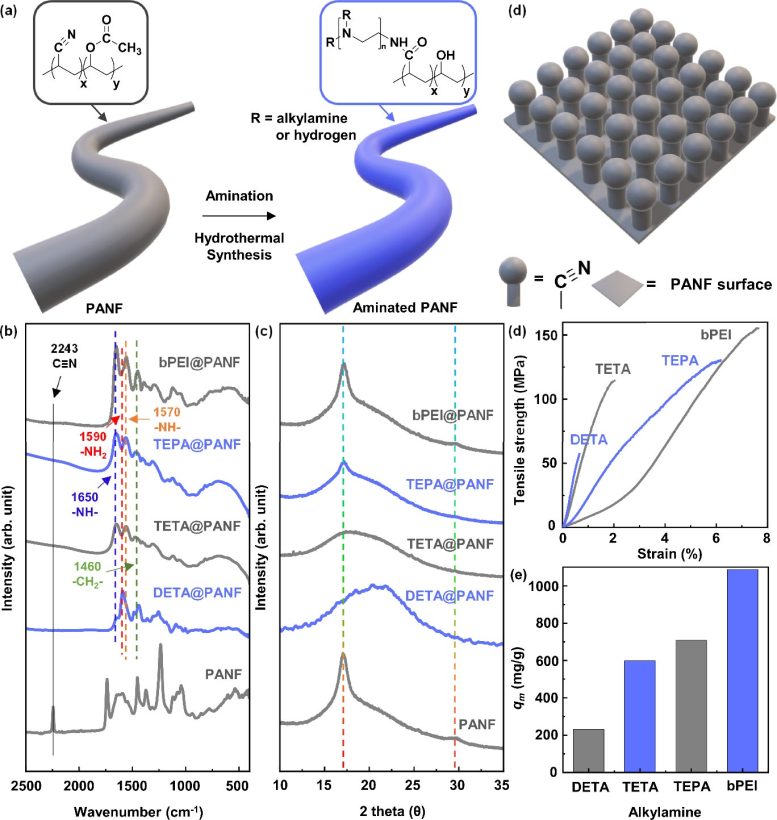
    Figure 1. Preparation and physicochemical characteristics of the aminated polyacrylonitrile fibers (PANFs). Representative illustrations of PANF (a) before and after coupling reaction of various alkylamine molecules. Different colors of PANF and amine-laden polymeric fiber (ALPF) represent different functional groups of nitrile and alkylamines. (b) FT-IR spectra of PANF before and after coupling reaction of different alkylamines using diethylenetriamine (DETA), triethylenetetramine (TETA), tetraethylenepentamine (TEPA), and branched poly(ethyleneimine) (bPEI). (c) XRD patterns of the PANF and aminated PANFs. (d) Stress-strain curves of the PANF and aminated PANFs. (e) Maximum adsorption capacity (qm) of the aminated PANFs for Au(III) ions. Initial concentration (Ci) and pH value of the Au solution were 1000 mg/L and 1, respectively. Credit: Korea Institute of Science and Technology

    Breakthrough in Metal Recovery Technology

    In this context, a team led by Dr. Jae-Woo Choi of the Water Resource Cycle Research Center at the Korea Institute of Science and Technology (KIST) announced that they have developed a technology that can selectively recover high-purity gold from electrical and electronic waste containing various metals using textile materials.

    Adsorbents for metal recovery are generally granular in shape to increase adsorption efficiency based on high specific surface area, but they are difficult to control underwater, resulting in low recovery rates and even secondary environmental pollution. On the other hand, fiber-like materials are easy to control underwater and can be made into various shapes through the weaving process, so they have high potential for industrial application. However, due to their thin thickness and low strength, they are easily broken when gold recovery is applied to the support.
    Extracting High-Purity Gold Figure 2

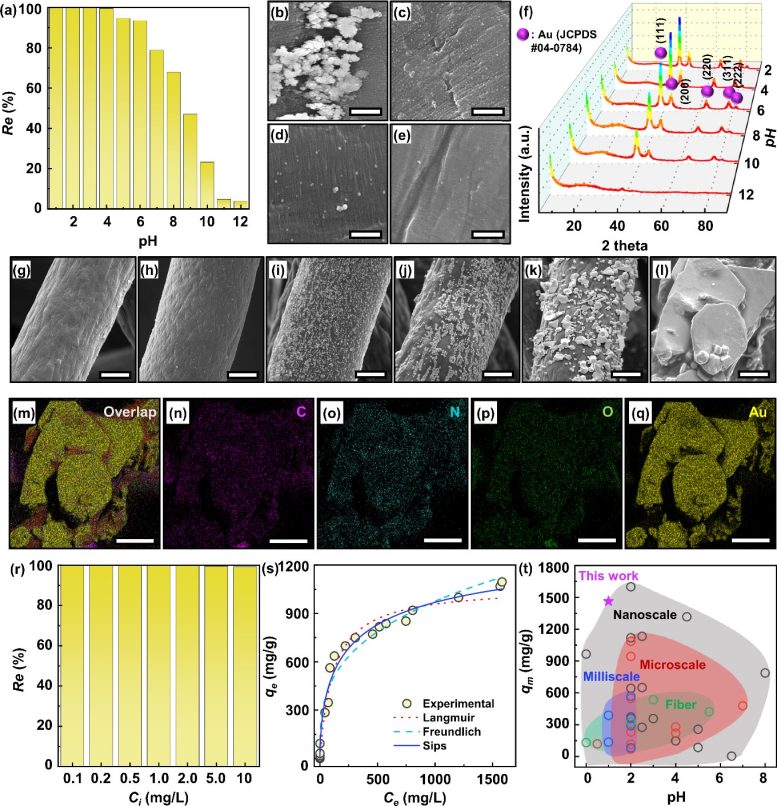
    Figure 2. Au recovery performance of the ALPF. (a) Effect of pH in Au solution on the Au recovery performance of the ALPF. Ci, t, and adsorbent doses were 100 mg/L, 24 h, and 0.5 g/L, respectively. FESEM images of the ALPF surface after Au recovery at pH of (b) 3, (c) 6, (d) 9, and (e) 12, showing the Au(0) particles on the ALPF surface. Scale bar is 1 μm. (f) XRD patterns of the ALPF after Au recovery in the pH range of 2-12. (g-l) FESEM images of the ALPF after Au recovery at Ci of (g) 0.1, (h) 1, (i) 10, (j) 100, (k) 500, and (l) 1000 mg/L for 24 h with stirring at 200 rpm. pH was adjusted to 1. Scale bar is 20 μm. (m-q) FESEM-EDS mapping of the chemical elements distributions for the ALPF after Au recovery at Ci of 1000 mg/L: (m) overlap, (n) carbon, (o) nitrogen, (p) oxygen, and (q) gold. Scale bar is 20 μm. (r) Recovery efficiencies of the ALPF for Au recovery in a low Ci range of 0.1-100 mg/L. (s) Adsorption isotherm test result of the ALPF adsorbent. The experimentally obtained data were fitted by three representative isotherm equations of Langmuir, Freundlich, and Sips models. (t) Comparison of qm and optimum pH value for the ALPF adsorbent with those of the adsorbents best reported in the literature, classified by the adsorbent size (nano, micro, and milliscale) or shape (particle and fiber). Credit: Korea Institute of Science and Technology

    Enhanced Gold Recovery Techniques

    KIST researchers have chemically immobilized alkaline molecules on the surface of polyacrylonitrile (PANF) fibers to improve both molecular gold recovery performance and structural stability. The amine-containing polymer fiber has a dramatically larger surface area, which can improve the adsorption performance of gold ions (Au) in waste by up to 2.5 times (from 576 mg/g to 1,462 mg/g) compared to the team’s previously developed granular gold adsorption material.

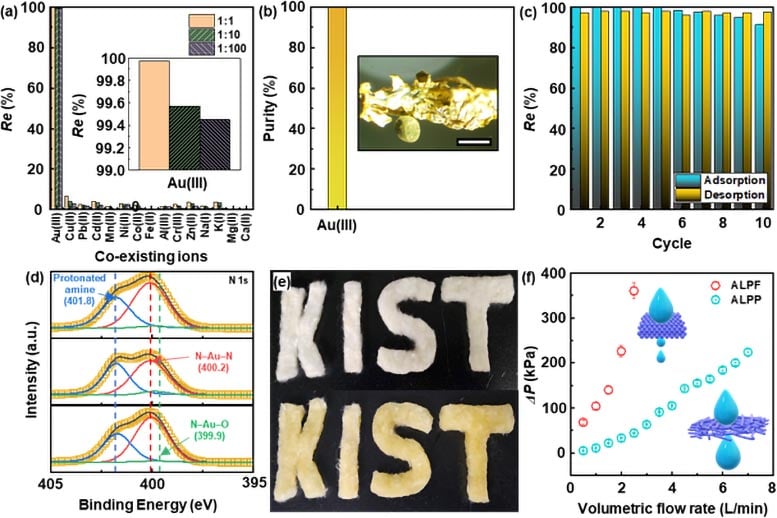
    The developed fibrous adsorbent not only showed a gold recovery efficiency of more than 99.9% in solutions obtained by leaching real CPUs, but also achieved a gold recovery efficiency close to 100% in a wide range of pH 1-4, which includes most waste liquids. It is particularly noteworthy that only gold ions can be recovered with a high purity of over 99.9%, even in the presence of 14 other metal ions coexisting in the solution. Furthermore, the gold recovery rate was maintained at 91% even after 10 uses, demonstrating excellent reusability.
    Extracting High-Purity Gold Figure 3

    Figure 3. Applicability of the ALPF adsorbent for Au recovery processes. (a) Adsorption selectivity of the ALPF for Au(III) in the presence of coexisting metal ions including Cu(II), Pb(II), Cd(II), Mn(II), Ni(II), Co(II), Fe(II), Al(III), Cr(III), Zn(II), Na(I), K(I), Mg(II), and Ca(II). Ci of Au(III) was set to 10 mg/L, and those of other metal ions were set to 10, 100, and 1000 mg/L. Solution pH was adjusted to 1. (b) Purity of the recovered Au(0) by the ALPF. Inset shows an optical microscope image of the recovered Au(0). (c) Repetitive adsorption/desorption test of Au(III) using the ALPF adsorbent. Ci of Au(III) was set to 10 mg/L. Adsorption process was conducted for 24 h. Solution pH was adjusted to 1. Desorption process was conducted for 24 h using 0.5 acidic thiourea solution in 1.0 M HCl. (d) Deconvoluted HRXPS spectra of the ALPF for N 1s, showing the chemical change for amine groups of the ALPF adsorbent during the repetitive adsorption-desorption cycles. (e) Photograph of felts consisting of PANF (top) and ALPF (bottom), indicating that the fibrous adsorbent can be transformed into a desired shape. Scale bar is 2 cm. (f) Effect of the adsorbent shapes on the pressure drop in a column filled with the adsorbents. Each pressure drop in the column filled with the adsorbents was measured according to the volumetric flow rate. Credit: Korea Institute of Science and Technology

    Conclusion and Future Prospects

    “By enabling efficient and eco-friendly metal resource recovery, the fiber-type adsorbent developed by KIST can reduce Korea’s dependence on resource imports and prepare for the risk of rising raw material prices,” said Dr. Jae-Woo Choi. “We plan to expand the scope of future research to selectively recover various target metals in addition to gold, said Dr. Youngkyun Jung.”

    Reference: “Efficient and selective gold recovery using amine-laden polymeric fibers synthesized by a steric hindrance strategy” by Youngkyun Jung, Su-Jin Yoon, Kyung-Won Jung and Jae-Woo Choi, 12 February 2024, Chemical Engineering Journal.
    DOI: 10.1016/j.cej.2024.149602


    [ad_2]

    Source link
  • New Method Turns Electronic Waste Into Gold

    New Method Turns Electronic Waste Into Gold

    [ad_1]

    The Gold Nugget Obtained From Computer Motherboards in Three Parts

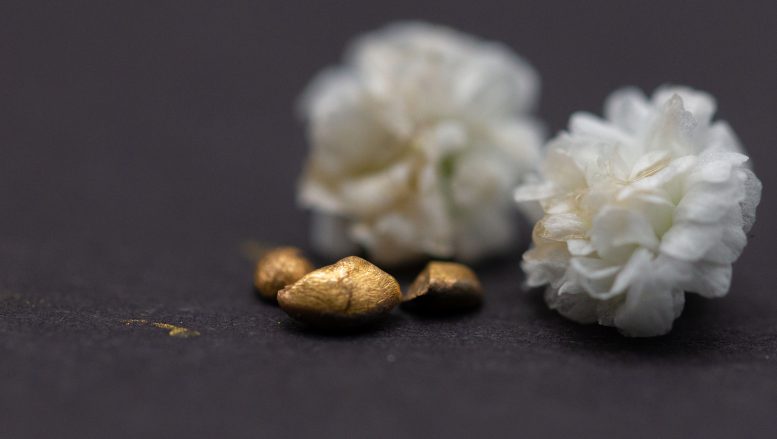
    The gold nugget obtained from computer motherboards in three parts. The largest of these parts is around five millimeters wide. Credit: ETH Zurich / Alan Kovacevic

    Transforming base materials into gold was one of the elusive goals of the alchemists of yore. Now Professor Raffaele Mezzenga from the Department of Health Sciences and Technology at ETH Zurich has accomplished a modern parallel to this quest. While he hasn’t changed one chemical element into gold as alchemists dreamed, he has successfully extracted gold from electronic waste using a byproduct of the cheesemaking process.

    Electronic waste contains a variety of valuable metals, including copper, cobalt, and even significant amounts of gold. Recovering this gold from disused smartphones and computers is an attractive proposition in view of the rising demand for the precious metal. However, the recovery methods devised to date are energy-intensive and often require the use of highly toxic chemicals. Now, a group led by ETH Professor Mezzenga has come up with a very efficient, cost-effective, and above all far more sustainable method: with a sponge made from a protein matrix, the researchers have successfully extracted gold from electronic waste.

    Selective gold adsorption

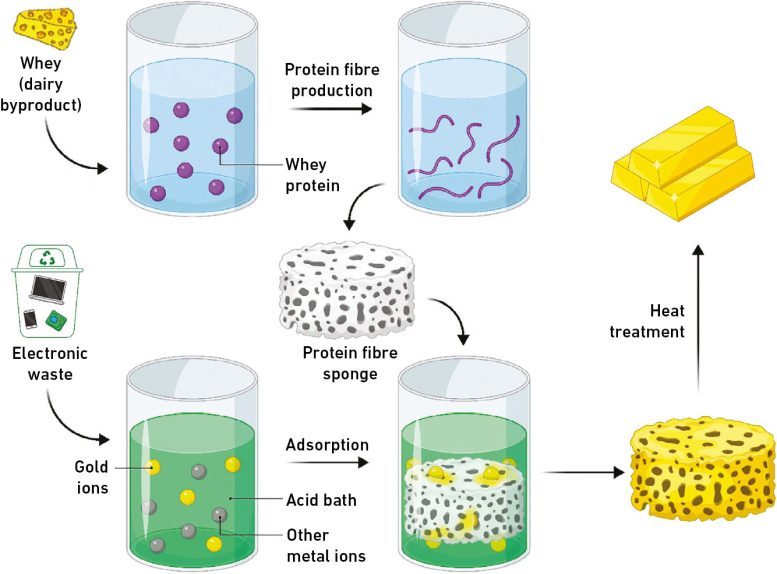
    To manufacture the sponge, Mohammad Peydayesh, a senior scientist in Mezzenga’s Group, and his colleagues denatured whey proteins under acidic conditions and high temperatures, so that they aggregated into protein nanofibrils in a gel. The scientists then dried the gel, creating a sponge out of these protein fibrils.

    To recover gold in the laboratory experiment, the team salvaged the electronic motherboards from 20 old computer motherboards and extracted the metal parts. They dissolved these parts in an acid bath so as to ionize the metals.

    Gold Ions Adhere to a Sponge of Protein Fibrils Graphic

    How the gold is recovered: Gold ions adhere to a sponge of protein fibrils. Credit: Peydayesh M et al. Advanced Materials, 2024, adapted

    When they placed the protein fiber sponge in the metal ion solution, the gold ions adhered to the protein fibers. Other metal ions can also adhere to the fibers, but gold ions do so much more efficiently. The researchers demonstrated this in their paper, which they have published in the journal Advanced Materials.

    As the next step, the researchers heated the sponge. This reduced the gold ions into flakes, which the scientists subsequently melted down into a gold nugget. In this way, they obtained a nugget of around 450 milligrams out of the 20 computer motherboards. The nugget was 91 percent gold (the remainder being copper), which corresponds to 22 carats.

    Economically viable

    The new technology is commercially viable, as Mezzenga’s calculations show: procurement costs for the source materials added to the energy costs for the entire process are 50 times lower than the value of the gold that can be recovered.

    Next, the researchers want to develop the technology to ready it for the market. Although electronic waste is the most promising starting product from which they want to extract gold, there are other possible sources. These include industrial waste from microchip manufacturing or from gold-plating processes. In addition, the scientists plan to investigate whether they can manufacture the protein fibril sponges out of other protein-rich byproducts or waste products from the food industry.

    “The fact I love the most is that we’re using a food industry byproduct to obtain gold from electronic waste,” Mezzenga says. In a very real sense, he observes, the method transforms two waste products into gold. “You can’t get much more sustainable than that!”

    Reference: “Gold Recovery from E-Waste by Food-Waste Amyloid Aerogels” by Mohammad Peydayesh, Enrico Boschi, Felix Donat and Raffaele Mezzenga, 23 January 2024, Advanced Materials.
    DOI: 10.1002/adma.202310642


    [ad_2]

    Source link

  • Revolutionizing Industries With Super-Durable Gold Catalysts

    Revolutionizing Industries With Super-Durable Gold Catalysts

    [ad_1]

    Gold Chemistry Nanoparticles Concept Illustration

    A new protective layer developed by researchers improves gold catalysts’ durability, potentially expanding their industrial applications and efficiency. Credit: SciTechDaily.com

    A protective layer applied to gold nanoparticles can boost its resilience.

    For the first time, researchers including those at the University of Tokyo discovered a way to improve the durability of gold catalysts by creating a protective layer of metal oxide clusters. The enhanced gold catalysts can withstand a greater range of physical environments compared to unprotected equivalent materials.

    This could increase their range of possible applications, as well as reduce energy consumption and costs in some situations. These catalysts are widely used throughout industrial settings, including chemical synthesis and the production of medicines, these industries could benefit from improved gold catalysts.

    The Unique Appeal of Gold

    Everybody loves gold: athletes, pirates, bankers — everybody. It’s historically been an attractive metal to craft things from, like medals, jewelry, coins, and so on.

    The reason gold appears so shiny and alluring to us is that it’s chemically resilient to physical conditions that might otherwise tarnish other materials, for example, heat, pressure, oxidation, and other detriments.

    Paradoxically, however, at nanoscopic scales, tiny particles of gold reverse this trend and become very reactive, so much so that for a long time now they have been essential to realize different kinds of catalysts, intermediary substances that accelerate or in some way enable a chemical reaction to take place. In other words, they’re useful or necessary to turn one substance into another, hence their widespread use in synthesis and manufacture.

    Gold Nanoparticles Compared

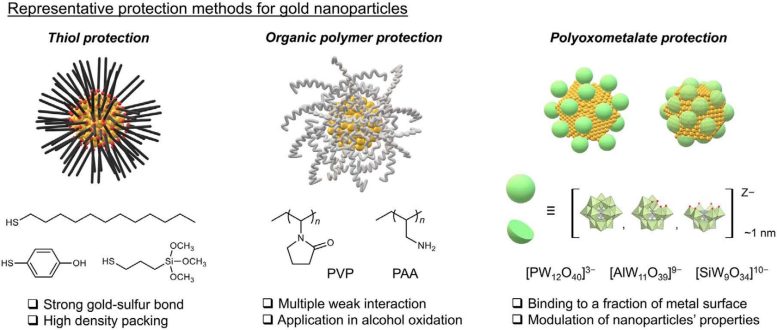
    Thiol and organic polymer protection are two existing ways to add resilience to gold nanoparticles. On the right is a representation of the researchers’ new method using polyoxometalate. Credit: ©2024 Suzuki et al.

    The Innovation Behind Enhanced Gold Catalysts

    “Gold is a wonderful metal and is rightly praised in society, and especially in science,” said Associate Professor Kosuke Suzuki from the Department of Applied Chemistry at the University of Tokyo.

    “It’s great for catalysts and can help us synthesize a range of things, including medicines. The reasons for this are that gold has a low affinity for absorbing molecules and is also highly selective about what it binds with, so it allows for very precise control of chemical synthesis processes. Gold catalysts often operate at lower temperatures and pressures compared to traditional catalysts, requiring less energy and reducing environmental impact.”

    Gold Nanoparticle Annular Dark-Field Scanning Transmission Electron Microscopy

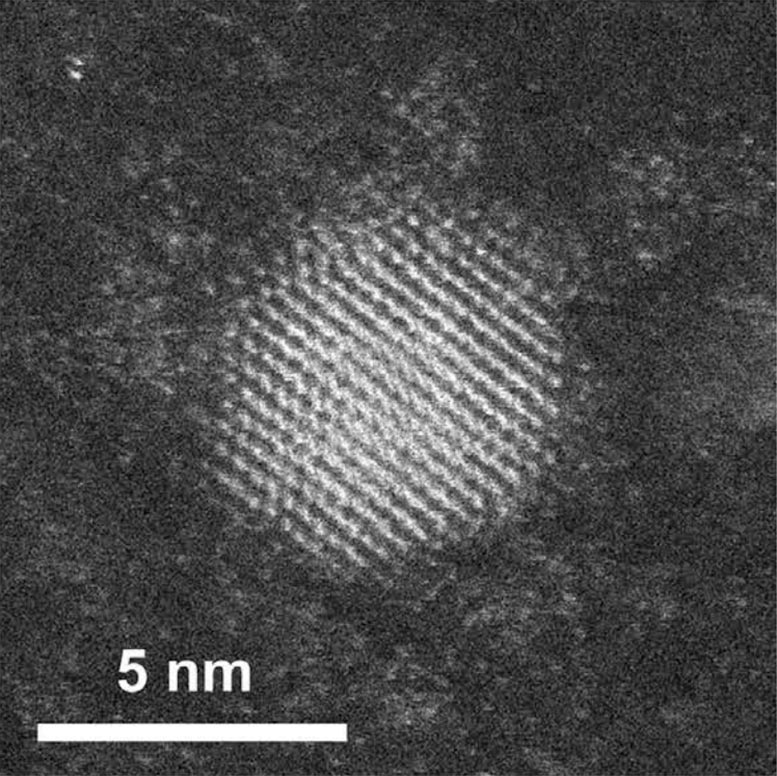
    Atomic resolution image of the researchers’ novel nanoparticle made using a technique called annular dark-field scanning transmission electron microscopy. Credit: ©2024 Suzuki et al.

    As good as gold is, though, it does have some drawbacks. It becomes more reactive the smaller particles are made of it, and there is a point at which a catalyst made with gold can begin to suffer negatively from heat, pressure, corrosion, oxidation, and other conditions. Suzuki and his team thought they could improve upon this situation and devised a novel protective agent that could allow a gold catalyst to maintain its useful functions but across a greater range of physical conditions that usually hinder or destroy a typical gold catalyst.

    “Current gold nanoparticles used in catalysts have some level of protection, thanks to agents such as dodecanethiols and organic polymers. But our new one is based on a cluster of metal oxides called polyoxometalates and it offers far superior results, especially in regard to oxidative stress,” said Suzuki.

    “We are currently investigating the novel structures and applications of polyoxometalates. This time we applied the polyoxometalates to gold nanoparticles and ascertained the polyoxometalates improve the nanoparticles’ durability. The real challenge was applying a wide range of analytical techniques to test and verify all this.”

    A Comprehensive Analytical Approach

    The team used a variety of techniques collectively known as spectroscopy. It employed no less than six spectroscopic methods which vary in the kinds of information they reveal about a material and its behavior. But generally speaking, they work by casting some kind of light onto a substance and measuring how that light changes in some way with specialized sensors. Suzuki and his team spent months running various tests and different configurations of their experimental material until they found what they were seeking.

    Future Directions and Societal Benefits

    “We’re not just driven by trying to improve some methods of chemical synthesis. There are many applications of our enhanced gold nanoparticles that could be used to benefit society,” said Suzuki.

    “Catalysts to break down pollution (many gasoline cars already have a familiar catalytic converter), less impactful pesticides, green chemistry for renewable energy, medical interventions, sensors for foodborne pathogens, the list goes on. But we also want to go further.

    “Our next steps will be to improve the range of physical conditions we can make gold nanoparticles more resilient to, and also see how we can add some durability to other useful catalytic metals like ruthenium, rhodium, rhenium and, of course, something people prize even more highly than gold: platinum.”

    Reference: “Ultra-stable and highly reactive colloidal gold nanoparticle catalysts protected using multi-dentate metal oxide nanoclusters” by Kang Xia, Takafumi Yatabe, Kentaro Yonesato, Soichi Kikkawa, Seiji Yamazoe, Ayako Nakata, Ryo Ishikawa, Naoya Shibata, Yuichi Ikuhara, Kazuya Yamaguchi and Kosuke Suzuki, 6 February 2024, Nature Communications.
    DOI: 10.1038/s41467-024-45066-9

    The study had financial support from JST FOREST (JPMJFR213M for K.S., JPMJFR2033 for R.I.), JST PRESTO (JPMJPR18T7 for K.S., JPMJPR19T9 for S.Y., JPMJPR20T4 for A.N., JPMJPR227A for T.Y.), JSPS KAKENHI (22H04971 for K.Ya), and the JSPS Core-to-Core program. XAFS measurements were conducted at SPring-8 with the approval of the Japan Synchrotron Radiation Research Institute (proposal numbers: 2023A1732, 2023A1554, 2022B1860, 2022B1684). A part of this work was supported by Advanced Research Infrastructure for Materials and Nanotechnology in Japan (ARIM) of the Ministry of Education, Culture, Sports, Science and Technology (MEXT), Grant Number JPMXP1222UT0184 and JPMXP1223UT0029.


    [ad_2]

    Source link

  • SERS and Gold: Unraveling the Aromatic Code

    SERS and Gold: Unraveling the Aromatic Code

    [ad_1]

    By

    Gold Chemistry Nanoparticles Art Concept

    A breakthrough in detecting aromatic molecules on gold surfaces has been achieved through Surface-enhanced Raman Spectroscopy, offering new insights into molecular interactions and detection methods. Credit: SciTechDaily.com

    A breakthrough in detecting aromatic molecules on gold surfaces has been achieved through Surface-enhanced Raman Spectroscopy, offering new insights into molecular interactions and detection methods.

    A research team led by Prof. Liangbao Yang from Hefei Institutes of Physical Science, Chinese Academy of Sciences (CAS), has observed the interactions between aromatic molecules and Au surfaces on a single Au nanodimer by Surface-enhanced Raman Spectroscopy (SERS).

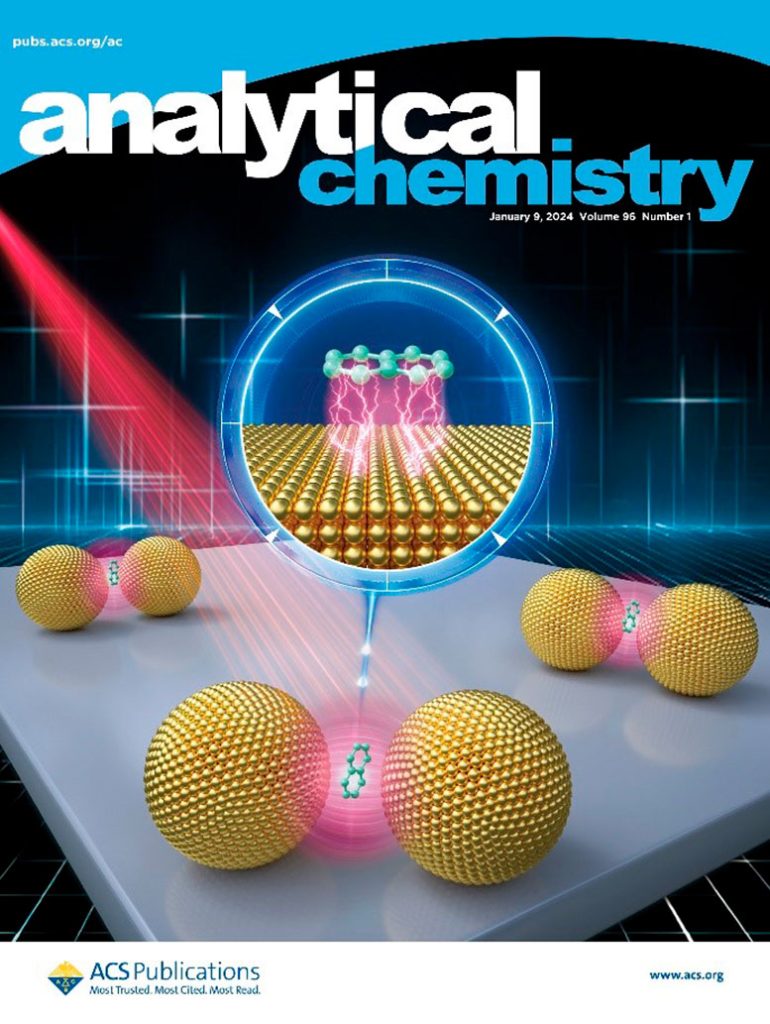
    The results were published in the journal Analytical Chemistry, and were selected as the front cover of the issue.

    Unveiling Molecular Interactions

    Interface interaction between aromatic molecules and noble metals plays a prominent role in fundamental science and technological applications. However, due to the limitation of characterization technology and the complexity of experimental conditions, there is still a lack of quantitative understanding of the specific mechanism of this interaction under environmental conditions.

    To solve this problem, the research team constructed Au nanodimer structure with subnanometer gap.

    Based on this structure, scientists obtained surface molecular vibration spectrum information with the help of SERS.

    Scientists Unlock Secrets of Aromatic Molecules Interaction With Gold

    The paper was selected for the front cover of Analytical Chemistry. Credit: Guoliang Zhou

    Advancements in SERS Detection

    This innovative approach not only facilitated the collection of detailed molecular information but also enhanced the sensitivity of SERS detection for polycyclic aromatic hydrocarbons (PAHs).

    They found that the SERS sensitivity of PAHs increases as the number of aromatic rings in the molecule increases. This provides a new idea for the highly sensitive detection of aromatic molecules.

    At the same time, the physical adsorption types of aromatic molecules on the Au surface and the electron density distribution at the interface are also revealed.

    Implications for Future Research

    The implications of this research are vast, demonstrating SERS’s potential in probing interfacial interactions at the molecular level. This work opens new avenues for basic research and technological advancements in the field, marking a significant step forward in our understanding of molecular interactions on noble metal surfaces.

    Reference: “Observing π–Au Interaction between Aromatic Molecules and Single Au Nanodimers with a Subnanometer Gap by SERS” by Guoliang Zhou, Pan Li, Yuanhui Xiao, Siyu Chen, Shirui Weng, Ronglu Dong, Dongyue Lin, De-Yin Wu and Liangbao Yang, 28 November 2023, Analytical Chemistry.
    DOI: 10.1021/acs.analchem.3c03600


    [ad_2]

    Source link