Tag: Heart

  • SARS-CoV-2-associated ARDS can damage the heart without direct infection

    SARS-CoV-2-associated ARDS can damage the heart without direct infection

    [ad_1]

    SARS-CoV-2, the virus that causes COVID-19, can damage the heart even without directly infecting the heart tissue, a National Institutes of Health-supported study has found. The research, published in the journal Circulation, specifically looked at damage to the hearts of people with SARS-CoV2-associated acute respiratory distress syndrome (ARDS), a serious lung condition that can be fatal. But researchers said the findings could have relevance to organs beyond the heart and also to viruses other than SARS-CoV-2.

    Scientists have long known that COVID-19 increases the risk of heart attack, stroke, and Long COVID, and prior imaging research has shown that over 50% of people who get COVID-19 experience some inflammation or damage to the heart. What scientists did not know is whether the damage occurs because the virus infects the heart tissue itself, or because of systemic inflammation triggered by the body’s well-known immune response to the virus.

    This was a critical question and finding the answer opens up a whole new understanding of the link between this serious lung injury and the kind of inflammation that can lead to cardiovascular complications. The research also suggests that suppressing the inflammation through treatments might help minimize these complications.”


    Michelle Olive, Ph.D., Associate Director, Basic and Early Translational Research Program at the National Heart, Lung, and Blood Institute (NHLBI)

    To reach their findings, the researchers focused on immune cells known as cardiac macrophages, which normally perform a critical role in keeping the tissue healthy but can turn inflammatory in response to injury such as heart attack or heart failure. The researchers analyzed heart tissue specimens from 21 patients who died from SARS-CoV-2-associated ARDS and compared them with specimens from 33 patients who died from non-COVID-19 causes. They also infected mice with SARS-CoV-2 to follow what happened to the macrophages after infection.

    In both humans and mice, they found the SARS-CoV-2 infection increased the total number of cardiac macrophages and also caused them to shift from their normal routine and become inflammatory.

    When macrophages are no longer doing their normal jobs, which includes sustaining the metabolism of the heart and clearing out harmful bacteria or other foreign agents, they weaken the heart and the rest of the body, said Matthias Nahrendorf, M.D., Ph.D., professor of Radiology at Harvard Medical School and senior author on the study.

    The researchers then designed a study in mice to test whether the response they observed happened because SARS-CoV-2 was infecting the heart directly, or because the SARS-CoV-2 infection in the lungs was severe enough to render the heart macrophages more inflammatory. This study mimicked the lung inflammation signals, but without the presence of the actual virus. The result: even in the absence of a virus, the mice showed immune responses strong enough to produce the same heart macrophage shift the researchers observed both in the patients who died of COVID-19 and the mice infected with SARS-CoV-2 infection.

    “What this study shows is that after a COVID infection, the immune system can inflict remote damage on other organs by triggering serious inflammation throughout the body – and this is in addition to damage the virus itself has directly inflicted on the lung tissue,” said Nahrendorf. “These findings can also be applied more generally, as our results suggest that any severe infection can send shockwaves through the whole body.”

    The research team also found that blocking the immune response with a neutralizing antibody in the mice stopped the flow of inflammatory cardiac macrophages and preserved cardiac function. While they have yet to test this in humans, Nahrendorf said a treatment like this could be used as a preventive measure to help COVID-19 patients with pre-existing conditions, or people who are likely to have more severe outcomes from SARS-CoV-2 associated ARDS.

    Source:

    Journal reference:

    Grune, J., et al. (2024) Virus-induced ARDS causes cardiomyopathy through eliciting inflammatory responses in the heart. Circulation. doi.org/10.1161/CIRCULATIONAHA.123.066433.

    [ad_2]

    Source link

  • Regular intake of sugary drinks, fruit juices tied to higher Type 2 diabetes risk in boys

    Regular intake of sugary drinks, fruit juices tied to higher Type 2 diabetes risk in boys

    [ad_1]

    A small, long-term study of almost 500 children in Massachusetts has found that regularly drinking sugary drinks and 100% fruit juices during childhood and adolescence may be linked to a higher risk of developing Type 2 diabetes among boys than girls, according to preliminary research to be presented at the American Heart Association’s Epidemiology and Prevention│Lifestyle and Cardiometabolic Scientific Sessions 2024, March 18- 21, in Chicago. The meeting offers the latest science on population-based health and wellness and implications for lifestyle.

    While these findings are preliminary, they support the existing evidence about the potential relationship between beverages with added sugar and long-term risk of Type 2 diabetes in children. Pediatricians and other health care professionals should caution young patients and their parents about sugary drinks and fruit juices when discussing healthy eating habits.”


    Soren Harnois-Leblanc, Ph.D., lead investigator, registered dietitian and postdoctoral researcher in the department of population medicine at Harvard Pilgrim Health Care Institute and Harvard Medical School

    According to a 2022 American Heart Association fact sheet about sugary drinks, nearly two-thirds of children and adolescents in the U.S. consume at least one sugary drink, such as soda, lemonade or an energy drink, each day. It also notes that in addition to weight gain, eating too many foods with added sugars, especially from sugary drinks, raises the risk of developing heart disease, high blood pressure, Type 2 diabetes and tooth decay.

    Using data from Project Viva, an ongoing long-term study of women and their children in eastern Massachusetts that began in 1999, researchers explored whether drinking sugary drinks, 100% fruit juices and eating fresh fruits were associated with markers for developing Type 2 diabetes. Researchers calculated the average consumption of sugary drinks, 100% fruit juices, and fresh fruits over childhood and adolescence based on dietary records and assessed their potential associations to three markers of Type 2 diabetes: insulin resistance, fasting blood glucose level and HbA1c levels. These markers were measured by a single blood test while fasting in late adolescence (approximately age 17).

    The analysis found:

    • Each daily serving of sugary drinks (approx. 8 ounces) during childhood and adolescence among boys was associated with a 34% increase in insulin resistance; a 5.6 milligrams per deciliter (mg/dl) increase in fasting glucose levels; and a 0.12% increase in HbA1c levels in late adolescence.
    • Drinking 100% fruit juice throughout childhood and adolescence was linked to a 0.07% increase in HbA1c levels in late adolescence per daily serving of 100% fruit juice among the boys in the study, with only a slight increase in girls of 0.02%.
    • Eating fresh fruit during childhood and adolescence did not appear to have a positive or negative effect on the risk of developing Type 2 diabetes among the boys or girls in the study, according to Harnois-Leblanc.

    The associations between regularly drinking sugar-sweetened beverage and insulin resistance, fasting blood glucose levels and elevated HbA1c levels among boys persisted when other health, family and social factors were considered. These factors included socioeconomic status; child’s and mother’s body mass index; mother’s age at time of child’s birth; maternal and paternal history of Type 1 or Type 2 diabetes; overall diet quality and other lifestyle behaviors.

    “Although several aspects of biology and behaviors differ between boys and girls, I would have expected to also find an association between sugar-sweetened beverages and fruit juice intake and the increases in insulin resistance, glycemia and HbA1c levels in late-adolescent girls. I was also surprised that eating whole fruits did not reduce the levels of these markers of Type 2 diabetes,” Harnois-Leblanc said.

    “The next steps are to use more advanced statistical tools to enable us to better understand the potential causal role of sugary drinks and fruit juices, and to examine whether the relationships may also differ among children by race and/or ethnicity.”

    Study background and details:

    • Researchers analyzed data of children of the 2,128 pregnant women who had children while enrolled in Project Viva. 972 of the children met criteria for inclusion in this study (parent-completed questionnaires at the child’s age-3 examination and no personal or parental history of Type 1 or Type 2 diabetes, assessed separately from parental history of Type 2 diabetes). Of the 972 children, 455 had a fasting blood sample collected at a research visit in late adolescence, Harnois-Leblanc noted.
    • 240 of the children in the study were girls and 215 were boys.
    • Project Viva is a long-term study of women and their children in eastern Massachusetts that began enrollment in 1999. The study is focused on improving maternal and child health by examining the potential impact of various life and health factors during and after pregnancy on the mother’s health and their children’s health, including a review of diet and nutrition. Children were followed from birth to late adolescence, up to age 20 at most recent follow-up.
    • Researchers evaluated the frequency of drinking sugary drinks, fruit juices and eating fresh fruit (based on standard serving sizes) from questionnaires completed by the parent at the child’s age of approximately 3, 8 and 13 years old; and measured fasting blood glucose, insulin and HbA1c levels in late adolescence (average age of 17.4 years).

    The study had several limitations. Although it found an association between regularly drinking sugary drinks and fruit juices and the development of markers for Type 2 diabetes, it could not prove that the drinks caused Type 2 diabetes. Additionally, the relatively small number of study participants may have affected the strength of the association found between sugary drinks and fruit juices and the increased risk of developing Type 2 diabetes.

    “Diet and cardiometabolic health are complex, with many factors varying over time and interacting in different ways, and this study represents one small piece of this puzzle,” Harnois-Leblanc said.

    American Heart Association nutrition committee member Penny M. Kris-Etherton, Ph.D., R.D., FAHA, said, “This study has shown that greater sugar sweetened beverage intake, including fruit juice, throughout childhood and adolescents is associated with higher markers of diabetes risk in late adolescents in boys but not girls. It is striking that many measures of Type 2 diabetes risk were increased in boys at such an early age.”

    Kris-Etherton, an emeritus professor of nutritional sciences at Penn State University, was also a co-author of the Association’s 2018 science advisory on low-calorie sweetened beverages and cardiometabolic health.

    “Importantly, although fruit intake did not appear to be protective, it nonetheless was not associated with increased Type 2 diabetes risk,” she said. “These findings support the current dietary recommendations of the Association, and many organizations, to limit or eliminate drinking sugar sweetened beverages and instead consume whole fruits, which are high in so many nutrients especially the shortfall nutrients in the average American diet.” (Shortfall nutrients are the vitamins and nutrients that people are missing each day from the foods they eat; long-term deficiencies in some vitamins and nutrients have been linked to adverse health outcomes.)

    The health care resource called Know Diabetes by Heart, developed by the American Heart Association and the American Diabetes Association, provides information about preventing heart disease and stroke while living with Type 2 diabetes. The initiative aims to raise awareness and understanding of the link between Type 2 diabetes and cardiovascular disease, provide resources and support to help people better manage their risk for heart disease and stroke, support health care professionals by sharing the latest clinical guidelines and science and engage health systems to improve quality of care for people with Type 2 diabetes.

    [ad_2]

    Source link

  • Study highlights causal associations between gut microbes and hypothyroidism

    Study highlights causal associations between gut microbes and hypothyroidism

    [ad_1]

    In a recent study published in Frontiers in Nutrition, researchers explored the association between the microbial community of the gut and hypothyroidism.

    Study: Cross-talk between the gut microbiota and hypothyroidism: a bidirectional two-sample Mendelian randomization study. Image Credit: sdecoret/Shutterstock.comStudy: Cross-talk between the gut microbiota and hypothyroidism: a bidirectional two-sample Mendelian randomization study. Image Credit: sdecoret/Shutterstock.com

    Background

    Hypothyroidism is a hormonal imbalance characterized by diminished thyroid gland activity and insufficient thyroid hormone synthesis, which can lead to heart disease, infertility, and poor brain development in children.

    It has a tremendous economic and social impact on the individuals impacted. Research has revealed that the gut microbiome might indirectly influence thyroid function, with studies indicating a drop in Prevotella in hypothyroid patients and an increase in Phascolarctobacterium, resulting in decreased bacterial diversity and richness.

    Gut microorganisms create short-chain fatty acids (SCFAs), which control thyroid cell expression and keep the intestinal barrier intact. Inadequate iodine consumption is a major cause of hypothyroidism, as the gut flora influences mineral absorption and enzyme activity in thyroid hormone production.

    However, the precise relationship between gut microbes and hypothyroidism is unknown due to historical case-control studies and confounding variables such as age, environment, nutrition, and lifestyle.

    Understanding the association between the intestinal microbiome and hypothyroidism requires extensive research into the underlying reasons and the development of novel therapeutic options.

    About the study

    The present two-sample and bidirectional Mendelian randomization (MR) researchers investigated whether gut microbes causally affect hypothyroidism development.

    The team analyzed summary statistical data from genome-wide association studies (GWAS) provided by the FinnGen [26,342 hypothyroidism cases of hypothyroidism with 59,827 controls; 16,378,441 single-nucleotide polymorphisms (SNPs)] and MiBioGen consortia (n = 18,430).

    They selected instrumental variables (IVs) from the MiBioGen consortium dataset, targeting SNPs related to gut microbial composition and gauging IV heterogeneity using Cochran’s Q statistics.

    The team used several techniques, including the weighted median, MR-Egger, simple model, weighted model, inverse variance weighted (IVW), and MR-PRESSO, to determine whether gut microbes are causally associated with hypothyroidism.

    They also performed reverse MR assessments for microbes that showed causal associations with hypothyroidism development in forward MR evaluation. For sensitivity analysis, they assessed horizontal pleiotropy and performed a leave-one-out analysis.

    The researchers analyzed the 16S ribosomal ribonucleic acid (rRNA) gene variable sites V1-V2, V3-V4, and V4 to assess gut microbial abundances and taxonomic classifications by direct-type taxonomic binning.

    They mapped microbiome quantitative trait loci (mbQTL) to detect genetic variants related to specific loci associated with gut bacteria. The researchers analyzed 119 taxa at the genus level, using 1,231 single-nucleotide polymorphisms as instrumental variables for assessment.

    Results and discussion

    In the IVW analysis, Akkermansia species (odds ratio 0.8), Ruminococcaceae UCG-011 isolate (odds ratio 0.9), Butyrivibrio species (odds ratio 0.9), and Holdemania species (odds ratio 0.9) exhibited protective effects against hypothyroidism.

    In contrast, Anaerostipes species (odds ratio 1.2), Intestinimonas species (odds ratio 1.1), and Ruminiclostridium species (odds ratio 1.2) were detrimental to hypothyroidism.

    Reverse MR estimates indicated no significant effects of hypothyroidism on the gut microbiome. Cochran’s Q statistics showed no significant heterogeneity among instrumental variables. The sensitivity analyses demonstrated the non-significant horizontal pleiotropy, and no SNPs considerably impacted the relationship between gut microbes and hypothyroidism.

    Akkermansia, a gut microbe that strengthens the intestinal lining, boosts the mucus layer and regulates the immune system, is a promising probiotic or live biotherapeutic product therapy. Its intestinal repair and immunomodulatory functions may provide new insights into hypothyroidism prevention and treatment.

    Butyrivibrio bacteria, which break down plant fibers and produce butyric acid, can generate SCFAs and promote intestinal well-being, which may be a significant factor in hypothyroidism.

    Holdemania is associated with several illnesses, including Parkinson’s disease and delirium. Hypothyroidism, characterized by reduced thyroid hormone levels, can lead to neuropsychiatric symptoms.

    Excessive alcohol consumption is associated with elevated levels of Holdemania in the gastrointestinal tract, reducing butyric acid concentration.

    The results indicated that anaerostipes, specialized anaerobes producing acetic and butyric acids, may contribute to hypothyroidism.

    The finding may be due to confounding factors like age, sex, ethnicity, dietary habits, and medications. Hypothyroidism can cause impaired gastrointestinal motility and overgrowth of intestinal flora, potentially altering Anaerostipes abundance during recovery.

    The study showed causal relationships between Akkermansia species and hypothyroidism, with increased Akkermansia inhibiting incidence and progression.

    The researchers identified probiotics like Akkermansia, Holdemania, Ruminococcaceae UCG-011, and Butyrivibrio that protect against hypothyroidism, while Intestinimonas, Anaerostipes, and Ruminiclostridium had contrasting effects. However, additional randomized clinical trials are required to elucidate precise mechanisms researchers can target for personalized therapies enhancing precision care.

    [ad_2]

    Source link

  • Objective risk information motivates preeclampsia prevention among pregnant patients

    Objective risk information motivates preeclampsia prevention among pregnant patients

    [ad_1]

    A new study in BMC Pregnancy and Childbirth finds that objective information about risk of preeclampsia could be key to driving patient behavior change and creates motivation among pregnant patients to follow provider recommendations on prevention, even among those who are medication-hesitant.

    Key findings include:

    • 91% of the study participants desired predictive testing for preeclampsia
    • 94% reported they would want blood pressure monitoring at home if found to be at high risk 
    • 88% reported they would be more motivated to follow their provider’s medication recommendations if at high risk. This finding was consistent even for individuals who were hesitant to take medication at baseline

    Preeclampsia – a condition that manifests as high blood pressure which impacts 8% of pregnancies – is often silent until symptoms develop and requires emergency intervention, including the need for preterm delivery. Currently, there is no way to predict who is most at-risk for developing complications like preeclampsia early in pregnancy. Women who experience preeclampsia during pregnancy are atincreased risk for heart disease, stroke, and premature death, and children who are born preterm are at increased risk for numerous challenges across their lifespan. While there are medications like baby aspirin that have been shown to lower the risk of preeclampsia for high-risk individuals, reluctance to take aspirin remains a barrier.

    Evidence from other medical fields suggests that when patients know their personalized risk, they act on that information. This study translates insights from cardiology and personalized information on risk of heart disease to obstetrics for the first time. Patients are telling us that if they had objective testing to predict their risk of preeclampsia, it would meaningfully change the way they manage their pregnancies.” 


    Dr. Alison Cowan, FACOG, Head of Medical Affairs at Mirvie and lead author of the study

    While the present study focuses on the hypothetical availability of an objective test to predict preeclampsia, such testing for preeclampsia and other pregnancy complications could soon be available. 

    “Mirvie’s RNA platform focuses on the prediction of pregnancy complications, which is at the leading edge of what’s possible – addressing a huge unmet need in maternal health. Being able to predict who is at highest risk of pregnancy complications presents a massive opportunity for patients to do everything possible to prevent preeclampsia. And for physicians, it’s an important reminder that the toolbox isn’t empty when working with patients on prevention – especially if we can objectively identify who is at highest risk early in the pregnancy,” said Cowan. 

    Mirvie enabled leading researchers and patient advocates to publish the first-ever actionable, evidence-based care plan for preeclampsia, which will translate prediction of risk into prevention of disease. Recommendations include daily aspirin, blood pressure monitoring at home, and lifestyle shifts focused on diet, exercise, and sleep. 

    Methodology

    The study gleaned insights from a digital survey of 1,022 pregnant and recently delivered individuals on sentiments surrounding pregnancy care, knowledge about pregnancy complications, and their anticipated behavior change resulting from predictive testing for complications. 

    Source:

    Journal reference:

    Cowan, A., et al. (2024) Impact of early preeclampsia prediction on medication adherence and behavior change: a survey of pregnant and recently-delivered individuals. BMC Pregnancy Childbirth. doi.org/10.1186/s12884-024-06397-z.

    [ad_2]

    Source link

  • Researchers identify novel protein biomarkers linked to coronary heart disease

    Researchers identify novel protein biomarkers linked to coronary heart disease

    [ad_1]

    Coronary heart disease is a major global health problem, especially among people with type 2 diabetes. Researchers at the German Center for Diabetes Research (DZD), Helmholtz Munich, and Ludwig-Maximilians-University Munich (LMU) have identified novel protein biomarkers that are associated with the development of CHD in people with and without diabetes. The results have been published in Cardiovascular Diabetology.ase (CHD) is one of the most common causes of death worldwide-;especially in Europe: Here, it is responsible for nearly half of all deaths. Among middle-aged adults, individuals with type 2 diabetes (T2D) have a two to four times higher risk of developing CHD than people without T2D. The research team investigated the predictive performance of protein biomarkers on incident CHD in individuals with and without T2D.

    For their study, the researchers used data from Cooperative Health Research in the Region of Augsburg (KORA). The validation cohort included 888 participants from the KORA-Age1 study with 70 incident cases of CHD (19 vs. 51 cases in the group with T2D and without T2D, respectively) during 6.9 years of follow-up. They tested blood samples of the subjects for 233 plasma proteins related to cardiovascular disease and inflammation. 

    The researchers thus identified two proteins associated with incident CHD in individuals with diabetes and 29 proteins in those without baseline T2D. Six of these proteins are novel candidates for incident CHD. 

    The results of this study contribute significantly to a better understanding of the pathophysiology of CHD in T2D patients and offer potential new approaches to the prevention and treatment of this serious complication. They underscore the importance of further research in this area and the role of the German Center for Diabetes Research in resolving pressing issues related to diabetes and its complications.

    Source:

    Journal reference:

    Luo, H., et al. (2024). Association of plasma proteomics with incident coronary heart disease in individuals with and without type 2 diabetes: results from the population-based KORA study. Cardiovascular Diabetology. doi.org/10.1186/s12933-024-02143-z.

    [ad_2]

    Source link

  • COVID-19 vaccine associated with reduced risk of cardiac and clot-related complications after SARS-CoV-2 infection

    COVID-19 vaccine associated with reduced risk of cardiac and clot-related complications after SARS-CoV-2 infection

    [ad_1]

    The risk of cardiac and clot-related complications following COVID-19 is substantially reduced in people who receive the COVID-19 vaccination compared with unvaccinated individuals, reports an observational study published online in the journal Heart.

    COVID-19 vaccines proved to be highly effective in reducing the severity of acute SARS-CoV-2 infection, COVID-19-related hospital admission and death.

    And while some COVID-19 vaccines were associated with increased risk of rare but serious complications, such as blood clots and heart inflammation (myocarditis), the risk of these complications was substantially higher after SARS-CoV-2 infection.

    Some studies have suggested that vaccination could protect against these complications of COVID-19, but most did not include long-term complications and were focused on specific populations.

    To address this, researchers set out to study the association between COVID-19 vaccination and the risk of post-COVID-19 cardiac and thromboembolic complications using population data for the UK, Spain and Estonia which included 10.17 million vaccinated people and 10.39 million unvaccinated people.

    Individuals who were vaccinated received either an adenovirus-based vaccine (Oxford/AstraZeneca or Janssen) or one of the mRNA vaccines (BioNTech/Pfizer or Moderna).

    The researchers identified cases of cardiac and thromboembolic complications in the first year after SARS-CoV-2 infection and recorded them according to four post-infection time windows: 0-30, 31-90, 91-180 and 181-365 days after infection.

    A range of potentially influential factors, such as age, sex and pre-existing conditions including chronic lung disease, diabetes, heart disease and a history of blood clots were accounted for in the analysis to minimise bias.

    The results show that COVID-19 vaccination was associated with reduced risks of heart failure, venous thromboembolism (clot within the veins of a limb) and arterial thrombosis/thromboembolism (blood clot in the artery) for up to a year after SARS-CoV-2 infection.

    Reduced risk of other complications, such as ventricular arrhythmia/cardiac arrest (heart attack), myocarditis/pericarditis were also seen but only in the acute phase (first 30 days after infection).

    Compared with unvaccinated individuals, having COVID-19 vaccination was associated with reduced risks of venous thromboembolism by 78%, arterial thrombosis/thromboembolism by 47% and heart failure by 55% in the first 30 days after SARS-CoV-2 infection.

    As time progressed, the protective effects of vaccination waned, but remained at 47%, 28%, and 39% respectively at 91-180 days after infection and 50%, 38%, and 48% respectively at 181-365 days.

    This is an observational study, so can’t establish cause and effect, and the authors highlight some limitations including the inherent data quality concerns and risk of bias with use of real-world data, and potential under-reporting of post-COVID-19 complications.

    However, state-of-the-art statistical methods were used to deal with these limitations and results were consistent across all databases, which they say highlights the robustness and replicability of the findings.

    As such, they conclude, “Our analyses showed a substantial reduction of risk (42-82%) for thromboembolic and cardiac events in the acute phase of COVID-19 associated with vaccination.”

    They add, “Reduced risk in vaccinated people lasted for up to 1 year for post-COVID-19 venous thromboembolism, arterial thrombosis/thromboembolism and heart failure, but not clearly for other complications.”

    The authors suggest that the protective effects of vaccination are “consistent with known reductions in disease severity following breakthrough versus unvaccinated SARS-CoV-2 infection” and say further research is needed on the possible waning of the effect over time and on the impact of booster vaccination.

    Source:

    Journal reference:

    Mercadé-Besora, N., et al. (2024). The role of COVID-19 vaccines in preventing post-COVID-19 thromboembolic and cardiovascular complications. Heart. doi.org/10.1136/heartjnl-2023-323483.

    [ad_2]

    Source link

  • Vitamin D supplementation shows limited benefits for bone and heart health in hypertensive patients

    Vitamin D supplementation shows limited benefits for bone and heart health in hypertensive patients

    [ad_1]

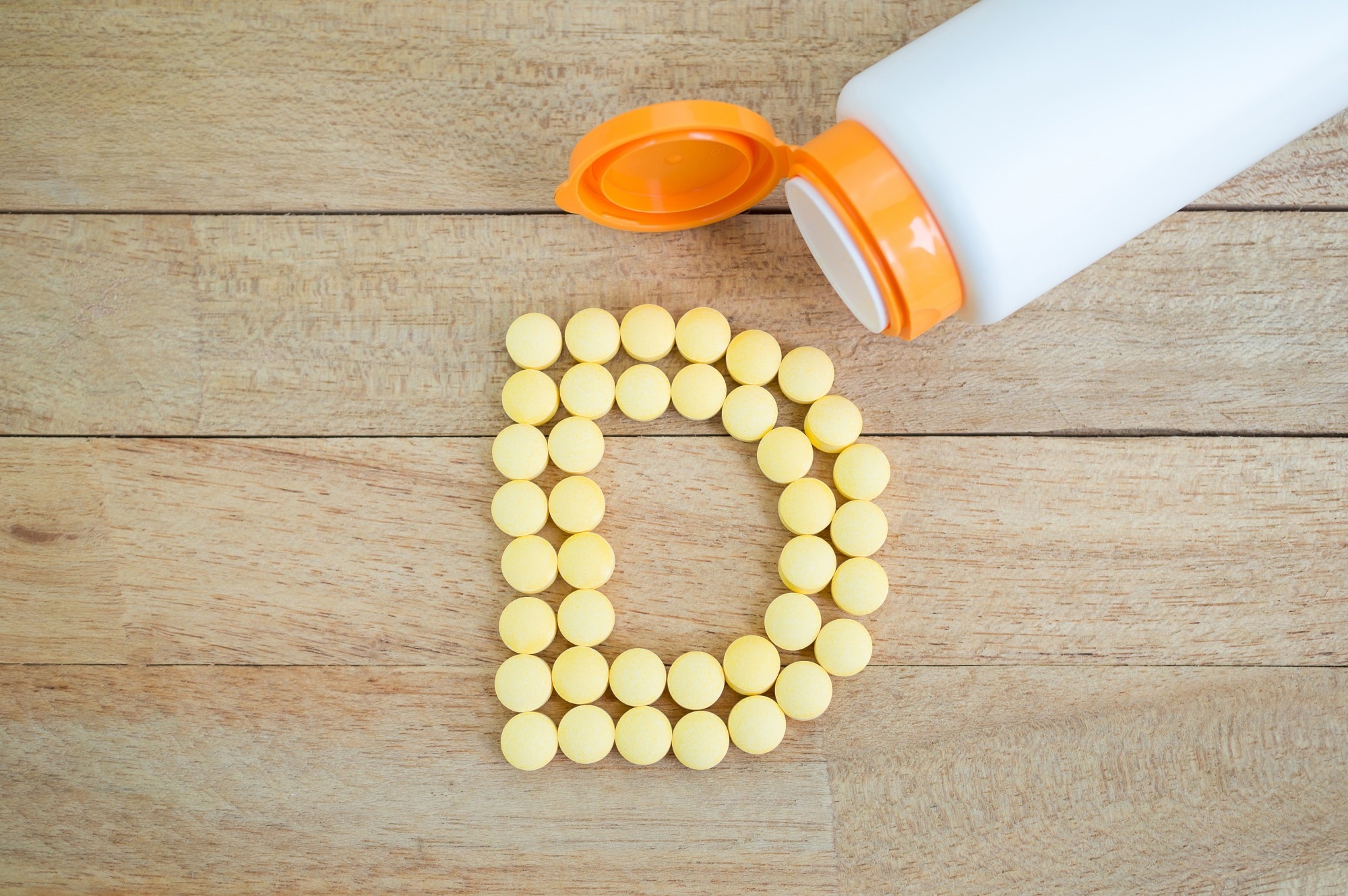
    In a recent study published in the journal Nutrients, researchers evaluated whether the “functional vitamin D deficiency” classification predicts the benefit of vitamin D supplementation on bone and cardiovascular health.

    Study: Classification of Vitamin D Status Based on Vitamin D Metabolism: A Randomized Controlled Trial in Hypertensive Patients. Image Credit: NatchaS / ShutterstockStudy: Classification of Vitamin D Status Based on Vitamin D Metabolism: A Randomized Controlled Trial in Hypertensive Patients. Image Credit: NatchaS / Shutterstock

    Background 

    Measuring serum 25-hydroxyvitamin D (25(OH)D) is widely recognized as the standard method for assessing vitamin D status, though debate continues over the exact thresholds defining deficiency and sufficiency. The relationship between serum 25(OH)D levels and vitamin D needs is complex, as some individuals appear to require significantly different serum levels to meet their vitamin D requirements. The addition of 24,25-dihydroxyvitamin D (24,25(OH)2D) measurements and the calculation of the vitamin D metabolite ratio (VMR) from these two compounds have been proposed as potential markers of “functional vitamin D deficiency,” aiming to refine the assessment of vitamin D status beyond serum 25(OH)D alone. Further research is needed to clarify the effectiveness of the VMR in predicting the benefits of vitamin D supplementation and to establish a consensus on defining functional vitamin D deficiency.

    About the study 

    The present study was a precisely designed, double-blind, placebo-controlled trial targeting 200 hypertensive patients with low serum 25(OH)D levels, specifically those under 75 nmol/L. This initiative was part of a larger screening effort, the Styrian Hypertension Study, which evaluated 518 participants to identify suitable candidates for the randomized controlled trial (RCT). The principal aim was to investigate the effect of daily vitamin D supplementation, dosed at 2,800 international units (IU) over eight weeks, on 24-hour systolic ambulatory blood pressure (ABP) and secondary outcomes, including diastolic ABP and additional cardiovascular risk factors. Ethical approval was secured from the Medical University of Graz’s ethics committee, ensuring informed consent from all participants. This trial was rigorously documented in clinical trial registries, adhering to the Consolidated Standards of Reporting Trials (CONSORT) 2010 guidelines.

    Laboratory analyses were critical to this study, employing a validated Liquid Chromatography-Tandem Mass Spectrometry (LC-MS/MS) method for determining 25(OH)D and 24,25(OH)2D in serum samples stored at −80°C until October 2023. This method consistently passed internal and external quality controls, including Vitamin D External Quality Assessment Scheme (DEQAS) participation. The study also extended its scope to bone markers, including β-CrossLaps (CTX), osteocalcin, procollagen type 1 amino-terminal propeptide (P1NP), and bone-specific alkaline phosphatase (bALP), among other laboratory parameters, using various established techniques.

    Additional parameters related to bone and mineral metabolism were considered in re-analyzing the primary and secondary outcomes from the initial RCT for this investigation. The statistical analysis was thorough, employing analysis of covariance (ANCOVA) for group comparisons, with a particular focus on individuals with functional vitamin D deficiency. 

    Study results 

    In the study, data on the VMR were precisely collected for 505 individuals out of the initial 518. Among these, 192 were identified with vitamin D deficiency, indicated by 25(OH)D levels falling below 50 nmol/L. This distinction set the stage for an in-depth exploration of vitamin D metabolites and their health implications, with the participants’ baseline characteristics thoroughly cataloged and stratified based on their 25(OH)D concentrations. The division into groups with serum levels below and above 50 nmol/L provided a clear comparative framework for assessing vitamin D status across the cohort.

    Further delineation within the data was achieved by comparing those participants with 25(OH)D levels under 50 nmol/L, further categorizing them based on the presence or absence of functional vitamin D deficiency. The data spanned from baseline measurements to follow-up, capturing changes in mineral metabolism and cardiovascular health parameters. This longitudinal perspective was crucial for understanding the dynamic nature of vitamin D’s impact on health outcomes over the course of supplementation.

    The exploration of cardiovascular risk factors was particularly revealing, offering insights into how vitamin D supplementation might influence heart health and related risk profiles in individuals grappling with low serum 25(OH)D levels and functional vitamin D deficiency. 

    Furthermore, when the data were analyzed with a gender-specific lens, the results held steady, indicating that the observed effects of vitamin D supplementation and the implications of functional vitamin D deficiency were consistent across male and female participants. 

    Conclusions 

    To summarize, the study found that hypertensive patients with vitamin D deficiency, particularly those with functional vitamin D deficiency, did not experience significant improvements in bone health or cardiovascular risk factors from vitamin D supplementation, except for a reduction in parathyroid hormone (PTH) levels. A notable finding was the higher prevalence of diabetes and glucose metabolism disorders among those with functional deficiency. Despite utilizing advanced LC-MS/MS methods for precise vitamin D metabolite measurement, significant health benefits were elusive, highlighting the complex regulation of vitamin D metabolism. This research underscores the need for further studies to explore the impact of vitamin D supplementation on individuals with functional vitamin D deficiency.

    Journal reference:

    • Zelzer S, Meinitzer A, Enko D, et al. Classification of Vitamin D Status Based on Vitamin D Metabolism: A Randomized Controlled Trial in Hypertensive Patients. Nutrients (2024), DOI – 10.3390/nu16060839, https://www.mdpi.com/2072-6643/16/6/839 

    [ad_2]

    Source link

  • Researchers sound a clarion call for greater investment in bereavement care

    Researchers sound a clarion call for greater investment in bereavement care

    [ad_1]

    The public health toll from bereavement is well-documented in the medical literature, with bereaved persons at greater risk for many adverse outcomes, including mental health challenges, decreased quality of life, health care neglect, cancer, heart disease, suicide, and death. Now, in a paper published in The Lancet Public Health, researchers sound a clarion call for greater investment, at both the community and institutional level, in establishing support for grief-related suffering.

    The authors emphasized that increased mortality worldwide caused by the COVID-19 pandemic, suicide, drug overdose, homicide, armed conflict, and terrorism have accelerated the urgency for national- and global-level frameworks to strengthen the provision of sustainable and accessible bereavement care. Unfortunately, current national and global investment in bereavement support services is woefully inadequate to address this growing public health crisis, said researchers with Sylvester Comprehensive Cancer Center at the University of Miami Miller School of Medicine and collaborating organizations.

    They proposed a model for transitional care that involves firmly establishing bereavement support services within healthcare organizations to ensure continuity of family-centered care while bolstering community-based support through development of “compassionate communities” and a grief-informed workforce. The model highlights the responsibility of the health system to build bridges to the community that can help grievers feel held as they transition. 

    The Center for the Advancement of Bereavement Care at Sylvester is advocating for precisely this model of transitional care. Wendy G. Lichtenthal, PhD, FT, FAPOS, who is Founding Director of the new Center and associate professor of public health sciences at the Miller School, noted, “We need a paradigm shift in how healthcare professionals, institutions, and systems view bereavement care. Sylvester is leading the way by investing in the establishment of this Center, which is the first to focus on bringing the transitional bereavement care model to life.”

    What further distinguishes the Center is its roots in bereavement science, advancing care approaches that are both grounded in research and community-engaged.

    The authors focused on palliative care, which strives to provide a holistic approach to minimize suffering for seriously ill patients and their families, as one area where improvements are critically needed. They referenced groundbreaking reports of the Lancet Commissions on the value of global access to palliative care and pain relief that highlighted the “undeniable need for improved bereavement care delivery infrastructure.” One of those reports acknowledged that bereavement has been overlooked and called for reprioritizing social determinants of death, dying, and grief.

    Palliative care should culminate with bereavement care, both in theory and in practice. Yet, bereavement care often is under-resourced and beset with access inequities.”


    Wendy G. Lichtenthal, PhD, FT, FAPOS, corresponding author

    Transitional bereavement care model

    So, how do health systems and communities prioritize bereavement services to ensure that no bereaved individual goes without needed support? The transitional bereavement care model offers a roadmap.

    “We must reposition bereavement care from an afterthought to a public health priority. Transitional bereavement care is necessary to bridge the gap in offerings between healthcare organizations and community-based bereavement services,” Lichtenthal said. “Our model calls for health systems to shore up the quality and availability of their offerings, but also recognizes that resources for bereavement care within a given healthcare institution are finite, emphasizing the need to help build communities’ capacity to support grievers.”

    Key to the model, she added, is the bolstering of community-based support through development of “compassionate communities” and “upskilling” of professional services to assist those with more substantial bereavement-support needs.

    The model contains these pillars:

    • Preventive bereavement care –healthcare teams engage in bereavement-conscious practices, and compassionate communities are mindful of the emotional and practical needs of dying patients’ families.
    • Ownership of bereavement care – institutions provide bereavement education for staff, risk screenings for families, outreach and counseling or grief support. Communities establish bereavement centers and “champions” to provide bereavement care at workplaces, schools, places of worship or care facilities.
    • Resource allocation for bereavement care – dedicated personnel offer universal outreach, and bereaved stakeholders provide input to identify community barriers and needed resources.
    • Upskilling of support providers – Bereavement education is integrated into training programs for health professionals, and institutions offer dedicated grief specialists. Communities have trained, accessible bereavement specialists who provide support and are educated in how to best support bereaved individuals, increasing their grief literacy.
    • Evidence-based care – bereavement care is evidence-based and features effective grief assessments, interventions, and training programs. Compassionate communities remain mindful of bereavement care needs.

    Lichtenthal said the new Center will strive to materialize these pillars and aims to serve as a global model for other health organizations. She hopes the paper’s recommendations “will cultivate a bereavement-conscious and grief-informed workforce as well as grief-literate, compassionate communities and health systems that prioritize bereavement as a vital part of ethical healthcare.”

    “This paper is calling for healthcare institutions to respond to their duty to care for the family beyond patients’ deaths. By investing in the creation of the Center for the Advancement of Bereavement Care, Sylvester is answering this call,” Lichtenthal said.

    Source:

    Journal reference:

    Lichtenthal, W. G., et al. (2024). Investing in bereavement care as a public health priority. The Lancet Public Health. doi.org/10.1016/s2468-2667(24)00030-6.

    [ad_2]

    Source link

  • Newly discovered adhesion GPCR mayo controls midgut development in Drosophila

    Newly discovered adhesion GPCR mayo controls midgut development in Drosophila

    [ad_1]

    Adhesion GPCRs belong to the large family of G protein-coupled receptors (GPCRs). There are about 700 variants in humans, which are responsible for sensory impressions, hormonal cycles, controlling the cardiovascular system and more. GPCRs translate stimuli that hit a cell from outside into an intracellular biochemical signal.

    The use of the fruit fly as a model animal allows researchers in this field to gain a deep understanding of human diseases, because the animals are genetically very similar to humans. Scientists estimate that around 75 per cent of the genes involved in human diseases are also found in fruit flies.

    The research team at the Rudolf Schönheimer Institute of Biochemistry at the Faculty of Medicine has discovered three new adhesion GPCR genes in the genome of the fruit fly, or Drosophila. One of them is very old in evolutionary terms, and has been called mayo. In the current publication, the Leipzig scientists demonstrate the functions of this adhesion GPCR using the fruit fly as a living model. “We found that mayo affects the development of the midgut in Drosophila by promoting the growth of enterocytes, the epithelial cells of the intestinal mucosa,” says Dr Beatriz Blanco-Redondo, corresponding author of the study.

    In their publication, the Leipzig scientists also show that the loss of mayo in the intestine accelerates the heart rate of the animals and that they develop dangerous palpitations. The results indicate that the functions of the intestine and heart are linked through the role of mayo in the proliferation of enterocytes. These regulate and secondarily govern ion uptake, systemic potassium levels and heart rate.

    The researchers at Leipzig University studied animals in which the mayo gene had been switched off. They found that these “knockout animals” displayed elongated guts. A similar genetic picture was observed after overexpression of another adhesion GPCR in mouse intestinal cells, resulting in a mega-intestine. The study shows that adhesion GPCRs are also involved in the development of the gastrointestinal tract in other species and that these phenomena may be relevant in humans.

    We are only at the beginning of this research project. The main goal is to identify the signaling pathway in which the adhesion GPCR mayo is involved in order to find out how it controls intestinal development.” 


    Tobias Langenhan, Professor of General Biochemistry at the Rudolf Schönheimer Institute and corresponding author of the study

    Source:

    Journal reference:

    Contreras, F. V., et al. (2024). The adhesion G-protein-coupled receptor mayo/CG11318 controls midgut development in Drosophila. Cell Reports. doi.org/10.1016/j.celrep.2023.113640.

    [ad_2]

    Source link

  • Study shows the economic benefits of reducing socioeconomic disparities in youth physical activity

    Study shows the economic benefits of reducing socioeconomic disparities in youth physical activity

    [ad_1]

    What would happen if the existing disparities in physical activity levels between youth of lower and higher socioeconomic statuses were eliminated? Previous studies have shown that those between 6-17 years of age in lower socioeconomic groups get on average 10-15% less physical activity than those of higher socioeconomic groups. A new study published in the journal JAMA Health Forum on Mar. 15 shows that eliminating such disparities could end up saving society over $15 billion in direct medical costs and productivity losses. This in turn could end up benefiting all taxpayers, anyone who pays insurance premiums, and employers across the country.

    These findings came from a computer simulation model of all the 6-17 year olds in the United States developed and run by the Public Health Informatics, Computational, and Operations Research (PHICOR) team at the City University of New York Graduate School of Public Health and Health Policy (CUNY SPH) along with researchers from the National Heart, Lung and Blood Institute (NHLBI), Adelphi University, and the Centre for Sport Leadership at Stellenbosch University. The model simulated the daily physical activities of each youth, their growth, the impact of the physical activity on their health, the different chronic medical conditions that could emerge, and the resulting costs over time. Simulation experiments showed what could happen if youth were to maintain their current physical activity level, where the aforementioned disparities exist and then what would happen if such disparities were reduced by varying degrees. This included the impact on subsequent health outcomes, the medical treatments and procedures needed, and productivity losses from different perspectives.

    Results from the model show that the cost savings from eliminating the physical activity disparities vary across age, sex and socioeconomic groups. For example, eliminating physical activity disparities saves over $847 million in direct costs and productivity losses for females aged 11-13 years from lower income households, but saves only a little over $41 million for females aged 14-17 years from middle income households. This suggests when limited resources are available, it may be most beneficial to tailor physical activity interventions towards lower income groups. 

    Our work is one of the first studies to show the economic benefits of reducing socioeconomic disparities in physical activity levels among kids in the United States. It shows how investing in programs to get kids from all backgrounds more physically active can reduce costs related to obesity and other chronic diseases, like heart disease, diabetes and cancer. Our work highlights that we can all benefit when we reduce health disparities and move towards greater health equity.”


    Tiffany Powell-Wiley MD, MPH, a Stadtman Investigator and Chief of the Social Determinants of Obesity and Cardiovascular Risk Laboratory at the National Heart, Lung, and Blood Institute (NHLBI) and first author of the study

    Eliminating such disparities could help address the ongoing obesity epidemic in the U.S. The prevalence of obesity and overweight could decrease by 0.83%. This could then prevent 101,000 weight-related disease cases, including stroke, coronary heart disease events, type 2 diabetes, or cancer. Eliminating these disparities in physical activity levels could end up saving 191,000 years of life across the youth cohort’s lifetime.

    Substantial savings could result even if disparities were not fully eliminated but instead were reduced by smaller amounts. For example, reducing such disparities by 25% could still result in around 86,000 fewer cases of obesity/overweight and 26,000 fewer cases of weight-related diseases over the youths’ lifetime. This could save over $4 billion in societal costs, including over $1 billion in direct medical costs and over $2 billion in productivity losses. Reducing disparities by 50% and 75%, increases cost savings from direct medical costs and productivity losses to over $8 billion and almost $13 billion respectively.

    The PHICOR team’s previous work has shown the benefits of overall increases in physical activity among youth. For example, a study published in 2017 in Health Affairs showed that increasing physical activity among children 8-11 years old so that they are engaged in 25 minutes of high-calorie burning physical activity three times a week, could save well over $50 billion. A study published last month in the American Journal of Preventive Medicine showed that meeting the Healthy People 2030 goals for youth sports participation could save the U.S. around $80 billion.

    “These previously published numbers showed what could happen if more youth were to achieve physical activity and sports participation guidelines,” explained Marie Martinez, MSPH, a senior analyst with PHICOR and co-author of the study. “But if the focus of physical activity efforts is primarily on those of higher socioeconomic status, simply increasing overall numbers can end up leaving those with lower socioeconomic statuses behind. Our most recent study quantifies the value of achieving more equity in physical activity levels among youth.”

    Many factors may be contributing to the lower physical activity levels seen among those of lower socioeconomic status living in poorer neighborhoods. Such neighborhoods often don’t have high quality facilities or locations that support youth physical activity, such as parks, schoolyards, gyms, and recreation centers, and oftentimes lack quality school physical education programs as well. Additionally, parents oftentimes have high demands on their time, conflicting work schedules, and financial constraints that make it difficult to get their children physically active.

    “The physical inactivity epidemic and the obesity epidemic that the U.S. is facing right now are due in large part to broken systems and such systems are even more broken for those making less money,” explained Bruce Y. Lee, MD, MBA, professor of Health Policy Management at CUNY SPH, executive director of PHICOR, and senior author of the study. “Our study showed how improving the surroundings and conditions for those of lower socioeconomic status could end up benefiting everyone around the country.”

    Source:

    Journal reference:

    Powell-Wiley, T. M., et al. (2024). Health and Economic Value of Eliminating Socioeconomic Disparities in US Youth Physical Activity. JAMA Health Forum. doi.org/10.1001/jamahealthforum.2024.0088.

    [ad_2]

    Source link