Tag: Heart

  • Cedars-Sinai researchers discover why some injured kidneys heal while others develop scarring

    Cedars-Sinai researchers discover why some injured kidneys heal while others develop scarring

    [ad_1]

    Cedars-Sinai investigators have discovered why some injured kidneys heal while others develop scarring that can lead to kidney failure. Their findings, detailed in a paper published in the peer-reviewed journal Science, could lead to the development of noninvasive tests to detect kidney scarring and, eventually, new therapies to reverse the condition.

    The key to this discovery was our ability to directly compare injured kidney cells that successfully regenerated with those that did not. Injured cells activate a protein called SOX9 to regenerate themselves. When they have healed, the cells silence this protein. Cells that aren’t able to regenerate leave SOX9 active, and this leads to a type of scarring called fibrosis. But when we deactivate SOX9 in a timely fashion, the scarring literally goes away.”


    Sanjeev Kumar, MD, PhD, nephrologist-scientist in the Board of Governors Regenerative Medicine Institute and the Department of Medicine at Cedars-Sinai and senior author of the study

    The kidneys, two fist-sized organs that filter waste from the blood, can be injured by diabetes and high blood pressure, serious infections such as COVID-19, and overuse of antibiotics and non-steroidal anti-inflammatory pain medications, said Kumar, who is also part of the Department of Biomedical Sciences at Cedars-Sinai. 

    The SOX9 protein plays a major role in organ development but is not active in healthy adult kidneys. In previous work at another institution, Kumar and team found that when kidneys are injured, the surviving cells reactivate SOX9 as part of the healing process.

    In this study, Kumar and fellow investigators studied kidney damage in laboratory mice. They labeled individual cells at the point of injury, then followed how the cells’ progeny evolved over time.

    “At Day 10, some cells’ descendants were fully healed while others were not,” Kumar said. “The cell lineage that healed had switched off SOX9 expression, while the unhealed lineage, in a continuing attempt to fully regenerate, maintained SOX9 activity. It’s like a sensor that switches on when cells want to regenerate, and off when they are restored, and we are the first to identify this.” 

    Further, investigators discovered that cells that were unable to regenerate began recruiting proteins called Wnts, another key player in organ development. Over time, this accumulation of Wnts triggered scarring. And they found that deactivating SOX9 a week after injury promoted kidney recovery.

    Investigators observed the same process in patient databases from collaborating institutions in Switzerland and Belgium.

    “We could see that by Day 7, human patients with transplanted kidneys that were slow to begin working also activated SOX9,” Kumar said. “And in our collaborators’ database, we were able to distinguish that patients who had sustained SOX9 activation had lower kidney function and more scarring than those who did not. Human kidneys with cells that maintained SOX9 were also enriched with Wnts and showed increased fibrosis.”

    These discoveries provide targets for drug development, as well as for noninvasive biomarker discovery permitting diagnosis of kidney fibrosis through the urine, Kumar said. Currently, the only available test for kidney fibrosis is a biopsy, which carries many risks.

    “Elucidating the mechanisms of scarless healing versus fibrosis has eluded investigators for decades and has implications beyond the kidney, including for certain cancers,” said Paul Noble, MD, chair of the Department of Medicine and director of the Women’s Guild Lung Institute at Cedars-Sinai and a co-author of the study.

    The findings could also lead to new treatment options for patients, said Clive Svendsen, PhD, executive director of the Board of Governors Regenerative Medicine Institute at Cedars-Sinai and a co-author of the study.

    “These findings help us understand for the first time how the kidney’s response to injury sometimes leads to fibrosis,” Svendsen said. “Future work along these lines could also advance our understanding of fibrosis in the heart, lungs and liver.”

    Source:

    Journal reference:

    Aggarwal, S., et al. (2024) SOX9 switch links regeneration to fibrosis at the single-cell level in mammalian kidneys. Science. doi.org/10.1126/science.add6371.

    [ad_2]

    Source link

  • Major study of 59 million Americans finds fine particulate matter from air pollution increases heart disease risks

    Major study of 59 million Americans finds fine particulate matter from air pollution increases heart disease risks

    [ad_1]

    In a recent study published in BMJ, researchers assessed exposure-response relationships between chronic fine-size particulate matter (PM2.5) exposure and the probability of first-time hospitalization for cardiovascular disease (CVD) subgroups.

    Study: Exposure-response associations between chronic exposure to fine particulate matter and risks of hospital admission for major cardiovascular diseases: population based cohort study. Image Credit: Kzenon/Shutterstock.comStudy: Exposure-response associations between chronic exposure to fine particulate matter and risks of hospital admission for major cardiovascular diseases: population based cohort study. Image Credit: Kzenon/Shutterstock.com

    Background

    PM2.5, a minor component of air pollution, contributes considerably to CVD by inducing inflammation, vasoconstriction, cardiac electrical abnormalities, and blood clot formation.

    Chronic exposure raises the risk of CVD-related hospitalization and death. Studies frequently focus on one or two CVD subtypes, neglecting to detect susceptible ones.

    Comparing effect sizes across subtypes might help us understand processes and advise targeted strategies to lessen the impact of PM2.5.

    About the study

    In the present population-based cohort study, researchers evaluated exposure-response correlations between chronic PM2.5 exposure and the probability of initial hospitalization for seven main CVD subtypes and their composite.

    The study covered Medicare beneficiaries aged 65 years and above in the continental United States (US) from 2000 to 2016. The team linked calibrated fine particulate matter estimations to each participant’s residence postal code as a proxy for exposure assessment.

    The primary outcome measures were the initial hospitalization risks for cerebrovascular diseases, ischemic heart diseases, cardiomyopathy, heart failure, valvular heart diseases, abdominal and thoracic aortic aneurysms, arrhythmia, or a combination of these cardiovascular disease subtypes.

    The researchers created a causal-type framework resistant to confounding effects and bias caused by inaccuracies in exposure-response estimations.
    The study included Medicare beneficiaries aged 65 years and above residing in the United States (US) and registered with the fee-for-service program from 2000 to 2016.

    The researchers created a distinct cohort for each CVD subtype by tracking each beneficiary annually till the initial hospitalization for that CVD subtype, death, or study termination, whichever came first.

    They created another study cohort by monitoring each beneficiary year till the initial hospitalization for the examined CVDs, mortality, or study termination, whichever occurred first, to investigate the risk of the initial hospitalization for the composite CVD outcome.

    The researchers utilized spatially weighted logistic regressions to estimate ambient PM2.5 values daily at 1.0 km2 grids across the United States from 2000 to 2016.

    They blended predictions from machine-learning-based algorithms and incorporated information sources such as weather, satellite imagery, land use factors, monitoring information, and chemical model simulations.

    They used regression calibrations to improve grid-level particulate matter estimations and eliminate biases in health-effect estimations caused by exposure errors.

    Results

    The research included 59,761,494 individuals with 476,953,892 follow-up years; the majority were white (84%), with a higher number of female beneficiaries (55%). Most participants (75%) were between the ages of 65 and 74 when they began the research.

    During the trial, 18% of participants registered with Medicaid. 22% required hospitalization due to a combination of cardiovascular diseases. The most frequent CVD subtype was ischemic heart illness, which affected 8.8% of recipients.

    Other common illnesses were cerebrovascular disease (7.7%), heart failure (6.6%), and arrhythmia (6.5%). Three-year mean exposure to PM2.5 was related to an increase in the relative risk of initial hospitalization for cerebrovascular illnesses, ischemic heart diseases, cardiomyopathy, heart failure, abdominal and thoracic aortic aneurysms, and arrhythmia.

    Exposure-response curves for composite cardiovascular disease showed a monotonically elevated risk related to fine particulate matter exposure.  

    Compared to exposures ≤5.0 µg m-3 [air quality standard issued by the World Health Organization], the relative risks at exposures ranging from 9.0 to 10 µg m-3, encompassing the United States mean of 9.70 µg m-3 during the analysis, was 1.3.

    Composite CVD-related hospitalization risk rose from 2.6% with exposures of less than or equal to 5.0 µg m-3 to 3.4% with exposures ranging from 9.0 to 10 µg m-3.

    The effects lasted for ≥3.0 years following PM2.5 exposure. Education, age, healthcare access, and neighborhood socioeconomic deprivation influenced PM2.5 sensitivity.

    The highest risk for composite cardiovascular disease and the most common cardiovascular disease CVD subtypes (cerebrovascular disease, ischemic heart disease, and cardiac failure) was related to immediate PM2.5 exposure at lag 0, and a significantly reduced impact at lag 1.0 followed by a decrease at lag 2.0.

    Female beneficiaries were more likely to develop composite cardiovascular disease, heart failure, and ischemic heart disease, although cardiomyopathy risk was lower.

    Younger beneficiaries and individuals aged between 65 and 74 years are more likely to be admitted to the hospital for CVD and subtypes. Those living in areas with lower high school graduation rates, higher deprivation levels, or longer hospital distances likely experienced the most outcomes.

    Conclusion

    The study findings showed that chronic exposure to fine-sized particulate matter increases the risk of cerebrovascular illnesses, ischemic heart diseases, cardiomyopathy, heart failure, arrhythmia, and abdominal and thoracic aortic aneurysms.

    Exposure-response curves for several CVD subtypes shifted, indicating a lack of a safe threshold for cardiovascular health.

    Adhering to the WHO’s air quality standards of ≤5 µg/m3 can provide considerable advantages. Susceptibility varied by participant age, healthcare access, educational achievement, and neighborhood deprivation.

    Cardiac arrhythmia and heart failure are among the most vulnerable CVD subtypes in patients exposed to PM2.5.

    [ad_2]

    Source link

  • Fine particulate matter exposure linked to increased hospital admissions for major diseases

    Fine particulate matter exposure linked to increased hospital admissions for major diseases

    [ad_1]

    Short and long term exposure to fine particulate matter (PM2.5) air pollution is linked to an increased risk of hospital admission for major heart and lung diseases, find two large US studies, published by The BMJ today.

    Together, the results suggest that no safe threshold exists for heart and lung health.

    According to the Global Burden of Disease study, exposure to PM2.5 accounts for an estimated 7.6% of total global mortality and 4.2% of global disability adjusted life years (a measure of years lived in good health).

    In light of this extensive evidence, the World Health Organization (WHO) updated the air quality guidelines in 2021, recommending that an annual average PM2.5 levels should not exceed 5 μg/m3 and 24 hour average PM2.5 levels should not exceed 15 μg/m3 on more than 3-4 days each year.

    In the first study, researchers linked average daily PM2.5 levels to residential zip codes for nearly 60 million US adults (84% white, 55% women) aged 65 and over from 2000 to 2016. They then used Medicare insurance data to track hospital admissions over an average of eight years.

    After accounting for a range of economic, health and social factors, average PM2.5 exposure over three years was associated with increased risks of first hospital admissions for seven major types of cardiovascular disease – ischemic heart disease, cerebrovascular disease, heart failure, cardiomyopathy, arrhythmia, valvular heart disease, and thoracic and abdominal aortic aneurysms.

    Compared with exposures of 5 μg/m3 or less (the WHO air quality guideline for annual PM2.5), exposures between 9 and 10 μg/m3, which encompassed the US national average of 9.7 μg/m3 during the study period, were associated with a 29% increased risk of hospital admission for cardiovascular disease.

    On an absolute scale, the risk of hospital admission for cardiovascular disease increased from 2.59% with exposures of 5 μg/m3 or less to 3.35% at exposures between 9 and 10 μg/m3. “This means that if we were able to manage to reduce annual PM2.5 below 5 µg/m3, we could avoid 23% in hospital admissions for cardiovascular disease,” say the researchers.

    These cardiovascular effects persisted for at least three years after exposure to PM2.5, and susceptibility varied by age, education, access to healthcare services, and area deprivation level.

    The researchers say their findings suggest that no safe threshold exists for the chronic effect of PM2.5 on overall cardiovascular health, and that substantial benefits could be attained through adherence to the WHO air quality guideline.

    “On February 7, 2024, the US Environmental Protection Agency (EPA) updated the national air quality standard for annual PM2.5 level, setting a stricter limit at no more than 9 µg/m3. This is the first update since 2012. However, it is still considerably higher than the 5 µg/m3 set by WHO. Obviously, the newly published national standard was not sufficient for the protection of public health,” they add.*

    In the second study, researchers used county-level daily PM2.5 concentrations and medical claims data to track hospital admissions and emergency department visits for natural causes, cardiovascular disease, and respiratory disease for 50 million US adults aged 18 and over from 2010 to 2016.

    During the study period, more than 10 million hospital admissions and 24 million emergency department visits were recorded.

    They found that short term exposure to PM2.5, even at concentrations below the new WHO air quality guideline limit, was statistically significantly associated with higher rates of hospital admissions for natural causes, cardiovascular disease and respiratory disease, as well as emergency department visits for respiratory disease.

    For example, on days when daily PM2.5 levels were below the new WHO air quality guideline limit of 15 μg/m3, an increase of 10 μg/m3 in PM2.5 was associated with 1.87 extra hospital admissions per million adults aged 18 and over per day.

    The researchers say their findings constitute an important contribution to the debate about the revision of air quality limits, guidelines, and standards.

    Both research teams acknowledge several limitations such as possible misclassification of exposure and point out that other unmeasured factors may have affected their results. What’s more, the findings may not apply to individuals without medical insurance, children and adolescents, and those living outside the US.

    However, taken together, these new results provide valuable reference for future national air pollution standards.

    Source:

    Journal reference:

    Wei, Y., et al. (2024) Exposure-response associations between chronic exposure to fine particulate matter and risks of hospital admission for major cardiovascular diseases: population based cohort study. BMJ. doi.org/10.1136/bmj-2023-076939.

    [ad_2]

    Source link

  • Study links ultra-processed food consumption with higher cardiovascular risk

    Study links ultra-processed food consumption with higher cardiovascular risk

    [ad_1]

    In a recent study published in the journal EClinicalMedicine, a team of Chinese researchers conducted a systematic review and meta-analysis to understand the dose-response relationship between increased consumption of ultra-processed foods and the risk of cardiovascular events.

    Study: Ultra-processed food consumption and risk of cardiovascular events: a systematic review and dose-response meta-analysisStudy: Ultra-processed food consumption and risk of cardiovascular events: a systematic review and dose-response meta-analysis

    Background

    Diet is considered one of the major modifiable risk factors of cardiovascular disease, which continues to be a serious public health concern and the leading cause of death. Furthermore, despite strong evidence for and various guidelines recommending whole grains and unprocessed foods for heart health, the growing food processing industry and the fast-paced nature of modern lifestyles have increased the dependence on and consumption of ultra-processed foods.

    Ultra-processed foods are made using ingredients already processed to a large extent and contain synthetic food additives such as preservatives, food colors, and stabilizers. The consumption of ultra-processed foods is also known to differ across age groups and countries, with younger individuals in the United States having the highest consumption of ultra-processed foods. Increased intake of ultra-processed foods, which include foods and beverages with added sugars, refined grains, and processed meats, also results in significant non-adherence to the Mediterranean diet, which has been recommended for cardiovascular health.

    About the study

    In the present study, the researchers investigated the dose-response relationship between the consumption of ultra-processed foods and the risk of cardiovascular events by conducting a systematic review and meta-analysis of observational studies on the association between ultra-processed food consumption and cardiovascular events such as coronary heart disease and cerebrovascular disease.

    The review did not include any animal model studies; only those published in English were considered. Furthermore, all case-control, cohort, and cross-sectional observational studies that included participants above the age of 18 years, with ultra-processed food consumption as the examined exposures, were included in the review.

    The included studies were also required to follow the Nova food classification system, with examined outcomes being cardiovascular events such as stroke, myocardial infarction, coronary intervention such as stent thrombosis, transient ischemic attack, peripheral vascular intervention, acute heart failure, hospitalization due to angina, or mortality due cardiovascular disease. Studies that did not have effect estimates in the form of hazard ratios or odds ratios were excluded.

    Data extracted for the meta-analysis included the tools used for dietary assessments, the number of years of follow-up, outcomes and how they were defined, the covariates that were considered during the multivariate analyses, and effect size and evaluation criteria for ultra-processed food consumption.

    The extracted data were used to conduct a meta-analysis and dose-response examination using different units of consumption of ultra-processed foods such as weight, energy proportion, and servings. A stratified analysis was also carried out to evaluate the outcomes of cardiovascular events and cerebrovascular disease, adjusted for factors such as country of study, dietary quality, method of dietary assessment, publication year, duration of follow-up, and sample size. The relative risk of cardiovascular events was also estimated for each unit increase in ultra-processed food consumption.

    Results

    The study found that consumption of ultra-processed foods had a linear relationship with increasing risk of cardiovascular events. Furthermore, daily consumption of ultra-processed foods measured in terms of energy proportion and serving showed a positive correlation with coronary heart disease. However, the risk of cerebrovascular disease was not found to be associated with the consumption of ultra-processed foods.

     A 10% increase in weight proportion of daily consumption of ultra-processed foods was found to increase the risk of cardiovascular events by 1.9%, and an extra serving of ultra-processed food was found to increase cardiovascular event risk by 2.2%. Similarly, a 10% increase in terms of energy proportion in the daily intake of ultra-processed foods corresponded to a 1.6% increase in the risk of cardiovascular events.

    The meta-analysis included over a million cases, of which more than 50,000 were of cardiovascular events. Given the large sample size, which covered data from 22 cohorts, the scientists believe that the findings were well supported. The review also included numerous studies that reported no or opposite associations between ultra-processed food consumption and the risk of cardiovascular events, decreasing the bias risk in the meta-analysis findings.

    Conclusions

    Overall, the findings highlight the detrimental effects of ultra-processed foods in increasing the risk of cardiovascular disease. Furthermore, the dose-response analysis indicated an increase in cardiovascular event risk based on increased ultra-processed food consumption in terms of energy proportion, weight, and servings. These results emphasize the need for more public health initiatives to educate people about the increasing risk of cardiovascular disease due to unhealthy diets.

    Journal reference:

    [ad_2]

    Source link

  • Study identifies optimal daily steps for heart failure prevention in older women

    Study identifies optimal daily steps for heart failure prevention in older women

    [ad_1]

    The science is clear that movement is good for our bodies as we age. But just how much physical activity is beneficial for people over 60? A new study from the University at Buffalo provides an answer, and it’s not 10,000 steps per day.

    In fact, the study -; published Feb. 21 in JAMA Cardiology -; of nearly 6,000 U.S. women aged 63-99 reports that, on average, 3,600 steps per day at a normal pace was associated with a 26% lower risk of developing heart failure.

    The observational study from the Women’s Health Initiative specifically looked at accelerometer-measured physical activity, sedentary time and heart failure risk. There were 407 heart failure cases -; confirmed by physicians -; identified during a mean follow-up of 7.5 years.

    The risk of developing heart failure was, on average, 12% and 16% lower for each 70 minutes per day spent in light intensity activities and each 30 minutes per day spent in moderate-to-vigorous intensity, respectively. To the contrary, each hour-and-a-half of sedentary time was associated, on average, with a 17% higher risk of experiencing heart failure.

    In ambulatory older women, higher amounts of usual daily light and moderate intensity activities were associated with lower risk of developing heart failure with preserved ejection fraction independent of demographic and clinical factors associated with heart failure risk. Accumulating 3,000 steps per day might be a reasonable target that would be consistent with the amount of daily activity performed by women in this study.”


    Michael J. LaMonte, PhD, study’s lead author, research professor of epidemiology and environmental health in UB’s School of Public Health and Health Professions

    Study participants wore an accelerometer on their hip for up to seven consecutive days, except for when in water. Light physical activity included usual daily activities like self-care, chores around the house and caregiving, while moderate to vigorous activity involved walking at a normal pace, climbing the stairs or doing yard work.

    The study is unique in that it looked at two subtypes of heart failure, the most common of which is heart failure with preserved ejection fraction, often abbreviated as HFpEF. A similar pattern of lower risk with more light and moderate intensity daily activity, and higher risk with prolonged sedentary time, was seen for HFpEF.

    “This is a major, unique finding of our study because there is very little published data on physical activity and HFpEF, so we are providing new information upon which other studies can build,” LaMonte says.

    “More importantly, HFpEF is the most common form of heart failure seen in older women and among racial and ethnic minority groups, and at present there are few established treatment options, which makes primary prevention all the more relevant for HFpEF. The potential for light intensity activities of daily life to contribute to the prevention of HFpEF in older women is an exciting and promising result for future studies to evaluate in other groups, including older men,” LaMonte adds.

    The team’s evaluation of the number of steps per day as an approach to quantifying and translating the favorable results for physical activity was also novel, says LaMonte.

    Encouraging older adults to be more active as part of healthy aging is sound advice well-supported by scientific evidence.

    “However, conveying how much activity is always a challenge to incorporate as part of clinical and public health recommendations,” says LaMonte. “Steps per day is easily understood and can be measured by a variety of consumer-level wearable devices to help people monitor their physical activity levels.”

    In this study, the risk of heart failure, including HFpEF, became significantly lower at around 2,500 steps per day. When standardized to 3,600 steps per day (1 standard deviation unit), there was a 25-30% lower risk of heart failure and HFpEF.

    The study’s findings come at a time when the U.S. government is examining its physical activity guidelines for older adults, particularly a target number of steps per day. The steps per day associated with lower heart failure risk cited in the study are far fewer than the often recommended 10,000 steps for health and wellness.

    For perspective, the average number of steps per day among women in the study was 3,588. The average among U.S. women of similar age is 2,340.

    “It appeared that intensity of stepping did not influence the lower risk of heart failure as results were comparable for light intensity steps and for more vigorous steps,” says LaMonte.

    “Our results showing heart failure prevention in older women might be enhanced through walking around 3,000 steps or so per day at usual pace is very relevant given the current emphasis at the federal level on identifying an amount of daily physical activity that can be referenced against steps per day for cardiovascular health and resilience to incorporate in future public health guidelines.”

    Researchers from the University of California San Diego, University of North Carolina at Chapel Hill, Fred Hutchinson Cancer Center, Stanford University, and Brown University contributed to the study.

    Source:

    Journal reference:

    LaMonte, M. J., et al. (2024). Accelerometer-Measured Physical Activity, Sedentary Time, and Heart Failure Risk in Women Aged 63 to 99 Years. JAMA Cardiology. doi.org/10.1001/jamacardio.2023.5692.

    [ad_2]

    Source link

  • Mitochondrial activation enhances cardiac regeneration therapy

    Mitochondrial activation enhances cardiac regeneration therapy

    [ad_1]

    Regenerative therapy to treat heart failure is more effective when the mitochondria of the regenerative cells are activated prior to treatment.

    Heart failure stands as a leading cause of mortality worldwide, demanding advanced treatment options. Despite the urgency for more effective treatments, options for severe heart failure remain limited. Cell transplantation therapy has emerged as a promising ray of hope, as it can be used in regenerative therapy to heal the heart.

    A research team led by Professor Yuma Yamada of Hokkaido University’s Faculty of Pharmaceutical Science has developed a technique to promote cardiac regeneration by delivering mitochondrial activators to cardiac progenitor cells. Their findings were published in the Journal of Controlled Release.

    Cardiomyocytes efficiently use the mitochondrial tricarboxylic acid cycle to produce large amounts of adenosine triphosphate from several substrates via oxidative phosphorylation (OXPHOS). Based on the energy metabolism of cardiomyocytes, we hypothesized that activating the mitochondrial function of transplanted cells may improve the outcome of cell transplantation therapy.”


    Professor Yuma Yamada, Hokkaido University’s Faculty of Pharmaceutical Science

    Yamada and his group have previously developed a drug delivery system called MITO-Porter, which targets mitochondria within cells. In the current study, they used MITO-Porter to deliver Coenzyme Q10 (CoQ10) to human cardiosphere-derived cells (CDCs), activating their mitochondria (human MITO cells). When these human MITO cells were transplanted into a rat model of myocardial ischemia-reperfusion injury, cardiac function significantly improved. A remarkable ability to suppress myocardial fibrosis was also demonstrated, which could prevent incorrect healing of heart tissue.

    Human MITO cells exhibited the ability to improve cardiac function not only through myocardial administration but also with intravenous administration, hinting at versatile therapy applications. The study also suggests that human MITO cells may possess a higher survival rate even in environments characterized by increased Reactive Oxygen Species (ROS), which occurs due to mitochondrial damage.

    The researchers employed metabolomics analysis to quantitatively assess metabolic changes in the chronic phase of heart failure in rat models. The study proposes that after myocardial administration of human MITO cells, amino acid synthesis in myocardial TCA cycle in chronic heart failure was enhanced. This suggests that the administration of human MITO cells to the myocardium during the acute phase of myocardial injury may allow the myocardium to effectively utilize the TCA cycle during the chronic phase.

    “The strides made in mitochondrial activation bring us closer to a future where cardiac therapy is not just a treatment but a transformative intervention. As we unlock the secrets within our cells, a healthier and more resilient heart stands on the horizon, promising a new dawn in the fight against heart failure,” Yamada concludes.

    Source:

    Journal reference:

    Shiraishi, M., et al. (2024). Human cardiosphere-derived cells with activated mitochondria for better myocardial regenerative therapy. Journal of Controlled Release. doi.org/10.1016/j.jconrel.2024.01.058.

    [ad_2]

    Source link

  • Healthy plant-based diets linked to lower risk of obstructive sleep apnea

    Healthy plant-based diets linked to lower risk of obstructive sleep apnea

    [ad_1]

    People who eat a healthy, plant-based diet that is high in vegetables, fruit, whole grains and nuts are less likely to suffer with obstructive sleep apnea (OSA), according to a study published today (Wednesday) in ERJ Open Research. However, people eating an unhealthy plant-based diet, high in refined carbohydrates, sugary drinks, high-sugar and high-salt foods, are at a higher risk of OSA.

    People with OSA often snore loudly, their breathing starts and stops during the night, and they may wake up several times. Not only does this cause tiredness, but it can also increase the risk of high blood pressure, stroke, heart disease and type 2 diabetes.

    The new study is one of the first large-scale analyses to investigate the correlation between plant-based diets and OSA risk. Researchers say its findings suggest that eating a healthy, plant-based diet may help prevent or treat OSA.

    The research was led by Dr Yohannes Melaku from Flinders University in Adelaide, Australia.

    Risk factors for obstructive sleep apnoea may stem from genetics or behavior, including diet. Previous research has primarily focused on the impact of calorie restriction, specific dietary elements and weight loss. There’s a gap in our knowledge of how overall dietary patterns affect OSA risk. With this study, we wanted to address that gap and explore the association between different types of plant-based diets and the risk of OSA.”


    Dr Yohannes Melaku from Flinders University

    The research included data on 14,210 people who were taking part in the US National Health and Nutrition Examination Survey.

    Participants were asked to explain everything they had eaten over the last 24 hours. Researchers categorized this information according to whether people were eating a healthy plant-based diet (including whole grains, fruits, vegetables, nuts, legumes, tea and coffee) or a diet high in animal foods (including animal fat, dairy, eggs, fish or seafood and meat). They also looked at whether people were eating an unhealthy, plant-based diet (including refined grains, potatoes, sugar-sweetened drinks, sweets, desserts and salty foods).

    Participants also answered a questionnaire designed to gauge whether they are likely to be suffering from OSA.

    People with diets highest in plant-based food were 19% less likely to be suffering with OSA, compared with those eating diets lowest in plant-based food. Those eating a largely vegetarian diet were also at a lower risk. However, people eating a diet high in unhealthy plant-based foods were at a 22% higher risk, compared to those eating low amounts of these foods.

    The researchers also found differences in the risks for women and men, with a plant-based diet having a stronger correlation with OSA risk for men and an unhealthy plant-based diet having a bigger increase on women’s risk.

    Dr Melaku said: “These results highlight the importance of the quality of our diet in managing the risk of OSA. It’s important to note these sex differences because they underscore the need for personalized dietary interventions for people with OSA.

    “This research doesn’t tell us why diet is important, but it could be that a healthy plant-based diet reduces inflammation and obesity. These are key factors in OSA risk. Diets rich in anti-inflammatory components and antioxidants, and low in harmful dietary elements, can influence fat mass, inflammation, and even muscle tone, all of which are relevant to OSA risk.”

    The researchers now plan to investigate the links between eating ultra-processed food and OSA risk in the same group of people. They also intend to study the interaction between diet and OSA risk over the longer term.

    Professor Sophia Schiza is Head of the European Respiratory Society’s assembly on sleep disordered breathing, based at the University of Crete, Greece, and was not involved in the research. She said: “Obstructive sleep apnoea is a frequently occurring condition, and a significant number of individuals remain unaware of their own diagnosis despite the associated risks. There are treatments available for OSA, and patients can also take certain steps to improve their condition. This involves refraining from smoking, maintaining a healthy weight, and staying physically active.

    “The findings of this study propose that modifying our diet might be beneficial in managing or avoiding OSA. Being aware that incorporating a wide variety of vegetables, fruits, and whole grains into our diet while minimizing the consumption of unhealthy foods and sugary drinks can greatly improve our overall health. We need to make it as easy as possible for everyone to adopt a healthy diet.”

    Source:

    Journal reference:

    Melaku, Y. A., et al. (2024) Plant-based and vegetarian diets are associated with reduced obstructive sleep apnoea risk. ERJ Open Research. doi.org/10.1183/23120541.00739-2023.

    [ad_2]

    Source link

  • Study reveals low utilization of PCSK9 inhibitors in high-risk patients

    Study reveals low utilization of PCSK9 inhibitors in high-risk patients

    [ad_1]

    A new study published in Circulation: Cardiovascular Quality and Outcomes from the Family Heart Foundation -; a patient-centered research and advocacy nonprofit organization dedicated to improving the lives of families impacted by inherited lipid disorders and LDL-cholesterol -; revealed that utilization of proprotein convertase subtilisin/kexin type 9 inhibitors (PCSK9i) to reduce low-density lipoprotein cholesterol (LDL-C) remains low among high-risk patients. Despite key developments between 2017 and early 2019 that were expected to increase appropriate utilization, rejection of prescribed PCSK9i by insurance plans remains uncharacteristically high compared to other similar therapies for cardiovascular and metabolic disease. Since 2019, PCSK9i have had a label expansion; positive results from major outcomes trials and large studies showing the use of PCSK9 inhibitors reducing cardiac events; a 60% price reduction on PCSK9i and established clinical practice guidelines all of which were supposed to improve utilization, yet access is still a barrier leaving patients at risk for heart attacks and strokes.

    The burden of cardiovascular disease, driven largely by atherosclerosis, is increasing in the United States. High LDL-C is a major modifiable risk factor. A 2019 study by the Family Heart Foundation (formerly known as the FH Foundation) published in Circulation: Cardiovascular Quality and Outcomesfound that compared to individuals who were able to obtain their prescribed PCSK9i, those whose prescription was rejected by insurance plans or abandoned experienced significantly more heart attacks, strokes, and other cardiovascular events within 12 months.

    The results from this new Family Heart Foundation study suggest that patients still experience substantial challenges getting the PCSK9i that have been prescribed for them by their medical team, despite guidelines recommending their use and extensive evidence documenting their role in LDL-C reduction and the prevention of heart attack or stroke. As a result, eligible patients remain at higher risk of heart attacks and other major cardiovascular events as demonstrated by the 2019 study.”


    Diane E. MacDougall, Vice President of Science and Research at the Family Heart Foundation and co-author of the study

    Key findings from the current study showed continued barriers for PCSK9i use:

    • Despite improving since 2018, 30.95% of PCSK9i prescriptions are rejected by insurance plans. This is significantly higher compared to other guideline-recommended cardiometabolic therapies with demonstrated cardiovascular benefit (rejection rates range from 3.53% to 14.61%).
    • Despite developments that were expected to increase PCSK9i utilization, new PCSK9i prescriptions remained low, at 470,018 during the 2019-2021 timeframe compared with 238,704 during the 2015-2018 timeframe.
    • Taking into account both rejections by insurance plans and abandonments, paid prescription rate for PCSK9i coverage was substantially lower (49.93%) than those for other guideline-recommended cardiometabolic therapies (ranging from 68.49% to 84.45%).

    While statins are the first line of treatment, they may not lower LDL-C enough for high-risk patients. The 2018 ACC/AHA Multi-society Guidelines on the Management of Blood Cholesterol recommended the use of PCSK9i for appropriate patients. PCSK9i were approved by the U.S. Food & Drug Administration in 2015 as a major advancement to lower elevated LDL-C in patients with ASCVD and familial hypercholesterolemia. After 2017, the label for PCSK9i was expanded to include reduction of cardiovascular events in ASCVD patients and reduction of elevated LDL-C in patients with primary hypercholesterolemia, based on positive data from the FOURIER and ODYSSEY Outcomes trials. In addition, PCSK9i have been similarly priced to other guideline-indicated cardiometabolic drugs since 2018.

    Source:

    Journal reference:

    MacDougall, D. E., et al. (2024) Trends in Patient Access to and Utilization of Prescribed PCSK9 Inhibitors in a Large US Claims Database From 2015 to 2021. Circulation: Cardiovascular Quality and Outcomes. doi.org/10.1161/CIRCOUTCOMES.123.009988.

    [ad_2]

    Source link

  • High-intensity exercise affects motor skill learning in older adults

    High-intensity exercise affects motor skill learning in older adults

    [ad_1]

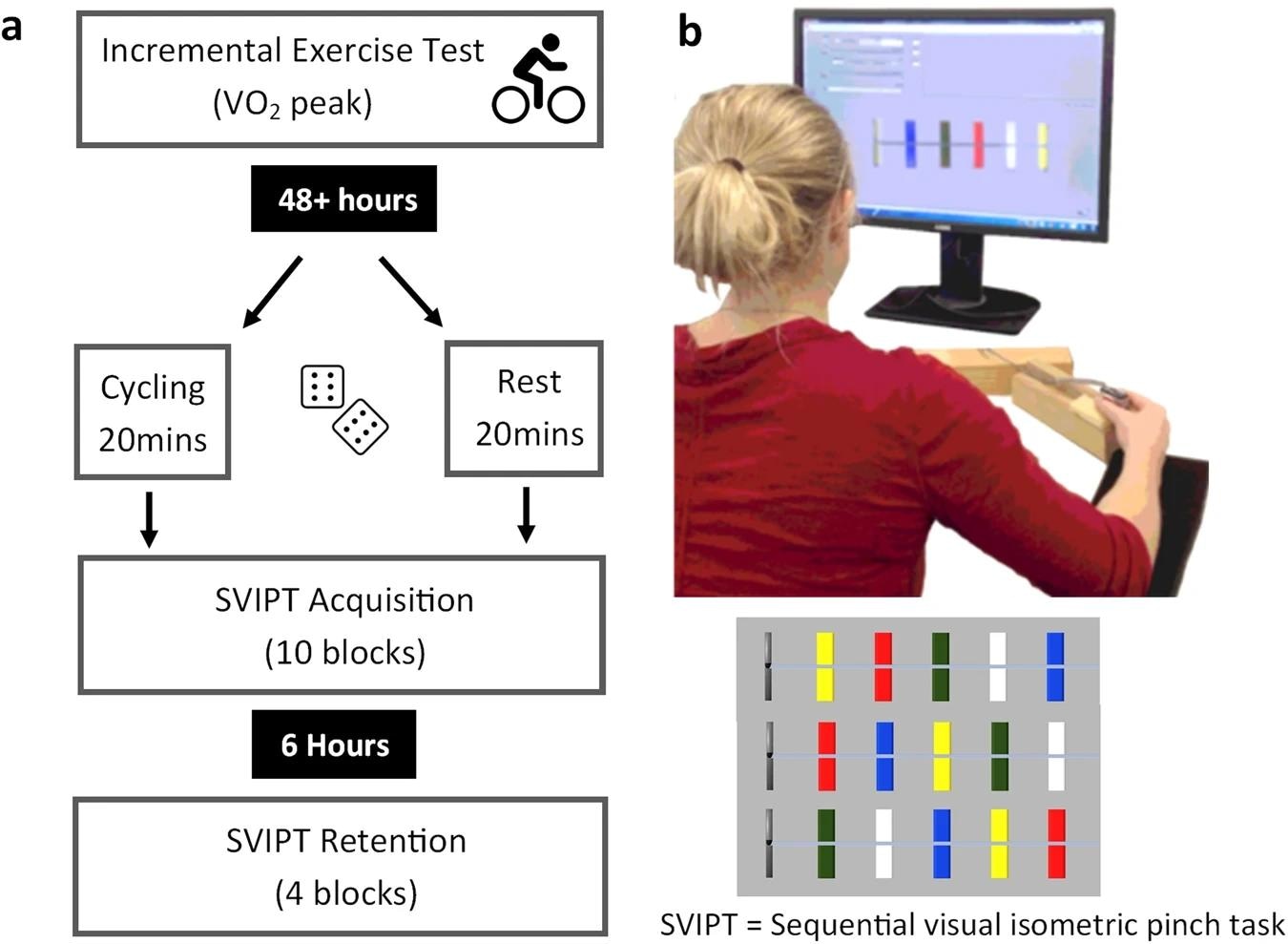
    In a recent study published in the journal NPJ Science of Learning, researchers investigated the impacts of high-intensity interval training (HIIT) on the subsequent motor skill acquisition efficiency in older adults. They conducted visual isometric pinch task (SVIPT) assays on a cohort of 24 adults aged 55 to 75 years and found that, while HIIT improves the early offline consolidation of novel motor skills, their acquisition of these skills was not benefitted, and at times even negatively impacted, contrasting previous findings. These findings provide valuable insights for experts involved in exercise-assisted motor learning, especially in older populations.

    Study: High-intensity acute exercise impacts motor learning in healthy older adults. Image Credit: Air Images / ShutterstockStudy: High-intensity acute exercise impacts motor learning in healthy older adults. Image Credit: Air Images / Shutterstock

    The link between exercise and motor skills

    One of the most crucial aspects of routine daily functioning is motor learning, the acquisition and familiarization (gradual improvements in efficiency) of novel motor tasks. Previous research has categorized this process into two interrelated steps: the online learning of a new skill, which encapsulates repletion-aided efficiency improvements over time, and the offline consolidation period, during which the skill is encoded into memory.

    Studies comparing age-relative motor learning capacities between younger and older cohorts suggest that while younger individuals learn simple tasks at approximately the same online pace as their older counterparts, their capacity for acquiring complex or cognitively demanding skills far outweighs those of the older populations. Experiments investigating the consolidation potential of individuals reveal similar findings, with younger individuals observed to have better retention test performances and be less susceptible to retention interference than older individuals.

    Recent research indicates that exercise may play a crucial role in memory and motor skill acquisition and learning, with evidence available for both online and offline learning benefits. However, while few studies have found positive associations between acute cardiorespiratory exercise and motor learning and performance, most of the literature elucidates the offline consolidation benefits of this and other high-intensity interval training (HIIT) regimes. Some studies further hypothesize that exercise may improve cognitive and motor function outcomes in chronic diseases like Parkinson’s and Huntington’s.

    Unfortunately, while these findings have been extensively validated in younger cohorts, evidence from senior citizens remains lacking. Acute exercise’s potential benefits mainly, remain unexplored. Verifying these benefits and elucidating the mechanisms governing them may result in the development of novel interventions aimed at delaying cognitive and motor-function decline among the world’s growing aged population.  

    “In older adults, greater cardiorespiratory fitness and increased engagement in leisure activities are associated with better motor sequence learning and greater capacity to induce plasticity in the motor cortex. However, a single bout of exercise may be more accessible compared to longer exercise interventions for older adults, who face increased barriers to exercise.”

    About the study

    In the present study, researchers used the sequential visual isometric pinch task (SVIPT) to evaluate the associations between acute exercise and motor learning in an elderly cohort comprising 24 participants between 55 and 75 years old. The SVIPT test evaluates both explicit and implicit motor learning stages, making it ideal for these investigations. The study employed a between-group study design, with each included participant randomly assigned to a case (exercise) or control (active rest) cohort.

    a Overview of testing schedule. An incremental exercise test was conducted at least 48 hours before subsequent testing. Participants were randomised into Rest or Exercise conditions. Acquisition and retention of the motor task were completed on the same day with a 6 ± 1-hour delay between testing. b Depiction of SVIPT motor task adapted from Stavrinos & Coxon. In this version of the SVIPT, three motor sequences are presented in a pseudorandom order within each block of 12 trials. This is a more cognitively challenging version of the SVIPT that requires the trial-to-trial recall, planning, execution, and learning of multiple sequences.

    a Overview of testing schedule. An incremental exercise test was conducted at least 48 hours before subsequent testing. Participants were randomised into Rest or Exercise conditions. Acquisition and retention of the motor task were completed on the same day with a 6 ± 1-hour delay between testing. b Depiction of SVIPT motor task adapted from Stavrinos & Coxon. In this version of the SVIPT, three motor sequences are presented in a pseudorandom order within each block of 12 trials. This is a more cognitively challenging version of the SVIPT that requires the trial-to-trial recall, planning, execution, and learning of multiple sequences.

    Data collection comprised demographic and anthropometric records and medical assessments. Individuals with preexisting chronic conditions were excluded from analyses. Study interventions included a baseline cardiorespiratory fitness assessment (using a peak oxygen consumption [VO2 peak] during graded physical exercise), a subsequent 48-hour delay, and finally, an experimental session comprising 20 min of HIIT followed by SVIPT.

    The HIIT exercise was conducted using a Wattbike Atom stationary bicycle with a Polar H10 used for continuous heart rate monitoring. Baseline SVIPT readings were used to compute each participant’s unique maximum voluntary pinch contraction (MVC), which was incorporated as a standardizing variable in subsequent follow-ups.

    “Performance on the SVIPT was assessed by calculating a skill measure, with higher values reflecting a shift in the speed-accuracy trade-off function towards faster and more accurate task performance.”

    Independent sample t-tests and linear mixed models were used to evaluate between-cohort differences.

    Study findings

    Baseline between group comparisons revealed no statistically significant differences in case and control cohorts based on age, sex, physical activity level, body mass index (BMI), resting heart rate (HR), and, notably, retention test delay and force error. SVIPT performance assays revealed profound age- and block-related differences in motor tasks – younger individuals were observed to display improved motor learning during both active exercise and rest phases (online and offline) compared to older individuals.

    Furthermore, older individuals displayed improved resting retention performance following HIIT compared to control groups devoid of exercise. In contrast, acute exercise was observed to reduce online motor skill acquisition, with participants who partook in physical exercise performing worse than those who did not.

    Conclusions

    The present study aims to investigate the association between acute exercise and motor learning in older human populations. While validating hypotheses postulating the benefits of HIIT in promoting memory retention time and offline motor task consolidation, this study’s findings challenge previous literature wherein improvements to online motor acquisition were observed. Surprisingly, participants who took the SVIPT test immediately after acute exercise displayed poorer motor skill acquisition than those who did not.

    “Overall, these results demonstrate the importance of individual factors such as age when designing exercise interventions. Furthermore, these results suggest that the benefits of high-intensity exercise on early motor consolidation extend to older adult populations. These findings have implications for supporting older adults in motor rehabilitation settings, providing a potential avenue to ameliorate reductions in motor learning associated with age.”

    [ad_2]

    Source link

  • Women reap greater health benefits from exercise than men

    Women reap greater health benefits from exercise than men

    [ad_1]

    Women who exercise regularly have a significantly lower risk of an early death or fatal cardiovascular event than men who exercise regularly, even when women put in less effort, according to a National Institutes of Health-supported study. The findings, published in the Journal of the American College of Cardiology, are based on a prospective analysis of data from more than 400,000 U.S. adults ages 27-61 which showed that over two decades, women were 24% less likely than those who do not exercise to experience death from any cause, while men were 15% less likely. Women also had a 36% reduced risk for a fatal heart attack, stroke, or other cardiovascular event, while men had a 14% reduced risk. 

    We hope this study will help everyone, especially women, understand they are poised to gain tremendous benefits from exercise. It is an incredibly powerful way to live healthier and longer. Women on average tend to exercise less than men and hopefully these findings inspire more women to add extra movement to their lives.” 


    Susan Cheng, M.D., cardiologist and the Erika J. Glazer Chair in Women’s Cardiovascular Health and Population Science in the Smidt Heart Institute at Cedars-Sinai, Los Angeles

    The researchers found a link between women experiencing greater reduced risks for death compared to men among all types of exercise. This included moderate aerobic activity, such as brisk walking; vigorous exercise, such as taking a spinning class or jumping rope; and strength training, which could include body-weight exercises.

    Scientists found that for moderate aerobic physical activity, the reduced risk for death plateaued for both men and women at 300 minutes, or five hours, per week. At this level of activity, women and men reduced their risk of premature death by 24% and 18% respectively. Similar trends were seen with 110 minutes of weekly vigorous aerobic exercise, which correlated with a 24% reduced risk of death for women and a 19% reduced risk for men.

    Women also achieved the same benefits as men but in shorter amounts of time. For moderate aerobic exercise, they met the 18% reduced risk mark in half the time needed for men: 140 minutes, or under 2.5 hours, per week, compared to 300 minutes for men. With vigorous aerobic exercise, women met the 19% reduced risk mark with just 57 minutes a week, compared to 110 minutes needed by men.

    This benefit applied to weekly strength training exercises, too. Women and men who participated in strength-based exercises had a 19% and 11% reduced risk for death, respectively, compared to those who did not participate in these exercises. Women who did strength training saw an even greater reduced risk of cardiovascular-related deaths – a 30% reduced risk, compared to 11% for men. 

    For all the health benefits of exercise for both groups, however, only 33% of women and 43% of men in the study met the standard for weekly aerobic exercise, while 20% of women and 28% of men completed a weekly strength training session.

    “Even a limited amount of regular exercise can provide a major benefit, and it turns out this is especially true for women,” said Cheng. “Taking some regular time out for exercise, even if it’s just 20-30 minutes of vigorous exercise a few times each week, can offer a lot more gain than they may realize.”

    “This study emphasizes that there is no singular approach for exercise,” said Eric J. Shiroma, Sc.D., a program director in the Clinical Applications and Prevention branch at the National Heart, Lung, and Blood Institute (NHLBI). “A person’s physical activity needs and goals may change based on their age, health status, and schedule – but the value of any type of exercise is irrefutable.”

    The authors said multiple factors, including variations in anatomy and physiology, may account for the differences in outcomes between the sexes. For example, men often have increased lung capacity, larger hearts, more lean-body mass, and a greater proportion of fast-twitch muscle fibers compared to women. As a result, women may use added respiratory, metabolic, and strength demands to conduct the same movement and in turn reap greater health rewards.

    The Physical Activity Guidelines for Americans recommend adults get at least 2.5-5 hours of moderate-intensity exercise or 1.25-2.5 hours of vigorous exercise each week, or a combination of both, and participate in two or more days a week of strength-based activities.

    Source:

    Journal reference:

    Ji, H., et al. (2024) Sex Differences in Association of Physical Activity With All-Cause and Cardiovascular Mortality. Journal of the American College of Cardiology. doi.org/10.1016/j.jacc.2023.12.019.

    [ad_2]

    Source link