Tag: Heart

  • DASH diet may lower the risk of cardiovascular disease in breast cancer survivors

    DASH diet may lower the risk of cardiovascular disease in breast cancer survivors

    [ad_1]

    A new paper in JNCI Cancer Spectrum, published by Oxford University Press, finds that following a healthy diet lowers the risk of cardiovascular disease in breast cancer survivors.

    Cardiovascular disease is the top non-breast cancer related cause of death in women with breast cancer. There are more than 3.8 million female breast cancer survivors in the United States. These women are at higher risk for cardiovascular disease than women who have not had breast cancer. This is likely due to the cardiotoxic effects of breast cancer treatment, as well as common risk factors for both breast cancer and cardiovascular disease, such as aging, lack of exercise, and smoking. Dietary guidance for breast cancer survivors is limited and until recently has been based primarily on research related to cancer prevention.

    Researchers used data from the Pathways Study, a prospective cohort study of women diagnosed with invasive breast cancer, to examine associations between diet quality and cardiovascular-related events. The analysis included 3,415 women diagnosed with invasive breast cancer at Kaiser Permanente Northern California between 2005 and 2013 and monitored through 2021.

    To assess diet quality, researchers used a scoring system based on the Dietary Approaches to Stop Hypertension (DASH) diet which was developed in the 1990s to manage and treat hypertension. The diet emphasizes fruits, vegetables, whole grains, lean protein, and low-fat dairy. It also limits sodium, red and processed meats, and sugar sweetened beverages. The diet is similar to that recommended by the American Cancer Society, but also encourages consumption of low-fat dairy and nuts, and discourages sodium. The study evaluated heart health tied to these two diets as well as a plant-based diet, the 2020 Healthy Eating Index, and the alternate Mediterranean diet. 

    The researchers found that women whose diets were most similar to DASH at the time of their breast cancer diagnosis had a 47% lower risk of heart failure, a 23% lower risk of arrhythmia, a 23% lower risk of cardiac arrest, a 21% lower risk of valvular heart disease, and a 25% lower risk of venous thromboembolic disease than the women whose diets were least aligned with DASH.

    In a closer examination the researchers found that higher consumption of low-fat dairy reduced the risk for cardiovascular disease-related death, after adjusting for all other food groups. They also found that the relationship between DASH and cardiovascular disease appeared to be modified by the type of chemotherapy treatment a woman received. For example, women whose treatment included an anthracycline and had diets closely aligned with the diet had a lower risk of cardiovascular disease than women least aligned with DASH, a relationship that was not apparent among women on other types of chemotherapy regimens.

    Our findings suggest that we need to begin talking to breast cancer survivors about the potential heart benefits of the DASH diet. We know that breast cancer survivors have an elevated risk for cardiovascular disease, and the diet might be able to help improve the overall health of this population.”


    Isaac J. Ergas, PhD, paper’s lead author, staff scientist at the Kaiser Permanente Division of Research

    Source:

    Journal reference:

    Ergas, I. J., et al. (2024) Diet quality and cardiovascular disease risk among breast cancer survivors in the Pathways Study. JNCI Cancer Spectrum. doi.org/10.1093/jncics/pkae013.

    [ad_2]

    Source link

  • Exploring the versatile roles of tissue macrophages beyond immune defense

    Exploring the versatile roles of tissue macrophages beyond immune defense

    [ad_1]

    A recent study published in Science Immunology summarized the role of resident tissue macrophages (RTMs) in homeostasis and disease.
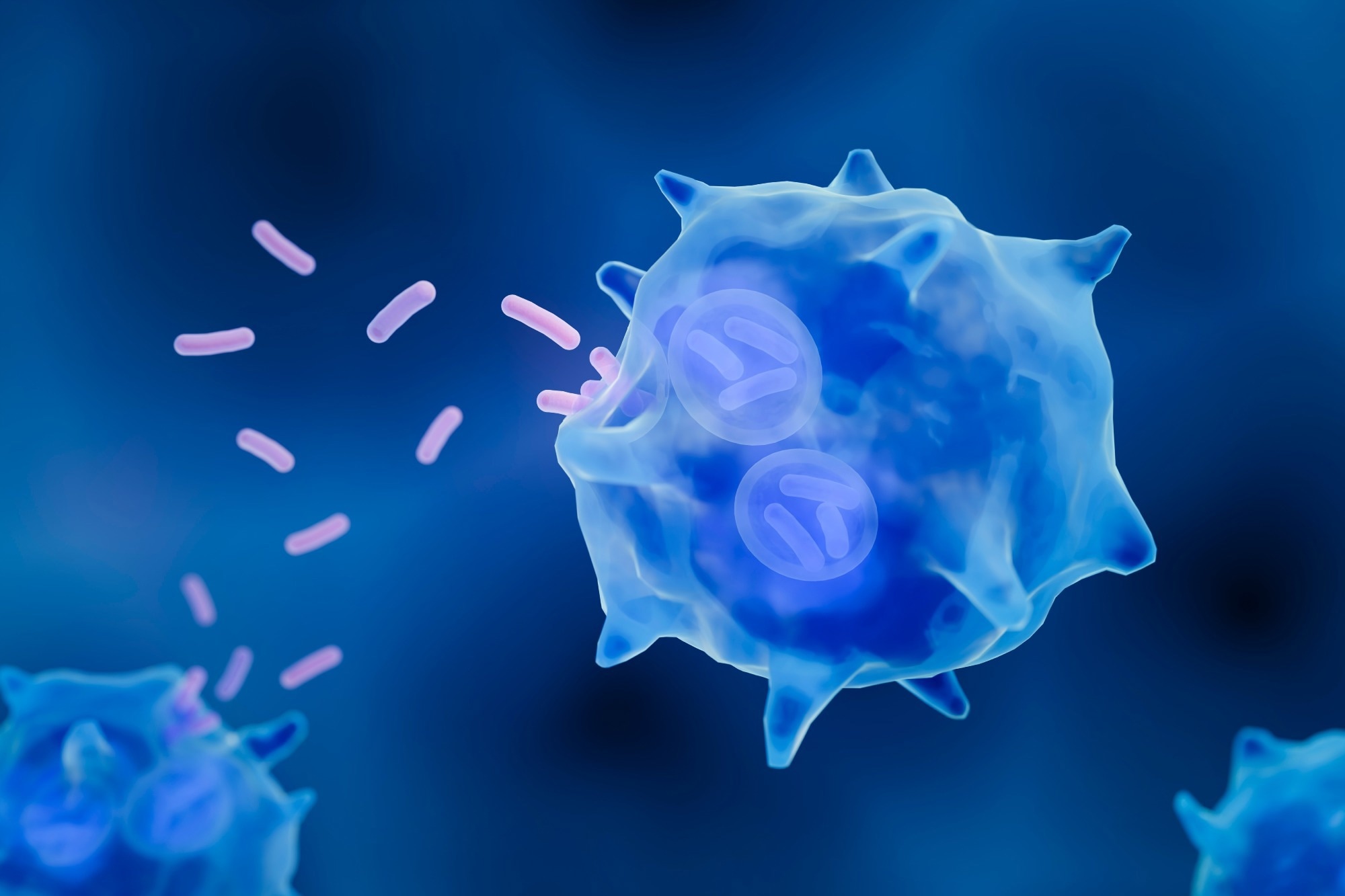
    Study: Resident tissue macrophages: Key coordinators of tissue homeostasis beyond immunity. Image Credit: ART-ur/Shutterstock.comStudy: Resident tissue macrophages: Key coordinators of tissue homeostasis beyond immunity. Image Credit: ART-ur/Shutterstock.com

    Background

    Macrophages are evolutionarily conserved phagocytes ubiquitously present in almost all organs and tissues. It is recognized that the umbrella term macrophage comprises highly heterogeneous cells with diverse functions and roles.

    RTMs are stable, long-lived subpopulations in different organs and tissues and have been linked to innate immunity and the pathogenesis of chronic inflammatory diseases. However, RTMs have broader functions beyond immunity.

    Recently, exploring RTM subsets to functional, developmental, and spatial levels has become feasible, helping identify mechanisms of tissue homeostasis.

    Notwithstanding these advances, substantial knowledge gaps remain. In the present review, researchers provided insights into conditions impacting RTM identity, division of labor among RTM subsets, and RTM dysfunction in disease.

    Tissue microenvironment impacts RTM development

    RTMs originate from embryonic progenitors or hematopoietic stem cell (HSC)-derived monocytes. The local microenvironment influences the trajectories of RTM differentiation upon seeding a tissue. In homeostasis, the local environmental cues shape RTM cell identity in a tissue-specific manner.

    Further, the phenotypic and functional convergence of HSC-derived monocytes towards a tissue-specific RTM program is driven by the local environment.

    However, inflammation or disease markedly impacts their differentiation. During such disturbance, the differentiation of HSC-derived monocytes skews toward pro-reparative, tumor-supportive, or pro-inflammatory phenotypes, differing from that of steady-state RTMs.

    These inflammation-associated macrophages (iMacs) are short-lived, and upon resolution (of the disturbance), the tissue transitions to a distinct state, i.e., inflammation aftermath.

    There may be permanent changes in the original homeostatic distribution and the composition of environmental factors. This was demonstrated in white adipose tissue, where HSC-derived RTMs acquired a more inflammatory phenotype following the resolution of chronic inflammation.

    This post-inflammation scar led to HSC-derived RTMs being unable to differentiate into their original cellular state.

    Coexistence of RTM subsets within tissues

    Historically, it has been believed that organs and tissues are populated by unique tissue-specific RTMs during homeostasis, such as Langerhans cells in the skin, alveolar macrophages (AMs) in the lungs, Kupffer cells in the liver, and microglia in the brain.

    However, a seminal work from 2010 showed that embryonic yolk sac progenitors, not monocytes, give rise to microglia.

    This was also instrumental in revealing the embryonic origin of other RTMs. Studies have demonstrated that two distinct conserved RTM subsets populate most tissues in the interstitial space.

    The authors term these RTM subsets as perivascular macrophages (PVMs). The PVMs precede with the name of the organ/tissue of residence.

    Of the conserved PVM subsets, T cell immunoglobulin and mucin domain containing 4 (TIM4+) PVMs emerge during embryogenesis in multiple organs and are characterized by low levels of major histocompatibility complex II (MHCII) and high levels of TIM4, folate receptor beta (FOLR2), lymphatic vessel endothelial hyaluronan receptor 1 (LYVE1), and cluster of differentiation 206 (CD206).

    By contrast, MHCII+ PVMs emerge from HSC-derived monocytes and are characterized by low/intermediate levels of FOLR2 and LYVE1 and high levels of CD206 and MHCII.

    While some studies have observed a C-C motif chemokine receptor 2 (CCR2+) PVM subset, they are likely to be recent organ immigrants. Although some organs have unique tissue-specific subsets of RTMs, almost all organs share these two conserved PVMs.

    Division of labor among RTMs

    Microglia are the only brain RTM subset in contact with neurons. Several fundamental microglial functions beyond immunity have been uncovered more recently. Animal studies have shown that microglia are essential in neuronal development and fitness.

    Microglia secrete growth factors critical for synapse formation. Additionally, they survey the brain microenvironment and modulate neuronal activity through synaptic engulfment and pruning.

    Recent studies have revealed the presence of PVMs in perivascular spaces of the central nervous system (CNS). Further, these PVMs regulate cerebrospinal fluid (CSF) dynamics, and TIM4+ PVMs in the brain facilitate proper extracellular matrix (ECM) dynamics.

    This idea was corroborated by the findings of abnormal ECM deposition and deterioration of CSF flow dynamics in aged mice, which are linked to a smaller ratio of brain TIM4+-to-MHCII+ PVMs.

    The distinct locations of lung PVMs indicate they have specialized roles. For instance, lung MHCII+ PVMs may regulate neuronal interaction with stromal cells, whereas lung TIM4+ PVMs contribute to lung homeostasis.

    Besides, lung TIM4+ PVMs may be involved in wound healing, while the MHCII+ counterparts may be involved in antigen presentation and immune activation.

    Heart MHCII+ and TIM4+ PVMs produce growth factors to support proper cellular functions and adjust to physiologic demands. Cardiac PVMs are in close contact with cardiomyocytes and participate in mutual electric conduction, supporting normal cardiac contractions.

    Gut muscularis MHCII+ and TIM4+ PVMs are close to blood vessels, myenteric plexus, and submucosal plexus. Gut MHCII+ PVMs are closely associated with neuronal bodies of the enteric nervous system.

    Mechanistically, gut muscularis PVMs secrete bone morphogenetic protein 2 (BMP2) to regulate enteric neurons expressing the BMP2 receptor. Besides, they regulate gastrointestinal motility independent of the enteric nervous system. Recent studies suggest that gut PVMs promote neuroprotection and limit neuronal cell death.

    RTM dysregulation and disease

    It is established that HSC-derived iMacs are linked to chronic inflammatory diseases. This chronicity is thought to be due to ongoing inflammation leading to tissue function loss.

    Nevertheless, how dysfunction or deviation of RTMs’ core homeostatic functions cause disease remains less studied. Usually, deviation is required for proper tissue repair.

    However, it is not clear how long-term and persistent deviation affects tissue physiology and disease severity. Pulmonary alveolar proteinosis is caused by AM dysfunction, characterized by protein and surfactant accumulation in the lung alveolar space, limiting proper gas exchange and increasing susceptibility to infections.

    This can occur due to mutations in the granulocyte-macrophage colony-stimulating factor (GM-CSF), autoantibodies against GM-CSF, or silica inhalation. Further, the absence or dysfunction of lung TIM4+ PVMs can result in increased fibrosis and loss of tissue function.

    Likewise, dysregulation of heart TIM4+ PVMs exacerbates fibrosis following cardiac infarction. Loss of RTM’s core homeostatic functions may impact cancer development.

    A recent study on breast cancer patients showed that those harboring tumors with increased breast TIM4+ PVMs had improved survival rates and T cell priming against the tumor.

    This suggested that enhancing the TIM4+ PVMs’ homeostatic functions while inhibiting the activity of HSC-derived tumor-related macrophages can be effective for treatment.

    Further, disruption of ECM remodeling in brain PVMs is associated with aging and Alzheimer’s disease (AD).

    Concluding remarks

    Taken together, ontogeny and local environmental cues shape the phenotype and heterogeneity of RTMs.

    There is a strong division of labor among RTM subpopulations. The study proposed a unifying nomenclature for the two conserved RTM subpopulations and explored the roles of several unique tissue-specific RTM subsets in homeostasis and disease.

    Nevertheless, further studies are required to delineate how RTM dysfunction leads to chronic inflammatory diseases fully.

    [ad_2]

    Source link

  • Sugary beverages linked to higher risk of atrial fibrillation

    Sugary beverages linked to higher risk of atrial fibrillation

    [ad_1]

    In a recent study published in the European Journal of Clinical Nutrition, researchers used Mendelian randomization (MR) to explore the associations between the intake of pure fruit juices (PFJ) and sugar-sweetened beverages (SSBs) with cardiovascular disease (CVD).

    Study: Association between sugar-sweetened beverages and pure fruit juice with risk of six cardiovascular diseases: a Mendelian randomization study. Image Credit: Andrii Zastrozhnov/Shutterstock.comStudy: Association between sugar-sweetened beverages and pure fruit juice with risk of six cardiovascular diseases: a Mendelian randomization study. Image Credit: Andrii Zastrozhnov/Shutterstock.com

    Background

    Cardiovascular illnesses are a major worldwide health problem, with risk factors including high body mass index (BMI), alcohol use, and smoking habits.

    SSBs and PFJ are associated with CVD; however, the causative relationship is uncertain. SSBs may be an elastic dietary target for lowering the CVD risk among females; however, PFJ may be a primary predictor.

    However, several investigations have found no direct link between SSBs and CVD. PFJ use can increase important nutrient intake; however, one should limit intake due to the high free sugar and energy content.

    The health consequences of PFJ consumption are inconsistent, and dietary advice differs among nations. The link between PFJ use and CVD mortality is unclear.

    About the study

    The present study researchers investigated whether SSB and PFJ consumption increased CVD risk.

    The researchers assessed genetically estimated causal relationships between sugar-sweetened beverages, pure fruit juices [obtained from genome-wide association studies (GWAS) of European individuals], and six CVDs [hypertension, angina pectoris, atrial fibrillation (AF), coronary atherosclerosis (CA), acute myocardial infarction (AMI), and heart failure (HF)] using mendelian randomization.

    The team obtained dietary intake data from the United Kingdom Biobank based on the Oxford WebQ 24-hour diet recall questionnaires filled out by 85,852 individuals. GWAS data on atrial fibrillation included 3,818 cases, with 333,381 control individuals. Angina data included 10,083 patients and 452,927 disease-free individuals.

    AMI data included 3,927 patients and 333,272 control individuals. Coronary atherosclerosis data included 14,334 patients with 346,860 controls. Heart failure GWAS data included 1,405 patients with 359,789 control individuals. GWAS data on hypertension included 54,358 patients with 408,652 controls.

    The researchers used the inverse variance weighted (IVW) approach for analysis, supplemented by the Cochran Q test, weighted median, MR Egger regressions, MR pleiotropy, Bonferroni corrections, and funnel plots.

    To ensure that the primary analysis findings were robust, they calculated F-values as complementary tests to establish looser cut-offs for exposing the instrumental variables (IVs) and selected IVs by detecting single nucleotide polymorphisms (SNPs) strongly associated with PFJ and SSBs.

    They determined odds ratios (OR) for the associations between SSB, PFJ intake, and CVD.

    Results and discussion

    The MR analysis showed genetically causal positive associations between sugar-sweetened beverages and atrial fibrillation (OR, 1.02) and negative associations between pure fruit juice and angina pectoris (OR, 0.97).

    However, there were no causal relationships between SSB and PFJ intake and other cardiovascular disease risks. Supplementary MR methods yielded similar results.

    The leave-one-out analysis showed that individual SNP removal did not alter the causal associations, indicating that the primary findings were reliable and robust.

    SSB and PFJ intakes have distinct substance compositions, which can raise the chance of developing AF while decreasing the risk of angina. SSBs contain dietary additives such as sodium citrate, which may increase the risk of AF over time.

    Excessive intake of SSBs can activate an inflammatory response, resulting in higher levels of circulating inflammatory markers such as interleukin-6 (IL-6), C-reactive protein (CRP), and tumor necrosis factor receptors 1 and 2 (TNF-r1, r2). Higher IL-6 levels are associated with an increase in AF burden and mortality.

    PFJ, on the other hand, has high levels of polyphenols, some of which have anti-inflammatory properties. Pomegranate juice can lower inflammatory indicators such as vascular cell adhesion molecule-1 (VCAM-1), E-selectin, and IL-6 due to its high concentration of hydrolyzable tannins.

    PFJ’s anti-inflammatory properties may lower angina incidence by blocking platelet aggregation and preventing coronary plaque development.

    Conclusions

    The study findings revealed a positive relationship between sugar-sweetened beverages and atrial fibrillation, whereas pure fruit juice had a negative link with angina.

    The findings should help us better understand the impact of long-term SSB/PFJ intake on cardiovascular disease (CVD) and recommend dietary choices for people who are at risk. Patients with AF should limit their SSB consumption to prevent potential pathogenic hazards, whereas individuals may incorporate PFJ into their diet as a protective factor against angina.

    However, further clinical and fundamental research is required to confirm these findings. Future research should concentrate on non-European ancestry groups and study data on various types of SSBs/PFJ and consumption rates to better understand their impact on CVD.

    Further research is needed to improve the understanding of their protective and pathogenic characteristics and assess their potential utility in clinical CVD prevention and therapy.

    [ad_2]

    Source link

  • FDA announces recall of heart pumps linked to deaths and injuries

    FDA announces recall of heart pumps linked to deaths and injuries

    [ad_1]

    A pair of heart devices linked to hundreds of injuries and at least 14 deaths has received the FDA’s most serious recall, the agency announced Monday.

    The recall comes years after surgeons say they first noticed problems with the HeartMate II and HeartMate 3, manufactured by Thoratec Corp., a subsidiary of Abbott Laboratories. The devices are not currently being removed from the market. Abbott did not respond to KFF Health News’ requests for comment.

    The delayed action raises questions for some safety advocates about how and when issues with approved medical devices should be reported. The heart devices in question have been associated with thousands of reports of patients’ injuries and deaths, as described in a KFF Health News investigation late last year.

    “Why doesn’t the public know?” said Sanket Dhruva, a cardiologist and an expert in medical device safety and regulation at the University of California-San Francisco. Though some surgeons may have been aware of issues, others, particularly those who do not implant the device frequently, may have been in the dark. “And their patients are suffering adverse events,” he said.

    The recall involves a pair of mechanical pumps that help the heart pump blood when it can’t do so on its own. The devices, small enough to fit in the palm of a hand, are implanted in patients with end-stage heart failure who are waiting for a transplant or as a permanent solution when a transplant is not an option. The recall affects more than 13,000 devices.

    Amanda Hils, an FDA press officer, said the agency is working with Abbott to investigate the reported injuries and deaths and determine if further action is needed.

    “To date, the number of deaths reported appears consistent with the adverse events observed in the initial clinical trial,” Hils said in an email.

    According to the FDA’s recall notice, the devices can cause buildup of “biological material” that reduces their ability to help the heart circulate blood and keep patients alive. The buildup accumulates gradually and can appear two years or more after a device is implanted in a patient’s chest.

    Doctors were advised to watch out for “low-flow alarms” on the devices and, if they do diagnose the obstruction, to either monitor the patient or perform surgery to implant a stent, release the blockage, or replace the pump.

    A review of the FDA device database shows at least 130 reports related to HeartMate II or 3 that mention the complication reported by regulators. The earliest such report filed with the FDA dates to at least 2020, according to a KFF Health News review of the database.

    Monday’s alert is the second Class 1 recall of a HeartMate device this year.

    In January, Abbott issued an urgent “correction letter” to hospitals about a separate issue in which the HeartMate 3 unintentionally starts and stops due to the pump’s communication system, which cardiologists use to assess patients’ status. The FDA alerted the public in March.

    In February, Abbott issued another urgent letter to hospitals about the blockage problem, asking them to inform physicians, complete and return an acknowledgment form, and pay attention to low-flow alarms on the device’s monitor that may indicate an obstruction. The company said in the letter that it is working on “a design solution” to prevent the blockages.

    A study published in 2022 in the Journal of Thoracic and Cardiovascular Surgery reported the obstruction in about 3% of cases, though the incidence rate was higher the longer a patient had the device.

    The only other Class 1 recall issued for the HeartMate 3 was in May 2018, when the company issued corrective action notices to hospitals and physicians warning that the graft line that carries blood from the pump to the aorta could twist and stop blood flow.

    The FDA recall notice issued Monday includes additional guidance for physicians to diagnose the blockage using an algorithm to detect obstructions and, if needed, a CT angiogram to verify the cause.

    If the new recall leads to the device being removed from the market, end-stage heart failure patients could have no options, said Francis Pagani, a cardiothoracic surgeon at the University of Michigan who also oversees a proprietary database of HeartMate II and HeartMate 3 implants.

    If that happens, “we are in trouble,” Pagani said. “It would be devastating to the patients to not have this option. It’s not a perfect option — no pump ever is — but this is as good as it’s ever been.”

    It’s not known precisely how many patients have received a HeartMate II or HeartMate 3 implant. That information is proprietary. The FDA recall notices show worldwide distribution of more than 22,000 HeartMate 3 devices and more than 2,200 of the HeartMate II.

    The blockage complication may have gone unreported to the public for so long partly because physicians are not required to report adverse events to federal regulators, said Madris Kinard, a former FDA medical device official and founder of Device Events, a company that makes FDA device data more user-friendly for hospitals, law firms, and investors.

    Only device manufacturers, device importers, and hospitals are required by law to report device-related injuries, deaths, and significant malfunctions to the FDA.

    “If this is something physicians were aware of, but they weren’t mandated to report to the FDA,” Kinard said, “at what point does that communication between those two groups need to happen?”

    Dhruva, the cardiologist, said he is looking for transparency from Abbott about what the company is doing to address the problem so he can have more thorough conversations with patients considering a HeartMate device.

    “We’re going to expect to have some data saying, ‘Hey we created this fix, and this fix works, and it doesn’t cause a new problem.’ That’s what I want to know,” he said. “There’s just a ton more that I feel in the dark about, to be honest, and I’m sure that patients and their families do as well.”


    Kaiser Health NewsThis article was reprinted from khn.org, a national newsroom that produces in-depth journalism about health issues and is one of the core operating programs at KFF – the independent source for health policy research, polling, and journalism.

    [ad_2]

    Source link

  • Is spousal cardiovascular disease associated with an increased risk for depression?

    Is spousal cardiovascular disease associated with an increased risk for depression?

    [ad_1]

    Cardiovascular disease (CVD) is among the leading causes of illness and death in the current age. While CVD has long been linked to the onset of depression, not much is known about whether the spouses of those affected are more likely to become depressed after such events.

    A study recently published in JAMA Network Open explored this topic, laying the foundation for future prospective studies in this field.

    Study: Depression Onset After a Spouse’s Cardiovascular Event. Image Credit: Chay_Tee/Shutterstock.comStudy: Depression Onset After a Spouse’s Cardiovascular Event. Image Credit: Chay_Tee/Shutterstock.com

    Depression and health

    Depression has become 65% more prevalent, and it stands as the predominant mental health disorder worldwide, not only diminishing quality of life but also adversely affecting overall health.

    Depression is associated with a higher risk of CVD, dementia, poor cognition, and death.

    How is CVD linked to depression?

    CVD and depression are both more common in people who are obese, and both share inflammation in the immune system. When someone suffers a CVD event such as a stroke or a heart attack, the family also suffers from mental stress, anxiety, and even depression.

    The current study was designed to explore the association between CVD and depression at the household level. The data came from a national database maintained by the Japan Health Insurance Association (JHIA).

    This included about 40% of the Japanese working-age population or 30 million individuals in this age group.

    What did the study show?

    The researchers found that among nearly 278,000 married couples matched for important characteristics, the vast majority (95%) reported a CVD-related event in the male partner. The mean age of the patients was 58 years.

    Those whose spouses had a CVD event were more likely to be diabetic, hypertensive, or depressed compared to the other group. The spousal group had an increased cumulative incidence of depression, between 4% to 5% for males and females, respectively.

    For spouses between 20 and 59 years, about 4% of spouses became depressed vs 3% of those aged 60 years or more.

    New-onset depression was observed in nearly 2% of individuals. Spousal risk for depression after a CVD was 13% higher than in the group without such an event.

    This did not show any change by age, sex, income, or a previous CVD history.

    However, depression risk was higher by 13% to 15% after spousal stroke or heart failure, but not after a heart attack.

    Other potentially confounding factors included smoking, drinking, exercise, or whether the index patient was using drugs to reduce blood pressure. None of these showed any impact on the risk of depression in the spouse, however.

    The researchers also checked for the possible interaction of these results with the spouse’s health status.

    They examined the body mass index (BMI), blood pressure, cholesterol levels, blood sugar concentrations, and kidney function. They found that the same increased risk was manifested after controlling for these factors.

    The study corroborates the depressive effect of a spousal CVD event, which could involve a need to be a caregiver for the sick spouse.

    This could mean inevitable lifestyle alterations, lack of other social interactions, sleep disruptions, and lack of exercise. All these are associated with chronic mental stress, which increases with the level and duration of caregiving.

    Financial problems due to the forced loss of employment to manage the spouse’s needs, with additional caregiving-related costs, are another source of stress.

    Finally, grief at the loss of a spouse or distress related to the stay of the loved one in the intensive care unit may trigger depression.

    Conclusions

    These findings highlight the importance of preventive care for mental health disorders in individuals whose spouses experience incident CVD.”

    By paying attention to possible confounders such as a history of other diseases, individual practice of healthy habits, and physical health parameters, the study fills a knowledge gap and provides stronger evidence.

    Community-level and multidisciplinary clinical support systems should be studied as a possible intervention to reduce this risk for spouses of CVD patients through a wide-spectrum preventive care approach.

    [ad_2]

    Source link

  • NYU Langone achieves highest-quality kidney and lung transplant results in the U.S.

    NYU Langone achieves highest-quality kidney and lung transplant results in the U.S.

    [ad_1]

    The NYU Langone Transplant Institute had the highest-quality kidney and lung transplant outcomes in the nation in 2023, according to federal quality data, while its heart and liver transplant programs reached new heights last year.

    NYU Langone’s kidney and lung transplant programs achieved excellence in both transplant rate and survival after transplant, according to data released by the Scientific Registry of Transplant Recipients (SRTR), a national quality tracker overseen by the U.S. Department of Health and Human Services.

    In 2023, NYU Langone transplanted 331 kidneys—the most of any center in New York State—while also achieving top-quality results in both the rate of kidney transplants from a deceased donor and the kidney’s survival after one year, which are the key metrics tracked by SRTR.

    NYU Langone performed 76 lung transplants: the program was rated best in the nation for lung survival after transplant and getting patients off the waitlist fastest.

    Our transplant center stands alone in being able to deliver speed and the highest quality possible for our patients. While we have achieved efficiency across our high-volume transplant programs, we simultaneously exceed national quality benchmarks.”


    Robert Montgomery, MD, DPhil, the H. Leon Pachter, MD, Professor of Surgery, chair of the Department of Surgery, and director of the NYU Langone Transplant Institute

    NYU Langone performed 77 heart transplants last year, a record number, and one that is up from just 35 in 2018, when the program began. NYU Langone’s heart transplant program also led national quality benchmarks for heart survival after one year. The heart transplant program continues to have the highest patient survival in the nation among programs that perform more than 35 transplants a year. In August 2023, the heart transplant team performed its 300th transplant since inception.

    The liver transplant program performed 93 transplants in 2023, and here patients get a deceased donor liver transplant faster than any other center in the Northeast. Last year also saw the launch of a new Pediatric Liver Disease and Transplant Program at Hassenfeld Children’s Hospital at NYU Langone. The NYU Langone Transplant Institute is now able to offer comprehensive, advanced liver transplant services to both children and adults. Additionally, we are the only comprehensive pediatric transplant program in the Northeast offering kidney, liver, heart, and lung transplants to pediatric patients.

    [ad_2]

    Source link

  • Exploring and acknowledging the benefits of diverse cultural and nutritional heritages

    Exploring and acknowledging the benefits of diverse cultural and nutritional heritages

    [ad_1]

    In a recent article published in Advances in Nutrition, researchers explored how traditional diets followed by African, Asian, and Latin American communities are associated with diet quality and health markers.

    Their conclusions suggest that while flavors and ingredients differ among diets considered ‘healthy,’ the contribution of healthful plant foods and high dietary quality is key to reducing the risk of disability and death from various causes.

    Study: Perspective: Beyond the Mediterranean Diet -- Exploring Latin American, Asian, and African Heritage Diets as Cultural Models of Healthy Eating. Image Credit: Nungning20/Shutterstock.comStudy: Perspective: Beyond the Mediterranean Diet — Exploring Latin American, Asian, and African Heritage Diets as Cultural Models of Healthy Eating. Image Credit: Nungning20/Shutterstock.com

    Background

    The Mediterranean diet, extensively researched for its health benefits, is widely recognized as being healthy. However, there is limited research on traditional diets followed by non-European communities, defined as those consumed over multiple generations, aligned with environmental availability, and religious and/or cultural preferences and environmental availability, emphasizing home-cooked meals with biodiverse foods.

    As highly processed foods supplant traditional food systems, diet-related illnesses increase; concurrently, health disparities stem from structural racism and other social determinations, which include economic instability, cultural factors, and unequal access to nutritious food, healthcare, and education.

    Recognizing the value of traditional diets and food systems could inform dietary guidance and research directions, alleviating the disproportionate effect of chronic disease on certain ethnic and racial groups. 

    This indicates a need to broaden research on diet and health beyond Europe and North America, focusing on Latin American, Asian, and African heritage diets for their relevance to diverse populations in the United States.

    Evolution of Latin American diets

    Latin American heritage diets blend indigenous, colonial, and African influences, featuring staples like maize, beans, and abundant fruits and vegetables, often with seafood. The Oldways Latin American Heritage Pyramid illustrates this diversity.

    Despite risk factors, Hispanic Americans often show lower heart disease rates and longer lifespans, possibly due to their traditional diets and social support.

    In Costa Rica’s Nicoyan peninsula, adherence to traditional diets correlates with lower blood pressure and reduced heart disease risk. Similarly, in Mexico and other regions, traditional diets are linked to lower inflammation and type 2 diabetes risk.

    In the US, interventions based on Latin American heritage diets improve diabetes management among Hispanics. However, diverse Hispanic subgroups have varied diets and health outcomes, with some adopting Western habits, leading to decreased dietary quality, especially in first-generation American children.

    Understanding these shifts and promoting culturally tailored programs are vital for addressing health disparities within Hispanic communities.

    Traditional and diaspora Asian diets

    The diverse Asian food traditions defy a singular representation due to variations within and between countries, cities, and households.

    Instead, the broader pattern of Asian heritage diets emphasizes common elements like vegetables, vegetarian protein sources, whole grains, and fermented foods prevalent across East, Southeast, and South Asia.

    In Okinawa, Japan, where longevity is notable, the traditional diet focuses on root vegetables, soy-based foods, and marine products. While some liken traditional Japanese diets to Mediterranean patterns, high salt intake remains a concern.

    Despite this, Japanese diets correlate with better health outcomes, with recent shifts resembling a fusion of traditional and Western elements.

    Across Asia, healthy, predominantly plant-based diets are prevalent, though specific foods vary regionally. Studies highlight associations between traditional Asian diets and reduced risks of chronic diseases, although sodium intake poses concerns.

    Asian-descendant populations in the US and Canada face challenges such as high sodium intake and the displacement of traditionally consumed whole grains by refined alternatives, reflecting the ongoing nutrition transition towards processed foods.

    Patterns among people of African descent

    African diasporic cuisine encompasses many cultural dishes, spanning regions from continental Africa to the Americas. Rather than prescribing a single diet, this perspective recognizes the diverse culinary traditions shaped by slavery and migration.

    African American, Afro-Caribbean, and Afro-South American diets blend indigenous African staples and local influences. Foods like okra, collard greens, and black-eyed peas trace their roots to West and Central Africa.

    African staples meld with tropical flavors and seafood in the Caribbean and South America, while Afro-South American dietary patterns incorporate European and indigenous influences.

    Studies have found that African heritage dietary patterns offer health benefits, with high dietary quality and associations with lower risks of chronic diseases.

    Despite challenges posed by the nutrition transition to processed foods, many healthful dietary habits persist, such as high fruit intake in the Caribbean and substantial whole-grain and vegetable consumption in the Sub-Saharan African region.

    Intervention studies demonstrate promising outcomes, with traditional African heritage diets linked to reduced inflammation and improved gut health.

    However, socioeconomic factors and food access disparities continue to shape dietary choices within African-descendant communities, highlighting the need for further research and culturally tailored interventions to promote health and equity.

    Conclusions

    Populations globally are shifting from traditional to processed diets, raising public health concerns.

    Traditional Asian, Latin American, and African diets emphasize beans, grains, fruits, and vegetables, aligning with dietary guidelines and may offer benefits comparable to those associated with Mediterranean diets.

    These dietary patterns, less animal-centric than US guidelines, offer culturally appropriate paths to health and warrant further research and policy support.

    Journal reference:

    [ad_2]

    Source link

  • Normothermic regional perfusion could increase the number of patients receiving lung transplants

    Normothermic regional perfusion could increase the number of patients receiving lung transplants

    [ad_1]

    Re-perfusing the lungs of an organ donor after the heart has irreversibly stopped beating with a technique called normothermic regional perfusion (TA-NRP) could potentially increase the number of patients receiving lung transplants, according to researchers at the Annual Meeting and Scientific Sessions of the International Society for Heart and Lung Transplantation (ISHLT) in Prague.

    TA-NRP uses a machine to pass blood through a donor’s abdomen and chest after the heart has irreversibly stopped beating (called donation after circulatory death, or DCD). Thirty to forty minutes of perfusing blood to these areas reanimates the heart and ventilates the lungs.

    Pedro Catarino, MD, director of Aortic Surgery at Cedars-Sinai Medical Center in Los Angeles, said techniques like TA-NRP will help get more of the available donor lungs to patients on the waiting list. Worldwide, the overall utilization of available donor lungs is only 20 percent.

    The utilization of donor lungs is generally quite poor. For every five organ donors, we only use one set of lungs. It’s even worse for DCD donors, only four to six percent in the US. The great majority of DCD donors are not giving their lungs.”


    Pedro Catarino, MD, Director of Aortic Surgery at Cedars-Sinai Medical Center

    Dr. Catarino presented data showing that the retrieval rate for DCD lungs has increased to about 15 percent with the utilization of TA-NRP. However, some lung experts harbor concerns that lungs are injured during the in situ perfusion process.

    “TA-NRP is technically possible, and some surgeons have successfully used it to retrieve both the heart and lungs from DCD donors,” said Shaf Keshavjee, MD, MSc, FRCSC, FACS, director of the Toronto Lung Transplant Program. “However, when TA-NRP was introduced in the US, the incidence of lung retrieval decreased.

    “I think NRP could save more hearts, kidneys, livers, and lungs,” said Dr. Keshavjee. “But we need to standardize our technique because there are too many examples of good donor lungs damaged by TA-NRP.”

    TA-NRP is currently only being used in the US and Spain. In Canada, DCD donor lungs are removed from the body and perfused outside the body (ex vivo) in a machine. Machine perfusion, which gives the surgical team control over the fluids used to perfuse the lungs, has been highly successful for the Toronto Lung Transplant Program.

    “We have the largest lung transplant program in the world,” said Dr. Keshavjee. “We use 40 percent of DCD lungs, whereas the US uses only four percent.”

    Unlike machine perfusion, which is not readily available worldwide, Dr. Catarino said that TA-NRP is a technique that anyone can use.

    “Using TA-NRP, we’re also to measure the oxygen transfer in the lungs, which is a very good indicator of the quality of the donor’s lungs,” he said. “Being able to perform this functional assessment is one of its great benefits.”

    Dr. Catarino said there is data that suggests outcomes following TA-NRP for DCD lungs are very good.

    “TA-NRP is a way to get more lungs to patients who need them,” he said. “DCD was 32 percent of overall organ donors in the US in 2022, and the trajectory is going upward.”

    The ISHLT has launched a task force to produce a statement that summarizes the best available evidence and practice for NRP, including outlining issues, concerns, and areas for future research.

    [ad_2]

    Source link

  • Childhood verbal abuse costs global society $300 billion annually, study finds

    Childhood verbal abuse costs global society $300 billion annually, study finds

    [ad_1]

    Childhood verbal abuse by adults costs society an estimated $300 billion (£239 billion) a year globally, show findings presented at the first international conference on childhood verbal abuse, hosted by UCL, Words Matter and the World Health Organization (WHO).

    The Words Matter: Impact and Prevention of Childhood Verbal Abuse conference marks the first time that experts from around the world have come together to focus attention on the lifetime damage of childhood verbal abuse and the need to develop solutions.

    Childhood verbal abuse involves behaviors that can be detrimental to a child’s wellbeing, such as belittling, shouting and threatening language.

    The new study, led by Professor Xiangming Fang (China Agricultural University and Georgia State University) used data from the US Centers for Disease Control and Prevention’s Violence Against Children Surveys, in four countries: Cambodia (1212 participants), Kenya (1099 participants), Colombia (1415 participants) and Moldova (906 participants), to analyze the effects of childhood verbal abuse on selected health outcomes, including mental distress, self-harm, drug use and problem drinking.

    The study then estimated the Disability-Adjusted Life Years (DALY) lost (the total amount of healthy life years lost due to people dying prematurely or living with a disability caused by a common disease or health problem in the community) due to health outcomes attributed to childhood verbal abuse to estimate its economic burden.

    These DALY losses were then converted into monetary value – assuming that one DALY was equal to the country’s per-capita Gross Domestic Product (GDP).

    The mean economic burden of childhood verbal abuse across the four countries was found to be 0.34% of GDP. When this figure was applied to global GDP, it equated to approximately $300 billion every year.

    Meanwhile, the DALY losses for outcomes attributed to childhood verbal abuse were significantly great than corresponding estimates for breast cancer and liver cancer in the four countries studied, and similar to the Disability-Adjusted Life Years lost to hypertensive heart disease.

    Verbal abuse of children by adults is all too common, but is one of the most significant modifiable causes of life-long mental health disorders.


    Tackling it gives us a powerful lever to prevent mental health disorders and their enormous cost to both the UK and global economy.


    I am delighted that with the Words Matter charity, we have an organization finally focusing on this problem. Bringing greater awareness to childhood verbal abuse has the potential to dramatically reduce the economic and psychological burden of psychiatric disorders.”


    Peter Fonagy, Conference Chair, Professor, UCL Psychology & Language Sciences

    Previous research from experts at UCL and Wingate University* found that childhood verbal abuse can be as harmful as other forms of abuse and have significant adverse impacts on children’s mental and physical health and development – leading to anxiety, depression, eating disorders, self-harm, substance abuse and even suicide.

    Professor Xiangming Fang said: “The economic burden of childhood verbal abuse by adults that we have quantified clearly highlights the shocking hidden cost of the damage it causes to children throughout their lifetime. However, this is likely a considerable underestimate given the impact of childhood verbal abuse on several outcomes including healthcare utilization costs and legal system expenses, which were not included in the analysis due to data unavailability.

    “There is clearly a significant opportunity for economic growth by ending childhood verbal abuse, and by revealing these figures, we hope this form of childhood maltreatment will be given the attention it deserves. Vital now is undertaking more research and devoting funds and resources to preventing it, so the cost to society can be reduced.”

    Jessica Bondy, Founder of Words Matter, said: “For too long, childhood verbal abuse by adults has gone under the radar, yet it is all around us. We hope this conference helps put the issue firmly on the map and galvanizes action. It is possible to bring an end to childhood verbal abuse with greater awareness, understanding and collaboration across the globe to devise solutions. We must act now, given the lifelong impact on children’s mental and physical health and wellbeing and the monumental cost to society. Let’s build children up, not knock them down, and create a better future for children.”

    Tim Loughton MP, Chair of the All-Party Parliamentary Group for Children and former Children’s Minister said: “By convening this conference, the work of Words Matter and its expert advisers is filling a gap in understanding the harms that can be inflicted on children from the way adults communicate with them and the routes for prevention. Whilst we are all too familiar with the damage done to children as a result of physical violence, verbal abuse is more insidious and pervasive, impacting so many whose mental health has already been deeply affected due to the Covid pandemic.

    “We all have a duty of care to treat children with respect and that includes the words and language we use with them. This conference highlights how much words really do matter and how if used poorly, they can have lasting implications for children and our economy.”

    Former Health Minister and Chief Executive of the NHS Confederation and currently Opposition Whip, Lord Philip Hunt of Kings Heath said: “All children deserve to grow up happy and healthy, but millions are suffering verbal abuse by adults which has for far too long been hidden in the shadows. Thanks to the work of Words Matter, we now know that this is not only impacting children’s mental health and development but is also, as this new study shows, having a huge cost on society as a whole. We all want children to develop armed with the tools to lead confident and productive adult lives and the words they hear from adults are so important in building self-esteem and confidence. By shining a light on this abuse, lives can and will be changed.”

    Study limitations

    The $300 billion is likely a considerable underestimate given the impact of childhood verbal abuse on several outcomes, including healthcare utilization costs and legal system expenses, which were not included in the analysis, due to data unavailability.

    Additionally, costs associated with chronic illnesses such as diabetes, heart disease, and cancer were not taken into account.

    Multiple risk factors can contribute to the occurrence of any disease. When attributing a disease to these factors the maximum attribution is capped at 100%. However, if multiple risk factors are involved and overlap, the sum of DALY estimates for all risk factors may exceed 100%. Failure to fully account for these inter-correlations could potentially result in overestimation of the figures instead.

    The field lacks reliable longitudinal data to assess the long-term repercussions of childhood verbal abuse. 

    The absence of high-quality cohort studies that adopt a lifetime perspective in economic data estimation may lead to a substantial underestimation of the economic impact of childhood verbal abuse. 

    Prioritizing the collection of longitudinal data on the consequences of childhood verbal abuse should be a primary focus of future efforts.

    [ad_2]

    Source link

  • Intraoperative anemia linked to higher female mortality after heart bypass surgery

    Intraoperative anemia linked to higher female mortality after heart bypass surgery

    [ad_1]

    Women are at higher risk of death when undergoing heart bypass surgery than men. Researchers at Weill Cornell Medicine have determined that this disparity is mediated, to a large extent, by intraoperative anemia-;the loss of red blood cells during surgery. The study, published on March 5, in the Journal of the American College of Cardiology, suggests that strategies for minimizing anemia that occurs during this procedure could lead to better outcomes for women with cardiovascular disease.

    This study set out to discover why women are less likely to survive coronary artery bypass grafting, a surgical procedure for restoring blood flow to the heart. The team, led by senior author Dr. Mario Gaudino, the Stephen and Suzanne Weiss Professor in Cardiothoracic Surgery at Weill Cornell Medicine, analyzed information obtained from the Society of Thoracic Surgeons Adult Cardiac Surgery Database on more than one million patients. Dr. Lamia Harik, fellow in Cardiothoracic Surgery Research at Weill Cornell Medicine, was first author on the paper.

    They examined patient demographics (such as age and ethnicity), risk factors (including disease severity, previous heart attacks and the co-occurrence of other health conditions) and surgical data (including the time spent on the bypass machine and the volume of the components of blood, such as red blood cells).

    Crunching the numbers, Dr. Gaudino and his team previously confirmed that women had a higher mortality associated with the procedure than men: 2.8 percent versus 1.7 percent, a nearly 50 percent difference. Now, using sophisticated statistical analyses to assess all the possible variables, the researchers found that a substantial portion of this enhanced risk-;38 percent-;could be attributed to severe intraoperative anemia. This depletion of red blood cells is an inevitable side effect of using blood-diluting fluids to prime the heart-lung bypass machine that takes over the job of pumping blood throughout the body during surgery. Women may be even more susceptible to the effects of intraoperative anemia because they tend to arrive in surgery with lower red blood cell counts and have smaller body size compared to their male counterparts.

    The study does not establish that intraoperative anemia is causing greater female mortality, but the two factors are associated. It suggests that clinicians and researchers should consider interventions to prevent or minimize severe intraoperative anemia, which can lead to dangerously reduced oxygen delivery to the body’s tissues, including the heart.

    Using heart-lung bypass machines with shorter circuits, for example, would limit the volume of blood-diluting solution needed to run the pump. Randomized trials to assess whether methods for curtailing anemia could improve outcomes for women undergoing heart bypass surgery are “urgently needed,” wrote Dr. Gaudino, who is also a cardiovascular surgeon at NewYork-Presbyterian/Weill Cornell Medical Center.

    This research was supported in part by the National Heart, Lung, and Blood Institute grant T32 HL160520-01A1, the National Institutes of Health, the Canadian Health and Research Institutes, and the Starr Foundation.

    Source:

    Journal reference:

    Harik, L., et al. (2024). Intraoperative Anemia Mediates Sex Disparity in Operative Mortality After Coronary Artery Bypass Grafting. Journal of the American College of Cardiology. doi.org/10.1016/j.jacc.2023.12.032.

    [ad_2]

    Source link