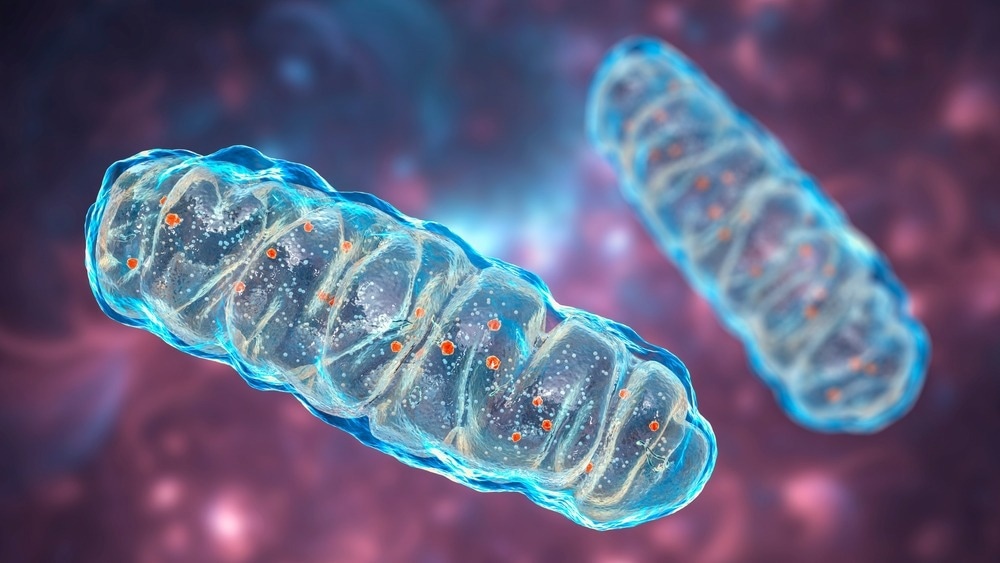
Tag: Mitochondria

  • Magnesium’s pivotal role in slowing aging’s impact

    Magnesium’s pivotal role in slowing aging’s impact

    [ad_1]

    Aging is associated with many biological, physiological, and psychological changes, some of which include a decline in cognitive function, greying of hair, frailty, and increased risk of contracting certain diseases. Aging also increases the risk of chronic diseases such as diabetes, hypertension, and cardiovascular events.

    Most older adults experience chronic magnesium deficiency or hypomagnesemia, which may be due to low dietary magnesium content, reduced intestinal absorption, and increased urination. In a recent review published in the journal Nutrients, researchers discuss the role of magnesium in aging.

    Study: Magnesium and the Hallmarks of Aging. Image Credit: monticello / Shutterstock.comStudy: Magnesium and the Hallmarks of Aging. Image Credit: monticello / Shutterstock.com

    The role of magnesium in telomere attrition

    Telomeres are present at both ends of chromosomes, thereby protecting them from degradation and fusion with other chromosomes to preserve genetic information. Between 50-100 base pairs of telomeric DNA are lost after each cell division; therefore, telomeres shorten as age advances.

    When a telomere attains a critical short length, cells recognize it, and replication is attenuated, which results in cell senescence. Previous studies have indicated that magnesium maintains telomeric chromatin structure and integrity, as well as supports telomerase regulation.

    Genomic instability

    Genomic instability, which involves DNA damage, chromosomal abnormalities, and mutations, is a key driver of aging. Genomic instability occurs due to oxidative stress, epigenetic alterations, inadequate DNA repair, and telomere maintenance.

    Throughout the cell cycle, magnesium is essential for stabilizing chromatin assembly. Furthermore, DNA grooves have specific binding sites for magnesium, thereby demonstrating its role in DNA conformation.

    Insufficient magnesium levels cause DNA instability through oxidation stress, as various enzymes involved in DNA repair are activated by magnesium. Thus, magnesium plays a crucial role in the DNA replication process and preservation of genome stability.

    Epigenetic alterations

    Epigenetic alterations refer to the modification of genomic expression without alterations in DNA sequence. The epigenome can be altered through lifestyle factors, diets, and pharmaceutics. Additionally, the age-related inflammatory environment and inhibitory molecules released from stressed cells may lead to epigenetic alterations, which can modify cellular function.

    Several studies have highlighted the association of magnesium with epigenetics. For example, hypomagnesemia causes down-regulation of hepatic 11β-hydroxysteroid dehydrogenase-2 (Hsd11b2) promoters, which affect the metabolism of neonatal offspring.

    Loss of proteostasis

    Proteostasis alterations are associated with weak protein stability and misfolded proteins. Several age-related chronic diseases, such as Alzheimer’s and Parkinson’s disease, have been attributed to the dysregulation of proteostasis. Importantly, low magnesium levels in the brain may lead to many neurological disorders, including epilepsy, Alzheimer’s disease, Parkinson’s disease, and migraines. 

    Magnesium downregulates tumor-necrosis factor α (TNF-α) and interleukin 1β (IL-1β) production, in addition to supporting the clearance of amyloid β (Aβ) precursor molecules by proteasomal degradation pathways. Magnesium also inhibits the N-methyl-D-aspartate (NMDA) receptor and increases excitatory neurotransmission.

    Mitochondrial dysfunction

    The mitochondria is involved in multiple cell signaling processes that determine cell fate, including cellular survival and death by apoptosis. Dysfunctional mitochondria can lead to the persistent reduction in cellular adenosine triphosphate (ATP) levels for prolonged periods, which may lead to chronic inflammation, cellular damage, and oxidative stress. These conditions are also linked with age-associated diseases, such as Alzheimer’s disease and Parkinson’s disease. 

    Magnesium binds with ATP to form the Mg-ATP complex. The presence of intracellular free magnesium has been associated with the development of hypertension and diabetes, both of which are conditions that are more prevalent in older adults. Low magnesium levels are also associated with oxidative stress damage through reduced lipid peroxidation and antioxidant enzyme activity.

    Cellular senescence

    Cellular senescence is associated with cellular stress and irreversible DNA damage. Additional features of aging include senescence-associated mitochondrial dysfunction, altered nutrient and stress signaling, and autophagy/mitophagy dysfunction.

    Certain cellular alterations that occur during senescence are similar to those caused by hypomagnesemia, including reduced protection against oxidative stress damage, cellular viability, cell cycle progression, and enhanced risk of transcription factor expression.

    Stem cell exhaustion

    Human tissues are maintained by stem cells due to their self-renewing capacity. More specifically, stem cells can differentiate into progenitor cells, from which various tissues are developed.

    Previous studies have shown that a reduction in the hemopoietic cells’ regenerative potential due to aging is associated with the reduced production of adaptive immune cells, which is otherwise known as immunosenescence.

    Magnesium is strongly linked with immune responses. For example, magnesium is a cofactor for the production of immunoglobulins (Ig), antibody-dependent cytolysis, macrophage response to lymphokines, and immune cell adherence.

    Conclusions

    Since the aging trajectory is variable, it can be modulated through magnesium intake and lifestyle changes. The current review discusses the importance of suitable magnesium levels throughout life, which may contribute to healthy aging.

    Journal reference:

    • Dominguez, L. J., Veronese, N., & Barbagallo, M. (2024). Magnesium and the Hallmarks of Aging. Nutrients 16(4); 496. doi:10.3390/nu16040496

    [ad_2]

    Source link

  • Mitochondrial misfire sparks inflammation

    Mitochondrial misfire sparks inflammation

    [ad_1]

    Cells in the human body contain power-generating mitochondria, each with their own mtDNA-;a unique set of genetic instructions entirely separate from the cell’s nuclear DNA that mitochondria use to create life-giving energy. When mtDNA remains where it belongs (inside of mitochondria), it sustains both mitochondrial and cellular health-;but when it goes where it doesn’t belong, it can initiate an immune response that promotes inflammation.

    Now, Salk scientists and collaborators at UC San Diego have discovered a novel mechanism used to remove improperly functioning mtDNA from inside to outside the mitochondria. When this happens, the mtDNA gets flagged as foreign DNA and activates a cellular pathway normally used to promote inflammation to rid the cell of pathogens, like viruses.

    The findings, published in Nature Cell Biology on February 8, 2024, offer many new targets for therapeutics to disrupt the inflammatory pathway and therefore mitigate inflammation during aging and diseases, like lupus or rheumatoid arthritis.

    We knew that mtDNA was escaping mitochondria, but how was still unclear. Using imaging and cell biology approaches, we’re able to trace the steps of the pathway for moving mtDNA out of the mitochondria, which we can now try to target with therapeutic interventions to hopefully prevent the resulting inflammation.”


    Professor Gerald Shadel, senior and co-corresponding author, director of the San Diego-Nathan Shock Center of Excellence in the Basic Biology of Aging and holder of the Audrey Geisel Chair in Biomedical Science at Salk

    One of the ways our cells respond to damage and infection is with what’s known as the innate immune system. While the innate immune response is the first line of defense against viruses, it can also respond to molecules the body makes that simply resemble pathogens-;including misplaced mtDNA. This response can lead to chronic inflammation and contribute to human diseases and aging.

    Scientists have been working to uncover how mtDNA leaves mitochondria and triggers the innate immune response, but the previously characterized pathways did not apply to the unique mtDNA stress conditions the Salk team was investigating. So, they turned to sophisticated imaging techniques to gather clues as to where and when things were going awry in those mitochondria.

    “We had a huge breakthrough when we saw that mtDNA was inside of a mysterious membrane structure once it left mitochondria-;after assembling all of the puzzle pieces, we realized that structure was an endosome,” says first author Laura Newman, former postdoctoral researcher in Shadel’s lab and current assistant professor at the University of Virginia. “That discovery eventually led us to the realization that the mtDNA was being disposed of and, in the process, some of it was leaking out.”

    The team discovered a process beginning with a malfunction in mtDNA replication that caused mtDNA-containing protein masses called nucleoids to pile up inside of mitochondria. Noticing this malfunction, the cell then begins to remove the replication-halting nucleoids by transporting them to endosomes, a collection of organelles that sort and send cellular material for permanent removal. The endosome gets overloaded with these nucleoids, springs a leak, and mtDNA is suddenly loose in the cell. The cell flags that mtDNA as foreign DNA-;the same way it flags a virus’s DNA-;and initiates the DNA-sensing cGAS-STING pathway to cause inflammation.

    “Using our cutting-edge imaging tools for probing mitochondria dynamics and mtDNA release, we have discovered an entirely novel release mechanism for mtDNA,” says co-corresponding author Uri Manor, former director of the Waitt Advanced Biophotonics Core at Salk and current assistant professor at UC San Diego. “There are so many follow-up questions we cannot wait to ask, like how other interactions between organelles control innate immune pathways, how different cell types release mtDNA, and how we can target this new pathway to reduce inflammation during disease and aging.”

    The researchers hope to map out more of this complicated mtDNA-disposal and immune-activation pathway, including what biological circumstances-;like mtDNA replication dysfunction and viral infection-;are required to initiate the pathway and what downstream effects there may be on human health. They also see an opportunity for therapeutic innovation using this pathway, which represents a new cellular target to reduce inflammation.

    Other authors include Sammy Weiser Novak, Gladys Rojas, Nimesha Tadepalle, Cara Schiavon, Christina Towers, Matthew Donnelly, Sagnika Ghosh, Sienna Rocha, and Ricardo Rodriguez-Enriquez of Salk; Danielle Grotjahn and Michaela Medina of The Scripps Research Institute; Marie-Ève Tremblay of the University of Victoria in Canada; Joshua Chevez of UC San Diego; and Ian Lemersal of the La Jolla Institute for Immunology.

    The work was supported by the National Institutes of Health (R01 AR069876, P30AG068635, 1K99GM141482, 1F32GM137580, T32GM007198, 5R00CA245187, and 5R00CA245187-04S1), an Allen-AHA Initiative in Brain Health and Cognitive Impairment award (19PABH134610000H), a National Science Foundation NeuroNex Award (2014862), Chan-Zuckerberg Initiative Imaging Scientist Award, the LIFE Foundation, a George E. Hewitt Foundation for Medical Research Postdoctoral Fellowship, Paul F. Glenn Foundation for Medical Research Postdoctoral Fellowship, Salk Pioneer Fund Postdoctoral Scholar Award, the Waitt Foundation, Yale University School of Medicine Center for Cellular and Molecular Imaging, a Canada Research Chair (Tier 2) in Neurobiology of Aging and Cognition, and a Canada Foundation for Innovation John R. Evans Leaders Fund (grant 39965).

    Source:

    Journal reference:

    Newman, L. E., et al. (2024). Mitochondrial DNA replication stress triggers a pro-inflammatory endosomal pathway of nucleoid disposal. Nature Cell Biology. doi.org/10.1038/s41556-023-01343-1.

    [ad_2]

    Source link

  • Study reveals key mechanism behind obesity-related metabolic dysfunction

    Study reveals key mechanism behind obesity-related metabolic dysfunction

    [ad_1]

    In a recent study published in Nature Metabolism, researchers found that feeding a high-fat diet (HFD) causes mitochondrial dysfunction and fragmentation in white adipocytes in mice.

    Study: Obesity causes mitochondrial fragmentation and dysfunction in white adipocytes due to RalA activation. Image Credit: Kateryna Kon/Shutterstock.com
    Study: Obesity causes mitochondrial fragmentation and dysfunction in white adipocytes due to RalA activation. Image Credit: Kateryna Kon/Shutterstock.com

    Background

    Obesity has become a global epidemic, increasing the incidence of non-alcoholic steatohepatitis, diabetes, and other cardiometabolic disorders. White adipose tissue (WAT) expands chronically during the development of obesity, with metabolic changes characterized by fibrosis, inflammation, hormone insensitivity, and apoptosis. Obese individuals have impaired mitochondrial function, and the underlying mechanisms and their contribution to obesity remain unclear.

    The study and findings

    In the present study, researchers demonstrated increased expression and activity of Ras-like proto-oncogene A (RalA) in adipocytes from obese mice and attenuation of HFD-induced obesity upon targeted Rala deletion in white adipocytes. First, they noted upregulation of Rala expression in epididymal (eWAT) and inguinal WAT (iWAT) adipocytes during obesity development in HFD-fed mice relative to controls.

    Further, RalA protein levels were elevated in iWAT adipocytes from obese mice. No changes in RalA were observed in brown adipose tissue (BAT) after HFD feeding. Next, RalA-floxed (Ralaf/f) mice and adiponectin-promoter-driven Cre transgenic mice were crossed to generate adipocyte-specific Rala knockout (KO) mice (RalaAKO). RalaAKO mice showed over 90% reduced RalA protein in primary adipocytes from BAT and WAT compared to Ralaf/f littermates.

    RalA depletion reduced insulin-stimulated glucose uptake in BAT and iWAT. Additionally, brown adipocyte-specific KO mice (RalaBKO) were produced by crossing Ralaf/f mice and uncoupling protein 1 (Ucp1)-promoter-driven Cre transgenic mice. This reduced glucose uptake in the BAT of RalaBKO mice, and insulin-stimulated glucose uptake was mainly limited to brown fat.

    Adipocyte-specific Rala deletion did not affect the body weight of chow-diet (CD)-fed mice, albeit they had reduced fat mass and depot weight. RalaAKO mice had smaller iWAT adipocytes than CD-fed controls. RalaAKO mice gained less weight than controls when fed 60% HFD. HFD-fed RalaAKO mice had smaller adipocytes in iWAT but not in BAT or eWAT compared to controls.

    HFD-fed RalaAKO mice also showed improved glucose tolerance, without changes in insulin tolerance; they also had reduced insulin levels and improved homeostasis model assessment of insulin resistance (HOMA-IR) than controls. RalaAKO mice showed lower glucose excursions in a pyruvate tolerance test than controls, with downregulation of hepatic gluconeogenic genes.

    HFD-fed RalaAKO mice had lower triglyceride levels and liver weight and less lipid accumulation in the liver than controls. Moreover, the expression of lipogenic, fibrosis-related, and inflammatory genes was reduced in the livers of RalaAKO mice. The team found that adipocyte Rala ablation did not affect food intake and energy metabolism in CD-fed mice.

    However, HFD-fed RalaAKO mice had increased energy expenditure. In contrast, energy expenditure and food intake were identical in HFD-fed RalaBKO mice and controls, suggesting that WAT-specific Rala deficiency increased energy expenditure. Further, oxidative phosphorylation proteins were upregulated in the iWAT of RalaAKO mice but not in eWAT.

    Next, the team explored mechanisms underlying increased energy metabolism in RalaAKO mice and mitochondrial activity in adipocytes. They observed an elevated oxygen consumption rate in iWAT mitochondria from KO mice relative to controls. Moreover, fatty acid oxidation was higher in KO adipocytes. The expression of mitochondrial biogenesis-related genes in WAT was comparable between HFD-fed RalaAKO and Ralaf/f mice.

    Electron microscopy showed that HFD feeding of wild-type mice induced smaller, spherical iWAT mitochondria. iWAT mitochondria in CD-fed mice had an elongated shape, while those in HFD-fed mice had smaller mitochondria. Besides, adipocyte Rala ablation did not grossly impact mitochondrial morphology in the iWAT of CD-fed mice; in contrast, the HFD-induced morphological change in mitochondria was prevented in Rala KO iWAT.

    Mitochondrial morphology in BAT was unaltered upon Rala deletion in HFD- or CD-fed mice. HFD feeding downregulated protein levels of long and short forms of optic atrophy 1 (Opa1), a mitochondrial fusion regulator, in iWAT. However, only the short form (S-Opa1) was downregulated in eWAT. Further, they focused on dynamin-related protein 1 (Drp1), which regulates mitochondrial fission, and found increased phosphorylation at the anti-fission site (S637) in Rala KO iWAT.

    The researchers analyzed microarray data of WAT from non-obese and obese females to examine the relevance of Drp1 in human obesity. They found that the human Drp1 homolog, dynamin 1 like (DNM1L), was positively correlated with HOMA-IR and body mass index. DNM1L expression was upregulated in obese subjects.

    Conclusions

    Taken together, the study demonstrated that RalA was induced and activated in white adipocytes of HFD-fed mice. Targeted RalA deletion in white adipocytes prevented obesity-related mitochondrial fragmentation and resulted in resistance to HFD-induced weight gain through heightened energy expenditure.

    HFD-fed RalaAKO mice showed improved liver function and pyruvate tolerance and reduced gluconeogenesis and hepatic lipids. Overall, chronically increased RalA activity plays a role in repressing energy expenditure in obese adipose tissue by shifting mitochondrial dynamics towards excessive fission and contributing to weight gain and metabolic dysfunction.

    [ad_2]

    Source link