Tag: Neurodegenerative Disease

  • Study pinpoints APOE4’s harmful effect on lipids

    Study pinpoints APOE4’s harmful effect on lipids

    [ad_1]

    UNC School of Medicine researcher Sarah Cohen, PhD, and Ian Windham, a former PhD student from the Cohen lab, have made a new discovery about apolipoprotein E (APOE) – the biggest genetic risk factor for late-onset Alzheimer’s disease.

    Older people who inherited a genetic variant called APOE4 from their parents have a two- or three-times greater risk of developing the late-onset neurodegenerative disease. If researchers can better understand how APOE4 is affecting brain cells, it may help them design effective therapeutics and target the mechanisms causing the enhanced disease risk.

    Cohen and Windham performed an exceptionally thorough, five-year long study to better understand and visualize the relationship between APOE4, Alzheimer’s Disease, and fat molecules called lipids in the brain.

    “We discovered that brain cells known as astrocytes are more vulnerable to damage and may even go dysfunctional when APOE4 surrounds their lipid storage centers,” said Cohen, assistant professor of cell biology and physiology and senior author on the paper published in the Journal of Cell Biology. “This mechanism could explain why exactly APOE4 increases one’s risk of Alzheimer’s on the cellular level.”

    The role of lipids in the brain

    Sixty percent of the brain’s dry mass is composed of lipids, which play important roles in the brain, such as storing cellular energy and forming myelin, the substance that surrounds and insulates neurons. Lipids can be found in specialized fat storage compartments known as lipid droplets within astrocytes.

    As helpful as they may be, lipids can also become toxic if the conditions are right. When excited or stressed, neurons release toxic lipids into the environment. Astrocytes are tasked with cleaning up the free-floating toxic lipids and preventing them from accumulating in the brain.

    If astrocytes were to become damaged or dysfunctional in any way, they cannot perform their cleaning duties. As a result, other brain cells, called microglia, cannot clean up amyloid beta plaques in the brain either, another driving factor for Alzheimer’s disease.

    Seeing APOE in real-time

    APOE is produced by astrocytes. Much like a taxi or Uber, the protein oversees the releasing and transporting lipids between cell types in the brain. Windham and Cohen wanted to see what exactly happens with the lipids in the astrocytes. Windham led the charge, creating a labelling and tagging system that would allow them to see the innards of astrocytes in action under the microscope.

    Tagging APOE with green fluorescent protein allowed us to see the different places APOE goes while inside living cells.”


    Ian indham, now postdoctoral fellow at The Rockefeller University and first author on the paper

    The team first fed astrocytes oleic acid, an omega-9 fatty acid naturally produced in the body. Using a microscope, the team observed the usual formation of lipid droplets. APOE4, surprisingly, zipped over to the lipid droplets like a magnet and changed the shape and size of the droplets.

    It became abundantly clear to the researchers that APOE4 can escape secretion, lock itself inside astrocytes, and migrate to lipid droplets within astrocytes. Windham and Cohen hypothesize that the altered composition of the lipid droplets could be causing astrocyte dysfunction and affecting the microglia’s ability to clear amyloid beta.

    Lipids: The next frontier

    However, more research needs to be done to know the specifics. Cohen hopes their findings will further emphasize the role of lipid droplets in Alzheimer’s disease and other neurodegenerative diseases.

    “In Alois Alzheimer’s first paper, he described three characteristics of neurodegenerative disease: amyloid beta plaques, tau tangles, and accumulations of lipids,” said Cohen. “The first two have gotten a lot of attention. The next frontier is lipids. With APOE being the biggest genetic risk factor, we think it holds the clues for how lipids fit into the story.”

    Source:

    Journal reference:

    Windham, I. A., et al. (2024) APOE traffics to astrocyte lipid droplets and modulates triglyceride saturation and droplet size. Journal of Cell Biology. doi.org/10.1083/jcb.202305003.

    [ad_2]

    Source link

  • Gut health linked to Alzheimer’s progression, study suggests diet as potential therapy

    Gut health linked to Alzheimer’s progression, study suggests diet as potential therapy

    [ad_1]

    In a recent study published in the journal Nutrients, a team of researchers in Australia conducted a review to understand the species-level diversity of the gut microbiome and its role in the pathology of Alzheimer’s disease. They also investigated how confounding elements such as prebiotics and probiotics and diet influence the various stages of Alzheimer’s disease.

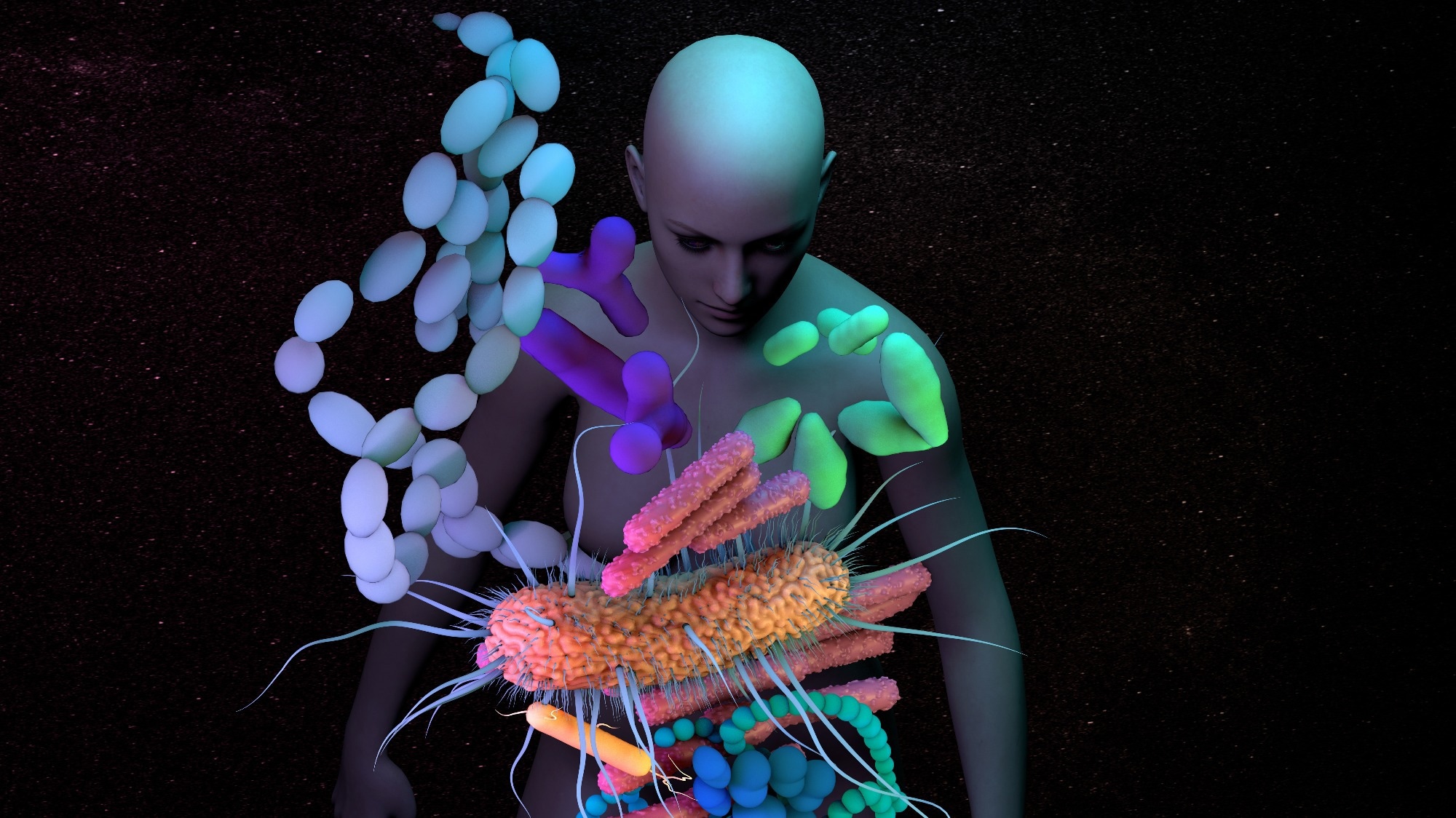
    Study: The Role of Diet and Gut Microbiota in Alzheimer’s Disease. Image Credit: Design_Cells / ShutterstockStudy: The Role of Diet and Gut Microbiota in Alzheimer’s Disease. Image Credit: Design_Cells / Shutterstock

    Background

    Alzheimer’s disease is a neurodegenerative disease characterized by progressive cognitive impairments that have an impact on daily life and functioning. These cognitive impairments affect abilities such as decision-making, memory, problem-solving, thinking, and mobility, often accompanied by drastic personality changes. The cognitive decline is attributed to the formation of amyloid-beta plaques and the hyperphosphorylation of tau neurofibrillary tangles, which also result in inflammation.

    Recent studies have also found that the gut microbiome-brain axis plays a vital role in influencing the risk of mental health disorders such as depression and various neurodegenerative diseases, including Alzheimer’s disease. Individuals with mild cognitive impairments and Alzheimer’s disease have been found to have lower diversity indices for gut microbiota as compared to healthy controls.

    Various factors such as age, genetics, diet, and antibiotic usage are known to impact the gut microbiome, and understanding the interactions between these factors, the gut microbiome, and its potential links to Alzheimer’s disease could help in the early identification of individuals at risk of developing the disease.

    Alzheimer’s disease and gut microbiota

    In the present review, the researchers discussed the incidence rate of Alzheimer’s disease worldwide and in Australia. They also shed light on the incidence rates of dementia and young-onset dementia and the mortality risk associated with dementia. Studies from the United States (U.S.) have shown that the annual health costs associated with Alzheimer’s disease and dementia are over 600 billion U.S. dollars, and it is expected to increase significantly by 2030.

    The review also covered what is known about Alzheimer’s disease pathology, including detailed discussions about the formation of amyloid-beta plaques in the brain, starting with the orbitofrontal, temporal, and basal neocortex regions and eventually spreading to the amygdala, basal ganglia, hippocampus, and diencephalon.

    Numerous hypotheses have been put forth to explain the mechanisms through which amyloid-beta peptides and tau neurofibrillary tangles contribute to the neurodegeneration in Alzheimer’s disease, such as hyperphosphorylation of tau neurofibrillary tangles and the amyloid cascade. The review expanded on these hypotheses, as well as other potential mechanisms such as mitochondrial dysfunction, oxidative stress, and neuroinflammation.

    Studies investigating the link between gut microbiota and Alzheimer’s disease have reported an association between specific gut microbes and varying levels of Alzheimer’s disease biomarkers in the cerebrospinal fluid. Other studies have found a link between the composition of the gut microbiome and levels of amyloid peptide in the brain. The researchers presented an in-depth discussion of the existing research on associations between specific gut microbes and various pathological aspects of Alzheimer’s disease.

    Diet, gut microbiome, and Alzheimer’s disease

    The fact that diet plays a pivotal role in influencing gut microbiome composition and diversity is a well-supported finding. The composition of the gut microbiome can also be modified through specific dietary patterns and the consumption of various supplements, which can, in turn, have an impact on the gut-brain axis and influence Alzheimer’s disease pathology.

    The review extensively discussed the role of various dietary components such as protein, fiber, fat, and polyphenols and various dietary patterns in influencing the gut microbiome environment and composition. It also reported on studies that found significant improvements in the cognitive function of Alzheimer’s disease patients after specific dietary patterns such as the ketogenic diet, Mediterranean diet, and diets targeting hypertension and neurodegeneration.

    The researchers also found that although the body of research on the use of pre and probiotics supplements as therapeutic options for Alzheimer’s disease is still limited, various studies have reported that the use of pre and probiotics and combinations of the two can modify Alzheimer’s disease progression and related neuropathology.

    Conclusions

    To summarize, the review comprehensively examines the existing research on the interplay between diet, gut microbiota, and Alzheimer’s disease pathology. The findings suggest that gut dysbiosis is strongly linked to the progression of the pathology of Alzheimer’s disease and presents a potential avenue for non-invasive therapy and risk modification.

    Journal reference:

    • Dissanayaka, D. M. Sithara, Jayasena, V., Rainey-Smith, S. R., Martins, R. N., & Fernando, W. M. A. D. B. (2024). The Role of Diet and Gut Microbiota in Alzheimer’s Disease. Nutrients, 16(3). DOI 10.3390/nu16030412, https://www.mdpi.com/2072-6643/16/3/412

    [ad_2]

    Source link