Tag: Nutraceutical

  • The impact of quinoa bioactive compounds on gut health

    The impact of quinoa bioactive compounds on gut health

    [ad_1]

    In a recent study published in Frontiers in Nutrition, researchers review the beneficial impacts of Chenopodium quinoa and its bioactive compounds, particularly its effects on intestinal microflora.
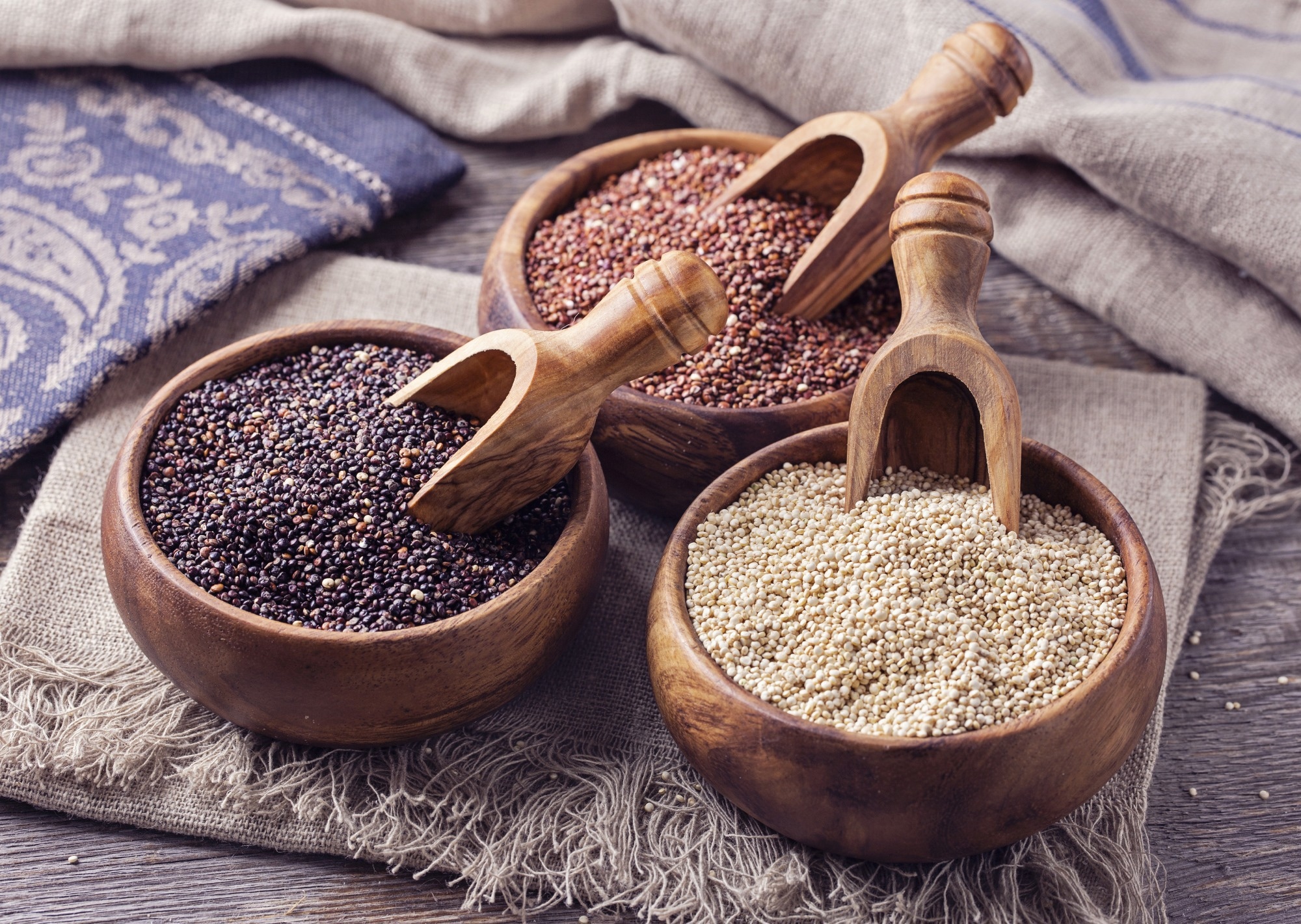
    Study: Progress in research on the effects of quinoa (Chenopodium quinoa) bioactive compounds and products on intestinal flora. Image Credit: Elena Schweitzer / Shutterstock.com

    What is quinoa?

    Quinoa is the common name of Chenopodium quinoa, a whole-grain crop belonging to the Amaranthaceae family. Quinoa is native to the South American Andes Mountains and can be found in three varieties differentiated by its white, black, or red color.

    Quinoa is becoming increasingly popular, especially among health- and fitness-conscious individuals, as it is a rich source of protein, fat, vitamins, minerals, fiber, and other bioactive compounds.

    Recent nutraceutical research using quinoa has discovered that its bioactive compounds can affect the body’s production of short-chain fatty acids (SCFAs) and alter intestinal pH, both of which are significant determinants of intestinal health. Intestinal microbiota health has profound effects on the risk and progression of chronic diseases, including cardiovascular diseases, neurological conditions, and cancers.

    Collating and discussing research on quinoa’s health and clinical benefits can better inform medical practitioners, health-conscious individuals, and future researchers of the optimal ways to utilize this natural, safe, and cost-effective plant.

    About the study

    The present study reviewed 85 scientific publications evaluating the biochemical composition of quinoa, its nutritional benefits, and the efficacy of its bioactives in improving intestinal health. The individual roles of quinoa-derived saponins, polyphenolic compounds, polysaccharides, and biopeptides in improving gut microbiota outcomes were also discussed.

    Saponins

    Saponins, which are also known as triterpene glycosides, are bitter plant-derived secondary metabolites with a broad spectrum of biologically relevant functions.

    Quinoa-derived saponins exhibit poor intestinal absorption and low bioavailability, thereby resulting in prolonged intestinal residence, which may allow these metabolites to be used by gut microbiota as a source of nutrition. Previous studies in rats have confirmed this interaction and shown that quinoa supplementation directly correlates with increasing gut microbial diversity.

    Metabolomic studies have found that saponins obtained from quinoa digestion can improve the metabolism of some vitamins and alter the ammonia cycle. However, caution must be taken when deciding upon supplementation dosages, as high concentrations of quinoa-derived saponins have been shown to be toxic in rat models.

    Polyphenolics

    Quinoa consists of many polyphenolic compounds. For example, as compared to placebo, red junglefowl treated with 1% quinoa quercetin exhibited reduced population sizes of opportunistic pathogens and increased populations of the beneficial bacterial phylum Firmicutes. When combined with supplementation of quinoa-derived cellulose, quercetin further increased the number of goblet cells, directly contributing to improved intestinal immunity.

    Quinoa polyphenols inhibit enzymes involved in the regulation of the digestive tract, thereby affecting the abundance of intestinal flora and improving the microenvironment of intestinal flora.”

    Polysaccharides

    Most quinoa-derived polysaccharides are prebiotics capable of increasing the proportion of beneficial probiotic Bifidobacteria and Collinsella bacteria. In combination with quinoa dietary fiber, quinia polysaccharides effectively modulate SCFA concentrations and reduce weight in high-fat diets (HFDs) characteristic in hyperlipidemia.

    Bioactive peptides

    In vivo studies using hypertensive rats (SHR) have shown that quinoa proteins contain numerous promising peptide precursors. While their mechanism of action remain unknown, these precursors have been shown to significantly reduce the blood pressure of SHR models, thus highlighting their application in cardiovascular research. These health benefits extend beyond blood pressure management, as some studies suggest the colorectal cancer applications of quinoa proteins.

    Quinoa proteins have also been found to be a naturally occurring source of angiotensin-converting enzyme (ACE) inhibitory peptides, an additional cardiovascular benefit.

    Flour containing quinoa protein can significantly enhance cecal microbial activity, the activities of α-glucosidase, β-glucosidase, and α-galactosidase, and the production of SCFAs in rats, while promoting a reduction in the pH of digesters, thereby indicating the favorable effects of these proteins on growth parameters and metabolism of intestinal flora.”

    Conclusions

    While research in the field remains in its infancy, a growing body of literature highlights the clinical and nutritional benefits of quinoa.

    The bioactive components of quinoa have been shown to promote the abundance of probiotic bacteria while simultaneously inhibiting pathogens. Furthermore, quinoa-derived bioactive compounds have been shown to reduce intestinal pH and increase the production of SCFAs.

    Journal reference:

    • Huang, H., Jia, C., Chen, X., et al. (2024). Progress in research on the effects of quinoa (Chenopodium quinoa) bioactive compounds and products on intestinal flora. Frontiers in Nutrition. doi:10.3389/fnut.2024.1308384

    [ad_2]

    Source link
  • Spirulina shows promise in battling heart disease and diabetes

    Spirulina shows promise in battling heart disease and diabetes

    [ad_1]

    In a recent study published in the journal Nutrients, a team of Italian researchers reviewed clinical and experimental findings from recent studies to understand the therapeutic contributions of Spirulina, also called blue-green cyanobacteria, in managing cardiovascular disease and its risk factors.

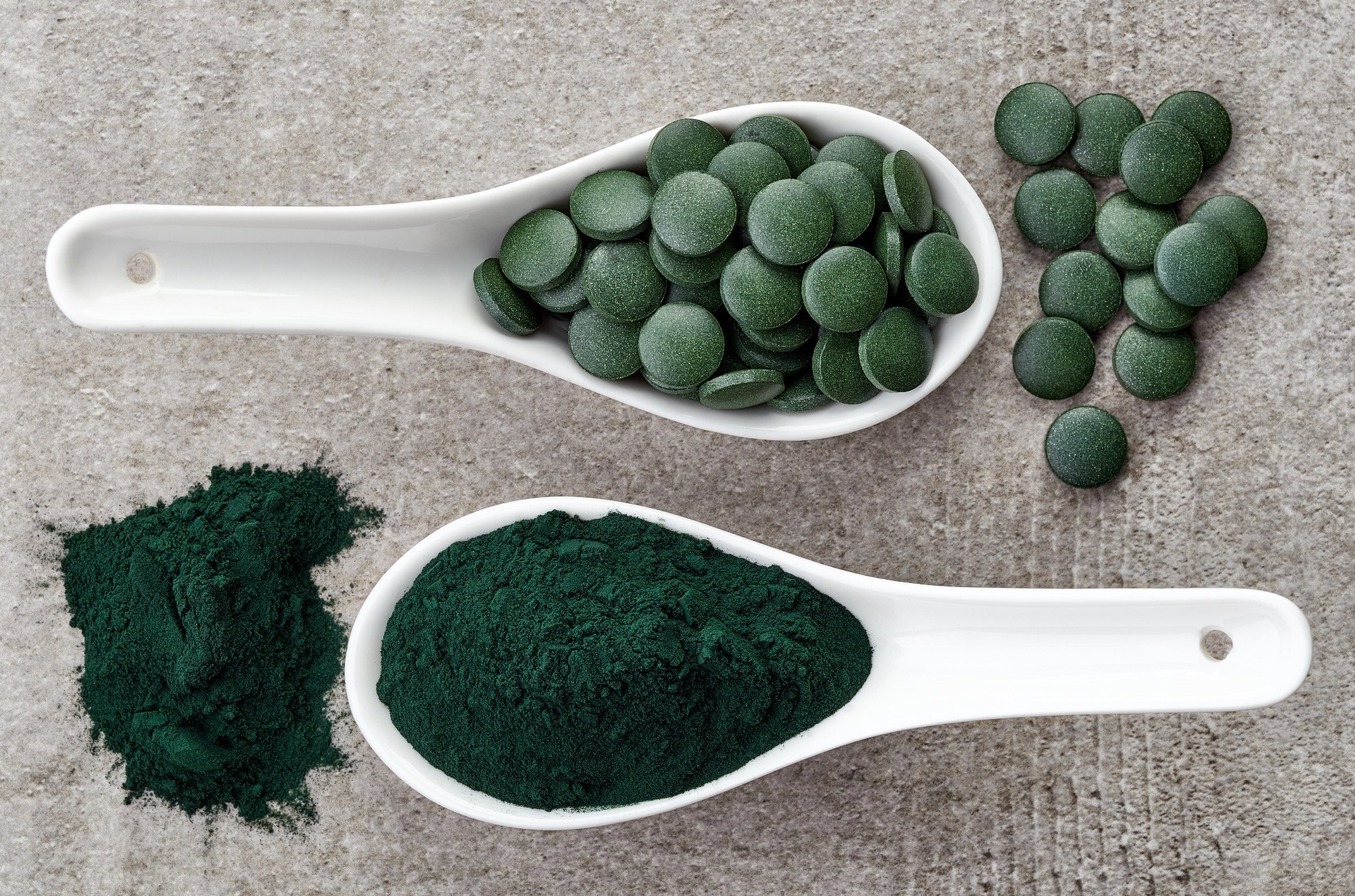
    Study: Beneficial Effects of Spirulina Supplementation in the Management of Cardiovascular Diseases. Image Credit: baibaz / ShutterstockStudy: Beneficial Effects of Spirulina Supplementation in the Management of Cardiovascular Diseases. Image Credit: baibaz / Shutterstock

    Background

    Although Spirulina has recently gained popularity as a ‘superfood’ because of its high nutritional content, the use of microalga in diet dates back to the ancient times of the Aztecs in Mexico. Spirulina is also known as blue-green cyanobacteria and are microscopic, photosynthesizing, filamentous microalgae of the genus Arthrospira, with A. plantensis and A. maxima being the two species most commonly used for their therapeutic and nutritional value.

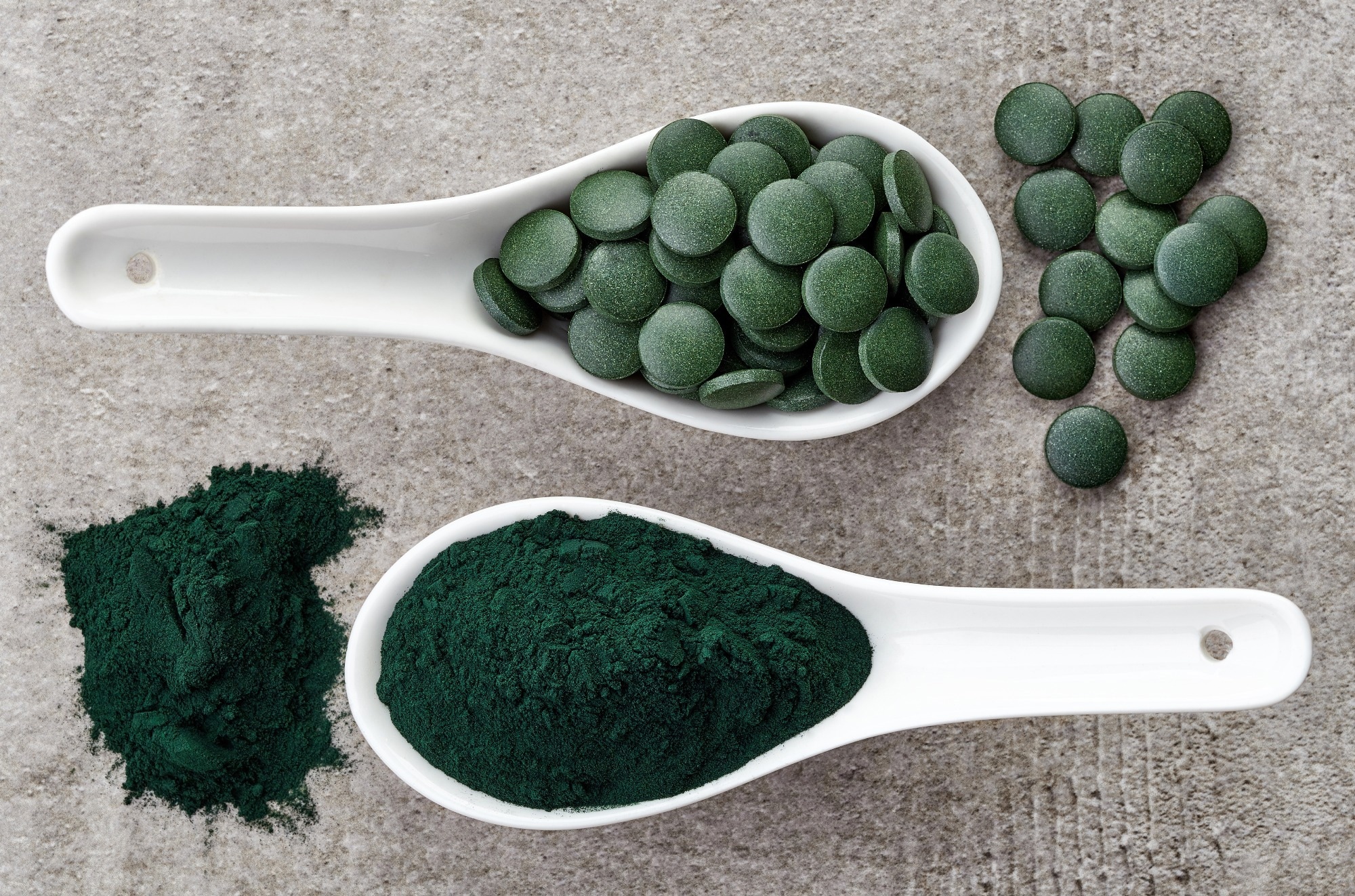
    They grow in the tropics, in alkaline lakes with high bicarbonate and carbonate salt concentrations, although they have been known to survive in extremely cold temperatures. Spirulina is considered a ‘superfood’ because 60% to 70% of its dry weight is composed of protein, while it is also abundant in minerals, vitamins, carbohydrates, phycocyanin, carotenes, and fatty acids. As a nutraceutical, it has been added to various types of foods, including sports supplements and baby foods, while the pharmaceutical industry has popularized it in the form of capsules, dehydrated powders, and tablets.

    Therapeutic effects of Spirulina

    Research indicates that Spirulina exhibits a wide range of therapeutic effects such as anti-inflammatory, antidiabetic, antioxidant, hypolipidemic, and neuroprotective properties. The antioxidant properties are attributed mainly to the pigments phycocyanin, β-carotene, diatoxanthin, and diadinoxanthin found in Spirulina.

    Given its hypolipidemic and antioxidant properties, supplementation with Spirulina could be beneficial in lowering the risk of cardiovascular disease. Furthermore, diabetes, along with dyslipidemia and hypertension, is one of the risk factors for cardiovascular disease. Therefore, the present review examined how the cumulative health benefits of Spirulina could lower the overall risk of cardiovascular disease, which continues to be one of the major causes of mortality across the globe.

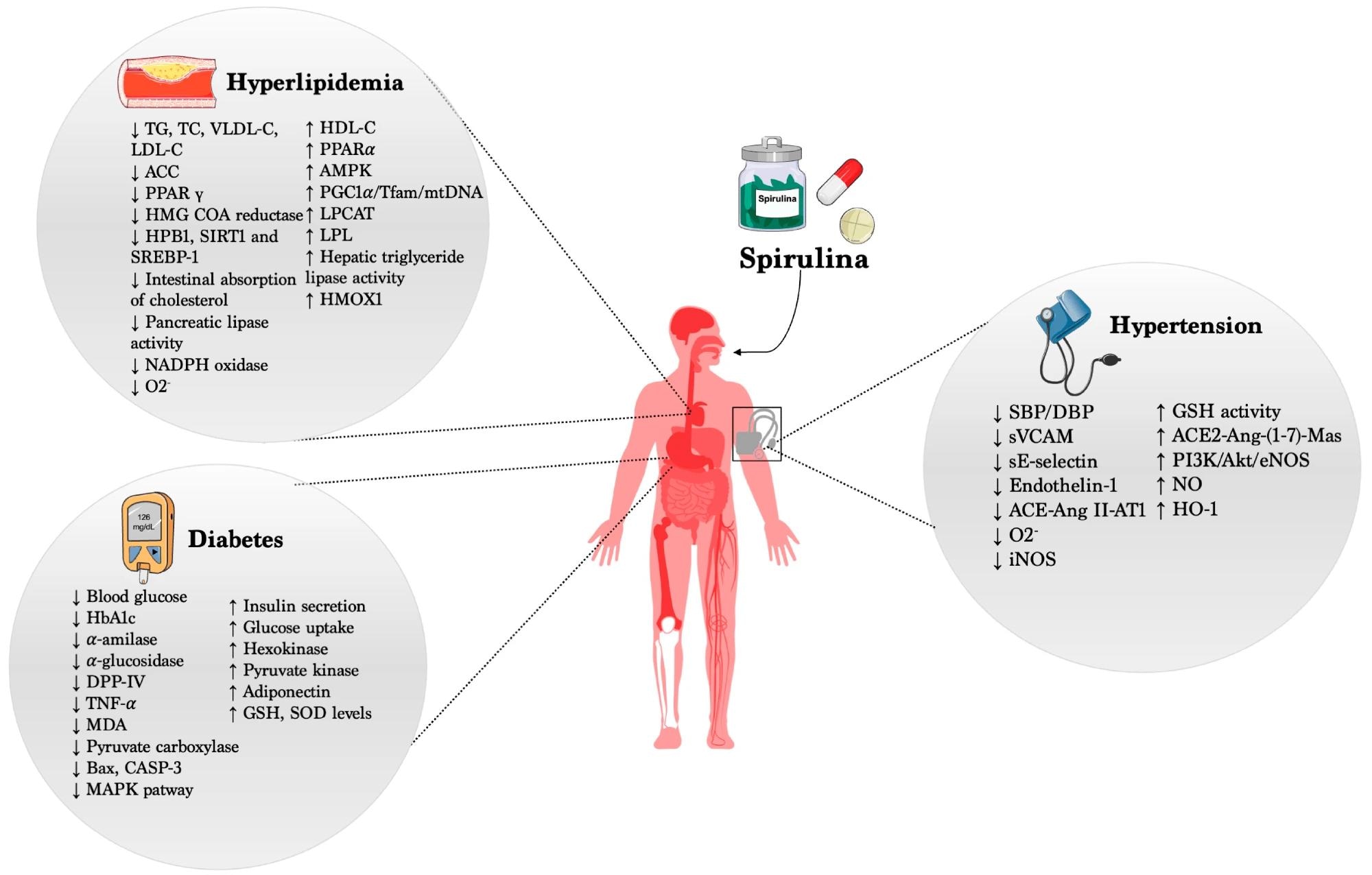
    Beneficial effects of Spirulina in CVDs.Beneficial effects of Spirulina in CVDs.

    Spirulina and hypertension

    The impact of Spirulina in lowering the risk of hypertension and stroke has been studied extensively in clinical trials, and the findings from these studies have shown that daily consumption of Spirulina, even added to foods such as salad dressing, significantly reduced the diastolic and systolic blood pressure.

    Consumption of Spirulina in the form of nutraceutical tablets also showed similar hypotensive results. Furthermore, animal studies using hypertensive rat models have shown that the high silicon content of Spirulina could be responsible for improving the elasticity of the arterial walls, along with angiotensin-converting enzyme-inhibiting properties that result in hypotensive effects.

    Antidiabetic effects of Spirulina

    Diabetes mellitus increases the risk of cardiovascular events such as heart failure, myocardial infarction, stroke, and peripheral vascular disease due to the micro- and macrovascular consequences of hyperglycemia. Cellular membrane integrity is also impacted by hyperglycemia, causing the peripheral tissues and liver to become insulin-resistant, increasing the generation of reactive oxygen species.

    In comparison to metformin, which is the standard treatment for hyperglycemia during diabetes, supplementation with Spirulina is believed to not only lower the levels of circulating glucose but also have a positive impact on lipid metabolism, which is linked to diabetes. The hypoglycemic and hypolipidemic properties of Spirulina are believed to have a cumulative effect in decreasing the risk of cardiovascular disease.

    The review discussed various clinical trials and studies using animal models of diabetes mellitus that have investigated the hypoglycemic properties of Spirulina and compared its efficacy in lowering blood sugar levels with that of metformin.

    While the mechanism through which Spirulina impacts blood glucose levels is not yet fully understood, the researchers believe that it could be influencing the secretion of insulin from the β-cells in the islets of Langerhans in the pancreas or further downstream, facilitating the transport of glucose from blood to all the peripheral tissue.

    Hyperlipidemia and Spirulina

    Spirulina has also demonstrated hypolipidemic properties by lowering the concentrations of low-density-lipoprotein cholesterol and triglycerides in the plasma while increasing the levels of high-density lipoprotein cholesterol, with the beneficial effects not being dose-dependent or toxic at high concentrations.

    Studies in animal models and overweight or obese human participants have reported significant benefits of Spirulina supplementation in lowering triglyceride levels, either as food additives or as nutraceutical pills or tablets. Spirulina was also found to be beneficial as an adjunct therapy to metformin in overweight diabetes patients.

    Conclusions

    Overall, this comprehensive review reported that consumption of Spirulina, either as an additive to regular foods or as a nutraceutical supplement, had numerous potential benefits, such as hypoglycemic, antioxidant, and hypolipidemic effects. However, the dosage and timing of Spirulina supplementation need to be standardized for optimal benefits in lowering the risk of cardiovascular disease.

    In conclusion, based on these data, more rigorous studies should be planned in the future aiming to address these critical questions, putting the foundations for developing a common guideline on “how and when” to use Spirulina.

    Journal reference:

    • Prete, V., Abate, A. C., Pietro, D., Lucia, D., Vecchione, C., & Carrizzo, A. (2024). Beneficial Effects of Spirulina Supplementation in the Management of Cardiovascular Diseases. Nutrients, 16(5). DOI: 10.3390/nu16050642, https://www.mdpi.com/2072-6643/16/5/642

    [ad_2]

    Source link

  • Extract from pomegranate peels and seeds shows anti-hypertensive properties

    Extract from pomegranate peels and seeds shows anti-hypertensive properties

    [ad_1]

    In a recent study published in the journal Nutrients, a team of Italian researchers investigated the efficacy of an extract obtained from the non-edible parts of pomegranates, using a sustainable and green method called hydrodynamic cavitation, in lowering cardiovascular risk due to hypertension using in vivo experiments in a rat hypertension model.

    Study: Improved Cardiovascular Effects of a Novel Pomegranate Byproduct Extract Obtained through Hydrodynamic Cavitation. Image Credit: Tim UR/Shutterstock.comStudy: Improved Cardiovascular Effects of a Novel Pomegranate Byproduct Extract Obtained through Hydrodynamic Cavitation. Image Credit: Tim UR/Shutterstock.com

    Background

    Pomegranates belong to the Punicaceae family and are widely cultivated in Asia, the Middle East, the Mediterranean region, North America, Australia, and Africa.

    The fruit is known to have numerous health benefits and medical uses and contains various polyphenols such as tannins, anthocyanins, flavonoids; organic acids; phenolic acids such as gallic and ellagic acids; vitamins; terpenes; and tocopherols.

    The main forms in which pomegranate is consumed for nutritional and nutraceutical purposes are as juice or jams made from the fleshy edible part of the fruit.

    The non-edible part of the fruit constitutes approximately half of the weight of the fruit and is known to contain various beneficial bioactive compounds.

    While the non-edible parts, such as the peel, have been used for tea, infusions, and as a spice, they constitute a significant portion of the waste generated by the food industry that processes pomegranates. The pomegranate seeds are also a rich source of fatty acids and sterols.

    About the study

    In the present study, the researchers evaluated the efficacy of a hydrodynamic cavitation-based extract obtained from the entire pomegranate fruit (PFE), as well as that obtained from the non-edible parts (PPE) that are generated as a waste byproduct during the juicing process in reducing cardiovascular risk.

    The non-edible parts used in the hydrodynamic cavitation extraction included seeds and peel.

    Hydrodynamic cavitation is believed to be a green, sustainable, and scalable model for extracting bioactive compounds and uses water as the solvent.

    Real-scale applications have verified the method to be energy and time-efficient and effective in extracting high yields of bioactive compounds.

    Furthermore, whole pomegranate hydrodynamic cavitation-based extracts have exhibited apoptotic and antiproliferative activity in in vitro experiments involving breast cancer cells.

    Freeze-dried samples of PPE and PFE were chemically analyzed using high-performance liquid chromatography with diode-array detection to identify and quantify the phenolic compounds.

    Additionally, the researchers investigated the chronic and acute anti-hypertensive effects and pharmacokinetic profile of both extracts using in vivo experiments involving phenylephrine (PE)-induced rat model of hypertension.

    Rats with induced hypertension were orally administered either PPE, PFE, or ellagic acid while their vital functions were continuously monitored.

    The pharmacokinetic profile included an assessment of the bioavailability and bioaccessibility through time-course measurements of plasma levels of urolithin A, punicalagin α, or ellagic acid.

    Furthermore, the anti-hypersensitive effects of the extracts were determined through measurements of systolic blood pressure during the study, as well as a complete lipid analysis including total cholesterol, triglycerides, high-density lipoprotein, and low-density lipoprotein of the rats after the study period.

    Ventricular and cardiac hypertrophy were assessed using explanted heart samples from euthanized animals, and histological analyses of the thoracic aorta were also conducted to assess endothelial integrity.

    Additionally, enzyme-linked immunosorbent assay (ELISA) was used to assess transforming growth factor beta one and interleukin-6 levels.

    Results

    The results indicated that the hydrodynamic cavitation-based extract PPE obtained from the non-edible waste byproducts of pomegranate juicing showed similar efficacy as the extract obtained from the whole fruit using the same extraction method in reducing cardiovascular risk in rats with induced hypertension.

    Furthermore, the bioaccessibility of the extract through the gastrointestinal route was also found to be high.

    The extract from the non-edible parts of the pomegranate also exhibited anti-fibrotic and anti-inflammatory effects. Additionally, similar to Captopril, the reference hypertension drug, PPE showed a significant ability to inhibit systolic blood pressure increase at doses lower than that reported for ellagic acid.

    The pharmacokinetic profile indicated significant levels of ellagic acid in the blood, but urolithin A and punicalagin α were not detected.

    The researchers believe that the absence of urolithin A and punicalagin α in the blood might be due to the longer metabolism time needed from the former and the pre-systemic rapid metabolization of the latter.

    Conclusions

    Overall, the findings suggested that hydrodynamic cavitation-based extracts from pomegranate peels and seeds that are formed as the byproduct of the pomegranate juicing process have substantial levels of bioactive compounds that contain anti-hypertensive properties.

    These extracts have high bioaccessibility in the intestine and exhibit comparable systolic blood pressure-lowering abilities as reference drugs.

    These results highlight the potential nutraceutical and medicinal use of the non-edible parts of the pomegranate.

    [ad_2]

    Source link