Tag: Organoids

  • Unraveling the mysteries of gastro-esophageal junction development

    Unraveling the mysteries of gastro-esophageal junction development

    [ad_1]

    The transition from the esophagus to the stomach is a delicate region from a medical point of view, often associated with pathological disorders leading to cancer. An international research team has now gained new insights into this region. These pave the way for new prevention and treatment options.

    The meeting point of the stomach and esophagus, the so-called gastro-esophageal junction, is a region of the human body that is not well-suited to the modern lifestyle. Stress, alcohol, nicotine and severe obesity are often triggers for pathological changes to the mucosal membrane in this area, often resulting in esophageal cancer.

    An international research team has now gained new insights into the development of the cells, their communication with each other, and their regulation at the junction of the esophagus and stomach. With the help of specially developed mini-organs, so-called organoids, and with techniques that make it possible to track and profile individual cells, they have been able to follow the development of the gastro-esophageal junction from embryonic to adult stage in detail using animal experiments.

    New insights into the development of the gastrointestinal tract

    Their results reveal the complex communication at the cellular level and the specific pathways that these cells use to communicate. They provide new insights into the development of the gastro-esophageal junction and thus have significant implications for the understanding, prevention and treatment of gastrointestinal diseases. At the same time, they present new starting points for medical research and the development of new therapies.

    Cindrilla Chumduri is responsible for this study, which has now been published in the journal Nature Communications. Until recently, the infection and cancer biologist was a research group leader at the Department of Microbiology at Julius-Maximilians-Universität Würzburg (JMU); she is now an associate professor at Aarhus University (Denmark). Other participants came from Charité – Universitätsmedizin and the Max Planck Institute for Infection Biology in Berlin.

    “This collaboration underlines the importance of different expertise to improve our understanding of the biology of the gastrointestinal tract,” says Chumduri.

    She herself has many years of experience in research with organoids. Among other things, she has used mini-organs she developed to study how cells in the cervix degenerate and turn cancerous – another region where different types of mucosal cells collide.

    Where different epithelia meet

    The squamous epithelia of the esophagus and the columnar epithelia of the stomach meet at the gastroesophageal junction.”

    Dr. Naveen Kumar Nirchal, one of the first authors of the study

    The area is known as a “hotspot for the development of metaplasia” – the replacement of one type of cell by another.

    Barrett’s esophagus, a precursor to esophageal cancer, often develops there, the number of cases of which has increased dramatically in the Western world over the past four decades. “Barrett’s esophagus is characterized by the replacement of the resident squamous epithelium of the esophagus by other cell types that are not normally found in this tissue,” says the scientist.

    However, it is still unclear why this region is so susceptible to this process. In order to better understand this transformation, it is therefore first necessary to decipher the normal development process in detail – from embryo to mature adult. “This is the only way to determine the tissue changes that trigger the progression of the disease, explains Dr. Rajendra Kumar Gurumurthy, another researcher of the study.

    A never-before-seen insight into the development of this region

    This has now been achieved: By using a novel approach that combines organoid and mouse models with advanced single-cell transcriptome analyses over time and space, the research team has shed light on the complex developmental process of the gastroesophageal junction. “We were able to provide unprecedented insight into the development of this region from the embryonic stage to adulthood in mice and identify the intricate composition of the cells involved and how they develop,” explains Pon Ganish Prakash, another scientist involved in the study.

    The work shows the sophisticated communication between different cell types within the gastroesophageal junction and the signaling pathways involved. “This understanding opens up new avenues for research into gastrointestinal diseases,” says Cindrilla Chumduri.

    Above all, the precision of the single-cell analysis in their study opens new doors to understanding how pathological processes develop and to developing innovative treatments, the team writes in its study. The work will therefore be a “cornerstone for understanding the development of such diseases” and will significantly influence the approach to the early detection and treatment of diseases in this important part of the digestive system.

    Source:

    Journal reference:

    Kumar, N., et al. (2024). Decoding spatiotemporal transcriptional dynamics and epithelial fibroblast crosstalk during gastroesophageal junction development through single cell analysis. Nature Communications. doi.org/10.1038/s41467-024-47173-z.

    [ad_2]

    Source link

  • Deciphering cancer plasticity:Insights from MSK research

    Deciphering cancer plasticity:Insights from MSK research

    [ad_1]

    About 90% of deaths from cancer are a result of metastasis -; that is, from cancer’s ability to spread from an initial primary tumor to seed new tumors throughout the body, often in the lungs, liver, and brain.

    And metastasis relies on cancer cells’ ability to adapt to different tissue environments throughout the body by gaining improper access to a variety of playbooks stored in our genetic code -; including gene programs that are generally available only during early stages of human development.

    Today, researchers at Memorial Sloan Kettering Cancer Center (MSK) are using innovative approaches like single-cell sequencing technology and sophisticated computational tools to illuminate cancer cells’ ability to take on new traits. And they’re applying those findings toward treating or preventing metastasis.

    In a plenary presentation at the 2024 American Association for Cancer Research (AACR) Annual Meeting, Dana Pe’er, PhD, Chair of the Computational and Systems Biology Program at MSK’s Sloan Kettering Institute, highlighted three recent research collaborations between her lab and other labs at MSK that have shed new light on the ability of cancer cells to adapt and spread.

    “It’s not genetic mutations that are critical here, but the ability to access gene programs that normally are associated with other cell types -; including early developmental and embryonic programs that should not be accessed by adult cells,” Dr. Pe’er said in a recent interview. “We call this ability for cells to run new programs ‘plasticity.’ So cancer doesn’t reinvent the wheel; it exploits gene programs that exist for other biological purposes.”

    In general, she notes, plasticity isn’t a bad thing. It’s important for early development and for regeneration after injury. And the body also has built-in barriers to limit the scope of plasticity so that cells can’t just run amok.

    But in cancer, these cells can wreak havoc because they’ve lost these natural barriers.”


    Dr. Dana Pe’er, Howard Hughes Medical Institute Investigator

    Plasticity in colorectal cancer

    In the first study Dr. Pe’er presented at AACR, she teamed up with MSK physician-scientist Karuna Ganesh, MD, PhD, to look at the differences in gene programs active in the primary tumors and metastatic tumors of patients with advanced colorectal cancer. Samples of both types of tumors were collected at the same time from 31 patients -; the largest cohort of its kind -; some of whom had undergone chemotherapy and some of whom had not.

    They also created organoids from the patients’ cells -; three-dimensional clusters of cells that act more like human tissue than traditional laboratory cell cultures.

    The study found that primary tumor cells largely run programs still associated with intestinal cells, while metastases often shed their heritage as intestinal cells and take on the characteristics of squamous cells or of neuroendocrine cells, which helps them invade and survive in new tissue contexts and makes them more resistant to treatment. The team also found that chemotherapy exacerbates these transformations. The findings were published as a preprint on bioRxiv in August 2023.

    “The metastatic organoids were very different from the primary tumor organoids,” Dr. Pe’er says. “And it matters what environment they’re in, too. If you put the metastatic organoids into the liver of a mouse, they will adapt their identity in ways that primary tumor organoids are not able to -; so they’re a lot more plastic.”

    The team additionally found that a gene known as PROX1 restricted the ability of cells from the primary tumor to stray too far from their lineage as intestinal cells. But when this factor is removed, the cells gain access to many more types of cell lineages -; which scientists call noncanonical. (For reasons that aren’t fully understood, metastatic cells that lose the restrictions imposed by Prox1 are already primed to go in these noncanonical directions.)

    “I call it a mix-and-match buffet,” Dr. Peer says. “Metastatic cells have this awesome power to combine gene programs across many different types of cells, endowing them with new abilities that allow them to adapt themselves to take advantage of different conditions and environments throughout the body.”

    Plasticity in pancreatic cancer

    The second study Dr. Pe’er presented looked at about a dozen metastases collected from a single patient with pancreatic cancer, who donated their body for research under MSK’s Last Wish Program. A collaboration with physician-scientist Christine Iacobuzio-Donahue, MD, PhD, Director of the David M. Rubenstein Center for Pancreatic Cancer Research at MSK, the research used advanced single-cell and computational approaches to look at the differences in active gene programs in genetically identical cancer cells -; called clones -; that had spread to different locations in the body. The findings of the study have not yet been published.

    “What we see is that these clones are able to adapt to the pressures and metabolic demands of very different environments,” Dr. Pe’er says. “And we see that they’re able to access different gene programs that allow them to thrive in different places, different organs.”

    Moreover, even genetically different cancer cells tend to adapt to specific situations by accessing the same gene programs.

    “The big question of a cancer cell is, ‘Are you plastic or not?’ And once you are, you can acquire all these different traits. The environment is what really determines what traits will be most advantageous,” she says.

    For example, the research showed that cells that metastasize to the peritoneum -; the tissue that lines the abdominal cavity -; are able to adapt their metabolism to take advantage of the lipid-rich environment and exploit it as an energy source, she notes.

    Moving plasticity research from the lab to the clinic

    Lastly, Dr. Pe’er highlighted a third collaboration -; this time with neuro-oncologist Adrienne Boire, MD, PhD, a member of MSK’s Human Oncology and Pathogenesis Program -; which showed how plasticity can be turned against cancer cells.

    The research led to a clinical trial for patients with leptomeningeal metastasis, which is when cancer has spread to the fluid and tissues of the spinal cord and brain. The team showed that cancer cells were able to survive in this challenging environment by reprogramming themselves to outcompete other cells for iron; this fuels their growth while also preventing immune defenders in the area from getting enough iron.

    “It’s an elegant solution on the part of the cancer cell,” Dr. Boire says. “It’s really unique biology that allows them to win the competition.”

    Based on that discovery, doctors at MSK are now determining whether a drug called deferoxamine could be an effective treatment for leptomeningeal metastases by helping to remove iron from the cerebrospinal fluid.

    “The plasticity of these cells allowed several patients with several different cancers to overexpress the same two genes that are typically only expressed in myeloid cells,” Dr. Pe’er says. “And the cells not only got aberrant access to these gene programs, but they also expressed the genes at 100 times the levels seen in their normal counterparts.”

    By injecting the study drug into the spinal fluid, the idea is to prevent the cancer cells from getting the iron they need to thrive. And so far, Dr. Pe’er told the audience, initial results from the trial have been extremely promising.

    Only at a place like MSK

    “The ultimate goal, though we’re not there yet, would be to be able to target plasticity directly -; to restore some of the biological barriers or inhibit plasticity with drugs,” Dr. Pe’er says.

    And MSK is uniquely poised to pursue that aim, with strong collaborations between laboratory and clinical research; a high volume of patients that provides a wide variety of clinical samples from a wide variety of cancers, including rare ones; access to state-of-the art sequencing tools combined with some of the world’s top computational expertise; and a significant number of physician-scientists who focus both on caring for patients and finding new ways to treat their disease.

    “Not every cancer center would see enough patients with leptomeningeal metastasis to set up a clinical trial like this,” Dr. Pe’er notes. “Or have someone like Dr. Boire, who not only cares for patients with metastasis to the central nervous system but who also runs a lab dedicated to studying the underlying molecular mechanisms.”

    [ad_2]

    Source link

  • Gene therapy and glycoside drugs offer new hope for polycystic kidney disease treatment

    Gene therapy and glycoside drugs offer new hope for polycystic kidney disease treatment

    [ad_1]

    Researchers have shown that dangerous cysts, which form over time in polycystic kidney disease (PKD), can be prevented by a single normal copy of a defective gene. This means the potential exists that scientists could one day tailor a gene therapy to treat the disease. They also discovered that a type of drug, known as a glycoside, can sidestep the effects of the defective gene in PKD. The discoveries could set the stage for new therapeutic approaches to treating PKD, which affects millions worldwide. The study, partially funded by the National Institutes of Health (NIH), is published in Cell Stem Cell.

    Scientists used gene editing and 3-D human cell models known as organoids to study the genetics of PKD, which is a life-threatening, inherited kidney disorder in which a gene defect causes microscopic tubes in the kidneys to expand like water balloons, forming cysts over decades. The cysts can crowd out healthy tissue, leading to kidney function problems and kidney failure. Most people with PKD are born with one healthy gene copy and one defective gene copy in their cells.

    Human PKD has been so difficult to study because cysts take years and decades to form. This new platform finally gives us a model to study the genetics of the disease and hopefully start to provide answers to the millions affected by this disease.”


    Benjamin Freedman, Ph.D., senior study author at the University of Washington, Seattle

    To better understand the genetic reasons cysts form in PKD, Freedman and his colleagues sought to determine if 3-D human mini-kidney organoids with one normal gene copy and one defective copy would form cysts. They grew organoids, which can mimic features of an organ’s structure and function, from induced pluripotent stem cells, which can become any kind of cell in the body.

    To generate organoids containing clinically relevant mutations, the researchers used a gene editing technique called base editing to create mutations in certain locations on the PKD1 and PKD2 genes in human stem cells. They focused on four types of mutations in these genes that are known to cause PKD by disrupting the production of polycystin protein. Disruptions in two types of the protein – polycystin-1 and polycystin-2 – are associated with the most severe forms of PKD.

    They then compared cells with two gene copy mutations in organoids to cells with only one gene copy mutation. In some cases, they also used gene editing to correct mutations in one of the two gene copies to see how this affected cyst formation. They found organoids with two defective gene copies always produced cysts and those that carried one good gene copy and one bad copy did not form cysts. 

    “We didn’t know if having a gene mutation in only one gene copy is enough to cause PKD, or if a second factor, such as another mutation or acute kidney injury was necessary,” Freedman said. “It’s unclear what such a trigger would look like, and until now, we haven’t had a good experimental model for human PKD.”

    According to Freedman, the cells with one healthy gene copy make only half the normal amount of polycystin-1 or polycystin-2, but that was sufficient to prevent cysts from developing. He added that the results suggest the need for a second trigger and that preventing that second hit might be able to prevent the disease.

    The organoid models also provided the first opportunity to study the effectiveness of a class of drugs known as eukaryotic ribosomal selective glycoside on PKD cyst formation.

    “These compounds will only work on single base pair mutations, which are commonly seen in PKD patients,” explained Freedman. “They wouldn’t be expected to work on any mouse models and didn’t work in our previous organoid models of PKD. We needed to create that type of mutation in an experimental model to test the drugs.”

    Freedman’s team found that the drugs could restore the ability of genes to make polycystin, increasing the levels of polycystin-1 to 50% and preventing cysts from forming. Even after cysts had formed, adding the drugs slowed their growth.

    Freedman suggested that a next step would be to test existing glycoside drugs in patients. Researchers also could explore the use of gene therapy as a treatment for PKD.

    The research was supported by NIH’s Nation Center for Advancing Translational Sciences, National Institute of Diabetes and Digestive and Kidney Diseases, and National Institute of General Medical Sciences through awards R01DK117914, UH3TR002158, UH3TR003288, U01DK127553, U01AI176460, U2CTR004867, UC2DK126006, P30DK089507, R21DK128638, and R35GM142902; an Eloxx Pharmaceuticals Award; the Lara Nowak-Macklin Research Fund; and a Washington Research Foundation fellowship.

    Source:

    Journal reference:

    Vishy, C. E., et al. (2024) Genetics of cystogenesis in base-edited human organoids reveal therapeutic strategies for polycystic kidney disease. Cell Stem Cell. doi.org/10.1016/j.stem.2024.03.005.

    [ad_2]

    Source link

  • Household chemicals endanger brain’s myelin-forming cells

    Household chemicals endanger brain’s myelin-forming cells

    [ad_1]

    In a recent study published in the journal Nature Neuroscience, researchers in the United States pinpointed and evaluated environmental chemicals that hinder oligodendrocyte development through varied mechanisms, assessing their neurodevelopmental impacts.

    Study: Pervasive environmental chemicals impair oligodendrocyte development. Image Credit: Lightspring / ShutterstockStudy: Pervasive environmental chemicals impair oligodendrocyte development. Image Credit: Lightspring / Shutterstock

    Background 

    Human exposure to environmental chemicals, especially during the critical developmental stages of children’s central nervous systems, raises significant health concerns. Substances like methylmercury, lead, and polychlorinated biphenyls are linked to disrupting brain development, potentially contributing to the increasing prevalence of neurodevelopmental disorders such as autism and Attention-Deficit/Hyperactivity Disorder (ADHD). These trends suggest that environmental factors play a critical role beyond genetics. Oligodendrocytes, vital for brain functionality through myelination and neuronal support, are particularly susceptible to these chemicals from fetal development into adolescence. Despite their significance, limited research has focused on the impact of environmental toxins on oligodendrocytes. This gap highlights the need for further investigation into how these chemicals affect oligodendrocyte development and identifying ways to counteract their detrimental effects on neurodevelopment.

    About the study 

    The present study adhered to ethical standards set by the International Society for Stem Cell Research and the National Institutes of Health, receiving approval from the Case Western Reserve University Institutional Animal Care and Use Committee. Mouse oligodendrocyte precursor cells (OPCs) were cultured from induced pluripotent stem cells (iPSCs), following established protocols that involved removing iPSCs from a feeder layer, dissociating them, and then cultivating them in a medium conducive to OPC expansion and maturation. The culture medium was switched on the tenth day to promote OPC development, utilizing a specific combination of supplements to enrich OPC populations. Additionally, primary mouse OPCs and astrocytes were derived from dissected mouse brain tissue, with the cells undergoing culture in specially prepared media to encourage the growth of OPCs and astrocytes, respectively.

    Human cortical organoids were generated from embryonic stem cells and iPSCs, following rigorous stem cell research guidelines. These organoids were cultured in a medium optimized for OPC expansion and differentiation, incorporating various growth factors and supplements. Chemical screening on OPCs utilized the United States Environmental Protection Agency (US EPA) Toxicity Forecaster chemical library to identify compounds that disrupt OPC development. 

    Various methods, including immunocytochemistry, high-content imaging, and cell viability assays, were employed to assess the impact of chemicals on OPCs. Additionally, the study explored the effects of specific quaternary compounds on cell viability, employing a range of experimental setups across different cell types to understand the compounds’ toxicity profiles. 

    Study results 

    The present study developed a high-throughput screening method to assess the impact of environmental chemicals on the development of mouse pluripotent stem cells (mPSCs)- derived OPCs into oligodendrocytes. Among the 1,823 chemicals screened, a selection was found to either be cytotoxic to developing oligodendrocytes or impede their generation without inducing cytotoxicity. The screening revealed that a majority of the chemicals had no significant effect on oligodendrocyte development or viability, yet 292 were identified as cytotoxic and 47 as inhibitors of oligodendrocyte generation.

    Further investigation using the MTS assay, which measures metabolic activity as an indicator of cell viability, validated the cytotoxic effects of certain chemicals. Comparison of cytotoxicity profiles across different cell types, including mouse astrocytes and data from the US EPA, identified quaternary compounds as selectively cytotoxic to oligodendrocytes. These compounds, characterized by a central nitrogen with four alkyl groups, demonstrated a specific toxicological sensitivity in developing oligodendrocytes. The study also explored the activation of the integrated stress response (ISR) as a potential mechanism for the cytotoxicity induced by quaternary compounds.

    Quaternary compounds were also tested for their ability to cross the blood-brain barrier and were found to be present in brain tissue at nanomolar concentrations following administration to mice. Furthermore, the study extended to human pluripotent stem cell-derived regionalized neural organoid models, confirming that quaternary compounds could disrupt human oligodendrocyte development, reducing the density of SOX10+ OPCs and oligodendrocytes.

    Additionally, the screening identified organophosphate flame retardants as inhibitors of oligodendrocyte development. These compounds were shown to arrest the progression of early to intermediate and mature oligodendrocytes. The study’s findings were extended to in vivo and in vitro models of human brain development, demonstrating that exposure to organophosphate flame retardants, particularly Tris(1,3-dichloro-2-propyl) phosphate (TDCIPP), significantly reduced the number of SOX10+CC1+ oligodendrocytes in both mouse and human models.

    Lastly, the study utilized data from the National Health and Nutrition Examination Survey (NHANES) to investigate associations between exposure to organophosphate flame retardants and neurodevelopmental outcomes in children. High levels of urinary Bis(1,3-dichloro-2-propyl) phosphate (BDCIPP), a metabolite indicative of TDCIPP exposure, were associated with an increased likelihood of special education needs and gross motor dysfunction, suggesting a strong link between organophosphate flame retardant exposure and adverse neurodevelopmental outcomes. 

    [ad_2]

    Source link

  • Microfluidic chips advance neurodegenerative disease research

    Microfluidic chips advance neurodegenerative disease research

    [ad_1]

    A review article published in the journal Nature Communications provides a detailed overview of recent developments in microfluidic chip models for neurodegenerative diseases.

    Study: Neuropathogenesis-on-chips for neurodegenerative diseases. Image Credit: luchschenF / ShutterstockStudy: Neuropathogenesis-on-chips for neurodegenerative diseases. Image Credit: luchschenF / Shutterstock

    Background

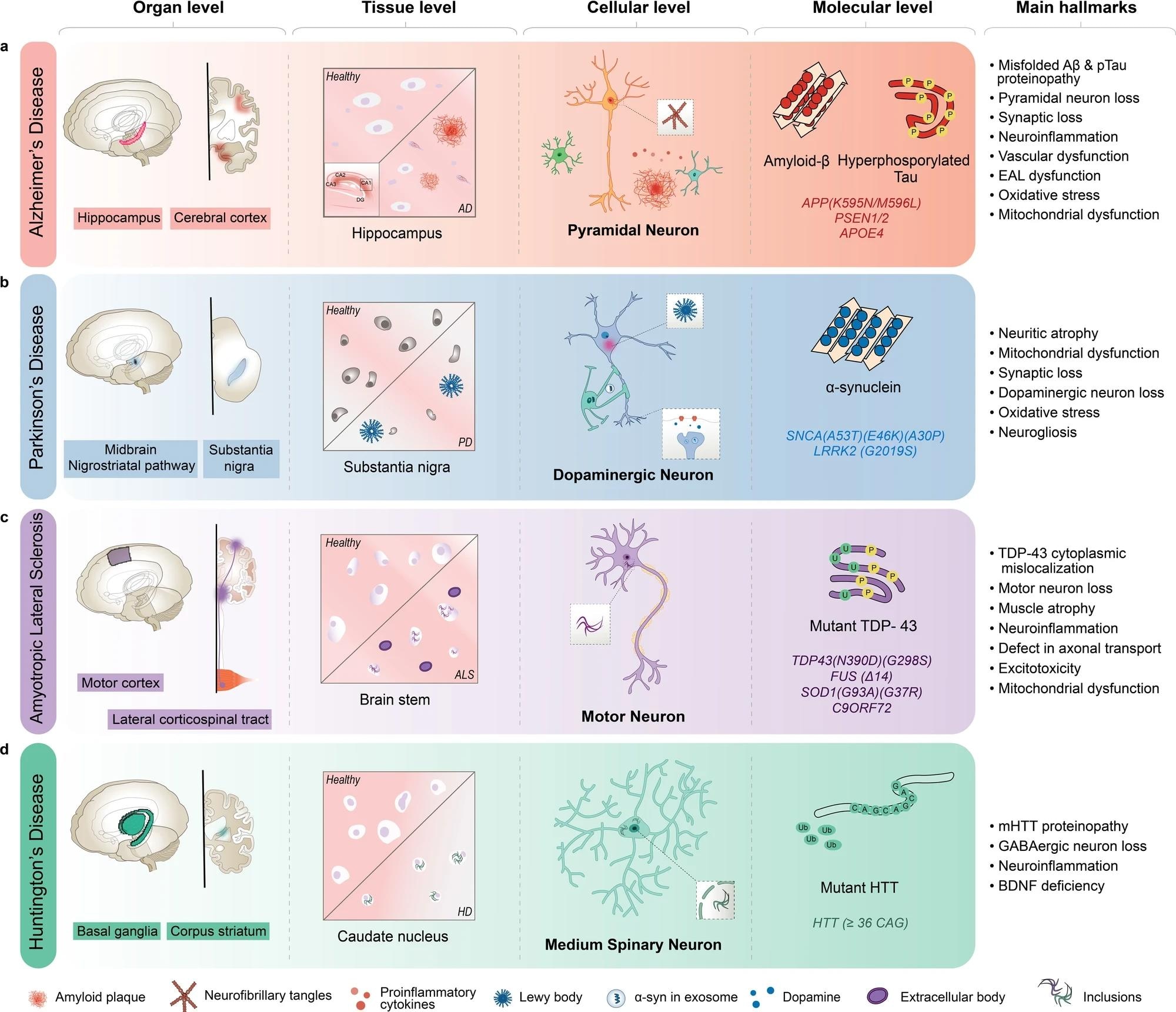
    Recent advancements in medical science have significantly increased human life expectancy, leading to a gradual risNeuropathogenesis-on-chips for neurodegenerative diseasesNeuropathogenesis-on-chips for neurodegenerative diseases in the aging population globally. This is accompanied by a concomitant increase in the prevalence of age-related neurodegenerative diseases, including Alzheimer’s disease, Parkinson’s disease, Huntington’s disease, and amyotrophic lateral sclerosis.

    Neurodegenerative diseases primarily affect the cognitive and behavioral abilities of older adults. With the accumulation of dysfunctional proteins as the primary initiating factor, these diseases share some common pathogenic characteristics, including specific neuronal loss, gliosis, neuroinflammation, oxidative stress, mitochondrial dysfunction, and early vascular damage.

    Despite advancements in medical science, the development of diagnostic and therapeutic interventions for neurodegenerative diseases remains a challenging task because of the complex multifactorial pathogenesis that progresses gradually.

    Microfluidic organs or organoids-on-chips have provided a unique opportunity to experimentally reproduce critical elements of distinct brain regions associated with neurodegenerative diseases. These miniaturized systems can be used for studying disease pathogenesis, drug development, drug screening, and primary biomedical research purposes.

    Microfluidic chip design  

    The ‘Campenot chamber,’ a compartmentalized in vitro system, was the first microfluidic chip application for brain research. With two fluidically separated chambers, this device is used to study the effects of nerve growth factors on axonal growth. Later, scientists invented several miniaturized systems of neuron-glia cells, the blood-brain barrier, and the neurovascular unit.

    Microfluidic chips typically contain two or more fluidically separated chambers that are connected by microchannels, porous membranes, or phase guides. These connections are required to maintain direct or indirect interactions between homogeneous or heterogeneous cell populations kept in these chambers.      

    The earliest microfluidic chip for the brain was designed by separating a neuronal soma from its neurites using microchannels. This design was used to study directional neurite growth. More advanced neural circuit models were developed later by incorporating multiple chambers for neuronal subpopulations.

    AD is characterized by the inclusion of misfolded amyloid-β (Aβ) and neurofibrillary tangles in pyramidal neurons, primarily in the hippocampus and cortex regions of the brain. b PD is characterized by Lewy body aggregates composed of misfolded α-synuclein and degeneration of dopaminergic neurons in the substantia nigra region of the brain. c ALS is characterized by including mutant TAR DNA-binding protein 43 (TDP-43) and other proteins, degeneration of motor neurons in the motor cortex and spinal cord, and muscle atrophy with dysfunctional proteins. d HD is characterized by including mutant Huntingtin protein (mHTT) and degeneration of medium spiny neurons in the basal ganglia, and corpus striatum of the brain. AD Alzheimer’s disease, ALS amyotrophic lateral sclerosis, BDNF brain-derived neurotrophic factor, EAL endosomal-autophagic-lysosomal pathway, GABA gamma-aminobutyric acid, HD Huntington’s disease, PSEN presenilin 1, SNCA synuclein alpha.AD is characterized by the inclusion of misfolded amyloid-β (Aβ) and neurofibrillary tangles in pyramidal neurons, primarily in the hippocampus and cortex regions of the brain. b PD is characterized by Lewy body aggregates composed of misfolded α-synuclein and degeneration of dopaminergic neurons in the substantia nigra region of the brain. c ALS is characterized by including mutant TAR DNA-binding protein 43 (TDP-43) and other proteins, degeneration of motor neurons in the motor cortex and spinal cord, and muscle atrophy with dysfunctional proteins. d HD is characterized by including mutant Huntingtin protein (mHTT) and degeneration of medium spiny neurons in the basal ganglia, and corpus striatum of the brain. AD Alzheimer’s disease, ALS amyotrophic lateral sclerosis, BDNF brain-derived neurotrophic factor, EAL endosomal-autophagic-lysosomal pathway, GABA gamma-aminobutyric acid, HD Huntington’s disease, PSEN presenilin 1, SNCA synuclein alpha.

    Current neuronal chips contain multiple chambers of different diameters positioned in various geometries. These models also include microchannels with patterned shapes and controlled fluid flow. These features allow for indirect and direct, asymmetric, and symmetric neuronal connections.     

    Extra pump systems and passive hydrostatic pressure can be incorporated into chips to control fluid flow. This helps create disease models by allowing a gradient of chemicals with varying concentrations throughout the cell compartments.  

    Porous membranes with different pore sizes, numbers, and positions can be used on chips as an interface between chambers to enable indirect interactions mediated by soluble chemicals and direct physical contact. This design has been used for mimicking the blood-brain barrier on chips.

    Application of microfluidic chips for neurodegenerative disease pathogenesis

    Microfluidic chips can be used for replicating several anatomical and physiological systems, including the neuromuscular junction, corticostriatal pathway, substantia nigra, blood-brain barrier, glymphatic system, neurovascular unit, and gut-brain axis.

    To provide mechanical, structural, and biochemical cues to cells, 3D extracellular matrix gel has been introduced on chips, which allows for studying cell morphology, migration patterns, signal transduction, and gene expression in the context of neurodegenerative diseases.

    Alzheimer’s disease-on-chips

    The application of microfluidic chips in Alzheimer’s disease research has provided valuable insights into distinct pathogenic features, including amyloid-beta and tau protein accumulation, mitochondrial dysfunction, and neuroinflammation.

    Several models of neurons-on-a-chip have been used to study tau propagation and amyloid-beta toxicity. By separating the soma and neurites, neurons-on-a-chip allow real-time visualization of proteinopathy.

    A gradient chip with interstitial flow has been used to study the effect of amyloid-beta oligomers on neurons. Inflammatory cytokine-mediated migration of microglia towards Alzheimer’s disease neurons and astrocytes has been observed using a 3D static neuroinflammation-on-a-chip model.

    Blood-brain barrier-on-a-chip has been developed to fully recapitulate amyloid plaque formation, neurofibrillary tangle formation, and increased permeability of the brain endothelial cells.

    Dynamic neurospheroid-on-a-chip has been developed by incorporating an osmotic pump that creates a flow of exogenous amyloid-beta to study axonal degeneration and cell death.

    Parkinson’s disease-on-chips

    Many studies have been conducted using Parkinson’s disease-on-a-chip to primarily recapitulate alpha-synuclein-related pathogenesis. The propagation of alpha-synuclein has been studied by co-culturing neuroglioma cells that express green fluorescent protein-tagged alpha-synuclein.

    A gradient chip has been developed to manipulate intracellular alpha-synuclein expression in singularly trapped yeasts in the system with a galactose gradient. Dopaminergic neurons-on-a-chip have been developed to recapitulate mitochondrial dysfunction and neural degeneration caused by Parkinson’s disease-related mutations.     

    Substantia nigra and vascular barrier chips have been developed by co-culturing human-induced pluripotent stem cell-derived midbrain dopaminergic neurons, primary glia cells, and brain microvascular endothelial cells in chambers separated by porous membrane. This model has been used to study blood-brain barrier-on-a-chip dysfunction, progressive neuronal loss, neuroinflammation, and astrogliosis.  

    Amyotrophic lateral sclerosis on-chips

    Application of chemotactic and volumetric gradients on amyotrophic lateral sclerosis-on-chips has caused the successful formation of interactions between FUS-mutated motor neurons and mesangioblast-derived myotubes through microchannels.

    Many pathologies of amyotrophic lateral sclerosis have been recapitulated by co-culturing TAR DNA-binding protein 43 (TDP-43)-mutated motor neuron spheroid and muscle fibers in a 3D condition between two separate chambers.  

    A three-chamber-chip has been developed to create metabolic interactions between superoxide dismutase-mutated astrocytes and cortical neurons through microchannels in a glutamate gradient condition. 

    Muscle denervation pathology of amyotrophic lateral sclerosis has been studied using an open compartmentalized neuromuscular junction device that co-cultures optogenetic motor neurons and superoxide dismutase-mutated astrocytes as a spheroid.

    Huntington’s disease on-chips

    Early pathologies of Parkinson’s disease have been studied by forming synaptic connections between cortical axons and striatal dendrites through microchannels of different lengths and a separate synaptic channel.

    Corticostriatal on-a-chip has been developed to study how mutant huntingtin protein reduces the cortical axonal transport of brain-derived neurotrophic factors to trigger striatal neuron degeneration.

    [ad_2]

    Source link

  • Researchers navigate the intricate ethical landscape of brain organoid studies

    Researchers navigate the intricate ethical landscape of brain organoid studies

    [ad_1]

    With advances in neuroscience and the development of new technologies, new ethical considerations have emerged. This is particularly true for human brain organoids, which are three-dimensional tissues grown from stem cells that partially replicate the characteristics of the human brain. Brain organoids have emerged as important tools for studying brain development and disease, but there are concerns about the possibility of these organoids developing consciousness. This has important implications for research ethics and the need to obtain informed consent from cell donors.

    To address these questions, an international team of researchers has sought to shed light on the intricate ethical landscape of brain organoid research, offering insights that will be important for researchers, ethicists, and policymakers alike. Through a comprehensive literature review and ethical analysis, they examined how the potential for consciousness in brain organoids complicates the process of obtaining informed consent from cell donors. Their study revealed uncertainties in two key aspects: the scientific understanding of consciousness in brain organoids and the moral implications of brain organoid consciousness. These uncertainties pose significant challenges for respecting donor autonomy and determining the scope of consent in human brain organoid research.

    To clear these uncertainties, the researchers proposed three tentative methods for obtaining consent from donors. First, to address donor concerns and uncertainties, they advocated for project-specific consent procedures by explicitly informing cell donors that their cells will be used in brain organoid research. Second, they emphasized the importance of incorporating the abovementioned uncertainties into consent procedures by providing donors with comprehensive information about the potential for brain organoid consciousness and measures implemented to address this. Finally, they proposed the development of a risk framework for brain organoid research to guide ethical considerations and minimize potential harm.

    The researchers note that some scientists may believe that such concerns are unwarranted, at least at the current stage. However, they argue that if the goal of human brain organoid research is to contribute to the advancement of science and medicine, and ultimately society as a whole, it is important to conduct research that earns public trust.

    Says Dr. Sawai “Ignoring these aspects may lead to short-term success, but it’s unlikely to be sustainable in the long term. Our findings can be considered foundational research that solidifies the ethical groundwork essential for the progression of scientific and medical research.”

    The findings of this study have far-reaching implications for the fields of neuroscience and research ethics, especially in terms of how future studies obtain informed consent from cell donors. As brain organoid research progresses, it is imperative to navigate these ethical complexities, particularly those regarding potential consciousness, with diligence and foresight. By tailoring informed consent procedures and prioritizing ethical oversight, scientists can uphold the principles of autonomy while advancing our understanding of the brain. This study serves as a call to action for researchers, ethicists, and policymakers to engage in thoughtful discourse and decision-making regarding brain organoid research. By confronting these ethical challenges head-on, scientists can ensure that the quest to understand the brain is guided by ethical principles.

    Source:

    Journal reference:

    Kataoka, M., et al. (2024) The Donation of Human Biological Material for Brain Organoid Research: The Problems of Consciousness and Consent. Science and Engineering Ethics. doi.org/10.1007/s11948-024-00471-7.

    [ad_2]

    Source link

  • Novel “Tissue-in-a-CUBE” model mimics blood-brain barrier for drug testing

    Novel “Tissue-in-a-CUBE” model mimics blood-brain barrier for drug testing

    [ad_1]

    A research team at the RIKEN Center for Biosystems Dynamics Research (BDR) in Japan has succeeded in establishing a model of the blood-brain barrier using modularized tissue derived from human cells. The “Tissue-in-a-CUBE” is a small cubic structure that could provide a boost in the drug discovery field and be used as an alternative to animal models in pre-clinical studies. The study was published in Communications Biology on February 28.

    The blood-brain barrier is a strict gatekeeper around the brain that prevents foreign substances in blood from entering the brain. Although protective, the barrier poses challenges when treatments need to affect the brain in order to work. When developing drugs for treating brain diseases, it is thus crucial not only to test the drug’s effectiveness inside the brain, but also to confirm that the drug can pass through the barrier.

    Developing new drugs is time-consuming and costly. At the early, pre-clinical stages, conventional methods rely on animal testing. However, differences between animals and humans sometimes makes it difficult to predict a drug’s effectiveness in humans as well as any harmful side effects. Along with increases in the number of regulations governing animal experiments, these problems have encouraged researchers to develop research methods that do not rely on animal testing, such as using organoids-;structures that mimic human organs-;as well as organs-on-a-chip, with the ultimate aim to create artificial human organs for external use.

    With this in mind, the research team led by Masaya Hagiwara at RIKEN BDR has developed a new model of the blood-brain barrier using the CUBE-type system that they recently established for modularizing different human tissues. Reconstructing multiple tissues simultaneously and analyzing their interactions is extremely challenging because drugs have to traverse different types of tissues before reaching the target area, but also crucially important. In the case of the blood-brain barrier, drugs must pass through vascular endothelial cells, astrocytes, and pericytes before they can enter the brain.

    To construct the blood-brain barrier model, the researchers created 5-mm CUBE frames, filled them with hydrogel embedded with astrocytes and pericytes derived from the human brain, and seeded vascular endothelial cells differentiated from human induced pluripotent stem (iPS) cells onto the surface to form cell sheets. They then tested the device. According to Hagiwara, “We were happy to find that it accurately mimicked the real blood-brain barrier in terms of structure and function: with astrocytes and pericytes extending three-dimensionally beneath the sheet of endothelial cells, and that like the real barrier, it only allowed limited substances to pass through.”

    One important feature of the CUBE frame is that it can be easily manipulated with forceps, allowing convenient handling of the blood-brain barrier model, with cell culturing being performed in a regular cell-culture plate. After maturation, the tissue was integrated with other prepared tissues in a fluidic chip to analyze inter-tissue interactions, thus fitting into the previously established modular Tissue-in-a-CUBE platform.

    To demonstrate the usefulness of the system for drug development, the group conducted drug screening experiments. Brain tumor cells were cultured in the CUBE container to prepare a brain tumor module. The blood-brain barrier and brain tumor modules were then transferred into a fluidic chip and connected. This setup allowed researchers to verify how much of an anticancer drug could pass through the barrier, reach the brain tumor, and exert its effect.

    This innovative approach offers a promising alternative to animal testing for essential drug development tests, involving the understanding of drug behavior, effectiveness, and safety. Our modularized platform could be adapted for various diseases, including age-related neurodegenerative diseases such as Alzheimer’s and Parkinson’s diseases. In the future we plan to modularize and replicate connections between different organoids.”


    Masaya Hagiwara at RIKEN BDR

    Source:

    Journal reference:

    Koh, I., & Hagiwara, M. (2024). Modular tissue-in-a-CUBE platform to model blood-brain barrier (BBB) and brain interaction. Communications Biology. doi.org/10.1038/s42003-024-05857-8.

    [ad_2]

    Source link

  • Revolutionary stem cell culture method produces full model of human central nervous system

    Revolutionary stem cell culture method produces full model of human central nervous system

    [ad_1]

    The first stem cell culture method that produces a full model of the early stages of the human central nervous system has been developed by a team of engineers and biologists at the University of Michigan, the Weizmann Institute of Science, and the University of Pennsylvania.

    Models like this will open doors for fundamental research to understand early development of the human central nervous system and how it could go wrong in different disorders.”


    Jianping Fu, U-M professor of mechanical engineering and corresponding author of the study in Nature

    The system is an example of a 3D human organoid—stem cell cultures that reflect key structural and functional properties of human organ systems but are partial or otherwise imperfect copies.

    “We try to understand not only the basic biology of human brain development, but also diseases—why we have brain-related diseases, their pathology, and how we can come up with effective strategies to treat them,” said Guo-Li Ming, who along with Hongjun Song, both Perelman Professors of Neuroscience at UPenn and co-authors of the study, developed protocols for growing and guiding the cells and characterized the structural and cellular characteristics of the model.

    For example, organoids developed using patient-derived stem cells may be used for identifying which drugs offer the most successful treatment. Already, human brain and spinal cord organoids are used to study neurological and neuropsychiatric diseases, but they often mimic one part of the central nervous system and are disorganized. The new model, in contrast, recapitulates the development of all three sections of embryonic brain and spinal cord simultaneously, a feat that has not been achieved in previous models.

    “The system itself is really groundbreaking,” said Orly Reiner, the Berstein-Mason Professorial Chair of Neurochemistry at Weizmann and co-author of the study who developed cellular tools to identify neural cell types in the model. “A model that mimics this structure and organization has not been done before, and it offers numerous possibilities for studying human brain development and especially developmental brain diseases.”

    While the model is faithful to many aspects of the early development of the brain and spinal cord, the team notes several important differences. For one, neural tube formation—the very first stage of central nervous system development—is very different. The model can’t be used to simulate disorders that stem from improper closure of the neural tube such as spina bifida.

    Instead, the model started with a row of stem cells roughly the size of the neural tube found in a 4-week-old embryo—about 4 millimeters long and 0.2 millimeters in width. The team stuck the cells to a chip patterned with tiny channels that the team used to introduce materials that enabled the stem cells to grow and guided them toward building a central nervous system.

    The team then added a gel that allowed the cells to grow in three dimensions and chemical signals that nudged them to become the precursors of neural cells. In response, the cells formed a tubular structure. Next, the team introduced chemical signals that helped the cells identify where they were within the structure and progress to more specialized cell types. As a result, the system organized itself to mimic the forebrain, midbrain, hindbrain and spinal cord in a way that mirrors embryonic development.

    “As an engineer, the challenging part is to learn neural development and stem cell biology,” said Xufeng Xue, first author of the study and a postdoctoral fellow in mechanical engineering U-M. “It was a team effort to make this happen, with amazing collaborators at UPenn and Weizmann.”

    The team grew the cells for 40 days, simulating development of the central nervous system to about 11 weeks post-fertilization. In this time, the team was able to demonstrate the roles of specific genes in spinal cord development and learn how certain cell types in the early human nervous system differentiate into different cells with specialized functions.

    “In many cases, animal models simply do not recapitulate either the characteristics or the degree of severity seen in human brain diseases such as microcephaly,” Song said. “Even nonhuman primates are not the same. So in the context of disease biology and treatment strategies, a human cell model is almost irreplaceable.”

    The team plans to apply the model to study different human brain diseases using patient derived stem cells.

    Xue hopes to continue using this model to study the interplay among different parts of the brain during development. He is also interested in studying how the brain sends instructions for movement via the spinal cord. This line of inquiry, which could shed new light on disorders like paralysis, would require the neurons to link up into working circuits—something that was not observed in this study.

    Insoo Hyun, a bioethicist at the Museum of Science in Boston who was not part of the study, notes that experiments like these are closely scrutinized before they are allowed to move forward.

    “Research groups must be clear about the scientific question they are trying to answer—and that the degree of development they allow in the model is the minimum to answer the question,” he said.

    The model does not include peripheral nerves or functioning neural circuitry—features that are critical for humans’ ability to experience our environment and process that experience.

    The study was funded by the Michigan-Cambridge Collaboration Initiative, University of Michigan, State of Michigan, Dr. Miriam and Sheldon G. Adelson Medical Research Foundation, National Science Foundation and National Institutes of Health.

    The research conforms to the 2021 Guidelines for Stem Cell Research and Clinical Translation recommended by the International Society for Stem Cell Research. All protocols used in this work were approved by the Human Pluripotent Stem Cell Research Oversight Committee at the University of Michigan, Ann Arbor.

    The team has applied for patent protection with the assistance of U-M Innovation Partnerships and is seeking partners to bring the technology to market.

    Source:

    Journal reference:

    Xue, X., et al. (2024). A Patterned Human Neural Tube Model Using Microfluidic Gradients. Nature. doi.org/10.1038/s41586-024-07204-7.

    [ad_2]

    Source link

  • “Laboratory testicles” could solve male infertility mysteries

    “Laboratory testicles” could solve male infertility mysteries

    [ad_1]

    The testis is responsible for sperm production and testosterone synthesis. Abnormalities in testis development and function lead to disorders of sex development (DSD) and male infertility. Currently, no in vitro system exists for modeling the testis.

    Dr. Nitzan Gonen, a researcher specializing in the process of fetal sex determination, together with research students Aviya Stopel, Cheli Lev and Stav Dahari, has succeeded in creating “laboratory testicles” that may significantly advance understanding of the mechanisms involved in sex determination and provide solutions for male infertility, which affects one in 12 men worldwide.

    The artificial testicles produced in Dr. Gonen’s lab at the Goodman Faculty of Life Sciences and the Institute of Nanotechnology and Advanced Materials at Bar-Ilan University, are testis organoids – tiny, artificial organs produced from real mouse testis. Development of organoids has greatly advanced in the last decade with the realization that two-dimensional cellular sample in vitro cannot mimic the behavior of an entire organ. Today, organoids of the brain, kidneys, intestines, and other organs have already been produced. The testicular organoids created by Gonen’s group closely simulate a natural testicle.

    The artificial testicles were cultured from immature testicular cells sampled from neonatal mice. The research team realized the procedure was a success when they identified tubule-like structures and cellular organization highly resembling that of the in vivo testis. These tubular structures parallel the multiple seminiferous tubules present in the natural testicle, where the sperm is produced.

    The organoids were successfully cultured in vitro for nine weeks. This is considered a long period of time and can, theoretically, be enough time to complete the process of sperm production and hormone secretion. In mice this takes 34 days, so the relatively long lifespan of the organoids may allow these processes to occur in vitro. Dr. Gonen doesn’t yet know if the existing model will actually produce sperm cells, but the laboratory team has already noticed signs of the beginning of meiosis, a process in which gametes are produced. Gametes are reproductive cells, in this case sperm cells with half the number of chromosomes as in a normal cell, that “await” for the completion of the other half from another gamete, in this case an egg, upon fertilization.

    Organoids usually resemble organs in the embryonic stage. In this case the researchers created conditions that allowed the organoid to mature in the laboratory and showed that even testicles grown from embryonic cells can develop and grow clear sperm tubes. The team was unsuccessful in its attempt to grow organoids from adult mice testis.

    Artificial testicles are a promising model for basic research on testicle development and function, which can be translated into therapeutic applications for disorders of sexual development and infertility.”


    Dr. Nitzan Gonen, Researcher

    In the future she plans to produce organoids using human samples. A testis produced from human cells, for example, could help children being treated for cancer, which may impair their ability to produce functional sperm. As children are too young to produce their own sperm, these samples can be frozen and used in the future to have children. Gonen’s vision is to grow testes organoids from biopsies of children with cancer and hopefully grow fertile sperm in vitro.

    The finding of this study were recently published in the International Journal of Biological Sciences.

    Source:

    Journal reference:

    Stopel, A., et al. (2024). Towards a “Testis in a Dish”: Generation of Mouse Testicular Organoids that Recapitulate Testis Structure and Expression Profiles. International Journal of Biological Sciences. doi.org/10.7150/ijbs.89480.

    [ad_2]

    Source link

  • New drug targets key mechanism in ALS, protects motor neurons

    New drug targets key mechanism in ALS, protects motor neurons

    [ad_1]

    A new pharmacological inhibitor can intervene in a central cell death mechanism that is responsible for the death of motor neurons and hence important for the progression of the motor neuron disease amyotrophic lateral sclerosis (ALS). A research team led by Prof. Dr Hilmar Bading, neurobiologist at Heidelberg University, examined a neuroprotective molecule that belongs to a novel drug class. It is able to inhibit the interactions of certain proteins and has been successfully tested in a mouse model of ALS and in brain organoids of ALS patients. “On the long road to an effective treatment for ALS patients, these findings from basic research may represent a significant step forward,” says Prof. Bading.

    ALS is a degenerative disease of the nervous system particularly affecting and harmful to motor neurons. As the disease progresses, the nerve cells controlling voluntary muscle movement die. That leads to a progressive wasting of the muscles responsible for moving and speaking, but also for eating and breathing. To date, says Prof. Bading, there is no effective drug treatment for ALS patients, who in most cases die within two to five years after the diagnosis.

    The FP802 molecule the Heidelberg scientists used in the study belongs to a new pharmacological class of drugs. These are “TwinF interface inhibitors”, which were discovered by Prof. Bading and his team at the Interdisciplinary Center for Neurosciences (IZN) of Heidelberg University. These inhibitors disrupt the physical interactions of two ion channel proteins, with the names NMDA receptor and TRPM4, which, due to a so-called protein pocket named “TwinF” by the Heidelberg scientists, form a protein-protein complex.

    NMDA receptors are found on the cell surface of nerve cells and are present both in the synapses, the contact points between the nerve cells, and outside these contact points. They are activated by a biochemical messenger substance, the neurotransmitter glutamate. The stimulation of synaptic NMDA receptors in the brain contributes to learning and memory processes, as well as to protecting nerve cells. Outside the synapses, however, the activation of these receptors leads to a damaging of nerve cells and to their death. The team around Hilmar Bading investigated the reasons for this in a prior study. They found out that TRPM4 confers toxic properties to the extrasynaptic NMDA receptors in the brain. Together these two proteins form a “death complex”, which also plays a role in ALS.

    The neuroprotective molecule FP802 binds to the TwinF protein pocket of TRPM4, blocks the contact areas of the interacting proteins, and thereby disrupts the fatal complex of NMDA receptors and TRPM4. The Heidelberg scientists have studied this new drug principle using an ALS mouse model as well as brain organoids of ALS patients. “With this completely new therapeutic concept in combating neurodegenerative diseases we were able to achieve remarkable outcomes,” says Prof. Bading. The scientist explains that it was possible to prevent cell death and hence the loss of spinal motor neurons of mice by giving them the neuroprotectant. This treatment improved their motor abilities, mitigated the progression of the disease and extended the lifespan of the animals.

    The discovery of this new pharmacological class of drugs opens up a promising path for fighting ALS. A long-term goal is to develop TwinF interface inhibitors for use in patients.”


    Hilmar Bading, Interdisciplinary Center for Neurosciences (IZN) of Heidelberg University

    In close cooperation with the startup FundaMental Pharma, a Biotech offshoot of the IZN Department of Neurobiology, the molecule FP802 is to be optimised for use in humans in the coming years and tested for efficacy in clinical trials. Dr Jing Yan, who was involved in the latest study, recently joined FundaMental Pharma in order to accelerate the further development of FP802.

    The research was funded by the German Research Foundation, the European Research Council and the Alexander von Humboldt Foundation. The results were published in the journal “Cell Reports Medicine”.

    Source:

    Journal reference:

    Yan, J., et al. (2024). TwinF interface inhibitor FP802 stops loss of motor neurons and mitigates disease progression in a mouse model of ALS. Cell Reports Medicine. doi.org/10.1016/j.xcrm.2024.101413.

    [ad_2]

    Source link