Tag: Plastic

  • Scientists Unveil Game-Changing Nanoplastic Removal Technology

    Scientists Unveil Game-Changing Nanoplastic Removal Technology

    [ad_1]

    Gary Baker
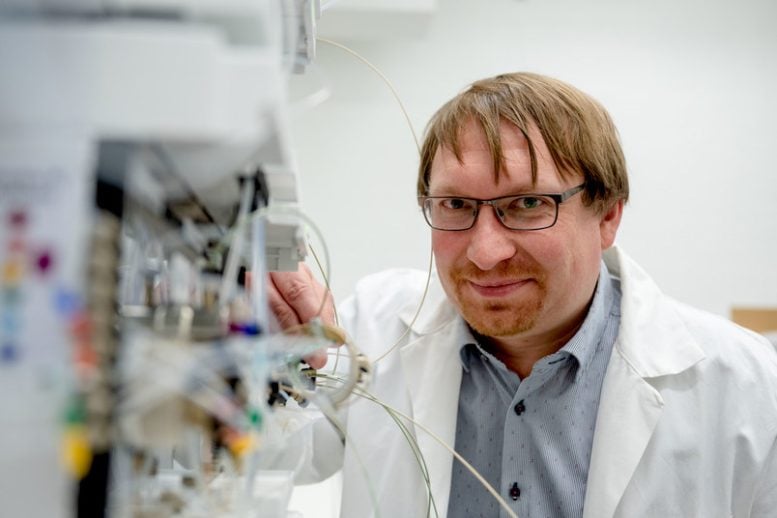
    “Our strategy uses a small amount of designer solvent to absorb plastic particles from a large volume of water,” said Gary Baker, an associate professor in the University of Missouri’s Department of Chemistry. Credit: Sam O’Keefe/University of Missouri

    A team at the University of Missouri has devised a method to eliminate most nanoplastics from water using eco-friendly solvents, suitable for both fresh and saltwater applications.

    Nanoplasticst are an emerging enemy of human health. Much smaller in size than the diameter of an average human hair, nanoplastics are invisible to the naked eye.

    Linked to cardiovascular and respiratory diseases in people, nanoplastics continue to build up, largely unnoticed, in the world’s bodies of water. The challenge remains to develop a cost-effective solution to get rid of nanoplastics while leaving clean water behind.

    Now, researchers at the University of Missouri have developed a revolutionary liquid-based solution that eliminates more than 98% of these microscopic plastic particles from water. This method, detailed in new study published in ACS Applied Engineering Materials, promises significant advancements in water purification technology.
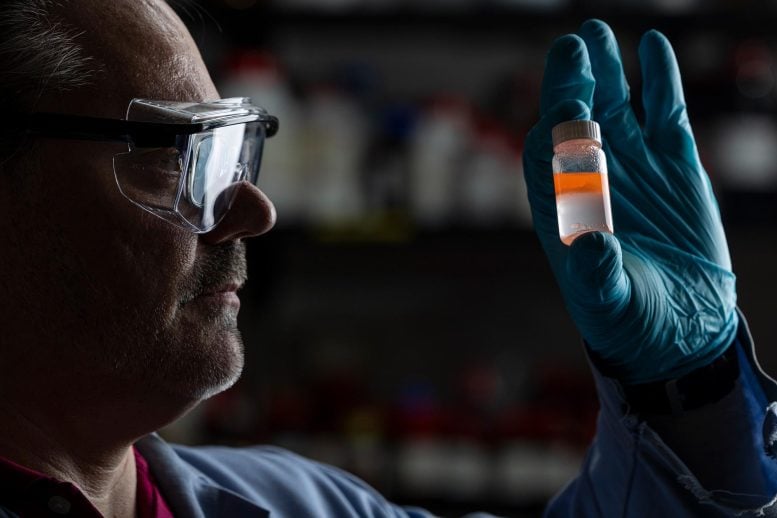
    Gary Baker With Solvent
    Gary Baker, an associate professor in the University of Missouri’s Department of Chemistry, looks at a bottle of a new liquid-based solution that eliminates more than 98% of microscopic plastic particles from water. Credit: Sam O’Keefe/University of Missouri

    “Nanoplastics can disrupt aquatic ecosystems and enter the food chain, posing risks to both wildlife and humans,” said Piyuni Ishtaweera, a recent alumna who led the study while earning her doctorate in nano and materials chemistry at Mizzou. “In layman’s terms, we’re developing better ways to remove contaminants such as nanoplastics from water.”

    Innovative Purification Methods

    The novel method — using water-repelling solvents made from natural ingredients — not only offers a practical solution to the pressing issue of nanoplastic pollution but also paves the way for further research and development in advanced water purification technologies.
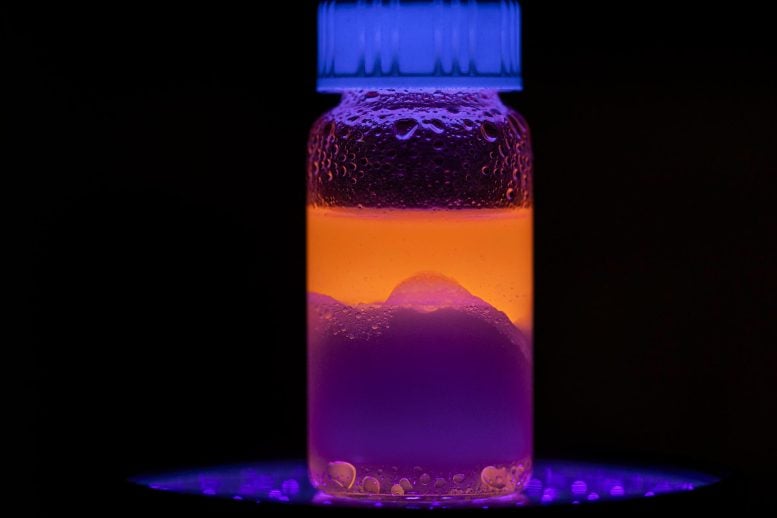
    Nanoplastic Purification Solution
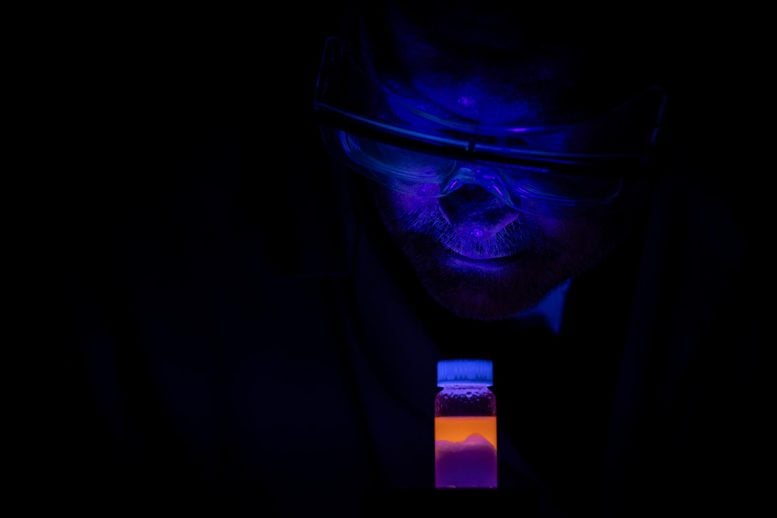
    Once mixed with water and allowed to reseparate, the solvent floats back to the surface, carrying the nanoplastics within its molecular structure. Credit: Sam O’Keefe/University of Missouri

    “Our strategy uses a small amount of designer solvent to absorb plastic particles from a large volume of water,” said Gary Baker, an associate professor in Mizzou’s Department of Chemistry and the study’s corresponding author. “Currently, the capacity of these solvents is not well understood. In future work, we aim to determine the maximum capacity of the solvent. Additionally, we will explore methods to recycle the solvents, enabling their reuse multiple times if necessary.”

    Scaling and Future Applications

    Initially, the solvent sits on the water’s surface the way oil floats on water. Once mixed with water and allowed to reseparate, the solvent floats back to the surface, carrying the nanoplastics within its molecular structure.

    In the lab, the researchers simply use a pipette to remove the nanoplastic-laden solvent, leaving behind clean, plastic-free water. Baker said future studies will work to scale up the entire process so that it can be applied to larger bodies of water like lakes and, eventually, oceans.
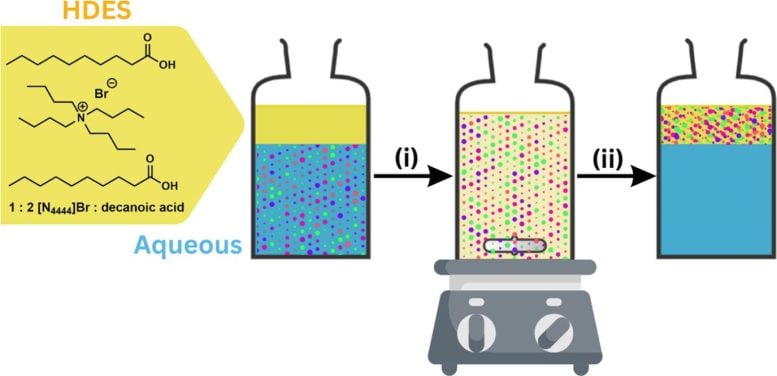
    Nanoplastic Solvent Graphic
    This illustration outlines the two-step extraction method. Credit: Gary Baker

    Implications and Next Steps

    Ishtaweera, who now works at the U.S. Food and Drug Administration in St. Louis, noted that the new method is effective in both fresh and saltwater.

    “These solvents are made from safe, non-toxic components, and their ability to repel water prevents additional contamination of water sources, making them a highly sustainable solution,” she said. “From a scientific perspective, creating effective removal methods fosters innovation in filtration technologies, provides insights into nanomaterial behavior and supports the development of informed environmental policies.”

    The Mizzou team tested five different sizes of polystyrene-based nanoplastics, a common type of plastic used in the making of Styrofoam cups. Their results outperformed previous studies that largely focused on just a single size of plastic particles.

    Reference: “Nanoplastics Extraction from Water by Hydrophobic Deep Eutectic Solvents” by Piyuni Ishtaweera, Colleen L. Ray, Wyland Filley, Garrett Cobb and Gary A. Baker, 4 June 2024, ACS Applied Engineering Materials.
    DOI: 10.1021/acsaenm.4c00159

    [ad_2]

    Source link

  • The Cure for Disposable Plastic Crap Is Here—and It’s Loony

    The Cure for Disposable Plastic Crap Is Here—and It’s Loony

    [ad_1]

    There’s a term of art for this whole system: reverse logistics. For the first 100 years of the plastics revolution, companies essentially sprayed products at customers—it was a one-way movement of atoms. Successful recycling requires doing this process in reverse, an entirely new set of skills. How do you get stuff back? What new economics, technologies, and policies do you need?

    And what social engineering? Customers might decide, Eh, who cares about the 20 cents, and throw their bottles away. So Infinitum runs playfully encouraging ads. One shows a tennis player in a locker room hurling a bottle in the trash. A voiceover notes that making a new one takes as much energy as running a ball machine for an hour-plus. Suddenly he’s pelted with balls as he runs and ducks for cover.

    Altogether, the strategy has worked. In Norway consumers are now so environmentally conscious that they’ve started actively choosing to buy beverages made from recycled bottles. Even though recycled PET costs anywhere from 1.5 to 1.75 times more expensive than virgin plastic, bottle makers buy it up and use it.

    I wondered: Would it be possible to turn plastic bottles into a completely closed loop? Let’s imagine every country pulled a Norway—a politically hallucinogenic “if,” sure, but let’s go there. Could bottle makers keep on reusing those plastic molecules over and over, and never need virgin plastic?

    Not entirely. When PET molecules are repeatedly recycled, they start “yellowing and darkening,” Michael Joyes, the sustainability director for Petainer, a European bottle maker, said. Eventually they turn black. You can lighten the stuff with “anti-yellow” chemicals or mix it with virgin materials. Or you can use these older plastics to bottle up drinks like Coke. “The inside’s dark too, so people don’t mind so much,” Joyes said.

    Even so, repeatedly recycled PET becomes less useful over time. The polymer chains in the plastic get shorter. Clever chemistry hacks can lengthen them, and some recyclers predict recycled PET can be used up to eight times. EU legislation is mandating that by 2030, 30 percent of PET in bottles be recycled—and Joyes predicts that some countries and brands will push much higher, to 70 or even 100 percent recycled PET.

    I was impressed by Infinitum’s success. But PET bottles are, chemically and structurally, the easiest plastic to recycle. They basically want to be reborn (until they don’t). Many other forms are more truculent. Consider food containers: They can consist of several plastics with different recycling processes. Pricey! Recyclers are experimenting with “chemical” recycling, where a bunch of different plastics are tossed into a vat and the various molecules separate out like the layers in a salad dressing. Thus far, though, chemical recycling is energy-intensive. Plastic would be recycled, sure, but it would cost a lot and emit mountains of CO2, trading one environmental problem for another.

    Maldum is more optimistic. He thinks Infinitum’s strategy for PET recycling could work for all plastics. The trick is to redesign the packaging so just about anything can be tossed into a reverse vending machine. “Why do you need to use a tray for meat? You can use a tube,” he said. It was an intriguing idea, but I couldn’t quite picture the wild welter of food wrappers all somehow reconfigured for a vending machine. Would people be as willing to carry empty tubes with raw-meat residue to the grocery store to shove in a machine?

    What’s more, recycling of any sort has its own searing critics. Some American environmental groups regard plastic recycling as a naked form of greenwashing. They doubt recycling rates will ever escape the low digits in the US and outside Europe—because most politicians won’t enact serious penalties, and the quality of recycled plastics will be too low. And because plastic might be a big market for petroleum companies in the future, those corporations will likely fight hard to keep society hooked on it.

    [ad_2]

    Source link

  • Photos of an island paradise reveal plastic threat for bird population

    Photos of an island paradise reveal plastic threat for bird population

    [ad_1]

    Lord Howe Island emits no plastic into the environment, yet its wildlife is drastically affected by marine plastic debris - a global problem with a chronic local impact

    Lord Howe Island

    Neal Haddaway

    Poking out of the Tasman Sea between Australia and New Zealand is a crooked, crescent-shaped volcanic remnant called Lord Howe Island. The rocky isle, which is 10 kilometres long and 2 kilometres across at its widest, is blanketed in a lush, pristine forest and boasts a sandy, coral-rich lagoon.

    “It’s paradise,” says Neal Haddaway, a photographer who went there to document the work of ocean research group Adrift. “The sounds of birds are everywhere, there’s beautiful corals, golden sands.” Among the bird calls is that of the flesh-footed shearwater (Ardenna carneipes), roughly 22,000 of which breed on the island.

    New Scientist. Science news and long reads from expert journalists, covering developments in science, technology, health and the environment on the website and the magazine.

    Flesh-footed shearwater chick (Ardenna carneipes)

    Neal Haddaway

    But life there is far from idyllic, and newly hatched shearwater chicks, such as the one pictured above, are under threat from mounting levels of marine plastic pollution. Adult shearwaters often confuse plastic debris in the sea for food and end up giving it to their young. In fact, Adrift researchers have found that chicks are ingesting increasing amounts of plastic every year. One of the team, shown below, is sorting out the chunks of plastic found in the stomach of just a single bird.

    New Scientist. Science news and long reads from expert journalists, covering developments in science, technology, health and the environment on the website and the magazine.

    As a result, these chicks are increasingly underdeveloped, and dozens die from starvation or plastic-related illnesses annually.

    “The island may be magical,” says Haddaway. “But it’s filled with frustration and grief.”

    New Scientist. Science news and long reads from expert journalists, covering developments in science, technology, health and the environment on the website and the magazine.

    To protect this population of flesh-footed shearwaters, which locals affectionately dub mutton birds (see above) after their purported taste, there needs to be tougher legislation against plastic pollution, he says.

    Topics:

    [ad_2]

    Source link
  • How Long “Biodegradable” Straws Last in Ocean Waters

    How Long “Biodegradable” Straws Last in Ocean Waters

    [ad_1]

    Bioplastic Straw After 16 Weeks

    After 16 weeks in seawater, bioplastic straws made of foam (shown here) broke down at least twice as fast as the solid versions. Credit: Adapted from ACS Sustainable Chemistry & Engineering 2024, DOI: 10.1021/acssuschemeng.3c07391

    Studies show that biodegradable straws made from paper and bioplastics like CDA and PHA degrade in ocean water within 8 to 20 months, offering a promising solution to reduce marine pollution from plastic straws.

    Plastic straws in marine ecosystems not only mar the beauty of beaches but also threaten turtles and seabirds. As a result, there is a growing preference for biodegradable or compostable alternatives.

    But how effective are these alternatives in marine environments? According to research published in ACS Sustainable Chemistry & Engineering, certain commercially available bioplastic and paper straws can break down in coastal ocean systems within eight to 20 months, and opting for foam straws could significantly accelerate this process.

    Solid Plastic Straw After 16 Weeks

    After 16 weeks in seawater, bioplastic straws made of foam broke down at least twice as fast as the solid versions (shown here). Credit: Adapted from ACS Sustainable Chemistry & Engineering 2024, DOI: 10.1021/acssuschemeng.3c07391

    Bioplastics and Paper Straws in Marine Environments

    To combat plastic pollution, some regions in the U.S. have restricted traditional polymers, such as polypropylene (PP), in drinking straws. These policies have led to a growing market for single-use items made from paper or bioplastics. However, replacement materials need to retain functionality so they don’t flop over after the first sip but will fall apart later if they end up in soil, freshwater, or salt water.

    While the next generation of bioplastics, such as cellulose diacetate (CDA) and polyhydroxyalkanoates (PHA), may be able to meet both requirements, little is known about how long products made of these materials last in the ocean before fully degrading compared to other materials. Therefore, Bryan James, Collin Ward, and colleagues conducted experiments using real seawater to investigate the environmental lifetimes of different straws and to find a way to accelerate the breakdown of next-generation bioplastics.

    Disintegration Rates of Different Straw Materials

    In initial tests, the researchers cut inch-long pieces from commercially available straws made from either coated or uncoated paper, PP polymer, or CDA, PHA, or polylactic acid (PLA) bioplastics. Then the pieces were suspended on wires in large tanks with room-temperature seawater flowing through them. The team found that after 16 weeks, paper, CDA, and PHA straws lost 25-50% of their initial weights.

    The researchers projected that these degradable straws should fully disintegrate in coastal oceans within 10 months for paper, 15 months for PHA, and 20 months for CDA. Additionally, the biofilms on the disintegrating samples contained microbes known to metabolize diverse polymers. Conversely, PP and PLA straws didn’t have measurable weight changes, which suggests they could persist for years in ocean water.

    Accelerating Bioplastic Breakdown in Marine Settings

    Next, using the same experimental conditions, the researchers examined how changing the CDA material’s structure, from solid to a foam, impacted the bioplastic’s environmental lifetime. They observed that the CDA foam broke down at least twice as fast as the solid version, and they estimated that a straw made from the prototype foam would disintegrate in seawater in eight months — the shortest lifetime of any material tested.

    Having demonstrated that some bioplastic straws are unlikely to remain intact over a long period, the researchers recommend that simple changes, such as switching to foam materials, could further reduce that time frame.

    For more on this research, see New Bioplastic Straw Degrades Even Faster in the Ocean Than Paper.

    Reference: “Strategies to Reduce the Environmental Lifetimes of Drinking Straws in the Coastal Ocean” by Bryan D. James, Yanchen Sun, Mounir Izallalen, Sharmistha Mazumder, Steven T. Perri, Brian Edwards, Jos de Wit, Christopher M. Reddy and Collin P. Ward, 30 January 2024, ACS Sustainable Chemistry & Engineering.
    DOI: 10.1021/acssuschemeng.3c07391

    The authors acknowledge funding from Eastman. Some authors are employees of Eastman, a manufacturer of biodegradable plastics.

    Some authors have patents in the field of biodegradable plastics.


    [ad_2]

    Source link

  • Marine fungus can break down floating plastic pollution

    Marine fungus can break down floating plastic pollution

    [ad_1]

    A plastic particle (red) is colonised by the marine fungus Parengyodontium album

    Annika Vaksmaa/NIOZ

    A fungus found on litter floating in the North Pacific Ocean can break down the most abundant type of plastic that ends up in the sea.

    In lab experiments, Annika Vaksmaa at the Royal Netherlands Institute for Sea Research and her colleagues have shown that the white, thread-like fungus can successfully degrade one of the most pernicious plastics, polyethylene, providing the plastic has first been exposed to UV radiation, such as from sunlight.

    UV radiation…

    [ad_2]

    Source link

  • Breakthrough Enzyme Discovery Could Make Widely Used Plastic Polystyrene Biodegradable

    Breakthrough Enzyme Discovery Could Make Widely Used Plastic Polystyrene Biodegradable

    [ad_1]

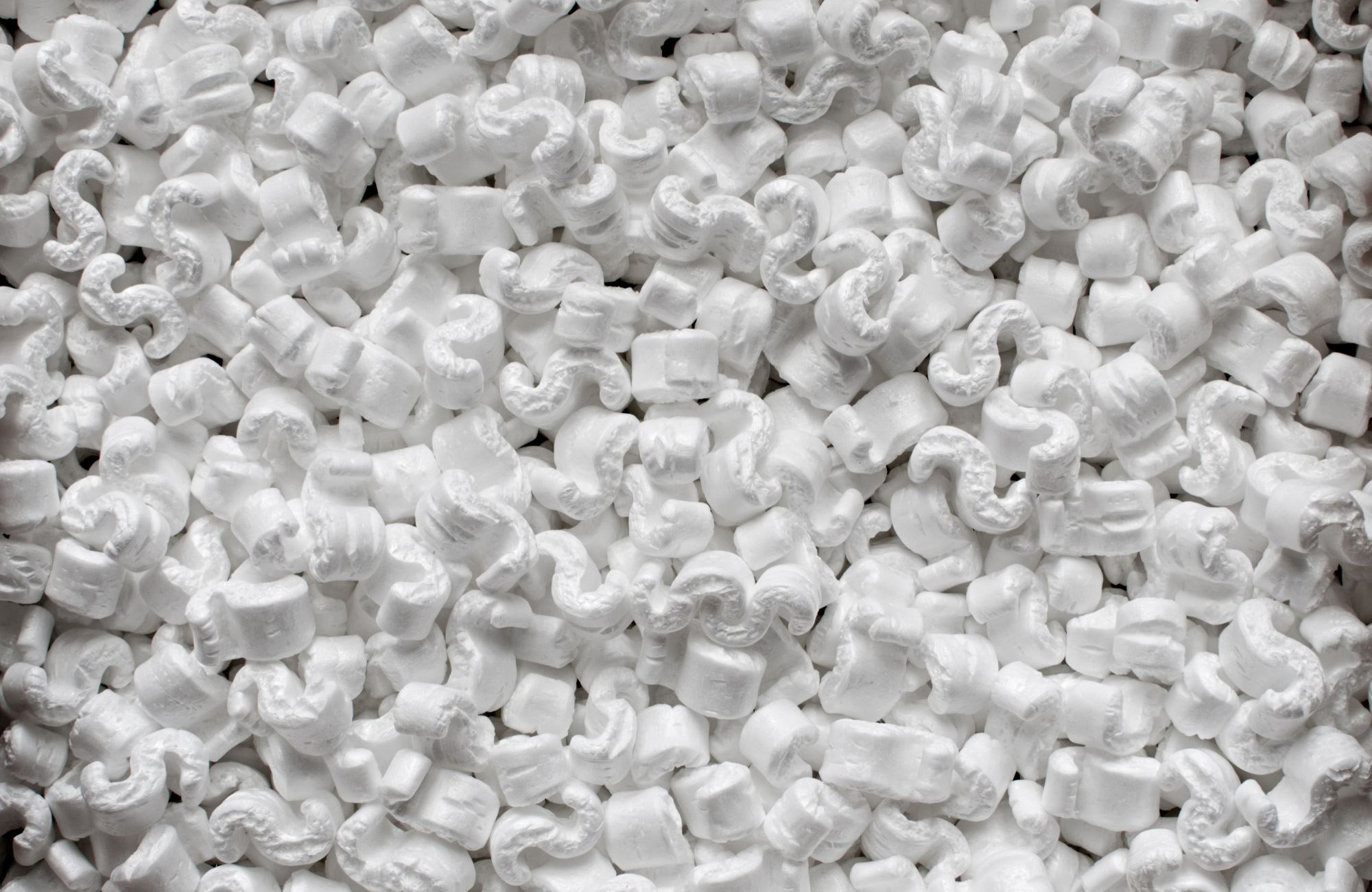
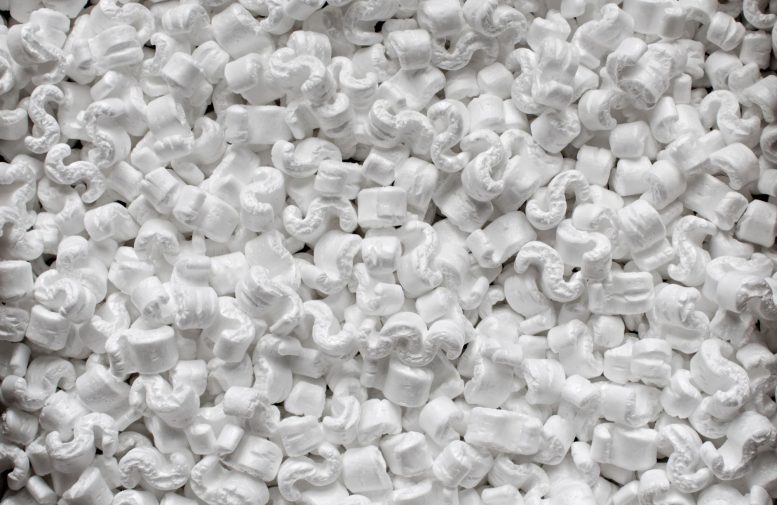
    Polystyrene Packing Pellets

    Researchers have decoded a bacterial enzyme crucial for breaking down styrene, an element used in the high-volume production of polystyrene, which traditionally lacks biotechnological recycling methods.

    Studying the role of a particular bacterial enzyme has paved the way for the biotechnological breakdown of styrene.

    Polystyrene, composed of styrene units, is the most commonly used plastic by volume, often found in packaging materials. Unlike PET, which can be both produced and recycled through biotechnological methods, polystyrene manufacturing remains strictly chemical. Additionally, this type of plastic can’t be broken down by biotechnological means.

    Researchers are looking for ways to rectify this: An international team headed by Dr. Xiaodan Li from the Paul Scherrer Institute, Switzerland, in collaboration with Professor Dirk Tischler, head of the Microbial Biotechnology research group at Ruhr University Bochum, Germany, has decoded a bacterial enzyme that plays a key role in styrene degradation. This paves the way for biotechnological application. The researchers published their findings in the journal Nature Chemistry in a paper published on May, 14, 2024.

    Styrene in the environment

    “Several million tons of styrene are produced and transported every year,” says Dirk Tischler. “In the process, some of it also gets released unintentionally into the environment.” This is not the only source of styrene in the environment, however: It occurs naturally in coal tar and lignite tar, can occur in traces in essential oils from some plants and is formed during the decomposition of plant material. “It is therefore not surprising that microorganisms have learned to handle or even to metabolize it,” says the researcher.

    Dirk Tischler

    Dirk Tischler was part of an international research team. Credit: RUB, Marquard

    Fast, but complex: microbial styrene degradation

    Bacteria and fungi, as well as the human body, activate styrene with the help of oxygen and form styrene oxide. While styrene itself is toxic, styrene oxide is even more harmful. Rapid metabolization is therefore crucial. “In some microorganisms as well as in the human body, the epoxide formed by this process usually undergoes glutathione conjugation, which makes it both more water-soluble and easier to break down and excrete,” explains Dirk Tischler. “This process is very fast, but also very expensive for the cells. A glutathione molecule has to be sacrificed for every molecule of styrene oxide.”

    The formation of the glutathione conjugate and whether, or rather how, glutathione can be recovered is part of current research at the MiCon Graduate School at Ruhr University Bochum, funded by the German Research Foundation (DFG). Some microorganisms have developed a more efficient variant. They use a small membrane protein, namely styrene oxide isomerase, to break down the epoxide.

    Styrene oxide isomerases are more efficient

    “Even after the first enrichment of styrene oxide isomerase from the soil bacterium Rhodococcus, we observed its reddish color and showed that this enzyme is bound in the membrane,” explains Dirk Tischler. Over the years, he and his team have studied various enzymes of the family and used them primarily in biocatalysis. All of these styrene oxide isomerases have a high catalytic efficiency, are very fast and don’t require any additional substances (co-substrates). They therefore allow rapid detoxification of the toxic styrene oxide in the organism and also a potent biotechnological application in the field of fine chemical synthesis.

    “In order to optimize the latter, we do need to understand their function,” points out Dirk Tischler. “We made considerable progress in this area in our international collaboration between researchers from Switzerland, Singapore, the Netherlands, and Germany.” The team showed that the enzyme exists in nature as a trimer with three identical units. The structural analyses revealed that there is a heme cofactor between each subunit and that this is loaded with an iron ion. The heme forms an essential part of the so-called active pocket and is relevant for the fixation and conversion of the substrate. The iron ion of the heme cofactor activates the substrate by coordinating the oxygen atom of the styrene oxide. “This means that a new biological function of heme in proteins has been comprehensively described,” concludes Dirk Tischler.

    Reference: “Structural basis of the Meinwald rearrangement catalysed by styrene oxide isomerase” by Basavraj Khanppnavar, Joel P. S. Choo, Peter-Leon Hagedoorn, Grigory Smolentsev, Saša Štefanić, Selvapravin Kumaran, Dirk Tischler, Fritz K. Winkler, Volodymyr M. Korkhov, Zhi Li, Richard A. Kammerer and Xiaodan Li, 14 May 2024, Nature Chemistry.
    DOI: 10.1038/s41557-024-01523-y


    [ad_2]

    Source link

  • Plastic pollution treaty would be ‘failure’ without tackling emissions

    Plastic pollution treaty would be ‘failure’ without tackling emissions

    [ad_1]

    People took part in a rally in Ottawa to support ending plastic pollution

    Canadian Press/Shutterstock

    Delegates from nearly every country are gathered in Canada to hammer out the details of a global treaty to address ballooning plastic pollution. One source of division at the summit, which concluded 29 April, was how to address the greenhouse gas emissions generated by producing and using plastic, a growing and under-recognised driver of climate change.

    “When people think about plastic, they think about what they see visually,” says Alice Zhu at the University of Toronto in Canada. But extracting and processing the fossil fuels and other chemicals used to make plastic produces substantial greenhouse gas emissions, as does generating the energy required to make plastic products. Plastic now accounts for around 10 per cent of total demand for oil and natural gas; coal is also increasingly used to power plastic production.

    Incinerating plastic waste is another source of greenhouse gas emissions. As it degrades, plastic in the environment can also produce carbon dioxide and methane emissions. Plastic may even reduce how much carbon ecosystems can store, although these effects are poorly quantified, says Zhu.

    The numbers on emissions from producing plastic are clearer. In a study published this month, Nihan Karali at Lawrence Berkeley National Laboratory in California and her colleagues estimated plastic production in 2019 generated the equivalent of 2.24 billion tonnes of CO2, or about 5 per cent of global greenhouse gas emissions. That is roughly 4 times more emissions than were produced by aviation that year.

    Assuming no changes to how plastic is produced, they found these emissions could triple by 2050 with increases in plastic production. Since most of the emissions are associated with extracting and processing the fossil fuels and other chemicals used to make plastics, they also found decarbonising the power grid has only a small effect on projected emissions.

    The global plastic treaty now under debate could offer a “historic” chance to limit those emissions, the researchers wrote. In 2022, more than 175 countries agreed to join a legally binding treaty that would address plastic pollution across the full life cycle of the material, with final details to be agreed by the end of this year.

    However, a group of petroleum-producing countries, including China and Russia, argued during negotiations that the treaty should only address plastic waste through clean-up and recycling, and not limit or change production, which is the main source of greenhouse gas emissions from plastic. A group of countries including the UK and EU have argued the treaty should include provisions to reduce production to keep emissions in line with global climate targets.

    “There’s so many things on the table, and climate is certainly not being discussed too much,” says Neil Nathan at the University of California, Santa Barbara, who attended the meeting to advocate for an ambitious treaty.

    According to modelling from Nathan and his colleagues, he says a strong treaty that limits production and take other steps, like mandating that plastic products contain a high proportion of recycled material, could keep emissions at their current levels. He says the plastics treaty would be “a failure” if it didn’t address production.

    Sarah-Jeanne Royer at the University of California, San Diego says reducing the use of new plastic through recycling or switching to more sustainable materials to make plastic, such as bioplastics or captured CO2, would also reduce greenhouse gas emissions, even if the treaty didn’t address them explicitly.

    However, Paul Stegmann at TNO, a research organisation in the Netherlands, cautions that some alternatives to plastic, such as steel, may generate more emissions, depending on how they are reused and recycled. “In the end we need policies that ensure that we do not just shift the problem elsewhere but that reduce the system-wide impact of our society,” he says.

    Topics:

    [ad_2]

    Source link

  • Swarm of nanorobots can remove tiny plastic fragments from water

    Swarm of nanorobots can remove tiny plastic fragments from water

    [ad_1]

    garbage in sea water

    Tiny robots might offer a way to clean up plastic pollution in water

    dottedhippo/Getty Images

    Tiny magnetic robots can help remove some of the smallest plastic particles from polluted water.

    Most plastics eventually end up as tiny fragments that then hide in our environment, food and drinking water. There is no consensus on the health implications of ingesting plastic yet, but early research suggests that plastic particles can enter organs within the body and that this process gets easier as the particles get smaller.

    However, efficiently detecting and removing the tiniest of…

    [ad_2]

    Source link

  • Let’s not trash recycling technologies that could end plastic waste

    Let’s not trash recycling technologies that could end plastic waste

    [ad_1]

    Digital generated image of huge sphere made out of wasted plastic on blue background.

    Andriy Onufriyenko/Getty Images

    In 1980, Disney World in Orlando, Florida, started work on a new way to generate power for the theme park, cutting its use of oil, the price of which had soared. The Solid Waste Energy Conversion Plant took trash, including plastic, and used a method called pyrolysis to turn it into combustible gases. It opened in 1982, but closed a year later, as the cost of running it mounted.

    Today, environmental campaigners are invoking the Disney story to trash the reputation of a suite of new technologies, collectively known as advanced recycling, which take plastic waste and convert it back into brand new plastic.

    Their argument is disingenuous. The failure of Disney’s plant had more to do with a subsequent fall in oil prices than technological or environmental problems. Pyrolysis has improved a lot since the 1980s. And in any case, Disney’s plant was designed to produce fuel, which isn’t classed as advanced recycling.

    As we report in our feature “The incredible new tech that can recycle all plastics, forever”, advanced recycling is a rapidly innovating industry that could help to solve the global plastics crisis. It has the potential to take millions of tonnes of discarded plastic, most of which ends up in landfill, incinerators or the environment, and turn it back into a clean, fresh version by breaking it down to its molecular constituents. The goal is a circular economy where there is no longer any need to make “virgin” plastic from oil.

    It isn’t a panacea. There are issues around such plants generating toxic waste, their energy use and the perpetuation of conventional plastics ahead of newer, greener alternatives. Campaigners are right to argue that we would be better off phasing out plastics altogether. But practical considerations mean they aren’t going away any time soon, and most advanced recycling technologies are better for the environment than the alternatives.

    There is a serious discussion to be had around advanced recycling, not least whether it should be factored into a forthcoming global treaty on plastic pollution. Let’s just make sure it is based on the facts, not Disney stories.

    Topics:

    [ad_2]

    Source link

  • Safer, Greener LDPE Alternatives Unveiled

    Safer, Greener LDPE Alternatives Unveiled

    [ad_1]

    Plastic Recycling Concept Art

    Low-density polyethylene (LDPE) is a soft, flexible plastic widely used in applications such as plastic films, bottles, and other pliable products.

    A new sustainable method replicates the desirable properties of LDPE plastic using less energy, through a novel catalytic process that creates a ladder-like molecular structure, making it industrially viable.

    Researchers have developed a more sustainable method to do the work required to make plastics that are comparable to widely used low-density polyethylene (LDPE) plastics. They say their method is industrially viable. LDPE is a soft, flexible, and lightweight plastic material that is widely used in a variety of commercial applications, including plastic films, bottles, and other pliable products.

    LDPE’s unique properties are derived from its tree-branch-like molecular structure, bestowing flexibility. The material is also ductile due to its lower crystallinity. These properties set it apart from other, more linear varieties of polyethylene. However, the characteristic long-chain branching polymerization of LDPE is achieved through an energy-intensive, high-pressure synthesis process.

    Here, Robert Froese and colleagues describe a novel approach to control long-chain branching in polyethylene under milder, solution-phase conditions. The method uses dual-chain catalysts, which can assemble two polymer chains at once, linked to one another through a small amount of diene mixed in with the ethylene, creating a ladder-like molecular structure. According to Froese et al., the ladder-branching process produces a plastic that exhibits comparable properties to those of LDPE or its blends with other forms of linear low-density polyethylene (LLDPE).

    Reference: “A commercially viable solution process to control long-chain branching in polyethylene” by Robert D. Froese, Daniel J. Arriola, Jaap den Doelder, Jianbo Hou, Teresita Kashyap, Keran Lu, Luca Martinetti and Bryan D. Stubbert, 14 March 2024, Science.
    DOI: 10.1126/science.adn3067


    [ad_2]

    Source link