[ad_1]
Dr Thomas Shahady, Professor of Environmental Science at the University of Lynchburg, explores water as a critical resource, emphasising the enhancement of water quality and highlighting the importance of its study.
As a resource, water is arguably our most precious commodity. Manufacturing, recreation, food supply, ecosystem function, human health and environmental purification all rely on water. It is the universal solvent, allowing us to clean almost anything. It cleanses the atmosphere during each precipitation event. It dilutes pollution and moves waste. It regulates planetary temperatures and insulates us from extremes. It cycles throughout all spectrums of the planet. In short, all of life is dependent upon an abundant and clean supply of water.
Water science is tasked with studying and understanding how this resource functions. While the water cycle is clearly understood, complex interactions between groundwater aquifers, surface flow, water storage and wetlands remain areas of intensive study.
It is hard to deny that precipitation patterns are changing, creating a need to recalibrate long-standing hydrological models. We are experiencing a fundamental shift from groundwater storage to surface flow due to both greater runoff from urban development and continued withdrawal exceeding replenishment. Surface water in streams is flashier and more degraded, while lakes and reservoirs suffer from chronic eutrophication. Wetlands have generally been altered, destroyed or manipulated, removing beneficial effects from the resource.
While technology offers promise for improvement, most of water sciences’ energy and expenditure is spent warning of problems and monitoring their occurrence.
Water quality is the end result. While we benefit from the natural replenishment of water in an area, use, misuse, or mismanagement sends the water back to a far more degraded state.
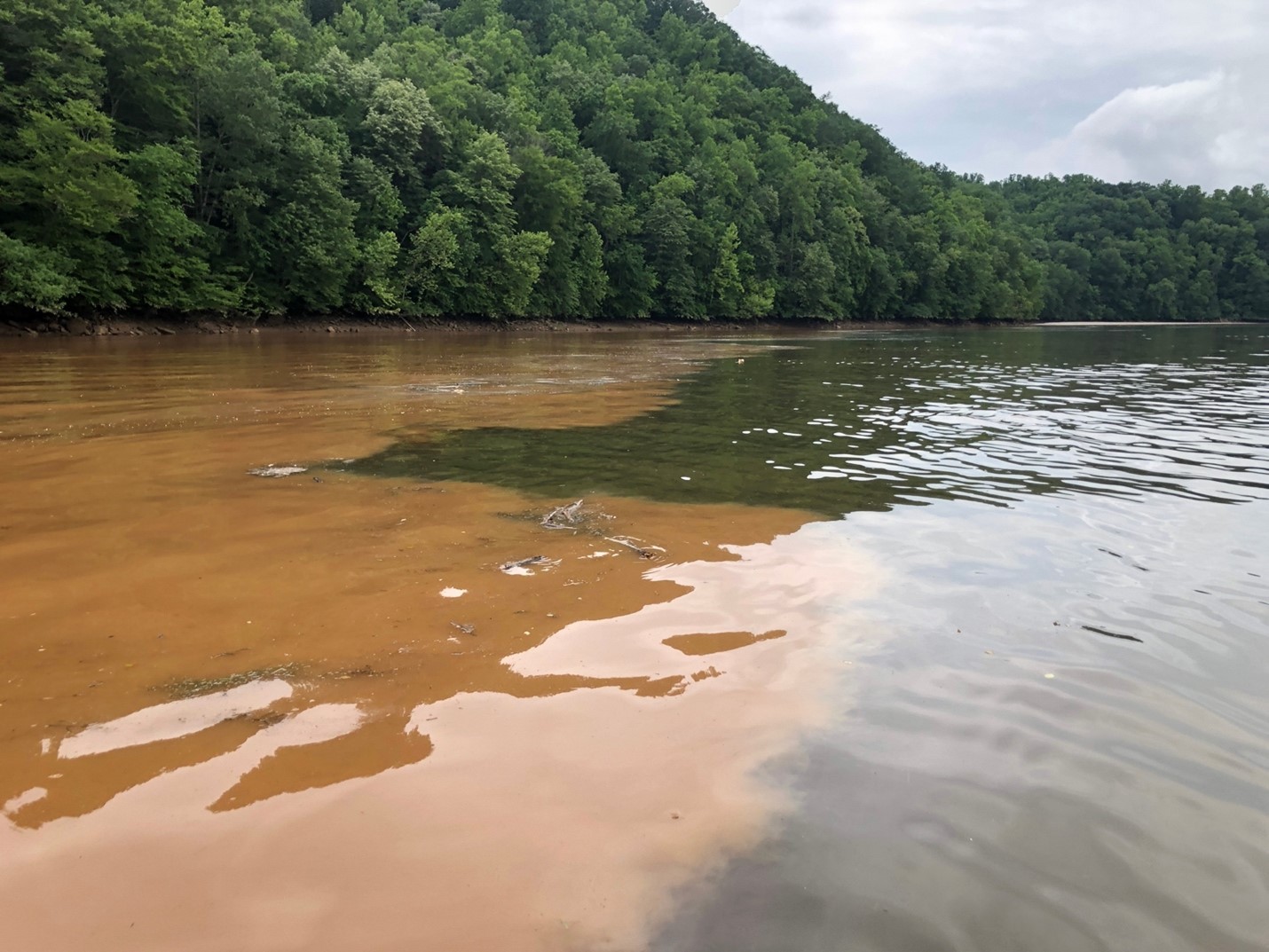
The environment is the ultimate sink for water carriage of pollutants, and the sheer tonnage of sediment alone is staggering when considering erosion and the flow from uplands into our oceans. Considering that there are potentially enough sediment and plastics coating streambeds worldwide to continue polluting water throughout this century simply from storm flow, it is staggering. Much of the pollution that has occurred is still in the streams, waiting to be flushed from the system.
Clean-up of this problem is overwhelming with the best remedy time and storm intensities. The creation of large-scale environmental improvement projects designed for improvement often has positive results masked because of this overwhelming pollution load. Technology will help us improve the problem, but it is not the fix.
Only an improved land ethic, time, and desire to work in harmony with nature moving forward will bring about the needed change and improvement.
Water resources
The concept of water resources is a long-held belief in the management of all sectors of water. Existing lakes, rivers and wetlands, along with created reservoirs, levees and drainages throughout a watershed, demand effective planning for preservation and enhancement.
While quality water resources are a reflection of the watershed where they reside, a desire for good management must reflect an understanding of the watershed holistically.
Land use
Land cover and land use is an area of science that examines these watersheds and generates ideas on how the management of land ultimately impacts water. Some of the greatest disparities between water resource goals and land use planning occur when you examine how land is used and the expectations for water resources.
When land is continually manipulated, changing between forest, agriculture and urban cover, water resources never equilibrate. The mere changing of land cover conditions manipulates water resources. At some point, a stability equilibrium must be achieved if communities are going to achieve sustainability. Land use policy must be viewed as a water resource policy to be effective.
Managing erosion
Erosion must be managed quickly. This epidemic is worsening with changes in storm intensities, inadequate stormwater infrastructure, and in-stream processes, all of which contribute to the problem.
Storm intensities are increasing as the atmosphere warms, and convective forces now generate an increasing amount of precipitation events. Unfortunately, erosion is not proportional to storm intensity but rather increases at a greater rate with increasing storm intensity. This suggests that while water resources are plagued with sedimentation, this problem is and will continue to worsen. This is a bleak outlook for water resources as this problem is near impossible to control.
The issue of waste
Further complications now arise from solid waste, sewage and pollutants associated with sediment. Solid waste emanating from roadsides, storage ponds, landfills and deliberate dumping all flow into water courses.
Our overuse of plastics only compounds this problem. Streambeds more often contain heavy sediment incorporated with waste rather than cobble and well-maintained sediment free of pollutants with an established and well-functioning flora and fauna. Water flowing through these channels is clear when the flow is low but soon churns up pollutants with each storm event.
Movement of bedload is a pernicious problem occurring only when storm flow is significant; thus, it remains in the river course, generating high yields of pollution with each storm event.
Government agencies, those so often tasked with water resources management, can become fixated on simple measures to determine need and success. Metrics using a variety of descriptors generating an anthropomorphic scale such as good or poor or green or red may form the basis for any expenditure of money or management decisions.
Success may be predicated on a few good measures rather than a long-term trajectory or legacy impacts. The justification of resource expenditures demands results from government agencies and budgets. Systematically, the nature of water resources and long-term impact and neglect have created a very difficult management scenario.
Water science
Water science is stuck between reliance on better and better technology and descriptive or causative work.
Certainly, the advances in technology have improved the detection and understanding of water contamination. The use of remote sensing, satellite imagery, drones, specific detection instrumentation and advanced analysis have greatly improved our understanding. Cause and effects are well understood and becoming clearer as studies increase and improve.
Water science has developed a good database of information and some well-established and fundamental principles. However, as a science, it may be suffering from a tremendous amount of data without long-term solutions.
Limitations
Many people throughout the world distrust the quality of the water around them or are willfully ignorant of the risks it imposes. They are mostly disconnected from the resource and usually become concerned only during an outbreak of disease or visible pollution problem.
River pollution in some parts of the world is severe, and upwards of 3.6 billion people on the planet lack clean water and sanitation. Governments tasked with water protection and improvement lack the needed information to craft effective policies and the initiative to effectively enforce them.
Water science is not providing effective policy tools for protection, and laws are not adequately improving the overall quality of the resource. If policy and laws are effective, it is simple to ask why are our water resources so degraded?
Application of endpoint predictors (those used to apply a grade, colour or descriptor such as good or poor) using scientific analysis, while helpful, does not capture the true condition of the resource.
Some may be outdated or not suitable for the area applied. Some may be used under conditions not typical. Some are not able to capture the myriad of interactions and complexities involved in water science. If regulators rely on these descriptors to drive policy and adequate improvement, such goals may never be achieved.
The challenge of measurable improvement
Another problem is measurable improvement. Water resources are plagued not only by development in a watershed and water-to-land interactions over varying topographies but also by the variability of weather and precipitation patterns. The demands of agriculture, urbanisation, energy, and recreation are forcing decision-making that further degrades our water. Any conversion of land from forest or natural vegetation to agriculture is degrading.
Urbanisation and increasing energy demand are putting an increasing need on hydropower, and there is no clear understanding of the impact this type of power has on the climate. Infrastructure may now be out of date, and a changing pattern of precipitation compounds all of these problems.
Funds spent to improve water resources are likely masked by all of these factors, making improvements less visible, thus resulting in lessening expenditures as improvements seem elusive. Many have explained this as a ‘wicked problem’ and not easily solved.
Water quality
Good water quality must be an aspirational goal for all water resources. The negligence of poor water quality degrades community health and generates misunderstandings about the impact.
Clean water is not a benign part of the community but rather a necessity to facilitate overall wellbeing and a positive sense of place for those surrounding these critical resources. When water is chronically degraded, quality of life, including physical, social and mental health, suffers.
On a scientific level, water quality is easily quantified. Bacteria, nutrients, sediment, metals, and other pollutants are directly measured, leading to declarations of health related to water resources.
What is not conveyed in this analysis is how this impacts quality of life or specifically where the pollution is coming from. Those regulating the resource tend to downplay such results, suggesting either indifference to the problem or a lack of plausible solutions. Applicable management strategies such as stream restoration, dam removal, best management practices, and laws have been generally ineffective in improving interpretable water quality.
Active restoration projects provide visible expenditure but limited practical results. This may benefit public perception but not the resource. Laws are often ignored or ineffective by design or enforcement. Buffer requirements around streams are almost never adhered to. The root cause is land use and proper disposal of waste. Until this problem is aggressively addressed, water resources will continue to degrade.
The issue of septic systems and legacy pollutants
Water science has poorly connected cause and effect. Two issues that dramatically illustrate this problem are septic systems and legacy pollutants. Septic systems are designed to effectively sanitise wastewater by separating solids into a tank with overlying effluent flowing to a drainage field where good percolating soil eliminates pathogens, nutrients and pollutants.
Many problems plague this system, including inadequate installation, inadequate maintenance, poor or overburdened soils, lack of enforcement and overall public awareness. Some estimates suggest that over 70% of septic systems are at some level of failure. This is a global problem that is generally ignored and accepted.
Legacy pollution is the chronic sedimentation that now layers stream bottoms, stream banks and denuded soils surrounding water resources. Nutrients easily adhere to these sediments, creating an environment where bacteria proliferate and move throughout rivers and communities during each storm event. Incorporated in these sediments are plastics and other waste, slowly degrading and adding to the pollutant burden.
It is difficult to quantify sediment origins when storm flow moves this material, but the pollution loading is real and degrading our communities. Control of this problem is extremely difficult as sediment layering streams must be flushed out and new sediment controlled through equilibration to surrounding land use. Both processes are at work now with deleterious results.
A disengaged community
This can lead to overall apathy and discontent, not only with the environmental quality a community experiences, but an even greater resentment toward regulators who appear ineffective. Indicators of emotional and physical health clearly degrade concurrently with water quality.
Sense of place suggests one of the greatest impediments to a healthy understanding of this problem is the lack of good water quality data for association.
Either an unwillingness to report this information or complete disassociation between real and perceived measures has created this problem. Water quality degrades, and while a community is aware, they disengage from the problem to maintain a healthy emotional and value assessment for their community.
People long to be part of and live in a healthy community; thus, polluted streams and groundwater that are ubiquitous throughout have become socially unacceptable. Community leaders only proliferate this desire through both political expediency and lack of solutions.
A water ethic
Solutions to water problems now seem unattainable without a water ethic. Absent some moral obligation to first clean up waste and then change fundamental interrelationships with water, most initiatives will fall short.
If people remain disengaged from water sources and waste sinks, the current status quo is good enough. Sanitation infrastructure needs desperate improvement. The building of waste treatment plants and upgrades to septic systems must be implemented. It takes tremendous political will and planning to push forward such projects.
Land use and urban planning need a moral compass. Expansive building of impervious surfaces can no longer sustainably support good water quality, and proper integration of projects into landscapes must be the highest priority. Agriculture needs to move quickly into smart technologies aided by governments and philanthropy where needed, and buffers must be reclaimed around all of our water resources.
These initiatives need to be adopted and pursued as changes threaten to redesign the global water balance.
Futures are unknown, and people are most often reactionary rather than deliberate. The need to integrate an understanding of water resources, their role in people’s lives, the need for clean water, and the relationship to good health and overall mental prosperity must be ingrained.
An ethic that demands water be used responsibly and treated when polluted must be implemented, and the time is now. We can no longer live in communities with degraded resources and either be apathetic to the problem, pretend everything is okay, and especially cannot continue to believe it is somebody else’s problem, particularly when governments are ill-equipped and personnel starved to solve the problems.
Let’s move forward by instilling an ethic at all levels of communities and being willing to commit the financial and human resources needed to get the job done. The future health of our communities and the environmental quality of the world around us depends on it.
Please note, this article will also appear in the 20th edition of our quarterly publication.
[ad_2]
Source link