Psilocybe ochraceocentrata mushrooms, a new species found in Zimbabwe and South Africa
Cathy Sharp
Psychedelic mushrooms growing in southern Africa have been identified as a new species that is the closest relative of Psilocybe cubensis, the most well-known magic mushroom species. The discovery brings scientists a step closer to understanding the evolutionary origins of these psychoactive fungi.
Alex Bradshaw at Clark University in Worcester, Massachusetts, and his colleagues have named the newly described species Psilocybe ochraceocentrata, because of the ochre colour in the centre of the cap. It was collected from multiple sites across Zimbabwe and South Africa between 2013…
In certain circles, the potent psychedelic N,N-dimethyltryptamine (DMT) is known as the “spirit molecule” for its peculiar ability to transport people into other worlds. Those who take it commonly experience vibrant colours, abstract geometric patterns – and even meet elves and aliens – all in a way that feels completely real.
That might all sound about as far from the realm of empirical science as you can get – but not for neuroscientist Zeus Tipado. In his lab in Maastricht, the Netherlands, he is planning an outlandish experiment in which he will monitor the brains of people dosed with DMT while they wear a virtual reality headset. The hope is that by observing what happens when we slip into another form of reality, we can fathom how our minds construct the one we experience in everyday life. “Our brain is easily deceived as to what reality is,” says Tipado.
Already, he has found tantalising hints of a new brain network that he thinks might underlie the feeling we have of being immersed in a world – be that real life, VR or a drug-induced trip. He hopes to identify and perhaps even learn to control this hypothetical “immersion circuit”. If he can, it might enable us to dial up or down how believable an experience is, create more effective therapies for mental ill-health and produce more visceral training worlds for surgeons or firefighters. It would also, of course, be a huge breakthrough in neuroscience.
Prediction machines
We don’t fully understand how our minds create the seamless experience of…
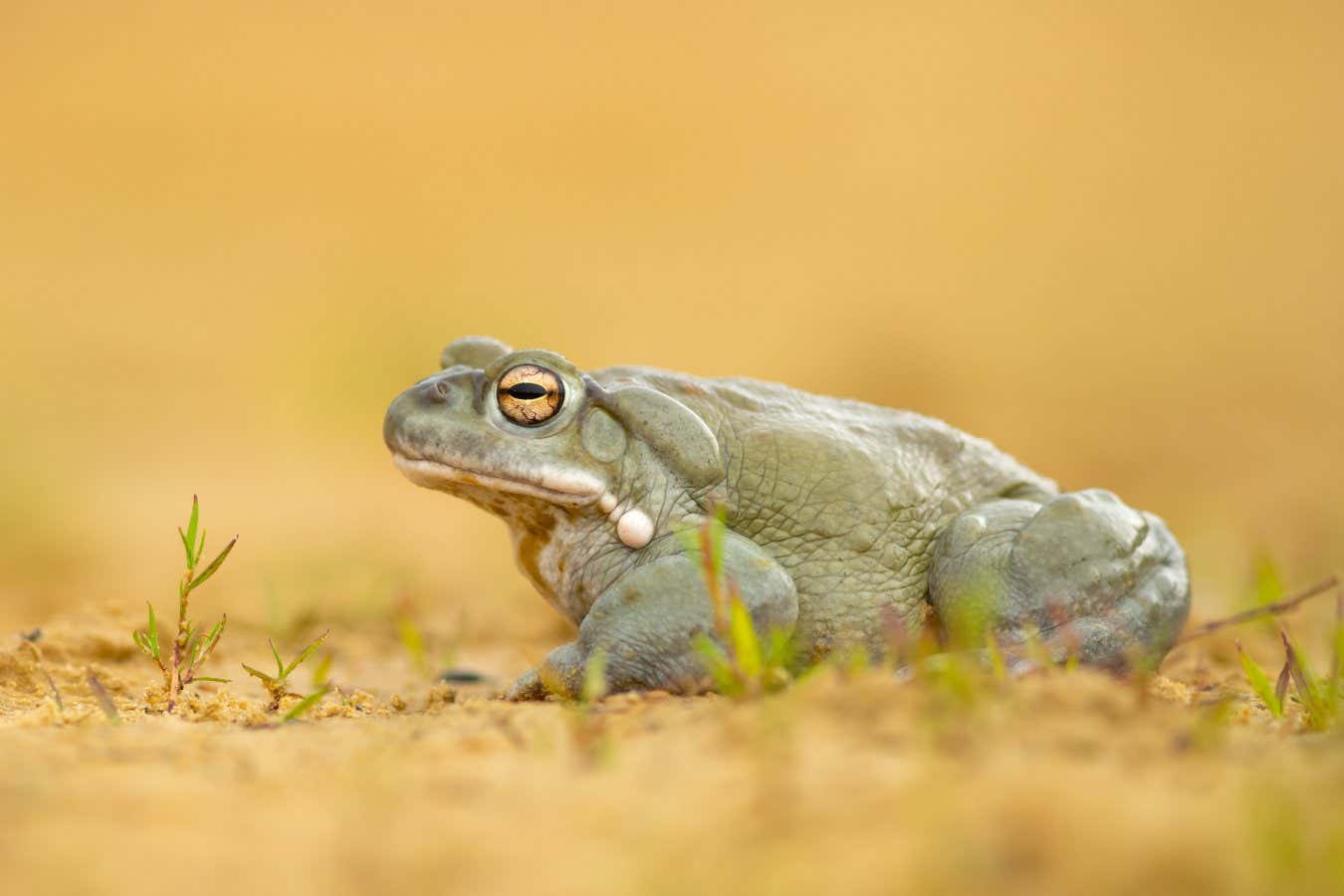
This desert-roaming toad releases a compound with potential benefits similar to those from LSD and psilocybin
Milan Zygmunt/Shutterstock
A psychedelic compound secreted by a poisonous toad could help treat depression and anxiety, according to a study in mice.
When frightened, Colorado river toads (Incilius alvarius) release a hallucinogenic compound related to the drug DMT from glands in their skin. DMT, or dimethyltryptamine, is similar in structure and effects to psilocybin, a hallucinogen found in “magic mushrooms”. Colorado river toads live in and around the Sonoran desert spanning parts of Arizona, California and Mexico, and people seeking out the groovy effects of the substance may either lick the toads directly, or extract the venom, dry it and smoke it.
Researchers at Mount Sinai Hospital in New York investigated the potential health benefits of the toad secretions. We know that psychedelics like psilocybin can treat depression in some people, but it isn’t fully clear why this compound helps. However, it appears to interact with serotonin receptors and reset the activity of neural circuits in the brain.
Most psychedelics research has explored the drug’s effects on a particular kind of serotonin receptor called 5-HT2A. But the team behind the new study focused on a more obscure serotonin receptor called 5-HT1A, which past studies suggest interacts with the toad toxin.
The researchers chemically tweaked the toad-derived compound to solely signal the 5-HT1A receptors – which eliminated its hallucinogenic effects – and gave it to mice with signs of stress and depression. They found that mice who received the compound drank more tasty sugar water and spent more time with peers – both signs of lowered anxiety and depression. Similar effects have been seen in people receiving LSD or psilocybin treatments.
“Frankly, that’s what we hope to see,” says Audrey Warren at Mount Sinai Hospital.
Because humans share similar receptors in their brains, the compound may offer therapeutic promise in people. “It’s our hope that down the line, someone could use the findings of our study to help design novel antidepressants for humans, but that’s certainly a long way out,” says Warren.
Until then, she cautions against licking Colorado river toads or smoking the poison. Along with intense hallucinations, it can lead to anxiety, vomiting, seizures and death.
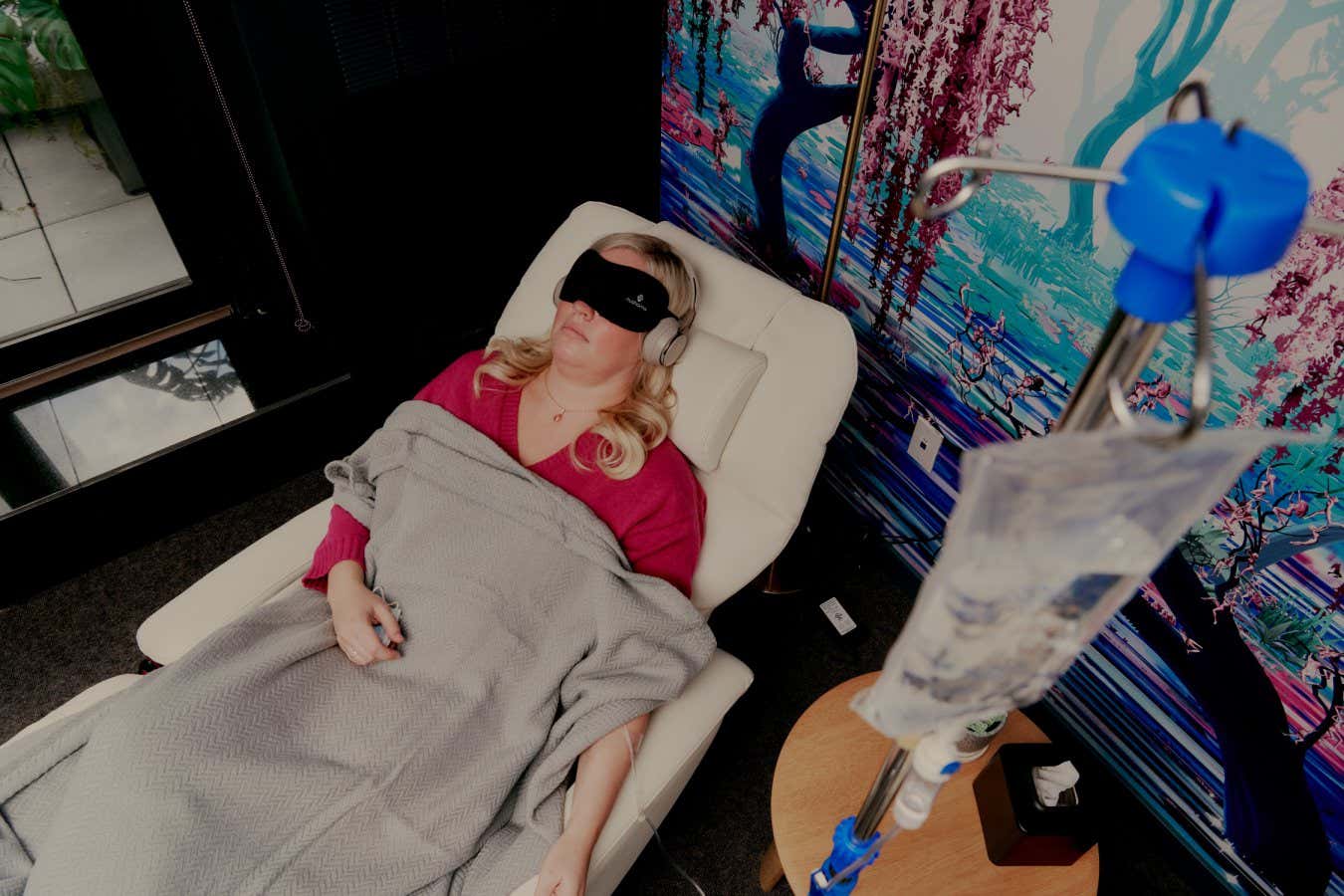
Ketamine being administered via an intravenous drip at a clinic in New York
Victor Llorente/The New York Times/Redux/eyevine
LAST year, to much ado in the press, Prince Harry wrote candidly in his memoir Spare about taking ketamine to help him deal with his mother’s death. He isn’t the only one talking about the substance, which has previously been known mainly as a horse tranquilliser and a psychedelic rave drug. It is hard to keep track of the many celebrities speaking openly about taking ketamine in an effort to improve their mental health.
Across the US, hundreds of clinics have opened to provide intravenous infusions of the drug in a therapeutic setting, a trend that has now reached the UK too. Trailblazing firms, worried about their employees’ mental health, are starting to offer this therapy as a benefit. One even floated the idea of installing a ketamine clinic at its corporate headquarters. Meanwhile, pharmaceutical companies are developing over-the-counter ketamine products such as lozenges and topical creams. The drug has become the most commonly available psychedelic therapy.
That might sound like good news given the mounting evidence that ketamine can treat depression, post-traumatic stress disorder and addiction. Yet its use in treating mental health conditions is still novel and many uncertainties remain. Illegal use is rising too, perhaps influenced by its popularity as a therapeutic.
All this means it is time to ask whether ketamine really can soothe mental health problems, how it works and whether there are any risks to its new popularity. Psychiatrist …
Low doses of the psychedelic drug LSD increase complexity in the brain, even when they don’t alter a person’s consciousness. The finding challenges the idea that these two phenomena are correlated and raises the possibility that even small doses of LSD might have therapeutic effects.
Neural complexity is a measure of the amount of information the brain produces, with all repetitive signals removed – that is, the lowest number of unique brain signals over a given period. Previous studies have shown neural complexity …