Tag: smoking

  • High BMI affects autologous breast reconstruction outcomes

    High BMI affects autologous breast reconstruction outcomes

    [ad_1]

    For women undergoing autologous breast reconstruction – reconstruction using the patient’s own tissues, rather than implants – the risks of overall and specific complications are increased at higher body mass index (BMI) levels, reports the March issue of Plastic and Reconstructive Surgery®, the official medical journal of the American Society of Plastic Surgeons (ASPS). The journal is published in the Lippincott portfolio by Wolters Kluwer. 

    Our study clarifies the impact of high BMI as a risk factor for adverse outcomes of autologous breast reconstruction. It also suggests that, among patients with obesity, losing weight before surgery might lower the risk of complications.” 


    Merisa Piper, MD, senior author of University of California, San Francisco

    How does BMI affect autologous breast reconstruction outcomes? 

    Autologous breast reconstruction, typically using a flap of tissue from the abdomen, is an alternative for reconstruction after mastectomy for breast cancer. Autologous reconstruction offers advantages including stable breast reconstruction with fewer surgical procedures, in less time, and at lower cost, compared to implant-based reconstruction. 

    However, not all patients are optimal candidates for this procedure: risk factors for adverse outcomes include smoking, uncontrolled diabetes, and high BMI. Despite previous studies, the impact of high BMI on outcomes of autologous breast reconstruction remain unclear. 

    Dr. Piper and colleagues analyzed the impact of BMI on outcomes of autologous reconstruction in 365 patients (545 breasts) between 2004 and 2021. All patients underwent microvascular breast reconstruction using an abdominal-based flap. Complications were assessed for patients in different BMI categories, ranging from normal weight (less than 25 kg/m2), to overweight (25 to 29.9 kg/m2), to obese (30 kg/m2 or higher). 

    Complication risks affected at different BMI cutoffs 

    Several types of complications increased at distinct levels of BMI, especially in the obese range. The risk of any complication increased at a BMI of 30 kg/m2 or higher. More severe obesity – BMI 35 kg/m2 or higher – was associated with increased rates of unplanned repeat surgery, including wound breakdown requiring reoperation. 

    Risk of infection requiring oral antibiotics increased at BMI 25 kg/m2 or higher, while infections requiring intravenous antibiotics increased at BMI 30 kg/m2 or higher. Higher BMI levels were also associated with increased rates of complications related to the abdominal donor flap, including infection and wound-healing problems. 

    Further analyses suggested optimal BMI cutoff point of 32.7 kg/m2 to minimize the occurrence of any breast complication and 30.0 kg/m2 for any abdominal complication. With a BMI of 32.7 kg/m2, the risk of breast complications was similar to that associated with current smoking. 

    The study demonstrates “a robust trend” whereby higher BMI levels are associated with increased complication rates for women undergoing autologous breast reconstruction. The findings suggest that targeting specific levels of weight loss before surgery might help to avoid postoperative complications. 

    “By quantifying the change in risk profile associated with a given change in BMI, our results can be used clinically to set evidence-based preoperative weight-loss goals for patients,” Dr. Piper and coauthors conclude. They emphasize that further studies would be needed to specifically evaluate the effects of weight loss before surgery. 

    Source:

    Journal reference:

    Barnes, L., et al. (2024) Relationship between Body Mass Index and Outcomes in Microvascular Abdominally Based Autologous Breast Reconstruction. Plastic and Reconstructive Surgery. doi.org/10.1097/PRS.0000000000010621.

    [ad_2]

    Source link
  • More steps a day keep the doctor away

    More steps a day keep the doctor away

    [ad_1]

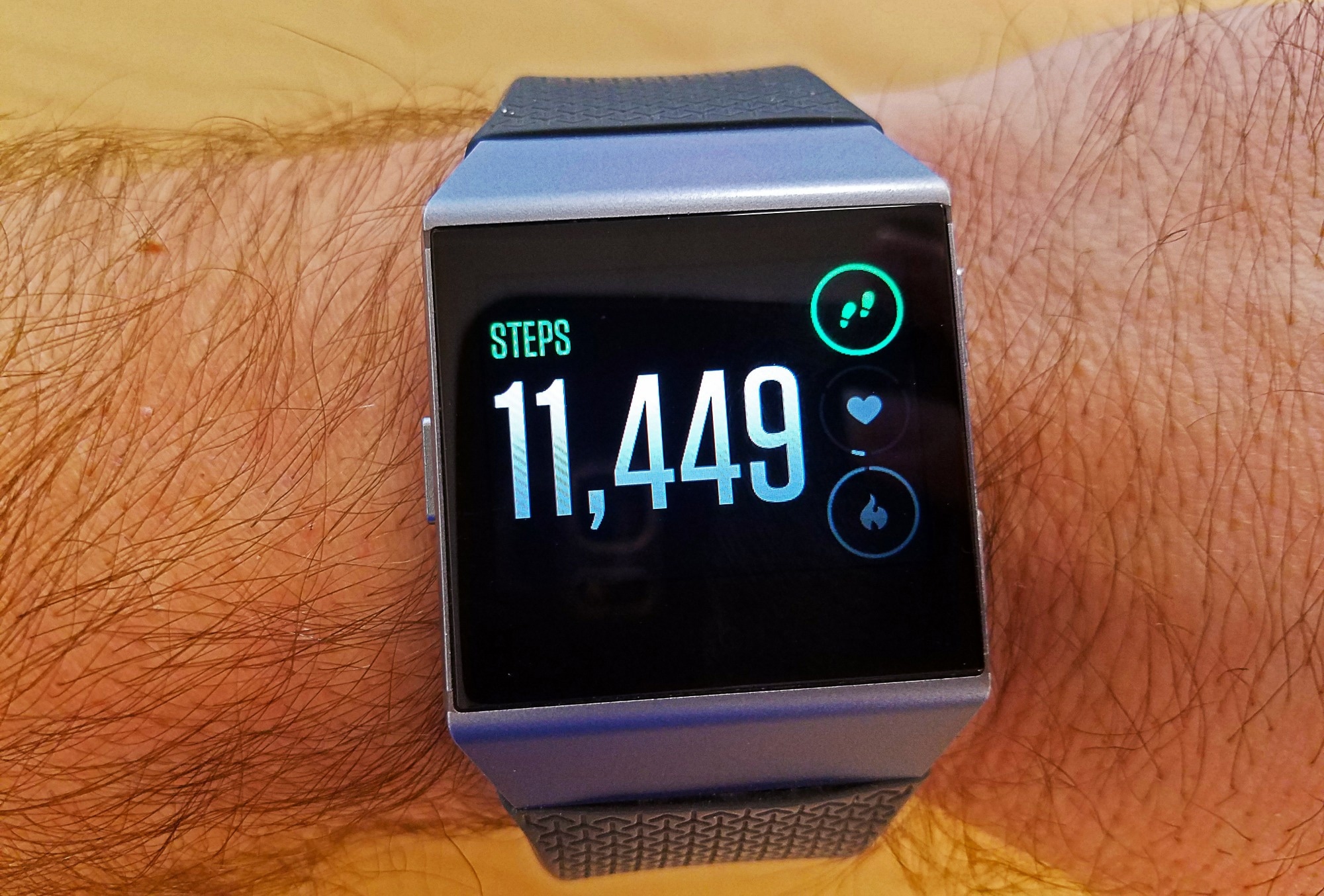
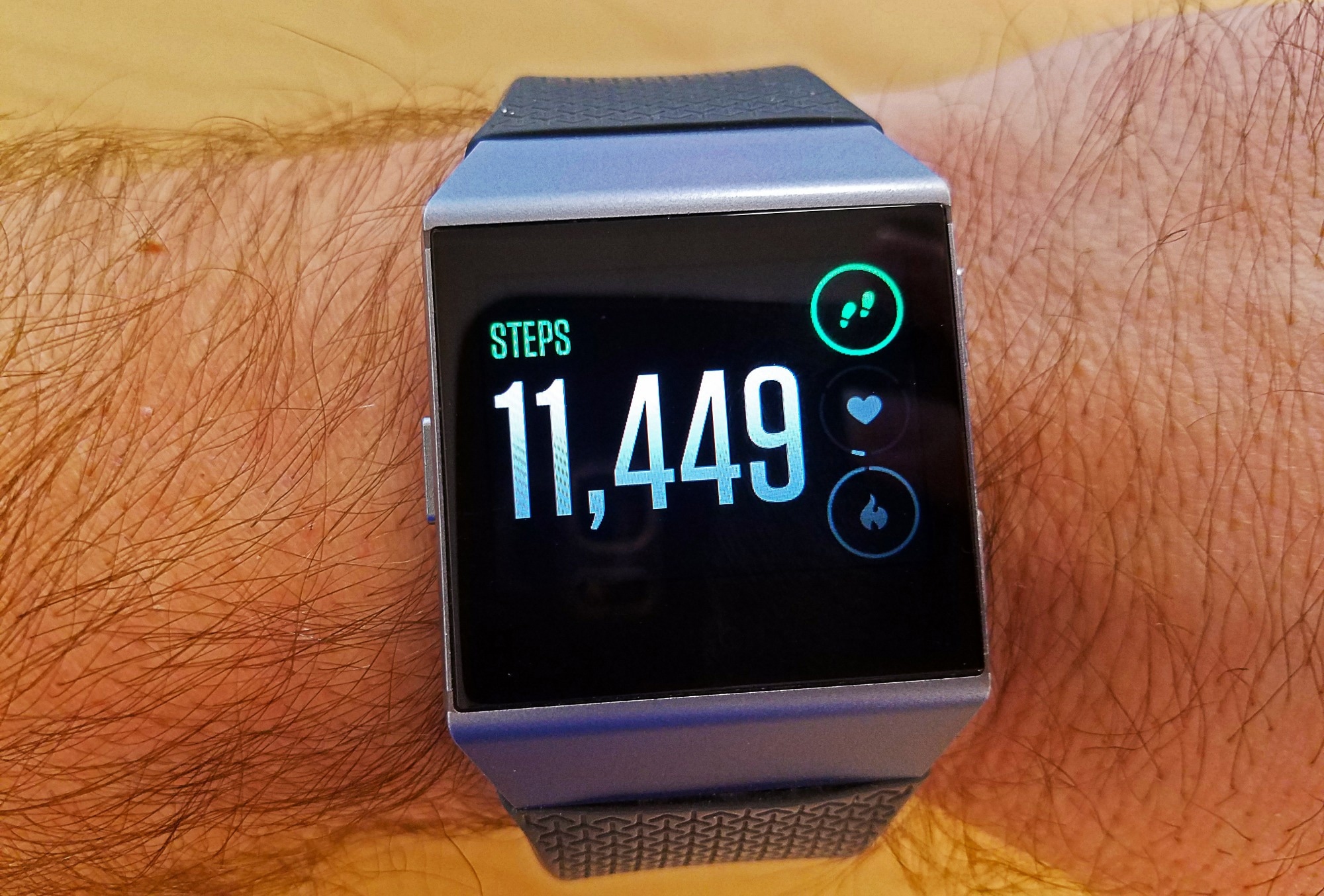
    Researchers of a recent study published in the British Journal of Sports Medicine investigated the relationship between daily step count and cardiovascular disease and mortality. They also investigated whether prolonged sedentary behavior affects the ideal number of daily steps.

    Healthcare specialists urge increasing daily steps to minimize mortality and morbidity since prolonged sedentary behavior is related to an increased risk of death and cardiovascular disease. However, present research on daily stepping is limited and does not address whether sedentary time influences the relationship between mortality and CVD. With the emergence of wearable devices, simplified health information may assist individuals in self-monitoring and setting objectives.

    Study: Do the associations of daily steps with mortality and incident cardiovascular disease differ by sedentary time levels? A device-based cohort study. Image Credit: Joseph M. Arseneau / ShutterstockStudy: Do the associations of daily steps with mortality and incident cardiovascular disease differ by sedentary time levels? A device-based cohort study. Image Credit: Joseph M. Arseneau / Shutterstock

    About the study

    In the present device-based cohort study, researchers investigated the effect of prolonged sedentary behavior on the dose-response of daily steps linked to any-cause mortality and CVD risk.

    The researchers used United Kingdom Biobank data from individuals aged 40 to 69 years recruited from 2006 to 2010 to perform a dose-response assessment of total steps each day across high (≥10.50 hours per day) and low (less than 10.50 hours per day) inactive period (as described by the inflection point for the absolute risk of inactivity time with the study outcomes). They ascertained new-onset cardiovascular disease and mortality through October 31, 2021.

    Participants completed digital questionnaires and underwent physical examinations. The researchers excluded individuals with prior CVD or cancer diagnoses, missing covariate data, or events within a year of accelerometer assessments. Between 2013 and 2015, 103,684 participants wore accelerometers on their wrists for ≥16 hours each day for ≥3.0 days to assess physical activity, classified using accelerometer-based machine learning models.

    The researchers followed Welsh and English participants through September 30, 2021, and Scottish participants through October 31, 2021, using mortality data from the NHS National Records and Central Register of Scotland and NHS Digital of Wales and England. They obtained hospitalization data from the Hospital Episode Statistics (HES) database.

    The researchers determined the dose-response risk for any-cause mortality and new-onset cardiovascular disease per 10,000 individual years using Cox proportional hazards regression models to estimate the hazard ratios (HRs). Study covariates included age, gender, educational level, ethnicity, smoking habits, alcohol intake, vegetable and fruit intake, parental cardiovascular disease and cancer history, and medications. In sensitivity analyses, they included clinical variables like glycated hemoglobin, waist circumference, low- and high-density lipoprotein, blood pressure, and triglyceride levels. They also performed joint association evaluations using 2,200 daily steps as the reference.

    Results

    Over seven years, the study of 72,174 individuals found 1,633 deaths and 6,190 cardiovascular disease events. High inactivity duration increased the likelihood of smoking, hypertension, cholesterol medication use, and waist circumference. Daily step counts among individuals with low and high sedentary times were 8,362 and 4,829, respectively. Compared to the reference of 2,200 steps per day, the optimum dose for any-cause mortality varied from 9,000 to 10,500 daily steps for the high (HR, 0.6) and low (HR, 0.7) sedentary periods.

    In the high inactive duration category, fewer than 4,000 steps per day were related to a 5.4% crude death risk, whereas a step count exceeding 8,000 steps per day yielded a crude risk of 3.1%. The comparable risk for individuals with low sedentary times was 3.7% and 2.3%, respectively. Among highly inactive individuals, the curve bottom was observed at 9,000 steps per day (HR, 0.6), compared to 2,200. The minimum dosage was 4,100 steps per day (HR, 0.8).

    The researchers found an attenuated step-per-day dosage-response relationship among subjects with low inactive periods, with the curve nadir at 10,300 daily steps (HR, 0.7) and the least at 4,400 steps/day. The combined dose-response evaluation revealed consistent curve nadir and least dosage values across sedentary durations, with comparable mortality risk from 6,000 to 9,500 steps per day.

    For new-onset cardiovascular disease, the researchers found the least risk at 9,700 steps per day for both high (HR, 0.8) and low (HR, 0.7) sedentary times. They discovered that low-sedentary individuals had a reduced CVD risk for similar steps per day to very sedentary individuals. The lowest step count was 4,300 steps per day for low and high inactivity hours, with HRs of 0.86 and 0.9. When the daily step count exceeded 3,700, the combined dose-response analysis revealed less inactive time linked to a lower CVD and mortality risk for a similar daily step count as high inactivity time. In a cause-specific investigation, the optimal dosage was around 9600 steps per day for high-sedentary time and 9,800 steps daily for low inactive duration.

    The study findings showed that doing more than 2,200 steps daily reduces mortality and cardiovascular disease risk in high- and low-sedentary individuals. Steps of 9,000 to 10,500 per day had the least mortality risk, regardless of the period of inactivity. Low inactive duration resulted in a 10% decrease in risk for the same number of daily steps. The study underlines the importance of increasing daily steps, particularly among very sedentary individuals, and determined that the optimal dosage to reduce mortality and CVD risk is between 9000 and 10,500 steps per day.

    Journal reference:

    • Matthew Ahmadi, Rezende, Gerson Ferrari, Borja Cruz, I-Min Lee, and Emmanuel Stamataki. Leandro. Do the associations of daily steps with mortality and incident cardiovascular disease differ by sedentary time levels? A device-based cohort study, DOI:  10.1136/bjsports-2023-107221, https://bjsm.bmj.com/content/early/2024/01/24/bjsports-2023-107221

    [ad_2]

    Source link

  • Smokers’ views on e-cigarette harm worsen, matching or exceeding concerns for cigarettes

    Smokers’ views on e-cigarette harm worsen, matching or exceeding concerns for cigarettes

    [ad_1]

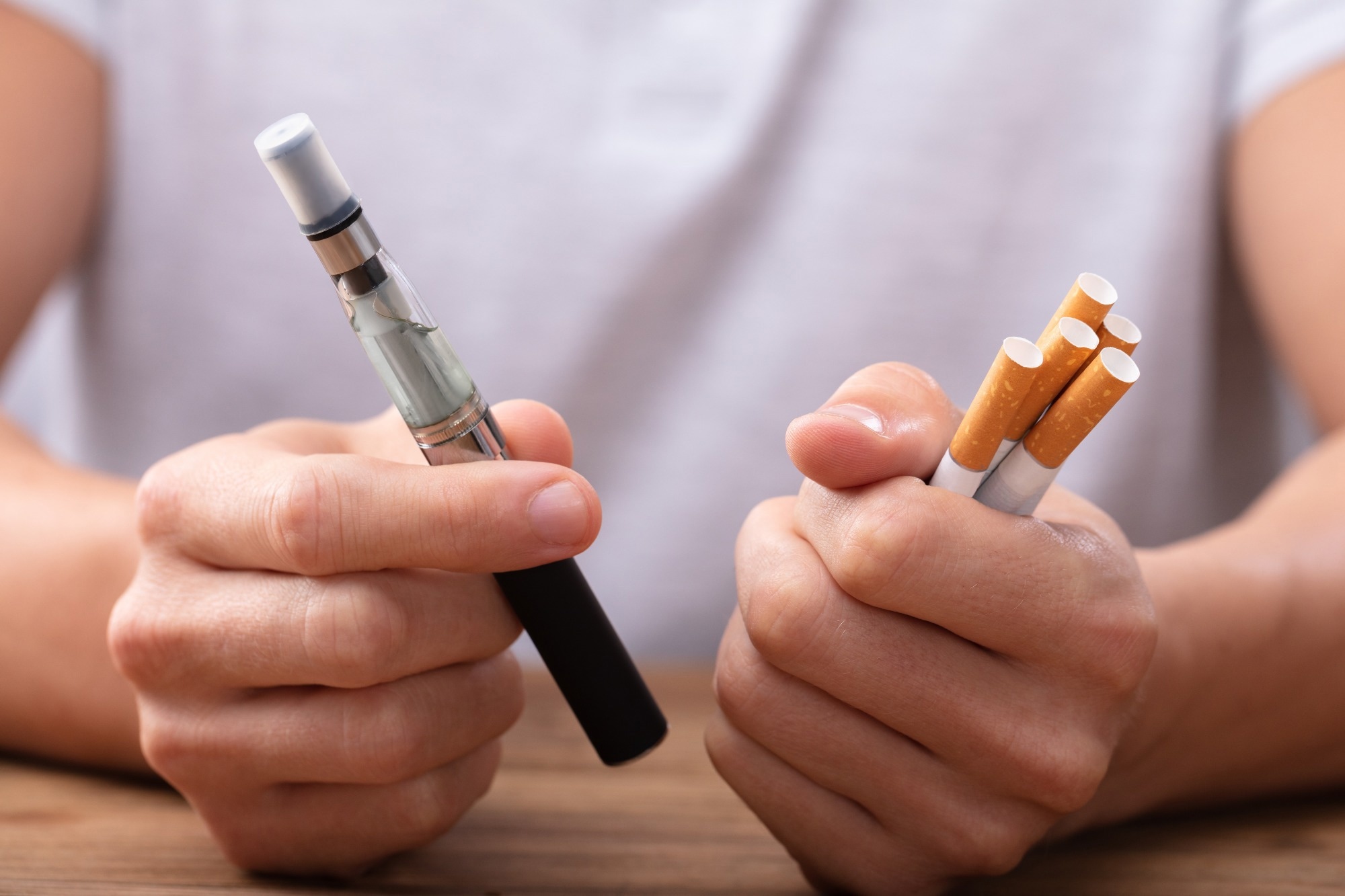
    In a recent study published in JAMA Network Open, researchers examined trends in the perception of harm caused by electronic cigarettes (e-cigarettes) relative to combustible cigarettes among smokers in England.

    E-cigarettes are less harmful than cigarettes and can help people quit smoking. However, many adult smokers believe e-cigarettes to be as harmful as cigarettes. Various factors could have led to confusion regarding e-cigarettes. Media reporting has often exaggerated the risks of e-cigarettes, with evidence suggesting this might aggravate misperceptions.

    Study: Trends in Harm Perceptions of E-Cigarettes vs Cigarettes Among Adults Who Smoke in England, 2014-2023. Image Credit: Andrey_Popov / ShutterstockStudy: Trends in Harm Perceptions of E-Cigarettes vs Cigarettes Among Adults Who Smoke in England, 2014-2023. Image Credit: Andrey_Popov / Shutterstock

    Risk messages can also influence harm perceptions. For instance, an outbreak of acute lung injuries in 2019 was misattributed to vaping even before the cause was identified and was labeled as e-cigarette or vaping product use-associated lung injury (EVALI). Further, concerns emerged that e-cigarettes may increase the risk of coronavirus disease 2019 (COVID-19) and its severity, albeit there was little evidence.

    There have been short-term spikes in e-cigarette harm perceptions post-EVALI outbreak. Nevertheless, how harm perceptions of e-cigarettes evolved beyond 2020 and how the changes vary across population subgroups remains unclear. It is necessary to determine whether changes in perceptions have occurred over time among adult smokers because it has implications for accurate support and messaging.

    About the study

    In the present study, researchers explored the trends in harm perceptions of e-cigarettes in England relative to cigarettes. They obtained data from an ongoing cross-sectional survey of adults between November 2014 and June 2023. The sample was restricted to individuals aged 18 or older who were current smokers because the survey item assessing e-cigarette harm perceptions was limited to them.

    Smokers were asked to specify their perception of whether e-cigarettes were less, more, or equally harmful to health as cigarettes. The primary outcome was the proportion of smokers who thought e-cigarettes were less harmful. Secondary outcomes included the proportions responding more harmful, equally harmful, or do not know.

    Vaping status was determined with questions asking subjects if they used a vaping product or e-cigarette to quit or limit smoking or for other reasons. Those responding to e-cigarette use were deemed current vapers. The team applied logistic regression to evaluate associations between survey waves and perceptions of e-cigarettes.

    Findings

    Of over 169,400 individuals surveyed, 28,393 were current smokers, including 13,253 females. They were aged 43.5 on average, and 5,879 subjects were current vapers. Overall, 35.2% of smokers believed e-cigarettes were less harmful to health than cigarettes; 36.7% reported it as equally harmful, and 13.4% perceived it as more harmful, while 14.8% did not know.

    Further, the proportion who perceived it was less harmful than cigarettes was higher among current vapers and the 35-64 age group. Nearly a third of dual users, i.e., smokers and vapers, perceived e-cigarettes as more or equally harmful. Moreover, significant changes occurred over time in harm perceptions. Specifically, in November 2014, the most common perception was that e-cigarettes were less harmful (44.4%); however, this view declined by 40% by June 2023.

    The proportion of smokers who believed it was less harmful declined to 33.2% between November 2014 and July 2019, whereas the proportion who perceived it was equally harmful increased to 42.5%. Notably, there were marked shifts in perceptions in late 2019, with a sharp reduction in the proportion who believed it was harmful in the first quarter of 2020.

    Meanwhile, the proportion believing e-cigarettes are more or equally harmful increased to 50.6%. The decrease in the proportion of smokers viewing e-cigarettes as less harmful was similar across age groups. The increase in the proportion of people believing e-cigarettes were more harmful was the most pronounced in the youngest age group. The proportion who thought e-cigarettes were less harmful was consistently lower among non-vapers.

    Conclusions

    In sum, harm perceptions of e-cigarettes among adult smokers in England have substantially worsened over the past decade. While the most common perception in 2014 was that e-cigarettes were less harmful, the proportion with this view declined by 40% by June 2023. On the other hand, the proportion who thought e-cigarettes were more harmful had more than doubled. Overall, currently, most adults who smoke and do not vape do not believe e-cigarettes are less harmful than cigarettes.

    [ad_2]

    Source link

  • Researchers discover psychological factors that predict vaping uptake in non-smoking adults

    Researchers discover psychological factors that predict vaping uptake in non-smoking adults

    [ad_1]

    University of Otago researchers have discovered three psychological factors that predict if a non-smoker will start vaping.

    The study, published in the journal Drug and Alcohol Review, investigates how psychological traits related to personality and mental health predict the likelihood of vaping uptake over time in non-smoking adults.

    Researchers, led by Professor Tamlin Conner of the Department of Psychology and Andre Mason of the Department of Psychological Medicine, analyzed longitudinal data of more than 36,000 New Zealand adults from the New Zealand Attitudes and Values Study (NZAVS).

    They found people who reported greater mental distress, lower self-control, and more social tendencies (higher “extraversion”) were more likely to take up vaping as non-smoking adults, compared to people with better mental health, higher self-control, and less social tendencies.

    Professor Conner says the results show that “psychological factors matter in shaping health behaviors, including vaping”, which could have implications for interventions.

    Interventions to prevent vaping uptake among non-smoking adults could be more effective if they address mental health, self-control, or social factors. For example, one could tailor interventions to appeal to at-risk individuals, providing them with additional support to prevent vaping initiation.


    Similarly, interventions and funding to improve mental health could have flow-on benefits to reducing vaping.”


    Professor Tamlin Conner, Department of Psychology, University of Otago

    Professor Conner says the reasons people start vaping are complex and vary greatly.

    People experiencing mental distress may turn to substances to ease their pain, those with low self-control find it harder to resist temptation, and extraverted people are more likely to be in social settings where vaping is more common or use it to connect socially.

    “New Zealanders are taking up vaping without having been smokers, which may expose them to unnecessary risks,” she says.

    “This may be particularly true for psychologically vulnerable or highly social people.”

    Surprisingly, these psychological factors predicted vaping uptake more than many sociodemographic factors.

    People who initially did not smoke or vape were over 40 per cent more likely to start vaping if they experienced greater mental distress, compared with a 7 per cent increase due to economic deprivation.

    Lower self-control and higher extraversion were linked with 21 and 9 per cent increases, respectively.

    “This was unexpected because sociodemographic characteristics are usually very strong drivers of substance use.”

    Professor Conner hopes the findings make people aware of how their own psychological traits, and those of the people around them, may make vaping appealing.

    Researchers noted some limitations of the study – the sample was overly represented by middle-aged adults of whom 81 per cent were New Zealand European. They were unable to model predictors of vaping uptake among young people in this sample. 

    Source:

    Journal reference:

    Conner, T. S., et al. (2024). Psychological predictors of vaping uptake among non‐smokers: A longitudinal investigation of New Zealand adults. Drug and Alcohol Review. doi.org/10.1111/dar.13822.

    [ad_2]

    Source link

  • New approach needed to better prepare and support women during menopause transition, experts say

    New approach needed to better prepare and support women during menopause transition, experts say

    [ad_1]

    A new approach to menopause that better prepares and supports women during midlife is needed – going beyond medical treatments, to empower women using high-quality information on symptoms and treatments, empathic clinical care and workplace adjustments as required, says a new four paper Series published in The Lancet.

    The misconception of menopause as always being a medical issue which consistently heralds a decline in physical and mental health should be challenged across the whole of society. Many women live rewarding lives during and after menopause, contributing to work, family life and the wider society. Changing the narrative to view menopause as part of healthy aging may better empower women to navigate this life stage and reduce fear and trepidation amongst those who have yet to experience it.”


    Martha Hickey, Series Co-Author, Professor, University of Melbourne and Royal Women’s Hospital, Melbourne

    She continues, “The experience of menopause differs for every person. Our Series calls for an individualized approach where women are empowered with accurate, consistent and impartial information to make informed decisions which are right for them over the menopause transition. This may include taking menopause hormone therapy (aka HRT) for symptoms such as hot flushes and night sweats, which can range from mild to extremely debilitating, after a discussion with their doctor about the risks and benefits. Whilst some women may also choose psychological therapies such as cognitive behavioral therapy to reduce the psychological impact of hot flushes and night sweats and improve sleep.”

    Menopause as a part of healthy aging

    In many societies the topic of menopause has long been a taboo subject. Now, countries such as the UK, the USA and Australia are experiencing a ‘menopause moment’, with more open discussion across politics, workplaces and the media.

    Whilst welcoming the increase in awareness of menopause, the Series’ authors raise concern about the media’s tendency to focus on extreme negative experiences of menopause, depicting it as an unfortunate and distressing experience heralding a critical downturn in women’s health which can only be solved by hormone replacement.

    “Whilst it’s certainly the case that some women have extremely negative experiences of menopause and benefit from hormone therapies, that isn’t the whole picture. The reality is much more complex and varied, with some women reporting neutral experiences and others highlighting good aspects, such as freedom from menstruation and menstrual pain. Menopause is having a cultural moment, and this is an opportunity for it to be recognised as a natural part of healthy ageing for women which, with the right preparation and support, is not something to fear,” says Dr Lydia Brown, University of Melbourne. 

    There is a widely held belief that menopause is associated with poor mental health, however a review of 12 studies, published as part of the Series, which investigates the association between the menopause transition and depression does not confirm this. Two of the 12 studies report increased depressive symptoms over menopause, but three found no such increase and the remaining seven studies report mixed results. After reviewing these studies and others, the Series’ experts conclude there is no robust evidence that risk of anxiety, bipolar disorder, psychosis or suicide increases for all women over the menopause transition. 

    Empowered women with support across society 

    The Series calls for healthcare professionals, researchers, workplaces, and wider society to support the empowerment of women during menopause, ensuring they have the knowledge and self determination to make informed decisions and can seek effective help if needed. 

    Healthcare workers can support their patients by validating their experiences and providing balanced and consistent information about symptoms and treatment options if required, encouraging women to discuss their individual preferences to reach shared decisions. 

    A review of evidence on menopause symptoms highlights that hot flushes and/or night sweats affect up to 80% of women, with over a third (38%) describing these symptoms as moderate to severe at age 50 years. 

    The most effective treatment for hot flushes and night sweats is hormone therapy – often referred to as Menopausal Hormone Therapy (MHT) or Hormone Replacement Therapy (HRT). Treating hot flushes may also improve sleep and mood and MHT prevents fractures in weak bones. However, evidence on the benefit of menopause hormone therapy on other symptoms associated with menopause and ageing in women is lacking.

    “There are several medications for menopause symptoms available as prescriptions that can be crucial tools in helping some women manage hot flushes and night sweats, possibly also leading to improved sleep and quality of life. These include menopause hormone therapy and non-hormonal alternatives, including newer agents targeting the neurokinin receptor such as fezolinetant. Information about these treatments, their benefits, risks, and comparative effectiveness should be made readily available to women seeking medication with the support of healthcare professionals. MHT is the best-known medication and data suggests it’s slightly more effective than alternative medications for treating hot flushes and night sweats. However, no medication can reliably resolve all negative experiences during menopause and commercial interests have influenced how MHT is presented – overshadowing evidence-based alternative options,” says Dr Andrea La Croix, University of California San Diego Herbert Wertheim School of Public Health and Human Longevity Science. 

    “As well as menopausal hormone therapy, clinicians should discuss additional ways to manage some menopausal symptoms, such as cognitive behavior therapy for hot flushes and night sweats. CBT may also reduce stress and improve sleep and mood. Lifestyle changes addressing diet, smoking and exercise may additionally benefit sleep and mood and improve long-term health. Some don’t wish to take menopause hormone treatment unless their symptoms are severe and prefer to use other approaches. Our Series is all about increasing awareness of evidence-based options for women, so they can choose how they wish to navigate menopause, free from judgment and stigma,” adds Professor Myra Hunter, King’s College London. 

    Unfortunately, commercial interests, such as organizations who are marketing menopause products to consumers including pharmaceutical companies and private providers, have strongly influenced media messaging about menopause and MHT. In this messaging, across both news media and social media, the small but serious risks of MHT are often downplayed or ignored. This Series argues that women should have access to accurate and evidence-based information about menopause in a form they can understand, created without undue commercial influence, such as the NIH funded My Meno Plan website in the USA.

    The authors also call for more research into aspects of menopause that are a priority for women. For example, a global Menopause Priority Setting Partnership is underway across more than 40 countries to develop a new, patient-focused research agenda.

    Workplaces, by the creation of open, inclusive and supportive cultures, have a role to play in supporting women during menopause. According to the UK Health and Safety Executive, women aged 45-54 report more work-related stress than men or women of any other age group, associated with high job demands, lack of control and lack of support. A qualitative study of 137 women reported that women want their managers to be informed and empathetic about menopause and understand how the work environment might exacerbate their symptoms.

    The authors highlight how, through resources such Menopause at Work, employers can implement evidence-based and practical policies to support their employees including via education, conversations and flexible working hours. 

    In addition to clinicians, researchers and workplaces, the authors highlight the need for a substantial societal shift in the views of midlife and older women, with a greater appreciation of their considerable contribution to society, their skills in the paid and unpaid workforce and how they often care for families across generations, 

    “There is a lot we can learn about attitudes to menopause and growing older in general from communities, such as many Asian cultures, where ageing in women confers respect and status, rather than stigma. Everyone can play a part in shifting society’s view of older women by engaging in conversation – such as those organized by the Menopause Cafe where people of all genders and ages gather to discuss menopause and share tips, questions and experiences,” says Rachel Weiss (not an author), founder of Menopause Cafe charity.

    She continues, “The pendulum has swung from ‘put up and shut up’ about menopause to sensationalizing it. It’s good that we are talking more about menopause, now we need to swing the pendulum to the middle and normalize menopause, so that anyone who wants to talk about it can, so that people are not scared of it and so that a diverse experience of menopause is depicted in the media, not just celebrity horror stories.” 

    Some women need specific care 

    Globally, around 10% of women experience menopause prematurely (under age 40) or early (between the ages of 40 and 44). There are often delays in diagnosis and some women experience feelings of distress and isolation. There is also evidence to suggest women who enter premature or early menopause may have an increased risk of conditions such as cardiovascular disease, and osteoporosis (fragile bones). Use of MHT may reduce these risks. 

    People with cancer are more likely to experience early menopause or menopause symptoms due to treatment. For example, endocrine therapy for breast cancer can cause hot flushes and/or night sweats that may be more severe and prolonged than natural menopause. Women with cancer often report a lack of centralised care and access to safe and effective treatments for their menopause symptoms. 

    Menopause does not usually cause mental health problems, but those with severe hot flushes/night sweats, previous clinical depression or recent stressful life events are at an increased risk of depression. There should be greater awareness and support for this group. Whilst MHT helps with hot flushes and night sweats, it is not a treatment for depression and clinicians should offer evidence-based treatments depending on severity and patient preference. 

    Greater awareness, better understanding of mechanisms, new treatments and additional support for people who experience early menopause, menopause after cancer treatment and/or who are at a higher risk of depression over the menopause transition, is urgently needed.

    The Series concludes all women should have access to realistic and balanced information about menopause and possible experiences, effective treatment as needed and shared decision-making to better equip them to navigate this life stage. 

    Source:

    Journal reference:

    The Lancet 2024 Series on menopause. https://www.thelancet.com/series/menopause-2024

    [ad_2]

    Source link

  • Prenatal exposure to nicotine could increase risk of behavioral disorders in newborns, study finds

    Prenatal exposure to nicotine could increase risk of behavioral disorders in newborns, study finds

    [ad_1]

    Although several studies have linked smoking during pregnancy with neurodevelopmental disorders, the results of behavioral experiments in mice prenatally exposed to nicotine have been inconsistent. In a recent study, scientists from Japan developed a deep learning-based framework to automatically observe and classify mice behavior in such experiments, producing more accurate and unbiased results. They show that prenatal exposure to nicotine could increase the risk of autism spectrum- and attention deficit/hyperactivity disorders in newborns.

    The fact that smoking is a risk factor for several diseases, including cancer, stroke, and diabetes, has been known for approximately half a century. However, over the past few decades, scientists have brought to light many of the detrimental effects of smoking during pregnancy, linking this habit to high infant mortality, failed delivery, and low body weight at birth. In addition, recent studies suggest that prenatal nicotine exposure (PNE) may be related to neurodevelopmental disorders, such as attention deficit/hyperactivity disorder (ADHD) and autism spectrum disorder (ASD).

    For a long time now, scientists have used animal models (like rodents) to understand how PNE leads to neurodevelopmental disorders. By carefully analyzing the behavior of rodents, they can infer whether PNE is causing neurological changes and the brain regions affected by it; this can later be confirmed through histological analyses.

    Unfortunately, thus far, studies on behavioral changes induced by PNE in mice have shown varied results, some of which are contradictory. Although there could be multiple reasons behind these discrepancies, human error and bias are prime suspects. In general, the assessment of complex animal behaviors, especially social interactions, relies on the efforts of human observers, which introduces a baseline level of subjectivity that is hard to dispel. But what if we can leverage artificial intelligence (AI) to produce more accurate and unbiased results from observations of PNE mice behavior?

    In a recent study published in Cells on 1 February 2024, researchers from the Department of Molecular and Cellular Physiology at the Shinshu University School of Medicine, including graduate student Mengyun Zhou, Assistant Professor Takuma Mori, and Professor Katsuhiko Tabuchi, developed and trained a deep learning-based system to automatically analyze footage from behavioral experiments on mice. They used this tool to explore the behavioral changes induced by PNE in mice without observer biases, seeking to shed light on the link between nicotine and neurodevelopmental disorders.

    The proposed AI-based framework relied on a combination of two well-established open-source toolkits, namely DeepLabCut and Simple Behavioral Analysis (SimBA). “AI tools can label the body parts of animals in a markerless video footage and precisely estimate their poses using supervised machine learning,” explains Prof. Tabuchi. “Since animal behaviors are defined as a specific arrangement of body parts over a short period of time, deep-learning toolkits like SimBA can use the pose estimations obtained with DeepLabCut to classify different types of animal behaviors.” 

    After reaching an optimal training protocol for their framework using manually labeled data, the researchers conducted several experiments using PNE and control mice, looking for indicators of ADHD- and ASD-like behaviors. First, they carried out cliff avoidance reaction tests, which are used to test impulsivity. In these tests, they placed the subject mouse on top of a slightly elevated platform and took note-;both manually and with the AI system-;of how long the mouse waited before jumping down the platform. The test results suggested that PNE mice are more impulsive, a behavioral feature of ADHD in humans.

    They also tested the working memory of mice using a Y-shaped maze and counted the number of times each mouse spontaneously switched from one arm of the maze to another. “We observed a decrease in the spontaneous alteration in PNE mice, suggesting that their working memory was altered, which is another behavioral feature of ADHD,” comments Mengyun Zhou. “These results suggest prenatal exposure to nicotine may cause ADHD in mice, which is consistent with clinical reports in humans.

    Finally, the researchers conducted open-field and social-interaction experiments, which represented the main challenge for their AI-based system. In these experiments, the researchers observed either one or two mice behaving freely in a large enclosure and looked for indicators of anxiety and social behaviors, such as grooming and following. Interestingly, PNE mice exhibited social behavioral deficits and increased anxiety which are features of ASD. Subsequent histological analysis of hippocampal brain tissue confirmed decreased neurogenesis, a hallmark of ASD. Thus, it appears that smoking may not only increase the risk of ADHD, but also ASD.

    Worth noting, the results obtained using the AI-based system were highly reliable, as Prof. Tabuchi highlights: “We validated the accuracy of our behavioral analysis framework by drawing a careful comparison between the results generated by the model and behavior assessments made by multiple human annotators, which is considered the gold standard.” These analyses cement the potential of the proposed approach and showcase its capabilities for many types of behavioral studies.

    With any luck, further efforts will pave the way to a solid understanding of mechanisms behind neurodevelopmental disorders like ASD and ADHD, ultimately leading to better diagnostic tools and therapeutic methods.

    Source:

    Journal reference:

    Zhou, M., et al. (2024). Deep-Learning-Based Analysis Reveals a Social Behavior Deficit in Mice Exposed Prenatally to Nicotine. Cells. doi.org/10.3390/cells13030275.

    [ad_2]

    Source link

  • Nanoparticle therapy offers hope for aortic aneurysm treatment

    Nanoparticle therapy offers hope for aortic aneurysm treatment

    [ad_1]

    Aortic aneurysms are bulges in the aorta, the largest blood vessel that carries oxygen-rich blood from the heart to the rest of the body. Smoking, high blood pressure, diabetes, or injury can all increase the risk of aneurysms, which tend to occur more often in Caucasian male smokers over the age of 65. 

    The soft tissues that make up blood vessels act essentially like rubber bands, and it’s the elastic fibers within these tissues that allow them to stretch and snap back. These fibers are produced primarily before and just after birth. After that, they don’t regenerate or undergo natural repair after injury. So when they become injured or diseased, the tissue weakens and causes an aneurysm, which can grow over time. After about seven to 10 years, it typically reaches the rupture stage.”


    Professor Anand Ramamurthi, Chair of the Department of Bioengineering in Lehigh University’s P.C. Rossin College of Engineering and Applied Science

    During that period, there is no treatment. Patients are screened regularly via imaging to monitor the rate of the aneurysm’s growth. Once it’s deemed big enough to potentially rupture (an occurrence that is fatal 90 percent of the time), surgery is the only option. But it’s a risky one for elderly patients.

    Ramamurthi and his team are working on minimally invasive ways to regenerate and repair these elastic fibers using polymeric or biological nanocapsules, called nanoparticles, that are designed to release novel regenerative therapeutics. Their innovative techniques could enable treatment soon after an aneurysm is detected and potentially slow, reverse, or even stop its growth. Findings from their most recent paper, published in the Journal of Biomedical Materials Research, build on their earlier work and represent a step toward a future where surgery is no longer the best, and only, treatment option. 

    “In previous research, we’ve identified drugs and gene-silencing agents that can actually coax adult diseased vascular cells to produce new elastic fibers and inhibit the enzymes that break down existing fibers,” he says. “We’ve also been working on how to deliver these therapeutics efficiently only at the site of tissue repair.”

    The team has also developed a nanoparticle design called active-targeting that incorporates small protein fragments, or peptides, on the nanoparticle’s surface. “These peptides recognize components that are unique to the aneurysm tissue. So when the nanoparticles are injected into the bloodstream, they stick only to the aneurysm wall, where they slowly degrade and release the drug.

    For this paper, he says, the researchers “investigated how the nanoparticles actually penetrate the blood vessel wall to deliver the drug to the affected tissue.”

    All blood vessels are lined with a protective barrier made of endothelial cells, which can become “leaky” as inflammation from tissue damage or disease breaks down the endothelium and creates gaps between the cells. These gaps allow white blood cells to move in and start the tissue repair process, and they also serve as the entry point for nanoparticles that accelerate healing.

    “We wanted to know how the shape and the aspect ratio of these nanoparticles affect their ability to cross that endothelial cell barrier,” says Ramamurthi. 

    It was a critical question to answer because not all nanoparticles are created alike, and if they can’t penetrate the barrier, they can’t repair the tissue.

    Ramamurthi and his team developed a novel cell culture model in which they simulated disease and then examined mechanisms of transport: specifically, how nanoparticles of different kinds interacted with endothelial cells and moved through them. Did they enter through gaps among the endothelial cells (a process called extravasation) or through the cells themselves (what’s known as translocation)?

    “Let’s say a nanoparticle goes through an endothelial cell. Some of it might stay within that cell and not come out the other side, which means you lose that particle, and it’s no longer useful to the healing process. The goal is transportation with minimal retention.”

    The team found that rod-shaped particles, as opposed to spherical particles, with a high aspect ratio (i.e., long and skinny versus short and stubby) were selectively taken up by diseased endothelial cells. “And they showed very little uptake into healthy endothelial cells compared with the spheres, which is good because we don’t want them interacting with healthy vessel walls,” he says.

    They also found that particles reached the tissue primarily by extravasation (or via the cell gaps). “The longer and skinnier they were, the less likely they were to remain within the endothelial cell layer, which means they’re getting through to the affected tissue for more effective therapy.”

    The team will now integrate these findings with their work on active targeting-;incorporating components on the surface of nanoparticles that recognize proteins expressed by diseased cells-;in animal models.

    The ultimate goal is to develop a nonsurgical regenerative therapy capable of slowing aneurysm growth. For example, increasing the current growth-to-rupture stage from seven years to 15 years. An even more ambitious outcome, says Ramamurthi, would be to revert that growth. 

    “Regression of aneurysm growth would be the preferred long-term outcome,” he says. “That’s a long way off, but we’re excited because these findings will help guide us on how to design our nanoparticles for more efficient delivery to the aneurysm wall. It’s an opportunity to get closer to that reality.”

    Source:

    Journal reference:

    Yau, J., et al. (2024). Assessing trans‐endothelial transport of nanoparticles for delivery to abdominal aortic aneurysms. Journal of Biomedical Materials Research Part A. doi.org/10.1002/jbm.a.37667.

    [ad_2]

    Source link

  • Exploring the epigenetic impact of smoking across racial and ethnic groups

    Exploring the epigenetic impact of smoking across racial and ethnic groups

    [ad_1]

    Smoking changes the way genes are expressed, which later contributes to the development of lung cancer and other smoking-related illnesses. But the link between epigenetics (the study of mechanisms that impact gene expression) and smoking is not fully understood, especially in terms of differences across racial and ethnic groups.

    We know that smoking affects people differently based on their race and ethnicity, but identifying epigenetic signatures of smoking would help us better predict risk for smoking-related diseases.”


    Brian Huang, PhD, assistant professor, Department of population and public health sciences, Keck School of Medicine of USC and first author of the new study

    In a National Institutes of Health-funded effort, researchers from the Keck School of Medicine analyzed the link between smoking and DNA methylation, a specific type of epigenetic change that can alter a number of biological processes. The study included data from 2,728 people across six distinct racial and ethnic groups. Researchers found 408 DNA methylation markers (known as “CpG sites”) related to smoking, including two that differed depending on race or ethnicity. The results were published in the American Journal of Human Genetics.

    Most past research on smoking and epigenetics has looked at just one or two racial groups at a time, making the new effort one of the largest multiethnic studies yet. In addition, the researchers quantified smoking by calculating participants’ total nicotine equivalents (TNEs), a biological measure of nicotine uptake that measures levels of nicotine and several other metabolites of cigarette smoke with a urine sample. That enabled a more accurate calculation of smoking dose compared to much of the existing research, which relies on self-reported measures.

    “This study gives us some additional information about the mechanism by which smoking can affect health, and how that could differ across various populations,” Huang said. “Ultimately, that can lead to better prediction, early detection and treatment for smoking-related conditions.”

    Insights from the epigenome

    The research team conducted their primary analysis using data from the Multiethnic Cohort Study, a collaboration between USC and the University of Hawaii that includes African Americans, European Americans, Japanese Americans, Latinos and Native Hawaiians. Using biological samples from 1,994 participants, the researchers determined each person’s smoking dose (by measuring TNEs), as well as the levels of DNA methylation at CpG sites across the genome (through an epigenome-wide association study, or EWAS).

    Across the epigenome, smoking was linked to DNA methylation at 408 sites. That total includes 45 new sites that were not identified in previous studies that relied on self-reports of smoking behavior.

    “This gives us an indication that TNEs can provide more information beyond what we already know from self-reported measures of smoking,” Huang said.

    Of the 408 sites identified, two carried a significant risk difference depending on race or ethnicity. One site on the gene CYTH1 only showed changes in African American people who smoked; another site on MYO1G was more strongly linked with epigenetic changes in Latinos who smoked, compared to other racial and ethnic groups. Those genes perform functions that relate to cancer progression and other disease processes.

    The new insights could improve scientists’ understanding of why some populations face a higher lung cancer risk than others, Huang said. African Americans who smoke face a higher risk of lung cancer than non-Hispanic whites who smoke, while people of Hispanic origin may face a lower risk.

    To further confirm their findings, Huang and his team collected TNE and DNA methylation data from two other groups of participants: 340 people in the Singapore Chinese Health Study and 394 people in the Southern Community Cohort Study. The researchers identified many of the same CpG sites found in the Multiethnic Cohort Study, including the sites most strongly associated with TNEs. That provides evidence that the strongest epigenetic markers of smoking are consistent across multiple racial and ethnic groups, Huang said.

    Better prediction of disease risk

    In their next study, the researchers will conduct an EWAS of DNA methylation and lung cancer risk: How do epigenetic changes increase a person’s risk for lung cancer?

    “By conducting these joint studies, we can understand the mechanism by which DNA methylation acts as a mediator between smoking and lung cancer, which can in turn improve our ability to predict lung cancer risk,” Huang said.

    He and his team also have research underway to study epigenetic changes associated with additional biomarkers of smoking, including biological levels of cadmium, a heavy metal found in cigarette smoke.

    About this research

    In addition to Huang, the study’s other authors are Yesha Patel, Christopher Haiman, Kimberly Siegmund and Daniel Stram from the Department of Population and Public Health Sciences, Keck School of Medicine of USC; Alexandra Binder, Brandon Quon, Annette Lum-Jones, Maarit Tiirikainen, Lenora Loo, Lynne Wilkens, Loïc Le Marchand and Sungshim L. Park from the University of Hawaii Cancer Center; Sharon Murphy and Stephen Hecht from the Masonic Cancer Center, University of Minnesota; Alika Maunakea from the John. A. Burns School of Medicine, University of Hawaii; Woon-Puay Koh from the National University of Singapore; Woon-Puay Koh, William Blot and Melinda Aldrich from the Vanderbilt University Medical Center; and Jian-Min Yuan from the University of Pittsburgh.

    This work was supported by the National Institutes of Health/National Cancer Institute (NIH/NCI) [P01CA138338]. NIH also supported the Multiethnic Cohort Study [U01CA164973], the Singapore Chinese Health Study [R01CA129534, R01CA144034, UM1CA182876] and the Southern Community Cohort Study [U01CA202979, R01CA092447].

    Source:

    Journal reference:

    Huang, B. Z., et al. (2024). Epigenome-wide association study of total nicotine equivalents in multiethnic current smokers from three prospective cohorts. The American Journal of Human Genetics. doi.org/10.1016/j.ajhg.2024.01.012.

    [ad_2]

    Source link

  • UCL study highlights misconceptions about vaping risks among English smokers

    UCL study highlights misconceptions about vaping risks among English smokers

    [ad_1]

    More than half of smokers in England wrongly believe that vaping is more harmful or as harmful as smoking, according to a new study led by UCL (University College London) researchers.

    The study, published in the journal JAMA Network Open and funded by Cancer Research UK, looked at survey responses from 28,393 smokers in England between 2014 and 2023.

    The research team found that public perceptions of e-cigarettes had worsened considerably over the past decade, with an overall increase in the perceived harm of e-cigarettes since 2021, coinciding with a sharp rise in vaping among young people.

    In June 2023, 57% of respondents said they thought vaping was equally as harmful as smoking or more harmful, while only 27% thought e-cigarettes were less harmful.

    These findings have important implications for public health. The risks of vaping are much lower than the risks of smoking and this isn’t being clearly communicated to people.


    This misperception is a health risk in and of itself, as it may discourage smokers from substantially reducing their harm by switching to e-cigarettes. It may also encourage some young people who use e-cigarettes to take up smoking for the first time, if they believe the harms are comparable.


    Better communication about the health risks is needed so that adults who smoke can make informed choices about the nicotine products they use.”


    Dr Sarah Jackson, Lead Author, UCL Institute of Epidemiology & Health Care

    The researchers used data from the Smoking Toolkit Study, in which a different sample of approximately 1,700 adults in England (who are representative of the population) are interviewed each month.

    In 2014, the study showed, public perceptions of e-cigarettes were more favorable, with 44% of smokers regarding them as less harmful than cigarettes, and only 11% saying e-cigarettes were more harmful (this doubled to 23% by 2023).

    The perception of e-cigarettes’ harm worsened sharply in late 2019 and early 2020, coinciding with an outbreak of acute lung injuries in the United States that was wrongly linked to nicotine e-cigarettes (the EVALI outbreak) but later attributed to illicit cannabis vaping products containing vitamin E acetate.

    Though perceptions had recovered by late 2020, they declined again from 2021 through to 2023 amid growing concern about youth vaping, as large numbers of young people starting to use disposable e-cigarettes.

    By 2023, only 19% of smokers who did not vape said they thought vaping was less harmful than smoking.

    The rise in the proportion who said e-cigarettes were more harmful than cigarettes was most pronounced among those aged under 35, despite use of e-cigarettes being much more common in this age group.

    Senior author Professor Jamie Brown (UCL Institute of Epidemiology & Health Care) said: “E-cigarettes are novel and so have attracted much attention in the media, with news articles often overstating their risks to health compared with smoking. There is relatively little reporting about deaths caused by smoking, even though 75,000 people die as a result of it in England each year.

    “The Government plans to offer one million smokers a free vaping starter kit alongside behavioral support to help them quit. This initiative may be undermined if many smokers are unwilling to try e-cigarettes because they wrongly believe them to be just as harmful as cigarettes or more so.”

    In its online guidance*, the NHS says: “Cigarettes release thousands of different chemicals when they burn. Many are poisonous and up to 70 cause cancer. They also cause other serious illnesses, including lung disease, heart disease and stroke. Most of the harmful chemicals in tobacco smoke, including tar and carbon monoxide, are not contained in vape aerosol.”

    Source:

    Journal reference:

    Jackson, S. E., et al. (2024). Trends in Harm Perceptions of E-Cigarettes vs Cigarettes Among Adults Who Smoke in England, 2014-2023. JAMA Network Open. doi.org/10.1001/jamanetworkopen.2024.0582.

    [ad_2]

    Source link

  • Association of volatile aromatic compounds in blood with hearing impairment

    Association of volatile aromatic compounds in blood with hearing impairment

    [ad_1]

    In a recent study published in BMC Public Health, researchers evaluated the impact of benzene, ethylbenzene, and xylene (BEX) exposure on auditory health among United States (US) adults.

    Study: Association between blood volatile organic aromatic compound concentrations and hearing loss in US adults. Image Credit: Ground Picture/Shutterstock.comStudy: Association between blood volatile organic aromatic compound concentrations and hearing loss in US adults. Image Credit: Ground Picture/Shutterstock.com

    Background

    Hearing loss (HL) is associated with financial hardships, an increased risk of diseases such as Alzheimer’s disease and dementia, and communication difficulties.

    There are few effective hearing loss (HL) treatments, highlighting the need for developing prevention strategies. Ototoxic processes and trace heavy metals are HL risk factors. The link between environmental contaminants in human blood and HL is unclear.

    The concentration of polycyclic aromatic hydrocarbons (PAHs) in urine correlates with HL frequency across ages. However, using organic solvents in urine as HL biomarkers has limitations due to their short biological half-lives and varied metabolism.

    BEX chemicals, a significant component of volatile-type organic aromatic compounds (VOACs), are recognized as carcinogens by the International Agency for Research on Cancer, causing reproductive dysfunction, asthma, leukemia, benzene poisoning, immune suppression, splenic damage, and premature birth.

    About the study

    The present study researchers comprehensively explored the link between BEX concentration in blood and hearing impairment among US adults.

    The researchers analyzed the National Health and Nutrition Examination Survey (NHANES) data for 2003-2004, 2011-2012, and 2015-2016, including demographics, VOAC exposure, and audiometry measurements.

    They performed weighted multivariable logistic regression modeling to determine the odds ratios (ORs) for the relationship between BEX concentration in blood with high-frequency HL (HFHL) and speech-frequency HL (SFHL).

    Study covariates included age, sex, race, ethnicity, body mass index (BMI), marital status, education level, smoking habits, drinking status, diabetes, hypertension, and household income.

    The team used the Linden and Jerger classification to define peak middle ear pressures as type C (<99 daPa), type B (0.2 compliance value), and other pressures as type A.

    They analyzed participant blood samples at mobile examination centers (MECs) using mass spectrometry (MS), capillary gas chromatography (GC), selected ion monitoring (SIM), and isotope dilution methods.

    Trained examiners conducted audiometry examinations, defining hearing loss as pure-tone averages exceeding 25 dB in both ears.

    They conducted SFHL assessments at frequencies of 500, 1,000, 2,000, and 4,000 Hz and HFHL evaluations at 3,000, 4,000, 6,000, and 8,000 Hz.

    The team conducted sensitivity analyses to examine the relationship between BEX and hearing loss, reclassifying individuals into three levels based on average hearing threshold, excluding those aged >40 years, and extracting serum cotinine data from NHANES to quantify tobacco smoke exposure.

    The team excluded individuals below 20 or above 60 years with tympanometric type B or C in one or both ears.

    They also excluded individuals with missing data for VOACs such as benzene, ethylbenzene, o-xylene, m/p-xylene, family income-poverty ratio (PIR), and marital status.

    Further, they excluded individuals prescribed hydrocodone, acetaminophen, phenytoin, ciprofloxacin, rifampin, levofloxacin, aspirin, minocycline, bumetanide, nitroglycerin, or metronidazole from the study.

    Study participants did not suffer from cerumen or collapsing external ear canals, did not use hearing aids, or suffered from Parkinson’s disease.

    Results

    The study included 2,174 participants with a mean age of 39 years and weighted prevalences of HL, HFHL, and SFHL, being 47% (n=995), 46% (n=973), and 25% (n=513), respectively.

    Individuals with advanced age, male gender, married status, higher BMI, educational attainment, occupational noise exposure, smoking history, alcohol use, diabetes, and hypertension had higher hearing impairment prevalence than those with no impairment.

    However, the dose-response assessments indicated increased risk among older females with weight in the normal range.

    Benzene, ethylbenzene, ortho-xylene, and para/meta-xylene exposures and cumulative BEX concentrations elevated hearing impairment risk with ORs of 1.4, 1.2, 1.2, 1.4, and 1.3, respectively). 

    Concerning the SFHL endpoint, benzene, ethylbenzene, ortho-xylene, para/meta-xylene, and cumulative BEX concentrations elevated the risk with ORs of 1.2, 1.3, 1.3, 1.2, and 1.3, respectively.

    For HFHL, benzene, ethylbenzene, ortho-xylene, para/meta-xylene, and cumulative BEX exposures increased hearing impairment risk with ORs of 1.2, 1.4, 1.4, 1.2, and 1.3, respectively.

    Surprisingly, the correlation between HL severity and BEX concentration was positive for HL and HFHL, not SFHL. Sensitivity analyses yielded similar findings, indicating the robustness of the primary results.

    Low doses of benzene can activate cellular oxidative stress, contributing to hearing loss. Obesity may lower the risk of hearing impairment induced by BEX by altering insulin-like growth factor (IGF-1) levels.

    Prolonged progesterone and estrogen stimulation in females can elevate hearing thresholds and negatively impact hearing. The team hypothesizes that BEX may disrupt the female endocrine system, with compensatory increases in estrogen outweighing the protective benefits.

    Conclusions

    The study findings showed a positive association between BEX exposure and hearing impairment (HL, HFHL, and SFHL) risk among American adults.

    Future studies could elucidate the mechanisms underlying BEX-related hearing impairment and validate findings from longitudinal environmental research.

    [ad_2]

    Source link