Tag: Supplements

  • Study links acid-reducing drugs to increased risk of migraine

    Study links acid-reducing drugs to increased risk of migraine

    [ad_1]

    People who take acid-reducing drugs may have a higher risk of migraine and other severe headache than people who do not take these medications, according to a study published in the April 24, 2024, online issue of Neurology® Clinical Practice, an official journal of the American Academy of Neurology. The acid-reducing drugs include proton pump inhibitors such as omeprazole and esomeprazole, histamine H2-receptor antagonists, or H2 blockers, such as cimetidine and famotidine, and antacid supplements.

    The study does not prove that acid-reducing drugs cause migraine; it only shows an association.

    Acid reflux is when stomach acid flows into the esophagus, usually after a meal or when lying down. People with acid reflux may experience heartburn and ulcers. People with frequent acid reflux may develop gastroesophageal reflux disease, or GERD, which can lead to cancer of the esophagus.

    Given the wide usage of acid-reducing drugs and these potential implications with migraine, these results warrant further investigation. These drugs are often considered to be overprescribed, and new research has shown other risks tied to long-term use of proton pump inhibitors, such as an increased risk of dementia.”

    Margaret Slavin, PhD, RDN, study author of the University of Maryland in College Park

    For the study, researchers looked at data on 11,818 people who provided information on use of acid-reducing drugs and whether they had migraine or severe headache in the past three months.

    A total of 25% of participants taking proton pump inhibitors had migraine or severe headache, compared to 19% of those who were not taking the drugs. A total of 25% of those taking H2 blockers had severe headache, compared to 20% of those who were not taking those drugs. And 22% of those taking antacid supplements had severe headache, compared to 20% of those not taking antacids.

    When researchers adjusted for other factors that could affect the risk of migraine, such as age, sex and use of caffeine and alcohol, they found that people taking proton pump inhibitors were 70% more likely to have migraine than people not taking proton pump inhibitors. Those taking H2 blockers were 40% more likely and those taking antacid supplements were 30% more likely.

    “It’s important to note that many people do need acid-reducing medications to manage acid reflux or other conditions, and people with migraine or severe headache who are taking these drugs or supplements should talk with their doctors about whether they should continue,” Slavin said.

    Slavin noted that the study looked only at prescription drugs. Some of the drugs became available for over-the-counter use at non-prescription strength during the study period, but use of these over-the-counter drugs was not included in this study.

    Other studies have shown that people with gastrointestinal conditions may be more likely to have migraine, but Slavin said that relationship is not likely to fully explain the tie between acid-reducing drugs and migraine found in the study.

    A limitation of the study is that a small number of people were taking the drugs, especially the H2 blockers.

    Source:

    Journal reference:

    Slavin, M., et al. (2024) Use of Acid-Suppression Therapy and Odds of Migraine and Severe Headache in the National Health and Nutrition Examination Survey. Neurology® Clinical Practice. doi.org/10.1212/CPJ.0000000000200302.

    [ad_2]

    Source link

  • Researchers unlock the potential of whey-derived proteins for cancer prevention

    Researchers unlock the potential of whey-derived proteins for cancer prevention

    [ad_1]

    In a recent review article published in Food and Humanity, researchers summarized the current evidence regarding the significance of whey protein for cancer prevention and treatment.

    Their conclusions highlighted the emerging role of whey protein supplements as a cost-effective, practicable, and viable strategy for cancer treatment and prevention.

    Study: Emerging potential of whey proteins in prevention of cancer. Image Credit: Dan_photography/Shutterstock.comStudy: Emerging potential of whey proteins in prevention of cancer. Image Credit: Dan_photography/Shutterstock.com

    Background

    Cancer is a leading cause of mortality globally, and its prevalence has increased significantly, prompting research to guide the development of effective strategies for treatment and prevention.

    Whey protein, known for its nutritional value and popularity in fitness, has recently garnered attention for its potential anticancer properties.

    Studies suggest whey protein contains bioactive compounds, such as lactoferrin, which demonstrate anticancer effects by inhibiting cancer cell growth and boosting the immune system.

    Whey protein also appears to modulate signaling pathways involved in cancer development, potentially slowing its progression. Additionally, it may enhance the efficacy and reduce the side effects of conventional cancer treatments like chemotherapy and radiation therapy.

    While more research is needed to understand the mechanisms underlying the anticancer effects of whey protein, initial findings offer promising avenues for cancer prevention and treatment.

    Whey protein and its benefits

    Whey protein, formed during milk processing as a by-product, can be sweet or acid. Sweet whey is used widely in supplements, with about 50% of the nutrients found in milk constituting approximately 20% of the protein content of milk.

    Whey contains various nutrients, including bioactive peptides, minerals, B-complex vitamins, and growth factors. These bioactive components, such as lactoperoxidase, beta-lactoglobulin, and lactoferrin, demonstrate diverse bioactivities and functionalities.

    Whey protein is highly regarded for its role in providing essential amino acids and promoting quick absorption, making it ideal for people with cancer and individuals seeking protein-rich diets.

    Commercially, whey protein is available in different forms like whey protein isolates (WPI), whey protein hydrolysates (WPH), and whey protein concentrates (WPC), each with varying protein concentrations.

    Whey protein concentrates generally contain between 25% and 89% protein, while isolates contain between 90% and 95%.

    Whey protein offers numerous health benefits, including weight loss support, muscle preservation, digestive health promotion, hypertension regulation, and anti-carcinogenic effects.

    It has probiotic properties and is a precursor for bioactive compounds like lactulose and lactobionic acid, and exhibits a low glycemic index and cariogenicity compared to other protein sources.

    The therapeutic properties of whey protein are attributed to its antioxidant activity, glutathione enhancement, apoptosis induction, iron-binding capacity, cell proliferation regulation, and potential in treating cancer cachexia-anorexia syndrome.

    It stimulates glutathione synthesis, promotes apoptosis in cancer cells, and regulates cell growth and division through insulin-like growth factor 1 pathways.

    Further research into whey protein and its bioactive components holds promise for enhancing human health and well-being.

    In vivo and clinical cancer studies

    Animal studies demonstrate that whey protein shows promise against oxidative stress-induced tissue injuries and cancers. Its potential anticancer and antioxidant properties may be associated with its ability to increase glutathione levels.

    WPC exhibits advantages over soy, casein, and other proteins in reducing colorectal cancer incidence via glutathione elevation.

    Whey protein diets have also shown promise in managing mucositis for individuals undergoing chemotherapy while improving nutritional outcomes.

    Subfractions of whey protein, particularly bovine lactoferrin and alpha-lactalbumin, exhibit antitumor effects inhibiting tumor development. Researchers are exploring novel nanocarriers incorporating components of whey protein to prevent tumors without side effects.

    Some clinical trials with human participants have shown positive outcomes, which are consistent with the evidence from in vitro studies of whey protein’s antioxidant and anti-cancer.

    Regarding nutritional and performance parameters, interventions that combined supplementation with dietary assistance and exercise improved nutritional parameters and handgrip strength; WPI supplementation also showed promise for protein status strengthening, boosting immunity during chemotherapy, and raising glutathione levels.

    Studies also indicate both positive and complex effects of whey protein concentrate and lactoferrin supplementation on the health of cancer patients.

    While these results are promising, robust multicentric trials must be conducted across various forms of cancer to confirm the pervasive efficacy of whey protein supplementation as an adjuvant therapy.

    Conclusions

    The narrative review discussed the role of whey protein in cancer prevention and treatment based on both animal and clinical studies, highlighting the potential benefits of whey protein, including its antioxidant and anticancer properties, its ability to increase glutathione levels, and its effectiveness in managing mucositis during chemotherapy.

    Various subfractions of whey protein, such as alpha-lactalbumin and lactoferrin, show promising antitumor effects. Additionally, novel approaches like utilizing nanocarriers incorporating whey protein components are being explored for tumor prevention.

    Clinical trials suggest positive outcomes of whey protein supplementation, including improved nutritional and performance parameters, raised glutathione levels and strengthened immunity in cancer patients.

    However, robust multicentric trials across different cancer types are needed to confirm the widespread efficacy of whey protein supplementation as an adjuvant therapy.

    [ad_2]

    Source link

  • Study examines meat consumption’s impact on mortality risk in the frail

    Study examines meat consumption’s impact on mortality risk in the frail

    [ad_1]

    Frailty, a clinical syndrome affecting almost 10% of the elderly, undermines their ability to handle stress.

    Nutrition plays a key role in frailty development, with protein supplements often used to boost strength and physical function in frail older adults. Although meat is a rich protein source, its impact on the health of frail individuals remains under-researched.

    A recent study in The Journal of Nutrition, Health and Aging explores how meat consumption influences the risk of death in frail populations.

    Study: Associations between meat consumption and all-cause and cause-specific mortality in middle-aged and older adults with frailty. Image Credit: KucherAV/Shutterstock.comStudy: Associations between meat consumption and all-cause and cause-specific mortality in middle-aged and older adults with frailty. Image Credit: KucherAV/Shutterstock.com

    About frailty

    Frailty arises from diminished physiological capacity due to existing deficiencies across various bodily systems, leading to increased vulnerability to stressors and a higher demand for medical care in the elderly.

    Recent studies aim to enhance the well-being of frail individuals by investigating the roots of frailty and tracking the progression of this condition.

    The role of meat in frailty

    Meat, as a food category, includes red meat, fish, and poultry. Rich in proteins and micronutrients, meat is important for building and maintaining muscle strength, enhancing physical strength, and minimizing the incidence of malnutrition in the elderly.

    Even though frail people need to eat more protein, prior research has demonstrated a positive association of red meat with frailty, unlike other types of protein.

    This could be due to the high saturated fat content in red meat that is associated with increased cardiovascular disease (CVD) risk.

    In addition, processed meat contains nitrites and other preservatives that may trigger oxidative stress and inflammation, both of which cause CVD and metabolic disease.

    Such findings have led to recommendations, both by the World Health Organization (WHO) and many national nutritionist bodies, to eat less red meat and processed meat.

    What did the study show?

    There were around 20,000 participants, with a mean age of 58 years. About 60% were female. About 38% and 12% ate red meat and processed meat, respectively.

    About a fifth consumed poultry. Increased frequency of poultry consumption was associated with a lower risk of death from all causes. Compared to those who had poultry less than once a week, those who had it 1-2 times had a 10% lower risk, while those who ate it >4 times a week had a 33% lower risk.

    Deaths from cancer were also lower, at 10% and 20%, for those who had poultry 1-2 times vs >4 times a week. Moreover, mortality from CVD was reduced by 15%, 25%, and 50%, among those who ate it 1-2, 2-4, and >4 times a week, respectively.

    The opposite trends were seen among those who had higher processed meat consumption. All-cause mortality was increased by 10% and 20% among those who ate processed meat 2-4 vs >4 times a week, respectively.

    Deaths from CVD were higher by 15% and 25% among those who had processed meat 1-4 times vs >4 times a week, respectively.

    There was a U-shaped relationship between red meat intake and mortality. The death rates from all causes, cancer, and CVD were all lower among those who ate red meat up to 2 times a week, but only the first was significant.

    The risk of all-cause deaths was 14% lower in this group compared to those who had red meat less than once a week.

    For each additional 25 g of red meat, the risk of all-cause mortality and deaths from CVD among the frail increased by 7% and 16%, respectively. This was not the case for overall meat consumption.

    If processed meat was replaced by oily fish, like sardines, the risk of all-cause death was 5% lower. If substituted by poultry, it was 9% lower for all-cause deaths and 7% less for cancer deaths. CVD mortality was reduced by 13%.

    If fish replaced red meat, all-cause mortality went down by 3%, but if oily fish was consumed, it went down by 6%. Substitution with cheese led to a 4% reduction but by 10% for poultry.

    These substitutions were also more heart-friendly, with poultry being associated with 13% lower CVD mortality vs 5% for cheese and for fish.

    Interestingly, increased red meat consumption was linked to a higher risk of all-cause mortality among males only.

    This risk was also stronger for processed meat consumption among males and those with a body mass index (BMI) of 25 kg/m3 or higher. BMI was also similarly linked to increased risk for all-cause mortality with increasing meat consumption.

    Lessons to learn

    We need much more research on optimal dietary components for people with frailty because current clinical guidelines are mainly based on expert consensus because of the lack of an evidence base.”

    These findings from a study that explores the different types of meat consumption in relation to mortality risk in frail individuals supply a significant foundation for such recommendations.

    They corroborate earlier studies showing the adverse impact of processed meat on all-cause and cardiovascular mortality, which outweighs the potential benefit in terms of the protein supplied.

    The association of red meat intake >2 times a week with increased mortality has not been reported by other studies but may be due to the saturated fat content, which may boost the risk of CVD.

    The results indicate that “poultry and fish could be a healthier alternative to red and processed meat among frail individuals.”

    Further research is necessary to explore the interaction of BMI with processed meat consumption and mortality risk. The reasons for increased mortality with red meat intake in males remain unexplained, inviting future studies.

    Journal reference:

    • Jie Chen a, Weihao Xu, Lintao Dan, Junhan Tang b, Jirong Yue e,  Emiel O. Hoogendijk f, and Chenkai Wu (2024). Associations between meat consumption and all-cause and cause-specific mortality in middle-aged and older adults with frailty. The Journal of Nutrition, Health and Aging. doi: http://dx.doi.org/10.1016/j.jnha.2024.100191

    [ad_2]

    Source link

  • ADHD medication proves most effective in treating symptoms, new study finds

    ADHD medication proves most effective in treating symptoms, new study finds

    [ad_1]

    In a recent review article published in Pediatrics, researchers provided a comprehensive overview of treatment options available for attention-deficit/hyperactivity disorder (ADHD) for children and adolescent individuals.

    Study: Treatments for ADHD in Children and Adolescents: A Systematic Review. Image Credit: ClareM/Shutterstock.comStudy: Treatments for ADHD in Children and Adolescents: A Systematic Review. Image Credit: ClareM/Shutterstock.com

    Background

    Using a systematic search across medical databases, they identified 312 intervention studies in 540 published articles that studied ADHD interventions lasting more than four weeks for individuals under the age of 18 who had been clinically diagnosed with ADHD.

    The outcomes included health and psychosocial indicators, and included studies compared the intervention group with active, passive, waitlist, placebo, or no treatment groups.

    They found promising evidence regarding the growing availability of several treatments that effectively treat symptoms of ADHD for school-aged and young populations and that while medication continues to be an important form of therapy, it is associated with numerous adverse effects.

    Medications to treat ADHD

    The review evaluated various medications for treating ADHD, including traditional stimulants like methylphenidate and amphetamines, as well as nonstimulants.

    Studies found that traditional stimulants significantly reduced ADHD symptom severity and broad measures but did not notably affect functional impairment.

    While methylphenidate formulations improved symptoms and appetite suppression, it was associated with more adverse events.

    Similarly, amphetamine formulations and norepinephrine reuptake inhibitors (NRIs)  also improved symptoms but suppressed appetite more and had more adverse events, while alpha-agonists were associated with fewer adverse effects.

    Nonstimulants significantly improved ADHD symptoms, broad measures, and disruptive behaviors but did not notably affect functional impairment.

    Direct comparisons between medications showed varied results, with some favoring stimulants over nonstimulants. However, combining nonstimulants with stimulants showed additional small improvements in symptoms.

    Overall, stimulants tended to be more effective in improving ADHD symptoms and broad measures compared to nonstimulants, with some variations in side effects and additional benefits when combined with nonstimulants.

    Integrative, alternative, or complementary therapies such as hippotherapy, homeopathy, and acupuncture were not associated with improvements in symptoms of ADHD or other outcome measures.

    Behavioral ADHD therapies

    Psychosocial interventions significantly improved ADHD symptoms across diverse approaches, including youth-directed interventions, parent support programs, and school-based interventions. However, these treatments did not notably affect disruptive behaviors or academic performance.

    Parent support programs also showed improved broadband scores and disruptive behaviors but not functional impairment.

    School interventions did not significantly affect ADHD symptoms but showed potential for enhancing academic performance.

    Cognitive training did not significantly improve ADHD symptoms but was effective in reducing disruptive behaviors and enhancing broadband measures.

    Neurofeedback, particularly targeting EEG markers, significantly improved ADHD symptoms with minimal heterogeneity, although its impact on disruptive behaviors and functional impairment was inconclusive.

    Overall, these findings suggest the efficacy of psychosocial interventions in alleviating ADHD symptoms in youth, with variations in effectiveness across different approaches and outcomes.

    Combining behavioral treatments and medication

    The reviewers found some studies that combined psychosocial treatments with medication (primarily atomoxetine or stimulants).

    Cognitive behavioral therapy, behavioral therapy, humanistic interventions, solution-focused therapy, and multimodal psychosocial treatments were included as behavioral treatments.

    These studies examined the effect of additional psychosocial treatment compared to medication alone and did not include placebo or no treatment arms.

    There was little evidence that combined therapy improved ADHD symptoms and other outcomes.

    Other key findings

    Nutrition interventions were generally placebo-controlled and included supplements and other dietary treatments, which were often administered in addition to stimulants.

    There were no supplements, including omega-3, which were associated with consistent improvements in outcomes. However, nutritional interventions were generally found to improve symptoms of ADHD and associated disruptive behaviors without increasing adverse effects.

    The study found limited evidence on whether different types of ADHD or coexisting psychiatric conditions influence treatment outcomes. Long-term follow-up data, especially beyond 12 months, were sparse across interventions.

    Studies, including those examining the effect of multimodal treatments, did not show sustained effects beyond 12 months across various interventions, except for some medication trials.

    Conclusions

    The review encompasses a comprehensive analysis of ADHD treatments, highlighting the effectiveness of diverse interventions across multiple domains.

    Medications, including stimulants and nonstimulants, show significant improvements in ADHD symptoms, with moderate to high strength of evidence. Psychosocial treatments, neurofeedback, and nutritional interventions demonstrate varied effectiveness, often with lower strength of evidence.

    Combining treatments was not found to consistently enhance outcomes. There is a dearth of studies on long-term effects and comparative effectiveness, emphasizing the need for more research to inform treatment decisions and improve patient care.

    The authors acknowledged that the scope of their review was limited by their eligibility criteria, excluding some earlier studies, psychosocial interventions, and studies with smaller sample sizes.

    Future research is required to analyze the comparative effectiveness of various treatments with network meta-analysis approaches.

    Journal reference:

    [ad_2]

    Source link

  • Household chemicals endanger brain’s myelin-forming cells

    Household chemicals endanger brain’s myelin-forming cells

    [ad_1]

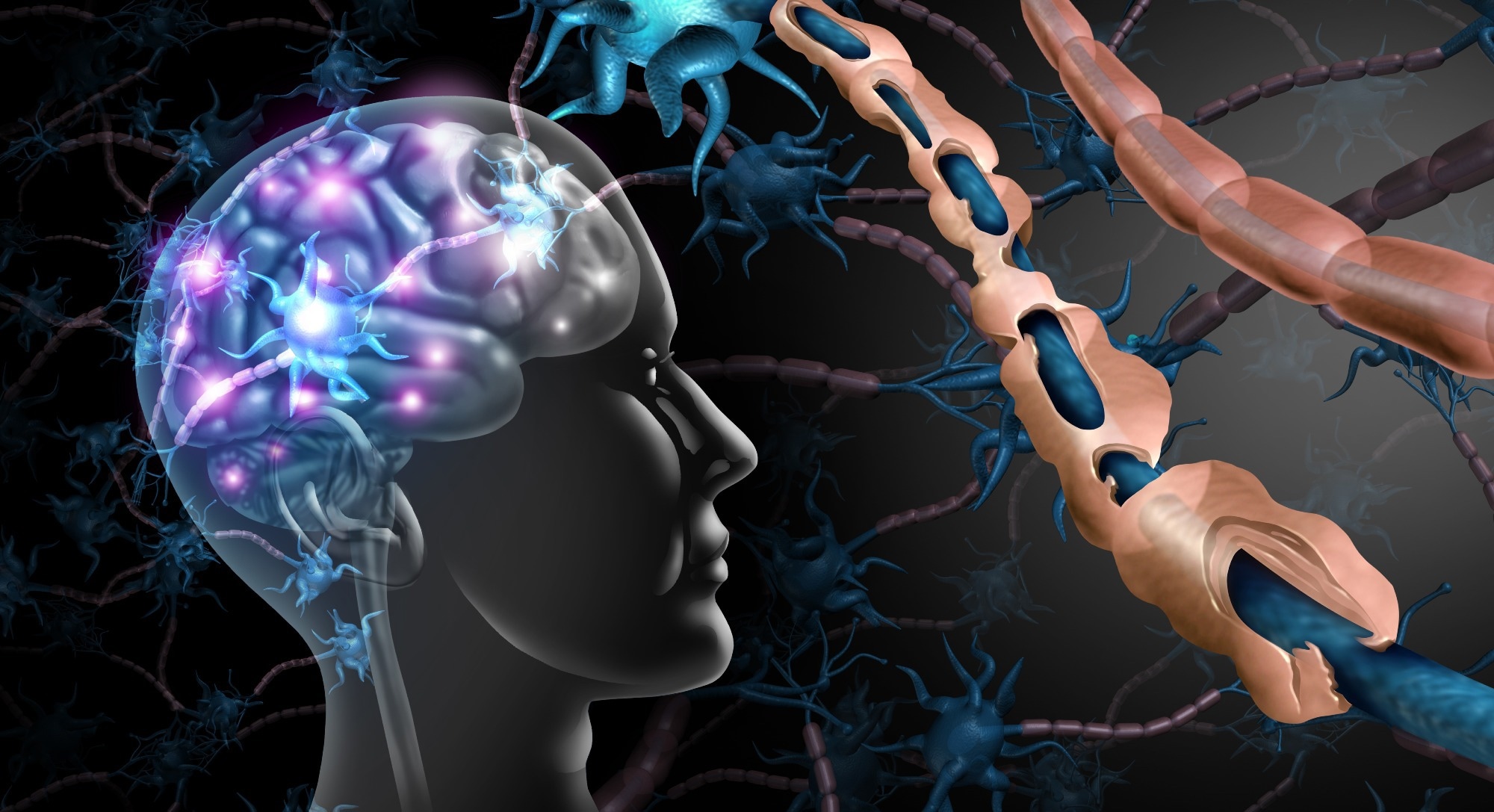
    In a recent study published in the journal Nature Neuroscience, researchers in the United States pinpointed and evaluated environmental chemicals that hinder oligodendrocyte development through varied mechanisms, assessing their neurodevelopmental impacts.

    Study: Pervasive environmental chemicals impair oligodendrocyte development. Image Credit: Lightspring / ShutterstockStudy: Pervasive environmental chemicals impair oligodendrocyte development. Image Credit: Lightspring / Shutterstock

    Background 

    Human exposure to environmental chemicals, especially during the critical developmental stages of children’s central nervous systems, raises significant health concerns. Substances like methylmercury, lead, and polychlorinated biphenyls are linked to disrupting brain development, potentially contributing to the increasing prevalence of neurodevelopmental disorders such as autism and Attention-Deficit/Hyperactivity Disorder (ADHD). These trends suggest that environmental factors play a critical role beyond genetics. Oligodendrocytes, vital for brain functionality through myelination and neuronal support, are particularly susceptible to these chemicals from fetal development into adolescence. Despite their significance, limited research has focused on the impact of environmental toxins on oligodendrocytes. This gap highlights the need for further investigation into how these chemicals affect oligodendrocyte development and identifying ways to counteract their detrimental effects on neurodevelopment.

    About the study 

    The present study adhered to ethical standards set by the International Society for Stem Cell Research and the National Institutes of Health, receiving approval from the Case Western Reserve University Institutional Animal Care and Use Committee. Mouse oligodendrocyte precursor cells (OPCs) were cultured from induced pluripotent stem cells (iPSCs), following established protocols that involved removing iPSCs from a feeder layer, dissociating them, and then cultivating them in a medium conducive to OPC expansion and maturation. The culture medium was switched on the tenth day to promote OPC development, utilizing a specific combination of supplements to enrich OPC populations. Additionally, primary mouse OPCs and astrocytes were derived from dissected mouse brain tissue, with the cells undergoing culture in specially prepared media to encourage the growth of OPCs and astrocytes, respectively.

    Human cortical organoids were generated from embryonic stem cells and iPSCs, following rigorous stem cell research guidelines. These organoids were cultured in a medium optimized for OPC expansion and differentiation, incorporating various growth factors and supplements. Chemical screening on OPCs utilized the United States Environmental Protection Agency (US EPA) Toxicity Forecaster chemical library to identify compounds that disrupt OPC development. 

    Various methods, including immunocytochemistry, high-content imaging, and cell viability assays, were employed to assess the impact of chemicals on OPCs. Additionally, the study explored the effects of specific quaternary compounds on cell viability, employing a range of experimental setups across different cell types to understand the compounds’ toxicity profiles. 

    Study results 

    The present study developed a high-throughput screening method to assess the impact of environmental chemicals on the development of mouse pluripotent stem cells (mPSCs)- derived OPCs into oligodendrocytes. Among the 1,823 chemicals screened, a selection was found to either be cytotoxic to developing oligodendrocytes or impede their generation without inducing cytotoxicity. The screening revealed that a majority of the chemicals had no significant effect on oligodendrocyte development or viability, yet 292 were identified as cytotoxic and 47 as inhibitors of oligodendrocyte generation.

    Further investigation using the MTS assay, which measures metabolic activity as an indicator of cell viability, validated the cytotoxic effects of certain chemicals. Comparison of cytotoxicity profiles across different cell types, including mouse astrocytes and data from the US EPA, identified quaternary compounds as selectively cytotoxic to oligodendrocytes. These compounds, characterized by a central nitrogen with four alkyl groups, demonstrated a specific toxicological sensitivity in developing oligodendrocytes. The study also explored the activation of the integrated stress response (ISR) as a potential mechanism for the cytotoxicity induced by quaternary compounds.

    Quaternary compounds were also tested for their ability to cross the blood-brain barrier and were found to be present in brain tissue at nanomolar concentrations following administration to mice. Furthermore, the study extended to human pluripotent stem cell-derived regionalized neural organoid models, confirming that quaternary compounds could disrupt human oligodendrocyte development, reducing the density of SOX10+ OPCs and oligodendrocytes.

    Additionally, the screening identified organophosphate flame retardants as inhibitors of oligodendrocyte development. These compounds were shown to arrest the progression of early to intermediate and mature oligodendrocytes. The study’s findings were extended to in vivo and in vitro models of human brain development, demonstrating that exposure to organophosphate flame retardants, particularly Tris(1,3-dichloro-2-propyl) phosphate (TDCIPP), significantly reduced the number of SOX10+CC1+ oligodendrocytes in both mouse and human models.

    Lastly, the study utilized data from the National Health and Nutrition Examination Survey (NHANES) to investigate associations between exposure to organophosphate flame retardants and neurodevelopmental outcomes in children. High levels of urinary Bis(1,3-dichloro-2-propyl) phosphate (BDCIPP), a metabolite indicative of TDCIPP exposure, were associated with an increased likelihood of special education needs and gross motor dysfunction, suggesting a strong link between organophosphate flame retardant exposure and adverse neurodevelopmental outcomes. 

    [ad_2]

    Source link

  • Antioxidant-rich diets linked to lower type 2 diabetes risk, supplements less effective

    Antioxidant-rich diets linked to lower type 2 diabetes risk, supplements less effective

    [ad_1]

    Scientists at the Karolinska Institute in Sweden have conducted a systematic review and meta-analysis to determine the relationship between dietary antioxidant intake and type 2 diabetes risk.

    The study is published in the journal Advances in Nutrition

    Review: Vitamins C, E, and beta-carotene and risk of type 2 diabetes: a systematic review and meta-analysis. Image Credit: alicja neumiler / ShutterstockReview: Vitamins C, E, and beta-carotene and risk of type 2 diabetes: a systematic review and meta-analysis. Image Credit: alicja neumiler / Shutterstock

    Background

    Type 2 diabetes is a serious metabolic disease characterized by reduced secretion or impaired functioning of insulin and subsequent increase in blood glucose level (hyperglycemia). Insulin resistance and pancreatic beta-cell dysfunction are two major hallmarks of the disease.

    More than 10% of the global population is currently affected by type 2 diabetes. Its prevalence is sharply increasing worldwide mainly because of an increasing inclination towards unhealthy food habits and sedentary lifestyles.

    Diet plays an important role in regulating the body’s metabolism, among various lifestyle factors. Evidence indicates that an increased adherence to healthy diets, such as the Mediterranean or DASH (Dietary Approach to Stop Hypertension), can significantly reduce the risk of type 2 diabetes. The fundamental characteristic of these diets is a higher intake of plant-based foods rich in antioxidants, including vitamins C, E, and beta-carotene.    

    In this systematic review and meta-analysis, scientists have assessed whether consumption of dietary vitamins C, E and beta-carotene can reduce the risk of type 2 diabetes.

    Vitamins C, E, and beta-carotene and risk of type 2 diabetes: a systematic review and meta-analysis

    Study design

    The scientists searched various electronic databases to identify studies investigating the association between dietary intakes, circulating levels, or supplementation of vitamin C, E, and beta-carotene and type 2 diabetes incidence or insulin resistance/sensitivity and beta cell function in non-diabetic individuals.

    The final screening led to the identification of 25 prospective observational studies and 15 randomized controlled trials. Moderate and serious risks of bias were observed in 21 and 4 observational studies, respectively. Among randomized controlled trials, 13 had a low risk of bias, and 2 had some concerns.

    Important observations

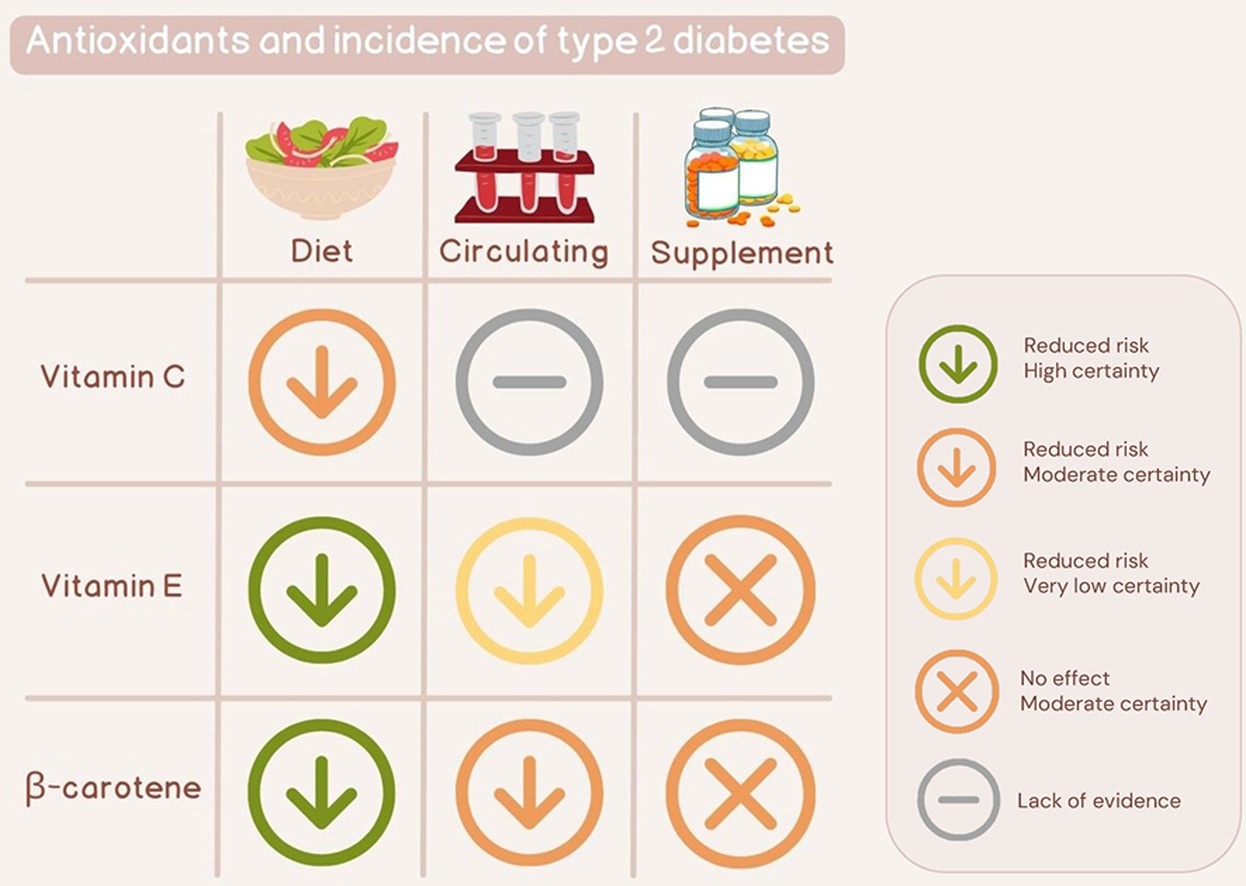
    The study found that moderate intakes of vitamins C, E, and beta-carotene can reduce the risk of type 2 diabetes.

    Vitamin C

    The meta-analysis of observational studies revealed that a vitamin C intake of up to 70 mg per day can reduce type 2 diabetes risk by 24%. However, no further risk reduction was observed for an intake higher than this level.

    An inverse association was observed between dietary intake of vitamin C and insulin resistance. Vitamin C intake also showed a positive impact on beta cell function.

    Vitamin E

    The meta-analysis of observational studies revealed that the vitamin E intake of up to 12 mg per day can reduce the risk of type 2 diabetes by 28%. Similar to vitamin C, no further risk reduction was observed for an intake higher than this level.

    The meta-analysis of randomized clinical trials revealed that vitamin E supplementation does not have any protective effect against type 2 diabetes development. However, vitamin E supplementation showed a positive impact on insulin sensitivity.

    Beta-carotene

    The meta-analysis of observational studies revealed that the beta-carotene intake of up to 4 mg per day can reduce the risk of type 2 diabetes by 22%. No further risk reduction was observed above this level.

    The meta-analysis of randomized controlled trials revealed that beta-carotene supplementation cannot reduce the risk of type 2 diabetes. It was also observed that circulating beta-carotene can reduce insulin resistance and increase insulin sensitivity.

    Study significance

    This systematic review and meta-analysis found an inverse association between dietary and circulating vitamins C, E, and beta-carotene and the risk of type 2 diabetes. However, no protective efficacy of supplementation with these antioxidants has been observed against type 2 diabetes.

    The robust antioxidant properties of these vitamins are mainly responsible for their anti-diabetic effects. Vitamin C is a water-soluble vitamin commonly found in fruits and vegetables. It can remove free radicals in the body’s hydrophilic compartments and regenerate vitamin E from its oxidized form.

    Vitamin E is a fat-soluble vitamin commonly found in nuts, seeds, and vegetable oils. It can prevent lipid peroxidation and protect lipid parts of the body, such as cell membranes. Beta-carotene is a fat-soluble provitamin A carotenoid commonly found in fruits and vegetables. Similar to vitamin E, beta-carotene can protect lipid parts of the body from free radical-mediated damage.

    Article Revisions

    • Mar 27 2024 – Addition of Graphical abstract illustration.

    [ad_2]

    Source link

  • Vitamin D receptor presence in breast cancer tumors linked to better survival outcomes

    Vitamin D receptor presence in breast cancer tumors linked to better survival outcomes

    [ad_1]

    In a recent study published in the journal Nutrients, researchers explored the role of vitamin D receptors (VDR) as a potential prognostic marker for breast cancer.

    Their results indicate significant associations between VDR, the mode of detection, and the size of invasive tumors, suggesting a promising avenue for further study.

    Study: The Vitamin D Receptor as a Prognostic Marker in Breast Cancer—A Cohort Study. Image Credit: Peddalanka Ramesh Babu / ShutterstockStudy: The Vitamin D Receptor as a Prognostic Marker in Breast Cancer—A Cohort Study. Image Credit: Peddalanka Ramesh Babu / Shutterstock

    Background

    People with breast cancer often show lower serum levels of vitamin D compared to healthy individuals; some studies have also found links between low vitamin D levels and the probability of an adverse prognosis, while others suggest that supplementation could reduce the risk of developing advanced cancer.

    Calcitriol, an active metabolite of vitamin D, binds to the VDR before it translocates into the nucleus, modifying regulatory genes that control cell signaling, apoptosis, and cell growth.

    This could be a mechanism that underlies the association between VDR and favorable breast cancer prognoses, but further research is needed to understand its potential role as a biomarker for the progression of tumors.

    About the study

    In this study, researchers attempted to validate prior work that found positive associations between breast cancer prognoses and nuclear VDR presence. They additionally explored if prognostic information can be refined by VDR subcellular localization.

    The dataset included tumor samples obtained from individuals who received a diagnosis of primary breast cancer between October 2002 and June 2012. The samples were utilized for tissue microarray (TMA) construction after excluding people who had received a prior diagnosis of any cancer in the previous 10 years.

    During preoperative visits, patients were asked to complete questionnaires that included information on reproductive factors, lifestyles, and medication and supplements consumed during the previous week. Vitamin D consumption was calculated from the product information for supplements.

    Nurses measured hip and waist circumference, height, weight, and breast volume. Pathology reports were used to obtain characteristics of tumors, including size, histologic type, grade, involvement of axillary lymph nodes, and status of progesterone receptors (PR) and estrogen receptors (ER).

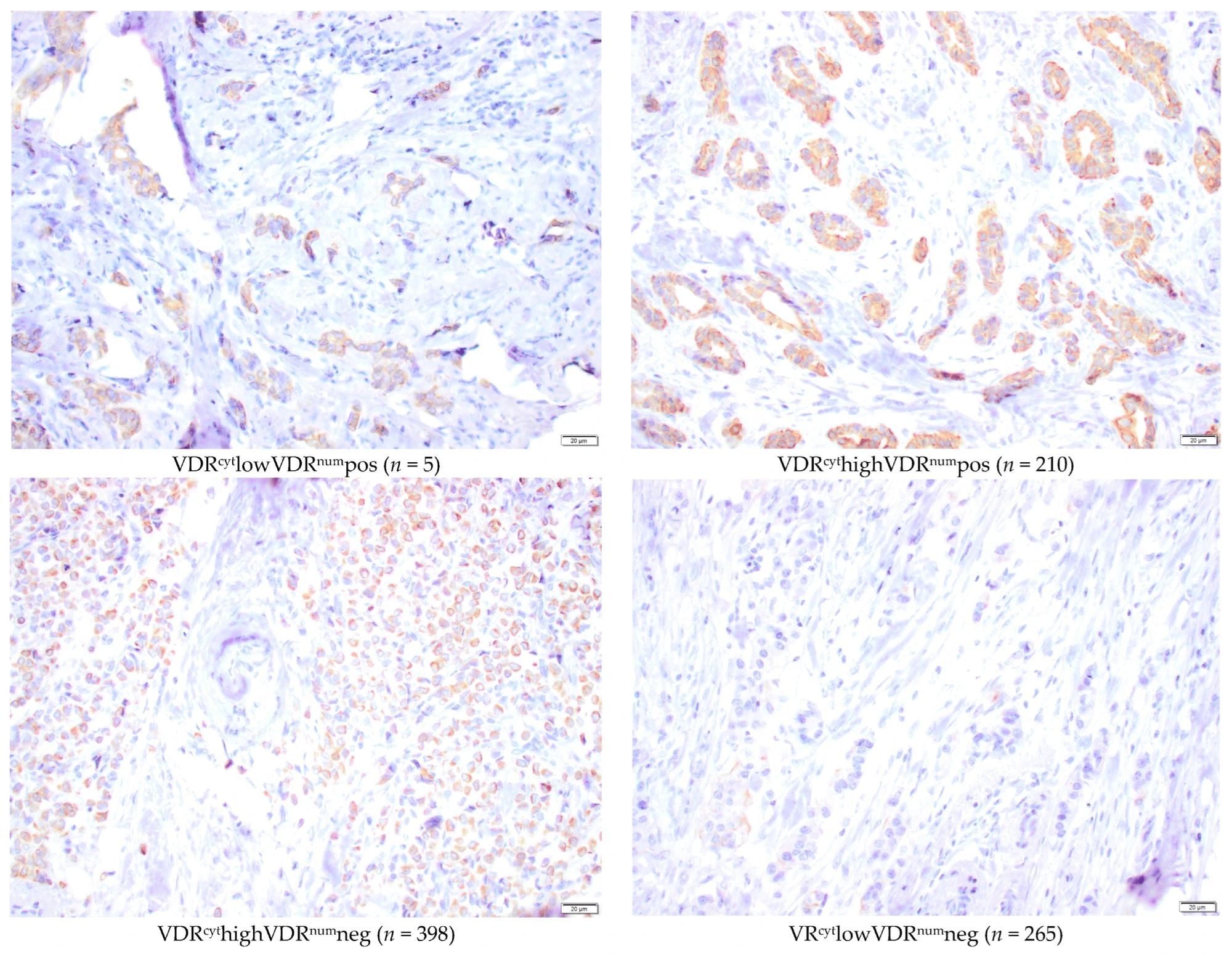
    Pathological assessment of human epidermal growth factor receptor 2 (HER2) status and TMA were assessed jointly using microscopic methods after blinding. In multiple subcellular locations of invasive tumor cells, VDR staining was examined in the nuclear membrane (VDRnum), cytoplasm (VDRcyt), and nucleus (VDRnuc).

    During the final follow-up in 2019, medical records, pathology reports, and national registries for population and tumors were used to calculate the breast cancer-free interval (BCFI) and calculate endpoints (death or last follow-up) for survival analyses.

    Findings

    On average, patients were 61 years old, and VDR was obtained for 878 tumors; cytoplasmic intensity evaluations showed that 7% were VDR-negative, while VDRnum was positive in 25% of patients. Tumors included in the analysis were, on average, large, of a higher grade, and more likely to be lymph node-negative than those that were excluded.

    Microscopic representative images of immunohistochemical staining intensities of nuclear membrane and cytoplasmic VDR (40×) in the TMA. Bar represents 20 µm.Microscopic representative images of immunohistochemical staining intensities of nuclear membrane and cytoplasmic VDR (40×) in the TMA. Bar represents 20 µm.

    Patients with VDRnum-positive tumors had smaller waist circumferences and breast volumes on average and were more likely to have screening-detected tumors. VDRnum-positive tumors were linked with lower tumor grade, positive hormone receptors, and the absence of HER2 amplification.

    After surgery, more VDRnum-negative patients received chemotherapy and trastuzumab, while VDRnum-positive patients received further endocrine therapy. In terms of prognosis, patients with VDRnum-positive tumors had better outcomes in both BCFI and overall survival (OS) in univariable analysis. This effect persisted after adjusting for various factors.

    When VDR localization was considered, VDRnum-positive tumors showed the best prognosis regardless of VDRcyt. Patients with both ER-positive and VDRnum-positive tumors had the best prognosis, while those with ER-negative and VDRnum-negative tumors had the worst. Even among ER-positive tumors, VDRnum-positive tumors were associated with lower tumor grade and longer OS.

    Interaction analyses suggested that VDRnum interacts with the mode of detection and size of tumors in the case of BCFI. Larger VDRnum-positive tumors (>20 mm) were associated with significantly fewer breast cancer events than small ones. Clinically detected VDRnum-positive tumors showed better BCFI than screening-detected ones.

    Conclusions

    This study highlights significant correlations between positive VDR staining in the nuclear membranes of breast cancer cells and favorable characteristics of tumors, OS, and longer BCFI.

    Results indicate that evaluating nuclear membrane VDR levels may be a better prognosis predictor compared to cytoplasmic levels. VDRnum status could refine luminal breast cancer selection with favorable prognoses, especially when considering interactions with tumor size and detection mode.

    VDR expression inversely correlates with aggressiveness, particularly in triple-negative and HER2-amplified cancers, possibly due to mutations in the tumor protein p53. Further research is needed to standardize VDR evaluation methods and explore associations with vitamin D levels.

    The study suggests potential clinical relevance for VDR as a prognostic marker and underscores the need for understanding the interplay between vitamin D, VDR, and breast cancer outcomes. Since most participants in the study were of European descent, heterogeneous populations should be included in future studies to ensure the generalizability of findings.

    Journal reference:

    • The vitamin D receptor as a prognostic marker in breast cancer – a cohort study. Huss, L., Gulz-Haake, I., Nilsson, E., Tryggvadottir, H., Nilsson, L., Nodin, B., Jirström, K., Isaksson, K., Jernström, H. Nutrients (2024). 10.3390/nu16070931, https://www.mdpi.com/2072-6643/16/7/931

    [ad_2]

    Source link

  • Could vitamin D levels be associated with lower back pain?

    Could vitamin D levels be associated with lower back pain?

    [ad_1]

    In a recent study published in the journal Nutrients, researchers from Germany investigated a large cohort from the United Kingdom (U.K.) Biobank to examine the cross-sectional and longitudinal associations between vitamin D status or the use of vitamin D supplements and the incidence of lower back pain.

    Study: Serum 25-Hydroxyvitamin D Status and Vitamin D Supplements Use Are Not Associated with Low Back Pain in the Large UK Biobank Cohort. Image Credit: FotoHelin / ShutterstockStudy: Serum 25-Hydroxyvitamin D Status and Vitamin D Supplements Use Are Not Associated with Low Back Pain in the Large UK Biobank Cohort. Image Credit: FotoHelin / Shutterstock

    Background

    Vitamin D deficiency is a significant public health problem worldwide since vitamin D is essential for the health of the musculoskeletal system, muscle function, and bone mineralization. Studies have reported that over 90% of patients with disorders associated with the musculoskeletal system have low levels of 25-hydroxyvitamin D, which is the standard and most accurate method of measuring the concentration of vitamin D in the body. Vitamin D also plays an anti-inflammatory role and helps modulate pain. Therefore, individuals with low vitamin D levels in the serum often suffer from various conditions involving chronic pain.

    Of the many chronic pain conditions, lower back pain is believed to be the one linked to the most years lived with disability across the world. Health statistics from 2017 indicate that close to 8% of the global population suffers from lower back pain, and the number is rapidly rising. While various factors such as injuries, sedentary lifestyles, genetics, occupational causes, and psychosocial issues can contribute to lower back pain, the role of vitamin D in alleviating lower back pain remains largely unexplored.

    About the study

    In the present study, the researchers used a substantial cohort from the U.K. Biobank to examine whether the levels of 25-hydroxyvitamin D or vitamin D supplementation were associated with lower back pain using longitudinal and cross-sectional data.

    The participants consisted of adults between the ages of 40 and 69 who were recruited across centers in Scotland, England, and Wales. Their biomedical information was obtained through multiple methods, including questionnaires, interviews, functional and physical evaluations, and clinical analyses of saliva, urine, and blood samples.

    Vitamin D status was decided based on the serum levels of 25-hydroxyvitamin D, with deficiency defined as 25-hydroxyvitamin D levels below 30 nmol per liter, while concentrations between 30 and 50 nmol per liter being considered as vitamin D insufficiency. Serum 25-hydroxyvitamin D levels above 50 nmol per liter were considered sufficient. Baseline visit questionnaires provided the researchers with data on the use of multivitamins and vitamin D supplements.

    The primary care records were used to obtain information on lower back pain diagnoses and diagnosis dates. The baseline visit diagnoses were used for the cross-sectional analysis, while lower back pain cases diagnosed during follow-ups were used for the longitudinal analysis. Questionnaires were also used to determine self-reported lower back pain, and this data was combined with physicians’ diagnoses of lower back pain to determine the exposure variable.

    A wide range of covariables that could have statistically significant associations with vitamin D deficiency were considered during the analysis. These included body mass index, sociodemographic factors, biomarkers, lifestyle characteristics, and disease. Covariables associated explicitly with vitamin D levels, such as seasonality and geographic latitude of the recruitment centers and the calendar month during which the blood samples were drawn, were also included in the analysis.

    Results

    The results showed that lower back pain showed no associations with serum levels of vitamin D or the use of vitamin D supplements. The researchers believe this lack of any significant association is perhaps due to the multi-factorial nature of lower back pain.

    While the cross-sectional analysis indicated significant associations between lower back pain, serum vitamin D levels, and the use of vitamin D supplements, the significance of these associations did not hold after adjusting for the various confounding factors. The longitudinal analysis did not find any associations between the use of vitamin D supplements or vitamin D levels in the serum and the incidence of lower back pain.

    The researchers stated that while vitamin D plays a vital role in musculoskeletal health and suppressing inflammation, lower back pain could arise from diverse factors such as sedentary habits, injuries, and occupations involving working in unhealthy postures. Other comorbidities and genetic reasons can also cause lower back pain. Therefore, the role of vitamin D in alleviating lower back pain needs to be investigated for specific etiologies of the condition.

    Conclusions

    In conclusion, the findings indicated that perhaps due to the multi-factorial nature of lower back pain, serum vitamin D levels or the use of vitamin D supplements were not found to be associated with lower back pain.

    Journal reference:

    • Sha, S., Chen, L., Brenner, H. and Schöttker, B. (2024). Serum 25Hydroxyvitamin D Status and Vitamin D Supplements Use Are Not Associated with Low Back Pain in the Large UK Biobank Cohort. Nutrients, 16(6). DOI: 10.3390/nu16060806, https://www.mdpi.com/2072-6643/16/6/806

    [ad_2]

    Source link

  • The impact on cognitive and physical performances

    The impact on cognitive and physical performances

    [ad_1]

    In a recent study published in Nutrients, researchers examined the individual and combined effects of caffeine and creatine nitrate on cognitive and exercise performance by resistance-trained athletes.

    Study: The Effect of Creatine Nitrate and Caffeine Individually or Combined on Exercise Performance and Cognitive Function: A Randomized, Crossover, Double-Blind, Placebo-Controlled Trial. Image Credit: Ground Picture/Shutterstock.comStudy: The Effect of Creatine Nitrate and Caffeine Individually or Combined on Exercise Performance and Cognitive Function: A Randomized, Crossover, Double-Blind, Placebo-Controlled Trial. Image Credit: Ground Picture/Shutterstock.com

    Background

    Caffeine and creatine are dietary supplements that have demonstrated the ability to enhance training and exercise performance. Caffeine improves strength, muscular endurance, and anaerobic performance via binding to adenosine receptors, namely the A2A subtype.

    It also lowers pain and increases neuronal excitability. Creatine replaces adenosine triphosphate (ATP) during anaerobic exercise, thus increasing short-term power output and training volume. However, the interactions between caffeine and creatine are unclear.

    About the study

    In the present double-blinded, randomized, crossover, placebo-controlled trial, researchers at Jacksonville State University investigated the effects of seven-day high-dose caffeine, creatine nitrate, and their combination on severe intermittent exercise performance and mental attention in resistance-trained athletes.

    The team included 18–40-year-olds with ≥2.0 years of experience in multi-joint resistance exercise, no history of metabolic diseases (e.g., cardiovascular disease, diabetes, thyroid conditions, arrhythmia), and no prescription drug use.

    They excluded underweight or obese individuals (body mass index below 18.5 or above 24.9), smokers, those who consumed more than 12 alcoholic beverages per week, and those who were allergic to natural stimulants like caffeine.

    The researchers conducted the study in controlled settings, which included a 12-hour fast and a 48-hour break from exercise, caffeine, and certain drugs and supplements.

    They provided 12 resistance-trained male athletes with creatine nitrate [CN: (4 g creatine; 1 g nitrate), 5.0 g/d plus 0.7 g/d maltodextrin], caffeine (CAF: 400 mg/d + 5 g/d maltodextrin), or a mixture of the two.

    The subjects completed standardized resistance exercises (bench and leg press at 70% 1RM) and a Wingate anaerobic power test. The researchers assessed their cognitive performance and cardiovascular responses 45 minutes following the test.

    Following the cognitive function test, they measured participants’ performance preparedness using the Visual Analog Scale (VAS). The participants also completed detailed questionnaires to assess their sleep quality, coffee use, and any adverse effects they may have encountered.

    The athletes provided blood samples for safety examination, which included creatine kinase (CK), lactate dehydrogenase (LDH), alkaline phosphatase (ALP), aspartate aminotransferase (AST), and alanine aminotransferase (ALT).

    The researchers performed a thorough lipid profile to assess total cholesterol (TC), high-density lipoproteins (HDL), low-density lipoproteins (LDL), very-low-density lipoproteins (VLDL), and triglycerides (TG).

    Participants completed four sets of three-day food diaries to evaluate their dietary consumption. The Stroop Word-Color Test was used to assess the effects of nutritional supplements on attention, processing speed, and cognitive flexibility.

    Results

    Creatine nitrate and caffeine combination treatment considerably improved cognitive function, notably in cognitive interference tests, while having little effect on short-term exercise performance.

    The Stroop Word-Color Interference test revealed a significant interaction effect between the two supplements, with the CO treatment producing a higher mean score than the CN treatment. The findings indicate that combination supplementation significantly affects cognitive processing.

    However, no supplement type showed unambiguous performance improvement across all or most outcomes, indicating a complicated interaction between caffeine and creatine.

    The observed gains from baseline in the Stroop Color and Word-Color interference tests following CO supplementation are consistent with previous research confirming creatine’s cognitive advantages.

    The improved cognitive performance in the CO group may indicate a synergistic impact of creatine when paired with CAF, perhaps increasing cognitive advantages through higher prefrontal cortex activation.

    The researchers also found that creatine supplementation had varying effects across different exercise modalities, particularly endurance sports, and in situations where extra body mass might impair performance.

    The Wingate test findings demonstrated consistent performance across markers such as peak power, mean power, minimum power, total work, and fatigue index, indicating that caffeine’s effects on anaerobic performance are less robust than previously assumed.

    The study supports a cautious approach to announcing the efficacy of CN and CAF as performance enhancers, bolstering the necessity for more research to untangle the numerous relationships impacting exercise results.

    The absence of significant changes in heart rate and blood pressure before and after exercise supports these supplements’ short-term cardiovascular safety.

    Conclusion

    The study found that consuming creatine nitrate and caffeine together enhances cognition in resistance-trained athletes for up to seven days without causing adverse effects. However, these supplements did not significantly improve exercise performance.

    The study validates the short-term safety of these supplements and recommends further investigation into their influences on cognitive and athletic performance over long periods and among varied demographics.

    Longitudinal research might provide insight into how these supplements affect muscle growth, intramuscular signaling networks, hormone responses, neuromuscular efficiency, and force generation. Future research should include female athletes to broaden the findings to gender-diverse groups.

    [ad_2]

    Source link

  • The effects of high maternal folate intake on the health outcomes of offspring

    The effects of high maternal folate intake on the health outcomes of offspring

    [ad_1]

    In a recent review article published in Nutrients, researchers summarized what is known about the effects of excessive folic acid (FA) supplementation for mothers on children.

    Study: Risk of Excess Maternal Folic Acid Supplementation in Offspring. Image Credit: luchschenF/Shutterstock.com
    Study: Risk of Excess Maternal Folic Acid Supplementation in Offspring. Image Credit: luchschenF/Shutterstock.com

    They conclude that while folate is a crucial nutrient, higher than necessary maternal FA intake may have adverse effects on their offspring.

    Folate is an essential nutrient

    Water-soluble vitamin B9, or folate, is needed for red blood cell (RBC) formation and to promote healthy cell growth and functioning. Doctors consider it necessary during pregnancy and lactation for fetal and placental growth, for the enlargement of the uterus, to reduce the risk of the child developing congenital disabilities in the brain and spine, and otherwise improve cardiovascular and reproductive health.

    Folate can be found naturally in some foods, such as beans, peas, green leafy vegetables, and nuts. However, synthesized FA has been distributed widely in fortified food and nutrient supplements. Once consumed, it facilitates methyl group transfer among molecules, facilitating nucleotide synthesis and the metabolism of amino acids. Specifically, it is involved in methyl-donor metabolism.

    Adequate FA supplementation has been associated with higher birth and placental weight and a lower risk of children being small for their gestational age and low birth weight. It also reduces the likelihood of neural tube defects (NTDs).

    Continuing supplementation into the second and third trimesters has been shown to have sustained benefits for the neurocognitive development of children up to 11 years old. These included emotional intelligence, word reasoning, semantic processing, verbal-executive and motor function, attention, communication, and social competence.

    Maternal deficiency of folate has been linked to numerous adverse outcomes, including elevated blood pressure and overweight in children. However, the availability of fortified foods and supplements has significantly raised folate levels in serum, RBCs, and overall, and recent studies have raised the possibility of adverse consequences of excess supplementation.

    FA supplementation and ASD

    Maternal intake of folate has been associated with autism spectrum disorder (ASD) incidence in addition to its neurodevelopmental benefits. A study in Norway found that FA intake starting four weeks before the pregnancy began and continuing for 12 weeks was protective against ASD.

    However, a more recent study in the United States found a ‘U-shaped’ relationship between ASD  risk and the frequency of maternal multivitamin supplementation. This suggests that ASD risk is highest at very low and very high levels of supplementation.

    Another analysis indicates that unmetabolized folic acid (UMFA) levels in the cord blood could be positively associated with ASD risk, particularly in Black children, but further research is needed to shed light on these mechanisms.

    Insights from mouse models

    While well-designed mouse models can provide important information on the effects of high FA supplementation that cannot be ethically researched using human experiments, the timing and duration of supplementation, concentration of FA, how FA was administered, and the possibility of differential effects depending on the sex of the offspring must be considered.

    Researchers used microarrays, Western blotting, ribonucleic acid sequencing (RNA-seq), and reverse transcription-quantitative polymerase chain reaction (RT-qPCR) to analyze the effects of FA.

    Results from some studies indicate that mice exposed to an intermediate level of FA had more gene changes. In terms of sex-based differences, some genes were more affected in female mice while others were more affected in male mice, leading to differential effects in the placenta, embryonic brain, and early postnatal brain. There were also indications that FA could affect brain development early in life but lead to lasting changes in behavior into adulthood.

    While maternal FA deficiency has been implicated in NTD, excess supplementation has been associated with reduced placental and embryonic weights, smaller hippocampal areas, and increased weight gain in male but not female offspring. Observed neurodevelopmental impacts included short-term memory impairment, hyperactivity-like and repetitive behavior, and increased anxiety in mouse pups.

    Findings varied across studies, but there is clear evidence that excess maternal FA intake can have long-term influences on physical and behavioral outcomes. It may also be implicated in glucose metabolism and reproductive disorders, but there are no indications that there are transgenerational inheritance effects.

    Conclusions

    Concerns about maternal folate deficiency, but FA supplements and fortified foods are now widely available, and excess intake may have widespread effects on the central nervous system.

    While there is now growing evidence of detrimental effects in addition to benefits, there is a need to translate learnings from mouse models to studies on humans and explore the sex-linked impacts. Additionally, focus should be given to new forms of FA supplementation that can mitigate the potential harms of currently available supplements.

    [ad_2]

    Source link