Tag: viruses

  • Mpox: Everything you need to know about the 2024 outbreak

    Mpox: Everything you need to know about the 2024 outbreak

    [ad_1]

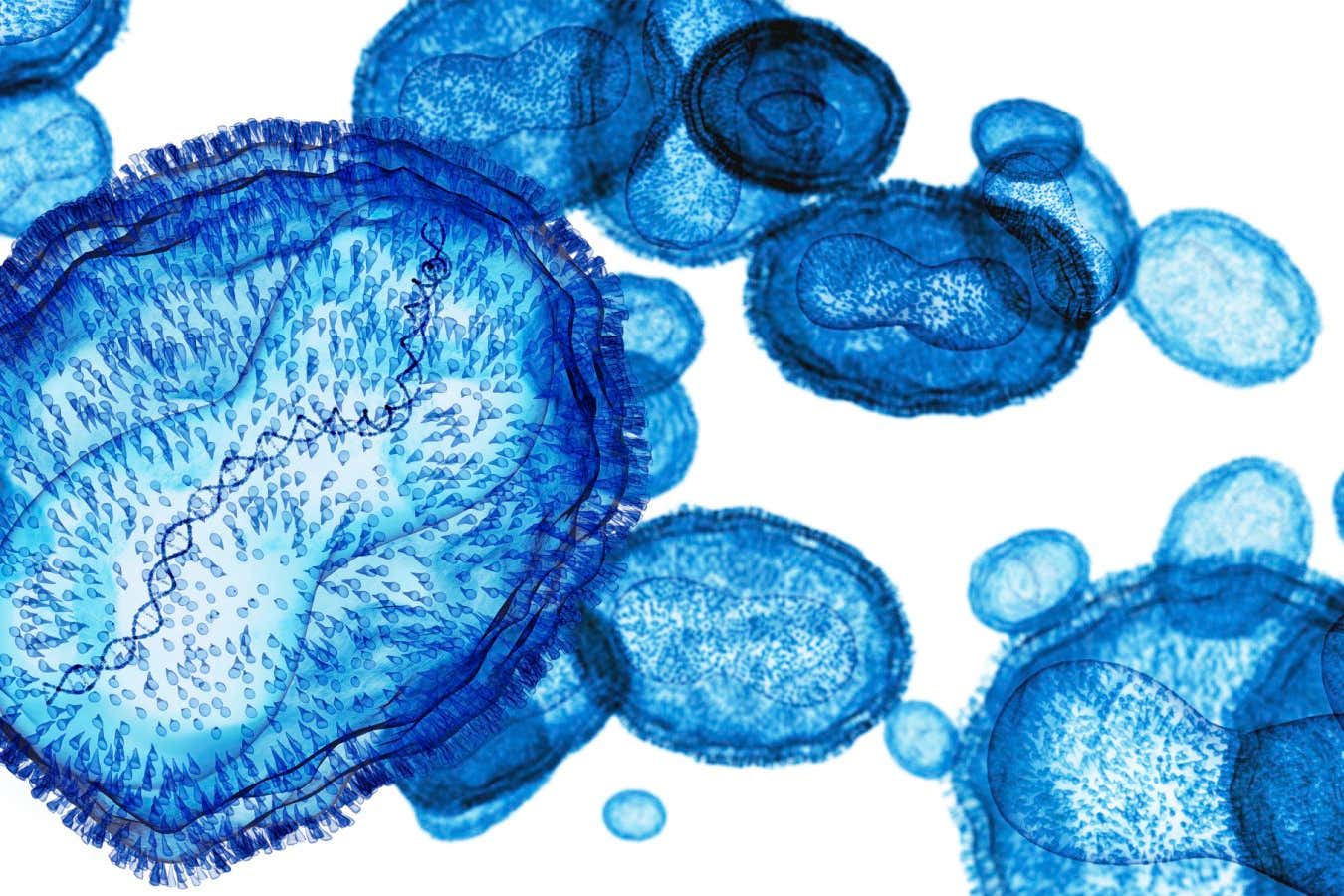
    Illustration of the mpox virus

    Getty Images/Science Photo Library

    The World Health Organization (WHO) has declared a public health emergency of international concern over an ongoing outbreak of mpox – formerly known as monkeypox – in Central and West Africa. This is the second time in two years that the disease has spread enough to prompt such a declaration from the WHO. On 15 August, Swedish health officials confirmed a case as the first known infection outside of Africa with the mpox strain that is currently driving the outbreak.

    What is mpox?

    Mpox is an infectious disease caused by a virus that belongs to the same family as that which causes smallpox. It regularly spreads among animals in Central and West Africa such as rodents and monkeys, but occasionally jumps to people, causing small outbreaks.

    There are two distinct lineages of mpox: clade I and clade II. Clade I is associated with more severe disease and higher risk of death. A subtype of clade I, called clade Ib, is driving the current outbreak, while the global mpox outbreak in 2022 and 2023 was spurred by a subtype of clade II.

    So far, there is no evidence to suggest that clade Ib is more dangerous than the original clade I strain, said Jonas Albarnaz at The Pirbright Institute in the UK in a statement.

    How many cases of mpox have there been in 2024?

    The Africa Centres for Disease Control and Prevention reported on 13 August that there have been more than 17,000 suspected cases across the continent. “This is just the tip of the iceberg when we consider the many weaknesses in surveillance, laboratory testing and contact tracing,” the agency said in the statement.

    There have been 15,664 reported cases and 537 deaths so far in the Democratic Republic of the Congo alone, according to the WHO. This exceeds the total seen in 2023, according to a statement by Tedros Adhanom Ghebreyesus at the WHO on 15 August.

    Where has mpox been detected?

    The current outbreak originated in a small mining town in the Democratic Republic of the Congo (DRC). The mpox variant has now spread to at least 11 other African countries, including four that had previously never reported mpox: Kenya, Rwanda, Burundi and Uganda. Mpox has also been detected in one person in Sweden.

    What is the survival rate for mpox?

    While more than 99.9 per cent of people who fall ill with clade II survive, mpox outbreaks of clade I have killed up to 10 per cent of people who become sick. Children and people who are immunocompromised or pregnant are especially vulnerable to severe disease.

    What are the symptoms of mpox?

    The first mpox symptom is usually a rash, which begins as a flat sore and then develops into a blister that may be itchy or painful. The rash tends to start on the face before spreading across the body and extending to hands and feet. People can also get lesions in their mouth or on the genitals or anus.

    The rash and lesions usually last between two and four weeks and are often accompanied by other symptoms such as fever, headache, muscle aches, back pain, fatigue and swollen lymph nodes. Symptoms usually begin within a week of contracting the virus but can start anywhere from one to 21 days after exposure. However, some people can contract the virus without experiencing symptoms.

    How does mpox spread?

    Mpox is spread through close contact with people who have the illness. Usually this is through skin-to-skin contact, such as sex, kissing or touching. The virus can also spread through respiratory droplets and contact with contaminated materials such as bedsheets, other linens or sharp objects like needles. People remain infectious until all of their sores heal.

    Mpox can also spread through contact with infected animals such as through bites or scratches, or when people hunt or eat them.

    Young adults and children have been most affected by the current outbreak, a trend that was not seen in the 2022-2023 outbreak. In some provinces of the DRC, children under 15 account for up to 69 per cent of suspected cases.

    How is mpox treated?

    Treatment primarily consists of managing symptoms and preventing complications like secondary infections. Some antivirals that were originally developed for treating smallpox have also been used to treat mpox in the past. However, results from a recent trial of the antiviral drug tecovirimat, which was used in the previous outbreak, found that it was not effective against the clade I virus. People who have mpox should self-isolate and wear a mask. They should also avoid scratching sores, which can prevent them from healing, increase the risk of secondary infections and cause them to spread to other parts of the body.

    Is there an mpox vaccine?

    There is an mpox vaccine, which provides the best protection after two doses. Smallpox vaccines have also been found to protect against mpox, though it isn’t clear if any of these vaccines will be effective against the new mpox variant.

    People are recommended to get vaccinated only if they are at high risk of contracting mpox. For people who aren’t in areas affected by the current outbreak, the risk remains very low.

    Countries in Africa currently have minimal to no vaccine supplies, though estimates suggest the region needs 10 million doses, said Jimmy Whitworth at the London School of Hygiene & Tropical Medicine in a statement.

    Topics:

    [ad_2]

    Source link

  • How to Avoid Getting Sick This Summer

    How to Avoid Getting Sick This Summer

    [ad_1]

    This article is republished from The Conversation under a Creative Commons license.

    As flowers bloom and temperatures climb, many are eager to get back outside. But while the sun may be shining, there is a dark side that can make the great outdoors not so great.

    Gangs of germs are lurking in the woods, in the soil, in the water, and in your food, ready to rain on your summer parade.

    I’m a professor of microbiology at the Indiana University School of Medicine, where I study and teach about infectious disease. Here are some things to keep in mind to help you and your loved ones stay free of illness while enjoying summer activities.

    Germs in the Backyard

    There’s nothing like the smell of a good barbecue and fresh goodies from your own garden. To make sure people leave your party with only good memories, be aware of germs commonly linked to food poisoning, which can result in diarrhea, cramps, nausea, vomiting, and fever.

    Meats, including fish and poultry, often house harmful bacteria such as Salmonella, E. coli, or Listeria. Raw meat can contaminate anything it touches, so be sure to wash your hands and disinfect surfaces and utensils. To avoid cross contamination, do not keep uncooked meat near prepared foods. Meat products must be cooked to proper temperatures to ensure harmful germs are destroyed before consuming.

    Image may contain Accessories Bracelet Jewelry Adult Person and Plant

    Washing cooking utensils that touch raw meat can reduce cross contamination.

    Photograph: Catherine Falls Commercial/Moment via Getty Images

    In addition to bacteria, a parasite called Toxoplasma gondii can cause acute food poisoning. Toxoplasma parasites are shed as microscopic oocysts in the feces of infected cats. Oocysts persist in the environment for a year or more, and other animals, including people, can inadvertently ingest them.

    Upon infection, Toxoplasma forms tissue cysts in the flesh of food animals—another reason to cook your meats thoroughly. Pregnant people need to take special care in avoiding Toxoplasma, since the parasite can cross the placenta and cause miscarriage or birth defects.

    To avoid getting toxoplasmosis from oocysts, people should wear gloves while gardening, wash fruits and vegetables, and make sure the sandbox is free of cat poop and covered when not in use.

    Germs in the Water

    Recreational water facilities such as pools, water parks, and fountains are a great way to beat the summer heat. The smell of chlorine is a good sign that the water is being treated to kill many types of germs.

    Unfortunately, some germs can remain infectious in chlorine for several minutes or days, which is plenty of time to spread from one person to another. These include viruses such as norovirus, bacteria such as E. coli, and parasites such as Cryptosporidium and Giardia.

    [ad_2]

    Source link

  • Risk of bird flu outbreak in cows causing pandemic is less than feared

    Risk of bird flu outbreak in cows causing pandemic is less than feared

    [ad_1]

    Cow udders have lots of bird-like flu virus receptors but no human-like ones, a study has found, meaning there’s no reason for the virus to evolve to become better at infecting people

    [ad_2]

    Source link

  • The Complex Social Lives of Viruses

    The Complex Social Lives of Viruses

    [ad_1]

    The original version of this story appeared in Quanta Magazine.

    Ever since viruses came to light in the late 1800s, scientists have set them apart from the rest of life. Viruses were far smaller than cells, and inside their protein shells they carried little more than genes. They could not grow, copy their own genes, or do much of anything. Researchers assumed that each virus was a solitary particle drifting alone through the world, able to replicate only if it happened to bump into the right cell that could take it in.

    This simplicity was what attracted many scientists to viruses in the first place, said Marco Vignuzzi, a virologist at the Singapore Agency for Science, Research and Technology Infectious Diseases Labs. “We were trying to be reductionist.”

    That reductionism paid off. Studies on viruses were crucial to the birth of modern biology. Lacking the complexity of cells, they revealed fundamental rules about how genes work. But viral reductionism came at a cost, Vignuzzi said: By assuming viruses are simple, you blind yourself to the possibility that they might be complicated in ways you don’t know about yet.

    For example, if you think of viruses as isolated packages of genes, it would be absurd to imagine them having a social life. But Vignuzzi and a new school of like-minded virologists don’t think it’s absurd at all. In recent decades, they have discovered some strange features of viruses that don’t make sense if viruses are lonely particles. They instead are uncovering a marvelously complex social world of viruses. These sociovirologists, as the researchers sometimes call themselves, believe that viruses make sense only as members of a community.

    Granted, the social lives of viruses aren’t quite like those of other species. Viruses don’t post selfies to social media, volunteer at food banks, or commit identity theft like humans do. They don’t fight with allies to dominate a troop like baboons; they don’t collect nectar to feed their queen like honeybees; they don’t even congeal into slimy mats for their common defense like some bacteria do. Nevertheless, sociovirologists believe that viruses do cheat, cooperate, and interact in other ways with their fellow viruses.

    The field of sociovirology is still young and small. The first conference dedicated to the social life of viruses took place in 2022, and the second will take place this June. A grand total of 50 people will be in attendance. Still, sociovirologists argue that the implications of their new field could be profound. Diseases like influenza don’t make sense if we think of viruses in isolation from one another. And if we can decipher the social life of viruses, we might be able to exploit it to fight back against the diseases some of them create.

    Under Our Noses

    Some of the most important evidence for the social life of viruses has been sitting in plain view for nearly a century. After the discovery of the influenza virus in the early 1930s, scientists figured out how to grow stocks of the virus by injecting it into a chicken egg and letting it multiply inside. The researchers could then use the new viruses to infect lab animals for research or inject them into new eggs to keep growing new viruses.

    In the late 1940s, the Danish virologist Preben von Magnus was growing viruses when he noticed something odd. Many of the viruses produced in one egg could not replicate when he injected them into another. By the third cycle of transmission, only one in 10,000 viruses could still replicate. But in the cycles that followed, the defective viruses became rarer and the replicating ones bounced back. Von Magnus suspected that the viruses that couldn’t replicate had not finished developing, and so he called them “incomplete.”

    [ad_2]

    Source link

  • Oldest known human viruses found hidden within Neanderthal bones

    Oldest known human viruses found hidden within Neanderthal bones

    [ad_1]

    Genetic analysis of 50,000-year-old Neanderthal skeletons has uncovered the remnants of three viruses related to modern human pathogens, and the researchers think they could be recreated

    [ad_2]

    Source link

  • Humans spread more viruses to other animals than they give to us

    Humans spread more viruses to other animals than they give to us

    [ad_1]

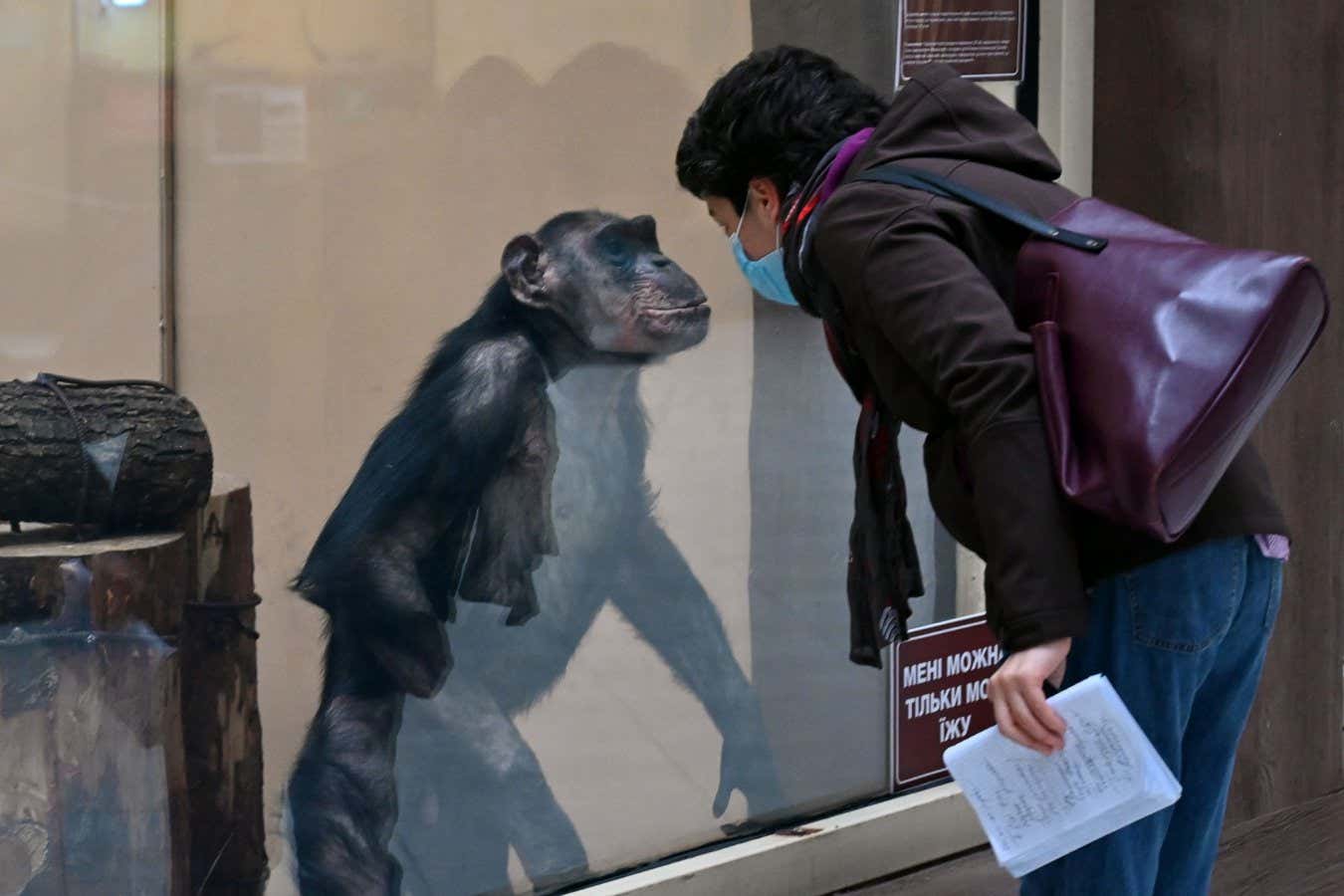
    Some zoo animals have caught SARS-CoV-2 from humans

    Sergei Supinsky/AFP/Getty

    Animals such as rats are often regarded as disease-spreading vermin. But when it comes to spreading diseases, it turns out other animals have more reason to fear us than we them.

    An analysis of viral genomes has found that when viruses move between humans and other animals, in 64 per cent of cases it is humans infecting other animals rather than the other way around.

    “We give more viruses to animals than they give to us,” says Cedric Tan at University College London. For instance, after the SARS-CoV-2 virus jumped from bats to humans, humans passed it on to many other species.

    Tan and his colleagues have been using a global database of sequenced viruses to study the jumping of viruses between species. There are nearly 12 million sequences in the database, but many are partial or lack data on when they were collected and from what host species.

    So the team narrowed down the 12 million to 60,000 high quality sequences with full accompanying data. They then created “family trees” for related viruses.

    Altogether they identified nearly 13,000 viral lineages and 3000 jumps between species. Of the 600 jumps involving humans, most were from humans to animals rather than vice versa.

    The team was not expecting this but in retrospect it makes sense, Tan says. “Our population size is huge. And our global distribution is basically everywhere.”

    In other words, a virus spreading among humans will have numerous opportunities to jump to many other species all around the world, whereas a virus circulating in a non-human species limited to one region will have far fewer opportunities.

    SARS-CoV-2, MERS-CoV and flu were the viruses most commonly passed to other animals via humans, the study found. This is in line with other studies showing, for instance, that SARS-CoV-2 has spread from people to pets, zoo animals, farmed animals such as mink and to wild animals such as white-tailed deer.

    However, even when SARS-CoV-2, MERS-CoV and flu were excluded from the analysis, the team found that 54 per cent of jumps were from humans to other animals.

    The spread of viruses from humans to other animals is a threat to many endangered species, Tan says. For instance, several wild chimpanzees have died in Uganda because of outbreaks of human metapneumovirus and human respirovirus.

    Topics:

    [ad_2]

    Source link

  • CRISPR engineered viruses could render other viruses harmless

    CRISPR engineered viruses could render other viruses harmless

    [ad_1]

    So-called gene drives could work for DNA viruses, such as herpes

    fotograzia/Getty Images

    A virus genetically engineered to spread its DNA to other viruses via CRISPR gene editing has done exactly that in tests in mice. The hope is that these viruses could alter others, such as herpes, in a way that prevents them from causing symptoms.

    “It’s a new technology,” says team member Marius Walter at the Fred Hutch Cancer Center in Seattle, Washington. “Can we bring it to people? That’s a long way ahead, we have a lot of work…

    [ad_2]

    Source link