Tag: Wavelength

  • International commission examines conflicting evidence on health effects of blue light exposure

    International commission examines conflicting evidence on health effects of blue light exposure

    [ad_1]

    For years, scientists have expressed concern about potential adverse health effects of excessive exposure to short wavelength light (SWL), which includes the “blue light” from smartphones, laptops, and tablets. However, the International Commission on Non-Ionizing Radiation Protection (ICNIRP) has identified a lack of consensus among public health officials about whether SWL from artificial sources disrupts circadian rhythm, and if so, whether SWL-disrupted circadian rhythm is associated with adverse health outcomes. ICNIRP presents an extensive statement on SLW exposure in the April issue of Health Physics, published in the Lippincott portfolio by Wolters Kluwer.

    Research conflicts on physiological effects of SWL exposure

    The neuroendocrine system and circadian rhythms are particularly sensitive to SWL, which is defined in the ICNIRP statement as light in the wavelength range of 380 to 550 nanometers. In addition, SWL might have the potential to reduce evening sleepiness by an alerting effect, suppress melatonin levels, and consequently affect sleep quality and duration, which over time may negatively affect health.

    Still, “the evidence from experimental studies is inconsistent,” the ICNIRP panel says, “with many studies indicating possible effects of SWL on alertness or sleep, and many others not supporting such effects.” Reasons for the conflicting results may include differences between studies in the intensity, wavelengths, duration, and timing of light; differences in outcome variables; and effects of moderating variables such as prior light exposure and the age and sex of study participants.

    The panel notes that although it is difficult to draw a general conclusion, SWL might reduce sleepiness for some individuals, or under certain circumstances, and thereby negatively affect sleep.

    Potential long-term adverse effects of SWL exposure are also unclear

    A large body of evidence from long-term studies shows that insufficient sleep, including sleep deficit caused by circadian system disruption, is related to a range of health effects, including cognitive impairments, anxiety and mood disorders, and endocrine dysfunction, the panel explains. Circadian disruptions, including decrease of melatonin levels, have been suggested to play an important role in the development of chronic diseases and conditions such as cancer.

    “However, the majority of studies that have assessed circadian disruption due to exposure to light have been conducted in shift workers,” the panel reports. “In these studies, shift workers’ exposure to light during biological night has been taken for granted without direct measurements of their light exposure.” It is often assumed that shift workers are predominantly exposed to SWL, the authors add, but no long-term studies have directly measured the wavelength of light sources to verify and quantify this.

    The ICNIRP panel calls for an analysis of data gaps “to delineate the types of studies needed, the parameters that should be addressed, and the methodologies that should be applied in future studies so that a decision about the need for exposure guidelines can be made.”

    Source:

    Journal reference:

    Miller, S., et al. (2024). ICNIRP Statement on Short Wavelength Light Exposure from Indoor Artificial Sources and Human Health. Health Physics. doi.org/10.1097/hp.0000000000001790.

    [ad_2]

    Source link

  • Red light therapy shown to significantly reduce blood sugar spikes, study finds

    Red light therapy shown to significantly reduce blood sugar spikes, study finds

    [ad_1]

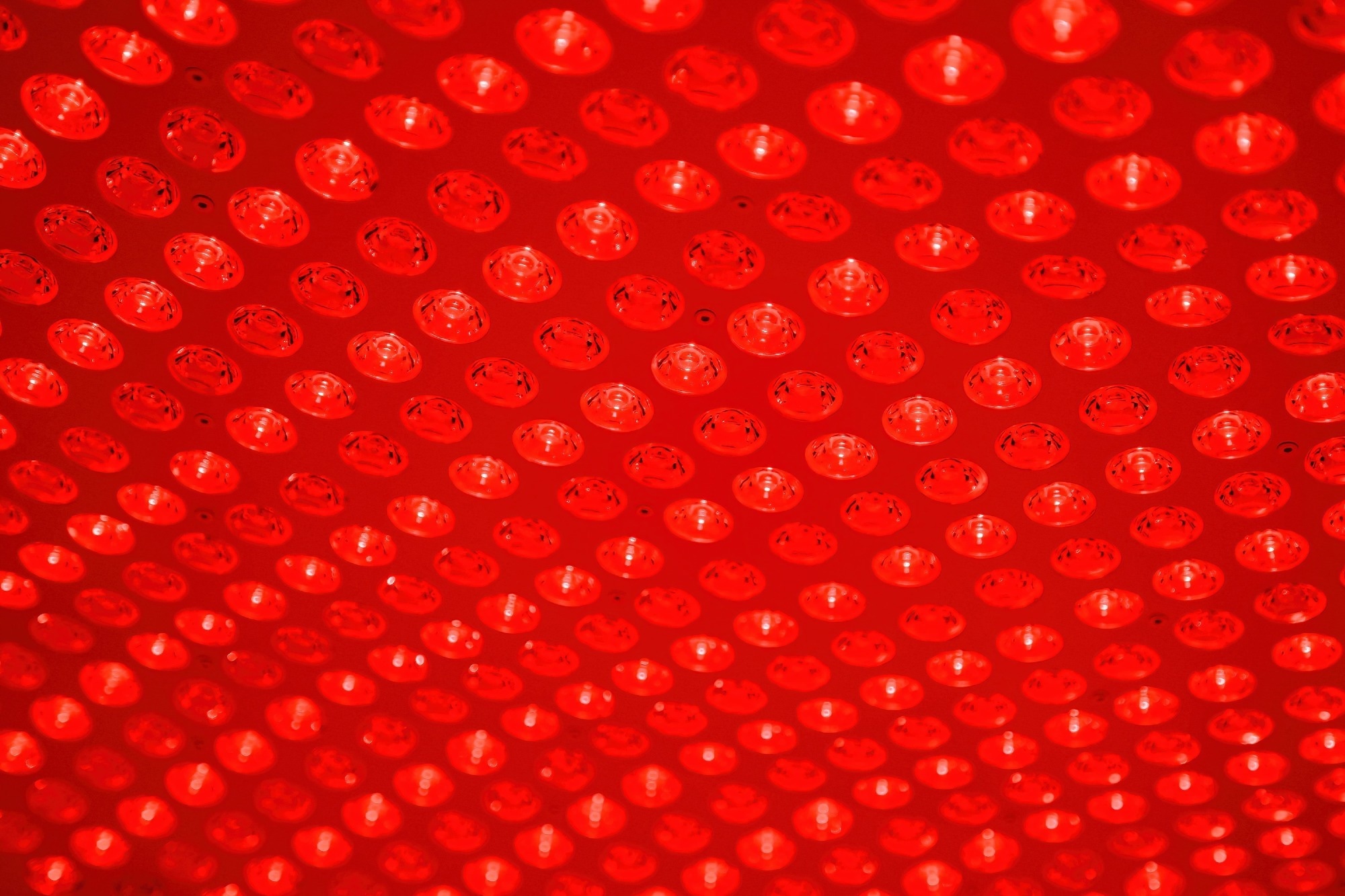
    In a recent study published in the Journal of Biophotonics, scientists examined whether photobiomodulation of healthy subjects using red light of 670 nm wavelength impacted the circulating glucose levels in the plasma, using oral glucose tolerance tests.

    Study: Light stimulation of mitochondria reduces blood glucose levels. Image Credit: AlteredR/Shutterstock.comStudy: Light stimulation of mitochondria reduces blood glucose levels. Image Credit: AlteredR/Shutterstock.com

    Background

    Mitochondria are the organelles that carry out cellular respiration, using glucose and oxygen to produce adenosine triphosphate or ATP, the energy currency. The ability of the mitochondria to produce ATP reduces naturally with age and due to diseases.

    However, studies have found that the production of ATP can be increased through photobiomodulation using light in the visible and near-infrared ranges, between 650 nm and 900 nm.

    Photobiomodulation is also known to decrease reactive oxygen species levels, and this ability is believed to be conserved across species in the animal kingdom.

    Cytochrome C oxidase, which is part of the electron transport chain in the mitochondrial membrane, absorbs these longer wavelengths of light, increasing the membrane potential and production of ATP.

    Research has shown that photobiomodulation has brought about significant increases in regions of the body undergoing high levels of metabolic activity, such as the retina and the central nervous system.

    The increased ATP production could also increase the uptake of glucose, which might be evident in changes in the plasma glucose levels.

    About the study

    In the present study, the researchers used a standard glucose tolerance test to determine whether photobiomodulation using 670 nm light decreased blood glucose levels in healthy human subjects.

    The study included 30 healthy participants with no known medical conditions, half of whom underwent photobiomodulation with 670 nm light, and the other half were in the placebo group with no light.

    All the participants underwent an oral glucose tolerance test at the onset of the study, where they consumed 75 g of glucose dissolved in 150 mL of water, and finger prick blood samples were used to record the blood glucose levels.

    A second oral glucose tolerance test was administered after a week when the participants were administered the placebo or the intervention.

    About 45 minutes before the second oral glucose tolerance test was administered, the participants in the intervention group were exposed to 670 nm light for 15 minutes, while those in the placebo group were identically positioned but not exposed to the 670 nm light.

    The oral glucose tolerance tests were administered only after ensuring that the participants had fasted overnight.

    After consuming glucose dissolved in water, blood glucose concentrations and the end-tidal carbon dioxide (EtCO2) partial pressure were recorded every quarter of an hour for two hours when the participants were at rest.

    The 670 nm light exposure was directed at an 800 cm2 region in the upper back, using light-emitting diodes with a shield to prevent light leakage.

    The glucose tolerance test results were compared between the participants in the intervention and placebo groups.

    Additionally, participants in the intervention group were compared to each other, and similar comparisons were made within the placebo group for paired-participant analysis to account for individual variations.

    Results

    The results showed that exposure to 670 nm of light over 15 minutes resulted in a 27.7% decrease in glucose levels averaged over two hours.

    Additionally, a 7.5% decrease was also observed in maximum glucose spiking within the intervention group, and a 12.1% difference in peak glucose levels was seen between the placebo and intervention groups.

    The paired-participant analysis within the placebo group also showed no difference in the blood glucose levels between the two measurements.

    The impact of the light exposure was significant after approximately an hour and a half of local light exposure alone. The impact of this local light exposure on plasma glucose levels indicates an abscopal effect, where mitochondria in distal organs are also impacted.

    The researchers also discussed the potential mechanisms through which local light exposure could have such widespread impact, including the role of circulating cytokines and cell-free mitochondria in the blood that are competent to conduct cellular respiration.

    Conclusions

    To summarize, the findings showed that local exposure to 670 nm light for 15 minutes significantly reduced plasma and peak glucose levels.

    While these results have proven that longer wavelengths of light have a positive effect on mitochondrial function in healthy humans, the potential use of light exposure in helping regulate blood glucose levels in patients with diabetes needs to be explored.

    [ad_2]

    Source link