

Combining a culturally familiar lacto-vegetarian diet with a flexible 14-hour fast helped women lower HbA1c, improve insulin sensitivity, and lose weight over 24 weeks.
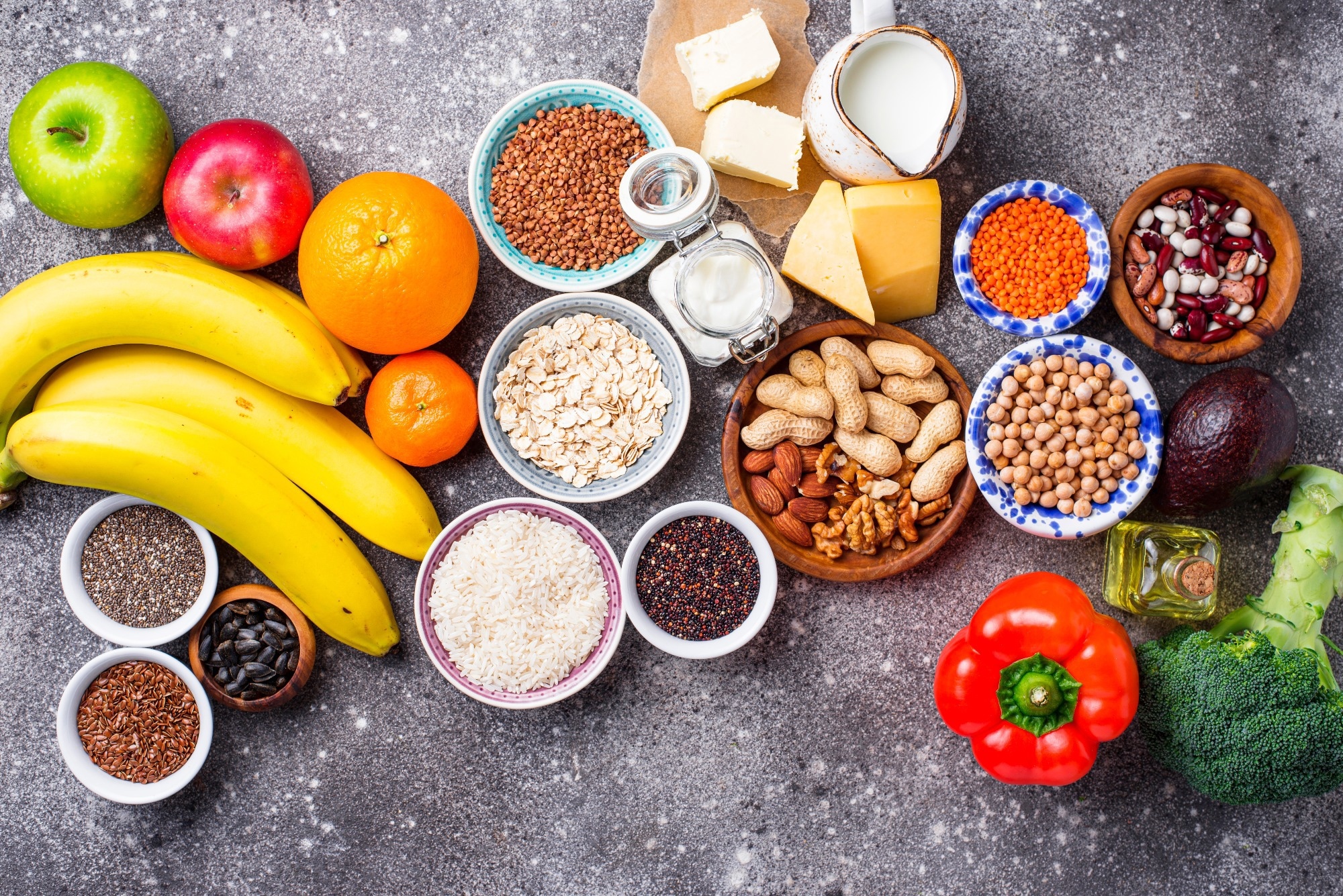
Study: Effect of a lacto-vegetarian diet combined with 14-hour time-restricted eating on metabolic outcomes in women with Type 2 diabetes: a 24-week randomized controlled trial. Image Credit: Yulia Furman / Shutterstock
A recent study from India, published online as an ‘Article in Press’ in the journal Nutrition & Diabetes, found that a lacto-vegetarian diet combined with 14-hour time-restricted eating (TRE) significantly improved metabolic outcomes in women with type 2 diabetes mellitus (T2DM), compared with usual diabetes care. This suggests that culturally adaptable diets combined with time-restricted eating warrant continued investigation in the management of Indian women with this condition.
Background
T2DM is a chronic metabolic disease that progresses insidiously but can have serious consequences without proper management. Women may be hit harder than men by this condition due to a combination of factors.
These include a greater share of caregiving responsibilities, with correspondingly reduced time for self-care, including dietary planning; greater physical inactivity; and, as is common among all women, hormonal changes over the life course that affect body fat distribution and insulin sensitivity. In addition, gestational diabetes mellitus increases the risk for T2DM by 7-10 times.
Family and work responsibilities may contribute to chronic stress. In addition, women are more likely to experience depression and anxiety. These factors may trigger hormonal and neural pathways and provoke inflammatory reactions, all of which may worsen hyperglycemia.
Diabetes management usually involves dietary modification. However, prolonged fasting or strict calorie restriction may be difficult for Indian women to sustain, as they often fulfill multiple roles as workers, caregivers, and childcare providers.
Lactovegetarian diet benefits
The Indian lacto-vegetarian diet combines the benefits of a plant-based diet with the high-quality protein and calcium available from dairy. A plant-based diet provides abundant fiber, antioxidants, and phytochemicals packed into a relatively low-energy matrix with low saturated fat. These dietary characteristics have been associated with higher insulin sensitivity and reduced oxidative stress.
Time-restricted eating benefits
TRE is an eating pattern whereby food intake is limited to a specific window each day. It has been linked to improved blood sugar control, reduced body fat, and higher insulin sensitivity. Previous studies have reported that some TRE-related metabolic effects can occur without calorie restriction, although energy intake fell in the intervention group in the current trial. While the 16:8 (16 hours fasting with 8 hours feeding window) TRE protocol is popular, it has been associated with higher dropout rates, particularly among people with T2DM.
Conversely, the 14:10 TRE protocol has been reported to be more feasible, acceptable, and sustainable over the long term, while retaining metabolic effects.
Given the limited time available for self-care, dietary planning, physical activity, and diabetes monitoring, the current study sought to test whether simple, culturally acceptable, and sustainable lactovegetarian diets coupled with 14:10 TRE could improve metabolic outcomes among Indian women with T2DM compared with usual diabetes care. While these have been separately examined, the authors report that this is the first randomized controlled trial to assess their combined effects in women with T2DM.
Study design
The multicenter, randomized, open-label, parallel-arm trial enrolled 96 women aged 25–60 years with T2DM for at least 1 year who were on stable oral antidiabetic therapy for at least 3 months before the study began. Women receiving insulin, those who were pregnant or lactating, and those with other endocrine disorders were excluded. Women with HbA1c levels above 9% were also excluded during screening. The investigators determined that a sample size of 90 was required to adequately power such a study.
Participants were randomly assigned to either an intervention group or a control group receiving usual diabetes care. Ninety participants completed the 24-week study. The mean age in the intervention and control groups was 46.27 years and 49.11 years, respectively.
The intervention consisted of a lacto-vegetarian diet with a 14-hour daily fasting period. The dietary pattern provided 15–20% of energy from protein and 20–25% from fat. Carbohydrates comprised 50–55% of energy intake, mostly from whole grains and other high-fiber foods.
Traditional menu ingredients were used to promote long-term compliance. Participants also received individualized dietary planning, regular follow-up with a nutritionist, meal-photo monitoring, and telephone support as needed.
Biochemical and anthropometric measurements were obtained at baseline and after 12 and 24 weeks.
Changes in energy and nutrient intake
At baseline, the two groups had similar reported total energy and nutrient intake and fiber consumption. Protein intake was similar, though low, while fat intake was high.
Among intervention participants, Table 4 reports that mean caloric intake decreased by about 9% (168 kcal) from baseline. The reported diet shifted toward a higher proportion of protein and lower proportions of carbohydrate and fat, while fiber intake increased by about 16%. Follow-up dietary intake was reported only for the intervention group.
Metabolic outcomes
After 24 weeks, participants receiving the combined intervention demonstrated significantly greater improvements across several metabolic measures than the control group.
Glycated hemoglobin (HbA1c) decreased only in the intervention group. However, fasting and postprandial glucose levels decreased descriptively in both control and intervention groups.
Body weight decreased from 76.25 kg to 70.93 kg in the intervention group, but increased from 73.69 kg to 74.43 kg in the control group. The body mass index (BMI) showed a similar pattern.
Fasting insulin levels and insulin resistance also improved. According to the authors, this is consistent with improved insulin sensitivity, although the study did not directly establish the mechanism responsible for the changes.
The lipid profile also improved in the intervention group, though modestly, relative to glycemic changes. In contrast, lipid measures shifted in an unfavorable direction in the control group.
After adjusting for baseline values, these findings persisted, with significant between-group differences in glycemic control, insulin resistance, body weight and BMI, and lipid profile over just 24 weeks.
Among the glycemic outcomes, HbA1c showed the largest standardized effect size, indicating better long-term blood glucose control: 6.53% in the intervention group versus 7.65% in the control group, for an adjusted mean difference of −1.12 percentage points. Fasting glucose also showed a pronounced decline.
Safety and perceived benefits
The intervention was generally well tolerated. No serious adverse events were reported, although some participants experienced mild, transient effects including headache, fatigue, constipation, and hypoglycemia. Participant-reported exploratory outcomes indicated that most participants receiving the combined intervention reported having more energy and greater mental clarity, better appetite control, and greater well-being.
Limitations
Despite the women-centered randomized controlled trial (RCT) design of this study and its assessment of outcomes following multiple intervention modalities, it has several limitations. Additional nutritionist involvement was required for meal monitoring, which might impact its feasibility and scalability. The intensive dietary counseling and monitoring also mean that the study cannot determine how much of the observed benefit resulted specifically from the lacto-vegetarian diet, TRE, reduced energy intake, weight loss, behavioral support, or their combination.
Clinic-based recruitment from participating centers in Pune might limit its generalizability. The open-label design and self-reported dietary assessment could have introduced bias, while also potentially promoting behavioral changes by increasing awareness of eating patterns. The exclusion of women with HbA1c levels above 9%, insulin-treated diabetes, and several endocrine conditions further limits the generalizability of the findings.
The relatively small sample limited detailed subgroup analyses, and because the cohort included only women, the findings cannot be generalized to men. The 24-week duration also leaves the long-term sustainability and effectiveness of the intervention uncertain.
Conclusion
These findings suggest that combining a lacto-vegetarian dietary pattern with a 14-hour TRE was feasible and metabolically effective for this sample of Indian women with T2DM over the 24-week study period. It also led to reduced body weight and BMI and was generally well tolerated, with no serious adverse events reported over this relatively brief duration.
This supports further investigation of sex- and gender-tailored lifestyle interventions for metabolic disease.
“Hormonal changes over the life span, caregiving responsibilities, financial dependency, and restricted opportunities for self-care make disease management more difficult to sustain. The current intervention, utilizing culturally familiar dietary patterns and a flexible fasting schedule, can offer an accessible method with tailored strategies for the needs of women.”
Journal reference:
- Mahajan, A., Muley, A., Kale, S., et al. (2026). Effect of a lacto-vegetarian diet combined with 14-hour time-restricted eating on metabolic outcomes in women with Type 2 diabetes: a 24-week randomized controlled trial. Nutrition & Diabetes. DOI: 10.1038/s41387-026-00462-6, https://www.nature.com/articles/s41387-026-00462-6