


A growing collection of articles on the chemistry of dyes and the historical development of dyes
What colors are there in nature and how do things become colored?
The colors of the living world are produced by a wide variety of mechanisms
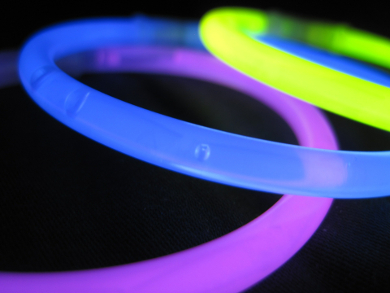
Certain substances emit light after the absorption of photons
There’s more to the electromagnetic spectrum than meets the eye
As far back as 40,000 years ago, humans began mixing clay with coal, water, or fat to create the first dyes. Later, they used pigments obtained by grinding stones such as lapis lazuli (deep blue) and malachite (green), or from plants such as turmeric (yellow) or chlorophyll (green).
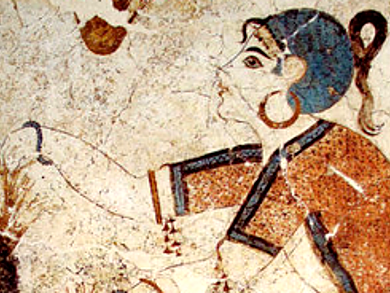
Chemistry of the intense colors many ancient works of art like ceramic figurines, statues, and temples were decorated with
Johann Jacob Diesbach synthesized Prussian Blue around 1700
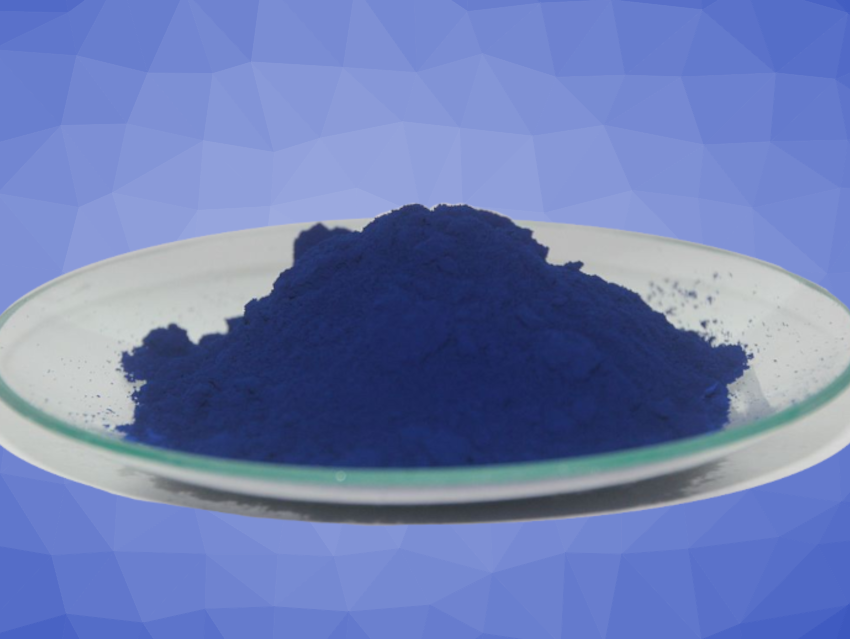
Around 1700, Berlin was a colorful center of innovation – a scene that led to the discovery of the century: Prussian blue

German alchemist co-developed a process for the production of Prussian blue
The first azopigments were created in the mid-1880s.
How chemistry has created a new industry from a waste product of the coal industry

British chemist and entrepreneur, discoverer of the first synthetic organic dye and the Perkin reaction for the production of cinnamic acid and coumarin
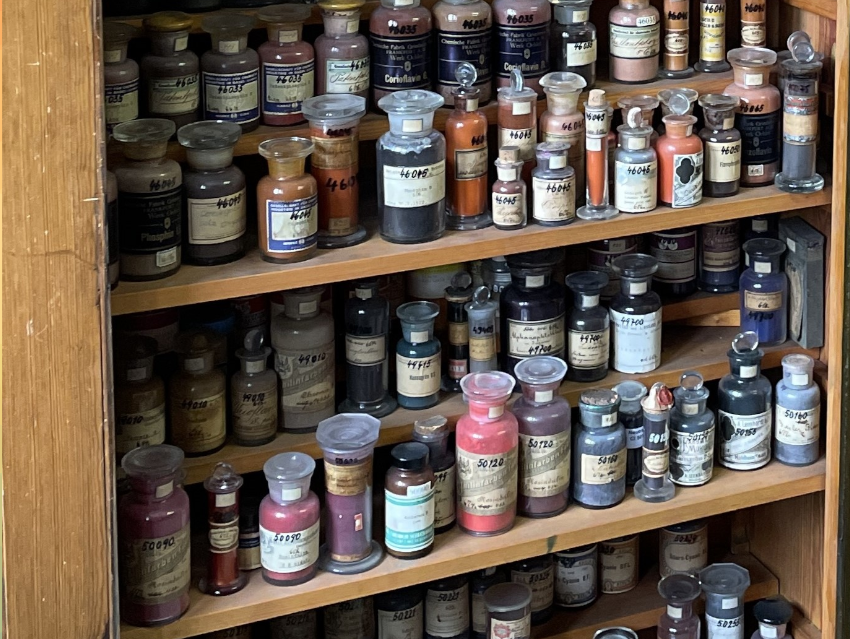
TU Dresden’s König Building, home of the historical dye collection, is designated a “Historical Site of Chemistry“ by the GDCh
Color is everywhere: in fireworks, in makeup, in tattoos, in art …
The drying process of oil-based paints can take several weeks to months or years. Why does it take so long?

Tattooing from a chemical point of view
Learn from this picture which ingredients are in a lipstick and why they are added
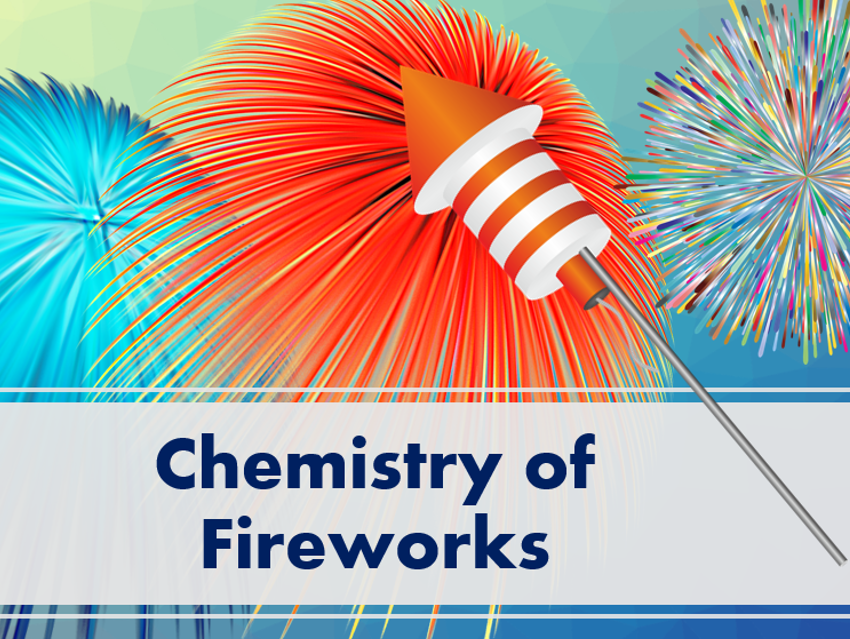
The video shows what happens during fireworks and how chemistry is involved
A little more history …
Starting from the early alchemists we take a journey through time to examine how each of these chemists pushed the boundaries of what is possible
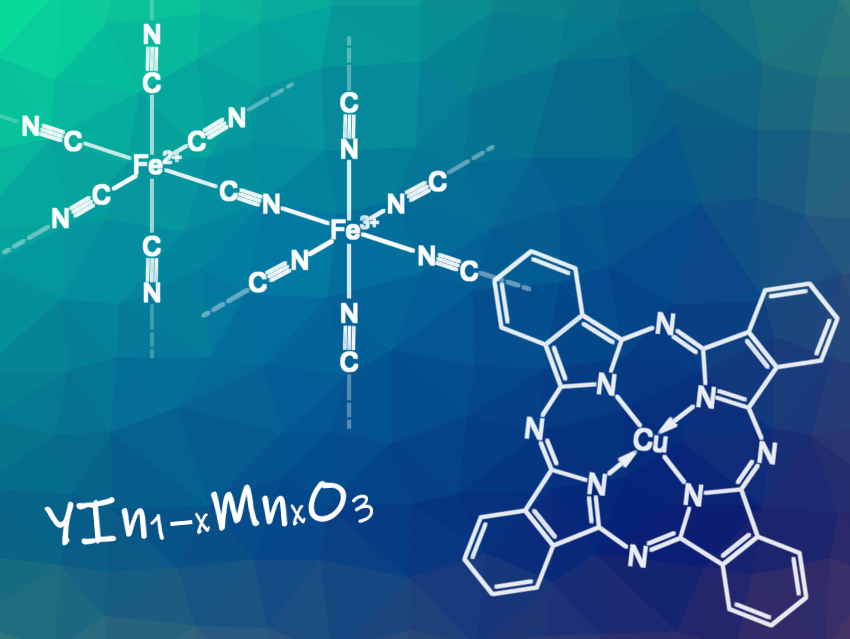
Discovery of Berlin Blue, Cu Phthalocyanine Blue, and YInMn Blue

Source link


