




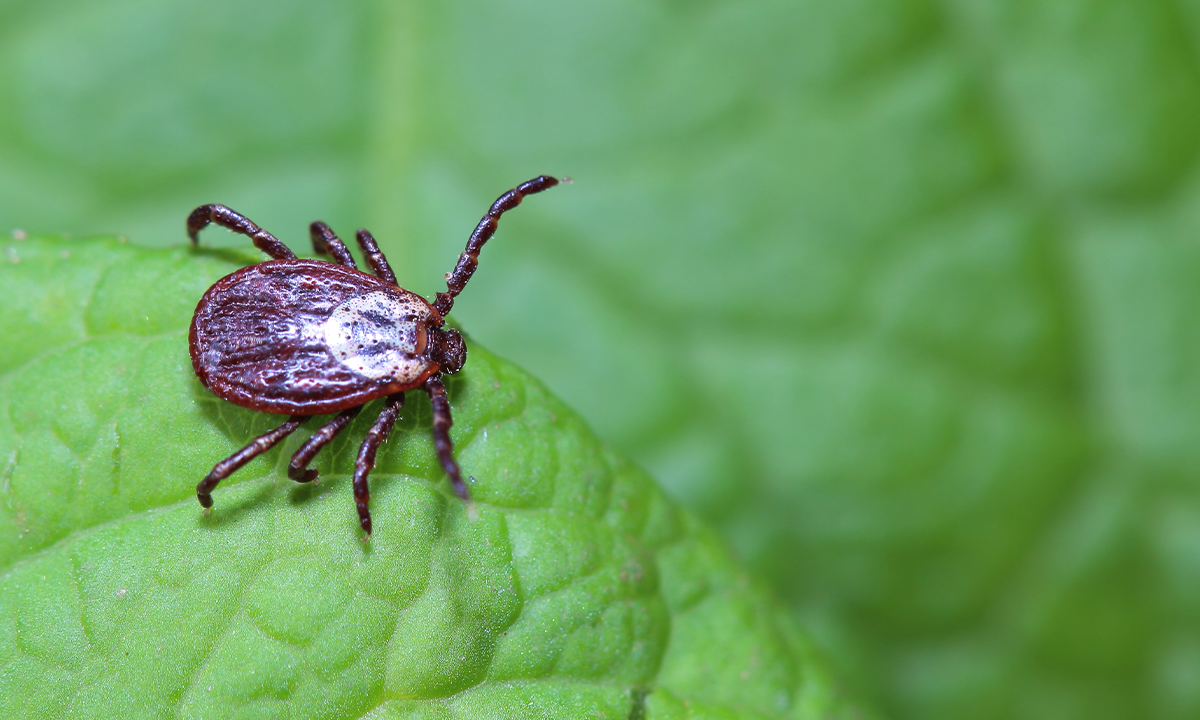
2026 has seen an unusually rough tick season. Populations of the little bloodsuckers are surging in the Midwest and northeast right now, meaning the risk of tick-borne illnesses is much higher than it’s been in previous years. While things aren’t as dire in the west, the Pacific Coast tick can carry emerging tick-borne viruses like orthonairoviruses. Now a new study published in ACS Infectious Diseases is determining how these viruses manage to evade our immune systems.
“There is a very real health concern associated with Pacific Coast tick bites,” study author Scott Pegan of the University of California, Riverside said in a statement. “Our work demonstrates that one of the Pacific Coast tick orthonairovirus mechanisms used to suppress host immunity is highly compatible with humans.”
How do they do it?
Read more: “What We Get Wrong About Lyme Disease”
Well, your immune cells regularly consume foreign invaders (viruses, bacteria, and parasites) to break them down and present tiny pieces (antigens) to other immune cells. This process, which alerts your immune system to the specific threat so it can mount the appropriate response, sounds simple but there are a lot of logistical players involved. One of them is ubiquitin. This tiny protein is present in all your cells and acts like a little molecular tag, marking proteins (like those from orthonairoviruses) to get broken down. Orthonairoviruses, however, produce enzymes that snap ubiquitin proteins off, allowing the viruses to survive and circulate undetected.
Emerging tick-borne diseases like these are a growing concern, especially when ticks are expanding their ranges due to climate change. “If there is one thing people should take away from this study, it is that the rapid identification of human-infecting orthonairoviruses and related viruses, combined with their ability to evolve and bypass human immune defenses, underscores the significant pandemic potential of the Nairoviridae family,” Pegan said.
So if you’re enjoying the outdoors anywhere this summer, be sure to take steps to avoid tick bites (treat your clothes with permethrin, avoid tall grass, and check for these tiny hitchhikers frequently). If you do get bitten, save the offender for identification (pro tip: Seal it between two layers of scotch tape), because different species carry different diseases.
Ticks may be a growing problem, but they don’t have to ruin your summer.
Enjoying Nautilus? Subscribe to our free newsletter.
Lead image: Vitalii Hulai / Adobe Stock