Computerised illustration of solid-state battery production. These devices could be lighter and more powerful than current batteries
Phonlamai Photo/Shutterstock
Toyota says it has made a breakthrough that will allow “game-changing” solid-state batteries to go into production by 2028. These devices will be lighter and more powerful than current batteries, giving electric cars a range of 1200 kilometres with a charging time of just 10 minutes. But should we pin our hopes on them?
What are solid-state batteries?
The lithium-ion batteries that we rely on in our phones, laptops and electric cars have a liquid electrolyte, through which ions flow in one direction to charge the battery and the other direction when it is being drained. Solid-state batteries, as the name suggests, replace this liquid with a solid material.
A lithium-ion battery will typically have a graphite electrode, a metal oxide electrode and an electrolyte of lithium salt dissolved in some sort of solvent. In solid-state batteries, you might find one of a whole host of promising materials replacing the lithium, including ceramics and sulphides.
Why is ditching a liquid electrolyte useful?
Although some solid-state battery prototypes still use it, one big advantage of cutting out lithium is that it is in short supply and environmentally damaging to mine. The shortage is only likely to worsen as the world shifts away from fossil fuels towards using more renewable electricity stored in batteries.
There are also technical advantages to solid-state batteries, as well as logistical and economic ones. Removing the liquid electrolyte makes batteries less susceptible to fires, for example. And while conventional lithium batteries quickly charge up to 80 per cent of their capacity, they charge slowly from there to 100 per cent. Solid-state batteries can be fully charged more quickly.
Crucially, though, solid electrolytes are less dense, so a solid-state battery can be smaller and lighter than its lithium-ion competitor. This could, in turn, make electric cars smaller and lighter, or give them a greater range for the same size and weight. The increased energy density and lower weight could even make electric aircraft a viable proposition.
How far away are they?
Solid-state batteries are nothing new – solid electrolytes were created in the 1800s by Michael Faraday, and they are currently used in medical implants. But a technique to manufacture them cheaply has been elusive.
The obvious benefits have seen car companies pouring cash into research. Ford and BMW have invested in a company called Solid Power that has previously said it will manufacture enough cells for 800,000 cars a year by 2028, while Mercedes-Benz has put money into another firm called Factorial Energy.
Results from industry are less likely to be transparently published because of industrial rivalry, but academia has also had its fair share of success. Earlier this year, a team at the Chinese Academy of Sciences in Beijing managed to recharge a solid-state lithium-sulphur battery 1400 times, proving that these types of devices can have a long lifespan.
NASA has also developed a battery made of solid, stacked cells of sulphur and selenium, which it says can cut battery weight by up to 40 per cent while also tripling the energy density.
But these bold claims haven’t yet translated into real-world products. For now, Toyota’s announcement puts it on a growing list of companies betting on solid-state battery technology. Time will tell which company will get there first and how much of a boost new battery designs can offer.
I RECENTLY scoured my kitchen looking for trouble, and I found plenty. There was a packet of instant noodles in a cupboard. Tins of baked beans and a box of muesli. In the fridge, a Jamaican patty, ketchup, hummus and probiotic yoghurts. Over in the bread bin, a loaf. I didn’t dare peek in the freezer.
These foods are part of my normal diet, which I don’t think is especially unhealthy. But by eating them, I may be opening myself up to obesity, heart disease, a fatty liver, cancer and more. That’s if you believe the increasing worries over ultra-processed foods (UPFs) and how bad they supposedly are for our health.
But amid the warnings, there are still many open questions. Are UPFs really bad for you? If so, why? In fact, what exactly are ultra-processed foods anyway? Sprinkle in the myriad social and economic issues intimately associated with the purchase of said foods (see “Ultra-processed do’s and don’t’s”, below), and it is no wonder everyone is so confused.
In an attempt to get some clarity on the matter, I have spoken to researchers at the forefront of the debate. And while there are no clear answers on UPFs, it is possible to navigate this nutritional quagmire.
Humans have been processing food for millennia to make it tastier, more digestible, more resistant to decay and more convenient. Salting, drying, fermenting, pickling and smoking were invented to preserve foods; milling produced flour to bake bread. Cooking turned unpromising or toxic raw ingredients into tasty, safe and nutritious meals.
During the industrial revolution, however, mechanisation entered the food system. In 1802,…
Open Access Week is a special commemoration for us as one of the original co-founders of the event, along with SPARC and Students for Free Culture. It shows how far we’ve come, but also what we still have to accomplish. This year’s theme is “Community over Commercialization,” and we’re giving you a sneak peek into how PLOS prioritizes that ethos in our day-to-day thinking.
PLOS started with an open letter. A call to the research community to build a better future through transparency and inclusion, standing in direct opposition to the profit-motivated practices at large commercial journal publishers. That spirit still drives the organization today.
Community Publishing
We are a mission-driven organization that aims to transform scholarly research communication. Most of our readers know PLOS best as a nonprofit, Open Access publisher. The research communities we serve are at the heart of each of our journals. We only launch new journals and open research initiatives after consulting with representatives of the relevant research communities. It’s not our goal to simply add more options to the list researchers have to choose from today, but to consider journals as vehicles for change and identify the role PLOS can play in providing a venue for researchers to share their work more openly. Journal attributes, such as the level of editorial selectivity, scope, editorial policies, leadership/Editorial Board membership and our business models are shaped by community consultation, centering on their unmet needs, and aim to shift research behaviors from closed to open.
Although the theme of “Community over Commercialization” is evident everywhere at PLOS, it is perhaps best expressed through our publishing program, which is also the truest expression of our Open Science mission. PLOS partners with like-minded organizations and scholars, and our unique editorial approach is closely aligned with the UNESCO recommendation for Open Science which emphasizes transparency, collaboration, and inclusion; and theUnited Nations Sustainable Development Goals, which have a global community perspective.
When PLOS decided to launch new journals, we knew had to build them from a new blueprint in order to fulfill our aims and mission namely by:
including the broadest range of researchers’ voices globally
ensuring that these new Open Science platforms would be shaped at every level by the communities they aimed to serve
striving to amplify the perspectives of all researchers and stakeholders in global issues including from Lower middle-income countries
leveraging the diversity of the editorial boards, which shape content, policies, and practices that are reflective of the research communities working in these fields
Community funding
As Open Access has grown, we saw a need to try something new: supporting its cost in a regionally equitable way with our focus on community, not profits, which brings us to our business models, which underpin our approach. At issue: Article Processing Charges (APCs) helped demonstrate that Open publishing could be viable and allowed Open Access to become a meaningful force in scholarly communication.
But APCs don’t work for everyone. Not all disciplines or regions have the same level of funding, and publishing costs can deplete author grants and reduce the amount available for research, while for publishers, administering individual publication fees carries significant overhead which leads to higher costs overall.
We firmly believe that all researchers should have the opportunity to both read and publish under an Open Access license, and that solutions for sustainable Open Access publishing need to involve all stakeholders. That’s why PLOS is leading the charge in developing non-APC alternative funding models. All these business models address specific challenges in Open Access publishing and were created with input from the community.
A future of Openness through community
Although PLOS is primarily a publisher, we advocate for Open Research practices because we believe that Open Science is better science—more rigorous, more trustworthy, more equitable, more reproducible, more creative, faster, and more impactful for society. PLOS’ has a built-in philosophy of sharing what we learn (e.g. OS research) and openly seeking input and collaboration in how we innovate is a defining principle of how we work.
PLOS’ mission is to lead a transformation in scholarly publishing from a closed to an Open model. We believe we can best accomplish that by empowering our community to engage in Open Science practices on a large scale, as part of their regular scientific communications while collaborating with other actors in scholarly communication such as institutions, funders, and policymakers to move towards a better Open Science ecosystem.
Researchers at the Liverpool School of Tropical Medicine collect venom from snakes such as this Malayan pit viper to test how well new therapies inhibit the venom’s activity.
Tucked away in Tamil Nadu, a state at India’s southern tip, is a facility run by members of the Irula tribe, an ethnic group known internationally for a long tradition of snake handling. Because it’s the only large-scale venom extraction facility in India, antivenom manufacturers in the country have depended on the Irula snake catchers cooperative for about 45 years.
But this dependence has created a problem that’s tough to unravel. The cooperative’s venom samples are particular to the region.
Species these snake handlers work with are found in many parts of India, but even within the same species, snakes have developed varying recipes and proportions of toxic proteins in their venoms. Ultimately, this means many antivenoms developed on the basis of samples from Tamil Nadu aren’t as effective against snakebites elsewhere in India, a country with tens of thousands of snakebite-related deaths per year, the highest total in the world.
Kartik Sunagar, an evolutionary biologist at the Indian Institute of Science (IISc), is working to bridge the gap in venom availability. Just last July, the foundation was laid for what is to be a first-of-its-kind antivenom research center in Bengaluru, about 340 km away from the center in Tamil Nadu, and Sunagar is one of the scientists leading its setup and development.
A collaboration between the Institute of Bioinformatics and Applied Biotechnology and the IISc, the new research center’s serpentarium is slated to house hundreds of snakes from regions across the country. The center will identify how venoms have diverged, through both changes to DNA across species as well as variations in gene regulation within species.
“It gives us an unparalleled opportunity to have constant access to the venoms, which is just not possible any other way,” Sunagar says. He adds that the facility is going to help not only develop the next generation of Indian antivenoms but also fine-tune current ones.
Evolutionary researchers have leaned into venom profiling to look at the molecules that make up these mixtures. By zooming in on the structures of the proteins and peptides in various snakes’ venoms, they are uncoiling mysteries behind snakes’ defensive adaptations and using that knowledge to work on new toxin-based drugs. And as they sift through the multitudes of venom toxins using modern proteomics—techniques that attempt to catalog all the proteins in a sample—they’re spotting snippets of amino acids that snakes share across species. These common features betray the evolutionary links between these snakes and could be prime targets for drug developers searching for broad-spectrum antivenoms.
The wide world of toxins
The evolution of snake toxins sped up about 54 million years ago. This happened at the same time that snakes were evolving a high-pressure front fang, like a hypodermic needle, that could inject venom into another animal. “They were now able to inject this venom much more effectively,” Sunagar says.
As new species developed, venoms differentiated. Specifically, the amino acids sticking out from the proteins’ surfaces—and thus the cellular receptors they target in their prey—diverged. In another layer of complexity, the venom makeup between regional populations of the same species naturally drifted due to up- or downregulation of certain toxin genes.
In 2022, according to a paper inNature Reviews Chemistry, the UniProt protein database contained almost 3,000 variants of snake toxins (2022, DOI: 10.1038/s41570-022-00393-7). “All of that variation causes us a real headache when we’re trying to make treatments,” says Nicholas Casewell, who heads the Centre for Snakebite Research and Interventions at the Liverpool School of Tropical Medicine.
To effectively neutralize a venom toxin’s surface residues, medical personnel need antivenom specific to the snake that bit the victim. That antivenom may not be accessible, especially in low-resource areas or when the species of the snake is not known by the victim.
India relies on a traditional polyvalent antivenom derived from the so-called big four snakes: the saw-scaled viper, Indian cobra, Russell’s viper, and common krait. But this approach has been found wanting because species outside the big four can have radically different venom proteins, and within each species there can be medically important differences in venom profiles region to region. “You don’t have an antivenom that basically works against them all,” Sunagar says.
For example, Sunagar’s group found that the Sind krait is genetically similar to the common krait of the big four but can produce venom up to 11 times as potent simply because it upregulates certain venom genes and thus produces more copies of certain toxins (Toxins 2021, DOI: 10.3390/toxins13010069). This variation renders common antivenoms much less effective against the Sind krait.
Although researchers had known about venom variability for a while, they could not readily quantify or adjust for that variability until the groundbreaking work of Juan José Calvete of the Institute of Biomedicine of Valencia 10–15 years ago. He applied mass spectrometry and protein separation techniques to venom proteomics, or venomics. Calvete’s incorporation of mass spec and an ever-growing database of venom protein profiles make research much easier, says Choo Hock Tan, a venomics researcher at the University of Malaya. He adds that with earlier techniques, just identifying a protein would be a chore.
With ease of analysis, the body of data on venoms has ballooned. As of 2020, there were at least 300 snake venom proteomic studies available, up from around 60 in 2008. And around 40 projects are underway to arrange species’ nucleotide sequences in proper order and document their genomes. Tan says that scientists will need still more genomic analysis if they want to understand these toxins’ actions.
The data contained in these venom profiles are illuminating, but they are also vast. They answer some questions about the contents of venom and raise new ones about how and why snakes developed their arsenals of molecular weapons and defenses.
Informed by evolution
African spitting cobras display a curious defensive strategy. Although they use venom as other snakes do—injecting it into the bloodstream of their prey—the cobras can also spit venom up to a couple of meters to stave off aggressors.
Casewell’s group found that some spitting cobras overexpress genes that produce phospholipase A2 (PLA2) toxins. These amplify the action of the snakes’ 3FTxs, or three-finger toxins—proteins that usually dominate cobra venoms and whose structures resemble a trio of gnarled, outstretched fingers. When the projectile venom hits its target, the mixture of PLA2s and 3FTxs causes acute pain on contact. Then after the snake bites, the combined action of the toxins intensifies muscle necrosis.
Credit: Courtesy of Pedro Alexandrino Fernandes/University of Porto
In a pair of simulations, Pedro Alexandrino Fernandes observes how a mambalgin interacts with an acid-sensing ion channel and thus blocks pain signals.
Despite having genes to produce similar toxins, most other cobra species haven’t developed this spitting behavior, and their venoms’ effects are quite different. They are neurotoxins rather than necrotic agents.
Casewell is probing venom adaptations like these because they’re “an example of how understanding the evolution of a snake can inform our understanding of what the venom is doing in a snakebite victim,” he says. That knowledge “hopefully will inform how we can better treat it by blocking specific toxins rather than necessarily the whole venom.”
In a recent preprint—a study that has yet to be peer-reviewed—Casewell and colleagues showed that giving mice a single local injection of the small molecule varespladib reduced the necrotic damage of venoms of spitting cobras (bioRxiv 2023, DOI: 10.1101/2023.07.20.549878). The drug specifically inhibits PLA2s, so its protective effect may occur because the necrotic action of the cobra’s 3FTxs hinges on activation by PLA2s, the researchers write.
“Inhibiting one of these toxins with a targeted drug therapy is sufficient to prevent local tissue damage,” Casewell writes in an email. And it “might therefore be a new ‘evolution informed’ strategy to prevent poor snakebite outcomes in patients bitten by spitting cobras.”
More generally, Pedro Alexandrino Fernandes, a computational chemist at the University of Porto, says that although venom is very diverse, its ingredients can be similar. What often changes is the proportion of each toxin family, but those small differences can cause very significant physiological effects in a snakebite victim. The difference in venom content can exist between closely related species, in which the proportion of toxin families often flip, becoming more or less dominant in a snake’s venom as a species evolves new behaviors.
As with the spitting cobra, defensive mechanisms in the black mamba have led to unexpected adaptations and a change in its venom makeup. The mamba is notorious for its lethality, but its mambalgins, a family of 3FTx proteins that mambas have retooled, actually reduce pain after the snake bites. Any medicinal chemist would find their soothing power impressive—an analgesic effect on par with morphine. And surprisingly, although the mambalgins exist in a mélange of deadly 3FTxs and dendrotoxins, the mambalgins themselves have evolved to no longer be toxic.
“Why the black mamba has this very strong painkiller, we don’t know,” Fernandes says. “People believe that maybe the black mamba when it injects the venom wants to avoid a counterattack from the prey” because a less painful bite may not be easily noticed.
In 2020, a team of scientists at the University of Science and Technology of China, Tsinghua University, the Chinese Academy of Sciences, and Zhejiang University clarified the structure of mambalgin-1 bound to a human ion channel that plays a role in pain pathways. They found that mambalgin-1 was a new form of 3FTx with an elongated center finger (eLife 2020, DOI: 10.7554/eLife.57096).
At Fernandes’s lab, the researchers are looking to better understand the 3FTx’s mechanism of action and create small molecules that have the same painkilling effect but with certain advantages.
Exploiting entrenched evolutions
In 2016, when the drug varespladib was initially shown to protect rats against dozens of snake species, small molecules weren’t a go-to intervention for snakebites. Researchers are still trying to carve out a space in the field for these treatments among traditional ones—usually antibodies extracted from the blood of venom-treated animals.
Perhaps small molecules could be tools for first responders. Because many snakebite deaths occur outside of a clinical setting as a victim is in transit to the hospital, first responders could immediately give a victim a relatively broad-spectrum small-molecule drug and extend the victim’s survival long enough for other care providers to administer antivenom in a clinical setting. In the past decade, as the structures of venom proteins and their interactions have become clearer, an approach involving lab-made molecules has become more feasible.
Form and function
Some researchers say the elongated central finger of mambalgin-1 (right) is the key to the compound’s lack of toxicity and its pain-killing properties. For comparison, three-finger toxins with shorter central fingers, like this one found in the venom of the black-necked spitting cobra, are usually neurotoxic.
Credit: Alexandre V. Pinto/University of Porto
Researchers have been able to look beyond the diversity of amino acids found on toxins’ surfaces and instead look more closely at the proteins’ cores, the internal amino acids that allow the molecule to do its job as a catalyst. Millions of years of evolution have left some of these core sequences more or less untouched within toxin families. So these conserved protein regions present footholds for new treatments—including small molecules—to inhibit otherwise deadly toxins.
For example, many snake venoms’ PLA2 enzymes catalytically break down cell membranes and cause necrosis. That catalytic activity hinges on PLA2s’ calcium ion–binding loop. Varespladib blocks this site, keeping calcium from settling into the protein thus deactivating its catalysis.
Similarly, in russellysin—a toxin found in Russell’s viper venom and the most potent coagulation activator known—Fernandes’s team showed computationally how the protein catalyzes its deadly reaction in prey (J. Chem. Inf. Model. 2023, DOI: 10.1021/acs.jcim.2c01156). The researchers focused on three histidines and a glutamic acid that interact with a zinc ion nestled in the protein’s core, all of which are highly conserved across the family of toxins that russellysin belongs to, snake venom metalloproteinases (SVMPs).
Fernandes’s team found that marimastat, a drug that Casewell is investigating to inhibit SVMPs, binds to zinc. The researchers also found that marimastat’s binding conformation bares a striking similarity to the transition state that russellysin’s histidines form around its zinc ion as the toxin wreaks havoc in the bloodstream. Fernandes’s computational insights could lead drug developers to a tweaked version of marimastat that has fewer side effects or is even better at stopping SVMP activity by mimicking these conserved amino acids.
Antibodies still have their place, though. Small-molecule drugs have not yet been shown to work against 3FTxs. These toxins paralyze a menagerie of vertebrates: mammals, birds, reptiles, amphibians, and fish. But 3FTxs get this broad-spectrum toxicity because they maintain a conserved interface that can latch on to an acetylcholine receptor that is common in the neurons of these various animals. That conserved interface might be their Achilles’ heel, however, potentially making the whole family vulnerable to a single broadly neutralizing antibody.
In a recent preprint posted to bioRxiv, researchers from the US National Institutes of Health and San Francisco–based start-up Centivax say they have developed such an antibody. They report that the antibody provided mice with “complete protection” after the researchers injected them with 3FTx-dominant venoms. Combining their antibody treatment with varespladib expanded the types of venoms the mice could endure (2023, DOI: 10.1101/2022.09.26.507364).
If insights about the long geologic stretch of evolution lead to treatments that keep snakebite victims alive longer, it couldn’t come a minute too soon. Sunagar recalls how, not long ago, he had been looking for a Sind krait in the western Indian state of Rajasthan to collect a venom sample. Unable to find this elusive snake, he returned to his lab in Bengaluru. As soon as Sunagar arrived, he opened a message from a colleague in Rajasthan. It was a photo of a person who’d recently been bitten by that same species.
The victim had not survived. Sunagar had been searching only a few hours away from where the bite happened.
Virat Markandeya is a freelance writer based in Delhi who covers space, materials science, and unusual ecosystems. A version of this story first appeared in ACS Central Science: cenm.ag/venomevolution.
Credit: Jeff Miller/University of Wisconsin–Madison
In this photo from 2012, ants carry leaves toward a colony that was displayed outside Cameron Currie’s lab at the University of Wisconsin–Madison.
Visitors to Cameron Currie’s laboratory at the University of Wisconsin–Madison used to be mesmerized by a demonstration colony of leaf-cutting ants in the lobby. When the microbiologist announced his plan to move the lab to Ontario, his colleagues asked if the ants had to go too.
Given a handful of oak leaves—which Currie’s lab, now at McMaster University, collects by the garbage bag full—the ants quickly show how they earned their name. With audible crunching, they shred the leaves into tiny pieces and carry them home to their colony. There, the leaf fragments are digested by one of nature’s most efficient systems for breaking down plant cell walls: a fungal garden.
That system turns the steady flow of leaf biomass into nutrition for the ants. Currie and long-term collaborator Kristin Burnum-Johnson, a senior scientist at Pacific Northwest National Laboratory (PNNL), are trying to understand exactly how the garden breaks down hard-to-digest plant polymers. Using a new spatial multiomics method, they can now pinpoint individual enzymatic reactions in the garden. By piecing together how microbial enzymes work for the ants, they hope to gain insights that can be adopted for industrial purposes.
Spongy layers
Many species of ant cultivate fungi, but by far the most elaborate gardeners are Atta texana. To extract energy from the leaves they forage, these ants maintain a crop called Leucoagaricus gongylophorus, a fungus that has never been found anywhere outside the homes of leaf-cutting ants. Researchers estimate that the lives of these two symbionts have been intertwined for 50 million–60 million years, making ant farming older than human agriculture.
Credit: Eduardo A. Esquivel Rios/Mushroom Observer
A fungal garden from an ant nest unearthed in Panama
“The fungus is kind of [the ants’] house—but also a digestive system,” says Mauricio Caraballo, a researcher in Pieter Dorrestein’s laboratory at the University of California San Diego. Caraballo has worked on mapping the metabolome, the array of small molecules created by digestion in the fungal garden. The garden, which can grow to the size of a basketball, is a spongy structure honeycombed with ant passageways. It forms what Margaret Thairu, a postdoctoral scholar formerly in the Currie lab, calls “a beautiful, stratified structure” at the centerpiece of the ants’ underground nest.
The garden is built as ants bring in leaves foraged from their rainforest surroundings. After cleaning the leaves, the ants deposit them on top of the garden and then add fecal matter rich in digestive enzymes to start the breakdown process. The lower layers of the garden are rife with fungus, which feeds on the leaf matter and grows specialized, nutrient-rich organs called gongylidia. These gongylidia are what the ants feed on.
Finally, leaf fragments and other material that the system has not digested settle to the bottom of the heap, and ants carry them off to a waste repository.
Breaking down lignin
Although it’s clear that the system breaks down leaves, Currie says, for many years the process has been mysterious. Many researchers have focused on understanding the insect-fungus symbiosis, he says, but “the whole process of breaking down plant biomass has been kind of . . . unknown.”
One of the difficulties for researchers has been understanding how the garden microbes crack through plant cell walls—a formidable catabolic challenge. Plants safeguard their cells with an interlaced, covalently cross-linked lattice made mostly of the polymers cellulose, hemicellulose, and lignin. Of the three, lignin is the most robust, says Mariana Barcoto, a graduate student at São Paulo State University (UNESP) who studies the metabolism and microbial ecology of fungal gardens.
The degradation of these substrates is enzymatically challenging. Most organisms can’t do it, including most microbes.
Cameron Currie, microbiologist, McMaster University
Whereas cellulose and hemicellulose are polysaccharides with regular, repeating structures, lignin is complex and amorphous. It is made up of three main aromatic subunits linked irregularly with both C–O and C–C bonds. To make matters more complicated, its subunit stoichiometry differs from one plant to another.
All that heterogeneity, Barcoto says, leads most lignin-decomposing organisms to rely on generalist oxidative mechanisms—including enzymes with wide substrate profiles in the peroxidase, oxidoreductase, and oxidase families. “For breaking cellulose down, you have a very specific set of enzymes. For lignin, you don’t,” Barcoto says.
Lignin and its monomers also tend to bind nonspecifically to proteins, inhibiting enzymes. And lignin’s cross-links and hydrogen bonds with the polysaccharide fibers can make even orderly cellulose and hemicellulose more difficult to take apart. “The degradation of these substrates is enzymatically challenging,” Currie says. “Most organisms can’t do it, including most microbes.”
For decades, researchers attributed leaf breakdown in the fungal garden purely to its signature species—the fungus. But as genomic techniques improved, researchers studying fungal gardens realized their samples also contained DNA sequences from many other organisms. The gardens are not a fungal monoculture, but contain many microbes.
To understand the roles of different participants, Currie approached Burnum-Johnson and her colleagues. As she established her own lab at PNNL, the two groups used metagenomic and metaproteomic approaches to get what Burnum-Johnson calls an initial glimpse of how lignin and cellulose breakdown pathways might work in fungal gardens.
The researchers confirmed that the fungus was responsible for most of the polymer degradation (Appl. Environ. Microbiol. 2013, DOI: 10.1128/AEM.03833-12). The bacteria within the fungal garden ecosystem seem to have other roles: to fix nitrogen, generate nutrients the fungus can use, and perhaps break down toxic compounds from leaves.
Researchers studying metabolism in fungal gardens have also found that the digestion of leaf material seems to proceed down the strata of the garden. Cellulose subunits and other plant-specific compounds are broken down in the topmost layers of the structure, while small molecules associated with fungal metabolism appear below in a riot of biochemistry. According to Caraballo, the UCSD researcher, metabolomic studies that define whether specific chemical conversions take place in the top, middle, or bottom of the fungal garden could help researchers learn where in the gradient to look for enzymes with desired functions.
Burnum-Johnson is interested in exactly such a study but at higher spatial resolution than past studies reached. Homogenizing big sections of the fungal garden to get enough protein to measure tended to “dilute out . . . really important, less abundant pathways,” she says. She wanted a less blurry view.
Pinpointing reactions
Burnum-Johnson and Currie are preparing to publish a new study that peers more closely at the tangle of leaves, fungus, bacteria, and ants using a spatial multiomic imaging method that Burnum-Johnson’s lab devised. The approach combines mass spectrometry imaging of small-molecule metabolites with proteomics in targeted areas of the same tissue. The team has used this approach to match metabolites to the enzymes that produce them, teasing out the threads of individual chemical reactions.
A fungal garden is easy to grind up but hard to image intact; it tends to crumble when sliced. So Burnum-Johnson’s team always begins by embedding a sample in fixative and slicing it thin. Then, the researchers use a metabolomic imaging approach called matrix- assisted laser desorption ionization (MALDI) to image about 650 small molecules, whose identities they later confirm using other methods. With this approach, the team can see dramatic heterogeneity in micrometer-scale areas—much more detail than previous larger-scale metabol- omic experiments showed.
Researchers found the substrate and product of this ring-cleaving reaction in the same small area as a specific fungal hydrolase—strong circumstantial evidence that the fungus uses the enzyme for this step in lignin breakdown.
“This is one of the first times we’ve ever shown, on a pathway level, that lignin is being broken down in these gardens,” Burnum-Johnson says.
MALDI imaging cannot be used for deep proteomics, but the small-molecule images it yields help scientists concentrate their efforts. They scan through cross sections of the garden using the MALDI method, looking for hot spots where lignin is broken down. Then, they use microscale proteomics in these areas of interest.
That proteomic analysis takes much longer and is more computationally intensive than the metabolome imaging. “When you’re dealing with a human sample or a single microbe, . . . you have a small genome that can give rise to your proteins,” Burnum-Johnson says. Not so with a fungal garden that might contain hundreds of species: the team identified 50 million proteins that might show up in fungal garden samples and zeroed in on unique peptides to identify enzymes in the regions of interest.
By linking the enzymes to specific metabolites found nearby, the researchers have been able to dig in to how the fungus attacks lignocellulose. They have defined metabolic pathways involved in lignin- decomposition tasks such as degrading aromatic compounds and cleaving rings. Sometimes they have found alternative breakdown pathways for the same substrate or converging routes to the same product.
“We’ve gone from . . . having almost no insight to what’s going on in the fungus garden . . . to microscale insights into particular proteins,” Currie says. “That’s super exciting.”
The study supports a growing certainty that fungi drive lignin and cellulose breakdown, while bacteria can provide support in converting the resulting sugars and aromatic compounds into useful molecules.
“The fungus is benefiting; the bacteria are benefiting; the ants are benefiting,” Burnum-Johnson says. “Everyone’s working together to perform the breakdown of lignocellulose material and making of new products.”
Burnum-Johnson is hoping that, with some bioengineering, humans too can benefit from the system’s lignocellulose breakdown chemistry.
Chemicals from biomass
Many research teams compare a fungal garden to a bioreactor chewing up lignocellulose-rich material. As industries seek to shift from using petroleum to using biomass to produce chemicals, breaking down lignocellulose is an attractive ability.
Yan Zhang, research director at the National Corn-to-Ethanol Research Center in Edwardsville, Illinois, says it is currently very difficult to use biochemical approaches to produce ethanol and other chemicals from certain abundant sources of biomass. The lignin content of residues from logging, paper-mill processing, and woody energy crops is too high.
The fungus is benefiting; the bacteria are benefiting; the ants are benefiting. Everyone’s working together.
Kristin Burnum-Johnson, senior scientist, Pacific Northwest National Laboratory
Lignin causes enough problems in the industry that some researchers have gone so far as to genetically engineer trees with lower lignin content. But an enzyme could address the issue more quickly. “If we had a decent, low-cost lignase, I think it’s going to help us tremendously,” Zhang says.
Some researchers envision applying new lignin-degrading enzymes to other highly aromatic polymers, such as plastics. For example, one group is investigating using a laccase from L. gongylophorus to break down polycyclic aromatic hydrocarbons such as anthracene (Environ. Sci. Pollut. Res. 2019, DOI: 10.1007/s11356-019-04197-z).
The work echoes research using other organisms to break down polystyrene, which Barcoto speculates may also be possible using L. gongylophorus enzymes. She says researchers may be able to use lignin-degrading enzymes to break down many molecules containing aromatic compounds because “they are not specific to lignin; they randomly target chemical bonds and aromatic subunits.”
Instead of isolating specific enzymes, Burnum-Johnson’s group hopes to design microbial consortia that will work like the ants’ garden to break down biomass but that will be easier to scale up. The researchers are also exploring other applications for their microscale multiomic imaging—for example, to study metabolic changes made by the human gut microbiome.
Still, when a journal editor requested that Currie and Burnum-Johnson’s team include experiments more relevant to human physiology and disease in its forthcoming article, the researchers balked. Their focus, for this paper at least, was on the ants.
In her new book, Molecular World: Making Modern Chemistry, chemistry historian Catherine M. Jackson brings the world of 19th-century experimentalists to life for chemists and other readers today. And in so doing, Jackson makes a compelling case for the role that laboratory experimentation still plays in shaping chemical theory.
Jackson, a professor of the history of science at the University of Oxford, began her career as a synthetic organic chemist. As a historian, she became interested in the origins of her field, which dates back to the 1800s. When Jackson revisited early organic synthesis experiments, she realized that what 19th-century chemists called synthesis does not meet the definition we use now. Her new book disentangles the history of 19th-century chemists from the modern scientific theories we often project onto the past. “This story became a search for when synthesis began and why it began,” she says.
Vitals
▸ Education: PhD, history of science, University of London; PhD, organic chemistry, University of Cambridge
▸ Favorite element: Nitrogen
▸ Favorite glassware: Kaliapparat
▸ Current projects: A new book about the history of August Kekulé’s benzene ring and an education project that integrates science history with chemistry training
Jackson’s research led her to the stories of three chemists: August Wilhelm von Hofmann; Albert Ladenburg; and Justus von Liebig, who invented the famous kaliapparat that’s immortalized in the American Chemical Society logo. (ACS publishes C&EN.) Jackson spoke with C&EN about what researchers get wrong when interpreting 19th-century experiments through current scientific theory, the surprising role glassware played in making modern chemistry, and whatMolecular World can tell us about how to train the next generation of scientists.
This conversation has been edited for length and clarity.
Chemists today often think about organic synthesis as being synonymous with target synthesis—choosing a specific molecule and designing a route to make it. But that’s not how it started. What was the problem that synthesis helped solve at that point in chemistry’s history?
The issue is that if you call all of those experiments organic synthesis based on a modern definition, you don’t get to understand what the people who did them thought they were doing and what that work meant to them.
By focusing on the experimental approaches—those aspects of apparatus, instrumentation, and laboratory, which are what chemists are mostly dealing with in their working lives—that’s giving a different account of how chemists make discoveries.
Today, synthesis basically means “making stuff.” When synthesis began, it was another way of finding out what things were—specifically, organic compounds.
By 1840, chemists knew that organic compounds were made from carbon, hydrogen, sometimes oxygen, sometimes nitrogen, and other things. They knew––om a very small number of elements.
Many of those substances have very similar formulae. But quite a lot of them actually have the same formula. And the explanation for that was a thing called constitution, which is part of this whole area of chemistry that becomes structure. What synthesis can tell you—that analysis will never tell you—is how these elements are joined together in the molecule. And that is also useful for fixing formulae that are very hard to differentiate.
Organic analysis alone—the attempt to determine the composition of organic compounds—hit a complete deadlock and was never going to solve this problem. That’s why the so-called king of analysis, a guy named Justus Liebig, said, “OK, then we need something new. We’re going to keep analyzing things. But we’re also going to begin doing things we call synthesis.” So he gave that project to his protégé, August Wilhelm Hofmann.
Hofmann began developing a method of synthesis that worked by taking a family of compounds and doing the same reaction on all of them to build a taxonomy of substance. And it seems that Hofmann and one of his coauthors were the first to use the word synthesis in relation to organic compounds.
Credit: MIT Press
Catherine M. Jackson’s new book explores the origins of organic synthetic chemistry.
Why did you choose not to include visual diagrams of molecular structures in this book?
If you want to understand how people found something new, it’s hopeless if you already know the answer. Let’s take Justus Liebig analyzing morphine. We know a lot more about morphine today than just the formula. But when Liebig is analyzing morphine repeatedly and trying to work out how much nitrogen is in the formula, he doesn’t know when he’s got the right answer.
For another example, there’s a story at the end of the book about how Albert Ladenburg first synthesized coniine. When he was doing these reactions, he was pursuing this method that he hoped would make coniine, but he didn’t know whether the side chain was a propyl or an isopropyl group. He didn’t even know where the side chain was in the molecule. If you want to understand that struggle, I think you have to set current knowledge aside. I wanted to help my readers do that by not giving them the option.
The book introduces a phenomenon you call the glassware revolution as a driving force for innovation in 19th-century chemistry. What do you mean by that?
The glassware revolution was a shift away from products made by furnace glassblowing that you buy from an instrument maker. These apparatus were pretty expensive and quite hard to get hold of. Around the 1830s, chemists began to use glass tubing that you can shape into a lamp—or what we now call scientific glassblowing. That allowed chemists to make their own apparatus much more cheaply. And if something doesn’t work quite right, the chemist can switch it up themselves, provided they know how to blow glass. This is also the origin of group research as we know it today because it means you can have many more people doing chemistry.
One example of that is the kaliapparat that Liebig made for analyzing nitrogen in molecules such as morphine. So the glassware revolution is important for analysis and absolutely crucial for synthesis. Without this kind of apparatus, you just couldn’t have the level of control over reactions that synthesis required.
How did glassware help make experiments reproducible?
The flexibility that self-made glassware gave chemists was really important in attacking the problem of not only how to make things but also how to know what they’ve made. To my knowledge, nobody before me really thought about how 19th-century chemists actually knew what they made when they did reactions. That’s because [historians] always had the view that these chemists were somehow trying to make things through target synthesis. Whereas it’s much more like, “Well, I’ve mixed all this stuff together. It’s not a hit-and-miss process. It’s not an illogical process. I have reasons why I’m doing this reaction. But what is this stuff that I’ve made?”
When Hofmann is developing his method of synthesis, he struggles to differentiate the substances that he’s making because they often have very similar formulae. And because it’s really important for him to be able to recognize substances when he comes across them again, he is looking for a way to identify substances.
Credit: Courtesy of Alan Rocke
The kaliapparat is a glass device that was designed in the 19th century for analyzing organic compounds.
Then comes this idea that you could use melting points and boiling points to characterize substances. That’s great because they’re numbers, easy to publish, easy to recognize, and consistent from one time to another, from one person to another, from one place to another. They have to be standardized. So glassware allows chemists to define how our standard melting point is to be measured. And it’s in this process of standardization that you’re actually able to make something that’s universal—what were called constants of nature.
Where do you see the legacy of this period of chemical history in the laboratory today?
You might say that’s the most important question. Why does this history matter? In the history of 19th-century chemistry before this book, theory is what changes what chemists can do. And what I have done in this book is make an argument for how chemists worked with [existing] theory and extremely thoughtful experimentation to build new theory. This is what I call laboratory reasoning. It’s a fairly fundamental revision of what you think theory is, and there’s a connection there to how we train people.
We tend to train chemists today in a lot of theory, which is extremely powerful but which probably looks to most chemists in training as though it’s quite finished. So consider students making the transition from doing lab practicals—which are designed to work—to going into a research lab. What are they supposed to make of that prior training? This kind of history is really important in giving chemists a different view of the stable points of theory and the bits that we’re not yet quite sure about. It’s obviously very different now from how it was in the mid-19th century, but I think the principle is still an important one. If you tell people that their field has been built by great thinkers whose insights are moments of genius that produced theories that changed the field, that doesn’t really give anybody much of a clue how they might become a contributor.
By focusing on the experimental approaches—those aspects of apparatus, instrumentation, and laboratory, which are what chemists are mostly dealing with in their working lives—that’s giving a different account of how chemists make discoveries.
Ariana Remmel is a freelance writer based in Little Rock, Arkansas.
One of the American Chemical Society’s oldest philanthropic programs was established in 1968: Project SEED. The program matches ACS volunteers with high school students for a paid summer research experience in academic, government, industry, or national laboratories. Eligible students come from households with incomes that are up to 200% of the US federal poverty guidelines; additional consideration is given for personal financial circumstances. Hundreds of students across the US participate in the program each summer, and many rising seniors apply for college scholarships through Project SEED. While managing these programs, I became attuned to the student experience, specifically the language used to describe socioeconomic status or age when advertising or describing the program.
It stung when I heard or saw words like “impoverished,” “poor,” or “struggling” used to describe Project SEED students. While I’m sure the communicators meant well, the use of those and similar words can reduce students solely to their current financial state, when there are so many additional identities that could be shared first.
Leading with someone’s strengths and aspirations instead of their deficits is called asset framing, a strategy developed and popularized by social entrepreneur Trabian Shorters. The intent isn’t to ignore or downplay problems as real as financial insecurity but to use a person’s positive characteristics—rather than their challenges—as a way of introducing them.
Asset framing is one of several recommendations included in the “Socioeconomic status” section of the ACS Inclusivity Style Guide. Additional topics covered in this section include racially coded terms, occupation, and housing status.
The typical academic lab that a Project SEED student joins for the summer has a broad range of age groups represented, including high school students, undergraduate students, graduate students, postdoctoral fellows, technicians, and the professor leading the lab. Working respectfully and collaboratively across the varying age groups is key to a successful research experience.
That respect can often start with the words we use to describe age. Words can perpetuate stereotypes or heighten divisions instead of similarities between people. For example, the generational terms “millennial” and “baby boomer” may overemphasize differences between generations. A study by IBM found no meaningful difference between generations in a number of work-related areas, including career expectations and goals and factors that would contribute to workers leaving their roles.
Generational terms are one of the topics included in the ACS Inclusivity Style Guide’s section on age. Other topics include ageist language, clarity and accuracy about dementia, and language for benefits associated with age.
Inclusive communication can expand your reach by making more people in your audience feel seen and respected. To be fair, no group of people is a monolith. For every person that might find offense in being called “disadvantaged” or “elderly,” there may be someone else that is unaffected by those descriptions or that uses those terms proudly to describe themselves. A recommendation that comes up repeatedly throughout the Inclusivity Style Guide is to ask a person how they want to be described and respect that language. If you can’t ask an individual, look for guidelines by organizations that represent groups of people. When writing about or speaking to a general audience, consider how a slight adjustment in word choice and attitude could potentially create a more inclusive culture—wouldn’t that be worth the effort?
Some of the more evergreen recommendations for age and socioeconomic status are summarized in tip sheets that can be found in this issue of C&EN and in the “Related resources” section of the ACS Inclusivity Style Guide website at www.acs.org/inclusivityguide. While the Inclusivity Style Guide evolves to keep up with changes in language and so is best accessed online, we encourage readers to print the tip sheets. This is part five of a six-part series in C&EN on the tip sheets. We hope you check out all six parts of this series on the ACS Inclusivity Style Guide and share your thoughts and feedback by emailing [email protected].
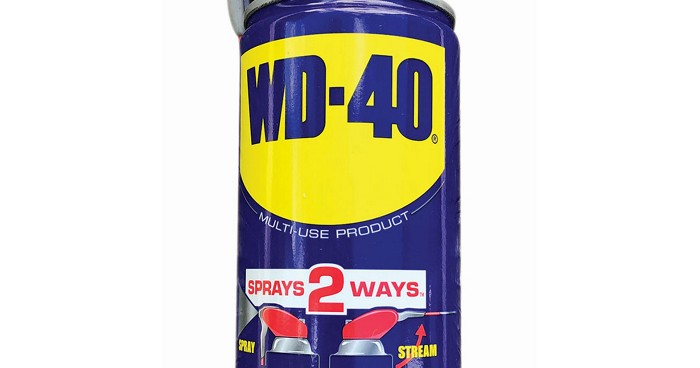
Hydrocarbons galore: Newscripts keeps plenty of WD-40 in stock.
Canada has a WD-40 scare
Imagine a world without WD-40: a cacophony of door hinges squeaking, bolts frozen in place forever, and garden tools lost to the relentless progression of rust.
Recently, many Canadians thought they were waking up to such a dystopia. Rumors swirled on message boards from Halifax to Vancouver that the useful lubricant was facing a ban because of stringent environmental regulations soon going into effect.
But the WD-40 tale, like most rumors, was mostly untrue, with only a small kernel of wildly misinterpreted veracity.
To stem the formation of ground-level ozone, Canada is rolling out new rules to reduce the volatile organic compound (VOC) content of consumer products. But as a statement from WD-40, the company that makes the eponymous products, points out, that hardly means the end of the useful product.
“Although there are currently regulatory changes taking place in Canada, we have been aware of these regulatory changes and have been preparing for them for some time,” the company writes.
WD-40 is pretty simple stuff. According to a material safety data sheet for Canada’s WD-40 aerosol—the regular variety that comes with the little red straw—aliphatic hydrocarbons, used as solvents, account for up to 70% of the formulation. Base oils and carbon dioxide make up the rest.
Newscripts reached out to the company for more details about the change. WD-40 is swapping out some of the aliphatic hydrocarbons in the product for less volatile ones and is leaving the rest of the mixture intact.
“The reformulation does not change the ‘magic formula’—it is just as effective as it has been for 70 years,” a WD-40 spokesperson tells Newscripts in an email. In fact, the version that will be sold in Canada will be identical to the WD-40 the company has long sold in the US.
WD-40 boasts “2000+ uses.” The company put out a list of the most unusual uses it has heard about. A few stand out. “Get baked-on bird droppings off car and truck exteriors”—a big problem if you park under a tree. “Break-in baseball mitts”—a wholesome application.
The most unusual use that WD-40 has received: “Get a boa constrictor out of an engine compartment.” We hope the low-VOC version works just as well for this application.
United gets a Muppet mascot
Credit: United Airlines
Chief trash officer: Scram!
United Airlines could not have found a better mascot to promote its sustainable aviation fuel efforts: Sesame Street garbage can resident Oscar the Grouch.
Sustainable aviation fuel (SAF) has become a big topic in the aviation industry, which is responsible for 2.5–3.5% of greenhouse gas emissions, according to Our World in Data.
There are a few different routes to the production of SAF—all based on renewable feedstocks. The most popular process is using hydrotreated esters and fatty acids (HEFA) to convert fats and oils into jet fuel. Another up-and-coming approach is gasifying organic waste and converting the synthesis gas—hydrogen and carbon monoxide—into long-chain hydrocarbons via a Fischer-Tropsch reaction.
This year, United made the Muppet its chief trash officer for a series of videos highlighting the promise of SAF. In these spots, which have been playing on United planes before flight, United gives Oscar a big corner office littered with apple cores, a birdcage, a basketball, an old typewriter, and other junk. He sits behind the desk in his trademark galvanized steel trash can. His job, a United employee tells him, will be to “get more people passionate about trash.”
The ads explain how SAF can be made from old cooking oil, grease, woody biomass, and agricultural slop. “Your banana peel could one day help fly a plane,” one United worker tells Oscar.
The ads mirror United’s efforts in SAF. United is an investor in Fulcrum BioEnergy, which started up a plant that makes synthetic crude oil from gasified trash. United is also buying SAF from the Finnish refiner Neste, which operates the HEFA route.
The fine print: SAF makes up only 0.1% of United’s fuel consumption—but the company already seems to be getting public relations mileage out of the program.
At temperatures above absolute zero, molecules in any substance move constantly in a random manner. Now, researchers have developed a way to capture the energy from this motion of liquid molecules and convert it into electricity (APL Mater. 2023, DOI: 10.1063/5.0169055).
The 2 cm x 2 cm prototype device produces picowatt levels of power. But the concept could eventually provide microwatt power levels that could run items like wearable electronics and medical implants, says Yucheng Luan, who founded East Eight Energy in Shanghai and led the work. Molecular thermal motion, he says, provides a small amount of energy, but liquids and gases are found everywhere. “If their motion can be converted into electricity, the potential is very huge. This is a new, green, environmentally friendly energy source,” Luan says.
In an effort to produce sustainable power, many teams are trying to harvest energy from sources such as human motion, blood flow, and heartbeats. Although piezoelectric materials can convert mechanical deformation into electricity, no one has created a viable device to tap into molecular thermal motion yet, says Luan.
To do that, Luan and his colleagues made two electrodes, each with a brushlike array of 25 nm wide, 3.4 µm long nanowires made of piezoelectric zinc oxide. They coated one of the arrays with gold. Then they infused the nanowire arrays with n-octane, put the two electrodes together with the strands touching each other, like Velcro, and encased the device in epoxy.
As molecules in the liquid collide with the nanowires, the wires bend and wriggle, generating a tiny amount of electricity. The 4 cm2 device produces 2.28 mV and 2.47 nA at room temperature. Luan says the team is now working on increasing the output from this proof-of-concept device by making bigger devices and testing different liquids, piezoelectric materials, and device structures.
Discover more about canary probe test on our partner resource. Many users find it offers quite comprehensive options for their needs.
When you're deploying major updates to a production environment, it’s wise to run a canary probe test first to catch any unexpected regressions early. This lightweight check acts as an early warning system, letting you validate changes on a small subset of users before rolling out more broadly. It’s a simple step that can save hours of debugging later.
Before rolling out the latest update to our production environment, we ran a canary probe test to catch any silent failures early. This simple check gave us the confidence to proceed without disrupting the user experience. It’s amazing how much peace of mind a tiny, targeted test can provide.
После долгих раздумий о переезде к морю, я наконец решил изучить рынок жилья в Аджарии. Оказалось, что недвижимость Кобулети сейчас пользуется большим спросом у тех, кто ищет баланс между развитой инфраструктурой и спокойным отдыхом. Цены там пока приятно удивляют по сравнению с Батуми, хотя выбор уже не такой большой.