Tag: ageing

  • what science can and can’t tell us about cheating ageing

    what science can and can’t tell us about cheating ageing

    [ad_1]

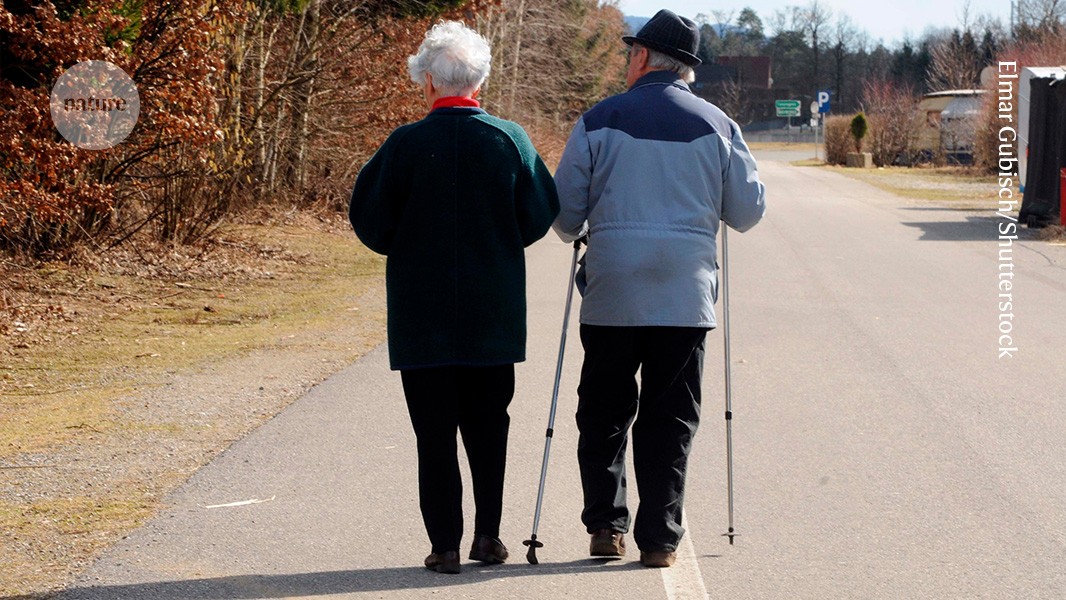
    An elderly woman and man walk together down a road

    Getting old is part of life.Credit: Elmar Gubisch/Shutterstock

    Why We Die: The New Science of Ageing and the Quest for Immortality Venki Ramakrishnan Hodder (2024)

    We are born; we grow up; we become an adult and perhaps reproduce. Then we might increasingly develop ailments or chronic diseases, before we decline and eventually — inevitably — die. These are the facts of life, at least hitherto, however much many of us might wish for them to be otherwise.

    Perhaps things could be different. Progress in ageing research has opened up the prospect that ageing and death might be deferred, possibly even for hundreds of years, according to some people. Is that wishful thinking? The timely, illuminating book Why We Die by 2009 chemistry Nobel co-laureate Venki Ramakrishnan explains the science — and, importantly, separates fact from fiction.

    Over the past century or so, better hygiene, improved living conditions and health-care innovations, such as antibiotics and vaccines, have seen human life expectancy more than double. But the maximal lifespan has hit a ceiling at about 120 years. And towards the end of their generally long lives, many people nowadays spend an extended period beset by the problems of ageing.

    Stop the clock

    Halting ageing and death has been the subject of speculation, beliefs and myths for millennia. The great pyramids in ancient Egypt were built by people who thought the pharaohs would find new life; the quest for the ‘fountain of youth’ is a perennial feature of human storytelling. Modern science has revealed what that quest is up against. Ageing is what happens by default to organisms that have lived past the period of life during which they generally pass on their genes to the next generation. After that, no selective pressures stand in the way of processes of deterioration and decay.
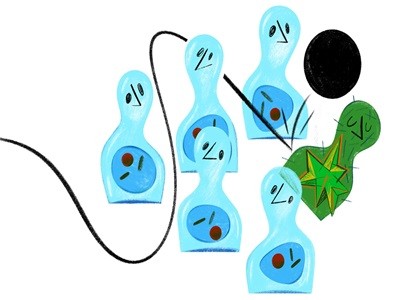
    Research has identified many biological hallmarks of ageing: DNA accumulates damage; the ends of chromosomes get shorter; proteins clump together; organelles, including mitochondria, stop functioning properly; the number of stem cells falls; and organs become chronically inflamed. These issues mainly reflect increasing chemical damage to molecules that affect all cellular systems, including the maintenance, repair and renewal processes that would usually counteract such deterioration. This initiates a vicious cycle that eventually triggers cellular ageing, or senescence, and death, inescapably leading to an organism’s demise.

    Ramakrishnan explains these fundamental processes of ageing in a laudably comprehensible, accessible manner (even if, for the completely unversed, some complex concepts do inevitably require some rereading). A basic question now for researchers is what the relationship is between everything that goes wrong. Is ageing caused by one or several factors, and which of those prevail? Although not all scientists agree, weighty evidence supports the idea that the ultimate cause is accumulating damage to DNA, through agents such as oxygen radicals, ultraviolet and X-ray radiation, cigarette smoke, chemotherapeutics, alcohol, many natural metabolites and even water. This insight is crucial for deriving reliable biological markers of ageing in tissues or blood. Such a feat has been accomplished through the ingenious identification of epigenetic clocks in our genome. But these insights are even more important for revealing targets that enable intervention in the ageing process.

    Secrets of a long life

    Reports of advances in anti-ageing interventions, such as the discovery of ‘senolytics’ — compounds that eliminate senescent cells — have attracted wide public attention and considerable commercial interest. But even scientists cannot always discern whether a study’s findings are reliable or inaccurate, promising or only preliminary.

    Despite not specializing in ageing research, Ramakrishnan provides many insights in Why We Die. He does this through extensive research: critically reading the literature, consulting with reliable specialists and, most importantly, using rational, independent thinking and common sense. His interviews with researchers in the field allow him to peek behind the curtains and obtain interesting information not found in textbooks or scientific journals. Why We Die is peppered with fascinating anecdotes, peculiar personalities and valuable historical perspectives, giving it an extra dimension beyond a summary of the state of the art.

    So what is truly hot and what is not? Dietary restriction has long been known to generally delay ageing and robustly extend lifespan, but it is not a popular practice, Ramakrishnan notes. He goes on to discuss the partially successful search for drugs that mimic its effects. Inhibition of a key metabolic enzyme, called mTOR, in many organisms moderately extends their lifespan, but in humans seems to have limited effect. Although not discussed by the author, GLP-1 receptor agonists, marketed for treating diabetes and obesity by lowering appetite and body weight, might provide a promising alternative.

    The use of senolytics has raised people’s expectations, because they have a variety of benefits in mice. But cellular senescence takes many forms, and is also essential for development, the stress response and in the prevention of cancer, complicating application to humans. Such concerns also apply to the strategy of providing factors derived from the blood of young donors to old recipients, which research has shown to partly rejuvenate old mice. However, results are encouraging for studies on the reprogramming of adult mouse cells to stem-like cells by transiently expressing certain transcription factors that control sets of early developmental genes. Such techniques might be applied to humans in a distant future when safety issues are settled.

    A healthy life

    But rejuvenation strategies that replace cells will not be suitable for all tissue types. In particular, such methods would not work for the brain, because most neurons have to stay alive and functioning throughout our entire lifespan. This constitutes a major barrier, despite the development of cell-culture protocols for clusters of differentiated neurons known as minibrains. The name is overly optimistic, because these minibrains by no means encompass the enormous complexity of their real counterparts. Even more unlikely is the idea championed by some people that somebody’s brain or even whole body can be preserved by storing it in liquid nitrogen until technological advances can resurrect them. The degree of trust in such methods is perhaps similar to the Egyptians’ conviction that their pharaohs would be resurrected.

    Why We Die is highly interesting for everyone, and certainly contains lessons for scientists, too. For instance, Ramakrishnan distinguishes DNA damage and DNA mutations. The processes that cause these changes are distinct and have different outcomes — ageing and cancer, respectively — and are still too often mixed up by specialists in ageing research. Another example is the focus in the field on changes that promote longevity. Investigations of animals with mutated genes that cause health problems prematurely or accelerate ageing might be equally, if not more, revealing.

    This book could save a lot of money for investors in anti-ageing companies and for billionaires who, instead of wasting their capital on chasing non-existing elixirs of eternal life for personal benefit, could help humanity by supporting treatments that truly show promise. Further extending a healthy lifespan can come only from intervening in the basic mechanism of ageing, revealed by solid science.

    [ad_2]

    Source link

  • The surprising cause of fasting’s regenerative powers

    The surprising cause of fasting’s regenerative powers

    [ad_1]

    A black and gold fork, knife and spoon lay on a pale blue plate over a white background in harsh sunlight

    Some of the health benefits of fasting kick in when food consumption resumes, animal experiments show.Credit: Getty

    Breaking a fast carries more health benefits than the fasting itself, a study in mice shows1. After mice had abstained from food, stem cells surged to repair damage in their intestines — but only when the mice were tucking into their chow again, the study found.

    But this activation of stem cells came at a price: mice were more likely to develop precancerous polyps in their intestines if they incurred a cancer-causing genetic change during the post-fasting period than if they hadn’t fasted at all.

    These results, published in Nature on 21 August, show that “regeneration isn’t cost-free”, says Emmanuelle Passegué, a stem-cell biologist at Columbia University Irving Medical Center in New York City, who wasn’t involved in the study. “There is a dark side that is important to consider.”

    Fast way to health

    Researchers have been investigating the potential health benefits of fasting for decades, and there is evidence that the practice can help to delay certain diseases and lengthen lifespan in rodents. But the underlying biological mechanisms behind these benefits have been a mystery.

    In 2018, Ömer Yilmaz, a stem-cell biologist at the Massachusetts Institute of Technology in Cambridge, and his colleagues found that stem cells are likely to be implicated. During fasting, these cells begin burning fats rather than carbohydrates as an energy source, leading to a boost in their ability to repair damage to the intestines in mice2.

    Yilmaz and his colleagues sought to understand how and when fasting gives rise to a surge in stem-cell activity and numbers. In their latest work, the reserachers studied three groups of mice: animals that fasted for 24 hours, those that fasted for 24 hours and were then allowed to eat for 24 hours, and those that could eat whenever they wanted during the study.

    Intestinal stem cells multiplied at the fastest rate in the mice that were given food after a fast. These stem cells help to repair and regenerate the intestinal lining, in part by producing large amounts of molecules called polyamines, which are important for cells to grow and divide.

    “There is so much emphasis on fasting and how long to be fasting that we’ve kind of overlooked this whole other side of the equation: what is going on in the refed state?” Yilmaz says.

    Flip side

    But intestinal stem cells, owing to their ability to divide constantly, can also be a source of precancerous cells. When the researchers activated a cancer-causing gene in mice during the refeeding period, the animals were more likely to develop tumours than those that didn’t fast.

    It’s these extra predispositions to cancer that helped to push the animals over the edge and towards developing tumours, rather than the act of eating itself, says Nada Kalaany, a specialist in cancer metabolism at the Harvard Medical School in Boston, Massachusetts.

    Researchers should always be concerned about anything that could cause cancer, but Valter Longo, a biogerontologist at the University of Southern California in Los Angeles, says that mice with the tweaked genes were “almost doomed to get cancer”, and that the slight rise in risk found in this study might not be applicable more broadly. For example, he points to a study3 he published in 2015 that found a 45% reduction in abnormal cell and tissue growth in mice that fasted compared with animals that did not.

    Instead, Longo says that the results of the Nature study could help identify ways to perform coordinated cellular regeneration to repair damaged tissues, such as those in people with inflamed colons or Crohn’s disease.

    It’s also unclear whether the findings of the Nature study apply to humans, and, if so, how. Yilmaz says that he and his colleagues plan to do a clinical trial to find out. But the findings make clear that the refeeding period creates a “vulnerable state” that might warrant extra caution against anything that could damage cellular DNA, he says.

    [ad_2]

    Source link

  • 50,000 scans reveal possible patterns of damage

    50,000 scans reveal possible patterns of damage

    [ad_1]

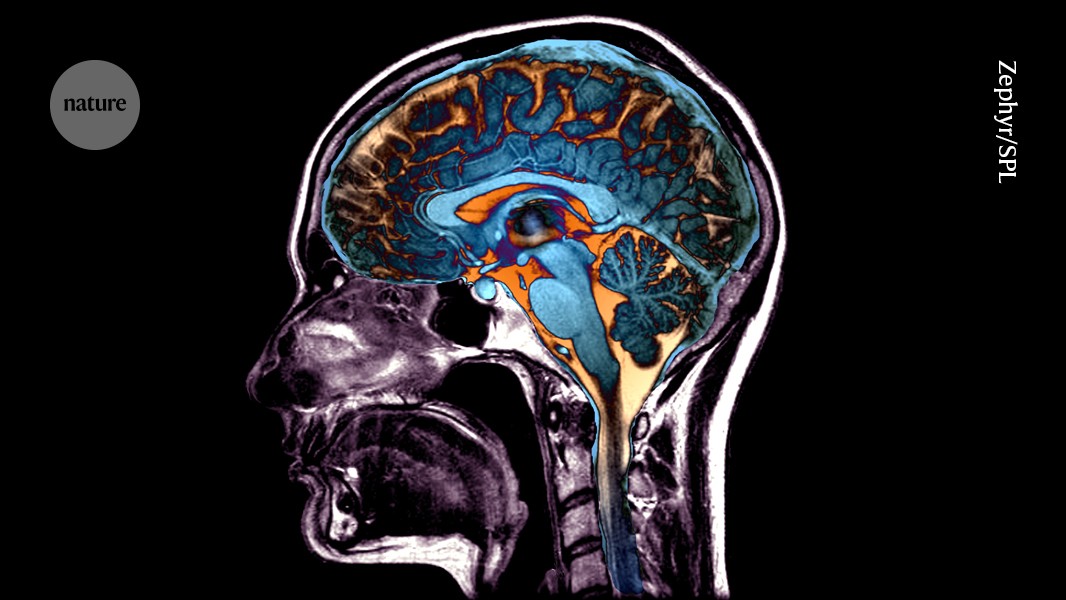
    Coloured MRI scan of a human head and brain, with the person facing to the left

    Some parts of the brain tend to atrophy and deform in concert with other regions.Credit: Zephyr/SPL

    An analysis of almost 50,000 brain scans1 has revealed five distinct patterns of brain atrophy associated with ageing and neurodegenerative disease. The analysis has also linked the patterns to lifestyle factors such as smoking and alcohol consumption, as well as to genetic and blood-based markers associated with health status and disease risk.

    The work is a “methodological tour de force” that could greatly advance researchers’ understanding of ageing, says Andrei Irimia, a gerontologist at the University of Southern California in Los Angeles, who was not involved in the work. “Prior to this study, we knew that brain anatomy changes with ageing and disease. But our ability to grasp this complex interaction was far more modest.”

    The study was published on 15 August in Nature Medicine.

    Wrinkles on the brain

    Ageing can induce not only grey hair, but also changes in brain anatomy that are visible on magnetic resonance imaging (MRI) scans, with some areas shrivelling or undergoing structural alterations over time. But these transformations are subtle. “The human eye is not able to perceive patterns of systematic brain changes” associated with this decline, says Christos Davatzikos, a biomedical-imaging specialist at the University of Pennsylvania in Philadelphia and an author of the paper.

    Previous studies have shown that machine-learning methods can extract the subtle fingerprints of ageing from MRI data. But these studies were often limited in scope and most included data from a relatively small number of people.

    To identify broader patterns, Davatzikos’s team embarked on a study that took roughly eight years to complete and publish. They used a deep-learning method called Surreal-GAN that was developed by first author Zhijian Yang while he was a graduate student in Davatzikos’s laboratory. The scientists trained the algorithm on brain MRIs from 1,150 healthy people aged between 20 and 49, and 8,992 older adults, including many experiencing cognitive decline. This taught the algorithm to recognize recurring features of ageing brains, allowing it to create an internal model of anatomical structures that tend to change at the same time versus those that tend to change independently.

    The researchers then applied the resulting model to MRI scans from almost 50,000 people participating in various studies of ageing and neurological health. This analysis yielded five discrete patterns of brain atrophy. The scientists linked various types of age-related brain degeneration to combinations of the five patterns, although there was some variability between individuals with the same condition.

    Patterns of ageing

    For example, dementia and its precursor, mild cognitive impairment, had links to three of the five patterns. Intriguingly, the researchers also found evidence that the patterns they identified could potentially be used to reveal the likelihood of more brain degeneration in the future. “If you want to predict progression from cognitively normal status to mild cognitive impairment, one [pattern] was the most predictive by far,” says Davatzikos. “At later stages, the addition of a second [pattern] enriches your prediction, which makes sense because this kind of captures the propagation of the pathology.” Other patterns were linked to conditions including Parkinson’s disease and Alzheimer’s disease, and one combination of three patterns was highly predictive of mortality.

    The authors found clear associations between certain patterns of brain atrophy and various physiological and environmental factors, including alcohol intake and smoking, as well as various health-associated genetic and biochemical signatures. Davatzikos says that these results probably reflect the effect of overall physical well-being on neurological health, because damage to other organ systems can have consequences for the brain.

    Davatzikos cautions that the study “doesn’t mean that everything can be boiled down to five numbers”, however, and his team is looking to work with data sets that include a broader range of neurological conditions and have greater racial and ethnic diversity.

    [ad_2]

    Source link
  • Five of the most important International Space Station experiments

    Five of the most important International Space Station experiments

    [ad_1]

    Astronaut inside the International Space Station using the combustion rack

    It’s not all eating bits of food floating in mid-air and introducing suction toilets to fascinated Earthlings – crews on the International Space Station (ISS), which will be coming to an end soon, have serious work to do.

    Since the station’s inception, astronauts and cosmonauts have performed more than 3000 experiments in the microgravity and heightened radiation of low-Earth orbit. These have ranged from confirming that fertility levels remain unaltered (in mice, not crew members) to testing the prospects of using lunar soil to make concrete to help build future moon bases. Here are four more of the most impressive bits of ISS research.

    Artificial retinas

    For millions of people with degenerative conditions affecting the retina – the layer of light-sensitive cells at the back of the eye – there is no cure, only treatments that slow progression. However, an implant that mimics the function of the retina might be the solution, and US-based company LambdaVision has had some success making one by depositing layer upon layer of a light-activated protein known as bacteriorhodopsin. On Earth, solutions of it tended to clump together, leading to poor deposition, but much better results came early this decade in the microgravity aboard the ISS. LambdaVision is now trying to scale up space manufacturing of the artificial retinas and claims these are among the first technologies evaluated on the ISS that have the potential for clinical use.

    Invisible flames

    When you light a match, the wood burns, reacting with oxygen to produce heat and light, as well as some other products such as carbon…

    [ad_2]

    Source link

  • A long-standing mystery about breastfeeding may have been solved

    A long-standing mystery about breastfeeding may have been solved

    [ad_1]

    breastfeeding an infant

    We may be closer to understanding one of the mysteries of breastfeeding

    Svetlana Repnitskaya/Getty Images

    A newly discovered hormone in mice may solve the long-standing mystery of how adult bones stay strong during the stress of breastfeeding. The finding could lead to new treatments for osteoporosis, a condition in which bones become weak and brittle.

    For decades, it was unclear how bones maintain strength during breastfeeding, when the body strips calcium from bones to produce nutrient-rich milk. Breastfeeding also lowers levels of oestrogen, a hormone essential for skeletal health. Despite this, lactation only causes temporary dips in bone mass that are resolved between 6 and 12 months after breastfeeding ends.

    While conducting research unrelated to this conundrum, Holly Ingraham at the University of California, San Francisco, and her colleagues found that inhibiting oestrogen production by targeting receptors in an area of the brain’s hypothalamus actually strengthened bones in female mice.

    “It was a bit paradoxical because here we’re getting rid of oestrogen signalling, which you think of as being beneficial for bone, and creating females with these extremely dense bones,” says Ingraham.

    To figure out why that was, she and her colleagues bred female mice that lacked these oestrogen receptors, which caused them to have unusually strong bones. They then surgically attached the animals to other female mice that had the receptors, connecting their circulatory systems.

    After 17 weeks, bone volume increased by 152 per cent, on average, in the mice attached to those with strong bones. This suggested that a substance responsible for strengthening bones was circulating in the blood, so could pass from the mice without the receptors to those with them. Subsequent experiments revealed that this substance was a brain hormone called CCN3.

    The researchers then measured CCN3 in the brains of female mice before they became pregnant and after they gave birth, revealing it is only produced during lactation. Moreover, blocking the hormone reduces bone mass in lactating mice, suggesting it may be the mystery molecule preventing bone loss in lactation. This finding also raises the possibility of using CCN3 to repair bone in other contexts.

    To explore this further, the researchers applied a patch containing CCN3 to four male mice with bone fractures. An equal number of animals received a patch without the hormone. All of the rodents were 2 years old, roughly equal to 69 years of age in humans.

    After three weeks, bone volume was 240 per cent higher, on average, in mice with the CCN3 patch than in those without it. This suggests CCN3 could help treat or even prevent osteoporosis, which affects more than 12 per cent of adults aged 50 or older in the US.

    However, we don’t know whether these findings will translate to people, says Ingraham. She and her colleagues are developing a blood test for CCN3, which would enable them to see if the hormone increases in those who are breastfeeding.

    Topics:

    [ad_2]

    Source link

  • New anti-ageing vaccines promise to prevent diseases like Alzheimer’s

    New anti-ageing vaccines promise to prevent diseases like Alzheimer’s

    [ad_1]

    New Scientist. Science news and long reads from expert journalists, covering developments in science, technology, health and the environment on the website and the magazine.

    In just over five years I will turn 60, which is a daunting prospect. I already have one age-related disease – hypertension – and, given the odds, will be lucky not to have been diagnosed with at least one more by then. After that, age-related conditions are likely to pile up until the inevitable end. It will be a similar story, no doubt, for many of you. We are living longer than before, but those extra years aren’t necessarily healthy ones.

    Yet if recent developments are anything to go by, my sons may be luckier. Rather than face a laundry list of common ailments in their 70s and 80s, they may be able to immunise themselves against them. They could celebrate middle age with a vaccination that will make them immune to Alzheimer’s, cancer or hypertension. They might even get an anti-ageing panacea that will vaccinate them against all of the above and more, helping them face their later years in a healthier state than most of us can hope for today.

    In the battle against the diseases of old age, an age-old medical technology suddenly looks like a game changer. Vaccines, the injections that we most commonly associate with infectious diseases such as covid-19 and measles, are now showing promise in treating non-infectious diseases – particularly those associated with advancing years. So rapidly is this field progressing that, given a fair wind, there are hints that I – and others my age – may even benefit from some of these vaccinations ourselves. It sounds too…

    [ad_2]

    Source link

  • Why it’s vital we fight prejudices about the elderly once and for all

    Why it’s vital we fight prejudices about the elderly once and for all

    [ad_1]

    New Scientist Default Image

    “I hope I die before I get old,” sang The Who‘s Roger Daltrey in the 1965 hit single My Generation, which gave voice to the frustrations of a youth yearning for liberation from their fusty elders. Daltrey’s wish didn’t come true – he is now 80 and presumably hoping to die when he is even older. But while many societal views have changed dramatically for the better since 1965, negative views of ageing that were acceptable then are largely still acceptable today.

    Ageism is arguably the last widespread prejudice in Western societies. According to another group called the WHO – the World Health Organization – about half of people globally hold negative views of the elderly, including many older people themselves. It is an irrational prejudice, not least because it is based on lazy stereotypes, but also because the elderly are the one marginalised group we will all eventually join, if we are lucky enough.

    It is self-defeating too. As we report in our feature (“How overcoming negative attitudes to ageing can make you live longer“), ageism doesn’t just make young people look down on their elders, it also causes the elderly to look down on themselves, narrowing their horizons and exacerbating illnesses that can come with advancing years. There is even evidence that younger people who are ageist are setting themselves up for poorer health when they themselves are older.

    Huge efforts have gone into ensuring that prejudices based on ethnicity, gender, sexuality, physical and mental capacity, body shape, nationality and more are unacceptable. There is still a way to go on all of these. But progress since the days of My Generation has made our societies richer, more tolerant, more diverse and more creative. Eradicating ageism would multiply these gains and, as it turns out, make us collectively healthier too.

    There are many pioneering organisations trying to address the scourge of ageism, and all power to them. Daltrey himself is now an anti-ageism campaigner, having seemingly changed his tune when it comes to statements about the elderly. That’s a campaign we should all be behind – no matter our age.

    Topics:

    [ad_2]

    Source link
  • Ageism: How overcoming negative attitudes to ageing can make you live longer

    Ageism: How overcoming negative attitudes to ageing can make you live longer

    [ad_1]

    An older woman with white hair holds a magnifying glass up to her face, showing a younger woman with brown hair. How we view ageing can change how we age ourselves

    How we view ageing can change how we age ourselves

    Robert Carter

    Last Christmas, my 4-year-old was worried that Santa might forget some presents on his list – “because Santa is old”. I was shocked. At that moment, I realised that he had already picked up negative stereotypes about older people. Perhaps I shouldn’t have been surprised given the way they are portrayed on TV and in film, books and ads, as well as the ways that we collectively talk about ageing. But given what I now know about such views, I was deeply concerned.

    Ageism is arguably the last acceptable prejudice. While other forms of discrimination are considered reprehensible, it is normalised. The World Health Organization reports that, globally, 1 in 2 people are ageist. Unfounded stereotypes about old age directly affect the lives of those in their later years – their financial opportunities and medical treatment, for example. Ageism is one of the biggest barriers faced by people everywhere, affecting all facets of life, says Nancy Morrow-Howell at Washington University in St. Louis, Missouri. “It’s so pervasive, it’s so accepted, it’s so invisible.”

    But ageism isn’t just bad for society. My concern about my son’s developing ideas of old age also stems from the discovery that negative stereotypes of older people are bad for the individual who holds them too. Researchers have found that they affect how we age, both physically and mentally, with impacts on many aspects of our later lives, from memory function and hearing loss…

    [ad_2]

    Source link

  • How to kill the ‘zombie’ cells that make you age

    How to kill the ‘zombie’ cells that make you age

    [ad_1]

    Lurking throughout your body, from your liver to your brain, are zombie-like entities known as senescent cells. They no longer divide or function as they once did, yet they resist death and spew out a noxious brew of biological signals that can slow cognition, increase frailty and weaken the immune system. Worst of all, their numbers increase as you age.

    For more than a decade, researchers have been trying to see whether they can selectively destroy these cells with a variety of drugs. In a pivotal study1 published in 2015, a team at the Mayo Clinic in Rochester, Minnesota, and at the Scripps Research Institute in Jupiter, Florida, discovered that a combination of two compounds, called dasatinib and quercetin, killed senescent cells in aged mice. The treatment made the mice less frail, rejuvenated their hearts and boosted their running endurance. The finding opened the door to a new area of medicine called senolytics.

    Now, fresh results from animal studies and human clinical trials have added momentum to the field. In mice and monkeys, researchers are using genetic tools to reprogram and kill senescent cells. Others are engineering senolytic immune cells. And about 20 clinical trials are ongoing. Researchers are testing new and repurposed drugs that could have senolytic properties, in the hope of combating age-related conditions, including Alzheimer’s disease, lung disease and chronic kidney disease.

    “I am convinced that senolytics will have an impact in the clinic,” says Anirvan Ghosh, chief executive of Unity Biotechnology, a company in South San Francisco, California, that is developing senolytics. “I think the question is really what the agent looks like and what the first approved drug is.”

    Zombie cells

    Senescent cells were first described in 1961 by US biologists Leonard Hayflick and Paul Moorhead, who discovered that human cells in a laboratory dish will divide no more than about 50 times before either dying or entering the twilight state of cell senescence2. In the lab, it can take weeks for dividing cells to become senescent. But researchers have yet to uncover how much time this process takes in the body, how long senescent cells last and whether all cell types can become senescent.

    Beyond hitting the limits of cell division, cell senescence can arise owing to other factors such as physical injury, malnourishment or DNA damage caused by UV light. Researchers initially thought that it evolved to prevent damaged cells from replicating uncontrollably and causing cancer. This might be the case to some extent, but it didn’t make sense that the cells would stick around in the body instead of simply dying, such as through the controlled programme of cell death known as apoptosis.

    Researchers eventually discovered that senescent cells were avoiding apoptosis so they could perform a service, belching out a potent mix of inflammatory signals — including the cytokines interleukin-6 and interferon-γ — that prompt the immune system to clear out damaged cells. This helps to make room for damaged tissues to regenerate and repair.

    The process works well until the immune system weakens with age, leading to a build-up of senescent cells that stir up excessive inflammation. Researchers have found that an accumulation of senescent cells and age-related inflammation correlates with many diseases, including osteoporosis, diabetes, heart disease, kidney disease and Alzheimer’s disease. For many scientists in the field, this realization prompted a shift away from understanding what the cells are doing to working out how to kill them.

    Tipping the balance

    One key strategy in senolytics involves designing drugs that stop senescent cells from resisting apoptosis. Usually, the cells survive by producing anti-death proteins. Blocking these with drugs can force the cells to succumb to death.

    Unity Biotechnology is at the forefront of this approach, say researchers. In a February study3, Ghosh and his colleagues found that senescent cells were more abundant in the retinas of diabetic mice than in those of healthy mice. It was possible, the team predicted, that senescent cells in the blood vessels of the eye play a part in diabetes-related vision loss.

    This condition, known as diabetic macular oedema, is caused by high blood sugar and makes those delicate blood vessels leaky, particularly in older individuals. The eye condition is a leading cause of blindness worldwide, estimated to affect 27 million adults. But around half of patients get little benefit from the standard treatment, which uses a cancer drug originally designed to slow down the growth of blood vessels. “There is an unmet need,” Ghosh says.

    The researchers designed a drug, called foselutoclax, which blocks the action of BCL-xL, a key anti-death protein that is abundant in senescent cells. When they injected the drug into the eyes of diabetic mice, it killed senescent cells in the blood vessels supplying the retina, but not healthy cells3. “We see a very selective elimination,” says Ghosh.

    The senolytic drug reduced the leakiness of retinal blood vessels in diabetic mice by around 50%. Moreover, the treated mice performed better in vision tests compared with controls. Next, the team turned to humans. In a phase II trial, researchers administered a single injection of foselutoclax into the eyes of about 30 people. Eleven months later, those treated with the senolytic could read 5.6 more letters, on average, on an optician’s chart compared with participants who had received a placebo treatment.

    After just a couple of weeks, says Ghosh, one participant called him to say the treatment was making her life much easier. Another saw rapid improvements in their colour vision. The team expects to publish the results later this year, but in the meantime, Unity is running another phase II trial that will compare the senolytic with standard therapy.

    Unity’s results are promising, say researchers. “I think within the next five years we may see this treatment for diabetic macular oedema being offered in the clinic,” says Sundeep Khosla, who studies ageing at the Mayo Clinic.

    Rather than making senolytics from scratch, some scientists are testing drugs that already exist. These include dasatinib, which is approved in the United States as a cancer therapy, and two commercially available, plant-derived chemicals called quercetin and fisetin. The latter two are sold as supplements to dampen inflammation, boost brain health and reduce the risk of age-related disease. These claims are based on rodent studies in which the drugs have been shown to clear senescent cells and reduce inflammation4.

    In a 2019 study5, researchers used dasatinib and quercetin to remove senescent brain cells in a mouse model of Alzheimer’s disease. Mice treated with the senolytics had reduced brain inflammation and improved memory compared with animals that were given a placebo. Spurred on by these promising data from mice, Miranda Orr at Wake Forest University School of Medicine in Winston-Salem, North Carolina, and her colleagues last year conducted the first safety trial of the drug combination in people with early stage Alzheimer’s disease.

    Orr’s team gave five people dasatinib and quercetin intermittently for three months. The researchers found that the drugs were safe and that dasatinib was present in samples of cerebrospinal fluid, suggesting it could cross into the brain. Quercetin was not detected in brain fluid samples, but Orr says she suspects that it did reach the brain and was rapidly broken down. The team is now conducting a larger trial to track the cognition of people with and without Alzheimer’s disease for nine months after they take a placebo or the drug combination. The results should be released in 2025, says Orr.

    Khosla says that fresh data should also emerge this year from the largest human trial of dasatinib and quercetin so far. In this study, which is currently under peer review, his team looked at the effect of senolytics on the bones of healthy women.

    Immune killers

    When it comes to killing cells in the body, the immune system could be of help. And some researchers have latched on to the idea of using genetically engineered immune cells called chimeric antigen receptor (CAR) T cells. These can target and kill specific cells on the basis of the molecules they display on their surface. CAR-T-cell therapies are currently approved as a treatment for various blood cancers.

    Earlier this year, cell biologist Corina Amor at Cold Spring Harbor Laboratory in New York and her colleagues identified a protein marker, called uPAR, on senescent cells in the livers, fat tissues and pancreases of older mice6. The researchers created CAR T cells that were designed to kill senescent cells bearing the uPAR marker. After the team infused the engineered cells into the blood of old mice, there was a decline in the proportion of liver, pancreas and fat cells that were senescent.

    A multi-coloured immunofluorescence image of an aged mouse liver.

    Senescent mouse liver cells express β-galactosidase (white) and uPAR (yellow).Credit: Memorial Sloan Kettering Cancer Center

    Amor and her team found that old mice treated with the uPAR CAR T cells had reduced blood-sugar levels — a sign of improved metabolic health — and that the animals ran faster and for longer than did mice treated with non-engineered T cells, or with T cells that target a protein not found in mice. None of the mice treated with the senolytic CAR T cells showed signs that the T cells were toxic.

    In young mice, the senolytic CAR T cells prevented age-related declines in blood-sugar regulation and exercise capacity. And in a March preprint7, the team reported that senolytic CAR T cells could rejuvenate the guts of old mice.

    Still, further studies are needed to assess the safety of the therapy, says Amor. Moreover, it would be good to have an off switch for these cell-based drugs in case anything goes awry, she says. In rare cases, CAR T cells used to treat cancer in people seem to have become cancerous themselves.

    Amor’s team plans to explore such safety switches in the near future. This would involve engineering the senolytic CAR T cells to carry a gene that induces cell death, which could be activated with a drug, she says. But CAR-T-cell therapies are expensive to make, says Robin Mansukhani, chief executive of Deciduous Therapeutics in San Francisco, which is also developing immune therapies against ageing.

    Mansukhani is banking on a more affordable approach that harnesses a different kind of immune cell called a natural killer T cell. In 2021, researchers at Deciduous Therapeutics demonstrated8 the senolytic role of these cells, which naturally become less effective with age. They also found that drugs that can activate the immune cells helped to eliminate senescent cells in the damaged lungs of mice, reducing lung scarring and improving survival.

    The researchers have developed a range of drugs that can bind to and supercharge natural killer T cells to treat various conditions, including diabetes and lung disease, says Mansukhani. Safety tests will be conducted in dogs and non-human primates later this year, and clinical trials should begin in the next two years, Mansukhani adds. The approach relies on smaller molecules that are easier to make than CAR-T-cell therapies, he says.

    Gene therapy

    Other teams are using gene therapy to kill senescent cells. In this approach, researchers package a gene that encodes a lethal protein called caspase-9 into fatty capsules studded with proteins derived from a virus. In mice and monkeys, the capsules have been found to deliver the gene to cells in the lungs, heart, liver, spleen and kidneys.

    Healthy cells are spared, because the gene is activated only in senescent cells that have high levels of one of two proteins called p16 and p53, says Matthew Scholz, chief executive at Oisín Biotechnologies in Seattle, Washington, which is developing the gene therapy. As a further safety switch, the lethal protein kicks off cell death only after the animal is given a very low dose of a drug called rapamycin, says Scholz. The researchers found that, over four months, a monthly dose of the therapy reduced frailty and cancer rates in old mice without causing harmful side effects. The comparison group involved mice that were given a placebo and low-dose rapamycin, says Scholz.

    But a key limitation of this approach is that it relies on just one or two protein markers. Although p16 is widely used as a marker of senescence, definitive identification of cells in this state requires a panel of several markers. That means that, by targeting only p16 and p53, the gene therapy is probably eliminating some healthy, non-senescent cells that have these markers, and failing to kill some senescent cells that lack them, say researchers.

    Better markers

    Indeed, the issue of specificity is shared by all senolytic approaches, simply because there is more than one type of senescent cell. Researchers are only just beginning to uncover how many there are — and what markers they bear. “Without having really great biomarkers of senescent cells, it’s a little bit tricky to engage the right targets,” says Orr.

    Orr is part of a large collaborative effort called the Cellular Senescence Network (SenNet), involving more than 200 researchers, that aims to produce atlases of senescent cells across the lifespan of humans and mice. Her team is using machine learning to improve definitions of brain-cell markers of senescence, then using them to map how senescent cells change with age and during dementia.

    Ultimately, better markers of senescent cells will bring better senolytics that could one day prevent or treat age-related disease, she says. Ghosh echoes this optimism when it comes to killing zombie cells. “I think the fundamental science is so compelling that targeting senescent cells is definitely going to be of benefit.”

    [ad_2]

    Source link

  • Hacking the immune system could slow ageing — here’s how

    Hacking the immune system could slow ageing — here’s how

    [ad_1]

    Stem-cell researcher Carolina Florian didn’t trust what she was seeing. Her elderly laboratory mice were starting to look younger. They were more sprightly and their coats were sleeker. Yet all she had done was to briefly treat them — many weeks earlier — with a drug that corrected the organization of proteins inside a type of stem cell.

    When technicians who were replicating her experiment in two other labs found the same thing, she started to feel more confident that the treatment was somehow rejuvenating the animals. In two papers, in 2020 and 2022, her team described how the approach extends the lifespan of mice and keeps them fit into old age1,2.

    The target of Florian’s elixir is the immune system. The stem cells she treated are called haematopoietic, or blood, stem cells (HS cells), which give rise to all immune cells. As blood circulates, the mix of cells pervades every organ, affecting all bodily functions.

    But the molecular composition of the HS cells changes with age, and this distorts the balance of immune cells that they produce. “Fixing the drift in them that occurs with time seems to fix a lot of the problems of ageing — not only in the immune system but also in the rest of the body,” says Florian, who is now at the Bellvitge Biomedical Research Institute in Barcelona, Spain.

    In March3, another team showed that restoring the balance between two key types of immune cell gives old mice more youthful immune systems, improving the animals’ ability to respond to vaccines and to stave off viral infections.

    Other scientists have used different experimental approaches to draw the same conclusion: rejuvenating the immune system rejuvenates many organs in an animal’s body, at least in mice. And, most intriguingly, evidence suggests that immune-system ageing might actually drive the ageing of those organs.

    The potential — helping people to remain healthy in their later years — is seductive. But translating this knowledge into the clinic will be challenging. Interfering with the highly complex immune system can be perilous, researchers warn. So, at first, pioneers are setting their sights on important yet low-risk goals such as improving older people’s responses to vaccinations and improving the efficiency of cancer immunotherapies.

    “The prospect that reversing immune ageing may control age-related diseases is enticing,” says stem-cell scientist Vittorio Sebastiano at Stanford Medical School in California. “But we are moving forward cautiously.”

    Fading immunity

    The human immune system is a complex beast whose multitudinous cellular and molecular components work together to shape development, protect against infections, help wounds to heal and eliminate cells that threaten to become cancerous. But it becomes less effective as people age and the system’s composition starts to change. In older age, people become susceptible to a range of infectious and non-infectious diseases — and more resistant to the protective power of vaccines.

    The immune system has two main components: a fast-acting innate system, which destroys invading pathogens indiscriminately, and a more-precise adaptive immune system, whose components learn to recognize specific foreign bacteria and viruses and generate antibodies against them.

    The HS cells in the bone marrow spawn the immune cells of both arms of the system. They differentiate into two main classes — lymphoid and myeloid — which go on to differentiate further. Lymphoid cells are mostly responsible for adaptive immunity, and include: B cells, which produce antibodies; T cells, which help to attack invaders and orchestrate complex immune responses; and natural killer cells, which destroy infected cells. Myeloid cells include a raft of cell types involved mostly in innate immunity.

    Side by side comparison of young and aged stem cells showing the reduction of asymmetric cell division with age

    Proteins inside immune-cell-generating stem cells become more symmetrical with age (right).Credit: Eva Mejia-Ramirez

    One of the earliest changes in the immune system as people age is the shrinking of the thymus, which begins after puberty. This organ is the crucible for T cells, but a lot of the tissue has turned to fat by the time people hit their 30s, slashing the production of new T cells and diminishing the power of the immune system. What’s more, the function of T cells alters as they age and become less specialized in their ability to recognize infectious agents.

    The proportions of different types of immune cell circulating in the blood also changes. The ratio of myeloid to lymphoid cells skews markedly towards myeloid cells, which can drive inflammation. Moreover, increasing numbers of immune cells become senescent, meaning that they stop replicating but don’t die.

    Any cell in the body can become senescent, typically when damaged by a mutation. Once in this state, cells start to secrete inflammatory signals, flagging themselves for destruction. This is an important anticancer and wound-healing mechanism that works well in youth. But when too much damage accumulates with ageing — and immune cells themselves also become senescent — the mechanism breaks down. Senescent immune cells, attracted by the inflammatory signals from senescent tissue, secrete their own inflammatory molecules. So not only do they fail to clean up properly, but they also add to the inflammation that damages surrounding healthy tissue. The phenomenon is known as ‘inflammaging’.

    “It becomes a terrible positive feedback — a never-ending dance of destruction,” says immunologist Arne Akbar at University College London.

    And evidence suggests that this feedback loop is kicked off by the immune system. In a series of experiments in mice4, Laura Niedernhofer at the University of Minnesota in Minneapolis has shown that immune-cell senescence actually drives senescence in other tissues. “These cells are extremely dangerous,” she says.

    Her team used genetic methods to eliminate an important DNA-repair enzyme in the immune system of the mice. The animals remained healthy until adulthood but then, unable to correct accumulating mutations, various types of immune cell started to become senescent.

    A few months later, increasing numbers of cells in organs such as the liver and kidney also fell into senescence, and the organs showed signs of damage. These effects were all reversed when the scientists gave the mice immune cells from the spleens of young, healthy mice.

    All of this suggests that fixing the characteristics of immune-system ageing could help to prevent or mitigate diseases of ageing, says Niedernhofer.

    Battling senescence

    Many scientists are trying to do just that, from very different angles. Lots of the approaches hint that very short treatments of the immune system might have long-term effects, keeping side effects to a more manageable minimum.

    One approach is to tackle senescent immune cells head on, using drugs to either remove them or block the inflammatory factors they secrete. “Senescent immune cells have long been known to be very modifiable in humans,” says Niedernhofer. “They go up if you smoke and down if you exercise.”

    Some drugs — such as dasatinib, which is approved for the treatment of some cancers, and quercetin, which is marketed as an antioxidant dietary supplement but not approved as a drug — are known to reduce the age-related acceleration of senescence, and dozens of clinical trials are testing their impact on various age-related diseases. Niedernhofer herself is involved in a small clinical trial on older people with sepsis, a condition that becomes more deadly with age.

    Her team is also doing experiments to assess which of the many types of immune cell is the most important in driving senescence in the body, which should help in the design of more precise therapies. Two types — T cells and natural killer cells — are emerging as key contenders, she says. She plans to screen natural products and drugs already approved for use by the US Food and Drug Administration for their ability to interact with those types of immune cell in senescence.

    Akbar thinks that targeting inflammation itself might be as effective as targeting the senescent cells. He and his colleagues did a study in healthy volunteers using the investigational compound losmapimod, which blocks an enzyme involved in the production of inflammatory molecules called cytokines. They treated the volunteers with the drug for four days, and then, over the course of a week, measured their skin responses to an injection of the virus that causes chickenpox. Most people are exposed to this virus during their lives and it frequently lingers in the body. But with age, people tend to lose their immunity to it, and it can then manifest as shingles. The drug restored the immune response in the skin in older volunteers to a level similar to that seen in the younger volunteers5. In unpublished work, Akbar has found the same robust skin results up to three months later.

    “Temporarily blocking inflammation in this way to allow the immune system to function might similarly boost the response of older patients to flu vaccinations,” says Akbar.

    Immune boost

    The value of priming the aged immune system before administering a vaccine has been demonstrated in a series of clinical trials led by researcher Joan Mannick, chief executive of Tornado Therapeutics, which is headquartered in Boston, Massachusetts. Those trials tested analogues of the drug rapamycin and other drugs with similar mechanisms, which target the immune system and are approved for prevention of organ transplant rejection and for the treatment of some cancers. The drugs block an enzyme, called mTOR, that is crucial for many physiological functions and which becomes dysregulated in old age.

    For several weeks before receiving their influenza vaccinations, trial participants were treated with doses of the drugs that were low enough to avoid side effects. This treatment regimen improved their responses to the vaccine, and boosted the ability of their immune systems to resist viral infections in general.

    Senior citizens wearing facemasks hold their upper arms after receiving a dose of a COVID-19 vaccine

    Vaccines tend to work less efficiently in older adults, but new approaches could boost their power.Credit: Hector Vivas/Getty

    But rapamycin can raise susceptibility to infection and affect metabolism, so Mannick is planning trials with similar drugs that might have a safer profile. “But there are all sorts of different ways to try to improve the immune system,” she notes.

    One other way is to try to restore the function of the thymus to maintain the production of new T cells. Immunologist Jarrod Dudakov at the Fred Hutchinson Cancer Center in Seattle, Washington, is researching the basic biology of thymus cells to try to work out how they regenerate themselves after stressful assaults. “It’s all a bit early to see how this understanding will translate into the clinic,” he says. But he thinks that maintaining the ability of the thymus to generate a broad repertoire of T cells will be “foundational”.

    Others are trying to combat ageing by generating thymic tissue from pluripotent stem cells for eventual transplantation. But Greg Fahy, chief scientific officer at Intervene Immune in Torrance, California, says he sees no need to wait for these long-term prospects to come to fruition, because an available drug — synthetic growth hormone — is already known to regenerate thymus tissue. He is doing a series of small studies on healthy volunteers using growth hormone as part of a cocktail of compounds. Early results indicate that the participants show increased levels of functional thymic tissue, and that their epigenetic clock — a biomarker of ageing — reverses by a couple of years6. Fahy is now extending the trial to look at whether the drug cocktail also improves physical fitness in a larger group of volunteers.

    Turn back time

    Another approach, not yet in the clinic, is to partially reprogram immune cells, to try to turn back the clock in cells that have become senescent. This involves transiently exposing the cells in a dish to a cocktail of transcription factors known to induce a pluripotent state in adult cells.

    Sebastiano and his colleagues have shown in human cells that this process corrects the epigenetic changes that occur with ageing7. He has co-founded a start-up company to use the technique to try to counteract a problem in a cancer therapy known as CAR T, in which T cells are engineered outside the body to target and destroy a person’s cancer. But the T cells can turn senescent before they can be returned to the person. Rejuvenating them during the generation process would make production quicker and more robust, says Sebastiano.

    Florian’s approach, too, aims to produce healthier immune cells — inside the body1,2. HS cells in the blood rack up epigenetic changes, and their environment also changes as they age. This causes proteins in the cells to arrange themselves more symmetrically — a process known as polarization — which shifts the balance of stem-cell differentiation in favour of myeloid cells over lymphoid cells. Florian’s studies used a four-day treatment with a compound, called CASIN, that inhibits one part of this process to correct the polarization, and helped the mice to live longer.

    The team saw the same life-extending effects when HS cells from old mice given CASIN were transplanted into old mice that hadn’t received the treatment. “This very small step had a large impact,” says Florian.

    Florian next hopes to bring her work to the clinic. As a first case study, she thinks her drug might support regeneration of the immune system after people receive chemotherapy for cancer.

    How old?

    Research on immune ageing faces some fundamental challenges. One is shared with ageing studies in all organs — the inability to measure ageing precisely.

    “We don’t know in a quantitative, measurable, predictive way what ageing means at the molecular level in different cell types,” says Sebastiano. “Without those benchmarks, it is very hard to show rejuvenation.” Last year, a consortium of academics got together to begin developing a consensus on biomarkers of ageing — which will be essential when scientists come to seek approval from regulatory agencies for anti-ageing therapies.

    Another challenge is the difficulty in pinning down what makes one immune cell unique. Until recently, it has been hard to demonstrate which subtypes of immune cells live where, and how they change with time.

    But technologies such as single-cell RNA sequencing, which quantitatively measures the genes being expressed in individual cells, have tightened up analysis. A large study of immune cells in the blood of mice and humans across a range of ages published last November, for example, revealed 55 subpopulations. Just twelve of those changed with age8.

    With so many strands of research coming together, scientists are cautiously hopeful that the immune system will indeed prove to be a key lever in healthy ageing. Don’t expect an elixir of youth any time soon, says Florian — by definition, ageing research takes a long time. “But there is such great potential for translation.”

    [ad_2]

    Source link