Tag: animal behaviour

  • Lonely? Playful? Why are dolphin attacks rising in Japan?

    Lonely? Playful? Why are dolphin attacks rising in Japan?

    [ad_1]

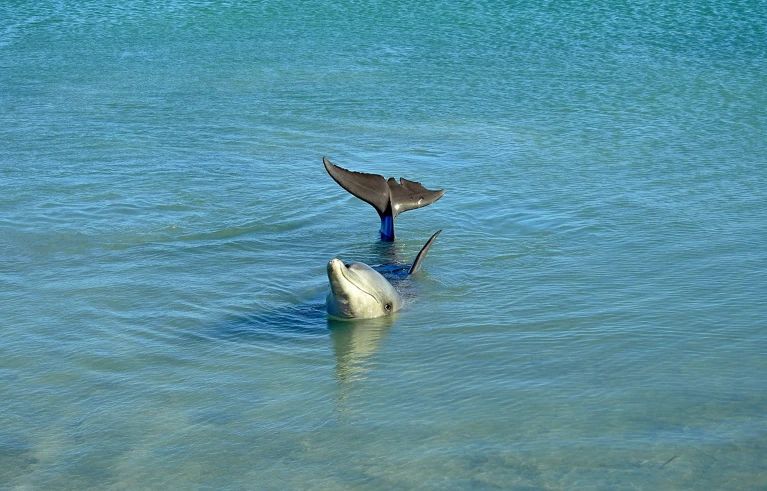
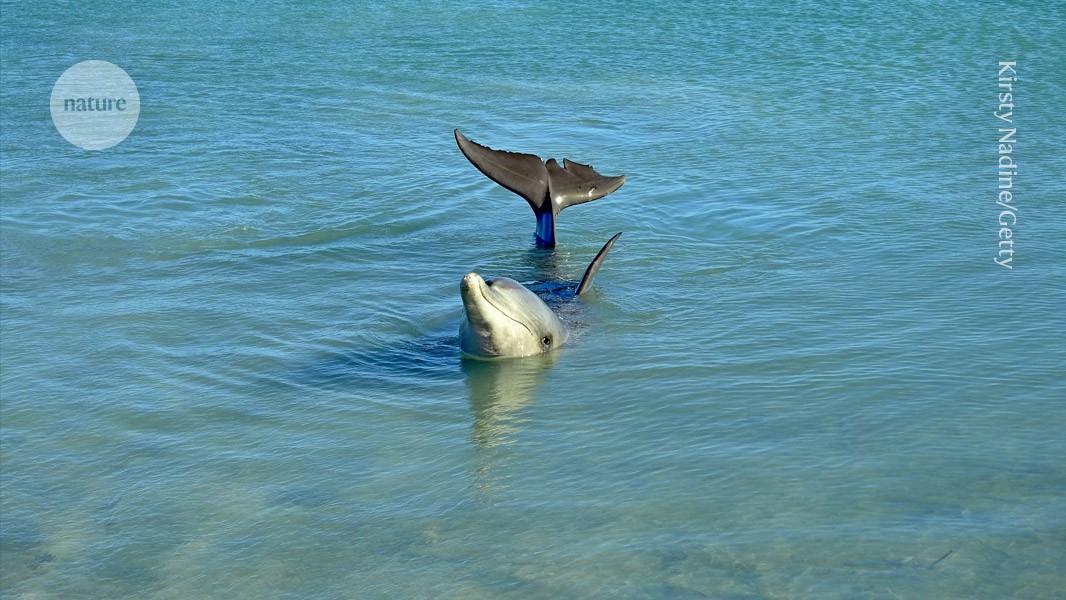
    A single Indo-Pacific Bottlenose Dolphin peeks out of the water at Shark Bay in Western Australia.

    Male bottlenose dolphins can form lifelong partnerships with other males, and can spend hours chasing each other. Credit: Kirsty Nadine/Getty

    A spike in dolphin attacks has marred the tranquil beaches of Fukui Prefecture, Japan. As of 26 August, 18 people have been injured this year, taking the total number of casualties to 29 over the past 3 years, according to the Tsuruga Coast Guard Office. Injuries range from bites on the hand to broken bones.

    Researchers think the culprit is a single male Indo-Pacific bottlenose dolphin (Tursiops aduncus), on the basis of fin markings captured in photographs and video footage. Nature spoke to Tadamichi Morisaka, a dolphin ecologist at Mie University in Tsu, Japan, about dolphin behaviour and ways to prevent further attacks.

    Why might this dolphin be biting beachgoers?

    Gentle biting is a behaviour that we see often among male bottlenose dolphins in the wild. They do this to maintain the relationship — in this dolphin’s mind, he might have already built a friendly relationship with humans.

    We’ve seen that this dolphin randomly shows up at a beach, bites if there are people around, wanders off and repeats. To me, he’s seeking some kind of interaction with people. If he really wanted to attack, he could have come tackling at full force and chomped down. But he’s keeping the biting gentle for dolphin standards, so it’s probably a friendly gesture rather than a full-on attempt to attack.

    How does this behaviour relate to the social structures of Indo-Pacific bottlenose dolphins?

    Bottlenose dolphins typically live in pods. The males form lifelong partnerships with other males. Hanging out in pairs gives them better access to females, because two is stronger than one.

    These pairs spend hours and hours being playful with each other. This includes behaviours like chasing each other and rubbing the other dolphin with their pectoral fins — which is thought to signal fondness — and even sexual behaviours, such as pressing their penises against each other.

    Gentle biting is one of these pro-social behaviours. So the dolphin in Fukui is acting like he’s playing with a male pairmate, but with humans instead.

    Is it unusual for dolphins to be alone?

    That’s a mystery and an area that’s calling for further research. In the seas of Japan, we occasionally see individuals leaving the pod alone. But sometimes it’s females leaving, and sometimes they leave in groups of several individuals. The population closest to the beaches in Fukui is near Noto, Ishikawa Prefecture, but we’ve yet to identify whether the individual responsible for the attacks is from that population.

    How might the attacks change in future?

    We know that there are phases to human–dolphin interactions. It starts with humans and dolphins just sharing the same space. But as the interactions get deeper, the dolphins end up injuring humans. That’s where we are at in Fukui. If the interaction progresses to the next stage, dolphins can start asserting dominance through aggressive behaviours such as tackling or mounting people. We saw a bit of this last summer, so I was very concerned. They are about 2.5 metres long and weigh around 200 kilograms, so if they came charging at 20–30 kilometres per hour, it’d be like getting into a traffic accident. If they tackled us, it could break bones.

    What has been done to prevent further attacks in Fukui?

    Local authorities have placed underwater acoustic devices that play a variety of sounds at random. It’s not meant to elicit a specific response from dolphins, but probably sounds strange and annoying. But bottlenose dolphins could get used to this. They are a particularly curious species, so if they think there’s something intriguing enough, they’ll head to the beaches regardless of the sounds. In fact, we’ve seen the dolphin return to beaches that have these devices.

    I want to develop an early-detection system that can detect the echolocation they’re using for navigation. An alarm will go off as soon as we know dolphins are approaching. Once we’re able to get people out of the water in time, I think the dolphin will realize that there’s nothing interesting at the beaches, and eventually go back to its original environment. But, most importantly, we need to raise better awareness about what wild dolphins are like.

    What questions do you still have about dolphin behaviour?

    Much of my work focuses on dolphin acoustic communication, but you find lots of weird things going on when you observe them. Part of my mission is to interpret those behaviours scientifically — we’ve found that they yawn just like us, for example, and have wet dreams.

    These days, I’m curious about how they perceive the world. They ‘see’ using echolocation, but there’s a lot of unanswered questions about the role of their eyes. In dolphins, each eye moves independently, and they have two streaks in each of their eyeballs that give high visual acuity. Humans only have one point of high acuity. What, and how, could dolphins possibly be seeing with eyes like that? How is visual information integrated with echolocation and other auditory signals? Understanding their perception would help us to understand their society, because it forms the foundation of how they communicate — and that shapes their social structures.

    This interview has been edited for length and clarity.

    [ad_2]

    Source link

  • Mating proximity blinds threat perception

    [ad_1]

    Resource availability

    Requests for additional information and reagents should be addressed to the lead author (C.R.). All data generated in this paper can be shared on request.

    Fly husbandry and strains

    Flies were reared at 25 °C or 30 °C for RNAi experiments, with 40–50% humidity on a standard cornmeal-agar food in a 12-h light–dark cycle. Canton-S (CS) strain flies were used as wild type. Flies were sorted under CO2 anaesthesia within 6 h of emergence and housed in same-sex groups of 20, except for the males that were to be tested in the behavioural experiments, which were kept in groups of 4 per vial. Virgin females for the behavioural experiments were collected using the hs-hid conditional virginator transgenic line. L3 larvae were heat shocked at 37 °C for 1.5 h. Additional strains used and their sources61,62,63,64,65,66,67,68,69 are outlined in Supplementary Table 3.

    Trans-retinal food

    Trans-retinal (R2500-100MG, CAS number: 116-31-4, Sigma-Aldrich) was stored at –20 °C as a 50 mM stock solution diluted in ethanol and wrapped in foil. To blend retinal homogeneously into the food, 60 μl of stock solution was directly pipetted into 6-ml vials of liquid cornmeal-yeast food except for the experiment in Fig. 3e in which OvAbg flies were not exposed to food supplemented with trans-retinal factor.

    Behaviour

    Threat setup

    Experiments were recorded at 27 frames per second using a Mako U-130B camera mounted with an infrared filter (BP735-40.5, Midopt). The visual threat was generated by repeatedly passing a 13 cm × 6 cm × 2 cm 3D-printed opaque oblong paddle through a blue-light beam (455 nm). This created an overhead shadow at periodic intervals of 0.3 Hz for 30 s. The paddle was set 5 cm above the courtship chambers (20 mm, 5 mm) at a 90o angle on a servo motor controlled by a custom-built Arduino code, which controlled the movement parameters of the paddle (frequency set to 0.3 Hz and number of cycles set to 9). The mechanical threat was generated using a Sony XP500-X speaker playing a loud 3-Hz binaural beat (https://www.youtube.com/watch?v=Y-urmCRs61I&t=713s) causing surface vibrations. Courtship chambers were illuminated from the bottom using an infrared backlight.

    Behavioural assays

    Behavioural assays were conducted at 25 °C under continuous blue light between 09:00 and 13:00. Tested males were 5–7 days of age and transferred to fresh food vials 1 day before experiments. For males used in optogenetic assays, flies were transferred to food enriched with trans-retinal 3 days before the experiment. Vials containing retinal were wrapped in foil. Virgin females were decapitated and used within a maximum of 3 h to preserve chemical signature and motor reflexes during the experiment.

    Action selection assay

    The action selection assay presented a naive male coupled with a decapitated hs-hid virgin female with a choice between continuing to court the female or interrupting the ritual in response to the threat. The threat was delivered after consistent courtship of at least 7 s (early), 2 min (middle) or 4 min (late). Only males that started to court during the first 5 min of the trial and until threat delivery were considered in the analysis. All assays were manually analysed using the behavioural analysis software BORIS70, and the following parameters were quantified to measure the effect of the threat on male courtship behaviour.

    The courtship index is defined by the percentage of time (in seconds) the male spends courting the female over the total time of the threat delivery (30 s). We considered that males initiated courtship by demonstrating full wing extension and a persistent courtship behaviour of at least 7 s towards the female. We considered courtship as the display of stereotyped courtship events that include tapping of the female with the forelegs of the male, singing (wing extension and vibration), licking (male proboscis extension) and attempts at copulation in which the male bends the abdomen towards the female and attempts to mount her. See Fig. 1a for a schematical representation of these behaviours.

    The defensive index is defined by the percentage of time (in seconds) the male spends displaying defensive behaviours (that is, escaping and freezing) over the total time of the threat delivery (30 s).

    As a control, the behaviour was assessed in the absence of the visual threat during the same time window according to the same criteria.

    Optogenetic assay

    Flies were tested in a transparent circular chamber ( 20 mm, H = 5 mm for courtship; and 24 mm, H = 3 mm for the locomotion assay) and illuminated from underneath with either 660-nm (red) or 515-nm (green) light in the absence or presence of the threat. Refer to Supplementary Table 4 for the optogenetic experimental conditions corresponding to each figure. The light was turned ON 1 s before the first threat passed.

    Locomotion assay

    Individual flies were introduced into a circular chamber (24 mm, H = 3 mm) and left to acclimatize for 3 min. After the acclimatation period, flies were subjected to the threat (9 cycles and frequency of 0.3 Hz). The walking speed of the flies (thresholded at values larger than 4 mm s−1 to be considered as ‘walking’) was assessed using the Ethovision XT17 software. The change in walking speed was calculated by subtracting the average walking speed of the 30 s after threat from the 30-s average before threat delivery.

    Two-photon functional imaging

    Tethered male flies (3–6 days of age) had their head capsules dissected in a sugar-free HL3-like saline-filled imaging chamber with a central hole (for details on fly dissection, see ref. 71). Flies were then placed under a multiphoton microscope (Femto2D-Resonant by Femtonics), and expressed either the calcium indicator GCaMP or GRABDA in different sets of neurons (see Supplementary Table 3 for details on genotypes). Fluorescence was generated by a Ti-Sapphire laser centred on 920 nm (Chameleon Ultra II, Coherent). Images with a pixel size of 0.3 × 0.3 μm were acquired with a ×20, 1.0 NA water-immersion objective, controlled by the MESc v3.5 software (Femtonics). Fast recordings were taken at a speed of 30 Hz with a resonant scan head using MESc software (Femtonics). Analysis was performed using NOSA software v1.1.16 (neuro-optical signal analysis)72 and a customized R script or Graphpad Prism, Regions of interest (ROIs) were manually drawn for analysis. Data were converted into tiff files and processed using a Savitzky–Golay filter or moving average of 2 s when brain movement was strong (Figs. 4c and 5b). No baseline/photobleaching correction was applied to any of the imaging data. The final time resolution was 6 fps (Femtonics microscope data) or 2 fps (Optogenetic data from Nikon microscope). Mean intensity values were calculated as ΔF/F0 (in %), whereas F0 was defined as the mean F from baseline activity (first 30 s in Figs. 1h,i, 2i,j,m,n, 4e and 5c,d,h,k,l and Extended Data Figs. 3j, 4h, 7b,e; the first 20 s in Figs. 4c,f, and 5b and Extended Data Figs. 6f–i,k,l and 7a; the first 15 s in Fig. 5e,f and Extended Data Fig. 7e,g; and the first 2 s in Fig. 2e and Extended Data Fig. 3b).

    Threat delivery under the two-photon microscope

    The threat was delivered as previously described (see the ‘Threat setup’ section). The paddle and light source were placed below the microscope and inclined towards the chamber in a way that the passing shadow reached the tethered fly’s eye. Calcium signals in LC16 axons and PMPD neurons were recorded for 30 s before and 60 s immediately after the threat exposure (calculation windows in Figs. 1h,i and 5c,d,h,k,l: last 10 s before and first 10 s after; Fig. 4f and Extended Data Fig. 7e,g: last 15 s before and 30 s after). As LC16 neurons respond to laser onset, the first 2 s of each recording were excluded from the analysis. Conditions under the microscope were set to more than 20 °C and 40% humidity.

    Application of serotonin or dopamine

    100 µl of serotonin (H9523, Sigma-Aldrich) or dopamine (H8502, Sigma-Aldrich) diluted in sugar-free HL3 solution was applied directly onto the Drosophila brain through the open head capsule. The final concentration was 100 µM for serotonin and 500 µM for dopamine. Calcium signals were recorded 50 s before and 100 s immediately after application (first 30 s of pre-application and last 30 s of post-application were taken for quantification).

    Courtship progression under the microscope

    For examining courtship progression, 5–8-day-old virgin male flies were used. Flies were tethered and dissected as previously described, leaving legs and proboscis freely moveable (or fixed depending on the experiment indicated for each figure). Note that the fixation position of the male onto the imaging chamber does not allow for wing extension. Agitated males that did not stop moving for 10 s during the first 5 min under the microscope were discarded. Immediately upon recording initiation, a decapitated 3–5-day-old virgin female tethered onto a moveable arm controlled by a micromanipulator was presented to the male with her abdomen oriented towards the head of the male fly. Following male contact with the female, calcium or GRABDA signals were recorded for a total duration of 4 min, while the fly behaviour was simultaneously observed using a video camera (Thorlabs C1285R12M and SM1D12D iris diaphragm) recording at 7 fps. The first 20 s and last 20 s were taken for quantification (except Extended Data Fig. 6g: 1–20 s, 240–260 s and 400–420 s). Abdomen bending was manually analysed frame by frame. As tethered flies show typical behaviour that includes moving the abdomen back and forth, only full-bending events (the tip of the abdomen bending underneath the thorax) that lasted longer than 1 s or 6 frames were considered as part of courtship behaviour.

    Optogenetic experiments during in vivo calcium imaging

    Experiments were conducted using a Nikon A1R+ multiphoton microscope with a galvo scanner at a speed of 2 Hz. We used the two-photon 1,040-nm red laser of the microscope to activate CsChrimson while simultaneously recording the calcium activity within the ROI (see the details for the conditions in the main text figure legends and Supplementary Table 4). To activate OvAbg neurons, experiments were carried out using a Femtonics microscope with the same imaging parameters mentioned previously. A 590-nm LED positioned below and towards the tethered fly was used for optogenetic activation of CsChrimson (15 or 7 repetitions of 1-s LED-on and 1-s LED-off intervals) while recording simultaneously. To activate PPM1/2 neurons during threat delivery, 15 repetitions of red light were used overlapping the 30 s of threat exposure under the microscope. LED stimulation artefacts were removed for clarity. As the acquisition was carried out continuously, the post-sequence shown in the graph displays the fluorescence intensity immediately after the LED stopped (Fig. 4d).

    Focal dopamine injection

    Fly preparation and imaging were conducted as described previously40 using a Nikon A1R+ multiphoton microscope. The sugar-free HL3-like saline was added with 30 units of Papain (Roche) and applied to the head capsule for 10 min to digest the glial sheath of the brain and facilitate removal. Flies were subjected to local dopamine (10 mM diluted in saline) or saline injection via a micropipette (saline used for injection contained no CaCl2 or MgCl2). The injection solution was labelled with Texas Red (Invitrogen by Thermo Fisher Scientific, dextran, 10,000 MW) to visualize the pipette and the localization of the injections. Multiple (2–5) injections were given per experiment and averaged, resulting in a single average trace per experiment. Fluorescence traces were extracted using FIJI (ImageJ). F0 for the ΔF/F calculations was the average baseline fluorescence of the 10 frames immediately preceding the injection. Calculation windows for mean ΔF/F0 % was 10 s pre and last 10 s post. ROIs were selected manually.

    Immunohistochemistry

    Three-to-five-day-old male fly brains were dissected in ice-cold PBS and fixed in 4% paraformaldehyde solution at room temperature for 20 min. Fixed brains were then washed four times in PBST (0.5%) for 30 min and blocked with normal goat serum (5%) for 30–60 min. The brains were then incubated with primary antibodies (anti-GFP chicken, 1:1,000 or 1:2,000, 13970, Abcam; anti-dsRed rabbit, 1:250, 632496, Takara; and nC82 anti-Brp, 1:50, DSHB) for 2–3 days at 4 °C. After four 20-min washes in PBST, the brains were incubated overnight with secondary antibodies (Alexa Fluor 488 goat anti-chicken IgG, 1:1,000 (A28175) or 1:2,000 (A32931), Thermo Fisher Scientific); Alexa Fluor 546 goat anti-mouse, 1:2000, A11018, Thermo Fisher; and Alexa Fluor 546 goat anti-rabbit, 1:2,000, A11071, Thermo Fisher). After four 20-min washes in PBST, brains were mounted in Vectashield on a glass slide before scanning with a Leica SP8 confocal microscope, a Nikon A1 confocal microscope or a Zeiss LSM900 with AiryScan2 module.

    Split-GFP immunohistochemistry

    Three-to-seven-day-old male fly brains were dissected in room temperature PBS and fixed in 4% paraformaldehyde solution at room temperature for 20 min. Fixed brains were then washed in PBST (0.3%) three times for 20 min each and blocked with normal goat serum (5%) for 30 min. The brains were then incubated with anti-Brp (nC82, 1:50, DSHB) with 5% goat serum for 2 days at 4 °C. No anti-GFP antibody was used. After three 20-min washes in PBST, the brains were incubated with Alexa Fluor 546 goat anti-mouse (1:2,000, A11018, Thermo Fisher) for 2 days at 4 °C. After four 20-min washes in PBST, brains were mounted in Vectashield on a glass slide before scanning with a Nikon A1 confocal microscope.

    Reconstituted split-GFP signal was quantified using ImageJ. The GFP signal was taken as the average pixel intensity within manually drawn volumes (freehand ROIs in multiple z-slices) around the LC16 axon terminals and cell bodies. The background fluorescence (from an ROI in a proximal brain region outside the LC16 neuron) was subtracted from the GFP signal. Statistical significance was evaluated by t-tests and two-way ANOVA in GraphPad Prism 9.

    Connectomics search

    We used the neuprint (hemibrain v1.2.1 dataset)39 platform to search for candidate neurons and subsequent connectivity (https://neuprint.janelia.org/).

    • Predicted link between LC16 and pC1a: Query Selection > General > Shortest paths > neuron A = LC16 # 1256830582 > Neuron B = pC1a # 359744514, Minimum weight = 3.

    • 3D visualization of 5-HTPMPD01 and pC1 neurons: ‘dataset’:‘hemibrain:v1.2.1’,‘bodies’[‘297230760’,‘\n297908801’,‘\n359744514’,‘\n5813046951’,‘\n267214250’,‘\n267214250’,‘\n392821837’,‘\n359744514’,‘\n5813046951’,‘\n514850616’].

    • 3D visualization of LC16 neurons and PPM1/2 neurons: ‘dataset’:‘hemibrain:v1.2.1’,‘bodies’[‘1350945956’,‘1288897930’,‘1319927345’,‘1319587380’,‘1319579391’,‘1254037524’,‘1288893503’,‘1289238972’,‘1319586861’,‘1319919918’,‘1412989088’,‘950229431’,‘792040520’,‘5813054384’].

    Statistics and reproducibility

    See Supplementary Tables 1 and 2 for details on statistics. All statistical tests were performed using R v2023.03.1 + 446 or GraphPad Prism 9. Each behavioural experiment was repeated at least three times over a minimum of 3 days. Individuals were tested only once. The sample size for the behavioural experiments always represents biologically independent animals. Behavioural indexes and calcium imaging quantification are displayed as boxplots. Boxes represent the lower (25th) and upper (75th) interquartile, respectively, and the horizontal line represents the median. Each dot on the plot represents a single fly. Courtship progression behavioural data and locomotion data do not follow a normal distribution, thus non-parametric Mann–Whitney or Kruskal–Wallis tests, followed by a Conover–Iman multiple pairwise comparisons post-hoc test, have been applied on raw data (P = 0.05, with a Bonferroni correction) for one factor experiments. To test the interaction between the genetic manipulations and the treatments, we applied two-way ANOVA. Significant differences are indicated by different letters at the level of P < 0.05. We used a one-sample Wilcoxon signed-rank test (μ = 0) to assess whether the speed change (∆) in Extended Data Fig. 5e significantly deviated from 0. We indicated significance using an asterisk at the level of P < 0.05.

    Calcium imaging traces over time are represented as the mean ∆F/F0 (%; solid lines) with s.e.m. (shaded area). Quantification plots are shown as minimum/maximum plots and the median as the horizontal line. After verification of normality, a paired t-test or paired Wilcoxon signed-rank test was applied on mean ∆F/F0 (%) data from individual flies on specific time windows indicated in the figures and/or in the Methods. Significant differences are indicated by different letters (P < 0.05). For inter-group comparisons, mean pre values were subsracted from mean post values and differences between genotypes and treatments were tested using one-way ANOVA, Kruskal-Wallis, t-test or Mann-Withney test as approriate. Experimenters were not blinded to the conditions of the experiments during data collection. Genotypes used for one experiment were tested simultaneously and in random order as well as random times during the day to avoid any influence of circadian timepoints and order of the experimental trials. We repeated all statistical tests excluding data points that were identified as outliers using the ROUT method in Prism with Q = 0.5%, and always obtained the same results, so we did not exclude outlier data points. Expression pattern of TH-C1-GAL4 and split-GAL4 lines, including LC16, P1, TRHR23E12 and plP10, were all imaged in n = 4 flies and were reliable across samples.

    Randomization and blinding

    Animals were never pre-assigned to a treatment or control group before the experiments. Behavioural and imaging experiments were performed in conjunction with their respective control cohorts. Randomization of animals was not implemented in this design.

    Reporting summary

    Further information on research design is available in the Nature Portfolio Reporting Summary linked to this article.
    [ad_2]

    Source link

  • Leeches use their whole bodies to entomb and eat ultra-fast worms

    Leeches use their whole bodies to entomb and eat ultra-fast worms

    [ad_1]

    Blackworms are ultra-fast swimmers, and they tangle up into worm balls to protect themselves from predators – but leeches have an ingenious method of catching them called “spiral entombment”

    [ad_2]

    Source link

  • Camera-carrying sea lions map uncharted areas of the ocean

    Camera-carrying sea lions map uncharted areas of the ocean

    [ad_1]

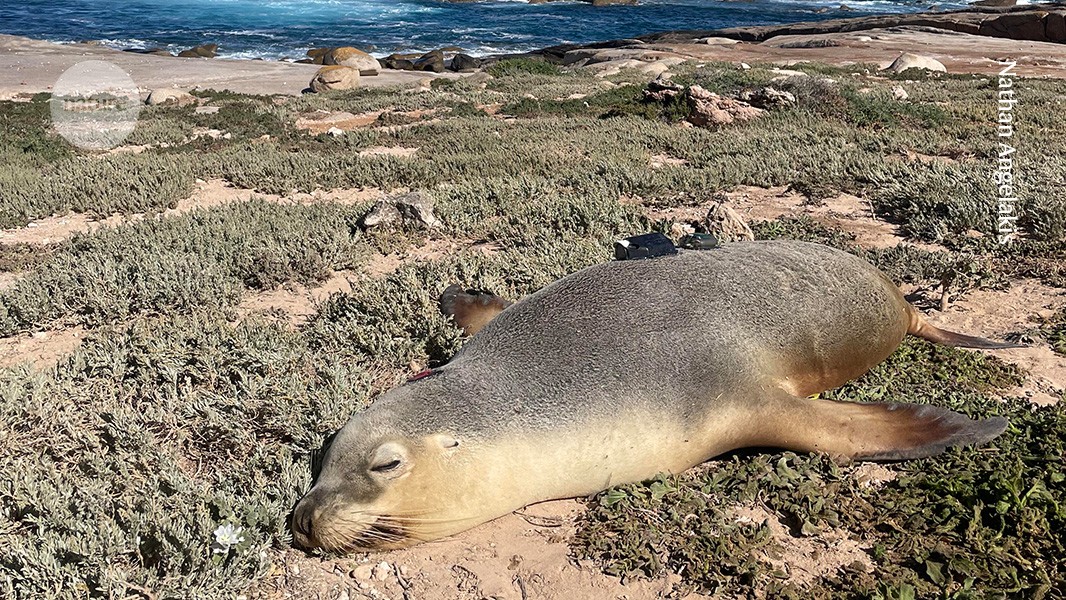
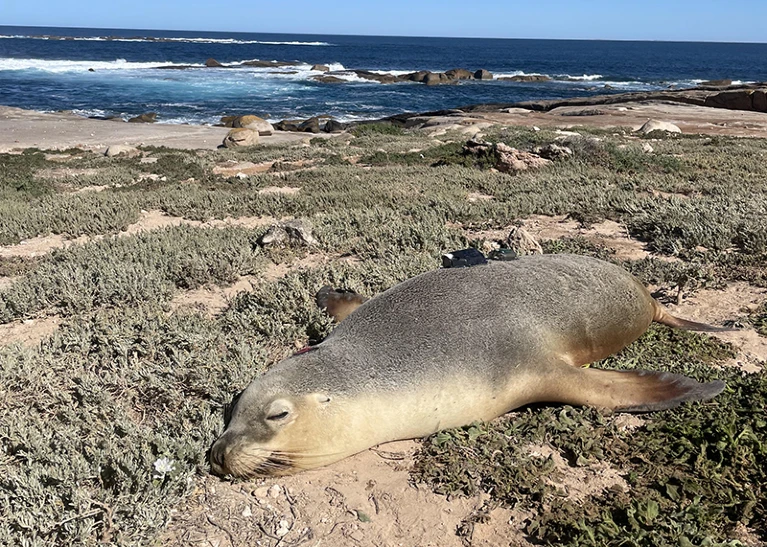
    A sea lion with a tracking device attached to it is seen sleeping near the ocean

    Scientists attached cameras and sensors to small pieces of neoprene that they glued to the sea lions’ backs.Credit: Nathan Angelakis

    Footage captured by sea lions wearing lightweight video cameras is giving researchers a glimpse of previously unexplored areas of the sea floor off the south coast of Australia.

    The findings, published on 7 August in Frontiers in Marine Science1, include detailed maps of the ocean floor created by combining videos captured by the animals with a machine-learning model. The camera footage also reveals details of how different habitats and species are distributed.

    “These are particularly deep and remote offshore habitats that you can’t get to by usual surveys that you would conduct from a boat,” says co-author Nathan Angelakis, who researches ecology and evolutionary biology at the South Australian Research and Development Institute in West Beach. “With the data we’re collecting, we’re essentially exploring new parts of the ocean that haven’t been mapped”.

    Uncharted waters

    Understanding the layout of the sea floor is important for several reasons, including marine conservation, navigation and predicting hazards such as tsunamis. “You can’t manage what you haven’t measured,” says Steve Hall, head of partnerships at the ocean-mapping organization Seabed2030, which is based in Liverpool, UK.

    Worldwide, just 26% of the sea bed has been mapped at high resolution. This is partly due to the challenges associated with exploring the deep sea, where pressure is extremely high and light levels are low. Researchers typically map the sea bed using remote-operated underwater vehicles or by dropping cameras from surface vessels — but both of these methods are time-consuming and costly.

    Angelakis and his colleagues trialled a comparatively low-tech approach by enlisting the help of wild Australian sea lions (Neophoca cinerea). These animals spend most of their time on the sea bed, foraging for food across the continental shelf, the section of the ocean that extends from the coastline. The researchers theorized that by tracking the sea lions’ movements, they would be able to gather information about both the shape of the sea floor and the distribution of different habitats.

    The authors attached sensors to neoprene patches that they glued to the backs of eight adult females from two of the largest Australian sea-lion colonies. The equipment, which included GPS trackers, cameras and motion sensors, was designed to be small and non-cumbersome, weighing less than 1% of the sea lions’ body weight, so as not to hinder the animals or affect their behaviour. On completion of the project, team members were able to remove the sensors from the patches without damaging the sea lions’ fur.

    Together, the sea lions captured 89 hours of footage that took in six distinct sea-floor habitats, from bare sand to meadows of algae.

    The researchers used the footage to assess biodiversity in these areas, and to compare the locations visited by the two colonies. They also used the videos to check the accuracy of a machine-learning model designed to predict the sea-floor habitat from variables such as sea-surface temperature and distance from the coast. This revealed that the model was more than 98% accurate, so the researchers then used it to map sea-floor habitats in surrounding locations. “One of the real powers of the study is taking the data we collected to predict other unknown areas,” says Angelakis.

    The team also wants to use the sensor data to explore how factors such as depth and nutrient supply affect habitat distribution and biodiversity on the sea floor. This could help researchers to further explore “the ecological value of different habitats and marine areas to sea lions”, says Angelakis, which could boost conservation efforts.

    Using sea-lion-mounted sensors is a “very nice way of getting high-resolution data from a hard-to-get-at place”, says Hall. He suggests that in future studies the researchers could equip the sea lions with extra sensors to gather data on the physical and chemical properties of sea-bed habitats.

    [ad_2]

    Source link

  • Charles Darwin’s frogs turn mating upside down

    Charles Darwin’s frogs turn mating upside down

    [ad_1]

    Turning around and backing up out of pools found in tree hollows may help mating Charles Darwin’s frogs find a safe place to lay their eggs while fending off competitive males

    [ad_2]

    Source link

  • Tobalske, B. W. Biomechanics of bird flight. J. Exp. Biol. 210, 3135–3146 (2007).

    Article 
    PubMed 

    Google Scholar
     

  • Chin, D. D., Matloff, L. Y., Stowers, A. K., Tucci, E. R. & Lentink, D. Inspiration for wing design: how forelimb specialization enables active flight in modern vertebrates. J. R. Soc. Interface 14, 20170240 (2017).

    Article 
    PubMed 
    PubMed Central 

    Google Scholar
     

  • Haas, F. & Wootton, R. J. Two basic mechanisms in insect wing folding. Proc. R. Soc. Lond. B Biol. Sci. 263, 1651–1658 (1997).

    ADS 

    Google Scholar
     

  • Saito, K., Nomura, S., Yamamoto, S., Niiyama, R. & Okabe, Y. Investigation of hindwing folding in ladybird beetles by artificial elytron transplantation and microcomputed tomography. Proc. Natl Acad. Sci. USA 114, 5624–5628 (2017).

    Article 
    ADS 
    CAS 
    PubMed 
    PubMed Central 

    Google Scholar
     

  • Haas, F. & Beutel, R. G. Wing folding and the functional morphology of the wing base in Coleoptera. Zoology 104, 123–141 (2001).

    Article 
    CAS 
    PubMed 

    Google Scholar
     

  • Haas, F. Evidence from folding and functional lines of wings on inter-ordinal relationships in Pterygota. Arthropod Syst. Phylogeny 64, 149–158 (2006).

    Article 

    Google Scholar
     

  • Sun, J., Ling, M., Wu, W., Bhushan, B. & Tong, J. The hydraulic mechanism of the unfolding of hind wings in Dorcus titanus platymelus (order: Coleoptera). Int. J. Mol. Sci. 15, 6009–6018 (2014).

    Article 
    PubMed 
    PubMed Central 

    Google Scholar
     

  • Phan, H. V. & Park, H. C. Mechanisms of collision recovery in flying beetles and flapping-wing robots. Science 370, 1214–1219 (2020).

    Article 
    ADS 
    CAS 
    PubMed 

    Google Scholar
     

  • Resh, V. H. & Cardé, R. T. Encyclopedia of Insects (Academic, 2009).

  • Chapman, R. F., Simpson, S. J. & Douglas, A. E. The Insects: Structure and Function (Cambridge Univ. Press, 2013).

  • Klowden, M. J. Physiological Systems in Insects (Academic, 2013).

  • Wootton, R. J. Functional morphology of insect wings. Annu. Rev. Entomol. 37, 113–140 (1992).

    Article 

    Google Scholar
     

  • Taylor, G. K., Carruthers, A. C., Hubel, T. Y. & Walker, S. M. in Morphing Aerospace Vehicles and Structures (ed. Valasek, J.) Ch. 2 (Wiley, 2012); https://doi.org/10.1002/9781119964032.ch2.

  • Haas, F., Gorb, S. & Blickhan, R. The function of resilin in beetle wings. Proc. R. Soc. Lond. B Biol. Sci. 267, 1375–1381 (2000).

    Article 
    CAS 

    Google Scholar
     

  • Sato, H. et al. Deciphering the role of a coleopteran steering muscle via free flight stimulation. Curr. Biol. 25, 798–803 (2015).

    Article 
    CAS 
    PubMed 

    Google Scholar
     

  • Stowers, A. K. & Lentink, D. Folding in and out: passive morphing in flapping wings. Bioinspir. Biomim. 10, 025001 (2015).

    Article 
    ADS 
    PubMed 

    Google Scholar
     

  • Linz, D. M., Hu, A. W., Sitvarin, M. I. & Tomoyasu, Y. Functional value of elytra under various stresses in the red flour beetle, Tribolium castaneum. Sci. Rep. 6, 34813 (2016).

    Article 
    ADS 
    CAS 
    PubMed 
    PubMed Central 

    Google Scholar
     

  • Le, T. Q. et al. Improvement of the aerodynamic performance by wing flexibility and elytra–hind wing interaction of a beetle during forward flight. J. R. Soc. Interface 10, 20130312 (2013).

    Article 
    PubMed 
    PubMed Central 

    Google Scholar
     

  • Johansson, L. C. et al. Elytra boost lift, but reduce aerodynamic efficiency in flying beetles. J. R. Soc. Interface 9, 2745–2748 (2012).

    Article 
    PubMed 
    PubMed Central 

    Google Scholar
     

  • Souza, M. M. D. & Alexander, D. E. Passive aerodynamic stabilization by beetle elytra (wing covers). Physiol. Entomol. 22, 109–115 (1997).

    Article 

    Google Scholar
     

  • Farisenkov, S. E. et al. Novel flight style and light wings boost flight performance of tiny beetles. Nature 602, 96–100 (2022).

    Article 
    ADS 
    CAS 
    PubMed 
    PubMed Central 

    Google Scholar
     

  • Keennon, M., Klingebiel, K. & Won, H. Development of the nano hummingbird: a tailless flapping wing micro air vehicle. In 50th AIAA Aerospace Sciences Meeting including the New Horizons Forum and Aerospace Exposition 0558 (AIAA, 2012); https://doi.org/10.2514/6.2012-588.

  • Ma, K. Y., Chirarattananon, P., Fuller, S. B. & Wood, R. J. Controlled flight of a biologically inspired, insect-scale robot. Science 340, 603–607 (2013).

    Article 
    ADS 
    CAS 
    PubMed 

    Google Scholar
     

  • Jafferis, N. T., Helbling, E. F., Karpelson, M. & Wood, R. J. Untethered flight of an insect-sized flapping-wing microscale aerial vehicle. Nature 570, 491–495 (2019).

    Article 
    ADS 
    CAS 
    PubMed 

    Google Scholar
     

  • Chen, Y. et al. Controlled flight of a microrobot powered by soft artificial muscles. Nature 575, 324–329 (2019).

    Article 
    ADS 
    CAS 
    PubMed 

    Google Scholar
     

  • Karásek, M., Muijres, F. T., De Wagter, C., Remes, B. D. W. & de Croon, G. C. H. E. A tailless aerial robotic flapper reveals that flies use torque coupling in rapid banked turns. Science 361, 1089–1094 (2018).

    Article 
    ADS 
    MathSciNet 
    PubMed 

    Google Scholar
     

  • Nguyen, Q.-V. & Chan, W. L. Development and flight performance of a biologically-inspired tailless flapping-wing micro air vehicle with wing stroke plane modulation. Bioinspir. Biomim. 14, 016015 (2018).

    Article 
    ADS 
    PubMed 

    Google Scholar
     

  • Phan, H. V., Aurecianus, S., Au, T. K. L., Kang, T. & Park, H. C. Towards the long-endurance flight of an insect-inspired, tailless, two-winged, flapping-wing flying robot. IEEE Robot. Autom. Lett. 5, 5059–5066 (2020).

    Article 

    Google Scholar
     

  • Tu, Z., Fei, F. & Deng, X. Untethered flight of an at-scale dual-motor hummingbird robot with bio-inspired decoupled wings. IEEE Robot. Autom. Lett. 5, 4194–4201 (2020).


    Google Scholar
     

  • Ozaki, T., Ohta, N., Jimbo, T. & Hamaguchi, K. A wireless radiofrequency-powered insect-scale flapping-wing aerial vehicle. Nat. Electron. 4, 845–852 (2021).

    Article 

    Google Scholar
     

  • Dufour, L., Owen, K., Mintchev, S. & Floreano, D. A drone with insect-inspired folding wings. In 2016 IEEE/RSJ International Conference on Intelligent Robots and Systems (IROS) 1576–1581 (IEEE, 2016); https://doi.org/10.1109/IROS.2016.7759255.

  • Vourtsis, C., Stewart, W. & Floreano, D. Robotic elytra: insect-inspired protective wings for resilient and multi-modal drones. IEEE Robot. Autom. Lett. 7, 223–230 (2022).

    Article 

    Google Scholar
     

  • Ozaki, T., Ohta, N. & Hamaguchi, K. Resonance-driven passive folding/unfolding flapping wing actuator. Appl. Sci. 10, 3771 (2020).

    Article 
    CAS 

    Google Scholar
     

  • Frantsevich, L., Dai, Z., Wang, W. Y. & Zhang, Y. Geometry of elytra opening and closing in some beetles (Coleoptera,Polyphaga). J. Exp. Biol. 208, 3145–3158 (2005).

    Article 
    PubMed 

    Google Scholar
     

  • Melis, J. M., Siwanowicz, I. & Dickinson, M. H. Machine learning reveals the control mechanics of an insect wing hinge. Nature 628, 795–803 (2024); https://doi.org/10.1038/s41586-024-07293-4.

  • Vo-Doan, T. T., Dung, V. T. & Sato, H. A cyborg insect reveals a function of a muscle in free flight. Cyborg Bionic Syst. 2022, 9780504 (2022).

    Article 
    PubMed 
    PubMed Central 

    Google Scholar
     

  • Phan, H. V. & Park, H. C. Insect-inspired, tailless, hover-capable flapping-wing robots: recent progress, challenges, and future directions. Prog. Aerosp. Sci. 111, 100573 (2019).

    Article 

    Google Scholar
     

  • Farrell Helbling, E. & Wood, R. J. A review of propulsion, power, and control architectures for insect-scale flapping-wing vehicles. Appl. Mech. Rev. 70, 010801 (2018).

  • Hedrick, T. L. Software techniques for two- and three-dimensional kinematic measurements of biological and biomimetic systems. Bioinspir. Biomim. 3, 034001 (2008).

    Article 
    ADS 
    PubMed 

    Google Scholar
     

  • Phan, H. V. & Park, H. C. Wing inertia as a cause of aerodynamically uneconomical flight with high angles of attack in hovering insects. J. Exp. Biol. 221, jeb187369 (2018).

    Article 
    PubMed 

    Google Scholar
     

  • Phan, H.-V., Park, H. C. & Floreano, D. Data for: passive wing deployment and retraction in beetles and flapping microrobots. figshare https://doi.org/10.6084/m9.figshare.25703214 (2024).

[ad_2]

Source link

  • Fish can tell the direction of sounds — here’s how

    Fish can tell the direction of sounds — here’s how

    [ad_1]

    Nature, Published online: 31 July 2024; doi:10.1038/d41586-024-02518-y

    New research finally unravels the mystery of how fish can hear directionally.

    [ad_2]

    Source link

  • Sensory secrets of penis and clitoris unlocked after more than 150 years

    Sensory secrets of penis and clitoris unlocked after more than 150 years

    [ad_1]

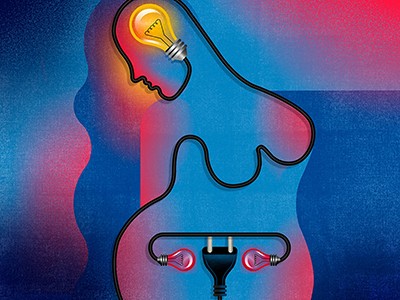
    Specific nerve cells on the penis and clitoris detect vibrations and then become activated, causing sexual behaviours such as erections, a study in mice has revealed1. The findings could lead to new treatments for conditions such as erectile dysfunction, or for restoring sexual function in people with lower-body paralysis.

    Krause corpuscles — nerve endings in tightly wrapped balls located just under the skin — were first discovered in human genitals more than 150 years ago. The structures are similar to touch-activated corpuscles found on people’s fingers and hands, which respond to vibrations as the skin moves across a textured surface.

    But there is little research into how the genital corpuscles work and how they are involved in sex, probably because the topic is sometimes considered taboo. “It’s been hard to get people to work on this because some people have a hard time talking about it,” says David Ginty, a sensory neurobiologist at Harvard Medical School in Boston, Massachusetts, who led the team that conducted the latest research. “But I don’t, because the biology is so interesting.”

    Good vibrations

    Ginty and other sensory biologists have long wanted to study these mysterious neuron balls. But activating and tracking specific neurons was nearly impossible until advanced molecular techniques emerged in the past 20 years.

    In a 19 June paper in Nature1, Ginty and his collaborators activated the Krause corpuscles in both male and female mice using various mechanical and electrical stimuli. The neurons fired in response to low-frequency vibrations in the range of 40–80 hertz. Ginty notes that these frequencies are generally used in many sex toys; humans, it seems, realized that this was the best way to stimulate Krause corpuscles before any official experiments were published.

    The researchers, who last year made the research public on the preprint server bioRxiv ahead of peer review, also found that the genitalia of male and female mice contain about the same number of corpuscles, which spread out spatially as the organs grow during the animals’ development. But the corpuscles are 15 times as concentrated on the clitoris as on the penis, because the clitoris is smaller. “It’s almost wall-to-wall Krause corpuscles” on the clitoris, Ginty says, “and we think each is a vibration detector” — which could help to explain why the organ is so sensitive.

    To learn what part the corpuscles play in sex, the team genetically engineered mice so that the corpuscle neurons would fire when exposed to a flash of light. In anaesthetized mice, this activation caused erections in males and vaginal contractions in females. Mice that were genetically engineered to lack Krause corpuscles couldn’t mate normally, suggesting that the structures are necessary for sex.

    Although most sensory neurons are developed before birth, the researchers found that Krause corpuscles didn’t develop until the mice were around 4–6 weeks old — just before the animals reached sexual maturity. Ginty says the team is studying whether hormones in the female mouse’s oestrus cycle affect the corpuscles’ function, as well as how these late-developing neural systems wire themselves into the body’s existing nervous system.

    So far, the researchers have learnt that the corpuscles connect to a particular sensory region of the spinal cord. Stimulating this region caused erections and contractions in the genitals, even if the spinal cord’s connection to the brain had been severed, suggesting that sexual reflexes are automatic.

    Sexual healing

    “It’s a very comprehensive piece of work,” says Elena Gracheva, a neuroscientist at Yale University in New Haven, Connecticut. She was struck by how many sensory pathways seem to be involved in genital sensitivity. The paper “opens a lot of different directions for a lot of scientists”, she says.

    Alexander Chesler, a sensory biologist at the National Center for Complementary and Integrative Health in Bethesda, Maryland, says that the study complements a paper his group published last year2 showing that a touch-sensitive protein in the genitals is necessary for successful mating. “Sex is a fundamental area of biology and is one of the main drivers of behaviour and evolution,” Chesler says. He hopes that further research into these nerve cells will eventually lead to treatments for conditions such as erectile dysfunction and vaginal pain.

    Ginty and his coworkers now want to look at other aspects of Krause corpuscles, such as whether the neurons cause pleasure sensations in the brain and whether they retain their sensitivity as animals age. “Every finding leads to some new insight because there’s so much we don’t know about this,” Ginty adds.

    [ad_2]

    Source link

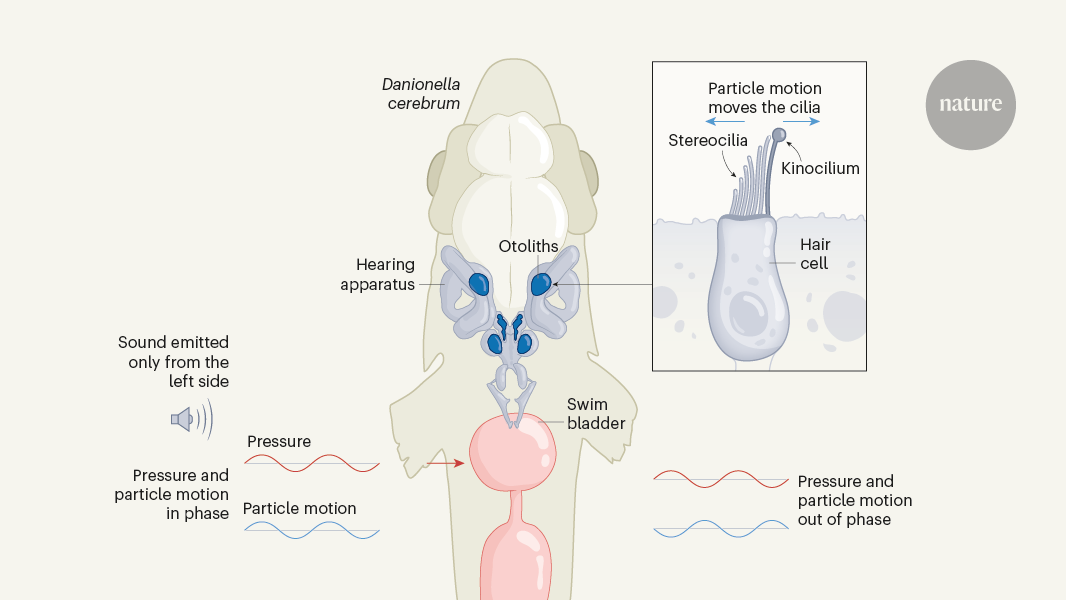
  • Pressure and particle motion enable fish to sense the direction of sound

    Pressure and particle motion enable fish to sense the direction of sound

    [ad_1]

  • Veith, J. et al. Nature https://doi.org/10.1038/s41586-024-07507-9 (2024).

    Article 

    Google Scholar
     

  • Popper, A. N. & Hawkins, A. D. J. Acoust. Soc. Am. 143, 470–488 (2018).

    Article 
    PubMed 

    Google Scholar
     

  • Fay, R. R. & Walton, P. L. Phil. Trans. R. Soc. B 355, 1281–1284 (2000).

    Article 
    PubMed 

    Google Scholar
     

  • Fay, R. R., Coombs, S. & Popper, A. N. J. Acoust. Soc. Am. 153, 761–772 (2023).

    Article 
    PubMed 

    Google Scholar
     

  • Schuijf, A. J. Comp. Physiol. 98, 307–332 (1975).

    Article 

    Google Scholar
     

  • Schuijf, A. & Buwalda, R. J. A. J. Comp. Physiol. 98, 333–343 (1975).

    Article 

    Google Scholar
     

  • von Frisch, K. & Dijkgraaf, S. Z. Vergl. Physiol. 22, 641–655 (1935).

    Article 

    Google Scholar
     

  • Hawkins, A. D. & Popper, A. N. J. Acoust. Soc. Am. 148, 3027–3041 (2020).

    Article 
    PubMed 

    Google Scholar
     

  • Coffin, A. B. et al. J. Exp. Biol. 217, 2078–2088 (2014).

    PubMed 

    Google Scholar
     

  • Zeddies, D. G. et al. J. Exp. Biol. 215, 152–160 (2012).

    Article 
    PubMed 

    Google Scholar
     

  • Sisneros, J. A. & Rogers, P. H. in Fish Hearing and Bioacoustics (ed. Sisneros, J. A.) 121–155 (Springer, 2016).


    Google Scholar
     

  • Britz, R., Conway, K. W. & Rüber, L. Sci. Rep. 11, 18942 (2021).

    Article 
    PubMed 

    Google Scholar
     

  • Vasconcelos, R. O. et al. J. Acoust. Soc. Am. 155, 781–789 (2024).

    Article 
    PubMed 

    Google Scholar
     

  • Maiditsch, I. P., Ladich, F., Heß, M., Schleputz, C. M. & Schulz-Mirbach, T. J. Exp. Biol. 225, jeb243614 (2022).

    Article 
    PubMed 

    Google Scholar
     

  • [ad_2]

    Source link

  • Sex organs sense vibrations through specialized touch neurons

    Sex organs sense vibrations through specialized touch neurons

    [ad_1]

    Nature, Published online: 19 June 2024; doi:10.1038/d41586-024-01645-w

    A little-studied sensory structure called the Krause corpuscle is responsible for detecting light touch and is essential for normal sexual behaviour in mice. The findings have interesting implications for human sexual intimacy.

    [ad_2]

    Source link