Tag: antibiotics

  • Drug-resistant infections more likely to strike women, says WHO

    Drug-resistant infections more likely to strike women, says WHO

    [ad_1]

    Women might be more likely to develop drug-resistant infections than men — an under-recognized aspect of the growing threat of antimicrobial resistance, according to a global review led by the World Health Organization (WHO). The report finds that more than 70% of countries do not recognize gender inequalities in national plans to tackle drug-resistant infections.

    And last month, the WHO added four pathogens to its list of the drug-resistant bacteria it considers to be most dangerous to humans. The list, first published in 2017, helps nations to shape their action plans against antimicrobial resistance (AMR), which is caused by the overuse and misuse of antibiotics that leads to bacteria becoming resistant to the medications through mutations in their DNA.

    The changes to the list were based on how commonly the bacteria cause infections, their deadliness and how easily infections can be prevented through measures such as handwashing, quarantine and vaccination. The WHO added three streptococcal bacteria — which cause conditions including a type of pneumonia and an influenza-like infection that can be fatal in extreme cases — and a highly resistant variety of tuberculosis (see ‘Dangerous drug resistance’). The streptococci are linked to a high burden of disease, especially in poor countries, and the tuberculosis strain is difficult to detect and very expensive to treat.

    Gender disparity

    The gender review suggests that women, particularly those in low-resource settings, might be at a higher risk than men of contracting drug-resistant infections, owing to factors including menstrual-hygiene needs and gendered divisions of labour. The analysis will shape the first-ever WHO report on how policymakers can address gender inequalities in efforts to tackle the global threat, scheduled to be published in July.

    “The majority of national action plans available have no mention of sex or gender, let alone consider this in the design of AMR interventions,” said Zlatina Dobreva, a technical officer focusing on AMR at the WHO in Geneva, Switzerland, when she presented the review last month at the European Society of Clinical Microbiology and Infectious Diseases conference in Barcelona, Spain.

    “Gender influences exposure to infection, infection-prevention, health-care-seeking and self-treatment behaviours, as well as prescribing patterns,” she said. The WHO conducted the review in collaboration with researchers at the Global Strategy Lab in Toronto, Canada.

    “It is imperative to study gender as it is one of the core social determinants of population health and health inequalities,” says Deepshikha Batheja at the One Health Trust in Bengaluru, India, who studies the factors that influence women’s participation and productivity in paid work in India, and provided feedback to the WHO and Global Strategy Lab teams on how the review was conducted. “This is an excellent and timely piece of work,” she says.

    Many factors

    The researchers analysed 130 English-language studies that focused on gender and antimicrobial resistance, published between 2000 and 2023. Around 20% of the studies focused on Africa, and nearly 15% focused on southeast Asia.

    The team found that, in poor regions, inadequate access to clean water puts women and girls at a greater risk of drug-resistant urinary tract infections than men, because of menstrual-hygiene needs. In these settings, women and girls are also often responsible for fetching water, preparing food and doing farm work, which increases their exposure to pathogens such as antibiotic-resistant E. coli in water and food, and to antibiotics fed to animals.

    Women are also more likely to encounter drug-resistant infections in hospitals and clinics, because they typically spend more time in them than men do. Globally, women make up 70% of health-care workers, and they tend to be responsible for making decisions about their children’s health and vaccinations, says Dobreva.

    And higher rates of sexual violence against women compared with men also put them at a greater risk of drug-resistant sexually transmitted infections. In some regions, the lack of financial independence and decision-making power that result from cultural norms limit women’s access to treatments for infections. This makes them more likely to self-diagnose and use inappropriate treatments that allow microbes to persist and evolve drug resistance.

    Dearth of data

    Despite the many factors that put women at a greater risk of drug-resistant infections, it is not clear whether such infections are more common in women than in men. That’s because many countries do not collect data on sex and gender when tracking antimicrobial resistance, says Dobreva.

    Filling this data gap is crucial to addressing gender inequality, she says. “When research studies are conducted, they need to consistently report on sex [and if possible, gender] and collect that data, because it’s a missed opportunity if you don’t do that,” says Dobreva.

    Dobreva hopes that the review and upcoming WHO report will raise awareness of the need to discuss gender inequality at the United Nations General Assembly meeting on antimicrobial resistance in September. That meeting aims to encourage countries to make firm commitments on how to address the global threat. Since the WHO adopted a global action plan for antimicrobial resistance in 2015, more than 170 countries have drawn up plans — but none are legally binding.

    The latest review struck a chord with antimicrobial-resistance researcher Charity Wiafe Akenten at the Kumasi Centre for Collaborative Research in Tropical Medicine, Ghana, who was at the microbiology meeting. “I have not thought of how gender and AMR overlap before,” she says.

    [ad_2]

    Source link

  • Twitter suspended 70,000 accounts after the Capitol riots and it curbed misinformation

    Twitter suspended 70,000 accounts after the Capitol riots and it curbed misinformation

    [ad_1]

    Download the Nature Podcast 5 June 2024

    In this episode:

    00:46 Making a molecular Bose–Einstein condensate

    For the first time, researchers have coaxed molecules into a bizarre form of matter called a Bose–Einstein condensate, in which they all act in a single gigantic quantum state. Although condensates have been made using atoms for decades, the complex interactions of molecules have prevented them from being cooled into this state. Now, a team has successfully made a Bose–Einstein condensate using molecules made of caesium and sodium atoms, which they hope will allow them to answer more questions about the quantum world, and could potentially form the basis of a new kind of quantum computer.

    Research article: Bigagli et al.

    News: Physicists coax molecules into exotic quantum state — ending decades-long quest

    9:57 How deplatforming affects the spread of social media misinformation

    The storming of the US Capitol on 6 January 2021 resulted in the social media platform Twitter (now X) rapidly deplatforming 70,000 users deemed to be sharers of misinformation. To evaluate the effect of this intervention, researchers analysed the activity of over 500,000 Twitter users, showing that it reduced the sharing of misinformation, both from the deplatformed users and from those who followed them. Results also suggest that other misinformation traffickers who were not deplatformed left Twitter following the intervention. Together these results show that social media platforms can curb misinformation sharing, although a greater understanding of the efficacy of these actions in different contexts is required.

    Research article: McCabe et al.

    Editorial: What we do — and don’t — know about how misinformation spreads online

    Comment: Misinformation poses a bigger threat to democracy than you might think

    20:14: Briefing Chat

    A new antibiotic that can kill harmful bacteria without damaging the gut microbiome, and the tiny plant with the world’s biggest genome.

    News: ‘Smart’ antibiotic can kill deadly bacteria while sparing the microbiome

    News: Biggest genome ever found belongs to this odd little plant

    Subscribe to Nature Briefing, an unmissable daily round-up of science news, opinion and analysis free in your inbox every weekday.

    Never miss an episode. Subscribe to the Nature Podcast on Apple Podcasts, Spotify, YouTube Music or your favourite podcast app. An RSS feed for the Nature Podcast is available too.

    [ad_2]

    Source link

  • ‘Smart’ antibiotic can kill deadly bacteria while sparing the microbiome

    ‘Smart’ antibiotic can kill deadly bacteria while sparing the microbiome

    [ad_1]

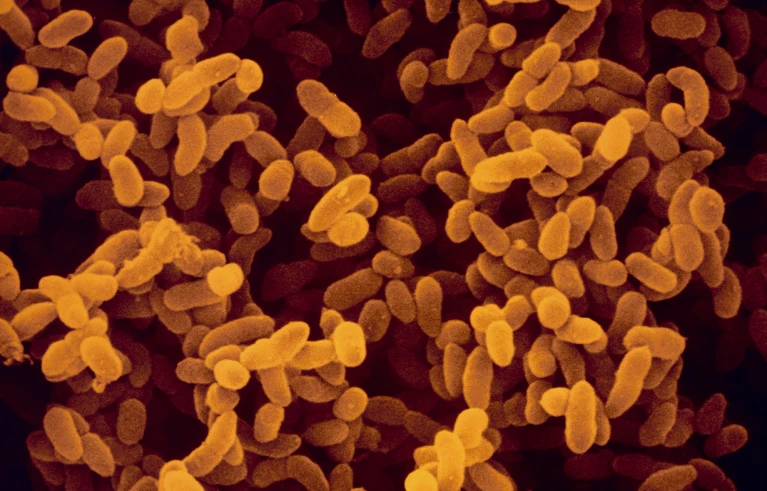
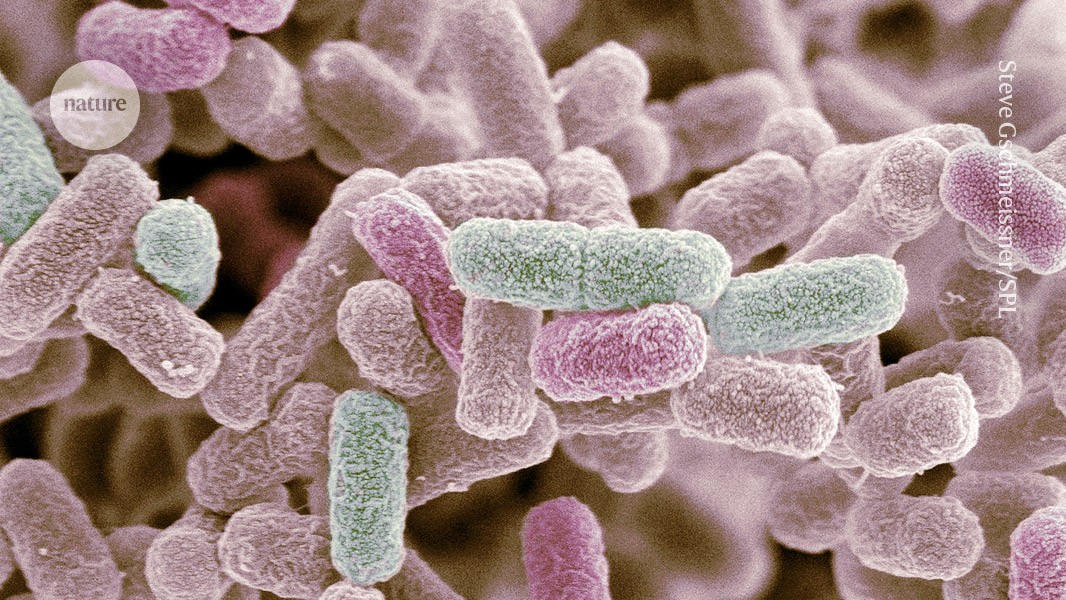
    False-colour scanning electron micrograph of a colony of the bacteria Klebsiella pneumonia.

    Gram-negative bacteria such as Klebsiella pneumoniae (artificially coloured) are often resistant to multiple antibiotics, but they succumb to a new compound called lolamicin.Credit: Dr Tony Brain/Science Photo Library

    They are the stuff of medical nightmares. Pathogens classified as Gram-negative bacteria are often hardy, virulent and quick to evolve resistance to antibiotics. Only a few drugs can knock them out, and these also destroy beneficial gut bacteria.

    Now scientists have developed an antibiotic that kills pathogenic Gram-negative bacteria — even those resistant to many other drugs — without impairing the gut microbiome. So far, it has been studied only in mice, but if the compound works in humans, “it could help us dramatically”, says Sebastian Hiller, a structural biologist at the University of Basel in Switzerland who was not involved in the research. However, there is a caveat, he says: the compound’s usefulness “depends on whether bacteria will develop resistance to it in the long run”.

    The study appears today in Nature.

    Small but deadly

    Gram-negative bacteria include public-health villains such as Escherichia coli and Klebsiella pneumoniae. They cause diseases ranging from salmonella to cholera, and can trigger sepsis, a potentially lethal immune-system response to infection.

    The bacteria have “multiple barriers that prevent antibiotic penetration”, says molecular biologist Zemer Gitai at Princeton University in New Jersey, who was not involved in the research. As a result, there are almost no antibiotics that specifically target Gram-negative bacteria. The few drugs that do also wreak havoc with the gut microbiome, allowing potentially deadly pathogens such as Clostridioides difficile to take over.

    To find a way around the bacteria’s defences, the study’s authors started with compounds that don’t kill the bacteria but are known to inhibit the ‘Lol system’, a group of proteins that is exclusive to Gram-negative bacteria. Tinkering with those compounds produced one that the researchers called lolamicin, which “selectively kills pathogenic bacteria over non-pathogenic bacteria based on differences in Lol proteins between these bacteria”, says study co-author Paul Hergenrother, a chemist at the University of Illinois at Urbana-Champaign.

    Lolamicin had anti-microbial effects against more than 130 multidrug-resistant strains of bacteria growing in laboratory dishes. Mice that developed blood stream infections after exposure to antibiotic-resistant bacteria all survived after being given lolamicin, whereas 87% of those that didn’t receive the compound died within three days.

    The team also found that common antibiotics such as amoxicillin severely disrupted the animals’ gut microbiome, which led to infections with C. difficile. By contrast, lolamicin treatment did not cause observable changes in the gut microbiome and spared mice from C. difficile infection.

    ‘A long road’

    Gitai says that the study “proves the viability” of targeting the Lol system, but adds, “There is a long road from showing efficacy in mice to developing a drug for human use.”

    Hiller also sounds a cautious note. The time from an antibiotic’s discovery to its approval for clinical use can be more than two decades, “and there is not much money to be made with a novel antibiotic”, he says. “Around ten to twenty new Gram-negative antibiotics have been discovered in the last ten years”, he adds, but none has gained approval from the US Food and Drug Administration.

    [ad_2]

    Source link

  • Maier, L. et al. Unravelling the collateral damage of antibiotics on gut bacteria. Nature 599, 120–124 (2021).

    Article 
    ADS 
    CAS 
    PubMed 
    PubMed Central 

    Google Scholar
     

  • Lynch, S. V. & Pedersen, O. The human intestinal microbiome in health and disease. New Eng. J. Med. 375, 2369–2379 (2016).

    Article 
    CAS 
    PubMed 

    Google Scholar
     

  • Schubert, A. M., Sinani, H. & Schloss, P. D. Antibiotic-induced alterations of the murine gut microbiota and subsequent effects on colonization resistance against Clostridium difficile. mBio 6, e00974 (2015).

    Article 
    CAS 
    PubMed 
    PubMed Central 

    Google Scholar
     

  • Owens, R. C. Jr., Donskey, C. J., Gaynes, R. P., Loo, V. G. & Muto, C. A. Antimicrobial-associated risk factors for Clostridium difficile infection. Clin. Infect. Dis. 46, S19–S31 (2008).

    Article 
    PubMed 

    Google Scholar
     

  • Iizumi, T., Battaglia, T., Ruiz, V. & Perez Perez, G. I. Gut microbiome and antibiotics. Arch. Med. Res. 48, 727–734 (2017).

    Article 
    CAS 
    PubMed 

    Google Scholar
     

  • Poon, S. S. B. et al. Neonatal antibiotics have long term sex-dependent effects on the enteric nervous system. J. Phys. 600, 4303–4323 (2022).

    CAS 

    Google Scholar
     

  • Lange, K., Buerger, M., Stallmach, A. & Bruns, T. Effects of antibiotics on gut microbiota. Digest. Dis. 34, 260–268 (2016).

    Article 

    Google Scholar
     

  • Gu, S. et al. Effect of the short-term use of fluoroquinolone and β-lactam antibiotics on mouse gut microbiota. Infect. Drug Resist. 13, 4547–4558 (2020).

    Article 
    CAS 
    PubMed 
    PubMed Central 

    Google Scholar
     

  • Lofmark, S., Jernberg, C., Jansson, J. K. & Edlund, C. Clindamycin-induced enrichment and long-term persistence of resistant Bacteroides spp. and resistance genes. J. Antimicrob. Chemother. 58, 1160–1167 (2006).

    Article 
    PubMed 

    Google Scholar
     

  • Hertz, F. B. et al. Effects of antibiotics on the intestinal microbiota of mice. Antibiotics 9, 191 (2020).

    Article 
    CAS 
    PubMed 
    PubMed Central 

    Google Scholar
     

  • Lagier, J. C., Million, M., Hugon, P., Armougom, F. & Raoult, D. Human gut microbiota: repertoire and variations. Front. Cell Infect. Microbiol. 2, 136 (2012).

    Article 
    PubMed 
    PubMed Central 

    Google Scholar
     

  • Singh, H. Management with colistin. Ind. J. Crit. Care. Med. 14, 161–162 (2010).

    Article 

    Google Scholar
     

  • Falagas, M. E. & Kasiakou, S. K. Colistin: the revival of polymyxins for the management of multidrug-resistant Gram-negative bacterial infections. Clin. Infect. Dis. 40, 1333–1341 (2005).

    Article 
    CAS 
    PubMed 

    Google Scholar
     

  • Chatzidimitriou, M. et al. mcr genes conferring colistin resistance in Enterobacterales; a five year overview. Acta Med. Acad. 50, 365–371 (2021).

    Article 
    PubMed 

    Google Scholar
     

  • Rice, L. B. Federal funding for the study of antimicrobial resistance in nosocomial pathogens: no ESKAPE. J. Infect. Dis. 197, 1079–1081 (2008).

    Article 
    PubMed 

    Google Scholar
     

  • Hoffman, P. S. Antibacterial discovery: 21st century challenges. Antibiotics 9, 213–213 (2020).

    Article 
    PubMed 
    PubMed Central 

    Google Scholar
     

  • Nickerson, N. N. et al. A novel inhibitor of the LolCDE ABC transporter essential for lipoprotein trafficking in Gram-negative bacteria. Antimicrob. Agents Chemother. 62, e02151–02117 (2018).

    Article 
    CAS 
    PubMed 
    PubMed Central 

    Google Scholar
     

  • Zhang, G. et al. Cell-based screen for discovering lipopolysaccharide biogenesis inhibitors. Proc. Natl Acad. Sci. USA 115, 6834–6839 (2018).

    Article 
    ADS 
    CAS 
    PubMed 
    PubMed Central 

    Google Scholar
     

  • Lehman, K. M. & Grabowicz, M. Countering Gram-negative antibiotic resistance: recent progress in disrupting the outer membrane with novel therapeutics. Antibiotics 8, 163 (2019).

    Article 
    CAS 
    PubMed 
    PubMed Central 

    Google Scholar
     

  • Brown, M. F. et al. Potent inhibitors of LpxC for the treatment of Gram-negative infections. J. Med. Chem. 55, 914–923 (2012).

    Article 
    CAS 
    PubMed 

    Google Scholar
     

  • Miller, R. D. et al. A novel antibiotic targeting BamA identified by a computational search. Nat. Microbiol. 7, 1661–1672 (2022).

    Article 
    CAS 
    PubMed 
    PubMed Central 

    Google Scholar
     

  • Imai, Y. et al. A new antibiotic selectively kills Gram-negative pathogens. Nature 576, 459–464 (2019).

    Article 
    ADS 
    CAS 
    PubMed 
    PubMed Central 

    Google Scholar
     

  • Smith, P. A. et al. Optimized arylomycins are a new class of Gram-negative antibiotics. Nature 561, 189–194 (2018).

    Article 
    ADS 
    CAS 
    PubMed 

    Google Scholar
     

  • Tokuda, H. & Matsuyama, S.-I. Sorting of lipoproteins to the outer membrane in E. coli. Biochim. Biophys. Acta 1693, 5–13 (2004).

    Article 
    CAS 
    PubMed 

    Google Scholar
     

  • Pathania, R. et al. Chemical genomics in Escherichia coli identifies an inhibitor of bacterial lipoprotein targeting. Nat. Chem. Biol. 5, 849–856 (2009).

    Article 
    CAS 
    PubMed 

    Google Scholar
     

  • Barker, C. A. et al. Degradation of MAC13243 and studies of the interaction of resulting thiourea compounds with the lipoprotein targeting chaperone LolA. Bioorg. Med. Chem. Lett. 23, 2426–2431 (2013).

    Article 
    CAS 
    PubMed 

    Google Scholar
     

  • Hoang, H. H. et al. Outer membrane targeting of Pseudomonas aeruginosa proteins shows variable dependence on the components of Bam and Lol machineries. mBio 2, e00246–00211 (2011).

    Article 
    CAS 
    PubMed 
    PubMed Central 

    Google Scholar
     

  • Ito, H. et al. A new screening method to identify inhibitors of the Lol (localization of lipoproteins) system, a novel antibacterial target. Microbiol. Immun. 51, 263–270 (2007).

    Article 
    CAS 

    Google Scholar
     

  • Nayar, A. S. et al. Novel antibacterial targets and compounds revealed by a high-throughput cell wall reporter assay. J. Bacteriol. 197, 1726–1734 (2015).

    Article 
    CAS 
    PubMed 
    PubMed Central 

    Google Scholar
     

  • Liu, J. et al. Natural inhibitors targeting the localization of lipoprotein system in Vibrio parahaemolyticus. Int. J. Mol. Sci. 23, 14352 (2022).

    Article 
    CAS 
    PubMed 
    PubMed Central 

    Google Scholar
     

  • Breidenstein, E. B. M. et al. SMT-738: a novel small-molecule inhibitor of bacterial lipoprotein transport targeting Enterobacteriaceae. Antimicrob. Agents Chemother. 68, e0069523 (2024).

    Article 
    CAS 
    PubMed 

    Google Scholar
     

  • Grabowicz, M. & Silhavy, T. J. Redefining the essential trafficking pathway for outer membrane lipoproteins. Proc. Natl Acad. Sci. USA 114, 4769–4774 (2017).

    Article 
    ADS 
    CAS 
    PubMed 
    PubMed Central 

    Google Scholar
     

  • Richter, M. F. et al. Predictive compound accumulation rules yield a broad-spectrum antibiotic. Nature 545, 299–304 (2017).

    Article 
    ADS 
    CAS 
    PubMed 
    PubMed Central 

    Google Scholar
     

  • Richter, M. F. & Hergenrother, P. J. The challenge of converting Gram-positive-only compounds into broad-spectrum antibiotics. Ann. NY Acad. Sci. 1435, 18–38 (2019).

    Article 
    ADS 
    CAS 
    PubMed 

    Google Scholar
     

  • Munoz, K. A. & Hergenrother, P. J. Facilitating compound entry as a means to discover antibiotics for Gram-negative bacteria. Acc. Chem. Res. 54, 1322–1333 (2021).

    Article 
    CAS 
    PubMed 
    PubMed Central 

    Google Scholar
     

  • Prochnow, H. et al. Subcellular quantification of uptake in Gram-negative bacteria. Anal. Chem. 91, 1863–1872 (2019).

    Article 
    CAS 
    PubMed 

    Google Scholar
     

  • Wexler, H. M. Bacteroides: the good, the bad, and the nitty-gritty. Clin. Microbiol. Rev. 20, 593–621 (2007).

    Article 
    CAS 
    PubMed 
    PubMed Central 

    Google Scholar
     

  • Nonejuie, P., Burkart, M., Pogliano, K. & Pogliano, J. Bacterial cytological profiling rapidly identifies the cellular pathways targeted by antibacterial molecules. Proc. Natl Acad. Sci. USA 110, 16169–16174 (2013).

    Article 
    ADS 
    CAS 
    PubMed 
    PubMed Central 

    Google Scholar
     

  • Grabowicz, M. Lipoproteins and their trafficking to the outer membrane. EcoSal Plus 8, https://doi.org/10.1128/ecosalplus.ESP-0038-2018 (2019).

  • Tang, X. et al. Structural basis for bacterial lipoprotein relocation by the transporter LolCDE. Nat. Struct. Mol. Biol. 28, 347–355 (2021).

    Article 
    CAS 
    PubMed 

    Google Scholar
     

  • Sharma, S. et al. Mechanism of LolCDE as a molecular extruder of bacterial triacylated lipoproteins. Nat. Commun. 12, 4687 (2021).

    Article 
    ADS 
    CAS 
    PubMed 
    PubMed Central 

    Google Scholar
     

  • Buffie, C. G. et al. Profound alterations of intestinal microbiota following a single dose of clindamycin results in sustained susceptibility to Clostridium difficile-induced colitis. Infect. Immun. 80, 62–73 (2012).

    Article 
    CAS 
    PubMed 
    PubMed Central 

    Google Scholar
     

  • Lesniak, N. A., Schubert, A. M., Sinani, H. & Schloss, P. D. Clearance of Clostridioides difficile colonization is associated with antibiotic-specific bacterial changes. mSphere 6, e01238-20 (2021).

    Article 
    PubMed 
    PubMed Central 

    Google Scholar
     

  • Feuerstadt, P., Theriault, N. & Tillotson, G. The burden of CDI in the United States: a multifactorial challenge. BMC Infect. Dis. 23, 132 (2023).

    Article 
    PubMed 
    PubMed Central 

    Google Scholar
     

  • Garcia Chavez, M. et al. Synthesis of fusidic acid derivatives yields a potent antibiotic with an improved resistance profile. ACS Infect. Dis. 7, 493–505 (2021).

    Article 
    CAS 
    PubMed 

    Google Scholar
     

  • Oefner, C. et al. Increased hydrophobic interactions of iclaprim with Staphylococcus aureus dihydrofolate reductase are responsible for the increase in affinity and antibacterial activity. J. Antimicrob. Chemother. 63, 687–698 (2009).

    Article 
    CAS 
    PubMed 

    Google Scholar
     

  • Purnapatre, K. P. et al. In vitro and in vivo activities of DS86760016, a novel leucyl-tRNA synthetase inhibitor for Gram-negative pathogens. Antimicrob. Agents Chemother. 62, e01987-17 (2018).

    Article 
    PubMed 
    PubMed Central 

    Google Scholar
     

  • Schuster, M. et al. Peptidomimetic antibiotics disrupt the lipopolysaccharide transport bridge of drug-resistant Enterobacteriaceae. Sci. Adv. 9, eadg3683 (2023).

    Article 
    CAS 
    PubMed 
    PubMed Central 

    Google Scholar
     

  • Rana, P. et al. FabI (enoyl acyl carrier protein reductase)—a potential broad spectrum therapeutic target and its inhibitors. Eur. J. Med. Chem. 208, 112757 (2020).

    Article 
    CAS 
    PubMed 

    Google Scholar
     

  • Parker, E. N. et al. An iterative approach guides discovery of the FabI inhibitor fabimycin, a late-stage antibiotic candidate with in vivo efficacy against drug-resistant Gram-negative infections. ACS Cent. Sci. 8, 1145–1158 (2022).

    Article 
    CAS 
    PubMed 
    PubMed Central 

    Google Scholar
     

  • Yao, J. et al. A pathogen-selective antibiotic minimizes disturbance to the microbiome. Antimicrob. Agents Chemother. 60, 4264–4273 (2016).

    Article 
    CAS 
    PubMed 
    PubMed Central 

    Google Scholar
     

  • Konovalova, A., Kahne, D. E. & Silhavy, T. J. Outer membrane biogenesis. Annu. Rev. Microbiol. 71, 539–556 (2017).

    Article 
    CAS 
    PubMed 
    PubMed Central 

    Google Scholar
     

  • Ho, H. et al. Structural basis for dual-mode inhibition of the ABC transporter MsbA. Nature 557, 196–201 (2018).

    Article 
    ADS 
    CAS 
    PubMed 

    Google Scholar
     

  • Silver, L. L. A Gestalt approach to Gram-negative entry. Bioorg. Med. Chem. 24, 6379–6389 (2016).

    Article 
    CAS 
    PubMed 

    Google Scholar
     

  • Pandit, K. R. & Klauda, J. B. Membrane models of E. coli containing cyclic moieties in the aliphatic lipid chain. Biochim. Biophys. Acta 1818, 1205–1210 (2012).

    Article 
    CAS 
    PubMed 

    Google Scholar
     

  • Jorgensen, W. L., Chandrasekhar, J., Madura, J. D., Impey, R. W. & Klein, M. L. Comparison of simple potential functions for simulating liquid water. J. Chem. Phys. 79, 926–935 (1983).

    Article 
    ADS 
    CAS 

    Google Scholar
     

  • Jo, S., Kim, T., Iyer, V. G. & Im, W. CHARMM-GUI: a web-based graphical user interface for CHARMM. J. Comput. Chem. 29, 1859–1865 (2008).

    Article 
    CAS 
    PubMed 

    Google Scholar
     

  • Licari, G., Dehghani-Ghahnaviyeh, S. & Tajkhorshid, E. Membrane Mixer: a toolkit for efficient shuffling of lipids in heterogeneous biological membranes. J. Chem. Inform. Model. 62, 986–996 (2022).

    Article 
    CAS 

    Google Scholar
     

  • Humphrey, W., Dalke, A. & Schulten, K. VMD: visual molecular dynamics. J. Mol. Graph. 14, 27–38 (1996). 33-38.

    Article 

    Google Scholar
     

  • Trott, O. & Olson, A. J. AutoDock Vina: improving the speed and accuracy of docking with a new scoring function, efficient optimization, and multithreading. J. Comput. Chem. 31, 455–461 (2010).

    Article 
    CAS 
    PubMed 
    PubMed Central 

    Google Scholar
     

  • Phillips, J. C. et al. Scalable molecular dynamics on CPU and GPU architectures with NAMD. J. Chem. Phys. 153, 044130 (2020).

    Article 
    CAS 
    PubMed 
    PubMed Central 

    Google Scholar
     

  • Phillips, J. C. et al. Scalable molecular dynamics with NAMD. J. Comput. Chem. 26, 1781–1802 (2005).

    Article 
    CAS 
    PubMed 
    PubMed Central 

    Google Scholar
     

  • Hart, K. et al. Optimization of the CHARMM additive force field for DNA: improved treatment of the BI/BII conformational equilibrium. J. Chem. Theor. Comput. 8, 348–362 (2012).

    Article 
    CAS 

    Google Scholar
     

  • Klauda, J. B. et al. Update of the CHARMM all-atom additive force field for lipids: validation on six lipid types. J. Phys. Chem. B 114, 7830–7843 (2010).

    Article 
    CAS 
    PubMed 
    PubMed Central 

    Google Scholar
     

  • Darden, T., York, D. & Pedersen, L. Particle mesh Ewald: an N·log(N) method for Ewald sums in large systems. J. Chem. Phys. 98, 10089–10092 (1993).

    Article 
    ADS 
    CAS 

    Google Scholar
     

  • Ryckaert, J. P., Ciccotti, G. & Berendsen, H. J. C. Numerical integration of the Cartesian equations of motion of a system with constraints: molecular dynamics of n-alkanes. J. Comput. Phys. 23, 327–341 (1977).

    Article 
    ADS 
    CAS 

    Google Scholar
     

  • Martyna, G. J., Tobias, D. J. & Klein, M. L. Constant-pressure molecular-dynamics algorithms. J. Chem. Phys. 101, 4177–4189 (1994).

    Article 
    ADS 
    CAS 

    Google Scholar
     

  • Feller, S. E., Zhang, Y. H., Pastor, R. W. & Brooks, B. R. Constant-pressure molecular-dynamics simulation—the Langevin piston method. J. Chem. Phys. 103, 4613–4621 (1995).

    Article 
    ADS 
    CAS 

    Google Scholar
     

  • Andrews, S. Fast QC: a quality control tool for high throughput sequence data. http://www.bioinformatics.babraham.ac.uk/projects/fastqc/ (2016).

  • Callahan, B. J. et al. DADA2: High-resolution sample inference from Illumina amplicon data. Nat. Method 13, 581–583 (2016).

    Article 
    CAS 

    Google Scholar
     

  • Lan, Y., Wang, Q., Cole, J. R. & Rosen, G. L. Using the RDP classifier to predict taxonomic novelty and reduce the search space for finding novel organisms. PLoS ONE 7, e32491 (2012).

    Article 
    ADS 
    CAS 
    PubMed 
    PubMed Central 

    Google Scholar
     

  • Quast, C. et al. The SILVA ribosomal RNA gene database project: improved data processing and web-based tools. Nucleic Acids Res. 41, D590–D596 (2013).

    Article 
    CAS 
    PubMed 

    Google Scholar
     

  • McLaren, M. R. Silva SSU taxonomic training data formatted for DADA2. Zenodo https://doi.org/10.5281/zenodo.3986799 (2020).

  • Wright, E. S. DECIPHER: harnessing local sequence context to improve protein multiple sequence alignment. BMC Bioinformatics 16, 322 (2015).

    Article 
    PubMed 
    PubMed Central 

    Google Scholar
     

  • Price, M. N., Dehal, P. S. & Arkin, A. P. FastTree 2—approximately maximum-likelihood trees for large alignments. PLoS ONE 5, e9490 (2010).

    Article 
    ADS 
    PubMed 
    PubMed Central 

    Google Scholar
     

  • R: A Language and Environment for Statistical Computing, v. 4.2.1 (R Foundation for Statistical Computing, 2019).

  • McMurdie, P. J. & Holmes, S. phyloseq: an R package for reproducible interactive analysis and graphics of microbiome census data. PLoS ONE 8, e61217 (2013).

    Article 
    ADS 
    CAS 
    PubMed 
    PubMed Central 

    Google Scholar
     

  • Oksanen, J. et al. vegan: Community ecology package. https://CRAN.R-project.org/package=vegan (2017).

  • Love, M. I., Huber, W. & Anders, S. Moderated estimation of fold change and dispersion for RNA-seq data with DESeq2. Genome Biol. 15, 550 (2014).

    Article 
    PubMed 
    PubMed Central 

    Google Scholar
     

  • Holmes, J. HPCBio/hergenrother-16S-mouse-2022Sept: Initial release. https://doi.org/10.5281/zenodo.10980656 (2024).

  • Parker, E. N. et al. Implementation of permeation rules leads to a FabI inhibitor with activity against Gram-negative pathogens. Nat. Microbiol. 5, 67–75 (2020).

    Article 
    CAS 
    PubMed 

    Google Scholar
     

[ad_2]

Source link

  • Common antibiotics can regenerate heart cells in animals

    Common antibiotics can regenerate heart cells in animals

    [ad_1]

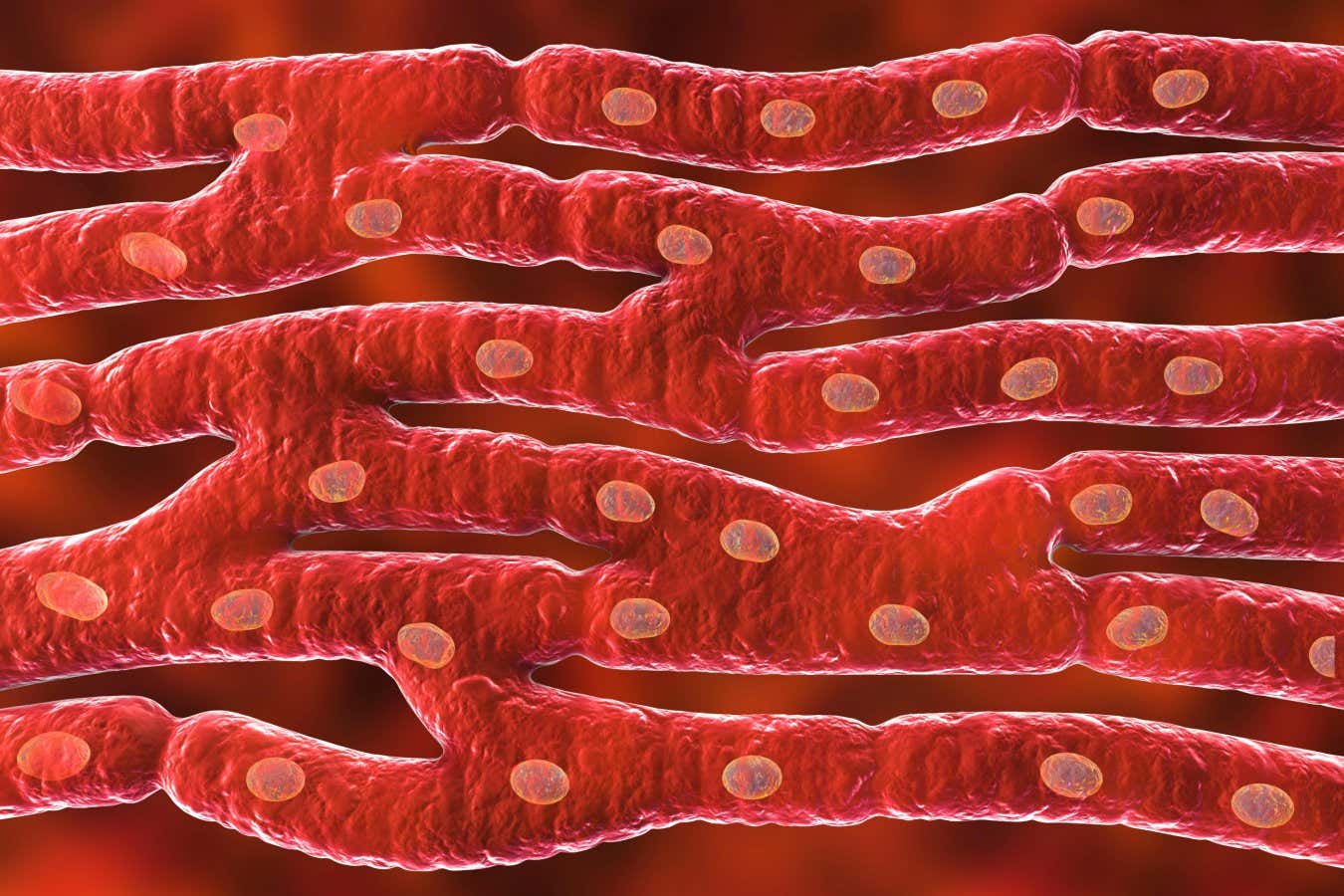
    Heart muscle structure, computer illustration

    A computer illustration of heart muscle cells

    KATERYNA KON/SCIENCE PHOTO LIBRARY/Alamy

    Two widely used antibiotics may be able to regenerate heart cells in pigs, suggesting they might one day be used to treat heart failure.

    Heart failure occurs when the heart is unable to pump enough blood to meet the body’s needs. It commonly develops after heart attacks, which permanently damage and weaken cardiac muscle. Other than an artificial heart or a heart transplant, treatments for the condition can only slow its progression, not repair damaged tissue.

    [ad_2]

    Source link

  • A Virus Found in Wastewater Beat Back a Woman’s ‘Zombie’ Bacteria

    A Virus Found in Wastewater Beat Back a Woman’s ‘Zombie’ Bacteria

    [ad_1]

    But Cole’s progress was short-lived. Her blood infection returned, and her doctors determined the phage-antibiotic combination was no longer effective. She passed away from pneumonia in March 2022, seven months after phage therapy was stopped. Cole’s case demonstrates both the hope and limitations of phage therapy.

    The problem this time wasn’t just bacterial evolution. When researchers ran follow-up lab tests on Cole’s blood, they found evidence of antibodies against the phage, meaning her immune system activated in a way that blocked the phage from attacking the bacteria. They suspect phage therapy may have a sort of tipping point, where giving too much of it could set off an immune reaction that prevents it from working.

    Madison Stellfox, a postdoctoral infectious diseases fellow at Pitt and lead author of the study, says that what they’ve learned from Cole’s case will help inform how to use phage therapy more effectively moving forward, especially as clinical trials of phages are underway at Pitt and elsewhere. “From two to four weeks is probably where we’re getting the most bang for our buck with the phages before the body starts making antibodies against them,” she says. In other words, phages might be better as short-term treatments.

    Two additional patients at other hospitals have since been treated with the same phage therapy that Cole received, and a third is about to be treated. About 20 patients total have been treated with phages across the University of Pittsburgh Medical Center’s hospitals, and 60 to 70 percent of them have responded to the therapy.

    “Infections are complicated,” says Erica Hartmann, a microbiologist at Northwestern University who studies phages and was not involved in Cole’s case. “It’s not as simple as, there’s a bad guy and we treat the bad guy with whatever weapons we have.”

    Persistent bacterial infections are difficult to treat because of the pathogen itself and conditions in the patient’s body. When a patient has an infection for a prolonged period of time, the bacteria has time to change and adapt. With heavy antibiotic use, bacteria evolve to thwart their effects. Add to that factors such as the person’s immune system, microbiome, and overall health—all of which affect how well they’re able to fight off the infection.

    Saima Aslam, an infectious disease specialist at the University of California, San Diego and clinical lead of the Center for Innovative Phage Applications and Therapeutics, says one way to avoid phage resistance is to use several phages at once against an infection.

    Bacteria can develop resistance to a phage by evolving to have different surface markers, so the phage can no longer recognize it. “Using a combination of three or four that have different ways of attaching to the bacteria is, I think, one way to overcome development or resistance,” Aslam says. If the bacteria changes such that one phage doesn’t recognize it, the others still should, she says.

    Aslam says clinical trials will help shed light on which patients and what types of infections may be best suited for phage therapy. Her center has treated 18 patients with around an 80 percent success rate.

    While phages are unlikely to ever replace antibiotics, they could be a powerful tool in combating drug-resistant bacterial infections—if researchers can figure out how best to deploy them.

    For Cole’s daughter Mya, her final beach trip with her mom was a special one. Even though phage therapy didn’t save her, Mya is grateful for that extra time. “I’m very hopeful that what my mom was able to test out will be helpful for other patients so that they can be cured,” she says.

    [ad_2]

    Source link

  • Scientists Discover Unexpected Effects of Common Food Preservative

    Scientists Discover Unexpected Effects of Common Food Preservative

    [ad_1]

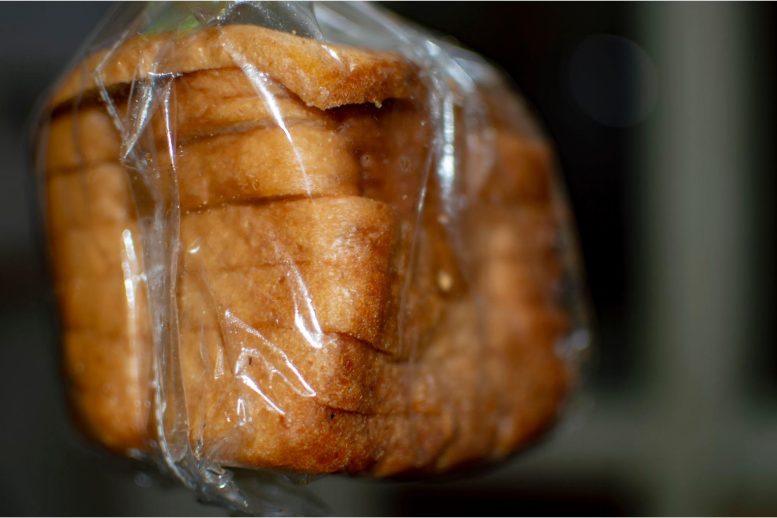
    Packaged Bread

    Foods such as yogurts, canned vegetables, and packaged breads frequently include preservatives that leverage the antimicrobial properties of substances like lantibiotics, including those similar to nisin, to ensure their longevity and safety. These additives, while essential for preventing microbial growth that can lead to spoilage, are now being studied for their broader implications on health, particularly their interactions with the human gut microbiome. Recent findings by researchers at the University of Chicago point to the dual action of these compounds, capable of targeting both detrimental pathogens and crucial beneficial bacteria within the gut, thereby raising important questions about their long-term effects on digestive health and microbial diversity.

    Research on a widely used food preservative known for its ability to eliminate pathogens indicates it also impacts helpful bacteria, posing a risk to the gut microbiome’s equilibrium.

    To extend the shelf life of food items, manufacturers commonly incorporate preservatives into their products. These substances are intended to eliminate microorganisms that may cause the food to deteriorate. While traditional preservatives such as sugar, salt, vinegar, and alcohol have a long history of use, contemporary food products often list more obscure additives like sodium benzoate, calcium propionate, and potassium sorbate on their labels.

    Bacteria produce chemicals called bacteriocins to kill microbial competitors. These chemicals can serve as natural preservatives by killing potentially dangerous pathogens in food. Lanthipeptides, a class of bacteriocins with especially potent antimicrobial properties, are widely used by the food industry and have become known as “lantibiotics” (a scientific portmanteau of lanthipeptide and antibiotics).

    Despite their widespread use, however, little is known about how these lantibiotics affect the gut microbiomes of people who consume them in food. Microbes in the gut live in a delicate balance, and commensal bacteria provide important benefits to the body by breaking down nutrients, producing metabolites, and—importantly—protecting against pathogens. If too many commensals are indiscriminately killed off by antimicrobial food preservatives, opportunistic pathogenic bacteria might take their place and wreak havoc—a result no better than eating contaminated food in the first place.

    Effects on good and bad bacteria

    A new study published in ACS Chemical Biology by scientists from the University of Chicago found that one of the most common classes of lantibiotics has potent effects both against pathogens and against the commensal gut bacteria that keep us healthy.

    Nisin is a popular lantibiotic used in everything from beer and sausage to cheese and dipping sauces. It is produced by bacteria that live in the mammary glands of cows, but microbes in the human gut produce similar lantibiotics too. Zhenrun “Jerry” Zhang, Ph.D., a postdoctoral scholar in the lab of Eric Pamer, MD, the Donald F. Steiner Professor of Medicine and Director of the Duchossois Family Institute at UChicago, wanted to study the impact of such naturally-produced lantibiotics on commensal gut bacteria.

    “Nisin is, in essence, an antibiotic that has been added to our food for a long time, but how it might impact our gut microbes is not well studied,” Zhang said. “Even though it might be very effective in preventing food contamination, it might also have a greater impact on our human gut microbes.”

    He and his colleagues mined a public database of human gut bacteria genomes and identified genes for producing six different gut-derived lantibiotics that closely resemble nisin, four of which were new. Then, in collaboration with Wilfred A. van der Donk, Ph.D., the Richard E. Heckert Endowed Chair in Chemistry at the University of Illinois Urbana-Champaign, they produced versions of these lantibiotics to test their effects on both pathogens and commensal gut bacteria. The researchers found that while the different lantibiotics had varying effects, they killed pathogens and commensal bacteria alike.

    “This study is one of the first to show that gut commensals are susceptible to lantibiotics, and are sometimes more sensitive than pathogens,” Zhang said. “With the levels of lantibiotics currently present in food, it’s very probable that they might impact our gut health as well.”

    Harnessing the power of lantibiotics

    Zhang and his team also studied the structure of peptides in the lantibiotics to better understand their activity, in the interest of learning how to use their antimicrobial properties for good. For example, in another study, the Pamer lab showed that a consortium of four microbes, including one that produces lantibiotics, help protect mice against antibiotic-resistant Enterococcus infections. They are also studying the prevalence of lantibiotic-resistant genes across different populations of people to better understand how such bacteria can colonize the gut under different conditions and diets.

    “It seems that lantibiotics and lantibiotic-producing bacteria are not always good for health, so we are looking for ways to counter the potential bad influence while taking advantage of their more beneficial antimicrobial properties,” Zhang said.

    Reference: “Activity of Gut-Derived Nisin-like Lantibiotics against Human Gut Pathogens and Commensals” by Zhenrun J. Zhang, Chunyu Wu, Ryan Moreira, Darian Dorantes, Téa Pappas, Anitha Sundararajan, Huaiying Lin, Eric G. Pamer and Wilfred A. van der Donk, 31 January 2024, ACS Chemical Biology.
    DOI: 10.1021/acschembio.3c00577

    The study was supported by the GI Research Foundation, the Howard Hughes Medical Institute, the National Institutes of Health (grants R01AI095706, P01 CA023766, U01 AI124275, and R01 AI042135) and the Duchossois Family Institute at UChicago. Additional authors include Chunyu Wu, Ryan Moreira, and Darian Dorantes from the Univeristy of Illinois Urbana-Champaign, and Téa Pappas, Anitha Sundararajan, and Huaiying Lin from UChicago.


    [ad_2]

    Source link

  • AI discovers new class of antibiotics to kill drug-resistant bacteria

    AI discovers new class of antibiotics to kill drug-resistant bacteria

    [ad_1]

    Methicillin-resistant Staphylococcus aureus (MRSA)

    Shutterstock / Kateryna Kon

    Artificial intelligence has helped discover a new class of antibiotics that can treat infections caused by drug-resistant bacteria. This could help in the battle against antibiotic resistance, which was responsible for killing more than 1.2 million people in 2019 – a number expected to rise in the coming decades.

    Testing in mice showed that the new antibiotic compounds proved promising treatments for both Methicillin-resistant Staphylococcus aureus (MRSA) and vancomycin-resistant Enterococcus – a bacterium that has developed resistance to the drug typically used for treating MRSA infections.

    “Our [AI] models tell us not only which compounds have selective antibiotic activity, but also why, in terms of their chemical structure,” says Felix Wong at the Broad Institute of MIT and Harvard in Massachusetts.

    Wong and his colleagues set out to show that AI-guided drug discovery could go beyond identifying specific targets that drug molecules can bind to, and instead predict the biological effect of entire classes of drug-like compounds.

    First, they tested the effects of more than 39,000 compounds on Staphylococcus aureus and three types of human cells from the liver, skeletal muscle and lungs. The results became the training data for AI models to learn about the patterns in each compound’s chemical atoms and bonds. That allowed the AIs to predict both the antibacterial activity of such compounds and their potential toxicity to human cells.

    The trained AI models then analysed 12 million compounds through computer simulations to find 3646 compounds with ideal drug-like properties. Additional calculations identified the chemical substructures that could explain each compound’s properties.

    By comparing such substructures in different compounds, the researchers identified new classes of potential antibiotics and eventually found two non-toxic compounds capable of killing both MRSA and vancomycin-resistant Enterococci.

    Finally, the researchers used mouse experiments to demonstrate the effectiveness of these compounds in treating skin and thigh infections caused by MRSA.

    Only a few new classes of antibiotics, such as oxazolidinones and lipopeptides, have been discovered that work well against both MRSA and vancomycin-resistant Enterococci – and resistance against such compounds has been increasing, says James Collins at the Broad Institute, a co-author of the study.

    “Our work identifies a new class of antibiotics, one of the few in 60 years, that complements these other antibiotics,” he says.

    The researchers have begun using this AI-guided approach for designing entirely new antibiotics and discovering other new drug classes, such as compounds that selectively kill ageing, damaged cells involved in conditions such as osteoarthritis and cancer.

    Topics:

    [ad_2]

    Source link