Tag: biodiversity

  • £1m boost for wildlife and water quality improvements

    £1m boost for wildlife and water quality improvements

    [ad_1]

    Work on a project to restore wetland habitat will boost wildlife and biodiversity and support water quality improvements at Billingham Beck and Thorpe Beck, which are tributaries of the River Tees.

    The £1m project, led by the Environment Agency in partnership with Stockton-on-Tees Borough Council and National Highways, will be complete by the autumn and will show significant wildlife and water quality improvements.

    It’s part of the £30m Tees Tidelands Programme, a groundbreaking set of projects officially launched in November.

    The programme will help the River Tees Estuary adapt to climate change, restore valuable habitat for internationally important wildlife, and reconnect the river’s tributaries.

    Vicky Ward, Natural England’s Tees Estuary Recovering Nature Project Manager, explained: “The Tees Tidelands programme is an incredible contribution to the Tees Estuary and will significantly reduce flood risks for local communities and industries.”

    Exciting project will bring ‘much-needed boost’ for wildlife and water quality improvements

    Paul Eckersley, the Environment Agency’s project manager, said: “This exciting project will bring a much-needed boost to biodiversity and water quality after decades of modification have seen precious habitat lost.

    “Working with our partners, we’re creating new wetlands and making it more accessible for the community. Removing the weir will open up the watercourse for migrating fish and other species.”

    He added: “This project is one part of a much wider programme of work to bring multiple benefits to the area through Tees Tidelands, which also includes realigning flood defences and restoring mudflat and saltmarsh habitat.”

    The Billingham Beck project includes:

    • Partly removing a historic weir to open up 55km of river for migrating fish from the River Tees;
    • Woody debris dams and new shallow ditches to reconnect Billingham Beck to floodplains, restoring areas of wetland;
    • An upgraded network of footpaths and improved landscaping to enhance access and public enjoyment of the site and reconnect people to the beck; and
    • Improved vehicle access for easier maintenance of the new wetlands.

    The watercourses in this area have been historically modified with channels straightened and deepened and the introduction of culverts and a weir, with the loss of wetland habitat having an adverse effect on the ecology and restricting fish movement.

    Benefits for the wider community

    Most of the project’s funding has come from National Highways Designated Funds, which has approved £906,000 for feasibility, detailed design, and implementation.

    The wildlife and water quality improvements project has been aligned with its scheme to improve the A19 between Norton and Wynyard, creating a better journey for drivers and ensuring it also benefits the environment.

    Connor Walls, National Highways Project Manager, concluded: “We’re delighted to see the start of work on Billingham Beck. Environmental sustainability is key to everything we do, and by supporting this fantastic community green space, we’ll be helping improve local biodiversity and benefit the wider community and the area’s wildlife.”

    [ad_2]

    Source link

  • Latitudinal patterns in stabilizing density dependence of forest communities

    [ad_1]

    Overview

    We used repeated census data from 23 large forest sites around the globe (Fig. 1) to analyse latitudinal patterns in stabilizing CNDD following a three-step approach. First, we fitted species-site-specific mortality models from repeated observations of individual trees. Second, we used these models to quantify CNDD for each species and site using an estimator designed to maximize robustness, comparability and relevance for fitness and stabilization. Third, we used meta-regressions to consider three distinct latitudinal patterns in CNDD derived from the hypothesis that CNDD is more influential for maintaining local tree species diversity in the tropics. Robustness of the analysis pipeline was validated by model diagnostics and randomization.

    This approach is based on recently developed best-practice statistical methods for estimating CNDD. Crucially, the use of dynamic mortality data allowed us to avoid the statistical pitfalls of previous CNDD studies, in particular with regard to analyses of the static relationship of number of saplings to number of adults, in which the null hypothesis is a positive linear relationship but regression dilution flattens this relationship and thus biases analyses towards finding CNDD, especially for rare species10,11,12,28,29. By fitting mortality models in which the null hypothesis is no relationship between survival and number of conspecific neighbours, we ensure that any regression dilution has a conservative effect by reducing CNDD estimates. We also addressed other previously identified limitations of CNDD analyses; namely, nonlinear and saturating CNDD (see ‘Species-site-specific mortality models’), the comparability of CNDD among species and sites (see ‘Quantification of conspecific density dependence’) and the extent to which CNDD estimates are meaningful for stabilization and species coexistence10,25,31.

    All analyses were conducted in R v.4.2.1 (ref. 51).

    Forest data

    The data used in this study were collected at 23 sites with permanent forest dynamics plots that are part of the Forest Global Earth Observatory network (ForestGEO)30 (Fig. 1 and Supplementary Notes), in which all free-standing woody stems with a diameter of at least 1 cm at 1.3 m from the ground (DBH) are censused. We stipulated that for plots to be suitable for analysing tree mortality in response to local conspecific density, they should be at least a few hectares in size with at least two censuses available (that is, longitudinal data on individual trees). The plots for which we obtained data vary in size between 6 ha and 52 ha (Supplementary Table 1), with between 9,718 and 495,577 mapped tree individuals at each site. Censuses have been performed with remeasurement intervals of approximately five years (Supplementary Table 1). The census data collected for each individual include species identity, DBH, spatial coordinates and status (alive or dead).

    For the mortality analyses, we selected observations of all living trees of non-fern and non-palm species with DBH < 10 cm in one census and follow-up data in a consecutive census (Extended Data Table 1). We then statistically analysed how tree mortality (measured by the status ‘dead’ or ‘alive’ in the consecutive census) depends on local conspecific density and potential confounders of this relationship (see ‘Species-site-specific mortality models’). We focused on saplings (small trees between 1 cm and 10 cm DBH), on the assumption that CNDD effects are most pronounced in earlier life stages52,53.

    For tree individuals with more than one stem, the individual was considered ‘alive’ if at least one of the stems was alive and ‘dead’ if all stems were dead. The DBH of multi-stem trees was calculated from the summed basal area of all stems. For trees with multiple stems at different coordinates, coordinates of the main stem were used. For the forest site Pasoh, where every stem was treated as an individual (information on which stems belong to the same tree was unavailable), we used observations of individual stems.

    Observations of trees or stems were excluded when information on coordinates, species, status or date of measurement was missing. Individuals classified as morphospecies were kept and analysed as the respective morphospecies. Status assignments were checked for plausibility and corrected if necessary (for example, trees found to be alive after being recorded as dead in a previous census were set to ‘alive’). If trees or stems changed their coordinates or species between censuses, the most recent information was used.

    Definition of local conspecific density

    Most previous CNDD studies3,32 have estimated separate effects for CNDD and HNDD. In the context of the Janzen–Connell hypothesis, in which CNDD is a promoter of species diversity, however, we are interested mainly in the difference between CNDD and HNDD, because only a detrimental effect of neighbouring conspecifics that exceeds the effect of any kind of neighbour (that is, irrespective of its species identity) can lead to a stabilizing effect at the population level6,20. We refer to this effect, that is, to the difference between CNDD and HNDD, as ‘stabilizing CNDD’. This effect is more appropriate when estimating the degree of self-limitation for a tree species.

    Because CNDD and HNDD are both estimated with uncertainty (characterized by the standard error), previous analyses that separately estimated CNDD and HNDD often faced challenges when formally testing whether conspecific effects are significantly more negative than are heterospecific effects25. Here, we circumvent this problem by estimating the effect of conspecific density, adjusted (in a multiple regression) for total tree density, which is the sum of conspecific and heterospecific density54. Defined in this way, the estimated effect (slope) for conspecific density in the regression corresponds to the effect of CNDD minus HNDD in previous studies55,56 (for details, see Supplementary Methods).

    Local conspecific and total densities around each focal tree were calculated as the number of neighbouring trees (N) or their basal area (BA) at the census preceding the census at which tree status was modelled. We considered neighbouring trees of all sizes at distances up to 30 m54 and discarded focal trees that were within 30 m of the plot boundaries. A decrease of neighbourhood effects with increasing distance was considered using two alternative decay functions:

    $$\begin{array}{cc}{\rm{exponential}}: & f\left({d}_{k}\right)={e}^{-\frac{1}{\mu }{d}_{k}}\end{array}$$

    $$\begin{array}{cc}{\rm{exponential-normal}}: & f\left({d}_{k}\right)={e}^{-\frac{1}{{\mu }^{2}}{{d}_{k}}^{2}}\end{array}$$

    with dk being the distance between a focal tree and its neighbour k, and the distance decay parameter μ defining how far neighbourhood effects extend on average.

    The estimator for local density (N or BA), the shape of the decay kernel (exponential or exponential–normal) and its parameter μ were optimized through a grid search, optimizing the fit of the mortality models (see next section). The parameter μ was optimized jointly for all species but separately for conspecific and total densities following the idea that the two effects are caused by different agents and thus may act at different spatial scales. We tested all four combinations of density definitions (N or BA, with exponential or normal distance decay) varying μ between 1 and 25 m in 2- m steps. Our selection criterion was the sum of the log likelihood (LL), calculated using the set of species for which all models converged (nspecies = 2,500). The highest overall LL was achieved when local densities were measured as BA with an exponential distance decay and μ= 3 and 17 for conspecific and total density, respectively (Supplementary Fig. 2). This definition of local densities also resulted in an average area under the curve (AUC) comparable with the overall AUC optimum (0.68; difference = 0.001). To ensure that the joint optimization of μ for all species did not induce a bias that correlated with the main predictors, that is, latitude and species abundance, we further examined species-specific optima of μ for those species for which the grid search yielded a distinct optimum of the log likelihood. We found no pattern with respect to latitude and species abundance (Supplementary Fig. 3), justifying the use of a joint optimization.

    Species-site-specific mortality models

    We used binomial generalized linear mixed models (GLMMs) with a complementary log-log (cloglog) link to model the tree status (‘dead’ or ‘alive’) as a function of conspecific density conD, total density totD and tree size DBH, which were added as potential confounder or precision covariates57. The advantage of the cloglog link over the more traditional logit link is that the cloglog allows better accounting for differences in observation time Δt (see Supplementary Table 1) through an offset term58.

    Because evidence suggests that CNDD could be nonlinear and in particular saturating10,25, we used generalized additive models (GAMs) with thin plate splines59 to allow for flexible nonlinear responses of all predictors. When the observations covered more than one census interval, ‘census’ was included as a random intercept. In sum, we model the status Yij of observation i in census interval j as a binomial random variable \({Y}_{ij} \sim {\rm{B}}{\rm{i}}{\rm{n}}{\rm{o}}{\rm{m}}(Pr(\,{y}_{ij}=1))\), where

    $$\begin{array}{c}{\rm{l}}{\rm{o}}{\rm{g}}(-{\rm{l}}{\rm{o}}{\rm{g}}(1-Pr(\,{y}_{ij}=1)))={\beta }_{0}+{f}_{{\rm{c}}{\rm{o}}{\rm{n}}{\rm{D}}}({x}_{{\rm{c}}{\rm{o}}{\rm{n}}{\rm{D}}})+{f}_{{\rm{t}}{\rm{o}}{\rm{t}}{\rm{D}}}({x}_{{\rm{t}}{\rm{o}}{\rm{t}}{\rm{D}}})\\ \,\,\,\,\,\,\,\,\,\,+{f}_{{\rm{D}}{\rm{B}}{\rm{H}}}({x}_{{\rm{D}}{\rm{B}}{\rm{H}}})+{u}_{j}+\log (\Delta t)\end{array}$$

    Here, Pr(yij = 1) is the mortality probability of observation i in census interval j, fk is the smooth function of the predictor xk, conD, totD and DBH are the predictor variables, β0 is the intercept term, uj is the random intercept for census interval j with \({u}_{j} \sim N(0,{\sigma }_{u}^{2})\) and ∆t is the census interval length in years.

    GAM smoothness selection was performed using restricted maximum likelihood estimation (REML). Basis dimensions of smoothing splines were kept at modest levels (k = 10) but were reduced when the number of unique values (nvals) in a predictor was less than 10 (k = nvals – 2). Models were fitted with the function gam() from the package mgcv60 (v.1.8-40).

    In this set-up, we fitted species-site-specific mortality models for all species that had at least 20 alive and dead status observations each and at least 4 unique conspecific density values with a range that included the value used to calculate average marginal effects (see ‘Quantification of conspecific density dependence’). The species that did not fulfil these criteria and those for which no convergence was achieved (overall 63.2% of the species) were fitted jointly in one of two groups—rare shrub species and rare tree species (Extended Data Table 1)—following the assumption that different growth forms may differ in their base mortality rate. This allows us to at least consider very rare species for our analyses, even if these species do not contribute to the results to the same extent as species with more observations do. The growth form of each tree species (‘shrub’ or ‘tree’) was derived from a species’ maximum tree size. If the maximum of the average DBH of the six largest trees or stems of each species per census was more than 10 cm, a species was considered a tree, and otherwise it was considered a shrub61,62.

    Quantification of conspecific density dependence

    On the basis of the species-site-specific mortality models, we then quantified how a change in conspecific density affects mortality probability. The challenge here is that the nonlinear link in the GLMMs implies that effects at the scale of the linear predictor can translate nonlinearly to the response scale (mortality rates) when the estimated intercept differs between individual species and sites31. To obtain an estimate of the strength of stabilizing CNDD that is nonetheless comparable among species and sites, we calculated the average marginal effect (AME) of a small perturbation of conspecific density on mortality probability63 at the response scale. We derived both absolute and relative AME (aAME and rAME, respectively), which can be interpreted as the average absolute (% per year) and relative (%) change, respectively, in mortality probability caused by the increase in conspecific density. In meta-analysis and econometrics, aAME is also known as the average risk difference, and rAME + 1 as the average risk ratio64,65.

    To obtain aAME and rAME, we first calculated the absolute and relative effect of one additional conspecific neighbour on the mortality probability (response scale) for each observation i:

    $${{\rm{aME}}}_{i}={p}_{i,{{\rm{conD}}}_{i}+1}-{p}_{i,{{\rm{conD}}}_{i}}$$

    $${{\rm{rME}}}_{i}=\frac{{p}_{i,{{\rm{conD}}}_{i}+1}}{{p}_{i,{{\rm{conD}}}_{i}}}-1=\frac{{p}_{i,{{\rm{conD}}}_{i}+1}-{p}_{i,{{\rm{conD}}}_{i}}}{{p}_{i,{{\rm{conD}}}_{i}}}$$

    Here, pi is the mortality probability at the response scale and conDi is the observed local conspecific density. The subscript conDi + 1 denotes the new conspecific density, which is obtained by adding one conspecific neighbour with DBH = 2 cm at a one-metre distance, a relatively small perturbation that was within the range of observed conspecific densities even for rare species. A larger perturbation in conspecific densities could create extrapolation problems. For each observation, aMEi and rMEi were calculated using observed conspecific densities. Likewise, confounders—that is, total density, DBH and census interval—were kept at observed values, and the interval length was fixed at one year. As an alternative quantification of density dependence that links to theoretical considerations from coexistence theory7 (invasion criterion35), we quantified CNDD at low conspecific densities by setting conDi= 0 and again increasing it by one additional conspecific neighbour with DBH = 2 cm at a one-metre distance. As a further alternative, we calculated CNDD as the change in mortality resulting from a change in conspecific density from the first to the third quantile of observed conspecific densities per species to estimate how important CNDD is effectively for small tree mortality. It must be noted that values from this latter metric should not be compared between species (or sites), because the change in conspecific density is different for each species and tends to increase with species abundance.

    Individual marginal effects (aMEi and rMEi) were averaged over all observations per species to obtain average marginal effects31. Because there is no analytical function to forward the uncertainty of the GAM predictions to the response scale, we estimated uncertainties; that is, sampling variances vlm, and significance levels for species-site-specific aAME and rAME by simulation. To this end, we simulated 500 sets of new model coefficients from a multivariate normal distribution with the unconditional covariance matrix of the fitted model, calculated aAME and rAME for each set66 and used quantiles of the simulated distributions to approximate sampling variances and significance levels of CNDD estimates.

    In our results, we concentrate our discussion on rAME because we consider relative changes in mortality to be ecologically more meaningful than absolute changes. The reason is that the relevance of an increase in mortality for a species’ fitness strongly depends on its base mortality rate. Vice versa, if CNDD effects exist, it is to be expected that they are higher in absolute terms for species that already have higher absolute mortality rates. Moreover, given that species-specific mortality rates may also correlate with species abundance and latitude, the use of absolute mortality rates is likely to be more prone to confounding. To be comparable with previous studies, which commonly use absolute effects, results for the two main meta-regressions are also presented for the absolute effects; that is, aAME estimates (Extended Data Fig. 4 and Extended Data Table 3).

    Meta-regressions for CNDD patterns

    To test for latitudinal patterns in stabilizing CNDD, we fitted meta-regressions34,67 using the species-site-specific CNDD estimates. The advantage of these models is that they simultaneously account for the uncertainties in aAME and rAME estimates (sampling variances)—much like measurement error models—as well as heterogeneity among sites and species through a multilevel model:

    $${{\rm{AME}}}_{lm}={b}_{0}+{r}_{l}+{s}_{lm}+{e}_{lm}+f({\rm{predictors}})$$

    $${r}_{l} \sim N\left(0,{\sigma }_{r}^{2}\right)$$

    $${s}_{lm} \sim N\left(0,{\sigma }_{s}^{2}\right)$$

    $${e}_{lm} \sim N\left(0,{v}_{lm}\right)$$

    Here, AMElm is the average marginal effect for site l and species m, b0 is the intercept, rl is the random effect for site l (normally distributed with \({\sigma }_{r}^{2}\)), slm is the random effect of species m (normally distributed with \({\sigma }_{s}^{2}\)) and elm is the uncertainty of the individual estimates (normally distributed with the species-site-specific sampling variance vlm). Omitting the random effects would lead to inappropriate estimates because it does not consider the true interspecific variation in species’ CNDD. To improve the normality assumption of the residuals of the meta-regressions, rAMEs were log-transformed after adding 1 before calculating the sampling variances (see above); aAME remained untransformed.

    Depending on the respective prediction to be evaluated, we used different meta-regression models. To evaluate latitudinal patterns in average CNDD and in the association of CNDD and abundance, we fitted multilevel models to all species-site-specific estimates (see model formula above): the first including absolute latitude as a predictor (Fig. 2 and Table 1a) and the second also including log-transformed species abundance and its interaction with latitude (Fig. 3 and Table 1b).

    Absolute latitude was calculated as the distance (in degrees) to the equator. This metric does not distinguish between the northern and southern hemispheres and is commonly used as a proxy for the current and past bio-climatic variables that are assumed to underlie most latitudinal biological patterns68,69. We calculated the abundance of each tree species per site as the number of all living trees (or stems, for the Pasoh site) with DBH ≥ 1 cm per hectare on the entire plot. Abundance for the two groups of rare species (rare trees and rare shrubs) was calculated as the average of species abundances within the respective group. The predictors were centred at abundance = 1 tree per hectare and absolute latitude = 11.75°, so that main effects reflect slopes and respective significance tests for rare tropical species (Table 1).

    We also separately fitted meta-regressions for each site with species as a random intercept: first, without any predictor to obtain mean CNDD and its s.d. among species per site (Figs. 2 and 4); and then with species abundance as a predictor to illustrate site-specific relationships of CNDD and abundance (Fig. 1).

    AMEs calculated for species-specific interquantile ranges were aggregated in a global meta-regression with random intercepts for sites and species within sites to obtain a global average of CNDD and assess its importance for small tree mortality (Extended Data Fig. 1).

    Models were fitted with REML using the functions rma.mv() and rma() from the package metafor70 (v.3.4-0) for the global and site-specific cases, respectively.

    Robustness tests

    Statistical assumptions of the mortality models were verified on the basis of simulated residuals generated with the package DHARMa (v.0.4.6)71. Distributional assumptions and residual patterns against predictors were assessed visually, revealing no critical violations of assumptions and a consistently good model fit. To verify that no additional unobserved local confounders, particularly habitat effects, were affecting the relationship between conspecific density and mortality, we tested each mortality model for spatial autocorrelation using the package DHARMa (ref. 71). After adjusting P values for multiple testing using the Holm method, significant spatial autocorrelation was detected in only seven models, or 0.28% of all species–site combinations, which means that there is no indication that local species-specific CNDD estimates were affected by spatial pseudo-replication.

    Model diagnostics for the meta-regressions were based on standardized residuals and visual assessments. Because of the unbalanced design (more tropical than temperate species; see Supplementary Fig. 1c), we performed additional robustness tests by identifying influential species-site-specific CNDD estimates and refitting the two main meta-regression models (see Table 1) with a reduced dataset without these observations. We removed 99 CNDD estimates that had Cook’s distances larger than 0.005 in the abundance-mediated CNDD model72. Meta-regressions fitted with these reduced datasets revealed similar patterns and significance levels (Extended Data Fig. 3 and Extended Data Table 2).

    To evaluate the robustness of the entire analysis pipeline with respect to potential abundance- and latitude-related biases11,12, we repeated all steps of the analysis (mortality models, average marginal effects and meta-regressions) with two randomizations of the original dataset (similar tests highlighted biases in a previously described pipeline8, see also refs. 11,12). We randomized (1) observations of tree status within each species, thus removing any relationship between mortality and predictors but maintaining species-level mortality rates; and (2) observations of local conspecific density within each species, thus removing the relationship between mortality and conspecific density but maintaining the relationships between mortality and confounders. Meta-regressions applied to these randomized datasets revealed close to zero CNDD and no considerable patterns with latitude or species abundance (Extended Data Fig. 2 and Extended Data Table 2). When randomizing tree status, rare species exhibited minimally, but significantly, stronger CNDD, but the effect sizes varied by orders of magnitude from those observed in the original dataset. We therefore consider our results robust to statistical artefacts related to species abundance and latitude.

    In addition, not only statistical biases but also alternative explanations could create a spurious correlation between CNDD and species abundance. To test this, we included potential confounders for this relationship in the ‘abundance-mediated CNDD’ model. Following the idea that fast-growing tree species with short life spans (that is, lower survival rates) tend to be rarer43—a pattern also observed across the 23 forest sites analysed here (Supplementary Fig. 1a,b)—and at the same time may experience stronger CNDD41, we considered two sets of predictors that are proxies for different life history strategies, namely: (1) species-specific growth and survival rates; and (2) species-specific values along two demographic trade-off axes73,74. Species-specific growth was calculated as the median of the annual DBH increment, log-transformed after adding 1. For survival, we calculated mean annual survival rates (based on the intercept of a GLM similar to the mortality models for CNDD but without predictors) and applied a logit-transformation. Both rates were standardized within sites (that is, subtracting the mean and dividing by the s.d.) to account for differences in the realized demographic spectrum between sites. The demographic trade-offs reflect the two axes ‘growth–survival’ and ‘stature–recruitment’ and were adapted from a procedure described previously73 using species-specific growth and survival rates (as described before) and the species’ maximum size (stature), calculated as the log-transformed 90th percentile of the DBH, again standardized within sites. In both cases, we included main effects of the two predictors and their interaction. Accounting for life history strategies did not change the patterns obtained, and species abundance and CNDD were still strongly and statistically significantly correlated in tropical forests (Extended Data Table 4).

    Stable coexistence and interspecific variation in CNDD

    If CNDD varies strongly among species and the resulting interspecific fitness differences are not compensated by equalizing mechanisms6,33, the stabilizing advantage of CNDD may not promote diversity. One study14 suggested, on the basis of simulations, that the number of species maintained strongly drops when the coefficient of variation (CV = s.d./mean) for CNDD is above 0.4 (see the second figure in that study); that is, the stronger CNDD becomes, the more interspecific variation it enables. Similarly, another study15 found considerably fewer species with increasing standard deviations of CNDD supporting a comparable threshold of CV = 0.4 (s.d. = 0.2 at mean CNDD = 0.5; see the second figure in that study). Another study75, which also investigated the effect of interspecific variation in CNDD, identified no threshold for stable coexistence, which is most likely to be caused by the relatively small variation in CNDD that this study tested (see the second figure in that study). Although it is not entirely clear whether the threshold of CV = 0.4 is truly due to the magnitude of fitness differences or to the fact that some species tend to have almost no CNDD when interspecific variation becomes large, the consistency of this threshold, despite different implementations of CNDD14,15, provides a starting point for evaluating the relevance of CNDD for community assembly. We estimated true interspecific variation of CNDD within forest communities fitting site-specific meta-regressions without predictors (see ‘Meta-regressions for CNDD patterns’), which are particularly helpful in this case because the raw variability of species-specific CNDD estimates is also driven by statistical uncertainty.

    Reporting summary

    Further information on research design is available in the Nature Portfolio Reporting Summary linked to this article.
    [ad_2]

    Source link

  • Mutualisms weaken the latitudinal diversity gradient among oceanic islands

    [ad_1]

    Datasets

    Regional plant distribution data along with explanatory variables were extracted from the GIFT v3.0 database3 using the GIFT R package42. The GIFT database integrates plant distributions from floras and regional checklists with geographic, environmental and socioeconomic data; it includes data for nearly 3,400 regions, over 350,000 plant species, and about 4 million species-by-region occurrences. This database is unique in that it includes many island regions in addition to mainland regions. Here we used all GIFT regions for which checklists of native angiosperms were available. We removed islands for which island geology (that is, volcanic, floor, shelf, fragment and others) was undetermined, and condensed island types into two major types: oceanic (including atoll, floor or volcanic) or non-oceanic (shelf or fragment). Oceanic islands represent newly formed land masses, assumed to be colonized de novo, whereas non-oceanic island have some historical connection to mainlands, and therefore direct contact with these source populations. Explanatory variables included absolute latitude and longitude of the region’s centroid, area (in km²; log-transformed for all analyses), and elevational range43 (difference between lowest and highest elevation in m above sea level). When elevation range was unknown or reported as zero from aerial elevation maps, we assigned an elevation of 1 m as a minimum necessary elevation for data collection (that is, the island must be above sea level to be detected). For islands, we also included island isolation, or distance to the nearest mainland44 (km). Prior to analyses, we removed islands smaller than 6 km2, to remove any small island effect45,46,47 (that is, small islands exhibiting a weaker species–area relationship than larger islands).

    We considered three mutualisms—pollination syndrome, mycorrhizal status and N-fixing status—as they are known to influence plant establishment and fitness48,49,50 and have the most complete data. Determination of mutualist status for pollination, mycorrhizal, and N-fixing mutualisms followed similar approaches. Pollination syndrome status for each plant species was extracted from the GIFT database as either biotic or abiotic pollination. Pollination syndrome was assigned to a given species first by matching species-level data51,52 (using https://ecotraits.landcareresearch.co.nz/, http://tropical.theferns.info and https://www.floraweb.de); if not possible, we relied on family level assignment53,54. Mycorrhizal status was assigned using the FungalRoot database38. We assigned mycorrhizal status based on species-level status when possible. However, if species-level assignment was not possible, we applied genus-level assignment to the given species. We included four major mycorrhizal types: AM, EM, orchid mycorrhizal (ORC) and NM plant species. We assigned ambiguous (AMNM) or dual mycorrhizal types (AMEM)—those plant species that have been found as exhibiting either (AMNM or AMEM) or both mycorrhizal statuses (AMEM)—to AM as they are capable of forming these mycorrhizal types and may therefore experience the AM filter19. Our assignment of pollination status and mycorrhizal status to unknown species based on family and genus level, respectively, is valid as these mutualism types have been shown to be phylogenetically conserved at these taxonomic scales23,55. Finally, N-fixing status was assigned using the most recent N-fixing plant database from Werner et al.56. We first assigned N-fixing status (either N-fixing or non-N-fixing) at the species level; if this was not possible, we assigned a family level proportion to the remaining species in a given assemblage22. In total, we assigned 256,499 out of 880,176, 388,505 out of 1,816,146, and 7,645 out of 318,926 species to species-level assignment for pollination, mycorrhizal and N-fixing status, respectively. Note that the total number of species vary depending on whether information for genus or family was available for each mutualism status; we removed unmatched species for which family- or genus-level mutualist status was unknown.

    In order to address how differences in resolution of assignments might affect our main conclusions, we conducted a sensitivity analysis. Specifically, for each mutualism type, we relabelled 20% of the mutualist-associated plant species as non-mutualists, with 20% of each flora relabelled from biotically pollinated to abiotically pollinated, N-fixing to non-N-fixing, or arbuscular mycorrhizal to non-mycorrhizal. We then reran models testing for island species deficit and contribution to species deficit (see ‘Statistical analyses’ for more details). Our major conclusions are robust to this sensitivity analysis, with the contribution to species deficit remaining highest for mutualism-associated plant species at low latitudes, and the relative importance of the mutualism filter emerging as a driver that is at least as important as abiotic drivers (Extended Data Fig. 5).

    Statistical analyses

    We tested for the plant LDG and evaluated whether this pattern was weaker on oceanic islands than mainlands (hypothesis (1)). We modelled species richness within each mutualism type (pollination syndrome, mycorrhizal and N-fixing) for each mutualist status (biotically or abiotically pollinated; AM, EM, ORC or NM; N-fixing or non-N-fixing) on mainlands based on absolute latitude. We then used these models to predict expected species richness for each mutualist status for each island based on mainland communities at the same latitude. We used these mainland-based predictions and observed island floras to calculate total species deficit, proportional species deficit, and contribution to species deficit for each mutualist status on each island. We then tested for drivers of the difference between island and mainland species richness at equal latitude (species deficit, extracted from mainland model), including both abiotic variables and an aggregate metric of proportion of mutualistic plant species on the mainland (mutualism filter strength, hypothesis (2)). Finally, we tested for the role of mutualist status within each mutualism type, latitude, and other biogeographical variables in predicting both proportional species deficit and contribution to species deficit (hypothesis (3)). All models included a residual autocovariate to correct for spatial autocorrelation57, with neighbourhood distance set to 2,000 km and weighted by inverse distance. All analyses were done in R 3.4.158, with linear mixed models constructed with the lme4 package59; significance for these models was tested using lmerTest60, using Satterthwaite’s approximations for t-test and corresponding P values, with a P value of <0.05 used as the threshold for significance.

    To model the LDG across our dataset, we used a generalized linear model (GLM) with negative binomial errors and a log-link function. The response variable was species richness (number of species); the fixed effect predictors were land type (mainland, oceanic island or non-oceanic island), absolute latitude, and an interaction between absolute latitude and land type. This analysis tested for a significant weakening of the LDG on each island type relative to the mainland (interaction between absolute latitude and land type in initial model). Results did not change qualitatively if we also included area in these models. However, we directly assessed the effect of island area in our subsequent deficit models; therefore, we did not include it here. We then reran models within each land type to examine the strength of the LDG in each land type separately.

    We implemented two null approaches to confirm that the dampened oceanic island LDG cannot arise from a filter applied equally across all latitudes. We first generated an oceanic island null model to directly test using the model described above. To do this, we took individual mainland values of richness and multiplied them by the ratio of island to mainland species richness at the lowest latitude island (ratio = 0.12 at 0.02° latitude). This approach forces both intercepts of the oceanic island and null oceanic island to be equal; therefore, deviation from the null model can only be detected at higher latitudes. We found that oceanic islands exhibited a significantly weaker LDG than this null oceanic island model (Supplementary Table 1). Second, we examined the ratio of island to mainland species richness predicted from the LDG model across latitude. We find that the ratio increases with increasing latitude, more than doubling over 60° of latitude (Fig. 2a and Extended Data Fig. 2), confirming that the cumulative effect of all filters on island plant species richness increases with proximity to the Equator.

    Our three metrics of island (1) species deficit, (2) proportional species deficit and (3) contribution to species deficit were determined by comparing observed island richness to the predicted species richness of an equal latitude mainland community. We used generalized additive models61 to model the relationship between latitude and species richness for total mainland species richness and for each mutualistic status within each mutualism type (biotically or abiotically pollinated; AM, EM, ORC, or NM; N-fixing or non-N-fixing). We predicted mainland species richness using a smoothed term of absolute latitude (with no limits on k) with a negative binomial error distribution and a log-link function. We used these models to estimate the expected species richness of a mainland community at the same absolute latitude of each island for each group. We then used observed and expected values of total species richness for each island community to calculate the island species deficit (expected species richness based on mainland generalized additive model minus observed total species richness), proportional species deficit (the proportion of expected species richness that was not observed on each island, within each of the eight mutualist statuses; for example, AM proportional deficit = (AM expected – AM observed)/AM expected), and the contribution to total species deficit (species deficit of each mutualist status divided by total species deficit of a given island; for example, AM contribution to species deficit = (AM expected – AM observed)/(total species richness expected – total species richness observed)). Species deficit (1) represents the raw difference between island and equal latitude mainland species richness, proportional species deficit (2) the proportion of mainland species lost from an equal latitude island within a particular mutualist status, and the contribution to species deficit (3) represents the relative contribution of a particular mutualist status to the total species deficit.

    To model species deficit, we used a weighted GLM with Gaussian errors and an identity link (i.e. no transformation); sampling units were weighted by their sample size (expected species richness based on latitude). We included the fixed effects of absolute latitude, area, distance, elevation range, precipitation, and mutualism filter strength. The mutualism filter strength variable represented the proportion of mainland plant species that are mutualistic with at least one of the three mutualist types we assessed (biotic pollinators, AM fungi, or N-fixing bacteria). To assess relative importance of different variables, we subsequently used (1) AIC model averaging to determine the significance of each variable included in our model and (2) variance partitioning for the final model from model selection using the relaimpo package62,63. Finally, we ran additional models to test interaction terms that we hypothesized may be important a priori. Specifically, we tested interactions between mutualism filter strength and each abiotic driver (area, distance, precipitation, and elevational range) as well as absolute latitude, followed by interactions between absolute latitude and each abiotic driver. We accomplished this by sequentially adding interactions, and we only retained terms that improved model fit, as determined by AIC values.

    Our approach to estimating proportional and contribution to species deficit produced implausible estimates for a few islands with unusually high species richness (occurring in pollinator, mycorrhizal, and N-fixing analyses on 17, 41, and 2 out of 212 islands, respectively). Rather than removing these observations, we constrained these extremes to the smallest and largest values that should occur for proportional species deficit and contribution to species deficit (0 and 1; ‘constrained response’ models). We report results from this approach because it provided the best fit to the data. However, we also confirmed that this approach did not influence our results by rerunning the analyses including these extreme values (‘extreme response’ models) and using a linear model with Gaussian errors and the same predictors as we report in this manuscript. All results are reported in Supplementary Tables 3–5.

    To model proportional species deficit, we used a weighted GLM with Gaussian errors and an identity link. A separate model was run for each mutualism type (pollinator syndrome, mycorrhizal and N-fixing). Fixed effects included absolute latitude, area, distance, elevation range, precipitation, mutualist status and the interaction between absolute latitude and mutualist status. Region was specified as a random effect to control for repeated measures of each island (that is, the separate measures of each level of mutualist status). These models allowed us to test for a consistent biotic mutualist filter within each mutualism type and evaluate whether this varied with latitude. To do this, we used post hoc contrasts using pairwise comparisons of model coefficients with least squares means.

    To model contribution to species deficit, we used a weighted GLM with Gaussian errors and an identity link. We included the fixed effects of absolute latitude (as a polynomial function), mutualist status (either pollinator syndrome, mycorrhizal type or N-fixing type), area, distance, elevation range, and the interactions between mutualist status and absolute latitude. Region was again specified as a random effect. To confirm that these patterns were not influenced by interactions between latitude and other biogeographical variables, we separately modelled each mutualist status within each mutualist type with a more complex set of predictors. We created full models that added interactions between absolute latitude and area, distance, precipitation, and elevational range, and we used stepwise model reduction to simplify these models based on significance (P < 0.05) to obtain the most parsimonious model. For both proportional species deficit and contribution to species deficit, we confirmed that alternative modelling approaches (such as beta regression or binomial errors with a logit link) did not produce a better fit to the data.

    [ad_2]

    Source link

  • Why citizen scientists are gathering DNA from hundreds of lakes — on the same day

    Why citizen scientists are gathering DNA from hundreds of lakes — on the same day

    [ad_1]

    A citizen scientist wears protective gloves and takes samples from a fresh water lake.

    The LeDNA project will disperse hundreds of volunteers to sample environmental DNA from the world’s lakes.Credit: K. Deiner

    In a first-of-its-kind project, researchers are tapping into the power of citizen science to collect DNA samples from hundreds of lakes worldwide. Not only will the resulting cache of environmental DNA (eDNA) be the largest ever gathered from an aquatic setting in a single day — it could yield a fuller picture of the state of biodiversity around the globe and improve scientists’ understanding of how species move about over time.

    Scientists are increasingly using eDNA — which is shed by all organisms — to evaluate the presence of species in a given environment. Researchers have shown that it can be cheaply and efficiently extracted from water1, soil2, ice cores3 and filters from air-monitoring stations4. It has even been used to detect endangered species that haven’t been spotted for years, including a Brazilian frog species (putatively assigned to Megaelosia bocainensis) that researchers thought went extinct in the 1960s5.

    Kristy Deiner, an environmental scientist at the Swiss Federal Institute of Technology (ETH) in Zurich who leads the massive lake project, says that eDNA represents a “paradigm shift” in how scientists monitor biodiversity. Deiner’s research group has already received applications from more than 500 people across 101 countries to participate in collecting eDNA from their local lakes and shipping the samples to ETH Zurich.

    These global-scale projects are “really what the eDNA community needs”, says Philip Francis Thomsen, an environmental scientist at Aarhus University in Denmark and a volunteer for the lake project.

    “By involving citizens, we not only increase the geographical scope of our sampling but also foster a sense of public ownership and awareness regarding global biodiversity issues,” says Cátia Lúcio Pereira, the project’s coordinator, who works with Deiner at ETH Zurich.

    A boon for biodiversity

    Although eDNA is generally considered to be a boon for biodiversity monitoring, researchers recognize that it’s not perfect. For instance, DNA from a particular site might come from a species that just briefly passed through the region, rather than living there. And researchers don’t have a clear understanding of how factors such as microbial ingestion of the DNA, high temperatures and ultraviolet radiation degrade the genetic material once it has been shed, or how those factors might alter the list of species detected.

    Deiner acknowledges the limitations, but says that eDNA-monitoring technology has come a long way since it was first used decades ago. She and her team have a plan to carefully handle the samples they receive, extract their genetic material and amplify the plant and animal DNA to detect the presence of species.

    “We’re more fine-tuning things now,” Deiner says.

    Sampling sites: World map showing the locations of potential sampling lakes for the LeDNA project.

    Source: LeDNA.

    Deiner also doesn’t necessarily see the transfer of eDNA from one region to another as a negative thing — it could even be used to her advantage. She began studying how eDNA moves in rivers about ten years ago. The genetic material, she suggests, could flow from soil, down rivers and into lakes, making these watery pools the ideal location to sample from to get an idea of the species diversity of an entire region, or catchment.

    Her project — called LeDNA, which stands for lake eDNA — aims to prove that the eDNA from a lake represents not just lake-dwelling species, but also terrestrial animals that live along the rivers that feed into the lake and around the lake itself. It will also examine the differences in species richness between geographical regions, and try to decipher how species in various habitats might be interacting with one another.

    Local sampling

    Deiner’s research group recruited volunteers for LeDNA through a combination of social media, networking with other eDNA researchers and reaching out to citizen-science groups. The recruits will be assigned a lake near them from a curated list of 5,000 around the globe.

    “We really worked hard to try and reach a lot of these areas so that the sample is truly a global effort,” Deiner says.

    Although the team hasn’t finalized the lakes that it will sample, it hopes to include about 800, says Lúcio Pereira (see ‘Sampling sites’). The researchers also say that they have mostly finished their recruiting phase, although they still want more volunteers in Asia, North Africa and the Middle East.

    Once assigned a lake, volunteers will receive instructions and a water-sampling filter. They will all aim to gather their samples on the same day — 22 May, which is the International Day for Biological Diversity — although there is a flexible two-week window for collection if they need it.

    Francis Thomsen points out that hundreds of people taking samples might lead to issues with data quality, depending on how closely they each follow the set protocols sent to them. Sampling eDNA, however, is easier to standardize than other biodiversity-monitoring methods, in which surveyors typically have to locate and identify individual species in person, he says.

    Lúcio Pereira says that the team recognizes the possible threat to data quality, but that the volunteers will all have identical sampling kits and in-depth training on the sampling protocol.

    A perk of participating in the project, particularly for eDNA scientists, is that local partners will be able to use their data in their own research, as well as contribute to LeDNA publications. “What’s cool about this is it’s participatory,” says Rachel Meyer, director of the California eDNA programme, which is run by University of California researchers and matches volunteers with scientists to collect eDNA samples across the state. The data is there “if people want it”, she says, “and there’s plenty of incentive to want it”.

    [ad_2]

    Source link

  • It’s time for countries to honour their million-dollar biodiversity pledges

    It’s time for countries to honour their million-dollar biodiversity pledges

    [ad_1]

    A small flock of Sanderling birds in flight against the soft blue surf on the shoreline in early December at Island Beach State Park, New Jersey.

    More than 40% of migratory species are declining, according to a United Nations report. Sanderlings breed in the Arctic before travelling to North and South America.Credit: Getty

    Earlier this month, conservationists and biodiversity scientists received some rare, good news at the first meeting of a much-anticipated fund for projects aimed at preserving Earth’s biodiversity. The Global Biodiversity Framework Fund (GBFF) will provide grants for projects that protect biodiversity, especially in countries with a high variety of marine and terrestrial life, as measured by a global biodiversity index (see go.nature.com/3wekupz). So far, five nations — Canada, Germany, Japan, Spain and the United Kingdom — have pledged money to the tune of US$219 million.

    At the meeting on 8 and 9 February, the GBFF’s co-chairperson, Costa Rica’s former environment and energy minister Carlos Manuel Rodríguez, called the fund’s establishment “one of his proudest and most significant moments”, and he urged other countries to support the initiative, too. They should — and fast.

    Research suggesting that urgent action is needed to stem biodiversity loss is regularly published. The latest warnings come from the United Nations’ first report that looks at the state of the world’s migratory species — billions of birds, fish, insects, mammals and reptiles travel thousands of kilometres each year for food or to breed (see go.nature.com/4bxrmag). Published on 12 February by the UN Convention on the Conservation of Migratory Species of Wild Animals, the report reveals that 44% of migratory species are declining, and that 22% of them are threatened with extinction. There is no time to lose.

    The launch of a global public fund for biodiversity is rare. The GBFF’s parent fund, the Global Environment Facility in Washington DC, was established more than three decades ago with an initial endowment of $1 billion. Between 2022 and 2026, it plans to distribute $840 million between 45 projects related to biodiversity, climate, international waters and land degradation.

    But the GBFF has an extra purpose: to help countries to achieve targets for slowing down and, eventually, halting the decline in global biodiversity. These targets, agreed at a UN biodiversity meeting (COP15) in Montreal, Canada, in December 2022, are collectively known as the Kunming–Montreal Global Biodiversity Framework. One goal is to protect and restore 30% of the world’s land and seas by 2030.

    These UN-mediated funds are just one source of biodiversity funding. In 2019, private and public sources contributed between $78 billion and $143 billion, according to a landmark 2021 review of biodiversity economics for the UK government (see go.nature.com/49fe686). But even this is a fraction of the up-to $967 billion needed annually to achieve the 2030 targets, according to a study of biodiversity financing (G. A. Karolyi & J. Tobin-de la Puente Financ. Manage. 52, 231–251; 2023). And that means the $219 million that countries have promised to the GBFF is, perhaps literally, a drop in the ocean.

    Other wealthy countries must contribute, too. More than two years ago, China established the Kunming Biodiversity Fund, worth $235 million. Yet this fund is still not operational. It needs to be allocated to projects as soon as possible. And the United States, too, should contribute an amount to the GBFF that reflects the size of its economy. In 2022, the US Agency for International Development contributed $383 million to biodiversity conservation programmes worldwide.

    Returns on investment

    The fact that the GBFF is committed to providing grants, not loans is important. But this might also be one of the reasons why current pledges are not being translated into funds that can be distributed. Climate funds, for example, are given mostly as loans and not grants. They support renewable energy projects, for instance, or factories that make electric batteries — meaning that international donors could expect to make money on what are essentially investments. By contrast, biodiversity funds that support projects to protect wetlands for migratory birds or manage agricultural lands in nature-friendly ways often do not provide returns — at least not in terms of cash. This is partly because current economic systems fail to see the value that a healthy planet provides through biodiversity and ecosystem services.

    To help increase the pot of money, the GBFF will accept funding from philanthropic foundations — an increasingly important source of environment and development grants. Getting such foundations to contribute to international public funds is not easy, and it’s good to see GBFF advocates working on persuading them. Foundations will need to give up some of their autonomy in deciding on which projects will receive a grant. But they should see the invitation to participate in the GBFF as a benefit, rather than a burden. The fund’s global nature means that more biodiversity projects can receive grants. This could help more parts of the planet and greater numbers of people than when projects are funded by a foundation on its own. Having foundations participate in international public funds can only be a good thing, especially at a time when they are in the spotlight for a perceived lack of accountability.

    Getting nearly 200 countries to reach an agreement on the make-up of any new institution, and then getting donors to fund it, is one of the hardest parts of multilateral policymaking. The architects of the GBFF should be congratulated on getting their fund off the ground and securing an early round of pledges. It’s now time to translate words into action.

    [ad_2]

    Source link

  • Why bioabundance is just as important as biodiversity

    Why bioabundance is just as important as biodiversity

    [ad_1]

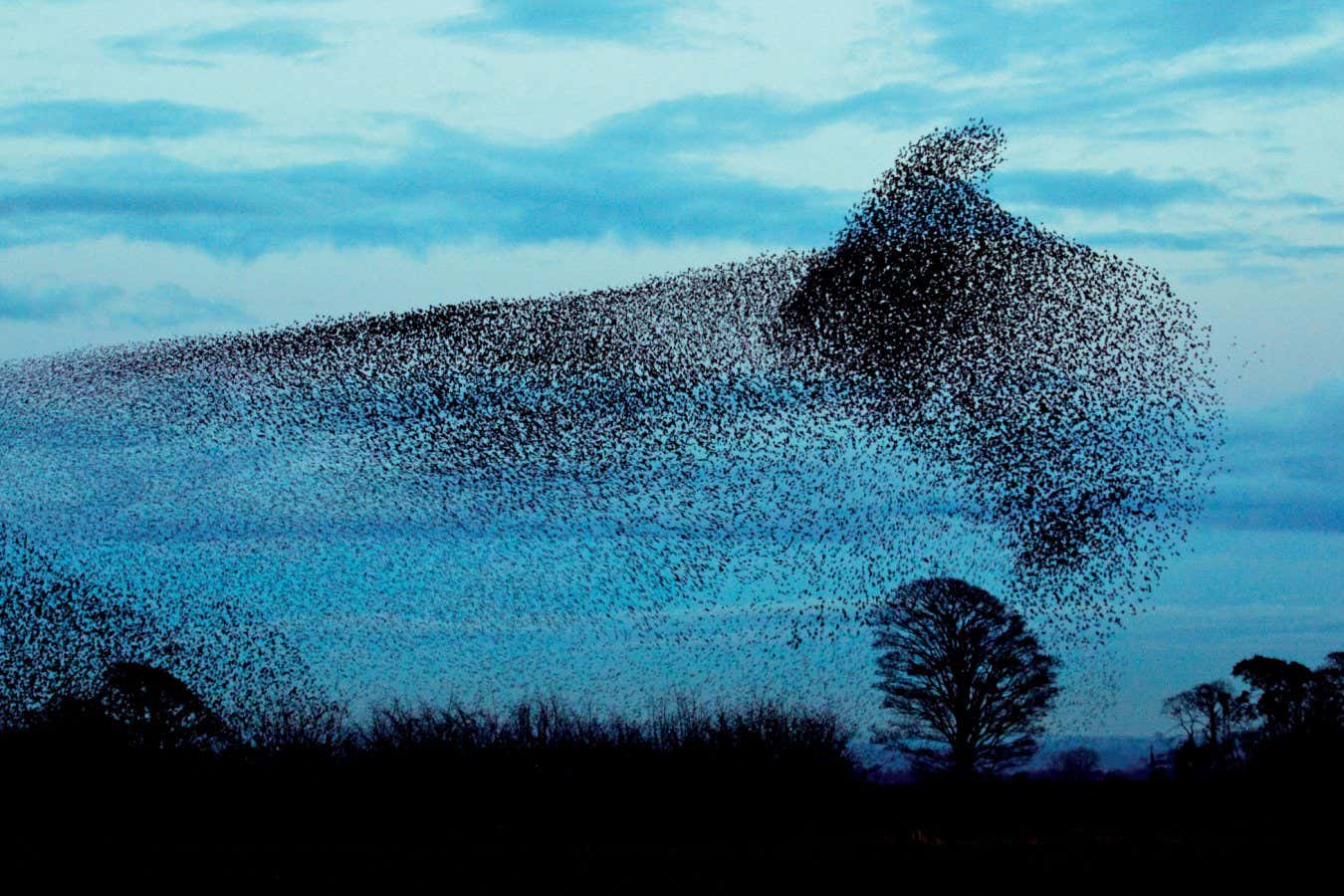
    A murmuration of starlings in Scotland

    greatonmywall / Alamy

    The following is an extract from our nature newsletter Wild Wild Life. Sign up to receive it for free in your inbox every month.

    To start off 2024, I’m proposing a shift in how we think about nature. I’ve been thinking a lot about bioabundance – the number of individual living organisms on Earth. Winter, typically, is a good time for a British nature-lover to get a taste of abundance. Large groups of birds from northern Europe overwinter here, and if you brave the cold you…

    [ad_2]

    Source link

  • The unlikely extremophiles lurking in your kitchen

    The unlikely extremophiles lurking in your kitchen

    [ad_1]

    New Scientist Default Image

    “CAN I ask what all this is for?” The pharmacy assistant is eyeing me suspiciously. I have just asked for some covid tests, urine sample pots and sterile scalpel blades. Oh, and some latex gloves, please. “I want to see if there are extreme life forms hiding in my dishwasher,” I explain. “I see,” she says carefully, before scurrying off to consult a colleague.

    It is an unusual shopping list, I’ll admit. To explain it, I need to rewind to June, when I spotted a study about bacteria that can live in what humans consider to be extreme conditions, such as high temperatures, caustic liquids or intense radiation. Normally, scientists head to exotic locations to find these microbes, such as the scalding volcanic springs of Yellowstone National Park or the frozen deserts of Antarctica. But you don’t have to go to the ends of the earth to find them, this study said. Chances are, extreme-loving microbes are not only surviving, but thriving, in the appliances in your kitchen.

    That was it. I had to find out whether my kitchen really was home to microbes whose adaptations are like a list of superhero powers. In the process, I gained a new appreciation of the diversity of life – and won’t see my coffee machine in quite the same way again.

    Extreme-loving microbes are a goldmine for bioprospectors who pan the natural world for biotechnology innovations. Covid PCR tests, for example, rely on a DNA-copying enzyme first isolated from a bacterium called Thermus aquaticus that lives in hot springs, tolerating temperatures hot enough to poach an egg.

    [ad_2]

    Source link