Tag: Diabetes

  • Does Ozempic boost fertility? What the science says

    Does Ozempic boost fertility? What the science says

    [ad_1]

    A baby's hand holding on to an adult's finger.

    Women have taken to social media to report unplanned pregnancies while taking weight-loss and diabetes medications such as Wegovy.Credit: Michelle Gibson/Getty

    Injectable weight-loss and diabetes drugs Ozempic and Wegovy have become household names across the world. But, amongst the buzz surrounding these medicines, reports of a serious side effect soon surfaced. Women described unplanned pregnancies on social media, attributing their ‘Ozempic babies’ to the new drugs.

    Some women report that they got pregnant while taking the birth-control pill. Others were previously diagnosed as infertile, but say that they conceived after taking a course of the drugs.

    Scientists say that the reports are plausible. They have several hypotheses about why the drugs — which belong to a group known as GLP-1 agonists — boost fertility, but until more data are available, the exact mechanism remains unknown.

    “We are in a data-free zone when it comes to GLP-1s and fertility and pregnancy,” says Beverly Tchang, an endocrinologist at Weill Cornell Medicine in New York.

    The GLP-1 drugs deliver a synthetic version of a naturally occurring hormone called glucagon-like peptide 1, which conveys the feeling of being full after eating. The drug binds to the same receptor as the hormone, but degrades more slowly, suppressing appetite for longer.

    When GLP-1 drugs were approved for weight management in the United States a few years ago, demand skyrocketed. Semaglutide — sold by Novo Nordisk as Wegovy for weight loss, and already marketed under the brand name Ozempic as a treatment for type 2 diabetes — was followed by tirzepatide, a drug produced by Eli Lilly that targets GLP-1 receptors along with another type of receptor.

    A spokesperson for Novo Nordisk said that they had not tested semaglutide in pregnant people or individuals intending to become pregnant. However, because “there are limited clinical-trial data with semaglutide use in pregnant women”, the company recommends stopping the drug two months before a pregnancy to avoid exposing a fetus to the effects of the drug.

    Consequential delays

    Scientists are investigating the idea that GLP-1 might be associated with unexpected pregnancies. Overweight and obese people often experience disruptions in their menstrual cycle caused by hormonal imbalances or inflammation. “The female reproductive system is very sensitive and responsive to metabolic health, energy balance and nutrition,” says Nicole Templeman, a cell biologist at the University of Victoria in Canada. The weight loss triggered by GLP-1 drugs might restore regular ovulation for some women.

    But she says the effects could also extend beyond weight loss. “GLP-1 receptors have their own effects in the reproductive system that seem to be independent of weight loss,” says Templeman.

    Indeed, people on GLP-1 drugs have reported pregnancies despite taking oral contraceptives. Eli Lilly, the company that manufactures tirzepatide, advises people on oral contraceptives to use backup methods of birth control for four weeks after starting tirzepatide, or if they increase their dosage.

    A spokesperson for Eli Lilly said that the company studied drug interactions as part of the standard US Food and Drug Administration (FDA) approval process. They found that tirzepatide changes the way oral contraceptives are absorbed, potentially making them less effective.

    GLP-1 drugs slow the rate at which food and medications empty out of the stomach and into the intestines, which is where oral contraceptives are absorbed into the bloodstream. Eli Lilly data for tirzepatide showed that it reduced the maximum concentration of contraceptive in the blood by up to 66% after a single dose.

    “So, over half of it is gone, which is a big problem,” says Jessica Skelley, a pharmacologist at Samford University in Birmingham, Alabama. Oral contraceptives are concentration dependent: “if there is not enough of them in the body, they can’t effectively provide contraceptive benefit”, Skelley adds.

    Semaglutide seemed to affect the concentration of hormonal contraception less markedly than tirzepatide did, but Skelley says it could still be an issue because the two drugs work in a similar manner.

    Beyond digestion

    Outside of digestion, GLP-1 is known to have effects on other physiological systems. In 2015, Federico Mallo, an endocrinologist at the University of Vigo in Italy, and his team published a study in which they found that dosing female rats with GLP-1 stimulated the production of luteinizing hormone (LH)2. A surge in LH is known to trigger ovulation in both rats and humans. Rats given GLP-1 had increased numbers of viable offspring when compared with untreated rats.

    “We are quite sure that GLP-1 receptor analogues are promoting fertility because they are able to increase the pre-ovulatory LH peak,” he says.

    Although rats are not mini humans, Mallo says, they do have menstrual cycles with similar phases to those of humans. Mallo, like other researchers, was not surprised to hear about human pregnancies after GLP-1 drug use.

    Meanwhile, in a Nature Metabolism study1 published on 20 May 2024, a team based in China identified a species of gut bacteria that regulates natural GLP-1 production in mice. These bacteria, Bacteroides vulgatus, suppressed production of the GLP-1 hormone, disrupting ovarian function in the mice. When the researchers treated the mice with a GLP-1 drug, they began ovulating once again.

    The impact of GLP-1 drugs on fertility is a “topical conversation”, says Alyse Goldberg, an endocrinologist and fertility specialist at the University of Toronto in Canada. Data from the journal JAMA suggest that young people of reproductive age are increasingly taking these drugs. Of the 162,439 people aged 18–25 who picked up a GLP-1 prescription in 2023, more than 75% were female.

    “If people are losing weight and regaining ovulation, there is a risk of pregnancy if they’re not properly counselled,” she says. As for more data on the effect of GLP-1 drugs on fertility, Goldberg says, “We’re all waiting with bated breath.”

    [ad_2]

    Source link

  • Stop criticising Ozempic – it could be a solution to more than obesity

    Stop criticising Ozempic – it could be a solution to more than obesity

    [ad_1]

    2WG9R61 Ozempic injection pen, ideal for visual content related to diet, diabetes management, insulin therapies, & advancements in pharmaceutical solutions.

    Lately, it seems you can’t open a newspaper without hearing about the latest celebrity opinion of Ozempic or the latest condition it is showing promise in treating. But as the popularity of the diabetes treatment turned weight-loss drug turned all-round panacea continues to climb, it is disappointing to see how critical much of the media discourse is.

    This medicine – whose generic name is semaglutide and which is also sold under the brand name Wegovy – works by mimicking a gut hormone called GLP-1. After many false starts, it is the first weight-loss drug that is both safe and…

    [ad_2]

    Source link

  • The surprising mental health and brain benefits of weight-loss drugs

    The surprising mental health and brain benefits of weight-loss drugs

    [ad_1]

    New Scientist. Science news and long reads from expert journalists, covering developments in science, technology, health and the environment on the website and the magazine.

    ADDICTIVE STOCK CREATIVES/Alamy; AdoBe stock

    Kathy Schwartz was 10 years free from alcohol, cigarettes and opiates but every day it was painful to control her cravings. “They were always in the background,” she says. In June last year, however, this noise fell silent.

    Prescribed the weight-loss drug semaglutide, she not only lost nearly 30 kilograms over 10 months, but also her desire to reach for a drink or take some pills. “I do not crave, which I didn’t think would be a side effect,” says Schwartz. Remarkably, the depression and anxiety that would previously come over her in waves also calmed down.

    Schwartz isn’t alone in this experience. New research is revealing the surprising brain and mental health benefits of semaglutide drugs such as Ozempic and Wegovy, and other related diabetes and weight-loss drugs that mimic a gut hormone released after eating.

    It is early days, but there are hints that these drugs could be repurposed to treat depression, anxiety, addiction and even certain eating disorders – as well as neurological conditions such as Parkinson’s disease and Alzheimer’s. What’s more, it seems that these effects aren’t just mediated via weight loss, but through direct action on the brain.

    The story of drugs like Ozempic starts back in the 1970s and 1980s when researchers discovered that a gut hormone called glucagon-like peptide-1 (GLP-1) could stimulate insulin production when injected into rodents in the lab. More surprisingly, these animals started eating less and losing weight. We now know that the hormone leads to an increased feeling of fullness.

    Semaglutide and more

    Today, drugs that mimic…

    [ad_2]

    Source link

  • Ozempic and Wegovy linked to lower risk of alcoholism

    Ozempic and Wegovy linked to lower risk of alcoholism

    [ad_1]

    Semaglutide, sold as Ozempic or Wegovy, is given as an injection to treat diabetes or promote weight loss

    Marc Bruxelle / Alamy Stock Photo

    The weight loss and diabetes drug semaglutide may also help people reduce their alcohol intake.

    A study of nearly 700,000 people who were taking the medicine, sold under the brand names Wegovy and Ozempic, adds to a growing body of evidence suggesting the drug may have wider uses in people with a range of addictions.

    “This is the strongest evidence yet in humans,”…

    [ad_2]

    Source link

  • Brain fluid probed by ultrasound using squishy cubes

    Brain fluid probed by ultrasound using squishy cubes

    [ad_1]

    Many of the debilitating effects of diabetes can by mitigated by monitoring the concentration of glucose in the blood or in the interstitial fluid that surrounds the organs. But doing so continuously requires implantable glucose sensors, and these devices have proved difficult to design, despite 40 years of research1. One reason is that the human body often responds by forming a fibrous shell around the implanted device, which can affect its performance. This reaction is caused mainly by an immune response that occurs because the electronic components of an implanted sensor are much stiffer than the surrounding tissues. Writing in Nature, Tang et al.2 propose a clever method that could help to circumvent this problem, by using a soft biocompatible material that allows the harder components to be positioned on the surface of the skin.

    Competing Interests

    J.J.M. has a financial interest in Applied Biosensors, Inc., Salt Lake City, UT, USA.

    [ad_2]

    Source link

  • Ozempic and Wegovy: Everything you need to know about the semaglutide weight loss drugs

    Ozempic and Wegovy: Everything you need to know about the semaglutide weight loss drugs

    [ad_1]

    Wegovy can bring about significant weight loss but may need to be taken long term

    Tobias Arhelger/Shutterstock

    Ozempic and Wegovy are brand names for the drug semaglutide. Many countries have approved Wegovy for weight loss in people who are obese or overweight and Ozempic for people with type 2 diabetes.

    How do these drugs work?

    Drugs such as semaglutide mimic the actions of a hormone called glucagon-like peptide-1, or GLP-1. These so-called GLP-1 analogues have several effects, including slowing stomach emptying, acting on the brain to reduce appetite and boosting the release of insulin, which helps to regulate blood sugar levels.

    For more than a decade, GLP-1 analogues have been used to help people with type 2 diabetes control their blood sugar and some users experienced modest weight loss. “These drugs augment a system that already exists within the human body, whose role it is to suppress appetite following meal ingestion,” says Simon Cork at Imperial College London.

    Why are they making headlines now?

    GLP-1 analogues have started to be prescribed for weight loss in people without type 2 diabetes. They have also become available in formulations that are more potent and easier to use.

    Initially GLP-1 analogues were approved for use at a lower dose and needed to be given by twice-daily injections. In the latest formulations they are once-weekly injections, with Wegovy’s full dose being 2.4 milligrams for weight loss and Ozempic being used at a maximum dose of 2 milligrams for type 2 diabetes.

    How widely available are they?

    In 2021, Wegovy was approved for weight loss in several countries, including the US and Canada. Praise from some celebrity users brought it widespread publicity.

    Manufacturing problems meant its manufacturer, Novo Nordisk, had trouble meeting global demand, so some doctors started prescribing Ozempic, which had been approved for people with type 2 diabetes in certain countries several years earlier. This led to shortages for people who required it for diabetes control.

    In the UK, Wegovy was approved in 2021, but only got the nod from England’s medical guidelines body the National Institute for Health and Care Excellence in March 2023, when it said the drug should be given by weight loss clinics within the country’s national health service. Wegovy is expected to become available in the UK this year, while Ozempic has been available for type 2 diabetes since 2019.

    In June 2023, the UK government announced the introduction of a two-year pilot that gives people with obesity access to new drugs, such as Wegovy, outside of a hospital setting.

    How effective are they?

    Very. It is a cliche but obesity doctors are talking about a paradigm shift in the field of obesity management. Previously, a loss of about 5 per cent of body weight would be considered a good result for any weight loss intervention outside of stomach surgery and is considered a benchmark in obesity drug trials.

    Wegovy leads to about a 15 per cent reduction in body weight over a year, when combined with exercise and eating healthily.

    In fact, some people seem to feel that the GLP-1 analogues have caused them to become too gaunt, as reflected in the rise of the search terms “Ozempic face” and “Ozempic butt”. “Ozempic doesn’t do anything specific to the skin,” says Alexander Miras at Ulster University, UK. It is the weight loss that causes these apparent side effects, with similar outcomes often also occurring after weight loss surgery, he says.

    Do the drugs have any side effects?

    Side effects can be mild, such as nausea, constipation and diarrhoea, which tend to occur as people get used to the drug. More worrying side effects include inflammation of the pancreas, although this is relatively rare.

    How about hair loss?

    Hair loss has been reported by some semaglutide users. This is also sometimes seen after significant weight loss from other causes, such as stomach surgery, says Miras.

    Hair loss following weight loss surgery is thought to be due to physiological stress on the body causing an increased number of hair follicles to enter their “resting” phase, which leads to the hairs falling out a few months later. It stops when the weight loss stabilises, however, the hair doesn’t always grow back, says Miras.

    Do these drugs cause suicidal thoughts?

    GLP-1 analogues – such as Ozempic and Wegovy – are being investigated by the European Medicines Agency (EMA) after recent reports that they may cause thoughts of suicide or self-harm. This was after Iceland’s health regulator received three such reports regarding semaglutide and another drug called liraglutide, which is an earlier GLP-1 analogue.

    The EMA says it is analysing about 150 reports of possible cases of self-injury and suicidal thoughts. This doesn’t mean the medicines caused these effects, however, only that people reported these experiences after starting to take them. “More work is needed to determine if a causal link exists,” says Michael Schwartz at the University of Washington in Seattle.

    A spokesperson at Novo Nordisk, the manufacturer of liraglutide and the semaglutide drugs Ozempic and Wegovy, told New Scientist: “GLP-1 receptor agonists have been used to treat type 2 diabetes for more than 15 years and for treatment of obesity for eight years. The safety data collected from large clinical trial programmes and post marketing surveillance have not demonstrated a causal association between semaglutide or liraglutide and suicidal and self-harming thoughts.”

    Need a listening ear? UK Samaritans: 116123; US 988 Suicide & Crisis Lifeline: 988; hotlines in other countries.

    Do these drugs help with addictions?

    Perhaps. There have been many anecdotal reports of people taking these medicines for diabetes or weight control who lose their urge to drink alcohol or see waning of other habits that could be described as “behavioural addictions”, such as compulsive shopping.

    This is supported by research in animals that found the GLP-1 analogues lower consumption of alcohol and addictive drugs. A small trial in people has hinted at a similar effect from a GLP-1 analogue called exenatide, which reduced heavy drinking, but only in people who were obese.

    The explanation could be connected with the way the drugs act on the brain to reduce food cravings, but the exact mechanism is unclear. We are only at the beginning of understanding how these treatments could support people with alcohol and drug additions, says Daniel Drucker at Sinai Health in Toronto, Canada. “The clinical trial data is not yet in to substantiate the anecdotes.”

    What happens to a user’s weight long-term?

    In an aforementioned study, taking semaglutide once a week led to people losing about 15 per cent of their body weight, compared with 2 per cent for those taking a placebo. Carried out in 2022, this two-year trial looked at people who were obese or overweight, but didn’t have diabetes.

    In most countries, Wegovy has been approved for use for two years, but if people stop taking the drug, they generally regain the lost weight – two-thirds of it after one year, according to one trial.

    But in 2024, Donna Ryan at the Pennington Biomedical Research Center in Louisiana and her colleagues found that taking the same dose of semaglutide once a week for four years led to reductions in weight that were maintained for the entire period.

    The team compared more than 17,000 adults in 41 countries who were obese or overweight and didn’t have diabetes, but did have a form of heart disease. Among those taking semaglutide, weight loss continued to week 65 and was sustained over the trial, with the participants’ losing on average 10.2 per cent of their body weight, compared with 1.5 per cent in the placebo group.

    “Our long-term analysis of semaglutide establishes that clinically relevant weight loss can be sustained for up to four years in a geographically and racially diverse population of adults with overweight and obesity but not diabetes,” said Ryan in a statement.

    It has been suggested that using semaglutide for weight loss needs to be a long-term approach. “The weight loss is only sustained for as long as the drug is taken because as soon as you stop the drug, all of those physiological processes that are trying to get your body weight back up kick in again,” says Cork.

    The results have led to calls to extend Wegovy’s treatment to at least four years. Under the current two-year approval, there will probably be demand from people for doctors to continue prescribing the drug “off-label”. “I think there’ll be a big push to try to change those guidelines,” says Cork. Ozempic can be prescribed long-term for type 2 diabetes because the condition is usually life-long.

    Do these drugs reduce the risk of heart-related events?

    It has been suggested that by bringing people’s weight towards a healthier range, these medications may inadvertently reduce the risk of heart-related events, such as heart attacks and strokes.

    Based on the same dataset used by Ryan and her colleagues, a team at University College London examined the relationship between a change in weight and cardiovascular outcomes. Presenting their results at the European Congress on Obesity in Venice, Italy, the researchers found that semaglutide led to a 20 per cent reduction in such events, irrespective of people’s starting weight or the amount they lost.

    “Our findings show that the magnitude of this treatment effect with semaglutide is independent of the amount of weight lost, suggesting that the drug has other actions which lower cardiovascular risk beyond reducing unhealthy body fat,” said team member John Deanfield in a statement. “These alternative mechanisms may include positive impacts on blood sugar, blood pressure, or inflammation, as well as direct effects on the heart muscle and blood vessels, or a combination of one or more of these.”

    The results suggest that semaglutide could reduce the risk of heart-related events among people who are just mildly overweight. However, the study wasn’t designed to measure its effect as a preventative treatment. Further research is also required among an even more racially diverse group of people.

    Topics:

    [ad_2]

    Source link

  • Cells destroy donated mitochondria to build blood vessels

    Cells destroy donated mitochondria to build blood vessels

    [ad_1]

    Nature, Published online: 01 May 2024; doi:10.1038/d41586-024-01233-y

    Organelles called mitochondria are transferred to blood-vessel-forming cells by support cells. Unexpectedly, these mitochondria are degraded, kick-starting the production of new ones and boosting vessel formation.

    [ad_2]

    Source link

  • Cancer history raises cardiovascular disease risk in hypertensive patients

    Cancer history raises cardiovascular disease risk in hypertensive patients

    [ad_1]

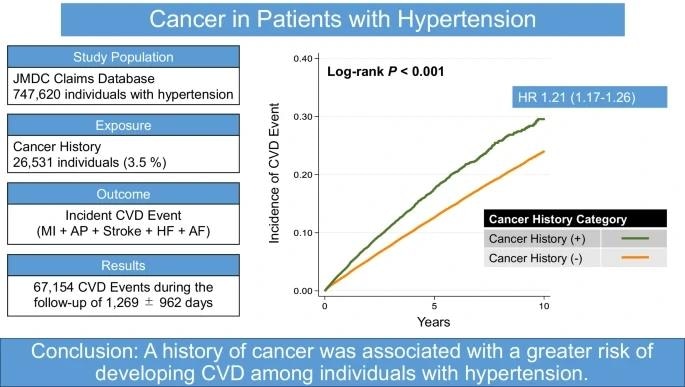
    A study published in the journal Hypertension Research reveals that having a cancer history can increase the risk of cardiovascular disease in individuals with hypertension.

    Study: Risk of cancer history in cardiovascular disease among individuals with hypertension. Image Credit: Black Salmon / ShutterstockStudy: Risk of cancer history in cardiovascular disease among individuals with hypertension. Image Credit: Black Salmon / Shutterstock

    Background

    A growing pool of evidence highlights the link between hypertension and cancer since both hypertension and cancer risks increase with advancing age, and that certain anti-cancer medications increase the risk of hypertension.

    Several epidemiological studies have found that hypertension can increase the risk of certain types of cancers and that individuals with a cancer history are more likely to develop cardiovascular complications.

    Given the potential link between the risks of hypertension, cardiovascular disease, and cancer, the scientists in this study have assessed the risk of cardiovascular disease events in hypertensive individuals with a history of cancer.

    Study design

    The study population included 747,620 individuals who were diagnosed with hypertension between January 2005 and May 2022. Patient information was collected from the JMDC Claims Database, a nationwide healthcare database in Japan.

    Appropriate statistical analyses were conducted to determine the risk of Composite cardiovascular disease events, including myocardial infarction, angina pectoris, stroke, heart failure, and atrial fibrillation, based on the participant’s history of cancer and chemotherapy.

    A history of cancer was defined as being diagnosed with malignancies before the initial health check-up.

    Self-reported information on comorbidities (obesity, diabetes, and dyslipidemia), alcohol intake and smoking status, and physical activity level was collected from participants during the health check-up.  

    Important observations

    A total of 26,531 individuals with a history of cancer were identified from the entire study population of 747,620 participants with hypertension. Participants with a history of cancer were more likely to be older adults, less likely to be men, and more likely to have diabetes. In contrast, participants without a history of cancer were more likely to have obesity and current smoking status.

    A total of 67,154 composite cardiovascular disease events were detected during the study follow-up period until May 2022. Hypertensive patients with a history of cancer showed a significantly higher risk of developing composite cardiovascular disease events. However, the risk of developing myocardial infarction was not statistically significant.

    The highest risk of developing cardiovascular disease events except myocardial infarction was observed among cancer survivors who received chemotherapy compared to those who did not receive chemotherapy or those without a history of cancer.

    Regarding myocardial infarction, a higher risk was observed among cancer patients receiving chemotherapy compared to those without a history of cancer.

    Five types of cancers, including colorectal cancer, prostate cancer, stomach cancer, renal, pelvic, and ureteral cancer, and lung cancer, showed the highest prevalence in men. In women, the highest prevalence was observed for breast cancer, colorectal cancer, thyroid cancer, corpus uteri cancer, and cervix uteri cancer. 

    A significantly higher risk of composite cardiovascular events was observed among men with a history of lung cancer and women with a history of breast cancer compared to those without a history of cancer.

    A sensitivity analysis conducted after adjusting for age, sex, smoking status, alcohol intake, and physical inactivity showed a similar positive association between having a cancer history and risk of composite cardiovascular disease events.

    Study significance

    The study finds that hypertensive patients with a history of cancer have a higher risk of developing various cardiovascular disease events than those without a history of cancer. The risk of cardiovascular disease events is even higher in cancer patients receiving chemotherapy.

    The study findings highlight the need for early screening of cancer in patients with hypertension. Physicians should manage hypertensive individuals more carefully as cancer comorbidity not only adversely affects cancer mortality but also significantly increases the risk of cardiovascular disease.   

    The coexistence of cancer and hypertension is a significant public health crisis in Asian countries. Implementation of appropriate healthcare policies is needed to prevent detrimental cardiovascular health consequences, particularly in developing countries with advanced aging.

    [ad_2]

    Source link

  • PhRMA Foundation awards grants to fight health disparities with digital health tools

    PhRMA Foundation awards grants to fight health disparities with digital health tools

    [ad_1]

    The PhRMA Foundation (PhF) awarded $500,000 grants to David G. Armstrong, DPM, MD, PhD, of the University of Southern California and Nino Isakadze, MD, MHS, of Johns Hopkins University to conduct research using digital health technologies (DHTs) to improve health equity and health outcomes for patients. 

    Armstrong and Isakadze were selected out of a group of seven researchers awarded $25,000 planning grants in 2023 by the Foundation to develop comprehensive research proposals to study the use of DHTs for advancing patient health, especially in underserved populations. 

    Digital health technologies have great potential to improve health care broadly, but they could be especially impactful for underserved communities if we design and test them with equity in mind. These studies will engage diverse populations to develop digital health solutions targeting treatment challenges for patients with diabetes and heart arrhythmia.” 


    Amy M. Miller, PhD, President of the PhRMA Foundation

    Armstrong, a professor of surgery and neurological surgery at Keck School of Medicine of USC, will lead a project that aims to improve treatment for diabetic foot ulcers (DFU) using special smart boots that relieve pressure from specific areas of the foot. DFUs affect 15% of patients with diabetes -; more than 1 million people annually -; and if inadequately treated, can lead to amputation. Individuals from racial and ethnic minority groups are more likely to develop DFUs, receive amputations, and experience complications, leading to a lower survival rate. 

    While pressure offloading boots are considered the gold standard of care for DFU, patients struggle with using them because of discomfort, aesthetics, and mobility restrictions. Armstrong’s team seeks to improve patient outcomes with a new smart boot design that allows for remote monitoring of patient activity and adherence to the treatment. 

    “This grant from the PhRMA Foundation empowers us to enhance our smart offloading boots, tailoring them to fit the unique cultural and behavioral aspects of minority populations who are most at risk for hospitalization and amputation,” Armstrong said. “Our project is a step forward in making state-of-the-art health care accessible and equitable for all, particularly those in underserved communities.” 

    Isakadze, a clinical cardiac electrophysiology fellow and incoming faculty at Hopkins’ School of Medicine, will lead a project to test a digital health intervention for the management of atrial fibrillation (Afib), the most common type of heart arrhythmia. Afib is associated with poor quality of life and increased risk of stroke, heart attack, and death. Evidence shows that modifying risk factors such as weight, physical activity, and tobacco and alcohol use can reduce Afib burden. 

    Isakadze’s team is working with diverse patients, clinicians, and key stakeholders to design and test an Afib care management program that integrates 1) an Apple watch to track heart health data 2) a mobile app to educate and empower patients in tracking their health and setting health goals, 3) a clinician dashboard with patient data from the mobile app and smartwatch, and 4) individualized weekly health coaching to promote adherence to the virtual program. 

    “Receiving the PhRMA Foundation grant will allow us to generate robust evidence to support the use of digital health technologies to enable risk factor modification for diverse patients with Afib and bridge the critical gap in Afib management,” Isakadze said. “I am confident that digital health tools have tremendous potential to reach people where they are and transform health care delivery.” 

    [ad_2]

    Source link

  • Statistical analysis highlights the benefits of Mediterranean Diet on emotional well-being

    Statistical analysis highlights the benefits of Mediterranean Diet on emotional well-being

    [ad_1]

    In a recent study published in Nutrients, a group of researchers investigated the relationship between adherence to the Mediterranean Diet (MD), subjective well-being (SWB), and various socioeconomic factors among adults in Greece and Cyprus. 

    Study: Exploring the Relationship between Mediterranean Diet Adherence and Subjective Well-Being among Greek and Cypriot Adults. Image Credit: monticello/Shutterstock.comStudy: Exploring the Relationship between Mediterranean Diet Adherence and Subjective Well-Being among Greek and Cypriot Adults. Image Credit: monticello/Shutterstock.com

    Background 

    The traditional MD, recognized by the United Nations Educational, Scientific and Cultural Organization (UNESCO), emphasizes plant-based foods and minimal processing. It is linked to reduced mortality and lower rates of chronic diseases such as cardiovascular issues and diabetes.

    Recent studies suggest that adherence to the MD enhances SWB, attributing better quality of life to its high antioxidant and nutrient content. However, a shift toward Western dietary patterns is noted in Mediterranean regions like Greece and Cyprus, affecting health outcomes.

    Further research is needed to understand better the complex interactions between diet, cultural factors, and SWB, and to address the inconsistencies found in existing studies.

    About the study 

    The present study employed a cross-sectional design to explore correlations among MD adherence, SWB, and socioeconomic factors in Greece and Cyprus.

    Participants completed the questionnaire online, which included the 14-item Mediterranean Diet Adherence Screener (MEDAS) score for assessing diet adherence, and a series of validated questions targeting SWB and emotional states.

    These included assessments of life satisfaction, anxiety, and energy levels, utilizing a combination of Likert-type scales and multiple-choice questions.

    The Ethics Committee of Research at the Democritus University of Thrace and the Cyprus Bioethics Committee granted the study’s ethical approval, ensuring it follows European data protection regulations.

    The questionnaire was distributed in Greece following verification of the translation’s accuracy in a pilot sample. Recruitment was achieved through mailing lists, social media, and word-of-mouth, with confidentiality and anonymity maintained throughout.

    Using a snowball sampling method, data collection took place via Google Forms from April 2019 until the end of 2020, just before the coronavirus disease 2019 (COVID-19) lockdowns.

    Statistical analyses were conducted using SPSS, incorporating both parametric and non-parametric tests based on the data’s distribution, adhering to a 5% significance level.

    Study results 

    The study initially collected 965 responses, from which 29 were excluded due to non-compliance with inclusion criteria, resulting in 936 valid responses for analysis.

    The data underwent normalization checks via the Shapiro-Wilk test, with results suggesting an unusual distribution for several variables. Consequently, non-parametric tests like the Mann-Whitney U test and Kruskal-Wallis one-way ANOVA were utilized.

    Demographic analysis revealed that the majority of respondents from both Greece and Cyprus were female, with average ages of 35.1 and 38.7 years, respectively. Income levels were categorized into low, medium, and high groups, reflecting the economic diversity of the sample.

    Most respondents held higher education degrees and were in stable relationships, with a significant proportion being employed.

    Health-wise, about 23% of respondents smoked, and over 40% were classified as overweight or obese. Notably, the majority of respondents scored within the medium range for adherence to the MD.

    The study further examined the impact of MD adherence levels on SWB. Different levels of MD adherence (low, medium, high) showed statistically significant associations with SWB indicators such as life satisfaction, happiness, feelings of worry, tiredness, and depression.

    Higher adherence levels were linked to more positive SWB outcomes and, interestingly, to healthier body mass index (BMI) values.

    Principal Component Analysis (PCA) of SWB items identified key factors such as life satisfaction, happiness, and emotional well-being, which explained a significant portion of the variance within the responses.

    These factors displayed notable differences in SWB responses based on the level of MD adherence, emphasizing the diet’s potential impact on emotional states.

    A more detailed analysis using the Kruskal-Wallis test highlighted significant differences in SWB across the different MD adherence groups. Higher adherence was consistently associated with better SWB outcomes.

    Furthermore, lifestyle factors such as smoking status and physical activity also showed correlations with SWB. Regular physical activity and non-smoking were linked to higher SWB scores.

    Conclusions 

    In the study, higher adherence to the MD was significantly associated with enhanced SWB, manifesting in increased happiness, life satisfaction, and reduced negative feelings like worry and depression.

    The research also underscored the positive impact of lifestyle habits such as spending time with friends and family, enjoying nature, engaging in physical activities, and non-smoking on SWB.

    These findings, consistent with prior research, highlight the complex interplay of diet, lifestyle, and cultural factors in influencing well-being.

    [ad_2]

    Source link