A pilot project held in Les Glòries park, Barcelona, could change how we think of play in our cities for children with autism – and ASD Publics are at the heart of this transformation.
Blanca Calvo, a 40-year-old architect and researcher at the Open University of Catalonia (UOC) working in the Catalan capital, is a member of ASD Publics’ project team, an initiative focused on building public play areas suitable for autistic children.
The project received the support of the EIT Community Connect NEB, a programme for the advancement of sustainable and inclusive design initiatives. The ASD Publics team, nested within UOC, applied for the programme alongside other expert partners to support the development of the project.
“The idea came from conversations with my project partners, particularly with IGAIN (the Global Institute of Neurodevelopment Integrated Care), who work with children with autism,” she said. “We realised there was a lack of suitable public spaces for these children. So one day, we decided to do something about it.”
Transforming play for children with autism
They found the perfect opportunity in an unused green space within Glòries, a key location in the city that is no stranger to the reappropriation of public land for the common good.
Blanca emphasised the importance of inclusive and accessible public spaces for all individuals and believes they should be accessible to cater to the needs of all individuals.
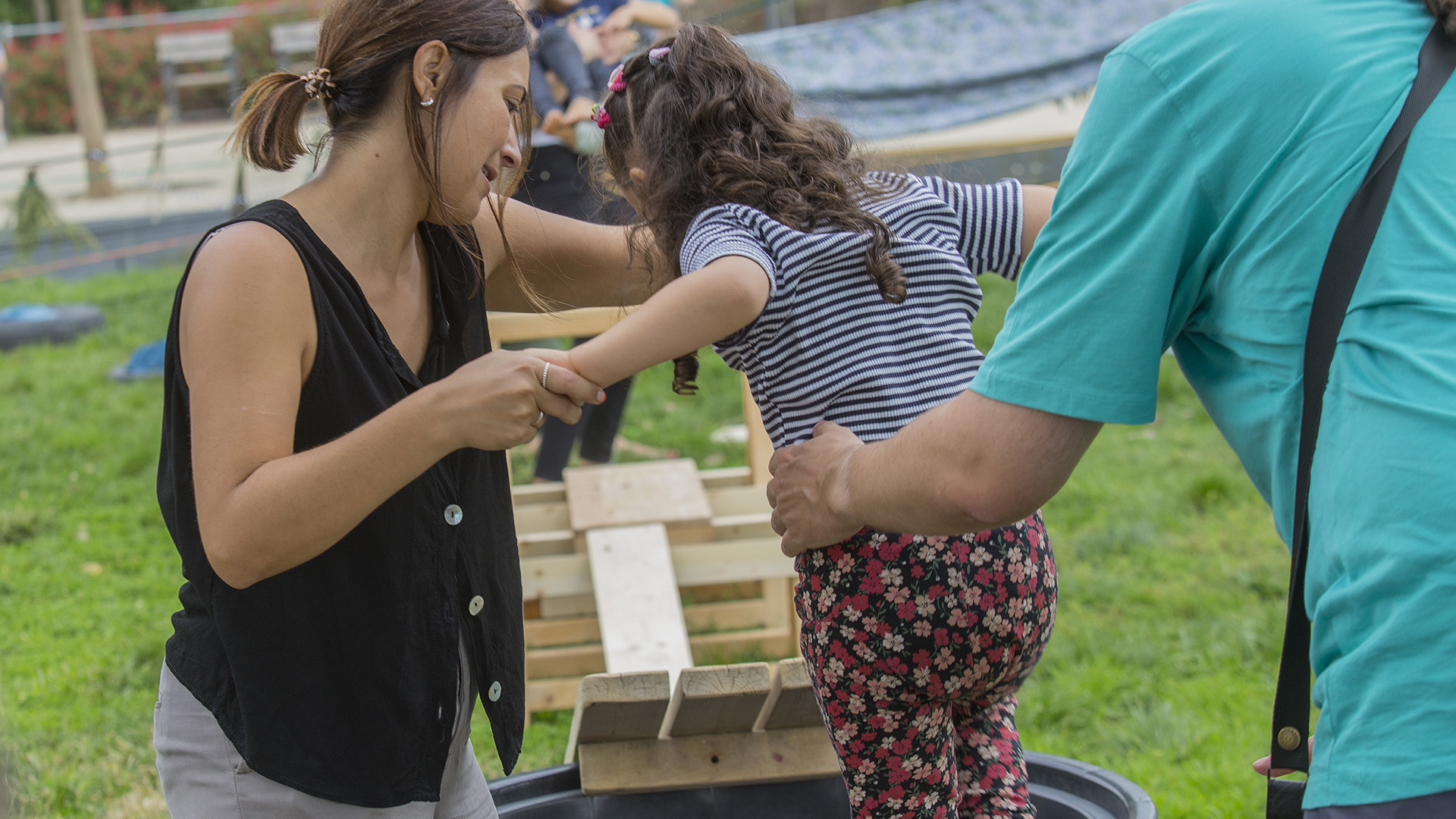
The project’s design reflects this belief, as Blanca and the ASD team brought together architects, psychologists, and mental health specialists to address the unique needs of children with autism.
“With our approach, it’s not about cutting-edge technologies but rather using what’s available, learning about the experiences of autistic children in how they use these spaces, and going from there.”
This interdisciplinary collaboration and the unique methodology forged in its furnace is central to the project’s success.
“There have been very few projects that integrate all these different fields. Additionally, the participatory process we developed was something new as well.
“Since many of the autistic children we worked with are nonverbal, we couldn’t rely on traditional methods of gathering information through direct questioning. So we created a participatory design process that engaged the children through play and other interactive methods,” said Blanca.
This approach allowed the group to gather valuable insights and involve the children in the design process.
Blanca stated: “We wanted to create a space that was not only functional but also beautiful, a space that could be enjoyed by everyone from a range of different abilities.”
Collaboration with stakeholders
The involvement of a variety of stakeholders, including government institutions, professional groups, and autism organisations, proved a challenge to manage, but for ASD, it meant they were able to defer to experts and share responsibility where necessary, something Blanca considers vital when working with vulnerable groups.
“It was a learning process for us as well,” she explained. “We discovered understanding autistic children’s experiences is not always straightforward, and their behaviours may not always convey their true feelings or preferences directly.
“For example, a child repeating the same action may seem like they are enjoying it, but it could be a ritual or a manifestation of other factors. To gain a deeper understanding, we relied on the expertise of therapists, who could provide insights based on their close observation and knowledge of the children.”
The collaboration was a valuable learning experience, even though Blanca suggested there were some challenges in aligning perspectives: “Nonetheless, working together enriched our project and brought a unique perspective to the design process.”
As a result, the group created their temporary pilot play space in Glòries Square using colour, texture, and shape as their basic conceptual building blocks.
“We needed to create an outer perimeter to enclose the design space, ensuring the safety of playing children as well as the peace of mind of their families and guardians. And, since the overall aim of our design ethos is to create the right amount of sensorial stimulation for children, we were also very particular about the type of materials we wanted to use to build the perimeter.
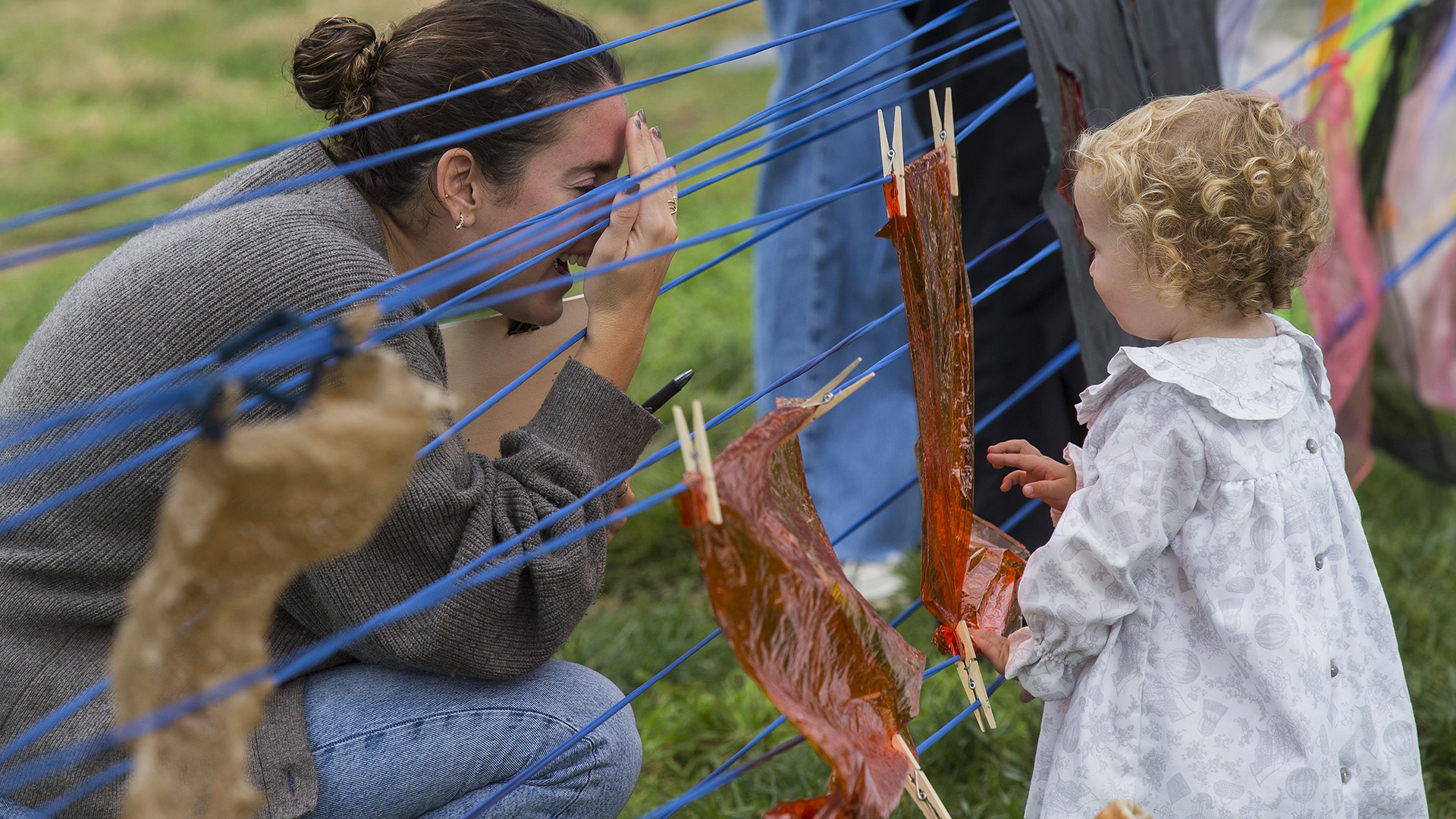
“For example, there’s evidence to suggest that autistic people can get quite a lot of benefits from being in contact with nature: the calm, the tranquillity, but also all the textures and smells. The materials we chose for the final design turned the play area’s outer boundary, which tends to be a dead space, into another interactive sensory experience for the children to enjoy.
“We’ve since designed an autism-friendly design handbook so this method can be replicated in other locations,” Blanca explained.
Support from the EIT Community
Discussing ASD Publics’ work with the EIT Community, Ilona Puskás, Community Activation Officer at the EIT Climate KIC, said: “The original ASD Publics project and Play AUT the Box, their consequent scale-up activity, is a crucial contributor to the EIT Community NEB portfolio.
“Beyond providing visibility to neurodiversity in children, the initiative offers sensitive, science-based design interventions, as well as support community building and integration in the face of a complex condition.”
Blanca’s advice for those interested in undertaking socially oriented projects is to build a strong and aligned team. “Having a good idea is important, but finding partners who share the same approach and philosophy is equally vital. The partners should be aligned in their vision and commitment to the project.”
This, she said, can ensure a cohesive and fruitful collaboration that can drive innovation and achieve the desired outcomes. She also highlights the importance of building a strong network of partners and supporters, something being part of the EIT Community NEB provided, alongside credibility and support.
“If you’re looking to build and connect with individuals and organisations who are working towards similar goals, the EIT Community is a great launching point for any startup organisation.”
Engaging autistic children in the project’s design
A strong network is essential to the success of any multi-actor project, Blanca continues, elaborating on the importance of the participatory design process, which is a central hallmark of ASD Publics’ work. The team recognised early on the importance of engaging the children themselves in the design process, as they’re ultimately the ones who’ll be using these spaces.
“I think the real innovation in our project lies in our methodology. This interdisciplinary collaboration was novel, integrating different fields. Additionally, the participatory process we developed alongside our team of experts in autism and experts in participation with children was also something entirely new.”
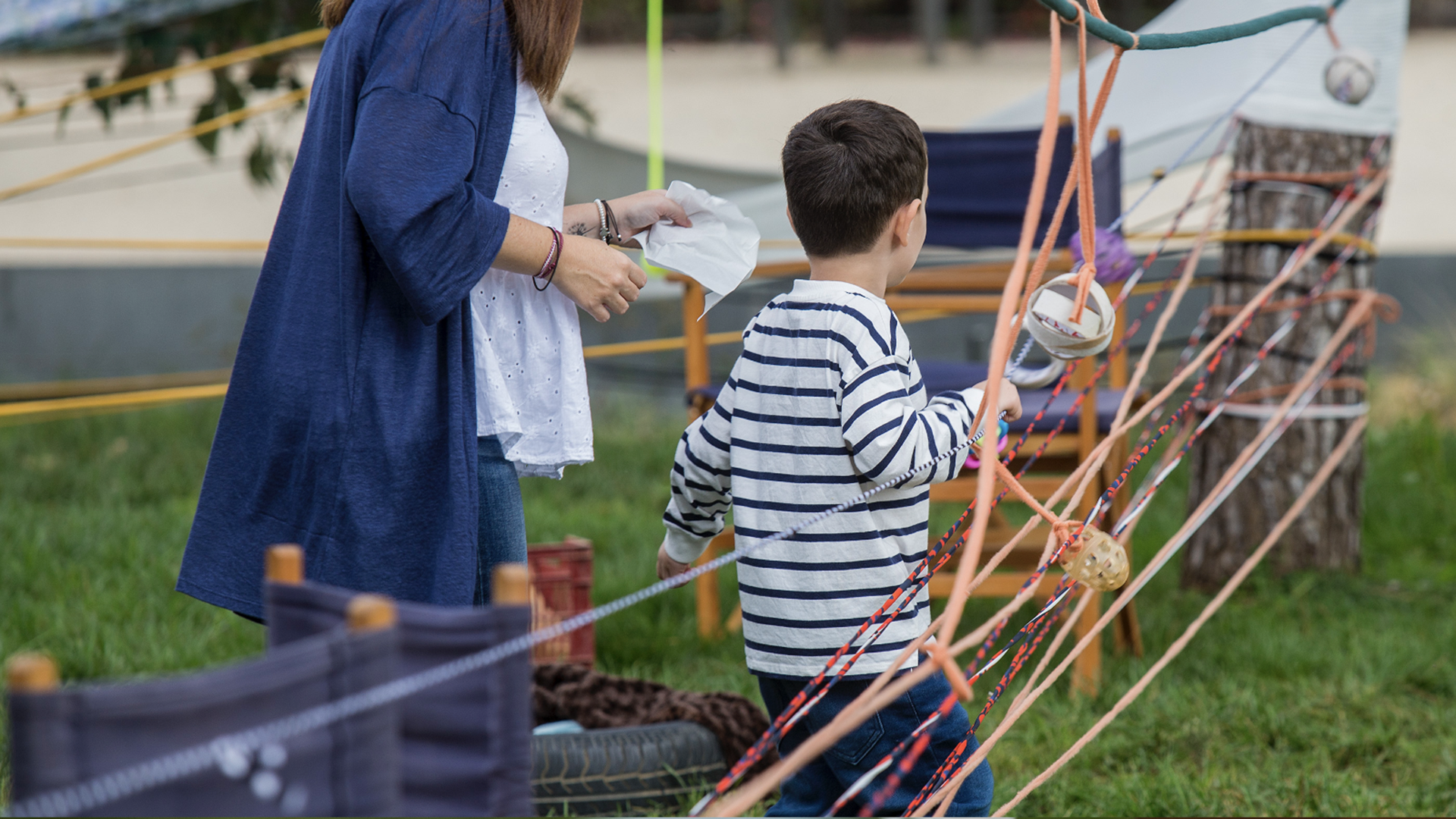
Loreto Nácar, a developmental neuroscientist that worked at IGAIN and who specialises in children on the autism spectrum, explains how their innovative participatory methodology grew out of a collaboration with their partners in the ASD Publics project team.
“I had to adapt to this methodology and use my expertise to make the experience comfortable for the children, helping them to participate by adapting our materials, supervising sessions, and helping in the event of a crisis,” she said.
These approaches, developed over time and, along the way, serve as a testament to the power of collective action and how bringing together multiple actors can address the need for suitable public spaces for vulnerable children.
Join the NEB movement! Our Catalyse NEB programme is currently recruiting 28 startups and scaling up to work on creating a more inclusive, sustainable, and beautiful society.