Tag: Glucagon-like Peptide-1

  • AI-based analysis uncovers two plant extracts with potential as GLP-1 agonist weight loss pills

    AI-based analysis uncovers two plant extracts with potential as GLP-1 agonist weight loss pills

    [ad_1]

    Two plant compounds with potential as GLP-1 agonist weight loss pills have been identified in an AI (artificial intelligence)-based study, the European Congress on Obesity (ECO 2024) (Venice 12-15 May), will hear.

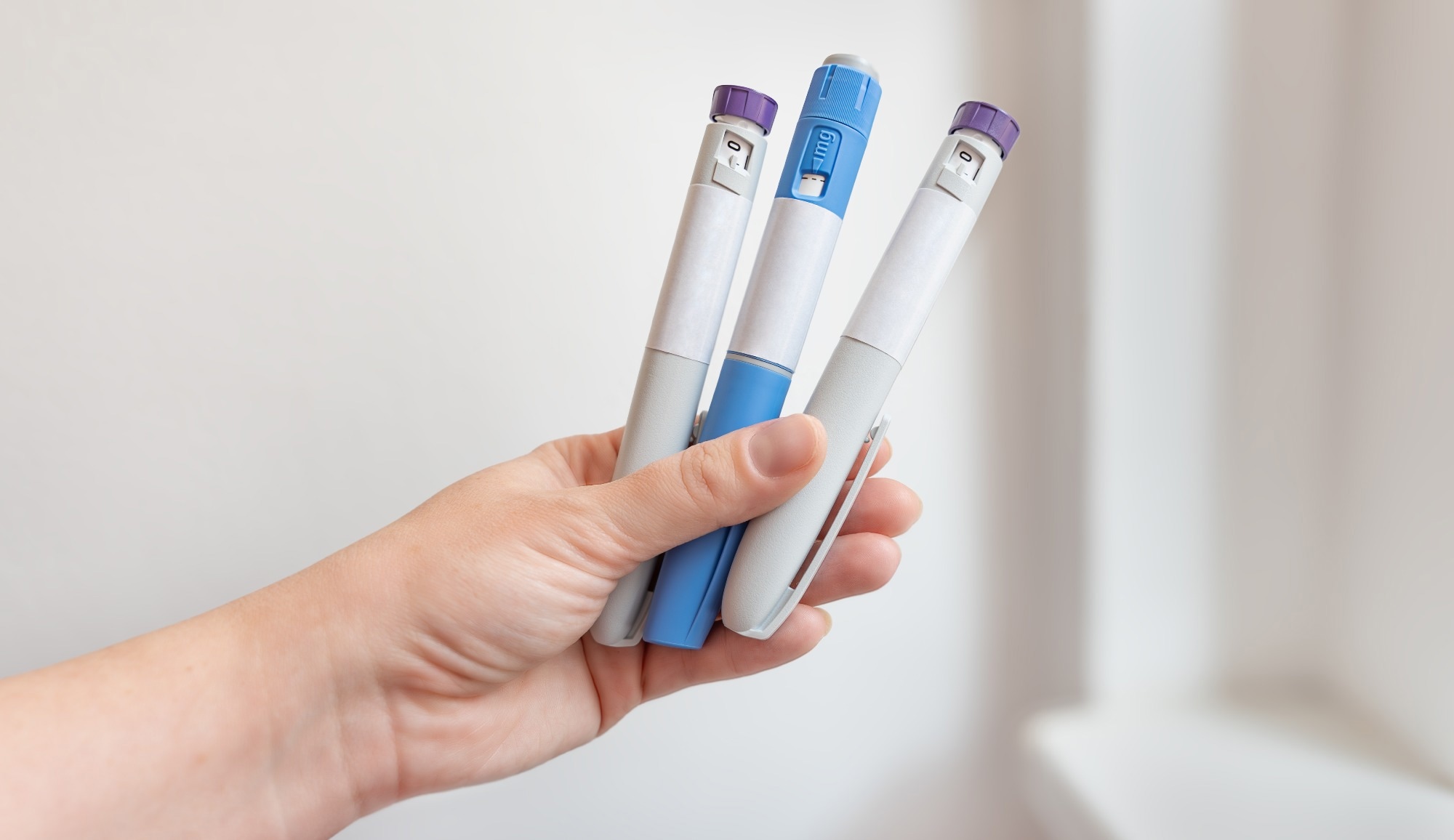
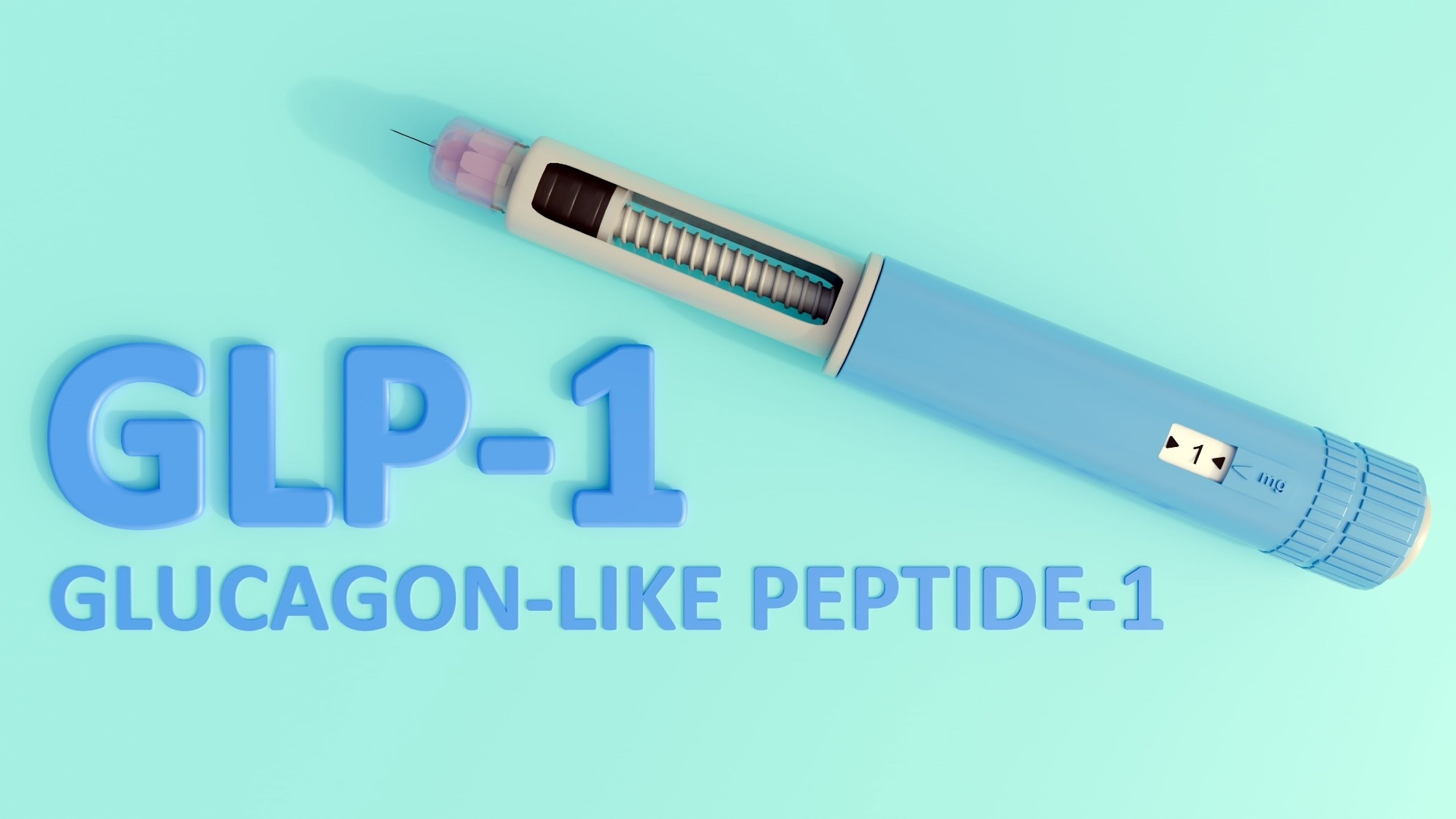
    Glucagon-like peptide-1 (GLP-1) receptor agonists such as semaglutide and tirzepatide are highly effective at helping people lose weight. By mimicking the action of a hormone called GLP-1 and binding to and activating the GLP-1 receptor in cells, they reduce appetite and feelings of hunger, slow the release of food from the stomach and increase feelings of fullness after eating.

    There is, however, a need for alternatives, says Elena Murcia, of the Structural Bioinformatics and High-Performance Computing Research Group (BIO-HPC) & Eating Disorders Research Unit, Catholic University of Murcia (UCAM), Murcia, Spain.

    Although the effectiveness of current GLP-1 agonists has been demonstrated, there are some side-effects associated with their use – gastrointestinal issues such as nausea, vomiting, and mental health changes like anxiety and irritability. Recent data has also confirmed that when patients stop treatment they regain lost weight.


    In addition, most GLP-1 agonists are peptides – short chains of amino acids that can be degraded by stomach enzymes – and so they are currently more likely to be injected rather than taken orally.


    Drugs that aren’t peptides may have fewer side-effects and be easier to administer, meaning they could be given as pills rather than injections. Other recent research has highlighted two promising non-peptide compounds, TTOAD2 and orforglipron.


    These are synthetic and we were interested in finding natural alternatives.”


    Elena Murcia, of the Structural Bioinformatics and High-Performance Computing Research Group (BIO-HPC) & Eating Disorders Research Unit, Catholic University of Murcia

    Ms Murcia and colleagues used high-performance artificial intelligence (AI) techniques to identify non-peptide natural compounds that activate the GLP-1 receptor.

    “We focused on plant extracts and other natural compounds because they may have fewer side-effects,” says Ms Murcia. 

    Virtual screening was used to sift through more than 10,000 compounds to identify those that bound to the GLP-1 receptor.

    Next, further AI-based methods were used to look at how closely these bonds resembled those that occur between the GLP-1 hormone and its receptor. The 100 compounds that bound most similarly were then chosen for additional visual analysis, to determine whether they interacted with key residues – amino acids – on the receptor.

    Finally, a Venn diagram (a mathematical graph using overlapping circles) was compiled to identify the compounds with the highest potential as GLP1-R agonists.

    This resulted in a shortlist of 65 compounds, two of which, “Compound A” and “Compound B”, bound strongly to the key residues in a similar way to TTOAD2 and orforglipron. 

    Compound A and Compound B are derived from very common plants, extracts of which have been associated with beneficial effects on the human metabolism in the past. Further details of the plants and the compounds are being kept confidential until patents are granted. It is hoped both could be given in pill-form. The two compounds are now undergoing lab tests. 

    Ms Murcia says: “We are in the early stages of developing new GLP-1 agonists derived from natural sources. If our AI-based calculations confirmed in vitro and then in clinical trials, we will have other therapeutic options to manage obesity. 

    “Computer-based studies such as ours have key advantages, such as reductions in costs and time, rapid analysis of large data sets, flexibility in experimental design and the ability to identify and mitigate any ethical and safety risks before conducting experiments in the laboratory.

    “These simulations also allow us to take advantage of AI resources to analyze complex problems and so provide a valuable initial perspective in the search for new drugs.”

    [ad_2]

    Source link

  • New research sheds light on how GLP-1 obesity drugs may change food cravings

    New research sheds light on how GLP-1 obesity drugs may change food cravings

    [ad_1]

    In a recent review published in the International Journal of Obesity, researchers explored the potential of glucagon-like peptide-1 (GLP-1) analog treatments to change food preferences and consumption and reduce obesity.

    They concluded that while results show that GLP-1 lowers appetite and consumption in the short term, they rely on self-reports of intake. Further studies are needed to assess weight maintenance using objective intake measurements.

    Study: Changes in food preferences and ingestive behaviors after glucagon-like peptide-1 analog treatment: techniques and opportunities. Image Credit: SHISANUPONG1986 / ShutterstockStudy: Changes in food preferences and ingestive behaviors after glucagon-like peptide-1 analog treatment: techniques and opportunities. Image Credit: SHISANUPONG1986 / Shutterstock

    Background

    Of the three primary interventions for obesity, namely surgical intervention, lifestyle changes, and medication, pharmacology has emerged as minimally invasive, promisingly effective at reducing weight, and more sustainable in the long term.

    GLP-1 analog medications such as semaglutide and liraglutide are often prescribed to manage obesity. Recent studies have focused on the mechanisms underlying their effect on weight loss, specifically how they alter food preferences and consumption.

    About the study

    This review focused on GLP-1 analog drugs, assessing how they have been studied and synthesizing what is currently known about their effects. Authors located relevant research through the medical literature database PubMed using search terms such as ‘obesity,’ ‘semaglutide,’ ‘liraglutide,’ and ‘GLP-1 analog.’

    Results were filtered to ensure that they pertained to studies with human and rodent participants and had been published within a timeframe of 25 years. Outcomes were restricted to taste preference, food consumption, weight loss, and maintenance. Information related to publication year, location, methods, results, and study type were noted.

    Findings

    Researchers have studied ingestion behaviors through food and drink monitors and commonly rely on verbal reports and visual analog scales to assess fullness and satiety. Self-reported data are used to assess food preferences and eating control.

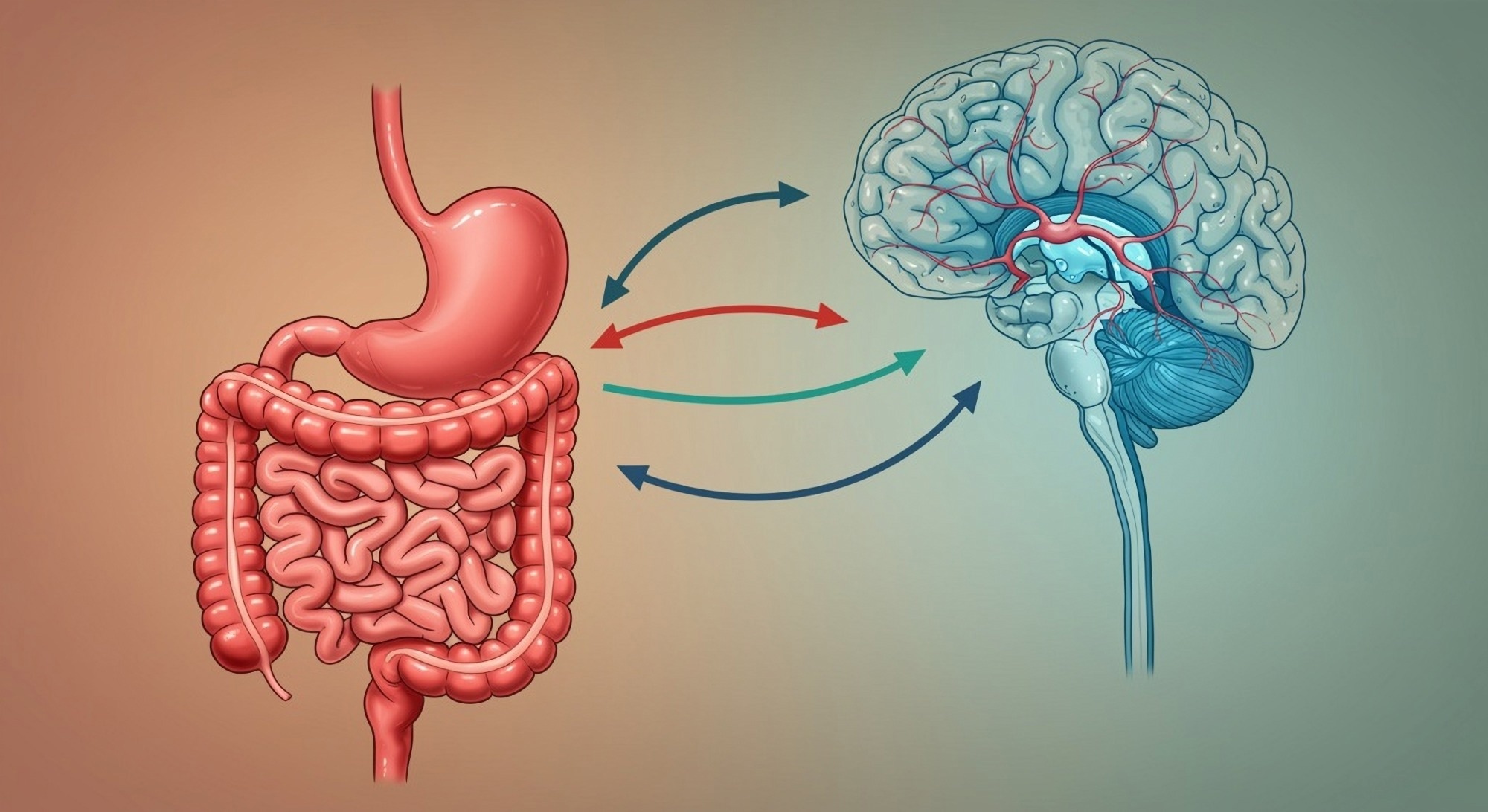
    Studies using functional magnetic resonance imaging (fMRI) have found that people who use GLP-1 analog drugs show lowered responses to pictures of food, particularly in brain regions associated with reward and appetite, such as the amygdala, insula, orbitofrontal cortex, and putamen.

    Semaglutide appears to target circumventricular organs instead of breaching the blood-brain barrier, binding with GLP-1 receptors, and modifying food preferences by interacting with amphetamine- and cocaine-regulated transcripts and proopiomelanocortin neurons.

    After semaglutide treatment, individuals lose weight for 12-18 months before their weight stabilizes during the maintenance phase. People taking semaglutide said they felt less desire for salty, spicy, high-fat, sweet, and savory foods, craved less starch and dairy, and faced less difficulty resisting cravings and controlling their food intake. However, animal studies suggest semaglutide treatment could also increase low- and mid-range sucrose consumption.

    During the weight reduction phase, patients consumed smaller meals and showed lower preferences for energy-rich food, leading to less energy consumption. Studies have not reported ingestive behavior during the maintenance phase, so whether patients return to their original food habits is unknown.

    Some gastrointestinal effects of semaglutide, such as diarrhea, constipation, nausea, and vomiting, have been reported, but beginning at lower medication doses has been found to address this issue.

    Another GLP-1 analog drug, liraglutide, reduces hunger and increases feelings of satiation during the initial phase by binding with GLP-1 receptors in the arcuate nucleus and subcortical brain region, stimulating proopiomelanocortin neurons. It may slow gastric emptying, but how it could do so has not been established.

    Conclusions

    The evidence suggests that GLP-1 analog drugs alter food preferences and reduce food cravings and intake, which could lead to long-term weight loss and maintenance. However, animal studies also indicate that these drugs could increase sucrose consumption, which should be examined in humans.

    Less attention has been paid to ingestive, appetitive, and consummatory behavior in the weight maintenance phase. Instead, most studies have focused on the weight loss phase, and many have asked participants to report on their own cravings, portion control, and appetite.

    While such data is easier to collect, it may lead to biases related to recall and social desirability, and objective measurements are needed to understand the effects of anti-obesity drugs.

    The authors note that the weight-loss effects of GLP-1 analogs are now well-established and that new medications are under development.

    Understanding the behavioral mechanisms through which these drugs take effect using human and rodent studies can allow researchers and health practitioners to refine treatments and tailor interventions to the needs of individual patients, enhancing overall outcomes.

    Further, focusing on the weight maintenance phase of treatment can reduce unrealistic expectations by patients and their clinicians and lead to less propagation of misinformation regarding the drugs’ long-term effects, which could threaten the willingness of people to use these medications to treat obesity in the future.

    Journal reference:

    • Changes in food preferences and ingestive behaviors after glucagon-like peptide-1 analog treatment: techniques and opportunities. Bettadapura, S., Dowling, K., Jablon, K., Al-Humadi, A.W., le Roux, C.W. International Journal of Obesity (2024). DOI: 10.1038/s41366-024-01500-y, https://www.nature.com/articles/s41366-024-01500-y

    [ad_2]

    Source link

  • Study reveals mechanisms behind antidepressant effects of diabetes drug

    Study reveals mechanisms behind antidepressant effects of diabetes drug

    [ad_1]

    Research in animals has shown that the diabetes drug dulaglutide, which is a glucagon-like peptide-1 (GLP-1) receptor agonist may reduce symptoms of depression. A new study published in Brain and Behavior reveals the mechanisms that are likely involved.

    By conducting a range of tests in mice treated with and without dulaglutide, investigators confirmed the effects of dulaglutide on depressive-like behaviors, and they identified 64 different metabolites and four major pathways in the brain associated with these effects.

    Markers of depression and the antidepressant effects of dulaglutide were linked to lipid metabolism, amino acid metabolism, energy metabolism, and tryptophan metabolism.

    These primary data provide a new perspective for understanding the antidepressant-like effects of dulaglutide and may facilitate the use of dulaglutide as a potential therapeutic strategy for depression,” the authors wrote.

    Source:

    Journal reference:

    Jin, M., et al. (2024) Dulaglutide treatment reverses depression-like behavior and hippocampal metabolomic homeostasis in mice exposed to chronic mild stress. Brain and Behavior. doi.org/10.1002/brb3.3448.

    [ad_2]

    Source link

  • New weight loss drug may be an effective strategy for preventing or treating high blood pressure

    New weight loss drug may be an effective strategy for preventing or treating high blood pressure

    [ad_1]

    The new weight loss medication tirzepatide significantly lowered the systolic blood pressure (the top number in a blood pressure reading) for nearly 500 adults with obesity who took the medication for about eight months, according to new research published today in Hypertension, an American Heart Association journal.

    Systolic blood pressure, or the top number in the blood pressure reading, is a stronger predictor for cardiovascular death than diastolic, or bottom number, blood pressure. According to the American Heart Association’s 2024 Heart Disease and Stroke Statistics, more than 122 million adults in the United States, or 47% of adults have hypertension, and nearly 42% of adults have obesity.

    Tirzepatide works by mimicking two metabolic hormones in the body: it acts as a glucagon-like peptide-1 (GLP-1) receptor agonist and also as a glucose dependent insulinotropic polypeptide (GIP) receptor agonist. These hormones stimulate insulin secretion and sensitivity after a person eats. Together, they have been found so far to help regulate the body’s blood sugar levels, slow down digestion and reduce appetite, which makes a person feel more full and eat less, leading to weight loss. In contrast, semaglutide has only the GLP-1 hormone; it does not contain a GIP receptor agonist.

    In 2022, the Food and Drug Administration approved tirzepatide for prescription as a treatment for Type 2 diabetes. In late 2023, the FDA also approved it for chronic weight management for people with obesity (body mass index of 30 kg/m2 or higher) or overweight (body mass index of 27-29 kg/m2) and at least one weight-related health condition, such as high blood pressure, Type 2 diabetes or high cholesterol.

     “Our findings indicate treating obesity with the weight loss medication tirzepatide may be an effective strategy for preventing or treating high blood pressure,” said lead study author James A. de Lemos, M.D., FAHA, the Kern Wildenthal, M.D., Ph.D., distinguished chair of cardiology and a professor of medicine at UT Southwestern Medical Center in Dallas. “Although tirzepatide has been studied as a weight loss medication, the blood pressure reduction in our patients in this study was impressive. While it is not known if the impact on blood pressure was due to the medication or the participants’ weight loss, the lower blood pressure measures seen with tirzepatide rivaled what is seen for many hypertension medications.”

    The current research was a planned sub-study including 600 of the participants from the SURMOUNT-1 weight loss study to determine if there was an effect on blood pressure. The sub-study was designed to assess the effects of tirzepatide on blood pressure levels as measured by 24-hour ambulatory blood pressure monitoring in people with obesity but without Type 2 diabetes.

    Participants received either a placebo or a dose of tirzepatide in one of three strengths (5 mg, 10 mg or 15 mg). About one-third of participants reported they had high blood pressure at the beginning of the study and were taking one or more hypertension medications. When the sub-study began, all of the participants had blood pressure levels that were less than 140/90 mm Hg, and if they used blood pressure medications, they were required to have been taking their blood pressure medications for at least three months. The sub-study included participants who had hypertension and who had normal blood pressure.

    The study was conducted from December 2019 to April 2022, and the participant results after 36 weeks of taking tirzepatide indicate:

    • For participants taking 5 mg of tirzepatide, there was an average reduction in systolic blood pressure of 7.4 mm Hg.
    • For participants taking 10 mg of tirzepatide, there was an average reduction in systolic blood pressure of 10.6 mmHg.
    • For participants taking 15 mg of tirzepatide, there was an average reduction in systolic blood pressure of 8.0 mm Hg.
    • The blood-pressure lowering effects of tirzepatide were evident in blood pressure measures taken during both the day and night. Nighttime systolic blood pressure is a stronger predictor for cardiovascular death and all-cause death than daytime blood pressure readings.

    The reductions in systolic blood pressure were consistent across subgroups of participants in the study who were categorized by additional factors, including age, sex, body mass index and hypertension-related risk factors.

    Study background and details:

    • SURMOUNT-1 was a randomized study on the effect of increasing doses of tirzepatide on weight loss. It found that in participants with overweight or obesity (body mass index (BMI) ≥27 kg/m2), once-weekly injections of 5 mg, 10 mg or 15 mg of tirzepatide led to mean weight reductions of 15%, 19.5% and 20.9%, respectively, compared to placebo.
    • The sub-study included 600 adults from SURMOUNT-1: 155 participants received placebo; 145 were taking tirzepatide 5 mg; 152 were taking tirzepatide 10 mg; and 148 were taking tirzepatide 15 mg.
    • Blood pressure measurements were available and analyzed for 494 participants who valid ambulatory blood pressure monitoring data at the beginning of the study and at week 36.
    • Only the study participants with at least 70% valid readings on ambulatory monitoring and a minimum of 20 daytime and seven nighttime readings were included in the data analyses. This was 494 out of 600 initial participants.
    • 69% of study participants self-identified as female, and 31% self-identified as male. 66.8% self-identified as white adults, 11.8% self-identified as Black adults and 25% self-identified as Hispanic ethnicity.
    • The average age of the participants was 45.5 years, and their average BMI was 37.4 kg/m2, which meets the criteria for obesity (obesity is BMI≥30). People with obesity have an increased risk of high blood pressure, heart disease, stroke and Type 2 diabetes, as well as other health conditions.
    • Ambulatory blood pressure monitoring used in this study included blood pressure measurements every 30 minutes during the day and every hour at night, providing a more comprehensive assessment of blood pressure than in office or daily home blood pressure measurements. For ambulatory blood pressure monitoring, study participants wore a blood pressure monitoring device for a 24- to 27-hour period that measured blood pressure throughout waking and sleeping hours. Ambulatory blood pressure monitoring was conducted when participants first began taking tirzepatide at the start of the study and after 36 weeks of being enrolled in the study.

    The 2017 ACC/AHA Guideline for the Prevention, Detection, Evaluation, and Management of High Blood Pressure in Adults classifies hypertension, or high blood pressure, as having top and bottom blood pressure measures greater than or equal to 130/80 mm Hg. 

    Study limitations include that it was only conducted in a subset of the original 2,539 SURMOUNT-1 participants; the ambulatory blood pressure monitoring was only measured at two points in the study -; baseline and at 36 weeks; and measurements were only taken once per hour at night to minimize the burden on study participants. In addition, changes in food intake and 24-hour urine sodium excretion were not assessed, meaning the contribution of dietary modifications including salt intake or other changes that may help to reduce blood pressure are unknown and cannot be estimated.

    “Overall, these data are encouraging that novel weight-loss medications are effective at reducing body weight and they are also effective at improving many of the cardiometabolic complications of obesity including hypertension, Type 2 diabetes and dyslipidemia, among others. While the impact of each of these beneficial effects is individually important, many of these obesity-related complications act synergistically to increase the risk of cardiovascular disease. Thus, strategies that mitigate multiple obesity-related complications may reduce the risk of cardiovascular events,” said Michael E. Hall, M.D., M.S., FAHA, chair of the writing group for the Association’s 2021 scientific statement on weight-loss strategies for prevention and treatment of hypertension and chair of the department of medicine at the University of Mississippi Medical Center in Jackson, Mississippi.

    Additional studies will be necessary to determine the long-term impact on cardiovascular events such as heart attack and heart failure. Also, studies are needed to investigate what happens to blood pressure when medications like tirzepatide are discontinued – does the blood pressure rebound and go back up, or does it remain lowered?”


    Michael E. Hall, M.D., M.S., FAHA, chair of the writing group

    Co-authors and disclosures are listed in the manuscript. The study was funded by Eli Lilly and Company, the manufacturer of tirzepatide.

    Source:

    Journal reference:

    de Lemos, J. A., et al. (2024) Tirzepatide Reduces 24-Hour Ambulatory Blood Pressure in Adults With Body Mass Index ≥27 kg/m2: SURMOUNT-1 Ambulatory Blood Pressure Monitoring Substudy. Hypertension. doi.org/10.1161/HYPERTENSIONAHA.123.22022.

    [ad_2]

    Source link