A breakthrough study conducted by the Technical University of Denmark (DTU) has opened new horizons in the realm of tissue healing.
This innovative research team has tapped into the bioproduction abilities of bacteria, resulting in a novel biopolymer that shows exceptional promise for muscle tissue regeneration.
Bacterial biopolymer: Pantoan Methacrylate (PAMA)
The team successfully developed a new biopolymer known as Pantoan Methacrylate (PAMA), which is integral to the creation of a unique hydrogel or ‘bactogel.’
This hydrogel is characterised by its durability, resilience, and elasticity—making it exceptionally suited for muscle tissue healing.
Promising results from in vivo studies
In vivo experiments conducted on rats have provided compelling evidence of the effectiveness of the PAMA bactogel.
Results revealed a substantial increase in muscle tissue formation, alongside a marked reduction in fibrous tissue, crucial indicators of successful tissue healing.
The mechanical recovery observed was nearly 100%, demonstrating excellent biocompatibility and an impressive capacity for healing.
Associate Professor Dolatshahi-Pirouz highlighted the rarity of such favourable mechanical properties in existing bioactive hydrogels, emphasising their inadequacy in addressing the complex needs of musculoskeletal tissues like muscle.
Potential uses
The implications of this research are far-reaching, suggesting that PAMA could lead to enhanced therapeutic options for diverse groups, including athletes, the elderly, and individuals with traumatic muscle injuries, such as soldiers or accident victims.
Notably, the team has shown that significant tissue healing can occur without the addition of cells, sparking interest in the potential for combining PAMA with muscle progenitor or stem cells for even greater efficacy.
A vision for the future of regenerative medicine
Looking ahead, Dolatshahi-Pirouz envisions a transformative future in the field of regenerative medicine.
He detailed a scenario where polymers derived from bacteria—termed ‘bactomers’—could redefine tissue healing.
“I imagine a future where bacteria in so-called regenerative bacto-baths secrete regenerative bactomers on demand to heal injured tissues in patients,” he explained.
This groundbreaking research heralds exciting prospects for the future of tissue healing and muscle regeneration.
As the scientific community continues to explore the possibilities presented by PAMA and its applications, there is a growing anticipation of innovative therapies that could significantly improve the quality of life for countless individuals suffering from muscle injuries.
With its combination of biocompatibility, mechanical robustness, and healing potential, the PAMA hydrogel represents a significant step forward in regenerative medicine.
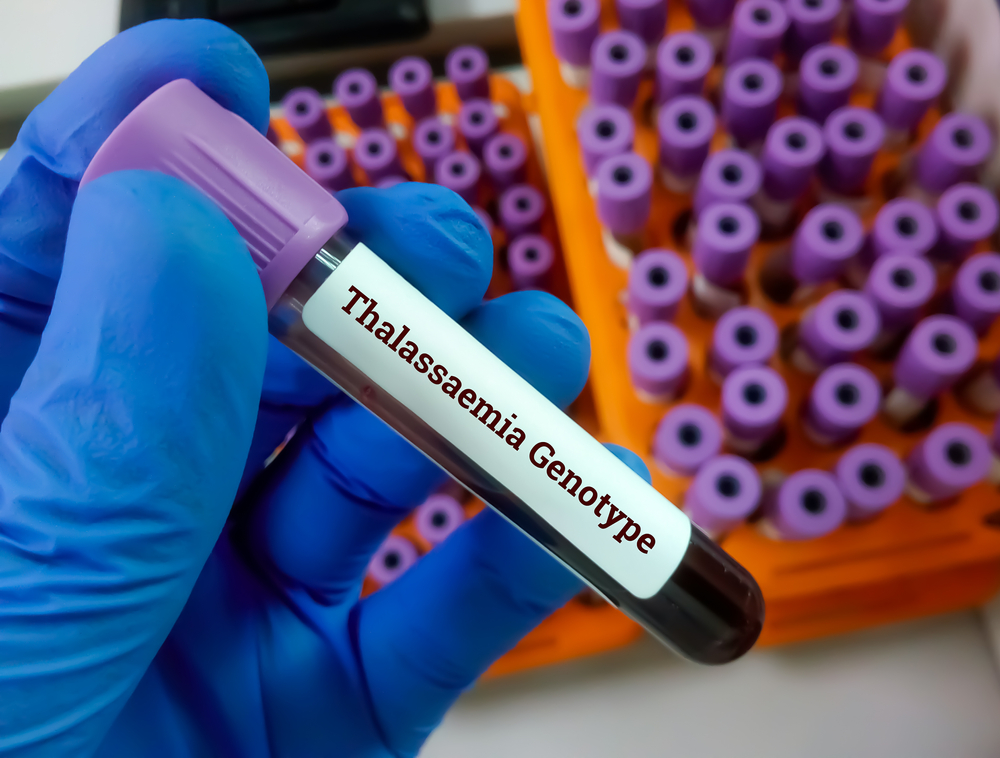
NHS patients in England suffering from a severe genetic blood disorder, beta thalassaemia, will be among the first in the world to benefit from a pioneering gene therapy known as Casgevy.
This gene-editing treatment, approved by the National Institute for Health and Care Excellence (NICE), offers a potential cure for the disorder, marking a major milestone in the treatment of genetic diseases.
Amanda Pritchard, NHS Chief Executive, commented: “This is a historic moment for people living with beta thalassaemia with a potential cure for those facing this debilitating disorder now available on the NHS.
“Ordinarily, patients experience painful side effects and undergo regular transfusions which severely impact their quality of life, but this therapy offers people a life free from that as well as the hope of living longer, which is truly amazing news.
“This is the latest in a series of revolutionary gene therapies to be secured by NHS England over the past five years, bringing significant benefit for patients – and thanks to funding through our Innovative Medicines Fund, this one-off therapy will be fast-tracked to patients who could benefit from the new lease of life it promises.”
What is thalassaemia?
Beta thalassaemia predominantly affects individuals of Mediterranean, South Asian, Southeast Asian, and Middle Eastern descent, with the UK’s largest affected populations being of Pakistani, Indian, and Bangladeshi ethnicity.
The disorder, which hampers the production of haemoglobin in red blood cells, has traditionally been managed through regular blood transfusions—a treatment that, while life-sustaining, significantly impacts patients’ lives.
Previously, the only curative option for beta thalassaemia was a stem cell transplant, a procedure that is only available to a limited number of patients due to the difficulty in finding matched donors and the risk of transplant rejection.
Casgevy, however, offers a less invasive and more widely accessible alternative. In international clinical trials, an impressive 93% of patients who received the treatment were transfusion-free for at least a year, raising hopes for a long-term cure.
Casgevy, a one-time gene therapy, employs cutting-edge CRISPR technology to edit genes in patients’ bone marrow stem cells.
The procedure involves removing blood stem cells from the patient, editing them in a laboratory to correct the genetic defect, and then reintroducing the modified cells into the patient’s body.
Once these cells are embedded in the bone marrow, they begin producing healthy red blood cells, effectively tackling the root cause of beta thalassaemia.
This treatment is particularly significant for the estimated 460 patients in England who are dependent on regular blood transfusions to manage their condition.
For these individuals who currently require transfusions every 3-5 weeks, Casgevy offers not only the possibility of reducing or eliminating the need for transfusions but also significantly improving their quality of life.
Expanding access to a global first
The NHS in England is among the first healthcare systems worldwide to offer this gene therapy, reflecting the country’s commitment to leading in innovative medical treatments.
Seven specialised NHS centres across England will soon begin administering the therapy, providing eligible patients with access to this groundbreaking treatment within weeks.
This therapy’s introduction is facilitated by an agreement between the NHS and Vertex, the manufacturer of Casgevy, allowing the treatment to enter the Innovative Medicines Fund (IMF).
This ensures that patients can access the gene therapy promptly while additional data on its long-term benefits is collected over the next five years.
A promising future for genetic treatments
As Casgevy begins to be administered, it represents not only a leap forward in the treatment of beta thalassaemia but also a broader step toward the future of gene therapy in healthcare.
With the therapy being manufactured in Edinburgh, the UK is at the forefront of this medical revolution, offering new hope to those living with previously untreatable genetic disorders.
Chief Science Advisors from Australia, Canada, New Zealand, the United Kingdom, and the United States have reaffirmed their commitment to leveraging science and technology to tackle the most pressing global challenges.
In a joint statement, the advisors emphasised the vital role that science and technology play in addressing issues such as climate change, health, security, and economic opportunity.
The advisors highlighted how science and technology have historically been powerful tools for human advancement.
They stressed that these fields are essential not only for solving today’s problems but also for creating new opportunities and ensuring a prosperous future for all.
“We affirm our commitment to leveraging science and technology to meet the greatest challenges of our time: climate change, health, security, and economic opportunity.
“Science and technology are critical to advance global prosperity, to bridge divides, and to expand opportunities for every person.”
Collaboration and evidence-based decision making
The joint statement underscores the importance of collaboration between countries to enhance the impact of science and technology.
The advisors pledged to improve coordination across science and research systems, both within and between their respective nations.
This cooperative approach is seen as crucial for generating the high-quality research necessary to inform policy decisions and manage the risks associated with emerging technologies.
“High-quality research, undertaken with integrity, produces evidence that decision-makers can rely on,” the advisors noted.
They also emphasised the need to build trust and promote understanding across cultural, social, and geographical boundaries through science and technology.
Addressing emerging challenges and opportunities
During recent face-to-face meetings in Ottawa, the advisors discussed the dual opportunities and challenges posed by rapidly advancing fields such as artificial intelligence and engineering biology.
They also explored ways to improve emergency preparedness and the role of social sciences in understanding the societal impact of technology.
A key focus was the integration of local and Indigenous knowledge into scientific research, particularly in areas like biodiversity. This inclusive approach is seen as vital for expanding the benefits of science and technology to all communities.
A vision for inclusive research and innovation
At the heart of this international collaboration is a commitment to inclusivity and openness in research and innovation.
By prioritising diversity and ensuring that the benefits of science and technology are shared broadly, the advisors believe new solutions to complex global challenges can be unlocked, empowering individuals and communities worldwide to thrive in an increasingly interconnected world.
UBC Faculty of Medicine researchers Dr Christopher Carlsten and Dr Janice Leung have received new federal funding to address major lung health challenges affecting Canadians.
Mark Holland, Canada’s Minister of Health, announced nearly $4m in funding for these UBC-led teams through the Canadian Institutes of Health Research (CIHR) Team Grants in Lung Health.
Long-term effects of wildfire smoke
Carlsten’s team will study the long-term health effects of wildfire smoke, which is increasingly pressing due to more frequent wildfires from climate change.
“As wildfires become more common in Canada due to climate change, it is more important than ever to address the health effects caused by exposure to wildfire smoke,” said Holland.
“These research teams’ initiatives will protect people’s lungs against poor air quality and other threats, including cancer, vaping, asthma, and inflammation.”
Investigating the effect of wildfire smoke on lung health
The project, ‘Lungs on Fire: Wildfire Smoke, Incident Diseases, Susceptible Populations, and Community Values in Canada,’ aims to optimise public health guidance and advance interventions to mitigate harm.
The team will examine how wildfire smoke exposure affects people based on factors like age, sex, genetics, exercise habits, and socioeconomic status.
“We are thrilled to have support for our work on understanding the long-term effects of wildfire smoke,” said Dr Carlsten.
“Unfortunately, these particulate-rich exposures are anticipated to increase and we need knowledge about how our communities will be affected in order to best target interventions to protect them.”
This multidisciplinary team includes experts in respiratory research, care, epidemiology, Indigenous lung health, and individuals with lived experience. Their findings will guide public health advice during wildfire emergencies.
The Canadian Lung Outcomes in Users of Vaping Devices (CLOUD) study aims to provide detailed lung evaluations for people who vape, helping Canadians make informed decisions.
“Many Canadians are asking about what vaping does to their lungs,” said Leung. “We are honoured to help answer these questions to keep their lungs healthy.”
The team includes physicians, nurses, scientists, Indigenous representatives, people with lived experience, and public health advocates. Their research seeks to inform Canadians about vaping’s impact from cellular to societal levels.
Nationwide effort to improve lung health
The federal government has committed $19.3m to nine research teams across Canada, partnering with the Canadian Cancer Society, the Canadian Lung Association, the Cancer Research Society, GSK, Heart & Stroke, and Mitacs, and collaborating with the Canadian Thoracic Society, Children’s Healthcare Canada, Cystic Fibrosis Canada, and Health Canada.
By addressing the health effects of wildfire smoke and vaping, these UBC-led projects aim to safeguard lung health for all Canadians, paving the way for a healthier future.
Innovation News Network is delighted to announce that we are a Community Partner of the upcoming Intelligent Health 2024 held in Basel from September 11-12.
For the seventh consecutive year, Intelligent Health is set to unite senior decision-makers from across the global healthcare ecosystem.
This premier event will bring together leaders from pharmaceuticals, life sciences, medtech, health providers and trusts, big tech companies, startups, investors, academics, and policymakers.
But this event is not just about discussions; it’s about action and tangible change in the global healthcare landscape.
Actionable insights for global healthcare transformation
Intelligent Health 2024 promises to equip attendees with actionable insights and best practices aimed at driving demonstrable improvements within their organisations.
The focus is on leveraging innovative solutions to enhance global healthcare outcomes, benefiting all of humankind. The comprehensive programme for 2024 is now live, offering a unique opportunity to engage with experts and thought leaders.
AI in medicine’s pivotal point
Artificial intelligence (AI) and machine learning are revolutionising global healthcare. These technologies are streamlining decision-making, automating processes, and introducing innovative problem-solving techniques.
The impact of AI is vast, from amplifying disease diagnosis to suggesting treatment plans and enhancing public health and safety. AI’s potential to save lives, time, and money is limitless.
However, the healthcare sector is one of the most regulated industries in the world. This raises important questions about the future of health: How can we navigate this ever-changing landscape expertly?
Is innovation being stifled by the regulations designed to protect us? How can we ensure that innovation remains transparent, accountable, and ethical?
Intelligent Health 2024 will unite senior decision-makers from pharmaceuticals, life sciences, medtech, health providers and trusts, big tech companies, startups, investors, academics, and policymakers.
Together, they will work to revolutionise patient outcomes and set a roadmap for success in AI-driven healthcare.
Empowering healthcare change
The event will focus on understanding the pain points for healthcare providers and patients, examining potential solutions to streamline processes and improve patient journeys.
Attendees will receive top tips and practical advice from clinicians and frontline care providers on implementing and scaling AI and technology in hospital settings.
Participants will also have the opportunity to learn about the latest AI and technological innovations designed to alleviate administrative burdens and present new opportunities in drug discovery and throughout the value chain.
A multi-disciplinary approach will be emphasised, showcasing the critical role of collaborative efforts in overcoming challenges and maximising the potential of AI and machine learning.
Temple University, together with its ecosystem of partners, is moving research results along the path to commercialisation, impacting diverse communities.
The rise of Temple University’s research enterprise has generated a significant increase in discoveries for diverse communities. These range from potentially curative therapies for HIV and other viruses, genetically targeted treatments for cardiovascular disease, digital health solutions for autism and chronic obstructive pulmonary disease, and a virtual reality system to combat the impact falls have on the elderly population.
Advancing nascent technology out of research institutions presents an exciting opportunity for the world, but it is a journey. One that requires a community of champions that need to align to realise the potential impact of each discovery.
Community-focused innovation development Innovation needs a community to thrive. This includes scientific and professional experts to help navigate the complex process of bringing an idea to market, investors and other funders that enable new businesses to carry the university’s innovation forward, and entrepreneurs who often work for equity until the company is sufficiently capitalised to pay its employees. Temple University, core to its mission, relies on this ecosystem of partners to move its research results onto the path towards commercialisation to deliver them to the community and beyond, and in doing so, brings growth to Philadelphia’s economy through these new businesses and products that make those solutions available to the public.
This partnership-driven approach applies to each phase of Temple’s commercialisation strategy. Within the university, ensuring Temple researchers have a clear pathway to develop their ideas is paramount. Temple re-engineered its commercialisation process and staffing structure to provide that enhanced onramp to innovators. Temple’s surrounding industry and entrepreneurship community were integrated as the necessary activators for the commercialisation process. The university established partnerships that enable early-stage proof-of-concept support with the benefit of a market signal through engagement with industry experts, enabling technology de-risking by achieving the critical milestones that can lead to further investment. An early-stage investment programme was developed with a leading early-stage capital provider in Pennsylvania, enabling Temple to participate in investments supporting new companies spun out of Temple research.
In March 2024, the university launched its Innovation Nest to reinforce the value of its community of partners and stakeholders. The Innovation Nest is the university’s first dedicated space to support the advancement of discoveries and incubation of companies generated by Temple’s research enterprise. With nearly 9,000 square feet of space, the facility houses Temple’s commercialisation team that provides concierge service to its research community, an incubator with flexible options for Temple spinout and affiliated startup companies, and an event venue with associated programmes designed to engage, educate, and expand the surrounding innovation ecosystem.
With its community of partners and the launch of the Innovation Nest, Temple stands poised to make an indelible mark on the global stage. From concept to reality, Temple’s innovations have the power to address pressing needs and spark transformative change — one breakthrough at a time. Amid this flurry of innovation, a disruptive platform technology focused on treating venous thromboembolic disease developed at the Lewis Katz School of Medicine stands as a shining example — a testament to Temple’s enduring legacy of innovation and impact.
Opening blocked arteries deep within lungs
Blood clots take a devastating toll on health, claiming over 100,000 lives annually in the United States alone and millions worldwide. It remains the number one cause of preventable death in hospitals. Yet, despite their deadly impact, these clots remain under-treated.
Accounting for a staggering 15% of all in-hospital deaths, 30 to 50% of survivors of these clots are left grappling with long-term disabilities, chronic thromboembolic pulmonary disease, and post-thrombotic syndrome. The toll is not merely in lives lost but in the impact on the quality of life for those who endure.
The challenge lies in the limitations of existing therapies, haunted by the spectre of high bleed rates combined with major adverse events that compromise their safety and temper their efficacy. For too long, clinicians have been hampered by the constraints of available treatments, leaving patients vulnerable to the ravages of this silent killer.
Enter Thrombolex. In a landmark collaboration with Temple University, Thrombolex unveiled its revolutionary BASHIR™ Endovascular catheters in 2020, heralding a new era in the treatment of thromboembolic diseases. This groundbreaking family of endovascular catheters has demonstrated unprecedented clinical efficacy, offering a beacon of hope to patients and practitioners alike.
In a multicentre clinical trial (RESCUE) involving 109 patients with pulmonary embolism, the BASHIR™ endovascular catheters showed unparalleled efficacy and safety compared to prior studies of other contemporary devices used for treating pulmonary embolism. With outcomes poised to improve patient survival, safety, and morbidity while significantly reducing the total cost of care within the healthcare system, Thrombolex’s innovation promises to rewrite the narrative for patients worldwide.
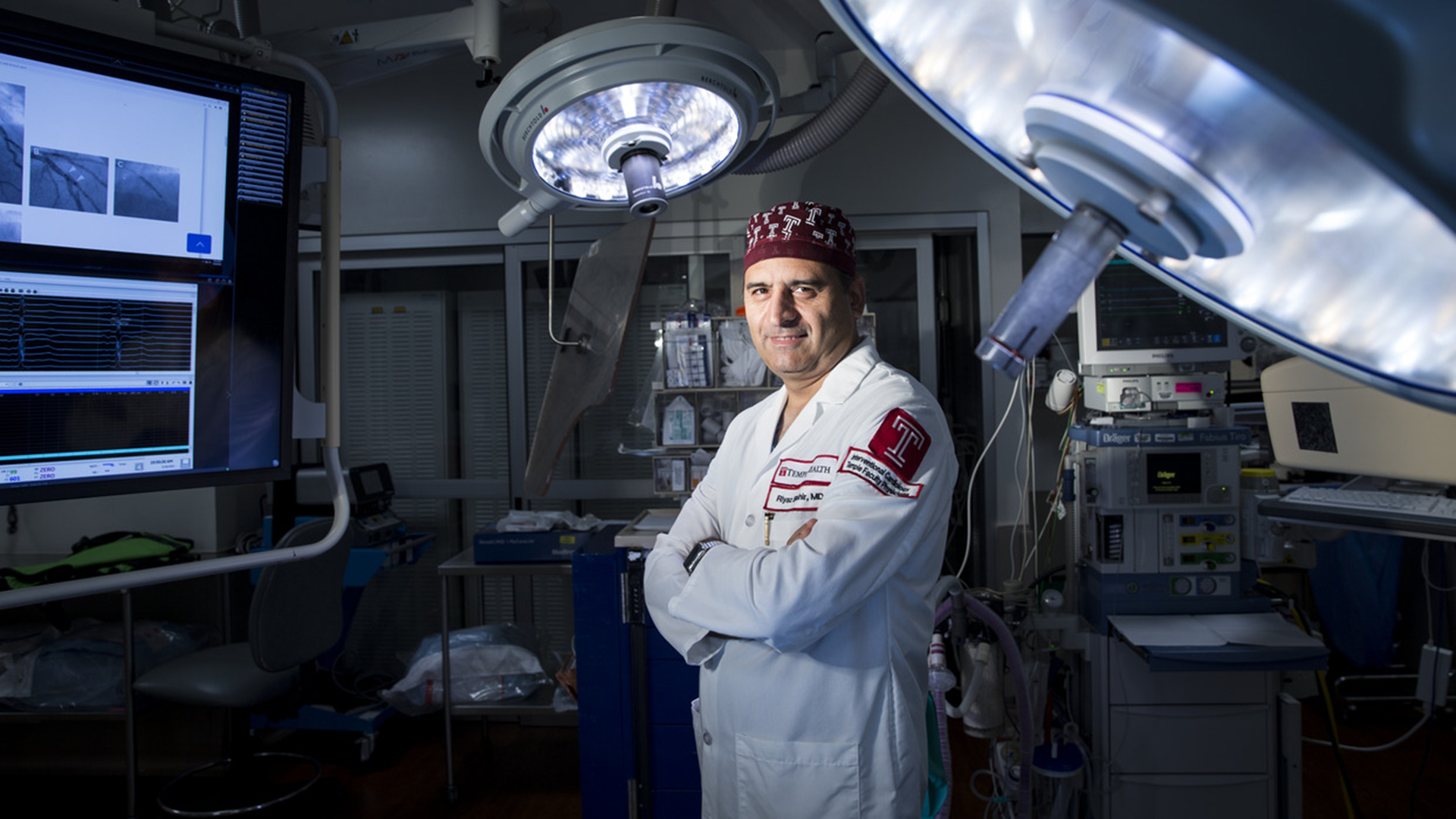
Riyaz Bashir, MD, FACC, RVT, said: safety profile and ease of use of this novel technology is a major milestone in the treatment of acute pulmonary embolism globally. Dr Bashir is a professor of medicine, the director of an interventional cardiology fellowship, and the director of the vascular and endovascular medicine division of cardiovascular diseases at Temple University Hospital.
Developed to address the pressing unmet clinical needs in treating thromboembolic diseases, including pulmonary embolism (PE) and Deep Vein Thrombosis (DVT), the BASHIR™ endovascular catheters represent a critical leap forward in medical science. With approximately $100bn in healthcare treatment costs globally, the urgency of this technology’s introduction cannot be overstated.
The innovative design of the BASHIR™ catheters is the fruit of a collaboration between Thrombolex and Dr Bashir. Differentiated by its ease of use, superior efficacy, and excellent safety profile, this platform technology promises to democratise access to life-saving treatment, transcending geographic and infrastructural barriers. Dr Bashir said: “The unique design of this device allows treatment with a very low dose of clot-dissolving medicine, which has the potential to markedly expand the role of this therapy in improving outcomes of these patients.”
With eight FDA-cleared devices currently in its product line, Thrombolex’s patented design boasts an expandable infusion basket that promptly restores blood flow and uniformly delivers low-dose medication at the site of the clot. Thrombolex has recently developed a breakthrough therapy protocol to treat patients in a single session, eliminating the need for an ICU stay, reducing the dosage of medication and further benefiting hospitals that are already resource-constrained. The catheters’ ease of use and significantly lower costs offer a lifeline to healthcare institutions grappling with the burden of treating patients with venous thromboembolic disorders.
Temple University’s international reach
As Thrombolex looks to expand its reach beyond the shores of the United States, eyes turn to Europe, a key market ripe for innovation. With over 50 institutions actively utilising BASHIR™ catheters in the US and a market penetration rate far below potential, the promise of Thrombolex’s groundbreaking platform technology is poised to shine bright on the global stage.
In the relentless pursuit of progress, Thrombolex stands at the vanguard of medical innovation, offering hope to millions and paving the way for a future where blood clots are no longer a silent killer but a conquered foe. Michael Cerminaro, co-founder, president, and CEO of Thrombolex, said: “We are very proud of our partnership with Temple University and the co-inventor of our novel platform technology, Dr Riyaz Bashir.”
He stated: “Our new RAPID-PE clinical study for the treatment of acute pulmonary embolism in a single session is a testament to our dedication to clinical research and an opportunity for us to have a material positive impact on the field of medicine.”
While Temple University nurtures homegrown innovators like Thrombolex, Philadelphia itself beckons to European enterprises seeking expansion into the Americas. Temple’s European Network of Research and Innovations Centers and Hubs (‘Enrich’) Virtual Landing programme provides a seamless gateway for European tech entrepreneurs to establish North American operations. This initiative offers tailored support, facilitating integration into industry-specific ecosystems and providing essential business development assistance, including product road mapping. An example is a company called Splendo Health, which is engaging with cardiologists and Temple Hospital to validate their concept for the US healthcare market.
Moreover, the Sbarro Health Research Organization (SHRO), nestled within the Innovation Nest, spearheads international programming and networking initiatives. This impactful collaboration elevates the global impact of both institutions in research and innovation. The Innovation Nest stands as a testament to the power of partnership and was made possible through the unwavering financial support of both the Commonwealth of Pennsylvania and SHRO.
With each groundbreaking partnership and every pioneering endeavour, Temple University continues to carve out a path toward a future defined by progress and possibility. In an ever-evolving landscape of higher education, this institution stands poised to lead the way, shaping not only its own legacy but also the trajectory of innovation on a global scale. With international campuses in Japan and Rome as well as spinouts eyeing international expansion, Temple’s influence is set to transcend beyond Philadelphia and redefine the realms of possibility for diverse communities.
Please note, this article will also appear in the 18th edition of our quarterly publication.
MHICC is a clinical research organisation and trusted partner in the execution of investigator-initiated trials and pharmaceutical/biotech clinical programmes with decentralised trial solutions.
The Montreal Health Innovations Coordinating Center (MHICC) is a full-service academic clinical research organisation (CRO) servicing the academic community and the pharmaceutical, biotechnology, nutritional and medical device industries.
The MHICC’s flexible, dynamic and fully integrated ‘a la carte’ services will support your Phase I to IV clinical projects, from protocol conception, data management, and biostatistics to delivery of clinical study reports.
Founded in 2001 to accompany growing clinical research activities in cardiology at the globally recognised Montreal Heart Institute (MHI), the MHICC scope has since expanded across multiple therapeutic areas.
Academic or private CRO?
There are pros and cons to either one. The academic clinical research organisation will harness scientific and medical expertise at lower fees, often with tools and systems that may not fully meet the regulatory requirements and/or the sponsor’s expectations.
On the other hand, the private CRO will propose advanced platforms that meet the regulatory requirements but with a hefty price tag. Luckily, you no longer have to choose!
The MHICC represents the best of both worlds. Offering state-of-the-art digital platforms and tools (CTMS, eTMF, eCRF, eQMS, safety database, etc.), this academic CRO distinguishes itself through its ability to conduct hybrid or decentralised clinical trials while remaining affordable. Our new MeTRO platform eases patient involvement throughout the clinical evaluation process, thus allowing patients to participate in studies from the comfort of their homes.
With nearly 25 years of experience conducting clinical trials with globally renowned investigators, the MHICC has established itself as a reliable partner to drive your projects forward.
Being an academic institution, the potential for joint submission of grant proposals for projects with the greatest potential to advance health-related fundamental or health outcomes becomes a clear advantage. With its commitment to helping and supporting researchers and start-ups to carry their innovations to the finish line, the MHICC is your partner of choice.
Numerous discoveries made in academic laboratories end up shelved because of a lack of strategic development. The chain of innovation that brings lab discovery to the market is too often fragmented or incomplete. The MHICC fills the gap, playing a key role in the strategic path and navigating through all clinical trial phases that lead to commercialisation.
Whether you are an investigator or a pharmaceutical/MedTech firm, the tailored-fee approach based on the range of technology can accommodate all your research needs. The MHICC’s unique positioning further distinguishes itself by its access to MHI-integrated state-of-the-art capabilities in pharmacogenomics, imaging biomarkers, biobank and core laboratories.
Why partner with a Canadian CRO?
Canada is a highly regulated market, and through Horizon Europe’s funding programme, exciting new opportunities for international collaboration will develop, strengthening the impact of research and innovation in tackling major global challenges.
Montreal’s growing popularity is seen as the perfect equilibrium between Europe and America. The MHICC installations are nested within a unique health science ecosystem formed of four universities, multiple world-class research centres, institutes and major academic hospitals.
Furthermore, as a growth strategy for the province’s economy, the Québec Government has prioritised the health sciences sector. In this evolving ecosystem, the MHICC is multiplying its collaborations with new clinical trial players with the same objective to improve clinical research and ultimately improve patient lives worldwide.
What else do you need to optimise your clinical trial?
First and foremost, access to patients is critical. Patient enrolment is a given, but retention and follow-up are equally important.
At the MHICC, we conduct patient-centred trials using virtual and/or hybrid models. For traditional trials, we choose suitable sites from our global network of research physicians and collaborators (4,500 clinical sites across 35 countries).
To enhance participant experience as well as to drive higher quality outcomes, the MHICC connects with its patient partnerships. Patient engagement is increasingly recognised as an integral part of healthcare and a critical component of clinical trials.
Given the complexity and challenges of a clinical programme, it is crucial to partner with an experienced team and a network of key opinion leaders to help you design and deliver your trial. Our track record speaks for itself, with over two decades of experience working alongside our network of key opinion leaders across the globe. The expansion of virtual trials has led to a more collaborative work-type environment, and this network is constantly evolving.
Our passion, dedication and expertise are only a call away. If you need a full-service clinical research organisation with the feel of a tight-knit family, look no further. Together, we will lead your trial to success.
Please note, this article will also appear in the 18th edition of our quarterly publication.
Researchers have pioneered a novel hydrogel that promises to overcome antibiotic resistance associated with some wound care practices.
The experts have developed a hydrogel that not only simplifies synthesis but also possesses inherent antibiotic properties while facilitating cell proliferation.
Hydrogels, renowned for their efficacy in addressing skin ailments and tissue engineering, have long been hailed for their biocompatibility and water retention properties.
However, their manufacturing complexity and vulnerability to external forces have posed challenges.
Moreover, the need for incorporating antimicrobial agents to combat infections has raised concerns regarding antibiotic resistance and cell growth inhibition.
Lead author Jing Sun highlighted the critical need for effective wound care: “A diabetic patient may have skin wounds that do not heal easily due to metabolic disease.
“The patient may try to treat the wounds with topical medicines such as erythromycin, and it may be effective at first, but over a long period of time, it may fail to relieve symptoms. This could be due to antibiotic resistance.”
Enhanced hydrogel composition
To overcome these challenges, the team integrated polylysine, an amino acid, and platelet-rich blood plasma into the common Gel-MA hydrogel, resulting in remarkable properties tailored for wound care.
This enhanced hydrogel exhibits superior strength, prolonged durability, antibacterial efficacy, and a conducive environment for cell regeneration.
Sun explained: “The hydrogel continuously releases polylysine on the wound surface and continuously inhibits bacterial growth.
“We chose ε-polylysine because it can inhibit the growth of bacteria and solve the problem of antibiotic abuse, drug resistance, and does not affect the proliferation and development of cells.
“It can also conjugate with gelatin methacrylate, which plays an antimicrobial role and enhances the mechanical strength of the hydrogel.”
Combatting antibiotic resistance
Experimental trials involving common pathogens such as E. coli and S. aureus showcased the hydrogel’s efficacy in rupturing bacterial cell membranes, leading to their demise.
Conversely, the inclusion of platelet-rich blood plasma stimulated the release of growth factors, promoting cell viability.
The study’s innovation extends to the hydrogel’s synthesis process, which can now be efficiently cured under a UV lamp within a mere 30 seconds, circumventing the arduous freeze-thaw cycle that previously consumed up to eight hours.
Sun expressed optimism regarding the clinical implications of the research: “As a clinician and researcher in dermatology, I have the obligation to provide better treatments for patients.
“Patients with chronically infected wounds combined with metabolic diseases, such as diabetes, malnutrition, and other diseases, as well as long-term bedridden patients, will be helped by this solution.”
With the advent of this advanced hydrogel, the landscape of wound care stands poised for significant transformation.
By addressing longstanding challenges associated with conventional hydrogel formulations, this breakthrough offers renewed hope for individuals battling chronic wounds.
According to new research, investment in science and technology start-ups across the UK broke global trends to grow private sector investment in 2023.
Around the world, investment levels tapered off after the pandemic and this downward trend did impact the UK. However, the UK has maintained its lead in Europe and returned investment in science and technology closer to pre-pandemic levels.
Now, research from Barclays Eagle Labs has shown that 54% of founders say that funding availability is holding back the growth of their company.
The results follow the Department for Science, Innovation, and Technology’s launch of a new campaign aimed at driving domestic investment opportunities in scale-ups.
The ‘Science and Tech is our Superpower’ campaign aims to make sure businesses can access the funding they need to scale their success and boost long-term economic growth.
Technology Minister Saqib Bhatti said: “Whether it’s in AI, chips or bioscience, British science and tech start-ups are thriving all over the country, and many are ripe for investment.
“We need investors to match the ambition of UK founders, and back British innovation before our best investment opportunities travel abroad for the funding they need to grow.”
Start-ups in Wales and Yorkshire broke global trends
Businesses in Yorkshire and Humber saw an uplift of 20% in venture capital investments over the post-pandemic period, reaching new highs of over £200m in investment in 2023.
Welsh companies also attracted more investment in 2023, with funds increasing by 8.7% to £112m.
The UK’s investment landscape and opportunities abroad
Science and technology founders were found to be overwhelmingly optimistic (65%) about what the UK landscape meant for the next stage of their start-up journey.
The research also revealed that 15.8% of founders would sell their business to an international buyer as their preferred exit strategy.
This was closely followed by selling through private equity (15.5%) or to a UK buyer (14.4%), suggesting that there is potential for Britain’s investment opportunities to move abroad.
Promoting private sector investment in science and technology
The Department for Science, Innovation, and Technology’s promotion of private sector investment comes after the Chancellor’s Mansion House Reforms, which are unlocking up to £75bn for high-growth businesses, like start-ups in the science and technology space.
The work is underpinned by a commitment from UK pension funds and the venture capital community to work together to drive even more finance into scale-ups.
Denis Lacombe, CEO of the EORTC, explains the importance of patient-centric clinical research in cancer treatment and the commitment of the organisation to improving quality of life.
Cancer treatment has long been a challenge in the field of medicine, but it is one the world continuously rises to with innovative and persistent research dedicated to solutions.
At the European Organisation for Research and Treatment of Cancer (EORTC), the mission is to improve cancer patients’ survival and quality of life. The EORTC is a non-governmental organisation, utilising 60 years of experience to run an extensive, international academic programme spanning over 30 countries.
The Innovation Platform Editor Maddie Hall sat down with Denis Lacombe, CEO of the EORTC, to discuss the organisation’s dedication to patient-centric clinical research and the pragmatic clinical trials that are transforming the future of cancer treatment.
Denis Lacombe
Objectives of the organisation
The primary objective of the EORTC is to leave no one behind. As such, the organisation addresses clinical situations that have been comparatively neglected, such as rare cancers or elderly patients. We are also unique in our attempt to tackle a large variety of different cancers in different organs.
Our scientific strategy centres around treatment, choosing to maximise our expertise in this area while other organisations focus on cancer prevention and early detection. Through multidisciplinary clinical trials, we take a comprehensive approach to cancer treatment, addressing drugs, radiation, surgery, and the research fundamental to each, establishing EORTC as Europe’s largest cancer clinical trial organisation.
Ongoing and recent projects
At any given time, EORTC runs over a hundred clinical cancer trials, meaning that we are consistently watching a clinical trial mature and come to fruition. Whether this is by improving our knowledge of a specific cancer or directly informing doctors and patients about changing treatment, the organisation is continually advancing the standard of patient-centric care.
There are about ten clinical trials and other programmes supported by the European Union (EU) at any time. EORTC does not receive structural support from the EU but applies on a competitive basis.
One ongoing programme that is proving hugely successful is IMMUcan, which is geared to access the biological material of approximately 3,000 cancer patients with five different types of cancer. IMUCAN aims to use this data, alongside innovative technology, to understand the microenvironment of cancer cells.
Three pragmatic trials have recently been approved under the Horizon programme: A large clinical trial addressing brain tumours, retroperitoneal sarcoma, and the optimisation of hormone therapy for metastatic prostate cancer. These initiatives aim to address patient-centric clinical questions. Increasingly, trials are considering quality of life, patient-reported outcomes, and even patient preferences as an objective.
Treatment optimisation and pragmatic trials
The optimisation of treatments is a significant part of our current research strategy. When a drug comes to the market, it is not apparent which patients would benefit from the treatment and which would not. Similarly, the optimal dose, duration, or how to integrate it best in existing treatment approaches may not yet be documented or fully informed. Consequently, much research is needed on how treatments can be optimised to avoid unnecessary toxicity without benefit. The substantial costs of cancer treatments are relevant in this respect, as effort should be taken to ensure that collective resources are not spent on treating a patient unduly with a drug used, for instance, at a dose with more toxicity than necessary. EORTC is taking a de-escalation approach, addressing overtreatment, and decreasing toxicity to improve patient quality of life. We are increasingly attempting this in the context of pragmatic clinical trials. For instance, we are discussing with stakeholders and regulators the potential to adopt a more economical and efficient approach to data collection, allowing us to collect and analyse only the side effects of relevance.
Treatment optimisation is patient-centric; since we are not assessing drugs’ efficacy but aiming at obtaining a more favourable ratio between benefits and risks, the eligibility criteria for pragmatic clinical trials are much broader and closer to the real-world experience of treating the patient population. These trials do not intend to register a treatment or establish a new therapeutic system. Instead, they aim to inform doctors, patients, and healthcare systems how best to utilise therapeutic interventions. This allows us to ask pragmatic questions like: • Can we reduce the dose? • What is the optimal duration of treatment? • Can this be part of a combination treatment?
More specifically, rare and ultra-rare cancers are also often unaddressed, and trial designs have adapted to such clinical situations. A lot of methodological research is required to assess the practicalities.
The question of feasibility is also a high priority at EORTC since these pragmatic trial programmes run differently from the classic regulatory trials. This is a factor that we have consistently discussed with international partners, such as the National Cancer Institute (NCI) in the US, as well as the European Medicine Agency (EMA). The result has been the creation of the Cancer Medicines Forum, a partnership between EMA and EORTC designed to consider the optimisation of new anticancer agents beyond their licensing. It helps discuss with all stakeholders, including the commercial sector, as EORTC considers treatment optimisation a spectrum that should be addressed comprehensively and where the commercial sector can target some of the optimisation questions concerning a treatment from its inception.
Embracing new technologies to improve patient-centric care
An essential aspect of EORTC is our multidisciplinary approach, meaning we have services dedicated to technological research. A recent focus has centred around imaging technology, with our imaging platform enabling us to conduct specific research on the backbone of our pragmatic clinical trials and garner the information we need to specialise in cancer treatment.
The advantage of pragmatic trials is that, though we aim for as realistic an environment as possible, it remains controlled. Consequently, we retain the ability to control the data and the quality. This allows us to learn and understand new technologies, how they work, and eventually, how they can be modified for tailored treatments.
Embracing new technologies requires collaboration with the technology industry. We are currently collaborating with a technology company on a minimal residual disease programme. When a disease has not yet metastasised, there are still circulating cells and DNA; this programme aims to identify these as soon as possible to orient treatment. Our role is to validate the new approaches developed from clinical research to test their utility and, ultimately, their clinical relevance.
Global partnerships
The organisation is, in itself, already an international collaboration with extensive reach. Historically, EORTC has coordinated large global trials in partnership with organisations with a similar independent agenda. We have a long history of collaboration with organisations such as NCI), with whom we are currently joining forces to conduct the aforementioned trial on retroperitoneal sarcoma.
Thanks to global partnerships, conclusions can be drawn much faster, enabling quick access to a large pool of patients. They grant us insight into research from all over the world, with multiple investigators searching for solutions at once, making programmes scientifically richer and more relevant.
Similarly, EORTC has had several very successful collaborations with clinical trial groups in Canada, Australia, and Japan. Each has been an incredibly enriching experience; programmes are typically embraced by the majority, indicating the importance and relevance of the research. These global partnerships create a healthy learning environment, sharing culture, language, and cancer treatment standards.
For instance, we have an extensive fellowship programme, welcoming fellows from across the globe to spend up to three years in our Brussels office. Fellows join us, transfer knowledge, and learn about clinical research in our clinical environment. These fellows facilitate many of the programme’s successes, possessing a detailed understanding of our capacities and limitations, as well as improving future collaboration.
We join forces internationally, not only to coordinate specific clinical trials but also to conduct methodological research programmes, where we address questions such as: How could we do that better? For 20 years, EORTC, the NCI, and the clinical trial group in Canada have partnered on the RECIST programme. This aims to assess the efficiency of anticancer agents and how we can measure tumour shrinkage. Global partnerships such as this represent to the majority of the oncology community that we can conduct excellent methodological research, but clinical research that is trustworthy for future applications by others.
Alongside the clinical and methodological partnerships, we work with other organisations on cancer policy. Collaboration is a significant branch of EORTC, stimulated in every area of cancer treatment with which we engage. There is so much more that can be achieved when organisations join forces and compile resources; this is how we ultimately affect change.
EORTC in 2024: Prioritising patient-centric care
Our primary objective is to continue delivering this multidisciplinary clinical trial agenda for patients and doctors. In challenging times, with regulation changes and an unstable economic environment, we must continue prioritising patient-centric care. The effects of the Coronavirus pandemic persist, so EORTC aims to maintain this independent agenda and ensure our sustainability through fundraising and continued application for EU grants.
On 5 April 2024, we are holding a workshop about treatment optimisation at the EMA. We hope events such as these, combined with our global partnership, will increase the visibility of this concept and enable us to work with stakeholders on new cancer policies.
In particular, we would like to address how to better care for rare and ultra-rare cancer patients, recognising the challenges this patient population faces in accessing new drugs and treatments rarely registered for them. This will be an essential priority in 2024 and beyond in our attempt to solve this unmet need.
Europe is ageing, and cancer remains primarily a disease affecting the second half of life. Thus, an essential aspect of our current and future scientific strategy will concern elderly patients. Drugs are developed to treat the average adult patient population, meaning we lack the data on how to treat the elder stages of life. In some years, we will take their place; we must understand how to treat our parents, grandparents, and eventually ourselves efficiently.
EORTC is striving for the future of cancer treatment. As an organisation, we place significant emphasis on the next generation of clinical investigators, with the expertise and the facilities to provide an environment that can teach the skills not taught at medical school. Through courses, conferences, and workshops, we aim to establish the future generation of scientists and enable them to begin their careers with a pre-existing level of understanding.
Please note, this article will also appear in the seventeenth edition of our quarterly publication.