Tag: Microbiology

  • Researchers develop precise drugs to target HIV’s Nef protein

    Researchers develop precise drugs to target HIV’s Nef protein

    [ad_1]

    A team of University of Michigan researchers has successfully modified a naturally occurring chemical compound in the lab, resulting in advanced lead compounds with anti-HIV activity.

    Their results, published March 7 in the Journal of Medicinal Chemistry, offer a new path forward in the development of drugs that could potentially help cure-;rather than treat-;HIV.

    Although effective treatments are available to manage HIV, a cure has remained elusive due to the virus’s ability to hide from the immune system, lying dormant in reservoirs of infected cells.

    With most viruses, when people get infected, they get sick for a while and then the immune system kicks in and the virus is cleared. But with HIV, once a patient is infected, that virus will persist for their entire life-;meaning they must remain on treatments indefinitely.”


    Kathleen Collins, Professor, Microbiology and Immunology, University of Michigan

    One key to HIV’s ability to remain hidden in patients’ cells is a protein that the virus makes, called Nef. This protein shuts down a system that the cell would normally use to alert the immune system to an infection, thus preventing the immune cells from recognizing and clearing the virus.

    Collins and her lab have studied this protein for more than 15 years, investigating how it works and how it can be disabled. She and David Sherman, professor at the U-M Life Sciences Institute, previously discovered that a chemical found in nature can inhibit HIV Nef, allowing the immune system to find and eliminate virally infected cells: a compound called concanamycin A (CMA), which is produced by a soil-derived microorganism.

    In its natural form, however, CMA presents several challenges as a potential therapeutic. The first challenge the team had to overcome was supply. While CMA is a naturally occurring compound, the original bacteria that produces it does so in quantities far too small to be useful for testing and modification in the lab.

    Another major challenge with developing CMA as an anti-HIV drug is that Nef is not CMA’s primary target.

    “CMA’s main job in human cells is to inhibit an enzyme called V-ATPase, which we absolutely do not want to block in this case,” said Sherman, who is also a professor at the U-M College of Pharmacy, Medical School, and College of Literature, Science, and the Arts. “So, we needed to find a way to modify CMA’s activity, widening the effective dosage gap between when it starts to inhibit the target we’re aiming for-;HIV Nef -; without affecting V-ATPase, its typical cellular target.”

    With this latest research, the team has overcome both of these challenges. Using bioengineering, Sherman’s team was able to develop a bacterial strain that increased CMA production 2,000-fold. Synthetic chemists in the lab then created more than 70 new variations of the compound, swapping out different chemical groups, to test for their potency against HIV Nef.

    Collins’ lab team ran the new compounds through a battery of tests to measure their toxicity to cells, as well as how they affected the activities of both HIV Nef and V-ATPase.

    “Even though we know that CMA is extremely active against the HIV Nef protein, all drugs have side effects,” said Collins, also a professor of internal medicine at the Medical School. “And so we wanted to ensure we’ve done everything we can to minimize the side effect profile of the drug before we consider putting it into an animal or human.”

    The team now has several CMA analogs that show high potency in blocking HIV Nef at very low dosage levels, without interrupting off-target effects or causing toxicity in human cells. They caution, however, that several important steps remain before the compounds would be ready for further testing in a clinical setting.

    “We are really encouraged, though, because our groups have solved some very important problems,” Sherman said. “We have engineered microorganisms to produce sustainable supplies of the natural product molecules and have really good chemical methods to make new analogs. And we have the methodologies in place to continue tracking the critical toxicity and potency parameters to further reduce off-target effects.”

    Source:

    Journal reference:

    McCauley, M., et al. (2024). Structure–Activity Relationships of Natural and Semisynthetic Plecomacrolides Suggest Distinct Pathways for HIV-1 Immune Evasion and Vacuolar ATPase-Dependent Lysosomal Acidification. Journal of Medicinal Chemistry. doi.org/10.1021/acs.jmedchem.3c01574.

    [ad_2]

    Source link

  • A call for better diagnosis and treatment

    A call for better diagnosis and treatment

    [ad_1]

    In a recent review published in the journal Nature Reviews Microbiology, a group of authors summarized recent advancements in understanding long coronavirus disease (COVID) ‘s mechanisms, impacts, and research needs for better diagnostics and treatments.

    Review: Long COVID: major findings, mechanisms and recommendationsReview: Long COVID: major findings, mechanisms and recommendations

    Background

    Long COVID, affecting over 65 million globally, manifests through diverse, systemic symptoms regardless of initial infection severity. This condition leads to various health issues like cardiovascular diseases and Myalgic Encephalomyelitis/Chronic Fatigue Syndrome (ME/CFS), causing widespread disability and workforce impacts. Pathogenesis theories include persistent viral presence and immune dysregulation, but no effective treatments have been established. Research has identified risk factors such as gender and socioeconomic status, although many patients had no prior conditions. Long COVID’s resemblance to other post-viral syndromes underscores the urgent need for research into its mechanisms, risk factors, and treatments to enhance patient outcomes.

    Immunological and virological discoveries in Long COVID

    Long COVID triggers significant immune changes, particularly post-mild COVID, marked by T cell exhaustion, reduced effector memory Cluster of Differentiation (CD)4+ and CD8+ T cells, elevated Programmed Death-1 (PD1) expression, and activated innate immune responses. The scarcity of naive T and B cells, alongside sustained high type I and III interferon levels, indicates continued immune dysregulation. An altered immune cell balance, including increased non-classical monocytes, reduced dendritic cells, and low cortisol, highlights a distinct immune profile in long COVID.

    Research points to autoimmunity in long COVID, highlighted by raised autoantibodies against key receptors like Angiotensin-Converting Enzyme 2 (ACE2). Viral reactivations, notably of Epstein-Barr Virus (EBV) and Human Herpesvirus 6 (HHV-6), which impact mitochondrial function and energy metabolism, play a significant role. The condition’s development is initially linked to inadequate immune responses, including poor antibody and T-cell response. Signs of severe acute respiratory syndrome coronavirus 2 (SARS-CoV-2) persistence across multiple body tissues suggest a potential mechanism for the enduring nature of long COVID symptoms.

    Systemic impact and organ damage

    SARS-CoV-2 causes widespread organ damage beyond the respiratory system, affecting the circulatory system through endothelial dysfunction and increased thrombosis risks. Long-term alterations in blood properties and vascular density contribute to the heightened prevalence of cardiovascular diseases post-COVID, demonstrating the virus’s systemic and lasting effects.

    Neurological impact

    Long COVID induces neurological and cognitive issues, such as memory loss and cognitive impairment, with effects comparable to significant aging. Potential underlying mechanisms like neuroinflammation and neuronal damage link these symptoms to Alzheimer’s-like pathology, highlighting severe brain impacts.

    ME/CFS and related conditions

    There is a notable overlap between long COVID and ME/CFS, with many patients meeting the criteria for the latter. This relationship underscores commonalities like immune alterations and mitochondrial dysfunction, with dysautonomia commonly co-occurring, suggesting shared pathophysiological mechanisms.

    Reproductive and respiratory concerns

    Long COVID’s reproductive effects call for focused research on sex-specific impacts, while persistent respiratory symptoms underscore lasting lung damage. These aspects illustrate the condition’s broad spectrum of effects.

    Gastrointestinal symptoms and chronicity

    Persistent gastrointestinal issues and altered gut microbiota in long COVID patients emphasize its systemic nature. The diverse onset and duration of symptoms across patients highlight the condition’s complexity and the challenge of predicting individual outcomes.

    Diagnostic advances and challenges

    Diagnostic approaches for long COVID are under development, with existing techniques like tilt table tests and Magnetic Resonance Imaging (MRI) scans often failing to detect the condition effectively. Emerging diagnostics, including microclot imaging, corneal microscopy, and novel Electrocardiogram (ECG) markers, offer hope for more precise identification. Research into biomarkers and unconventional methods, such as scent detection by dogs, highlights the innovative directions being explored to improve long COVID diagnosis.

    Treatment landscape and future directions

    Current treatment strategies for long COVID are primarily symptom-focused, with some success using methods adapted from ME/CFS management. Innovations such as low-dose naltrexone and anticoagulant therapy show promise, while experimental treatments like Paxlovid and probiotics are beginning to demonstrate potential benefits. Nonetheless, the need for rigorous clinical trials to establish effective treatments remains critical, underscoring the initial stage of long COVID care and the importance of ongoing research.

    Vaccine impact and the role of variants

    Vaccination’s impact on long COVID varies, showing both minimal and reduced risk. Variants and vaccine doses may affect long COVID chances, with early studies hinting at variant-dependent risks and vaccine efficacy. Reinfections, particularly multiple ones, could heighten long COVID risks, stressing the importance of continuous research and monitoring.

    Diagnosing Long COVID: obstacles and solutions

    The early pandemic’s diagnostic challenges, such as limited polymerase chain reaction (PCR) test availability and high false-negative rates, led to widespread underdiagnosis, affecting mainly non-hospitalized individuals. Compounded by unreliable antibody tests, particularly among specific groups like women, children, and those with mild infections, these issues have significantly hindered long COVID research and patient care. Misclassification and study exclusion have clouded our understanding of the condition. A comprehensive approach incorporating insights from ME/CFS and dysautonomia is essential to improve long COVID research. Emphasizing clinical trials, diverse participant inclusion, and engaging patient communities, alongside updated healthcare training, will enhance patient outcomes and advance our knowledge of long COVID.

    [ad_2]

    Source link

  • Blue cheese could get an upgrade thanks to new mould hybrids

    Blue cheese could get an upgrade thanks to new mould hybrids

    [ad_1]

    A mould creates the distinctive blue veins in Roquefort cheese

    Igorr Norman / Alamy

    Five new varieties of Penicillium roqueforti, the fungus used to make blue cheese, have been created, possibly helping to secure the future of Stilton, Roquefort and other cheeses.

    The work could also lead to new strains of the fungus that further reduce the risk of cheese toxins, as well as others that may have pharmaceutical applications.

    P. roqueforti is used all over the world to produce blue…

    [ad_2]

    Source link

  • COVID booster in lactating mothers can provide antibodies for infants

    COVID booster in lactating mothers can provide antibodies for infants

    [ad_1]

    Lactating mothers who get the COVID-19 booster pass along the antibodies to their children via their breast milk – and potentially protect babies too young to receive the vaccine, a study from the University of Florida Institute of Food and Agricultural Sciences (UF/IFAS) and the UF College of Medicine found.

    The study is the third in a series that looks at antibody protection being transferred via breast milk from mothers who received their first two COVID-19 vaccinations and, now, the booster shot. The second publication reported the same antibody transfer via breast milk.

    “We think that breast milk may play an important role in protecting the infants during the first six months of life from COVID,” said Dr. Vivian Valcarce, a former UF College of Medicine researcher who worked on this study. She now is an assistant professor at the University of Alabama at Birmingham. “We continue to see babies being hospitalized from COVID-19 infections.”

    The study was published in February in Frontiers in Nutrition, and the study was funded by the Gerber Foundation and the Children’s Miracle Network.

    The study looked at how breast milk antibody protection changed when a mother received their first COVID-19 booster shot, said Joseph Larkin, UF/IFAS associate professor of microbiology and cell science and part of UF’s Emerging Pathogens Institute. Researchers looked at the antibody response and antibody functionality in breast milk and tested to see if antibodies were present after the babies drank breast milk with COVID-19 antibodies.

    Larkin said this study suggests that breastfeeding can provide COVID-19 antibodies for infants too young to receive a vaccination – and that the antibodies wane in people’s bodies over time, so getting a booster can provide prolonged protection to babies that drink breast milk.

    When babies are born, they have an immature immune system, so they rely heavily on mom’s immune system. Breastfeeding can serve as a gap in between while babies are building their own immune system.”


    Joseph Larkin, UF/IFAS associate professor of microbiology and cell science 

    Larkin said some antibodies are transferred to fetuses through the placenta, as well, but that initial protection also lessens over time.

    In this study, 14 lactating mothers and their babies were followed from before they received their COVID-19 booster until after they received their booster shots, Larkin said. Researchers tested the mothers’ blood to confirm their bodies made COVID-19 antibodies after a booster shot, tested breast milk to confirm the milk had antibodies in it and tested babies’ poop to confirm antibodies were present in the babies’ bodies.

    To see if the breast milk’s antibodies worked against COVID-19, breast milk was placed in a 96-well plate with a lab-safe COVID virus strain, and researchers found these antibodies from the mother disable the virus, said Lauren Stafford, a UF/IFAS graduate research assistant and Ph.D. candidate in microbiology and cell science.

    The study was a collaboration between UF/IFAS and the UF College of Medicine and included Dr. Josef Neu, professor of pediatrics within the division of neonatology at the UF College of Medicine.

    “This shows how important breast milk and breastfeeding is for infant health during a pandemic,” Valcarce said.

    Source:

    Journal reference:

    Valcarce, V., et al. (2024). COVID-19 booster enhances IgG mediated viral neutralization by human milk in vitro. Frontiers in Nutrition. doi.org/10.3389/fnut.2024.1289413.

    [ad_2]

    Source link

  • BPA exposure influences gut microbial diversity and childhood obesity risk

    BPA exposure influences gut microbial diversity and childhood obesity risk

    [ad_1]

    A synthetic chemical called Bisphenol A, or BPA, is widely used in the production of durable plastic products including eyewear, water bottles and epoxy resins. But it’s also an endocrine disruptor, which means that it can interfere with normal hormone functions in the body. Studies suggest that high levels of exposure may be detrimental to human health in a variety of ways; it may also alter the gut microbiome.

    But the connections aren’t clear. Researchers in Spain recently studied a group of over 100 children to identify microbes that play a role in BPA exposure and degradation, with the larger goal of understanding the complicated relationship between that process and childhood obesity. In their study, published this week in mSystems, the researchers found more unique bacteria taxa in children of normal weight than in overweight or obese children.

    The findings suggest that BPA exposure could promote different microbial communities in normal weight children than those in children with obesity or who are overweight.

    We found that the gut microbial community responds differently to BPA exposure depending on the BMI (body-mass index) of the individual.”


    Margarita Aguilera, Ph.D., microbiologist at the University of Granada in Spain

    Aguilera is a senior author on the study. Those connections, she said, “underscore the intricate interplay between gut microbiota and potential human pathophysiology resulting from cumulative BPA exposure.”

    Previous studies have investigated symptoms and effects associated with BPA exposure. Others have used mouse models and 16S rRNA gene sequencing, which can reveal microbes in complex mixtures of materials, like those from the gut or water. For the new study, the researchers, including Ana López-Moreno, Ph.D., who led the experimental work as part of her doctoral thesis, instead combined analyses of cultured samples with amplicon sequencing-;an approach that, to their knowledge, hasn’t been used before.

    The results came from a study of 106 children in Spain, roughly half boys and half girls, all between the ages of 5 and 10. They had participated in the OBEMIRISK project, an effort to understand the interplay between BPA and the gut microbiome sponsored by the European Food Safety Authority. Sixty of the children were normal weight; the rest were either overweight or obese. Fecal samples from the children were exposed to several levels of BPA and allowed to incubate for 3 days. Then, the researchers used 16s rRNA sequencing and amplicon sequencing, ultimately identifying 333 BPA-resistant bacterial species.

    Notably, species of Clostridium and Romboutsia found in the BPA-cultured samples promoted the richness of microbiota communities. Generally, Aguilera’s team noted, normal-weight children hosted a more diverse, enriched and structured network of bacteria than those found in the groups of overweight and obese children. Those results, she said, suggest that the gut microbiota in normal-weight children may be more resilient when exposed to xenobiotic substances like BPA.

    Knowing which microbes participate in the complex network connecting BPA, obesity and the gut microbiome, Aguilera said, could point to future interventions and policy changes that may reduce the risk of childhood obesity worldwide. In future work, she said the researchers plan to similarly investigate how exposure to other synthetic chemicals, including parabens and phthalates, may influence the composition of the gut microbiome. Her group’s overarching goal, however, is to elucidate the mechanisms behind an invisible but widespread threat.

    “We want to raise awareness about the health risks associated with microplastics that enter our bodies, and those that circulate in the environment,” Aguilera said. “It’s crucial for individuals to be mindful of these concerns.”

    Source:

    Journal reference:

    Lopez-Moreno, A., et al. (2024) Bisphenol A exposure affects specific gut taxa and drives microbiota dynamics in childhood obesity. mSystems. doi.org/10.1128/msystems.00957-23.

    [ad_2]

    Source link

  • Miso paste made in space opens a new frontier for fermented foods

    Miso paste made in space opens a new frontier for fermented foods

    [ad_1]

    A fermentation experiment on the International Space Station produced miso paste with a flavour distinct from two samples that were fermented on Earth

    [ad_2]

    Source link

  • Harnessing artificial intelligence for infectious disease prevention

    Harnessing artificial intelligence for infectious disease prevention

    [ad_1]

    A new research review to be given at a pre-congress day for this year’s European Congress of Clinical Microbiology and Infectious Diseases (ECCMID 2024) will look at the many ways artificial intelligence can help prevent infectious disease outbreaks including ensuring staff wear personal protective equipment correctly and managing day-to-day hospital activities such as medication prescription and cleaning. The presentation will be given by Prof Richard Drew, Rotunda Hospital and CHI at Temple St, Irish Meningitis and Sepsis Reference Laboratory and the Royal College of Surgeons in Ireland, Dublin, Ireland.

    Artificial intelligence is a rapidly developing area with huge potential for cost savings, but also wasting money. The key is to identify problems in your own institution that AI can help analyze and then fix. For example, can we ensure staff are wearing face masks properly? How do we keep the air/environment clean? When should we switch from intravenous to oral antibiotic therapy for individual patients?”


    Prof Richard Drew, Rotunda Hospital and CHI at Temple St, Irish Meningitis and Sepsis Reference Laboratory and the Royal College of Surgeons in Ireland, Dublin, Ireland

    For the face masks example, Prof Drew will refer to a review paper by Alturki et al, Frontiers in Public Health, 2022, where researchers reviewed how AI was used to both identify firstly if a mask was being worn at all, and secondly if it had been fitted properly. This review paper analyzed over 30 papers on the use of facial recognition AI technology to assess if staff were wearing masks correctly, concluding AI performs very well in identifying correct mask wearing in general. “However, even though AI technology successfully identified correct mask wearing, we must be careful that staff do not find such monitoring too intrusive,” says Prof Drew.

    He will also look how AI has evolved cleaning in hospitals from traditional manual scrubbing of all corners of the hospital to intelligent robots that know where to focus their cleaning. Robots are, with the assistance of AI, able to monitor the environment and air quality in real time, and then target cleaning where needed. 

    Recent advances in big data analytics have allowed for research groups from the UK (Bolton et al. Nature Communications, 2024) to analyze data from thousands of admissions to help identify when it is optimal to switch from IV antibiotics to oral antibiotics. Prof Drew explains: “Although this technology will not replace medical experience, it is a tool that could streamline antimicrobial stewardship rounds to focus in on patients who are suitable for oral switch, thus saving staff time and improving patient care.”

    In summary, Professor Drew will say the key to successful AI use in infection control is to first identify what problems your institution has and then see if AI can provide a solution. He says: “We should look to offload repetitive tasks to AI systems such as environmental cleaning and mask compliance auditing. AI can also offer significant opportunities in terms of big data analytics of certain patient groups. However, we have to ensure that staff engage with AI developments, and do not feel overwhelmed with the data outputs or consider AI monitoring systems as too intrusive on their personal freedom. It is important too that health systems still appreciate that infection prevention and control (IPC) practitioners are always needed to spot new or emerging problems, identify cultural aspects of IPC, and ensure appropriate communication with other staff.”

    [ad_2]

    Source link

  • The surprising link between gut bacteria and devastating eye diseases

    The surprising link between gut bacteria and devastating eye diseases

    [ad_1]

    False-colour scanning electron micrograph of the human retina featuring the central fovea.

    The region of the retina called the central fovea (pictured, artificially coloured).Credit: Prof. P. Motta/Dept. of Anatomy/Sapienza University of Rome/Science Photo Library

    Eye diseases long thought to be purely genetic might be caused in part by bacteria that escape the gut and travel to the retina, research suggests1.

    Eyes are typically thought to be protected by a layer of tissue that bacteria can’t penetrate, so the results are “unexpected”, says Martin Kriegel, a microbiome researcher at the University of Münster in Germany, who was not involved in the work. “It’s going to be a big paradigm shift,” he adds.

    The study was published on 26 February in Cell.

    Crumbling dogma

    Inherited retinal diseases, such as retinitis pigmentosa, affect about 5.5 million people worldwide. Mutations in the gene Crumbs homolog 1 (CRB1) are a leading cause of these conditions, some of which cause blindness. Previous work2 suggested that bacteria are not as rare in the eyes as ophthalmologists had previously thought, leading the study’s authors to wonder whether bacteria cause retinal disease, says co-author Richard Lee, an ophthalmologist then at the University College London.

    CRB1 mutations weaken linkages between cells lining the colon in addition to their long-observed role in weakening the protective barrier around the eye, Lee and his colleagues found. This motivated study co-author Lai Wei, an ophthalmologist at Guangzhou Medical University in China, to produce Crb1-mutant mice with depleted levels of bacteria. These mice did not show evidence of distorted cell layers in the retina, unlike their counterparts with typical gut flora.

    Furthermore, treating the mutant mice with antibiotics reduced the damage to their eyes, suggesting that people with CRB1 mutations could benefit from antibiotics or from anti-inflammatory drugs that reduce the effects of bacteria. “If this is a novel mechanism that is treatable, it will transform the lives of many families,” Lee says.

    Curb your enthusiasm

    Although the paper presents a “cool idea”, people with CRB1 mutations should keep their excitement in check, says Jeremy Kay, a neurobiologist at Duke University in Durham, North Carolina. “I’m very concerned that patients are going to read this and think they have an easy answer,” he says, when in fact a complex picture remains.

    In the type of mice used in the study, Crb1-associated eye diseases typically take years to fully develop — far outside the time frame of the study — leaving Kay unsure that the results will translate to humans. What’s more, “I don’t believe that they’ve shown that the bacteria really go to the eye extensively enough to do much of anything,” he says. And if gut bacteria are causing eye infections, “you would assume [infections are] happening other places, as well”, which is something that has not yet been observed in people with CRB1 mutations.

    “Translation [to humans] is always the big question,” Lee says. Meanwhile, Kriegel says that bacteria translocated from the gut can infect certain other sites preferentially, for reasons that scientists still don’t understand. Because bacteria are rare in the eyes, a small amount could have an outsized effect.

    “It couldn’t hurt to try antibiotics in patients,” Kay says. But he also thinks that CRB1 causes genetic changes to the eye that are harmful, even in the absence of bacteria. So, although antibiotics might help with retinal damage, they’re “not going to reverse or cure it”, he says.

    [ad_2]

    Source link

  • Newborn T cells found to excel in immune defense

    Newborn T cells found to excel in immune defense

    [ad_1]

    Scientists have long believed that a newborn’s immune system was an immature version of an adult’s, but new research from Cornell University shows that newborns’ T cells – white blood cells that protect from disease – outperform those of adults at fighting off numerous infections.

    These results help clarify why adults and infants respond differently to infections and pave the way for controlling T cells’ behavior for therapeutic applications.

    This discovery was described in a paper published in Science Immunology on Feb. 23, co-led by Brian Rudd, associate professor of microbiology and immunology, and Andrew Grimson, professor of molecular biology and genetics.

    For example, adult T cells outperform newborn T cells at tasks including recognizing antigens, forming immunological memory and responding to repeat infections, which has led to the belief that infant’s T cells were just a weaker version of the adult ones. But during the COVID-19 pandemic, many were surprised by the apparent lack of illness in infants, bringing this long-standing belief into question.

    Interested in understanding these age-related differences, Rudd and Grimson discovered that newborn T cells are not deficient: Instead, they are involved in a part of the immune system that does not require antigen recognition: the innate arm of the immune system. While adults T cells use adaptive immunity – recognizing specific germs to then fight them later ­– newborn T cells are activated by proteins associated with innate immunity, the part of the immune system that offers rapid but nonspecific protection against microbes the body has never encountered.

    Our paper demonstrates that neonatal T cells are not impaired, they are just different than adult T cells and these differences likely reflect the type of functions that are most useful to the host at distinct stages of life.”  


    Brian Rudd, associate professor of microbiology and immunology, Cornell University

    Neonatal T cells can participate in the innate arm of the immune system. This enables newborn T cells to do something that most adult T cells cannot: respond during the very first stages of an infection and defend against a wide variety of unknown bacteria, parasites and viruses.

    “We know that neonatal T cells don’t protect as well as adult T cells against repeat infections with the same pathogen. But neonatal T cells actually have an enhanced ability to protect the host against early stages of an initial infection,” Rudd said. “So, it is not possible to say adult T cells are better than neonatal T cells or neonatal T cells are better than adult T cells. They just have different functions.”

    Following up on his discovery, Rudd wants to study the neonatal T cells that persist into adulthood in humans. “We are also interested in studying how changes in the relative numbers of neonatal T cells in adults contributes to variation in the susceptibility to infection and outcomes to disease,” he said.

    This work was supported by the National Institute of Allergy and Infectious Disease and the National Institute of Child Health and Human Development, in the National Institutes of Health.

    Source:

    Journal reference:

    Watson, N. B., et al. (2024) The gene regulatory basis of bystander activation in CD8+ T cells. Science Immunology. doi.org/10.1126/sciimmunol.adf8776.

    [ad_2]

    Source link

  • ‘brain drain’ is derailing the fight to stop them

    ‘brain drain’ is derailing the fight to stop them

    [ad_1]

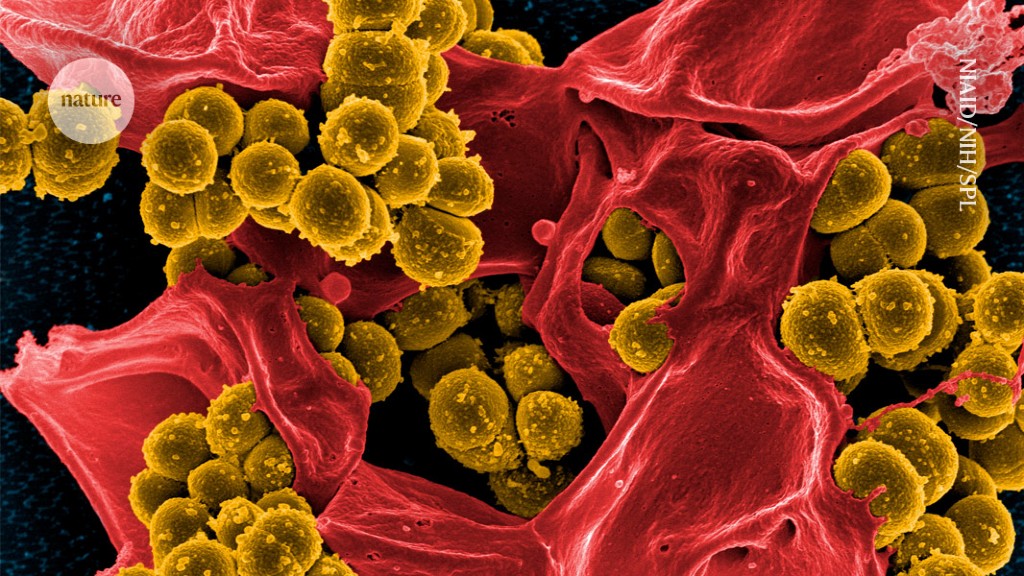
    Coloured SEM of methicillin-resistant Staphylococcus aureus bacteria (yellow) and a dead neutrophil white blood cell (red).

    Infections caused by drug-resistant bacteria such as Methicillin-resistant Staphylococcus aureus (yellow) are responsible for hundreds of thousands of deaths worldwide.Credit: National Institute of Allergy and Infectious Diseases/National Institutes of Health/SPL

    A lack of funding and incentives for research into antimicrobial resistance (AMR) is causing scientists to leave the field, finds a report published on 8 February by the AMR Industry Alliance, an industry body that brings together more than 100 pharmaceutical companies and associations.

    This ‘brain drain’ is a result of both governments and pharmaceutical companies investing less in developing antimicrobial drugs, the report says. It adds that the trend is particularly concerning given that AMR is a rising health concern worldwide.

    Antimicrobials is a broad term for treatments that target disease-causing microorganisms, including bacteria, viruses, fungi and parasites. Many of the treatments have become ineffective because the pathogens they target evolve resistance to the active ingredients.

    “The most pressing are antibiotics,” says James Anderson, chair of the AMR Industry Alliance Board in Geneva, Switzerland. The problem is global and involves a large number of infectious diseases. In 2019, bacterial resistance was responsible for 1.27 million deaths worldwide.

    “When I first started, people knew resistance was a problem. And it was a growing problem, but it wasn’t recognized to the scale as we now know,” says Mark Webber, a bacterial geneticist at the Quadram Institute in Norwich, UK, who began studying the mechanisms of resistance in 1998.

    Difficult economics

    Over the past decade, several major pharmaceutical companies have cut right back on AMR research, the report says. This is mainly because the market for antimicrobials — which are usually administered on a short-term basis, and often only after other treatments have failed — is less lucrative compared with those for treatments in areas such as cancer or HIV/AIDS. With each new antimicrobial, the risk of the target pathogen developing resistance is always present. “It’s a very difficult economic model”, says Webber.

    Governments and public funding bodies are also committing less money to AMR research than to other areas, the report says. For example, the United States is one of the world’s biggest investors in AMR research, but allocates only one-quarter of the funding it gives to HIV/AIDS research.

    NEGLECTED TOPIC. Graphics shows The number of published papers about antimicrobial resistance has fallen steadily since the mid-1990s.

    Source: Leaving the lab (AMR Industry Alliance, 2024)

    The report also revealed a severe downward trend in the numbers of both researchers and published papers in the field over the past 30 years. Just 187 papers on antibiotics and 29 on antifungals were published in 2022, compared with 586 antimicrobial-related papers in 1995 (see ‘Neglected field’). And the alliance estimates that the workforce of AMR researchers shrank from around 3,600 researchers in 1995, to just 1,800 in 2020.

    There has been strong trend for researchers to leave the field entirely after losing funding for their work, the report says. Of a sample of 150 researchers who worked at companies that stopped funding AMR research, around 60% went on to pursue research in other areas. By their second job change, only around 10% of these researchers remained in AMR.

    Development void

    The stagnating research in turn means that fewer antimicrobials are being developed. The US Food and Drug Administration approved almost half the number of new antibiotics each year throughout the 2010s as it did in the 1990s. This “development void”, says Webber, means that very few people in the field now have the experience of bringing a medicine to market from the early development stages. “There is that risk that a lot of that kind of knowledge is not at our fingertips,” he says.

    Webber adds that more collaborative action and investment is needed between governments, pharmaceutical companies, health-care organizations and other stakeholders. “It’s not a lack of will. It’s a lack of ability due to the financial situation.”

    The report suggests solutions, such as establishing incentives to motivate the development of antimicrobials, and training more early-career AMR researchers in an attempt to replenish the workforce. Some organizations are making progress in these areas, but more effort is needed on a wider scale, says Anderson. “What we’re doing is trying to make sure that the protective measures are put in place ahead of time.”

    [ad_2]

    Source link