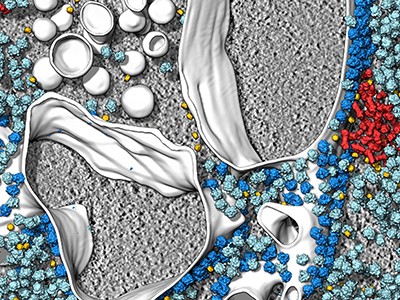
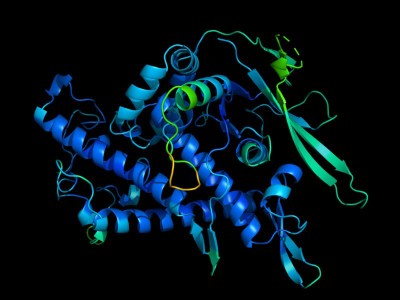
Gas vesicles are hollow structures made of protein found in the cells of certain microorganisms, and researchers at Rice University believe they can be programmed for use in biomedical applications.
Inside cells, gas vesicles are packed in a beautiful honeycomb pattern. How this pattern is formed has never been thoroughly understood. We are presenting the first identification of a protein that can regulate this patterning, and we believe this will be a milestone in molecular microbiology.”
George Lu, assistant professor of bioengineering and a Cancer Prevention and Research Institute of Texas scholar
Lu and colleagues have published their findings in a paper published in Nature Microbiology. The lead author is Zongru Li, a fourth-year bioengineering doctoral student in Lu’s Laboratory for Synthetic Macromolecular Assemblies.
“Gas vesicles are cylindrical tubes closed by conical end caps,” Li said. “They provide buoyancy within the cells of their native hosts.”
The vesicles are found naturally in five phyla of bacteria and two groups of the archaea (single-cell organisms). Most are restricted to planktonic microorganisms often found in fresh-water ponds. The recent engineering of vesicles has led to several applications, including reporter gene imaging, acoustic control and payload delivery.
Co-author Yifan Dai, assistant professor of biomedical engineering at McKelvey School of Engineering at Washington University in Saint Louis, said they were drawn to the research with the question of why the vesicles can form in the honeycomb pattern.
With help from his WashU colleague Alex Holehouse and colleagues from Duke University, Ashutosh Chilkoti and Lingchong You, the team of researchers found that this pattern is the most efficient use of space and the cluster form plays a part in how it functions. Most notably, these protein clusters formed in subsaturated solution, a previously identified new form of biological structure, and that drives the organization of these vesicles. Bottom line, they found the function behind this mysterious new form.
“These teams led by Lu lab found that a unique form of protein clusters exclusively assembled in subsaturated solution drives the clustering behaviors,” said Dai. This adds to the line of evidence on how phase transition affects cellular organization and cellular functions, he added.
Lu and his team, using genetic, biochemical and imaging approaches, are exploring the protein nanostructures. Gas vesicles stabilize the air bubbles inside the bacterial cytosol ⎯ the fluids inside the cells ⎯ and provide a liquid-gas interface which can be used for ultrasound or MRI contrast.
“In our lab, we are leveraging the power of synthetic biology to expand the applications of these protein nanostructures,” Li said. “By engineering genes and cells, we aim to build gas vesicles that perform even more efficiently in biotechnological and biomedical applications.”
Li earned his B.S. in chemical engineering from the University of Rochester in 2018 and his M.S. in biotechnology from Northwestern University in 2020.
Co-authors of the paper are Andrew Anderson, Manuel Iburg, Qionghua Shen, postdoctoral researchers in BIOE at Rice; Richard Lin ’23 BIOE, sustainable solutions and innovation analyst, NRG; Brandon Zimmer ’23 BIOE; Matthew Meyer, Rice electron microscopy research scientist; Yifan Dai and Alex Holehouse, assistant professors of biomedical engineering at WashU; Lingchong You, James L. Meriam Distinguished Professor of Biomedical Engineering at Duke; Ashutosh Chilkoti, the Alan L. Kaganov Distinguished Professor of Biomedical Engineering at Duke; and Emery Usher, postdoctoral researcher in biochemistry and molecular biology at WashU.
The research was supported by the Cancer Prevention and Research Institute of Texas, the National Institutes of Health (R00 EB024600, R21 EB033607), the Welch Foundation, G. Harold and Leila Y. Mathers Foundation, Hearing Health Foundation, John S. Dunn Foundation, German Research Foundation, W.M. Keck Foundation, the Institute of Biosciences and Bioengineering at Rice and the Air Force Office of Scientific Research (FA9550-20-1-0241).
Source:
Journal reference:
Li, Z., et al. (2024). Phase transition of GvpU regulates gas vesicle clustering in bacteria. Nature Microbiology. doi.org/10.1038/s41564-024-01648-3.
New real-world research being presented at this year’s European Congress of Clinical Microbiology and Infectious Diseases (ECCMID 2024) in Barcelona, Spain (27-30 April) reveals that people living with multiple sclerosis (MS) face a much higher risk of being hospitalized and dying from COVID-19 than the general population. The risk persists in individuals who received 3 or more vaccine doses.
These findings indicate that vaccination alone may not adequately protect individuals with MS from severe COVID-19 outcomes, and underscore the urgent need for additional preventive measures against COVID-19 in this vulnerable population, say researchers.
Having multiple sclerosis in itself doesn’t increase the risk of getting COVID-19, rather it’s the taking of immune modifying medicine such as B-cell depletion therapies that can reduce the effectiveness of vaccines by preventing the immune system from mounting a robust protective response. Some MS-specific factors, such as having underlying conditions or higher levels of disability can contribute to poor outcomes. As a result, even after repeated doses of COVID-19 vaccines, some individuals with MS remain at high risk of serious outcomes from COVID-19.”
Professor Jennifer Quint, lead author from Imperial College London, UK
The new analyses are part of the INFORM (INvestigation oF cOvid-19 Risk among iMmunocompromised populations) study, which analyzed data of nearly 12 million people aged 12 years and older in England to assess COVID-19’s impact, risk, and healthcare resource use (HCRU) among immunocompromised populations compared with the general population during the Omicron wave.
Previous results from INFORM found that immunocompromised individuals face disproportionate burdens from COVID-19, with substantially higher risk of developing severe COVID-19 outcomes than the general population [1]. However, the specific burden faced by individuals with MS, which was not categorized as immunocompromised, was not assessed previously.
To find out more, researchers compared the risk of COVID-19 hospitalization and death in vaccinated individuals with MS and the general population in England from 1st January to 31st December, 2022.
They analyzed routinely collected, national primary and secondary care electronic data from a random sample of 25% of all individuals aged 12 years or older in England registered with the National Health Service (NHS). Subgroup analysis was conducted among individuals who had been vaccinated with three or more doses of COVID-19 vaccines by Jan 1st, 2022.
Of 11,990,730 individuals included in the study, 16,350 (0.1%) individuals with MS were identified. Over half (6,060,635) of those in the general population and more than three-quarters (12,905) of patients with MS had been fully vaccinated (received at least three doses of a COVID-19 vaccine by Jan 1st, 2022).
During the study, a total of 20,910 COVID-19 hospitalizations and 4,810 COVID-19 deaths were recorded in the general population, corresponding to crude overall incidence rates of 0.24 and 0.06 per 100 person-years, respectively.
Among individuals with MS, there were 215 COVID-19 hospitalizations and 25 COVID-19 deaths, corresponding to substantially higher overall incidence rates of 1.28 and 0.14 per 100 person-years, respectively.
After adjusting for age and sex, having MS was associated with a seven times greater risk of COVID-19 hospitalization and fourfold increased risk of dying from COVID-19 compared to the general population.
“We hope that these findings raise awareness that the threat of COVID-19 is still very real for many, and that vaccine boosters are inadequate to protect this clinically vulnerable group”, says Professor Quint. “With new variants constantly emerging, people living with MS should be considered an important high-risk group for COVID-19 hospitalization and death for which additional preventive measures and multi-layered public health protections are urgently needed.”
Despite the important findings, the authors point to several limitations, including that they can’t rule out the possibility that other unmeasured factors such as underling illness and level of MS disability might have influenced the results. They also note that they did not examine the effect of use of disease modifying therapies, time since last vaccination, type of vaccination, and prior infection.
A new research review presented at a pre-congress day for this year’s European Congress of Clinical Microbiology and Infectious Diseases (ECCMID 2024, Barcelona, 27-30 April) will look at how to manage the rise in sexually transmitted infections (STIs) in older people, such as gonorrhea, syphilis, and genital warts. It will focus on the importance of sex, intimacy, and sexual health to the Baby Boomer generation, especially given that 1 in 6 individuals worldwide will be aged 60 and older by 2030. The presentation will be given by Professor Justyna Kowalska from the Medical University of Warsaw, Hospital for Infectious Diseases in Warsaw, Poland-;who will highlight the need for conversations around older people and sexual health to be normalized.
Data from the US Centers for Disease Control and Prevention (CDC) indicate that rates of chlamydia, gonorrhea, and syphilis among US adults aged 55 and older have more than doubled over the past 10 years. For example, rates of gonorrhea among those aged 55 to 64 years rose from around 15 cases per 100,000 people in 2015 to 57 per 100,000 in 2019 [1]. In England, 31,902 new STIs were recorded in the over 45s in 2015, which rose to 37,692 in 2019 – an increase of 18%, with the majority of new diagnoses in men who have sex with men [2]. High STI prevalence estimates have also been reported more broadly in older adults around the world, including China, Korea, Kenya, and Botswana.
Rising divorce rates, forgoing condoms as there is no risk of pregnancy, the availability of drugs for sexual dysfunction, the large number of older adults living together in retirement communities, and the increased use of dating apps are likely to have contributed to the growing incidence of STIs in the over 50s. These data likely underestimate the true extent of the problem as limited access to sexual health services for the over 50s, and trying to avoid the stigma and embarrassment both on the part of older people and healthcare professionals, is leading to this age group not seeking help for STIs.”
Professor Justyna Kowalska from the Medical University of Warsaw
Compounding the problem are the many misconceptions around sexuality and sexual activity in older adults, and the importance of sex and intimacy to older people’s happiness and wellbeing. As Professor Kowalska explains, “People do not become asexual with age. In fact, with preventive medicine and improved lifestyles people are enjoying a healthy life and sex life for longer. Older people often find greater satisfaction in their sex lives due to experience and known expectations. We need more role models like Samantha Jones in the TV show Sex and the City to challenge stereotypes around older sexuality.”
Although the frequency of sexual activity tends to decline with age, older adults are still having lots of sex. In a study in England, half of men and almost a third of women aged 70 and over reported being sexually active. Similarly, in a Swedish study, 46% of individuals aged 60 years and older reported being sexually active, as did 10% of those aged 90 years or older.
Studies show higher levels of sexual desire, greater sexual frequency, and more sexual partners among older men than women. A retrospective study from the USA involving 420,790 couples aged 67 to 99 years, found that widowhood was associated with an increased risk of STIs in older men, but not women. And the effects in men were larger after sildenafil (Viagra), the first phosphodiesterase type 5 inhibitor (PDE5 inhibitor), hit the market. Professor Kowalska says, “These findings indicate that sexual risk taking is common among older adults, particularly men. Given that the number of people aged 60 years and older is set to double worldwide by 2050 and the widespread availability of drugs to enhance sexual activity, health professionals must be proactive in discussing sexual concerns and making sexual health a routine part of general health care for older adults.”
Although the incidence of STIs among the over 50s is small compared to younger age groups, it is rising, and Prof Kowalska will call for raising awareness about sexual health in older adults, explaining that they came of age at a time when sex education in school did not exist. “Sexual health campaigns are focused on young people and overlook the needs and experiences of those aged 50 and older”, she says. “Health promotion messages give the impression that condoms and concerns about STIs only apply to young people. But the dangers of undiagnosed and untreated STIs such as HPV-related cancers and onwards transmission are very real, particularly in this age group who are more likely to have underlying conditions such as heart disease and stroke.”
Prof Kowalska will also highlight the lack of evidence for using communication to promote positive behaviors to reduce the spread of STIs in older adults, particularly outside the USA and for infections other than HIV. “Increasing older adults’ knowledge of the risk of STIs and how to engage in safer sex is crucial to tackling record levels of STIs”, says Professor Kowalska. “Tailoring education programs to the over 50s and including peer support and ensuring they are located within existing community settings is vital to their success.” Ultimately she says, “Older people have a right to good sexual health, so let’s normalize conversations around sex and older people, and change the narrative on aging.”
It was a call from a reporter that first made ecologist Jason Hoeksema think things had gone too far. The journalist was asking questions about the wood wide web — the idea that trees communicate with each other through an underground fungal network — that seemed to go well beyond what Hoeksema considered to be the facts.
Hoeksema discovered that his colleague, Melanie Jones, was becoming restive as well: her peers, she says, “had been squirming for a while and feeling uncomfortable with how the message had morphed in the public literature”. Then, a third academic, mycorrhizal ecologist Justine Karst, took the lead. She thought speaking out about the lack of evidence for the wood wide web had become an ethical obligation: “Our job as scientists is to present the truth, as close as we can get to it”.
Their concerns lay predominantly with a depiction of the forest put forward by Suzanne Simard, a forest ecologist at the University of British Columbia in Vancouver, in her popular work. Her book Finding the Mother Tree, for example, was published in 2021 and swiftly became a bestseller. In it she drew on decades of her own and others’ research to portray forests as cooperating communities. She said that trees help each other out by dispatching resources and warning signals through fungal networks in the soil — and that more mature individuals, which she calls mother trees, sometimes prioritize related trees over others.
The idea has enchanted the public, appearing in bestselling books, films and television series. It has inspired environmental campaigners, ecology students and researchers in fields including philosophy, urban planning and electronic music. Simard’s ideas have also led to recommendations on forest management in North America.
It takes a wood to raise a tree: a memoir
But in the ecology community there is a groundswell of unease with the way in which the ideas are being presented in popular forums. Last year, Karst, at the University of Alberta in Edmonton, Canada; Hoeksema, at the University of Mississippi in Oxford; and Jones, at the University of British Columbia in Kelowna, Canada, challenged Simard’s ideas in a review1, digesting the evidence and suggesting that some of Simard’s descriptions of the wood wide web in popular communications had “overlooked uncertainty” and were “disconnected from evidence”. They were later joined by other researchers, including around 30 forest and fungal scientists, who published a separate paper that questioned the scientific credibility2 of two popular books about forests — one of them Simard’s — saying that some of the claims in her book “do not correctly reflect, and even contradict, the data”. The article warns of “the perils of plant personification”, saying that the desire to humanize plant life “may eventually harm rather than help the commendable cause of preserving forests”. Another review of the evidence appeared in May last year3.
Simard, however, disagrees with these characterizations of her work and is steadfast about the scientific support for her idea that trees cooperate through underground fungal networks. “They’re reductionist scientists,” she says when asked about criticism of her work. “They’ve missed the forest for the trees.” She is concerned that the debate over the details of the theory diminishes her larger goal of forest protection and renewal. “The criticisms are a distraction, to be honest, from what’s happening in our ecosystems.”
Robert Kosak, dean of the faculty of forestry at the University of British Columbia, supports Simard and calls her “a world-renowned scientist, a strong advocate for science-based environmental solutions, an amazing communicator, mentor, and teacher, and a wonderful colleague”.
The dispute offers a window into how scientific ideas take shape and spread in popular culture — and raises questions about what the responsibilities of scientists are as they communicate their ideas more widely.
Conversation starter
In her book, Simard tells of an idyllic childhood, with summers spent in the ancient forests of British Columbia. While an undergraduate, she worked at a forestry company, witnessing clear-cut logging at first hand. The experience set the course of her career. On graduating, she took a government forest-service post, and joined the University of British Columbia in 2002. She still works there, running a research programme called the Mother Tree Project, which develops sustainable forest-renewal practices.
One of Simard’s earliest papers appeared in Nature4 in 1997, describing evidence that carbon could travel underground between trees of different species, and suggesting that this could be through an underground fungal network. Nature put the paper on its cover and dubbed the idea the wood wide web — a term that quickly caught on and is now widely used to describe the idea (Nature’s news team is editorially independent of its journal team).
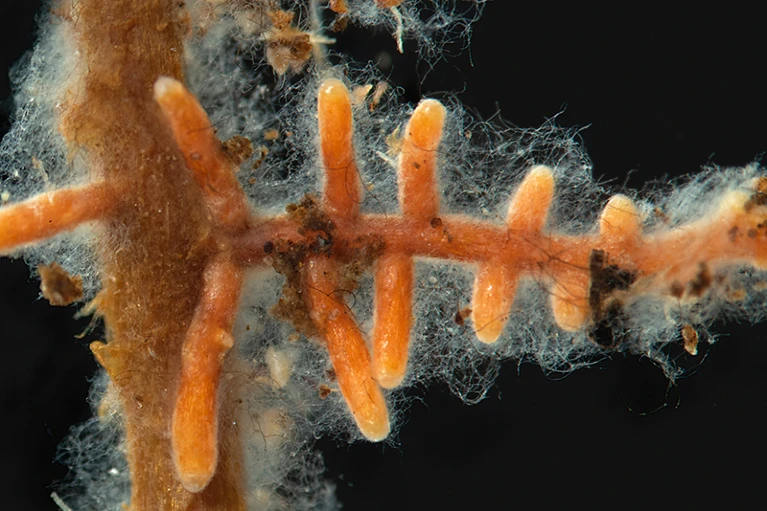
Tree leaves turn sunshine and carbon dioxide into sugars, and some of this flows to their roots and into mycorrhizal fungi, which grow into the root tip and donate water and nutrients in return. There was already evidence, from a laboratory study5, that carbon can move through the tendrils of the fungi that link seedling roots together. But Simard’s approach, a controlled experiment in clear-cut forest, was “groundbreaking”, says David Johnson, who studies the ecology of soil microbes at the University of Manchester, UK.
Forest ecologist Suzanne Simard’s 1997 study looked at carbon transfer between Douglas fir (Pseudotsuga menziesii) and paper birch trees (Betula papyrifera, pictured).Credit: Steve Gettle/Nature Picture Library
She planted pairs of seedlings — one paper birch (Betula papyrifera) and one Douglas fir (Pseudotsuga menziesii) — close to one another. She shaded the Douglas fir to prevent it from manufacturing sugars. Then she bathed the air surrounding each seedling with traceable, labelled carbon dioxide. She found carbon in sugars made by the birch in the needles of the shaded Douglas fir. Smaller quantities of sugars from the fir were found in the birch.
A third seedling in each group — western red cedar (Thuja plicata) — which is not colonized by the same types of mycorrhizal fungi, absorbed less carbon than did the other seedlings. The results, the authors concluded4, suggest that carbon transfer between birch and Douglas fir “is primarily through the direct hyphal pathway”. That is, there could be an active fungal pipeline connecting the roots of both trees.
Over the years, Simard and other researchers developed in published work the idea that there could be a common mycorrhizal network in the forest soil, connecting many trees of the same and different species.
About a decade ago, Simard began to take the idea further, and into the media. In a short film called Mother Trees Connect the Forest, she said of forest trees: “These plants are really not individuals in the sense that Darwin thought they were individuals competing for survival of the fittest. In fact, they’re interacting with each other, trying to help each other survive.”
In 2016, in a TED talk that has had more than 5.6 million views, she portrayed forest trees as “not just competitors” — competition being foundational to the understanding of how ecosystems work — “but as cooperators”. Her 1997 experiment, she said, had revealed evidence for a “massive underground communications network”. Her later work, she added in the TED talk, found that some bigger, older “mother trees”, as she called them, are particularly well connected. They nurture their young — preferentially sending them carbon and making space for them in their root systems. What’s more, “when mother trees are injured or dying, they also send messages of wisdom on to the next generation of seedlings.”
Then came her book — a memoir and detailed account of her work. It has been praised for its vivid and personal depiction of the scientific life.
The book concludes that to escape environmental devastation, humans should adopt attitudes to nature that are similar to those of Indigenous people. “This begins by recognizing that trees and plants have agency,” she writes.
Simard has worked to change forestry practices in North America in line with her ideas, for example by sparing the oldest trees during clear-cutting so that they can provide an infrastructure for the next generation of planted trees.
Challenging ideas
But academics were increasingly concerned that the ideas and the publicity that they were attracting had moved beyond what was warranted by the scientific evidence.
The disquiet came to a head when the 2023 scientific review1 was published. The authors, Hoeksema, Jones and Karst, have all collaborated scientifically with Simard in the past; Jones was an author of the 1997 paper. The review considers the evidence for popular claims made about the wood wide web.
‘We are killing this ecosystem’: the scientists tracking the Amazon’s fading health
Their review has drawn praise for its scholarship. It is “the gold standard of how one should tackle a contentious and important field”, says James Cahill, who studies plant behaviour at the University of Alberta.
Simard takes the opposite view: the paper, she says, fails to see the bigger picture, and its prominence is “an injustice to the whole world”.
The review laid out what the authors regard as the three key claims underlying the popular idea of the ‘mother tree’: that networks of different fungi linking the roots of different trees — known as common mycorrhizal networks (CMNs) — are widespread in forests; that resources pass through such networks, benefiting seedlings; and that mature trees preferentially send resources along the networks to their kin. The scientists concluded that the first two are insufficiently supported by the scientific evidence, and that the last “has no peer-reviewed, published evidence”.
Some elements of the wood-wide-web idea are not in dispute, they say. For instance, mycorrhizal fungi can latch onto multiple roots of the same plant; one species of fungus can connect with the roots of different species of plant; and mycelia — a cobweb of fungal tendrils — can spread over large distances.
But evidence for a CMN in trees — one in which an individual fungus links the roots of the same or different tree species — is patchy, the review authors say. There are well-documented CMNs that link certain plants together: some orchids use CMNs to connect with trees, for instance, so that the orchids can feed on tree sugars when they can’t make their own.
And lab studies have shown that a single fungus can link seedlings of different tree species. But, the authors say, the lab studies compare with the forest in the same way that human cells grown in a dish compare with human bodies.
The review authors found that the strongest evidence for a CMN among trees in the field comes from five studies published between 2006 and 2020 — some led by ecologist Kevin Beiler, when he was a PhD student in Simard’s group. Beiler, who is now at the University for Sustainable Development in Eberswalde, Germany, used DNA techniques to map the networks of genetically distinct fungi in patches of old-growth forest, and found that they linked many trees of different ages, all Douglas fir — and the larger the tree, the greater the extent of its connections.
Suzanne Simard is the scientist most closely associated with the idea of the ‘wood wide web’.Credit: PA Images/Alamy
But Karst says that this doesn’t prove that the fungus was simultaneously connecting different trees, because mycelia decay easily and the technique would have picked up strands that are defunct, as well as alive. And that arduous mapping exercise has been repeated for just two tree species — hardly grounds for generalization, she says.
So, do these common networks exist? “The consensus seems to be they are probably there but we do need more people to go out and map them at a fine scale to show that,” says Jones.
The second claim explored by the review is that resources travel through the CMN and benefit seedlings. It has three parts. The first — that resources do, by some means, travel through the soil between plants, commands some support, say the review authors. For example, they highlight research in a Swiss forest in which the canopies of certain trees had been bathed in labelled carbon dioxide. The experiment showed that carbon ended up in the roots of nearby trees.
But the authors say that proving the second two parts of the claim — that a CMN is the major conduit, and that seedlings typically benefit — is tricky. Lab and field studies often cannot rule out that resources moved through the soil for at least part of the way. The review highlighted three lab studies that directly observed carbon moving from one tree seedling to another through a mycorrhizal link, and these “are still the best evidence for the movement of resources within a CMN formed by woody plant species”, say the authors.
In the forest, the authors found 26 experiments reporting carbon transfer, but for each transfer, there was an alternative explanation for how the carbon travelled.
Some studies don’t look for a CMN but simply assess whether growing a seedling next to an adult tree improves its performance. For every instance in which a seedling benefited, the review states, there was another study in which its growth was inhibited. The results are “a huge smear from positive effects to negative effects and mostly neutral”, says Hoeksema.
The third claim is that mature trees communicate preferentially with offspring through CMNs, for example sending warning signals after an attack.
“When I heard that out in public I thought ‘Holy cow, that’s extraordinary’,” says Karst.
The team did find one lab experiment, published in 2017 and led by Brian Pickles, who did the work as a postdoc in Simard’s department, that found that if seedlings were related then more carbon was transferred between them. But it happened in only two of the four lineages of seedlings, and it happened even when fungi were prevented from making links with each other — suggesting that one fungus exuded it into the soil and the other picked it up, the researchers say. In the review, the authors write that, for the third claim, “there is no current evidence from peer-reviewed, published field studies”.
We must get a grip on forest science — before it’s too late
Karst says that one reason why ideas about mother trees and their kin have traction in the public domain is that Simard, in media interviews and her book, has implied that findings made in the greenhouse were actually made in the forest, making the evidence seem stronger than it is. Simard disagrees. “I do not, and would never, imply anything misleading when presenting research.”
Karst gives the example of a passage from Simard’s book that describes a visit to a field site made by Simard and her master’s student, Amanda Asay. In October 2012, Asay was exploring a question that is important for forestry — do seedlings stand a better chance of survival if they grow near their mother tree, and, if so, is this because they receive preferential help through a common mycorrhizal network? Asay had blocked such connections in control seedlings by planting them in mesh bags with pores too small for fungi to fit through. What she found in that forest experiment, Simard says in her book, matched the theory that trees help their kin through networks. “Seedlings that were [the mother tree’s] kin survived better and were noticeably bigger than those that were strangers linked into the network, a strong hint that Douglas-fir mother trees could recognize their own.” Yet, when the review authors accessed Asay’s master’s thesis6, they found that her field work had discovered the opposite: that more non-kin seedlings survived than did kin (although the trend was not significant). As for the role of networks, the thesis states: “Our hypothesis that kin recognition is facilitated by mycorrhizal networks, however, was not supported”.
When asked about the discrepancy, Simard says that Asay also did greenhouse experiments for her master’s thesis, which used pairs of older and younger tree seedlings, and showed that older seedlings recognized younger kin and sent them more resources than they did to non-kin. After that, Asay and others in the team did find evidence that “there are responses that clearly show kin selection in those trees”.
Simard says that, when describing Asay’s findings in the forest in 2012, she made a writer’s choice to situate other findings as if they were discovered in the forest on that day. “I situated the story in the field, because that’s where the question came from.” That description, she says, encompasses “the whole body of work”.
A spruce tree root with ectomycorrhizal fungi.Credit: Eye of Science/Science Photo Library
Asay’s subsequent work has not yet been published, for a tragic reason: she died in an accident in 2022. Her death was devastating for the group and publication stalled, Simard says. “We’re about to publish those papers,” she says.
Karst, Jones and Hoeksema’s overall conclusion is that CMNs do exist in the plant kingdom, and that resources can travel along them, benefiting at least one party, and sometimes both. In the forest, myriad mycelia extend through the soil that are capable of linking with trees, including those of different species. Whether they form a live thoroughfare, and whether resources travel through it between trees, has yet to be demonstrated in the field. Whether there are, in general, kin effects between plants was beyond the scope of their review, but the authors found nothing to support the idea that forest trees target kin through common mycorrhizal networks.
Their review also looked at the literature and found that some scientists have selectively cited and quoted from studies, boosting the credibility of the idea. The main problem, the review concludes, is not the quality of the science. “The most concerning issue is the rigour with which the results of these studies have been transmitted and interpreted.”
Rigour and reaction
Most of the response to the review has been positive, says Jones. “We got a lot of letters saying ‘thank you for doing that, it’s such a relief’. But I was really surprised how many of our colleagues said ‘you are brave’. That shouldn’t be, that you would have to be brave.”
But some researchers have taken issue with aspects of the review. Johnson disagrees with the team’s decision to exclude evidence for similar networks elsewhere in the plant kingdom, including between orchids and trees, and in grasslands and heathlands. It means, he says, they were “ignoring 90% of the work … our default position should be that we should expect mycorrhizal fungi to connect many plants”. It’s important, he says, to take a collective view of the evidence.
He agrees with the conclusion, however, that Simard’s idea of the cooperating forest is incompatible with evolutionary theory. “It’s all about the plants supporting each other for these altruistic reasons. I think that’s completely rubbish.”
Johnson’s view is that it “makes complete sense” that there are CMNs linking multiple forest trees and that substances might travel from one to another through them. Crucially, he says, this is not due to the trees supporting one another. A simple explanation, compatible with evolutionary theory, is that the fungi are acting to protect the trees that are their source of energy. It is beneficial for fungi to activate a tree’s defence signals, or to top up food for temporarily ailing trees. Pickles, who spent six years working with Simard before moving to the University of Reading, UK, says Simard’s ideas are not incompatible with competition, but give more weight to well-known phenomena in ecology, such as mutualism, in which organisms cooperate for mutual benefit. “It’s not altruism. It’s not some outrageous idea,” he says. “She certainly focuses more on facilitation and mutualism than is traditional in these fields, and that’s probably why there’s a lot of pushback.”
Other ecologists agree that there is some “polarization” in ecology between cooperative and competitive ideas. “The idea that perhaps not everything is trying to kill everything else is helpful,” says Katie Field, who studies plant-soil processes at the University of Sheffield, UK.
Regardless of the differences of opinion, Pickles says, “It’s good to have this rigorous analysis.”
Frustrating debate
Simard is exasperated by the debate.
Her work, she says, has “changed our whole world view of how the forest works”. There are now “dozens and dozens” of people “who have found that stuff moves through networks and through the soil”.
She says that the quality of her science has been unfairly challenged. To say that her 200 published papers are “not valid science, which I think is what they’re saying … that it was wrong … is not right,” she says. She is in the process of submitting responses to the critical papers to two journals, she says.
She says that she is unfairly accused of claiming CMNs are the only pathway for resources to travel between trees, and that she acknowledges other pathways in her papers and her book.
In media appearances, it’s hard to make that clear, she says: “It’s a very short period of time, and I don’t get into all those other evolutionary reasons for these things.”
Simard maintains that her critics attack her in the academic literature for imagery she has used only in public communication: “I talked about the mother tree as a way of communicating the science and then these other people say it’s a scientific hypothesis. They misuse my words.”
She argues that changing our understanding of how forests work from ‘winner takes all’ to ‘collaborative, integrated network system’ is essential for fixing the rampant destruction of old-growth forest, especially in British Columbia, where her research has focused. Indigenous cultures that have a more sustainable relationship with forests have mother and father trees, she says — “but the European male society hates the mother tree … somebody needs to write a paper on that”.
“I’m putting forward a paradigm shift. And the critics are saying ‘we don’t want a paradigm shift, we’re fine, just the way we are’. We’re not fine.”
Simard also says that Karst held a position partially funded by members of Canada’s Oil Sands Innovation Alliance that constitutes a conflict of interest. Extraction of oil deposits is associated with forest loss and environmental damage, and Karst was studying land reclamation after extraction. Karst says that she held this position until 2021, terminating it before starting work on the review, and that the work it funded did not overlap with the focus of the review on mycorrhizal networks.
Taking the research forwards will be challenging, says Johnson. Karst and her colleagues have produced an agenda for future field research — from mapping the genotypes of trees and fungi in a range of forests to using controls in experiments more stringently. But the agenda doesn’t impress Johnson. “It’s almost impossible to fulfil,” he says, partly because fieldwork is so fiendishly difficult.
Some scientists say that Simard’s popular work has had a positive influence on the field, even if elements of it remain controversial. Her work propelled the mycorrhizal research community from an obscure and underfunded field to one that excites the public, says Field. That has unleashed funding, stimulated researchers’ imaginations and influenced research agendas.
The backlash has further energized the community, she says. There are plans for a special edition of a journal she edits, and sessions have been added to the upcoming meeting of the International Mycorrhizal Society. All of this is helpful, says Field. “Anything that makes people think again and look again at the evidence is good.”
A study of two large European patient cohorts has found that for every 10% increase in butyrate-producing bacteria in a patient’s gut, the risk of hospitalization for any infection falls by between 14 and 25% across two large national cohorts. The study will be presented at this year’s European Congress of Clinical Microbiology and Infectious Diseases (ECCMID 2024) in Barcelona, Spain (27-30 April) and is by Robert Kullberg, Amsterdam University Medical Center, The Netherlands, and colleagues.
Microbiota alterations are common in patients hospitalized for severe infections and preclinical models have shown that anaerobic butyrate-producing gut bacteria protect against systemic infections. These bacteria were investigated because they are commonly depleted in patients hospitalized for severe infections. Second, butyrate may have protective effects in several intestinal diseases (other than infections).
However, the relationship between microbiota disruptions and increased susceptibility to severe infections in humans remains unclear. In this study, the authors investigated the relationship between baseline gut microbiota and the risk of future infection-related hospitalization in two large population-based cohorts – from the Netherlands (derivation; HELIUS) and Finland (validation; FINRISK 2002).
Gut microbiota were characterized by sequencing the DNA of bacteria to identify the different types of bacteria present in fecal samples of the participants. The authors measured microbiota composition, diversity, and relative abundance of butyrate-producing bacteria. The primary outcome was hospitalization or mortality due to any infectious disease during 5–7-year follow-up after fecal sample collection, based on national registry data. The authors then examined associations between microbiota and infection-risk using computer modelling. Further statistical modeling was used to adjust for variables including demographics, lifestyle, antibiotic exposure, and comorbidities.
The researchers profiled gut microbiota from 10699 participants (4248 from The Netherlands and 6451 from Finland. A total of 602 participants (The Netherlands: n=152; Finland: n=450) were hospitalized or died due to infections (mainly community-acquired pneumonia) during follow-up.
Gut microbiota composition of these hospitalized/deceased participants differed from those without hospitalization for infections. Specifically, each 10% higher abundance of butyrate-producing bacteria was associated with a reduced risk of hospitalization for infections – 25% lower for participants from the Dutch cohort and 14% lower for the Finnish cohort. All types of infections were assessed together, not any one in particular. These associations remained unchanged following adjustment for demographics, lifestyle, antibiotic exposure, and comorbidities.
The authors say: “Gut microbiome composition, specifically colonization with butyrate-producing bacteria, is associated with protection against hospitalization for infectious diseases in the general population across two independent European cohorts. Further studies should investigate whether modulation of the microbiome can reduce the risk of severe infections.”
The authors say further analysis will be needed before trails in patients can begin. One of the challenges is the face are the butyrate-producing bacteria are strictly anaerobic (meaning they respire without using oxygen and cannot tolerate oxygen), which makes it very difficult to transport viable bacteria into the gut. Several research groups are working on addressing these challenges.
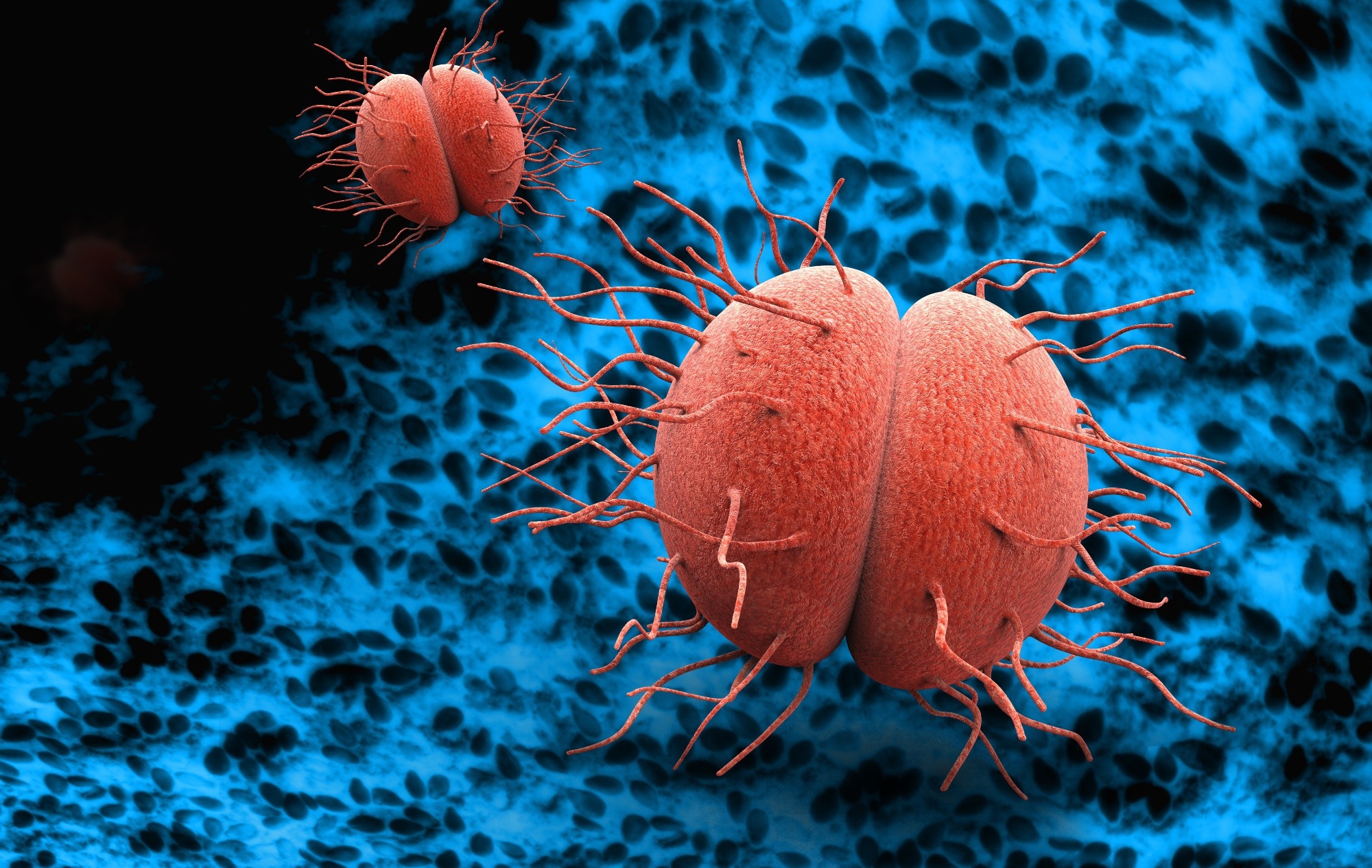
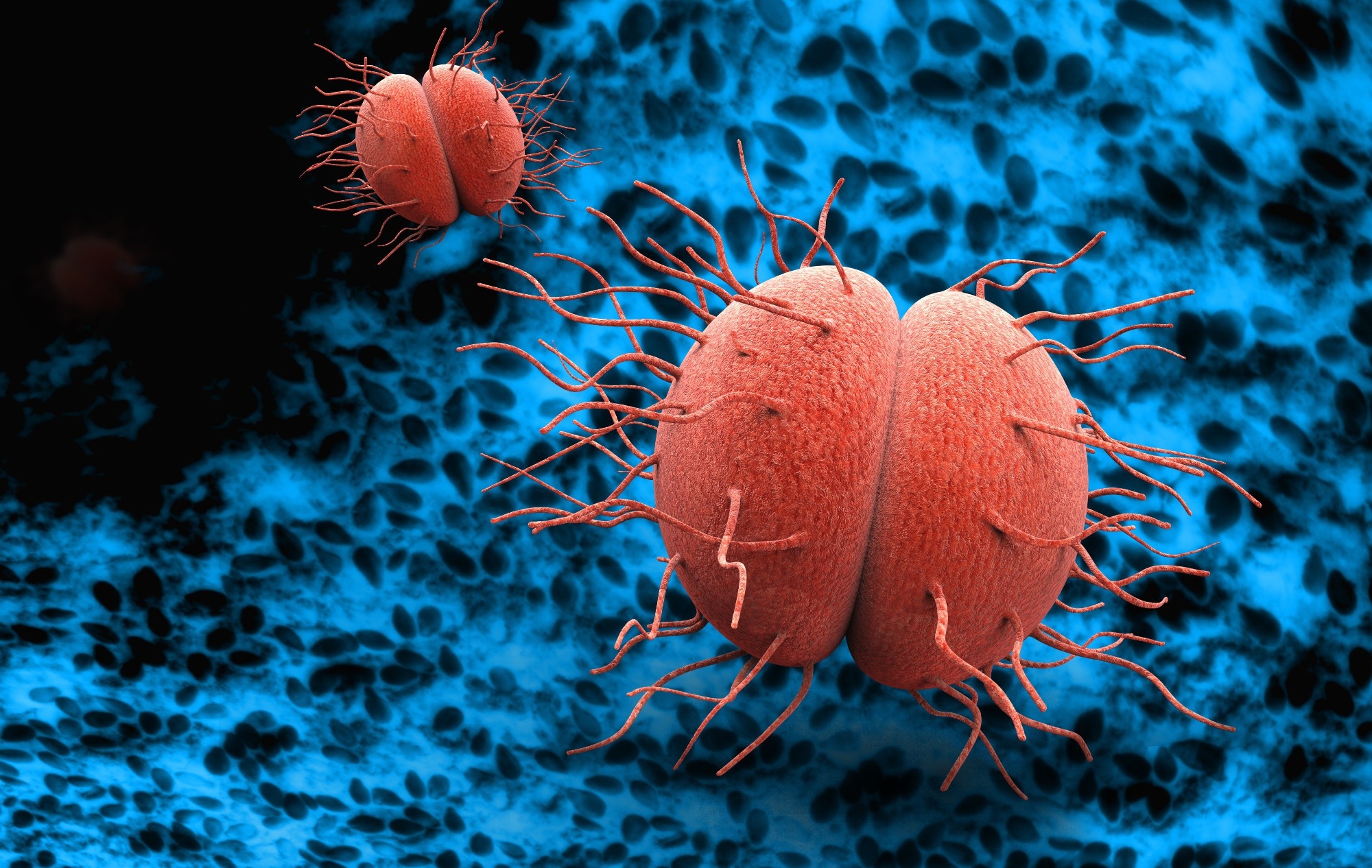
In a recent review published in the journal Nature Reviews Microbiology, researchers discussed the epidemiology, treatment options, and emerging antimicrobial resistance (AMR) in sexually transmitted bacterial infections caused by Neisseria gonorrhoeae (the causative agent of gonorrhea), Mycoplasma genitalium, Chlamydia trachomatis, and Treponema pallidum (the causative agent of syphilis).
STIs have affected humans for centuries, caused by diverse pathogens and manifesting in various syndromes. Despite medical advancements, the etiologies of some STI syndromes remain unexplained. These infections often lead to severe symptoms (including infertility and chronic pelvic pain), thereby causing significant global morbidity. Socioeconomic factors and behavioral trends influence STI prevalence. While antimicrobials offer treatment to an extent, concerns over AMR persist globally, particularly for N. gonorrhoeae and M. genitalium. Comprehensive approaches are needed to address these challenges effectively. To address this gap, researchers in the present review explore the epidemiology, treatment options, and the advent of AMR in various STIs while identifying key priorities to combat them.
Neisseria gonorrhoeae
Gonorrhoea remains prevalent globally, with an estimated 82 million cases annually, disproportionately affecting low- and middle-income countries (LMICs) and high-risk populations like sex workers and men who have sex with men (MSM). Incidence has surged in recent years, notably in high-income countries, posing significant public health challenges and risks of severe complications.
Antimicrobial treatment for gonorrhea focuses on empirical therapy. The combination of ceftriaxone and azithromycin is a common first-line option. However, rising resistance poses challenges, leading to considerations of monotherapy or alternative dual therapies. A better understanding of pharmacokinetics and pharmacodynamics of drug options is crucial for optimizing treatment efficacy and combating AMR in this disease.
N. gonorrhoeae has now developed resistance to all recommended antimicrobials, leaving ceftriaxone as the last effective option. Global surveillance programs like WHO GASP (World Health Organization Global Gonococcal Antimicrobial Surveillance Program) and Enhanced GASP monitor resistance trends, emphasizing the need for new treatments amid rising resistance. Whole-genome sequencing could help enhance our understanding of gonorrhea epidemiology and antimicrobial resistance transmission globally.
Mycoplasma genitalium
M. genitalium prevalence is estimated to be around 1.3% in high-income countries and 3.9% in LMICs, peaking in the age group of 20–30 years. It disproportionately affects MSM and sex workers, with detection challenges due to low bacterial load and variable test performances.
With limited antimicrobial options due to the lack of a bacterial cell wall, macrolides and fluoroquinolones have been preferred for these infections. However, increasing resistance to macrolides necessitates resistance-guided therapy, with moxifloxacin often used as a second-line treatment. Dual resistance to azithromycin and moxifloxacin presents a significant challenge, highlighting the urgent need for new treatment alternatives.
AMR in M. genitalium, primarily mediated by macrolide and fluoroquinolone resistance, poses a significant global concern. Resistance is attributed to single-nucleotide polymorphisms (SNPs), with resistance rates varying between regions and populations. Dual resistance to both macrolides and fluoroquinolones is escalating, highlighting the urgent need for new treatment options. The emergence of novel antimicrobials like zoliflodacin and gepotidacin presents promising alternatives, but challenges remain in addressing resistance effectively amid limited clinical data and evolving resistance mechanisms.
Chlamydia trachomatis
C. trachomatis, the most common bacterial STI, affects approximately 129 million individuals globally each year, with higher rates observed in sexually active individuals under 25 years of age. Most infections are asymptomatic, but when symptoms occur, they typically manifest as mucopurulent cervicitis, urethritis, conjunctivitis, or proctitis, with potential complications including pelvic inflammatory disease and infertility.
Treatment of this infection has remained straightforward, with no stable resistance to any antimicrobials demonstrated in clinical isolates. While both azithromycin and doxycycline are effective options, current recommendations lean towards 100 mg doxycycline twice daily for seven days due to its higher efficacy and lower risk of inducing resistance compared to the one-gram single-dose azithromycin regimen.
Treponema pallidum
Syphilis is a systemic infection and affects around 7.1 million individuals per year globally. Notable burdens have been observed among MSM and increasing cases in women and heterosexual men. Congenital syphilis rates have surged in some regions despite preventable mother-to-child transmission.
Penicillin, including benzathine penicillin G (BPG), remains the mainstay treatment for syphilis without reported resistance. Alternatives like procaine penicillin or doxycycline are available for penicillin-allergic patients, with azithromycin no longer recommended due to resistance.
Conclusion
In conclusion, the study calls for urgent action to address the lack of effective treatments for Neisseria gonorrhoeae and Mycoplasma genitalium infections due to AMR, particularly in low- and middle-income countries. Strengthening STI prevention (through counseling, screening, and condom use), monitoring post-exposure prophylaxis, developing vaccines, and improving point-of-care diagnostic and predictive tools are key priorities for reducing the burden of STIs. The prioritization of developing new antimicrobials, repurposing of older ones, and implementing holistic treatment strategies are essential to maintain the treatability of these STIs. Parallelly, addressing the stigma, shame, and discrimination associated with STIs is vital to ensure equitable access to healthcare services for all populations.
Since the 1950s, scientists have had a pretty good idea of how muscles work. The protein at the centre of the action is myosin, a molecular motor that ratchets itself along rope-like strands of actin proteins — grasping, pulling, releasing and grasping again — to make muscle cells contract.
The basics were first explained in a pair of landmark papers in Nature1,2, and they have been confirmed and elaborated on by detailed molecular maps of myosin and its partners. Researchers think that myosin generates force by cocking back the long lever-like arm that is attached to the motor portion of the protein.
The only hitch is that scientists had never seen this fleeting pre-stroke state — until now.
In a preprint published in January3, researchers used a cutting-edge structural biology technique to record this moment, which lasts just milliseconds in living cells.
‘The entire protein universe’: AI predicts shape of nearly every known protein
“It’s one of the things in the textbook you sort of gloss over,” says Stephen Muench, a structural biologist at the University of Leeds, UK, who co-led the study. “These are experiments that people wanted to do 40 years ago, but they just never had the technology.”
That technology — called time-resolved cryo-electron microscopy (cryo-EM) — now has structural biologists thinking like cinematographers, turning still snapshots of life’s molecular machinery into motion pictures that reveal how it works.
Muench and his colleagues’ myosin movie isn’t feature-length; it consists of just two frames showing different stages of the molecular motion. Yet it confirmed a decades-old theory and settled debates over the order of the steps in myosin’s choreography. Other researchers are focusing their new-found director’s eye on understanding cell-signalling systems, including those underlying opioid overdoses, the gene-editing juggernaut CRISPR–Cas9 and other molecular machines that have been mostly studied with highly detailed, yet static structural maps.
Researchers have been able to capture images of individual myosin proteins as they pull on an actin filament during muscle contraction, confirming key details of the motion. First, myosin becomes cocked or primed, then it attaches to actin and its lever arm swings in a power stroke that slides the filament by about 34 nanometres.Credit: Sean McMillan
“The big picture is to move away, as much as possible, from this single, static snapshot,” says Georgios Skiniotis, a structural biologist at Stanford University in California, whose team used the technique to record the activation of a type of cell-signalling molecule called a G-protein-coupled receptor (GPCR)4. “I want the movie.”
Freeze frame
To underscore the power of cryo-EM, Skiniotis and others like to draw a comparison with one of the first motion pictures ever made. In the 1870s, photographer Eadweard Muybridge used high-speed photography technology, which was cutting edge at the time, to capture a series of still images of a galloping horse. They showed, for the first time, that all four of the animal’s hooves leave the ground at once — something that the human eye could not distinguish.
Similar insights, Skiniotis says, will come from applying the same idea to protein structures. “I want to get a dynamic picture.”
The ability to map proteins and other biomolecules down to the location of individual atoms has transformed biology, underpinning advances in gene editing, drug discovery and revolutionary artificial-intelligence tools such as AlphaFold, which can predict protein structures. But the mostly static images delivered by X-ray crystallography and cryo-EM, the two technologies responsible for the lion’s share of determined protein structures, belie the dynamic nature of life’s molecules.
“Biomolecules are not made up of rocks,” says Sonya Hanson, a computational biophysicist at the Flatiron Institute in New York City. They exist in water and are constantly in motion. “They’re more like jelly,” adds Muench.
The secret lives of cells — as never seen before
Biologists often say that “structure determines function”, but that’s not quite right, says Ulrich Lorenz, a molecular physicist at the Swiss Federal Institute of Technology in Lausanne (EPFL). The protein poses captured by most structural studies are energetically stable ‘equilibrium’ states that provide limited clues to the short-lived, unstable confirmations that are key to chemical reactions and other functions performed by molecular machines. “Structure allows you to infer function, but only incompletely and imperfectly, and you’re missing all of the details,” says Lorenz.
Cryo-EM is a great way to get at the details, but capturing these fleeting states requires careful preparation. Protein samples are pipetted onto a grid and then flash frozen with liquid ethane. They are then imaged using powerful electron beams that record snapshots of individual molecules (sophisticated software classifies and morphs these pictures into structural maps). The samples swim in water before being frozen, so any chemical reaction that can happen in a test tube can, in theory, be frozen in place on a cryo-EM grid — if researchers can catch it quickly enough.
That’s one of the first big challenges says Joachim Frank, a structural biologist at Columbia University in New York City who shared the 2017 Nobel Prize in Chemistry for his work on cryo-EM. “Even for very dexterous people, it takes a few seconds.” In that time, any chemical reactions — and the intermediate structures that mediate the reactions — might be long gone before freezing. “This is the gap we want to fill,” says Frank.
Caught in translation
Frank’s team has attempted to solve this problem using a microfluidic chip. The device quickly mixes two protein solutions, allows them to react for a specified time period and then delivers reaction droplets onto a cryo-EM grid that is instantly frozen.
This year, Frank’s team used their device to study a bacterial enzyme that rescues ribosomes, the cell’s protein-making factories, if they stall in response to antibiotics or other stresses. The enzyme, called HflX, helps to recycle stuck ribosomes by popping their two subunits apart.
Frank’s team captured three images of HflX bound to the ribosome, over a span of 140 milliseconds, which show how it splits the ribosome like someone carefully removing the shell from an oyster. The enzyme breaks a dozen or so molecular bridges that hold a ribosome’s two subunits together, one by one, until just two are left and the ribosome pops open5. “The most surprising thing to me is that it’s a very orderly process,” Frank says. “You would think the ribosome is being split and that’s it.”
Muench and his colleagues, including Charlie Scarff, a structural biologist at the University of Leeds, and Howard White, a kineticist at Eastern Virginia Medical School in Norfolk, Virginia also used a microfluidic chip to make their myosin movie by quickly mixing myosin and actin3.
‘It will change everything’: DeepMind’s AI makes gigantic leap in solving protein structures
But the molecular motor is so fast that, to slow things down ever further, they used a mutated version of myosin that operates about ten times slower than normal. This allowed the team to determine two structures, 110 milliseconds apart, that showed the swing of myosin’s lever-like arm. The structures also showed that a by-product of the chemical reaction that powers the motor — the breakdown of a cellular fuel called ATP — exits the protein’s active site before the lever swings and not after. “That is ending decades of conjecture,” says Scarff.
With this new model in mind, Scarff, whose specialty is myosin, and Muench are planning to use time-resolved cryo-EM to study how myosin dynamics are affected by certain drugs and mutations that are known to cause heart disease.
Microfluidic chips aren’t the only way researchers are putting time stamps on protein structures. A team led by Bridget Carragher, a structural biologist and the technical director at the Chan Zuckerberg Imaging Institute in Redwood City, California, developed a ‘spray and mix’ approach that involves shooting tiny volumes of reacting samples onto a grid before flash-freezing them6.
In another set-up — developed by structural physiologist Edward Twomey at Johns Hopkins University School of Medicine in Baltimore, Maryland, and his team — a flash of light triggers light-sensitive chemical reactions, which are stopped by flash-freezing7. Lorenz’s kit, meanwhile, takes already frozen samples and uses laser pulses to reanimate them for a few microseconds before they refreeze, all under the gaze of an electron microscope8.
‘Limitations everywhere’
The different approaches have their pros and cons. Carragher’s spray and mix approach uses minute sample volumes, which should be easy to obtain for most proteins; Twomey says his ‘open-source’ light-triggered device is relatively inexpensive and can be built for a few thousand dollars; and Lorenz says his laser-pulse system has the potential to record many more fleeting events than other time-resolved cryo-EM technologies — down to a tenth of a microsecond.
Revolutionary cryo-EM is taking over structural biology
But these techniques are not yet ready to be rolled out. Currently, there are no commercial suppliers of time-resolved cryo-EM technology, limiting its reach, says Rouslan Efremov, a structural biologist at the VIB-VUB Center for Structural Biology in Brussels. “All these things are fussy and hard to control and they haven’t really caught on,” adds Carragher.
Holger Stark, a structural biologist at the Max Planck Institute for Multidisciplinary Sciences in Göttingen, Germany, says that current forms of time-resolved cryo-EM might be useful for some molecular machines that operate on the basis of large-scale movements — for example, the ribosome. However, the technology is not ready for use on just any biological system. “You have to cherry pick your subject,” he says. “We have limitations everywhere.”
Despite the shortcomings, there are plenty of interesting questions for researchers to start addressing now using these techniques. Twomey is using time-resolved cryo-EM to study Cas9, the DNA-cutting enzyme behind CRISPR gene editing, and says the insights could help to make more efficient gene-editing systems.
Lorenz used his laser-melting method to show how a plant virus swells up after it infects a cell to release its genetic material7 (see ‘Viral blow-up’). He is now studying other viral entry molecules such as HIV’s envelope protein. “We have these static structures, but we don’t know how the system makes it from one state to the other, and how the machinery works,” he says.
Source: Ref.8
Skiniotis’s team is investigating GPCRs, including one called the β-adrenergic receptor, which has been implicated in asthma. Their work4 shows how activating the receptor triggers it to shed its partner G-protein, a key step in propagating signals in cells.
The researchers are now studying the same process in a GPCR called the µ-opioid receptor, which is activated by morphine and fentanyl among other drugs. In preliminary unpublished results, they have found that the dynamics of the receptor help to explain why some drugs such as fentanyl are so potent in promoting G-protein activation, while others aren’t. Such insights, says Skiniotis, are glimpses of unseen biology that molecular movies promise to reveal. Just don’t forget the popcorn.
In a recent review published in Nature Reviews Microbiology, researchers discussed the impact of climate change, weather, and other anthropogenic factors on vector-borne illness spread globally.
Hematophagous arthropods like ticks, mosquitoes, and sandflies transmit vector-borne infections to animals and humans, primarily affecting individuals in subtropical and tropical areas. Weather alterations can affect vectors’ reproduction, survival, and ability to transfer pathogens.
Multi-scale climatic changes characterized by changing weather trends over decades may alter vector-borne illness transmission. Climate changes could lead to less predictable and stable weather patterns, with various adverse effects on humans and the environment beyond natural climatic variability.
These impacts may include ecosystem collapses, species extinctions, and extreme weather events of increased frequency and intensity.
Climate changes may also affect the risk and predictability linked to vector-borne pathogens, making the situation more complex and potentially ambiguous. Climate change can significantly impact vector-borne diseases.
About the review
In the present review, researchers explored the influence of climate changes and human activities on vector-borne diseases.
Impact of climate changes on vector growth and vector-borne pathogen transmission
Weather and environment considerably affect vector biology, including developmental rates, survival, lifespan, biting, fecundity, and replication.
Extreme weather events such as heavy rainfall, wind, floods, or temperature fluctuations can severely disrupt dipteran vectors, like mosquitoes with a brief life cycle.
Ticks have a longer life cycle, lasting months or years. Extreme weather patterns, including El Niño and La Niña, significantly affect vector activity and the likelihood of disease transmission.
The El Niño-Southern Oscillation (ENSO) predictability enables forecasting increasing vector-borne illness risks and developing mitigating solutions.
Droughts and floods cause alterations in vector-borne disease transmission, with varying timeframes, locations, and habitats. Intense precipitation can make aquatic ecosystems more conducive to vectors, increasing malaria, dengue fever, and chikungunya infection risks.
Floodwater mosquitoes, like Aedes ochraceus and Aedes vexans, can spread Dirofilaria immitis and Rift Valley fever virus (RVFV).
Drought is a primary climatic driver of West Nile virus (WNV) outbreaks in the United States, affecting transmission by increasing infection prevalence due to reduced bird reproduction or altered patterns of host-vector interaction.
Climate change can increase vector-borne illness risk, notably in mosquitoes such as Aedes albopictus and Aedes aegypti.
Temperature is the primary parameter utilized in climate change models for vector-borne infections, although other elements like precipitation and humidity influence their reproduction and survival.
Effects of land usage on climate change and vector-borne diseases
Land use changes, defined by activities like agriculture, resource extraction, and urban growth, can significantly contribute to climatic change by reducing biodiversity and carbon capture and storage.
Vector-borne illnesses are vulnerable to land utilization and cover changes since they influence vector and host populations, predators, adult and larval habitats, microclimate appropriateness for pathogens and vectors, and vector-host interaction rates.
Deforestation can interrupt vector-borne illness transmission cycles by increasing exposure to vectors in domestic animals and humans. Abiotic environmental circumstances can have varying effects on vector ecology, depending on vector species and the microclimates formed by deforestation.
Deforestation can also impact dipteran vectors by changing water quality, raising temperatures, lowering humidity, and destroying natural larval habitats.
Agricultural transformation offers various societal benefits but can also impact vector-borne infection risk. For example, irrigation equipment for rice farming alters malaria, dengue fever, and Japanese encephalitis risks.
Vector species ecology determines the impact of agricultural transformation and can negatively or positively influence the abundance and distribution of vectors and infections. Livestock agriculture can influence vector-borne illness dynamics by boosting blood meal availability and producing competent reservoir hosts for zoonotic diseases.
Inadequate waste management in urban areas can increase arthropod-borne illnesses by providing ideal larval homes for vectors.
Technical solutions for vector and disease management in agricultural settings are crucial in addressing conflicts between agricultural and population health policies in the face of fast global change.
Conclusions
Based on the study findings, climate change can considerably impact vector-borne infection risk and associated burden worldwide. Recent infection surveillance efforts and population health capacity developments may address this hazard.
However, further research is required to lessen the vector-borne disease burden in the face of climatic change. Researchers must address healthcare access inequities and vector-borne illness surveillance, especially among middle- and low-income nations.
Low-cost serological, molecular, and genomic methods should be employed to study disease dissemination and identify vulnerable populations.
Cost-effective vector control approaches such as deploying Wolbachia-infected Aedes aegypti mosquitoes can halt national disease transmission.
Affordable and effective vaccinations can influence the fight against vector-borne illnesses; however, their limited availability and administration can leave areas susceptible to disease recurrence.
Long COVID appears to manifest as a post-viral syndrome indistinguishable from seasonal influenza and other respiratory illnesses, with no evidence of increased moderate-to-severe functional limitations a year after infection, according to new research being presented at this year’s European Congress of Clinical Microbiology and Infectious Diseases (ECCMID 2024) in Barcelona, Spain (27-30 April).
The study by Queensland Health researchers suggests that in the highly vaccinated population of Queensland exposed to the Omicron variant, long COVID’s impact on the health system is likely to stem from the sheer number of people infected with SARS-CoV-2 within a short period of time, rather than the severity of long COVID symptoms or functional impairment.
The findings add to previous research by the same authors and published in BMJ Public Health which found no difference in ongoing symptoms and functional impairment when COVID-19 was compared with influenza,12 weeks post infection.
Rates of long COVID in Australia are low due to high vaccination rates upon easing of COVID restrictions and the population’s subsequent exposure to the Omicron variant. Symptoms reported with the illness include fatigue, brain fog, cough, shortness of breath, change to smell and taste, dizziness, and rapid or irregular heartbeat.
To understand more about the impact of long COVID on the Australian state of Queensland, researchers surveyed 5,112 symptomatic individuals aged 18 years and older, comprising those with PCR-confirmed infection for COVID-19 (2,399 adults) and those who were PCR negative for COVID-19 (2,713 adults: 995 influenza positive and 1,718 PCR negative for both but symptomatic with a respiratory illness) between 29 May and 25 June 2022.
Laboratory reporting for COVID-19 and influenza is mandated upon PCR test request under Queensland’s public health legislation, with the results recorded in the Queensland Department of Health’s Notifiable Conditions System.
A year after their PCR test, in May and June 2023, participants were asked about ongoing symptoms and the degree of functional impairment using a questionnaire delivered by SMS link.
Overall, 16% (834/5,112) of all respondents reported ongoing symptoms a year later, and 3.6% (184) reported moderate-to-severe functional impairment in their activities of daily life.
After controlling for influential factors including age, sex, and First Nation status, the analysis found no evidence that COVID-19 positive adults were more likely to have moderate-to-severe functional limitations a year after their diagnosis than symptomatic adults who were negative for COVID-19 (3.0% vs 4.1%).
Moreover, results were similar when compared with the 995 symptomatic adults who had influenza (3.0% vs 3.4%).
Interestingly, the analysis also found that those who were more likely to report moderate-to-severe functional impairment were those aged 50 years or older, and those who had symptoms of dizziness, muscle pain, shortness of breath, post-exertional malaise, and fatigue.
In health systems with highly vaccinated populations, long COVID may have appeared to be a distinct and severe illness because of high volumes of COVID-19 cases during the pandemic. However, we found that the rates of ongoing symptoms and functional impairment are indistinguishable from other post-viral illnesses. These findings underscore the importance of comparing post-COVID-19 outcomes with those following other respiratory infections, and of further research into post-viral syndromes.”
Dr. John Gerrard, Queensland’s Chief Health Officer
He adds, “Furthermore, we believe it is time to stop using terms like ‘long COVID’. They wrongly imply there is something unique and exceptional about longer term symptoms associated with this virus. This terminology can cause unnecessary fear, and in some cases, hypervigilance to longer symptoms that can impede recovery.”
The authors caution that the findings are associations and do not represent prevalence. They point to several limitations, including that participants who were hospitalised or had pre-existing illness were not identifiable within the cohort. They also note that the risk of long COVID has been lower during the Omicron wave compared with other SARS-CoV-2 variants, and because 90% of people in Queensland were vaccinated when Omicron emerged, the lower severity of long COVID could be due to vaccination and/or the variant.