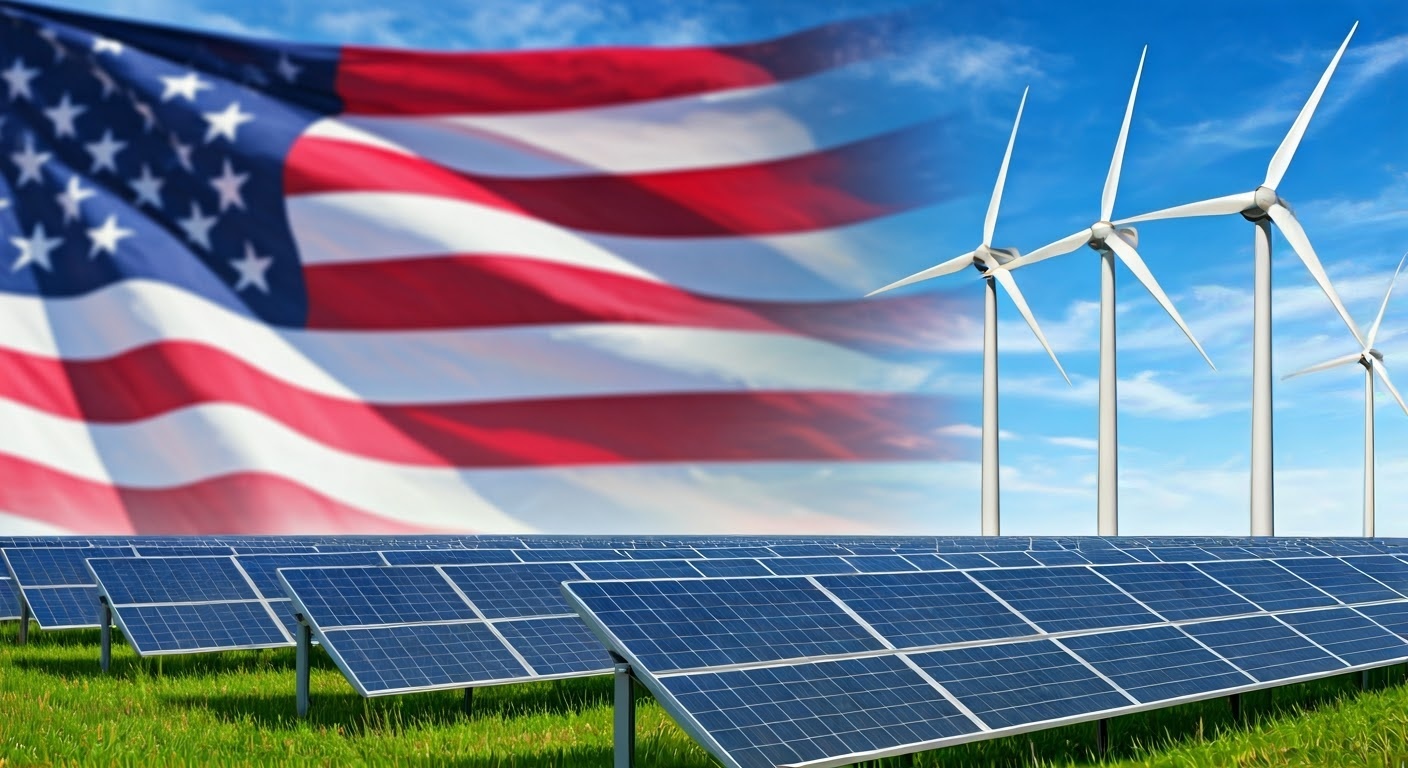
A groundbreaking study offers a comprehensive roadmap for eliminating greenhouse gas emissions from the US energy system by 2050.
This research provides a range of cost-effective options, equipping policymakers and industry leaders with the insights needed to tackle climate change effectively. The study shows that decarbonisation can be achieved through various technologies, each playing a crucial role in reshaping the nation’s energy system landscape.
Multiple paths to decarbonisation
“There isn’t just one way to cost-effectively decarbonise our energy system,” said Jeremiah Johnson, co-author of the study and a professor at North Carolina State University (NC State). “In fact, we have many technologies to choose from. Our study helps people understand exactly what those options are and how to prioritise them.”
The study focuses on developing pathways to decarbonise the US energy system, which spans electric power generation, transportation, and industrial sectors.
Aditya Sinha, the study’s lead author and research scholar at NC State, emphasised the complexity of finding the ideal route.
“There are a range of models out there that are designed to find the least expensive path forward to decarbonise our energy system – essentially identifying the optimal approach to eliminating greenhouse gas production in everything from electric power production to transportation and industry,” Sinha explained.
Overcoming modelling challenges
The models used in this study aim to predict the most cost-effective solutions for reducing carbon emissions, but they often struggle to account for uncertainties across different sectors.
With an extensive range of technologies available, the challenge lies in determining how flexible these models can be without compromising efficiency.
“One way to address this challenge is to stop trying to find the ‘perfect’ solution,” said Sinha. “Instead, we can identify alternative options that get us very close to the least expensive path forward.”
The researchers defined ‘very close’ as within 1% of the optimal cost for decarbonising the entire US energy system.
A new approach to energy modelling
To explore these alternatives, the research team used an advanced modelling tool known as Temoa. This tool was designed to determine the least costly path to decarbonisation, but the team modified it to account for slight variations in cost.
By adding 1% to the optimal cost and running the model 1,100 times, they tested various configurations, adjusting the inclusion or exclusion of different technologies.
The goal was to explore how different technologies could be adopted or sidelined while remaining within budget constraints.
Key findings: Four categories of technologies
The findings reveal four distinct categories of technologies that offer different levels of potential in decarbonising the US energy system:
Broadly adopted technologies: Solar and wind energy expansion, alongside increased energy storage capacity, were consistently selected in all scenarios. These technologies were central to achieving cost-effective decarbonisation and will play a leading role in transforming the energy landscape.
Phasing out or minimising technologies: The model identified sectors that would see significant reductions or eliminations, including petroleum in transportation and coal power plants that lack carbon capture technologies. This category highlights the need for a planned transition away from these energy sources.
Emerging technologies with varied use: Some technologies, such as direct air capture and hydrogen use in transportation and industry, appeared in some scenarios but not others. These technologies hold promise but require further research and development to determine their scalability and potential impact.
Occasionally used technologies: Technologies such as synthetic fuels from carbon dioxide or coal plants with carbon capture were seldom used, but when included, they played a critical role in certain scenarios. More research is needed to evaluate their viability.
Strategic prioritisation
The study offers practical guidance for policymakers: “First, we need to figure out how to facilitate the more widespread adoption of the technologies in Category 1,” said Johnson.
“Second, we need to figure out how to plan for an orderly and just – but timely – transition away from the technologies in Category 2.
“Third, we won’t need all of the technologies in Category 3, but we’ll need some of them. That means we need to invest in research and development to determine which technologies we should prioritise and how to deploy them.
“Lastly, we also need to invest in research and development to determine if any of the technologies in Category 4 are truly worthwhile and, if so, how to capitalise on those technologies.”
The study’s findings provide essential insight into the pathways that can decarbonise the US energy system by 2050.
By laying out multiple options, it offers flexibility in addressing the complexities of climate change. Through strategic investment, research, and a clear focus on key technologies, the United States has a roadmap to a cleaner, more sustainable energy future.
The transition to electric vehicle (EV) production in the US has demanded a significantly larger workforce than previously anticipated, challenging earlier predictions that EV manufacturing would reduce jobs.
New research from the University of Michigan highlights the surprising need for more assembly workers in plants producing EVs compared to traditional internal combustion engine (ICE) vehicles, with some plants requiring up to ten times more labour during the initial phases of the transition.
Increased workforce demand in EV production
The University of Michigan’s research analysed data from several US auto plants that have switched to producing battery electric vehicles (BEVs).
Contrary to widespread expectations, the study found that instead of decreasing, assembly jobs have surged, particularly in the early stages of EV production.
In one specific plant that has been producing EVs for over a decade, the number of workers needed per vehicle remains three times higher than for ICE vehicle production.
This finding is particularly striking given the simpler mechanical structure of EVs, which generally require fewer parts and less complex powertrains compared to their gas-powered counterparts.
Defying industry predictions
Earlier forecasts predicted significant job losses in the automotive industry due to the rise of EVs. Analysts had estimated that up to 30% to 40% of manufacturing jobs—amounting to more than 200,000 positions—could be lost as companies transitioned to electric models.
This assumption was largely based on the idea that EVs, which have roughly 100 fewer components and lack complex systems like transmissions and exhausts, would require less assembly labour. However, the study found that these projections have not materialised.
“What we’re seeing, with the data that’s available, is that the loss of employment predicted for EVs is not happening,” said Anna Stefanopoulou, the William Clay Ford Professor of Technology and senior author of the study.
She emphasised that the research sheds light on the unexpected labour demands of EV production, which has been largely overlooked in previous industry discussions.
Factors driving higher labour needs
Several key factors are contributing to the unexpected increase in labour demand during the transition to EV production:
Investment in new technologies: As automakers shift to EV manufacturing, they are investing heavily in developing new technologies. The initial stages of deploying these technologies often require a larger workforce to manage the learning curve and refine production processes.
Higher vehicle complexity: Many companies starting EV production focus on premium models with advanced features, requiring more labour to ensure quality assembly. This contrasts with the mass-market, simpler models that typically follow in later years.
Vertical integration: Some manufacturers are centralising operations to reduce outsourcing costs, a process known as vertical integration. By consolidating more production steps in-house, companies may increase their labour needs.
These facilities provide valuable data on how workforce demands have evolved over time. Tesla’s Fremont factory, which has been producing EVs for over a decade, offers the most extensive data.
Gabriel Ehrlich, director of U-M’s Research Seminar in Quantitative Economics, noted that while labour efficiency at the Fremont plant has improved over time, the rate of improvement has been slower than expected.
“The plant has been operating for ten years now, and they’ve obviously been able to improve labour efficiency,” he said. “But the pace of improvement indicates that it can take up to 15 years for a plant to reach parity with its ICE predecessor.
“It’s going to be a slow process, one that gives communities, companies and workers time to adjust.”
Impact on parts manufacturing jobs
While the study confirms that assembly jobs are on the rise, the outlook for parts manufacturing jobs remains uncertain.
The number of jobs in this area will largely depend on the location of battery cell manufacturing, which is a critical component in EVs.
As more automakers invest in domestic battery production, this could offset potential job losses in other areas of auto manufacturing.
Andrew Weng, a research fellow in mechanical engineering at U-M and co-author of the study, cautioned that while assembly jobs are increasing, the future of parts manufacturing jobs is still uncertain.
“The jury is still out in terms of parts manufacturing jobs,” Weng said, noting that much depends on the geographical distribution of battery cell production.
The findings suggest that the transition to EV production will be a gradual process, allowing time for adjustment across various sectors of the industry.
While EV production may require more labour in the short term, efficiency gains are expected over time as manufacturers refine their processes and scale up production.
For now, however, the study provides a much-needed perspective on how the shift to EVs is shaping employment in the auto industry.
The US Government has announced a $40m investment in the solar supply chain, spearheaded by the Department of Energy (DOE).
This initiative aims to enhance the sustainability, efficiency, and longevity of solar energy technologies while supporting the growth of domestic manufacturing.
The funding will be channeled into four research and development projects focused on improving the lifecycle of photovoltaic (PV) solar systems and fostering material recovery from decommissioned systems.
Improving the sustainability of solar PV systems
One key aspect of the DOE’s plan to reinforce the solar supply chain is the allocation of $16m to four projects, with $8m coming from the Bipartisan Infrastructure Law.
The goal of this initiative is to cut the cost of recycling PV modules in half by 2030 and minimise the environmental impact when these systems reach the end of their lifecycle.
Extending the lifespan of solar panels by making them more resistant to wear and easier to repair is a significant part of the strategy.
The initiative also aims to slow the flow of PV panels into the waste stream by addressing common causes of early failures, such as damage from extreme weather.
Furthermore, the funding will support research into improving the durability of PV systems, ensuring that solar energy remains a sustainable solution over time.
The Solar Partnership to Advance Recycling and Circularity (Solar PARC) is another initiative included in the MORE PV program.
This partnership, which consists of 30 organisations, including the Electric Power Research Institute, focuses on enhancing the circularity of solar systems by improving material recovery processes and establishing end-of-life management practices for PV components.
Projects receiving funding
Four key projects have been selected for funding to enhance the domestic solar supply chain:
Case Western Reserve ($4 million)
kWh Analytics ($2.4 million)
University of North Carolina at Charlotte ($1.3 million)
Electric Power Research Institute ($8 million)
These projects will play a crucial role in developing more durable, sustainable PV technologies.
Incentivising solar manufacturers
In addition to these research projects, the DOE has announced a $3m American-Made Promoting Registration of Inverters and Modules with Ecolabel (PRIME) Prize.
This prize will encourage solar manufacturers to register their products through the Global Electronics Council’s EPEAT ecolabel standard.
Ecolabels, which certifies that products meet specific environmental performance standards, will help solar companies reduce the environmental impact of their technologies and streamline end-of-life management.
Another aspect of the investment is the continued support for solar innovation through the American-Made Solar Prize program.
Now in its seventh round, the program has awarded $21.6m in cash prizes to innovators in solar hardware and software technologies.
This year, two finalist teams—Fram Energy and Gritt Robotics—each received $500,000 for their solutions aimed at overcoming challenges to equitable solar energy deployment.
With Round 8 of the competition now open for applications, the DOE continues to incentivise advancements that will drive the future of the US solar supply chain, fostering sustainable growth in the industry.
The United State’s $40m investment in the solar supply chain underscores its commitment to building a resilient, sustainable, and competitive solar industry.
These initiatives not only support the development of longer-lasting, more environmentally friendly PV systems but also boost domestic manufacturing, ultimately contributing to a cleaner energy future.
The U.S. Department of Energy (DOE) has announced a significant $65m investment in quantum computing research, funding ten projects with a total of 38 separate awards.
These projects aim to advance the capabilities of quantum computing, a technology with the potential to revolutionise problem-solving in modern science by overcoming the limitations of classical computing.
By leveraging the principles of quantum mechanics, quantum computers are expected to solve large, complex scientific challenges more quickly and efficiently than traditional computers.
Ceren Susut, DOE Associate Director of Science for Advanced Scientific Computing Research, emphasised the transformative potential of this technology: “With these awards, we are equipping scientists with computational tools that will open new frontiers of scientific discovery.
“Quantum computers may ultimately revolutionise many fields by solving problems that are currently out of reach.”
Focus on software and control systems
This $65m investment will primarily target software, control systems, and algorithmic advancements, which are critical to demonstrating the practical utility of quantum computing for scientific research.
The funded projects will focus on improving the entire software stack, from programming tools to control systems that can manage quantum systems at scale.
Key areas of research include the development of quantum algorithms that offer error detection, prevention, and correction, ensuring the resilience and performance of quantum systems.
By creating robust software ecosystems, researchers aim to achieve modularity, interoperability, and specialisation in quantum computing applications.
Quantum computing research and the National Quantum Initiative
The U.S. Congress passed the National Quantum Initiative Act in December 2018, recognising the vast potential of Quantum Information Science (QIS) and the need to stay ahead of international competition in this field.
The DOE’s Office of Science is a major partner in this initiative, launching a range of research programmes that address various aspects of QIS.
These quantum computing research projects span from single-discipline investigations to large, integrated centres dedicated to exploring the potential of the technology.
The goal is to ensure that the United States maintains its leadership in quantum computing research while also advancing scientific discovery in fields like energy, materials science, and medicine.
The total funding for these projects amounts to $65m over a five-year period, with $14m allocated for Fiscal Year 2024.
Further funding will depend on future congressional appropriations. This investment underscores the nation’s commitment to advancing quantum computing research and ensuring it remains at the forefront of this groundbreaking technology.
In a significant step towards strengthening global health cooperation, the European Union (EU) and Canada have launched the EU-Canada Health Policy Dialogue.
This new initiative, established under the EU-Canada Strategic Partnership Agreement (SPA), aims to enhance collaboration on key health issues affecting populations in both regions and worldwide.
The virtual meeting, held between Stella Kyriakides, EU Commissioner for Health and Food Safety, and Canada’s Minister of Health, Mark Holland, marked the formal beginning of this partnership.
The dialogue will focus on three global health priorities: antimicrobial resistance (AMR), health security, and non-communicable diseases, including cancer and mental health.
As Commissioner Kyriakides stated: “Canada is a key partner for the EU when it comes to tackling global health challenges.
“With today’s launch of the first EU-Canada Health Policy Dialogue, we are reaffirming our mutual commitment to a closer partnership on health under the SPA.
Global cooperation is key when it comes to responding to pandemics, tackling AMR and improving cancer and mental health care.
“I firmly believe that the EU and Canada working together helps to improve healthcare in the EU and beyond and deliver on our commitments in the EU Global Health Strategy.”
Tackling antimicrobial resistance
The EU and Canada underscored the growing global health threat posed by antimicrobial resistance, recognising it as an urgent public health and socio-economic issue.
Both parties highlighted the upcoming United Nations High-Level Meeting on AMR as an important opportunity to reinforce global commitment to addressing this challenge.
The dialogue commits the EU and Canada to closer collaboration on monitoring antimicrobial use, enhancing surveillance, and setting targets to reduce resistance.
Additionally, both sides will promote the ‘One Health’ approach, which integrates environmental factors into the fight against AMR and explores economic incentives to stimulate the development of new antimicrobials.
This united effort aims to strengthen global health systems and prevent the rise of drug-resistant infections.
Reinforced cooperation on health security
Another critical area of focus is global health security, particularly in pandemic preparedness and response.
The EU and Canada pledged to strengthen international collaboration to improve pandemic detection, prevention, and response mechanisms.
Central to these efforts is the World Health Organization (WHO), which both parties emphasised as a vital institution for global health governance.
The discussion also highlighted the recently amended International Health Regulations as an essential tool in enhancing global health security.
Furthermore, they will support the development of a new Pandemic Agreement aimed at ensuring the world is better prepared for future health emergencies.
Climate change was also a significant point of discussion. The EU and Canada committed to addressing the health risks posed by extreme weather events, such as heatwaves and the spread of vector-borne diseases.
By pooling resources and expertise, both regions aim to mitigate the impact of climate change on global health.
Advancing cancer care and mental health
The third pillar of the dialogue centres on non-communicable diseases, with a particular focus on cancer and mental health.
Both the EU and Canada aim to improve cancer prevention, detection, and treatment through collaborative research and knowledge-sharing initiatives.
This partnership will prioritise equitable access to cancer care, with the EU and Canada exchanging best practices on modern healthcare approaches.
High-impact, transnational research will play a central role in identifying more effective methods to combat cancer on a global scale.
Mental health was also a key topic, as both sides recognised the need for more comprehensive and accessible mental health services.
Through a series of knowledge exchanges, the EU and Canada will share policies and strategies to enhance mental health support, both in-person and through digital platforms.
Holland added: “The launch of the first Canada-EU Health Policy Dialogue emphasises the importance of global partnerships to make progress on our common health priorities, including AMR, health security, climate-related health risks, and our approaches to non-communicable diseases.
“Our collaborative efforts to address these priority areas will help us improve health and wellbeing for people in Canada and also contribute to global efforts for a healthier world for everyone.”
Hydroelectric power, commonly known as hydropower, harnesses the energy of flowing water to generate electricity.
Typically, water is stored in reservoirs behind dams and released through turbines, producing electricity as it flows.
Hydropower is the oldest and one of the most reliable forms of renewable energy, first used in the US nearly 150 years ago.
One of the key benefits of hydroelectric power is its ability to generate large amounts of electricity with low emissions, making it a clean energy source.
Moreover, hydropower facilities can double as energy storage, helping to stabilise the grid during times of high demand.
The role of hydropower in US energy production
In the United States, hydropower is responsible for nearly 27% of renewable electricity generation and accounts for an impressive 93% of utility-scale energy storage.
Despite its essential role in clean energy production, many hydropower facilities have been in operation for decades—79 years on average—making upgrades vital to their continued operation.
The DOE’s new investment aims to address the challenges facing these ageing facilities by modernising key components and ensuring they remain a cornerstone of America’s renewable energy landscape.
Key areas of investment
The 293 selected projects will enhance grid resilience, improve dam safety, and protect thousands of jobs. Among the key areas targeted for investment are:
Grid resilience: The projects will replace and upgrade ageing turbines, generators, control systems, and transformers. Upgrading this equipment will help hydropower facilities continue delivering reliable electricity to the grid while increasing their efficiency.
Dam safety: The DOE will focus on fortifying ageing hydroelectric power infrastructure, such as emergency spillways and water conveyance systems, to ensure dams can handle extreme weather events. Additionally, concrete replacement and erosion repairs will further strengthen the dams’ ability to manage water flow and prevent dangerous overtopping.
Environmental and recreational enhancements: Hydropower upgrades will also bring about significant environmental improvements, including better water conditions and enhanced fish habitats. For instance, fish ladders and other systems will be installed to allow aquatic species to pass through dams more easily, reducing the ecological impact of hydroelectric operations.
Additionally, these projects will promote recreational opportunities around hydroelectric dams, expanding water access for activities like boating, kayaking, and white-water rafting.
Walking trails and other recreational amenities will be developed or improved to encourage public engagement with these energy-generating sites.
Job creation and long-term impact
The DOE’s hydropower initiative will protect approximately 6,000 jobs related to hydropower facilities and contractors.
As US Secretary of Energy Jennifer Granholm stated: “Today’s funding will expand and modernise our hydropower fleet while protecting thousands of American jobs.”
By modernising these plants, the government ensures that hydropower remains a reliable and clean energy source for the future.
This initiative also aligns with broader efforts to secure America’s energy independence and build a clean energy economy. Hydropower, being both a renewable energy source and a form of energy storage, plays a critical role in this transition by stabilising the grid and reducing reliance on fossil fuels.
This investment not only modernises a reliable energy source but also lays the groundwork for a more sustainable and resilient energy future. Hydroelectric power, with its rich history and immense potential, continues to be a key player in the global shift toward renewable energy.
With a mission to study the changing Arctic and share knowledge for broad benefit, the Arctic Institute of North America prides itself on its dedication to research, education and data management.
Exploring the unique and dynamic landscapes of the Arctic, the Arctic Institute of North America (AINA) at the University of Calgary is Canada’s oldest Arctic research institution. Together with Indigenous organisations, governments, and researchers, the Institute addresses conservation, sustainability and environmental monitoring in the Arctic. To find out more about AINA’s long-standing commitment to the Arctic, The Innovation Platform spoke with Maribeth Murray, Executive Director of the Arctic Institute of North America.
Why is collaboration critical for Arctic research? Can you discuss the importance of strong relationships with other research institutions and Indigenous communities at the Arctic Institute of North America (AINA) at the University of Calgary?
Seven nations have Arctic territory, each with unique social, cultural and political identities. Importantly, the Arctic is home to Indigenous People of many different cultures, languages and traditions. The rapid transformation of the Arctic under conditions of climate change presents a suite of system-scale shifts that have environmental impacts locally, regionally and globally, impacting people and living resources in increasingly unpredictable ways.
Understanding, responding to and mitigating Arctic change requires a multidisciplinary, multinational and multicultural approach. For example, the development of a comprehensive environmental observing system that monitors change on land and in the oceans is far too large an initiative for any one institution or country to tackle alone.
At AINA, we work with partners across Canada and around the world to conduct impactful research and build proactive programmes that can help address pressing issues such as loss of biodiversity, ocean acidification, and food insecurity. These partnerships enable all of us to tackle big issues, leverage diverse expertise and resources, and address Indigenous priorities as well as science priorities.
Can you provide examples of successful collaborative projects?
AINA spearheaded the development of the Canadian Consortium for Arctic Data Interoperability (CCADI), a collaboration among Canadian Arctic data centres with the common goal of providing ethically open, accessible, and comprehensive digital resources to the broadest possible audience of data users.
Founded in 2015, its members include Arctic researchers and data managers from a range of Canadian universities, Indigenous organisations, government departments, industry, and members of the non-profit sector.
In 2023, with funding from the Canada Foundation for Innovation (CFI), the CCADI launched the Arctic Research Data Infrastructure (ARDI), a cloud-based cyberinfrastructure with distributed services located at https://ccadi.org. The ARDI builds capacity across a network of linked data centres with common standards, practices, tools, and expertise, and facilitates data discovery and description, enabling data to be shared across systems for upload, analysis, and visualisation.
To date, the ARDI has been used to better understand Arctic system dynamics in three critical areas:
Vulnerability of coastal heritage resources to sea ice loss, coastal erosion and storm surge.
Harmonisation of disparate data sets to improve the utility and increase the use of information from autonomous weather stations.
Influence of interactions in the marine environment on ocean acidification.
Why is it important to consider conservation and biodiversity in the Arctic? What are the threats to this environment?
The living resources of the Arctic are central to the lifeways of Indigenous People, supporting food security and sovereignty and providing opportunities for economic growth and stability, as well as being of great cultural import.
Many species are also important to the global community – fish in particular. Arctic species are threatened by climate change via shifts in the seasonal onset of plant growth, unpredictable weather, loss of sea ice, ocean acidification, new diseases, and the northward movement of both animal and plant species not native to the region.
Human activity in the Arctic also presents a challenge as there is increased marine traffic, pollution, onshore and offshore infrastructure development, and commercial resource extraction via mining and fisheries. Conservation of living species is critical to maintaining healthy populations, and biodiversity is key to the resilience of communities and ecosystems.
How is AINA addressing these threats? What are the main conservation and biodiversity projects currently being undertaken?
At AINA, we are involved in two large projects to support Arctic conservation and biodiversity, both of which are supported by GENOME Canada. They are focused on ways to mobilise genomics and genomics-derived tools like environmental DNA (eDNA) to a broad audience of potential end users such as Indigenous communities, wildlife co-management entities, biologists, and others who are actively engaged in or have a vested interest in maintaining healthy and vibrant populations of wildlife.
Genomics tools can be useful for environmental monitoring and, going forward may be able to support the conservation of threatened and endangered species, such as muskoxen in the western Canadian Arctic, as we develop an improved understanding of how aspects of their genome are or are not adapted to their changing environment – for example, resistance to new parasites.
We work with partners in Canada, including Indigenous organisations, to make genomic information accessible, to identify priorities for conservation and whole genome sequencing, and to support local management needs by making material available in unique and culturally appropriate formats, including via innovative cyberinfrastructure. In this regard, AINA is a mediator of information, bringing together diverse groups with common interests but very different sets of expertise, including Indigenous expertise.
How do AINA’s Arctic Observation programmes tackle global issues? What cutting-edge technology is used to facilitate these programmes?
AINA has been a key player in the development and ongoing delivery, since 2013, of the Arctic Observing Summit (AOS), a biennial summit bringing together an international community of researchers, Indigenous People, operational agencies and others to design and implement an internationally supported observing system that will flow data information out to address societal needs and provide broad benefit. Summit working groups address such issues as new and needed technologies, data sharing and data systems improvement, innovative solutions for pollution detection, gaps in the current observing system, and Indigenous observing priorities and ways to further improve efforts at co-design and co-implementation of observing systems.
At our Kluane Lake Research Station in Yukon, we support scientists from around the world who are engaged in Arctic research. We collect and share observational data as members of the WMO Global Cryosphere Watch. Recent research has focused on using satellite-derived data to examine shoreline change in the western Canadian Arctic, tree canopy change in the Yukon, and shipping activities and accident incidents using satellite-derived data. All our projects are multi-disciplinary and multi-institutional, and almost all involve the use of social, natural, and scientific approaches.
What are some of the significant observations or discoveries made by AINA in recent years, and what can we anticipate next?
We are currently focusing much of our work on developing innovative technologies for using renewables at our research station in Yukon, working in partnership with communities, Yukon businesses, government and partners in Europe. Our goal is to create a research facility that is ultimately a net zero enterprise and can operate year-round entirely on renewables. We hope to create a model that could be taken up by rural and remote communities to reduce dependence on fossil foods and support local food production.
In addition, we have research focused on sea ice change in the Baffin Bay region with an emphasis on understanding how ice change impacts mobility across sectors (commercial shipping, small-scale fisheries, individual hunters and trappers) and species such as migratory whales, seals, and walrus. Much of this work is dependent upon satellite data, although we draw on other sources of information, from ship tracking to marine mammal survey data.
Please note, this article will also appear in the 19th edition of our quarterly publication.
The Honourable François-Philippe Champagne, Canada’s Minister of Innovation, Science and Industry, discusses the monumental agreement securing Canada as part of the Horizon Europe programme and the promise of this collaboration to drive research and innovation in Canada and beyond.
In a landmark move, Canada has secured a pivotal role in Horizon Europe, the globe’s largest research and innovation funding initiative. As Canada’s Minister of Innovation, Science and Industry, I am excited to share how this groundbreaking agreement with the European Commission will revolutionise our research landscape and elevate Canada’s position on the world stage.
Thanks to this partnership, Canada joins Horizon Europe as an associate country under Pillar 2—the first country in the Americas to do so. This isn’t just a new agreement, it’s a profound leap forward for Canadian research and innovation. It opens doors for Canadian researchers, innovators, and businesses to collaborate directly with Europe’s leading experts and international partners, driving forward cutting-edge solutions and groundbreaking discoveries.
Horizon Europe is far more than just a funding programme – it’s a dynamic platform designed to tackle some of the most pressing global challenges. Approximately 35% of its budget is dedicated to combating climate change, presenting an unparalleled opportunity for Canadian talent to shine on a global stage. This partnership will empower Canadian researchers to spearhead international projects and showcase our unique solutions, opening the door to commercialising and exporting made-in-Canada solutions.
Previously, Canada could participate in Horizon Europe projects, but the new agreement significantly enhances our role. Canadian entities can now lead consortia, access direct funding, and influence future funding priorities. This means that Canadian academics, industrial researchers, businesses, non-profit and charity entities, and many more can access a broader range of research opportunities, funding, and benefits.
Moreover, the Government of Canada has established national contact points to assist applicants with navigating Horizon Europe – providing them with guidance, practical information, and assistance. These experts are well-versed in both domestic and international research landscapes, providing essential support and guidance to maximise Canadian participation and impact.
Our strategic association with Horizon Europe is more than a boost to our innovation and economic development – it’s a testament to our commitment to global collaboration. In an era where international cooperation is crucial, this partnership allows us to pool resources, knowledge, and expertise to address many of today’s major global challenges.
By joining Horizon Europe, we are forging new pathways for Canadian research and innovation. This collaboration promises to drive significant advances in science and technology, both here at home and around the world, ensuring that Canada continues to be at the forefront of global research and innovation.
Please note, this article will also appear in the 19th edition of our quarterly publication.
Energy Storage Canada discusses the significant regulatory redesign of Alberta’s electricity market and the potential for these reforms to address challenges in the existing system by adapting to evolving market needs.
In the last year, much has changed in the Alberta electricity sector. Numerous proposals for reforms have culminated in the most significant regulatory redesign of Alberta’s electricity market since its inception over two decades ago.
New technologies butting up against legacy market constructs are creating pressures on the system’s ability to meet provincial objectives of assuring reliability and affordability while decarbonising, in anticipation of Alberta’s commitment to reach economy-wide net-zero by 2050. Additionally, congestion management and administering an ever-increasing connection queue is becoming more and more challenging.
Alberta’s remarkable investability has historically been derived from its market’s consistency – read certainty – but the lack of changeability in a sector that is currently centred on change and innovation, presents its own set of challenges.
AESO: Identifying Alberta’s energy market needs
In March 2023, the Alberta Electricity System Operator (AESO) published the Reliability Requirements Roadmap report. The report outlined a variety of forecasted reliability needs, from frequency stability to oversupply management to short and long-term supply adequacy. Recent supply shortfalls in January and April, including the first brownouts since the 2013 floods, have only reinforced the need for change in how Alberta’s electricity system works to ensure supply shortfalls don’t become more regular occurrences.
While traditionally, the AESO has served as an administrator of the Alberta market more than a broker of change, following the re-election of the governing United Conservatives in the province last year, the AESO has been directed by the province’s new government to advise and implement a myriad of reforms.
With strong drivers for change and the system operator empowered to begin work on updating the market, there are a range of possible outcomes for the market with commensurate risk and reward, especially for relatively new technologies like energy storage that are still drafting the blueprint for how they engage with the market.
Adopting a day-ahead market
Some of the key changes under consideration are the adoption of a day-ahead market, enhancing price fidelity, and building a new approach to congestion management. Alberta’s energy-only market currently operates an exclusively real-time market that is settled hourly. This means that electricity is traded solely as a unit of energy at an hourly resolution. The value placed on capacity is translated to higher energy prices during times of tight supply and high load.
However, as more variable generation and intermittent load come online, conditions can change more quickly and in less predictable ways. This is challenging at both longer time scales, where the lack of a firm forward price signal means slow ramping generators are ill-prepared to power up to meet unexpectedly high net demand, and at shorter time scales, where flexible supply, like storage, is not incentivised to ramp up and down in response to variability at time scales much shorter than one hour. To mitigate the impact of these challenges on the Alberta market, the AESO is proposing the move to a day-ahead market that would work in concert with the existing real-time market, settling prices at five-minute or fifteen-minute intervals.
Regarding energy storage resources, the proposed market change will help to better signal both short and long-duration storage, when to charge, and when to discharge. It will also place a higher value on firm and flexible supply. Shorter settlements will provide price signals for flexibility, and day-ahead commitments will place a value on firmness of supply. The details of how the obligation to meet commitment for bids in the day-ahead market will matter. However, the AESO is also proposing additional ancillary services for needs such as ramping and uncertainty to provide firm capacity for unplanned outages or under-forecasted renewables, which could present new revenue streams for storage to provide reliable and firm energy when needed.
Addressing Alberta’s price cap
A second challenge in Alberta’s current market is a relatively low price cap of one thousand Canadian dollars per megawatt-hour and a price floor set to zero dollars. The ceiling has been static for over two decades, slowly eroding away to inflation, meaning that the signal for investment in firm capacity is lower than it ever has been. Notably, these price bounds are significantly lower than comparable energy-only markets in Texas or Australia, with price ceilings of five thousand and sixteen thousand dollars, respectively, and significant negative price floors.
Alberta’s price cap is also lower than neighbouring jurisdictions. In extreme situations, Alberta can struggle to attract imports. Such was the case during this year’s January reliability event, where high demand across the Pacific Northwest meant Alberta struggled to secure exports from BC Hydro when the utility had competing opportunities to sell to the United States for prices higher than possible in Alberta.
Moreover, the zero-dollar price floor is not well suited to reflect the increasingly common supply surplus events driven by renewables and significant amounts of cogeneration. When the price can’t go below zero, the market fails, and out-of-market action is needed to manage the supply surplus. A recent inquiry by the Alberta Utilities Commission into the ability of the market to provide reliability found that more than a quarter of the hours in the market may be at zero dollars.
The province’s market is increasingly operating at the upper and lower bounds of where the price is allowed to go, indicating that the price bounds are failing to fit the physical realities of the electricity system the market is meant to coordinate. In the case of energy storage, a greater range between the price ceiling combined with the ability to price negatively in times of surplus generation would provide additional incentive for energy storage to turn on, storing the excess energy at low cost, to then feed back to the system during times of high demand when the compensation for the energy is higher.
This shift in the Alberta market would provide a more accurate reflection of the value of energy storage. Storage can shift energy from times of surplus to times of more limited supply, but only with sufficient price signals. Expanding the price bounds of the province’s market would enable just that.
Managing congestion
The last key opportunity for change in Alberta’s energy market is related to the management of congestion. Currently, energy pricing is uniform across the province, and Minister of Affordability and Utilities Nathan Nuedorf indicates it is going to stay.
In theory, generators are meant to compete across an open and congestion-free transmission system to provide the lowest cost energy to consumers. However, in practice, the pace of project delivery for wind, solar, and gas has outpaced the ability of transmission planning to cope, leading to congestion or a bottleneck in the electricity system where energy isn’t able to get from the generators that produce the energy to the consumers that use the energy.
While there aren’t yet indications of how Alberta’s energy market may change to manage this system challenge, there are a range of opportunities. The solution will need sufficient locational signals and a robust suite of non-wires alternatives (NWAs) to enable potential contributors such as energy storage resources.
Alberta’s changing energy landscape: A wealth of opportunities
Regardless of the outcome, the ongoing evolution of Alberta’s energy market represents a rare opportunity to apply innovative solutions to the changing needs and behaviours of electricity grids worldwide, as provinces, states, and countries change when and how they consume energy, as well as where that energy comes from.
Providing new means of valuing energy to supply clear signals to the market, ensuring the parameters of the market are reflective of the changing energy landscape, and finding solutions to ensure energy is available when and where we need it will result in a radically changed market for Alberta and for all participants in the province’s markets. We look forward to seeing the result and the new opportunities for energy storage to play an important role in the province!
Please note, this article will also appear in the 19th edition of our quarterly publication.
CIUSSS du Nord-de-l’Île-de-Montréal drives health and social transformation in Québec through innovative research and advanced technology solutions.
The CIUSSS du Nord-de-l’Île-de-Montréal (CIUSSS NIM) is a leading health and social services provider in northern Montréal, Québec, Canada. Serving approximately 430,000 residents, CIUSSS NIM is an essential part of Québec’s healthcare system, known for its extensive range of services that include primary care, home care, long-term care, correctional facility healthcare, and specialised hospital care.
The CIUSSS NIM operates 29 facilities, including five hospitals, a multiservice centre, ten long-term care centres, six local community service centres, six specialised clinics, a multidisciplinary centre, and a birth house.
Additionally, it extends specialised services to about 2.6 million patients from other regions of Québec. The community it serves is characterised by a significant aging population, ethnocultural communities, and youth facing exclusion or immigration challenges. This comprehensive service offering makes CIUSSS NIM a unique environment for healthcare innovation and research.
The diverse CIUSSS NIM research ecosystem
The CIUSSS NIM research community is a collective of approximately 250 researchers and over 500 students. While the primary affiliation of our researchers is with the University of Montréal, other affiliations include the Université du Québec à Montréal (UQAM), McGill University, Concordia University, École de technologie supérieure (ÉTS), Université du Québec à Trois-Rivières (UQTR), and Université du Québec en Outaouais (UQO). These different affiliations enable us to offer complementary support to our researchers, enhancing their ability to conduct cutting-edge research.
Our research infrastructures support more than 850 projects involving both animal and human studies, including 50 clinical trials, that are organised around four strategic axes: Traumatology and acute care; brain function (sleep, neurodevelopmental disorders, and mental health); health promotion, disease prevention, and chronic disease management; and social research and public health. Across these research axes, the centre is nationally and internationally recognised for several themes:
Integrated traumatology
The newly delivered Integrated Trauma Center (CIT) is a unique environment for research and innovation in trauma care. It is located at Hôpital du Sacré-Cœur-de-Montréal, whose emergency receives over 63,000 patients annually and is one of the busiest in Canada. The CIT is a supraregional reference centre for adult tertiary trauma care and a centre of expertise for spinal cord injuries in western Québec.
It is also a reference centre for severe trauma cases, including road accidents, stab and gunshot wounds, and severe injuries. The CIT is designed to bring together state-of-the-art clinical services and facilities, teaching spaces, and research laboratories in a single shared space.
This promotes interaction between clinical, research, and teaching missions focused on trauma and also favours interdisciplinary and intersectoral collaboration.
Sleep medicine
The Center for Advanced Research in Sleep Medicine (CARSM) is a leading institution in sleep medicine, uniting over 120 professionals, including 20 researchers, with expertise in various sleep-related fields.
It is equipped with seven rooms for comprehensive sleep recording. CARSM’s objectives include studying the molecular and neuronal mechanisms of sleep, developing and validating diagnostic methods, and creating innovative treatments.
The centre is also dedicated to disseminating knowledge and raising awareness about the importance of quality sleep. CARSM has structured two important databanks. The Canadian Biobank for Sleep Research has over 40,000 biosamples (DNA, blood and blood components, saliva) supporting research into the identification of biological and genetic markers of sleep pathologies, circadian rhythms or states of consciousness, as well as their overlap with normal aging, neurodegenerative or psychiatric diseases.
Additionally, CARSM hosts a bank of nights that includes 30,000 polysomnography records, providing invaluable data for advanced analysis, including those based on artificial intelligence. This unique combination of clinical practice and advanced research positions CARSM at the forefront of sleep medicine.
Child psychiatry
The Hôpital Rivière-des-Prairies (HRDP) is a premier institution specialising in youth mental health, housing the largest Pediatric child psychiatry department in Québec with 29 child psychiatrists. HRDP focuses on the evaluation, diagnosis, treatment, research, and teaching in fields such as autism spectrum disorders, cognitive disorders, and sleep disorders.
The hospital’s approach is rooted in empirical methods, integrating clinical practice and research. In addition, HRDP maintains databases to support its research, including a mental health database containing sociodemographic, morphometric, psychometric, and psychosocial data of children and adolescents diagnosed with mental illnesses.
The autism database holds clinical and psychometric data from over 1000 autistic and neurotypical participants, with neuroimaging data available for 200 of these individuals. This data aids in understanding the neurocognitive characteristics associated with autism and the heterogeneity of its phenotype.
Behavioural medicine
The Montreal Behavioural Medicine Centre (MBMC) is an academic research and training centre that focuses on behavioural medicine and psychophysiology.
The MBMC’s research, which focuses on respiratory and cardiovascular diseases and their risk factors, falls into three broad categories: Behavioural, epidemiological cohort studies, which examine the impact of psychological, social and behavioural factors on chronic disease; laboratory experimental studies, which explore the psychophysiological mechanisms linking psychological and behavioural factors to disease; and intervention studies, which evaluate the effectiveness of behavioural medicine interventions on the primary and secondary prevention of chronic disease.
A key initiative of the MBMC is its involvement in the International Behavioural Trials Network (IBTN. With over 1300 members from 72 countries, the network co-founded by researchers from the MBMC aims to enhance the quality of global behavioural trials, build networks, and develop a repository of resources on behavioural trials and intervention development.
Photo courtesy of Univesité de Montréal
Embracing transdisciplinary Research
While research at the CIUSSS NIM is defined by guiding themes, transdisciplinary research remains central to our approach as a manner of unifying our different stakeholders in the same entity. More importantly, we have created an environment that favours the transmission of theoretical and practical knowledge. This vision was incorporated into the design of the CIT but is also exemplified by the Centre Jean-Jacques-Gauthier (CJJG).
Operating as a ‘living lab,’ the CJJG facilitates interactions among researchers, healthcare professionals, and community members to address complex health issues, such as chronic diseases, wellness, and aging, using multiple perspectives. In close proximity, experts from diverse fields – including nutrition, cardiology, respiratory health, and urban health – ensure that research and solutions that result from it are rooted in real-world needs and practical applications, aiming for sustainable health outcomes.
Our transdisciplinary approach has yielded tangible results, particularly in the area of concussion research. Our researchers studying contact sports are integrating online monitoring with wearable technologies, sideline testing for immediate biomarker collection, and a multidisciplinary hospital-based platform for comprehensive individual assessments. These work together to streamline concussion studies, facilitating the tracking of risk factors before, during, and after injuries.
Furthermore, researchers from the CIUSSS NIM partnered with local groups to engineer and test an innovative football helmet that was a finalist in the NFL Helmet Challenge. This project advanced helmet technology and demonstrated the practical impact of our research, showcasing how collaborative innovation can lead to safer sports equipment. Importantly, these initiatives highlight our commitment to addressing complex health issues such as concussions from multiple angles.
These centres of excellence, alongside other areas of expertise at CIUSSS NIM, contribute to a substantial flow of clinical data and interdisciplinary research. The organisation’s commitment to advancing healthcare through innovation is embodied in its vision: “Together, proud and passionate, we innovate to create a healthy world.”
CIUSSS NIM addresses the evolving healthcare needs of its community by fostering partnerships with medical clinics, community pharmacies, educational institutions, and community organisations. This collaborative approach enhances the richness and diversity of data collection, enabling CIUSSS NIM to deliver tailored and effective healthcare solutions.
In addition to his research centre, CIUSSS NIM plays a pioneering role in shaping the future of healthcare in Québec and beyond by integrating innovative technologies and practices through the NIM Intelliance Innovation Center.
The NIM Intelliance Innovation Center: Driving health innovation in Québec
Since its launch in January 2022, the NIM Intelliance Innovation Center has quickly become a key player in Québec’s healthcare innovation landscape. As a central part of the CIUSSS NIM, the centre addresses the critical challenges facing the healthcare system through innovative technological solutions.
The Innovation Center aims to facilitate the development, evaluation, and integration of technological innovations that address specific problems identified by healthcare teams. Its mission aligns with improving access to care, enhancing the operational excellence of healthcare teams, and ensuring the well-being and retention of staff.
The centre supports various stakeholders, including healthcare teams, companies, and the broader ecosystem, providing a comprehensive range of services designed to foster innovation from ideation to adoption.
Key achievements and extensive network
Since its inception, the Innovation Center has launched and completed several major innovation projects totalling $4.6m. Among the notable projects are:
Innovative home care platform
In collaboration with the Montréal -based company AlayaCare, the centre adapted this leading home care technology platform to meet the needs of Québec’s home nursing teams. The project evaluated the clinical and economic impacts, aiding decision-makers in adopting this innovative platform for home care.
Virtual reality rehabilitation platform
Developed by NeuroGroup XR, Kinesix VR is a specialised virtual reality training platform designed by therapists to enhance patient recovery through innovative AI-based hand tracking and real-time feedback indicators. The centre evaluated the platform’s acceptability by clinicians and patients and its clinical and economic impacts and identified barriers to adoption to improve the product’s integration into healthcare settings.
Virtual twin project
In collaboration with BioTwin, this innovative project involves creating digital twins of patients to predict health outcomes better and personalise treatment plans. The centre’s evaluation of this technology has shown promising results in improving patient care and operational efficiency.
The NIM Intelliance Innovation Center is a member of several networks across Québec and Canada. This involvement enhances its presence in Québec’s healthcare ecosystem and beyond. The centre has participated in over 20 conferences and workshops, served on eight selection committees for funding programmes, and collaborated with more than 50 innovative companies.
It has also initiated collaborations outside Québec, notably with Ontario and France.
Comprehensive service offering
The Innovation Center provides a broad spectrum of services to enterprises and healthcare institutions within Québec and Canada. These services include:
Clinical advice: Offering clinical insights on client/market needs to develop innovations that address real problems.
Collaboration for development: Through the Innovation Center, companies have access to clinicians and researchers to develop and refine their innovations.
Funding identification: Helping to identify potential funding sources for innovation projects.
Impact evaluation: Through standardised impact evaluations, validate and document the real-world value of innovations to facilitate their adoption
The centre’s expertise in impact evaluation is widely recognised. It has collaborated with ten institutions on several evaluation projects, demonstrating its ability to work with other organisations to rigorously and effectively measure the impact of innovation projects.
The Innovation Center offers personalised support for innovation projects, helping healthcare teams analyse the root causes of problems, identify potential solutions, and implement pilot projects. It provides comprehensive impact reports and deployment methodologies to aid decision-making and offers support throughout the innovation lifecycle.
Future vision and goals
Looking ahead, the NIM Intelliance Innovation Center aims to expand its impact by launching new innovation projects, extending its evaluation services to more healthcare institutions, and fostering greater collaboration within the health and social ecosystem. The centre is committed to continuing its role as a leader in healthcare innovation, driving improvements in patient care and operational efficiency.
The Innovation Center is a testament to CIUSSS NIM’s commitment to healthcare innovation. By addressing critical challenges, fostering collaboration, and leveraging multidisciplinary expertise, the Innovation Center is transforming healthcare delivery and improving patient outcomes in Québec. Its ongoing efforts and achievements highlight its pivotal role in shaping the future of healthcare, both within the province and beyond.
Please note, this article will also appear in the 19th edition of our quarterly publication.