Tag: Pandemic

  • Researchers sound a clarion call for greater investment in bereavement care

    Researchers sound a clarion call for greater investment in bereavement care

    [ad_1]

    The public health toll from bereavement is well-documented in the medical literature, with bereaved persons at greater risk for many adverse outcomes, including mental health challenges, decreased quality of life, health care neglect, cancer, heart disease, suicide, and death. Now, in a paper published in The Lancet Public Health, researchers sound a clarion call for greater investment, at both the community and institutional level, in establishing support for grief-related suffering.

    The authors emphasized that increased mortality worldwide caused by the COVID-19 pandemic, suicide, drug overdose, homicide, armed conflict, and terrorism have accelerated the urgency for national- and global-level frameworks to strengthen the provision of sustainable and accessible bereavement care. Unfortunately, current national and global investment in bereavement support services is woefully inadequate to address this growing public health crisis, said researchers with Sylvester Comprehensive Cancer Center at the University of Miami Miller School of Medicine and collaborating organizations.

    They proposed a model for transitional care that involves firmly establishing bereavement support services within healthcare organizations to ensure continuity of family-centered care while bolstering community-based support through development of “compassionate communities” and a grief-informed workforce. The model highlights the responsibility of the health system to build bridges to the community that can help grievers feel held as they transition. 

    The Center for the Advancement of Bereavement Care at Sylvester is advocating for precisely this model of transitional care. Wendy G. Lichtenthal, PhD, FT, FAPOS, who is Founding Director of the new Center and associate professor of public health sciences at the Miller School, noted, “We need a paradigm shift in how healthcare professionals, institutions, and systems view bereavement care. Sylvester is leading the way by investing in the establishment of this Center, which is the first to focus on bringing the transitional bereavement care model to life.”

    What further distinguishes the Center is its roots in bereavement science, advancing care approaches that are both grounded in research and community-engaged.

    The authors focused on palliative care, which strives to provide a holistic approach to minimize suffering for seriously ill patients and their families, as one area where improvements are critically needed. They referenced groundbreaking reports of the Lancet Commissions on the value of global access to palliative care and pain relief that highlighted the “undeniable need for improved bereavement care delivery infrastructure.” One of those reports acknowledged that bereavement has been overlooked and called for reprioritizing social determinants of death, dying, and grief.

    Palliative care should culminate with bereavement care, both in theory and in practice. Yet, bereavement care often is under-resourced and beset with access inequities.”


    Wendy G. Lichtenthal, PhD, FT, FAPOS, corresponding author

    Transitional bereavement care model

    So, how do health systems and communities prioritize bereavement services to ensure that no bereaved individual goes without needed support? The transitional bereavement care model offers a roadmap.

    “We must reposition bereavement care from an afterthought to a public health priority. Transitional bereavement care is necessary to bridge the gap in offerings between healthcare organizations and community-based bereavement services,” Lichtenthal said. “Our model calls for health systems to shore up the quality and availability of their offerings, but also recognizes that resources for bereavement care within a given healthcare institution are finite, emphasizing the need to help build communities’ capacity to support grievers.”

    Key to the model, she added, is the bolstering of community-based support through development of “compassionate communities” and “upskilling” of professional services to assist those with more substantial bereavement-support needs.

    The model contains these pillars:

    • Preventive bereavement care –healthcare teams engage in bereavement-conscious practices, and compassionate communities are mindful of the emotional and practical needs of dying patients’ families.
    • Ownership of bereavement care – institutions provide bereavement education for staff, risk screenings for families, outreach and counseling or grief support. Communities establish bereavement centers and “champions” to provide bereavement care at workplaces, schools, places of worship or care facilities.
    • Resource allocation for bereavement care – dedicated personnel offer universal outreach, and bereaved stakeholders provide input to identify community barriers and needed resources.
    • Upskilling of support providers – Bereavement education is integrated into training programs for health professionals, and institutions offer dedicated grief specialists. Communities have trained, accessible bereavement specialists who provide support and are educated in how to best support bereaved individuals, increasing their grief literacy.
    • Evidence-based care – bereavement care is evidence-based and features effective grief assessments, interventions, and training programs. Compassionate communities remain mindful of bereavement care needs.

    Lichtenthal said the new Center will strive to materialize these pillars and aims to serve as a global model for other health organizations. She hopes the paper’s recommendations “will cultivate a bereavement-conscious and grief-informed workforce as well as grief-literate, compassionate communities and health systems that prioritize bereavement as a vital part of ethical healthcare.”

    “This paper is calling for healthcare institutions to respond to their duty to care for the family beyond patients’ deaths. By investing in the creation of the Center for the Advancement of Bereavement Care, Sylvester is answering this call,” Lichtenthal said.

    Source:

    Journal reference:

    Lichtenthal, W. G., et al. (2024). Investing in bereavement care as a public health priority. The Lancet Public Health. doi.org/10.1016/s2468-2667(24)00030-6.

    [ad_2]

    Source link

  • Impact of intensive delivery initiative

    Impact of intensive delivery initiative

    [ad_1]

    In response to the coronavirus disease 2019 (COVID-19) pandemic, several vaccines were produced and rolled out at an unprecedented rate—however, access and cost issues limited vaccine delivery in many parts of the developing world.

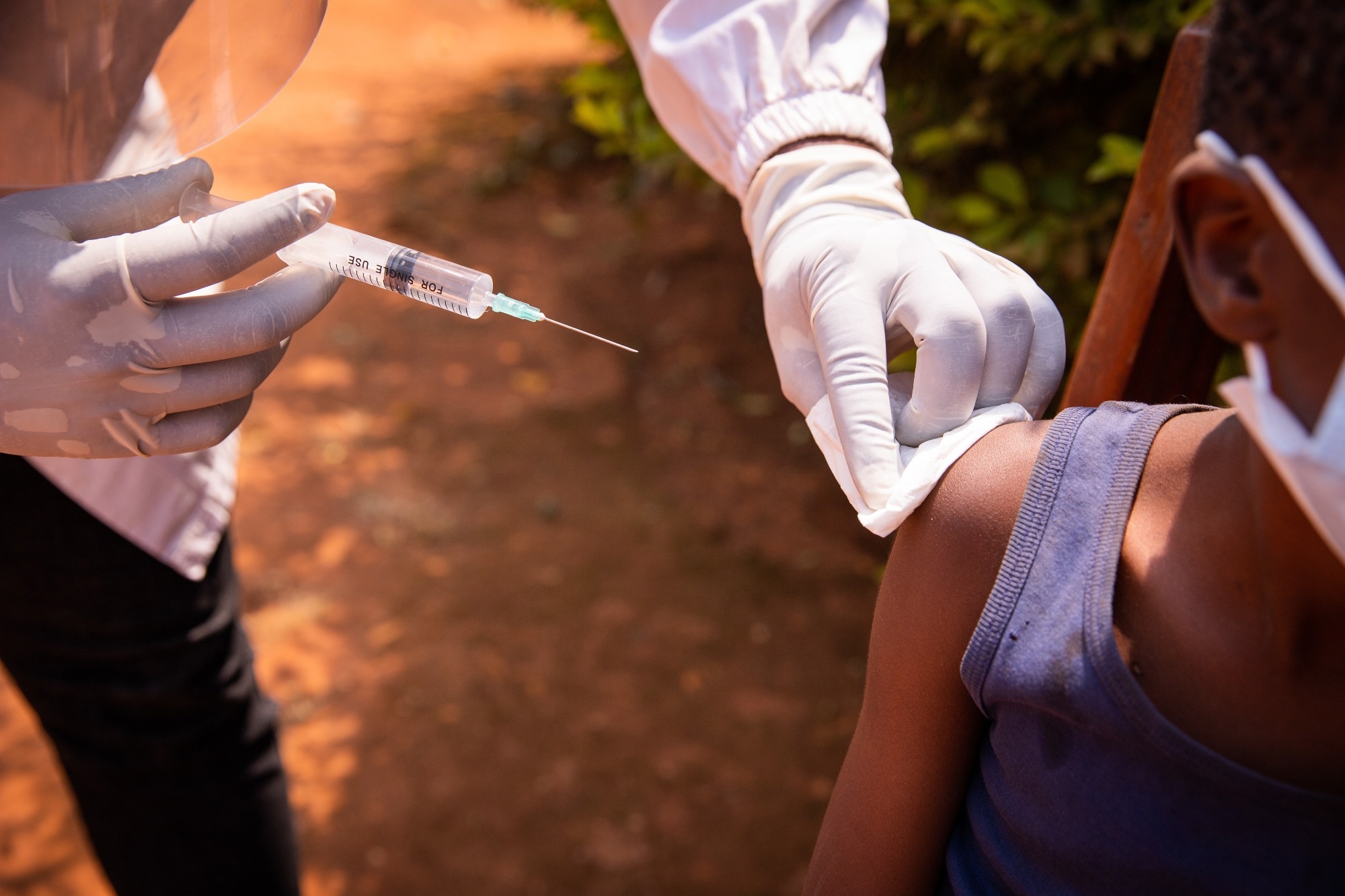
    A new study in the journal Nature reports on the success of Sierra Leone’s immunization program against COVID-19, which is based on a simple, cost-effective, and scalable intervention that enhances access to vaccines.

    Study: Last-mile delivery increases vaccine uptake in Sierra Leone. Image Credit: Media Lens King / Shutterstock.com

    COVID-19 vaccine inequity

    COVID-19 vaccines were first rolled out in December 2020. However, by March 2022, only 15% of the population in low-income countries (LIC) had received at least one dose compared to 80% in high-income countries (HICs).

    The hazards associated with low vaccine coverage include the possibility of new surges and subsequent lockdowns, unemployment, loss of income, food insecurity, and the emergence of dangerous new variants and subvariants.

    By March 2022, only one-third of Africa’s population received a single COVID-19 vaccine dose. In Sierra Leone, previous research showed that, on average, a person had to travel seven hours to access one dose of the vaccine and that the cost of access to the vaccine was equivalent to a week’s wages.

    The intervention

    In partnership with the Sierra Leone Ministry of Health and Sanitation (MoHS) and international non-governmental organization (NGO) Concern Worldwide, the authors of the current study designed and executed an intervention aimed at distributing vaccines to remote villages. The permission of the local community was first sought, followed by efforts to mobilize the community in the vaccination initiative.

    The current intervention was a randomized controlled trial (RCT) in rural Sierra Leone that included 150 villages. All of these were outside the five-kilometer radius of primary health units (PHUs) offering COVID-19 vaccines in the area. Of these, 100 villages were involved in the intervention, with 50 serving as controls.

    The villages were small, with about 200 individuals for each village, with a total of just over 20,000 individuals participating in the trial. The mean age of these individuals was 22 years, with approximately 75% of households headed by men. Farming was the primary occupation of the head of the household in 86% of cases.

    The first day of the intervention involved community mobilization with all village elders and political, youth, and religious leaders, with the help of MoHS volunteers. That night, a community meeting was held to educate the people about the vaccine, its safety, effectiveness, and importance, as well as answer questions.

    The next day was devoted to setting up the temporary vaccination site with vaccine delivery workers, MoHS staff for data collection, and vaccine doses. Vaccines were available for the next two to three days, from sunrise to sunset, and community mobilization continued. Individual, door-to-door, small group or randomly selected houses were some of the tested outreach strategies.

    The results

    Daily vaccination uptake increased from nine to 55 people in two to three days, with the vaccination rate rising by 26 percentage points. The initiative attracted large numbers of people from neighboring areas and transients. Overall, about 5,000 people were vaccinated.

    At baseline, the average vaccination rate was 6% and 9% in control and treatment villages, respectively. After the intervention, treatment villages reported a 30% vaccination rate, which rose to over 70% by December 2022, with nearly eight million doses delivered by March 2023.  

    About 65% of those who attended the meetings took the vaccine, compared to 40% among non-attendees. Conversely, about 53% of attendees who were initially unwilling to take the vaccine did so after attending the meetings, compared to only 14% of non-attendees.

    The cost for each administered vaccine dose was about $33. If repeated with the same vetted and trained volunteers, this cost would reduce to about $23 for each person, thereby facilitating large-scale or nationwide efforts.

    Compared to over 200 similar interventions offered during 144 RCTs, including financial and other incentives, social motivation, and community engagement, the intervention discussed in the current study produced a more significant effect size than 95% of the others at a lower cost.

    These results suggest that low vaccination rates are related to deficiencies in access and that a cost-effective intervention is capable of overcoming that deficiency.”

    What this means for the future

    The approach employed in the current study could have significant impacts on public health around the world by encouraging delivery programs to immunize remote communities if these individuals cannot reach vaccine delivery centers. In Bangladesh, similar efforts have increased the infant vaccination rate from 1% during the early 1980s to over 70% by the 1990s.

    Bundling interventions to improve maternal and child health could also reduce healthcare delivery costs, as transport to remote locations accounted for a significant portion of associated costs. Thus, providing access to remote locations in LICs is fundamental in promoting vaccination of the first 50% of the population.

    Prominent behavioral scientists have recently acknowledged our excessive focus on individual behavioural peculiarities (‘i-frame’) at the expense of systemic solutions (‘s-frame’).”

    The current study demonstrates the striking efficiency and cost-effectiveness of a community-based vaccine intervention that benefited the local community and neighboring and migrant populations. Future applications of the approach employed in this study have the potential to improve vaccine uptake rates and ensure near-universal coverage to ultimately increase vaccine equity.

    Journal reference:

    • Meriggi, N. F., Voors, M., Levine, M. et al. (2024). Last-mile delivery increases vaccine uptake in Sierra Leone. Nature. doi:10.1038/s41586-024-07158-w.

    [ad_2]

    Source link

  • Anxiety therapy prior to COVID-19 pandemic shields against increased stress

    Anxiety therapy prior to COVID-19 pandemic shields against increased stress

    [ad_1]

    The start of the COVID-19 pandemic led to unprecedented exposure to stressors driven by fears of a novel and deadly disease, intense uncertainty, and resulting isolation measures, which in turn resulted in increases in anxiety for many. According to new research however, individuals who were in therapy for anxiety prior to the start of the pandemic did not experience upticks in their symptoms throughout this exceptionally challenging time.

    The new research suggests that cognitive-behavioral therapy (CBT) and dialectical behavior therapy (DBT) provided tools to help individuals with anxiety to manage their symptoms in the face of these intense stressors, according to the study’s authors. The study, led by psychologists at McLean Hospital, a member of Mass General Brigham, and Touro University, published March 13th in PLOS One.

    Our research suggests that CBT and DBT can offer major benefits to protect individuals’ mental health amidst a major world catastrophe and period of upheaval. People who have been treated for anxiety know that fighting it is not helpful, and that there are tools to help accept the current realities of their situations,” he added. “In some ways, having a previous anxiety disorder before a crisis occurs can be a blessing.” 


    David H. Rosmarin, PhD, ABPP, lead study author, clinical psychologist at McLean Hospital, and associate professor of psychology at Harvard Medical School

    For the study, researchers compared the treatment trajectories of 764 individuals who participated in outpatient therapy and divided them into four groups based on when they initiated treatment: pre-pandemic (start date on or prior to 12/31/2019), pandemic-onset (from 01/01/2020 to 03/31/2020), during-pandemic (from 04/01/2020 through 12/31/2020), and post-pandemic once vaccines became available (on or after 01/01/2021).

    Anxiety was measured at intake and at each subsequent session using the GAD-7 questionnaire, which assesses for anxiety symptoms. Then, the researchers analyzed the trajectories of anxiety and compared the four groups. Therapy consisted of CBT and DBT.

    Their findings revealed that overall, patients presented with moderate anxiety when they began treatment, which rapidly decreased within 25 days of starting therapy, and gradually declined to mild anxiety over the remainder of their sessions. When comparing the four groups of patients, the researchers found no substantive differences between groups, suggesting that treatment effects were robust to environmental stressors related to the pandemic. Moreover, among patients who were in treatment at the start of the pandemic, the researchers did not detect an increase in anxiety during the initial acute phase of COVID-19 (March 20, 2020 through July 1, 2020).

    We were surprised. We thought that during the height of the pandemic and before vaccines were available, patients would show increased anxiety and that therapy would be less effective but that was not the case.”


    Steven Pirutinsky, PhD, study co-author, assistant professor at Graduate School of Social Work at Touro University

    Studies have shown that the COVID-19 pandemic adversely impacted mental health, with measurable increases in anxiety from the pandemic’s onset in early 2020 through the fist availability of vaccinations in early 2021. One report from the World Health Organization found global prevalence of anxiety and depression increased by 25 percent in the first year of the pandemic.

    “There is a widespread misperception that anxiety is a risk factor for people crumbling and not being able to function,” says Rosmarin. “However, when people receive evidence-based psychotherapy and learn skills to cope, they can become more resilient than those who have never had anxiety at all.”

    Limitations of the study include that the participant pool, while demographically and clinically diverse, consisted primarily of highly educated individuals geographically specific to the northeastern United States. The pandemic-onset group was also smaller than the others, which may be attributed to limited availability of in-person therapy around that time. The study also did not look at other mental health measures, including depression and substance use. More research is needed to gain insights into how these findings may be impacted in other regions of the country, and conditions aside from anxiety disorders.

    Source:

    Journal reference:

    Rosmarin, D. H., et al. (2024) Response to anxiety treatment before, during, and after the COVID-19 pandemic. PLOS ONE. doi.org/10.1371/journal.pone.0296949.

    [ad_2]

    Source link

  • New drug candidate designed at the atomic level could help halt emerging SARS-CoV-2 variants

    New drug candidate designed at the atomic level could help halt emerging SARS-CoV-2 variants

    [ad_1]

    Although COVID-19 has faded from the headlines, SARS-CoV-2 – the coronavirus behind the pandemic – is still rampantly infecting people around the world. Public health officials fear as the virus continues to evolve, it will eventually hit upon a diabolical mutation that renders current treatments ineffective, triggering a new wave of severe infection and social disruption.

    In pursuit of new therapies to avoid this dark fate, researchers at Stanford have now unveiled a compound that measures up as a potentially powerful anti-coronavirus drug, detailed in a paper published March 13 in Science Translational Medicine. Dubbed ML2006a4, the compound works in the same way as Paxlovid – the most effective oral drug available to date – by binding to coronavirus particles and preventing the virus from making copies of itself. Compared to Paxlovid, though, ML2006a4 binds more tightly and durably, courtesy of the Stanford team custom-crafting the compound atom-by-atom.

    In preclinical experiments, the compound prevented deadly infections in mice at a superior rate compared to Paxlovid. In addition, the new compound is potent enough that it could likely be formulated without an additional component present in Paxlovid that poses severe drug interaction concerns. Importantly, ML2006a4 also performed well against coronavirus variants that have already evolved degrees of resistance to Paxlovid, suggesting the compound’s honed affinity makes it less vulnerable to mutant virus strains.

    At this point entering the fifth year of the pandemic, Paxlovid is our only really good drug against SARS-CoV-2, but it’s proven fairly easy for the virus to evolve resistance to it. As new waves of coronavirus keep crashing down, we need to have alternative drugs that are more tolerant of mutations and not as easy for the virus to defeat.”


    Michael Lin, senior author of the study, associate professor of neurobiology and of bioengineering in the schools of Medicine and Engineering and a member of Stanford Bio-X

    For the study, Lin worked closely with lead author Michael Westberg, now an assistant professor at Aarhus University in Denmark. From 2018 until 2022, Westberg worked in Lin’s lab as a visiting scholar at Stanford Bio-X, funded by the Novo Nordisk Foundation, through a joint program designed to strengthen international collaborations and the exchange of scientific expertise between Stanford and Denmark.

    Atomic-level precision

    Before the pandemic outbreak in 2020, Lin’s lab had already been investigating the broad class of drugs known as viral protease inhibitors. These drugs target protease enzymes that viruses need for disassembling bulky viral proteins as part of their replication cycle. Like a key fitting into a lock, protease inhibitors occupy the spaces, or active sites, where proteases normally link up with those bulky proteins, thus nipping replication in the bud.

    Specifically, the Stanford researchers had gained familiarity with hepatitis C virus protease, which has similarities to coronavirus versions. Although Westberg had come to Stanford to work on other projects, the global emergency prompted a pivot. “When the pandemic hit, we asked if we could put our expertise to good use,” said Lin.

    Their early research, posted online in September 2020, demonstrated that a hepatitis C drug, boceprevir, slotted reasonably well into the coronavirus protease site. Other scientists built off those findings, including at the pharmaceutical company Pfizer, which ultimately created Paxlovid and received regulatory approval for its use in December 2021. “We knew then that we were on the right track,” said Lin, “and we were motivated to keep going and make an even more effective drug.”

    The Lin lab pooled its collective chemical knowledge to design improvements to their iterative boceprevir-based compounds. Much of the work involved modifying the compound on the atomic scale in intricately detailed computer models to fit more snugly in the coronavirus protease active site.

    “Basically, you put your drug in the active site and you look for gaps where it doesn’t tightly fit. Then you fill those gaps,” said Lin.

    The Stanford researchers approached this challenge in a rational way by adding different configurations of atoms of carbon, nitrogen, and oxygen to the compounds as permitted by the laws of biochemistry.

    “There’s a lot of creativity and intuition involved because everyone is working with the same three atoms, but there are essentially infinite ways to arrange them,” said Lin. “Making these modifications, it’s like playing atomic Tetris.”

    The resulting compounds were then tested against actual coronavirus particles at the Stanford In Vitro Biosafety Level 3 Service Center. After multiple rounds of honing, Lin’s team arrived at the compound designated ML2006a4.

    A promising drug candidate

    In studies with SARS-CoV-2-infected mice, ML2006a4 worked as well as Paxlovid in promoting survival, while offering better protection of the rodents’ lungs and lowering overall virus load in the body.

    The researchers attribute this success to ML2006a4’s extremely refined fit inside coronavirus protease, where the compound boasted a 20-fold higher binding affinity than Paxlovid. That better fit equates to stronger chemical bonds, meaning the drug can stay bound to the protease for a longer time. In this temporal regard, ML2006a4 indeed proved quite sticky: The inhibitor remained attached for approximately 330 minutes, or greater than five hours, whereas the corresponding Paxlovid inhibitor typically fell off its target in just about two minutes.

    From a medication perspective, such staying power translates to spaced-out, smaller doses that can still prevent disease from worsening while giving the immune system a chance to kill off the invaders. “The long-lived drug-enzyme complex helps ensure that the virus doesn’t escape and replicate before your next medication dose,” said Lin.

    In this way, ML2006a4 offers other advantages compared to Paxlovid. Technically, Paxlovid is two drugs packaged together: nirmatrelvir, the actual protease inhibitor, and ritonavir, a drug that prevents the liver from quickly breaking down nirmatrelvir, boosting nirmatrelvir’s performance. Yet the slowing of the liver’s metabolism by ritonavir means that other drugs can toxically build up, forcing patients to take the risk of temporarily stopping their normal medications.

    According to Lin, an oral pill based on ML2006a4 might not require ritonavir to prop up drug levels enough between typical 12-hour administrations to effectively keep coronavirus in check, but “this would need to be tested to make sure,” said Lin. “We also continue to make improved versions of ML2006a4 with better potency and duration of activity,” he added.

    For the promising compounds to move forward, Lin and colleagues are seeking additional investment. So far, their funding has mostly consisted of small grants geared toward early-stage drug discovery. The group now feels their compounds are ready for expanded preclinical testing with an eye toward clinical trials in human patients.

    “We’re very excited how far we’ve come and how successful our drug discovery has been on a shoestring budget,” said Lin. “We hope to see this promising compound developed further to stay ready for what SARS-CoV-2 throws at us next.”

    Source:

    Journal reference:

    Park, T., et al. (2024) Single-mode squeezed-light generation and tomography with an integrated optical parametric oscillator. Science Advances. doi.org/10.1126/sciadv.adl1814.

    [ad_2]

    Source link

  • Anti-inflammatory gene variant shields men under 75 from severe COVID-19

    Anti-inflammatory gene variant shields men under 75 from severe COVID-19

    [ad_1]

    A certain variant of a key anti-inflammatory gene protects men under age 75 from severe illness and death when hospitalized from COVID-19, a genetic analysis of their blood shows.

    According to the study authors, the protective gene in question, an interleukin-1 receptor antagonist (IL1RN) variant, appears to tamp down inflammation. Inflammation is the body’s normal reaction to infection, but when unchecked, inflammation can go too far and damage tissues as part of many diseases, including in severe cases of infection with the pandemic virus SARS-CoV-2.

    Published as a “major article” in The Journal of Infectious Diseases online March 13, the study showed that 124 men between the ages of 19 and 74 who possessed the IL1RN variant, called rs419598, were less likely to become severely ill after hospitalization for COVID-19 and 80 percent less likely to die from the disease.

    IL1RN is expressed naturally in the body. Different types of interleukin genes are known to dial inflammation up or down in the context of arthritis, and researchers say the results of the current study suggest that a similar dynamic influences the interleukin-1-related inflammation seen in patients with COVID-19.

    The findings, from researchers at NYU Grossman School of Medicine, stand out because historically more men than women are known to die from COVID-19, and the IL1RN rs419598 variant appears to selectively protect only men up to age 74, but not beyond that, as age-related chronic illnesses unfold.

    The research team used sequencing technologies for the study to determine the presence of specific genes or variations in the letter code that makes up genes in blood samples from 2,589 men and women hospitalized for COVID-19 at NYU Langone’s Tisch Hospital in Manhattan from March 2020 to March 2021.

    More than half of the men and women in the study were older than age 60 and had obesity, factors that are known to increase the risk of death from the viral infection. Overall, more men than women (240 men, at 60.5 percent, and 157 women, at 39.5 percent) died from their disease, with women 20 percent less likely to die than men.

    Our study results show that among hospitalized patients, while women are still overall less likely than men to die from COVID-19, those men age 74 and younger who possess the IL1RN gene variant rs419598 are much less likely to suffer the severe inflammation tied to SARS-CoV-2 infection and less likely to die from the disease.”


    Mukundan G. Attur, PhD., study co-lead investigator and molecular biologist

    Dr. Attur is an associate professor in the Department of Medicine at NYU Langone Health.

    Among the study’s other findings was that average blood levels of the anti-inflammatory protein IL-1Ra, coded by IL1RN, were 14 times higher in 181 hospitalized men than in healthy male study controls from the general population, and 10 times as high in 178 hospitalized women than in healthy females. However, researchers say the increased levels of IL-1Ra in women did not result in any statistically significant reductions in death.

    Our analysis offers substantial evidence of the biological link between the severe inflammation seen in SARS-CoV-2 and that which occurs in rheumatoid arthritis.”


    Steven Abramson, MD, study senior investigator, the Frederick H. King Professor of Internal Medicine at NYU Langone

    Dr. Abramson, a rheumatologist who also serves as chair of the Department of Medicine and chief academic officer at NYU Langone, says previous research has shown that such rheumatoid inflammation is lower in people who possessed one of the three IL1RN variants analyzed in the study.

    More importantly, Dr. Abramson says, the new research suggests that restraining the interleukin-1 biological pathway, which is in part tamped down by the anti-inflammatory protein IL-1Ra, could help prevent the severe inflammation seen in SARS-CoV-2 infection. Further research, he says, is warranted into whether IL1-inhibiting therapies, such as the IL1 receptor antagonists anakinra, canakinumab, and rilonacept, are effective against COVID-19 infection.

    Dr. Abramson already has plans to investigate if the IL-1 pathway plays a role in long COVID, when people experience new or lingering symptoms, such as fatigue and brain fog, months after recuperating from their initial infection.

    Dr. Abramson points out that the new study adds to the growing scientific evidence about the biological factors that contribute to the differences between the sexes seen in deaths from COVID-19, which are known to vary widely across the United States.

    Funding support for this study was provided by National Institutes of Health grants P30CA016087 and R21AR078466.

    Besides Dr. Abramson and Dr. Attur, other NYU Langone researchers involved in this study are co-lead investigators Christopher M. Petrilli, MD, and Samrachana Adhikari, PhD, and study co-investigators Eduardo Iturrate, MD; Xiyue Li, MS; Stephanie Tuminello, MPH; Nan Hu, MS; Aravinda Chakravarti, PhD; and David B. Beck, MD, PhD.

    Source:

    Journal reference:

    Attur, M., et al. (2024) Interleukin-1 Receptor Antagonist Gene (IL1RN) Variants Modulate the Cytokine Release Syndrome and Mortality of COVID-19. The Journal of Infectious Diseases. doi.org/10.1093/infdis/jiae031.

    [ad_2]

    Source link

  • Innovative plasma-activated hydrogel dressings revolutionize chronic wound care

    Innovative plasma-activated hydrogel dressings revolutionize chronic wound care

    [ad_1]

    An effective treatment for chronic wounds that does not involve antibiotics, but an ionized gas to activate a wound dressing, has been developed by a team of international scientists.

    The treatment involves the plasma activation of hydrogel dressings (that are commonly used in wound dressings) with a unique mix of different chemical oxidants that are effective in decontaminating and aid healing in chronic wounds.

    Researchers from the University of Sheffield and University of South Australia, who led the study, believe the new method is a significant advance in tackling antibiotic resistance pathogens and has the potential to change the treatment of diabetic foot ulcers and internal wounds. 

    Professor Rob Short, Professor of Chemistry at the University of Sheffield who co-authored the study, said: “More than 540 million people are living with diabetes worldwide, of which 30 per cent will develop a foot ulcer during their lifetime. This is a neglected global pandemic which is set to increase further in the coming years due to a rise in obesity and lack of exercise.

    “In England alone between 60,000 and 75,000 people are being treated for diabetic foot ulcers per week. Infection is one of the major risks. Increasingly, many infections do not respond to normal antibiotic treatment due to resistant bacteria which results in 7,000 amputations per year.

    “There is an urgent need for innovation in wound management and treatment and it is a real privilege to be part of the international team who have been working on this alternative treatment for over 10 years.” 

    The cost of managing chronic wounds such as diabetic foot ulcers already exceeds $17 billion US dollars annually.

    The benefits of cold plasma ionized gas have already been proven in clinical trials, showing it controls not only infection but also stimulates healing. This is due to the potent chemical cocktail of oxidants, namely reactive oxygen and nitrogen species (RONS) it produces when it mixes and activates the oxygen and nitrogen molecules in the ambient air.

    Dr Endre Szili, from the University of South Australia who led the study, published this week in the journal Advanced Functional Materials, said: “Antibiotics and silver dressings are commonly used to treat chronic wounds, but both have drawbacks.

    “Growing resistance to antibiotics is a global challenge and there are also major concerns over silver-induced toxicity. In Europe, silver dressings are being phased out for this reason.”

    The international team of scientists have shown that plasma-activating hydrogel dressings with RONS makes the gel far more powerful, killing common bacteria.

    Although diabetic foot ulcers were the focus of this study, the technology could be applied to all chronic wounds and internal infections.

    Despite recent encouraging results in the use of plasma-activated hydrogel therapy (PAHT), we faced the challenge of loading hydrogels with sufficient concentrations of RONS required for clinical use. We have overcome this hurdle by employing a new electrochemical method that enhances the hydrogel activation.” 

    Dr. Endre Szili, University of South Australia

    As well as killing common bacteria (E. coli and P. aeruginosa) that cause wounds to become infected, the researchers say that the plasma-activated hydrogels might also help trigger the body’s immune system, which can help fight infections.

    “Chronic wound infections are a silent pandemic threatening to become a global healthcare crisis,” added Dr Szili.

    “It is imperative that we find alternative treatments to antibiotics and silver dressings because when these treatments don’t work, amputations often occur.”

    “A major advantage of our PAHT technology is that it can be used for treating all wounds. It is an environmentally safe treatment that uses the natural components in air and water to make its active ingredients, which degrade to non-toxic and biocompatible components.”

    “The active ingredients could be delivered over a lengthy period, improving treatment, with a better chance of penetrating a tumor.

    “Plasma has massive potential in the medical world, and this is just the tip of the iceberg,” Dr Szili says.

    The next step will involve clinical trials to optimize the electrochemical technology for treatment in human patients.

    Source:

    Journal references:

    Sumyea Sabrin, et al. (2024). Electrochemically Enhanced Antimicrobial Action of Plasma‐Activated Poly(Vinyl Alcohol) Hydrogel Dressings. Advanced Functional Materials. doi.org/10.1002/adfm.202314345.


    [ad_2]

    Source link

  • COVID-19 pandemic reverses global life expectancy gains, reveals comprehensive study

    COVID-19 pandemic reverses global life expectancy gains, reveals comprehensive study

    [ad_1]

    In a recent study published in The Lancet, a group of researchers examined global demographic trends from 1950 to 2021, focusing on changes in mortality and life expectancy, including the significant impact of the coronavirus disease 2019 (COVID-19) pandemic across 204 countries and 811 subnational locations.

    Study: Global age-sex-specific mortality, life expectancy, and population estimates in 204 countries and territories and 811 subnational locations, 1950–2021, and the impact of the COVID-19 pandemic: a comprehensive demographic analysis for the Global Burden of Disease Study 2021. Image Credit: Lightspring / ShutterstockStudy: Global age-sex-specific mortality, life expectancy, and population estimates in 204 countries and territories and 811 subnational locations, 1950–2021, and the impact of the COVID-19 pandemic: a comprehensive demographic analysis for the Global Burden of Disease Study 2021. Image Credit: Lightspring / Shutterstock

    Background 

    The COVID-19 pandemic has underscored the importance of understanding demographic trends to inform public health policies and prepare for future challenges. Analyzing mortality, life expectancy, and population growth provides insight into health risks, aids resource allocation, and guides development planning. The Global Burden of Diseases, Injuries, and Risk Factors Study (GBD) 2021 enhances this understanding by incorporating pandemic data, offering a detailed view of global health from 1950 to 2021. Further research is needed to continuously update and refine our understanding of demographic trends and their impacts on global health, particularly in the aftermath of the COVID-19 pandemic and emerging health challenges. 

    About the study 

    The GBD 2021 iteration updated demographic estimates with the latest data and methods, refining the methodology from GBD 2019 and incorporating the impact of the COVID-19 pandemic. This comprehensive approach involved estimating fertility and mortality rates, adjusting for Human Immunodeficiency Virus (HIV) impacts and pandemic-related excess mortality, and accounting for demographic discontinuities like wars and natural disasters to refine population size estimates. Adhering to the Guidelines for Accurate and Transparent Health Estimates Reporting (GATHER), the study used Python, Stata, and R for statistical analysis and drew upon a vast array of data sources.

    A significant innovation was the estimation of excess mortality due to COVID-19, defined as the observed versus expected all-cause mortality during 2020 and 2021, capturing both direct and indirect pandemic impacts. The study employed a Bayesian hierarchical model for population estimates, adjusted for new data and pandemic effects, covering 204 countries and territories, including subnational analyses for 21 countries. Through uncertainty analysis involving thousands of data draws, GBD 2021 offers a detailed view of global demographic changes and the profound impact of the COVID-19 pandemic, highlighting the dynamic interplay between health, demographic trends, and major global events.

    Study results 

    The present study provides comprehensive insights into civil registration and vital statistics, highlighting global, regional, and national trends in demographic metrics, including key findings on the completeness of death registration systems. From 1975 to 2016, global death registration completeness improved significantly, peaking at 61.1% before experiencing a slight decline due to reporting lags. Notably, China and India saw significant advances, with peaks of 71.2% and 80.1% completeness, respectively. However, outside these countries, progress was more modest, especially in sub-Saharan Africa, where peak completeness barely reached 8.7%.

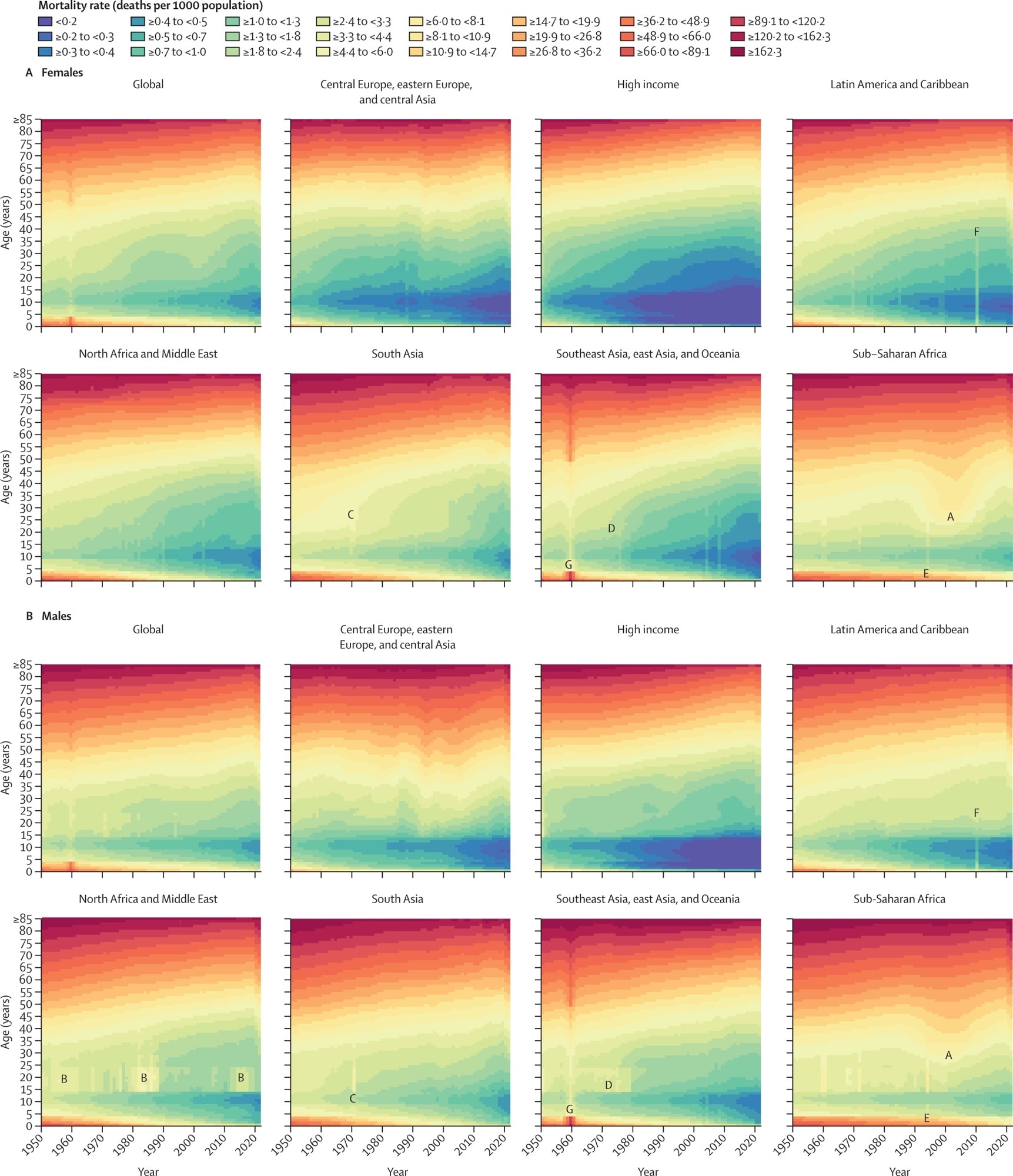
    Global and GBD super-region all-cause mortality rates across the lifespan in females (A) and males (B), 1950–2021. Mortality rates are expressed as the number of deaths per 1000 population. Fatal discontinuities are indicated by the following letters:

    Global and GBD super-region all-cause mortality rates across the lifespan in females (A) and males (B), 1950–2021. Mortality rates are expressed as the number of deaths per 1000 population. Fatal discontinuities are indicated by the following letters: A=HIV epidemic; B=conflicts in the Middle East; C=war and genocide in India, Pakistan, and Bangladesh in 1971; D=war and genocide in Cambodia in the 1970s; E=Rwandan genocide in 1994; F=earthquake in Haiti in 2010; G=famine between 1959 and 1961. GBD=Global Burden of Diseases, Injuries, and Risk Factors Study.

    The period from 1950 to 2019 witnessed a substantial decline in global age-standardized all-cause mortality rates, from 1980.5 to 736.1 per 100,000 population, reflecting a 62.8% reduction. Despite the overall improvement, the age group 15–39 years exhibited varying mortality trends due to several mortality shocks, including wars, the HIV epidemic, and natural disasters, with a distinct impact on male mortality rates. The COVID-19 pandemic reversed these declining mortality trends, especially among those aged 15 years and older, highlighting the pandemic’s significant impact on global health.

    Registration completeness varied significantly across regions, with marked improvements in Asia but slower progress in other areas. The study also detailed how the number of deaths due to all causes increased over time, reflecting population growth and aging. Remarkably, under-5 mortality continued to decline even during the pandemic, underscoring ongoing progress in child health.

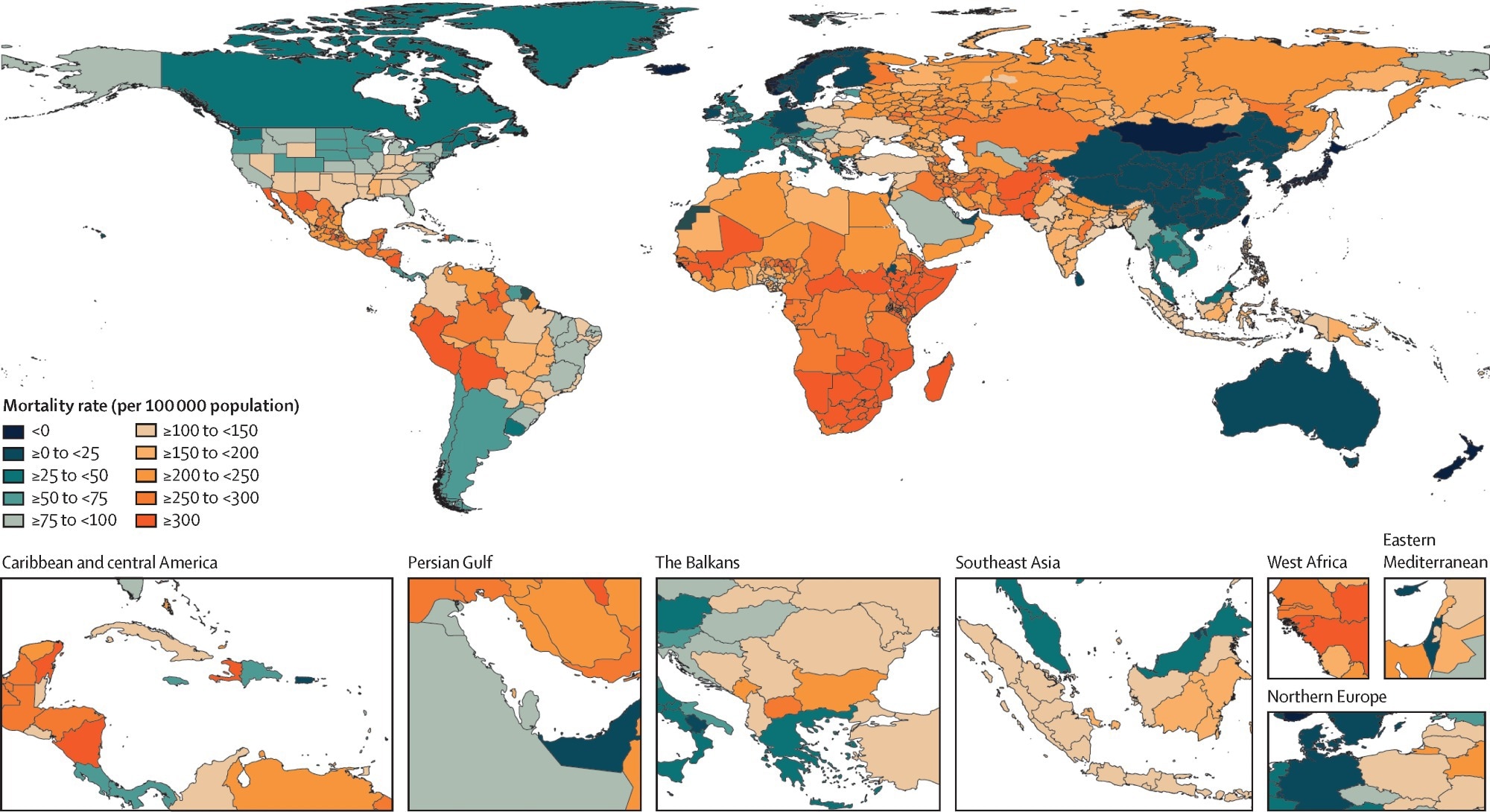
    Life expectancy trends revealed steady global increases from 1950 to 2019, with life expectancy at birth rising by 22.7 years. However, the pandemic led to a notable decrease in life expectancy across all regions, with varying impacts across different countries and territories. The study estimated 5.89 million and 9.97 million excess deaths globally for 2020 and 2021, respectively, due to the pandemic, with the highest excess mortality rates observed in Bulgaria and Lesotho.

    Analyzing life expectancy against the Socio-demographic Index (SDI) showed that higher SDI levels were generally associated with longer life expectancies. However, the COVID-19 pandemic’s impact on excess mortality rates highlighted that higher SDI levels did not consistently correlate with lower excess mortality rates, indicating the complex interplay of factors influencing pandemic outcomes across different regions.

    Global distribution of age-standardized excess mortality rates due to the COVID-19 pandemic, 2020 and 2021 combined. Mortality rates are expressed as the number of deaths per 100,000 population. Excess mortality rates are negative in countries and territories where fewer deaths occurred than predicted.

    Global distribution of age-standardized excess mortality rates due to the COVID-19 pandemic, 2020 and 2021 combined. Mortality rates are expressed as the number of deaths per 100,000 population. Excess mortality rates are negative in countries and territories where fewer deaths occurred than predicted.

    The global population continued to grow, reaching 7.89 billion in 2021, with most growth concentrated in sub-Saharan Africa, South Asia, and Southeast Asia. Notably, the age structure of populations globally shifted towards older ages, with significant increases in the proportion of the population aged 65 years and older in many countries. 

    Journal reference:

    • Austin E Schumacher, Hmwe Hmwe Kyu, Amirali Aali, et al.Global age-sex-specific mortality, life expectancy, and population estimates in 204 countries and territories and 811 subnational locations, 1950–2021, and the impact of the COVID-19 pandemic: a comprehensive demographic analysis for the Global Burden of Disease Study 2021, The Lancet (2024), DOI -10.1016/S0140-6736(24)00476-8, https://www.thelancet.com/journals/lancet/article/PIIS0140-6736(24)00476-8/fulltext

    [ad_2]

    Source link

  • New collaboration launched to support the development of vaccines against henipavirus

    New collaboration launched to support the development of vaccines against henipavirus

    [ad_1]

    A new collaboration between the UK Health Security Agency (UKHSA) and The Pirbright Institute has been launched to support the development of vaccines against henipavirus – a genus (or group) of viruses including Nipah virus. The research has been funded by the Medical Research Council.  

    Nipah virus can be transmitted to humans from animals and can cause a range of symptoms including severe respiratory illness and encephalitis (inflammation of the brain). The virus poses a current and future threat to global health because the infection has a high fatality rate and there are no licensed vaccines or treatments at present.  

    Nipah virus is also on the World Health Organisation’s priority pathogen list – a group of pathogens causing infectious diseases that have pandemic potential. Recent cases and outbreaks have predominantly been detected in Bangladesh and India. There have been no cases in the UK to date, but effective vaccines against this virus would provide protection to people in countries where the virus is endemic and potentially protect against imported cases.   

    Nipah virus belongs to a genus of viruses (henipavirus), and it is possible that a novel virus in this group could emerge, with potential to cause an outbreak. Therefore, rather than focusing on one specific virus as the target for vaccination, the aim is to develop a vaccine that provides cross protection against the whole genus (pan-henipavirus vaccine) addressing the threat of outbreaks from new or emerging henipaviruses and strengthening epidemic preparedness. 

    Scientists at UKHSA will use a model of Nipah virus disease, which mimics the infection in humans, to evaluate vaccines developed by The Pirbright Institute to determine their protective effects. 

    Professor Isabel Oliver, Chief Scientific Officer at UKHSA said: 

    This study will deepen our understanding of henipaviruses and make significant progress in our efforts to protect health from this current and future global health threat. The work will also make a vital contribution to the 100 Days Mission – an important initiative to make sure the world is better prepared for the next pandemic by accelerating the development of diagnostics, therapeutics and vaccines.”

    Dr Dalan Bailey, Viral Glycoproteins group leader and project lead for Pirbright said: 

    Understanding whether vaccines for Nipah or other henipaviruses can provide cross-protection against related viruses is a really important first step in the development of broadly acting vaccines. This is especially important as we try to build more robust pandemic preparedness plans in the wake of the Covid-19 pandemic, and we are delighted to be working with UKHSA on this project.”

    Successful outcomes from this research will strengthen pandemic preparedness, providing key insights into the effectiveness of pan-henipavirus vaccines and contributing to global efforts in tropical disease prevention. 

    UK Health Security Agency recently launched its world-leading Vaccine Development and Evaluation Centre (VDEC), which is building on its pandemic legacy and helping develop life-saving new vaccines for the UK and worldwide. The centre has a unique set of capabilities specialising in high consequence infectious diseases and working to the highest standards of safety, quality and security, making its research and outputs trusted worldwide.

    [ad_2]

    Source link

  • World Vaccine Congress draws leaders from government, science and industry

    World Vaccine Congress draws leaders from government, science and industry

    [ad_1]

    The world’s top experts and policymakers, including government leaders, renowned researchers, and company executives driving vaccine development, will gather to discuss the latest progress in vaccines — from efforts to inoculate bees to a discussion of pathogens that could cause the next pandemic — at the World Vaccine Congress April 1-4. 

    The lineup of speakers includes top officials from the U.S. Food and Drug Administration, the Centers for Disease Control and Prevention, the National Institutes of Health, countries around the world, the World Health Organization, pharmaceutical companies, and many others.  

    “We have assembled the world’s foremost experts and policymakers in the field of vaccination for the 2024 World Vaccine Congress,” said Dr. Gregory A. Poland, Director of Mayo Vaccine Research Group, Mayo Clinic, and a member of the Science Advisory Board. “This event represents an unparalleled opportunity for collaboration and innovation and promises to drive meaningful progress in global health. It is a unique and massive forum for discovery and access to leaders across the field.” 

    Highlights include a keynote panel with women pioneers in developing and implementing lifesaving vaccines and a panel of directors from the Food and Drug Administration, the Biomedical Advanced Research and Development Authority, the National Institute of Allergy and Infectious Disease Vaccine Research Center, and other U.S. and international agencies. 

    Centers for Disease Control and Prevention Director Mandy Cohen will also give a keynote address. Other keynote panels will cover the sustainability of manufacturing, gaps in adult immunization, and efforts to develop universal and next-generation vaccines. 

    The four-day event at the Walter E. Washington Convention Center in Washington features hundreds of sessions, including panel discussions, dozens of interactive roundtable discussions, networking events, plenary sessions, keynotes, posters, and workshops on every topic related to vaccines — from manufacturing to biodefense and vaccines to prevent cancer. 

    In-depth sessions also cover vaccine supply and logistics, veterinary vaccines, emerging diseases, and vaccine delivery. The full agenda is available here. 

    [ad_2]

    Source link

  • Infant feeding practices, health and quality of life outcomes during the 2022 infant formula shortage

    Infant feeding practices, health and quality of life outcomes during the 2022 infant formula shortage

    [ad_1]

    The occurrence of a large and widespread shortage of infant formula in the US during May 2022 focused attention on the need to ensure a stable infant feeding system. A recent study published in Nutrients examined infant formula use, difficulties, support resources, and potentially beneficial measures for the future in a sample of US parents.

    Study: Cross-Sectional Analysis of Infant Diet, Outcomes, Consumer Behavior and Parental Perspectives to Optimize Infant Feeding in Response to the 2022 U.S. Infant Formula Shortage. Image Credit: Ksenia Sandulyak/Shutterstock.com
    Study: Cross-Sectional Analysis of Infant Diet, Outcomes, Consumer Behavior and Parental Perspectives to Optimize Infant Feeding in Response to the 2022 U.S. Infant Formula Shortage. Image Credit: Ksenia Sandulyak/Shutterstock.com

    Background

    The crisis was triggered by a recall of infant feeding products from Abbott Nutrition, coupled with the closure of its large production facility in Michigan. This company supplies 40% of infant formula to the nation. Supply chain disruptions due to the coronavirus disease 2019 (COVID-19) pandemic and restrictive import tariffs worsened the situation.

    By the end of May 2022, several states were out of infant formula stock. The shortage affected poorer communities and infants on specialty formulas disproportionately. The government introduced Operation Fly to bring in imported formula in partnership with other nations.

    Unsafe feeding practices include using diluted formula, making formula at home, giving the infant cow’s milk before one year of age, and using human milk from non-vetted sources. Previous research showed that among parents in low-income groups, almost 50% adopted one or more of these practices vs <10% before this period.

    Non-vetted human milk was used by over a quarter during the shortage, vs 5% before it. Similarly, ~30% used diluted formula vs 2% before this period.

    The present study was performed retrospectively on a cross-section of the population of middle- to high-income communities. The aim was to identify potential improvements in regulatory policies and programs to ensure infant feeding systems can rebound easily in such crises.

    About the study group

    The participants all signed up for the Bobbie Infant Formula (US) listserv and took part in an online survey. All had babies who were six months or younger in May 2022 and used infant formula to varying extents before the shortage.

    There were almost 180 participants from 37 US states, with 93% of respondents being female. Most were Whites, at 77%, and nearly 90% were college-educated. Over half of them had annual household incomes of $150,000 or higher.

    Almost 90% of the infants were born at term, and the mean age at the time of the survey was ten weeks. About 70% of them were the first babies born to their mothers.

    About 6% were on the Special Supplemental Nutrition Program for Women, Infants, and Children (WIC) at some time within the year immediately preceding their participation in the survey.

    How did infant feeding practices change?

    Breastfeeding initiation rates were high, with 96% of mothers reporting they had nursed or fed expressed breast milk (EBM) to their infants. One in five parents said their infants required a specialty formula during May 2022 for reasons like metabolic disease, allergies, colic, and the like.

    Surprisingly, while 80% of babies were initially on their mothers’ own milk (MOM), this went down to 76% during May 2022. Conversely, ~84% of babies were on infant formula before, but 93% during, the shortage.

    Unsafe infant practices remained at 2% before and throughout the period of shortage, though other dairy foods were slightly increased because a seventh of infants were started on solid foods earlier than intended.  

    American formula brand use declined by 2% during the shortage, while imported formula use went up from 2% to 7%. Cow’s milk formula usage more than doubled during the shortage, from 18% to 39%, but premature formula went down, from 33% to 9%.

    How did parents cope?

    During the period of formula scarcity, 10% of parents resorted to social media to obtain the formula, vs 3% before it. Free samples from medical professionals went down by half from 40% before the shortage. However, family and friends within the USA became more instrumental in supplying formula, at 25% during vs 11% during the shortage.

    Over 80% of parents switched formula brands at this time, almost 90% being because they could not find their usual formula. Over a third switched brands or types 3-5 times in this period. A fifth of the parents stockpiled four weeks or more of infant feed at home in May 2022.

    Almost 30% of parents said they had visited four or more stores within 24 hours to get formula. Again, over a fourth said they drove over 20 miles for the same reason, and a seventh said they used Operation Fly.

    While 80% of parents perceive ready-to-use infant formula as safe for infants, 90% support powdered formula. Only 65% supported concentrated liquid formula.

    Over a fifth reported inadequate infant feeding during May 2022. While 80% worried about feeding their infants if they stopped breastfeeding, 90% were concerned about whether their babies would accept another formula.

    How did parents obtain support?

    About half of parents obtained support or guidance for infant feeding during this time from social media and their healthcare providers. Relatives and friends offered help in over 40% of cases. These were rated as most helpful, at seven or over, on a scale of 10.

    Lactation specialists helped out in 30%. Other sources, including websites by health authorities, media, breastfeeding support groups, and blogs or sites maintained by infant formula companies, contributed to 20% or less of cases. These were rated at 6.5 or less.

    Most medical sources recommended switching formulas, while 25% of parents received free samples. A seventh said they were told about breastfeeding practices.

    How did the babies thrive?

    The most affected group were infants on specialty formulas, with problems like vomiting while switching formulas.

    What future measures might help?

    Parents wanted more formula brands and unrestricted choices to be available through the WIC. They also wanted full insurance and Medicare support for formula brands.

    Parents also said they needed good online information about specialty formula brands, as well as locality-based brand availability data. Breastfeeding support before and after childbirth was also expected to be very helpful.

    What are the implications?

    The findings do not fully corroborate those of earlier studies, perhaps because this was a higher-income group. The paradoxically increased use of formula during a period of shortage might be due to the help of family and friends.

    Other reasons include online purchases via social media and Operation Fly. The stockpiling of formula at home, against the recommendation that no more than two weeks of formula should be bought at a time, could also have contributed.

    Failure to exclusively breastfeed among almost 90% of women who intended to do so underlines the need for lactation support. Factors involved include “lack of federal paid family and medical leave policies, insufficient flexibility and privacy for mothers to breastfeed or pump while at work to barriers in affording or accessing prenatal lactation education and postpartum lactation support which are not part of standard care.”

    The results of this study may justify changes in policy-spanning legislation, healthcare, and workplace systems to ensure better infant feeding. Monopolistic systems and protective tariffs unequally affect people experiencing poverty and those infants who need more nutrition. Donor milk banks must be promoted by proper inclusion in public health policies and regulations, allowing fair and reliable access to this source of infant nutrition.

    The future of individual, community and societal health relies on optimal early life nutrition that is resilient and equitable for all.”

    [ad_2]

    Source link