The number of cancer deaths worldwide is expected to nearly double by 2050, largely due to increases in low and middle-income countries.
Researchers at the University of Queensland in Australia made the discovery by looking at cancer cases and death rates from 185 countries, including 36 types of cancer, from the Global Cancer Observatory database. They then projected future cancer cases and deaths by applying these rates to the 2050 population predictions from the United Nations (UN) Development Programme.
They found that the total number of cancer cases worldwide is expected to grow by nearly 77 per cent between 2022 and 2050, which would mean an additional 15.3 million cancer cases on top of the 20 million that occurred in 2022. Global cancer deaths are also projected to rise by almost 90 per cent during this period, resulting in 8.8 million more deaths in 2050 compared with 2022, in which 9.7 million people died from the disease.
The largest increases are expected in countries with low-to-middle scores on the UN’s Human Development Index, which scores development based on average life expectancy, education level and income per person. Cancer cases and deaths are, on average, anticipated to nearly triple by 2050 in countries with a low score, such as Niger and Afghanistan. Meanwhile, countries with a very high score – such as Norway – are projected to see cancer cases and deaths increase, on average, by more than 42 per cent and 56 per cent, respectively.
This reinforces other evidence that shows cancer cases are trending upwards, says Andrew Chan at Massachusetts General Hospital in Boston, who was not involved with the study. Multiple factors are probably driving this trend, including that people across the world are living for longer, which raises the risk of cancer, he says. However, the work did not account for the advent of new or more effective cancer treatments.
Less developed countries are most likely seeing the greatest increases due to the “so-called Westernisation of populations”, says Chan. “Some of the habits that we traditionally associate with higher risk of cancer, such as rising rates of obesity and poor diet, are becoming a trend in low and middle-income countries.”
Every time H5N1 infects a mammal, it has a chance to develop mutations that make it more transmissible
Alamy Stock Photo
It’s been detected in birds on every continent except Australia, seals in South America, foxes in Canada, as well as poultry, dairy cows and dozens of farm workers who have had contact with them in the US – and now the highly infectious H5N1 bird flu virus has jumped to a pig in the US for the first time.
This development is, without a doubt, troubling. It affords the virus one of its best opportunities to date to evolve…
Kennedy’s past makes him an unlikely candidate for agriculture secretary, according to Daniel Glickman, who served in the role during Bill Clinton’s presidency. “It’s hard for me to imagine, given Trump’s traditional base in the heartlands, that he would pick somebody who was an advocate for breaking up large farms and breaking consolidated agriculture,” says Glickman.
Like top posts at HHS, the USDA secretary position would need to be confirmed by a Senate vote. “I don’t think [Kennedy] is a slam dunk,” says Glickman.
Trump’s pick for USDA chief during his first term was Sonny Perdue, a former governor of Georgia and founder of an agricultural trading company. Most agriculture secretaries either have a background in the industry or politics—two crucial constituencies for the person who will be in charge of a department that employs nearly 100,000 and is made up of 29 agencies, including forestry, conservation, and nutrition programs. “The difference between Sonny Perdue and Robert F. Kennedy, Jr. is like night and day,” says Glickman.
If Kennedy were to be confirmed as agriculture secretary, he might struggle to enact the most radical parts of his program. He is an outspoken critic of pesticides, but the USDA is generally not in charge of regulating those, says Dan Blaustein-Rejto, director of agriculture policy and research at the Breakthrough Institute. Rather, the EPA regulates pesticides with public health uses.
Although he may not be able to directly influence pesticide regulations, Kennedy has said he would try to “weaponize” other agencies against “chemical agriculture” by commissioning scientific research into the effects of pesticides. The USDA Agricultural Research Service has a nearly $2 billion discretionary budget for research into crops, livestocks, nutrition, food safety, and natural resources conservation.
There are other levers that an agriculture secretary could pull, says Blaustein-Rejto. The USDA is investing $3 billion through the partnership for climate-smart commodities—a scheme that’s supposed to make US agriculture more climate-friendly. A USDA chief might be able to put their thumb on their scale by influencing the selection criteria for these kinds of programs. The USDA also oversees the Commodity Credit Corporation (CCC), which has a $5 billion fund that it uses to support farm incomes and conservation programs, and to assist farmers hit by natural disasters. It’s possible that a USDA chief could influence how these CCC funds are distributed by the agency.
Kennedy has also argued that corporate interests have captured the US’s dietary guidelines, and he pledged to remove conflicts of interest from USDA groups that come up with dietary guidelines. US dietary guidelines are developed jointly by the USDA and HHS and are updated every five years, giving the agriculture secretary limited opportunities to influence any recommendations.
“If RFK is in a high-level policy role, I expect to see a lot more talk about ultra-processed foods, but I’m not sure what that would actually entail when it comes to the dietary guidelines,” says Blaustein-Rejto.
The experts WIRED spoke with largely think Kennedy’s more extreme positions will likely be constrained by bureaucracy. But the message that elevating a vocal vaccine skeptic and conspiracy theorist would send remains a serious concern ahead of a potential second Trump administration.
A train cuts through winter smog in Amritsar, India.Credit: Narinder Nanu/AFP/Getty
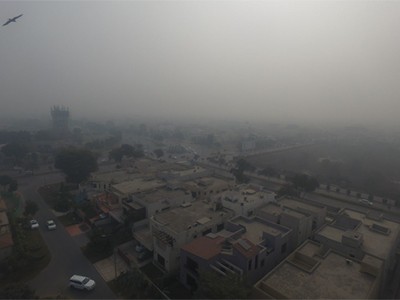
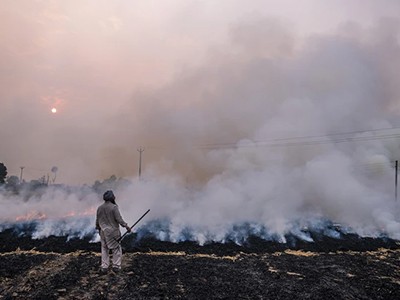
A toxic haze has descended over a land area shared by some 500 million people in the northern parts of India and Pakistan. Its sources include the industrial emissions, domestic fires and diesel and petrol exhausts that form the largest components of air pollution in many parts of the world. But during winter in South Asia, crop residue burning is estimated to be the biggest source. It is an annual event that massively worsens the region’s atmospheric concentrations of fine particulate matter — that measuring 2.5 micrometres or less in diameter. These concentrations already exceed the safe limit advised by the World Health Organization. Air pollution is a leading cause of child death and is devastating for the communities that have to endure it. It also contains climate-altering compounds.
Read the paper: Bureaucrat incentives reduce crop burning and child mortality in South Asia
In Nature this week, researchers show how the field of computational social science, along with publicly available data, could help authorities in India and Pakistan begin to address a problem that affects both nations (G. Dipoppa & S. Gulzar Nature634, 1125–1131; 2024). The work also highlights what could be achieved if scientific links between the two countries were not frozen as a result of worsening relations between their governments. An overdue thaw could save lives and improve health in both nations.
The annual winter burning of crop waste in South Asia has its roots in earlier science. High-yielding crop varieties born of 1960s-era green-revolution technologies, combined with mechanization, have enabled farmers in the nations’ agricultural heartlands to grow wheat and rice on the same fields in the same year. Once a rice crop has been harvested, farmers burn millions of tonnes of leftover materials, clearing the land for the wheat-planting season. The resulting haze cuts visibility to a few metres, shuts schools, impedes road transport and causes flights to be cancelled.
Researchers are actively studying both the extent of the pollution and prevention strategies. Gemma Dipoppa at Brown University in Providence, Rhode Island, and Saad Gulzar at Princeton University in New Jersey have examined the authorities’ responses to the fires in India and Pakistan over a ten-year period, from 2012 to 2022. The authors compared fire, air pollution and wind-speed data with police and court records of action taken against farmers. They also studied the effects of the pollution on health. Burning crop waste is against the law in both countries and violations can lead to farmers being fined or even imprisoned. But many are willing to take that risk. And the sheer number of farmers lighting fires at the same time makes it unfeasible for the authorities to deal with them all.
Local government actions can curb air pollution in India and Pakistan
The authors found that officials in both countries are more likely to take action against farmers if winds are blowing pollution across home turf, and that crop residue burning decreases as a result. They also found that this effect is larger in areas close to the border between the two countries — in other words, farmers in both nations are more likely to be penalized for crop residue burning if the wind is blowing towards their own side. This raises questions that would benefit from further enquiry. For example, to what extent might India’s and Pakistan’s authorities be cancelling out each other’s pollution-control efforts close to the border? And on days when one country is putting resources into dealing with high levels of pollution within its own borders, is it also receiving more pollution from its neighbour?
Further research — both analyses of remote data and field-based studies — will help researchers to understand the perspectives of farmers and the factors underlying the actions of government officials.
Efforts to answer these and other questions would benefit from greater collaboration. However, at present, there are minimal links between researchers in India and Pakistan. Non-governmental links (sometimes called track-two diplomacy), including scientific connections, are the weakest they have been in around a decade. Scientists used to be able to meet through the eight-country South Asian Association for Regional Cooperation (SAARC), based in Kathmandu, but SAARC has not been functioning, mainly because of the continuing tensions between India and Pakistan. The agricultural scientists’ committee has not met in five years. There’s a strong case for such links to be revived.
So much could be gained if researchers in the two nations could communicate better, work together and study each other’s situation. Dipoppa and Gulzar’s work illustrates what can be achieved with open data, and why science should not be done solely within national borders. When it comes to addressing problems with a regional or global dimension — and when people’s lives and health are at stake — policymakers must prioritize collaboration.
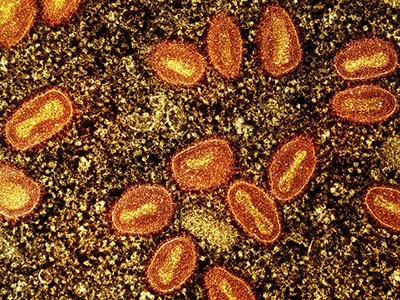
The monkeypox virus (particles shown in this coloured electron micrograph) is evolving.Credit: CDC/Science Photo Library
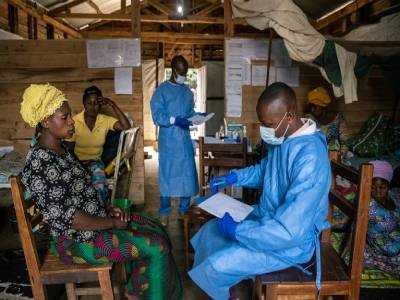
Yet another strain of the virus that causes mpox might be readily spreading from person to person, according to an analysis of the pathogen’s genome. This development could further complicate efforts to halt the spread of the disease in Central Africa, which has seen a surge in infections over the past year. And it has left researchers scratching their heads over what is currently driving this surge.
Mpox is spreading rapidly. Here are the questions researchers are racing to answer
The findings hint that the strain, called clade Ia, is spreading in a sustained fashion between people — possibly through sexual contact — in an outbreak in Kinshasa, the capital of the Democratic Republic of the Congo (DRC). Previously, the viral variant was known to transmit predominantly from animals to humans in Central Africa.
“We know that viruses evolve — we have seen it with Ebola, we have seen it with COVID and we expected to see it with mpox as well,” says Placide Mbala, head of epidemiology and global health at the National Institute of Biomedical Research in Kinshasa, who co-led the analysis. “We don’t know how far these adaptations can go, and we are gathering data to understand how this evolution is occurring.”
The preliminary results, which have not yet been peer-reviewed, were posted on 22 October to the genomic-epidemiology discussion forum Virological.
Mpox diversifies
There are four known variants of the monkeypox virus: clades Ia, Ib, IIa and IIb (see ‘Quick guide to the strains of monkeypox virus’). Historically, clade I viruses have appeared mostly in Central Africa, and clade II viruses have cropped up in West Africa.
This all changed in the mid-2010s, when a clade II strain sparked an outbreak in Nigeria. At the time, some researchers suggested that the variant might be capable of transmission through sexual contact. Their insights proved prescient: a similar clade II strain, called IIb, sparked a global outbreak of mpox in 2022 that has infected more than 90,000 people and continues today.
Quick guide to the strains of monkeypox virus
Clade Ia: a strain that has been spreading in Central Africa since the virus was first discovered to infect humans in 1970. Most infections have been in children, and it was known to mainly transmit from animal to human — until recently.
Clade Ib: the strain that has caused a surge of cases in Central Africa since its discovery in late 2023. Known to spread from person to person, including through sexual contact.
Clade IIa: the least-studied mpox strain. It has mainly spread in Guinea, Liberia and Côte d’Ivoire. Modes of transmission are not fully understood; there is no documented evidence of sexual transmission, but it is likely that all forms of close contact contribute to its spread.
Clade IIb: the strain responsible for the still-simmering 2022 global outbreak. Known to spread from person to person, including through sexual contact. Most affected population has been men who have sex with men.
Meanwhile, clade I viruses have caused sporadic infections in people for more than 50 years — largely in rural regions of Central Africa. But in late 2023, researchers identified a rapidly growing outbreak in more densely populated, urban areas in eastern regions of the DRC that disproportionately affected sex workers, suggesting that this strain of the virus could, like IIb, spread readily between people.
Genomic sequencing confirmed that the variant causing this outbreak contained several key differences from other clade I viruses, leading researchers to name it Ib. This strain has been detected in the United Kingdom, Sweden, Thailand, India, Germany and six African countries that had never reported mpox infections before. The DRC has been hit particularly hard: the country has reported nearly 36,000 suspected infections and more than 1,000 deaths from mpox in 2024.
But now — about one year after researchers detected an outbreak of clade Ib in eastern DRC — clade Ia is worrying health officials, too. The strain has also been on the rise in western regions of the DRC and in Kinshasa. In particular, having both Ia and Ib circulating in the capital city threatens the 17 million people living there and raises the possibility of clade I spreading internationally, given that Kinshasa is a travel hub.
Signs of evolution
Health officials have been using genomic-sequencing tools to track the outbreak. As part of the effort, Mbala and his colleagues sequenced virus samples from infections in Kinshasa. In samples of both the clade Ia and Ib virus, they found a specific pattern of single-letter genetic mutations indicative of the ongoing battle between the human immune system and the virus — a pattern that would be unlikely to appear unless there was sustained human-to-human spread.
Mpox vaccine roll-out begins in Africa: what will success look like?
However, the pattern did not show up in a report posted to a preprint server in August1. In that study, a team sequenced clade Ia virus samples collected between 2018 and 2024. That the researchers didn’t spot the pattern suggests that it might be a recent development. “We didn’t pick up on strong signs of evolution” in the more rural and endemic regions of the DRC, says Jason Kindrachuk, a virologist at the University of Manitoba in Winnipeg, Canada, who collaborates with Mbala and co-authored the August preprint as well as the Virological one. “But in Kinshasa, it seems that there is something unique going on.”
Clade Ia might also have the ability to spread through sexual contact: researchers reported the first probable case of sexually transmitted clade I mpox last year2, and another such publication is forthcoming, Kindrachuk says.
Given that clade I has been circulating between animals and people in the DRC since 1970, Kindrachuk adds that it will be important to investigate why clade Ib suddenly emerged in 2023, and why Ia has caused a surge in the number of detected infections in the past two years. “Is it because we’re better at surveillance, or because we’re more conscious of mpox at the community level? Is it because people have been moving around more after the [COVID-19] pandemic, or because there’s been a greater reliance on contact with wildlife?” he asks.
For now, plans to roll out the continent’s first doses of mpox vaccines are unlikely to change in light of these findings, says Nicaise Ndembi, a virologist at the Africa Centres for Disease Control and Prevention in Addis Ababa. Health officials have already been allocating doses to regions that have a higher number of infections, regardless of the specific strain found in the area, he says.
At his rally on Sunday at New York City’s Madison Square Garden, former president and Republican presidential nominee Donald Trump said that if elected he would allow wellness conspiracist and anti-vaccine activist Robert F. Kennedy Jr. to “go wild on health.” Kennedy, a former Democrat and scion of the famous political family, initially ran as an independent third-party and potential spoiler candidate, and has spent the better part of two decades spreading conspiracy theories that would likely inform the policies of a Trump administration.
In August, Kennedy suspended his presidential campaign and threw his weight behind Trump. (Both the Trump and Kennedy campaigns received support from billionaire donor Timothy Mellon.) There were early indications that he might have a place in a possible Trump administration, particularly in some areas focused on health. Kennedy himself even created a spinoff of Trump’s MAGA slogan with his own Make America Healthy Again, or MAHA. But Trump’s speech seems to indicate that Kennedy would indeed have a place in the cabinet, perhaps running Health and Human Services (HHS).
Kennedy has since hit the campaign trail stumping for Trump alongside another former Democrat and conspiracy theorist, Tulsi Gabbard.
Kennedy has spent years spreading health mis- and disinformation, particularly about vaccines. In 2014, Kennedy joined Children’s Health Defense (CHD) as a member of its board. CHD pushes debunked conspiracy theories linking conditions like autism with vaccines and other environmental factors. In 2021, Meta banned Kennedy’s Instagram account for spreading disinformation about the Covid-19 vaccine, and he was named by the Center for Countering Digital Hate (CCDH) as one of 12 people responsible for 65 percent of vaccine disinformation across Instagram, Facebook, and Twitter. Thanks to the Covid-19 pandemic, Kennedy’s own profile, as well as that of CHD, began to rise. CHD raised more money in 2021 than it ever had before.
Meta reinstated Kennedy’s Instagram account last year when he announced his run for the presidency, and it remains up, despite the fact that he is no longer running for office. CHD remains banned from Meta’s platforms. More recently, Kennedy has echoed unfounded conspiracies that could undermine faith in the integrity of the 2024 elections.
During his presidential campaign, Kennedy tried to distance himself from the anti-vax movement. Still, he continued to spread disinformation, like falsely saying that the Biden administration had violated the Nuremburg Code by mandating vaccines. And his vision for making America healthy again is drastic. Last Friday, he posted on X to warn the Food and Drug Administration (FDA) that its “aggressive suppression of psychedelics, peptides, stem cells, raw milk, hyperbaric therapies, chelating compounds, ivermectin, [and] hydroxychloroquine” was about to end.
The Department of Health and Human Services oversees 13 agencies, including the FDA and the National Institutes of Health (NIH). In an interview with NBC News while he was still running for president, Kennedy said he would gut those agencies, which he has said are now captured by corporations. He would also impose more testing on already existing vaccines, which health experts told NBC would result in many children being unable to get vaccinated. (Trump, for his part, has claimed he would withhold funding from schools that require vaccination.) Kennedy’s plan would also include dismissing scientists at the NIH who study infectious diseases, focusing instead on the environmental factors and vaccines that he believes cause illnesses.
During his campaign, he held a health policy roundtable with doctors that pushed fake Covid-19 treatments.
Trump campaign spokesperson Steven Cheung told WIRED that “President Trump announced a Trump-Vance transition leadership group to initiate the process of preparing for what comes after the election. But formal discussions of who will serve in a second Trump Administration is [sic] premature.”
Many of the patients who come to Eugene Yang’s cardiology clinic trace their origins back to India, China, Korea, and multiple parts of Southeast Asia. His clinic is in Seattle, a hub for the tech industry and home to thousands of immigrant workers. Yang had seen firsthand how people from each of these groups were at risk of heart disease and how their typical lifestyles differ.
Yet despite differences in their cultures and backgrounds, these patients have been lumped together with people from other communities in a single category: Asian American, Native Hawaiian and Pacific Islander, or AANHPI. So Yang and his colleagues created a study looking at how social stress factors affect heart health in the Asian American communities he treats. The researchers analyzed stressors such as food insecurity, delays in medical care and living in a neighborhood that didn’t feel close-knit or safe. Then they correlated these issues with risk factors for heart disease among Chinese, Filipino and Asian Indian adults. Other Asian communities were grouped together into a single category.
The recently completed study showed that the same stressors manifest differently in people of different ethnicities. Across the board, those who experienced more social stress had poorer sleep, struggled to exercise and used more nicotine—all factors associated with higher rates of heart disease. But differences emerged between groups. In Chinese Americans high stress was associated with an increased risk of diabetes, whereas in Filipino adults it was linked to high blood pressure. Asian Indians were most likely to experience poor sleep and physical inactivity when bearing the brunt of social stress. “There are significant differences in how social determinants of health impact the different Asian subgroups,” Yang says. Recognizing this variation is a first step toward helping physicians tailor interventions more appropriately.
Innovations In Solutions For Health Equity
For decades such nuance had been all but invisible to scientists, clinicians and policymakers. The single AANHPI category, which was defined in the 1997 U.S. Census, is still used widely by hospitals, as well as by state and national health databases. Researchers and policymakers use these data to assess disease rates and people’s health needs and to decide how to allocate resources.
But the AANHPI category masks rich diversity. People in this group have ancestral links to more than 50 countries. They collectively speak more than 100 different languages, have widely variable ways of life that differentially affect their health risks and represent a diversity of genetic backgrounds. They’re also the fastest-growing racial and ethnic minority in the U.S. By pooling their data, researchers end up with a potpourri that obscures population-specific health needs or health risks. “When you lump everybody together, you don’t see that maybe there are important differences,” Yang says.
Now efforts led by advocates, researchers and community organizers—most of them from AANHPI communities—are paving the way to data equity and better health.
Spurred in part by the realization that aggregated data masked stark health disparities during the COVID pandemic, researchers began studying disease risk in specific AANHPI cohorts such as Pacific Islander, South Asian and Vietnamese populations. They’re finding that teasing apart data in community-specific ways lets them use race and ethnicity information without conflating it with biology. Policymakers are catching up, too, using data specific to individual communities to better understand how to allocate resources and communicate more effectively.
These efforts are improving AANHPI health outcomes, says epidemiologist Stella Yi of New York University Langone Health. In recent years disaggregating AANHPI data has helped health-care professionals improve hepatitis B vaccination rates, reduce the devastation that has been caused by COVID and wildfires among Hawaiian communities, and identify better diet strategies to help South Asian communities reduce their risk of heart disease. “It’s been really exciting to watch,” Yi says.
Tellie (Chantelle) Matagi was a 20-inch, eight-pound, six-ounce bundle of newborn joy in a Utah hospital nursery when her identity vanished into the health system. On hospital forms Matagi, who is of Samoan ancestry, had been labeled Asian, a category that blurred racial lines so completely it rendered them meaningless. Matagi, a community health leader who managed the Pacific Islander Task Force within the Hawaii State Department of Health during the early days of the COVID pandemic, says the record bothered her parents. It also troubled Asian staff at the hospital, who recognized the incongruity of so many people being lumped together. Matagi ended up quitting her job in 2022 to address her own health. She had diabetes and high blood pressure, and her doctors suggested she just lose weight. But because she was familiar with the science and knew aggregated data were masking her Samoan ancestry, she realized they couldn’t understand her true health risks. “I knew I wasn’t being seen,” she says.
Grouping too much data blurs the reality of people’s lives. For example, in the aggregate, the risk of cancer death among Asian Americans is about 40 percent lower than that for white people. But disaggregating data reveals important patterns. Within the AANHPI group, lung cancer is the leading cancer diagnosis among Vietnamese, Laotian and Chamorro (those with ancestry in the Mariana Islands) men, and colorectal cancer is highest among Laotian, Hmong and Cambodian men.
When data are pooled, these nuances vanish. “One group looks better than they really are, the other group looks worse than they really are, and you can’t rely on those estimates anymore,” says Joseph Kaholokula, a physician at the University of Hawai̒i at Mānoa. “It’s nonsense. It’s not good science, yet people have been doing this for decades.”
That’s because for decades federal and state health databases have offered researchers only a high-altitude view. Early attempts to break population data down with greater granularity failed because there simply weren’t enough people in each group. The effort sparked concerns that, although the people included in these health-related data samples should remain anonymous, there were so few they could be easily identified. And funding to look at AANHPI health has been limited—a 2019 study reported that over the previous 25 years, only 0.17 percent of all National Institutes of Health funding for clinical research supported projects focused on AANHPI communities.
This is in part the result of broader stereotyping of Asian Americans as a “model minority,” a category in which everyone is assumed to be well educated, financially secure and generally healthy. The model-minority trope illustrates how race-based assumptions can bias scientific research, says Tina Kauh, a program manager at the Robert Wood Johnson Foundation. “It’s important for people to recognize that systemic racism is really what’s driving the fact that we don’t disaggregate data.” With so little nih funding to support their work, scientists have struggled to dispel the model-minority myth. “It’s like this hamster wheel you get stuck on,” Kauh says.
Kauh first bumped into that cycle in college during an undergraduate psychology class about how culture and ethnicity shape someone’s behaviors and perceptions of social norms. Fascinated, she tried to dig deeper into the experiences of Asian Americans, yet she couldn’t find the data. Kauh persisted, revisiting the topic in graduate school but says she found it “basically impossible” to get funders interested. Since then, she says, “it’s been this mission of mine to try to push for collecting data about Asian Americans.”
Kauh’s parents were Korean immigrants who owned a convenience store in Philadelphia. Even as a teen, Kauh could tell that their grueling schedules, language issues and social isolation took a physical and mental toll. Their lives were hardly those of a model minority. “I could see the challenges they experienced on a daily basis, but no one ever really talked about that except to frame it as ‘look how hardworking they are,’” she says.
The social stressors Kauh’s parents experienced were financial and cultural, both of which can affect a person’s health. Language barriers, racism, changes in diet with the move to a new country and the circumstances of that move—whether someone migrates to pursue a graduate degree or to flee from conflict—can add up. None of these factors are related to the biological basis of disease, but they determine what resources a person or community might need to achieve good health.
Source Zhu, A. L. et al. J. Am. Heart Assoc. 13, e032509 (2024). Graphic by Jen Christiansen
When researchers understand the links between social factors and people’s health, they can begin to design tailored solutions. Food is one clear example. In the U.S., South Asian communities have disproportionately high rates of heart disease—an observation often explained by diet, says Alka Kanaya, a clinician who studies diabetes at the University of California, San Francisco. Researchers typically gather details about food habits using a list of standard questions based on Western diets that don’t represent global cuisines. Advice about what constitutes a “healthy” food is also based on studies conducted with Western diets. “You have to be specific to what people may be eating and how they may be cooking it. Having nonaccurate ways of measurement just gives you useless data,” Kanaya says.
For the past decade Kanaya and other researchers have run a study of heart health among South Asians living in the U.S. called Mediators of Atherosclerosis in South Asians Living in America (MASALA). It includes a food-frequency questionnaire that lists many South Asian foods, such as dhokla (a savory cake), sambar (lentil stew), steamed fish, lamb curry and popular snacks. Last year the researchers analyzed the diets of nearly 900 people from the study and identified foods correlated with a “South Asian Mediterranean-style diet”—one rich in fresh vegetables, fruit, fish, beans and legumes. They found that people who ate more of these foods had a lower risk of heart disease and diabetes than other people in the cohort.
Data such as these can help clinicians advise patients more effectively by offering dietary solutions that may be easier for them to follow rather than forcing a more Western lifestyle on them, Kanaya explains.
Getting granular with community data proved to be a lifesaving strategy in Hawaii during the worst of the COVID pandemic. The state health department’s infectious disease team was heavily focused on controlling the spread of the virus at the start in 2020. But the scientists were “thinking of it in terms of a purely biological system versus understanding what puts people at risk,” says Joshua Quint, an epidemiologist at the Hawaii State Department of Health. “Accurate measurement of social factors is so important.”
To gather those data, Quint teamed up with Matagi and Kaholokula, the University of Hawai̒i physician, to form a COVID investigation team. The group quickly discovered there was no way to figure out which of the Native Hawaiian and 20 or more Pacific Islander communities needed resources or what those resources were. The data at hand were simply too sparse to base any estimates on. So the team began recording COVID deaths with more specific demographic details. When counts were low enough that they risked making individuals identifiable, the team noted these details in a separate section of the database to ensure that information from smaller communities was not lost in an aggregate, Matagi says.
The team members didn’t just gather information—they shared it with the communities through hours of virtual visits and phone calls. As they talked, the carefully gathered and stored details helped communities see their own losses amid the sea of numbers. No one could deny the devastation they’d experienced, nor could their experiences be minimized by a database that didn’t represent them and their needs. The strategy was especially effective among the Samoan, Marshallese and Chuuk (people originally from part of Micronesia), Matagi says, because they were the three Pacific Islander communities most affected by the disease.
The researchers worked with each community to identify specific requirements. Some needed a safe place to keep healthy family members distanced from those with COVID, others wanted more resources allocated to food or medical care, and still others sought a way to maintain social connections or attend religious gatherings virtually while observing COVID precautions.
The same approach helped the team customize care after the Maui wildfires by recognizing specific needs such as food, shelter and medicine. Its methods have since been highlighted by the World Health Organization as an effective way to reduce health disparities.
Identifying a community’s needs and meeting them appropriately can make a range of infectious diseases more manageable. In New York City in the early 2000s, routine hepatitis B vaccination was available only to children. Among adults the virus was typically seen as a sexually transmitted infection (STI), and testing and treatment were offered primarily at HIV clinics.
But the infection was common among Asian American immigrants because of high endemic rates in their countries of origin. In families the virus passed between married partners, from person to person through household contact such as the sharing of utensils, and from mother to child during childbirth. These adults were unlikely to seek care at an STI clinic. At the time, researchers reported rates of hepatitis B among Asian Americans that were about 50 times higher than those among non-Hispanic white people, as well as rates of liver cancer, a common consequence of infection, that were several times higher. In 2003 researchers at New York University teamed up with community organizers, politicians and clinicians in the city to help address the disparity.
The coalition’s work helped to establish that the problem would not be stemmed by STI clinic screenings, because that “was not somewhere that we knew Asian American immigrant adults would feel comfortable going,” says epidemiologist Simona Kwon of N.Y.U. Langone Health, who joined the effort a few years after it began. “The communities are very different,” Kwon says, “and the health priorities are different.” Western social norms and biased perceptions had been unintentionally driving health outcomes for hepatitis B.
The N.Y.U. team helped city officials implement community-based programs and offer adult vaccinations at primary care clinics and through community-based organizations. Recognizing that not just viral infection rates but social conventions guide people’s choices about care was the key to driving down hepatitis B transmission.
Quint warns that in efforts to apply race and ethnicity data, researchers and policymakers should be careful not to conflate a person’s health with these factors alone. Aggregated or not, race and ethnicity are always simple representations of broader social and cultural factors that affect health. But disaggregation, he says, can “help us get beyond race and talk about ethnicity in ways that are more meaningful and helpful.”
Efforts to create community-specific solutions are what “actually move the disparities dial,” Matagi says. Now, after the success of state- and community-level studies, policymakers are launching larger studies and investing more money in the hopes of better understanding the health of different groups under the AANHPI umbrella.
Last year the White House announced a national effort to prioritize equity for AANHPI communities, and earlier this year the National Heart, Lung, and Blood Institute launched a large epidemiological study to understand health trends in these populations. This seven-year project, named the Multi-ethnic Observational Study in American Asian and Pacific Islander Communities (MOSAAIC), aims to track the health of 10,000 people who identify with various AANHPI subgroups. One challenge, Kanaya says, will be to find out how granular they can get—keeping the data anonymized but with sufficient detail to identify meaningful trends, yet without adding so many checkboxes that a long list leaves participants exhausted.
Establishing new categories of race and ethnicity may seem to contradict efforts to make medicine and health care equitable and free of racial bias. But done right, these endeavors can be complementary. “There’s a push to avoid talking about race, and I think there are big risks associated with that if it’s coming from a place of wanting to ignore problems,” Quint says. “We need statistics that cut across all ranges of demographic factors so we can find out if we’re building a more just and fair society.”
The abandoned buildings behind the New Somerset hospital in Cape Town, South Africa, are prime real estate along the waterfront, so guards patrol the area day and night to protect against squatters. But squatters aren’t the only visitors. Tucked in among the empty facades is the Ivan Toms Center for Health, one of the first clinics in South Africa for men who have sex with men. It was launched in 2009 to provide comprehensive, free and sensitive health care. These days a new concern is on the minds of its visitors: mpox.
The first human case of mpox, formerly known as monkeypox, was described in the 1970s. The disease is thought to be caused by a virus that jumped from animals to humans and causes symptoms similar to smallpox. This past August the World Health Organization designated mpox a public health emergency of international concern for the second time in two years. Although the risk of mpox is not limited to men who have sex with men, the transmission dynamics of the 2022 outbreak led researchers and public health officials to identify them as a high-risk group. During 2022 more than 90 percent of known cases were among gay, bisexual, and other men who have sex with men. As the outbreak builds, Ivan Toms and similar clinics have seen an increase in patients wanting information.
Epidemics begin and end in communities. Today people around the world understand and respond to outbreaks differently than they did before the COVID pandemic. They appreciate concepts of transmission, protection and vaccine availability at a deeply personal level and are hungry for information. They want to know if a case has appeared locally and, if so, how to protect themselves. And the community most affected by mpox is one that has suffered multiple other outbreaks—most notably, the HIV/AIDS crisis. Critically, that means it’s a community that clinicians and public health researchers know, understand and collaborate with.
Innovations In Solutions For Health Equity
Dimie Ogoina, a Nigerian infectious disease physician-scientist, and his team were the first to describe sexual transmission of mpox in Nigeria in 2017. He believes that what makes the disease so challenging is the comorbidities that exist in Africa, especially co-infection with HIV. His team noticed that those with the most severe cases of mpox also had HIV infections. “Most of them had advanced HIV … and [were] not on treatment,” Ogoina says.
People with HIV accounted for around 40 percent of those diagnosed with mpox in the 2022 outbreak, and recent studies suggest that people who have more advanced HIV have worse clinical outcomes and higher mortality from mpox. How the two diseases interact is still a mystery, however. Researchers have yet to tease apart whether HIV infection raises the risk of acquiring mpox or increases its severity or whether people living with HIV simply might be more likely to be diagnosed because they’re already receiving better care. Better understanding this connection could be critically important. As the outbreak spreads to more nonendemic countries, effective treatment of HIV could hold one key to bringing the outbreak to an end.
Mpox’s present echoes HIV’s past—it’s a disease that has the potential to affect everyone and is more dangerous within a specific community. The comparison is etched in the brick and mortar of the clinic on the waterfront: Ivan Toms, the man, was both an anti-Apartheid and a gay rights activist.
The challenge with both diseases is how to get information to an already stigmatized group of people in a timely enough manner to halt the ongoing outbreak without making that stigma even worse. The 2022 outbreak showed that our first attempts failed: an article in PLOS Global Health was simply entitled “Monkeypox Is Not a Gay Disease,” recognizing that stigma had quickly emerged around the virus, echoing the early days of the HIV pandemic.
The advantage today is that those dealing with mpox have lessons from HIV/AIDS to follow. One small but meaningful way this has already been addressed is its name: monkeypox was renamed in 2022 to mitigate against racist and stigmatizing language. And as a result of the 2022 global emergency and lessons learned from the HIV/AIDS pandemic, public health officials are better equipped to build coordinated messaging and meet patients where they are.
“[Our] clients overall are now familiar with mpox, as we had the 2022 outbreak and did extensive education,” says Johan Hugo, an HIV clinician at the Ivan Toms Center. The center has integrated mpox services into its HIV care as recommended by the WHO and is part of a network of clinics and government agencies, including the South African Department of Health, that are using common messaging and strategies for mpox. “We work closely with organizations that support key populations to ensure we remain in line with one another,” he says. Such coordination in messaging helps to combat stigma around a disease that is not yet fully understood.
Despite significant improvements in access to HIV/AIDS treatment, gaps persist because patients are worried about their diagnosis creating stigma related to sexual and reproductive health. It is no different with mpox. The stigma associated with mpox can adversely affect prevention and treatment, with people less likely to disclose symptoms or seek care—they may even hide their condition for fear of being diagnosed. There is no specific treatment for mpox, and its symptoms are similar to those of other viruses such as chicken pox. But rapid, accurate diagnosis is the only way to prevent transmission and end outbreaks.
To achieve this, public health officials are taking everything they’ve learned from HIV and using it to attack mpox outbreaks. For instance, Ivan Toms and other clinics have developed approaches for delivering health services that allow for discretion and privacy. In addition to onsite testing and health checks, the center also packages and dispenses medications for its clients, eliminating the need to visit a general pharmacy. The approach has been so successful that after becoming the first clinic to run demonstration projects for HIV Pre-Exposure Prophylaxis (PrEP) in Africa in 2015, Ivan Toms is now one of the largest providers of PrEP in South Africa and a key training institution for service providers across 11 African countries.
PrEP reduces HIV risk by preventing HIV from entering the body and replicating. But protection requires that users maintain high levels of the medication in their bodies. Because adherence is crucial, practitioners aim for frictionless care that removes any social barriers. To that end, the clinic runs a WhatsApp service, smart lockers that safely store patients’ medicines, and mobile units that go directly into communities. Across the entire Cape Metro area, mobile units provide comprehensive HIV testing, treatment and prevention services, including self-screening, PrEP, antiretroviral drug initiation and follow-up, viral load testing, and screening for sexually transmitted infections. “Our mobile units are an extension of our facility and seek to provide the same level of care,” Hugo says. “Each of our teams provides comprehensive HIV testing, treatment and prevention.”
Because so many men who have acquired mpox are using PrEP, researchers think HIV may simply be another marker of higher-risk behaviors facilitating infection. The goal will be for mpox services to follow the same community outreach. “Our strategy for mpox currently is to provide broader information online and then to ensure that every client who comes through our services is provided direct information about the current situation,” Hugo says. Most days, that’s as many as 120 to 150 people.
There are two variants of mpox virus: clade I is endemic to central Africa and has killed up to 10 percent of the people it has infected during previous outbreaks, making it far deadlier than clade II, the type responsible for the 2022 outbreak. Both are circulating today in different countries in Africa. And unlike the 2022 outbreak, this one—which is tearing through the Democratic Republic of Congo (DRC)—has largely spread through men seeing women who are sex workers. “We are not dealing with one outbreak of one clade—we are dealing with several outbreaks of different clades in different countries with different modes of transmission and different levels of risk,” said Tedros Adhanom Ghebreyesus, WHO’s director general, during his opening remarks at the emergency committee meeting where the global health emergency was declared. “Stopping these outbreaks will require a tailored and comprehensive response, with communities at the center.”
In July 2024 South Africa notified the WHO of 20 confirmed mpox cases between May 8 and July 2, including three deaths—the first reported in the country since 2022. Cases occurred in three of South Africa’s nine provinces, including the Western Cape, where the Ivan Toms Center for Health resides. How the outbreak evolves from here will depend heavily on case identification and treatment management.
There is one internationally approved vaccine for mpox (another is approved in Japan with emergency approval in the DRC), which can act as both preexposure and postexposure prophylaxis for people at high risk. But although the vaccine is available in numerous high-income nations, current access in South Africa is limited to nonexistent. “The vaccine was originally made for smallpox, with U.S. funding,” says Mohga Kamal-Yanni, a senior policy adviser to the People’s Medicines Alliance, a global coalition with the goal of creating equitable access to vaccines and other medical technology. The companies that make these vaccines hold their patents, she says, “and when the mpox outbreak started, there was no discussion on technology transfer to another potential manufacturer.”
During the COVID pandemic, African countries surpassed all expectations despite challenges in vaccine access. Tanzania emerged as one of the best-performing African countries for COVID vaccination rates: Between January 2022 and April 2023 the country managed to bump its total population vaccination rate from 2.8 to 51 percent. This happened in part because COVID-specific vaccinations were integrated with other routine health services, allowing for effective delivery.
The COVID pandemic forever changed Africa’s policy, regulatory and vaccine landscapes. Low-income countries have learned to push through regulatory red tape, advocate for their people and work with high-income nations to get vaccines distributed more equitably. After putting a vaccination plan in place, Nigeria received the first donation of 10,000 vaccines from the U.S. just a few days after the global mpox emergency was declared. Other donations are aimed at countries across the African continent: Spain promised 500,000 doses from its stockpile, the U.S. committed to sending another 50,000 doses to the DRC, and Japan pledged millions of doses. Some of those vaccines have already arrived in Africa.
Citing lessons learned from COVID, global health institutions are also mobilizing resources. Gavi, the Vaccine Alliance, has mobilized resources for mpox, the rollout of which will be an early test of Gavi’s First Response Fund. The fund aims to make resources immediately available for a vaccine response to a public health emergency and includes a $500-million fund aimed at ensuring early access to vaccines within days of an emergency declaration. This, according to Gavi director of development finance David Kinder, was one of the big lessons learned from COVID.
The 2022 mpox outbreak was deemed to be over about nine months after the WHO declared an emergency. The 2024 outbreak could be larger and longer. If it is going to be extinguished as quickly, lessons learned from previous pandemics hold the key.
Nature, Published online: 23 October 2024; doi:10.1038/d41586-024-03314-4
Burning crop waste causes devastating pollution in South Asia. When local administrators have appropriate incentives to control burning, incidents go down — a finding that could guide future efforts to manage air pollution.
The country someone is born into has a lifelong effect on their health. So does the neighborhood they live in, the color of their skin, their income and their level of social support. It’s unjust. After centuries of persistent health disparities, researchers, advocates, clinicians and public health experts are finding ways to improve health for everyone.
Innovations In Solutions For Health Equity
New advances sometimes exaggerate inequities before helping reduce them. But there are reasons for optimism, which journalist Anil Oza shares in a feature. More than almost any other development, vaccines have advanced health equity around the world. They have averted 154 million deaths over the past 50 years, a life saved every 10 seconds, as health writer Tara Haelle explains. Collaborative campaigns have brought this powerful preventive health care to children in even the most impoverished regions. Writer Carrie Arnold shows how rural areas around the world are benefiting from other inventive and resourceful ways to deliver needed care—from telemedicine to micro clinics to a traveling dialysis bus.
Researchers are working to remove racial bias that has been built into diagnostics, and by doing so they’re changing not just tools and algorithms but lives. As journalist Cassandra Willyard writes, some Black patients once deemed ineligible for new kidneys, despite having the same laboratory results as white patients, are now moving up the wait list for transplant; others with respiratory issues might be able to file for disability after previously being judged unqualified. Epidemiologists and other public health scientists are discovering that prior assumptions about race have lumped together disparate groups with different needs and health risks, particularly within Asian American communities. Now, by teasing apart the data, they are able to better diagnose, treat and even prevent disease. Health writer Jyoti Madhusoodanan reveals how this data-driven approach is already saving lives.
Certain diseases and conditions have been used to justify discrimination, especially when the disease is more prevalent in a group that’s already marginalized. The people most at risk for mpox, for instance, are men who have sex with men—a community already hit hard by HIV/AIDS. But as global health expert Charles Ebikeme writes, researchers, clinicians and community members have learned from past experiences and are building up existing networks and clinics that cater specifically to this stigmatized population. Even health-care communication is improving, writer Rod McCullom shares in a feature, as the movement toward culturally sensitive care helps clinicians better understand and empathize with their patients.
Improving health equity requires rethinking our global health infrastructure, and we are still at the beginning. But each solution adds support and begins to build a path toward justice.