Covid-19 variant XEC may spread more easily than previous variants
Jarun Ontakrai/Shutterstock
A new covid-19 variant called XEC has started to spread worldwide, primarily in Europe. Early evidence indicates that it may transmit more easily than past variants, but public health experts say the new variant is very similar to past ones and the vaccines available work against it. Here is what we know about XEC so far.
What is the new covid-19 XEC variant?
XEC is a combination of two other SARS-CoV-2 variants known as KP.3.3 and KS.1.1. It formed when the two variants infected the same organism – such as an animal or person – simultaneously, allowing them to share genetic material.
XEC is a genetic offshoot of omicron, a highly transmissible variant that first emerged in South Africa in 2021. “You can think of these new variants as great-grandchildren or grandchildren of omicron,” says William Schaffner at Vanderbilt University Medical Center in Tennessee. This means it shares many of the same characteristics as other omicron subvariants, such as spreading easily and causing less severe disease than the earliest SARS-CoV-2 strains.
When and where was XEC identified?
XEC was first identified in August amongst covid-19 samples collected in Berlin two months earlier.
The earliest cases of the variant occurred in Italy in May. However, these samples weren’t uploaded to an international database that tracks SARS-CoV-2 variants, called the Global Initiative on Sharing All Influenza Data (GSAID) until September.
How many cases of XEC are there?
Data from GSAID indicates that more than 600 cases of XEC have been reported across 27 countries, including the UK, Germany, Canada and the US. However, “not all countries consistently report data to GSAID, so the XEC variant is likely to be present in more countries”, says Bhanu Bhatnagar at the World Health Organisation (WHO) Regional Office for Europe.
The variant is prevalent in Europe, where at least 13 countries have detected it, says Bhatnagar. So far, XEC constitutes about 8 per cent of all sequenced and reported samples from the continent this month, according to data from GSAID. By comparison, it made up about 4 per cent of samples in August. The most commonly sequenced variant in Europe is still KP.3.1.1 – also in the omicron family – at 48 per cent of all samples, says Bhatnagar.
XEC is most widespread in France, comprising roughly 21 per cent of sequenced covid-19 samples. It is also gaining traction in Germany and the UK, where it represents 15 per cent and 8 per cent of sequenced samples, respectively, says Francois Balloux at the University College London.
The new variant has also been detected in the US, where it makes up roughly 1 per cent of cases, says Balloux. However, XEC hasn’t appeared on the US Centers for Disease Control and Prevention’s (CDC) covid-19 variant tracker, which includes variants once they account for 1 per cent of all cases in a week.
What are the symptoms of XEC?
So far, XEC causes the same symptoms as other covid-19 variants such as fever, sore throat, cough and muscle aches and pains. “We will have our ears open to learn whether there are possibly some distinctive features, clinically,” says Schaffner. “We doubt it, but we’re always open to that.”
How dangerous is XEC?
XEC does not appear to be more dangerous or produce more severe disease than past covid-19 variants, says Schaffner. The WHO hasn’t designated it as a variant of concern, either. That is because it shares many of the same characteristics as other omicron subvariants, like causing more mild illness than earlier strains, says Schaffner.
Is XEC more transmissible?
It is too early to say whether XEC is more transmissible than other variants, says James Fielding at the WHO. Given that it has gained a foothold amongst other circulating variants, however, it may have an advantage that makes it spread more easily.
For instance, a preliminary analysis from Mike Honey, a data specialist in Australia, suggests that XEC will become the dominant variant in Europe and the UK in October. He predicts the same will occur in the US and Canada later that month or in November.
“How widely [spread] this particular strain will become, I think we just have to wait and see,” says Schaffner.
Do covid-19 vaccines still work against XEC?
The good news is that current covid-19 vaccines are expected to protect against XEC, says Schaffner. This is because updated versions target omicron subvariants.
The CDC recommends everyone 6 months or older receive an updated covid-19 booster if they haven’t done so this year. In the UK, updated vaccines are available to people 75 years and older, and those who live in senior care facilities or have a weakened immune system.
Ultimately, Schaffner says there is no reason to panic about XEC. “The virus is just getting going, but it appears to be following the same pattern [as past ones]” he says. “My response is: same old, same old.”
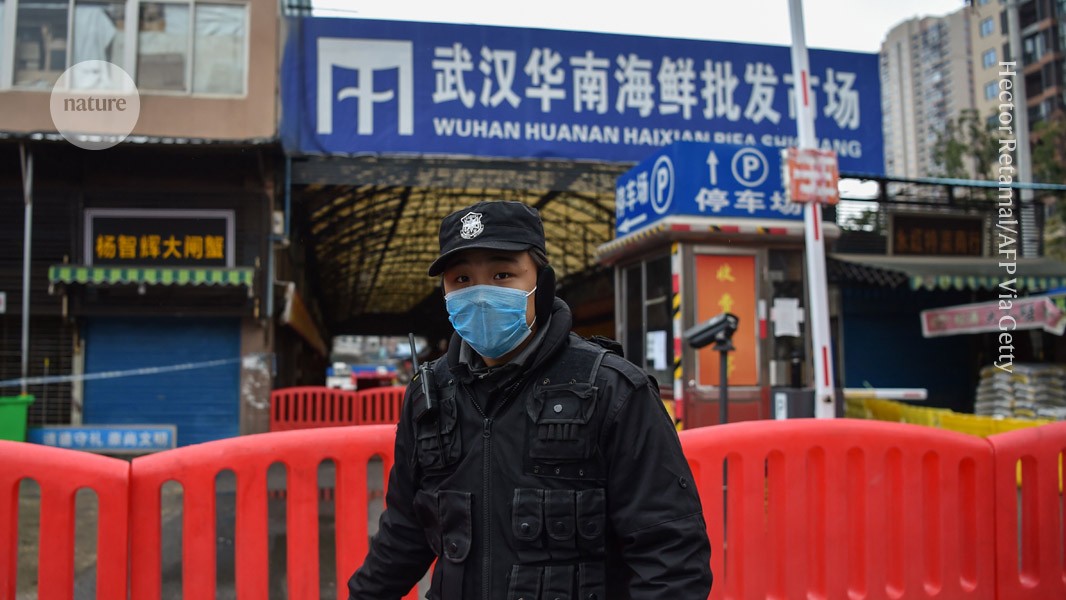
Some of the earliest cases of COVID-19 were linked to the Huanan Seafood Wholesale Market in Wuhan, China.Credit: Hector Retamal/AFP Via Getty
The hunt for the origin of the COVID-19 pandemic has new leads. Researchers have identified half a dozen animal species that could have passed SARS-CoV-2, the coronavirus that causes COVID-19, to people, by reanalysing genomes collected from an animal market in Wuhan, China1. The study establishes the presence of animals and the virus at the market, although it does not confirm whether the animals themselves were infected with the virus.
Many of the earliest cases of COVID-19 were linked to the city’s Huanan Seafood Wholesale Market, and so it became a focus in the search for the pandemic’s origin. The study, published in Cell today, is the latest in a series of analyses of the market samples. The researchers argue that their reanalysis adds more weight to the market being the site of the first spillover events, in which animals with the virus infected people, sparking the pandemic. This expands on a preliminary analysis on a subset of the China CDC data, which the same team published in March 2023.
However, the team’s conclusion differs from the firstpeer-reviewed analysis of the data, published in Nature2 in April last year, in which a separate team also identified several animals and the virus but concluded the role of the market in the pandemic’s origin was unclear.
The search for how the pandemic began has been hugely controversial. Most researchers say the virus originated in bats who infected people, most probably through an intermediate animal, as has happened with other pathogens that have emerged in humans. But a lack of strong evidence for an intermediate host has led some researchers to argue that the virus could have escaped — deliberately or accidentally — from the Wuhan Institute of Virology.
Market stalls
The genomic data used in the Cell,Nature and other analyses were collected by researchers at the Chinese Center for Disease Control and Prevention (China CDC) shortly after the market was shut down on 1 January 2020. Over several weeks, China CDC staff visited the market many times to swab stalls, rubbish bins, toilets, sewage, stray animals and abandoned frozen animal products. The samples contained lots of DNA and RNA from multiple sources that researchers had to sequence and sift through.
“It’s one of the most important data sets on the early pandemic and on the origin of SARS-CoV-2,” says Florence Débarre, an evolutionary biologist at the the French national research agency CNRS, and co-author of the Cell analysis.
When researchers at the China CDC published their analysis in Nature last April, they reported samples that contained SARS-CoV-2 and came from wild animals in the market, most noteably raccoon dogs (Nyctereutes procyonoides), which are susceptible to SARS-CoV-2 and can spread the virus to other animals. But the team noted that there was no way to establish that the animals were infected with SARS-CoV-2. Even if they were infected, they could have caught the infection from a person who brought the virus to the market, which leaves open the possibility that the market was not the site of the pandemic’s emergence.
New techniques
The latest study used more-sophisticated genomic techniques to identify species represented in the samples, including half a dozen animals the team say are possible intermediate hosts of SARS-Cov-2. The most likely hosts include raccoon dogs and masked palm civet (Paguma larvata), which also might be susceptible to the virus. Other possible hosts include hoary bamboo rats (Rhizomys pruinosus), Amur hedgehog (Erinaceus amurensis) and the Malayan porcupine (Hystrix brachyura), but it is unclear whether these animals can catch SARS-CoV-2 and spread the infection. The team say the Reeves’s muntjac (Muntiacus reevesi) and the Himalayan marmot (Marmota himalayana) could also be carriers, but are less likely than the other species.
The co-location of viral and animal genetic material is “strongly suggestive” that the animals were infected, says Gigi Gronvall, a biosecurity specialist at Johns Hopkins University in Baltimore, Maryland. “I was quite amazed by how many animals were there,” she says.
Bats, from which the progenitor of SARS-CoV-2 probably originated, were not detected in the genetic data. The lack of bat DNA is unsurprising, says Alice Hughes, a conservation biologist at the University of Hong Kong who studies bats and the wildlife trade. Although bats are commonly eaten in southern China, they are not typically sold in the country’s markets.
The authors of the Cell study also argue that the viral diversity present in the market suggests it was the site of the pandemic’s emergence. In particular, they say the presence of two SARS-CoV-2 lineages — known as A and B — circulating in the market suggests that the virus jumped twice from animals to people. The researchers conclude that, although it is possible that infected humans brought the virus to the market on two separate occasions, that is a much less likely scenario than the virus jumping twice from animals, especially since their analysis suggests that very few people would have been infected at that point and it is unlikely that one person seeded both lineages. “It really just fits this ongoing infection in animal populations that spilled over multiple times to people,” says Gronvall.
Nature’s news team reached out to the authors of the Nature paper, asking them about the results and conclusions of the latest study, but did not receive a reply before deadline.
Southern China
The latest study also suggests that the raccoon dogs at the Huanan market were probably more closely related to wild raccoon dogs collected at other markets in the same province, and not as closely related to farmed animals found in northern Chinese provinces, suggesting they could have originated from central or southern China. The closest-known relatives of SARS-CoV-2 have been isolated from bats in southern China, Laos and other countries in southeast Asia.
The next step would be to follow some of these leads by studying animals in the wildlife trade, says study co-author Joshua Levy, an applied mathematician at the Scripps Research Institute in La Jolla, California. The paper provides actionable information about how to prevent future spillovers, he says, such as by tracking down stallholders and testing animals for viruses closely related to SARS-CoV-2, as well as conducting studies on the susceptibility of the wild mammals found at the market to SARS-CoV-2, and whether these animals can readily transmit the virus.
For Hughes, the findings demonstrate that the wildlife trade needs to be better regulated to minimize the risk of pathogen spread.
Adamu, a 14-year-old noma survivor, is screened by physicians at the Noma Hospital in Sokoto, Nigeria. Adamu’s father has been pursuing reconstructive surgery since Adamu first fell ill.Credit: Claire Jeantet and Fabrice Caterini/Inediz
The deadly condition noma is awash with contradictions. It destroys tissue and bones in the most visible part of the body — the face — yet finding cases is difficult, because people who have been affected by the illness are often hidden away owing to stigma. It is typically perceived as a disease that affects people in only certain parts of Africa, yet it was found a century ago in Europe and North America and still affects people — typically children — around the world. Although the condition can be successfully treated with antibiotics, if caught early, anyone who is not treated at this stage is very likely to die.
Noma begins as an infection in the mouth, often seen as swollen gums that fill with pus. Treatment with readily available antibiotics can stop the disease in its tracks. In the absence of early intervention, however, the infection becomes gangrenous and much tougher to treat; large parts of the face, tongue and jaw are destroyed. “From there on, you can just do wound treatment and stabilize the patient, such as giving them infusions of nutrients,” says Anaïs Galli, a researcher at the Swiss Tropical and Public Health Institute in Basel, who has collaborated on a large study of noma.
Many people who do not receive antibiotics early do not survive; mortality can be as high as 90% in this group1. “Most of them die in the gangrenous stage because you’re very prone to sepsis,” Galli says. Those who do survive might be robbed of their ability to speak.
The relative ease with which this can be avoided is a source of frustration to many. “We do not need fancy and costly treatment innovations to fight noma,” says Fidel Strub, who survived the disease. He has been working with another noma survivor, Mulikat Okanlawon, to raise awareness and help others who have experienced the disease, through an organization they co-founded called Elysium Noma Survivors Association in Stockholm. In May, the pair were named among the 100 most influential people in health in 2024 by Time magazine.
After decades of abject neglect by researchers, funders and governments, the tide might finally be turning for noma. In 2023, the World Health Organization (WHO) announced that the disease — which gets its name from the Greek word meaning to devour — would finally be included on its official list of neglected tropical diseases (NTDs). According to Stuart Ainsworth, an infectious-disease researcher at the University of Liverpool, UK, this recognition should help to usher in fresh initiatives to tackle noma.
Putting a disease on the official NTD list “provides global awareness and legitimacy in the eyes of funders and governments”, he explains — countries usually follow the WHO’s lead in deciding which diseases to prioritize. Shining an international spotlight on noma in this way, he adds, “translates into substantive increases in funding and subsequent innovation and research on new therapies and diagnostics”.
Persistent mysteries
The neglect of noma is shown in just how little is known about the condition. It is unclear, for instance, how many people are affected by it. The WHO reports that 140,000 new cases occur each year, but that figure is based on 1998 data. In 2003, a smaller estimate of 40,000 was put forth by scientists tracking incidence based on individuals in a cleft lip palate surgical centre1. The real number probably falls somewhere in the middle, says Galli.
A portrait of Blessing, a 17-year-old noma survivor, taken at Noma Hospital in Sokoto, Nigeria. Stigma around facial scarring can make finding people with the disease difficult.Credit: Claire Jeantet and Fabrice Caterini/Inediz
Galli was part of an effort to gauge the current geographical reach of noma. Historical records indicate that noma was known in classical and medieval European civilizations. Dutch physicians in the sixteenth and seventeenth centuries noted that the rapidly spreading disease affected the faces of children and was an ulceration that differed from cancer. In the next couple of centuries, people realized that the condition was linked to factors such as poverty and malnutrition. With economic progress that allowed more parents to feed their children sufficiently, as well as the advent of antibiotics, such as penicillin, in the twentieth century, noma gradually disappeared from Western countries.
Many specialists thought that the disease was now limited to what they called the noma belt. This vast swathe of territory is predominantly in the Sahel region of Africa — a band that separates the Sahara Desert to the north and tropical savannas to the south, and that includes parts of Chad, Niger and Nigeria. But Galli and her colleagues found that the truth was more complicated2. Although there is a concentration of noma cases in the Sahel, the disease is also found in many other places, including parts of Asia. In 2022, Galli and her colleagues reported an updated global distribution of noma that showed that people had been diagnosed with noma in at least 23 countries in the preceding decade.
“One of the most interesting things coming out of the literature today is the vast geographical spread of all the case reports,” says Elise Farley, an epidemiologist with international aid organization Médecins Sans Frontières (also known as Doctors Without Borders) in Cape Town, South Africa, who has studied noma extensively, including cases in Laos3. “Noma is frequently, incorrectly, framed as a disease that mainly affects children in Africa,” Farley says. In reality, she contends, it is found all around the globe.
Perhaps the most persistent mystery surrounding noma is its origins: scientists still haven’t identified the pathogen, or pathogens, that cause it. Ainsworth says that scientists have long suspected that the disease is caused by some of the same microorganisms that infect the gums in gingivitis. The corkscrew-shaped bacterium Borrelia vincentii has been implicated as a possible culprit, but so have other bacteria, and attempts to single out which one is to blame have been unsuccessful. “Every time it’s done you get a slightly different result,” Ainsworth says. “There’s no smoking gun.”
In the past few years, more scientists have begun exploring whether this murky outlook might be because noma is caused not by any one microorganism but rather by a disruption of the oral microbiome. Ainsworth is part of a team of researchers that has initiated a project to analyse samples from 20 children with acute noma in northern Nigeria. The team is applying an approach called metagenomics — a method that casts a wide net by bulk sequencing genetic material and seeing what turns up. The researchers hope that this will yield an unprecedented level of detail about which microbes are present in acute disease.
What is known is that risk factors for noma include severe malnutrition, along with weakened immunity as a result of other ailments such as HIV infection, cancer, tuberculosis or measles. Malnutrition can also weaken the body’s innate immune response, which is an essential first-line defence in mucosal barriers, such as those in the mouth. But not everywhere that experiences severe malnutrition has cases of noma. The paradox has led some scientists, including Ainsworth, to speculate that it is the absence of specific micronutrients in certain regions that might be a contributing factor. If this turns out to be true, then supplementation of those micronutrients might offer some protection.
A plan for the future
Even before the WHO’s inclusion of noma on its list of NTDs, there were signs that the research community was starting to look more closely at the condition. In the early 2000s, the number of papers published each year mentioning noma hovered in the single digits. In the past decade, however, the years in which more than a dozen noma papers were released have been more frequent. Although that’s still a small number, the increase represents a hugely significant change, says Philippe Guérin, an epidemiologist at the University of Oxford, UK, and director of the Infectious Diseases Data Observatory.
Luba cleans the wounds caused by noma on the face of her young daughter, Nasira; they live in a remote area more than 200 kilometres from the Noma Hospital in Sokoto, Nigeria.Credit: Claire Jeantet and Fabrice Caterini/Inediz
The WHO’s commitment to coordinating efforts to fight noma should only increase the attention paid to it. Although the exact amount has not yet been determined, the agency estimates it will spend US$600,000 on noma over the next two years. The money will be used to reinforce advocacy and help to carry out policy work to get noma included on the WHO’s road map for neglected diseases that charts activities through to 2030. “We see a growing interest around noma,” says Benoit Varenne, an oral-health specialist at the WHO’s department of Noncommunicable Diseases, Rehabilitation and Disability in Geneva, Switzerland.
“The inclusion of noma on WHO’s NTDs list has already been felt here,” says Abdala Atumane, who leads the oral-health department at the provincial health service of Zambezia in Mozambique. In January 2024, Atumane and his colleagues collaborated on a study with the Barcelona Institute for Global Health (ISGlobal) in Spain. All of this, he says, “has brought renewed interest in the disease to the country”. For example, Mozambique’s Ministry of Health already has plans to conduct more activities on noma. And, according to Atumane, the NTD designation has put the country’s noma efforts “on the radar” of the international community.
The results of the study have yet to be published. The preliminary findings, however, bring home the urgency of raising awareness about the disease at the local level. In a little more than three weeks of fieldwork, the team met 3 people with active cases of noma and 18 survivors. “Most of them were adults who had lived all their lives without knowing the name of the disease,” Atumane says. The results are also helping to map the need for preventive care, and highlighting gaps in care for survivors. “For existing cases, there is a great need for teams of plastic surgeons,” Atumane says.
Perhaps the most pressing challenge for scientists hoping to tackle noma, however, is finding people with the disease. Without a more active and organized search for individuals affected by the disease, and broader adoption of methods of diagnosing and categorizing cases, some researchers are concerned that the new found intensity in the fight against noma will be squandered.
The stigma that causes people to hide family members who have noma makes it harder to find cases. “You cannot deal with noma like with any other disease: the suffering and stigma are huge, and this factor needs to be taken in consideration,” Okanlawon explains. It’s also difficult to enumerate cases because the disease progresses so quickly. A person can reach the necrotizing gangrene phase in just two weeks. If they die from the infection, they might go uncounted.
Because of the challenges of finding individuals affected by noma, some scientists, including Farley, advocate for a more active approach. This might involve, for example, performing oral screenings as part of malnutrition surveys or vaccination programmes for other disease. Gallin agrees that piggybacking on existing health campaigns would be smart. These efforts “already access very remote populations, and often children in the age of noma-onset risk”, she says. “So they could screen orally, for first signs” to catch cases early enough so that antibiotics can avert the destruction of facial tissue and death.
When a person does present with symptoms, there can then be disagreement between researchers on whether the person’s oral infection can be called noma. The WHO has offered a five-stage system for categorizing cases: acute necrotizing ulcerative gingivitis, oedema, gangrene, scarring and sequela. But some medical experts have called for a simpler system. In 2022, a group of oral-health specialists argued that epidemiological studies should not count necrotizing gingivitis as a stage of noma4. That is because not all cases of necrotizing gingivitis progress to noma. To count them all as such, the authors of the paper wrote, “would make a mockery of the data about noma”.
Guérin thinks that getting researchers to agree on how to categorize and count cases of noma is essential for making progress. “If we don’t use a harmonized way to quantify it, it goes under the radar and nobody works on it,” he says.
The inclusion of noma in the WHO’s list of neglected tropical diseases could bring more consensus about how to classify stages of the disease, and bolster efforts to detect it early. According to Okanlawon, this might include awareness training for people in local communities so that they can take their children for intervention in the stages when the disease is still easy to treat. “If my grandparents knew,” she says, “they would have not allowed this to happen to me.”
These bird flu virus particles (artificially coloured) were imaged by an electron microscope.Credit: Eye of Science/Science Photo Library
All eyes are on Missouri.
Researchers are anxiously awaiting data from the midwestern state about a mysterious bird flu infection in a person who had no known contact with potential animal carriers of the disease. The data could reveal whether the ongoing US bird flu outbreak in dairy cattle has reached a dreaded turning point: the emergence of a virus capable of spreading from human to human.
Huge amounts of bird-flu virus found in raw milk of infected cows
Thus far, data from the mysterious infection are few and far between: small snippets of the H5N1 virus’s genome sequence and an incomplete infection timeline. Ratcheting up concerns is the fact that no Missouri dairy farms have reported a bird flu outbreak; this might be because there really are no infections, or because the state does not require farmers to test their cows for the virus.
“The fear is that the virus is spreading within the community at low levels, and this is the first time that we’re detecting it,” says Scott Hensley, a viral immunologist at the University of Pennsylvania Perelman School of Medicine in Philadelphia. “There’s no data to suggest that to be the case, but that’s the fear.”
A mystery case
On 6 September, Missouri public-health officials and the US Centers for Disease Control and Prevention (CDC) announced that an adult in the state had developed symptoms including chest pain, nausea, vomiting and diarrhea, and was hospitalized owing to other medical conditions. That person did not become severely ill and has recovered from the infection. Tests revealed it to be H5N1 influenza, often referred to as bird flu.
Since March, when the H5N1 virus was first detected in US dairy cattle, there have been more than a dozen cases of human infection that were traced back to contact with infected animals, including cows and birds. The Missouri case stands out because investigators found no such link and no tie to unprocessed food products, such as raw milk, from potentially infected livestock.
If bird flu sparks a human pandemic, your past immunity could help
This raised the possibility that the virus might have evolved to not only infect humans, but also to spread between people. If so, this increases the risk of it sweeping through human populations, potentially triggering a dangerous outbreak.
But that’s not the only possibility, cautions Jürgen Richt, a veterinary virologist at Kansas State University in Manhattan. “It’s a mystery case,” he says. “So you have to throw your net a little wider. Maybe they cleaned out a bird feeder in the household. Did they go to a state fair? What kind of food did they consume?”
More concerns were raised about the Missouri case on 13 September, when the CDC announced that two people who had close contact with the hospitalized person had also become ill around the same time. One of them was not tested for flu; the other tested negative.
That test result is encouraging but not definitive, says Hensley, because the sample could have been collected when the individual’s viral levels were too low for detection — after they started to recover, for instance. A key next step will be to test all three people for antibodies against the strain of H5N1 bird flu that has been infecting cattle. Such antibodies, particularly in the two contacts, would be definitive evidence of past infection.
Genomic sleuthing
While researchers await the antibody results, they are combing through patchy genome-sequence data from virus samples from the hospitalized person. This could yield any signs that the virus might have adapted to human hosts. The search is a challenge, however: the samples contained very low levels of viral RNA — so little that some researchers have shied away from analysing the sequences altogether.
Bird flu virus has been spreading among US cows for months, RNA reveals
“What I would want to see is higher quality,” says Ryan Langlois, a viral immunologist at the University of Minnesota Medical School in Minneapolis. “I am very leery about interpreting anything from partial sequences.”
But for Hensley, one feature of the sequence fragments immediately leapt out: a single change in the string of amino acids that form a flu protein called hemagglutinin (the ‘H’ in H5N1). That protein sits on the surface of influenza viruses, where it helps the viruses bind to and infect host cells. It is also a target of flu vaccines.
The change that Hensley found creates a site to which a large sugar molecule can bind. That sugar, he says, could then act as an umbrella, shielding the swath of hemagglutinin beneath it. It is a change that his laboratory has studied in other flu strains, and it could affect how the virus binds to host cells — as well as whether vaccines being developed against the H5N1 virus found in cattle can recognize and perform well against the virus detected in Missouri.
Surveillance gaps
Even if the sequences were available, researchers know little about which genetic changes might allow bird flu viruses to better infect humans or to become airborne, says virologist Yoshihiro Kawaoka at the University of Wisconsin–Madison. Previous studies1,2 had suggested that changes to a gene encoding a protein responsible for copying the viral genome could be crucial for allowing the virus to replicate in mammalian cells. But researchers were unable to sequence that gene from the isolate from Missouri.
Meanwhile, the CDC has issued contracts to five companies in the United States to provide testing services for H5N1 and other emerging pathogens. Testing of cattle also needs to be improved so that public-health officials will know which regions of the country to surveil for infections in humans, says Seema Lakdawala, a virologist at Emory University in Atlanta, Georgia. In the United States, most testing of cattle is regulated at the state level, but only a handful of states have required routine testing on some dairy farms.
Public-health workers still don’t have a good handle on how many US herds have cows infected with H5N1, or whether cattle have immunity after contracting bird flu or can become reinfected, she says.
While researchers wait for more information, Hensley cautions against panic. “This could still be a one-off case and not the sign of something bigger,” he says.
After 25 years as a pediatric infectious diseases specialist, Asunción Mejías is too familiar with the deadly unpredictability of respiratory syncytial virus (RSV), an infection that hospitalizes up to 80,000 children under the age of 5 every year in the US.
“It’s a disease which can change very quickly,” says Mejías, who works at St. Jude Children’s Research Hospital in Memphis, Tennessee. “I’ve always told my colleagues that for every two children that are admitted, one can go to the ICU in the next three hours and the other one may go home the next day. It’s totally unpredictable.”
RSV infections are very common, to the point that nearly every child will have one before they turn 2 years old. Most children experience symptoms similar to a cold, like coughing and sneezing, but some can develop severe lung disease: RSV is responsible for more than 100,000 infant deaths globally every year, nearly half of which are in babies under 6 months of age.
The problem is, aside from a few known risk factors such as premature birth and preexisting lung conditions, it’s hard to tell which children will be worst affected. “Eighty percent of children that end up in the hospital with RSV seem totally healthy,” Mejías says. “They were born full term, and don’t have any risk factors for severe disease.”
So around the world, different research groups are attempting to train machine learning algorithms or develop statistical models that can indicate which children are most vulnerable to RSV. Based on vast databases of electronic health records, these tools aim to identify groups of risk factors that can help predict which children are more likely to be hospitalized with an infection. Health care providers can then use this information to prioritize the most at-risk children for vaccines and other preventative measures.
Earlier this year, respiratory epidemiologist Tina Hartert and her colleagues at Vanderbilt University developed one such tool using a statistical model to identify a set of 19 risk factors for RSV, after training it on data from more than 400,000 infants on the Tennessee Medicaid program. “It allows an individual infant’s risk to be calculated at birth,” says Hartert.
Some of the variables used in the tool are unsurprising. Prenatal smoking, for example, is known to impair lung development in the unborn fetus, making a baby more vulnerable to viral pneumonia, while babies with a low birth weight already lack the strength to breathe normally. However, in many cases, Hartert says it is a combination of different risk factors that converge to make a child vulnerable. “Assessing just individual factors misses lots of at-risk infants,” she says.
In 2023, regulators in the US approved a vaccine called Abrysvo that is designed to be given to mothers during weeks 32 to 36 of pregnancy, with the aim of ensuring that babies are born with protective antibodies against RSV. They also approved a drug called Beyfortus, a laboratory-made protein called a monoclonal antibody, which can be administered through a single injection to provide protection ahead of the winter RSV season.
Acinetobacter baumannii — a bacterium associated with hospital-acquired infections that can develop resistance to antibiotics.Credit: Eye Of Science/Science Photo Library
More than 39 million people will die from antibiotic-resistant infections between now and 2050, according to an in-depth global analysis of antimicrobial resistance.
The report, published on 16 September in The Lancet1, found that between 1990 and 2021, more than one million people died from drug-resistant infections each year, and this could increase to nearly 2 million by 2050. Around 92 million lives could be saved between 2025 and 2050 with wider access to appropriate antibiotics and better treatment of infections, the report estimates.
The fight against antimicrobial resistance
“This is an important contribution for understanding how we’ve gotten where we are, and for giving a rational expectation of the future burden of [resistance] in order to inform next steps that can be undertaken,” says Joseph Lewnard, an epidemiologist at the University of California, Berkeley.
“I think the burden numbers are probably much higher than what has been reported here,” particularly in countries where there are data gaps, says Timothy Walsh, a microbiologist at the University of Oxford, UK. The figures suggest that the world is failing to meet the United Nation’s target of reducing mortality caused by antimicrobial resistance by 2030.
Growing death toll
Researchers analysed mortality data and hospital records from 204 countries between 1990 and 2021, focusing on 22 pathogens, 84 combinations of bacteria and drugs they are resistant to and 11 diseases, including blood infections and meningitis.
Their findings reveal that although the number of children aged under 5 dying from drug-resistant infections has fallen by more 50% over the past 3 decades, mortality rates in people aged over 70 have increased by 80% (see ‘Resistance crisis’).
Deaths from infections by Staphylococcus aureus — which infects skin, blood and internal organs — saw the biggest rise, increasing by 90.29%.
Source: Ref. 1
Many of the deadliest infections between 1990 and 2021 were caused by a group of bacteria with particularly strong drug resistance, called gram-negative bacteria. This category includes Escherichia coli and Acinetobacter baumannii — a pathogen associated with hospital-acquired infections.
Gram-negative bacteria are resistant to Carbapenem drugs, a class of antibiotics used to treat severe infections, and they can exchange antibiotic-resistance genes with different species as well as passing them to offspring. Deaths linked to Carbapenem-resistant gram-negative bacteria have risen by 149.51%, from 50,900 cases in 1990 to 127,000 cases in 2021.
The report estimates that, by 2050, antimicrobial resistance could cause 1.91 million deaths each year, and that a further 8.22 million people will die from illnesses associated with resistance. More than 65% of deaths attributed to AMR in 2050 will be among people aged over 70.
“This study shows we have a problem in health-system quality and prevention of infections,” says co-author Mohsen Naghavi, a physician and epidemiologist at the University of Washington in Seattle.
Targeted interventions
Regions with the highest predicted mortality rates include south Asia, Latin America and the Caribbean, and researchers emphasize that any strategies to tackle drug resistance must prioritize low- and middle-income countries.
Antibiotic resistance is a growing threat — is climate change making it worse?
“We need more global investment and a lot more real interactive engagement with low-income countries to make sure that they are equipped,” says Walsh. Strategies must ensure that hospitals in low-income countries have access to diagnostic tools, antibiotics, clean water and sanitation, he adds.
“Most of these deaths do not actually require new or boutique interventions to be prevented. That’s an important story that they tell,” says Lewnard.
Policymakers should also address the overuse of antibiotics in farming, which speeds up bacterial resistance, and invest in research for innovative antibiotic drugs, Walsh says.
The authors hope the report will “guide information on how to develop new drugs, which new drugs to focus on, what new vaccines to focus on”, says co-author Eve Wool, a research manager at the Institute for Health Metrics and Evaluation in Seattle, Washington.
In 2020, while the Covid-19 pandemic raged, a steadily growing epidemic continued to burn its path across the United States. Gun violence stole the lives of 45,222 Americans that fateful year, the worst year on record for gun deaths to that point.
The path leading to each one of these deaths is layered and complex. Each American killed by a bullet, each family grieving their loved one, deserves their own book. I never once thought that I would be one to write such a story.
I’m a gun-owning emergency physician, a father, and the cousin of a man who was shot to death. If it wasn’t for the National Rifle Association declaring in 2018 that physicians, like me, should “stay in their lane” and keep quiet about the toll of this plague, I wouldn’t have written about this subject. Yet gun violence consumes my life. I see victims of gun violence from family tragedies—children, adolescents, and adults—almost every day.
Addressing violence and death is the duty of anyone who has ever had to mend the wounds of a gunshot victim, to attempt heroic measures in the trauma bay, to meticulously care for the injured in the intensive care unit, or admit defeat in front of their loved ones. I have found no worse feeling than having to tell a mother or a father that their child has been killed by a bullet. We have practiced and perfected evidence-based medicine for decades. We should similarly practice evidence-based health policy. As it pertains to guns, some of that evidence already exists.
As a physician, I understand the limitations of science. The best research, at least in the biomedical sphere, usually requires the findings of randomized clinical trials, but running those for policymaking often isn’t feasible. In public health, the next best option is a natural experiment, in which one jurisdiction implements a policy and a similar, nearby jurisdiction does not, and policy makers can observe the difference.
The RAND Corporation’s The Science of Gun Policy—a synthesis of research into US gun policy—typically relies on these types of studies to inform its analysis. It is sometimes inconclusive, sometimes weak, sometimes strong in its assertions about the impacts of various policies that might impact lives in this epidemic of gun violence, but overall its analysis describes myriad policy levers that our current lawmakers could, and in my opinion should, swiftly implement at the federal, state, and local levels. The evidence states that we can save lives through the following:
Background checks through federal firearms licensed dealers for every firearms purchase
Licenses and permits for individuals who want to buy guns
Raising the minimum age for all firearm purchases to 21
Strong child access prevention laws
Brief waiting periods
Domestic violence restraining orders that require the relinquishing of existing firearms.
But I also believe there are two additional laws that should be repealed. Their presence in society should alarm physicians, advocates, and the people who write the laws.
On February 26, 2012, Trayvon Martin, a Black kid my height and with a similar build, was walking through a neighborhood in Sanford, Florida, after purchasing a bag of Skittles and a drink. He was essentially stalked by the captain of a local neighborhood watch patrol. Following an altercation—one that a 911 dispatcher urged the overly zealous neighborhood watchman to avoid—Martin lay on the ground, shot dead by a single bullet that traversed his heart and lung.
All of that young man’s hopes and dreams of one day becoming an aviator were struck down by a man who would eventually be acquitted of murder because of Florida’s stand-your-ground statute that created a culture of approach, provoke, and kill. Stand your ground certainly contributed to the young boy’s death.
This year in the United States, 14 people have tested positive for avian influenza, or bird flu. Nine of those became infected after coming into contact with poultry, and four got the virus from exposure to dairy cows. The source of the remaining, most recent case remains a mystery.
The Centers for Disease Control and Prevention confirmed the case on September 6. Initially detected by the Missouri Department of Health and Senior Services, it is the first known case of human bird flu in the country with no known exposure to a sick or infected animal. On Thursday, health officials said they hadn’t determined how the person acquired the virus.
“Right now, evidence points to this being a one-off case,” said Nirav Shah, the CDC’s principal deputy director, during a news briefing.
Yet the case is troubling, because it raises the possibility of an alternate source of transmission, either from a person or an unknown source. Health officials say there is no evidence of person-to-person spread at this time. The CDC says its surveillance system has not picked up any unusual flu activity in the country, and the risk to the general public remains low.
“Our influenza surveillance system is designed to find needles in haystacks,” Shah said in the briefing. “In this case, we found such a needle, but we don’t know how it got there.”
The Missouri case is the first to be detected through the country’s national flu surveillance system as opposed to targeted testing of animals. This year, the H5N1 flu virus has been responsible for wiping out poultry flocks across the country and infecting 200 dairy herds in 14 states—the latest in California. It is increasingly spilling over to other mammals, including foxes, mice, raccoons, and domestic cats. With more animals harboring the virus, there is greater potential for human infection.
It’s not known whether that happened in the Missouri case, but it is one avenue health officials say they are investigating.
“Regardless of the source, it’s concerning, because it suggests that there’s a lot of the virus out there,” says David Boyd, a virologist at UC Santa Cruz who studies influenza. “This indicates that there is widespread transmission among animal sources.”
On August 22, an adult patient was hospitalized in Missouri for reasons related to underlying medical conditions and happened to also test positive for influenza. The patient’s specimen was then sent to the Missouri State Public Health Laboratory, which determined that it didn’t match the currently circulating seasonal flu viruses.
That triggered additional testing by the CDC, which last week confirmed it was a type of bird flu, or H5. The agency was conducting additional testing to determine the virus subtype—the “N” part of H5N1. On Thursday, health officials said the patient had a very low concentration of viral genetic material and, because of this, they have not been able to generate a full genome, including the N part of the virus. However, their data shows that the specimen is closely related to the H5 virus circulating in dairy cows.
Invisible Rulers: The People Who Turn Lies into RealityRenée DiResta Public Affairs (2024)
Scientific institutions, public-health authorities and academics routinely face criticism and angry denouncements from ideologically motivated detractors who wish to bury inconvenient scientific evidence. With the rise of the Internet and social media, misinformation researchers, especially, have become targets for online partisan attacks (see Nature630, 548–550; 2024). And academics routinely have to ward off political interference in many countries1.
Renée DiResta knows this only too well. A former research manager at the Stanford Internet Observatory (SIO) in California, she has been on the receiving end of online attacks for years, owing to her academic work combating misinformation about elections and vaccine efficacy. After a barrage of unsubstantiated accusations — including those levelled in a controversial investigation by the US House of Representatives’ judiciary committee, chaired by Republican congressman Jim Jordan — DiResta found that her research group at the SIO was suddenly dismantled in June, reportedly because of a change in institutional priorities.
Misinformation poses a bigger threat to democracy than you might think
In Invisible Rulers, DiResta documents her stormy personal and professional journey into what she describes as the “fantasy–industrial complex”. It’s an insightful account of how, over the past two decades, social-media influencers, algorithms and crowds have hijacked the public debate on consequential topics — from vaccination campaigns to the validity of elections. The book’s central thesis is this: a few social-media propagandists increasingly have the power to profoundly shape public opinion. And the only maxim that seems to guide their action is, as DiResta puts it: “if you make it trend, you make it true”.
The book’s title is a reference to public-relations pioneer Edward Bernay’s 1928 work Propaganda, which describes the ‘invisible’ people who fashion public sentiment — including public-relations experts and advertising executives. Today, that power can be in anyone’s hands.
Charismatic individuals with large online followings are the new invisible rulers. The most elite among them, DiResta writes, possess the storytelling skills of a leading marketing executive, have the audience size of a television anchor and yet create the cozy, intimate feeling of a phone call with your best friend. They can also make immense profits, she notes, by pretending to be an ordinary person who is helping their audience to “break free of the lying mainstream media”.
Invisible Rulers is DiResta’s attempt to lay out the motivations and methods of these individuals, who, she explains, might project themselves as being anti-elite but are, in fact, a new breed of elite. They often wield incredible power without displaying any commensurate responsibility.
Alternate realities
DiResta’s own journey into the world of misinformation began as a concerned mother trying to work out why classroom vaccination rates were declining in California amid a measles outbreak in 2014. She documents how, after joining the vaccine debate in support of a state bill that sought to remove ‘personal belief’ as a valid ground for seeking exemption from mandatory vaccination programmes, she was deluged by online attacks from bots and trolls.
Although most children in California are vaccinated — signalling broad public consensus that vaccines are beneficial — DiResta describes the jarring experience of stumbling upon a seemingly alternate reality online.
How online misinformation exploits ‘information voids’ — and what to do about it
There, she found a small yet vocal band of people promoting the idea that the government and pharmaceutical industry were colluding to cover up a supposed link between vaccines and autism — a decades-old argument that has been dispelled by research2,3.
Studies show that a growing minority of the US population now holds this sceptical view. Without intervention, anti-vaccination sentiment might dominate vaccine discourse on social media in the next decade4. Research also affirms DiResta’s contention that those who promote anti-vaccination rhetoric are organized and overlap with groups that champion other pseudoscience topics, such as unproven forms of alternative medicine and COVID-19 misinformation.
DiResta’s book shines a light on the why. Often, these influencers aren’t conventional celebrities, but ordinary citizens who talk about things that interest them. Such influencers typically don’t start out peddling rumours and disinformation. But some notice that, once they start talking about a certain controversial topic, they receive more engagement on social media. The more they talk about it, the more people ‘like’ and share what they have to say, leading algorithms to recommend their content even more.
Social-media influencers speak at a rally held by US presidential candidate Donald Trump.Credit: Al Drago/Bloomberg/Getty
The consequences of these misinformation spirals can be felt in the real world. For example, in August, violent riots engulfed the United Kingdom after the tragic stabbing of several young children. Among the triggers were false reports spread on social media — and amplified by far-right influencers — that the perpetrator was a Muslim asylum seeker who arrived in England by boat. The actual assailant was Christian, born in Cardiff and of Rwandan origin.
Because the rumour and its context were moral, emotional and shocking — qualities that help rumours spread5 — the story received a lot of attention on social media. The trinity of influencers, algorithms and crowds had created an alternative reality and misinformation provided far-right groups with the excuse they needed to leverage a tragedy to unleash violence across the country.
How a rumour is born
False rumours can have other nasty side effects, too. DiResta relates how her team was on the receiving end of them, while working as part of the Election Integrity Partnership, co-run by Kate Starbird, a computer scientist at the University of Washington in Seattle, who has also been a target of smear campaigns1. In March 2021, the team issued a public report documenting instances of viral false and misleading narratives that were circulating online during the 2020 US presidential election (see go.nature.com/472ney8).
In late 2022, statements from that report were twisted by right-leaning social-media influencers, who put forward a fantastical story about how academics, social-media companies and the US Department of Homeland Security had colluded to skew the 2020 election by taking down “millions” of social-media posts — an alleged act of mass censorship (see go.nature.com/3ak4ih0).
AI-fuelled election campaigns are here — where are the rules?
In reality, DiResta explains, the study’s aim was not to censor partisan statements, but to fact-check misleading statements about the electoral process in general. Only a small proportion of the posts that contained blatant election disinformation were flagged by the project to social-media companies for further action — about 0.01% of the 22 million posts in the sample. Fewer than 400 were eventually taken down for violating the platform’s terms of service.
Nonetheless, DiResta became the subject of rumours and conspiracy theories, including that she had undisclosed ties to the US Central Intelligence Agency, on the basis that she had done an internship there 20 years before.
Of the multiple lawsuits that have been filed against her since these online rumours surfaced, one case was dismissed in June by the US Supreme Court for having no legal standing. As I read the book, much of it resonated with my own experience. I’ve found myself facing online accusations of being part of a government conspiracy, for example, for helping the US State Department to educate citizens to spot common techniques used in disinformation campaigns. As the online attacks continued, the motivation behind my research was misrepresented and harassment campaigns were launched against me, my colleagues and even my students. It was stranger than fiction.
However, I also wondered about the role of another class of actors in the fantasy–industrial complex: the apologists. Think of doctors with a specialty in another medical domain who question the efficacy of vaccines or philosophers who weaponize postmodern principles to question whether an identifiable category called ‘misinformation’ even exists. DiResta overlooks them, but academics who are congenial to the messages promoted by influencers can provide troubling intellectual cover for anti-scientific claims.
Prevention better than cure
In terms of solutions, DiResta offers a nuanced discussion on the role of free speech, content moderation and education in our fractured media landscape. One suggestion is to give power back to the people and let audiences decide how much moderation and algorithmic ranking they want in their social-media feeds. Other ideas include teaching the public about the techniques of propaganda, because those techniques can be used by anyone.
DiResta also offers an important tip for scientists facing political threats: instead of sticking your head in the sand, pre-emptively release the facts and prebunk falsities before an alternative reality begins to take on a life of its own. This coheres with what I know about fighting misinformation: prevention is better than cure. But to fix our societal ills, people need to share the same reality. DiResta’s book offers a powerful and compelling read on how we might achieve just that.