Tag: Public health

  • Mpox: Everything you need to know about the 2024 outbreak

    Mpox: Everything you need to know about the 2024 outbreak

    [ad_1]

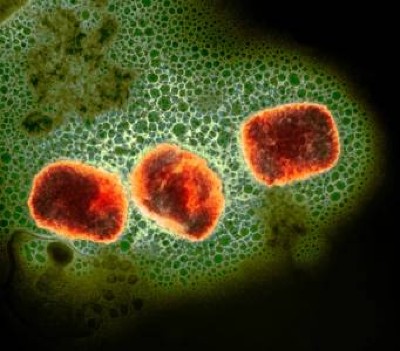
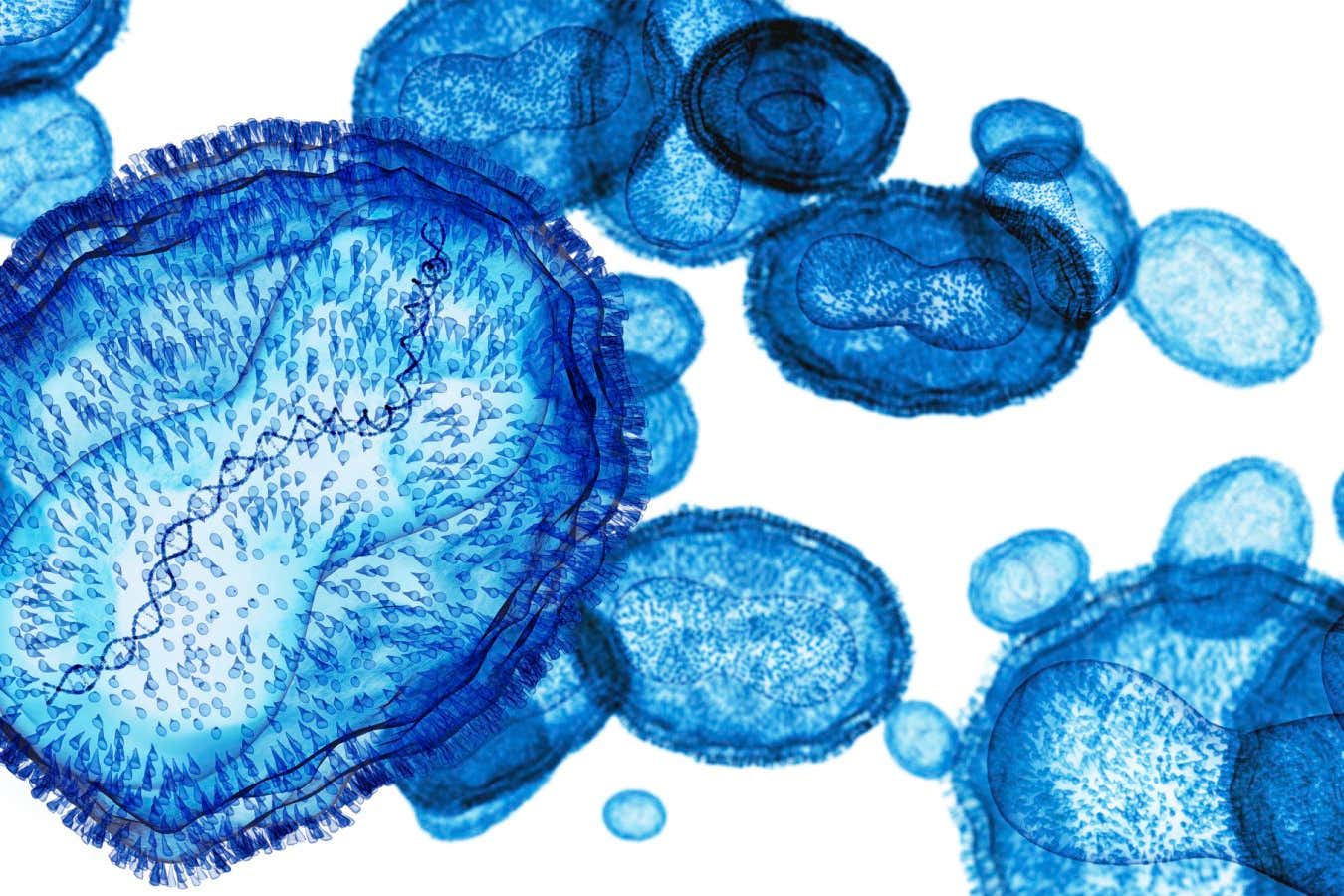
    Illustration of the mpox virus

    Getty Images/Science Photo Library

    The World Health Organization (WHO) has declared a public health emergency of international concern over an ongoing outbreak of mpox – formerly known as monkeypox – in Central and West Africa. This is the second time in two years that the disease has spread enough to prompt such a declaration from the WHO. On 15 August, Swedish health officials confirmed a case as the first known infection outside of Africa with the mpox strain that is currently driving the outbreak.

    What is mpox?

    Mpox is an infectious disease caused by a virus that belongs to the same family as that which causes smallpox. It regularly spreads among animals in Central and West Africa such as rodents and monkeys, but occasionally jumps to people, causing small outbreaks.

    There are two distinct lineages of mpox: clade I and clade II. Clade I is associated with more severe disease and higher risk of death. A subtype of clade I, called clade Ib, is driving the current outbreak, while the global mpox outbreak in 2022 and 2023 was spurred by a subtype of clade II.

    So far, there is no evidence to suggest that clade Ib is more dangerous than the original clade I strain, said Jonas Albarnaz at The Pirbright Institute in the UK in a statement.

    How many cases of mpox have there been in 2024?

    The Africa Centres for Disease Control and Prevention reported on 13 August that there have been more than 17,000 suspected cases across the continent. “This is just the tip of the iceberg when we consider the many weaknesses in surveillance, laboratory testing and contact tracing,” the agency said in the statement.

    There have been 15,664 reported cases and 537 deaths so far in the Democratic Republic of the Congo alone, according to the WHO. This exceeds the total seen in 2023, according to a statement by Tedros Adhanom Ghebreyesus at the WHO on 15 August.

    Where has mpox been detected?

    The current outbreak originated in a small mining town in the Democratic Republic of the Congo (DRC). The mpox variant has now spread to at least 11 other African countries, including four that had previously never reported mpox: Kenya, Rwanda, Burundi and Uganda. Mpox has also been detected in one person in Sweden.

    What is the survival rate for mpox?

    While more than 99.9 per cent of people who fall ill with clade II survive, mpox outbreaks of clade I have killed up to 10 per cent of people who become sick. Children and people who are immunocompromised or pregnant are especially vulnerable to severe disease.

    What are the symptoms of mpox?

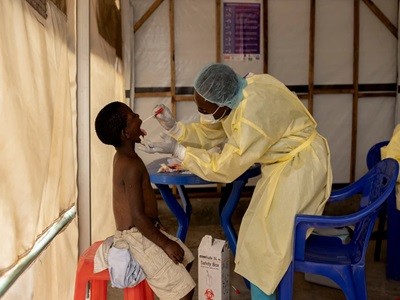
    The first mpox symptom is usually a rash, which begins as a flat sore and then develops into a blister that may be itchy or painful. The rash tends to start on the face before spreading across the body and extending to hands and feet. People can also get lesions in their mouth or on the genitals or anus.

    The rash and lesions usually last between two and four weeks and are often accompanied by other symptoms such as fever, headache, muscle aches, back pain, fatigue and swollen lymph nodes. Symptoms usually begin within a week of contracting the virus but can start anywhere from one to 21 days after exposure. However, some people can contract the virus without experiencing symptoms.

    How does mpox spread?

    Mpox is spread through close contact with people who have the illness. Usually this is through skin-to-skin contact, such as sex, kissing or touching. The virus can also spread through respiratory droplets and contact with contaminated materials such as bedsheets, other linens or sharp objects like needles. People remain infectious until all of their sores heal.

    Mpox can also spread through contact with infected animals such as through bites or scratches, or when people hunt or eat them.

    Young adults and children have been most affected by the current outbreak, a trend that was not seen in the 2022-2023 outbreak. In some provinces of the DRC, children under 15 account for up to 69 per cent of suspected cases.

    How is mpox treated?

    Treatment primarily consists of managing symptoms and preventing complications like secondary infections. Some antivirals that were originally developed for treating smallpox have also been used to treat mpox in the past. However, results from a recent trial of the antiviral drug tecovirimat, which was used in the previous outbreak, found that it was not effective against the clade I virus. People who have mpox should self-isolate and wear a mask. They should also avoid scratching sores, which can prevent them from healing, increase the risk of secondary infections and cause them to spread to other parts of the body.

    Is there an mpox vaccine?

    There is an mpox vaccine, which provides the best protection after two doses. Smallpox vaccines have also been found to protect against mpox, though it isn’t clear if any of these vaccines will be effective against the new mpox variant.

    People are recommended to get vaccinated only if they are at high risk of contracting mpox. For people who aren’t in areas affected by the current outbreak, the risk remains very low.

    Countries in Africa currently have minimal to no vaccine supplies, though estimates suggest the region needs 10 million doses, said Jimmy Whitworth at the London School of Hygiene & Tropical Medicine in a statement.

    Topics:

    [ad_2]

    Source link

  • Hopes dashed for drug aimed at monkeypox strain spreading in Africa

    Hopes dashed for drug aimed at monkeypox strain spreading in Africa

    [ad_1]

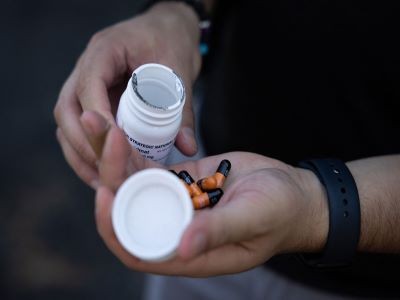
    Closeup of someone emptying a bottle of orange and black tecovirimat pills into their open palm

    Tecovirimat, an antiviral drug, has been used to treat mpox.Credit: Elijah Nouvelage/Bloomberg/Getty

    The drug tecovirimat did not accelerate healing for people in a clinical trial in the Democratic Republic of the Congo (DRC) who were infected with a concerning strain of the monkeypox virus, according to the US National Institutes of Health (NIH). The strain, called clade I, has been spreading across Africa and is thought to be more lethal than the one that caused a global mpox outbreak that began in 2022, known as clade II.

    Tecovirimat, an antiviral, is commonly used to treat mpox, despite limited clinical evidence that it resolves symptoms. The drug was originally developed to treat smallpox, which is caused by a related orthopoxvirus.

    “These are certainly not the ideal results that we were all hoping for,” says Jason Kindrachuck, a virologist at the University of Manitoba in Winnipeg, Canada.

    Clade I’s spread in the DRC and other countries in Africa prompted the World Health Organization (WHO) to declare a public health emergency of international concern on 14 August — its highest level of alarm. A day earlier, the Africa Centres for Disease Control and Prevention (Africa CDC) declared its first-ever public-health emergency over the outbreak.

    And yesterday, Sweden reported its first case of a person infected with a variant of clade I, called clade Ib, that scientists reported in April as being able to spread among people through sexual contact. Prior to last year, clade I was thought to transmit through household contact and through contact with infected wild animals.

    Disappointing results

    During the trial, launched by the NIH’s National Institute of Allergy and Infectious Diseases (NIAID) and the DRC’s National Institute of Biomedical Research, people infected with clade I were given either tecovirimat or a placebo pill. According to the NIH, which announced early results on 15 August, the antiviral did not reduce the duration of mpox symptoms compared with placebo.

    Mpox, the disease caused by the monkeypox virus, can cause fluid-filled lesions, fever, headache and, in severe cases, death.

    Significantly, however, the study participants’ mortality rate, regardless of whether they received tecovirimat or placebo, was lower than the overall mortality rate for any type of mpox typically reported in the DRC: 1.7% versus 3.6%.

    This could be because of the care that the participants received during the trial. The 597 people enroled in the trial were hospitalized for at least 14 days, a period in which they received, among other things, nutritional support; proper hydration; treatment of any other infections or diseases they might have, including malaria; and psychosocial support.

    “The level of care was very high,” says Lori Dodd, a biostatistician at NIAID in Bethesda, Maryland, and the project leader for the trial. Maintaining that high quality of care outside of a clinical trial could be challenging, she adds, “so the team will be working on how to translate that care model for people with mpox who are recovering on an outpatient basis and in resource-limited settings”.

    Hope for specific groups

    The maker of tecovirimat, New York City-based SIGA Technologies, suggested in a press release that trial participants who received early treatment with the drug and those with severe disease had a “meaningful improvement”. But the full data have not been released. They are being analysed, and a manuscript is being prepared for submission to a peer-reviewed journal, Dodd says.

    “We are all eager to see the paper, in particular to see if there is any group that could be selectively targeted for treatment, especially people with HIV”, says Piero Olliaro, an infectious-disease specialist at the University of Oxford, UK, adding that outcomes for people with advanced HIV and who get infected with the monkeypox virus tend to be worse1.

    It’s not yet clear whether the trial results can be extrapolated to clade Ib. “We don’t know a lot about clade Ib for the time being, and we need more investigations into the clinical presentation and outcomes to inform whether new clinical trials are required,” Olliaro says.

    Although these preliminary results for tecovirimat are disappointing, Kindrachuck says, they do point to the fact that “if we get resources into the DRC and beyond for support for patients with clade I mpox, we can actually increase recovery”.

    Nicaise Ndembi, a virologist at Africa CDC who is based in Addis Ababa, says that the results do not change the response plan to the current outbreaks, which includes enhancing surveillance, increasing laboratory testing, strategically distributing the limited vaccine doses available and negotiating the acquisition of additional doses. But he says that they highlight the fact that appropriate standard-of-care is crucial to reduce mortality related to mpox.

    Although a vaccine against mpox, made by biotechnology firm Bavarian Nordic in Hellerup, Denmark, exists, it is still largely unavailable in African countries. Bavarian’s chief executive Paul Chaplin, however, reported to STAT News that the European Union has placed an order for 175,000 doses to be donated to Africa CDC.

    With additional reporting from Max Kozlov.

    [ad_2]

    Source link

  • This Mpox Outbreak Isn’t Like the Last One

    This Mpox Outbreak Isn’t Like the Last One

    [ad_1]

    In May 2023, the World Health Organization released a statement declaring the end of mpox—formerly known as monkeypox—as a public health emergency. Just over a year later, the agency has been forced to backtrack, with a far more serious epidemic brewing across much of sub-Saharan Africa.

    Statistics show that more than 15,000 mpox cases and 461 deaths have been reported on the African continent since January, spreading out of countries such as the Democratic Republic of Congo (DRC), where mpox has long been endemic, to 13 other African nations: countries like Rwanda, Kenya, Burundi, and Uganda, where the disease has never previously made an impact.

    In the eyes of scientists like Boghuma Titanji, an associate professor in infectious diseases at Emory University who studies mpox outbreaks, this new, deadlier outbreak represents the consequence of the world’s health watchdogs failing to do enough last time round.

    It was the summer of 2022 when the spread of mpox first set alarm bells ringing. Suddenly a virus which had always been predominantly contained within parts of West and Central Africa was suddenly going worldwide. Between early 2022 and December 2023, there were 92,783 confirmed cases of mpox across 116 countries, leading to 171 deaths.

    Despite these numbers, its perception as a public health threat swiftly faded. “Ninety-five percent of the cases during the 2022 outbreak were among men who have sex with men, reporting exposure through sexual or close contact with another infected person,” says Titanji. “It was an outbreak that was very focused, which allowed vaccinations to be prioritized among that network.”

    Countries in the global north successfully scrambled to suppress the outbreak within their own borders. Meanwhile, Titanji says, ramping up viral surveillance among the African nations who had been battling a steady rise in mpox cases for the past four decades soon slipped down the priority list, allowing a potentially more problematic variant to emerge undetected.

    Mpox exists in two main subtypes, clade 1 and clade 2. Between them, clade 1 is believed to be up to 10 times more deadly, particularly among population groups with weakened or developing immune systems such as children under the age of 5, pregnant women, and immunocompromised people. That’s the viral strain behind this new outbreak, and why infectious disease scientists are so alarmed. (A separate outbreak spreading in South Africa among people living with HIV is thought to be linked to clade 2.)

    “The 2022 global outbreak was clade 2, and mortality was less than 1 percent,” says Jean Nachega, a Congolese infectious disease doctor and an associate professor of medicine at the University of Pittsburgh. “Now we’re talking about a strain which can have up to 10 percent mortality.”

    While the previous outbreak predominantly affected homosexual populations, data indicates that the new strain is also being transmitted far more broadly, perhaps initially through sexual networks and then being passed on to family members. Last month, Nachega and others published a paper in the journal Nature Medicine demonstrating how an outbreak of mpox began in the small mining town of Kamituga in eastern DRC through sex workers before being transmitted to nearby Rwanda, Uganda, and Burundi as the infected individuals returned home to visit their families.

    [ad_2]

    Source link

  • How I’m looking to medicine’s past to heal hurt and support peace in the Middle East

    How I’m looking to medicine’s past to heal hurt and support peace in the Middle East

    [ad_1]

    This month, I am in Amman, Jordan, teaching on the annual Palestine Social Medicine Course. This course, now in its second year, aims to educate educators, public-health workers, physicians and medical students about the limitations of the biological model of medicine in settings of fragmentation, violence and dispossession. It examines the effects of conflicts and violence on public health and human rights, emphasizing the need for resilience and commitment to these values in the face of adversity.

    The course is organized by the Palestine Program for Health and Human Rights, a partnership between the François-Xavier Bagnoud Center for Health and Human Rights at Harvard University in Boston, Massachusetts, and the Institute of Community and Public Health at Birzeit University in the West Bank. Last year, it was taught in Birzeit. It was moved to Amman this year because of escalating violence and restrictions imposed by the Israeli military and settlers in the West Bank.

    Since violence escalated on 7 October 2023, many scientific and medical gatherings in the Middle East have been postponed or cancelled. Travel to the region is difficult, because many airlines have stopped flying there. Yet the organizers felt strongly that it was important to keep the course running, because the exchanges it enables are crucial. They provide students with access to cutting-edge knowledge and methods that help to prepare them to contribute to science and medicine — to the benefit of society.

    The war in Gaza is harming thousands of people now, but will have ripple effects on all nations for decades, if not centuries, to come. Violence and war anywhere harm us all — not just in terms of people killed and places destroyed, but in the loss of capacity for exploring solutions to problems that plague humanity. People who are having to fight or run for their lives, or who spend their time finding shelter or trying to advocate for fundamental human rights and dignity, do not have time for wider problem-solving.

    Scientists, physicians and health-care providers usually address the ills of the patient or population in front of us. Social medicine is occupied with a larger challenge: healing the hurts of a region or population with a long history of pain. This means identifying the social determinants of health that affect the population — including, for example, sexism, racism, economic inequality and historical, multigenerational traumas — and seeking to heal the people living under their shadow.

    Recent history could easily make us throw up our hands in despair. In the Middle East, especially, peace seems so far away. Progress on so many fronts — social, scientific, diplomatic — seems to be retreating while exposure to horrifying trauma increases daily.

    Yet the region has a rich history of medical and scientific advancements. Crucial contributions came from ancient civilizations such as the Persian Empire, Mesopotamia and Egypt, culminating in the Islamic Golden Age from the eighth to the thirteenth century. Philosopher-scientists such as Abū Bakr al-Rāzī (often known in the West as Razi or Rhazes), al-Zahrawi (Abulcasis) and Ibn Sina (Avicenna) shaped science and medicine in the Islamic world and Europe in ways that lasted for centuries.

    Years of experience in the Middle East and North Africa have shown me that scientific training and other events held in the region, rather than in Europe or the United States, can provide a valuable historical perspective and cultural context while fostering global collaboration.

    For example, hosting a scientific symposium in Tehran, despite geopolitical pressures against it — as I did in 2012 — exposed participants to contemporary Iranian advances in medical research, such as work in stem-cell research and medical nanotechnology, which have since gained international recognition.

    By connecting international scholars with local practitioners, the Palestine Social Medicine Course highlights the specific health challenges faced by Palestinians, while creating a platform for cross-cultural dialogue and knowledge exchange.

    Immersing ourselves in the settings where historical advances in science and medicine were made provides deeper insights into how societal values and needs have shaped scientific discoveries and medical practices. Studying pioneers such as Ibn Sina and al-Rāzī can inspire current and future practitioners to innovate and push the boundaries of their fields. And fostering global collaborations and building connections with scholars and institutions in the Middle East enriches the collective understanding and application of medical and scientific knowledge.

    We scientists and medical professionals need to do what we can to change the sad trajectory of violence. Those of us who want peace, understanding and progress towards humanity’s well-being must dig in and push for that vision.

    During what is sometimes called the Dark Ages in Europe, scientific and medical innovations from the Middle East and North Africa shone a guiding light to bring humanity a reasoned approach to health and problem-solving. Perhaps looking through the lens of history can inspire us to find new solutions to address contemporary challenges, in this region and worldwide.

    The views expressed are the author’s own and do not necessarily represent those of her institution.

    Competing Interests

    The author declares no competing interests.

    [ad_2]

    Source link

  • a staggering 4.4 billion people lack safe drinking water, study finds

    a staggering 4.4 billion people lack safe drinking water, study finds

    [ad_1]

    Low-angle view of people gathered around a roadside water pipeline collecting drinking water

    People gather around a roadside pipeline to collect drinking water in Bangladesh.Credit: Mamunur Rashid/NurPhoto/Getty

    Approximately 4.4 billion people drink unsafe water — double the previous estimate — according to a study published today in Science1. The finding, which suggests that more than half of the world’s population is without clean and accessible water, puts a spotlight on gaps in basic health data and raises questions about which estimate better reflects reality.

    That this many people don’t have access is “unacceptable”, says Esther Greenwood, a water researcher at the Swiss Federal Institute of Aquatic Science and Technology in Dübendorf and an author on the Science paper. “There’s an urgent need for the situation to change.”

    The United Nations has been tracking access to safely managed drinking water, recognized as a human right, since 2015. Before this, the UN reported only whether global drinking-water sources were ‘improved’, meaning they were probably protected from outside contamination with infrastructure such as backyard wells, connected pipes and rainwater-collection systems. According to this benchmark, it seemed that 90% of the global population had its drinking water in order. But there was little information on whether the water itself was clean, and, almost a decade later, statisticians are still relying on incomplete data.

    “We really lack data on drinking-water quality,” Greenwood says. Today, water-quality data exist for only about half of the global population. That makes calculating the exact scale of the problem difficult, Greenwood adds.

    Crunching numbers

    In 2015, the UN created its Sustainable Development Goals to improve human welfare. One of them is to “achieve universal and equitable access to safe and affordable drinking water for all” by 2030. The organization updated its criteria for safely managed drinking-water sources: they must be improved, consistently available, accessible where a person lives and free from contamination.

    Using this framework, the Joint Monitoring Programme for Water Supply, Sanitation and Hygiene (JMP), a research collaboration between the World Health Organization (WHO) and the UN children’s agency UNICEF, estimated in 2020 that there are 2.2 billion people without access to safe drinking water. To arrive at this figure, the programme aggregated data from national censuses, reports from regulatory agencies and service providers and household surveys.

    But it assessed drinking-water availability differently from the method used by Greenwood and her colleagues. The JMP examined at least three of the four criteria in a given location, and then used the lowest value to represent that area’s overall drinking-water quality. For instance, if a city had no data on whether its water-source was consistently available, but 40% of the population had uncontaminated water, 50% had improved water sources and 20% had water access at home, then the JMP estimated that 20% of that city’s population had access to safely managed drinking water. The programme then scaled this figure across a nation’s population using a simple mathematical extrapolation.

    By contrast, the Science paper used survey responses about the four criteria from 64,723 households across 27 low- and middle-income countries between 2016 and 2020. If a household failed to meet any of the four criteria, it was categorized as not having safe drinking water. From this, the team trained a machine-learning algorithm and included global geospatial data — including factors such as regional average temperature, hydrology, topography and population density — to estimate that 4.4 billion people lack access to safe drinking water, of which half are accessing sources tainted with the pathogenic bacteria Escherichia coli.

    The model also suggested that almost half of the 4.4 billion live in south Asia and sub-Saharan Africa (see ‘Water woes’).

    Water Woes. Bar chart. A modelling study has estimated that four billion people are without safe drinking water.

    Source: Ref 1.

    ‘A long way to go’

    It’s “difficult” to say which estimate — the JMP’s or the new figure — is more accurate, says Robert Bain, a statistician at UNICEF’s Middle East and North Africa Regional Office, based in Amman, Jordan, who contributed to the calculation of both numbers. The JMP brings together many data sources but has limitations in its aggregation approach, whereas the new estimation takes a small data set and scales it up with a sophisticated model, he says.

    The study by Greenwood and colleagues really highlights “the need to pay closer attention to water quality”, says Chengcheng Zhai, a data scientist at the University of Notre Dame in Indiana. Although the machine-learning technique used by the team is “very innovative and clever”, she says, water access is dynamic, so the estimation might still not be quite right. Wells can be clean of E. coli one day and become contaminated the next, and the household surveys don’t capture that, Zhai suggests.

    “Whichever number you run with — two billion or four billion — the world has a long way to go” towards ensuring that people’s basic rights are fulfilled, Bain says.

    [ad_2]

    Source link

  • The Taliban ‘took my life’ — scientists who fled takeover speak out

    The Taliban ‘took my life’ — scientists who fled takeover speak out

    [ad_1]

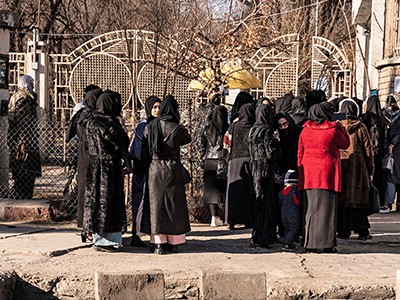
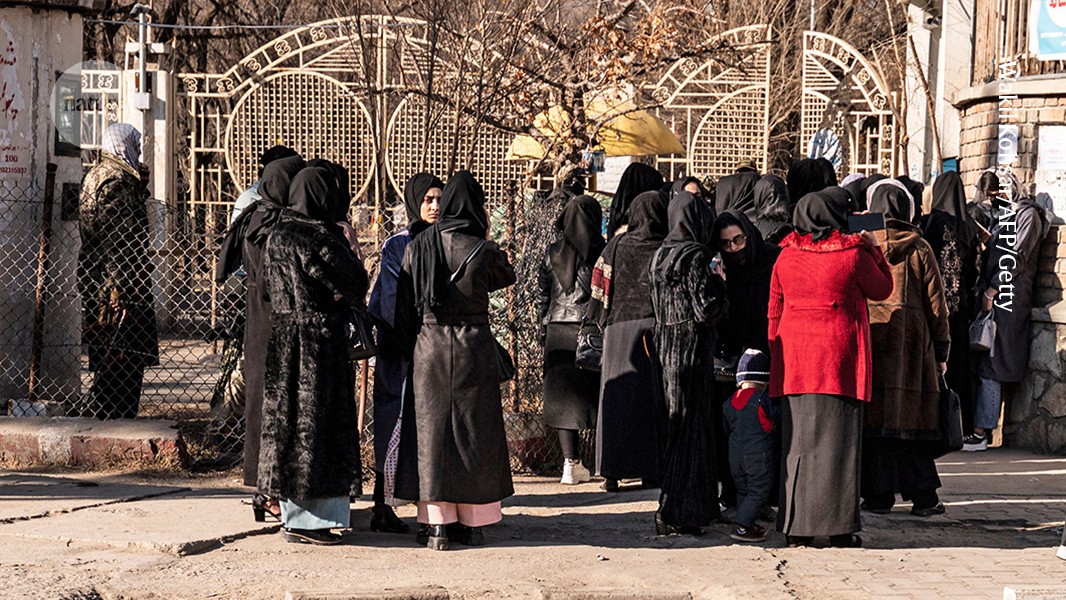
    Three years after the Taliban seized power in Afghanistan, some five million people have left the country, including many of the country’s scientists. Nature spoke to a handful of these refugee researchers and discovered that while most consider themselves lucky, they are anything but settled.

    They worry about those that they left behind, about their visas expiring and having to choose between returning to a life-threatening situation or living as an undocumented person in a foreign land.

    Their experiences also illuminate why many researchers, especially women, are among the millions who left the country, or are applying to leave, amid the humanitarian crisis that has gripped the country since the Taliban’s return to power.

    More than 15 million people in Afghanistan needed emergency food or cash assistance in 2023, according to the World Food Programme. Women’s rights have deteriorated and girls are banned from education once they reach 12, albeit with some recent exceptions made for medicine. Female university staff are restricted from teaching.

    New life

    Clinical scientist Shekiba Madadi spent more than a year training in the laboratory at a research centre in Kabul, before the Taliban seized power on 15 August 2021.

    Madadi planned on studying the effects of the herbal remedy hibiscus on alleviating morphine-withdrawal symptoms in rats — but that work was abruptly terminated. “The Taliban said that girls should not go to the research centre,” says Madadi. “I got very depressed.”

    The first few months of the new regime were frightening. Everyone was scared and dared not leave home, she recalls. Eventually, Madadi started working at a private hospital, attending to female patients under the supervision of doctors, and making sure to cover her entire body except for the eyes, out of fear of the Taliban. Research at the university dwindled, including for the men, because of a lack of funding. Many researchers left the lab to work on public-health surveys, but the Taliban warned them against publishing anything critical of it, Madadi says.

    Although some limited research is happening, researchers “feel unsafe publishing and sharing their analyses for fear of prosecution”, says Orzala Nemat, a political ethnographer and Afghan scholar at the international-development think-tank ODI in London.

    In March 2023, Madadi crossed the border to Pakistan, to sort out paperwork for onward travel to the United States. She moved there in July 2023, through the support of a US programme. Madadi is now studying to qualify as a medical doctor and working at a private cardiac treatment centre.

    Madadi considers herself lucky. Some of her friends in Afghanistan have left but are struggling to make enough money to support themselves and their families back home.

    ‘Prison’ passport

    Afghanistan’s international isolation hit one researcher especially hard. The Taliban takeover didn’t just change her life, they “took my life”, says a researcher, whom we are calling Researcher A — she has asked to remain anonymous to protect her family. She was in her final year of medical school in Iran when the Taliban came to power, and couldn’t return home.

    After graduating, Researcher A obtained a position in fetal medicine in the United States. But she still encounters problems while travelling. An Afghan passport, she says, is like being in prison. “You cannot go anywhere.” Added to that is the feeling that people have a negative perception of her nationality. This was echoed by other researchers that Nature spoke with.

    Despite these difficulties, Researcher A continues to support young female medical students in Afghanistan who were shut out of universities. She organizes virtual training sessions on topics from writing research proposals to preparing questionnaires for reproductive-health surveys. Her students have collected responses from some 600 women at hospitals across Afghanistan. Their manuscript is under review by a journal.

    Many students have been taking online classes provided by international institutions. And there have been plenty of opportunities. For example, since 2023, India has offered 1,000 online scholarships to Afghan undergraduates and postgraduates. However, with no real job prospects, female students are getting frustrated, Researcher A says. Her sister, who is still in Afghanistan, has racked up online course certificates, but often asks: “What are all these classes going to end in?”

    Even if the Taliban were to leave the country soon, “it will take a very, very long time for this country to just start again”, she says. “They are breaking into pieces the foundation of everything in academia or research. If you want to destroy a country, close the door to schools.”

    Men of science

    Schools and universities remain open to boys and men, and the Taliban are encouraging some forms of research as long as it doesn’t challenge their policies, says an Afghan doctoral student at a US university, who worked as a faculty member at an Afghan university for some two years under the Taliban administration. We are calling him Researcher B to protect his identity. For example, research of relevance to the community, such as educational studies, is allowed. Researcher B also says that the Taliban have established some level of security, which largely eluded the country since it was invaded by the Soviet Union in 1979. “There is no fear of explosions,” which were a feature of previous periods in the post-1979 era.

    Still, the repercussions for those who speak out can be serious. In January 2022, Researcher B was jailed for three days after protesting against some of the academic changes and treatment of women by the Taliban. “If you’re against their policy, you are in extreme danger,” he says.

    Another researcher, whom we are calling Researcher C, and who is a member of one of Afghanistan’s minority communities, the Hazara, says that he was verbally attacked because some of his religious practices were different to those of the Taliban. Academics in Afghanistan lack freedom of speech, he says. “They can breathe, they can live — as long as they don’t speak against the new regime.”

    ‘My dream was to become a good researcher’

    Most of the refugee researchers that Nature interviewed say that although they are relieved to have left Afghanistan, their circumstances are precarious. Researcher C is pursuing a master’s degree in economics and public policy in Japan, but must leave the country after the two-year programme ends next year. “I’m so concerned about my future,” he says.

    Musa Joya, a medical physicist who, this year completed a postdoctoral position at the University of Surrey in Guildford, UK, is searching for jobs as a school teacher because of the lack of research opportunities open to him. “It’s created a big gap between my dreams and what is the reality now for my life,” says Joya, who was originally an assistant professor at Kabul University. “My dream was to become a good researcher, a good university professor, so I serve my people through teaching, research and clinical activities. But that doesn’t happen, unfortunately.”

    The light of hope

    Since 2021, more than 200 scholars have received assistance through international programmes that help them to find academic jobs outside of Afghanistan. Analytic chemist Mohammad Hadi Mohammadi was supported by the Council for At-Risk Academics, a charity based in London that helps universities employ refugee-academics. He was teaching at Balkh University in Mazar-i-Sharif, Afghanistan, and was a consultant for chemical, mining and food companies.

    Mohammad Hadi Mohammadi stands at the head of a table teaching while people sit and listen

    Analytic chemist Mohammad Hadi Mohammadi teaching in Mazar-i-Sharif before the Taliban takeover of 2021.Credit: Mohammad Hadi Mohammadi

    When the city fell, he flew to Kabul and hid in a small room with his family. With the help of former colleagues in the United Kingdom, he secured a two-year position at the University of Exeter, UK, and, more recently, another two-year position managing an advanced analytic equipment lab also at Exeter.

    Mohammadi, who is accompanied by his wife Maryam Sarwar and their three children, worries about the mental health of their female family members in Afghanistan. Sarwar, formerly a lecturer in midwifery at Aria University in Mazar-i-Sharif, is traumatized by the memory of living under the Taliban for four months.

    But Mohammadi still hopes for a return. “We are scientists. The solution of this situation is not with us, but all the pain of this condition is on our shoulders,” he says. “The only light in our hearts is hope.”

    [ad_2]

    Source link
  • Your microwave oven has its own microbiome

    Your microwave oven has its own microbiome

    [ad_1]

    A close-up of hands operating a microwave

    After reading this story, you might want to clean your microwave oven.Credit: Maksim Kostenko/Alamy

    ‘Extremophiles’ are organisms that can survive, and even thrive, in the harshest of environments, including inside scorching hydrothermal vents, sub-zero Antarctic ice and the crushing pressures of Earth’s crust. Now, they’ve been discovered in a more pedestrian setting: microwave ovens.

    Although previous studies found distinct communities of microbes in kitchen appliances such as dishwashers1 and coffee machines2, this is the first time that the microwave oven has been investigated for having its own microbiome. The research, published today in Frontiers in Microbiology3, adds to existing work challenging a common misconception: that microwave radiation heats up and completely kills bacteria that cause food-borne illness, such as Escherichia coli and Salmonella.

    “We’ve all been taught, from like the 1980s, that if you use a microwave oven, it heats everything up — it kills everything,” says Jason Tetro, a freelance microbiologist, known as ‘The Germ Guy’, in Edmonton, Canada. This study is “important”, he says, because it shines a spotlight on potential pathogens in these appliances, especially shared ones.

    All that’s zapped is not killed

    Alba Iglesias, a microbiologist at the University of Valencia in Spain, and her colleagues swabbed 30 microwave ovens — including some in households; some shared in large spaces, such as offices; and some used in laboratories to heat specimens and chemical solutions. The team then cultured its samples in Petri dishes and determined the genera of the microbes that grew. They also sequenced the DNA in the material swabbed from the microwave ovens to get a sense of the bacterial diversity inside the appliances.

    A total of 101 bacterial strains grew in the cultures. The dominant ones belonged to the Bacillus, Micrococcus and Staphylococcus genera, which commonly live on human skin and surfaces that people frequently touch. Human-skin bacteria were present in all three types of microwave oven, but were more abundant in the household and shared-use appliances. A few bacteria types associated with food-borne illnesses, including Klebsiella and Brevundimonas, also grew in some of the cultures from household microwaves.

    Laboratory microwave ovens contained the greatest genetic diversity of bacteria. The researchers found both kitchen-counter bacteria and extremophiles that can withstand the radiation, high temperatures and extreme dryness in these appliances.

    “You don’t need to go to very exotic — geographically speaking — places to find diversity of microorganisms,” says co-author Manuel Porcar, a microbiologist also at the University of Valencia in Spain.

    The team suggests that the extremophile strains they found in the microwave ovens might have been ‘selected’ evolutionarily by surviving repeated rounds of radiation, and could have biotechnological applications, such as in the bioremediation of toxic waste. Porcar says that the next step is to investigate how microwave usage might affect these bacteria over time.

    But for the general public, the implications of the study are simpler. “A microwave is not a pure, pristine place,” Porcar says. It’s also not a pathogenic reservoir to be feared, he says. But he does recommend cleaning your kitchen microwave often — just as often as you would scrub your kitchen surfaces to eliminate potential bacteria.

    [ad_2]

    Source link

  • How covid conspiracies led to an alarming resurgence in AIDS denialism

    How covid conspiracies led to an alarming resurgence in AIDS denialism

    [ad_1]

    Before they promoted bunk information on HIV and AIDS, Rogan, Kennedy, and Rodgers were spreading fringe theories about the coronavirus’s origins, as well as loudly questioning basic public health measures like vaccines, social distancing, and masks. All three men have also boosted the false idea that ivermectin, an antiparasitic drug, is a treatment or preventative for covid that is being kept from the American public for sinister reasons at the behest of Big Pharma. 

    “The AIDS denialists have come from the covid denialists,” says Tara Smith, an infectious-disease epidemiologist and a professor at Kent State University’s College of Public Health, who tracks conspiratorial narratives about illness and public health. She saw them emerging first in social media groups driven by covid skepticism, with people asking, as she puts it, “If covid doesn’t exist, what else have we been lied to about?” 

    “Unlike HIV, covid impacted everybody, and the policy decisions that were made around covid impacted everybody.”

    The covid pandemic was a particularly fertile ground for such suspicion, Kalichman notes, because “unlike HIV, covid impacted everybody, and the policy decisions that were made around covid impacted everybody.”

    “The covid phenomenon—not the pandemic but the phenomenon around it—created this opportunity for AIDS denialists to reemerge,” he adds. Denialists like Peter Duesberg, the now-infamous Berkeley biologist who first promoted the idea that AIDS is caused by pharmaceuticals or recreational drugs, and Celia Farber and Rebecca V. Culshaw, an independent journalist and researcher, respectively, who have both written critically about what they see as the “official” narrative of HIV/AIDS. (Farber tells MIT Technology Review that she uses the term “AIDS dissent” rather than “denialism”: “‘Denialism’ is a religious and vituperative word.” ) 

    In addition to the renewed skepticism toward public health institutions, the reanimated AIDS denialist movement is being supercharged by technological tools that didn’t exist the first time around: platforms with gigantic reach like X, Substack, Amazon, and Spotify, as well as newer ones that don’t have specific moderation policies around medical misinformation, like Rumble, Gab, and Telegram. 

    Spotify, for one, has largely declined to curb or moderate Rogan in any meaningful way, while also paying him an eye-watering amount of money; the company inked a $250 million renewal deal with him in February, just weeks before he and Weinstein made their false remarks about AIDS. Amazon, meanwhile, is currently offering Duesberg’s long-out-of-print 1996 book Inventing AIDS for free with a trial of its Audible program, and three of Culshaw’s books are available for free with either an Audible or Kindle Unlimited trial. Farber, meanwhile, has a Substack with more than 28,000 followers.

    Peter Duesberg
    Now 87 years old and no longer actively speaking publicly, Peter Duesberg’s decades-old theories about AIDS are finding new life online.

    AP PHOTO/SUSAN RAGAN

    (Spotify, Substack, Rumble, and Telegram did not respond to requests for comment, while Meta and Amazon confirmed receipt of a request for comment but did not answer questions, and X’s press office provided only an auto-response. An email to Gab’s press address was returned as undeliverable.) 

    While this wave of AIDS denialism doesn’t currently have the reach and influence that the movement had in the past, it still has potentially serious consequences for patients as well as the general public. If these ideas gain enough traction, particularly among elected officials, they could endanger funding for AIDS research and treatments. Public health researchers are still haunted by the period in the 1990s and early 2000s when AIDS denial became official policy in South Africa; one analysis estimates that between just 2000 and 2005, more than 300,000 people died prematurely as a result of the country’s bad public health policies. On an individual level, there could also be devastating results if people with HIV are discouraged from seeking treatment or from trying to prevent the virus’s spread by taking medication or using condoms; a 2010 study has shown that a belief in denialist rhetoric among people with HIV is associated with medication refusal and poor health outcomes, including increased incidence of hospitalization, HIV-related symptoms, and detectable viral loads. 

    [ad_2]

    Source link

  • Public Health Experts Want the Olympics to Drop Its Oldest Sponsor

    Public Health Experts Want the Olympics to Drop Its Oldest Sponsor

    [ad_1]

    Since then, every Summer and Winter Olympics has adopted a strict smoke-free policy and, since 2010, a complete tobacco-free policy. Smoking is not permitted at any Paris 2024 venues except in designated areas—a rule that extends to vaping.

    Alcoholic beverage companies are another category of controversial Olympic sponsors, from Molson Brewery at the 1976 Montreal Olympics to Heineken at the 2004 Athens games.

    Though the IOC is partnered with AB InBev, the world’s leading brewer, Corona Cero—a zero-alcohol drink—is the global beer sponsor of the Paris Olympics. The Olympic Committee says this highlights both organizations’ “commitment to responsible consumption and a better world.”

    Efforts like the Kick Big Soda Out of Sport campaign aren’t coming out of nowhere. In the 2012 London Olympics, Coca-Cola’s sponsorship, which featured various promotional activities focused on youth engagement, faced significant backlash. And in 2021, the company’s sponsorship changed; Coca-Cola now has a joint “Olympic Partner,” or TOP, agreement with Mengniu, a Chinese dairy-product company, that makes them the exclusive non-alcoholic beverage sponsors of the Games. (The TOP programme is the Olympics’ highest level of sponsorship.)

    “Coca-Cola gets positively connected with a dairy food company and the ‘health halo’ that comes with that,” says Joe Piggin, senior lecturer in sport Policy at Loughborough University. Therefore, though a joint sponsorship may seem to lessen the significance of Coca-Cola’s funding, strategically this move actually leverages the company’s sponsorship and future longevity.

    From 2021 to 2032 (when their contract is up), the joint sponsors will pay an estimated total of $3 billion to the IOC. Coca-Cola’s 14-person athlete roster was revealed in the lead up to the 2024 games. The face of this campaign is this image, in which the athletes hold bottles of Coca-Cola’s drinks. Certain athletes hold full-sugar Coca-Cola itself, which has 53 grams of sugar per 500ml—almost double the recommended daily sugar intake for an adult.

    Many of the athletes hold Powerade Original, another of Coca-Cola’s drinks, which contains 5.8 grams of sugar per 600ml bottle, almost 20% of recommended daily intake. (Powerade is also the official drink of the US Olympic team.)

    Experts have said that this marketing strategy mirrors Olympians of the past hawking cigarettes. A recent project by the Centre For the Study of Tobacco and Society investigated this, noting that Harold “Dutch” Smith, a high-diving champion, was quoted in a 1935 Saturday Evening Post ad saying “Camels don’t get your wind.”

    “If a cigarette company tried to run a commercial on network TV during the Olympics, there would be such an outcry. It [should be] no different for Coca-Cola,” says Lustig. (“The Coca-Cola Company provides a wide range of beverage options that include dairy and juice drinks as well as water, tea, coffee, and sparkling beverages, with many sugar-free options available,” an IOC spokesperson tells WIRED.)

    “We urge sports organizations to stop promoting unhealthy food and drink and work with health experts to create a healthier food environment,” Zoe Davies, a nutritionist from Action on Sugar said in a statement issued to WIRED.

    Coca-Cola did not respond to WIRED’s request for comment. ”The company has used its front groups to advance the argument that the lack of physical exercise and not its sugary drinks are fueling an obesity crisis,” says researcher Ashka Naik from Corporate Responsibility. However, Coca-Cola has been criticized for its manipulation of science to justify this shifting of blame.

    Experts that WIRED spoke with consistently held that Coca-Cola should be the next Olympic sponsor to go; however, they don’t expect this to happen any time soon.

    Many experts suggested a shift shouldn’t be left to the organizations themselves. In order to stop sports organizations from “taking money from ultra-processed food companies,” there must be “public policy measures,” says Lustig. “When there are more votes than dollars, that’s when things will change.”

    [ad_2]

    Source link

  • Data reveal how doctors take women’s pain less seriously than men’s

    Data reveal how doctors take women’s pain less seriously than men’s

    [ad_1]

    A female patient sits on a table while a female Physician examines her spine

    Women are less likely than men to be given painkillers.Credit: Natalia Gdovskaia/Getty

    Physicians treat men and women differently when it comes to pain — women in hospital wait longer to be seen and are less likely to receive pain medication than men, finds a study comparing how pain is perceived and treated in male and female patients.

    The findings, published on 5 August in Proceedings of the National Academy of Sciences1, highlight how our perception of others’ experiences of pain can be affected by unconscious bias.

    “Women are viewed as exaggerating or hysterical and men are viewed as more stoic when they complain of pain,” says co-author Alex Gileles-Hillel, a physician-scientist at the Hebrew University of Jerusalem.

    Minimizing women’s pain

    Gileles-Hillel and his colleagues investigated the extent of this bias at emergency departments in Israeli and US hospitals. They analysed more than 20,000 discharge notes of patients who had come in with ‘non-specific’ pain complaints — those without a clear underlying cause — such as headaches.

    The analysis found that, when first arriving at hospital, women were 10% less likely than men to have a recorded pain score — a number from 1 to 10, given by the patient, that helps to inform physicians about the severity of pain. After the initial assessment, women waited an average of 30 minutes longer than men to see a physician, and were less likely than men to receive pain medication. This trend was consistent regardless of the gender of the nurse or doctor. “Women can hold the same stereotypical views as men about women’s pain,” says Gileles-Hillel.

    The researchers also tested how 100 health-care professionals perceived patients’ pain. Participants were presented with a scenario of a patient with a severe backache and were given the patient’s previous clinical information. The patient profiles were identical, except for sex. Participants consistently gave higher pain scores to the male patient than to the female one.

    “One of the reasons that we see this in the pain context is because there aren’t objective measures for pain, so the physician has to rely on the reporting of the patient. That allows for more bias,” says Diane Hoffmann, a health-care-law researcher at the University of Maryland in Baltimore. She adds that the issue should be highlighted during medical training, to equip physicians with a better understanding of pain and the potential for bias when treating it.

    A more immediate solution that Gileles-Hillel wants to test is whether using computer systems to generate reminders could be enough to improve fairness — for example an alert could advise a doctor to prescribe painkillers when a patient has reported a high pain score, regardless of gender. “Physicians are not aware of this bias,” he says. “Raising awareness is one solution.”

    [ad_2]

    Source link