Tag: The Innovation Platform Issue 19

  • The JUICE mission’s Lunar-Earth flyby

    The JUICE mission’s Lunar-Earth flyby

    [ad_1]

    Angela Dietz, Spacecraft Operations Engineer at the European Space Agency, spoke with The Innovation Platform ahead of the JUICE mission’s pioneering lunar-earth flyby.

    The JUICE mission, launched in April 2023, is focused on exploring Jupiter’s moons, particularly three out of the four large Galilean moons: Callisto, Europa, and Ganymede. These are of particular interest because of their thick ice crusts, beneath which lies a vast amount of water. Ganymede, the largest moon, is even bigger than the planet Mercury and is believed to contain six times more water than Earth. This possibility has led scientists to speculate about the potential for life below the surface. The icy moons around Jupiter, in particular Jupiter’s moon Europa, are among the most likely places to support life in the solar system, with the chances of finding it being similar to the probabilities associated with Mars.

    While these moons have not been explored extensively before, previous missions, such as the Voyager flybys and the American mission, Juno, have provided valuable first insights. With NASA’s Europa Clipper, even another American mission targets a launch date in the fall of this year, with a particular focus on Europa. Juice will focus on the three icy moons around Jupiter before orbiting Ganymede, which is particularly intriguing due to its magnetic field. With JUICE and Europa Clipper operating simultaneously in the same system and possessing similar instruments, there is a unique opportunity to conduct measurements together.

    Lunar-earth flyby

    This ambitious undertaking spans nearly eight years and involves four scheduled flybys – three past Earth and one past Venus – before finally reaching the Jupiter system. Meticulous planning over the last twenty years led to the development of a route utilising these complex gravity assist manoeuvres rather than aiming towards the outer solar system on a more direct trajectory. This approach has the benefit of minimising the required propellant onboard and meeting the performance envelope of the Ariane launcher.

    Weighing over 6,000kg, JUICE would require an enormous amount of propellant to achieve the mission solely using chemical propulsion.

    Instead, Juice will use flybys to allow the mission to gain additional speed and deceleration when required. Flybys are a crucial strategy for reaching destinations beyond our solar system when direct flights using large rockets are not feasible. They allow us to adequately prepare and adjust for our final destination at Jupiter.

    During the first Lunar-Earth flyby, JUICE will not be accelerating but rather braking to prepare for the next flyby of Venus next year, which requires a 90-degree deflection and a reduction in speed. Depleting the entire chemical propulsion on the spacecraft would only achieve a gain of 3km/s, falling short of the required estimated 5km/s.

    Originally, several different trajectories were developed for JUICE, with the now chosen option being the optimal one under the given boundary conditions. The first of the four required planetary flybys is a Lunar-Earth Gravity Assist (LEGA) occurring on the 19th-20th of August, 2024.

    The LEGA is particularly noteworthy because it’s a double flyby involving sequential encounters with the Moon and the Earth, one day apart. The Moon flyby will occur at midnight on the 19th of August, with the spacecraft approaching from a position further beyond the Earth’s orbit, resulting in an eclipse and a half-hour interruption in ground communication and power supply. After the eclipse, the spacecraft will come 750km away from the moon’s surface, experiencing a deflection of about 15 degrees due to the moon’s relatively low gravity.

    One day later, JUICE will come within 7000km of the Earth’s surface at closest approach. This means that it will pass within the geostationary satellite ring and even cross an area occupied by satellites operating in Medium Earth Orbit (MEO), so precise navigation is crucial to avoid potential collision risks. This manoeuvre will deflect JUICE’s trajectory by about 90 degrees and slow the spacecraft down significantly. By doing so, JUICE will be on route to its next target, Venus.

    lunar-earth flyby
    © shutterstock/Dima Zel

    Testing and calibration opportunities

    The primary focus of the JUICE Flight Control Team on the ground is the flyby itself, as it’s a highly critical manoeuvre that has never been attempted before. Safety and navigation are crucial since the flyby requires precise targeting. However, there will be periods around the closest approaches where all scientific instruments onboard will be activated – one hour on either side of the closest approach to the moon, four hours on approach to Earth, and three days afterwards.  The data gathered here will serve as a crucial calibration reference for the Jupiter system.

    As an example, the RIME experiment will use the opportunity to bounce a radar signal off the surface of the Moon and record the echo in order to characterise its antenna interference signal. This will enable the science team to maximise their scientific observations at Jupiter. As other examples, the GALA laser altimeter will target the Moon during the flyby, and the magnetometers onboard will study Earth’s magnetic field as JUICE passes through it.

    Mitigating potential risks

    The LEGA trajectory is highly sensitive as any deviation is amplified due to the gravitational influence of the Moon and Earth. The mission has an allocated contingency budget for navigation purposes, but this can be quickly depleted. JUICE’s target is a specific point 750km from the moon, and missing this target only by 30km would completely deplete the allocated contingency propulsion budget, which would have significant ramifications for the mission. The double flyby magnifies this risk, with deviations near the Moon impacting navigation accuracy close to Earth even harder. Multiple ground stations are currently engaged in a comprehensive navigation campaign to ensure accurate tracking and reduce the risk of errors.

    There are weekly slots dedicated to manoeuvres to correct any deviations, such as a minor targeting manoeuvre executed in July. Within a couple of hours of the flyby, we will also have specific conditions allowing us to make last-minute adjustments in case the spacecraft enters a safe mode or encounters a failure. In such a scenario, quick recovery is crucial, and the extensive contingency simulations conducted to prepare the team should ensure a rapid response.

    Achieving precision

    Prior to LEGA, ESA conducted an extensive six-week navigation campaign in which daily passes were conducted, utilising Delta Differential One-way Ranging. This method involves tracking the spacecraft simultaneously with two ground stations to achieve extremely precise positioning. The operators leverage the extensive ground station network, including the ESTRACK stations in Australia, Spain, and Argentina.

    As Earth is approached, navigation becomes more accurate. The members of the ESA Flight Dynamics Team are highly trained professionals, often achieving precisions within the range of single kilometres and centimetres per second velocities.

    A team effort

    The flybys and the JUICE mission, in general, are products of international collaboration. Within ESA, numerous stakeholders are spread throughout Europe, such as the science planning team in Madrid. International collaboration is also important regarding collision avoidance. The space debris office in Europe collaborates closely with their American colleagues to regularly check for potential collisions with other satellites 12 hours before Earth’s closest approach and propose avoidance manoeuvres if needed. Additionally, JUICE’s scientific instruments have been developed by an international consortium, with teams operating from Europe and the US.

    Potential impact

    The LEGA double flyby is the world’s first, and its success will significantly impact the planning of future missions, demonstrating it as a viable method. The increased complexity involved with this type of manoeuvre will have been proven to be manageable by modern computer systems, and its benefits will outweigh the operational risks. This will open the opportunity for future missions to follow the same approach.

    The JUICE Flight Control Team is optimistic about the success of the manoeuvre, and overall confidence in the developed control systems is high. With all necessary preparations completed and precautions met, we are now eagerly anticipating the execution phase and the scientific results it may yield.

    Please note, this article will also appear in the 19th edition of our quarterly publication.

    [ad_2]

    Source link

  • Analysing progress in developing Europe’s energy storage sector

    Analysing progress in developing Europe’s energy storage sector

    [ad_1]

    To learn about Europe’s energy storage potential and exciting progress in the sector, The Innovation Platform Editor Maddie Hall spoke with EIT InnoEnergy’s Thematic Leader of Smartgrid and Storage, Johan Soderböm.

    As the world navigates its transition to renewable energy, the importance of grid flexibility has become increasingly evident. With many renewable energy sources, such as wind and solar, providing an intermittent electricity supply, it is challenging to rely heavily on these technologies to meet supply and demand on a large scale without the capacity to store excess energy for use during peak times.

    Considerable research and development has been directed towards this aim, and EIT InnoEnergy is committed to facilitating advanced energy storage technologies to support Europe in meeting its green goals.

    To discuss the evolution of the energy storage sector and highlight the significant strides being made towards long-duration energy storage capacity, The Innovation Platform spoke with Johan Soderböm, EIT InnoEnergy’s Thematic Leader of Smartgrid and Storage.

    Can you explain the importance of energy storage to the green transition and recent developments in the sector?

    In order to meet the ambitious sustainability goals set for 2030, it is essential to double the capacity of the electrified energy market. While there is considerable focus on researching and innovating green energy solutions to meet this demand, it is equally vital to assess the grid’s ability to support the anticipated increase in energy consumption.

    Energy storage plays a vital role in the transition to sustainable energy by providing the necessary flexibility to adapt to the changing energy landscape. Various types of energy storage, including batteries and other electricity storage options, can be incorporated into the grid to alleviate strain and enhance overall efficiency. Opting for strategic storage flexibility resources is a more efficient and cost-effective approach compared to the expensive and time-consuming alternative of adding more copper to the grid.

    In recent years, there has been significant progress in energy storage technologies. Historically, around 90% of global electricity storage relied on pumped hydropower, which, while effective, required substantial space and challenging permitting efforts.

    Battery costs have significantly decreased since the mid-2010s, largely due to the demand from the electric vehicle industry. Consequently, we are witnessing the emergence of large battery installations integrated into the grid, with global installations exceeding 40GW in 2023. Initially, batteries were predominantly employed in residential settings, behind the meter, as a complement to solar power systems for optimising self-generated electricity consumption. Over the past five years, batteries have rapidly become widely accepted as grid assets.

    Redox flow batteries are a promising solution for large-scale energy storage with the potential to integrate renewable energy sources like solar and wind into the grid efficiently. In particular, they are well suited for long-duration energy storage, which is crucial for balancing intermittent renewable energy sources. Energy is stored in liquid electrolytes in external tanks and undergoes reversible oxidisation and reduction reactions to convert energy. This solution is easily scalable and durable, with the batteries having a long operational lifespan. EIT InnoEnergy is supporting a number of companies in advancing this technology and ultimately integrating flow batteries into the grid.

    Research and development of long-duration storage solutions tailored for grid deployment are ongoing. Currently, batteries can effectively store energy for one or two hours, but we may soon require storage for longer durations. Consider the scenario in southern Europe, where extensive solar power plant installations are tied to the grid. By pairing these solar facilities with batteries, it becomes possible to supply electricity around the clock. This continuous access to renewable energy is crucial for the system, but it demands longer storage capabilities.

    Over the decades, the need for long-duration storage has become increasingly important due to high fluctuations in the electricity market. Efforts to decarbonise industries such as steelmaking and fertiliser production require 24/7 access to green electricity to generate green hydrogen, which necessitates longer storage times exceeding four hours. Technologies such as flow batteries and new methods for pumped hydro storage are emerging.

    One company supported by EIT InnoEnergy, a leading organisation in this field, is Mine Storage. Mine Storage specialises in transforming abandoned mines into valuable energy storage solutions. They utilise the well-known principles of pumped storage hydropower, using water and gravity to store and release energy between two underground chambers. This closed-loop system repurposes existing infrastructure, making it a more sustainable and cost-efficient solution for energy storage. With EIT InnoEnergy’s support and investment, the goal is to scale up this approach and implement it worldwide.

    How does EIT InnoEnergy support energy storage in Europe?

    EIT InnoEnergy is an advanced investor who does not directly manage projects but focuses on identifying new technologies and early-stage assets. Our investments cover the entire value chain and support Europe´s energy transition, identifying gaps that need addressing.

    Beyond the investments we mentioned previously,  EIT InnoEnergy has since 2017 directed its efforts into cell manufacturing, where we’ve heavily invested in several complementary companies. One of these is Verkor, a prominent cell manufacturer in France and one of the first major European companies to enter the market. Verkor specialises in developing and manufacturing high-performance battery cells for high-end electric vehicles and other demanding electrification applications. By being part of the EIT InnoEnergy ecosystem, Verkor has successfully built robust manufacturing capacities that benefit all of Europe.

    EIT InnoEnergy is exploring new technologies, including Basquevolt, one of the first production facilities for solid-state batteries. These batteries represent the next generation of lithium-ion technology and advanced cell manufacturing, promising much higher energy densities and thus opening more affordable lightweight electric vehicles.

    In addition, earlier this year, EIT InnoEnergy launched Repono, a pan-European company aimed at boosting Europe’s energy storage. Its strategic approach can be replicated worldwide to accelerate the deployment of energy storage systems. Repono aims to enhance grid stability by strategically deploying, owning and operating large-scale storage facilities. By 2030, in line with the European Commission’s target of achieving a 42.5% share of renewable electricity, Repono plans to have deployed 100 gigawatt-hours of energy storage in Europe

    How can energy storage be integrated into infrastructure?

    Integrating energy storage solutions into existing urban planning is pivotal for future grid development, considering the challenges associated with building new electricity infrastructure. Initially installed behind the meter in residential quarters, batteries were used to support the optimisation of self-generated electricity consumption. The next step is to aggregate these batteries and offer their spare capacity to the grid, providing flexibility in urban settings and thereby transforming residential facilities into grid-integrated resources rather than simple energy consumers.

    The rapid deployment of batteries in electric vehicles presents another significant avenue. The forthcoming vehicle-to-grid installations will enable electric vehicles to feed electricity back into the grid, presenting a large, flexible resource. Many vehicles are already capable
    of vehicle-to-grid operation, but infrastructure investment is needed to connect them with a bidirectional charger.

    The retail side of the electricity market is also evolving, with companies offering hourly contracts, providing an opportunity for consumers to respond to pricing signals. This not only benefits individual consumers by optimising costs but also benefits the overall system by utilising excess renewable energy. Integrating storage in these various ways presents numerous opportunities for urban planning and energy infrastructure.

    How can we address challenges to widespread implementation?

    If we are to sustainably implement storage capacity in the European grid, our value chain also has to be sustainable, and this is undeniably one of the most formidable tasks at hand.

    EIT InnoEnergy supports the European Commission’s initiative to establish a green battery supply chain in Europe. Currently, we mostly import complete batteries, battery cells, and battery materials from Asia, with China being the dominant supplier.

    The Commission has made significant progress in policy-making on battery regulation. In 2023, the European Parliament and Council adopted the new Batteries Regulation following a proposal from the Commission. This regulation aims to introduce declaration requirements, performance classes, and limits on the carbon footprint of batteries by 2025. The goal is to reduce battery waste and the presence of harmful substances that complicate recyclability. The increased regulation is intended to support Europe’s battery supply chain autonomy.

    EIT InnoEnergy is aligning with these initiatives as best as it can. One of the major scarcities in the European value chain is on the raw material side, especially the active materials used in batteries. As a result, we are investing in companies that support the production of these materials. The companies and manufacturers we work with or invest in are also strongly committed to a European value chain. For example, we support a company called GDI that provides silicon anodes for lithium-ion batteries using only the European value chain.

    © shutterstock/Aree

    There are also challenges related to integrating batteries into market design. Several market structures are highly compatible with battery utilisation, especially in applications such as frequency support. While this has proven to be profitable in recent years, the upcoming shift in market demand, specifically the demand for long-term energy storage, means these market structures must adapt.

    Batteries represent a new asset class that can replace peak power plants and flexible demand-side resources. However, existing regulations are not tailored to this, and in many countries, issues related to double taxation when feeding in and selling electricity create obstacles for the battery business.

    Regulations need to be adjusted to facilitate battery deployment into the system. While EIT InnoEnergy doesn’t have a direct impact on this, we maintain good collaboration with the European Commission as part of our role in the European Battery Alliance, leading the industrial part of it, and engage in discussions on this at both the Member State and Commission levels.

    There is ongoing work to improve market design, particularly in response to the recent electricity price spikes triggered by the Ukraine war crisis. It’s important to introduce new market designs to support battery installations, incorporating local regulations, market signals, and potentially longer-term capacity payments. These concepts aren’t entirely new, as they have been successfully implemented in various markets. The UK has made significant strides in these areas, providing valuable insights that can be implemented in different member states.

    What do you anticipate for the energy storage sector in the next decade?

    One noticeable trend is the exploration of alternative chemistries to the standard lithium-based chemistry commonly used today. In particular, sodium-ion batteries show promise but require further development and industrialisation to become a viable market product. We have invested in Altris, a Swedish company specialising in cathode material for sodium-ion batteries, and there are several other companies actively involved in sodium-ion technology. Looking ahead, commercial sodium-ion batteries are expected to become prevalent within the next decade. Additionally, emerging chemistries, such as sulphur-based chemistry, also hold potential for future applications, as sulphur is in abundance.

    We need to consistently implement legislation and regulations that will accommodate and advance the battery market. With proper support, we could see a rapid increase in the introduction of storage capacity in the grid. Providing incentives or loans that facilitate long-term perspectives on income and the market could make these installations much more financially viable.

    The incorporation of energy storage technologies into the grid is crucial in facilitating the transition towards sustainable and renewable energy sources. This integration should be viewed as an integral component of a comprehensive energy system and recognised for its capability to enhance the flexibility and resilience of the power grid.

    To fully harness the benefits of energy storage, it is imperative to optimise our use of available resources and maximise overall system efficiency. Implementing energy storage on a large scale necessitates a strategic approach that evaluates the existing infrastructure and identifies opportunities to leverage flexibility for cost-effective deployment.

    In the European context, the primary goal is to establish an economically efficient energy storage system that utilises existing assets and aligns manufacturing processes with energy storage considerations. By integrating these elements, we can create a sustainable energy framework that supports the continued growth of renewable energy and contributes to overall environmental conservation efforts.

    Please note, this article will also appear in the 19th edition of our quarterly publication.

    [ad_2]

    Source link

  • Canada’s battery metals sector: A cause for optimism

    Canada’s battery metals sector: A cause for optimism

    [ad_1]

    Sean De Vries, from the Battery Metals Association of Canada, debunks the myths of declining EV sales and highlights the promising investments and developments that indicate Canada’s strong position in the global battery metals industry.

    With a solid foundation of resources and expertise, as well as support from strategic investment by the government and private sector, Canada’s battery metals sector has flourished in recent years. While recent concerns have surfaced about the deceleration of the EV market due to various economic factors and infrastructure availability, the reality seems to indicate cause for optimism.

    The Battery Metals Association of Canada (BMAC) brings together the entire supply chain of Canada’s battery metals sector. BMAC is committed to supporting Canada’s rapidly evolving energy landscape and enabling the country to fully leverage its abundant resources. By promoting research and development and fostering collaboration, BMAC aims to expand the domestic supply chain and position Canada as a global leader in driving the energy transition.

    BMAC is confident that Canada’s battery metals sector remains strong and continues to hold significant potential. To highlight the extensive developments currently taking place across the minerals and battery value chains, The Innovation Platform Editor Maddie Hall spoke with BMAC’s Sean De Vries.

    What is the current outlook for battery metals in Canada? Despite recent concerns, why should we be optimistic about the EV market?

    Despite the prevailing doom-and-gloom stories, the numbers clearly indicate a continuous growth in the sale of electric vehicles (EVs) as well as the battery capacity entering the market. Thus, the demand for critical materials shows no signs of slowing. According to Adamas Intelligence, there has been a 12% month-over-month growth in EV sales and a 22% year-over-year growth from the beginning of the year until May. These figures point to a substantial and ongoing expansion in the market, which is likely to increase further.

    Are EV sales the main driver behind this growth?

    While EV sales significantly impact the demand for critical minerals, they are not the only drivers behind the growth. Canada also has a strong energy storage market developing, largely because it is fortunate to have abundant supplies of clean energy, including hydroelectric and nuclear power. The main challenge now is how to effectively capture excess energy created during low consumption periods and store this energy for later use during peak times.

    Energy storage is essential for balancing and ensuring grid reliability, and it goes hand in hand with renewable energy generation. Significant advancements have been made in both fields, and we are seeing more of these developments taking place in partnership, particularly as wind and solar become increasingly larger contributors to the overall energy picture.

    Which battery energy storage technologies are currently most prevalent in Canada?

    Lithium-ion batteries have become the leading technology in the current market landscape owing to their superior performance and energy storage capabilities.

    However, it’s important to acknowledge that future developments could lead to the emergence of alternative battery chemistries, such as sodium or zinc-based systems. The decision on which battery technology to pursue will likely be influenced by factors such as mineral availability, extraction costs, and overall capacity.

    battery metals
    © shutterstock/IM Imagery

    Despite these potential advancements, lithium-ion batteries currently remain the predominant choice for a wide range of applications due to their proven reliability and versatility.

    Can you discuss some of the industry developments happening across the battery metal supply chain?

    There is currently a flurry of activity across the entire value chain, but many of these developments appear to be happening in isolation. At BMAC, our primary focus is to help bring together these individual projects to facilitate the development of a comprehensive battery ecosystem that incorporates all segments of the battery value chain and provides opportunities right across Canada.

    Although Canada is rich in critical minerals, which provide significant opportunities for development, the processing capacity for these minerals is lacking. To address this gap, a crucial next step is to develop processing facilities that can domestically transform these minerals into battery-grade materials to avoid having to export them for processing. There is progress in this area, with announcements that pre-CAM and CAM facilities are capable of creating these materials, but those developments are still underway.

    Furthermore, multiple battery gigafactories have been announced, and they present significant opportunities for the rest of the value chain by creating a demand for the minerals and other components.  Although these facilities are still in development, they will take us one step closer to bridging the gap in processing capacity and completing Canada’s battery supply chain.

    How has the government supported the growth and development of the battery metals sector?

    There has been strong support for the industry from various levels of government right across Canada. Starting with the federal Electric Vehicle Availability Standard that will require 100% of passenger vehicle sales in 2035 to be zero-emission vehicles, the government has created significant domestic market demand for EVs and batteries.

    In addition, substantial investment has been made across the entire value chain, with significant projects taking place in each segment. The objective now is to integrate these projects and establish a comprehensive battery ecosystem rather than isolated initiatives, and BMAC is working to identify where these investments will have the most impact, both in terms of the types of operations that are best suited for the industry in Canada and the ideal locations to support those developments.

    This investment and incentivisation complement the regulation and framework established by the Canadian Government to develop comprehensive supply chain capabilities.

    How is BMAC looking to support and expand Canada’s battery metals industry?

    BMAC is focusing on a few key areas. First, we are working with industry experts to identify the ideal mineral processing operations that can be implemented in Canada to enable the processing of key materials in a competitive and low-carbon manner.

    Second, we are exploring opportunities for battery hubs in Western Canada that can support the hubs in Ontario and Quebec. For example, with the enormous potential of the lithium-brine projects underway in Western Canada, we will examine how those resources and existing assets, infrastructure, and skills can be leveraged to support the development of integrated industry clusters or hubs. Rather than replicating existing operations in the East, this will consider which regions are best suited for particular projects or purposes, ideally addressing gaps in the overall ecosystem.

    Finally, we are supporting organisations right across the value chain in better understanding the need for early engagement with Indigenous communities and stakeholders to ensure they are included in projects in meaningful ways, right from the early development stages. The goal is to find pathways to build strong relationships and partnerships between Indigenous communities and industry to design projects in a way that meets the needs of each.

    Ultimately, we are trying to build the case for smart and strategic development while identifying areas of untapped potential that could be the key to scaling up Canada’s battery metals operations.

    Are there any parallels that can be drawn between the current developments in the mining to energy metals sectors in Canada with other sectors or past developments? What lessons can they provide?

    Interestingly, although the energy transition is about replacing fossil fuels with renewables, in the development of this new clean energy industry, much can be learned from another significant energy development in Canada – the Alberta oil sands.

    The development of the oil sands required significant industry and government collaboration in areas such as research and development, project approvals, and funding.  It also required the inclusion and support of local communities, particularly Indigenous communities, to integrate their perspectives into the developments. Technological innovation was also pivotal in making extraction from the oil sands feasible and economically viable.

    We can draw parallels to similar requirements for success in the extraction of critical minerals and the approval of related projects. Canada has done this before and, with a concerted focus on collaboration, inclusion, and innovation, can once again build a solid foundation for these new industrial developments.

    What are the primary challenges to the battery sector’s development, and how is Canada positioned to overcome these challenges?

    Canada is well-positioned to overcome the challenges facing the battery sector’s development despite China’s current dominance in the mineral and EV markets. While China controls a significant portion of the global lithium-ion battery supply chain and EV production, Canada’s abundant natural resources, strategic partnerships, and commitment to sustainable practices offer a compelling alternative.

    Canada possesses all the necessary pieces to develop a battery value chain and must now bring these together to bolster its competitiveness as an alternative value chain. Our international collaboration is a considerable asset. Canada’s automotive industry is highly integrated with that of the US and is able to capitalise on the large US market so close by.

    The aforementioned industry and government collaboration is also crucial. These initiatives, investments, and clean energy tax breaks support the sector’s development and create a business-friendly climate for organisations to thrive. Canada’s human capital, in regard to its extensive skill sets and knowledge of mineral exploration, chemical engineering, and manufacturing, is another significant advantage, setting it above other locations.

    Thanks to the country’s long history of mining, minerals processing, and manufacturing, the workforce is highly skilled, with many opportunities for industry transfer and redeployment.

    Not only is Canada capable of producing a high-value battery supply chain, but it is also determined to achieve this in a clean, low-carbon manner, which will set it apart from current competitors.

    Innovation will be directed at comprehensive decarbonisation across the industry, and the processing capacity will be developed to allow us to complete the domestic supply chain. Canada is set to have a considerably strong market not just for batteries and minerals but for the entire EV and green energy supply chains, truly cementing its future as a global leader.

    Please note, this article will also appear in the 19th edition of our quarterly publication.

    [ad_2]

    Source link

  • The Aurora supercomputer achieves exascale

    The Aurora supercomputer achieves exascale

    [ad_1]

    The achievement of exascale by the Aurora supercomputer at Argonne National Laboratory marks a significant milestone in the field of high-performance computing.

    The aurora supercomputer, installed in June 2023, is engineered to address some of the world’s most complicated scientific challenges. Aurora is currently the fastest supercomputer globally.

    With its recent achievement of exascale performance, Aurora unlocks higher levels of accuracy, speed, and power compared to previous generations of supercomputers. This advancement will significantly enhance scientific research in areas such as climate modelling, cancer research and green energy.

    To learn more about the Aurora supercomputer, its capabilities, and potential, The Innovation Platform spoke with Mike Papka, Director of the Argonne Leadership Computing Facility and Deputy Associate Laboratory Director of Computing, Environment, and Life Sciences at Argonne National Laboratory.

    Why is Aurora’s achievement of exascale computing a significant milestone? 

    Aurora’s achievement of exascale computing is a significant milestone because it marks the ability to perform over a quintillion calculations per second, which is a tremendous leap in computational power. This power enables Aurora to handle diverse scientific tasks, from traditional modelling and simulation to data-intensive workflows and AI/ML applications, all within a single, unified system. Aurora’s architecture, combining powerful CPUs and GPUs, tackles complex problems such as climate modelling, materials discovery, and energy research.

    What technological advancements enabled the Aurora supercomputer to surpass the exascale barrier, and how do these innovations contribute to its performance?

    Aurora surpassed the exascale barrier thanks to several key technological advancements, including high-bandwidth memory, advanced GPUs, and an interconnect system called Slingshot 11. The Slingshot network, with nearly twice as many end-points as any other large-scale system currently deployed, allows Aurora’s more than 10,000 nodes to deliver massive amounts of data, which is crucial for its performance. This design enables Aurora to be the world’s fastest system for artificial intelligence (AI) (#1 Top500 MxP) and one of the fastest for traditional computing tasks (#2 Top500 HPL).

    In what ways can Aurora’s exascale computing power accelerate advancements in artificial intelligence and machine learning?

    Aurora’s exascale computing power is driven by its huge amount of memory and many GPUs, which are essential for training large AI models with trillions of parameters. These capabilities were demonstrated in June when Aurora achieved outstanding results in mixed-precision calculations, a key aspect of AI training workloads, even before the full system was operational. This performance highlights Aurora’s ability to accelerate AI and machine learning advancements, allowing researchers to handle massive datasets and develop more sophisticated models that can drive breakthroughs in various scientific fields.

    Can you elaborate on the simulations and experiments planned to be conducted using Aurora and how its capabilities will enhance these studies?

    Although Aurora is not yet in full production, real-world codes are already running on the system with excellent results. These include projects from the Argonne Leadership Computing Facility’s (ALCF) Early Science Program and the Exascale Computing Project, covering areas like energy science, cancer research, and cosmology. These applications are producing new science results at scales that were impossible on previous systems – showcasing Aurora’s capabilities even before its official launch. (See here)

    Aurora’s advanced technology will greatly enhance these studies by enabling more detailed and complex simulations. Aurora expands the possibilities for scientific research, allowing for breakthroughs in some of the most challenging areas, particularly in energy science. Full production is expected in 2025.

    Did you face any challenges in the development and deployment of Aurora? What lessons have been learned that can be applied to future supercomputing projects?

    The development and deployment of Aurora encountered many challenges, including delays due to vendor decisions and pandemic-related supply chain issues, which extended the timeline. Unlike previous projects, these issues revealed the need for more flexibility in acquisition strategies. The rigid acquisition models currently used today make it difficult to adapt to the fast-moving changes in the field, where technology evolves rapidly.

    We deployed other powerful systems during the delays, allowing science teams to continue their work. (See Polaris and AI Testbed) This experience taught us the importance of having adaptable strategies and alternative systems in place, ensuring that research can progress even when facing unforeseen obstacles. For future supercomputing projects, more flexible acquisition models will be crucial to keep pace with the rapid advancements in AI and other technologies.

    How do you manage the vast amounts of data collected by Aurora?

    Managing the vast amounts of data generated by Aurora is made possible through a combination of its high-speed Slingshot interconnect and its custom filesystem. The filesystem, DAOS (Distributed Asynchronous Object Store), is a high-performance storage system. The Slingshot interconnect delivers exceptional bandwidth to the DAOS filesystem, enabling fast data transfer and storage.

    This system is fully integrated into ALCF’s Global Filesystem environment, ensuring that data can be efficiently managed, stored, and accessed across Aurora’s vast compute fabric. This setup supports the high demands of simulations and AI workloads. It contributes to Aurora’s leading performance in data management, as evidenced by its top ranking in the IO500 production list in 2024.

    How does Aurora’s energy efficiency and environmental impact compare to previous supercomputers, and what technologies have been employed to reduce its environmental footprint?

    Aurora is designed with energy efficiency in mind, utilising advanced technologies to reduce its environmental impact compared to previous supercomputers. The water-cooled system is more efficient than traditional air cooling, and we’ve strategically placed transformers and switchgear as close as possible to minimise energy loss.

    Additionally, Aurora is housed in a new state-of-the-art data centre specifically designed to support efficient energy use. While Aurora is a step forward, the entire community still needs to continue improving energy efficiency in future supercomputing projects.

    Can you discuss the collaborative efforts between different organisations and institutions in developing Aurora? How did these partnerships contribute to its success?

    The success of Aurora is a result of strong collaborative efforts on multiple fronts. First, we partnered with Intel and Hewlett Packard Enterprise (HPE) to design and deploy the system, ensuring it met the demands of our user community. Second, we worked closely with our sister facilities at the Oak Ridge Leadership Computing Facility (OLCF) and the National Energy Research Scientific Computing Center (NERSC), sharing lessons learned and best practices to optimise the development and deployment process.

    Finally, our partnership with the Department of Energy’s Exascale Computing Project was crucial. This collaboration increased engagement with industry and helped develop exascale-ready tools and applications, ensuring that Aurora would be equipped to tackle the most complex scientific challenges. These combined efforts have been key to Aurora’s success, setting a new standard for supercomputing.

    What are the long-term goals for the Aurora supercomputer, and what are the anticipated next steps in this field?

    Aurora is designed to be a key player in an evolving ecosystem of exascale supercomputers aimed at unlocking new possibilities for scientific research and accelerating discoveries. The long-term goal is to develop AI-enabled workflows and models that could revolutionise fields such as clean energy, understanding our universe, and drug discovery.

    Aurora is also part of a broader journey in the computing continuum. We are already working on the design of the next-generation system, Helios, which will build on the lessons learned from Aurora. Helios will continue this trajectory of innovation, pushing the boundaries of what supercomputing can achieve in the years to come.

    Please note, this article will also appear in the 19th edition of our quarterly publication.

    [ad_2]

    Source link
  • A beacon of research and innovation

    A beacon of research and innovation

    [ad_1]

    CIUSSS du Nord-de-l’Île-de-Montréal drives health and social transformation in Québec through innovative research and advanced technology solutions.

    The CIUSSS du Nord-de-l’Île-de-Montréal (CIUSSS NIM) is a leading health and social services provider in northern Montréal, Québec, Canada. Serving approximately 430,000 residents, CIUSSS NIM is an essential part of Québec’s healthcare system, known for its extensive range of services that include primary care, home care, long-term care, correctional facility healthcare, and specialised hospital care.

    The CIUSSS NIM operates 29 facilities, including five hospitals, a multiservice centre, ten long-term care centres, six local community service centres, six specialised clinics, a multidisciplinary centre, and a birth house.

    Additionally, it extends specialised services to about 2.6 million patients from other regions of Québec. The community it serves is characterised by a significant aging population, ethnocultural communities, and youth facing exclusion or immigration challenges. This comprehensive service offering makes CIUSSS NIM a unique environment for healthcare innovation and research.

    The diverse CIUSSS NIM research ecosystem

    The CIUSSS NIM research community is a collective of approximately 250 researchers and over 500 students. While the primary affiliation of our researchers is with the University of Montréal, other affiliations include the Université du Québec à Montréal (UQAM), McGill University, Concordia University, École de technologie supérieure (ÉTS), Université du Québec à Trois-Rivières (UQTR), and Université du Québec en Outaouais (UQO). These different affiliations enable us to offer complementary support to our researchers, enhancing their ability to conduct cutting-edge research.

    Our research infrastructures support more than 850 projects involving both animal and human studies, including 50 clinical trials, that are organised around four strategic axes: Traumatology and acute care; brain function (sleep, neurodevelopmental disorders, and mental health); health promotion, disease prevention, and chronic disease management; and social research and public health. Across these research axes, the centre is nationally and internationally recognised for several themes:

    Integrated traumatology

    The newly delivered Integrated Trauma Center (CIT) is a unique environment for research and innovation in trauma care. It is located at Hôpital du Sacré-Cœur-de-Montréal, whose emergency receives over 63,000 patients annually and is one of the busiest in Canada. The CIT is a supraregional reference centre for adult tertiary trauma care and a centre of expertise for spinal cord injuries in western Québec.

    It is also a reference centre for severe trauma cases, including road accidents, stab and gunshot wounds, and severe injuries. The CIT is designed to bring together state-of-the-art clinical services and facilities, teaching spaces, and research laboratories in a single shared space.

    This promotes interaction between clinical, research, and teaching missions focused on trauma and also favours interdisciplinary and intersectoral collaboration.

    Sleep medicine

    The Center for Advanced Research in Sleep Medicine (CARSM) is a leading institution in sleep medicine, uniting over 120 professionals, including 20 researchers, with expertise in various sleep-related fields.

    It is equipped with seven rooms for comprehensive sleep recording. CARSM’s objectives include studying the molecular and neuronal mechanisms of sleep, developing and validating diagnostic methods, and creating innovative treatments.

    The centre is also dedicated to disseminating knowledge and raising awareness about the importance of quality sleep. CARSM has structured two important databanks. The Canadian Biobank for Sleep Research has over 40,000 biosamples (DNA, blood and blood components, saliva) supporting research into the identification of biological and genetic markers of sleep pathologies, circadian rhythms or states of consciousness, as well as their overlap with normal aging, neurodegenerative or psychiatric diseases.

    Additionally, CARSM hosts a bank of nights that includes 30,000 polysomnography records, providing invaluable data for advanced analysis, including those based on artificial intelligence. This unique combination of clinical practice and advanced research positions CARSM at the forefront of sleep medicine.

    Child psychiatry

    The Hôpital Rivière-des-Prairies (HRDP) is a premier institution specialising in youth mental health, housing the largest Pediatric child psychiatry department in Québec with 29 child psychiatrists. HRDP focuses on the evaluation, diagnosis, treatment, research, and teaching in fields such as autism spectrum disorders, cognitive disorders, and sleep disorders.

    The hospital’s approach is rooted in empirical methods, integrating clinical practice and research. In addition, HRDP maintains databases to support its research, including a mental health database containing sociodemographic, morphometric, psychometric, and psychosocial data of children and adolescents diagnosed with mental illnesses.

    The autism database holds clinical and psychometric data from over 1000 autistic and neurotypical participants, with neuroimaging data available for 200 of these individuals. This data aids in understanding the neurocognitive characteristics associated with autism and the heterogeneity of its phenotype.

    Behavioural medicine

    The Montreal Behavioural Medicine Centre (MBMC) is an academic research and training centre that focuses on behavioural medicine and psychophysiology.

    The MBMC’s research, which focuses on respiratory and cardiovascular diseases and their risk factors, falls into three broad categories: Behavioural, epidemiological cohort studies, which examine the impact of psychological, social and behavioural factors on chronic disease; laboratory experimental studies, which explore the psychophysiological mechanisms linking psychological and behavioural factors to disease; and intervention studies, which evaluate the effectiveness of behavioural medicine interventions on the primary and secondary prevention of chronic disease.

    A key initiative of the MBMC is its involvement in the International Behavioural Trials Network (IBTN. With over 1300 members from 72 countries, the network co-founded by researchers from the MBMC aims to enhance the quality of global behavioural trials, build networks, and develop a repository of resources on behavioural trials and intervention development.

    Photo courtesy of Univesité de Montréal

    Embracing transdisciplinary Research

    While research at the CIUSSS NIM is defined by guiding themes, transdisciplinary research remains central to our approach as a manner of unifying our different stakeholders in the same entity. More importantly, we have created an environment that favours the transmission of theoretical and practical knowledge. This vision was incorporated into the design of the CIT but is also exemplified by the Centre Jean-Jacques-Gauthier (CJJG).

    Operating as a ‘living lab,’ the CJJG facilitates interactions among researchers, healthcare professionals, and community members to address complex health issues, such as chronic diseases, wellness, and aging, using multiple perspectives. In close proximity, experts from diverse fields – including nutrition, cardiology, respiratory health, and urban health – ensure that research and solutions that result from it are rooted in real-world needs and practical applications, aiming for sustainable health outcomes.

    Our transdisciplinary approach has yielded tangible results, particularly in the area of concussion research. Our researchers studying contact sports are integrating online monitoring with wearable technologies, sideline testing for immediate biomarker collection, and a multidisciplinary hospital-based platform for comprehensive individual assessments. These work together to streamline concussion studies, facilitating the tracking of risk factors before, during, and after injuries.

    Furthermore, researchers from the CIUSSS NIM partnered with local groups to engineer and test an innovative football helmet that was a finalist in the NFL Helmet Challenge. This project advanced helmet technology and demonstrated the practical impact of our research, showcasing how collaborative innovation can lead to safer sports equipment. Importantly, these initiatives highlight our commitment to addressing complex health issues such as concussions from multiple angles.

    These centres of excellence, alongside other areas of expertise at CIUSSS NIM, contribute to a substantial flow of clinical data and interdisciplinary research. The organisation’s commitment to advancing healthcare through innovation is embodied in its vision: “Together, proud and passionate, we innovate to create a healthy world.”

    CIUSSS NIM addresses the evolving healthcare needs of its community by fostering partnerships with medical clinics, community pharmacies, educational institutions, and community organisations. This collaborative approach enhances the richness and diversity of data collection, enabling CIUSSS NIM to deliver tailored and effective healthcare solutions.

    In addition to his research centre, CIUSSS NIM plays a pioneering role in shaping the future of healthcare in Québec and beyond by integrating innovative technologies and practices through the NIM Intelliance Innovation Center.

    The NIM Intelliance Innovation Center: Driving health innovation in Québec

    Since its launch in January 2022, the NIM Intelliance Innovation Center has quickly become a key player in Québec’s healthcare innovation landscape. As a central part of the CIUSSS NIM, the centre addresses the critical challenges facing the healthcare system through innovative technological solutions.

    The Innovation Center aims to facilitate the development, evaluation, and integration of technological innovations that address specific problems identified by healthcare teams. Its mission aligns with improving access to care, enhancing the operational excellence of healthcare teams, and ensuring the well-being and retention of staff.

    The centre supports various stakeholders, including healthcare teams, companies, and the broader ecosystem, providing a comprehensive range of services designed to foster innovation from ideation to adoption.

    Key achievements and extensive network

    Since its inception, the Innovation Center has launched and completed several major innovation projects totalling $4.6m. Among the notable projects are:

    Innovative home care platform

    In collaboration with the Montréal -based company AlayaCare, the centre adapted this leading home care technology platform to meet the needs of Québec’s home nursing teams. The project evaluated the clinical and economic impacts, aiding decision-makers in adopting this innovative platform for home care.

    Virtual reality rehabilitation platform

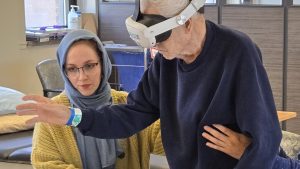
    Developed by NeuroGroup XR, Kinesix VR is a specialised virtual reality training platform designed by therapists to enhance patient recovery through innovative AI-based hand tracking and real-time feedback indicators. The centre evaluated the platform’s acceptability by clinicians and patients and its clinical and economic impacts and identified barriers to adoption to improve the product’s integration into healthcare settings.

    Virtual twin project

    In collaboration with BioTwin, this innovative project involves creating digital twins of patients to predict health outcomes better and personalise treatment plans. The centre’s evaluation of this technology has shown promising results in improving patient care and operational efficiency.

    The NIM Intelliance Innovation Center is a member of several networks across Québec and Canada. This involvement enhances its presence in Québec’s healthcare ecosystem and beyond. The centre has participated in over 20 conferences and workshops, served on eight selection committees for funding programmes, and collaborated with more than 50 innovative companies.

    It has also initiated collaborations outside Québec, notably with Ontario and France.

    Comprehensive service offering

    The Innovation Center provides a broad spectrum of services to enterprises and healthcare institutions within Québec and Canada. These services include:

    • Clinical advice: Offering clinical insights on client/market needs to develop innovations that address real problems.
    • Collaboration for development: Through the Innovation Center, companies have access to clinicians and researchers to develop and refine their innovations.
    • Funding identification: Helping to identify potential funding sources for innovation projects.
    • Impact evaluation: Through standardised impact evaluations, validate and document the real-world value of innovations to facilitate their adoption

    The centre’s expertise in impact evaluation is widely recognised. It has collaborated with ten institutions on several evaluation projects, demonstrating its ability to work with other organisations to rigorously and effectively measure the impact of innovation projects.

    The Innovation Center offers personalised support for innovation projects, helping healthcare teams analyse the root causes of problems, identify potential solutions, and implement pilot projects. It provides comprehensive impact reports and deployment methodologies to aid decision-making and offers support throughout the innovation lifecycle.

    Future vision and goals

    Looking ahead, the NIM Intelliance Innovation Center aims to expand its impact by launching new innovation projects, extending its evaluation services to more healthcare institutions, and fostering greater collaboration within the health and social ecosystem. The centre is committed to continuing its role as a leader in healthcare innovation, driving improvements in patient care and operational efficiency.

    The Innovation Center is a testament to CIUSSS NIM’s commitment to healthcare innovation. By addressing critical challenges, fostering collaboration, and leveraging multidisciplinary expertise, the Innovation Center is transforming healthcare delivery and improving patient outcomes in Québec. Its ongoing efforts and achievements highlight its pivotal role in shaping the future of healthcare, both within the province and beyond.

    Please note, this article will also appear in the 19th edition of our quarterly publication.

    [ad_2]

    Source link

  • Fast-tracking the UK’s power electronics future

    Fast-tracking the UK’s power electronics future

    [ad_1]

    Joe Dobson, Project Delivery Lead at APC, reflects on the importance and opportunities within the power electronics sector and the difference projects like ESCAPE can make to economic growth and security in the UK.

    Power electronics are fundamental to electric vehicles (EVs) and undoubtedly represent key components that are central to the transition to zero-emission vehicles, and yet are a somewhat under-appreciated opportunity for innovation in the UK.

    At the heart of EVs are power electronic devices which have semiconductors as one of the most important components these are commonly referred to as chips. Semiconductors are needed for a wide range of applications on vehicles, ranging from the entertainment system to power-steering. Crucially, they are an integral part of any electrified powertrain, supplying and controlling the current and voltage throughout the drive system. EVs use 30% more chips than ICE (internal combustion engine) vehicles.

    The UK has world-leading expertise in the development and manufacture of silicon semiconductors and unlocking this expertise to build a supply chain for automotive power electronics in the UK is very much up for grabs.

    The Advanced Propulsion Centre UK collaborates with the UK government, the automotive industry and academia to accelerate the industrialisation of technologies that support the transition to zero-emission vehicles and towards a net-zero automotive supply chain in the UK.

    Through a Collaborative Research and Development (CR&D) competition, the APC has brought together a consortium of organisations to use this expertise to build a UK-based supply chain for automotive power electronics in a CR&D project called ‘ESCAPE.’

    Project ESCAPE

    Launched in 2019, ESCAPE was a £19.5m CR&D project that received £9.7m of grant funding from the Department for Business and Trade, which was facilitated through the APC. The partners involved brought a range of expertise across the industry and academia; they included McLaren Applied, Clas-SiC Wafer Fab Ltd, Compound Semiconductor Applications (CSA) Catapult, Exawatt, University of Warwick, Compound Semiconductor Centre Limited, Lyra Electronics Ltd, Microchip Technology Inc., Vishay Intertechnology, Inc. (previously MaxPower Semiconductor, Inc). AESIN and Turbo Power Systems (TPS).

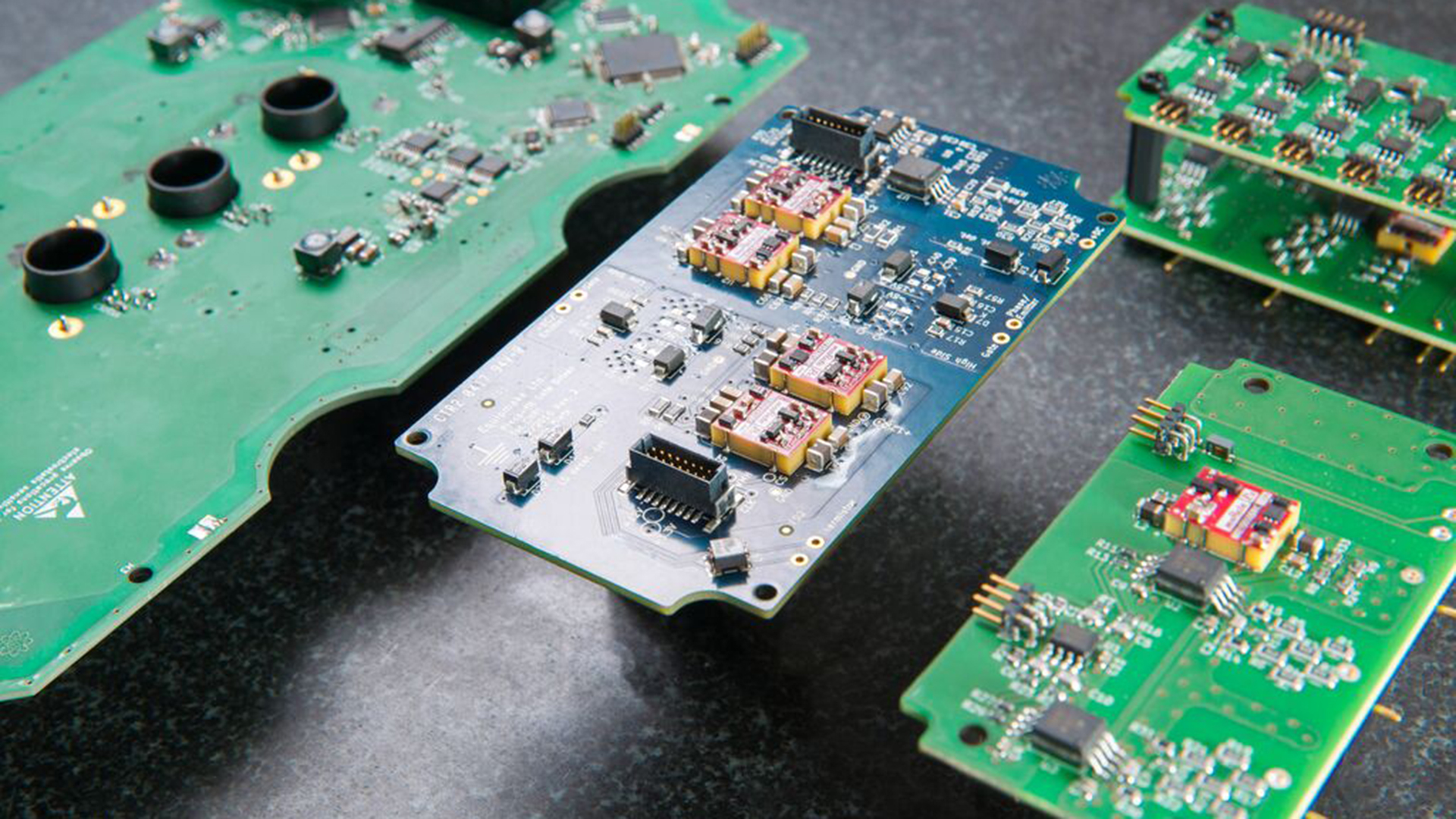
    Together, they have delivered several pioneering innovative technologies, including high-performance inverters, chargers and converters that are now ready for production.

    With so many nations competing for domination in power electronics, the ESCAPE consortium decided to focus on high-performance power electronics that use compound semiconductors made from Silicon Carbide (SiC). By securing the SiC supply chain in the UK, we can foster a whole industry around a localised end-to-end supply chain, which exponentially increases UK jobs and capabilities.

    SiC is a wide bandgap technology that can play a crucial role in improving efficiency in power electronics. Examples of where these technologies provide improvements include:

    • Higher power-conversion efficiency relative to silicon-based power electronics
    • Reduced switching losses in SiC devices enable higher switching frequencies, which allows for a reduction in the size of passive components and motors
    • More efficient power conversion leads to a reduced cooling requirement
    • SiC’s high dielectric breakdown electric field strength allows for simple and efficient 800V conversion system
    • Built-in body diode in a SiC MOSFET (metal–oxide–semiconductor field-effect transistor) can eliminate the need for a separate anti-parallel diode
    • Allows for operation at higher temperatures with reduced risk of thermal runaway

    UK’s power electronics opportunity

    The UK is world-renowned for innovative engineering in many fields and dominates motorsport engineering. This provides a competitive advantage in developing power electronics for EVs that will enable more power, longer ranges and faster charging.

    power electronics

    The UK now has an opportunity to be globally competitive. When it comes to pure silicon, many other countries have taken over that landscape. However, opportunities are present in compound semiconductors such as SiC and Gallium Nitride (GaN), but we must work together and act fast. The clock is ticking.

    Collaboration is key

    The key to APC CR&D project success is collaboration. The ESCAPE project has brought together one of our largest consortia of partners, demonstrating the breadth and depth of the supply chain requirement in joining a consortium of universities, research organisations, manufacturers, SMEs, and Tier 1 automotive suppliers together.

    The power is in numbers. With a dozen companies in the consortium, it is not just the conversations that are had throughout this project on this specific development but the ongoing conversations leading to other projects that are all going to stem from this. Collaboration has a multiplicative effect on what can be generated.

    Project ESCAPE has delivered developments throughout the supply chain, from new etching and epi-layer growth techniques to innovative packaging technologies, culminating with high-performance inverters, chargers, and converters ready for manufacture.

    Equally crucial are the high-value relationships, future opportunities, and large foreign direct investment in UK SiC manufacturing, including Vishay Intertechnology’s acquisition of MaxPower Semiconductor. The project has demonstrated the opportunity of having an end-to-end supply chain for automotive electrification here in the UK, and it does not have to stop there.

    By onshoring this capability, the UK can reduce costs and create jobs in this growing technology field, enhancing its competitiveness and resilience for the supply chain and allowing it to access the capability locally in the global market. To maintain its position as a global leader for SiC technology in the high-performance sector, the UK needs to continue to focus on developing advanced components through projects like ESCAPE, which enables higher power output, longer range, and faster charging.

    Deep dive into the powerful components

    SiC MOSFETs offer huge potential for power electronic systems due to their reduced conduction and switching losses and ability to withstand higher junction temperatures.

    By operating at higher switching frequencies and voltages of 800V +, SiC provides a compounding effect from improved power conversion efficiencies of 5-15% and significant weight savings to the electric motor, cabling, and cooling system.

    Although SiC inverters cost more to produce than Si inverters, efficiency gains across the complete powertrain system can reduce the battery size by
    3-5% (for a given range), offering a valuable route to offsetting costs and reducing critical battery material demand.

    With a focus on SiC semiconductors, then the UK has a credible chance of creating an end-to-end supply chain. SiC is the preferred front-runner for future electric vehicle power distribution, control, and supply management. It is cost-effective when its benefits are applied across the powertrain system, providing power efficiency gains and reducing the size of motors and the battery pack.

    Three Tier 1 components were developed as part of project ESCAPE: An inverter, a DC-DC converter, and an offboard charging station (OfBC).

    • An inverter converts DC power from the vehicle’s battery to AC power to drive the electric motor. These high-power devices (30-400 kW) are either standalone or integrated with the electric motor into an electric drive unit (EDU).
    • A DC-DC converter on a BEV or plug-in hybrid electric vehicle (PHEV) decreases (steps-down) voltage from the high voltage battery, e.g., 400-800 V, to low voltages as needed by the vehicle’s auxiliary systems. These are typically low-power devices (3-7 kW) but high power on a fuel cell electric vehicle (FCEV).
    • An OfBC station is used to charge the vehicle. A high-power medium volt supplied ‘Hub and Spoke’ EV charging solution was developed based on a highly Innovative SiC-based 500 kW Medium (11 kV) to Low (400V) Voltage Electronic sub-station converter.

    In 2023, APC released a report outlining the end-to-end manufacturing process of power electronics in EVs, with an accompanying insight report to spotlight what focus is needed to onshore an end-to-end supply chain in the UK and meet the predicted demand for 2.3 million inverters per annum for UK-manufactured passenger cars and vans.

    The report concludes that increasing local SiC semiconductor and inverter production for high-power vehicles (luxury, performance, SUVs, and HGVs) will future-proof automotive manufacturing in the UK.

    With 80% of the economic value held across power modules and the manufacturing of inverter systems, the UK can play to its strengths with capabilities in its domestic Tier 1 supply chain.

    View the Power Electronics Value Chain and Insight report.

    The UK must continue to invest in research, development, and implementation of power electronics technology.

    By supporting the growth of this critical technology, the UK can ensure that its automotive sector remains competitive and sustainable in the rapidly evolving global market.

    By harnessing the power of this technology, the UK can drive innovation, create new opportunities, and reduce its environmental impact. As the automotive sector continues to evolve, power electronics will play an increasingly significant role in shaping the future of transportation in the UK and beyond.

    About the Advanced Propulsion Centre UK

    The Advanced Propulsion Centre UK (APC) collaborates with the UK government, the automotive industry and academia to accelerate the industrialisation of technologies that support the transition to zero-emission vehicles and towards a net-zero automotive supply chain in the UK.

    Established in 2013, the APC, with the backing of the UK Government’s Department for Business and Trade (DBT), has facilitated funding for 264 low-carbon and zero-emission projects involving 492 partners. Working with companies of all sizes, this funding has helped to create or safeguard over 58,000 jobs in the UK. The technologies and products that result from these projects are projected to save over 410 million tonnes of CO2.

    With deep sector expertise and cutting-edge knowledge of new propulsion technologies, the APC’s role in building and advising project consortia helps projects start more quickly and deliver increased value, accelerating new technologies to market. The APC works to drive innovation and encourage collaboration, building the foundations for a successful and sustainable UK automotive industry.

    In 2020, the UK Government established the Automotive Transformation Fund (ATF) to accelerate the development of a net-zero vehicle supply chain, enabling UK-based manufacturers to serve global markets. ATF investments are accessed through the APC and awarded by DBT to support strategically important UK capital and R&D investments that will enable companies involved in batteries, motors and drives, power electronics, fuel cells, and associated supply chains to anchor their future.

    For more information, go to apcuk.co.uk or follow us:
    @theapcuk on X and Advanced Propulsion Centre UK on LinkedIn.

    Note

    The term ‘safeguarded jobs’ refers to continued employment for existing roles that might otherwise be lost in some sectors rather than new jobs created.

    All job and CO2 figures are cumulative forecasts and cover a ten-year range from the start of the project. A percentage ‘risk’ calculation is applied to these forecast figures to account for unknown market forces that may change how a business operates. It also ensures that we are not overstating the benefits. We adjust this weighting periodically as more analysis becomes available. All figures are subject to monthly review and may change.

    Throughout the project’s lifetime, we regularly reassess and adjust the figures and apply risk methodology to the metrics in line with Department for Business and Trade guidelines.

    Please note, this article will also appear in the 19th edition of our quarterly publication.

    [ad_2]

    Source link

  • Adopting technology into your business is a journey, not a quick fix

    Adopting technology into your business is a journey, not a quick fix

    [ad_1]

    Everyone loves new technology, but many underestimate the difficulty of implementing sustainability in the workforce. Digital Terrain explains how their solutions start you on this journey through sustainable implementation and locking in and embracing change.

    With the introduction of new technology surrounding digitisation, automation, connectivity and Big Data, many miners, particularly in Australia, have always wanted to be ‘first to be second.’ When they finally embark on introducing technology, they frequently conduct a wide tender process, seemingly requesting the holy grail or five-star solution.

    More often than not, the solution simply does not exist in its entirety, so the selected vendor must take on some substantial risk to anticipate what is in their customer’s heads. This leads to cost blow-outs, late delivery times and a frustrated workforce. Alternatively, the company decides not to use an external vendor and decides to build its own solution ‘in-house’ via an offshore developer. This initiative often fails or exceeds budget, resulting in reverting back to the market and implementing a known solution.

    When the time comes to implement, the time required for the team to learn all the bells and whistles is significant.  Many users spend considerable time learning techniques, modules, and new processes which they may not use again for many months, requiring re-training, resulting in the entire change management process becoming a struggle.  Value is destroyed.

    By approaching this challenge in small steps, improvements can be locked in, and value can be delivered earlier. The key to good performance and value creation is safety, consistency, and quality. Planning is critical. For example, there is no benefit in advancing a tunnel rapidly for three weeks only to have a loader stuck in the face with a tyre problem because the roadways were not cleaned. Equally, this also applies to technology implementation.

    Identifying the right partner to assist you on the journey is essential. Both parties need to be able to collaborate and work together to implement a solution that is consistent with the level of technical maturity of your users and with a continuous improvement mindset.

    For many new technologies, there is usually a smart Australian METS (Mining Equipment, Technology and Services) company that has a proven solution with valuable field experience, not just on one mine site, but on many. Having a central point of contact with your partner enables the METS company to collaborate and recommend solutions from other smart companies, communicating efficiently to deliver a combined and integrated solution.

    Having an enthusiastic client champion is also essential to drive their organisation to ensure the system is utilised and properly applied. Face-to-face contact is always preferred to ‘remote’ implementations or train-the-trainer scenarios. Of course, follow-up support is also a key requirement to ensure ongoing success.

    The key to success is getting visibility over your existing manual data processes, operating practices, safety, and quality, which can all yield substantial benefits before implementing massive (often disruptive) technology change.

    This approach places the user in an advantageous position to take advantage of new technologies when they first become available.  Working with suppliers that can integrate into existing systems enhances the value and success of the implementation. Ensuring your data model is related provides a clear ecosystem to draw valuable insights from the data and make more informed decisions quickly.

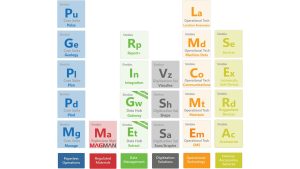
    Adopting products such as Digital Terrain’s Data Hub ensures data can be efficiently passed through when required, minimising any rehandle and enabling a secure, single source entry and validation gateway. There are a number of other value-adding solutions from Digital Terrain which start your journey and enable you to build from there; below are some examples from key areas of the digitization value chain:

    Digitise your data

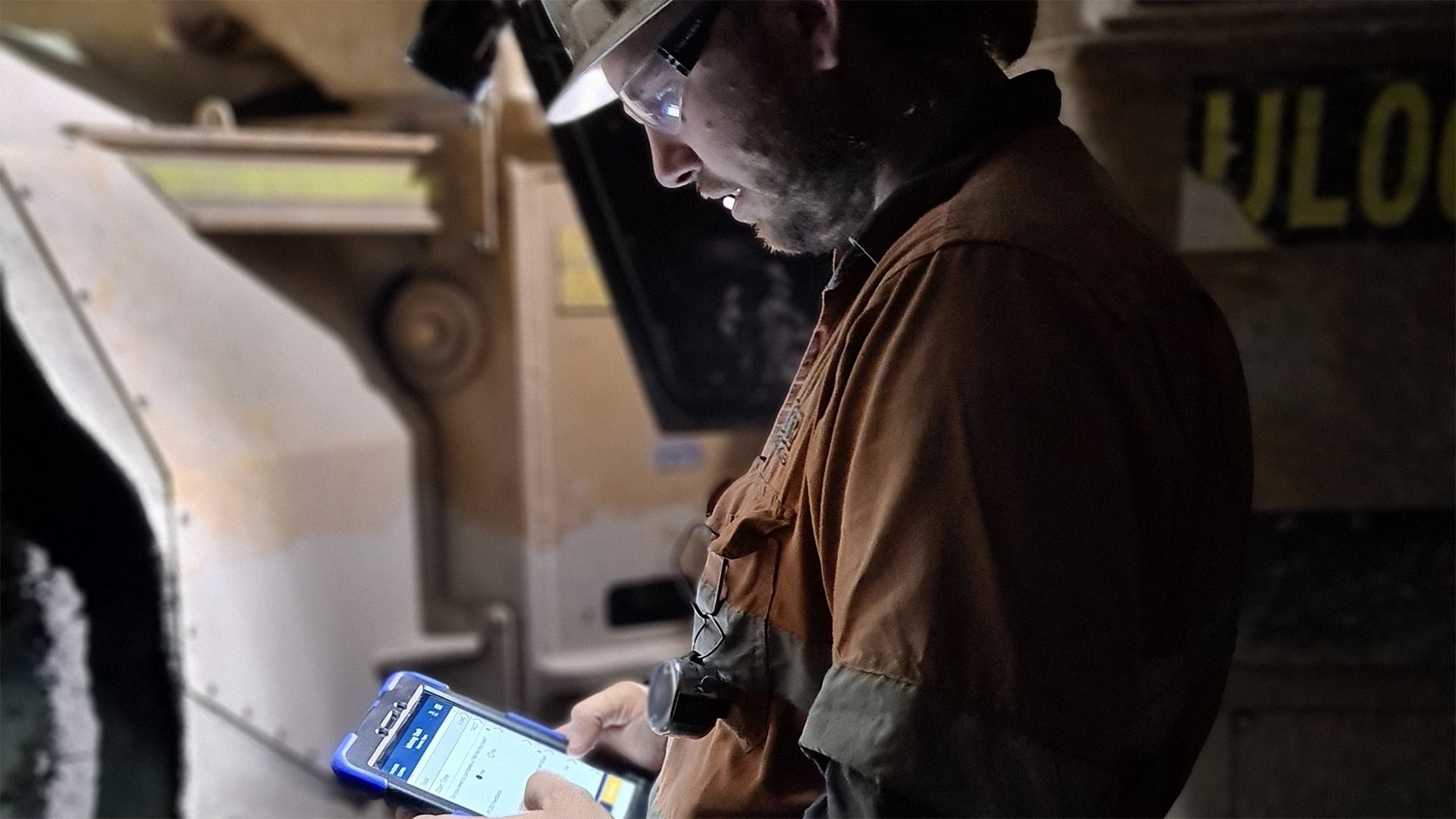
    Gain visibility by digitising all paper forms on your mine site. Validate your data to create value. This will not only yield significant savings in paper and data entry time but empower your leaders to make forward-looking decisions faster and with substantially more information at their fingertips.

    Once you have a digitised version of your operation, you can then identify solutions to automate or augment and enhance your process, targeting high-value items as a priority.  Machine learning and automation can then be pursued in the future once these building blocks are in place and proven.  Understanding the information will also provide a sense check when implementing these automated data capture tools.  This ensures that all data is captured and validated as opposed to simply installing a black box and hoping for the best – not knowing whether all the data was captured for the time period required.

    Digital Terrain’s Customer Experience Manager, Sally Dye, said: “Our customers go paperless from day one with our Simbio solution, ensuring they embrace one system and a new way of work. I remember the satisfaction I got during one implementation when a supervisor came up to me excited to tell me we just saved him one hour a day on his paperwork. He got back to camp with his crew and did not wait for the foreman.

    He became a great advocate for driving his crew to deliver quality data, the more responsibility they took, the simpler his life became, enabling them to focus on what to do and how to improve rather than trying to figure out why that tonnage figure was not correct or where the missing truck load went.”

    Chris Allen, General Manager of Magman, said: “Magaman by Digital Terrain has solved the magazine records management and validation. A critical part of any operation is that explosives are safely monitored and accounted for. Having the ability to utilise a safe electronic device within the magazine ensures stock is accounted for and blasting QA is enhanced.”

    With the users rewarded by immediate value, the focus can move to implement a longer-term roadmap of products and improvements to enhance a solid, stable, and consistent baseline. Customers with many operations, such as mining contractors, suppliers, and large mine owners, can be assured that their operations are standardised. This enables central standardisation and benchmarking of performance and knowledge sharing amongst the different locations.

    Connect the workforce and the mine

    Visibility achieved through connectivity also yields improvements. Simply accurately identifying where all machinery and people are located can provide simple, quick wins along the way delivering increasing effective utilisation.

    At the same time, substantial improvements in safety can be delivered. Implementing communications and data networks is no longer seen as a luxury; it is a necessity. The costs are sometimes considered prohibitive, which may be the case in a developed mine, where substantial retrofit may be required.

    In a developing mine, continuing to extend communications rather than relocate (as commonly the case for tele-remote loading operations) is a major change management issue. When the Mine manager sees a purchase request for over $500,000 for the latest instalment of network hardware, it can be very quickly refused. However, when you look at the cost of this infrastructure as a proportion of the cost of developing one metre of tunnel, it is a minor item. You could have a high-speed data network, compiled with a leaky feeder and a lot of other current technology for less than 4% of the total tunnel cost (on a typical contractor development metre rate). In turn, having access to data quickly and detailed QA records.  This cost could be paid back immediately by optimising drilling consumables and explosives usage, which often accounts for approximately 8-10% of a tunnel’s cost.

    Digital Terrain has a wide variety of in-house developed smart networking devices utilising mesh Wi-Fi, BLE and other technologies from trusted partners to help connect your entire mine, including connecting to the advancing face in an underground, via battery, wind-powered Wi-Fi or data over High Voltage cable.

    Visualise your operation quickly with LiDAR

    The emergence of Light Detecting and Ranging (LiDAR) scanning products utilising Simultaneous Localisation and Mapping (SLAM) is a foundational step towards automation. LiDAR has changed the way we can visualise and record the actual development of a mine. What used to take more than a day to complete with a Cavity Monitoring System (CMS) used to calculate the volume of a void now takes only a few hours to complete. The accuracy is amazing, eliminating the CMS limitations.

    This technology coupled with an autonomous drone, will not only improve safety by removing people away from open holes(reduce risk), but can be done repetitively in multiple areas.  Regular mapping of your environment can also help with the early detection of ground movement, identify areas of under or overbreak, and assist in determining the rectification of poorly blasted ground, to name a few areas where risk can be reduced through this technology.

    This also forms the foundation of information required for a full visual representation of your mine. Another advantage is enabling remote tasks to be completed as opposed to having to attend the site to determine an action from an expert. Engaging a company which has experience in this field is crucial to embedding this technology on your site.

    Though a drone is autonomous, it can still crash. Autonomy still needs to be in the right environment. Quite often, the space is too tight to autonomously fly or there is an unseen rock bolt sticking down from the drive, or you simply have not flown that use case before.

    Engaging a service provider proficient in this area is essential to not only assist in training your personnel but also assist with design changes and processes to ensure you get the most out of the technology. Service providers have a wide variety of experience on a number of different sites, from operating the machine safely to optimising scan results and processing.

    Digital Terrain was the first company to offer LiDAR scanning as a service in Australia. It has completed many different use cases across a large number of mines, working with the manufacturer and other providers across the world to support their customers. The offering is not just confined to scanning services but includes complex processing on demand, training, and dry hire of units, ensuring your journey into LiDAR scanning is effective, eliminating the learning curve, and ultimately creating value for the mining operation.

    Andrew Rouse, CEO and Founder of Digital Terrain, explains: “Working with customers to initially demonstrate the benefit of a quality LiDAR scan and eventually embed the practice into their operation either through conducting the scan ourselves, or training the site personnel has been very satisfying. When a person sees a LiDAR-generated point cloud of an area for the first time, I watch for their facial expression and know they are impressed. You see their mind wander and think of the other use cases they could achieve by having this technology.”

    Record underground activities for safety, productivity, and ESG impact

    Visibility of your mine site’s environment, monitoring changes, and understanding the outputs from your smart devices can provide valuable insights into a mine, as well as leverage these state changes to action other systems in response.

    Fifty years ago, we sent workers into an underground mine with a canary to see if it was safe to re-enter the mine after a blast of other events involving dangerous gases. If the canary passed out, the workers simply retreated until the fumes had cleared.

    Today, nothing much has changed except the canary, which has been made redundant and replaced with a hand-held gas monitor.  We still can put a re-entry crew in harm’s way without truly knowing the environment. If it is unsafe, the monitor will trigger an alarm.

    To minimise this risk, we favour the side of caution and give extra time to be sure that it is safe. What if we could automatically detect a blast has occurred and alert the crew (via email, SMS or device message) when it is safe to re-enter?  In addition, when you know the gases, temperature, or dust will reach a certain level, fans can be turned on remotely based on a trigger event.

    Pumps could be remotely initiated to start pumping, or sprays could be activated to wash down the face to enable tele-remote operations over shift change. Fans could be activated when personnel or equipment enter an area or increase output due to an increase in activity in the area (Vent On Demand).

    The Digital Terrain suite of Operational Technologies includes such products and many more for recording additional items such as machine data for condition monitoring and asset and personnel tracking. Our solutions can reduce power and water consumption, thus reducing the operation’s ESG impact.

    Crawl before you walk

    Rouse continues: “Don’t implement machine technology such as automation until you have maximised your traditional operating practices. Don’t mask poor performance with technology; use technology to improve performance. Gradual and consistent change is a key component in workforce adoption.”

    At Digital Terrain, we recognise this issue and consider technology adoption as a journey for our customers and their workforce.  Implementing small incremental change that adds value to their experience consistently enables the right behaviours to be adopted and embrace the new system or process sustainably. Digital Terrain has first-hand knowledge of mining environments through its contractor and mine owner roots. Rouse explains: “We were miners before we were technologists. We understand mining and how to create value.”

    We were also proud pioneers on the ‘bleeding edge’ (bleeding due to the fact you often spend a lot of money to be first). We managed to assemble a great team and user base to ensure the success of the product development and take-up. Having actual experience in the field makes it easy to communicate with our customers and develop appropriate solutions. We were not afraid to push the envelope.

    Our technology is proudly sovereign to Australia. Our Simbio core suite was a world first in large-scale app deployment underground, and Magman was the first ever to safely capture electronic records in an explosives magazine on a device.

    Our Simbio Elemental table covers a wide variety of products and solutions, which come together to deliver high-quality validated data and derive actions and insights from the information collected. We turn data into information, knowledge and wisdom.

    We have further enhanced our product suite by strategically partnering with several like-minded companies, focussing on integration where it is needed: underground and between devices, not integrated just via the cloud.

    There is a substantial competitive advantage in having a workforce with a high operating maturity in the selected system. This only comes with time – it is a journey. The sooner you start, the sooner you can get to this level of maturity. Your engaged workforce will become used to change as it is a regular occurrence. Embrace the digital future!

    Please note, this article will also appear in the 19th edition of our quarterly publication.

    [ad_2]

    Source link

  • Transforming conventional oil barrels into ‘blue barrels’

    Transforming conventional oil barrels into ‘blue barrels’

    [ad_1]

    Using its oxy-fuel combustion technology, TriGen Energy is on a mission to produce ‘blue barrels’ to help oil and gas producers transition towards net-zero emissions.

    In the oil industry, a barrel of oil is denoted by the unit ‘BBL’, representing 42 gallons or roughly 159 litres. The term BBL dates back to the 1860s when oil was transported in various containers, including beer, fish, and molasses barrels. By the 1870s, the 42-gallon wooden barrel became the standard, allowing for evaporation and leakage during transport. Standard Oil further solidified this standard by producing blue 42-gallon barrels for petroleum, giving rise to the term BBL.

    Just as ‘blue hydrogen’ refers to hydrogen produced via steam reforming of natural gas with CO2 capture, we might envision ‘blue barrels’ of oil – oil whose equivalent CO2 emissions are ‘pre-captured’ during production. This concept could eliminate the need for additional, distributed CO2 capture in downstream processes, enabling zero-emission products for consumers.

    TriGen Energy’s oxy-fuel combustion technology makes producing ‘blue barrels’ technically and commercially viable. This approach offers a transitional pathway for oil and gas producers to move towards net-zero emissions.

    How TriGen Energy’s technology works

    In oxy-fuel combustion, fuel – typically natural gas – is burned with pure oxygen, generating CO2, water, and heat. The heat can be converted into power, while the CO2 can be sequestered in gas fields or utilised in CO2-enhanced oil recovery (CO2-EOR). In CO2-EOR, most of the CO2 is stored in the oil reservoir, with the remaining CO2 either used in other EOR schemes or injected back into the original gas reservoir.

    This process allows companies to assign captured CO2 to various products, effectively rendering them ‘clean’. Options include selling carbon credits, producing and selling ‘clean power’, or assigning certified CO2 volumes to oil production, thus creating ‘blue barrels’.

    Benefits for oil and gas companies

    The TriGen oxy-fuel solution offers oil and gas companies flexibility in navigating the transition to net zero, providing cost-effective options for their mid- and downstream clients. Critical to this approach is the independent verification and certification of CO2 volumes, enabling tokenisation and product assignment from source to end-customer.

    Reducing scope 3 emissions, which account for over 80% of total emissions, is a significant challenge for oil and gas companies. The oxy-fuel route helps manage this by ensuring that CO2 produced from oil or gas is stored in the original reservoirs, allowing companies to monetise their reserves through clean power.

    Aligning with emerging regulations

    Another advantage of the oxy-fuel pathway is its alignment with the Carbon Take-Back Obligation (CTBO). This regulatory concept requires fossil fuel producers to offset carbon emissions by storing an equivalent amount of CO2 underground. Oxy-fuel solutions allow oil companies to meet these requirements more effectively, capturing greater value in the energy chain.

    For oil and gas companies looking to decarbonise production and conversion, TriGen Energy offers the expertise and technology needed to make ‘blue barrels’ a reality.

    Please note, this article will also appear in the 19th edition of our quarterly publication.

    [ad_2]

    Source link

  • Leading sustainable development through education

    Leading sustainable development through education

    [ad_1]

    College of the North Atlantic (CNA) is committed to integrating sustainability into its academic environment and promoting cutting-edge green technologies and research.

    College of the North Atlantic is at the forefront of sustainable development in Newfoundland and Labrador, leading the charge with cutting-edge green technologies and a new School for Sustainable Development. This bold initiative spans CNA’s 17 campuses, reinforcing its commitment to the green transition.

    To delve deeper, The Innovation Platform spoke with Dr Gary Thompson, Dean of the School of Sustainable Development, and Dr Michael Long, Dean of Applied Research and Innovation.

    What’s driving CNA’s Strategic Plan for Sustainable Development and Growth?

    Dr Thompson: CNA’s 2023-2026 Strategic Plan is laser-focused on equity, diversity, inclusion, innovative teaching, and sustainable growth. We’re embedding sustainability into everything we do – from operations to curriculum – aligning with the UN’s Sustainable Development Goals (SDGs). This isn’t just about going green; it’s about equipping our students with the skills to thrive in a rapidly evolving, eco-conscious economy.

    Opportunities abound in Newfoundland and Labrador, from wind energy to green construction. CNA is positioning itself as a leader in these sectors, offering a curriculum that prepares students for the booming green energy workforce.

    As green energy technologies develop, there is a strong demand for skilled workers who possess the knowledge and expertise required in the sector. CNA is poised to develop expertise in this sector to support local employment opportunities for the residents of Newfoundland and Labrador. Sustainability will further diversify CNA’s curriculum, educational programming, and operations in the coming years.

    Can you tell us about the new School of Sustainable Development?

    Dr Thompson: The School of Sustainable Development is already in full swing, launching programmes that tackle climate change and green building. We’re partnering with industry and government to address Atlantic Canada’s green labour needs. Here’s how we’re making an impact:

    • Curriculum Development: New programmes are focused on sustainable practices and green tech, and existing courses are being revamped to include sustainability principles.
    • Community Engagement: We’re working hand-in-hand with local communities to promote sustainability projects, educating and engaging the broader public.
    • Campus Operations: From reducing energy use to ramping up recycling, we’re making our campuses greener. Think campus-wide sustainability challenges and green certifications.
    • Workforce Development: We’re prepping students for green careers with training programmes and certifications in renewable energy and sustainable resource management.

    This approach ensures CNA graduates are not just knowledgeable but passionate about driving positive environmental change. Our sustainable operations are setting a new standard for institutions everywhere.

    What new programmes does the School of Sustainable Development offer?

    Dr Thompson: In 2023, we launched two key programmes: A one-year Wind Turbine Technician certificate and a two-year Hydrogen Technician diploma –the first of its kind in Canada. These programmes are designed to meet the demands of the renewable energy sector, providing hands-on experience and critical theoretical knowledge. Our first Wind Turbine Technician cohort graduated in June 2024, and they’re already in high demand. We’re also gearing up to launch a new solar programme in 2025, further solidifying our commitment to innovation and environmental stewardship.

    This plan is not the first example of CNA’s commitment to sustainability and cutting-edge technologies. How is the Office of Applied Research and Innovation (OARI) advancing sustainability?

    Dr Long: At OARI, technology is one tool in the matrix of sustainability. We’re using advanced technologies like LiDAR (Light Detection and Ranging) and 3D modelling to give businesses and communities detailed, accurate representations of their environments and operations. This helps them to do things better, lighter, cheaper, faster or smarter.

    How does collaboration fuel innovation at CNA?

    Dr Long: Collaboration is at the core of our work. We don’t start research without a partner who has a specific challenge, problem, or bottleneck that needs addressing. This means constant outreach and site visits to understand their needs. We also love showing potential partners our labs and projects to demonstrate how we can make a real impact together.

    How is CNA equipped to facilitate cutting-edge research?

    Dr Long: Applied research is a complex undertaking requiring many systems. Most people think about technology or labs when they think about research, but the truth is your team is the core. That team is comprised of researchers, technologists, technicians, interns, students, faculty, and administrative personnel – the full gamut.

    CNA and its 17 campuses are also key. Having such proximity to rural businesses and communities is incredibly important to support innovation services.

    sustainable development

    What is the Reality Capture and Digitisation Access Centre (RCD TAC)?

    Dr Long: The RCD TAC is our latest innovation hub, one of 64 specialised applied research centres in Canada. We use cutting-edge reality capture technology – like handheld LiDAR and aerial photogrammetry – to create 3D models that are transforming industries.

    In mining, we don’t just map the precise location of minerals; we redefine the possibilities of resource extraction with unparalleled accuracy. Our expert team has also helped them monitor ventilation underground. We’ve even revitalised abandoned mines by updating their physical and mineralogical maps.

    In the construction sector, our 3D models are game changers. They guarantee precise measurements and integrate with industry-standard software like CAD and GIS. Our clients say even their cost estimates are now more accurate.

    Our clients in the automotive and aerospace industries leverage our cutting-edge models to simplify complex processes, enhancing precision and productivity.

    Heritage preservation is another area where we shine. We’re creating a comprehensive digital database of historic properties throughout Newfoundland and Labrador. Our detailed 3D models capture every architectural nuance, ensuring these treasures are preserved and maintained for future generations.

    Our centre was deeply honoured to contribute to the commemoration of Newfoundland and Labrador’s sacrifice during the First World War. Our 3D model played a significant role in the completion of the final statue of the Trail of the Caribou in Gallipoli, Turkey.

    These achievements are just the beginning. Our goal is to make advanced tech accessible to all businesses, level the playing field, and drive innovation across the board.

    Can you elaborate on some of the technologies on offer at RCD TAC and provide some examples of successes facilitated by the Centre?

    Dr Long: One of the hallmarks of the suite of technologies at the RCD TAC is portability. This is how we bring technology out of the lab into real-world environments. Our teams are constantly in the field. Our reality capture technologies can be handheld, such as a metrology scanner, which can create a 3D model of an object down 0.025 of a millimetre in accuracy. We also like to use drones as vehicles to capture data in larger areas.

    We have topo-bathymetric LIDAR systems that can give you a very accurate 3D model of both underwater and on land; we have hyperspectral systems that can see what the human eye cannot; we have autonomous LiDAR drones that literally fly themselves on data collection missions to help us model environments and structures; and there are robust inspection drones such as Elios 3 for harsher environments.

    All these technologies are data collection engines that help us see our world better so we can plan and decide more accurately.

    sustainable development

    How does CNA plan to stay ahead in reality capture and digitisation?

    Dr Long: Technology evolves rapidly, and we’re committed to staying at the forefront. This means linking technology to business needs, ensuring that every tool we invest in has a clear application that benefits our partners. With support from industry and government, we’re positioning ourselves to be major players in the wind and hydrogen sectors, all while advancing our sustainability goals.

    What’s the long-term vision for the School of Sustainable Development?

    Dr Thompson: Our vision is to make CNA the leader in sustainability education and innovation in Atlantic Canada. We’re expanding our curriculum to include new programmes in renewable energy, sustainable resource management, green building, and environmental conservation. Sustainability will be woven into every discipline, ensuring all graduates are well-versed in sustainable practices.

    Beyond academics, we’re establishing research centres focused on green technologies and environmental protection. These will be innovation hubs where we partner with industry, government, and other institutions to tackle real-world sustainability challenges.

    Community engagement is key. We’re working with local communities on sustainable projects and building global partnerships to share knowledge and best practices. On campus, we’re implementing green initiatives like energy efficiency and waste reduction, aiming to be a model for other institutions.

    We’re also committed to workforce development, offering training and certifications in emerging green technologies. Our expanded career services will connect students with job opportunities in the green economy, both locally and internationally.

    sustainable development

    In the coming years, we’ll scale up our efforts with new degree programmes, increased research funding, and stronger community outreach. Our goal is to drive sustainable innovation and prepare the next generation of leaders in the green economy.

    Through these strategic initiatives, the School of Sustainable Development at CNA aims to significantly enhance its impact, contributing to a more sustainable future by educating the next generation of leaders in the green economy and fostering innovation in sustainable practices.

    Please note, this article will also appear in the 19th edition of our quarterly publication.

    [ad_2]

    Source link

  • Boosting mining efficiency and sustainability

    Boosting mining efficiency and sustainability

    [ad_1]

    Experts from Norsk Elektro Optikk AS (NEO) explain how HySpex hyperspectral cameras in mining can offer innovative ways to explore and monitor mines efficiently and sustainably.

    Hyperspectral imaging (HSI) offers the mining industry an innovative solution that can drive business value, sustainability, and operational efficiency. While the technology is mostly adopted in mineral exploration via the use of hyperspectral core scanners, high-quality camera systems offer many benefits within operational mining and post-mining landscapes. HSI can provide detailed information on the composition and distribution of minerals and other materials within a geological context. The technology facilitates rock and mineral mapping and characterisation, can resolve surface patterns indicative of subsurface activity and map environmental changes such as vegetation health and changes in surface pH.

    Using different HSI tools along the life of mine and mining value chain enables mining companies to identify and evaluate extracted materials as well as geospatially monitoring the areas in their care, adding to existing point-based information from drilling or sampling. Benefits include product quality control, grading, close-to-face sorting, tailings monitoring, waste processing and rehabilitation. It ensures that mining activities adhere to regulatory standards and produce consistent, high-quality outputs.

    Usage of HSI promises to reduce operational costs by providing faster results than traditional methods and by ensuring consistent ore grading and mine planning. Besides primary raw materials, HSI already plays a critical role in the secondary raw materials sector as the technology supports recycling and repurposing of mining by-products and consumer end products. Here, we present how HySpex hyperspectral cameras are becoming a vital tool for mining operations seeking to balance profitability with ecological stewardship, and give examples of successful HSI utilisation along the mining value chain.

    Principles of imaging spectroscopy

    Hyperspectral imaging, also known as imaging spectroscopy, combines two techniques: digital imaging and light spectroscopy. In addition to the spatial information, a hyperspectral pixel contains a continuous spectrum with hundreds of different wavelengths (or bands). An image generated in this way provides spectroscopic information for each pixel of the scene, which can be used to identify, classify or quantify the materials in the scene according to their spectral ‘signature’.

    In mining applications, hyperspectral cameras can be mounted on heavy-duty tripods, uncrewed aircrafts and aeroplanes, over conveyor belts and other conveying platforms, in mobile laboratories, over truck-loading or weighing stations and in many other locations. The cameras are versatile, flexible and robust. They only need to be in the line-of-sight of the object and with solar or artificial illumination active in the visible to near-infrared (VNIR; 400-1,000nm) to shortwave infrared (SWIR; 1,000-2,500nm) to capture reflected information from the surface. The spatial imaging context of the data allows geologists to get a bigger picture of the data, literally, reducing potential inconsistencies stemming from sampling errors for other geochemical and mineralogical methods.

    With HSI cameras operating in the VNIR and SWIR wavelength ranges, rock material from all stages of the mining value chain can be investigated by studying the characteristic absorption features, inflections, and signature slopes of the individual (pixel) spectrum captured by the imaging system. In geological environments, absorption features detected in the VNIR arise from transitional elements, including iron-bearing minerals and rare earth elements (REEs), while the SWIR region is commonly used for identifying alteration mineral assemblages related to hydrothermal systems of base and precious metal deposits. The mineral groups that can be detected and mapped in the VNIR-SWIR wavelength regions include carbonates, sulphates, sulfosalts, clays, and phyllosilicates such as chlorite, talc, and muscovite.

    New heights in hyperspectral core scanning

    The HSI technology, firmly established in core scanning technology, has provided valuable lessons for high-resolution mineral mapping. Hyperspectral core scanning is a non-destructive and time-efficient solution to characterise the alteration footprints of ore deposits. Selected for providing unrivalled datasets with high spectral quality, fidelity, and precision, HySpex Classic VNIR-1800 and SWIR-640 cameras are now also being integrated with Midwave infrared (MWIR; 2,600- 5,500nm) and Longwave infrared (LWIR; 5,500-12,500nm) cameras, yielding data cubes with a combined spectral range of 400-12,500nm. A 3D profiler for surface modelling allows for precise spatial co-registration between all sensors on the core scanner platform. The core scanning platform is optimised to handle high throughput of single to multi-row cores in plastic, cardboard, or wooden boxes, and can also handle drill chip boxes, loose samples, and rock mass. The HSI will generate high-resolution RGB sample images, high-density mineralogic spectral data cubes, and 3D laser profile datasets.

    The Breeze Geo software developed by NEO and Prediktera allows for efficient data acquisition, logging, and analysis. Mineralogic output is based on an expert system from the U.S. Geological Survey, but Breeze Geo affords users the additional ability to adjust and adapt with new incoming knowledge from geochemistry, for example, and can evaluate in real-time if and where sampling for validation and interpretation purposes is advised. The resulting mineralogic interpretation and logs can be exported in common formats to be included in other modelling software such as IoGas, Imago, or Leapfrog, which makes it easy to integrate into existing workflows.

    HySpex cameras are incorporated into numerous core scanning systems supplied by various service providers globally, producing valuable digital records of core and chips for mineral exploration.

    In a 2021 article, BHP announced a significant breakthrough in extending the lifespan of an iron ore mine with hyperspectral technology, implemented by one of NEO’s original equipment manufacturer (OEM) customers. While it is clear that hyperspectral technology can enhance mining efficiency and promote more sustainable production, the ability to extend the operational life of a mine marks a major advancement, solidifying the technology’s role in the mining industry. The article mentions that BHP’s iron ore team developed algorithms to analyse hyperspectral images, identifying the areas of Yandi’s geology that could be most effectively processed to separate saleable iron ore from waste material.

    Open-pit scanning and mine modelling

    Hyperspectral imaging aids in directing exploration efforts to zones of metal mineralisation, avoiding costly drilling campaigns in unmineralised zones. Minerals like muscovite, illite, and sericite represent common hydrothermal alteration products found in mineralised zones of copper-gold ore deposits.

    For example, a distinctive spectral absorption feature of these materials can be mapped to show its spatial distribution over an area of interest. Since its exact position is influenced by the mineral’s chemical composition, it can reveal details about alteration type, intensity and fluid geochemistry. More importantly, it can also be an indicator for metal grade. In a study by Meyer et al.,1 this property was mapped at the Cripple Creek and Victor Gold Mine (Colorado, USA) with data collected by the U.S. Geological Survey using HySpex VNIR-1800 and SWIR-384 cameras mounted on a tripod. The results in the image below show a shift of the absorption feature towards longer wavelengths at greater depths. This trend reflects a decrease in aluminium content and proximity to mineralising intrusions.

    Outcrop scale mineral maps generated using hyperspectral data collected by U.S. Geological Survey personnel in the Cresson Pit at the Cripple Creek & Victor Mine in Cripple Creek, Colorado, USA. Variations in the position of the white mica 2,200nm combination feature indicate variations in the chemistry, specifically the octahedral Al content, of the imaged white micas

    Conveyor and truck load scanning for quarrying product control

    Traditionally, mining operations rely on manual sampling and testing, which is labour-intensive, time-consuming, and prone to human error. Hyperspectral imaging offers a proven alternative by providing fast, comprehensive data on the chemical composition and physical properties of mined materials. This enables mining engineers to analyse small shifts in spectral patterns ultimately identifying mineralogy, or substitution of elements, and to pick up on quality parameters, e.g. indicating changing magnesium or silica content. Moreover, information derived from hyperspectral imaging can be seamlessly integrated into the existing framework, ensuring that the extraction and transport of material are based on precise geological assumptions.

    By integrating hyperspectral imaging, mining operators can identify high-quality zones, optimise blasting patterns, and minimise material transported adjustments – ultimately maximising profitability and decreasing the needed resources to achieve a high-quality product. In practical terms, hyperspectral cameras can be strategically deployed at various points along the mining process, including on trucks, mine faces, conveyors, or as mobile labs near drillers. For instance, as trucks haul freshly blasted rock from the quarry face to the crushers, hyperspectral cameras mounted above off-loading facilities can rapidly assess the surface mineral content of the truckload in real-time. This allows operators to identify any deviations from the desired quality specifications and take corrective action as needed, enabling a proactive approach to quality control. By intervening promptly to address such issues, mining companies can minimise product rejections, optimise resource utilisation, and enhance customer satisfaction.

    Drone-based scanning and European innovation Drones have rapidly integrated into mine site operations, transitioning from novel tools to essential equipment for stockpile surveys, equipment inspections, and tailings inspections. Traditionally, photogrammetry has dominated drone sensing, creating 3D models of mining sites. However, the landscape is shifting with the advent of various sensors and geophysical instruments, where HySpex hyperspectral cameras are making a significant impact.

    Hyperspectral cameras, while not new, have traditionally been deployed on aircrafts, tripods, satellites, and conveyor belts. NEO revolutionised this technology in 2012 by introducing short-wave hyperspectral cameras for drones, addressing the challenges posed by weight and mobility. The ability to collect high-resolution VNIR-SWIR data opens new avenues in mineral mapping, particularly in identifying crucial minerals such as carbonates, sulphates, sulfosalts, clays, various iron oxides, and phyllosilicates like chlorite, talc, and muscovite. These minerals are pivotal in exploration and offer immense value to adjust geometallurgy and mineral processing. Hyperspectral cameras on drones enable early warning systems, tracking ore and waste from bench-to-mill, and monitoring water chemistry and plant health in rehabilitation areas. They have already demonstrated utility in creating automatic geological maps of open pits, inaccessible to geologists.

    Drones equipped with hyperspectral cameras offer unique advantages. Flying at lower altitudes, they collect high-resolution data below cloud cover, achieving sub-centimetre resolution when needed. Their capability for repeated surveys enables change detection across various scenarios, facilitating semi-automatic geological and resource model updates, daily flights of production benches, and monitoring infrastructure integrity over significant investments like processing plants. Despite these advancements, widespread adoption in the mining industry remains limited. This hesitance is often attributed to the industry’s perceived conservatism, but the real challenge lies in the complexity of the technology. Compliance with aviation regulations adds another layer of difficulty, requiring extensive training and commitment from already stretched mining professionals.

    NEO, alongside European and Australian partners, is addressing these challenges through the M4Mining2 project. This three-year initiative aims to deliver a turnkey drone hyperspectral system capable of returning calibrated, corrected, and interpreted data within 24 hours, targeting a goal of just four hours. The project combines hyperspectral imaging with Light Detection and Ranging (LiDAR), machine vision cameras, and multi-angle gimbals, supported by sophisticated onboard processing software.

    M4Mining’s objectives include developing cost-effective methods for regular mapping, monitoring, and geo-hazard prediction. Case studies across Australia and Europe already showcase the system’s capabilities in discovery, operational, closure, and post-closure environments. HySpex’s UAV system offers high spectral and spatial resolution, flexibility, and multi-modal integration. It achieves exceptional spectral resolution with ground sampling distances around between 5-15cm. UAV mobility allows access to remote areas anytime, overcoming the limitations of satellite overpasses and cloud cover. Environmental factors like temperature extremes, humidity, dust, vibration, and shock influence the suitability of HSI cameras. Robust systems such as the HySpex cameras, with high ‘mean time between failure’ ratings, environmental sealing, and protective measures ensure reliable performance. Operational efficiency is enhanced by systems with easily sourced spare parts, minimal cables, and extended battery life.

    The M4Mining project, backed by NEO, invites industry participation, offering early insights into the transformative potential of drone hyperspectral imaging. By integrating cutting-edge technology with practical mining applications, NEO is poised to lead the industry into a new era of precision and efficiency.

    Making the best with state-of-the-art research and industry-ready solutions

    Norsk Elektro Optikk AS (NEO) is developing specialised solutions within EU-funded projects, for example to develop a sorting system for refractory bricks, integrated with laser induced breakdown spectroscopy and developing drone-borne solutions for tailings and mine face monitoring. NEO also participates in several satellite projects that will aid in exploration efforts for green technology metals, for instance the development of an instrument for microsatellites, the HYPERNOR project (ESA GSTP) will add an important space instrument with 9m ground sampling distance from 500km altitude.

    NEO is a member of the research consortium CASERM, the Center to Advance the Science of Exploration to Reclamation in Mining. Together with the Colorado School of Mines and Virginia Tech, hyperspectral technology and software is integrated into mining workflows and the consortium provides active interactions and developments with feedback from major mining companies on the handling and usability of both the software and the hardware. Making systems that are accessible, allowing for non-expert user interaction and providing guidance to further a client’s goals, is integral to the development of HySpex cameras and solutions at NEO.

    NEO, through the brand HySpex, is recognised as a leading original equipment manufacturer (OEM) of hyperspectral systems for many key service providers in the mining industry. While the use of this technology is still in its early stages, it is expected to become increasingly common in the coming years. NEO provides camera modules or fully-integrated hyperspectral solutions that come with real-time processing software. For those who prefer to manage the software independently, a platform-independent Software Development Kit (SDK) is provided to support development needs.

    NEO is continuing to innovate, collaborate and offer new solutions within the fields of hyperspectral imaging for use in mining operations. If you’re looking to increase efficiency and lower costs for your mining operation, please contact us for more information.

    References

    1. John M. Meyer, Raymond F. Kokaly, Elizabeth Holley, ‘Hyperspectral remote sensing of white mica: A review of imaging and point-based spectrometer studies for mineral resources, with spectrometer design considerations’, Remote Sensing of Environment, Volume 275, 2022,113000, ISSN 0034-4257,https://doi.org/10.1016/j.rse.2022.113000

    M4Mining is funded by the European Union’s Horizon Europe programme under Grant Agreement ID 101091462. For more information, visit www.m4mining.eu

    Please note, this article will also appear in the 19th edition of our quarterly publication.

    [ad_2]

    Source link