Tag: Tumor

  • Study reveals novel approach to promote efficient uptake of ASOs into cancer cells

    Study reveals novel approach to promote efficient uptake of ASOs into cancer cells

    [ad_1]

    Antisense oligonucleotides (ASOs) are next-generation drugs that can treat disease by blocking the transfer of harmful messages from our genes. In people with cancer, ASOs have the potential to block messages that encourage the growth and spread of the tumor. However, ASOs aren’t used for treating cancer yet. They must first get delivered inside cancer cells, but the cancer cells won’t let them in.

    Finding an effective ASO delivery system is a major challenge. Cancer cells have gatekeeper molecules that stop unwanted substances from entering. Although investigators have tried many ways of getting ASOs past the gatekeepers, success has been limited.

    Now, in a study recently published in the journal Nucleic Acids Research, researchers from Osaka University have discovered a way to deliver ASOs to their targets inside cancer cells. The team synthesized a new compound, named L687, which opens specific calcium permeable channels on the surface of cancer cells. When the calcium flows into cells through the open channels it tells the cells to let in the ASOs.

    We discovered that we could selectively activate the TRPC3/C6 calcium permeable channels with the activator L687. We then found that combination treatment with L687 and ASO promoted efficient uptake of ASO into cancer cells during laboratory tests and tumor cells inside the mouse. As a result, target gene activity was suppressed and ASO efficacy was enhanced.”


    Hiroto Kohashi, Lead Author

    Until now, ASOs have mainly been used to treat incurable diseases and had to be delivered into the liver or spinal fluid. According to the Osaka team’s research, L687 is an effective drug delivery system that may extend the benefits of ASO treatment to other parts of the body.

    “We hope that the results of our research will lead to significant progress in the development and delivery of ASOs and similar gene-targeting drugs for treating cancer,” says senior author Masahito Shimojo.

    The team believes that L687 could be a particularly effective way of delivering ASO therapy to lung or prostate cancers. These cancers have many TRPC3/C6 calcium permeable channels that can be opened by L687, potentially revealing new targets for these next-generation therapies.

    Source:

    Journal reference:

    Kohashi, H., et al. (2024) A novel transient receptor potential C3/C6 selective activator induces the cellular uptake of antisense oligonucleotides. Nucleic Acids Research. doi.org/10.1093/nar/gkae245.

    [ad_2]

    Source link

  • Genetically engineering skin bacteria to fight cancer

    Genetically engineering skin bacteria to fight cancer

    [ad_1]

    While studying a type of bacteria that lives on the healthy skin of every human being, researchers from Stanford Medicine and a colleague may have stumbled on a powerful new way to fight cancer.

    After genetically engineering the bacteria, called Staphylococcus epidermidis, to produce a tumor antigen (a protein unique to the tumor that’s capable of stimulating the immune system), they applied the live bacteria onto the fur of mice with cancer. The resulting immune response was strong enough to kill even an aggressive type of metastatic skin cancer, without causing inflammation.

    It seemed almost like magic. These mice had very aggressive tumors growing on their flank, and we gave them a gentle treatment where we simply took a swab of bacteria and rubbed it on the fur of their heads.”


    Michael Fischbach, PhD, associate professor of bioengineering

    Their research was published online April 13 in Science. Fischbach is the senior author, and Yiyin Erin Chen, MD, PhD, a former postdoctoral scholar at Stanford Medicine, now an assistant professor of biology at the Massachusetts Institute of Technology, is the lead author.

    Skin colonizers

    Millions of bacteria, fungi and viruses live on the surface of healthy skin. These friendly colonists play a crucial role in maintaining the skin barrier and preventing infection, but there are many unknowns about how the skin microbiota interacts with the host immune system. For instance, unique among colonizing bacteria, staph epidermidis triggers the production of potent immune cells called CD8 T cells — the “killer” cells responsible for battling severe infections or cancer.

    The researchers showed that by inserting a tumor antigen into staph epidermidis, they could trick the mouse’s immune system into producing CD8 T cells targeting the chosen antigen. These cells traveled throughout the mice and rapidly proliferated when they encountered a matching tumor, drastically slowing tumor growth or extinguishing the tumors altogether.

    “Watching those tumors disappear — especially at a site distant from where we applied the bacteria — was shocking,” Fischbach said. “It took us a while to believe it was happening.”

    The mystery of the T cells that do nothing

    Fischbach and his team didn’t start out trying to fight cancer. They wanted to answer a much more basic question: Why would a host organism waste energy making T cells designed to attack helpful colonizing bacteria? Especially as these T cells are “antigen-specific,” meaning each T cell has a homing receptor that matches a single fragment of the bacterium that activated it.

    Even stranger, the CD8 T cells induced by naturally occurring staph epidermidis don’t cause inflammation; in fact, they appear to do nothing at all. Most scientists thought colonist-induced T cells must be fundamentally different from regular T cells, Fischbach said, because instead of traveling throughout the body to hunt for their target, they seemed to stay right below the skin surface, somehow programmed to keep the peace between bacteria and host.

    To test whether these colonist-induced CD8 T cells could behave like regular killer T cells, the researchers engineered a strain of staph epidermidis to produce a different antigen — one that would generate T cells specific for a commonly studied tumor model in mice.

    They genetically grafted a small fragment of DNA encoding part of a protein called ovalbumin onto the surface of staph epidermidis. They chose ovalbumin because it’s been engineered into many commonly studied mouse tumor lines, including a type of aggressive melanoma, and therefore can act as a tumor antigen in multiple types of cancer. 

    The power of tumor-specific T cells

    Next, the scientists applied the genetically engineered bacteria to healthy mice. Because staph epidermidis is an efficient skin colonizer, they didn’t need to clean or shave the animals’ fur, but simply rubbed the bacteria on their heads. As expected, colonization didn’t cause any inflammation or infection.

    Source:

    Journal reference:

    Chen, Y. E., et al. (2024) Engineered skin bacteria induce antitumor T cell responses against melanoma. Science. doi.org/10.1126/science.abp9563.

    [ad_2]

    Source link

  • Insilico Medicine’s AI-driven approach yields promising PTPN2/N1 inhibitor for cancer immunotherapy

    Insilico Medicine’s AI-driven approach yields promising PTPN2/N1 inhibitor for cancer immunotherapy

    [ad_1]

    In recent years, cancer immunotherapy, exemplified by PD-1 and its ligand PD-L1 blockade, has made remarkable advances. But while immunotherapy drugs offer new treatment possibilities, only about 20% to 40% of patients respond to these treatments. The majority either don’t respond or develop drug resistance. Researchers are now looking for ways to enhance the scope of tumor immunotherapy in order to benefit a wider range of patients. 

    One such avenue is through the protein tyrosine phosphatase non-receptor type 2 (PTPN2) and its close superfamily member, PTPN1, identified in previous research as crucial modulators involved in the regulation of immune cells signaling pathways that promote tumorigenesis by attenuating tumor-directed immunity. While promising, the development of PTPN2/PTPN1 inhibitors has faced challenges as a result of unfavorable pharmacokinetics due to the highly cationic active site and the relatively shallow nature of the protein surface.

    In a significant milestone, researchers at Abbvie discovered the dual PTPN2/N1 inhibitor ABBV-CLS-484 through structure-based drug design and optimization of drug-like properties. Now, clinical stage artificial intelligence (AI)-driven drug discovery company Insilico Medicine (“Insilico”) has initiated a program with a fast-follow strategy to design a novel PTPN2/N1 inhibitor with drug-likeness properties and in vivo oral absorption, supported by the Company’s generative AI drug design engine Chemistry42. The research was published in the European Journal of Medicinal Chemistry on April 5.

    Scientists inputted the structure of the known PTPN2/N1 inhibitor as a reference compound to Chemistry42 as a starting point and generated a series of novel PTPN2/N1 inhibitors based on ligand-based drug design strategy. They further optimized and synthesized the most promising molecules and obtained candidates with desirable ADME properties. Insilico’s compound demonstrated enhanced oral absorption, systemic exposure, and equivalent biological activities compared to the reference compound in in vitro studies. Furthermore, Insilico’s compound demonstrated the same efficacious dose as the reference compound in murine model. 

    One of the most significant advances in the research was validating the fast follow ability of Chemistry42, the molecular generation and design engine of Pharma.AI, which allows users to rapidly improve existing molecules with more desirable properties. In this paper, we reported a novel PTPN2/PTPN1 inhibitor demonstrating nanomolar inhibitory potency, good in vivo oral bioavailability, and robust in vivo antitumor efficacy. Further investigation is currently ongoing.”


    Xiao Ding, PhD, vice president and head of medicinal chemistry of Insilico Medicine

    Insilico Medicine is a pioneer in using generative AI for drug discovery and development. The Company first described the concept of using generative AI for the design of novel molecules in a peer-reviewed journal in 2016. Then, Insilico developed and validated multiple approaches and features for its generative adversarial network (GAN)-based AI platform and integrated those algorithms into the commercially available Pharma.AI platform, which includes generative biology, chemistry, and medicine and has been used to produce a robust pipeline of promising therapeutic assets in multiple disease areas, including fibrosis, cancer, immunology and aging-related disease, a number of which have been licensed. Since 2021, Insilico has nominated 18 preclinical candidates in its comprehensive portfolio of over 30 assets and has advanced six pipelines to the clinical stage. In March 2024, the Company published a paper in Nature Biotechnology that discloses the raw experimental data and the preclinical and clinical evaluation of its lead drug – a potentially first-in-class TNIK inhibitor for the treatment of idiopathic pulmonary fibrosis discovered and designed using generative AI currently in Phase II trials with patients. 

    Source:

    Journal reference:

    Zheng, J., et al. (2024) Synthesis and structure-activity optimization of azepane-containing derivatives as PTPN2/PTPN1 inhibitors. European Journal of Medicinal Chemistry. doi.org/10.1016/j.ejmech.2024.116390.

    [ad_2]

    Source link

  • New microfluidic device improves the separation of tumor cells and clusters from malignant effusions

    New microfluidic device improves the separation of tumor cells and clusters from malignant effusions

    [ad_1]

    Researchers have unveiled a microfluidic device that significantly improves the separation of tumor cells and clusters from malignant effusions. This novel technology promises to advance the diagnosis and treatment monitoring of cancer by enabling the high-throughput, continuous-flow ternary separation of single tumor cells, tumor cell clusters, and white blood cells (WBCs) from clinical pleural or abdominal effusions.

    Understanding the nature of malignant effusions, teeming with tumor cells and clusters, is critical in comprehending the breadth of cancer’s impact. The significant role of tumor clusters, with their heightened potential for metastasis compared to individual cells, cannot be overstated in the context of comprehensive cancer care. While traditional techniques have shown adeptness in isolating single tumor cells, they often fall short when it comes to tumor clusters, thus limiting the scope of clinical research. The evolution of microfluidic technologies has introduced high-throughput, label-free approaches for the separation of these cells, leveraging their physical characteristics for more precise analyses. However, the challenges presented by tumor cell clusters-;primarily their rarity and fragility-;call for innovative solutions to ensure their efficient yet careful separation, maintaining their viability for downstream applications.

    In response to this challenge, a team of researchers from Southeast University has unveiled a microfluidic device, designed to achieve the precise separation of tumor entities with unprecedented efficiency. These findings were detailed in an article (DOI: 10.1038/s41378-024-00661-0) published on March 12, 2024, in Microsystems & Nanoengineering. This research introduces a device that skillfully integrates slanted spiral channels with periodic contraction-expansion arrays.

    This design utilizes inertial forces to adeptly separate single tumor cells, tumor cell clusters, and WBCs from clinical samples of pleural or abdominal effusions-;key indicators of cancer metastasis. Operating at a brisk flow rate of 3500 µL/min, the device not only manages large volumes efficiently but also ensures an exceptionally high degree of separation accuracy. With over 94% of WBCs effectively removed, the recovery of more than 97% of tumor cells and the preservation of over 90% of vital tumor cell clusters, this technology heralds a new era in cancer diagnostics, facilitating early detection, prognosis evaluation, and the monitoring of treatment outcomes.

    Our device represents a substantial advancement in the analysis of malignant effusions. By efficiently isolating tumor cell clusters, known for their considerable metastatic potential, we’re forging new pathways for the early detection and treatment of cancer.”


    Professor Nan Xiang, the study’s lead author

    This innovation marks a significant milestone in the realm of cancer diagnostics, enhancing the efficiency and throughput of tumor cell and cluster separation from malignant effusions. As such, it sets the stage for more nuanced cancer detection, ongoing monitoring, and the personalization of treatment strategies, heralding a promising future for cancer care.

    Source:

    Journal reference:

    Zhu, Z., et al. (2024). High-throughput and simultaneous inertial separation of tumor cells and clusters from malignant effusions using spiral-contraction-expansion channels. Microsystems & Nanoengineering. doi.org/10.1038/s41378-024-00661-0.

    [ad_2]

    Source link

  • Innovative cancer treatment approach yields promising results in pediatric patients

    Innovative cancer treatment approach yields promising results in pediatric patients

    [ad_1]

    Researchers have developed a functional precision medicine approach that targets cancer by combining genetic testing with a new way to test individual drugs on tumor samples. The results of the clinical study were published today in Nature Medicine.

    This combined approach, developed by Florida International University cancer researcher Diana Azzam, was used successfully for the first time to guide treatment of relapsed pediatric cancer patients in collaboration with First Ascent Biomedical and Dr. Maggie Fader at the Helen & Jacob Shaham Cancer & Blood Disorders Institute at Nicklaus Children’s Hospital in Miami.

    It resulted in 83% of the children showing improvement, including Logan Jenner, 8, whose relapsed leukemia was successfully treated through Azzam’s new guided approach.

    “The results are exciting because cancer that comes back is much harder to treat. Seeing improvement in 83 percent of patients is incredibly promising,” said Azzam, the assistant professor of environmental health sciences at the FIU Robert Stempel College of Public Health and Social Work and Society for Functional Precision Medicine board member who led the study. “This could be the way we turn cancer into a manageable disease.”

    Approximately 2 million people are diagnosed with cancer in the United States each year, according to the National Cancer Institute. Nearly 30 percent (more than 600,000) are expected to die.

    Breakthrough approach

    The approach Azzam is pioneering has a few advantages over existing precision medicine processes, including faster results and more treatment options for doctors.

    Azzam’s approach involves taking a sample of blood or tumor and enriching and processing the cancer cells in the lab in a way that closely resembles how they would normally grow in the body. Then the cancer is exposed to more than 120 FDA-approved drugs, including both cancer and non-cancer drugs. These drugs also may be tested in various combinations recommended by the clinical team. The best cancer destroyers emerge. The entire process takes about a week.

    “The Azzam lab approach gets rid of the guesswork and delivers a list of the most effective drugs that the oncologist can work with,” said Stempel College Dean Tomás R. Guilarte, who is also one of the authors of the Nature Medicine article. “It’s accelerating our understanding of which cancer treatments work best for patients and their specific needs.”

    Logan’s story

    At the age of 3, Logan Jenner was diagnosed with acute myeloid leukemia. He received chemotherapy and bone marrow transplant. The cancer came back 14 months later.

    Fader, Logan’s oncologist and co-investigator on the study, enrolled him in the clinical trial.

    “What’s unique is that it’s easy and fast to get results about what would be the most optimal regimen, so we can act quickly,” said Fader who is employed by KIDZ Medical Services and cares for patients at Nicklaus Children’s Hospital. “That’s important because we’re talking about a child with cancer getting worse day by day.”

    Azzam’s test results revealed which combination of drugs might work well for Logan. Equally valuable, the results indicated that Idarubicin, known to cause cardiac toxicity at very high doses, could be withheld without impacting the efficacy of the treatment. Thirty-three days after starting treatment guided by Azzam’s results, Logan reached remission -; compared to the 150 days the previous time. Two years later, Logan remains cancer-free.

    The trial returned recommendations for the 19 patients that participated. Six received treatment guided by Azzam’s results and five, including Logan, showed improved survival outcomes over the course of the study.

    What’s next

    This study is particularly relevant because the majority of the participants were members of ethnic minority populations, who can have different responses to FDA-approved drugs. Azzam also spearheads a National Institute on Minority Health and Health Disparities-funded research project as part of FIU’s Research Center in Minority Institutions to reduce health disparities in childhood cancer patients.

    Larger personalized cancer treatment clinical trials for children and adults are ongoing.

    With a $2 million appropriation from the State of Florida, Azzam’s lab is set to become the first federally certified large-scale lab dedicated to functional cancer drug testing in Florida.

    Source:

    Journal reference:

    De La Rocha., A. et al. (2024). Feasibility of functional precision medicine for guiding treatment of relapsed or refractory pediatric cancers. Nature Medicine. doi.org/10.1038/s41591-024-02848-4.

    [ad_2]

    Source link

  • Tumor microbiomes offer new insights for enhancing cancer therapies

    Tumor microbiomes offer new insights for enhancing cancer therapies

    [ad_1]

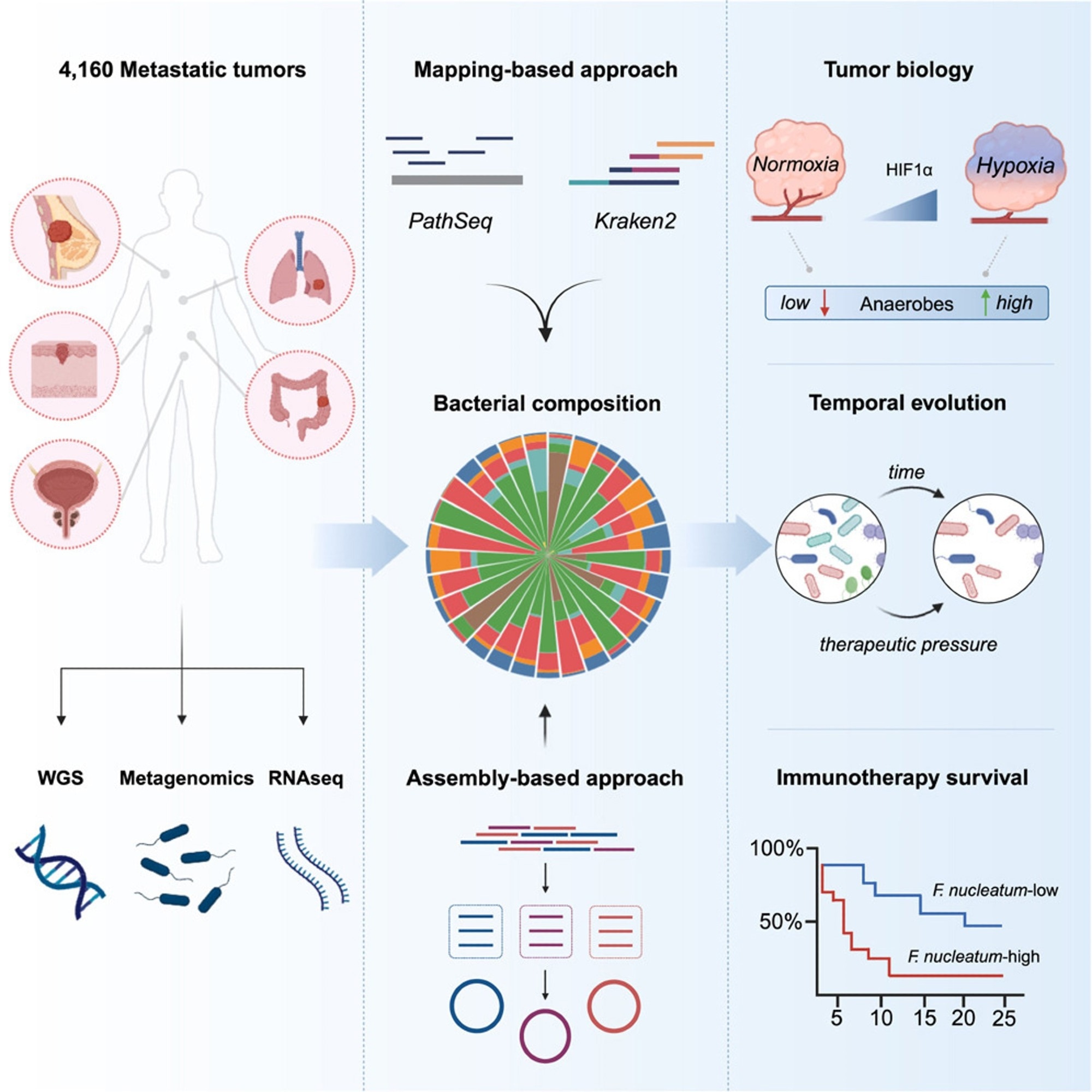
    In a recent study published in the journal Cell, researchers used metagenomics, genomics, and transcriptomics to examine microbiome genomes in over 4,000 metastatic tumor tissues. They analyzed the tumor microbiome and tumor microenvironment (TME), offering biological information and influencing the development of bacteria-focused techniques to supplement and improve cancer treatments.

    Microbial communities play a crucial role in the human body, influencing the immune system and anticancer therapies. They are present in primary tumors and interact with the commensal microbiota. The gut microbiota can modulate immune checkpoint blockers (ICB) and conventional chemotherapies. Fecal microbial transplants may improve clinical responsiveness to ICB agents. Understanding how tumor-resident bacteria shape tumor biology, immune infiltration, and treatment responsiveness is essential for understanding tumor response to ICB.

    Study: A pan-cancer analysis of the microbiome in metastatic cancerStudy: A pan-cancer analysis of the microbiome in metastatic cancer

    About the study

    In the present study, researchers used bioinformatics to investigate the microbiota in metastatic malignancies, evaluating 4,160 specimens from diverse cancer types.

    The researchers used mapping and assembly-based metagenomics, genomes, transcriptomics, and clinical data to develop a pan-cancer repository that might help advance treatment techniques. They used two distinct computational approaches, PathSeq and Kraken2, to define tumor-resident microbiome communities at the genus level and a metagenomic assembly-based approach at the species level. The team then shaped the metastatic tumor microbiome by identifying the elements that influence its makeup and evaluating cancer-type-specific microbial communities. They used the characteristic hypoxia gene profile to assess the degree of hypoxia in metastatic cancers and then performed gene set enrichment analysis (GSEA). They also investigated whether microbial communities may affect host immunity and the TME.

    The researchers investigated the relationship between gram-negative bacteria in metastases and Toll-like receptor (TLR) expression and whether lipopolysaccharide (LPS), obtained from dead or active bacteria, plays a primary role in TLR4 signaling in metastases. They additionally examined the relationship between bacterial makeup and tumor gene expression and the relationships between particular bacteria and immune cells.

    To further understand the impact of metastatic heterogeneity and the durability of tumor-resident microorganisms over time, the team examined 185 pairs of 370 repeated tumor specimens obtained from 173 different individuals. They examined bacterial enrichment changes before and after tumor treatment with immunotherapy, targeted therapy, or hormone therapy. They also investigated bacterial count reductions following immunotherapy in responsive patients and whether these germs were more prevalent in non-responsive individuals before treatment. Lastly, they examined pre-treatment bacterial communities associated with a lack of response to immunosuppressive medication in an ICB-monotherapy cohort of NSCLC patients.

    Results

    The researchers detected tumor-resident bacteria deoxyribonucleic acid (DNA) in a pan-cancer metastasis cohort, and assembling tumor-derived bacterial DNA provided species-level genomic characterization. Bacterial diversity correlated with cellular and molecular tumor immunity characteristics. In an NSCLC cohort, high levels of fusobacterium DNA imply a poor immunotherapy response. Researchers found organ-specific microbe tropisms, anaerobic bacteria enrichments in hypoxic tumors, links between microbial diversity and tumor-infiltrating neutrophils, and Fusobacterium’s relationship with resistance to ICB therapy in lung cancer.

    Using mapping-based techniques and screening genera to eliminate technical contamination and seldom-seen genera, the team cataloged 165 microbial genera from 3,526 specimens, with 68% facultative/anaerobic and 49% gram-negative anaerobes. They built 514 metagenomic-assembled genomes (MAGs) of medium- to almost high-quality using tumor-derived microbial sequences. The most common tumor types were colorectal, breast, prostate, lung, and melanoma, with the lymph node, liver, and lung being the most common metastatic locations for tumor samples.

    The quantity of bacterial-derived reads expressed as a human-mapped genetic read proportion varied by cancer type, with higher fractions in renal and uterine malignancies and lower burdens in tumors originating from the brain and spinal cord. Renal and colorectal metastases were the most diverse, but head and neck metastatic tumors showed more dominant microbial genera.

    Tumor-resident microbial communities were associated with tumor biology, with a strong correlation between LPS load and TLR4 signaling but not gram-positive lipoteichoic acid (LTA) load.  Multivariate Cox proportional-hazards modeling showed lower overall survival (OS) and progression-free survival (PFS) rates significantly correlated with continuous Fusobacterium abundance, considering the genome-wide mutational load. Using the pan-cancer dataset, the researchers classified all tumors as Fuso-high or Fuso-low based on an upper quartile relative abundance cutoff similar to previously established criteria. Fuso-high tumors showed considerably decreased cytotoxic, interferon-gamma (IFN-γ), and major histocompatibility complex (MHC) class II gene expression profiles.

    The study provides the first large-scale pan-cancer map of intratumor microbiomes in metastatic malignancies, examining diversity across anatomical regions, initial tumor type, and treatment responses, including immunotherapy. The study showed that the metastatic microbiome partially comprises anaerobic bacteria that may get altered during treatment. The study also discovered links between intra-tumoral microorganisms and the activation of innate immune sensing pathways, indicating that the tumor microenvironment alters via direct identification of bacterial ligands.

    [ad_2]

    Source link

  • Deciphering cancer plasticity:Insights from MSK research

    Deciphering cancer plasticity:Insights from MSK research

    [ad_1]

    About 90% of deaths from cancer are a result of metastasis -; that is, from cancer’s ability to spread from an initial primary tumor to seed new tumors throughout the body, often in the lungs, liver, and brain.

    And metastasis relies on cancer cells’ ability to adapt to different tissue environments throughout the body by gaining improper access to a variety of playbooks stored in our genetic code -; including gene programs that are generally available only during early stages of human development.

    Today, researchers at Memorial Sloan Kettering Cancer Center (MSK) are using innovative approaches like single-cell sequencing technology and sophisticated computational tools to illuminate cancer cells’ ability to take on new traits. And they’re applying those findings toward treating or preventing metastasis.

    In a plenary presentation at the 2024 American Association for Cancer Research (AACR) Annual Meeting, Dana Pe’er, PhD, Chair of the Computational and Systems Biology Program at MSK’s Sloan Kettering Institute, highlighted three recent research collaborations between her lab and other labs at MSK that have shed new light on the ability of cancer cells to adapt and spread.

    “It’s not genetic mutations that are critical here, but the ability to access gene programs that normally are associated with other cell types -; including early developmental and embryonic programs that should not be accessed by adult cells,” Dr. Pe’er said in a recent interview. “We call this ability for cells to run new programs ‘plasticity.’ So cancer doesn’t reinvent the wheel; it exploits gene programs that exist for other biological purposes.”

    In general, she notes, plasticity isn’t a bad thing. It’s important for early development and for regeneration after injury. And the body also has built-in barriers to limit the scope of plasticity so that cells can’t just run amok.

    But in cancer, these cells can wreak havoc because they’ve lost these natural barriers.”


    Dr. Dana Pe’er, Howard Hughes Medical Institute Investigator

    Plasticity in colorectal cancer

    In the first study Dr. Pe’er presented at AACR, she teamed up with MSK physician-scientist Karuna Ganesh, MD, PhD, to look at the differences in gene programs active in the primary tumors and metastatic tumors of patients with advanced colorectal cancer. Samples of both types of tumors were collected at the same time from 31 patients -; the largest cohort of its kind -; some of whom had undergone chemotherapy and some of whom had not.

    They also created organoids from the patients’ cells -; three-dimensional clusters of cells that act more like human tissue than traditional laboratory cell cultures.

    The study found that primary tumor cells largely run programs still associated with intestinal cells, while metastases often shed their heritage as intestinal cells and take on the characteristics of squamous cells or of neuroendocrine cells, which helps them invade and survive in new tissue contexts and makes them more resistant to treatment. The team also found that chemotherapy exacerbates these transformations. The findings were published as a preprint on bioRxiv in August 2023.

    “The metastatic organoids were very different from the primary tumor organoids,” Dr. Pe’er says. “And it matters what environment they’re in, too. If you put the metastatic organoids into the liver of a mouse, they will adapt their identity in ways that primary tumor organoids are not able to -; so they’re a lot more plastic.”

    The team additionally found that a gene known as PROX1 restricted the ability of cells from the primary tumor to stray too far from their lineage as intestinal cells. But when this factor is removed, the cells gain access to many more types of cell lineages -; which scientists call noncanonical. (For reasons that aren’t fully understood, metastatic cells that lose the restrictions imposed by Prox1 are already primed to go in these noncanonical directions.)

    “I call it a mix-and-match buffet,” Dr. Peer says. “Metastatic cells have this awesome power to combine gene programs across many different types of cells, endowing them with new abilities that allow them to adapt themselves to take advantage of different conditions and environments throughout the body.”

    Plasticity in pancreatic cancer

    The second study Dr. Pe’er presented looked at about a dozen metastases collected from a single patient with pancreatic cancer, who donated their body for research under MSK’s Last Wish Program. A collaboration with physician-scientist Christine Iacobuzio-Donahue, MD, PhD, Director of the David M. Rubenstein Center for Pancreatic Cancer Research at MSK, the research used advanced single-cell and computational approaches to look at the differences in active gene programs in genetically identical cancer cells -; called clones -; that had spread to different locations in the body. The findings of the study have not yet been published.

    “What we see is that these clones are able to adapt to the pressures and metabolic demands of very different environments,” Dr. Pe’er says. “And we see that they’re able to access different gene programs that allow them to thrive in different places, different organs.”

    Moreover, even genetically different cancer cells tend to adapt to specific situations by accessing the same gene programs.

    “The big question of a cancer cell is, ‘Are you plastic or not?’ And once you are, you can acquire all these different traits. The environment is what really determines what traits will be most advantageous,” she says.

    For example, the research showed that cells that metastasize to the peritoneum -; the tissue that lines the abdominal cavity -; are able to adapt their metabolism to take advantage of the lipid-rich environment and exploit it as an energy source, she notes.

    Moving plasticity research from the lab to the clinic

    Lastly, Dr. Pe’er highlighted a third collaboration -; this time with neuro-oncologist Adrienne Boire, MD, PhD, a member of MSK’s Human Oncology and Pathogenesis Program -; which showed how plasticity can be turned against cancer cells.

    The research led to a clinical trial for patients with leptomeningeal metastasis, which is when cancer has spread to the fluid and tissues of the spinal cord and brain. The team showed that cancer cells were able to survive in this challenging environment by reprogramming themselves to outcompete other cells for iron; this fuels their growth while also preventing immune defenders in the area from getting enough iron.

    “It’s an elegant solution on the part of the cancer cell,” Dr. Boire says. “It’s really unique biology that allows them to win the competition.”

    Based on that discovery, doctors at MSK are now determining whether a drug called deferoxamine could be an effective treatment for leptomeningeal metastases by helping to remove iron from the cerebrospinal fluid.

    “The plasticity of these cells allowed several patients with several different cancers to overexpress the same two genes that are typically only expressed in myeloid cells,” Dr. Pe’er says. “And the cells not only got aberrant access to these gene programs, but they also expressed the genes at 100 times the levels seen in their normal counterparts.”

    By injecting the study drug into the spinal fluid, the idea is to prevent the cancer cells from getting the iron they need to thrive. And so far, Dr. Pe’er told the audience, initial results from the trial have been extremely promising.

    Only at a place like MSK

    “The ultimate goal, though we’re not there yet, would be to be able to target plasticity directly -; to restore some of the biological barriers or inhibit plasticity with drugs,” Dr. Pe’er says.

    And MSK is uniquely poised to pursue that aim, with strong collaborations between laboratory and clinical research; a high volume of patients that provides a wide variety of clinical samples from a wide variety of cancers, including rare ones; access to state-of-the art sequencing tools combined with some of the world’s top computational expertise; and a significant number of physician-scientists who focus both on caring for patients and finding new ways to treat their disease.

    “Not every cancer center would see enough patients with leptomeningeal metastasis to set up a clinical trial like this,” Dr. Pe’er notes. “Or have someone like Dr. Boire, who not only cares for patients with metastasis to the central nervous system but who also runs a lab dedicated to studying the underlying molecular mechanisms.”

    [ad_2]

    Source link

  • Expanding research and clinical options for children with cancer

    Expanding research and clinical options for children with cancer

    [ad_1]

    In this interview, Dr. Church, the Molecular and Pediatric Pathologist at Boston Children’s Hospital, talks to NewsMedical about their work in pediatric oncology, and the need to expand research and clinical options for children with cancer.

    What inspired you to focus your work on pediatric oncology and the need to expand research and clinical options for children with cancer?

    I have always been fascinated by biology and genetics, which drove my interest and pursuit of medicine and then pathology. As I moved through my training, I could clearly see the need for improved molecular techniques in pediatric oncology, and of course, it feels very compelling to be able to have a positive impact on a young life. It is such a privilege for me to work to support the care of children with cancer.

    Image Credit: PeopleImages.com-Yuri A/Shutterstock.com

    Could you share a specific story or accomplishment that stands out in your journey to advance pediatric oncology?

    After many years of work developing and starting up our new molecular laboratory at Boston Children’s Hospital, we were able to design and validate a test to detect fusions in pediatric cancers. Soon after launching our test, we had a young boy who presented emergently to our hospital with metastatic tumors. We were able to use our new test to identify a gene fusion that clinched his diagnosis and made him eligible for a matched targeted therapy, and he responded beautifully to that treatment. More details about the case are available here.

    In your role at Boston Children’s Hospital and Harvard Medical School, what innovative approaches have you introduced to improve the diagnosis and treatment of pediatric cancer?

    We are fortunate to work closely with our colleagues in surgical pathology and pediatric oncology, so we’re able to see the needs of our team and our patients. We are focused on developing and implementing tests uniquely designed for children with cancers who have different genetic changes and different medical needs. Some of our tests include droplet digital PCR for children with brain tumors and vascular anomalies, RNA-based NGS assays for fusion detection in childhood cancers, sensitive DNA NGS for patients with vascular anomalies, and cell-free DNA assays for pediatric cancer patients.

    Image Credit: Pixel-Shot/Shutterstock.com

    The Profile and GAIN consortium studies have been significant in your work. Can you walk us through an example of how the findings from these studies directly impacted a child’s diagnosis and treatment?

    Both studies enrolled cancer patients to receive molecular tumor profiling to help us understand how these new technologies can help our patients. The results are clear that this approach has a direct, meaningful impact on cancer care for both adult and pediatric patients. In our analysis of the GAIN study, 61% of pediatric cancer patients had genomic alterations with diagnostic significance, and 65% had alterations that inform potential matched targeted therapies.

    What are the main challenges you see in pediatric oncology that you are working to address?

    Challenges include the rarity of pediatric cancers and the lack of access to matched targeted therapies. Childhood cancers are rare overall but also represent a collection of rare and ultra-rare cancers, making it challenging to put together large datasets. We often look to other, more common cancers to help inform our decisions about how to care for children. Children are often left out of clinical trials for new treatments, which poses another barrier to improved care.

    Tell us more about your collaborations with Tecan and how this partnership is shaping the landscape of clinical options for children with cancer.

    I am grateful to Tecan for helping to communicate about molecular tumor profiling for children and for advocating for our pediatric cancer patients.

    The NCI-funded Count Me In Study is quite significant. What outcomes or advancements are you hoping to achieve through this study, and what implications might it have for pediatric oncology?

    Patients are increasingly interested in participating directly in research, particularly related to genetic sequencing, as it is so promising as a transformative technology. 

    With Count Me In, we have partnered with patients to design every aspect of the study and are returning genetic results directly to our patient participants. We hope to learn more about the genomic landscape of rare cancers (specifically osteosarcoma and leiomyosarcoma). 

    Image Credit: crystal light/Shutterstock.com

    Our patient participants will also help us to understand how better to engage and partner with them and how to write genetic reports that are clear and that meet their needs.

    As the Chair of Training & Education for the Association for Molecular Pathology, how are you preparing the next generation of pediatric oncology and molecular pathology experts to meet the field’s evolving needs?

    I love working with residents and fellows who are our future leaders and experts in molecular diagnostics, both at the Association for Molecular Pathology and as the Program Director for the Harvard fellowship program. Our field is moving so quickly; we are providing the latest information but also helping to create a solid foundation of knowledge and confidence in their skills so that they are able to adapt to the changing needs of our patients over time.

    Could you share a success story from your work, illustrating how molecular testing has made a tangible difference in a child’s cancer diagnosis and treatment?

    I was fortunate to be involved in the care of a child with a large tumor that was unresectable with surgery. We discovered an NTRK fusion as the driver of his cancer, and our team was able to get him access to a new matched targeted therapy. He responded beautifully and was able to walk again.

    https://blog.dana-farber.org/insight/2017/06/an-unclassified-tumor-with-a-precisely-targeted-therapy/

    What, in your view, is the most promising avenue for future breakthroughs in pediatric oncology, and how does it align with your vision for the field?

    Our pediatric pathologists and oncologists have become experts in molecular genetics and how to use those tests to help our patients. New drugs and technologies are coming out quickly – with continued support and collaboration, I expect we will make great strides in the next decade.

    Image Credit: CI Photos/Shutterstock.com

    In terms of community involvement, what can individuals, organizations, and the broader scientific and medical community do to support your mission of improving clinical options for children with cancer?

    Awareness of the unique needs of patients and their families going through childhood cancer is so important. Please keep supporting organizations doing this work and advocating for improved access to molecular testing for children.

    Where can readers find more information?

    About Dr. Church

    Dr. Church is a Molecular and Pediatric Pathologist at Boston Children’s Hospital, where she is a founder and associate medical director of the Laboratory for Molecular Pediatric Pathology (LaMPP). She is an Assistant Professor of Pathology at Harvard Medical School and the Program Director for the Harvard Molecular Genetic Pathology Fellowship, and the Chair of Training & Education for the Association for Molecular Pathology.

    Her clinical and research work focuses on bringing molecular testing to the clinical care of children with cancer. Through institutional projects (the Profile study, GAIN consortium study), we have profiled thousands of children’s tumors and have used these results to make real-time impacts on their diagnoses and treatments. Dr. Church is also involved in national initiatives to improve the quality and access to molecular testing for children with cancer, including the NCI-funded Count Me In Study (Dana Farber, Broad Institute), the National Comprehensive Cancer Network, National Institutes of Health, and the Children’s Oncology Group.

    [ad_2]

    Source link

  • UCLA study finds pre-surgery immunotherapy safe for pancreatic cancer patients

    UCLA study finds pre-surgery immunotherapy safe for pancreatic cancer patients

    [ad_1]

    Findings

    A pilot study led by UCLA Health Jonsson Comprehensive Cancer Center investigators suggests that for people with borderline resectable pancreatic cancer, administrating an immunotherapy drug in combination with chemotherapy before surgery is safe and may improve long-term outcomes.

    The findings showed that treating patients with the combination therapy prior to surgery resulted in a higher rate of successful tumor removal, increased the period of time before the cancer worsened, and extended overall survival when compared to historical controls. The researchers also found that adding the immunotherapy component did not increase significant adverse side effects and led to no significant post-operative complications.

    This is one of the first trials reported with a PD1-inhibitor in neoadjuvant pancreatic cancer and we found this novel approach was associated with positive outcomes, including enhancing the function of cytolytic T cells, a key component of the immune system responsible for attacking cancer cells. Additionally, the observed increase in immunosuppressive adenosine indicates a potential resistance mechanism that we can target in a follow-up study to enhance the body’s ability to fight the cancer even better.”

    Dr. Zev Wainberg, co-director of the UCLA Health GI Oncology Program and first author of the study abstract

    “This trial uniquely integrated UCLA research teams with expertise in pancreatic adenocarcinoma, allowing access to patient tumor tissue beyond what is typically accessible,” said Jason Link, associate professor of surgery and an author on the study. “With these resources available, we were able to identify granular changes in anti-tumor immunity that may have contributed to positive outcomes in this novel trial.”

    Background

    Pancreatic cancer is one of the most challenging cancers to treat. Only 12% of people diagnosed with this particularly aggressive disease live beyond five years, and most therapies -; including conventional chemotherapies, targeted therapies and immunotherapies -; are unsuccessful in treating it. Previous studies combining chemotherapy and PD1-inhibitors, a type of immunotherapy drug that helps the immune system recognize and destroy cancer cells more effectively, have not shown improvements in treating people with pancreatic cancer. However, prior to this study, using the combination of chemotherapy with immunotherapy has not been tested in the neoadjuvant setting.

    Method

    The study included 28 patients (16 male, 12 female) with borderline resectable pancreatic cancer. Twenty-six (93%) of the participants completed at least three cycles of the combination therapy and 24 (86%) underwent surgery. Genetic sequencing was performed on 21 post-treatment resected tumors, six patient-matched diagnostic pre-treatment biopsies, and nine resected tumors from non-trial patients treated with chemotherapy alone.

    Results

    At a median follow-up of 24 months, the median progression-free survival was 34.8 months, and the median overall survival was 35.1 months. For patients who underwent a pancreatectomy, the 18-month overall survival rate was 90%. There were two pathologic complete responses and two near complete responses. Compared to pre-treatment biopsies, RNA sequencing from resected specimens revealed higher CD8 and Granzyme A expression. In patients with pathologically node negative disease, elevated Granzyme A expression was associated with significantly improved progression-free survival. Adenosine-related gene expression increased in 50% of post-treatment samples and correlated with expression of adenosine-generating CD73.

    Impact

    This research opens up new avenues for exploring the role of immunotherapy in earlier stages of pancreatic cancer, potentially offering more effective treatment options for patients with borderline resectable pancreatic cancer. This Phase 2 trial is currently ongoing.

    “This was a real team effort. By treating patients before surgery, not only were we able to see whether the drug combination worked but by collecting surgical resection tissues, we went back to the lab to study why this combination does not always work,” said Dr. Timothy Donahue, chief of surgical oncology and professor of surgery at the David Geffen School of Medicine at UCLA and senior author of the study. “We’ve identified some leads that will be the basis for subsequent studies, again in the preoperative setting by our transdisciplinary group. Through these efforts, we are working to redefine the standard of care for pancreatic cancer.”

    Authors

    Other authors, all from UCLA, include Dr. David Dawson, Dr. Lee Rosen, Dr. Stephen Kim, Dr. Mark Girgis, Dr. Jon King, Dr. Joe Hines, Dr. Saeed Sadeghi, Dr. Olga Olevsky, Dr. Deborah Wong, Harsimran Multani, Jenna Davis, Lisa Yonemoto, Ann Marie Siney, Christine Kivork, Chi-Hong Tseng.

    Session

    Wainberg will present the findings at the annual American Association for Cancer Research (AACR) meeting on Monday, April 8 in the Clinical Trials Minisymposium Session titled, “Advances in Immunotherapy,” from 2:30 to 4:30 pm.

    [ad_2]

    Source link

  • Novel combination therapy shows promise in difficult-to-treat endometrial cancer, study finds

    Novel combination therapy shows promise in difficult-to-treat endometrial cancer, study finds

    [ad_1]

    In a small, investigator-initiated phase 2 study by Dana-Farber Cancer Institute investigators, a novel combination of an antibody-drug conjugate and an immune checkpoint inhibitor showed notable activity in pre-treated patients with a difficult-to-treat form of endometrial cancer. In this study, tumors were reduced in six out of 16 patients treated with the combination, including one case in which the cancer disappeared.

    The study tested mirvetuximab soravtansine and pembrolizumab in patients with folate receptor-α (FRα) positive recurrent microsatellite stable (MSS) / mismatch repair proficient (pMMR) serous endometrial cancer. The study met its primary endpoint, and the results support continued study of the combination.

    This is a really encouraging response rate. This study underscores the potential benefits of combining antibody drug conjugates with immunotherapies for this patient group.”


    Rebecca Porter, MD, PhD, principal investigator, medical oncologist in the Gynecological Oncology Program of Dana-Farber’s Susan F. Smith Center for Women’s Cancers

    Porter presents results of this study at the American Association for Cancer Research (AACR) Annual Meeting on Sunday, April 7, in San Diego, Calif.

    Serous endometrial cancers make up approximately 5% of endometrial cancer cases, but account for about 40% of deaths from the disease. It is an aggressive subtype with poor outcomes.

    About 30% of patients with serous endometrial cancer have tumors that express FRα, the target of mirvetuximab soravtansine, an antibody-drug conjugate (ADC). ADCs work by pairing a potent anti-cancer drug with an antibody that directs the drug to cells that express a certain marker, such as FRα. In earlier work, it was shown that serous endometrial cancers likely have the highest expression of FRα, which provided the rationale to focus on this population in the current study.

    In this study, Porter and colleagues opted to combine the ADC with pembrolizumab, an immune checkpoint inhibitor (ICI), based on preclinical evidence suggesting the two might be synergistic. ICIs release the brakes on the immune system so anti-tumor T cells can attack the cancer. They don’t tend to be active in MSS/pMMR serous endometrial cancer on their own. But preclinical evidence suggests that the ADC can alter immune cells in the tumor microenvironment in ways that could increase T cell infiltration into the tumor and enhance the effects of the ICI.

    “We had a strong rationale for the combination and hoped it would be better than either drug alone,” Porter said.

    Porter and colleagues designed the two-stage trial as a single arm study in which all patients receive the same treatment. The first stage recruited 16 patients with recurrent or persistent FRα positive, MSS/pMMR serous endometrial cancer who were previously treated with one to four lines of therapy. The second stage would proceed to enroll additional patients if there were at least two objective responses or two cases of six-month, progression-free survival in the first stage.

    In the first 16 patients treated, 37.5% of patients achieved an objective response. One patient achieved a complete response, and an additional five patients had a partial response. Five additional patients had stable disease. Therefore, the trial met its primary endpoint for both stages with more than four objective responses. Furthermore, two patients were progression-free for more than six months, one of them for nearly 12 months and the other for over 18 months.

    “Almost two-thirds of these patients had three or four lines of therapy, so these results are notable,” Porter said. “Some of these responses are what we would call exceptional.”

    Porter has also observed that some patients are progressing sooner than others. She and her team will be doing additional analyses to determine if there are molecular changes in the tumors or features of the microenvironment that can predict either response or resistance to the combination.

    “Our next steps are to dive deeper into the potential mediators of the differences in response we’re seeing,” Porter said. “Our goal is to improve the duration of response for those who do respond to the combination.”

    [ad_2]

    Source link