
Dark Mode Light Mode

Keep Up to Date with the Most Important News

By pressing the Subscribe button, you confirm that you have read and are agreeing to our Privacy Policy and Terms of Use
Join us on a journey where chemistry meets creativity, and the wonders of science unfold. Quench your intellectual thirst with thought-provoking articles that transcend the boundaries of conventional knowledge.

Sex-specific biological clocks reveal how aging differs across the body in women and men

Sex-specific biological clocks reveal how aging differs across the body in women and men Sex-specific biological clocks reveal how aging differs across the body in women and men


Researchers combined MRI, genetics, proteomics, and metabolomics to examine whether separating female and male aging trajectories changes what biological clocks reveal about disease risk and cognitive decline.

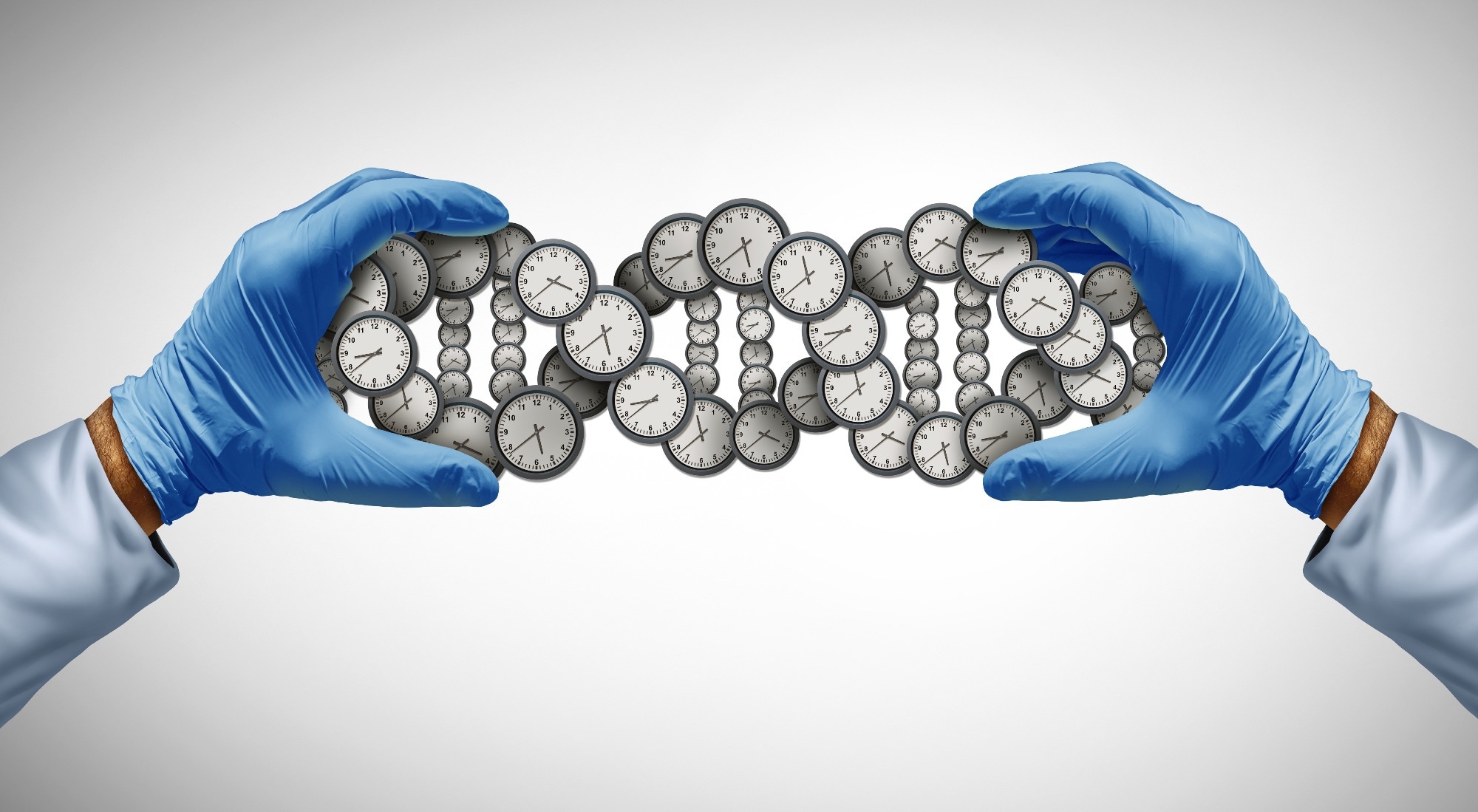
Study: Sex-specific biological aging clocks across organs and omics. Image Credit: Lightspring / Shutterstock

In a recent study published in the journal Nature Medicine, researchers developed 38 sex-specific biological aging clocks across 15 organ systems. Analyses spanning genetics, proteomics, metabolomics, magnetic resonance imaging (MRI), longitudinal clinical data, and a clinical trial showed sex- and organ-specific aging patterns. These clocks predicted DE onset, all-cause mortality, progression from mild cognitive impairment (MCI) to Alzheimer’s disease (AD), and were associated with sex-dependent cognitive trajectories in the A4 solanezumab trial.

While two individuals may have the same chronological age, biological age, based on age-associated physiological changes, may differ across organs, individuals, and sex. Males and females share broadly similar organ and tissue organization, yet they may be differentially susceptible to disease development later in life. Most biological aging clocks have been trained on sex-pooled samples. Accounting for sex-based variations could potentially improve risk stratification.

About the study

In this study, researchers explored the influence of sex on biological aging using multi-modal data obtained from the MULTI Consortium. They examined genetic, proteomic, metabolomic, MRI, and clinical data to test whether sex-specific biological aging patterns could predict incident DEs, all-cause mortality, and cognitive decline.

The team analyzed brain MRI-derived biological age gap (MRIBAG) to evaluate sex-based differences in AD. They also analyzed longitudinal imaging and clinical data from the AD Neuroimaging Initiative (ADNI), as well as cognitive outcomes from the preclinical Anti-Amyloid Treatment in Asymptomatic Alzheimer’s (A4) study investigating solanezumab. Baltimore Longitudinal Study of Aging (BLSA) brain MRI and plasma proteomics data were used to compare and replicate protein-wide association findings from the United Kingdom Biobank (UKBB). LASSO regression and neural networks were used to derive biological aging clocks, while separate statistical analyses assessed cognitive outcomes and disease progression.

The team also compared 16 pairs of organ-specific biological age gaps (BAGs) between males and females, and then conducted genome-wide association studies (GWASs) for 38 sex-stratified BAGs. Genetic analyses included bidirectional Mendelian randomization (MR) between DEs and BAGs, heritability estimates from single-nucleotide polymorphism (SNP) data, signatures of natural selection, and polygenicity assessments for the BAGs. The researchers derived the BAG GWASs from UKBB data, while FinnGen and the Psychiatric Genomics Consortium (PGC) supplied disease GWAS summary statistics for MR and genetic correlation analyses. Two decades of hospital inpatient follow-up data from UKBB participants helped the researchers evaluate whether sex-specific BAGs could predict DE onset.

Results

Hepatic ProtBAG (proteomic biological age gap), metabolic MetBAG (metabolomic biological age gap), and liver MRIBAG were more heritable in females compared with males. By comparison, immune MetBAG, spleen MRIBAG, and skin ProtBAG demonstrated greater heritability in males. In addition, endocrine ProtBAG estimates showed markedly greater polygenicity in females, while immune ProtBAG estimates showed the opposite pattern.

DE−BAG pairs with strong statistical evidence showed sex-based differences. The strongest MetBAG signals for AD, sleep disturbances, and psychiatric traits were observed in females, whereas signals for some metabolic traits and diabetes-related microvascular changes were stronger in males. Hepatic and digestive MetBAG showed strong MR-supported associations with female cardiometabolic outcomes. Immune and endocrine MetBAG dominated male associations with metabolic syndrome, lipoprotein abnormalities, hypercholesterolemia, coronary interventions, and statin use.

Proteomic analyses of brain MRIBAG showed sex-stratified protein signatures. In females, the team found a negative association between the SLIT and NTRK-like family member 1 (SLITRK1) protein and brain age. Eight sex-specific proteins were identified in males, including growth differentiation factor 15 (GDF15), disintegrin and metalloproteinase domain-containing protein 22 (ADAM22), and seizure 6-like (SEZ6L).

Spleen MRIBAG estimates were associated with 46 proteins, including inflammatory biomarkers such as tumor necrosis factor (TNF), in males. In females, the associations were limited to four immunomodulatory proteins: integrin subunit beta-like 1 (ITGBL1), Fas Ligand (FASLG), milk fat globule-EGF factor 8 (MFGE8), and natural cytotoxicity triggering receptor 1 (NCR1). The clocks could predict DE onset. In females, elevated heart MRIBAG predicted hypertension, whereas higher immune MetBAG was associated with hypercholesterolemia. Higher digestive and immune MetBAGs were also associated with future type 2 diabetes. In males, endocrine and metabolic MetBAGs were linked to hypercholesterolemia, hypertension, and diabetes.

The clocks also predicted all-cause mortality. In total, 12 BAG−mortality pairs demonstrated significant risk-enhancing effects for multiple organ ProtBAGs and the metabolic and immune MetBAGs in females. In males, 14 pairs showed broader risk patterns, whereas the spleen and liver MRIBAGs demonstrated potential protective effects.

Brain MRIBAG predicted progression from MCI to AD in males and females, with stronger associations in females, but did not significantly predict progression from cognitively normal status to MCI. In males, a one-standard-deviation increase in brain age was linked to a 74% higher hazard of conversion to AD (hazard ratio, HR, 1.74). In females, the hazard more than doubled (HR, 2.25). Among solanezumab-treated participants in the A4 trial, females with decelerated brain aging had higher preclinical Alzheimer’s cognitive composite (PACC) scores than males at week 240, about 4.6 years after randomization; this sex difference was not observed among those with accelerated brain aging.

Conclusion

Based on the findings, multi-organ and multi-omic processes shape biological aging, which is, in part, influenced by sex. The authors noted that many FinnGen and PGC disease GWASs were sex-pooled, that the UKBB had limited repeat MRI and omics measures, and that the genetic analyses were restricted to European ancestry.

The models did not explicitly incorporate hormonal status, pregnancy history, or social and gender-related exposures. Age prediction performance was modest, and external biobank-scale validation is still needed. The marked divergence between male and female clocks supports sex-stratified modeling when the research goal is sex-specific normative references, while sex-pooled and sex-interaction analyses remain complementary approaches.

In future studies, researchers could explore sex-specific molecular, clinical, and genetic signatures, including sex-stratified GWAS, within-person trajectories, and hormonal status in more diverse populations to clarify the associations.



Source link

Keep Up to Date with the Most Important News

By pressing the Subscribe button, you confirm that you have read and are agreeing to our Privacy Policy and Terms of Use
Add a comment Add a comment

Leave a Reply

Your email address will not be published. Required fields are marked *

Previous Post
New framework outlines principles for health-literate artificial intelligence

New framework outlines principles for health-literate artificial intelligence

Next Post
Study identifies two opposing molecular patterns in autism models

Study identifies two opposing molecular patterns in autism models

Advertisement