

From the Three Sisters to Andean grains, traditional food systems hold generations of knowledge that researchers are only beginning to examine.
Review: North American and Andean Indigenous Plant-Based Foods and Their Contemporary Scientific Rationale for Health Improvement. Image Credit: DANIEL CONSTANTE / Shutterstock
In a recent conference paper published in the journal Current Developments in Nutrition, a group of authors summarized the nutritional composition, bioactive compounds, health-related properties, and strategies for revitalizing selected Indigenous food systems from North America and the Andes.
Background
Among American Indian and Alaska Native adults in the United States, diabetes has been reported in 16% of those aged 18 years and older, compared with 8.5% among non-Hispanic White adults.
Plant-based foods have supported Indigenous communities for centuries, providing nutrients and connecting them to land, ecological knowledge, cultivation, harvesting, preparation, and cultural practices.
In North America and the Andes, changes in food systems and increased consumption of highly processed foods have been accompanied by nutritional deficiencies and chronic diseases.
Traditional food systems and health
Plant-based agriculture developed independently in North and South America, with Eastern North America and the Andes recognized as centers of plant domestication.
Indigenous food systems included cultivation, harvesting, processing, preparation, and teachings connected with local environments. European colonization disrupted these systems through replacement of native crops, dispossession of land, and forced resettlement. Later sociocultural and economic changes further weakened connections with traditional foods.
The authors discuss these changes alongside food insecurity, nutritional deficiencies, and increasing noncommunicable chronic diseases among Indigenous populations. In Andean populations, cardiovascular diseases and cancer are major causes of death, while hypertension, obesity, and hyperglycemia are identified as important diet-related risk factors.
North American Indigenous foods
The Three Sisters system combines maize, beans, and squash in a traditional polyculture. Beans provide protein, dietary fiber, minerals, and vitamins; maize provides carbohydrates, lipids, and dietary fiber; and pumpkin provides calcium, phosphorus, potassium, vitamins A, B, C, and E, as well as protein and fiber.
Wild rice has long been a staple in the Great Lakes region and has cultural and spiritual importance. Its protein and fiber content is higher than that reported for white rice.
Native berries, including Saskatoon berries, chokecherries, currants, and American cranberries, provide dietary fiber, potassium, vitamin C, and other nutrients. These foods also contain diverse bioactive compounds.
Maize and beans contain polyphenols, carotenoids, tocopherols, phytosterols, and dietary fiber, while different edible parts of squash contain phenolic compounds, carotenoids, phytosterols, tocopherols, and cucurbitacin glycosides. Wild rice contains polyphenols, phytosterols, and gamma-oryzanol.
Berry phenolic compounds have been associated with antioxidant, anti-inflammatory, antimicrobial, and antihyperglycemic activities. But evidence differs by food and study type.
Several findings come from laboratory or animal studies, and clinical studies remain limited, particularly for native maize, wild rice, Saskatoon berries, and chokecherries.
Andean Indigenous plant-based foods
Andean maize, the legume tarwi, and the pseudocereals quinoa, amaranth, and cañihua are important Indigenous foods. Andean maize provides carbohydrates, protein, dietary fiber, and lipids, with some races showing high anthocyanin concentrations. Purple Andean maize has received particular scientific attention, and extracts have demonstrated antioxidant and antihyperglycemic effects in experimental studies.
One clinical trial reported lower blood pressure after participants consumed a Peruvian purple corn extract, but comparatively little is known about the wider diversity of Andean maize.
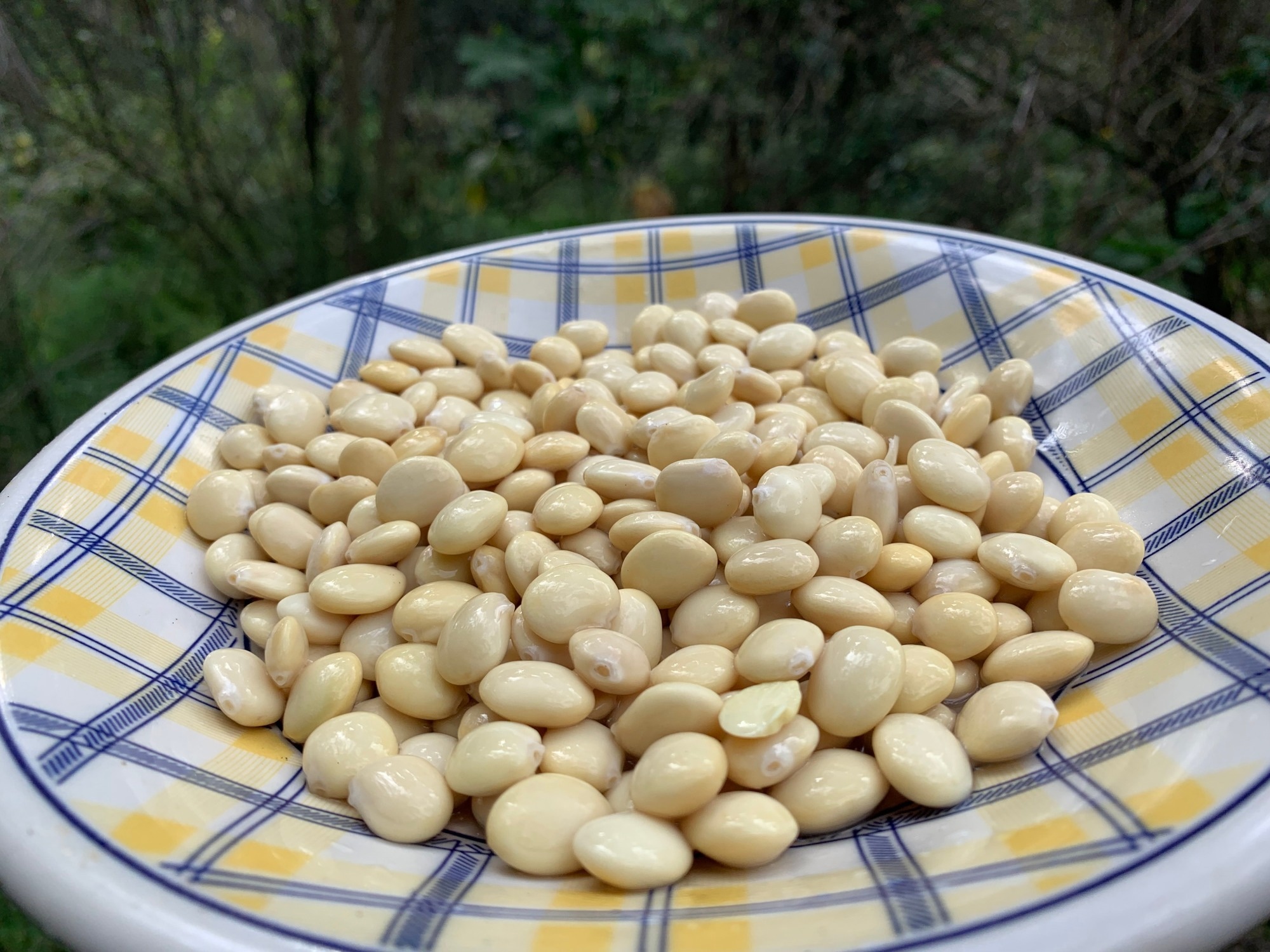
Tarwi, or Andean lupin, contains 45.4% protein and 17.9% lipids in the Peruvian sample reported by the authors, on a dry-weight basis, and provides iron, zinc, and copper. Its flavonoids, tocopherols, carotenoids, protein fractions, and peptides have demonstrated a range of biological activities in experimental studies. Tarwi-based snacks have also been associated with improvements in metabolic biomarkers in people with diabetes. But tarwi contains quinolizidine alkaloids, bitter compounds that can be toxic at higher doses, and traditional washing is used to reduce their levels.
Quinoa and amaranth contain relatively high protein concentrations and provide all amino acids that must come from food. Quinoa contains polyphenols, saponins, phytosterols, carotenoids, and bioactive peptides. Amaranth contains polyphenols, saponins, phytosterols, and bioactive peptides.
Experimental studies have reported antioxidant, antihyperglycemic, antihypertensive, antimicrobial, and other activities. Whole quinoa and amaranth diets have shown promising results regarding diabetes, but animal and clinical studies remain scarce.
Revitalizing Indigenous food systems
The source emphasizes that scientific evidence covers only a small proportion of Indigenous food diversity. Only 18.4% of Indigenous North American food plants have some contemporary scientific information about their nutritional value. In the Andes, mineral and vitamin data for many grains are also scarce.
Revitalization therefore requires conservation of food diversity, documentation of traditional preparations, and research that involves Indigenous communities. Examples include payment for agrobiodiversity conservation services in Peru, Indigenous conservation programs in Canada, the Iroquois White Corn Project in the United States, and Indigenous Corn Keepers preserving native corn varieties.
Traditional foods can also be incorporated into contemporary food products. Reported examples include baby purees containing pumpkin, quinoa, amaranth, and potato flours; gluten-free products containing tarwi; breads enriched with amaranth and cañihua; and beverages containing tarwi. The source notes that further animal and clinical studies are needed to establish the health effects of such products.
Conclusions
The evidence indicates that North American and Andean Indigenous foods provide diverse nutrients and bioactive compounds and have shown antioxidant and other effects in laboratory and animal studies, as well as promising findings in selected human studies.
The Three Sisters crops, wild rice, native berries, Andean maize, tarwi, quinoa, amaranth, and cañihua represent important components of traditional food systems and cultural traditions. But scientific characterization remains incomplete, and clinical evidence is limited for many foods.
The findings support continued nutritional and health research alongside conservation of food diversity, food sovereignty, connections to land, and traditional knowledge.
Future research should be developed with Indigenous communities and other partners to better characterize these foods, assess their health effects, and support the revitalization of traditional food systems.