


If you’ve ever lost some pocket change, it’s possible it could one day resurface as part of an archaeological study. Archaeologists began excavating beneath the walled garden of the Palazzo della Rovere in 2020, and by 2023 announced they’d discovered the ruins of the Emperor Nero’s theater. Now they’ve unearthed a series of coins that tell an intriguing story about the Schola Saxonum—Medieval Rome’s “Little England” (or “Wee Britain,” for Arrested Development fans).
“Before this big discovery, we never had any material remains of the English quarter in Rome,” explained Francesca Tinti of the University of Cambridge in a statement. “We’ve been hoping this moment might come for most of our careers.”
Tinti along with her Cambridge collaborator Rory Naismith detailed the find in the chapter of a new book titled Rome and the Others (300-1000): Foreigners in the City Between Conflicts and Integration.
Read more: “Ancient Coins Reveal a Wealth of Information About the Roman Republic”
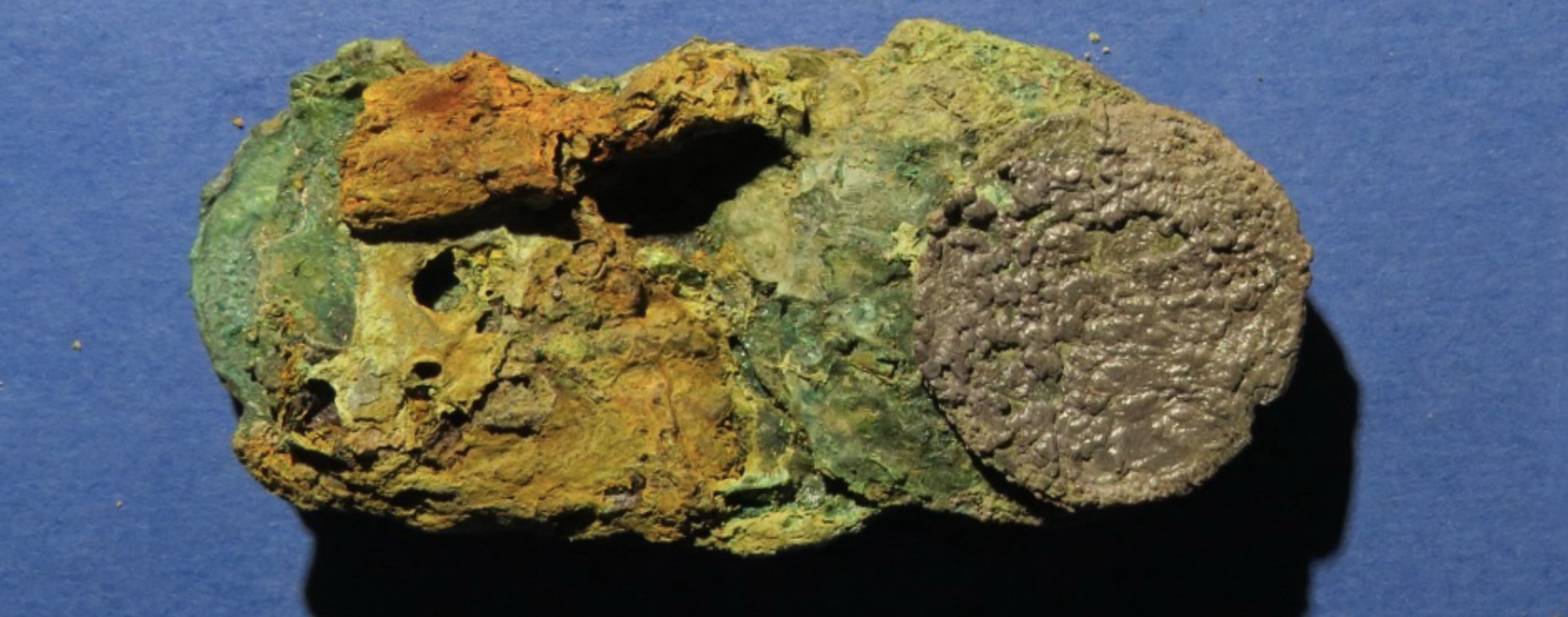
Altogether, 20 coins were found strewn about different locations: 19 silver pennies and a single halfpenny minted over a period of roughly 40 years in the name of three different kings of the Anglo-Saxons who reigned in the 10th century. Most of the coins were found in garbage pits and several had fused together after spending over a millennium buried there.
“The coins aren’t pretty, but they have a lot to say,” said Naismith. “More Anglo-Saxon coins from this period have now been found in Rome than papal coins. This sounds bizarre, but it’s telling us that a very large amount of money was flowing in from England at this time.”
According to the team, finding the coins in small clusters (rather than a large cache) indicates they were likely used in trade. Foreigners visiting Rome at the time would first need to secure papal currency, but evidently Catholic Anglo-Saxons in the quarter received special dispensation from the pope to use their own coinage. The halfpenny in particular was a strong indication of trade currency because of its low denomination.
Additionally, along with the coins archaeologists found evidence of leather-, bone- and metal-working materials, suggesting the quarter was a bustling mercantile center. “The Anglo-Saxons are there to visit the Pope and tour churches in Rome, but they’ve still got to feed themselves,” Naismith said. “So they’ve got to make things and trade. That’s what these finds tell us.”
And it was a sizable community, too. According to the researchers, hundreds of people likely lived and worked on the banks of the Tiber River, making the settlement a small makeshift village. “The English in Rome were quite unique. They made the greatest effort to get there. Their journey was really dangerous, and many people died on the way,” Tinti said. “But once in Rome, they were special. We knew they had the privilege of being able to bury their dead in this area and now, it seems, they were permitted to use their own currency.”
Enjoying Nautilus? Subscribe to our free newsletter.
Lead Image: Cecilia de Leone